Introduction
The taxon Xanthium orientale subsp. italicum (Moretti) Greuter is part of a taxonomically complex genus of the sunflower family (Asteraceae) and belongs to the subtribe Ambrosiinae of the Sunflower tribe (Heliantheae), subfamily Asteroideae (Tomasello et al., 2019). Xanthium comprises seven species (Manzo et al., 2024; POWO, 2024; Tomasello, 2018) and, like other Ambrosiinae, it is quite peculiar among the Asteraceae for being wind-pollinated. This specific taxon, originally described in Italy, is nowadays widespread in Southern Europe and other areas of the world. Its original distribution range is most probably South-Western North America.
This taxon has become widespread in Europe in ruderal places as well as in coastal habitats and riverbanks. Occasionally, it is also a weed with negative economic effects on agriculture.
Developing a high-quality reference genome for Xanthium orientale subsp. italicum is essential for a better understanding of the genetic basis of invasiveness and fitness differences among congeneric species. It will also provide a fundamental tool for further taxonomic and evolutionary studies on the genus.
The generation of this reference resource was coordinated by the European Reference Genome Atlas (ERGA) initiative’s Biodiversity Genomics Europe (BGE) project, supporting ERGA’s aims of promoting transnational cooperation to promote advances in the application of genomics technologies to protect and restore biodiversity (Mazzoni et al., 2023).
Materials & methods
ERGA's sequencing strategy includes Oxford Nanopore Technology (ONT) and/or Pacific Biosciences (PacBio) for long-read sequencing, along with Hi-C sequencing for chromosomal architecture, Illumina Paired-End (PE) for polishing (i.e. recommended for ONT-only assemblies), and RNA sequencing for transcriptomic profiling, to facilitate genome assembly and annotation.
Sample and sampling information
Salvatore Tomasello (ST) sampled one specimen of diclinous monoecious Xanthium orientale subsp. italicum, cultivated at the “Alter Botanischer Garten”, Göttingen, Germany on 06 November 2023. The plant cultivated in Göttingen originated from burs collected by ST at “Quattro Finaite" (38.037267, 13.498884), Santa Flavia, Sicily, Italy. It was identified by ST based on morphology and DNA barcoding on 13 October 2020. Sampling was performed by extracting leaf samples, which were immediately frozen in liquid nitrogen by Eleonora Manzo. Samples were then stored at -80°C and shipped on dry ice within one day to the sequencing facility.
Genetic information
The estimated genome size, based on ancestral taxa, is 3.13 Gb. This is a diploid genome with a haploid number of 18 chromosomes (2n=36) and unknown sex chromosomes. All information for this species was retrieved from Genomes on a Tree (Challis et al., 2023).
DNA/RNA processing
DNA was extracted from 0.6 g of leaves using a conventional CTAB extraction followed by a commercial purification using Qiagen Genomic tips (Qiagen). A detailed protocol is available on protocols.io (https://www.protocols.io/view/hmw-dna-extraction-for-long-read-sequencing-using-bp2l694yzlqe/v1). DNA fragment size selection was performed using Short Read Eliminator (PacBio, CA, USA). Quantification was performed using a Qubit dsDNA HS Assay kit (Thermo Fisher Scientific) and integrity was assessed in a FemtoPulse system (Agilent). DNA was stored at 4°C until usage.
RNA was extracted from leaves (50 mg) using RNeasy Powerplant Kit (Qiagen) following manufacturer instructions. Residual genomic DNA was removed with 6U of TURBO DNase (2 U/μl) (Thermo Fisher Scientific). Quantification was performed using a Qubit RNA HS Assay and integrity was assessed in a Bioanalyzer system (Agilent). RNA was stored at -80°C.
Library preparation and sequencing
Long-read DNA libraries were prepared with the SMRTbell prep kit 3.0 following manufacturers' instructions and sequenced on a Revio system (PacBio). Omni-C libraries were prepared using the Dovetail Omni-C Kit (Dovetail Genomics, Scotts Valley, CA, USA) after plant nuclei isolation. Briefly, flash-frozen leaves (1 g) were cryoground in liquid nitrogen and pure nuclei were first isolated following the “High Molecular Weight DNA Extraction from Recalcitrant Plant Species” protocol described by Workman et al., 2018. Once the nuclei had been isolated, the pellets were treated as mammalian cells and Omni-C libraries were prepared according to the Mammalian Cell Protocol for Sample Preparation v1.4. The final libraries were sequenced on an Illumina NovaSeq 6000 instrument (Illumina, San Diego, CA, USA) with 2x150 bp read length. In total 91.4 Gb PacBio HiFi and 23.4 Gb HiC data were sequenced to generate the assembly.
Genome assembly methods
The genome of Xanthium orientale subsp. italicum was assembled using the Genoscope GALOP pipeline (https://workflowhub.eu/workflows/1200). Briefly, raw PacBio HiFi reads were assembled using Hifiasm v0.19.5-r593. Retained haplotigs were removed using purge_dups v1.2.5 with default parameters and the proposed cutoffs. The purged assembly was scaffolded using YaHS v1.2 and assembled scaffolds were then curated through manual inspection using PretextView v0.2.5 to remove false joins and incorporate sequences not automatically scaffolded into their respective locations within the chromosomal pseudomolecules. The mitochondrial and chloroplast genomes were assembled as a single contig using Oatk v1.0 and included in the released assembly. Summary analysis of the released assembly was performed using the ERGA-BGE Genome Report ASM Galaxy workflow (De Panis, 2024b).
Genome annotation methods
A gene set was generated using the Ensembl Gene Annotation system (Aken et al., 2016), primarily by aligning publicly available short-read RNA-seq data from BioSample: SAMEA104170699, SAMD01571316-21, SAMN00717289, SAMN03445768-70, SAMN16433987, SAMN18740786-97, SAMN20514913-36, SAMN30033481-504 to the genome. Long-read transcriptomic data from BioSamples SAMN23470776 and SAMN23470777 were mapped to the genome using Minimap2 (Li, 2018) with the recommended settings for Iso-Seq and Nanopore data. Gaps in the annotation were filled via protein-to-genome alignments of a select set of clade-specific proteins from UniProt (The UniProt Consortium, 2019), which had experimental evidence at the protein or transcript level. At each locus, data were aggregated and consolidated, prioritising models derived from RNA-seq data, resulting in a final set of gene models and associated non-redundant transcript sets. To distinguish true isoforms from fragments, the likelihood of each open reading frame (ORF) was evaluated against known metazoan proteins. Low-quality transcript models, such as those showing evidence of fragmented ORFs, were removed. In cases where RNA-seq data were fragmented or absent, homology data were prioritised, favouring longer transcripts with strong intron support from short-read data. The resulting gene models were classified into two categories: protein-coding, and long non-coding. Models that did not overlap protein-coding genes, and were constructed from transcriptomic data were considered potential lncRNAs. Potential lncRNAs were further filtered to remove single-exon loci due to their unreliability. Putative miRNAs were predicted by performing a BLAST search of miRBase (Kozomara et al., 2019) against the genome, followed by RNAfold analysis (Gruber et al., 2008). Other small non-coding loci were identified by scanning the genome with Rfam (Kalvari et al., 2018) and passing the results through Infernal (Nawrocki & Eddy, 2013). Summary analysis of the released annotation was performed using the ERGA-BGE Genome Report ANNOT Galaxy workflow (De Panis, 2024a), incorporating tools such as AGAT v1.2, BUSCO v5.5 and OMArk v0.3.
Results
Genome assembly
The genome assembly has a total length of 2,257,535,428 bp in 32 scaffolds including the mitochondrial and chloroplast genomes (Figure 1 & Figure 2), with a GC content of 37.03%. The assembly has a contig N50 of 98,804,340 bp and L50 of 9 and a scaffold N50 of 124,155,882 bp and L50 of 8. The assembly has a total of 14 gaps, totaling 1.4 kb in cumulative size. The single-copy gene content analysis using the Eudicots database with BUSCO (Manni et al., 2021) resulted in 98.1% completeness (89.0% single and 9.1% duplicated). 99.6% of reads k-mers were present in the assembly and the assembly has a base accuracy Quality Value (QV) of 69.8 as calculated by Merqury (Rhie et al., 2020).
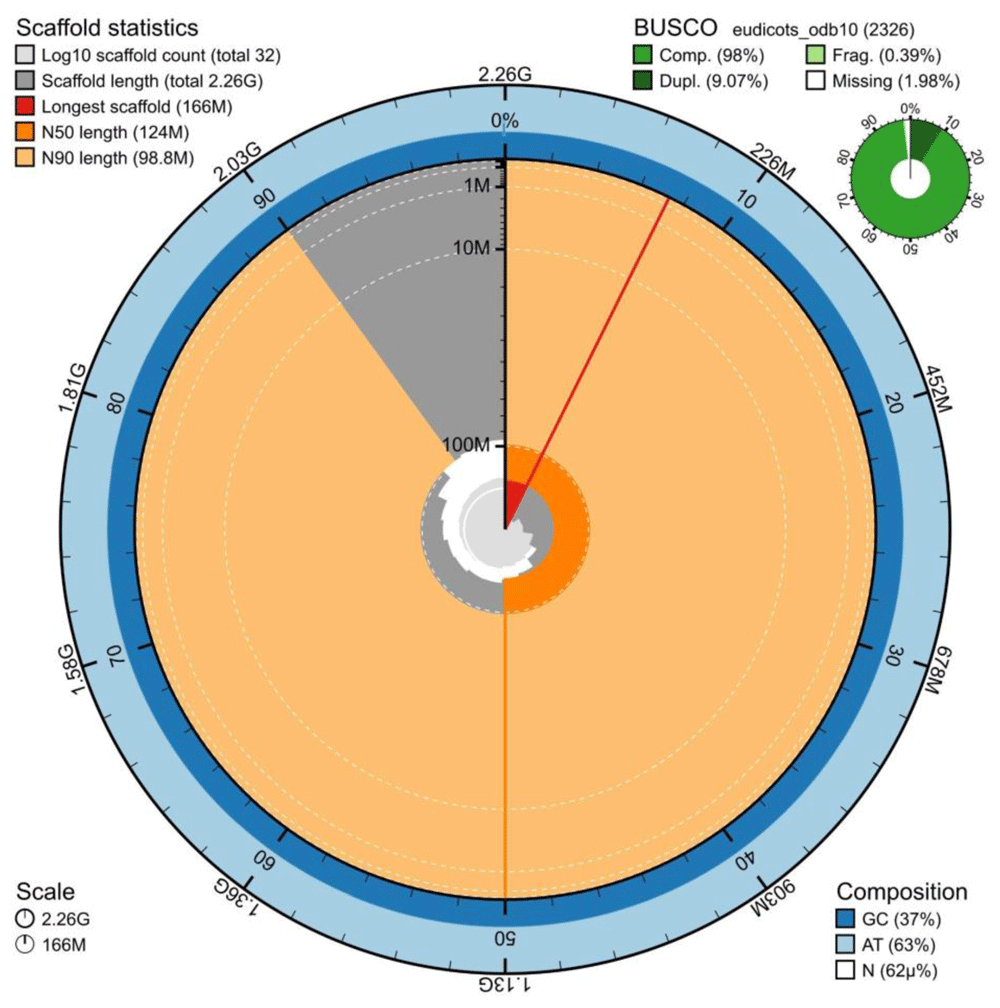
Figure 1. Snail plot summary of assembly statistics.
The main plot is divided into 1,000 size-ordered bins around the circumference, with each bin representing 0.1% of the 2,257,535,428 bp assembly including the mitochondrial genome. The distribution of sequence lengths is shown in dark grey, with the plot radius scaled to the longest sequence present in the assembly (164,997,723 bp, shown in red). Orange and pale-orange arcs show the scaffold N50 and N90 sequence lengths (124,155,882 and 98,804,340 bp), respectively. The pale grey spiral shows the cumulative sequence count on a log-scale, with white scale lines showing successive orders of magnitude. The blue and pale-blue area around the outside of the plot shows the distribution of GC, AT, and N percentages in the same bins as the inner plot. A summary of complete, fragmented, duplicated, and missing BUSCO genes found in the assembled genome from the Eudicots database (odb10) is shown in the top right.
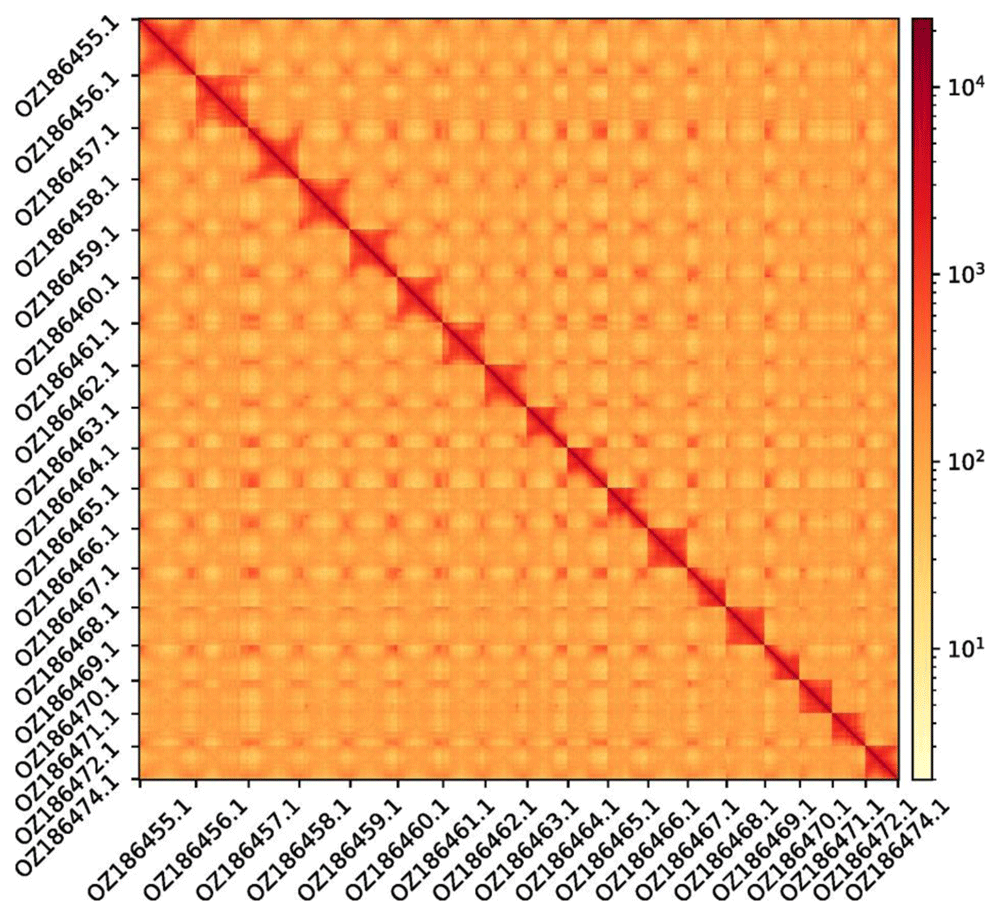
Figure 2. Hi-C contact map showing spatial interactions between regions of the genome.
The diagonal corresponds to intra-chromosomal contacts, depicting chromosome boundaries. The frequency of contacts is shown on a logarithmic heatmap scale. Hi-C matrix bins were merged into a 100 kb bin size for plotting.
Genome annotation
The genome annotation consists of 41,760 protein-coding genes with an associated 63,957 transcripts, in addition to 22,843 non-coding RNA genes of various types (Table 1). Using the longest isoform per transcript, the single-copy gene content analysis using the eudicot_odb10 database with BUSCO, run in protein mode, resulted in 94.7% completeness. Using the OMAmer Asterids database for OMArk resulted in 96.29% completeness and 83.88% consistency (Table 2).
Table 1. Statistics from assembled gene models.
| No. genes | No. transcripts | Mean gene
length (bp) | No. single-
exon genes | Mean exons
per transcript |
|---|
|
Protein-coding
| 41,760 | 63,957 | 3,483 | 2,956 | 5.5 |
|
lncRNA
| 17,930 | 23,660 | 2,193 | 119 | 2.5 |
|
snRNA
| 175 | 175 | 142 | 175 | 1.0 |
|
snoRNA
| 823 | 823 | 106 | 823 | 1.0 |
|
rRNA
| 769 | 769 | 454 | 769 | 1.0 |
|
tRNA
| 813 | 813 | 75 | 813 | 1.0 |
|
Other non-coding
| 2,333 | 2,333 | 84 | 2,333 | 1.0 |
Table 2. Annotation completeness and consistency scores calculated by BUSCO run in protein mode (eudicots_odb) and OMArk (Asterids).
| Complete | Singular | Duplicated | Fragmented | Missing |
|---|
|
BUSCO
| 2,202 (94.7%) | 2,009 (86.4%) | 193 (8.3%) | 35 (1.5%) | 89 (3.8%) |
|
OMArk
| 10,783 (96.29%) | 6,502 (58.06%) | 4,281 (38.23%) | - | 415 (3.71%) |
| Consistent | Inconsistent | Contaminants | Unknown |
|---|
| OMArk | 35,029 (83.88%) | 899 (2.15%) | 0 (0.05) | 5,832 (13.97%) |
Data availability
X. orientale subsp. italicum and the related genomic study were assigned to Tree of Life ID (ToLID) ‘daXanOrie1’ and all sample, sequence, and assembly information are available under the umbrella BioProject PRJEB77262. The sample information is available at the following BioSample accessions: SAMEA115083666 and SAMEA116115597. The genome assembly is accessible from GenBank under accession number GCA_964271845.1.
Sequencing data produced as part of this project are available from SRA at the following accessions: ERX13095982, ERX13095983, and ERX13158964. Documentation related to the genome assembly and curation can be found in the ERGA Assembly Report (EAR) document available at https://github.com/ERGA-consortium/EARs/tree/main/Assembly_Reports/Xanthium_orientale/daXanOrie1. Further details and data about the project are hosted on the ERGA portal at https://portal.erga-biodiversity.eu/data_portal/1534734.
Author contributions
ST collected the species, ST identified the species, ST and EM sampled and preserved biological material, ST provided metadata, TM, RM, RO, THS and AsB provided support in sampling, shipping of biological material, metadata collection, and management, the GST extracted DNA, prepared libraries, and performed sequencing under the supervision of AM, CC, KL, PHO and PW; LD, AN and JMA performed genome assembly and curation, LH and FM performed genome annotation and TB generated the analysis and report. All authors contributed to the writing, review, and editing of this genome note and read and approved the final version. This work is part of the species assigned to Genoscope, which was instrumental in the wet lab, sequencing, and assembly processes, and represents a key contribution to BGE's outputs
Acknowledgements
We would like to acknowledge the assembly reviewer, Tyler Alioto, from the Centro Nacional de Análisis Genómico (CNAG). The authors acknowledge the support of the Freiburg Galaxy Team: Saim Momin and Björn Grüning, Bioinformatics, University of Freiburg (Germany), funded by the German Federal Ministry of Education and Research BMBF grant 031 A538A de.NBI-RBC and the Ministry of Science, Research and the Arts Baden-Württemberg (MWK) within the framework of LIBIS/de.NBI Freiburg.
Faculty Opinions recommendedReferences
- Aken BL, Ayling S, Barrell D, et al.:
The Ensembl gene annotation system.
Database (Oxford).
2016; 2016: baw093. PubMed Abstract
| Publisher Full Text
| Free Full Text
- Challis R, Kumar S, Sotero-Caio C, et al.:
Genomes on a Tree (GoaT): a versatile, scalable search engine for genomic and sequencing project metadata across the eukaryotic Tree of Life [version 1; peer review: 2 approved].
Wellcome Open Res.
2023; 8: 24. PubMed Abstract
| Publisher Full Text
| Free Full Text
- De Panis D:
ERGA-BGE genome report ANNOT analyses. WorkflowHub, 2024a. Publisher Full Text
- De Panis D:
ERGA-BGE genome report ASM analyses (one-asm HiFi + HiC). WorkflowHub, 2024b. Publisher Full Text
- Gruber AR, Lorenz R, Bernhart SH, et al.:
The Vienna RNA websuite.
Nucleic Acids Res.
2008; 36(Web Server issue): W70–W74. PubMed Abstract
| Publisher Full Text
| Free Full Text
- Kalvari I, Nawrocki EP, Argasinska J, et al.:
Non-coding RNA analysis using the Rfam database.
Curr Protoc Bioinformatics.
2018; 62(1): e51. PubMed Abstract
| Publisher Full Text
| Free Full Text
- Kozomara A, Birgaoanu M, Griffiths-Jones S:
miRBase: from microRNA sequences to function.
Nucleic Acids Res.
2019; 47(D1): D155–D162. PubMed Abstract
| Publisher Full Text
| Free Full Text
- Li H:
Minimap2: pairwise alignment for nucleotide sequences.
Bioinformatics.
2018; 34(18): 3094–3100. PubMed Abstract
| Publisher Full Text
| Free Full Text
- Manni M, Berkeley MR, Seppey M, et al.:
BUSCO update: novel and streamlined workflows along with broader and deeper phylogenetic coverage for scoring of eukaryotic, prokaryotic, and viral genomes.
Mol Biol Evol.
2021; 38(10): 4647–4654. PubMed Abstract
| Publisher Full Text
| Free Full Text
- Manzo E, Nillies S, Gutiérrez DG, et al.:
Species delimitation in Xanthium sect. Acanthoxanthium (Heliantheae, Asteraceae) and the neglected species Xanthium argenteum.
TAXON.
2024; 73(5): 1251–1271. Publisher Full Text
- Mazzoni CJ, Ciofi C, Waterhouse RM:
Biodiversity: an atlas of European reference genomes.
Nature.
2023; 619(7969): 252. PubMed Abstract
| Publisher Full Text
- Nawrocki EP, Eddy SR:
Infernal 1.1: 100-fold faster RNA homology searches.
Bioinformatics.
2013; 29(22): 2933–2935. PubMed Abstract
| Publisher Full Text
| Free Full Text
- POWO: Plants of the World Online | Kew Science. Plants of the World Online, 2024. Reference Source
- Rhie A, Walenz BP, Koren S, et al.:
Merqury: reference-free quality, completeness, and phasing assessment for genome assemblies.
Genome Biol.
2020; 21(1): 245. PubMed Abstract
| Publisher Full Text
| Free Full Text
- The UniProt Consortium: UniProt: a worldwide hub of protein knowledge.
Nucleic Acids Res.
2019; 47(D1): D506–D515. PubMed Abstract
| Publisher Full Text
| Free Full Text
- Tomasello S:
How many names for a beloved genus? – Coalescent-based species delimitation in Xanthium L. (Ambrosiinae, Asteraceae).
Mol Phylogenet Evol.
2018; 127: 135–145. PubMed Abstract
| Publisher Full Text
- Tomasello S, Stuessy TF, Oberprieler C, et al.:
Ragweeds and relatives: molecular phylogenetics of Ambrosiinae (Asteraceae).
Mol Phylogenet Evol.
2019; 130: 104–114. PubMed Abstract
| Publisher Full Text
- Workman R, Timp W, Fedak R, et al.:
High molecular weight DNA extraction from Recalcitrant Plant Species for third generation sequencing V.1. 2018. Publisher Full Text