Background
Diseases transcend national borders, making global health security a shared responsibility. Recent outbreaks have highlighted the interconnected nature of health systems and demonstrated how infectious disease threats in one region can rapidly affect populations worldwide (CDC, 2023a). Emerging and re-emerging infectious diseases are among the leading threats to global health security, and one way to address this is by workforce development of frontline staff to identify, track and contain outbreaks at their source. The impact of infectious disease outbreaks is amplified when investments in global health security are inadequate. The goal of the Global Health Security Agenda is to improve the global capacity to prevent, identify, and address infectious disease threats. Nigeria is among the countries that have signed this framework. In 2019, Nigeria became a Global Health Security Agenda partner country committed to improving progress towards global health security agenda goals and international health regulations (CDC, 2023b).
Preparedness is a requirement for the 196 signatories to the International Health Regulations (IHR) (2005), the world’s defense against significant threats to public health. Systems must be capable of preventing, defending against, controlling, and responding to the international spread of diseases, which can occur at unanticipated rates in an interconnected world (WHO, 2016). Epidemic preparedness refers to all the steps that need to be undertaken at the local, state, and federal levels, as well as in health facilities to be prepared and successfully address disease outbreaks. To prepare for an epidemic, routine surveillance systems must be developed to detect outbreaks, and healthcare workers must be organized and prepared to detect, investigate, and respond to epidemics (Fatiregun and Isere, 2017). To deal with the disease, it is important to prepare a culture of safe medical procedures that can limit and stop the spread of disease outbreaks. Without a culture of safe practices, healthcare facilities will be more vulnerable to communicable disease exposure and health disruption (Ughasoro et al., 2019).
In this study, preparedness for diphtheria outbreaks was conceptualized as the capacity of healthcare workers and health facilities to effectively prevent, detect, and respond to diphtheria outbreaks. Preparedness was assessed at facility level. Knowledge of diphtheria and infection prevention and control (IPC) practices were considered factors relevant to outbreak preparedness rather than components of preparedness itself. Adequate knowledge facilitates timely outbreak recognition and response, while good IPC practices reduce transmission risks and strengthen response capacity. Recent WHO guidance emphasizes that suspected diphtheria cases should be identified and treated promptly without waiting for laboratory confirmation. Recommended management includes administration of diphtheria antitoxin, appropriate antibiotic therapy, isolation of cases, and implementation of infection prevention and control (IPC) measures, including droplet precautions, hand hygiene, environmental cleaning, and WASH interventions. These measures are essential for reducing transmission, improving patient outcomes, and protecting healthcare workers during outbreaks (WHO, 2024a, 2024b).
A hypothetical conceptual framework for this study is presented in
Figure 1. It shows the relationship between knowledge, IPC practices, and facility preparedness for diphtheria outbreak response.
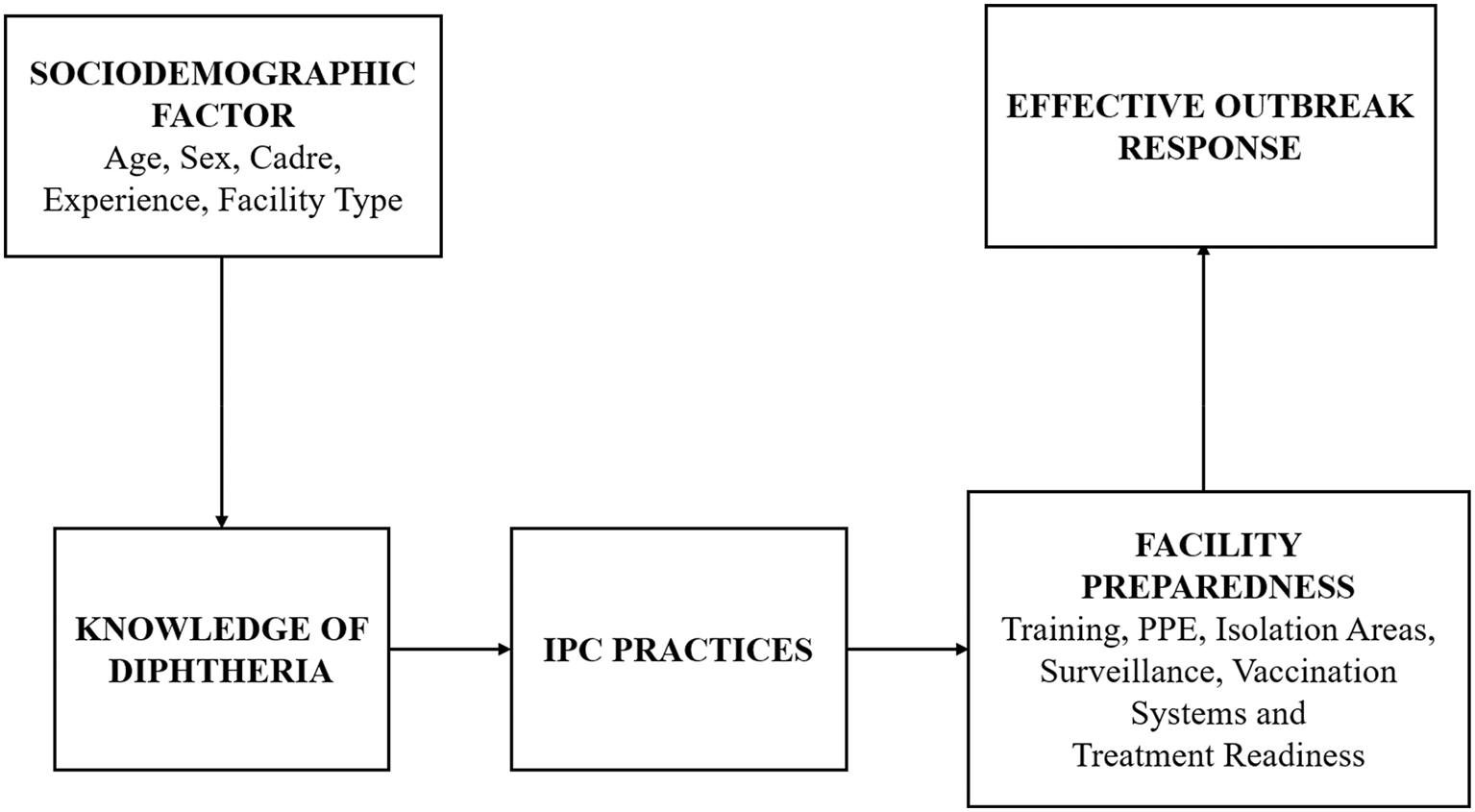
Figure 1. Conceptual framework showing the relationship between knowledge, IPC practices, and facility preparedness for diphtheria outbreak response.
Diphtheria, a vaccine-preventable disease and an epidemic-prone notifiable disease reported under the integrated disease surveillance and response system (IDSR), has historically been a major global health burden, although its incidence has declined substantially following the introduction of vaccination. However, Nigeria has recently experienced a resurgence, in the incidence of this contagious disease, causing epidemics that primarily affect children. Diphtheria is caused primarily by toxigenic strains of Corynebacterium diphtheriae, and less commonly by toxigenic strains of Corynebacterium ulcerans and Corynebacterium pseudotuberculosis. Diphtheria commonly presents as tonsillitis, laryngitis, or pharyngitis with signs and symptoms such as fever, cough, running nose, sore throat, and red eyes, and is characterized by an adherent pseudo-membrane, a thick, grey coating made up of necrotic tissue and bacteria, which is the characteristics clinical feature of infection covering the tonsils, pharynx, and/or nose. In severe cases, complications such as myocarditis and neuritis may occur.
The resurgence of diphtheria outbreaks has been linked to suboptimal vaccine coverage. Healthcare workers are particularly vulnerable during diphtheria outbreaks because of their close contact with suspected and confirmed cases. Current recommendations for healthcare personnel include maintaining up-to-date diphtheria vaccination status, adherence to droplet and contact precautions, use of personal protective equipment, post-exposure prophylaxis where indicated, microbiological screening, symptom monitoring, and temporary work restrictions for infected personnel. Consequently, healthcare worker knowledge and IPC practices are critical determinants of outbreak preparedness (CDC, 2024).
As of epidemiological week 44 of 2023, a cumulative total of 10,863 confirmed diphtheria cases and 560 deaths had been reported across 130 local government areas in 20 Nigerian states, with a case fatality of 5.2%. The immunization coverage in northern Nigeria ranged from 5% to 48% in 2018, with Kano state among the affected states reporting low coverage levels (Eze et al., 2021). Kano State, located in northwestern Nigeria, is currently one of the states most affected by the ongoing diphtheria outbreak, and has recorded the highest number of cases and deaths.
Recent epidemiological analyses have further highlighted the magnitude of the Kano outbreak. An analysis of 18,320 confirmed diphtheria cases published in EBioMedicine documented substantial morbidity and mortality and identified persistent immunity gaps and delayed healthcare seeking as important contributors to transmission. Similarly, a study published on Infectious Disease Modelling study examined the transmission dynamics of diphtheria in Kano and demonstrated the importance of rapid case detection, vaccination, and outbreak control measures in reducing transmission (Abbas et al., 2025; Kamadjeu et al., 2025). These findings emphasize the need for a well-prepared healthcare workforce capable of early case recognition, timely reporting, and effective case management. Skilled healthcare personnel are indispensable for successful infectious disease outbreak response. Therefore, this study aimed to assess healthcare workers’ knowledge of diphtheria, infection prevention and control practices, and preparedness for diphtheria outbreaks in Kano State, Nigeria.
Methodology
Study design and setting
A descriptive cross-sectional study was conducted between September and December 2023 among healthcare workers in Kano State, northwestern Nigeria, one of the states most affected by the recent resurgence of diphtheria. Kano State has an estimated population of approximately 13.1 million people and comprises 44 Local Government Areas (LGAs) distributed across three senatorial districts. Public health services are delivered through primary, secondary, and tertiary healthcare facilities and coordinated by the Kano State Ministry of Health.
Preparedness was conceptualized as the capacity of healthcare workers and health facilities to effectively prevent, detect, and respond to diphtheria outbreaks. In this study, preparedness was assessed at the facility levels. Healthcare workers’ knowledge of diphtheria and infection prevention and control (IPC) practices were assessed as factors relevant to outbreak preparedness rather than as components of the facility preparedness scores.
Study population
The study population comprised nurses and Community Health Extension Workers (CHEWs) employed in registered public primary, secondary, and tertiary healthcare facilities in Kano State. These cadre were selected because they constituted the principal frontline healthcare workers involved in patient assessment, surveillance health education and initial outbreak response in facilities. Eligible participants were nurses and CHEWs employed in registered public health facilities who were present during data collection and provided written informed consent. Administrative staff, volunteers, interns, and healthcare workers absent during the survey period were excluded.
Sample size
The sample size was calculated using the single population proportion formula for descriptive cross-sectional studies, assuming a prevalence of good IPC practices of 56%, a 95% confidence level, and a 5% margin of error. After adjustment for a 10% anticipated non-response rate, the minimum sample size was increased to 421.
The minimum sample size was calculated using the single population proportion formula for descriptive cross-sectional studies:
where:
•
Z = 1.96 corresponding to a 95% confidence level;
•
p = The sample size was calculated using a prevalence of 56% (p = 0.56), representing the proportion of healthcare workers with good infection prevention and control practices reported in a previous study among healthcare workers in Nigeria (Amali & Van Wyk, 2023).
•
q = 1 – p = 0.44;
•
d = 0.05 margin of error.
The calculated sample size was 379 participants. After adjustment for a 10% anticipated non-response rate, the minimum required sample size was 421 participants. To allow for possible incomplete responses and to increase the number of available observations, 430 questionnaires were distributed.
Sampling
A multistage sampling technique was used. Kano State was stratified into its three senatorial districts, from which one LGA was selected per district. One LGA in Kano Central containing a tertiary healthcare facility was purposively selected, while the remaining LGAs were selected by simple random sampling. Subsequently, health facilities were selected through simple random sampling, except for the tertiary facility, which was included purposively. A total of 24 health facilities were selected: 18 primary, 5 secondary and 1 tertiary health facility. Eight facilities were selected from each senatorial district. Kano North and Kano South each contributed six primary and two secondary facilities, while Kano Central contributed six primary, one secondary and one tertiary facility. These 24 facilities were the same as those included in the facility assessment. All the 24 facilities were approached and participated in the study.
On the individual level, a total of 430 participants were approached across all the participating facilities, of which 428 participated. Of the 430 healthcare workers approached, 428 participated, seven records were excluded because of missing data leaving 421 complete records for analysis. Therefore, the analyses in this study were based on the 421 complete records across the 24 participating facilities.
Proportionate allocation was used to distribute the sample across senatorial districts, and eligible healthcare workers were recruited within selected facilities until the required sample size was achieved. Facility preparedness was assessed in 24 health facilities selected through purposive sampling of the only available and accessible tertiary facility in the study area and simple random sampling of other categories of eligible facilities within the selected LGAs.
Data collection
Data were collected using a semi-structured interviewer-administered questionnaire adapted from the World Health Organization (WHO) Diphtheria Surveillance Standards, WHO Diphtheria Fact Sheet, Nigeria Integrated Disease Surveillance and Response (IDSR) Guidelines, and the WHO Infection Prevention and Control Assessment Framework. The questionnaire assessed socio-demographic characteristics, knowledge of diphtheria, IPC practices, and preparedness for diphtheria outbreaks. Eight trained research assistants collected data under the supervision of the principal investigator. The questionnaire was developed in English and administered through face-to-face interviews. Research assistants were fluent in both English and Hausa and conducted interviews in the participant’s preferred language. Where necessary, questions were verbally explained in Hausa to facilitate comprehension. A structured facility preparedness checklist, adapted from WHO and NCDC guidelines, was completed by the designated focal person in each facility. Information was obtained through self-report and verified, where possible, by review of available records and facility resources. The checklist assessed the availability of preparedness guidelines, surveillance tools, personal protective equipment, laboratory capacity, isolation facilities, essential supplies, and staff training.
Measurement of variables
Scoring and classification: Responses were scored and aggregated to generate composite scores for knowledge, IPC practices, facility preparedness (Haguminshuti et al., 2022; WHO, 2015).
Knowledge of Diphtheria: Knowledge was assessed using 45 items covering disease transmission, symptoms, prevention, surveillance, outbreak recognition, and treatment. The median score (28/45) was used as the cut-off point for classification, consistent with previous studies (Haguminshuti et al., 2022). Respondents scoring 0–28 were classified as having poor knowledge, while those scoring 29–45 were classified as having good knowledge.
Infection Prevention and Control Practices: IPC practices were assessed using 19 items. The median score (14/19) was used as the cut-off point for classification (Haguminshuti et al., 2022). Respondents scoring 0–14 were classified as having lower IPC scores, while those scoring 15–19 were classified as having higher IPC scores, which we regarded as poor and good practices respectively.
Facility Preparedness: Facility preparedness was assessed using a 33-item checklist covering emergency preparedness and response, staff training, vaccination services, surveillance systems, infection prevention and control measures, and treatment readiness. Each correct response was scored 1, with a total of 33 scores obtainable. Preparedness was categorized into three levels based on tertiles of: first as poor (0–11), second as moderate (12–22), and third as good (23–33), these checklist were informed by WHO facility readiness principles (WHO, 2015).
Instrument validation and pretesting
The study instruments were reviewed by experts in epidemiology, public health, and disease surveillance to establish content validity. Pretesting was conducted among healthcare workers in Bebeji LGA, which was not included in the main study, using approximately 10% of the calculated sample size. Feedback from the pretest informed revisions to improve clarity, wording, and administration procedures. The internal consistency of the knowledge assessment items was evaluated using Cronbach’s alpha coefficient. The knowledge and infection prevention scale had Cronbach’s alpha coefficients of 0.8410 and 0.7701 respectively, indicating acceptable reliability.
Statistical analysis
Data were analysed using IBM SPSS Statistics version 28. Descriptive statistics were used to summarize respondents’ socio-demographic characteristics and study variables using frequencies, percentages, means, and standard deviations, as appropriate. Associations between independent variables and knowledge of diphtheria and infection prevention and control (IPC) practices were assessed using Pearson’s chi-square test. Variables with p-values <0.20 in the bivariate analysis and those considered epidemiologically relevant based on previous literature were entered into separate multivariable binary logistic regression models. Knowledge and IPC practice outcomes were coded as binary variables (good = 1, poor = 0). Adjusted odds ratios (AORs) with 95% confidence intervals (CIs) were reported, and statistical significance was set at p < 0.05. Facility preparedness was summarised descriptively using frequencies and percentages. Categories with sparse observations were combined where necessary to improve model stability.
Ethical approval statement and consent to participate
Ethical approval was obtained from the Health Research Ethics Committee of the Kano State Ministry of Health, Kano State, Nigeria on the 19th of May 2023.The approval number is NHREC/17/03/2018 and the reference number is SHREC/2023/3985. The study commenced in September 2023 where written informed consent was obtained from all the participants. Participants were informed about the choice to participate or withdraw from the study at any time with no consequences.
A written informed consent was obtained from all participants, and this document was approved by the ethics committee before the study was implemented.
Results
The mean age of the healthcare workers was 34 ± 9.2 years, indicating that most participants were in their early to mid-adulthood. Females constituted slightly more than half of the respondents (54.2%), while males accounted for 45.8%. The majority of participants were Muslims (80.5%) and of Hausa ethnicity (58.9%), reflecting the predominant religious and ethnic composition of Kano State. Regarding educational attainment, 47.7% of respondents held a certificate or diploma, 8.3% had an undergraduate degree, and 44.0% had a graduate or postgraduate qualification. Most respondents were married (72.5%), while 27.5% were not married. Nurses constituted 53.9% of the study population, whereas 46.1% were Community Health Extension Workers (CHEWs). Respondents were fairly distributed across the three senatorial districts, with 31.4%, 33.0%, and 35.6% drawn from Kano South, Kano North, and Kano Central, respectively. In terms of facility level, 47.0% worked in primary healthcare facilities, 25.9% in secondary healthcare facilities, and 27.1% in tertiary healthcare facilities (
Table 1).
Table 1. Socio-demographic characteristics of the respondents.
| Socio-demographics
|
Frequency |
|---|
| Age group (years)
| |
| ≤ 25 | 83 (19.7) |
| 26–30 | 113 (26.8) |
| 31–35 | 77 (18.3) |
| 36–40 | 62 (14.7) |
| 41+ | 86 (20.5) |
| Mean age
SD (years) | 34
9.2 |
| Sex
| |
| Female | 228 (54.2) |
| Male | 193 (45.8) |
| Highest level of education
| |
| Certificate/diploma | 201 (47.7) |
| Undergraduate | 35 (8.3) |
| Graduate/postgraduate | 185 (44.0) |
| Religion
| |
| Islam | 339 (80.5) |
| Christianity | 82 (19.5) |
| Ethnicity
| |
| Fulani | 75 (17.8) |
| Hausa | 248 (58.9) |
| Igbo | 55 (13.1) |
| Yoruba | 35 (8.3) |
| Others | 8 (1.9) |
| Marital status
| |
| Not married | 116 (27.5) |
| Married | 305 (72.5) |
| Cadre
| |
| Community health worker | 194 (46.1) |
| Nurse | 227 (53.9) |
| Facility level
| |
| Primary | 198 (47.0) |
| Secondary | 109 (25.9) |
| Tertiary | 114 (27.1) |
| Senatorial district
| |
| Kano South | 132 (31.4) |
| Kano North | 139 (33.0) |
| Kano Central | 150 (35.6) |
Overall knowledge grading of respondents
For the overall knowledge score, slightly above half of the respondents 51.3% have poor knowledge as compared with 48.7% of the respondents who had good knowledge (
Figure 2).
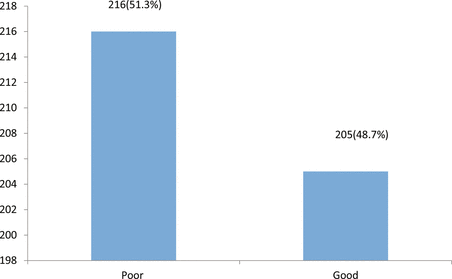
Figure 2. The level of Knowledge among respondents.
Respondents’ association between socio-demographic characteristics and knowledge of diphtheria
The distribution of knowledge of diphtheria according to respondents’ background characteristics is presented in
Table 2. Knowledge was significantly associated with age group (χ 2 = 15.323, p = 0.004), highest educational level (χ 2 = 8.001, p = 0.018), religion (χ 2 = 7.431, p = 0.006), ethnicity (fisher’s exact test, p = 0.017), No significant associations were found between knowledge and sex (p = 0.560), marital status (p = 0.157), cadre (p = 0.144), facility level (p = 0.118) or senatorial district (p = 0.247). Higher proportions of good knowledge were observed among respondents with graduate/postgraduate education (56.2%), Christians (62.2%), and respondents of other ethnicities (75.0%) (
Table 2).
Table 2. Association between Socio-demographic characteristics and knowledge of diphtheria among Healthcare Workers.
| Parameters | Knowledge | | |
|---|
| Poor (%) | Good (%) | χ2 |
p-value
|
|---|
| Age group (years)
| | | 15.323 | 0.004*
|
| ≤ 25 | 57 (68.7) | 26 (31.3) | | |
| 26–30 | 50 (44.2) | 63 (55.8) | | |
| 31–35 | 42 (54.5) | 35 (45.5) | | |
| 36–40 | 26 (41.9) | 36 (58.1) | | |
| > 40 | 41 (47.7) | 45 (52.3) | | |
| Sex
| | | 0.340 | 0.560 |
| Female | 114 (50.0) | 114 (50.0) | | |
| Male | 102 (52.8) | 91 (47.2) | | |
| Highest level of education
| | | 8.001 | 0.018*
|
| Certificate/diploma | 113 (56.2) | 88 (43.8) | | |
| Undergraduate | 22 (62.9) | 13 (37.1) | | |
| Graduate/postgraduate | 81 (43.8) | 104 (56.2) | | |
| Religion
| | | 7.431 | 0.006*
|
| Islam | 185 (54.6) | 154 (45.4) | | |
| Christianity | 31 (37.8) | 51 (62.2) | | |
| Ethnicity
| | | 11.805f | 0.017*
|
| Fulani | 38 (50.7) | 37 (49.3) | | |
| Hausa | 141 (56.9) | 107 (43.1) | | |
| Igbo | 19 (34.5) | 36 (65.5) | | |
| Yoruba | 16 (45.7) | 19 (54.3) | | |
| Others | 2 (25.0) | 6 (75.0) | | |
| Marital status
| | | 2.003 | 0.157f
|
| Not married | 66 (56.9) | 50 (43.1) | | |
| Married | 150 (49.2) | 155 (50.8) | | |
| Cadre
| | | 2.133 | 0.144 |
| Community health worker | 107 (55.2) | 87 (44.8) | | |
| Nurse | 109 (48.0) | 118 (52.0) | | |
| Facility level
| | | 4.278 | 0.118 |
| Primary | 91 (46.0) | 107 (54.0) | | |
| Secondary | 61 (56.0) | 48 (44.0) | | |
| Tertiary | 64 (56.1) | 50 (43.9) | | |
| Senatorial district
| | | 2.796 | 0.247 |
| Kano South | 62 (47.0) | 70 (53.0) | | |
| Kano North | 79 (56.8) | 60 (43.2) | | |
| Kano Central | 75 (50.0) | 75 (50.0) | | |
Respondents’ association between socio-demographic characteristics and infection prevention control practices
The distribution of IPC practices according to respondents’ background characteristics is presented in
Table 3. Good IPC practice was significantly associated with highest educational level (χ2 = 12.395, p = 0.002), cadre (χ2 = 15.862, p = 0.001), healthcare facility level (χ2 = 108.454, p = 0.001), and senatorial district (χ2 = 66.408, p = 0.001). Higher proportions of good IPC practice were observed among respondents with graduate/postgraduate education (56.2%), nurses (55.5%), those working in tertiary healthcare facilities (81.6%), and respondents from Kano Central Senatorial District (72.0%). No significant associations were found between IPC practice and age group (p = 0.218), sex (p = 0.341), ethnicity (p = 0.404), or marital status (p = 0.425) (
Table 3).
Table 3. Association between socio-demographic characteristics and infection prevention control practice among healthcare workers.
| Variables | Practice | χ2 |
p-value
|
|---|
| Poor (%) |
Good (%) |
|---|
| Age group (years)
| | | 5.762 | 0.218 |
| ≤ 25 | 47 (56.6) | 36 (43.4) | | |
| 26–30 | 67 (59.3) | 46 (40.7) | | |
| 31–35 | 40 (51.9) | 37 (48.1) | | |
| 36–40 | 34 (54.8) | 28 (45.2) | | |
| > 40 | 37 (43.0) | 49 (57.0) | | |
| Sex
| | | 0.905 | 0.341 |
| Female | 117 (51.3) | 111 (48.7) | | |
| Male | 108 (56.0) | 85 (44.0) | | |
| Highest level of education
| | | 12.395 | 0.002*
|
| Certificate/diploma | 123 (61.2) | 78 (38.8) | | |
| Undergraduate | 21 (60.0) | 14 (40.0) | | |
| Graduate/postgraduate | 81 (43.8) | 104 (56.2) | | |
| Ethnicity
| | | 3.907f | 0.421 |
| Fulani | 41 (54.7) | 34 (45.3) | | |
| Hausa | 134 (54.0) | 114 (46.0) | | |
| Igbo | 32 (58.2) | 23 (41.8) | | |
| Yoruba | 16 (45.7) | 19 (54.3) | | |
| Others | 2 (25.0) | 6 (75.0) | | |
| Marital status
| | | 0.710 | 0.437 |
| Not married | 55 (50.0) | 55 (50.0) | | |
| Married | 170 (54.7) | 141 (45.3) | | |
| Cadre
| | | 15.862 | 0.001
|
| Community health worker | 124 (63.9) | 70 (36.1) | | |
| Nurse | 101 (44.5) | 126 (55.5) | | |
| Facility level
| | | 108.454 | 0.001
|
| Primary | 155 (78.3) | 43 (21.7) | | |
| Secondary | 49 (45.0) | 60 (55.0) | | |
| Tertiary | 21 (18.4) | 93 (81.6) | | |
| Senatorial district
| | | 66.408 | 0.001
|
| Kano South | 99 (75.0) | 33 (25.0) | | |
| Kano North | 84 (60.4) | 55 (39.6) | | |
| Kano Central | 42 (28.0) | 108 (72.0) | | |
Respondents’ socio-demographic predictors of knowledge of diphtheria
In the multivariable logistic regression analysis, only religion remained independently associated with knowledge of diphtheria. Muslim healthcare workers had lower odds to have good knowledge than Christians (AOR = 0.528, 95% CI: 0.322–0.868; p = 0.012), while age, educational level, ethnicity, and marital status were not significant predictors (
Table 4).
Table 4. Socio-demographic predictors of knowledge of diphtheria among study participants.
| Variables | β | AOR | 95% CI |
p-value
|
|---|
| Age group (years)
| | | | |
| ≤ 25 | −0.561 | 0.570 | 0.280–1.161 | 0.121 |
| 26–30 | 0.334 | 1.397 | 0.757–2.579 | 0.285 |
| 31–35 | −0.143 | 0.867 | 0.457–1.645 | 0.662 |
| 36–40 | 0.278 | 1.320 | 0.669–2.606 | 0.424 |
| > 40 | RC | | | |
| Highest level of education
| | | | |
| Certificate/diploma | 0.445 | 1.561 | 0.715–3.408 | 0.264 |
| Undergraduate | 0.673 | 1.960 | 0.887–4.332 | 0.096 |
| Graduate/postgraduate | RC | | | |
| Religion
| | | | |
| Islam | −0.638 | 0.528 | 0.322–0.868 | 0.012
|
| Christianity | RC | | | |
| Ethnicity
| | | | |
| Fulani | −0.052 | 0.949 | 0.408–2.206 | 0.903 |
| Hausa | −0.280 | 0.756 | 0.357–1.602 | 0.465 |
| Igbo | 0.493 | 1.637 | 0.668–4.010 | 0.281 |
| Others | 1.030 | 2.802 | 0.474–16.548 | 0.256 |
| Yoruba | RC | | | |
| Marital status
| | | | |
| Not married | 0.133 | 1.142 | 0.734–1.778 | 0.556 |
| Married | RC | | | |
Respondents’ predictors of infection prevention control practices
Table 5 presents the multivariable logistic regression analysis of factors associated with good IPC practice. After adjusting for potential confounders, only healthcare facility level remained independently associated with IPC practice. Compared with respondents working in tertiary healthcare facilities, those in primary healthcare facilities had lower odds of having good IPC practice (AOR = 0.097, 95% CI: 0.041–0.232, p = 0.001), while those in secondary healthcare facilities had lower odds of having good IPC practice (AOR = 0.406, 95% CI: 0.176–0.936, p = 0.034). Educational level, cadre, and senatorial district were not independently associated with IPC practice (p > 0.05) (
Table 5).
Table 5. Predictors of Infection prevention control practice of diphtheria among study respondents.
| Variables | β | AOR | 95% CI |
p-value
|
|---|
| Highest level of education
| | | | |
| Certificate/diploma | 0.894 | 2.445 | 0.982–6.090 | 0.055 |
| Undergraduate | 0.762 | 2.142 | 0.905–5.072 | 0.083 |
| Graduate/postgraduate | RC | | | |
| Cadre
| | | | |
| Community health worker | −0.276 | 0.759 | 0.452–1.274 | 0.297 |
| Nurse | RC | | | |
| Facility level
| | | | |
| Primary | −2.333 | 0.097 | 0.041–0.232 | 0.001
|
| Secondary | −0.902 | 0.406 | 0.176–0.936 | 0.034 |
| Tertiary | RC | | | |
| Senatorial district
| | | | |
| Kano South | −0.689 | 0.502 | 0.234–1.076 | 0.076 |
| Kano North | −0.419 | 0.658 | 0.318–1.362 | 0.260 |
| Kano Central | RC | | | |
Assessment of the state of preparedness of the healthcare facilities
Facility preparedness for diphtheria was assessed across nine domains: emergency response plan, training and education, vaccination and immunization, surveillance and reporting, diagnostic capacity, infection control, and medication and treatment, communication and coordination, recovery and evaluation. Among the assessed facilities, preparedness was poor, with 70.8% of facilities classified as poorly prepared, 20.8% as moderately prepared, and only 8.3% as well prepared. While most facilities reported strong surveillance and reporting systems and adequate availability of personal protective equipment, important gaps were identified in staff training, availability of isolation areas, vaccination systems, and prompt treatment of suspected or clinically diagnosed cases (
Table 6).
Table 6. Assessment checklist for evaluating the state of preparedness of facility for diphtheria respondents.
|
|
Yes (%) |
No (%) |
|---|
| Emergency Response Plan
| | |
| The facility has a comprehensive emergency response plan specific to diphtheria | 13 (54.2) | 11 (45.8) |
| The plan is routinely reviewed and revised is as necessary | 14 (58.3) | 10 (41.7) |
| The roles and responsibilities of staff are clearly stated within the plan | 15 (62.5) | 9 (37.5) |
| There is a designated individual responsible for overseeing the response efforts | 16 (66.7) | 8 (33.3) |
| Training and Education
| | |
| All healthcare personnel have received training on the protocols associated with diphtheria response | 7 (29.2) | 17 (70.8) |
| Staff members are knowledgeable about the symptoms and signs of diphtheria | 23 (95.8) | 1 (4.2) |
| Staff have been adequately trained in the proper utilization of personal protective equipment (PPE) | 23 (95.8) | 1 (4.2) |
| There is an ongoing program for staff training and refresher courses on diphtheria | 10 (41.7) | 14 (58.3) |
| Vaccination and Immunization
| | |
| The vaccination coverage target is met in the facility for the pentavalent vaccine against diphtheria | 11 (45.8) | 13 (54.2) |
| There are systems in place for maintaining accurate records of the vaccination status of children | 13 (54.2) | 11 (45.8) |
| The facility has protocols in place for administering booster vaccinations as necessary for diphtheria | 12 (50.0) | 12 (50.0) |
| There are initiatives to promote community-wide vaccination for diphtheria | 18 (75.0) | 6 (25.0) |
| Surveillance and Reporting
| | |
| The facility possess a robust system for monitoring diphtheria cases within the community | 14 (58.3) | 10 (41.7) |
| There is a streamlined process for promptly reporting suspected cases to local health authorities | 23 (95.8) | 1 (4.2) |
| The facility is linked to a regional or national disease surveillance network | 24 (100.0) | 0 (0.0) |
| Diagnostic capacity
| | |
| The facility has access to rapid diagnostic tests designed for diphtheria | 5 (20.8) | 19 (79.2) |
| There is a dedicated laboratory responsible for confirming diphtheria cases | 4 (16.7) | 20 (83.3) |
| Laboratory personnel are adequately trained in diphtheria diagnostic procedures | 3 (12.5) | 21 (87.5) |
| Infection control
| | |
| There is a designated isolation area for diphtheria cases | 7 (29.2) | 17 (70.8) |
| Hand hygiene stations readily available throughout the facility | 15 (62.5) | 9 (37.5) |
| The facility has an ample supply of personal protective equipment (PPE) for healthcare staff | 22 (91.7) | 2 (8.3) |
| Stringent hand hygiene and infection control measures are in place | 22 (91.7) | 2 (8.3) |
| There are written infection prevention and control measures for diphtheria cases | 19 (79.2) | 5 (20.8) |
| Medication and treatment
| | |
| There is a readily accessible stockpile of diphtheria antitoxin and antibiotics within the facility | 12 (50.0) | 12 (50.0) |
| There is an established process for promptly administering antitoxin and antibiotics to confirmed cases | 9 (37.5) | 15 (62.5) |
| Healthcare personnel have been trained in the correct administration of these medications | 8 (33.3) | 16 (66.7) |
| The facility has established protocol for monitoring patients receiving diphtheria treatment | 18 (75.0) | 6 (25.0) |
| Communication and coordination
| | |
| There is a predefined communication plan for disseminating information to the public, staff, and patients during an outbreak | 18 (75.0) | 6 (25.0) |
| There is designated spokesperson or communication team responsible for diphtheria response communications | 19 (79.2) | 5 (20.8) |
| The facility engages in collaborative efforts with local health authorities and neighbouring healthcare facilities during an outbreak | 24 (100.0) | 0 (0.0) |
| Recovery and Evaluation
| | |
| There is a well-structured plan for post-outbreak recovery, including comprehensive disinfection of affected areas | 15 (62.5) | 9 (37.5) |
| There are established mechanisms in place for evaluating the facility's response and identifying areas necessitating improvement | 19 (79.2) | 5 (20.8) |
| There are protocols established for returning the facility to standard operations following an outbreak | 21 (87.5) | 3 (12.5) |
Discussion
This study assessed healthcare workers’ knowledge of diphtheria, infection prevention and control (IPC) practices, and preparedness for diphtheria outbreaks in Kano State, Nigeria. The findings revealed important gaps in knowledge and IPC practices. In addition, facility preparedness was generally poor, particularly in areas related to staff training, isolation capacity, diagnostic capacity, vaccination systems, and treatment readiness. These findings are important in the context of the recent diphtheria resurgence in Kano State and suggest that significant weaknesses remain in the health system’s capacity to effectively prevent, detect, and respond to future outbreaks (Abbas et al., 2025; Kamadjeu et al., 2025).
The study found that slightly more than half of the respondents had poor knowledge of diphtheria. This finding raises concerns because healthcare workers are often the first point of contact for patients and play a critical role in disease recognition, notification, case management, and implementation of control measures (WHO, 2024a; CDC, 2024).
The observed knowledge gaps may partly reflect the epidemiology of diphtheria in Nigeria. For many years, the disease received limited attention compared with other priority infectious diseases, resulting in fewer training opportunities and lower familiarity among healthcare workers. However, the recent resurgence of diphtheria in Kano and other northern states has demonstrated the need for renewed attention to disease-specific training. Recent analyses of the Kano outbreak highlighted the contribution of delayed case recognition, immunity gaps, and late healthcare seeking to ongoing transmission (Abbas et al., 2025). In such settings, inadequate knowledge among frontline healthcare workers may delay diagnosis and reporting, thereby reducing opportunities for early outbreak containment. Similar findings have been reported in studies examining preparedness for infectious disease outbreaks among healthcare workers in resource-constrained settings (Okoeguale et al., 2021; Ughasoro et al., 2019).
For healthcare workers, disparities in knowledge may reflect unequal access to in-service training, differences in professional cadre, years of experience, and opportunities for participation in outbreak preparedness activities. Previous studies have shown that healthcare worker preparedness is influenced by prior training, disaster response experience, and access to capacity-building programmes (Nayahangan et al., 2021; Balut et al., 2022). Targeted continuing professional development programmes, periodic simulation exercises, supportive supervision, and dissemination of updated clinical and public health guidelines may help address these gaps and strengthen preparedness for infectious disease outbreaks. Furthermore, simulation-based training has been demonstrated to improve healthcare workers’ knowledge, skills, confidence, and preparedness in outbreak response settings (Kabi et al., 2021; Elendu et al., 2024). Ensuring equitable access to training across facility types and healthcare worker categories is particularly important in resource-constrained settings where preparedness depends heavily on frontline health personnel.
Regular in-service training, dissemination of updated clinical guidelines, and simulation exercises may therefore help address these gaps and improve outbreak response capacity (WHO, 2024a).
Another important finding was the generally poor level of IPC practices among healthcare workers. Effective IPC remains one of the most important strategies for preventing healthcare-associated transmission during outbreaks. Current WHO recommendations emphasize rapid isolation of suspected cases, adherence to droplet precautions, appropriate use of personal protective equipment, hand hygiene, environmental cleaning, and other IPC measures as key components of diphtheria control (WHO, 2024a, 2024b). Poor compliance with these practices may increase the risk of transmission within healthcare facilities and expose healthcare workers to preventable occupational infections.
Several contextual factors may contribute to poor IPC practices, although these were not directly assessed in the study, challenges such as inadequate training, irregular supportive supervision, heavy workloads, and limited access to IPC resources have been reported in similar healthcare settings (Haguminshuti et al., 2022; Ughasoro et al., 2019). The finding is particularly relevant because healthcare workers are at increased risk of exposure during outbreaks. CDC guidance for healthcare personnel emphasizes vaccination, post-exposure management, appropriate use of personal protective equipment, and strict adherence to infection prevention measures to reduce occupational transmission (CDC, 2024). Strengthening IPC programmes through regular training, supervision, audits, and sustained availability of IPC supplies may therefore improve preparedness for future outbreaks (WHO, 2024b; CDC, 2024).
A notable finding of this study was the substantially poorer IPC performance among healthcare workers in primary healthcare facilities compared with those in tertiary facilities. Respondents working in primary healthcare facilities were significantly less likely to demonstrate good IPC practices. This disparity is likely to reflect differences in infrastructure, access to continuing professional education, availability of IPC materials, staffing levels, and supervisory support across levels of care. Similar inequalities between primary and higher-level facilities have been reported in studies assessing outbreak preparedness and infection prevention practices in resource-constrained settings (Fatiregun & Isere, 2017; Ughasoro et al., 2019).
The vulnerability of primary healthcare facilities has important implications for outbreak control. Primary healthcare facilities are often the first point of contact for patients with febrile illnesses and respiratory symptoms. Consequently, deficiencies in IPC practices at this level may contribute to delayed recognition of cases, inadequate infection control, and continued community transmission before referral occurs. Strengthening primary healthcare services should therefore be a priority for outbreak preparedness efforts. This includes ensuring adequate supplies of personal protective equipment, improving access to training, strengthening supervision, and integrating outbreak preparedness activities into routine service delivery (Mearns et al., 2025).
The assessment of facility preparedness revealed that most facilities were inadequately prepared to respond to diphtheria outbreaks. The most prominent deficiencies were related to staff training, availability of designated isolation areas, vaccination monitoring systems, and treatment readiness. Although many facilities reported having surveillance and reporting structures in place, substantial weaknesses remained in other critical components of preparedness.
The limited availability of designated isolation areas is particularly concerning because prompt isolation of suspected cases is a cornerstone of diphtheria outbreak control (WHO, 2024a, 2024b). Similarly, the absence of regular staff training programmes may reduce healthcare workers’ ability to identify cases early and implement appropriate response measures. The findings relating to treatment readiness are equally important. A considerable proportion of facilities lacked adequate arrangements for the prompt administration of diphtheria antitoxin and antibiotics, despite WHO recommendations that treatment should be initiated as early as possible because delays are associated with increased morbidity and mortality (WHO, 2024a). Similar concerns regarding health facility readiness and outbreak response capacity have been reported in previous studies conducted in Nigeria (Ughasoro et al., 2019).
Weaknesses in vaccination monitoring systems observed in this study may also have implications for outbreak prevention. The recent Kano outbreak demonstrated the consequences of immunity gaps within affected populations (Abbas et al., 2025; Kamadjeu et al., 2025). Healthcare facilities play an important role in maintaining vaccination records, identifying missed children, and supporting routine immunization activities. Strengthening these systems may contribute not only to improved outbreak response but also to long-term prevention of future outbreaks (Eze et al., 2021; Abbas et al., 2025).
Taken together, these findings indicate that preparedness for diphtheria outbreaks extends beyond individual healthcare worker knowledge. Effective preparedness requires a combination of competent healthcare workers, strong IPC systems, adequate treatment capacity, functional surveillance mechanisms, reliable vaccination services, and supportive institutional structures (WHO, 2016, 2024a, 2024b; CDC, 2024). Weaknesses in any of these areas may compromise outbreak response efforts.
Overall, the findings reveal important gaps in diphtheria outbreak readiness among healthcare workers and facilities in Kano State. More than half of healthcare workers had poor knowledge and IPC practice scores, while 17 of 24 assessed facilities were poorly prepared. Strengthening frontline training, IPC, isolation, diagnostic and treatment capacity should therefore be prioritized. Addressing the deficiencies identified in this study will require coordinated investments in workforce development, primary healthcare strengthening, IPC programmes, surveillance systems, and facility readiness.
Strengths and limitations
A major strength of this study is that it assessed preparedness at facility levels across multiple tiers of the health system in one of the states most affected by the recent diphtheria outbreak in Nigeria. This provides a more comprehensive understanding of preparedness than studies focusing solely on individual healthcare workers. However, several limitations should be considered when interpreting the findings. The cross-sectional design does not permit causal inference. Knowledge and IPC practices were assessed using self-reported measures and may therefore be subject to recall and social desirability bias. In addition, the study included only nurses and community health extension workers in public health facilities and may not fully represent other categories of healthcare workers or private-sector facilities in Kano State. Healthcare workers were clustered within 24 health facilities, responses from individuals within the same facility may not have been statistically independent. The purposive selection of the only available tertiary facility limited the feasibility of further statistical analysis and reduced the generalizability of the findings across the study area.
Recommendations
1. Institutionalize simulation exercises and outbreak preparedness drills at all levels of healthcare delivery to improve healthcare workers’ practical skills, confidence, and readiness to respond to diphtheria outbreaks.
2. Strengthen healthcare worker training on diphtheria preparedness and response through regular in-service training, continuing professional development programmes, and dissemination of updated national and WHO guidelines.
3. Enhance infection prevention and control (IPC) programmes, particularly in primary healthcare facilities, through regular supportive supervision, IPC audits, mentorship, and sustained availability of personal protective equipment and other IPC supplies.
4. Strengthen primary healthcare facilities, which demonstrated poorer IPC practices, by improving access to training opportunities, supervisory support, staffing, and essential outbreak response resources.
5. Conduct periodic preparedness assessments at both healthcare worker and facility levels to monitor progress, identify gaps, and guide targeted interventions for outbreak preparedness and response.
6. Improve facility preparedness for diphtheria outbreaks by establishing designated isolation areas, ensuring availability of diphtheria treatment supplies, strengthening vaccination monitoring systems, and maintaining functional outbreak response plans.