1. Introduction
After five centuries of financial capitalism (Braudel and Spooner, 1967), investors in the third millennium face unprecedented challenges in a constantly changing market environment. Among these are innovation, sustainability, and the ability to pursue successful exit strategies. Venture Capital (VC) investors provide high value-added capital and expertise to their target companies, and their unique role in the market environment has attracted interest from both policymakers and academics. This attention has led to a proliferation of studies in the field, which, nevertheless, may have limited relevance for practitioners. Given the amount of studies available, knowledge about VC investors, their role, and their contributions remains scattered (Röhm, 2018). For VC practitioners, understanding the interplay between innovation, patent strategy, exit pathways, and Environment, Social, and Governance (ESG) integration is essential for creating sustainable value and achieving competitive advantage in a rapidly evolving investment landscape.
Our goal is to provide practitioners with evidence-based insights into how the VC literature integrates ESG principles, patent-driven innovation, and exit strategies. We emphasize what is still missing, address those gaps where possible, and outline directions for future research and practice. We aim to translate the latest research into actionable insights, identify areas where evidence is lacking, and suggest how both researchers and practitioners can bridge these gaps to make more informed investment decisions.
The central question guiding our study is what previous academic research has revealed about the relationship between ESG practices, innovation performance, and exit outcomes in VC, and how practitioners can integrate ESG and innovation metrics into exit planning to attract buyers and investors with aligned values. We find evidence that adequate funding is essential for innovation within the VC ecosystem, and that emerging markets remain relatively under-explored in the existing literature. This practitioner review compiles and synthesizes current research on the topic, providing a comprehensive handbook for scholars and practitioners, as well as a tool to help shape the future of VC strategies. First, we investigate sustainability in terms of Corporate Social Responsibility1 (CSR - a business approach integrating social and environmental concerns company into activities), and ESG2 (as a criteria to evaluate a company’s performance and sustainability practices for a broader impact on society and environment), considering both ESG behavior and ESG disclosure. The two make up a comprehensive approach to sustainable and responsible business practices employed in the business strategies of companies to reach the ESG investing goal of creating better financial value. This represents a topical issue, following market trends and the pressures exerted by policymakers internationally and we expect VCs to play an important role in the transition to a more sustainable economy. Second, we investigate the literature on VC and innovation, as VC has been traditionally viewed as the preferred form of financing for innovative firms. Third, we explore the literature of VC exit strategy and their performance. Venture capitalists invest in high-risk companies and the exit strategy is a crucial factor in shaping VCs’ investment decisions and their performance, which ultimately determines the possibility of venture capitalists’ portfolio turnover to finance further innovation and support a sustainable transition. Although the VC field literature also deals with other VC related research areas, in this paper we prioritize ESG, innovation and exit strategies in line with UN Development goals of building resilient infrastructure, promoting inclusive and sustainable industrialization and fostering innovation and the interconnection of exit strategies with the former.3
This study employs a PRISMA (Preferred Reporting Items for Systematic Reviews and Meta-Analyses) approach, which is innovative compared to previous literature reviews on VC for three main reasons: (i) we employ a Natural Language Processing (NLP) tool to search for keywords within abstracts; (ii) we use NLP in this type of review paper on a large set of documents, including journal papers and book chapters; (iii) we employ a multidisciplinary approach, incorporating business, finance and computer science to perform a comprehensive VC literature review using a large database.
Building on prior research, this study provides a comprehensive and detailed examinationof VC-specific bibliographic terms (Cornelius and Persson, 2006; Cancino et al., 2018; Cumming et al., 2023; Pandey et al., 2023; Benzouai and Khalid, 2021; Arora et al., 2023; Hu and Yaacob, 2024; Sharma et al., 2023; Kumar et al., 2021). Departing from previous literature reviews on VC, we specifically highlight gaps in the literature on ESG, CSR, and sustainability, innovation, and exit strategies from a practical perspective. Our objective is threefold: (i) highlight the state-of-the-art in assessing the evidence on VC within the key topics for investors: sustainability, innovation, and exit strategies, as stated above, (ii) emphasize the current gaps in the literature that need to be addressed by future research to provide more practically relevant managerial implications, and (iii) synthesize the methodological approaches and present possible improvements.
This paper contributes to the stream of studies on VC for the following reasons. First, we conduct a practitioner-oriented review that differs from existing review papers, providing a much higher level of detail.4 Second, we select a high number of papers, and in addition to the traditional bibliometric analysis, we classify the papers into three main research streams (ESG, innovation, and exit strategy), and we provide a practitioner-oriented systematic review of the papers in each stream of research. Indeed, despite the long history and the high number of publications in the field of VC, persistent gaps remain and seem to be filled by more recent papers only to a very small extent. We clearly point out that studies on emerging markets are still underdeveloped and fragmented in all three areas of analysis. Additionally, sustainability and ESG topics remain understudied, despite the urgency of the matter prompted by practitioners, policymakers, and markets. Studies on exit strategy also present gaps in terms of sample and geographical areas. Innovative methodologies are rarely employed, and data availability on some segments (e.g., SMEs) remains an unresolved issue. Our findings reveal a significant concentration of VC literature, which shows a growing trend over time. However, we highlight a critical oversight in the breadth of methodologies applied: the majority of the studies rely on traditional analytical tools rather than embracing advanced statistical techniques. Furthermore, our review uncovers geographical bias, with a predominant focus on the US and Chinese markets. This observation underscores a conspicuous research void concerning emerging markets, signaling an imperative area for further scholarly exploration. Through our systematic and detailed bibliometric review, we not only underline the existing body of VC research but also set forth a clarion call for future studies to broaden their methodological and geographical scopes, thereby enriching the VC literature landscape.
This paper is organized as follows: Section 2 outlines the research design, data collection methods, and analytical techniques used. Section 3 presents our findings, and Section 4 discusses their implications. Finally, conclusions and hints for future research are provided in Section 5.
2. Methods
2.1 Study type
This paper presents a practitioner-oriented review that synthesizes and analyzes the existing evidence-based literature on VC (Block et al., 2025). To ensure a wide coverage of studies, we identify the articles to be reviewed by conducting a systematic literature search across the main research article databases, implementing the PRISMA workflow for systematic reviews (Rethlefsen et al., 2021), as depicted in
Figure 1.
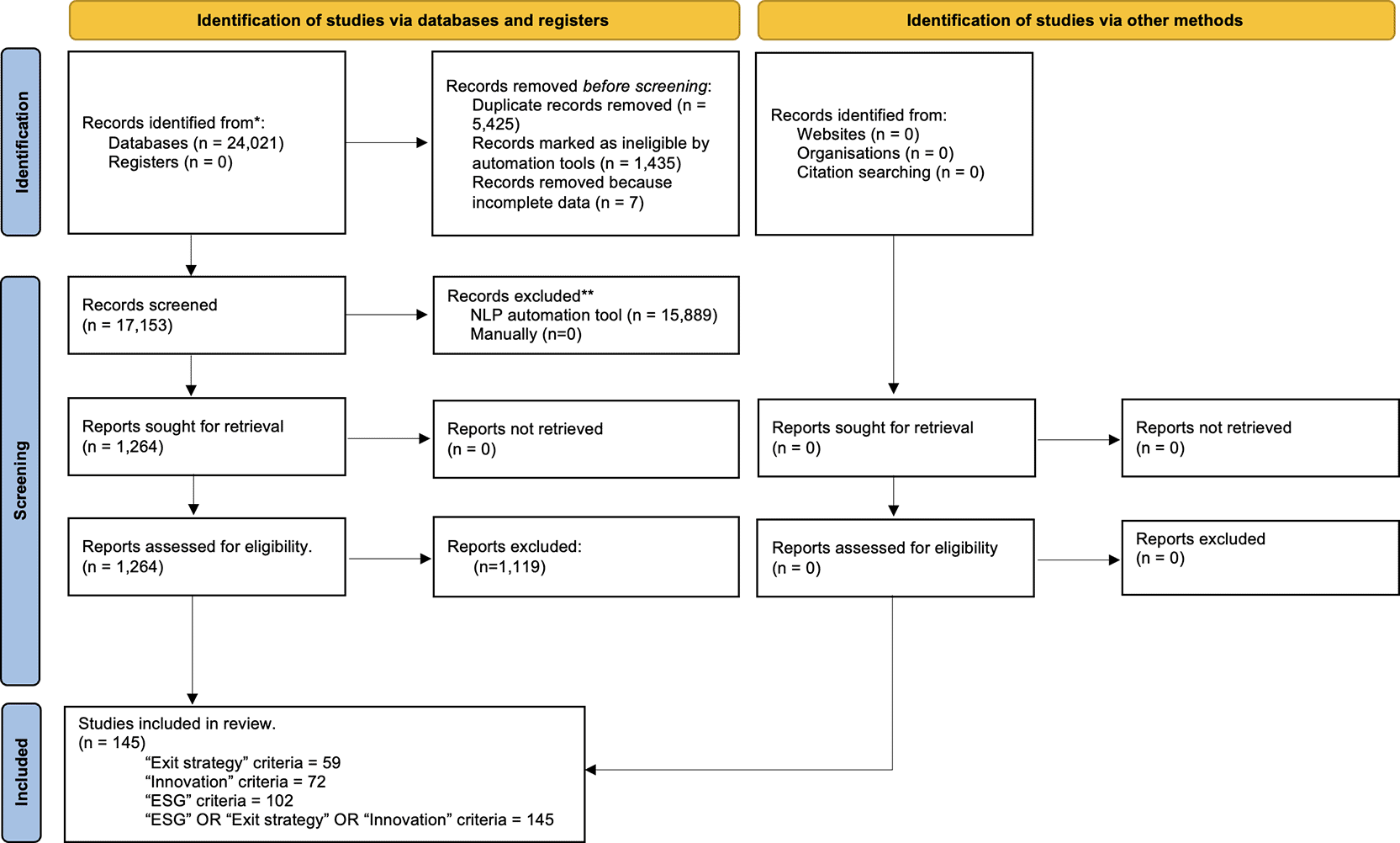
Figure 1. PRISMA flowchart for the survey.
The purpose of this scoping review is to locate, evaluate, and extract pertinent literature to identify practical implications for VC investors and contribute to formulate a relevant research agenda that reduces the practitioner-academic gap. We acquired our article corpus using a NLP toolkit (Zdravevski et al., 2019) to conduct an effective and comprehensive automated literature search across five digital libraries: Scopus, Springer, Elsevier, IEEE, and MDPI. This toolkit is designed to automate the labor-intensive manual steps of the PRISMA methodology (Rethlefsen et al., 2021). Consequently, the toolkit generates a detailed list of potentially relevant articles, produces trend charts over the specified time period of interest, and provides breakdowns based on various criteria.
2.2 Search Criteria
To achieve our study’s objectives, we first compile a set of keywords related to the field of VC financing to identify potentially relevant articles. These include:“venture capital,” “private equity,” “angel investor,” and “business angel.” These phrases were used independently to query the digital libraries. Subsequently, we established a set of properties that the identified articles needed to satisfy, which we will discuss later in this article. We then evaluated potentially relevant items using a qualitative and subjective approach to develop the final list of synthesized articles to be analyzed in this paper.
2.3 Taxonomy
The title and abstract of each article were analyzed and tagged with different properties of interest. Particularly, we defined the following groups of properties: ESG and sustainability, exit strategy, and innovation. For each property group, we established a set of properties. If the title or abstract of an article contained these properties (or their synonyms or alternative spellings), we considered that the article could be tagged with this property. In
Table 1, we list the three property groups and the properties within each that were automatically tagged for all articles. Any additional synonyms are provided with an “OR” clause.
Table 1. The property groups.
ESG and Sustainability
Environment Social
Corporate governance Governance
ESG OR Environment Social Governance Sustainability Ethical investing
CSR OR Corporate social responsibility
Exit strategy
IPO OR Initial public offering
Merger and Acquisition OR Merger OR Acquisition OR MNA Bankruptcy OR Default
Write-off OR Write off Buyout
Strategic Sale OR Strategic buyer Liquidation
Secondary Market Sale Exit strategy
Innovation
innovation OR innovativeness
technology OR hi-tech OR high tech OR high-tech OR hightech OR hitech research and development OR research & development OR patent |
2.4 Criteria for inclusion and exclusion
To be included in our analysis, an article must be written in English and must cover ”VC”,”Venture capital” or ”Venture capitalist”. Furthermore, it must be tagged with at least one property in the ESG and Innovation topics, or the Exit strategy and Innovation topics. We excluded papers that were already some type of systematic review.5
2.5 Duplicate removal process
Duplicate articles obtained from multiple source libraries or search keywords were automatically removed. The duplicate removal process relied on the articles links, DOIs, and titles.
When searching multiple sources, it was possible for the same article to appear in more than one library. Thus, in the charts and tables presenting the number of articles per source, we counted the same article as being identified by all sources (libraries) that contained it. Consequently, the total number of articles displayed in the source library charts might exceed the final count in the PRISMA diagram. Similarly, when searching with multiple phrases, the same article could be identified by two or more keywords. Therefore, in the charts presenting the number of articles per keyword, the same article was counted for each keyword it matched. This may result in the total number of articles in the keyword charts being greater than the final count in the PRISMA diagram.
2.6 Data collection
We identified 7,817 papers from Scopus, Springer, Elsevier, IEEE, and MDPI database libraries, published between the beginning of 2010 and the end of 2022. We provide the code for our analyses, along with the raw results, and can be accessed from a public repository.6 After removing duplicates, 6,169 records remained. Excluding articles that did not meet the eligibility criteria reduced the number to 3,566. We then reclassified the articles using keywords for ESG and sustainability, innovation, and exit strategy, relevant for our analysis. This left us with 1,264 articles. Furthermore, we categorized the focus of these papers into the three key areas described above and detailed the output in the Appendix.
2.7 Bibliometric analysis
We consider multiple factors and indicators when evaluating the significance of the articles to be included in the qualitative analysis. We used a statistical measure of quartiles of the journals where the papers were published, primarily focusing on Q1 journals. As alternative metrics, we also considered the impact factor of the journals and mostly selected those with impact factors greater than eight, if an impact factor was provided. In addition to this, we factored in the citation count of the article to make informed decisions. Consequently, for each relevant article, we identified the Clarivate Analytics Impact Factor for 2022 and the Scimago Journal Rank (if available), as well as the citations per Google Scholar. Additionally, we asked a group of researchers capable of assessing the significance of research in the aforementioned areas to recommend any missing literature, thereby expanding our list.
3. Results
Table 2 presents the number of articles in each stage of our selection process, as previously described, categorized by digital library.7
Table 3 showcases the top 25 most-cited articles, as per Google Scholar at the time of analysis.
Table 2. Articles per digital library.
| Springer | IEEE Xplore | MDPI | Elsevier | Total |
|---|
| Records identified
| 20,000 | 648 | 173 | 3,200 | 24,021 |
| Duplicate records removed
| n/a | n/a | n/a | n/a | 5,425 |
| Excluded because ineligible
| 1,202 | 0 | 0 | 233 | 1,435 |
| Excluded due to invalid data
| 4 | 0 | 0 | 3 | 7 |
| Records screened
| 13,988 | 620 | 138 | 2,407 | 17,153 |
| Excluded by NLP automation tools
| n/a | n/a | n/a | n/a | 15,876 |
| Records included in review
| 673 | 207 | 60 | 324 | 1,264 |
Table 3. Top 25 cited articles based on Google Scholar.
| Author(s) | Title | Source | Journal | Citations |
|---|
| Vismara (2016) | Equity retention and social network theory in equity crowdfunding | Springer | Small Business Economics | 676 |
| Haddad and Hornuf (2019) | The emergence of the global fintech market: economic and technological determinants | Springer | Small Business Economics | 614 |
| Gompers et al. (2020) | How do venture capitalists make decisions? | Elsevier | Journal of Financial Economics | 593 |
| Bertoni et al. (2011) | Venture capital financing and the growth of high-tech start-ups: Disentangling treatment from selection effects | Elsevier | Research Policy | 525 |
| Fisch (2019) | Initial coin offerings (ICOs) to finance new ventures | Elsevier | Journal of Business Venturing | 522 |
| Cumming and Dai (2010) | Local bias in venture capital investments | Elsevier | Journal of Empirical Finance | 514 |
| Lukkarinen et al. (2016) | Success drivers of online equity crowdfunding campaigns | Elsevier | Decision Support Systems | 458 |
| Grilli and Murtinu (2014) | Government, venture capital and the growth of European high-tech entrepreneurial firms | Elsevier | Research Policy | 422 |
| Bocken (2015) | Sustainable venture capital – catalyst for sustainable start-up success? | Elsevier | Journal of Cleaner Production | 421 |
| Lerner (2010) | The future of public efforts to boost entrepreneurship and venture capital | Springer | Small Business Economics | 417 |
| Tian (2011) | The causes and consequences of venture capital stage financing | Elsevier | Journal of Financial Economics | 380 |
| Mikalef et al. (2013) | Shopping and Word-of-Mouth Intentions on Social Media | MDPI | Journal of Theoretical and Applied Electronic Commerce Research | 367 |
| Gimmon and Levie (2010) | Founder’s human capital, external investment, and the survival of new high-technology ventures | Elsevier | Research Policy | 344 |
| Hausberg and Korreck (2021) | Business incubators and accelerators: a co-citation analysis-based, systematic literature review | Springer | The Journal of Technology Transfer | 338 |
| Zarutskie (2010) | The role of top management team human capital in venture capital markets: Evidence from first-time funds | Elsevier | Journal of Business Venturing | 319 |
| Colombo et al. (2016a) | Governmental venture capital for innovative young firms | Springer | Journal of Technology Transfer | 318 |
| Giardino et al. (2014) | What Do We Know about Software Development in Startups? | IEEE Xplore | IEEE Software | 291 |
| Bertoni and Tykvová (2015) | Does governmental venture capital spur invention and innovation? Evidence from young European biotech companies | Elsevier | Research Policy | 282 |
| Groh et al. (2010) | The European Venture Capital and Private Equity country attractiveness indices | Elsevier | Journal of Corporate Finance | 282 |
| Basu et al. (2011) | Towards understanding who makes corporate venture capital investments and why | Elsevier | Journal of Business Venturing | 277 |
| Revest and Sapio (2012) | Financing technology-based small firms in Europe: what do we know? | Springer | Small Business Economics | 277 |
| Robinson and Sensoy (2016) | Cyclicality, performance measurement, and cash flow liquidity in private equity | Elsevier | Journal of Financial Economics | 276 |
| Rubin et al. (2015) | Knowledge flow in Technological Business Incubators: Evidence from Australia and Israel | Elsevier | Technovation | 270 |
| Guzman and Kacperczyk (2019) | Gender gap in entrepreneurship | Elsevier | Research Policy | 268 |
| Fairchild (2011) | An entrepreneur’s choice of venture capitalist or angel-financing: A behavioral game-theoretic approach | Elsevier | Journal of Business Venturing | 266 |
Tables 4, 5, 6, 7, and 8 categorize articles according to the main topic, asset type, ESG type, exit strategy, and innovation type, respectively. Note that some articles may not be tagged, while others may be tagged with more than one value per category. Consequently, the totals in these tables do not equate to 100%.
Table 9 provides a breakdown of the number of articles per focus of analysis, both in terms of overall totals and on a yearly basis.
Figure 2 presents the number of relevant articles per year, while
Figure 3 displays the yearly numbers of relevant articles per digital library.
Table 4. Articles per main topic.
| Main topics | Number of articles |
% |
|---|
| Venture capital | 1,244 | 98.4 % |
| Entrepreneurship | 197 | 15.6 % |
| Private equity | 133 | 10.5 % |
Table 5. Articles per asset types.
| Asset type | Number of articles |
% |
|---|
| Capital market | 411 | 32.5 % |
| Equities | 306 | 24.2 % |
| Derivatives | 224 | 17.7 % |
| Private equity funds | 44 | 3.5 % |
| Alternative investment | 33 | 2.6 % |
| Credit | 30 | 2.4 % |
| Digital asset | 30 | 2.4 % |
| Currency | 20 | 1.6 % |
| Liability | 15 | 1.2 % |
| Bonds | 12 | 0.9 % |
| Cryptocurrency | 11 | 0.9 % |
| Hedge funds | 9 | 0.7 % |
| Pension funds | 5 | 0.4 % |
| Mutual funds | 5 | 0.4 % |
| Real estate | 5 | 0.4 % |
| ETF | 2 | 0.2 % |
| Commodities | 2 | 0.2 % |
Table 6. Articles per ESG types.
| ESG type | Number of articles | % |
|---|
| Governance | 217 | 17.2 % |
| Social | 200 | 15.8 % |
| Environment | 110 | 8.7 % |
| Sustainability | 86 | 6.8 % |
| Corporate governance | 56 | 4.4 % |
| ESG | 8 | 0.6 % |
| CSR | 7 | 0.6 % |
| Ethical investing | 5 | 0.4 % |
Table 7. Articles per exit strategy.
| Exit strategy | Number of articles | % |
|---|
| IPO | 121 | 9.6 % |
| Liquidation | 34 | 2.7 % |
| Merger and Acquisition | 67 | 5.3 % |
| Exit strategy | 25 | 2.0 % |
| Buyout | 22 | 1.7 % |
| Write-off
| 5 | 0.4 % |
| Bankruptcy | 6 | 0.5 % |
| Strategic Sale | 3 | 0.2 % |
Table 8. Articles per innovation type.
| Innovation | Number of articles | % |
|---|
| Technology | 379 | 30.0 % |
| Innovation | 684 | 54.1 % |
| Research and development | 255 | 20.2 % |
Table 9. Articles per focus of analysis per year of publication.
| Focus of analysis | 2010 | 2011 | 2012 | 2013 | 2014 | 2015 | 2016 | 2017 | 2018 | 2019 | 2020 | 2021 | 2022 | Total |
|---|
| Advanced market | 8 | 13 | 11 | 3 | 9 | 26 | 17 | 15 | 19 | 21 | 19 | 20 | 20 | 201 |
| Risk | 18 | 4 | 11 | 5 | 8 | 18 | 15 | 15 | 15 | 21 | 15 | 17 | 14 | 176 |
| Return | 10 | 6 | 9 | 7 | 6 | 14 | 14 | 10 | 13 | 13 | 10 | 15 | 6 | 133 |
| Risk analysis | 12 | 2 | 5 | 2 | 1 | 14 | 11 | 10 | 12 | 14 | 8 | 10 | 8 | 109 |
| Emerging market | 1 | 2 | 7 | 1 | 3 | 10 | 7 | 11 | 9 | 8 | 7 | 13 | 7 | 86 |
| Market risk | 4 | 1 | 1 | 2 | 3 | 6 | 6 | 5 | 5 | 7 | 7 | 5 | 3 | 55 |
| Market efficiency | 4 | 2 | 0 | 1 | 0 | 4 | 2 | 1 | 9 | 7 | 4 | 3 | 1 | 38 |
| Financial Crisis | 6 | 2 | 1 | 2 | 1 | 2 | 3 | 2 | 4 | 0 | 2 | 3 | 2 | 30 |
| Behavioral finance | 1 | 0 | 0 | 0 | 1 | 2 | 2 | 1 | 3 | 2 | 3 | 1 | 1 | 17 |
| Financial regulation | 1 | 0 | 0 | 1 | 0 | 1 | 2 | 1 | 1 | 2 | 1 | 6 | 0 | 16 |
| Asset return | 1 | 0 | 1 | 1 | 0 | 5 | 2 | 1 | 1 | 1 | 0 | 0 | 2 | 15 |
| Volatility | 0 | 1 | 0 | 2 | 2 | 2 | 1 | 0 | 0 | 0 | 1 | 0 | 0 | 9 |
| Credit risk | 1 | 0 | 0 | 1 | 2 | 0 | 1 | 0 | 0 | 1 | 1 | 1 | 0 | 8 |
| Recessions | 0 | 0 | 0 | 1 | 1 | 1 | 1 | 1 | 0 | 0 | 0 | 2 | 1 | 8 |
| Stock return | 0 | 0 | 0 | 2 | 0 | 0 | 2 | 1 | 1 | 0 | 2 | 0 | 0 | 8 |
| Asset pricing | 1 | 0 | 0 | 0 | 0 | 2 | 1 | 0 | 2 | 0 | 0 | 0 | 0 | 6 |
| Distress diagnosis | 0 | 1 | 0 | 0 | 1 | 0 | 1 | 2 | 0 | 0 | 1 | 0 | 0 | 6 |
| Financial Decision Making | 0 | 1 | 1 | 0 | 0 | 1 | 1 | 0 | 0 | 1 | 0 | 0 | 0 | 5 |
| Rating agencies | 0 | 0 | 0 | 0 | 0 | 0 | 0 | 0 | 0 | 0 | 2 | 1 | 0 | 3 |
| Trading costs | 1 | 0 | 0 | 1 | 0 | 0 | 0 | 0 | 0 | 0 | 0 | 0 | 0 | 2 |
| Spillover index | 0 | 0 | 0 | 0 | 0 | 0 | 0 | 0 | 0 | 0 | 0 | 0 | 1 | 1 |
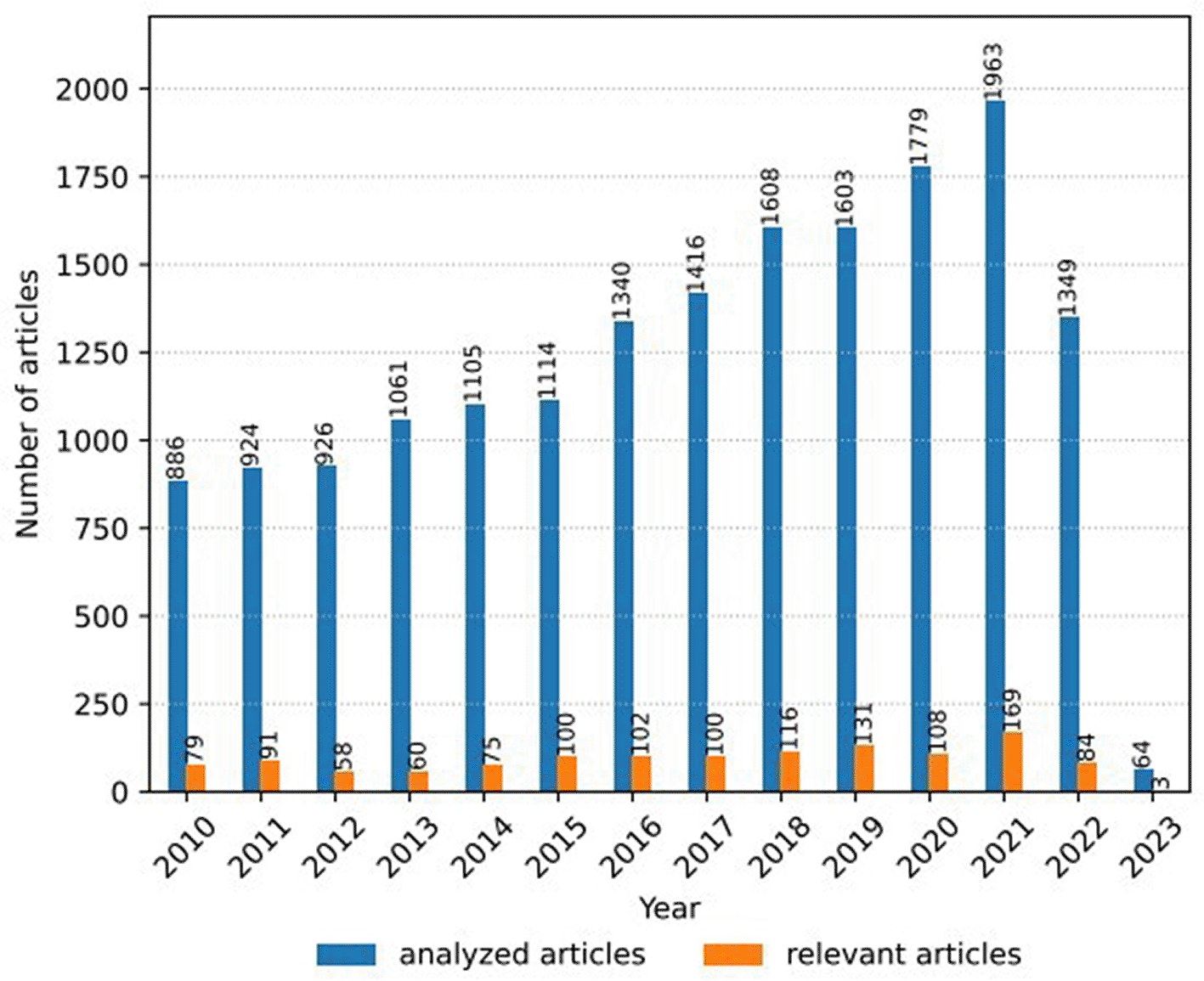
Figure 2. Number of relevant articles per year.
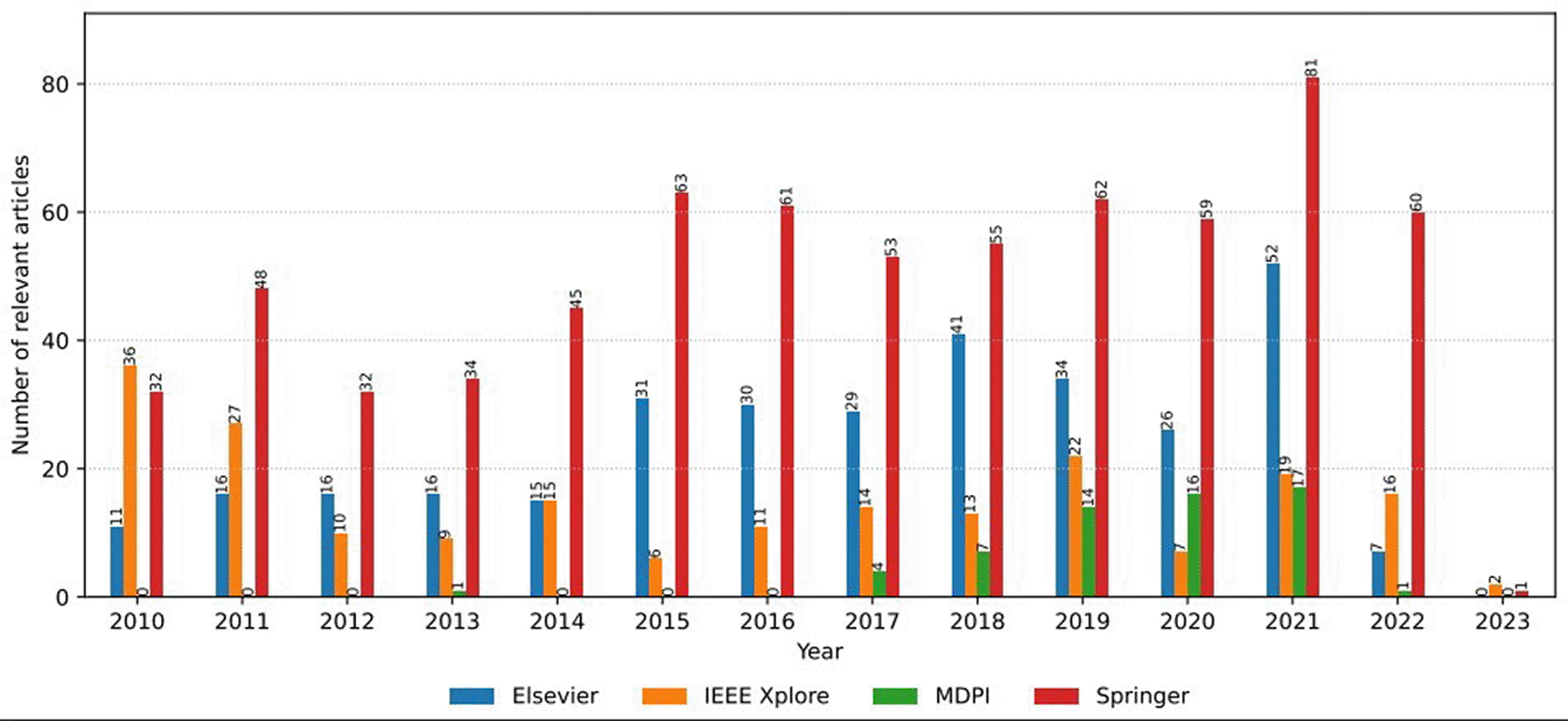
Figure 3. Number of relevant articles per digital library and year.
The core structured analysis tables are organized around three focus areas as described above: i) ESG and sustainability studies, ii) Innovation studies, and iii) Exit strategy studies. 8
Figure 4 shows the yearly numbers of relevant articles per main-topics property group. Meanwhile,
Figures 5, 6, and 7 show the same but for the ESG and sustainability, exit-strategy, and innovation property groups, respectively. Finally,
Figure 8 provides a full overview by showing the number of articles per combination of properties. Although the selection procedure was implemented to be as comprehensive as possible, the final sample may not include relevant contributions not indexed in the digital libraries included, such as policymakers documents, industry reports or books.
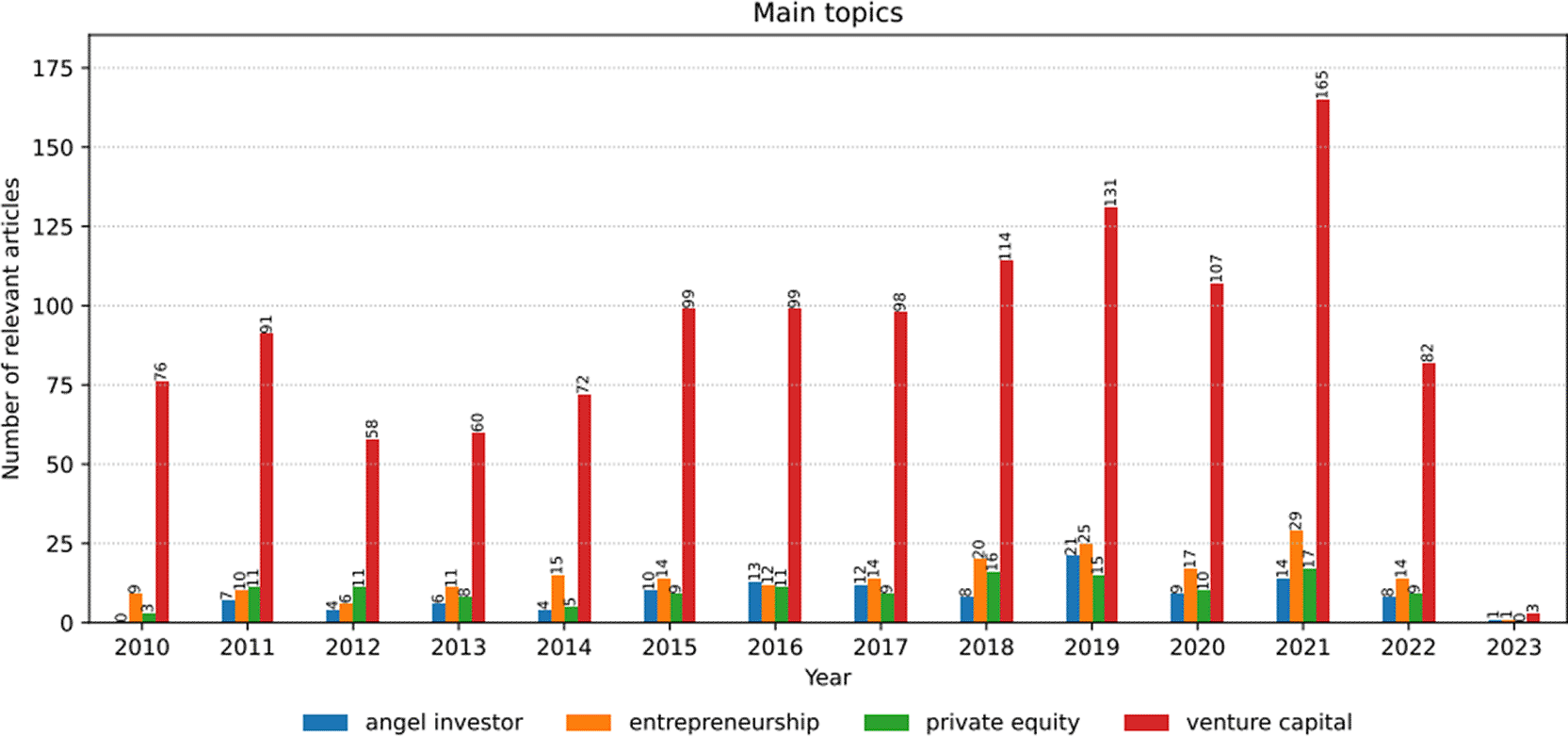
Figure 4. Bar chart representing the articles per property and year in the main-topics property group.
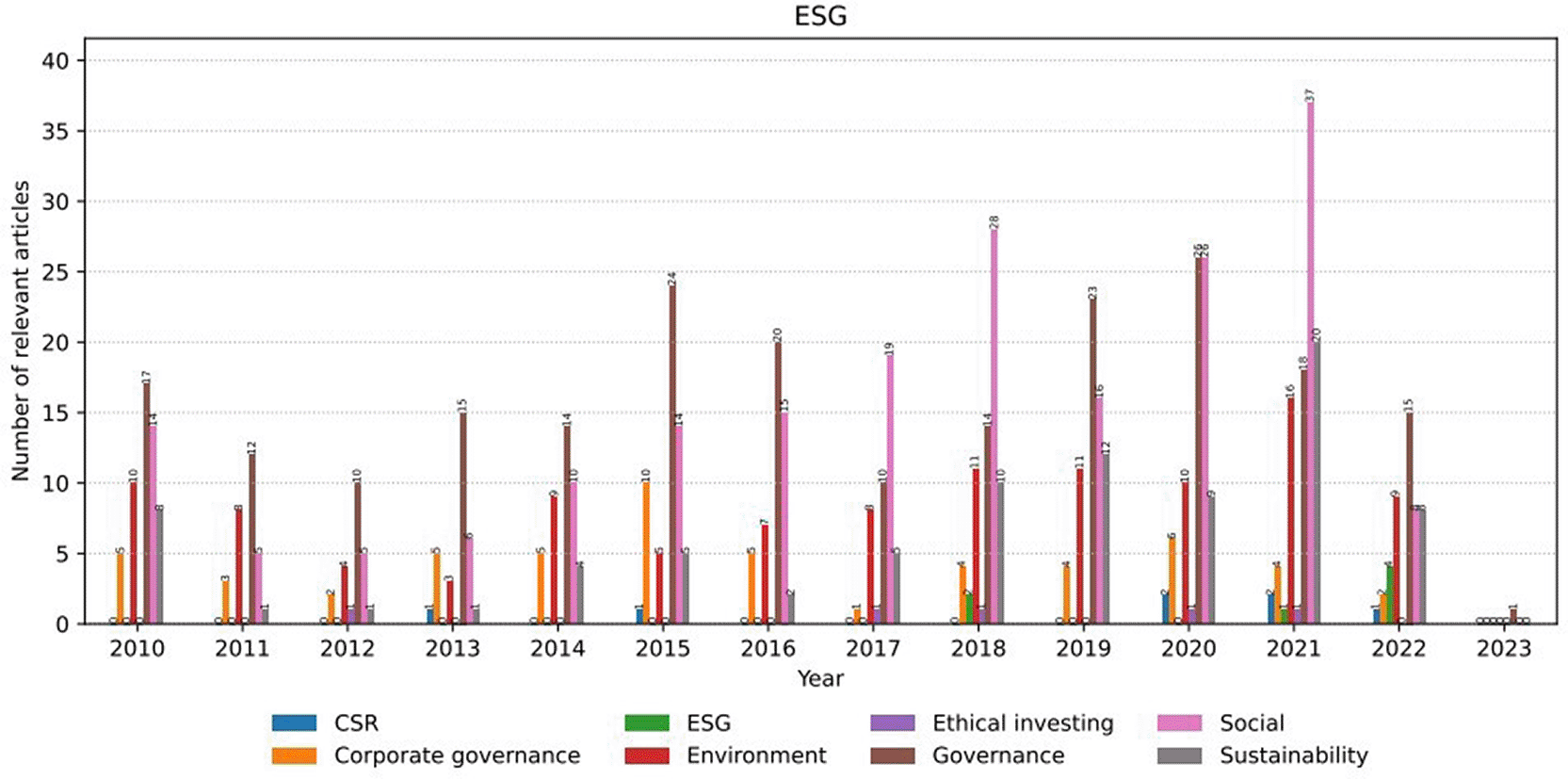
Figure 5. Bar chart representing the articles per property and year in the ESG and sustainability property group.
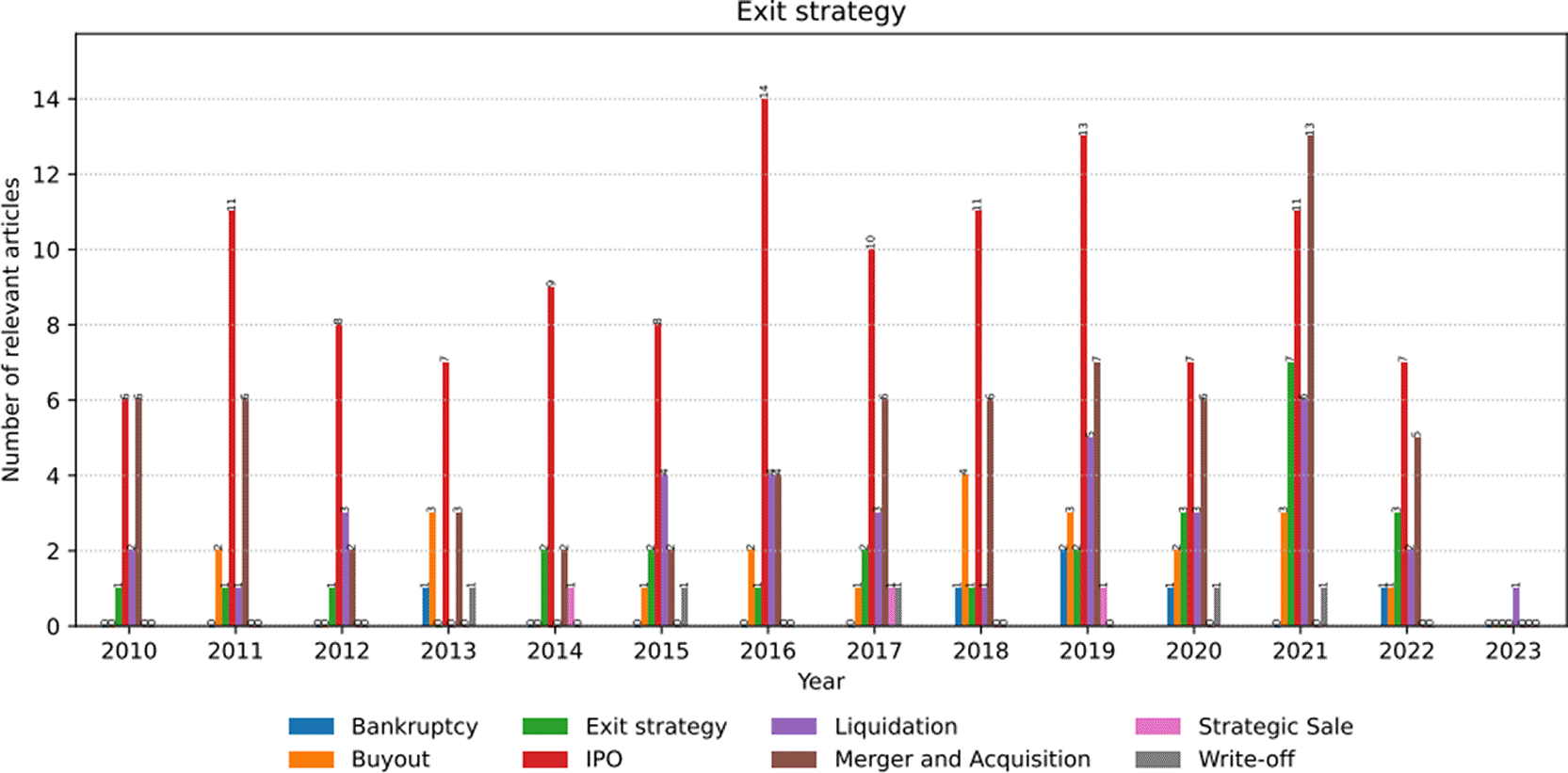
Figure 6. Bar chart representing the articles per property and year in the exit-strategy property group.
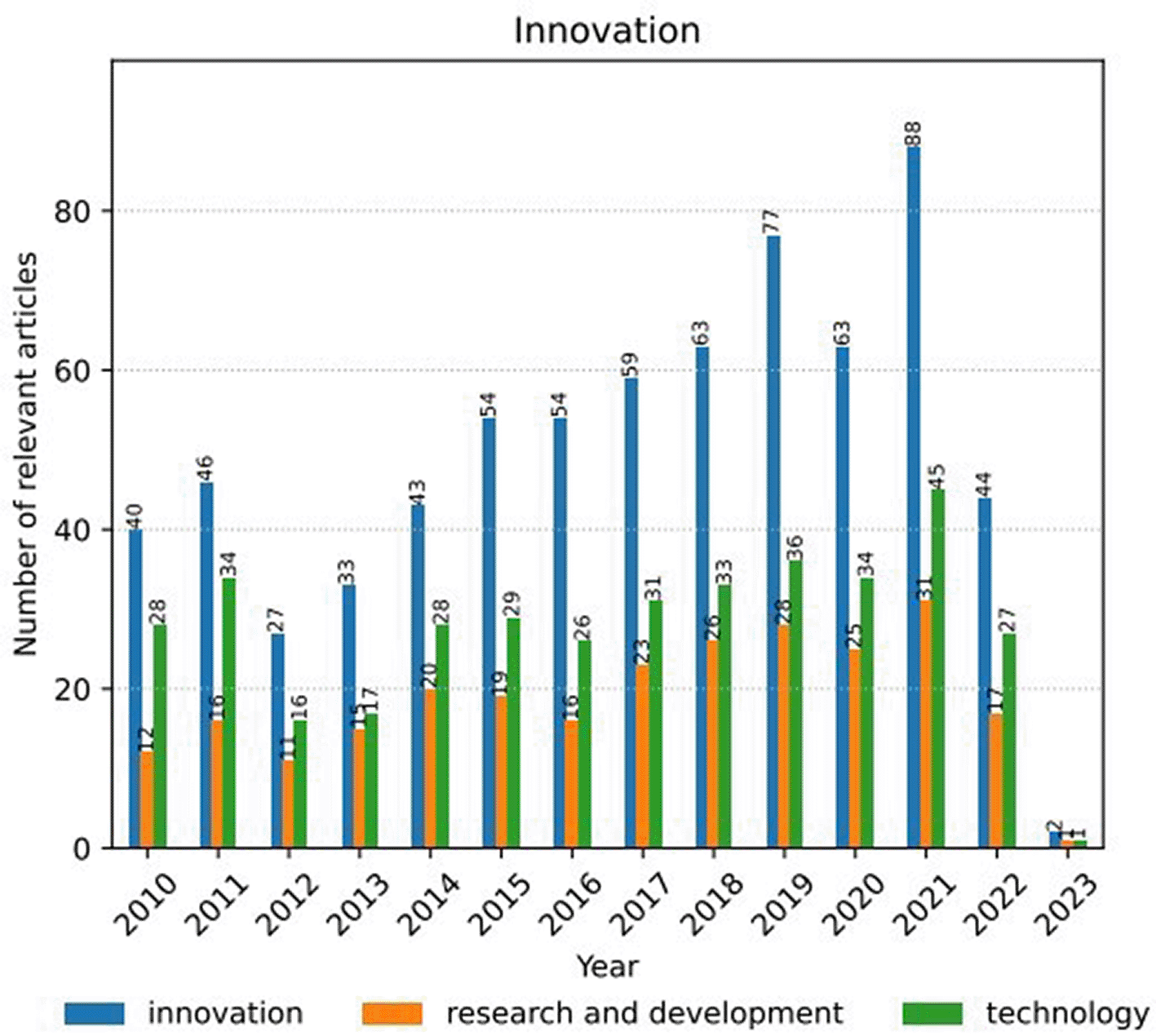
Figure 7. Bar chart representing the articles per property and year in the innovation property group.
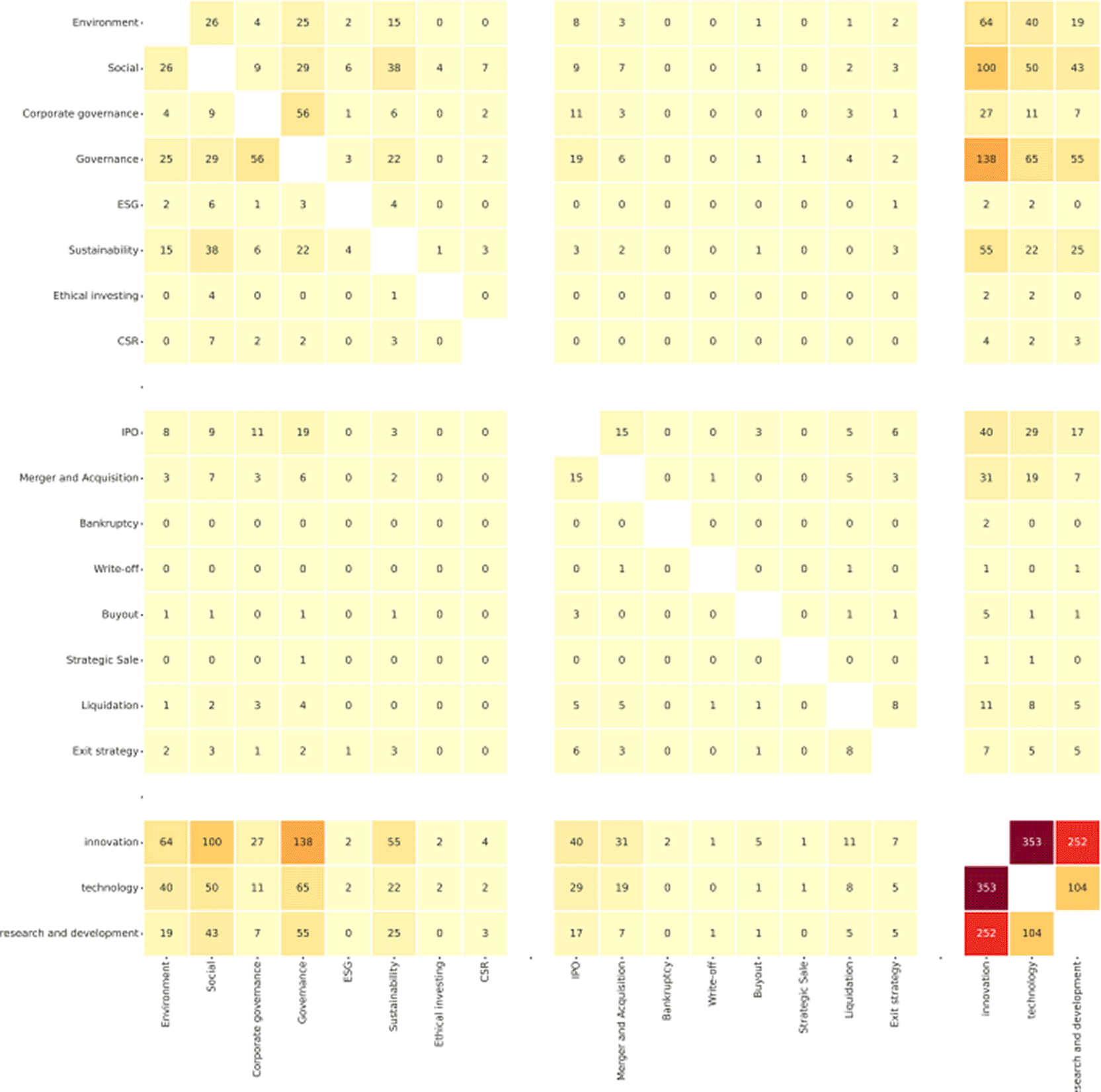
Figure 8. Number of articles per combination of properties.
3.1 ESG and sustainability
This section reviews practice-relevant studies on VC and ESG and sustainability, to understand whether investing in a more sustainable target company impacts performance for VC investors or for their portfolio companies (see the summary table IA.1 provided in the Ap-pendix). Recent research highlights the growing yet context-dependent influence of ESG and sustainability considerations on VC activity, with evidence showing that governance structures, investor orientation, and market characteristics jointly shape investment behavior and firm per-formance across regions. First, we note that academic evidence is not homogeneous across countries, and this might question the applicability of some results across different markets. As is common in the corporate finance literature, most VC studies focus on the US market, a few focus on Europe (Groh et al., 2010; Milosevic, 2018), while many investigate the Asian markets (Aleenajitpong and Leemakdej, 2021; Shao and Sun, 2021). It is nevertheless useful to provide an overview of the main studies to reveal the influential role of ESG behavior and Corporate Social Responsibility practices for investment patterns and performance. Anokhin et al. (2016) study Corporate VC (CVC) and find that governance factors (i.e., institutional ownership and board experience) shape CVC intervention. Governance is also evaluated by Gloor et al. (2020), who examine 500 technology start-ups and find that targets with VC representative on the board are more likely to receive future funding. Investor protection and corporate governance rules also determine the attractiveness of the different European countries (Groh et al., 2010), which experience a gap in the funding of early stage and scale-up businesses (Quas et al., 2022). Several other papers address governance studies, such as the study of Dubocage and Galindo (2014) on CEO replacement related governance, as well as the studies of Ewens et al. (2018) and Tinkler et al. (2015). Alakent et al. (2020) suggest that CSR performance is worse in companies that receive VC funding, except when the VC has itself a responsible investment orientation and a broader stakeholder view. This suggests that the engagement in CSR activity should stem from the VC and not only be fostered at the target level. The influence of VC features are also studied by Zhu and Lu (2020) for private companies in China, who argue that the negative relation between Corporate Environment Responsibility (CER) spending and the percentage of family ownership becomes positive if VC investors are from developed markets. The impact of VC also affects governance settings of family firms and determines better performance at IPO and in the long term (Chemmanur et al., 2021).
The evidence provided and the managerial implications also depend on the definition of ESG and sustainability, on the measures employed to proxy the concept and on the specific ESG factor considered. Sustainability has been evaluated at target level (van Rijnsoever, 2022; Jeong et al., 2020; Xue et al., 2019a) and investment process level (Cumming et al., 2016; Hegeman and Sørheim, 2021), especially in the field of cleantech investments. Broader studies, such as Boulton (2022), address the influence of VC funding on social progress or on the achievement of sustainable development goals (Sergi and Popkova, 2022), also when public funds are employed (Vanderhoven et al. (2020)).
3.2 Innovation: technology, r&d, patents
VC plays a key role in driving innovation across markets, with research highlighting di-verse impacts depending on context and methodology. Studies show that both patent activity and VC inflows are closely linked — for example, Schertler and Tykvová (2012) finds that stronger patent output attracts more VC investment, while Samila and Sorenson (2010) demonstrate that government research grants can amplify this effect by stimulating both innovation and venture funding. Case evidence from Singapore and Taiwan (Wonglimpiyarat, 2013) further illustrates how VC financing supports technological advancement and informs effective innovation policy. Together, these findings underscore how coordinated public and private initiatives can strengthen innovation ecosystems and maximize the impact of VC funding.
Beyond traditional data analysis, researchers have used a variety of practical methods — from surveys and interviews to advanced statistical and spatial modeling — to better understand how VC supports innovation across regions and industries. Interview-based studies (e.g., Bocken, 2015; Luukkonen et al., 2013) highlight how ownership structures and investor perspectives shape VC-backed firms. Other research applies quantitative tools such as propensity score matching to analyze energy-sector investments (Cailou and DeHai, 2022) or spatial models to examine Chinese VC networks (Yao et al., 2019). Studies of angel networks in the US and Europe (Deffains-Crapsky and Klein, 2016) and innovation policies in Israel, Singapore, and Thailand (Wonglimpiyarat, 2013, 2016) show how public support and policy frameworks can strengthen entrepreneurial ecosystems. Large-scale analyses using European and Chinese databases (Colombo et al., 2016a, 2019; Dong et al., 2021) further reveal that access to finance, technology intensity, and governance all play a role in determining VC success. Collectively, this body of work offers valuable insights for practitioners seeking to align VC investment strategies with innovation policy and sustainable growth objectives.
3.3 Exit strategy
This section compiles studies on VC and exit strategy. A summary of the identified papers is provided in Table IA.3 in the Appendix.
The Exit strategy of VC investors is a determinant of investment success and, consequently, is one of the key elements VCs consider when evaluating investment opportunities (Gompers and Lerner, 2004). Venture capitalists plan the exit strategy, both in terms of type and timing, prior to investing in target companies. This is necessary as they aim to maximise the outcome (often in terms of return) of their investments and to ensure they can divest when the desired outcome has been achieved, or when the investment period has concluded. Typically, the investment duration is around 5-7 years, though the literature finds a longer duration for liquidation or when external shocks occur (Schwienbacher, 2008; Bertoni and Groh, 2014).
Exit strategies include IPOs, mergers and acquisitions (M&As) of target companies, trade sales to other investment funds, management buyouts, and write-offs. Write-offs occurs when the performance of the target company is not satisfactory (Bertoni and Groh, 2014). Although IPOs are the most frequently studied exit strategies, they are not the most common exit strategy of VCs. Moreover, the overall number of IPOs in the markets has decreased over time. This is due in part to changes in the market environment, as well as the increasing attractiveness and feasibility of other exit routes.
The papers included in our review (see Table IA.3 in the Appendix) adopt a variety of approaches, with most focusing specifically on the exit strategy or exit performance for the VC or target company. Most of these papers employ an empirical approach, whereas a subset of them empirically tests the relationship between a dependent variable - which generally proxies the exit strategy or exit outcome - and a set of independent variables. These independent variables typically include VC characteristics, target firm characteristics, and environmental features.
For example, the paper by Milosevic (2018) examines the exit type through a logit and hierarchical linear model (HLM) regression to understand how VC fund and VC-backed firm characteristics influence the success at exit. Further, Amor and Kooli (2020) investigate how VC reputation influences the exit type for target companies in VC portfolio. Moreover, Suchard et al. (2021) and Cumming et al. (2017) focus on government managed VCs (GVC) and independent VCs (IVC) as determinants of exit strategy and performance.
Many papers study the outcome at exit, measured as underpricing at IPO, trade sale counter-value, or portfolio return for VC investors. For example, Chaplinsky and Gupta-Mukherjee (2016) study how VC stakes influence exit return, while Wang and Wang (2011) focus on Chinese VC-backed deals. Moreover, Buchner et al. (2019) compare VC IPOs and buyouts, and Chemmanur et al. (2021) employ Tobin’s Q and returns as dependent variables to investigate the importance of VC as a determinant of performance for family firms. Survival of target companies is another proxy for exit performance (see, e.g., Buzzacchi et al., 2013).
A stream of literature that aligns with studies focusing on performance at exit uses innovation as a proxy for performance. While a detailed exploration of innovation is covered in Paragraph 3.2, it is worth noting here that innovation is also employed by studies examining exit strategy (e.g., Hsu, 2013; Ke and Wang, 2021; Dong et al., 2021).
A limited number of empirical studies take a more qualitative approach, using interviews and surveys to understand exit strategies and the performance of target companies. These include Soenksen and Yazdi (2017), who focus on life science companies, and Sołoma (2015), who studies the determinants of the decision to take Polish VC-backed companies public.
A small number of papers take a theoretical approach to determine the precursors of a successful VC investment in targets and, in turn, the exit outcome (Wu et al., 2019; Andrieu and Peter Groh, 2021).
4. Discussion
4.1 Data and methodological approach
Most of the studies reviewed in this paper are data-driven and focus on modeling key aspects of VC activity. This section brings together the main methodological approaches and data sources employed by the literature to highlight how VC performance and decision-making are analyzed in practice. ESG and Sustainability, Innovation, and Exit Strategy are three main themes reflecting the core areas previously identified in this study. A summary of the key data and methods used in these studies is provided in Table IA.4 in the Appendix.
Most of the studies addressing ESG and sustainability in VC that we reviewed are based on sample data (see Table IA.1 in the Appendix for some examples in this group). These studies cover various entities operating within the field, including VCs (e.g, Milosevic, 2018; Aleenajitpong and Leemakdej, 2021; Ke and Wang, 2021; Li et al., 2021), listing companies (e.g., Hearn, 2011; Benson et al., 2015; Cheng et al., 2019), or start-ups (e.g., Dudley, 2021; van Rijnsoever, 2022; Nigam et al., 2020). The most commonly employed methodological approach is regression modeling, particularly Ordinary Least Squares (OLS) regression. For example, Sergi and Popkova (2022) and Jeong et al. (2020) exclusively apply OLS regression, while others employ probit or logit regression to also estimate probabilities (Hearn, 2011; Liao et al., 2014; Alakent et al., 2020). Others use survival analysis models like the Cox regression model (Cumming et al., 2010). Some introduce moderating effects or instrumental variables (Dudley, 2021; Hearn et al., 2018), or combine regression analysis with textual analysis (Benson et al., 2015). Another group of researchers focus on tobit, probit, and logit regressions (Li et al., 2021; Shao and Sun, 2021), hierarchical regression (Zhu and Lu, 2020), or a negative binomial approach (e.g., Cumming and Johan, 2020). There are also a few studies that use structural equation modeling in conjunction with regression analysis for index construction (see, e.g., Li et al., 2021).
It is worth noting that although these samples are constructed over time, the only way in which this aspect is considered is through time dummy variables (see, e.g., Alakent et al., 2020). Only few studies conduct a longitudinal analysis using panel data (e.g., Hearn, 2011; Boulton, 2022; Frimpong et al., 2022). Among these, some focus on companies, assessing random samples (e.g., Hearn, 2011; Battisti et al., 2022; Boulton, 2022). Other studies concentrate on a macroeconomic assessment of the subject at the country level (e.g., Cumming et al., 2016; Frimpong et al., 2022). Notably, there is also en effort to incorporate spatial factors into the analysis. Cheng et al. (2019), for instance, use 282 cities from 2004 to 2015 which they subject to Spatial Econometrics methods like spatial panel models and spatial autoregressive models, among others.
Other quantitative approaches aim to forecast expected outcomes of the VC operations using methods such as simulations (Wu et al., 2019) or network analysis (Aleenajitpong and Leemakdej, 2021).
From a methodological perspective, qualitative approaches are also prevalent. We have included in the sample one theoretical work that presents the subject of ESG versus VC from the beginning, with including a theoretical introduction and legal environment (Caselli and Negri, 2018). Some other researchers have conducted interviews with professionals in the field (e.g., Dubocage and Galindo, 2014; Hegeman and Sørheim, 2021; Owen, 2021; Noguti et al., 2021), or have carried out case studies (e.g., Strömsten and Waluszewski, 2012; Johansson et al., 2021).
Regarding the origin of the data, most studies deal with samples from China or the US, with only a few focusing on with European ones.
The research methodology in studies focusing on innovation tends to be more sophisticated, as most of these studies use panel data samples and, consequently, employ panel data techniques. Less than half of the articles related to innovation assess panel data (see, e.g., Grilli and Murtinu, 2014; Cailou and DeHai, 2022; Colombo et al., 2016b, 2019). Many of these studies, like Grilli and Murtinu (2014) and Colombo et al. (2016b), utilize data from the VICO database. Thus, the focus extends beyond the US (Kolympiris et al., 2011) and China (Sun et al., 2019) to include Europe as well (Grilli and Murtinu, 2014; Khan et al., 2021; Alperovych et al., 2020). These studies employ fixed or random panel data regression (Berger and Hottenrott, 2021; Alperovych et al., 2020; Samila and Sorenson, 2010), but predominantly use GMM or dynamic approaches, similar to the works of Grilli and Murtinu (2014), Khan et al. (2021), or Schertler and Tykvová (2012). Sun et al. (2019) also use a Stochastic Frontier Model (SFM), while Cox regression is found in Colombo et al. (2016b). Propensity Score Matching models and qualitative regressions like Poisson or Probit are employed by Cailou and DeHai (2022) or Wu et al. (2020). Once again, we find the use of spatial panel analysis tools like spatial autocorrelation analysis and different types of spatial regression, applied to a sample of 31 Chinese provinces (Yao et al., 2019) or US companies (Kolympiris et al., 2011).
Some research uses cross-section data from various official sources or surveys form the basis for the studies focusing on innovation in our sample. The methodological approach primarily involves OLS regression (Luukkonen et al., 2013; Emir Hidayat et al., 2022), instrumental variables (Hsu, 2013; Guo et al., 2017), or probit regression (Hsu, 2013; Sharma and Zhu, 2020). In this group, we also find Poisson model (Dong et al., 2021) and fuzzy analysis (Rezaei et al., 2013), along with more straightforward descriptive analyses (Williams and Walch, 2021). Qualitative assessments are present in the form of case studies or interviews. For example, case studies from Israel (Wonglimpiyarat, 2016), Singapore (Paiva-Silva, 2022), Singapore and Taiwan (Wonglimpiyarat, 2013), and India (Sonne, 2012), can be found. There are also theoretical studies, similar to Deffains-Crapsky and Klein (2016).
As with the ESG and sustainability focus area, we also identified an important simulation article (Lin et al., 2019).
The Exit Strategy group within our sample bears similarity to the ESG and sustainability area, particularly in terms of the type of data used. A majority of the research in this field that we reviewed in this group, relies on cross-section sample data (see, e.g., Sołoma, 2015; Ke and Wang, 2021). However, the complexity and diversity of methodological approaches are greater than in the ESG and sustainability group. We find several studies that employ only descriptive statistics (Teker et al., 2016) or comparison tests (e.g., t-tests, as in Yang et al., 2018). At the other end of the spectrum, we identified a relevant study that uses fuzzy methods, namely Wang et al. (2019). Similar to Groh et al. (2010), Buchner et al. (2016), Xue et al. (2019b), and Nguyen and Vo (2021), most of these studies apply the classical OLS regression method. A share of the studies apply qualitative regressions like logit (Ke and Wang, 2021; Suchard et al., 2021), probit (Amor and Kooli, 2020; Buzzacchi et al., 2013), or tobit (Park and LiPuma, 2020) in an attempt to estimate probabilities. A larger proportion compared to the ESG and sustainability studies of the papers that we considered and assessed in this group, try to make the sample dynamic and introduce time in the regression estimations by using the Cox regression from the survival analysis group (Hsu, 2013; Ozmel et al., 2013; Jia and Wang, 2017). This proportion is almost equal to the panel data group. Among them, there are classical panel regression (de Carvalho et al., 2020), with fixed or random effects, qualitative panel regressions, like logit (Song et al., 2014) and probit (Jeppsson, 2018), negative binomial model (van de Vrande et al., 2011), PSM (Del Gaudio et al., 2020), GLS (Boulton, 2022), and GMM (dynamic estimations) (Lahr and Trombley, 2020). We also found the study of Brown et al. (2021) that uses a very simple time series descriptive analysis.
Qualitative assessments are also very rare in Exit Strategy studies. Most of them involve different theoretical approaches (Kaya and Persson, 2019), with some attempting to simulate theoretical estimation models (Silveira and Wright, 2016). We found only one relevant case study, that of Żbikowski and Antosiuk (2021) on Israel, and a few based on interviews, such as Soenksen and Yazdi (2017) and Panda et al. (2020). Unlike the other two thematic groups, we also encountered some older literature review studies: Cumming and Zhang (2016), Rosenbusch et al. (2013) and Rin et al. (2013).
4.2 Limitations
Despite the comprehensive approach to exploring the field of VC financing through a systematic/bibliometric analysis, this study acknowledges several limitations. Firstly, the selection of databases (IEEE, Scopus, Springer, Elsevier, and MDPI) for sourcing literature, while extensive, may only encompass some relevant publications, potentially omitting significant studies published in other journals or databases. Secondly, the reliance on specific keywords (”venture capital,” ”private equity,” ”angel investor,” ”business angel”) to filter relevant articles might re-strict the scope of identified literature, as relevant studies might employ different terminology or focus on niche aspects of VC financing not captured by our search terms. Additionally, the criteria established for article inclusion, though meticulously designed, could unintentionally exclude relevant studies that do not conform to the predefined properties but nonetheless contribute valuable insights into the domain. Finally, the qualitative and subjective approach used for evaluating and selecting articles for analysis, while necessary for thematic synthesis, introduces an element of subjectivity that could affect the replicability and objectivity of the findings. Despite these limitations, this analysis offers significant insights into VC financing, providing a solid foundation upon which future research can be built.
5. Conclusion and future research
Our study aims to provide practitioners with evidence-based insights from the VC literature, highlighting how it integrates ESG principles, patent-driven innovation, and exit strategies. We also address gaps in the literature and outline directions for future research. A key outcome of this study is the identification of a lack of comprehensive understanding regarding VC research in emerging markets, with most findings focused on developed economies. Another important outcome for practitioners is that the type of funding significantly influences VC firms’ innovation trajectories. Our study provides a broad overview of the VC literature across various regions, countries, legal systems, industries, and time periods. We focus on ESG and sustainability, innovation, and exit strategy features, reviewing 1,264 papers after screening an initial pool of 24,021. Our research presents a more extensive and thorough analysis than previous review papers in the field.
We employ the rigorous PRISMA approach, using a NLP tool to search for keywords within abstracts. This enables an extensive review of a large set of documents. To the best of our knowledge, this multidisciplinary study, combining finance and computer science, offers a complex and systemic review of VC literature, supported by both systematic and bibliometric methods. Our findings reveal regional disparities: markets such as the US and China are extensively studied, while emerging markets have received comparatively less attention. A greater focus on these regions could uncover important differences in VC market features and behaviors. Moreover, VC studies on ESG and sustainability, innovation, and exit strategies are becoming increasingly relevant. Future research should explore how VC investors prioritize ESG and sustainability impacts, as well as the challenges they face in doing so.
Our findings also reveal a wide range of methodologies used to assess VC-related issues, from basic quantitative approaches such as descriptive assessment to qualitative methodologies including interviews, case studies, theoretical approaches, and simulations. Across ESG, innovation, and exit strategy studies, the most commonly used method is OLS regression, applied to either cross-sectional or panel data. A recurring methodological issue is the frequent use of cross-sectional data, with limited attention to time-series effects. VC studies on ESG and Sustainability, as well as Exit Strategy, primarily deal with cross-section data, while VC studies related to Innovation tend to utilize panel data, thereby accounting for time effects. We should note that we have also identified more modern approaches, such as Neural Networks, fuzzy analysis, and even spatial econometrics methods. Depending on the type of dependent variable, we have found both purely quantitative regression and more qualitative regressions like probit, logit, and even binomial models.
We acknowledge several limitations in VC studies that should be addressed in future research. Most studies focus on large VC firms, with limited evidence from smaller VC companies. Future research identify the unique features of smaller VC-backed companies and track their performance in terms of returns, ESG objectives and innovation outcomes. While this task is surely easier for target companies that complete an IPO, thanks to the availability of data, it should not be forgotten that most of the target companies are not listed, but enter a trade deal or become private equity backed. A number of researchers perform qualitative research and provide insights through surveys and interviews, but these are generally not available for further research. Improving the replicability of studies over time is a concern of the scholars. Additionally, implementing more sophisticated methodologies (e.g., machine learning or network analysis) might increase knowledge about the determinants of performance of target companies and VC funds, as these methods allow linear relationship assumptions to be relaxed. Finally, the analysis of previous studies shows a need for empirical and qualitative cross-country evidence, including a comparative analysis of evolving regulations and legal frameworks across different countries. This is of particular concern for the topic of ESG and sustainability, as policymakers are stressing the need to pursue more sustainable business model and investment choices. And this of course permeates the domain of VC investment.
Ethics and consent
Ethical approval and consent were not required.