Introduction
Seminal ecotoxicological research in the 1960’s (Carson, 1962; Fox, 1964) sparked global awareness of pollution’s destructive effects on the ecosystem and human health. Since then, anthropogenic activities continue to exponentially increase the volume and types of contaminants released into the environment. Ecological Risk Assessment (ERA) aims to understand the extent of damage caused by these toxic compounds to ecological receptors. Contemporary challenges include the ubiquitous infiltration of contaminants, complicated pollutant mixtures, and emerging ‘chemicals of concern’ (Topuz et al., 2011; Khalid et al., 2021; Naudé et al., 2022; Avinash et al., 2023; Brühl et al., 2024; Leroy et al., 2023; Sukarjo et al., 2024; Xu, C. et al., 2024), and therefore require ERA frameworks which capture these complexities in statistically rigorous ways, and incorporate new technologies for detecting and analyzing sensitive risk indicators (Posthuma et al., 2008; Fonseca et al., 2021; Grassi et al., 2022; Lan et al., 2024).
A major limitation in early ERA was the reliance on chemical concentration threshold values to establish toxicity (Posthuma et al, 2001; Environment Agency, UK, 2022). Derived ex situ, through tests on standardized organisms in artificial media, these ‘benchmarks’ were quantified primarily through mortality and other acute endpoints (ISO 20963:2005), contributing generic knowledge to toxicity profiles. However, they do not use site-specific media or organisms, failing to account for in situ contaminant bioavailability, bioaccumulation, and other site-specific effects (Chapman, 1990). For example, acidification causes a dramatic increase in the bioavailability of heavy metals (Chakraborty et al., 2024). In situ chemical-organism interactions can affect the bioavailability, toxicity, and spread of substances to surrounding biota (Ma et al., 2024; Zhao, W. et al., 2023). The mismatch between laboratory-derived toxicity thresholds and complex real-world conditions highlighted the need for more holistic and site-specific assessment methods, thus stimulating the development of integrated approaches such as the multiple line-of-evidence TRIAD framework.
The term TRIAD encompasses two distinct methodologies. The focus of this work originated as the Sediment Quality Triad (SQT), introduced and developed by Peter Chapman for risk assessment of polluted sediments (Long and Chapman, 1985; Chapman, 1986; Chapman, 1989; Chapman, 1990; Chapman et al., 1997). This TRIAD framework integrates data from three lines of evidence (LoEs): chemical, ecotoxicological, and ecological, evaluating the Weight of Evidence (WoE) for each LoE, to calculate risk. The other methodology stems from the U.S. Environmental Protection Agency (EPA), focusing on site remediation through systematic planning, dynamic work strategies, and real-time measurements (U.S. EPA, 2001; Crumbling, 2004), and is not discussed here.
By accounting for site-specific factors such as contaminant source type, biogeochemical interactions, landscape morphology, and hydrology that govern bioavailability and fate, the TRIAD captures the multi-dimensional nature of contaminant effects, beyond chemical benchmark analyses (Chapman, 1990; Dagnino et al., 2008). Over the past two decades, the TRIAD approach has been widely adapted for environmental assessment (Rutgers et al., 2000; Luiker et al., 2007; NEN 5737:2010; FCSAP, 2012; Swartjes et al., 2012), with economic considerations leading to a three-tiered system, balancing cost with analytical depth (Ribé et al., 2012; Niemeyer et al., 2015; Hong et al., 2021; Government of Western Australia, 2021).
The growing scientific understanding that soil functionality is the foundation for multiple ecosystem services (Carlon and Swartjes, 2007; Creamer et al., 2016; Faber et al. 2021), has driven the development of TRIAD protocols for terrestrial soils (Jensen and Mesman, 2006; Rutgers and Jensen, 2011; Swartjes et al., 2012; Gutiérrez et al., 2015) and the introduction of TRIAD standards such as ISO 19204:2017 and the supplementary ISO 15799:2019. The standards provide guidance on selection of contamination-free reference sites, criteria for choosing tests and for weighting parameters, and methods for integrating the three LoEs, recommending the use of various Multi-Criteria Decision Analysis (MCDA) frameworks to determine: 1) which tests have the greatest ecological sensitivity, relevance, practicability, and lowest signal-to-noise ratio, and 2) which assessment endpoints carry the greatest weight as indicators of ecological risk.
MCDA frameworks for site-specific risk assessments combine statistical analyses with Expert Judgment (EJ) input to address the complex, uncertain, and often incomplete nature of ecological data (Chapman et al., 2002). However, many EJ protocols applied to site-specific ERA have been criticized for lack of calibration, transparency, and statistical rigor (Swartjes et al., 2008; Topuz et al., 2011; Grassi et al., 2022), which lead to conflicting assessments and interpretations (Sorvari et al., 2013). Incorporating structured EJ aggregation techniques, which calibrate expert inputs, quantify imprecision, and mitigate behavioral biases, is a necessary step towards standardization and widespread applicability of the TRIAD. Applying these protocols at every stage, from establishing test-selection criteria, through the scoring of candidate tests and indicators against those criteria, to parameter weighting and integration, ensures uncertainty is tracked throughout the assessment.
The selection of a minimum dataset (MDS) of soil quality indicators (SQI) has been proposed to improve standardization and cost-efficiency for soil health assessments (Environment Agency, U.K., 2006). Multivariate analyses maintain the complexity of SQI relationships, permitting the development of MDS tailored to specific soil types or land uses, which accurately reflect threats to soil multifunctionality (Velasquez et al., 2007; Creamer et al., 2016, 2022). The MDS presents an accessible strategy for obtaining in situ data in lower-tiered TRIAD assessments. Further, quantifying the contribution of each SQI to ecosystem services through Ecological Production Functions (EPFs) (Faber et al., 2021) provides an interpretable measure of risk, increasing communicative clarity for decision-making.
Decision Support Systems (DSS) developed for higher-tiered TRIAD use MCDA algorithms to convert qualitative expert evaluations into quantitative scores for test selection and parameter weighting. Weights are integrated with empirical test data to calculate IR through mathematical averaging and MCDA-aggregation techniques (Critto et al., 2007; Semenzin et al., 2007, 2008; Dagnino et al., 2008; Gutiérrez et al., 2015). While some of this software tracks expert and data uncertainty to varying degrees, quantification of uncertainty at each stage of aggregation is necessary to achieve transparency. Notably, none of these frameworks use a transparent or repeatable process to establish or update the test-selection criteria themselves, introducing opaque uncertainty at this fundamental level of assessment. Beyond comprehensive uncertainty tracking, DSS software for TRIAD requires more sophisticated data analysis methods. Current approaches lose covariation between variables, reducing assessment accuracy. Multivariate analyses applied in ERA studies preserve these relationships, allowing visualization of contamination response patterns (Liu, Q. et al., 2024), identification of novel toxicity markers (Karimi et al., 2017), and quantification of dose-dependent effects beyond single-endpoint thresholds (Fonseca et al., 2021; Liu, J. et al., 2022). The M-Triad approach (Fonseca et al., 2021), presents one of the first applications of multivariate methods for TRIAD IR calculation, an important advancement over averaging-based integration.
While conventional multivariate methods preserve linear covariation structure among variables, machine learning (ML) algorithms capture nonlinear relationships and complex, high-order interactions beyond their scope. Advances in computational technology now allow processing of vast ecological datasets using machine learning. Models for contamination assessment trained on chemical, ecotoxicological, and in situ ecological data, both identify critical drivers of risk and offer predictive power adaptable to diverse environmental conditions (Lei et al., 2024; Zhang, J. et al., 2024a). The large datasets generated by the omic methods detailed in Part II (Djomehri et al., 2026) are particularly suited to both ML and multivariate analyses. ML models built from molecular environmental data have detected complex interactions underlying contaminant risk, and have been used as predictive tools for risk assessment across varying site conditions (Campa et al., 2022; Chakraborty et al., 2024; Chen, S. et al., 2024b). Developing accurate models is labor-intensive; however, once established, their computational capacity allows tailoring to diverse field conditions, making them widely applicable tools that save significant time and cost. Advancing these models is essential for TRIAD to evolve and remain relevant and accessible.
Although analytical advancements improve how TRIAD data is integrated, the quality of risk assessment is fundamentally limited by the sensitivity of the tests and indicators applied. Many TRIAD protocols emphasize the significance of biological indicators, with selection and weighting criteria favoring ecological LoE data. However, numerous studies have noted the lack of sensitive, ecologically relevant response parameters for ERA (Chapman and Hollert, 2006, Barrios, 2007; Faber and Van Wensem, 2012; Stone et al., 2016; Büneman et al. 2018). Expanding the ecological LoE to include soil microbiological indicators has partially addressed this shortcoming, allowing researchers to better understand toxicity under varied soil conditions and refine chemical threshold values based on ecological effects (Bastida et al., 2008; Klauberg-Filho et al., 2023). Sublethal microbial biomarkers such as enzymatic activity, cellular respiration, and microbial biomass, provide information on bioaccumulation, bioavailability, and biotransformation of contaminants, and have been increasingly used (Dagnino et al., 2008; Aponte et al., 2020) and standardized in ERA to increase assessment accuracy (OECD 216:2000; 209:2010; ISO 23265:2022; 18187:2024).
Molecular techniques now probe genes, proteins, and metabolic processes in environmental samples with unprecedented detail, offering more sensitive biological indicators than conventional measures (Bouchez et al., 2016). At the community level, meta-omic technologies - metagenomics, metatranscriptomics, metaproteomics, and metabolomics - characterize the taxa, genes, expressed pathways, and metabolic functions of uncultured environmental samples (Segata et al., 2013), discerning subtle contamination-induced shifts in community structure and function, strengthening the ecological LoE (Gonzalez et al., 2018; Chen, H. et al., 2024a; Zhao, Y. et al., 2024c). Organism and population level -omics trace molecular stress responses and toxicity mechanisms within individuals or species, providing fine-grained data for both the ecotoxicological and ecological LoEs (Van Meter et al., 2018; Shao et al., 2019). Though increasingly used in contaminant-response research, these methods have rarely, if ever, been formally applied within TRIAD (Gutiérrez et al., 2015; Grassi et al., 2022).
To meet EU soil health goals amidst increasingly complex pollution scenarios and balance soil protection with remediation efforts, countries must adopt modern, effective ERA protocols (Swartjes et al., 2008) aligned with the objectives of the recently adopted EU Soil Monitoring and Resilience Directive (Soil Monitoring Law), while promoting the harmonization of assessment techniques, indicator selection, and evaluation criteria across Member States (
European Parliament and Council of the European Union, 2025). This paper critically reviews the current state of TRIAD and synthesizes recent developments in TRIAD research and emerging ERA technologies to propose a modernized TRIAD framework that employs structured EJ protocols, MDS and EPFs for lower-tiered assessments, and transparent MCDA software, multivariate analyses, and ML models for higher-tiered assessments. The objective of this work is to demonstrate that these tools can be widely applied to enhance accuracy and standardization for TRIAD ERA in contaminated soils. Part II (Djomehri et al., 2026) expands the proposed framework by incorporating molecular omic methods to increase the resolution of biological indicators. It justifies their inclusion in the modernized TRIAD by evaluating their sensitivity, discriminative power, multifunctionality, temporal resolution, and ability to identify novel biomarkers and remediators, while also addressing the challenges associated with their implementation.
Pollution knows no borders; the TRIAD must therefore evolve through transparency, adaptability to new technologies, and commitment to affordability, accessibility, and reproducibility. Built on these principles, modernizing the TRIAD framework can deliver an internationally applicable framework that advances both ERA and remediation management (
Figure 1).
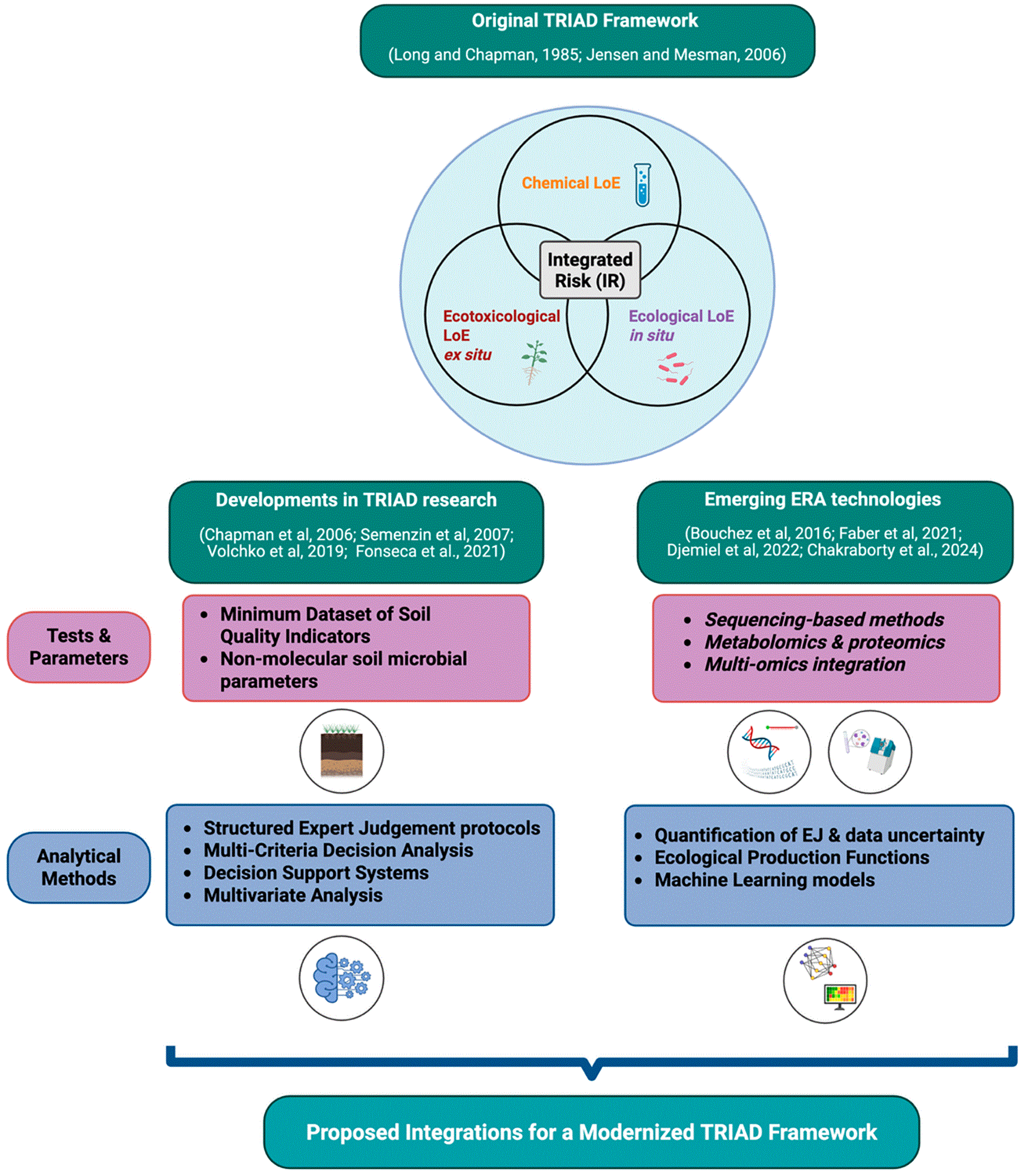
Figure 1. The original TRIAD framework integrates chemical, ecotoxicological, and ecological lines of evidence into an Integrated Risk (IR) estimate (top).
Developments in TRIAD research and emerging ERA technologies (two columns) contribute new tests, parameters, and analytical methods, which this review synthesizes into proposed integrations for a modernized TRIAD framework. Molecular omic methods (italicized) are examined in Part II: Omic methods for high-resolution biological risk indicators (Djomehri et al., 2026). Created with BioRender.
The TRIAD framework: current practice and foundational improvements
2.1 The Tiered TRIAD in practice: benefits and limitations
The multiple LoE approach of the TRIAD addresses the limitations of Species Sensitivity Distributions (SSDs) relying on ex situ organisms (Posthuma et al., 2001; Posthuma and de Zwart, 2024). SSDs represent a pollutant-specific statistical distribution relating concentration (in artificial soil or water) to the Potentially Affected Fraction (PAF) of a standardized species. The overall Toxic Pressure (TP) from mixtures of pollutants can also be gauged from SSDs (Posthuma et al., 2019). Chemical toxicity benchmark values are derived from SSD concentration values at specified PAF thresholds. Thus, SSDs enable generic ERA by integrating chemical and ex situ ecotoxicological data. However, relying solely on generic concentration thresholds, as still done in many national policies, omits important site-specific data which directly affects contaminant bioavailability, transport, and fate (Schwartz et al., 2011; Gainer et al., 2019).
The principal strengths of the TRIAD approach are its inclusion of ecological data and sublethal assessment endpoints, its adaptable nature, and its recognition of the need for transparent analytical methods that account for uncertainty during test selection, weighting, and integration of the three LoEs (Grassi et al., 2022). These strengths are delivered through a three-tiered structure, based on the principle ‘simple when possible, complex when needed’. At higher tiers, the assessment becomes increasingly site-specific and data-intensive, yielding more reliable and less conservative results.
ISO 19204:2017 establishes guidelines for site-specific TRIAD procedures. All LoE measurements are scaled against a reference site - an uncontaminated nearby location with comparable soil and environmental characteristics - whose selection directly influences assessment outcomes. Chemical LoE methods include testing contaminant bioavailability in field samples through reagent extractions, which quantify readily available fractions, or through sequential extractions, which inform contaminant partitioning characteristics and potential long-term release (Jensen and Mesman, 2006). Ecotoxicological assessment relies on standardized OECD/ISO assays measuring lethal effects, such as insect larvae mortality (ISO 20963:2005), or sublethal endpoints, such as plant or soil fauna growth and reproduction (OECD 208:2006; 222:2016a; 226:2016b; ISO 11267:2023), exposing ex situ organisms to field-collected soil. Short and long-term tests provide controlled, reproducible measures for acute and chronic toxicity, respectively. In general, incorporating sublethal endpoints into SSDs yields more sensitive PAF-based threshold values than acute data alone.
In contrast, ecological LoE tests recommended by ISO 19204:2017, including the bait lamina test and in situ species’ surveys, produce coarse data with high uncertainty. Microbial soil parameters such as respiration, biomass, and enzymatic activity (ISO 23265:2022; 18187:2024; OECD 216:2000; 209:2010) add finer ecological data (Nielsen et al., 2002), although these protocols have not yet been incorporated in an updated ISO TRIAD guideline. The need for ecological parameters with even more sensitivity than these conventional microbial parameters has been widely recognized (Stone et al., 2016; Bouchez et al., 2016, Bünemann et al. 2018), driving growing interest in molecular -omic methods for ERA, though their implementation in TRIAD remains scarce.
Figure 2 presents common tests and parameters used in each LoE within the tiered TRIAD framework, with omic methods positioned as high-resolution indicators for tier 3.
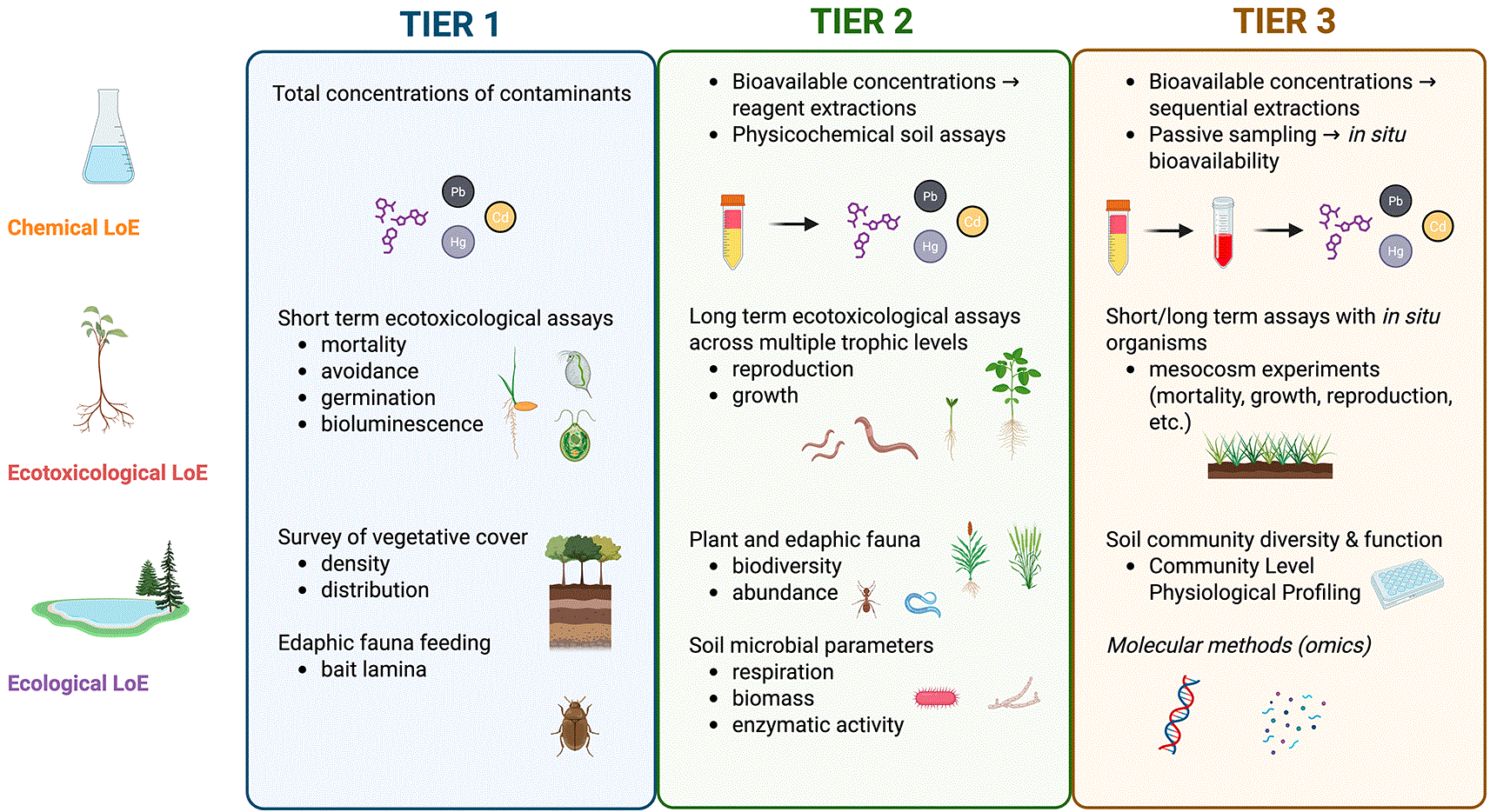
Figure 2. Representative tests and endpoints for the chemical, ecotoxicological, and ecological lines of evidence across the three TRIAD tiers.
Tiers are cumulative, with higher-tier assessments incorporating selected lower-tier tests alongside more resolved methods. Test selection for assessments follows ISO guidelines, Jensen and Mesman (2006), and researcher judgment, rather than fixed rules. Here, Molecular omic endpoints serve as high-resolution tier 3 indicators, though they have rarely been implemented in practice (Grassi et al., 2022). Molecular methods will be discussed in detail in Part II (Djomehri et al., 2026). Created with BioRender.
TRIAD assessments progress from tier 1 screening to higher tiers ‘if needed’ (Government of Western Australia, 2021; Environment Agency, U.K., 2022), however, not accounting for bioavailability in tier 1 can lead to either excessive or insufficient remedial actions. Higher tiers improve accuracy through expanded ecological/ecotoxicological indicators spanning trophic levels (Jensen and Mesman, 2006; Critto et al., 2007), while potentially reducing overall costs by preventing unnecessary remediation. For instance, a tier 3 assessment in Swedish industrial soils recommended significantly less costly remediation than tier 1 (Volchko et al., 2020), a finding echoed by a tier 2 study conducted at another Swedish industrial site (Ribé et al., 2012). At a long-contaminated agricultural site, low ecotoxicological and ecological risk offset a high chemical risk index, limiting remediation to a small fraction of the area (Klimkowicz-Pawlas et al., 2023). Remedial actions suggested in these three assessments posed less risk of secondary contaminant exposure than tier 1 recommendations. Conversely, integrated TRIAD assessments have flagged ecological risk overlooked by tier 1 benchmark screening (Terekhova et al., 2014; Totubaeva et al., 2020). Gworek et al. (2018) integrated TRIAD LoE parameters via Spatial Analysis and Decision Assistance (SADA) software (Stewart et al., 2009) for a former chemical plant, revealing six compounds exceeding acceptable risk despite individual concentrations remaining below national benchmark standards.
Even with higher-tiered testing, persistent issues of parameter insensitivity, incomplete data, and expert judgment variability critically affect the reliability of results. Kim et al. (2022) compensated for unresponsive ecotoxicological bioassays by spanning three trophic levels using ex situ organisms for a TRIAD ERA evaluating abandoned mining sites. However, in situ organisms were only evaluated through bait lamina, vegetation, and collembolan abundance surveys. As in a TRIAD study of a multi-metal contaminated site in Korea (Hong et al., 2021), Kim et al. (2022) calculated the highest risk from the chemical LoE, reflecting both reliance on total metal concentrations and the limited sensitivity of ecological parameters. In contrast, Niemeyer et al. (2015) employed comprehensive ecological testing at a Brazilian smelter site, including a surface-dwelling invertebrate survey and soil microbial parameters, finding the ecological LoE to indicate risk at sampling points where the other two LoEs did not. This divergence demonstrates that the choice and sensitivity of parameters directly determine which LoE dominates the assessment.
However, a sensitive parameter does not guarantee a clear verdict. At an abandoned mine site, Kim et al. (2024) added community-level physiological profiling (CLPP), a measure of microbial activity; these endpoints reflected elevated activity at the most contaminated sites, differing from the chemical and ecotoxicological risk patterns. Whether this marks a functionally-disrupted community restructured toward contamination-tolerant taxa or a resilient one of low concern was left unresolved, illustrating how mechanistic omic data is needed to ground such signals in biology rather than arbitrary interpretation. These difficulties recur throughout TRIAD applications. Following protocols by Jensen and Mesman (2006) and Niemeyer et al. (2015), Klimkowicz-Pawlas et al. (2023) identified significant uncertainties in reference site selection, chemical analyses limited to total concentrations, and unresponsive or ambiguous ecological parameters. These limitations collectively constrain TRIAD’s widespread adoptability (Sorvari et al., 2013), reinforcing the need for more sensitive indicators, transparent analytical methods, and structured EJ with uncertainty tracking to establish the standardized, evidence-based foundation required for consensus on test selection, data interpretation, weighting, and integration.
Researchers propose accuracy improvements: employing multiple MCDA techniques to track and mitigate uncertainty (Sorvari et al., 2013), minimizing reference site uncertainty through within-site ‘clean’ sample selection (Volchko et al., 2020); mesocosm experiments to increase ecological relevance while maintaining reproducibility (Van Straalen, 2002; Vink et al., 2023); and passive sampling for in situ bioavailability quantification (Macías et al., 2023). As early as 2006, Chapman and Hollert recommended expanding ecological parameters to include microbial biomarkers. Omic methods now offer superior sensitivity for resolving molecular-level contamination response (Bouchez et al., 2016; Bünemann et al., 2018; Grassi et al., 2022). Chemical speciation data links contaminant forms to observed shifts in omic data (Djemiel et al., 2022), while results from ecotoxicological bioassays can be elucidated by integrating multi-omics to study the underlying molecular mechanisms of observed effects (Lei et al., 2024). Despite specialized requirements and costs, the potential benefits of omic data for assessment accuracy justify initial investment, and can ultimately save time and remediation costs.
2.2 Structured expert judgment
Expert Judgment (EJ) is the central source of uncertainty in TRIAD, influencing all stages of assessment: criteria for test selection, reference site and test/indicator choice, parameter weighting, and the IR calculation. ISO TRIAD guidelines lack standardized EJ protocols, resulting in inconsistent approaches between studies with no mechanism for tracking uncertainty, preventing meaningful cross-study comparison (Grassi et al., 2022). Structured, statistically rigorous EJ protocols, adaptable to varying data availability and site conditions, are essential for accumulating comparable data across TRIAD studies, enabling researchers to recognize patterns in contaminant response, refine expert knowledge based on empirical evidence, and improve transparency throughout the ERA process.
EJ uncertainties are rarely tracked explicitly in ERA protocols, causing a widely criticized lack of transparency (Rutgers and Jensen, 2011). Multi-phase evaluation, in which uncertainty at each stage is mathematically represented, improves analytical rigor. Unstructured behavioral aggregation, in which experts interact in a group setting to reach consensus, compensates for individual knowledge gaps and reduces biases (Topuz et al., 2011) but remains subjective without explicit uncertainty tracking. Many TRIAD-based ERAs employ unstructured behavioral aggregation (Gutiérrez et al., 2015). Initial experts select and weight criteria and use this information to choose appropriate tests/indicators (Critto et al., 2007; Semenzin et al., 2007). Larger, multidisciplinary groups review test and indicator selections through workshops or questionnaires, with iterative rounds meant to mitigate bias, but the unrecorded process instead increases opacity. The establishment of the test-selection criteria is often fixed in advance by the small group of researchers conducting the study, further lowering transparency.
Advanced EJ models like the Sheffield Elicitation Framework, SHELF (Dias et al., 2018; Gosling, 2018), and the IDEA protocol (Hemming et al., 2018) incorporate structured, multi-phase behavioral aggregation, with each step involving group and individual scoring to trace uncertainties arising from group interaction. The Classical Model (Cooke and Goossens, 2008) weights individual judgments based on the expert’s performance on calibration questions, using mathematical aggregation without group interaction, avoiding the subjectivity inherent in behavioral approaches. Both structured behavioral models and non-behavioral aggregation approaches quantify uncertainty via probability distributions (Cooke and Goossens, 2008; Dias et al., 2018), and have been applied in i) environmental contexts such as climate modeling (Rohmer and Chojnacki, 2021; Katzav et al., 2021) and disaster assessment (Wittmann et al., 2015; Carladous et al., 2019) and, ii) cost estimation to society (risks) from water-related issues and mitigation measures (Ohlin Saletti et al., 2023). Integrating non-interactive calibration questions with structured behavioral aggregation protocols improves statistical tracking of uncertainty at all stages of expert input, and should be recommended in an updated TRIAD ISO protocol.
While probability distributions robustly quantify uncertainty, they require precise, additive assignments rarely attainable from imprecise or incomplete expert knowledge. Possibility distributions represent this vagueness directly (Zadeh, 1978; Katzav et al., 2021). Fuzzy set theory encodes linguistic uncertainties - qualitative judgments such as ‘high’ or ‘unlikely’ - as membership functions that map each possible value to a degree of plausibility, representing imprecision more realistically than probability distributions (Dubois and Prade, 2015; Pai and Gaonkar, 2020; Wang, Y. et al. 2023). Topuz et al. (2011) combined multi-phase behavioral aggregation with trapezoidal fuzzy numbers to capture decision uncertainty in an ERA protocol for environmental and human health risk at industrial sites. Incorporating these methodologies into TRIAD protocols would provide the mathematical rigor needed to track and quantify uncertainty throughout assessment, enhancing the transparency and standardization required for cross-study comparison.
2.3 Soil quality indicators, minimum dataset, & ecological production functions
Jensen and Mesman (2006) formalized indicator toolboxes for each LoE and tier, later included in ISO 19204:2017, providing guidance on appropriate tests for varying assessment complexity and land use scenarios. These toolboxes largely comprise the chemical, ecotoxicological, and ecological tests described in Section 2.1; and the authors noted the heavy reliance on EJ when selecting tests and weighting parameters for the IR calculation. As understanding of soil functionality and its role in ecosystem services advanced, soil health researchers developed the minimum dataset (MDS), a core set of soil quality indicators (SQIs) that act as diagnostic proxies for ecosystem service provision. Contaminant risk researchers recognize SQIs as a source of site-specific data directly relevant to ERA.
Chemical SQIs such as pH, organic matter, cation exchange capacity, and sorption coefficients reflect contaminant bioavailability and mobility, while ecological SQIs such as microbial respiration, biomass, and enzymatic activity offer rapid, affordable measures of soil functional health (Merrington et al., 2006; Bünemann et al., 2018). These parameters are as cost-effective as tier 1 screening tests yet provide more comprehensive site characterization, also informing contaminant exposure intensity and duration. An MDS for TRIAD integrates SQIs with tests from Jensen and Mesman’s (2006) indicator toolboxes. Standardized, repeatable protocols for MDS construction, tailored to different soil types and land uses, would reduce variability in indicator selection, and improve cost-efficiency and site-specificity for tier 1 assessments, with potential applications at higher tiers.
Researchers have developed MDS frameworks specifically for TRIAD application. The U.K. Environment Agency (2006) used a phased MCDA scoring methodology to determine MDS for tiered TRIAD assessments. Scoring criteria, established by group consensus, included sensitivity, discrimination from other stressors, multi-functionality, signal-to-noise ratio, practicability, efficiency, and cost. While microbial biodiversity and other microbial parameters scored highest for sensitivity/relevance, signal-to-noise, and multi-functionality, the tier 1 MDS emphasized physicochemical parameters due to cost and time constraints. At tier 1, indirect characterization of microbial community status is possible through soil biology-dependent parameters such as Soil Organic Carbon (SOC), mineralizable N, and aggregate stability, with researchers noting the need for more direct bioindicators at higher tiers. Building on these ideas, the Soil Function Tool Box - SF Box (Volchko et al., 2014, 2019) presents an MDS of SQIs (soil texture, pH, available P, C/N, organic carbon, soil depth), which focus on assessing soil function for “Life and Habitat” or “Primary Productivity”, and differentiating the effects of contamination from other stressors (Faber and Van Wensem, 2012). SF Box has demonstrated a cost-effective approach for addressing on-site soil heterogeneity and proper reference site selection, thereby improving the basis of TRIAD ERA (Volchko et al., 2020).
The relationships between SQIs and soil contamination are complex and governed by feedback and response mechanisms as depicted in
Figure 3. Studies correlating soil community response - changes in community structure, enzymatic activity, and biomass - to physicochemical factors, such as PAH adsorption to clay, or microplastic adsorption to organic matter (OM) illustrate this interdependence (Gainer et al., 2019; Lan et al., 2024). Enzymatic activity was found to vary significantly in heavy metal (HM)-contaminated soils with differing levels of OM (Xian et al., 2015; Terekhova, 2022; Rahul et al., 2022; Li, H. et al., 2024). Hormesis, low-dose stimulation followed by high-dose inhibition, has been observed in soil enzyme activity under heavy-metal exposure (Wu, J. et al., 2024).
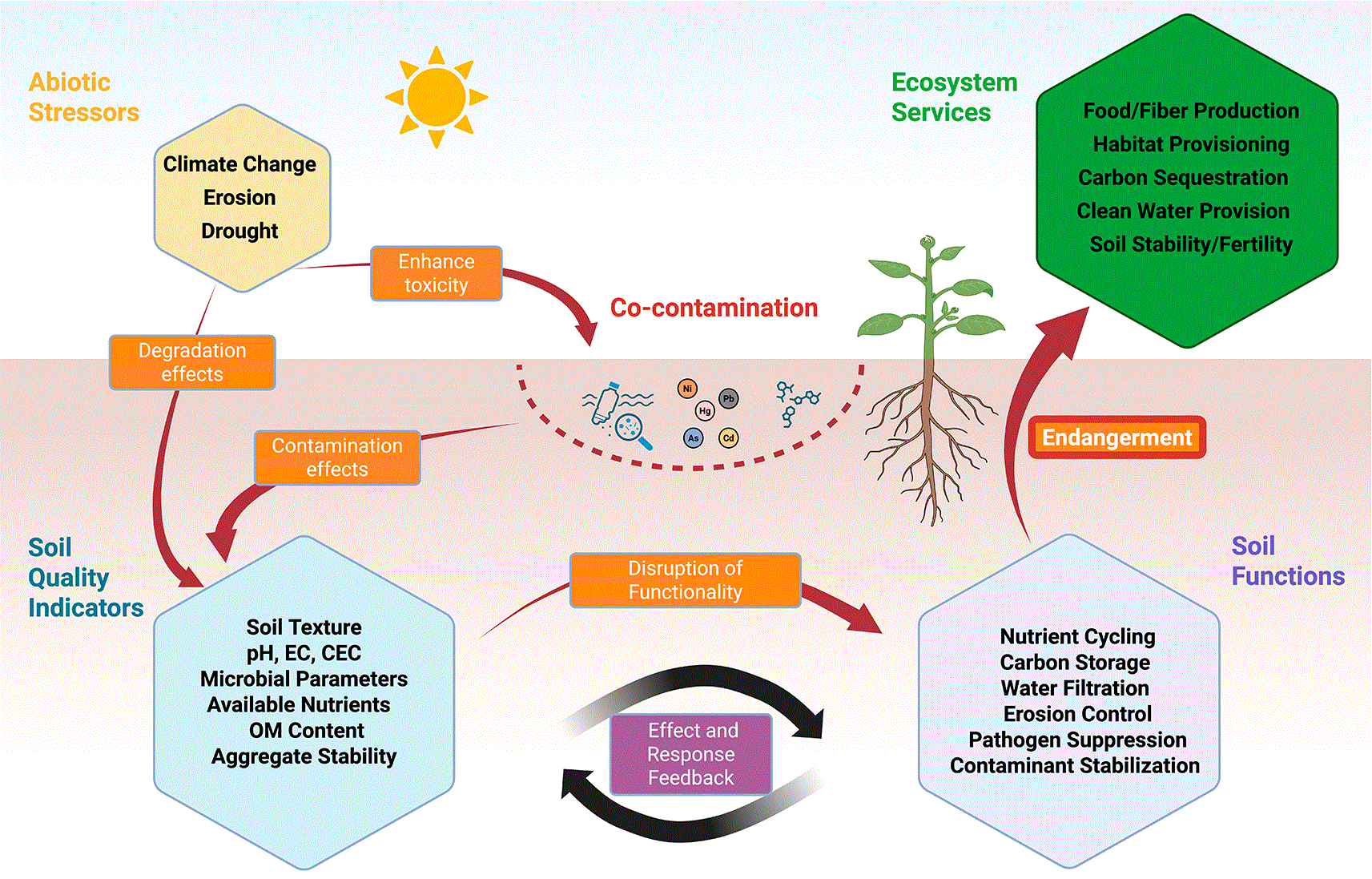
Figure 3. Effects of terrestrial pollution.
Simplified depiction of the linkages between abiotic stressors, soil quality indicators, soil functions, and the resulting risk to ecosystem services, emphasizing the interdependence of SQIs and soil functions and the influence of contamination on ecological response (Faber, 2006; Faber and Van Wensem, 2012; Creamer et al., 2022). Created with BioRender.
These complexities highlight the need for mathematically rigorous methods to determine MDS parameters that capture these linkages. Multivariate techniques such as Principal Components Analysis (PCA), heat maps, redundancy (RDA), discriminant, or Bayesian analysis (Andrews et al., 2002; Bastida et al., 2008; Creamer et al., 2016) reduce large variable sets to core indicators that preserve multifactor relationships (Bone et al., 2010; Nunes et al., 2021; Creamer et al., 2022), and have rarely been applied in the TRIAD framework. Velasquez et al. (2007) implemented this approach by reducing 54 soil variables to five core SQIs through sequential PCA, discriminant, and co-inertia analyses, calculating soil health by combining the selected parameters through a weighted formula with coefficients derived mathematically rather than through expert judgment. Notably, while the methodology proved broadly transferable, the specific coefficients required calibration according to regional conditions, illustrating how multivariate analysis yields standardized yet site-adaptable MDS construction, and underscoring the importance of cross-study reference databases for diverse soil and climate conditions.
Research connecting SQIs to ecosystem services (Kibblewhite et al., 2008; Van Eekeren et al., 2010; Bongiorno, 2020; Malik et al., 2020) has established a basis for applying these relationships in ERA. Faber and Van Wensem (2012) proposed that such linkages could provide a scientifically grounded alternative to subjective expert judgment for indicator selection and weighting. Building on this concept, Faber et al. (2021) developed Ecological Production Functions (EPFs), which quantify the contribution of service providing units (SPUs) - species, functional groups, or communities - to ecosystem service delivery. EPFs can be derived for SQIs such as biomass, organic carbon, biodiversity, or available nutrient concentrations. However, the authors noted that EPFs have primarily been developed for standardized test organisms, highlighting a gap for in situ species whose functional roles are most relevant to site-specific assessment. Integrating EPFs into the TRIAD IR calculation could improve accuracy by grounding parameter weighting in quantified ecological relationships rather than expert opinion. Additionally, the capacity to translate ecological risk into economic valuations of service loss offers a powerful tool for communicating outcomes to policymakers and stakeholders.
3. Advances in decision support, data integration, and analysis
3.1 Decision support systems for TRIAD test and indicator selection
Decision Support Systems use MCDA to structure and quantify expert judgment for ERA test selection, representing a significant advance in transparency over unstructured approaches. DSS-ERAMANIA, Module I, developed for TRIAD (Critto et al., 2007), employs Systems Experts (SEs) who assign numerical weights to selection criteria for each LoE and tier, and numerical scores to candidate test characteristics, while Data Experts (DEs) independently score each candidate test against the weighted criteria. The software normalizes and integrates these scores through weighted averaging, with a concordance index tracking disagreement between SE/DE pairs. Increasing the number of SE/DE pairs reduces individual bias, and the quantitative tracking confines unstructured behavioral aggregation to the initial selection of criteria.
Gutiérrez et al. (2015) developed a parallel Parameter Selection Module, with the criteria introduced by Critto et al. (2007) scored through group consensus by a multidisciplinary research consortium rather than independent SE/DE pairs. After scoring, tests are selected through the Analytic Hierarchy Process (AHP) (Saaty, 1987), a mathematically structured MCDA methodology. However, the unstructured nature of the group consensus process introduces additional opaque uncertainty, as individual expert contributions were not recorded. Both the Critto et al. (2007) and Gutiérrez et al. (2015) frameworks meaningfully strengthen the structuring of EJ for TRIAD test selection, yet significant gaps remain. The test-selection criteria are preset by the researchers rather than derived through structured EJ, behavioral aggregation continues without tracking (Dias et al., 2018), expert inputs are not weighted through calibration questions based on prior empirical data (Cooke and Goossens, 2008). Closing these gaps is essential to achieve the transparency required for cross-study comparability and the widespread adoptability of a modernized TRIAD framework.
Biological indicators are recognized in the literature as offering superior ecological relevance and endpoint sensitivity for toxicity assessment (Römbke et al., 2018; Van Gestel et al., 2021), yet they remain underused in ERA (Chapman and Hollert, 2006; Faber, 2006; Barrios, 2007; Pulleman et al., 2012; Bünemann et al., 2018). Ritz et al. (2009) addressed this deficiency using a ‘logical sieve’ structured MCDA approach, selecting 183 candidate bioindicators from an extensive literature search and synthesis. Candidates were scored against researcher-established scientific, technical, and ecological criteria, then combined through expert-derived formulae. Critical criteria, such as soil function pertinence, applicability, and discrimination acted as mandatory filters; a zero score in any of these eliminated the candidate, while the remaining criteria were weighted and summed. This sieving produced a consolidated ranking of 21 indicators, four of which required further methodological development before deployment. A subsequent logical sieve study selecting SQIs for soil health assessment to compare gentle remediation options confirmed cost-effectiveness, reproducibility, and commercial availability as persistent adoption bottlenecks (Drenning et al., 2024). Despite practical constraints, Ritz et al. (2009) ranked microbial diversity and community structure indicators highest overall, based on their strong performance in soil function pertinence, ecosystem applicability, and sensitivity to soil conditions, recommending Terminal Restriction Fragment Length Polymorphism (TRFLP) protocols as the best available molecular technology at that time.
Molecular methods now offer more sensitive, versatile genetic biomarkers than TRFLP. Stone et al. (2016) expanded Ritz et al.’s (2009) logical sieve to a European-scale scenario encompassing diverse climate zones and land uses, engaging a broader international network of experts through an online questionnaire. Seven of their top ten indicators employed molecular methods, with high sensitivity, discrimination, and multifunctionality scores offsetting cost and labor concerns. The ecological relevance and increasing accessibility of sequencing technologies make their incorporation into standardized TRIAD protocols essential. At the same time, DSS frameworks for test and indicator selection must continue to evolve toward structured behavioral aggregation and evidence-based calibration of expert inputs, anchoring ecological scoring to empirical data.
3.2 Weight of Evidence and the IR Calculation
After indicator selection, weighting data and performing the IR calculation requires addressing uncertainties arising from expert judgment, reference site selection, data collection, and analysis (Linkov et al., 2011). A modernized TRIAD framework for IR calculation must employ transparent MCDA for parameter weighting, tracking uncertainty at all stages. Multivariate data integration, unlike averaging or MCDA-based aggregation, preserves more complexity in inter-variable relationships, allowing the identification of subtle risk response patterns, improving data interpretation and parameter weighting, and mitigating uncertainty in the IR calculation (
Figure 4).
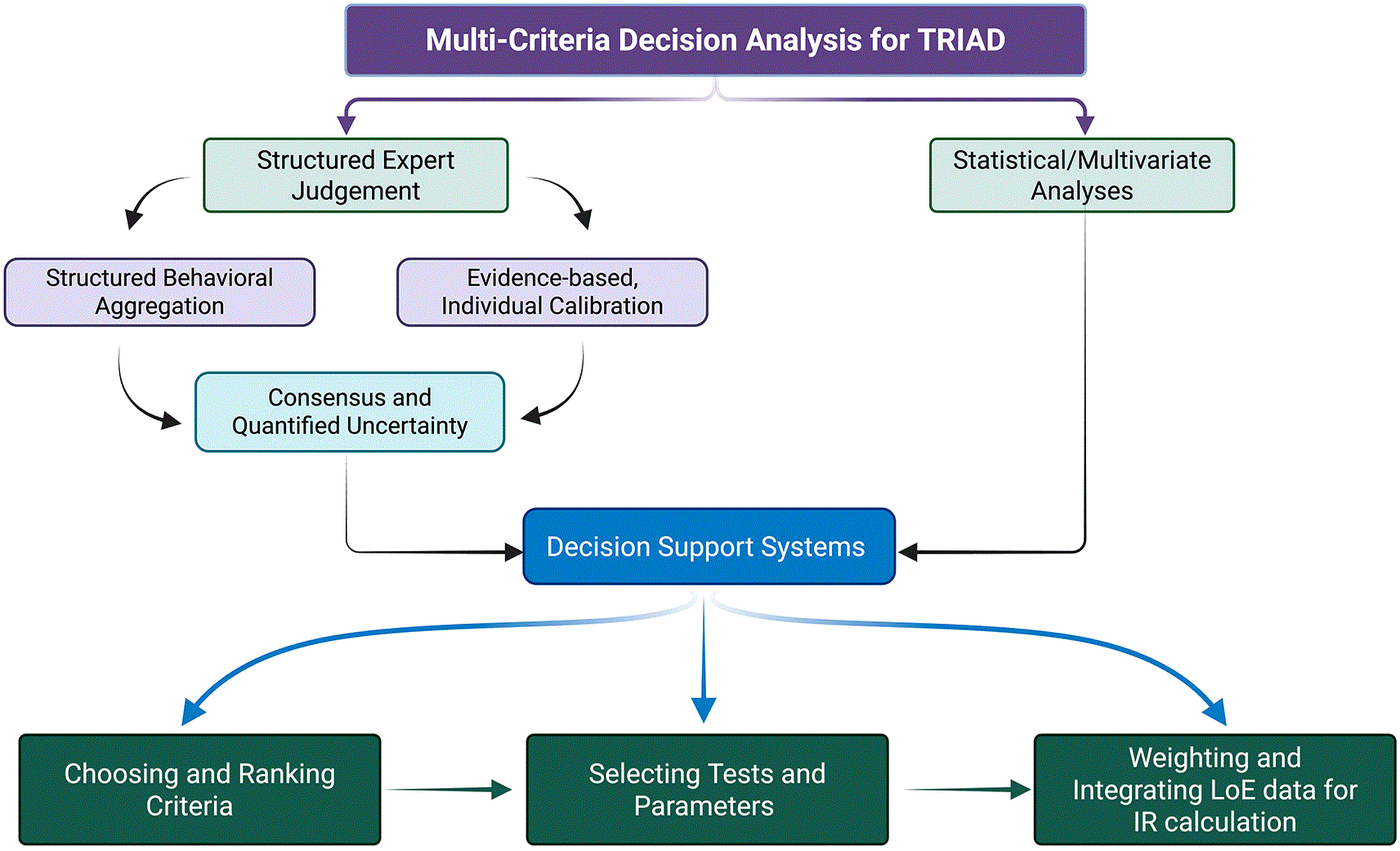
Figure 4. Proposed MCDA workflow for Decision Support Systems in the Modernized TRIAD.
Structured expert judgment (via behavioral aggregation and individual calibration) and statistical/multivariate analyses jointly inform DSS that rank criteria, select tests, and weight and integrate LoE data for the IR calculation. Unlike averaging-based methods, multivariate integration preserves inter-variable relationships, supporting transparency and uncertainty tracking throughout. Created with BioRender.
Jensen and Mesman, (2006), introduced 0–1 normalization, and the scaling of results against reference soil values for ecological/ecotoxicological LoEs and SSD/benchmark values for the chemical LoE. Parameter-specific calculations include simple ratios for growth inhibition and survival, logarithmic transformations for Toxic Pressure, and geometric means for multi-substance- PAFs (msPAFs). Within each LoE and in the final IR calculation, the integrated risk score is calculated using the geometric mean of log-transformed individual risk scores, a method providing built-in weighting resistant to outliers and variance (Kim et al., 2024). At this stage, expert judgment is recommended for final weighting, to diminish the contribution of parameters with high uncertainty or enhance parameters showing low response (Menzie et al., 1996; Jensen and Pedersen, 2006). This process lacks structured protocols, introducing opaque uncertainty into the calculation.
Recognition that ecological relevance and endpoint sensitivity best reflect ecosystem health has shaped weighting protocols emphasizing these criteria. Dagnino et al. (2008) developed a TRIAD DSS that combines data within LoEs as unweighted arithmetic means, then assigns default weights of 2.0, 1.5, and 1.0 to the ecological, ecotoxicological, and chemical LoEs, respectively, prioritizing ecosystem service impacts. In contrast, DSS-ERAMANIA Module II (Semenzin et al., 2008) derives ecological and ecotoxicological weights from the Module I criteria ‘sensitivity of test for ecosystem effects’ and ‘endpoint sensitivity,’ while the chemical LoE remains unweighted, represented as two separate msPAF indexes from total and bioavailable concentrations. Experts classify endpoints by response type and reference basis, then assign lower and upper impairment thresholds to scale raw results into [0,1] scores. Each score is weighted by its Module I criterion value, then arithmetically averaged within each LoE into an Integrated Effect Index, with the standard deviation gauging agreement among endpoint data within each LoE. Unlike the Module I concordance index, which tracks expert disagreement, this measure tracks data uncertainty. The three indexes are combined into overall risk through a structured, weighted MCDA procedure (Giove et al., 2007) rather than averaging-based aggregation. Additionally, expert scoring of reference site suitability in Module II provides a structured approach to tracking and mitigating reference site uncertainty. Interestingly, Dagnino et al. (2008) implemented thorough mineralogical and physicochemical prescreening for an empirically-based suitability evaluation. DSS-ERAMANIA Modules I and II, comprehensively offer one of the most transparent and structured frameworks developed for TRIAD, incorporating explicit protocols for uncertainty tracking and data integration.
In addition to structured EJ protocols, advanced mathematical approaches can more accurately track and further mitigate expert judgment and data uncertainties. Sorvari et al. (2013) weighted TRIAD criteria using two MCDA techniques, the Simple Multi-Attribute Rating Technique (SMART) and AHP, to gauge how much the risk estimate changed depending on which method was used. Monte Carlo simulation, a probabilistic approach, then expressed each LoE’s risk estimate as a range with confidence limits rather than a single value, capturing the underlying data variability. Carriger and Barron (2016) developed a Bayesian belief network for the sediment quality triad that weighs and integrates lines of evidence while propagating uncertainties through each stage, providing probabilistic risk estimates that can be adapted rapidly to new data. Fuzzy possibility distributions, introduced in Section 2.2, offer a complementary approach. Because ERA contends with fundamentally uncertain, imprecise, or incomplete data, fuzzy numbers are well suited to representing expert and measurement uncertainty, especially when paired with MCDA methods such as AHP (Topuz et al., 2011). Risk assessors in other fields have similarly combined these two methods, converting imprecise expert inputs into mathematically consistent weightings (Zeng et al., 2007; Wang, Y. et al., 2023), an approach not yet known to be adapted for TRIAD. Incorporating these methods into TRIAD DSS software can provide the transparency and rigor needed for cross-study comparison, facilitating the identification of contaminant risk patterns across diverse assessments.
The application of multivariate analyses in TRIAD IR calculation is an emerging development. Multivariate analysis offers a fundamentally different approach to IR integration than the averaging and MCDA-based methods discussed so far (
Table 1). The M-Triad approach (Fonseca et al., 2021) replaces conventional averaging by calculating Euclidean distance matrices that preserve covariation between variables within each LoE. Normalized distances are plotted on a three-axis radar chart for each sampling point. The resulting triangular area is subtracted from the mean triangular area obtained for the reference site, and the IR value for each sampling point is represented as this difference. Combined with a PCA of the LoE endpoints, the M-Triad can identify multiple contamination gradients linked to biota and bioassay response. This approach improves upon both averaging methods (Jensen and Mesman, 2006; Dagnino et al., 2008), which lose information by misrepresenting relationships between uncorrelated or negatively correlated variables, and MCDA integration (Semenzin et al., 2008), which still relies on within-LoE averaging and expert-assigned weights. Multivariate techniques, such as PCA, RDA, and discriminant analysis, already discussed for MDS development (Section 2.3), can be applied to LoE parameters, mitigating uncertainty in the IR calculation by preserving variable relationships and facilitating data-driven weightings more representative of actual ecological impact. Multivariate methods also effectively handle data from high-resolution bioindicators, such as those obtained through -omic endpoints, as the studies examined in Part II demonstrate (Djomehri et al., 2026).
Table 1. Methodologies for Integrated Risk (IR) calculation in TRIAD: existing approaches and proposed advances.
| Method | Status | Representative references |
|---|
| 1. Weighted/geometric averaging — covariation among parameters not preserved
|
| Normalization, scaling & geometric means (foundational)
| Existing
|
Menzie et al., 1996;
Jensen and Mesman, 2006;
Jensen and Pedersen, 2006 |
| Default-weighted LoE averaging (formalized DSS)
| Existing
|
Dagnino et al., 2008 |
| Scaling-to-reference & geometric/arithmetic averaging (applied studies)
| Existing
|
Niemeyer et al., 2015;
Totubaeva et al., 2020;
Hong et al., 2021;
Kim et al., 2022;
Kim et al., 2024; Klimkowicz-Pawlas, 2019;
Klimkowicz-Pawlas et al., 2023 |
| 2. MCDA-based aggregation — structured, criteria-weighted, uses within-LoE averaging
|
| DSS-ERAMANIA (SE/DE scoring, weighted criteria, concordance)
| Existing
|
Critto et al., 2007;
Giove et al., 2007;
Semenzin et al., 2008 |
| Analytic Hierarchy Process (AHP)
| Existing
|
Gutiérrez et al., 2015 |
| SMART + AHP (two weighting methods for rigor)
| Existing
|
Sorvari et al., 2013 |
| 3. Multivariate analysis & machine learning — covariable relationships preserved; nonlinear & predictive modeling
|
| Multivariate IR integration (M-Triad; PCA, RDA, distance methods)
| Existing* & Proposed
|
Karimi et al., 2017;
Fonseca et al., 2021*;
Liu, J. et al., 2022;
Liu, Q. et al., 2024 |
| Machine-learning risk models (RF, SVM, XGBoost; PMF-assisted)
| Proposed
|
Campa et al., 2022;
Chakraborty et al., 2024;
Chen, S. et al., 2024b;
Chen, Z. et al., 2024c;
Zhang, J. et al., 2024b |
| QSAR-ML toxicity prediction
| Proposed
|
Lei et al., 2024 |
| Uncertainty quantification — applicable across all integration methods
|
| Fuzzy numbers with MCDA (fuzzy-AHP)
| Proposed
|
Zeng et al., 2007;
Topuz et al., 2011;
Wang, Y. et al., 2023 |
| Bayesian/probabilistic graphical modeling
| Proposed
|
Carriger and Barron, 2016 |
| Possibility theory & fuzzy-set representation
| Proposed
|
Dubois and Prade, 2015;
Pai and Gaonkar, 2020 |
3.3 Machine learning models and TRIAD
Machine learning algorithms extend beyond traditional multivariate methods by capturing nonlinear relationships and complex interactions within ecological datasets. Techniques such as Random Forest (RF), Support Vector Machine (SVM), and Extreme Gradient Boosting (XGBoost), as well as frameworks such as Quantitative Structure-Activity Relationship (QSAR) modeling, can learn high-dimensional variable relationships across large datasets, reducing prediction uncertainty. Training data is often pre-processed using methods such as PCA to reduce dimensionality before ML modeling. Although development of these models requires time and expertise, once established, their analytical power can significantly improve the applicability, cost-efficiency, and accuracy of TRIAD assessments.
ML-based DSS can synthesize cross-study risk assessment data, such as cost, reproducibility, and ecological relevance, with climate, soil properties, and contaminant data to guide criteria, indicator, and reference site selection spanning diverse conditions. These models can characterize parameter relationships, assign WoE, and calculate IR, while improving the fusion of empirical data with expert judgment. Ensemble approaches, which combine multiple algorithms, can integrate LoE data while simultaneously quantifying uncertainty from the variation in their predictions, enhancing transparency. Employing multiple algorithms permits more sophisticated LoE data integration with simultaneous uncertainty tracking, enhancing transparency. While ML models for DSS in TRIAD applications remain undeveloped, their construction should be prioritized for framework improvement.
Several environmental ML models demonstrate direct relevance to ERA. Using SVM and RF models for mine-waste affected farmland, Chen, Z. et al. (2024c) related pollution sources, soil physicochemical properties, HM concentrations, and chemical speciation, to classify metal risk. Pollution sources were identified using Positive Matrix Factorization, a multivariate technique that was found to improve model predictions. In a complementary approach, Zhang, J. et al. (2024a) employed three ML algorithms to predict HM bioavailability across diverse soils and derive ‘bioavailability-based soil quality criteria’, which avoid the risk overestimation of traditional total-concentration indices. Such predictive models can refine chemical threshold values and bioavailability assessments, and can be adapted to site-specific data to discern areas of risk, significantly reducing time and cost in tier 1 screening. QSAR-ML models relating public ecotoxicological data to the molecular descriptors of pollutants predicted the chronic toxicity of organic compounds for 11 aquatic species, identifying lipophilicity and exposure duration as primary drivers of toxicity (Lei et al., 2024). Though implemented in a freshwater context, this methodology can be modified to terrestrial TRIAD applications for refining SSDs and ecotoxicological and chemical LoE calculations. Critically, the accuracy of such models depends on the availability of comprehensive environmental databases; a developing field whose expansion is essential for broader ML application in ERA.
The application of ML to molecular bioindicator data presents a powerful approach for strengthening the ecological LoE. Chakraborty et al. (2024) modeled soil physicochemical properties, soil enzyme activity, and metagenomic data from active mining sites using seven ML algorithms, with Random Forest best identifying the causal stressors, acidity and specific arsenic forms contributing synergistically to a decline in microbiome health. By pinpointing the dominant stressors, their model supports targeted remediation and applies to sites with comparable contamination. Utilizing RF models combining 16S rRNA community profiling, metatranscriptomics, and geochemistry data from streams and sediments, Campa et al. (2022) found shifts in microbial community composition and functional gene expression related to hydraulic fracturing contaminants before conventional chemical indicators flagged risk, underscoring both the sensitivity of -omic data for early risk detection and its power to reveal novel toxicity bioindicators. Through global meta-analysis of soil microbial diversity and functional data with soil physicochemical data, Chen, S. et al. (2024b) developed predictive ML models for nanomaterial ecological effects, addressing an important emerging contaminant class. These studies demonstrate that ML paired with molecular bioindicators can uncover novel, sensitive markers for emerging contaminants, allowing early recognition of ecological risk and improving ERA accuracy.
For TRIAD specifically, ML can predict bioavailability from routine soil data to inform threshold values, anchor weighting in data rather than expert judgment, and process complex -omic data to detect sensitive indicators beyond conventional endpoints. Once trained on sufficient data, these models can be tailored to diverse site-specific conditions and datasets, significantly streamlining assessment time and cost, especially for lower-tiered assessments. Realizing these benefits depends on the continued growth of open environmental and bioinformatic databases, a limiting factor for reliable model development.
Conclusion: The modernized TRIAD framework
As the range and diversity of soil contaminants grows, the TRIAD framework requires a fundamental modernization within every tier, addressing the shortfalls in expert and analytical standardization, the coarseness of current data-integration techniques, and the lack of high-resolution ecological indicators. At its foundation, structured expert judgment protocols combine calibrated individual inputs with structured group methods to track uncertainty at every assessment stage. Built on evidence-based expert calibration and full transparency, the Modernized TRIAD can achieve the rigor urgently needed for meaningful cross-study comparison and wider adoption.
Figure 5 distills this vision into a tiered, iterative framework in which structured expert judgment guides every stage. By uniting transparency, mathematical rigor, and high-resolution data, the Modernized TRIAD can meet the demands of contemporary ecological risk assessment.
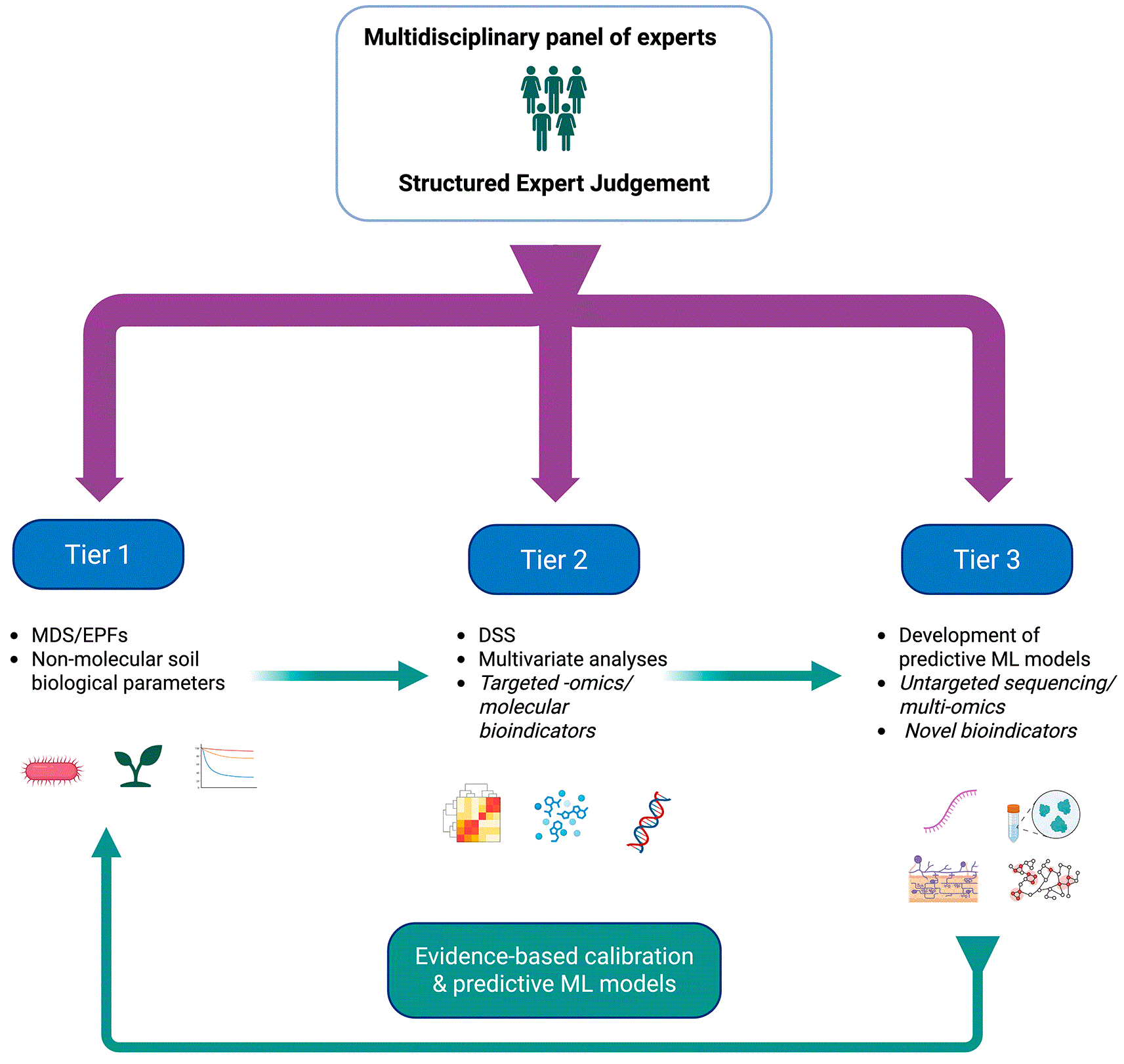
Figure 5. Decision-tree schematic for implementing the Modernized TRIAD.
Structured expert judgment guides every tier (purple), while an iterative feedback loop returns higher-tier calibration and predictive models to refine lower-tier assessments (green). Tiers ascend in resolution from standard soil and biological parameters to machine learning and molecular -omic methods. Italicized items denote -omic methods developed in detail in Part II (Djomehri et al., 2026). Created with BioRender.
At lower tiers, adopting multi-functional minimum datasets of soil quality indicators improves site-specific accuracy and discrimination while maintaining standardization. Ecological production functions, which capture how contamination impairs the specific soil functions underpinning ecosystem services, make lower-tier risk estimates more meaningful to policymakers and stakeholders. Sublethal microbial indicators offer rapid and affordable mid-resolution data on the indigenous soil microbiome, addressing the scarcity of ecological response parameters, particularly at tier 1.
TRIAD DSS must achieve transparency by implementing structured EJ and MCDA protocols from the base level of choosing test-selection criteria, rather than these criteria being opaquely preset by small groups of researchers. Selection criteria can then be reevaluated and modernized as the scientific evidence underpinning expert knowledge evolves. Applied next to test and indicator selection, structured MCDA must record expert decisions and track their imprecision, drawing on the mathematical tools for uncertainty quantification discussed in this review, such as fuzzy number and possibility distributions. These tools should also track uncertainty as it propagates through the data, the weighting, and the IR calculation.
A significant improvement for the modernized TRIAD lies in incorporating multivariate analyses, which preserve interdependencies between assessment parameters. Conventional averaging methods condense data and lose covariation, obscuring the full picture of contaminant response. MCDA-based aggregation methods, though more rigorous, still combine expert judgment with averaging, resulting in the same compression of complexity. Multivariate analyses can reveal subtle yet significant contaminant response patterns, that averaging methods miss entirely, leading to more realistic risk assessment. Because averaging often produces weak or ambiguous signals, it leaves parameter weighting to subjective expert assignment. Multivariate analyses, as well as ML algorithms, can model complex relationships that provide statistical data to actually inform weight assignment and the IR calculation, refining and standardizing these protocols.
Machine learning offers sophisticated algorithms for processing high-dimensional ecological datasets, and the modernized TRIAD should harness this computational power for fine-resolution analysis and for predictive models adaptable to diverse site and contaminant scenarios. Robust models require training on large, comprehensive datasets, creating a cost and resource bottleneck which must be mitigated by the research community. A shift toward greater resolution and analytical power is needed to keep pace with the mounting challenges spurred by pollution.
As high-resolution endpoints, molecular omic indicators are central to the modernized TRIAD proposal. Their sensitivity, discriminating power, and multifunctionality establish them as both a major advance and a necessity to maintain the relevance of the framework, a case set out in full in Part II (Djomehri et al., 2026). In its conclusion, Part II presents a modernized tiered TRIAD diagram that positions omic techniques and endpoints within recommended tiers and LoEs.
We emphasize that the methods proposed here for TRIAD modernization can be implemented in a modular way rather than all at once. Assessors can adopt them progressively according to site objectives, complexity, regulatory requirements, and available resources, incorporating new methods as technical capacity and evidence bases mature. This flexibility keeps the framework practical: an assessor can apply only what a given site and budget warrant, without abandoning the standardized TRIAD structure.
While each component of the proposed framework is supported by TRIAD research and adjacent environmental fields, their combined implementation remains untested. Future work should therefore apply the modernized framework, either modularly or as a whole, to published TRIAD datasets and real contaminated sites, measuring its gains over current approaches. Such testing would supply the evidence-based calibration these elements currently lack, strengthening the case for their adoption.
Ecological risk assessors must collaborate across disciplines to build standardized reference databases and user-friendly mathematical models linking soil properties, contamination levels, and toxicity biomarkers, making explicit the connections between soil contamination and ecosystem and human health that underpin the One Health approach (Pitt and Gunn, 2024). Achieving this requires a framework grounded in transparency, mathematical rigor, and the integration of new technologies that deliver high-resolution risk indicators.