1.
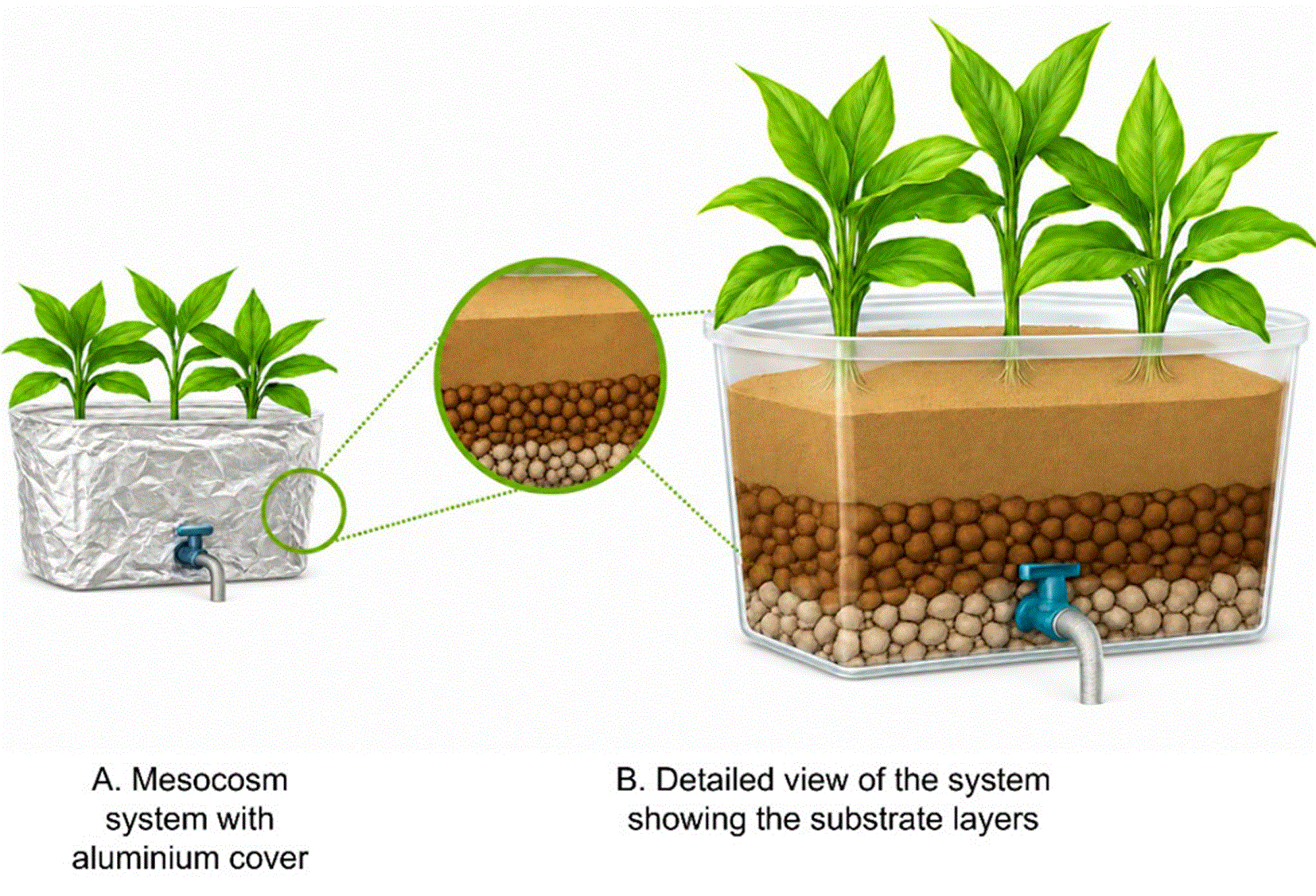
Freshwater treatment by constructed wetlands mesocosms
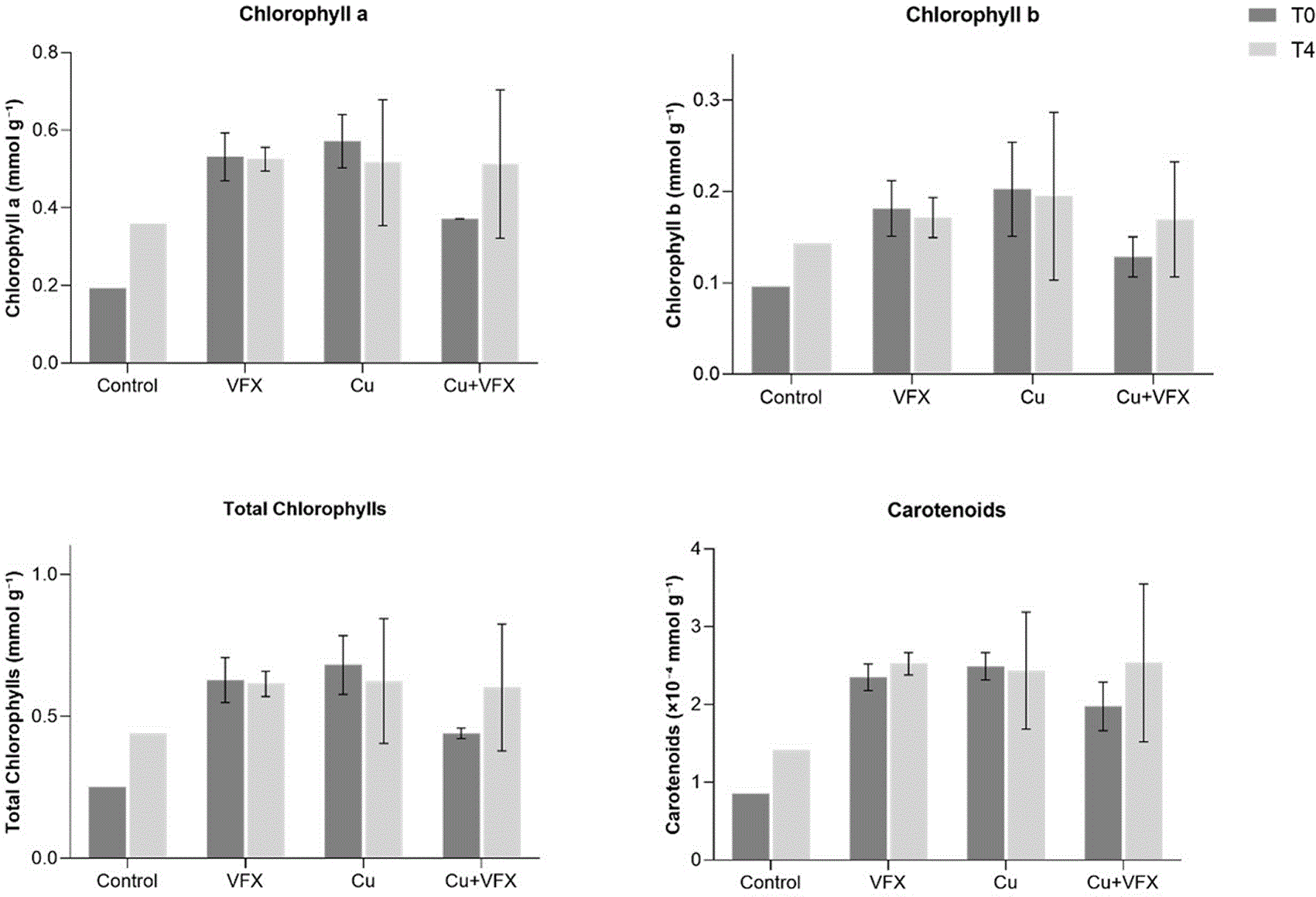
In the Cu + VFX experiment, pigment levels generally increased over time, again with the exception of the Cu alone treatment as in the Cu + KPF assay (
Figure 6). However, once again no significant differences were found between treatments containing Cu alone and those combined with VFX. This indicates that pharmaceutical co-contamination does not seem to exacerbate the physiological stress induced by metals in C. indica.
Water samples (CW effluents) collected at the end of each seven-days exposure cycles had metal (Cd and Cu) concentrations below the detection limit (<0.01 mg L−1 for Cd and < 0.05 mg L−1 for Cu), indicating removal >99%. Similarly, KPF and VFX were generally below detection limit (<0.05 mg L−1) and occasionally below quantification limit (<0.1 mg L−1), indicating removals >99.9%.
These results suggest that the contaminants were effectively retained within the system, being adsorbed and/or degraded (in the case of the organic contaminants) by microorganisms and/or accumulated in plant tissues. The high contaminants removal is consistent with previous reports demonstrating the effectiveness of CW in removing metals via adsorption, precipitation, and plant uptake and organic contaminants mainly by adsorption and degradation (Marchand et al., 2010; Vymazal, 2011, 2014; Gorito et al., 2017; Ilyas et al., 2020). The substrates used in CWs, such as sand and expanded clay, are known to facilitate the removal of contaminants from the water by increasing the surface area for adsorption and supporting microbial activity (Wang et al., 2024). The rhizosphere also contributes to contaminant attenuation through complex physicochemical and biological interactions occurring around plant roots.
Moreover, contaminants mixture did not affect CWs removal performance with no significant different among systems treating water contaminated with one (metal or pharmaceutical) or two contaminants (metal + pharmaceutical).
Monitoring of conventional water quality parameters confirmed that the CW systems remained operational throughout the experimental period. The concentrations of nitrate and ammonia ions, total phosphorus and COD exhibited the expected behaviour for functioning CW systems, indicating that treatment performance remained consistent throughout all experimental assays, without significant impact of the contaminants presence (see Dataser in Interdisciplinary Centre of Marine and Environmental Research, 2026).
Plants and substrate samples
In the experiments with KPF and Cd, Cd was initially detected in plant leaves and substrate of the systems treating Cd contaminated water (
Table 1), likely due to residual contamination from previous experiments involving the same CW systems. Cd does not have a known biological function. In fact, Cd was not detected in leaves or substrate in the control system (always irrigated with water without contaminants). At the end of the experiment, Cd concentrations in plant leaves decreased or remained similar to initial values, with no clear temporal trends observed. Cd was not detected in the substrate at the end of the experiment. No differences were observed, in general, between the metal-only and combined metal and pharmaceutical treatments at the end of the experiment.
In the experiments with KPF and Cu, Cu was also initially detected in plant leaves, result expected as Cu is a micronutrient commonly present in biological matrixes. Cu concentration showed a tendency to increase from T0 to T4 in Cu exposed treatment (
Table 1), which may indicate Cu accumulation and translocation in C. indica over the four-week experimental period. However, no statistically significant effects of treatment, time or contaminants interaction were observed (p > 0.05), although a marginal treatment effect was detected (GLM, p = 0.055). In the substrate, at T0, Cu concentrations were below the detection limit (LOD = 0.8 mg kg−1). At T4, Cu was only quantifiable in the Cu + KPF treatment, while the remaining treatments remained below the detection limit. Although statistical comparisons were not performed due to the high proportion of non-detects, these results may suggest partial Cu retention within the CW substrate over time.
In the Cd + VFX experiment, Cd concentrations in the plant’s leaves were below the limit of detection (LOD = 0.3 mg kg−1) in control treatment. In contrast, a slight upward trend in Cd concentration was observed in the leaves of the Cd-only and Cd + VFX treatments from the start to the end of the experiment (
Table 1). Cd was only detected in substrate in the Cd treatment at the end of the experiment (T4). In all other cases, levels were below the limit of detection (0.8 mg kg−1).
Similarly, in the experiment involving Cu and VFX, no significant differences in Cu concentration were observed in the leaves of the plants between the Cu and Cu + VFX treatments at either T0 or T4, with no significant Cu increase over time. In the substrate, Cu concentrations were below the detection limit (LOD = 4 mg kg−1) at T0 for all treatments and at T4 for Cu treatment. However, at T4, in the combined metal and pharmaceutical treatment, Cu increased (
Table 1), indicating Cu retention within the CW system, as observed before for the Cu + KPF treatment.
It should be noted that metals were analysed only in the leaves of the plants tissues, as the systems were not disassembled after each experiment and as so no plant roots were collected. So, metal concentration in plant leaves may be low, as in general only a low amount of metals absorbed by the roots is translocated to the leaves (Marchand et al., 2010). Moreover, the only substrate collected at the beginning and end of the experiment was sand in contact with plant roots. Expanded clay has also potential to adsorbed metals and could contribute for the retention of the metal within the CW system. However, as the system was not dismantled it was not possible to collect substrate from this layer. Pharmaceutical concentrations were not determined in plant tissues or substrate samples. Therefore, although the high removal rates observed in the effluents suggest efficient retention and/or transformation of contaminants within the CW systems, it was not possible to determine the relative contribution of plant uptake, substrate adsorption and microbial degradation. Consequently, the mechanisms responsible for contaminants removal can only be deduced based on previous studies reporting the importance of these processes in constructed wetlands (Fernandes et al., 2017; Malyan et al., 2021).
Overall, systems efficiently retained contaminants from the freshwater. In general, no significant differences were observed between treatments involving only metals and those combining metals with pharmaceuticals (KPF or VFX). This suggests that no clear effect was observed on the retention, accumulation or translocation of metals within the CW systems, although a potential impact of organic contaminants in Cu retention in the substrate might have occurred, with higher Cu retention. In all cases, metals were efficiently retained within the CWs and distributed among the different compartments of the systems over time. This indicates the effectiveness of C. indica-based constructed wetlands for removing metals from contaminated water, contributing to prevent metal inputs into the environment.
Photosynthetic pigment content
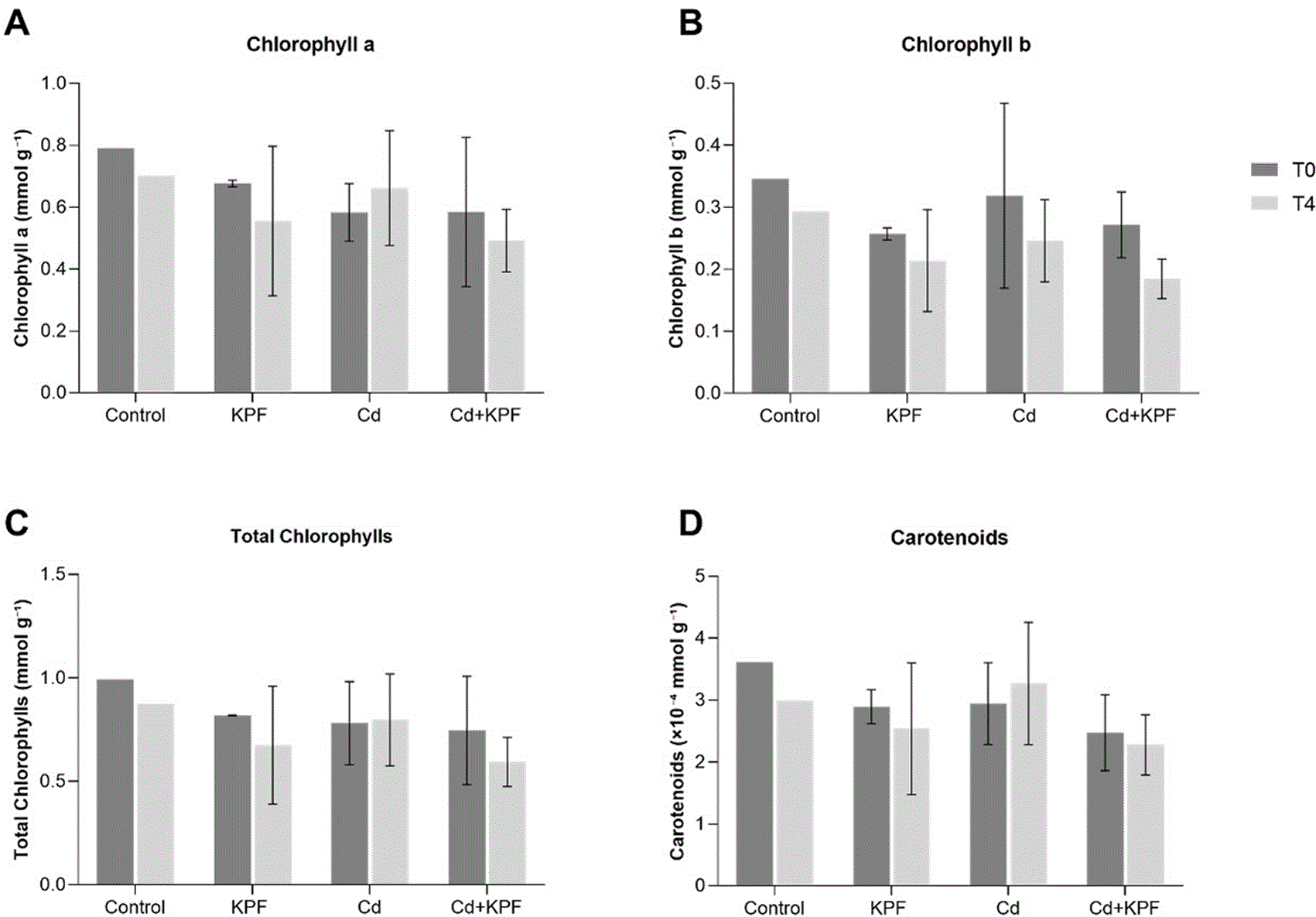
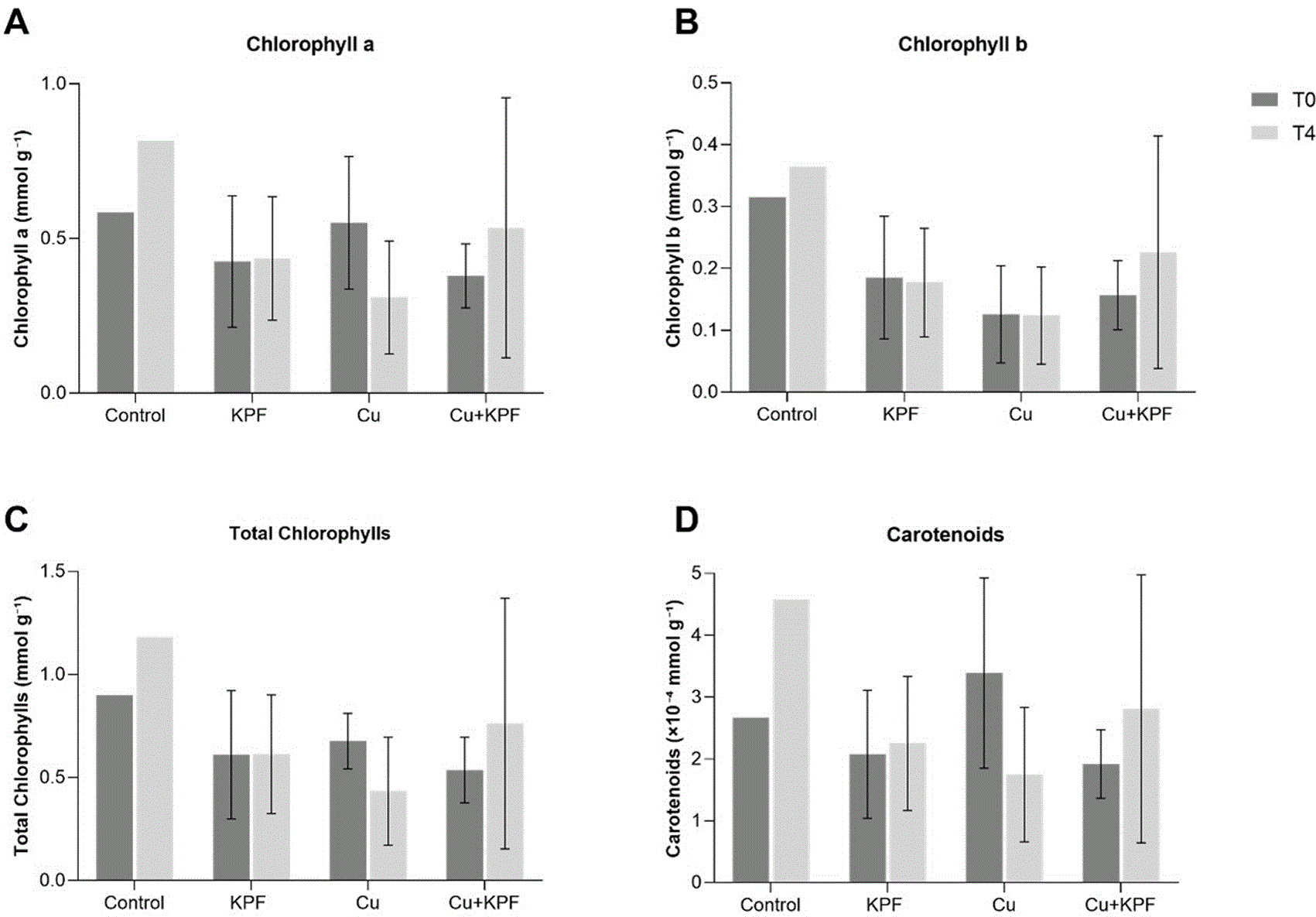
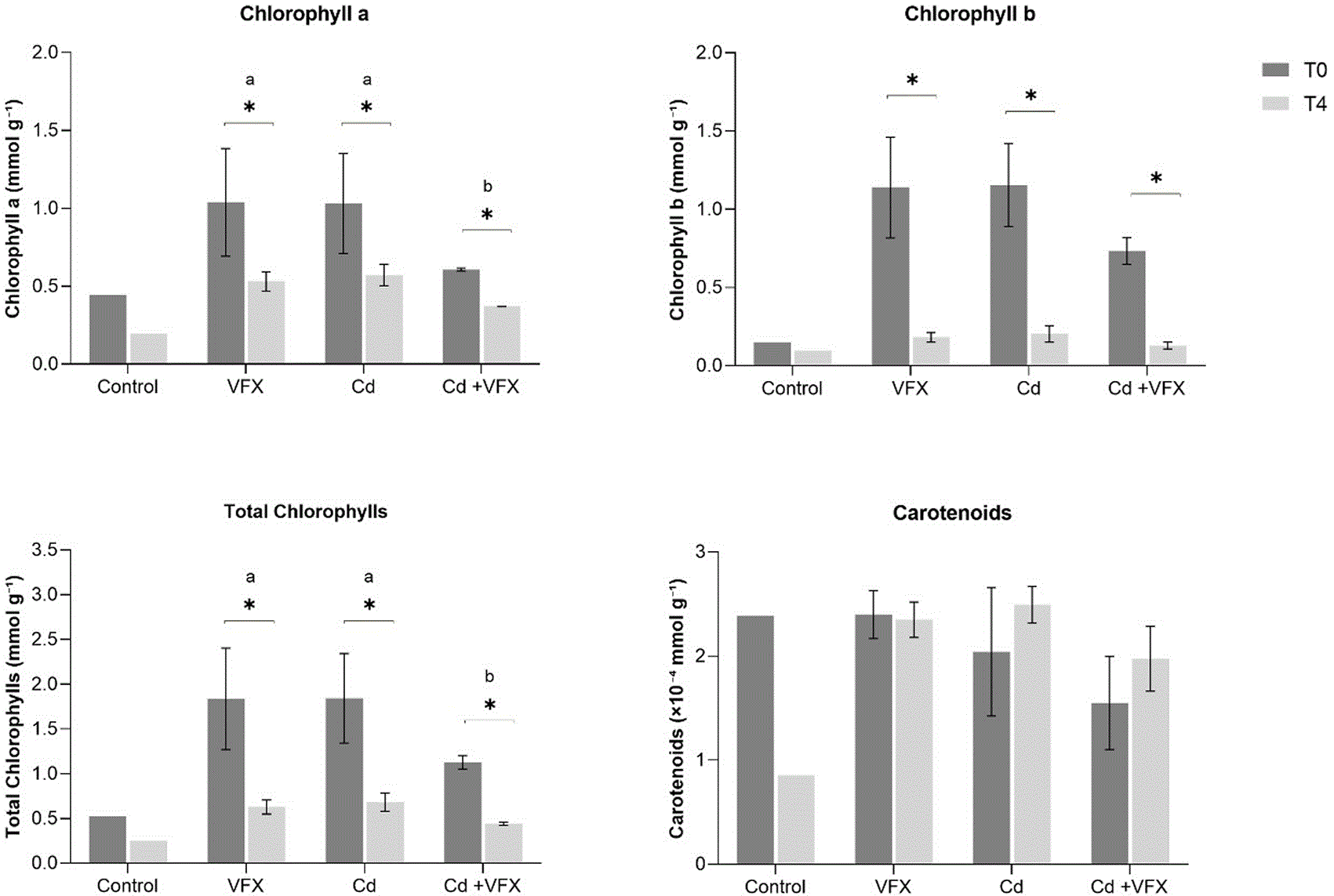
The levels of chlorophyll a, chlorophyll b, total chlorophyll and carotenoids were measured in plant leaves at the start (T0) and finish (T4) of each experimental assay.
In the Cd + KPF experiment, a general decrease trend in pigment content was observed across all treatments over the experimental period, particularly for chlorophyll b; although no statistically significant differences were detected (GLM, p > 0.05,
Figure 3). A similar trend was observed in the control treatment, suggesting a general decline in the physiological condition of the plants over time due to experimental conditions rather than a specific effect of contaminant exposure. Nevertheless, the combined Cd and KPF treatment consistently showed the lowest pigment values, suggesting a potential higher level of physiological stress in this treatment, although these differences were not statistically significant.
In contrast, in the Cu + KPF experiment, pigment concentrations showed a tendency to increase at the end of the experiment (T4) in all treatments, except those with Cu alone, although no statistically significant differences were again observed (
Figure 4). This pattern is consistent with the role of Cu as an essential micronutrient, that can be toxic at high concentrations. The highest pigment values were observed in the control, which may indicate a subtle negative effect of contaminant exposure on plant physiological status. This further supports the idea that CW systems receiving moderate Cu loads may retain the metal efficiently while sustaining plant physiological performance.
As in the Cd experiments with KPF, the Cd + VFX assay revealed a general reduction in the levels of several photosynthetic pigments at the end of the experiment (T4) (
Figure 5). However, similar temporal changes were also observed in the control treatment, suggesting that these responses cannot be attributed exclusively to Cd exposure. Although treatment and time effects were detected for some pigments, no consistent pattern of pigment reduction was observed in Cd exposed plants compared to the other treatments. Overall, the results suggest that C. indica was able to maintain its photosynthetic performance despite showing some variation in pigment content over time when exposed to Cd.
Overall, the pigment responses observed in C. indica suggest a balance between physiological stress under metal exposure and functional resilience within the CW system. These results emphasise the dual function of C. indica-based CWs, which combine effective metal retention with potential active plant uptake while maintaining sufficient physiological performance under contaminant pressure. Despite the observed physiological responses, the plants remained functional throughout the experimental period, which supports the long-term suitability of C. indica for use in CWs for treating - freshwater contaminated either with metals or pharmaceutical or a mixture of the two.
2.
Estuarine natural treatments in wetland microcosms
Sporobolus maritimus.
Photosynthetic pigment content
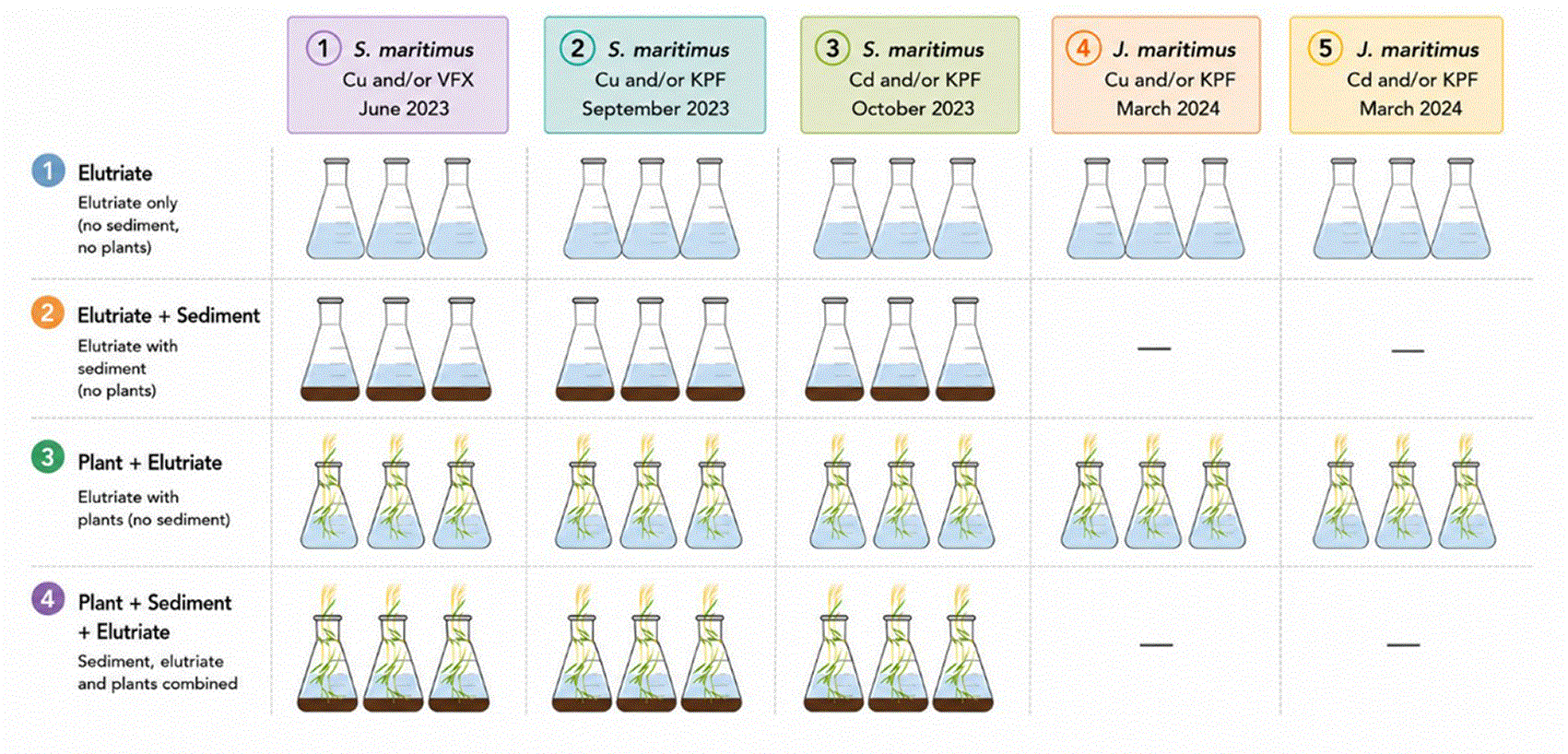
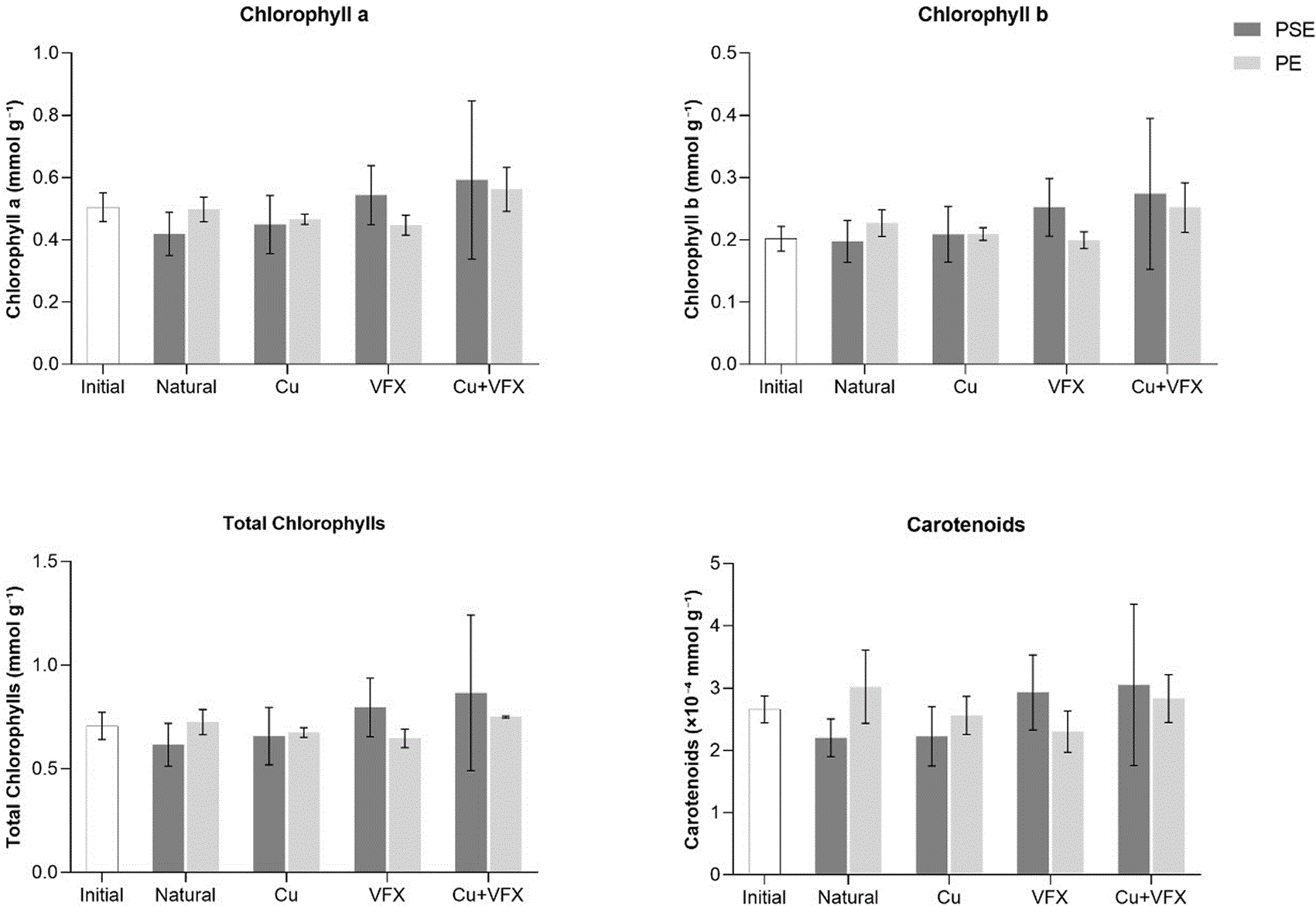
In the Cu + VFX experiment, no significant differences in photosynthetic pigment content were observed between the contaminant treatments and the natural control, regardless of the exposure medium used (elutriate alone or elutriates combined with sediment) (
Figure 7). Experimental conditions (comparison between initial and natural control after 7 days of experiment) also did not impact pigments contents. However, an overall increase in pigment levels was detected in the combined Cu and VFX treatment, suggesting a potential stimulatory effect when both contaminants were present. Nevertheless, this pattern was not statistically significant.
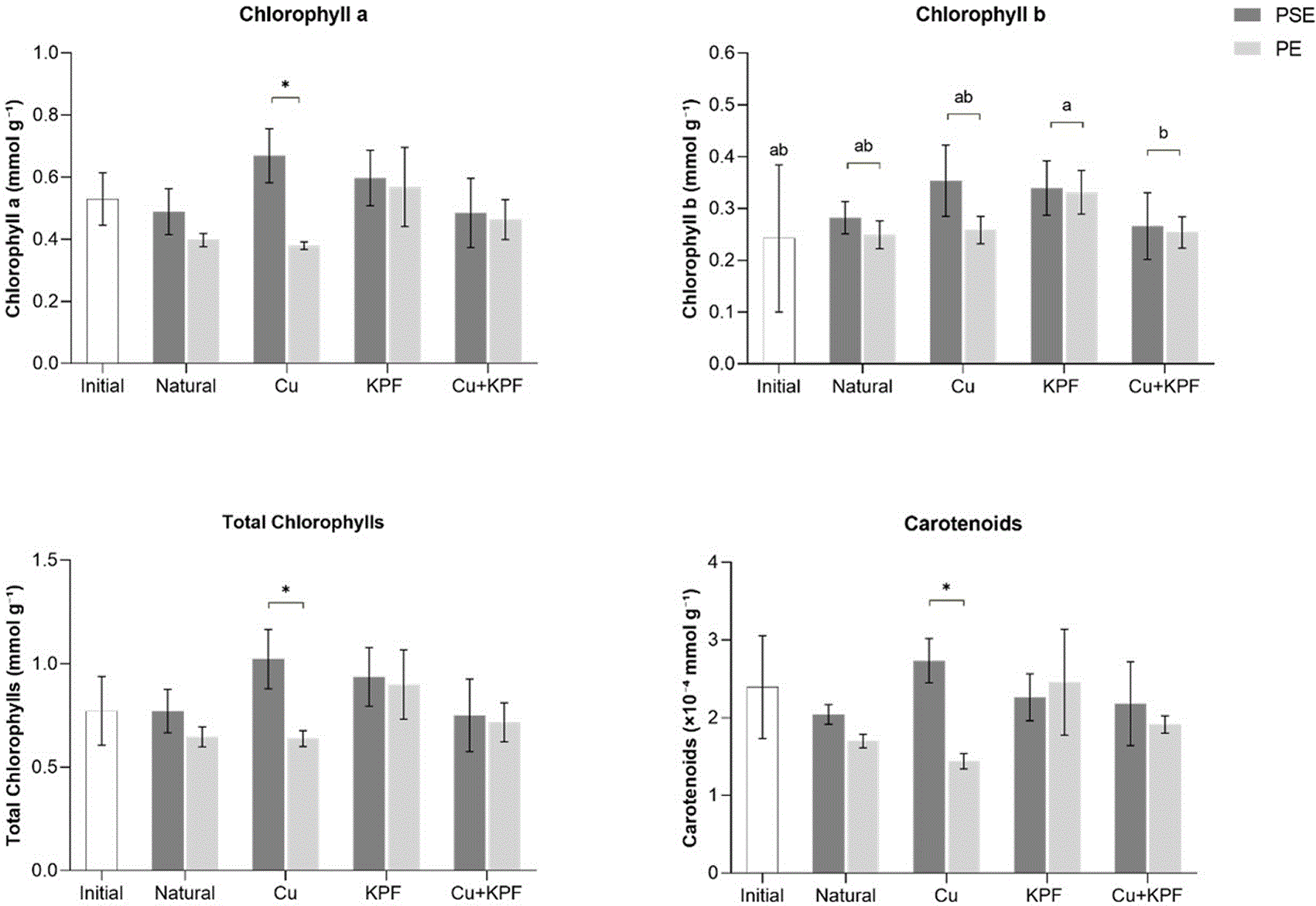
By contrast, the content of photosynthetic pigments in the Cu + KPF experiment was significantly influenced by the treatment and exposure conditions (
Figure 8). Significant interactions were observed between the treatment and conditions for chlorophyll a, total chlorophyll, and carotenoids levels. However, despite these statistical effects, pairwise comparisons revealed only limited differences between the control and contaminant treatments. No consistent pattern of pigment reduction was observed under exposure to Cu or Cu + KPF. Instead, several differences were associated with the exposure medium, suggesting that the presence of sediment contributed more to the variability in pigment levels than exposure to the pollutants themselves. Overall, pigment concentrations remained within the range of natural variability, indicating that photosynthetic performance was not substantially affected by the experimental conditions, with no differences between initial and final conditions. The differences observed with the Cu + VFX experiment might just reflect the fact that the new pool of plants was collected in a different month of the year (one in spring and another in late summer) which can impact plant physiology.
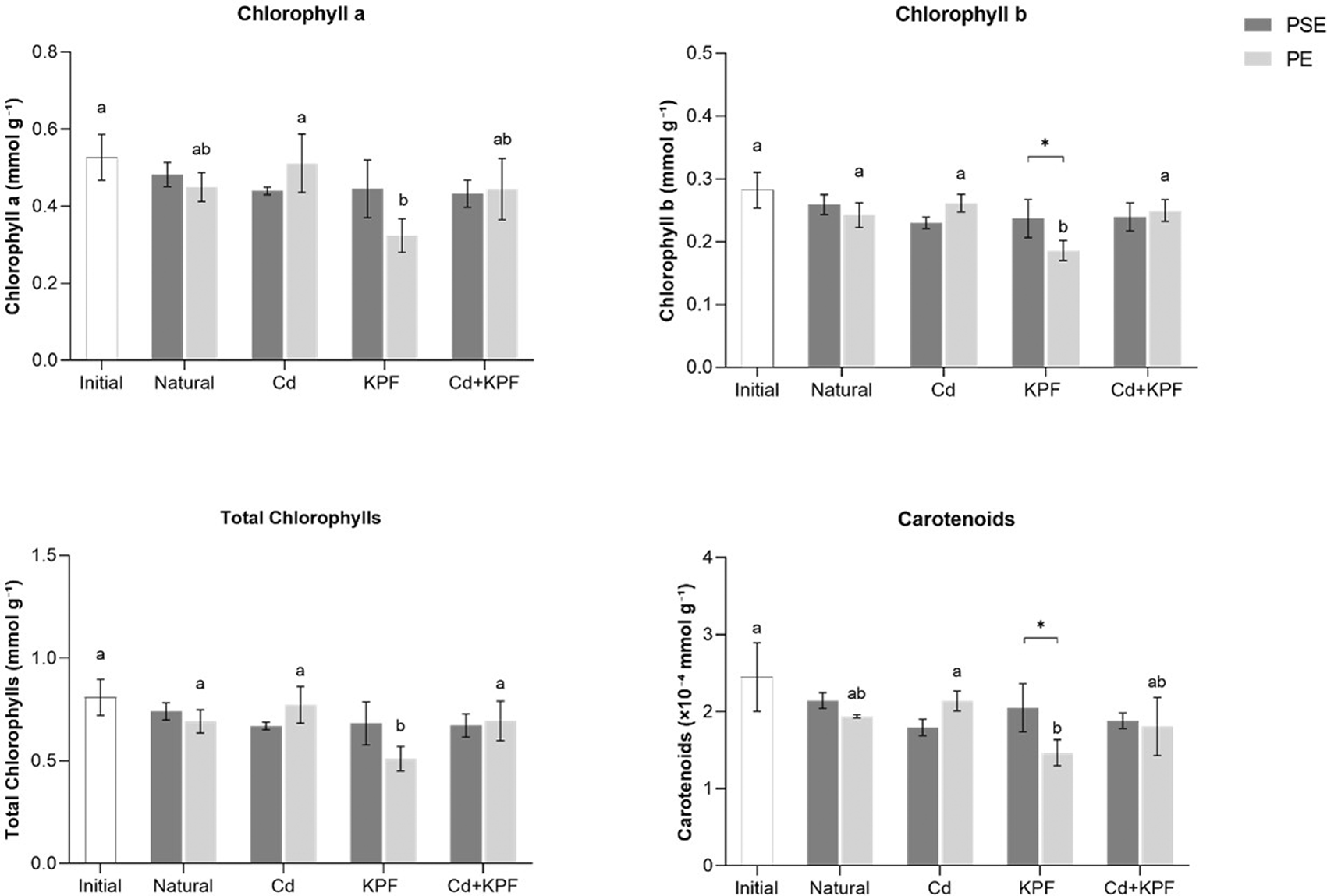
Similarly, in the Cd + KPF experiment, plants exposed to KPF under elutriate-only conditions generally exhibited lower concentrations of photosynthetic pigments than those observed in the other treatments (
Figure 9). This trend was particularly clear for chlorophyll b, total chlorophyll and carotenoids, whereas the response of chlorophyll a was less pronounced. In contrast, pigment concentrations were comparable among treatments when sediment was present, suggesting that sediment may mitigate the physiological effects associated with pharmaceutical exposure. Overall, these results suggest that KPF might have a moderate impact on the photosynthetic status of S. maritimus, particularly when contaminant bioavailability is high.
Pharmaceutical removal from elutriates solutions
In the VFX experiment, in the treatment without Cu, significant differences in pharmaceutical removal from elutriate solution were observed among the exposure media. Higher removal was observed in systems containing sediment, particularly in the plant + sediment + elutriate and sediment + elutriate treatments (92% and 93%, respectively), compared to the plant + elutriate and elutriate-only treatments (47% and 30%, respectively,
Table 2). These results emphasise the important role of sediment in enhancing VFX removal from water in estuarine environments, likely through adsorption processes and increased microbial activity.
Conversely, when Cu was present, the removal efficiency of VFX remained generally high across all exposure media. The overall pattern of higher removal in sediment-containing treatments remained evident (plant + sediment + elutriate: 94%; sediment + elutriate: 94%; plant + elutriate: 79%; elutriate-only: 73%,
Table 2). These results suggest that Cu may modulate VFX removal to some level, but sediment presence remains the primary determining factor in removal efficiency.
Overall, the results suggest that the presence of plants did not significantly impact VFX removal, as high attenuation occurred also in treatments lacking vegetation. The enhanced removal observed in sediment-containing systems suggests that sorption to the particulate and colloidal matter present in the elutriate substantially contributed to the attenuation of pharmaceuticals. Colloids are known to exhibit a strong affinity for organic contaminants, thereby facilitating their removal from aqueous phases (Xing et al., 2015), which can justify VFX removal observed in elutriate alone systems. This behaviour is further supported by the hydrophobic nature of VFX (log KOW = 3.2), which favours strong interactions with organic-rich sediments. Furthermore, the increased VFX removal observed in the presence of Cu, when sediment was absent, suggests a potential role of metal–pharmaceutical interactions, potentially through complexation processes that may enhance sorption or transformation within the system. Nevertheless, under these conditions, no additional significant contribution from plant uptake was evident, which reinforces the predominant role of sediment-associated processes in VFX removal under estuarine wetland conditions.
In KPF experiments, no significant differences were observed between treatments containing KPF alone and those supplemented with Cu, suggesting that there is no clear effect of the metal on the attenuation of the pharmaceutical. However, significant differences were observed among systems, with the plant + sediment + elutriate system exhibiting the highest removal efficiencies (60% for KPF alone and 49% for Cu + KPF,
Table 2). This was followed by the sediment + elutriate system (51% and 35%, respectively). These results suggest that also sediment played a role in KPF attenuation, while plant uptake contributed less.
In the Cd + KPF experiments, low removal percentages were observed. In the absence of metals, KPF removal reached only 13% in the plant + sediment + elutriate system. When Cd was present, attenuation remained low across treatments, with removal of 8% in the plant + sediment + elutriate system, 10% in the plant + elutriate system, and 8% in the sediment + elutriate system (
Table 2). Statistical analysis confirmed that KPF removal was significantly affected by experimental condition (GLM, p < 0.001), whereas no significant effect of Treatment was detected (GLM, p = 0.146), and the Treatment × Condition interaction was not statistically significant (GLM, p = 0.084). Overall, KPF attenuation remained low under all tested experimental conditions, with the lowest removal occurring in elutriate-only systems. This indicates that system composition had a stronger influence on pharmaceutical attenuation than the presence of Cd.
Despite KPF’s hydrophobic nature (log KOW = 3.1), which would favour interactions with organic-rich substrates, removal was inconsistent and depended more on the presence of sediment than on plant contribution. Variations in the content of organic matter in sediments may partially explain the higher attenuation observed in Cu experiments relatively to those of Cd, as the capacity for sorption is influenced by the availability of organic matter and physicochemical conditions. However, given the limited magnitude of KPF removal and the lack of consistent metal effects, these mechanisms appear to play a secondary role compared to those governing VFX behaviour.
Overall, the results suggest that, as with VFX, the presence of plants did not significantly enhance KPF attenuation in elutriate systems. Removal occurring in the absence of vegetation suggests that sediment-associated processes predominate, including sorption to particulate and colloidal matter. However, unlike VFX, KPF exhibited lower retention efficiencies, suggesting weaker sediment affinity and highlighting its compound-specific behaviour within estuarine wetland systems.
Metal removal and accumulation
Elutriate analyses revealed very high Cu removal percentages from elutriate solutions in sediment-containing systems (>97%), followed by moderate removal in plant + elutriate systems, and substantially lower removal in elutriate-only treatments (
Table 3). The presence of VFX or of KPF did not significantly affect Cu removal dynamics.
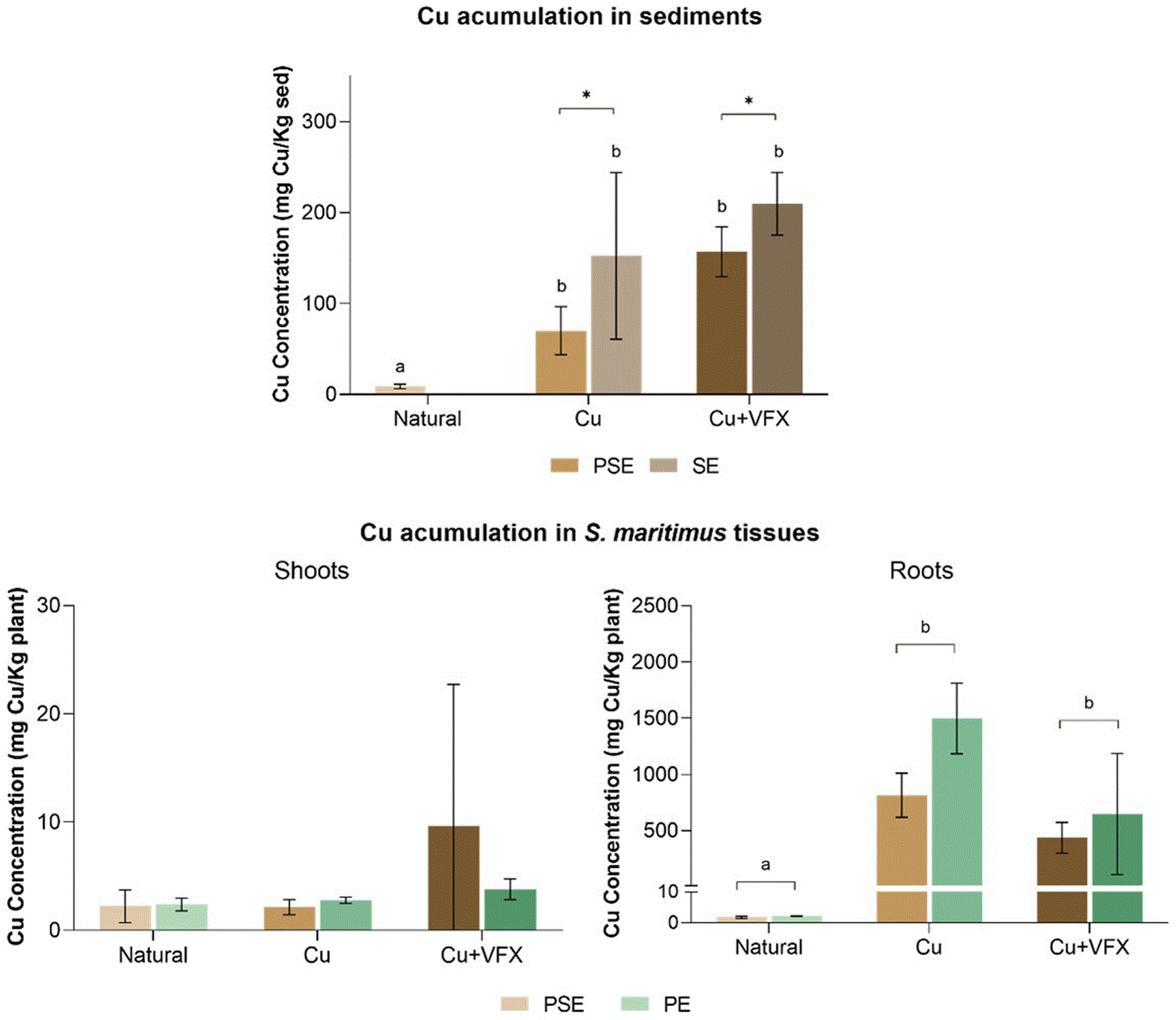
In systems exposed to Cu, significant Cu accumulation occurred in sediments (
Figure 10). Concentrations increased significantly from natural conditions to Cu-only treatments, reaching the highest levels under combined Cu + VFX exposure. VFX seemed to promote Cu retention in sediment, although no significant differences were observed between the exposure media. Sediment Cu concentrations were higher in the sediment + elutriate systems than in the plant + sediment + elutriate systems. These results suggest that, while the presence of plants slightly reduced Cu accumulation in sediments, probably due to plant uptake, sediment remained the main sink for Cu, regardless of system configuration.
Cu accumulation in plant tissues was primarily confined to the roots (
Figure 10). Significantly higher concentrations were observed in the Cu treatments than in natural conditions. In the Cu + VFX treatments, plant root accumulation was slightly lower, although not significantly, indicating a potential lower Cu availability due to VFX and accordingly to the slightly higher Cu retention in sediment. As mention before, metal-complexation with VFX might have occurred which can reduce Cu availability. Plant accumulation was slightly higher when sediment was absent, reflecting the higher Cu availability in this case. In contrast, Cu levels in shoots remained low and did not differ significantly between treatments, suggesting limited translocation to aerial tissues during the 7-day exposure period.
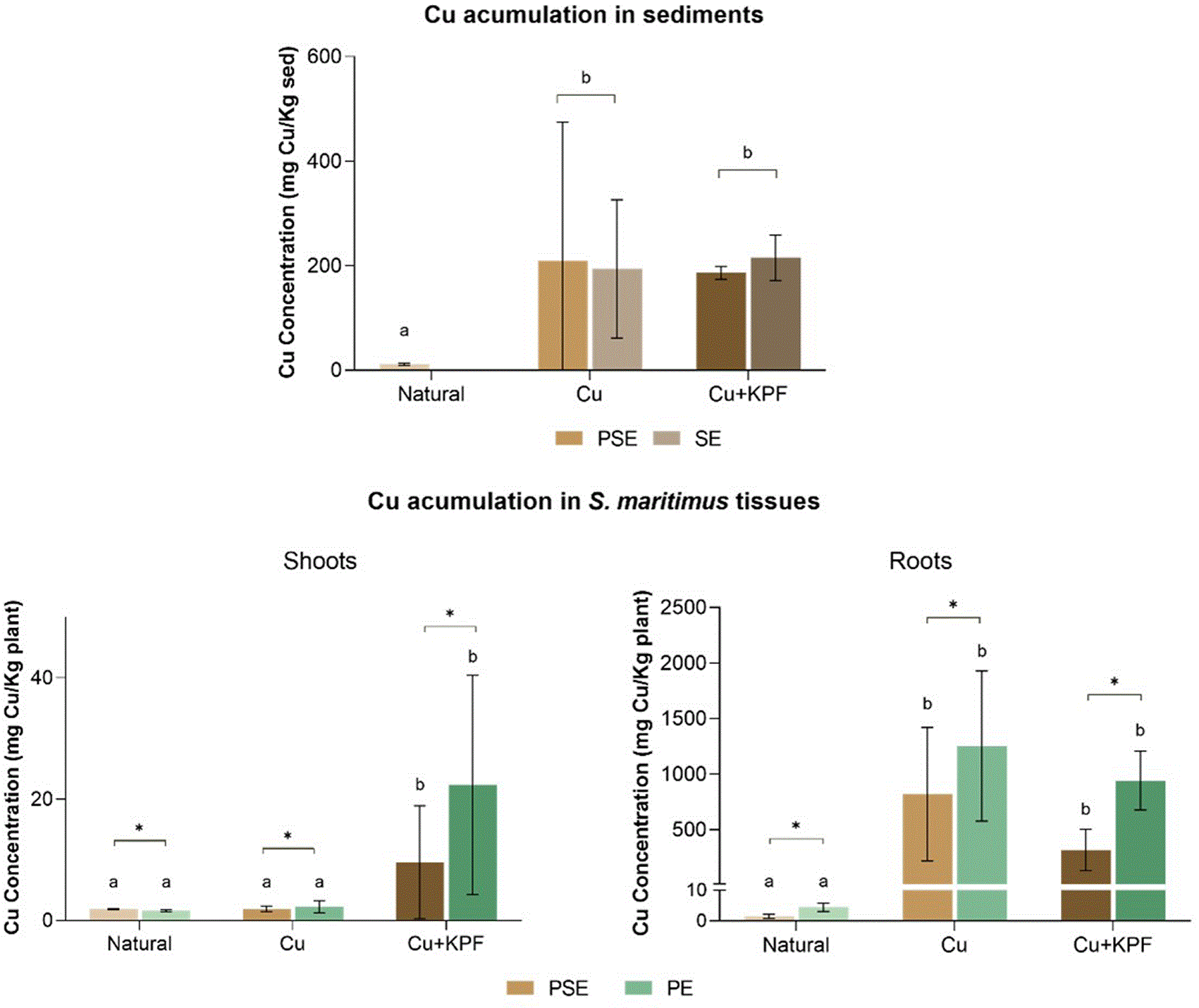
For Cu combined with KPF experiment, sediment again exhibited significantly higher Cu accumulation in both Cu and Cu + KPF treatments than in natural conditions, with no difference between the exposure media (
Figure 11). Therefore, sediment is the main player in the removal of the metal from the aquatic media, but contrarily to VFX, KTF does not seem to have an impact on Cu retention in sediment. Cu accumulation in plant tissues was strongly dependent on specific tissue type (
Figure 11). Root concentrations were again significantly higher than shoot concentrations in both Cu and Cu + KPF treatments, indicating that most of the accumulated metal remained belowground. As for VFX, plant accumulation was slightly higher when sediment was absent, reflecting the higher Cu availability in this case and slightly lower when KPF was present.
Shoot concentrations generally remained low, again without metal translocation in the Cu treatment. However, plants exposed to Cu + KPF showed slightly higher Cu levels in shoots, indicating a potential metal translocation, accordingly to the a slightly lower metal content in plant roots compared with the Cu treatment.
In the Cd + KPF experiment, the removal of Cd from elutriates solutions followed a similar pattern to that observed for Cu, with the highest removal efficiencies recorded in systems containing sediment and/or plants, followed by systems containing plants + sediment + elutriate (
Table 3). No removal was observed in systems containing elutriate alone, highlighting the importance of biological and sediment compartments in Cd attenuation. There were no significant differences observed between the Cd alone and Cd with KPF treatments, both performed similarly in terms of removal efficiency across all experimental conditions (
Table 3).
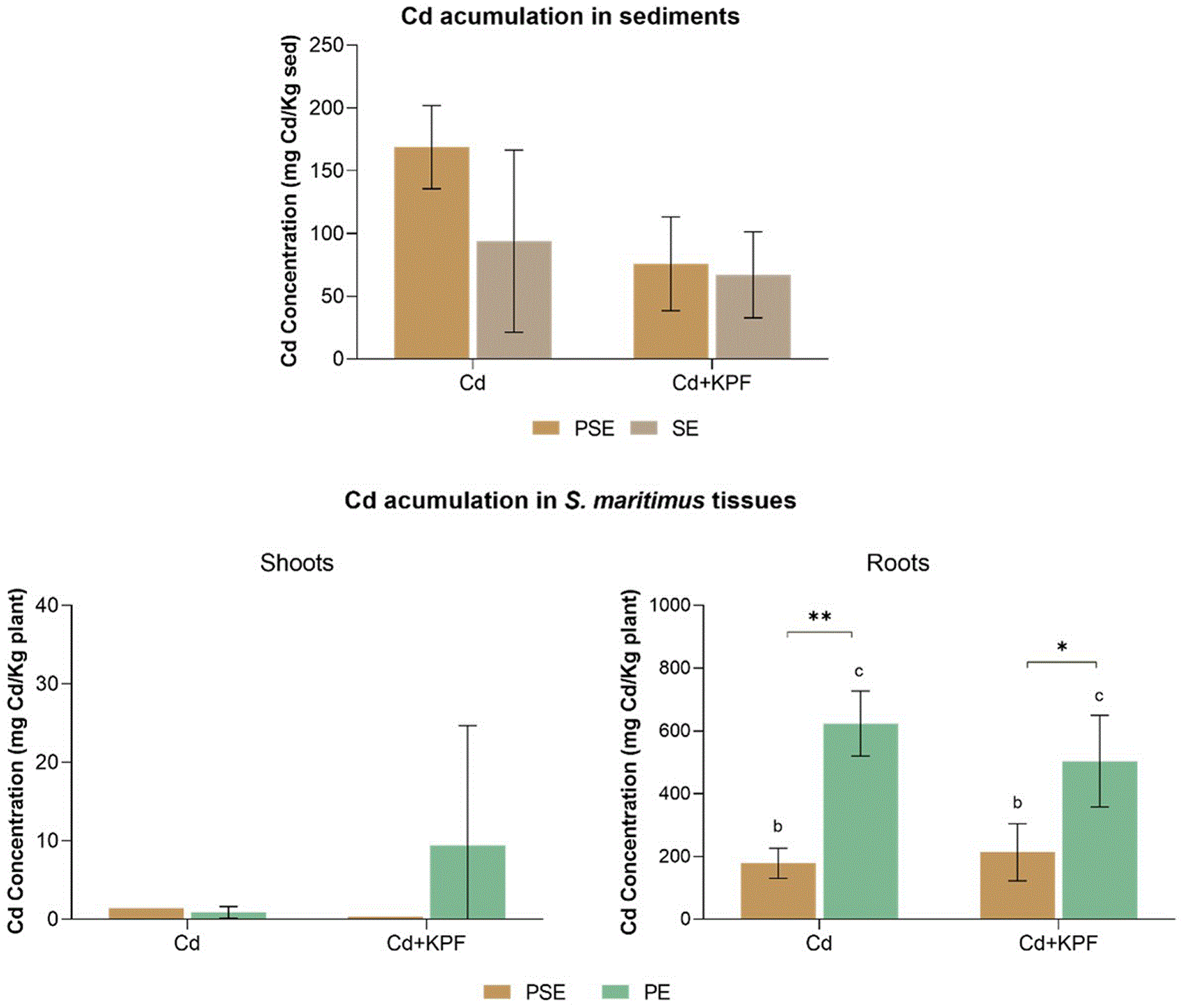
The concentration of Cd in the sediments was also significantly higher in the treatments exposed to Cd than in the natural treatment, indicating again metal retention in the sediment (
Figure 12). Although the Cd and Cd + KPF treatments showed similar sediment concentrations, there was a slight, non-significant trend towards lower Cd levels under combined exposure when plants were present.
Cadmium accumulation in plant tissues occurred mainly in the roots, while translocation to the stems remained low across all treatments, with no significant differences observed between treatments or between exposure conditions (
Figure 12). This confirms that Cd mobility within the plant system was limited during the experimental period. However, a significant influence of both the treatment and the condition was observed in the roots. This indicates that Cd uptake was probably primarily driven by system-specific conditions and that the addition of KPF had no consistent effect. Specifically, higher accumulation was observed in the roots under Plant + Elutriate condition than in systems containing sediment, suggesting that Cd was more bioavailable in the absence of sediment, as already observed for Cu.
Overall, sediments played a dominant role in removing metals from elutriate solutions, acting as major sinks through adsorption processes. This is reflected by high sediment metal concentrations and removal efficiencies exceeding 90%, which is consistent with previous observations in estuarine environments (Fraga-Santiago et al., 2022). Consistently low levels of metals have been reported in Lima estuarine waters, which supports the idea of strong sediment retention (Freitas et al., 2025). Despite this dominance, S. maritimus demonstrated a clear capacity for metal accumulation, particularly in belowground tissues. Cu concentrations in roots increased by several hundredfold relative to natural conditions, while Cd levels increased by more than three orders of magnitude, confirming effective metal uptake even in sediment-rich environments. However, metal translocation to aerial tissues remained negligible, likely due to the short exposure period and the way in which metals are compartmentalised physiologically within root cells.
Metal accumulation patterns were strongly influenced by sediment, which supports the idea that sediment reduces metal bioavailability through adsorption and complexation mechanisms (Duarte et al., 2010). The presence of pharmaceuticals (KPF and VFX) had a slightly effect on metal accumulation. Similar compound-specific behaviour was observed for the pharmaceuticals: VFX showed slightly higher attenuation in sediment-containing systems, whereas KPF exhibited lower and more variable removal. These results are consistent with environmental observations indicating that VFX is predominantly retained in estuarine sediments, while KPF persists more in the water column (Gorito et al., 2024). This highlights the central role of sediment-associated processes in contaminant dynamics.
Taken together, these findings demonstrate the complementary roles of sediment retention and plant uptake in estuarine wetland systems. Sediment acts as the primary contaminant sink, while vegetation acts as an additional sink in belowground tissues, complementing the dominant role of sediments in the remediation process.
Juncus maritimus.
Based on the results obtained for S. maritimus, experiments were conducted with J. maritimus using only elutriate solutions without sediment, focusing on the combination of KPF with Cu and Cd, the conditions where more potential impact of contaminants interactions and bioavailability can be observed. This design aimed to maximise aqueous contaminant bioavailability and evaluate plant-mediated physiological responses under sediment-free conditions.
Photosynthetic pigment content
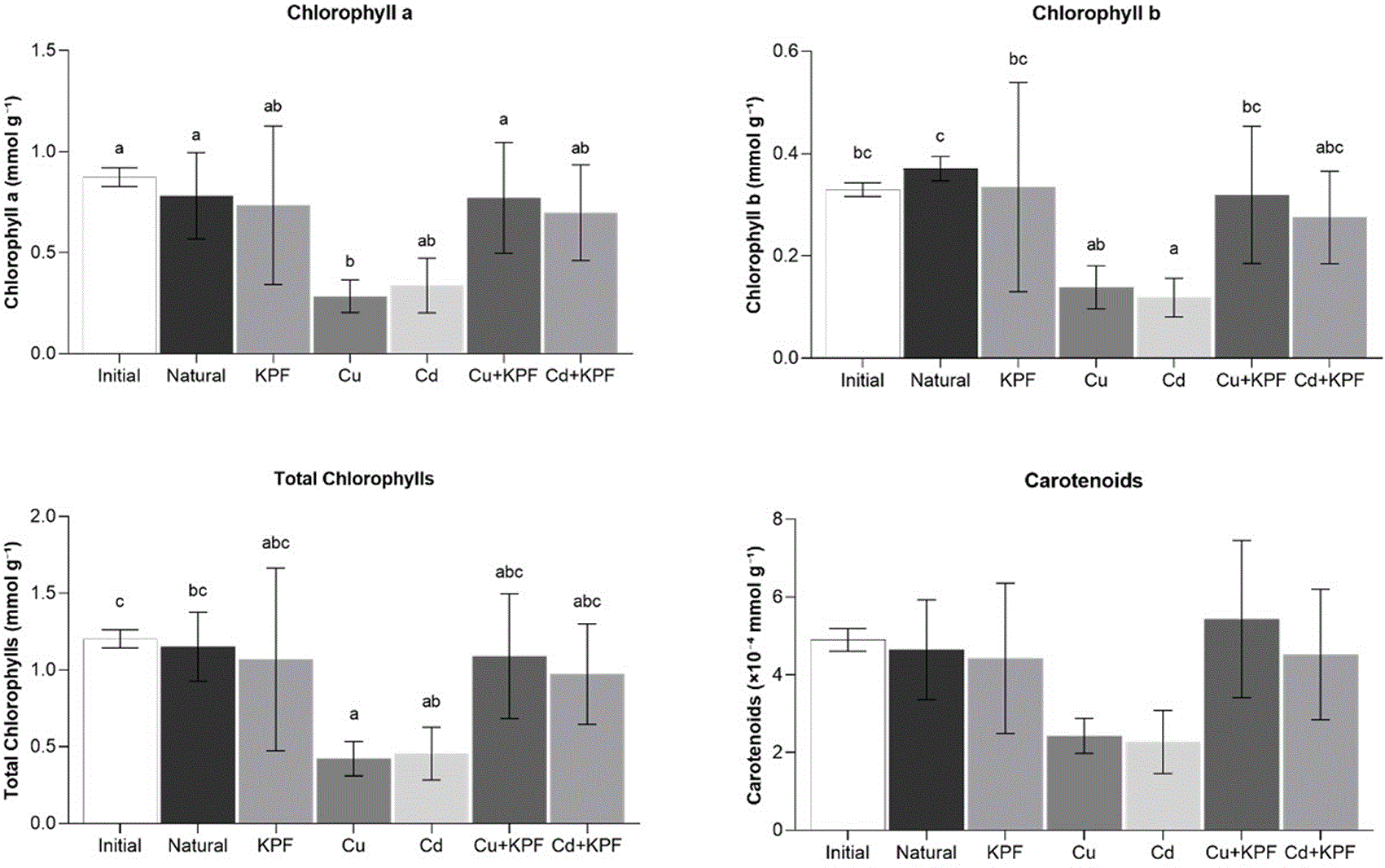
Pigment concentrations in J. maritimus were significantly affected by the treatment, with chlorophyll a, chlorophyll b, total chlorophyll and carotenoids levels showing significant differences among treatments (p < 0.01 in all cases). However, paired comparisons revealed a limited differences between specific treatments. Nevertheless, a consistent pattern emerged in which plants exposed to metals alone generally showed lower pigment concentrations than those exposed to KPF treatments or natural conditions. A general decrease in pigment content was mainly associated with exposure to Cu or Cd alone, particularly for chlorophyll b and total chlorophylls (
Figure 13).
This reduction may be an early physiological response to metal exposure when metals are present in the aqueous phase, where bioavailability is higher in the absence of sediment (Almeida et al., 2004). Metal-induced impairment of photosynthetic processes has been widely associated with disruptions in chlorophyll synthesis and increased oxidative stress in wetland plants (Nikalje & Suprasanna, 2018). Pigment concentrations were maintained in treatments containing KPF, suggesting that the presence of the pharmaceutical did not exacerbate, or even reduced, the physiological stress caused by exposure to metals during the experimental period. These patterns were different from those observed in S. maritimus, suggesting that there are species-specific responses to exposure to contaminants. However, differences in the sampling period and the seasonal physiological status of the plants cannot be excluded, since the plants used in the different experiments were collected at different moments of the year, which may have affected their pigment content and stress responses.
Pharmaceutical removal from elutriate solutions
KPF concentrations in the elutriation solutions exhibited low and highly variable attenuation throughout the entire experimental period. Overall, no removal or very low removal was observed, and no consistent pattern was detected across the different treatments (
Table 2). Statistical analysis revealed no significant differences between KPF alone and KPF combined with Cu or Cd. This indicates that the presence of metals did not significantly influence KPF attenuation under the analysed conditions.
Overall, removal was not significantly affected by the presence of plants, indicating that J. maritimus did not measurably contribute to pharmaceutical attenuation under these experimental conditions. The very low removal percentages observed suggest that natural dissipation processes in the aqueous phase are limited, regardless of metal presence (
Table 2).
This behaviour is consistent with the reported resistance of KPF to phytoremediation, which has been attributed to its molecular structure limiting sorption and enzymatic transformation by plants (Tyumina et al., 2023). Efficient KPF degradation typically relies on specialized microbial or fungal communities capable of biodegradation, which were not incorporated in the present experimental design (Marco-Urrea et al., 2010; Almeida et al., 2013), which might explain the low and variable removal observed.
Furthermore, the low level of attenuation observed is consistent with field observations in estuarine systems, in which KPF is frequently found in the water column (Gorito et al., 2024).
Metal removal and accumulation
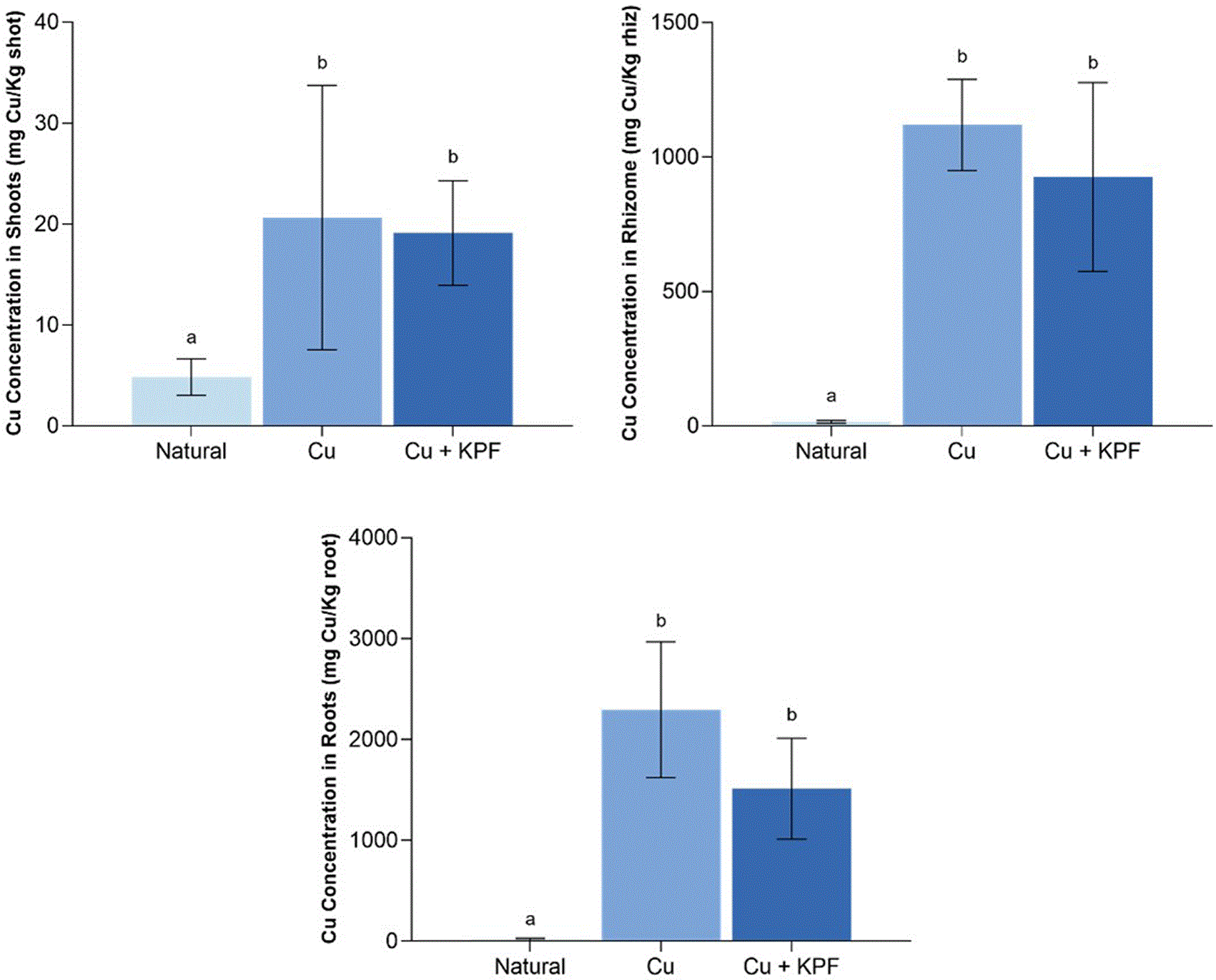
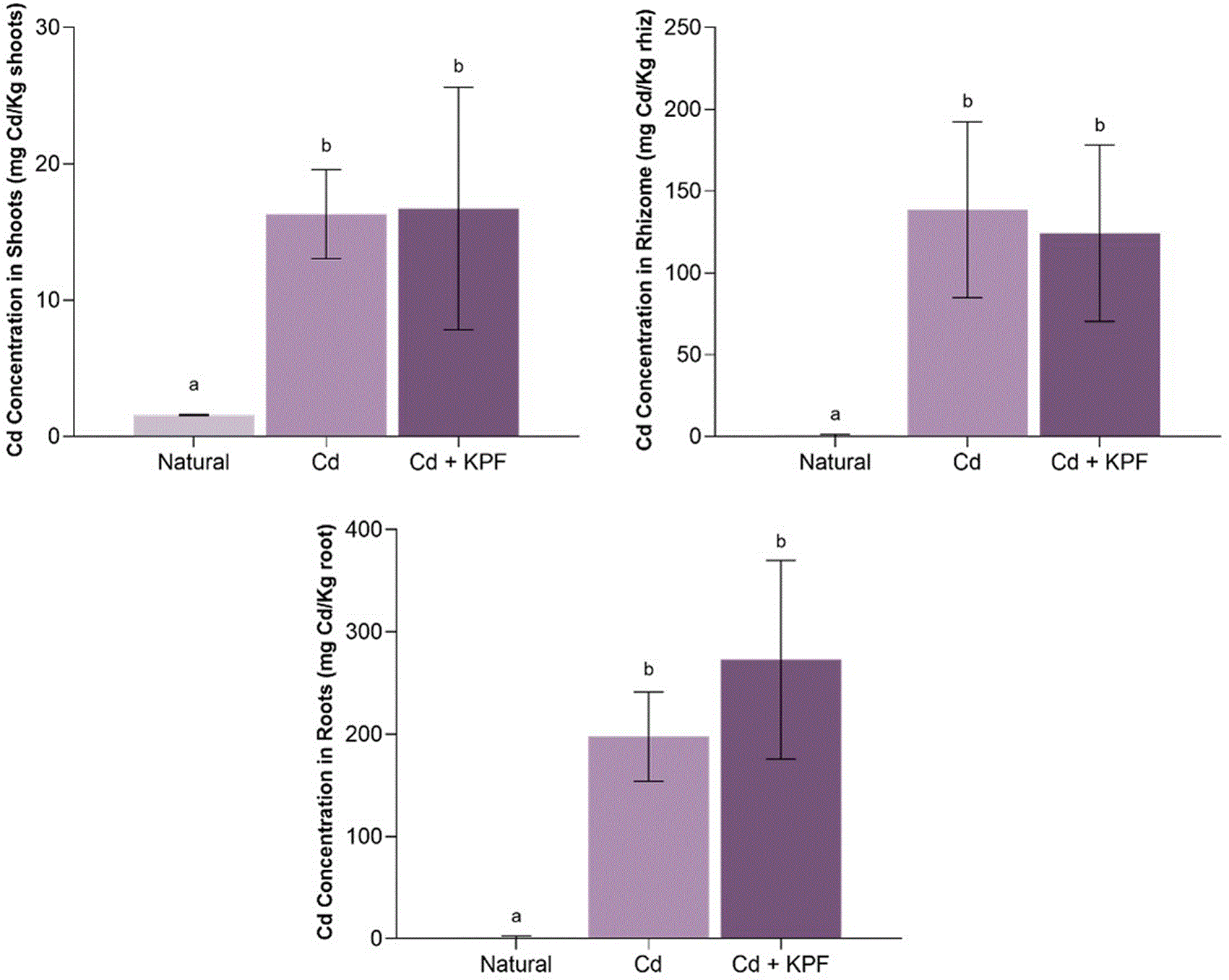
Both metals, Cu and Cd, accumulated mostly in belowground tissues of J. maritimus, following a consistent pattern of roots > rhizomes > shoots under metal exposure (either alone or combined with KPF) (
Figure 14;
Figure 15). Root concentrations increased markedly relative to the control group (increasing 130-fold for Cu and 160-fold for Cd), with lower, yet still substantial, accumulation in rhizomes and significantly lower levels in shoots (increasing 4-fold for Cu and 10-fold for Cd). Although aerial concentrations remained low, the presence of detectable metal levels in shoots indicates partial translocation from the belowground compartments. This distribution pattern is characteristic of short-term exposure (7 days).
Regarding metal attenuation in the elutriate solution, Cu removal was high when plants were present (81% for Cu and Cu–KPF treatments,
Table 4). The substantial attenuation of Cu in the absence of vegetation suggests the involvement of abiotic processes, although the specific mechanisms could not be identified in this study. The higher removal rate observed in the planted medium exposure, together with the significant accumulation in plant tissues, indicates a biological contribution to Cu attenuation.
In contrast, Cd removal exclusively occurred in treatments containing plants, reaching 33% for Cd alone and 38% in Cd–KPF systems (
Table 4). No removal was detected in elutriate-only controls. This suggests that Cd attenuation in the absence of sediment is primarily driven by plant uptake rather than by physicochemical processes.
The presence of KPF did not significantly affect metal concentrations in the elutriate solution, but there was a tendency towards reduced Cu uptake and slightly increased Cd accumulation in belowground tissues. While these effects were not statistically significant, this suggests that the presence of co-occurring organic contaminants may influence the bioavailability of metals and the dynamics of their uptake by plants, as has been previously observed in co-contaminated salt marsh systems (Almeida et al., 2009; Oliveira et al., 2014).
Taken together, these findings confirm the phytoremediation capacity of J. maritimus in estuarine environments (Almeida et al., 2004), highlighting the importance of belowground tissues (roots and rhizomes) in metal storage. They also indicate that, even when subtle, interactions between metals and pharmaceuticals should be considered when evaluating remediation strategies under multi-contaminant scenarios.