Introduction
Public health experts and decision-makers face situations where evidence from experimental studies is limited, like following the introduction of new health technologies or at the emergence of a novel disease. In these circumstances, the potential impact and cost-effectiveness of different policy options can be highly uncertain. Mathematical modelling provides a structured way to synthesise diverse data sources and explicitly account for uncertainty, enabling the assessment of public health and health economic impacts by simulating hypothetical situations that would be impractical or unethical to study empirically. 8 For example, modelling has been used to assess the cost-effectiveness of human papillomavirus (HPV) 9 and malaria 10 vaccination, to evaluate control strategies for foot-and-mouth disease outbreaks in livestock, 11 and to guide mitigation decisions during the COVID-19 pandemic. 12– 16
In some situations, collaborative modelling using ensemble approaches offers important advantages over individual models. By combining projections from multiple independently developed models, ensembles provide a more comprehensive representation of uncertainty, capturing variability in assumptions, structure, and parameterisation across contributing models. Their added value is therefore greatest under high structural uncertainty, when several model formulations are plausible. 17 In infectious disease forecasting, this approach was first operationalised in the U.S. FluSight challenge, which produced weekly consensus forecasts for influenza-like illness (ILI) by combining outputs from different models. 18, 19 Ensemble modelling has since been applied to forecast COVID-19 case and death trends, 20, 21 and to assess the impact of vaccination strategies for diseases such as COVID-19, malaria, and rotavirus. 22– 24 Ensemble approaches support more informed and resilient public health decisions by presenting a range of plausible outcomes and reducing reliance on any single set of assumptions. In forecasting, ensembles have consistently been among the most accurate and reliable approaches, often outperforming every contributing model. 18– 21
Scenario modelling hubs have become established platforms for coordinating ensemble modelling efforts in infectious disease medium and long-term projections and policy planning. 25 Definition Box 1 explains how scenario modelling differs from forecasting. In the United States, the COVID-19 (from 2020), Flu (2022), and RSV (2023) Scenario Modelling Hubs have brought together multiple modelling teams to generate ensemble-based scenario projections for medium- to long-term planning and policy evaluations. 26– 28 Their projections have supported planning, for example on relaxing non-pharmaceutical interventions as vaccination progressed, 41 the Delta variant resurgence 42 and paediatric COVID-19 vaccination, 22 and their use by public health agencies has been documented. 40 Similarly, the European COVID-19 Scenario Hub (2022–2023) provided insights on vaccination strategies 16 and the projected burden of new SARS-CoV-2 variants. 29– 31
Scenario modelling hubs also have limitations. Additional coordination and analytical layers can reduce flexibility to timely respond to changes in disease dynamics or public health needs. In the US COVID-19 hub, scenarios remained close to reality for 22 weeks on average before new virus variants invalidated key assumptions. 38 Models that share assumptions and data are not entirely independent, so agreement and variation between models needs careful interpretation. 1 Hubs spanning several countries face further constraints: common scenario definitions must fit heterogeneous epidemiological contexts, vaccination programmes and surveillance systems. Hubs also depend on sustained effort from organisers and contributing teams, often without dedicated funding. Finally, a common risk to all scenario modelling approaches is that scenario projections are easily misread as forecasts, and model outputs can convey more certainty than the evidence supports. 2
In April 2024, ECDC launched RespiCompass—a new scenario modelling hub for respiratory diseases in the EU/EEA. The first scenario round (Round 1), published in November 2024, 7, 32 focused on the impact of influenza and COVID-19 vaccination. This paper documents our experience of the first RespiCompass cycle. We describe how the project was organised, from the definition of project goals and scenario design to the recruitment of modelling teams, stakeholder engagement, analysis and communication of results. For each stage, we report the challenges encountered, how they were addressed, and which lessons may transfer to other collaborative modelling initiatives. 32 We conclude with the limitations of this account, a summary of insights and an outlook on future directions.
Definition Box 1. Scenario modelling versus forecast modelling.
Forecast modelling aims to predict the future trajectory of epidemiological indicators, such as weekly COVID-19 hospitalisations. Like weather forecasts, these models provide near-term projections based on recent data. For diseases with short serial intervals like COVID-19 and influenza, reliable forecasts typically extend only a few weeks into the future. 21 These models rely heavily on timely surveillance data to project short-term outcomes. Launched in 2023, ECDC’s RespiCast hub leverages an ensemble approach to deliver short-term forecasts of respiratory virus indicators for the EU/EEA. 33
Scenario modelling in contrast, is not designed to predict the most probable future. Instead, it explores multiple “what-if” scenarios, often referred to as counterfactuals. 8 Scenarios may explore future as well as past time windows. This approach helps assess the potential impact of interventions (e.g., through modelling vaccination strategies) and supports preparedness for emerging threats (e.g., through modelling future pandemic scenarios). Scenario modelling can also explore how different policies or external conditions might have altered disease dynamics. Estimates from model-based counterfactual comparisons are conditional on assumptions (e.g., vaccination coverage, timing of vaccination campaigns relative to transmission peaks) and are therefore likely to differ from estimates derived from observational studies of, for example, vaccine programme impact. 3 Scenario models often require mechanistic representations of disease transmission, and they can be used even when surveillance data are limited. Launched in 2024, ECDC’s RespiCompass hub leverages an ensemble approach to deliver scenario projections for respiratory virus burden in the EU/EEA. 34
Methods
This paper provides a description of the design and implementation of a scenario modelling hub for respiratory diseases in Europe. We structured the paper to address the main components of the project and their execution and include lessons learned that we believe could be helpful to other modellers intending to launch similar platforms. We do not assess here whether the results affected policy decisions, which would require a dedicated evaluation. The scenario projections themselves, including model-based estimates of hospitalisations averted by vaccination under the scenario assumptions, are presented on the RespiCompass website 7 and in an ECDC report. 32
The lessons in this paper draw on four sources. First, the experience of the ECDC coordinating team and the contracting consortium ( Table 1), documented in concept notes, meeting notes, email exchanges and in the scenario documentation. 47 Second, feedback from modelling experts in three technical meetings and further bilateral meetings between June and August 2024. Third, structured interviews with the two contributing modelling teams outside the contracted consortium, held in March 2025. Fourth, a survey conducted among members of the European Respiratory Viruses Network (ERVI-Net) [1] on decision-support needs and communication preferences, answered by 19 of 30 network representatives in May 2024, and subsequent discussions at the ERVI-Net meeting in October 2024. Table 2 links each lesson to its main source.
Table 1. RespiCompass actors and their roles.
| Function/Actor | ECDC | National experts & networks | Contributing modelling teams | Contractor |
|---|---|---|---|---|
| Defining priorities & objectives | Defines project scope and objectives in alignment with ECDC strategy, incorporating input from national experts. | Provide national perspectives on priorities and practical considerations. | Engage in discussions on modelling scope and may propose scenarios. | Contributes to scope definition, Assesses technical feasibility and advises on implementation. |
| Facilitation & coordination | Connects experts, aligns efforts (e.g., modelling and ECDC literature reviews). | Engage in discussions, provide feedback, and insights into national contexts. | Contributes to modelling discussions and provides feedback on technical feasibility. | Organises scenario launch, supports modeller meetings, develops digital infrastructure. |
| Knowledge & network building | Integrates expertise across modelling, epidemiology, virology, vaccines, and behavioural science. | Act as the link between national needs and ECDC priorities, foster connections with national modellers. | Participate in project meetings, share insights on technical approaches. | Engages in discussions with ECDC to refine implementation. |
| Infrastructure & technical implementation | Defines platform requirements, ensures usability and adaptability. | Provide feedback on interpretability and usability for public health agencies and stakeholders, may share relevant data. | Develop models and submit modelling results, provide feedback on user experience and functionality for modelling contributions. | Develops models and submits modelling results, develops and maintains websites, scripts for data reporting, and visualisation tools. |
Table 2. Summary of challenges and lessons learned during RespiCompass design phase and first round, with the main source of each lesson.
ERVI-Net: European Respiratory Viruses Network.
| Challenge | Key lessons learned/Solutions identified | Main source |
|---|---|---|
| Scenario definition | Engage stakeholders early to ensure relevance and feasibility | ERVI-Net |
| Use mock/pilot runs to test assumptions and scenario clarity | Meetings with modellers | |
| Establish structured feedback loops to refine definitions iteratively | Meetings with modellers, ERVI-Net | |
| Recruitment and engagement of participants | Hold regular touchpoints and thematic discussions to maintain engagement | Meetings with modellers, modeller interviews |
| Provide logistical and technical support (e.g., compute resources, documentation, timely announcements, funding initiatives) | Meetings with modellers, modeller interviews | |
| Recognise contributions through authorship and community-building activities | Meetings with modellers, modeller interviews | |
| Timelines and capacity constraints | Align submission deadlines with academic calendars and provide adequate lead time | Meetings with modellers, modeller interviews |
| Streamline internal coordination to anticipate delays and bottlenecks | ECDC coordinating team | |
| Model synthesis and insight generation | Introduce peer review of model submissions to enhance rigour | ECDC coordinating team |
| Compare ensemble approaches systematically to inform method choice | ECDC coordinating team | |
| Interpret discrepancies between models as learning opportunities | Meetings with modellers | |
| Communication and dissemination | Adopt multi-channel strategies: webinars and web-based for fast updates, reports for detailed summaries, publications for more focussed insights and modeller engagement | ERVI-Net |
| Clarify distinction between forecasting (RespiCast) and scenario modelling (RespiCompass) in all communications | ECDC coordinating team, ERVI-Net | |
| Stakeholder trust and uptake | Transparently present both ensemble and individual model results to highlight uncertainty | ECDC coordinating team |
| Frame results within real-world decision-making constraints to enhance usability | ERVI-Net |
Results and discussion
RespiCompass vision and governance
RespiCompass builds on the experience of the European COVID-19 Scenario Hub, which was created to foster international modelling collaborations during the acute phase of the COVID-19 pandemic. 34 With the end of the COVID-19 public health emergency, ECDC expanded the hub’s scope beyond COVID-19 to create RespiCompass. The founding vision of RespiCompass is:
RespiCompass aims to become a leading resource for evidence-based decision-making in public health preparedness and response to respiratory infectious diseases. RespiCompass aspires to empower policymakers, healthcare professionals, and other stakeholders with robust scenario-based modelling insights to inform strategic planning and resource allocation. By fostering collaboration across European and global modelling communities, the hub aims to bridge the gap between advanced modelling expertise and practical public health needs.
RespiCompass brings together a network of contributors ( Table 1). It is coordinated by ECDC and draws on internal and external expertise in modelling, epidemiology, virology, immunisation, and preparedness. In its first year, RespiCompass engaged with ERVI-Net, 35 which helped shape the initial scenario round and provided feedback through a survey on decision-making support needs and communication preferences. For the 2025/26 round, RespiCompass engaged the EU/EEA National Immunisation Technical Advisory Groups (NITAG) Collaboration 36 from the first project phase, to better align scenario design with national decision-making priorities. ECDC outsources technical support for the project to a contractor (EU-SMIND, a modelling consortium) which also contributes through submission of modelling results.
RespiCompass benefits from collaboration with the US COVID-19, Flu, and RSV Scenario Modelling Hubs. 26– 28 Since 2020, these hubs have collectively conducted around 30 scenario rounds, providing evidence on the value of collaborative modelling and providing a wealth of best practices. 17, 22, 25, 37– 42 RespiCompass and the US hubs share methodologies, including ensemble approaches, and they rely on shared infrastructure such as the hubverse 43 for validation, visualisation, and submission management. Collaboration between European and US teams has been mutually beneficial; some US teams contributed directly to ECDC collaborative modelling initiatives, while European teams participated in US hub activities, fostering a global exchange of knowledge and tools.
Project cycle overview
RespiCompass follows an annual project cycle designed to deliver relevant and actionable insights and to ensure project improvement. The process begins with consultations with disease and public health experts to define policy-relevant questions and prioritise scenario options. Scenarios are then designed and shared with participating modelling teams, who—applying a common set of shared assumptions—independently develop their models and submit results following a standard submission format. After analysis and interpretation, findings are disseminated through different channels. In the 2024 project cycle, results were shared through a website 7 and stakeholder presentations, followed by a technical report. 32 Each cycle concludes with an evaluation phase to identify areas for improvement. An illustration of the inputs, processes, and outputs for the 2024 project round is provided in Figure 1.
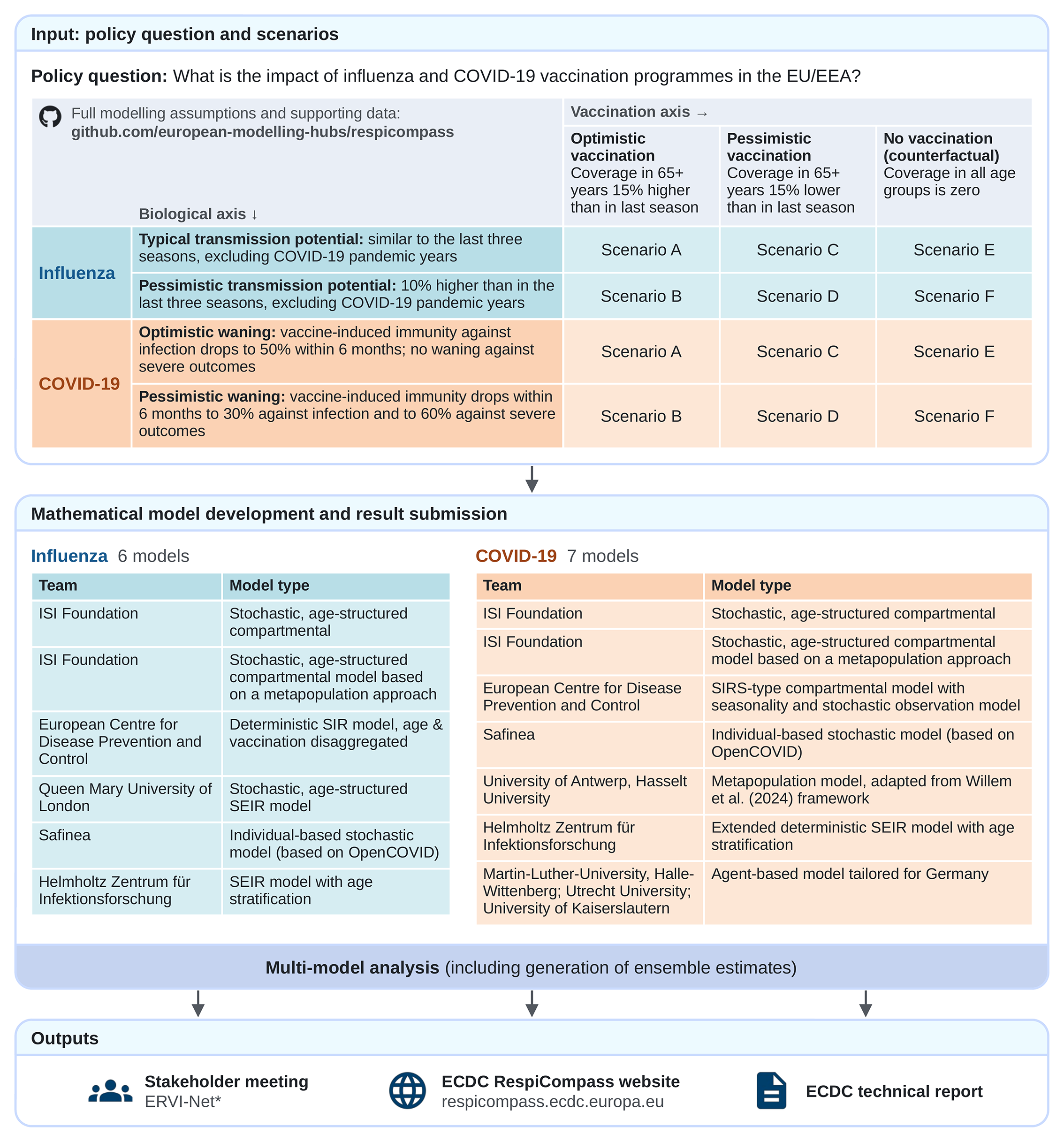
Figure 1. Overview of inputs, processes, and outputs for the 2024 RespiCompass project round.
The process begins with the policy question, which informs the scenario definitions (illustrated here by the scenario table for influenza and COVID-19) and underlying assumptions. Based on these inputs, modelling teams (listed with their model types) develop their models and generate projections. Results are then analysed, compared, and interpreted. The findings from this analysis inform the final outputs and recommendations. *European Respiratory Virus Network.
Defining a scenario round
The structured design of infectious disease modelling scenarios has seen important advances in recent years. 8 Defining such scenarios is an inherently iterative process that requires ongoing refinement to balance feasibility constraints, available data, and stakeholder priorities. In the 2024 RespiCompass scenario round, which modelled disease dynamics from 5 August 2024 to 1 June 2025, two scenario axes specified parameters for vaccine uptake and for biological factors, respectively ( Figure 1). Values for vaccine coverage scenarios were based on historical coverage data and expert opinion on plausible yearly variation. For COVID-19 the biological axis was used to assess the potential impact of varying levels of waning immunity, whereas for influenza this axis was designed to assess the impact of seasonal variation in viral transmission intensity.
Alongside the definition of scenarios, common outputs across models need to be agreed to allow joint interpretation and communication of results. Moreover, the chosen model output is then used by modelling teams for fitting and evaluation of their models against historical data. Data on COVID-19 hospitalisations over time were available for 28 of the 30 EU/EEA countries, but coverage for influenza hospitalisations was limited. 7 We therefore used ILI+ as the influenza target: ILI consultation rates multiplied by influenza test positivity (i.e. the proportion of laboratory samples from ILI consultations positive to influenza virus). This target was available for 26 of the 30 EU/EEA countries. Subsequent discussions with subject experts highlighted that while linked to influenza circulation, ILI+ was less relevant for policy than hospitalisations. Therefore, at the time of reporting results we transformed modelled outputs into averted influenza hospitalisations. For this we used modelled ILI+ cases by vaccination status, converted these for each scenario into hospitalised cases by assuming a hospitalisation risk and a reduced risk for vaccinated cases, and finally computed relative reductions in hospitalisations between each scenario and its no-vaccination counterfactual, whereby the hospitalisation risk per ILI+ case cancels out. 32 Early testing of scenarios revealed additional challenges, including implausible projections under certain epidemiological assumptions. For influenza, the biological axis first contrasted a season with 10% lower transmission potential against a season with 10% higher than usual transmission potential. Under the lower-transmission assumption, seasons without influenza circulation became common in the simulations, an implausible outcome. We redefined the axis as a typical season and a season with 10% higher transmission potential, both relative to the average of the 2017/18, 2018/19 and 2023/24 seasons, and communicated the change at the technical meeting on 6 August 2024 ( Figure 2). These experiences highlighted the value of mock-model runs before launching a scenario round to identify potential issues and allow adaptive adjustments. Future work should help define which type of model model is appropriate and evaluate costs versus benefits of mock-modelling efforts.
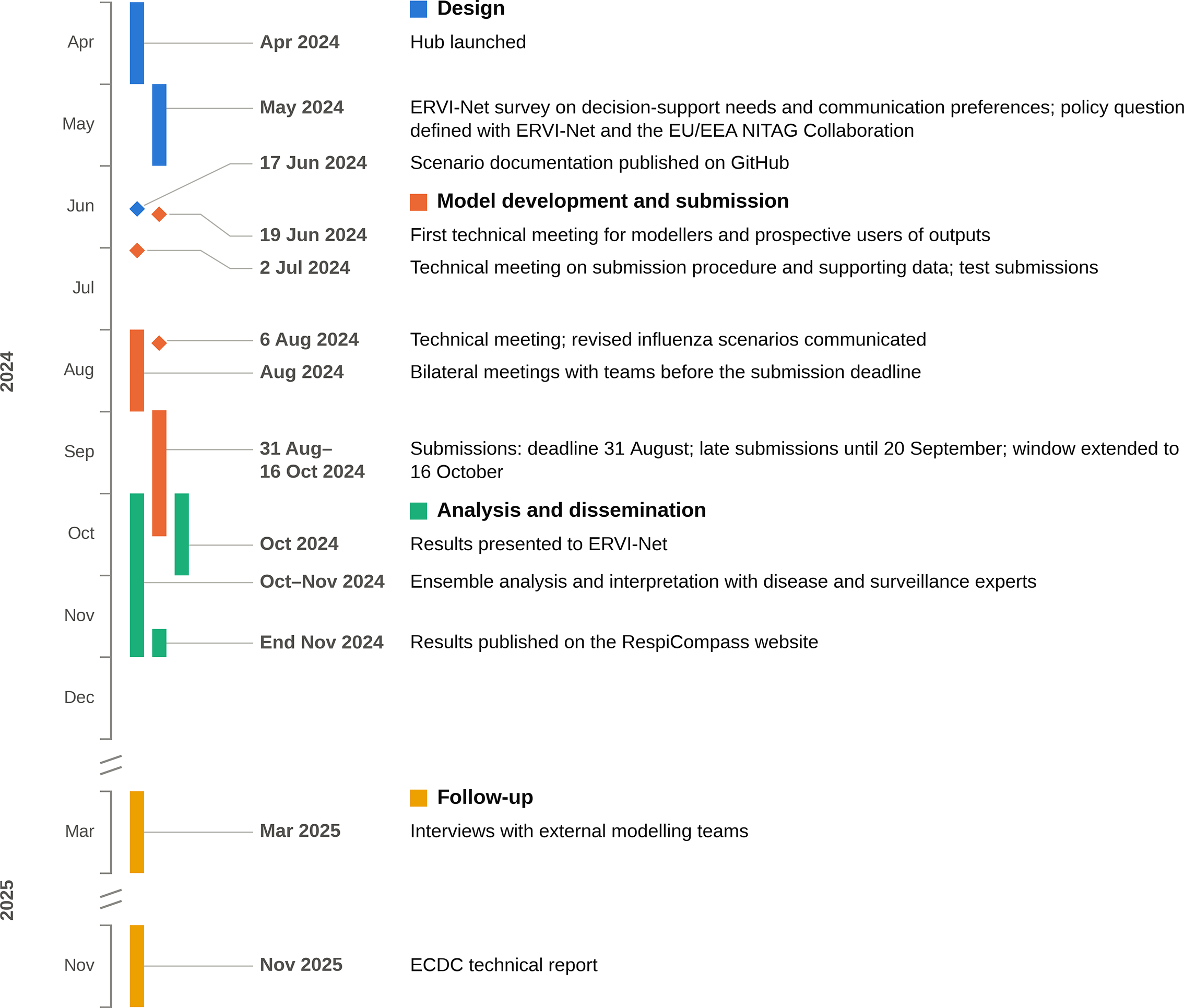
Figure 2. Timeline of RespiCompass Round 1 (2024/25).
The timeline shows the steps of RespiCompass Round 1, from the hub launch to the ECDC technical report, in four phases. Scenario design took about two and a half months, model development and submission about four months, and analysis and dissemination about two months. Diamonds mark events with an exact date; bars mark periods and events dated to the month. The time axis is broken between December 2024 and March 2025 and between March and November 2025.
Precise definitions, scenario documentation, and cross-team communication were essential to avoid misunderstandings of scenario instructions. For example, the meaning of “waning immunity” in COVID-19 models required clarification—did it refer to vaccine-induced immunity, natural immunity, or both? Similar ambiguities arose when vaccine effectiveness (VE) was given without explicitly stating the control group against which effectiveness is measured (i.e. absolute vs relative VE), or for the implementation of influenza transmission potential, which required careful discussion to specify which biological factors were included or excluded. Early modeller feedback thus helped uncover which assumptions were left implicit by our guidance. These experiences highlight the need for effective communication channels among modellers, disease and surveillance experts, data specialists, and public health decision-makers for successful scenario modelling exercises. Embedding structured preliminary testing of scenario definitions, learning from previous scenario rounds, targeted stakeholder reviews, and time for iterative refinements into future cycles will strengthen RespiCompass and improve scenario design.
In a multi-model hub like RespiCompass, model diversity creates both value and complexity. Different models bring varying assumptions, data needs, and levels of flexibility, making it difficult to anticipate in advance which scenario elements will be problematic for whom. What is trivial for one model may be infeasible or unclear for another. For example, the scenarios defined vaccine effectiveness relative to people not vaccinated in the current season, not relative to immunologically naive people. Models that track vaccination and infection history as explicit compartments could apply these values directly. Models with a single vaccinated compartment had to translate those effectiveness values. Similarly, metapopulation models covered multiple countries often at little cost, whereas an individual-based model tailored to one country’s population could not as readily be transferred to other countries. This reinforces the importance of early engagement and continuous dialogue to clarify definitions, surface technical barriers, and align expectations. A key lesson from 2024 is that structured mechanisms for model-sharing and discussion, targeted support, and collaborative validation processes are essential to ensure consistency, comparability, and usefulness of outputs.
Modeller recruitment and engagement
To ensure model outputs from several distinct models, ECDC contributed results from two models developed in-house and contracted a modelling consortium which contributed results from four models. Other teams contributed a further seven models to the project. In total, outputs from six influenza and seven COVID-19 models were submitted ( Figure 1). Model types were varied and included deterministic age-structured compartmental models, stochastic compartmental models calibrated by approximate Bayesian computation or Kalman filtering, metapopulation models with human mobility, and individual-based models. 47 Participation was open to any team that could implement the scenario specification and submission format. We set no further inclusion criteria, and no submission was excluded or withdrawn.
Recruiting modelling teams was challenging as participants not contracted by ECDC were neither directly compensated nor able to tap into competitive grants linked to the project. Interviews with the two teams outside the contracted consortium revealed that their primary motivation for participation was the opportunity to test and showcase their models in a practical, policy-relevant setting, and to compare their approach with those of other international groups. One of these teams was already using their model to submit forecasts to ECDC’s forecasting hub (RespiCast), 33 while the other had refined their model since the end of the COVID-19 public health emergency of international concern (PHEIC) and viewed RespiCompass as an opportunity to validate their work. Technical complexities and a submission deadline of 31 August 2024, directly after the summer holiday period, created resource challenges for the teams. We accepted late submissions until 20 September and then extended the submission window again, to 16 October 2024. Contributing teams made substantial efforts to update different model components, including details of the vaccination and related immunity processes, but faced issues due to high computational needs. Despite these hurdles, teams provided positive feedback on the clarity of project goals, the timely availability of scenario documentation, and the active support and communication by ECDC and the EU-SMIND contractor. Regular meetings to clarify processes, assumptions, and timelines added to a positive collaborative experience, as reported by interviewed modelling teams. Participants suggested further improvements including the creation of a dedicated communication channel and topic-specific discussion groups (e.g., on the use and availability of human-to-human contact data for simulating viral transmission). Finally, participating teams emphasised the value of formal recognition through co-authorship in peer-reviewed publications or official ECDC reports, particularly for junior researchers, and they also recommended in-person meetings to strengthen community building and sustained engagement.
Beyond the contributing modelling teams, a number of additional groups followed the 2024 cycle more informally. These teams attended the virtual launch and technical meetings and responded to scenario round e-mails, but ultimately did not submit. From our informal interactions, their decision appeared to be driven by limited staff or funding in 2024 and the compressed submission timeline. Even so, they provided useful feedback on the scenario design and data inputs. Several of these groups went on to submit in the ongoing 2025/26 round, in which nine groups that did not submit in Round 1 take part. This points to a wider pool of modelling capacity that could support future iterations of RespiCompass.
Moving forward, we aim to continue strengthening our engagement with external modelling teams as this is crucial for the long-term sustainability of RespiCompass. The motivations and constraints of potential partners differ. For academic groups, continued participation will likely depend on a clear return on investment in the form of publications, funding opportunities, or career advancement. The main constraint on participation of modellers within public health agencies, on the other hand, is often related to competing priorities and limited capacity. Careful planning around these challenges is crucial. To start with, supporting participation will require attention to timelines and resource needs, including providing sufficient lead time for model development and submission, offering access to cluster computing resources to improve processing power, and designing specific funding channels. Organising in-person meetings could further build collaboration and a sense of community among participants. In addition, complementing ECDC reports with contributions to peer-reviewed publications may serve as an added incentive for participation, particularly among academic partners.
Multiple models and multiple modelled locations
A challenge often encountered in modelling studies is that each additional dimension incorporated into an analysis quickly increases complexity. In RespiCompass, we were not only dealing with two diseases and various scenarios for each of them, but also with multiple models covering distinct simulations for a large number of countries. We presented our main results at the EU/EEA level. At the request of experts, we also included country-specific estimates in an annex of the ECDC report, with due acknowledgement that differences in national healthcare systems, surveillance systems and data availability may introduce variability not fully captured by the models. 32 Indeed, surveillance systems differ between countries in case definitions, testing, healthcare-seeking behaviour, hospital admission practices and reporting completeness. 4 Observed indicators therefore relate differently to infection dynamics in each country. 21 To circumvent this, we expressed the main outputs in our results report as relative reductions in hospitalisations against a no-vaccination counterfactual. Constant ascertainment factors and other multiplicative effects cancel out of such relative measures, making them more robust than absolute measures. Nevertheless, we note relative reductions in hospitalisations remain sensitive to factors such as differences in epidemic timing, or the quality of surveillance data.
A core element of the analysis is synthesising results through ensemble methods—an umbrella of methods that combine results from different models into single estimates. Here, methodological decisions can influence both point estimates and uncertainty ranges. Due to tight project timelines, we were unable to systematically compare different ensemble approaches in the 2024 cycle, highlighting a broader gap: the lack of clear, systematically evaluated guidance for ensemble method selection in infectious disease modelling. 44, 45 Such guidance would need to account for factors such as the number of contributing models, biases in geographic or temporal coverage, and hierarchical data structures.
For the 2024 round, we adapted the ensemble method used by all three US Scenario Modelling Hubs: an equally weighted linear opinion pool with a trimming step. 26– 28, 46 In brief, we first computed, for each country and each model, the relative reduction in hospitalisations in each scenario compared with its no-vaccination counterfactual. 32 We then pooled the modelled estimates of this quantity into a single distribution per scenario and country, giving each model equal weight. Model estimates outside the 1.5 interquartile ranges received zero weight, reducing the influence of extreme outputs on central estimates. 32 We fixed the method, including the trimming threshold, before seeing results, so that settings could not be tuned to individual results. A formal comparison of ensemble methods, including leave-one-model-out and trimming on/off analyses, is beyond the scope of this paper and remains future work.
Each team developed its model methodology and implementation independently. Variation in how teams represent contacts, infection and immunity is desired, because it enters the ensemble as a spread of plausible mechanisms. At the same time, modelling hubs create cohesion by design, through shared data and scenario assumptions, and discussions between modellers can make models more alike. Where models become dependent, agreement between them can overstate robustness. 1 Balancing independence and cohesion is an open design question for collaborative modelling hubs.
The ensemble does not capture all uncertainty relevant to scenario projections. Table 3 distinguishes four dimensions of uncertainty, following an established typology, 5 and shows how each was represented in Round 1. Between-model variation mainly reflects differences in model structure, and within-model variation reflects parameter uncertainty and variability from the fitting process. Scenario uncertainty was explicit but limited to two axes, given the teams’ capacity and time constraints. Ensemble intervals are conditional on the scenario assumptions (including fixed parameters) and shared surveillance data.
Table 3. Dimensions of uncertainty and their representation in RespiCompass Round 1.
| Dimension | Examples | Representation in Round 1 |
|---|---|---|
| Model structure | Model architecture, implementation of disease transmission, progression and immunity dynamics, calibration method. | Through diversity across the six (influenza) or seven (COVID-19) models. Limited by the low number of models for some countries. |
| Parameters | Ascertainment rates, severity and waning parameters, seasonal forcing, human contacts and mobility. | Through 100 to 300 trajectories in which teams sampled parameter uncertainty. Not for parameters fixed through scenarios (e.g., vaccine effectiveness). |
| Scenarios | Vaccine coverage, influenza transmission potential, COVID-19 immunity waning. | Explicitly, through the scenario axes. |
| Surveillance and other data | Missing data, alternative national surveillance data (e.g., wastewater), additional data streams (e.g., human mobility). | Limited as models all used the provided surveillance data. Partly presented through country-specific model calibration. |
While ensemble estimates aggregate outputs from multiple models into a single result, individual model outputs provide valuable insights into where different models agree and disagree. Discrepancies between models often reveal critical insights into how assumptions and methods can shape projections and were the basis of productive discussions with modelling teams on how to improve future scenario definitions, modelling approaches, and data needs. Presenting both the ensemble results—regardless of the methodology used—and the individual model outputs (as we did for the 2024 RespiCompass results) 7 allows end-users to better understand the underlying variability, fostering trust when communicating modelling results to stakeholders. We anticipate maintaining a similar approach in future iterations to ensure transparency and enhance stakeholder trust.
Communication strategies
A survey conducted with ERVI-Net revealed a preference for a dedicated RespiCompass website for time-sensitive communications over traditional formats like technical reports. Considering this, we developed a focussed and visually engaging RespiCompass website. However, managing outputs through a web platform poses challenges. Websites imply that information is up to date, yet some results—such as winter 24/25 burden estimates—quickly become obsolete. More enduring outputs, like model-based estimates of COVID-19 hospitalisations averted by vaccination under the scenario assumptions, may be better suited for dissemination through static technical reports or peer-reviewed publications. To address these needs, we use a multi-channel communication strategy, with output formats matched to the intended use and lifespan of results.
A recurring communication challenge has been clarifying the distinction between forecasting (as pursued by ECDC’s RespiCast hub) 33 and scenario modelling (as pursued by RespiCompass). 7 Forecasting aims to predict the most likely short-term future based on trends observed in recent data, while scenario modelling explores disease dynamics under hypothetical conditions, typically in the medium- to long-term—essentially running in-silico experiments (i.e. experiments carried out virtually by a computer, server, or cluster) (Definition Box 1). By explicitly reinforcing this distinction in all communications, we aim to help stakeholders appreciate the complementary roles of forecasting and scenario modelling.
Impact assessment
Evidence on how Round 1 outputs influenced decision-making is limited and qualitative. The policy question was defined with ECDC experts working closely with ERVI-Net and the EU/EEA NITAG Collaboration, two key ECDC stakeholder groups, in view of declining COVID-19 vaccine coverage and influenza vaccine coverage below target among older adults. 32 Results were presented in October 2024 to ERVI-Net, whose representatives work in national public health agencies. Stakeholder priorities also shaped the next round, which addresses newborn RSV immunisation while EU/EEA countries decide on and evaluate new programmes. 6 We have not assessed systematically whether RespiCompass outputs changed national vaccination policies or preparedness plans. Such an assessment requires structured follow-up with national public health institutes and immunisation advisory groups, which future cycles should include.
Limitations
The lessons presented in this account draw mainly on the coordinating team’s perspective, on modeller views expressed in technical meetings and two interviews with modelling teams, and on stakeholder views from one survey and network discussions. They reflect a single project cycle within the described governance and funding model, and the policy impact of RespiCompass has not been formally evaluated. This should be considered when transferring the presented lessons to other hubs.
Summary and future directions
The first round of RespiCompass showed that a coordinated multi-model scenario round across the EU/EEA can be delivered within one year. Six influenza and seven COVID-19 models contributed, and results were published five months after public scenario documentation ( Figure 2). Table 2 summarises the principal challenges encountered during the hub’s design phase and first round, together with the lessons drawn from each. A key lesson was the importance of early stakeholder engagement. Involving public health experts and decision-makers in the scenario design phase helped tailor questions to policy priorities, clarify expectations, and enable transparent discussions around data limitations, which in our experience supported trust in the results.
Technical coordination and feedback loops with modelling teams were equally important. Early test runs surfaced feasibility and consistency issues, enabling pre-emptive refinement of scenario definitions and assumptions. These practices mirror successful design choices from previous hubs, 38 which emphasise the value of iterative development. To enhance rigour, the 2025/26 round introduced a model peer review phase, which supports adherence to scenario assumptions and timely model development and submission. Additionally, methodological strengthening remains a priority. While ensemble methods allow outputs from different models to be synthesised for easier communication of results, in some cases (e.g., when there is large between-model heterogeneity) presenting individual model results may be more appropriate. Improving transparency will require clear guidance on multi-model analysis, likely informed by lessons from meta-analysis, as well as systematic comparisons of ensemble strategies to identify best practices. For groups building similar initiatives, the Round 1 scenario documentation, submission format and validation workflows are openly available for reuse. 47
Lastly, communication and uptake of project results remain central to their impact. RespiCompass adopted a multi-channel dissemination strategy, including a website for rapid communication of time-sensitive results, technical documentation for model-based estimates of intervention impact, and live briefings with surveillance network to contextualise findings. Looking ahead, RespiCompass can build on these lessons through refined timelines, expanded stakeholder engagement, capacity-building activities, and a dedicated evaluation of its policy impact. With these steps, the hub is well positioned to support timely, transparent, and stakeholder-focused scenario modelling across the EU/EEA.
Ethics and consent
Ethical approval was not required for this work. The stakeholder engagement described (a survey of the European Respiratory Viruses Network (ERVI-Net) and interviews with participating modelling teams) was conducted as part of the operational development and evaluation of a public health project, rather than as research involving human subjects. The network survey was administered through the official EUSurvey tool and opened with a written notice setting out the purpose of the survey, stating that only authorised staff could access any personal information, asking respondents not to enter personal data in free-text fields, and informing them that aggregated results would be presented to the network and/or published. Consent to participate was implied by voluntary completion of the survey following this notice. Interviews with modelling teams were undertaken by contributors in their professional capacity as project collaborators. No personal or identifying data were collected or reported.
Disclaimer
The views expressed in this article are those of the author(s). Publication in Open Research Europe does not imply endorsement of the European Commission.
Data availability
This article is an operational account of the RespiCompass hub and reports no new primary research data of its own; the Round 1 projections and their analysis are reported separately on the RespiCompass website 7 and in an ECDC report. 32 The scenario specifications, submission instructions, and submitted model outputs underlying the first round are available in the RespiCompass GitHub repository 47 ( https://github.com/european-modelling-hubs/RespiCompass). The surveillance data underpinning the project are collated through the European Respiratory Virus Surveillance Summary (ERVISS). 48 Only aggregated findings from the network survey are reported. Individual responses are not shared in order to protect respondent confidentiality, consistent with the notice given to respondents (see Ethics and consent).
Acknowledgements
We gratefully acknowledge the input of EU/EEA national public health and laboratory staff (European Respiratory Viruses Network, ERVI-Net) 35 involved in surveillance activities and submission of surveillance data to The European Surveillance System (TESSy) 49 and European Respiratory Virus Surveillance Summary (ERVISS), 48 which forms the basis for this project. We gratefully acknowledge the contributions of the “OptimAgent” and the “QMUL” (Queen Mary University of London) modelling teams for their model development and result submissions for this project.
References
- Abramowitz G Herger N Gutmann E et al. : ESD Reviews: Model dependence in multi-model climate ensembles: weighting, sub-selection and out-of-sample testing. Earth Syst Dyn. 2019;10(1):91–105. Publisher Full Text
- Holmdahl I Buckee C : Wrong but useful - what covid-19 epidemiologic models can and cannot tell us. N Engl J Med. 2020;383(4):303–305. PubMed Abstract Publisher Full Text
- European Centre for Disease Prevention and Control: Protocol to measure COVID-19 vaccination impact among individuals aged 65 years and over.2026. https://www.ecdc.europa.eu/en/publications-data/protocol-measure-covid-19-vaccination-impact-among-individuals-aged-65-years-and
- WHO Regional Office for Europe, European Centre for Disease Prevention and Control. Operational considerations for respiratory virus surveillance in Europe. Stockholm: ECDC;2022. https://www.ecdc.europa.eu/en/publications-data/operational-considerations-respiratory-virus-surveillance-europe
- Walker WE Harremoës P Rotmans J et al. : Defining uncertainty: A conceptual basis for uncertainty management in model-based decision support. Integr Assess. 2003;4(1):5–17. Publisher Full Text
- European Centre for Disease Prevention and Control: Rapid scientific advice on protecting infants against respiratory syncytial virus disease for the European 2025/26 winter season.2025. https://www.ecdc.europa.eu/en/publications-data/rapid-scientific-advice-protecting-infants-against-respiratory-syncytial-virus
- European Centre for Disease Prevention and Control: RespiCompass. Reference Source
- Runge MC Shea K Howerton E et al. : Scenario design for infectious disease projections: Integrating concepts from decision analysis and experimental design. Epidemics. 2024;47:100775. PubMed Abstract Publisher Full Text Free Full Text
- Cherif A Palmer C Senese F et al. : A cost-effectiveness analysis of adult human papillomavirus vaccination strategies in Italy. Hum Vaccin Immunother. 2025;21. PubMed Abstract Publisher Full Text Free Full Text
- Penny MA Verity R Bever CA et al. : Public health impact and cost-effectiveness of the RTS,S/AS01 malaria vaccine: a systematic comparison of predictions from four mathematical models. Lancet. 2016;387(10016):367–375. PubMed Abstract Publisher Full Text Free Full Text
- Ferguson NM Donnelly CA Anderson RM : Transmission intensity and impact of control policies on the foot and mouth epidemic in Great Britain. Nature. 2001;413(6855):542–548. PubMed Abstract Publisher Full Text
- Ferguson N Laydon D Nedjati Gilani G et al. : Report 9: Impact of non-pharmaceutical interventions (NPIs) to reduce COVID19 mortality and healthcare demand.2020. Publisher Full Text
- Parino F Zino L Porfiri M et al. : Modelling and predicting the effect of social distancing and travel restrictions on COVID-19 spreading. J R Soc Interface. 2021;18. PubMed Abstract Publisher Full Text Free Full Text
- Zafari Z Goldman L Kovrizhkin K et al. : The cost-effectiveness of common strategies for the prevention of transmission of SARS-CoV-2 in universities. PLoS One. 2021;16. PubMed Abstract Publisher Full Text Free Full Text
- Kahn R Holmdahl I Reddy S et al. : Mathematical modeling to inform vaccination strategies and testing approaches for Coronavirus disease 2019 (COVID-19) in nursing homes. Clin Infect Dis. 2022;74(4):597–603. PubMed Abstract Publisher Full Text Free Full Text
- European Centre for Disease Prevention and Control: COVID-19 vaccination and prioritisation strategies in the EU/EEA.2020. Reference Source
- Shea K Runge MC Pannell D et al. : Harnessing multiple models for outbreak management. Science. 2020 May 8;368(6491):577–579. PubMed Abstract Publisher Full Text
- McGowan CJ Biggerstaff M Johansson M et al. : Collaborative efforts to forecast seasonal influenza in the United States, 2015-2016. Sci Rep. 2019;9. PubMed Abstract Publisher Full Text Free Full Text
- Mathis SM Webber AE Leon TM et al. : Evaluation of FluSight influenza forecasting in the 2021–22 and 2022–23 seasons with a new target laboratory-confirmed influenza hospitalizations. Nat Commun. 2024 Jul 26;15(1):6289. Epub 20240726. PubMed Abstract Publisher Full Text Free Full Text
- Cramer EY Ray EL Lopez VK et al. : Evaluation of individual and ensemble probabilistic forecasts of COVID-19 mortality in the United States. Proc Natl Acad Sci U S A. 2022 Apr 12;119(15):e2113561119. Epub 20220408. PubMed Abstract Free Full Text
- Sherratt K Gruson H Grah R et al. : Predictive performance of multi-model ensemble forecasts of COVID-19 across European nations. Elife. 2023 Apr 21;12. Epub 20230421. PubMed Abstract Free Full Text
- Borchering RK Mullany LC Howerton E et al. : Impact of SARS-CoV-2 vaccination of children ages 5-11 years on COVID-19 disease burden and resilience to new variants in the United States, November 2021-March 2022: A multi-model study. Lancet Reg Health Am. 2023;17:100398. Publisher Full Text Free Full Text
- Park J Goldstein J Haran M Ferrari M et al. : An ensemble approach to predicting the impact of vaccination on rotavirus disease in Niger. Vaccine. 2017 Oct 13;35(43):5835–5841. Epub 35. Publisher Full Text Free Full Text
- Smith T Ross A Maire N et al. : Ensemble modeling of the likely public health impact of a pre-erythrocytic malaria vaccine. PLoS Med. 2012 Jan;9. PubMed Abstract Publisher Full Text Free Full Text
- Reich NG Lessler J Funk S et al. : Collaborative hubs: Making the most of predictive epidemic modeling. Am J Public Health. 2022;112(6):839–842. PubMed Abstract Publisher Full Text Free Full Text
- COVID 19 scenario model hub: Home - COVID 19 scenario model hub. Reference Source
- Flu scenario model hub: Home - Flu scenario model hub. Reference Source
- RSV scenario model hub: Home - RSV scenario model hub. Reference Source
- European Centre for Disease Prevention and Control: Assessment of the further emergence of the SARS-CoV-2 Omicron VOC in the context of the ongoing Delta VOC transmission in the EU/EEA, 18th update.2021. Reference Source
- European Centre for Disease Prevention and Control: Updated projections of COVID-19 in the EU/EEA and the UK.2020. Reference Source
- European Centre for Disease Prevention and Control: Threat Assessment Brief: Implications for the EU/EEA on the spread of the SARS-CoV-2 Delta (B.1.617.2) variant of concern.2021. Reference Source
- European Centre for Disease Prevention and Control: Multi-model analysis to quantify the impact of vaccination on COVID-19 and influenza hospitalisation burden among older adults in the EU/EEA, 2024/25.2025. Publisher Full Text Reference Source
- European Centre for Disease Prevention and Control: ECDC Respiratory Diseases Forecasting Hub. Reference Source
- European Centre for Disease Prevention and Control: ECDC launches RespiCompass, a scenario modelling hub for respiratory diseases.2024. Reference Source
- European Centre for Disease Prevention and Control: Disease and laboratory networks.2011. Reference Source
- European Centre for Disease Prevention and Control: EU/EEA National Immunisation Technical Advisory Groups (NITAG) collaboration.2020. Reference Source
- Loo SL Howerton E Contamin L et al. : The US COVID-19 and Influenza Scenario Modeling Hubs: Delivering long-term projections to guide policy. Epidemics. 2024;46:100738. PubMed Abstract Publisher Full Text Free Full Text
- Howerton E Contamin L Mullany LC et al. : Evaluation of the US COVID-19 Scenario Modeling Hub for informing pandemic response under uncertainty. Nat Commun. 2023 Nov 20;14(1):7260. Epub 20231120. PubMed Abstract Publisher Full Text Free Full Text
- Shea K Borchering RK Probert WJM et al. : Multiple models for outbreak decision support in the face of uncertainty. Proc Natl Acad Sci U S A. 2023;120(18):e2207537120. PubMed Abstract Publisher Full Text Free Full Text
- Borchering RK Healy JM Cadwell BL et al. : Public health impact of the U.S. Scenario Modeling Hub. Epidemics. 2023;44:100705. Publisher Full Text
- Borchering RK Viboud C Howerton E et al. : Modeling of future COVID-19 cases, hospitalizations, and deaths, by vaccination rates and nonpharmaceutical intervention scenarios - United States, April-September 2021. MMWR Morb Mortal Wkly Rep. 2021;70(19):719–724. PubMed Abstract Publisher Full Text Free Full Text
- Truelove S Smith CP Qin M et al. : Projected resurgence of COVID-19 in the United States in July-December 2021 resulting from the increased transmissibility of the Delta variant and faltering vaccination. Elife. 2022;11(35726851). PubMed Abstract Publisher Full Text Free Full Text
- Consortium of Infectious Disease Modeling Hubs, Kerr M Borchering R et al. : A software platform for collaborative infectious disease modelling. Nat Health. 2026; s44360-026-00145-7. PubMed Abstract Publisher Full Text Free Full Text
- Mahajan P Uddin S Hajati F et al. : Ensemble learning for disease prediction: A review. Healthcare (Basel). 2023;11. PubMed Abstract Publisher Full Text Free Full Text
- Shandross L Howerton E Contamin L et al. : Multi-model ensembles in infectious disease and public health: Methods, interpretation, and implementation in R. Stat Med. 2026;45(1–2):e70333. PubMed Abstract Publisher Full Text Free Full Text
- Howerton E Runge MC Bogich TL et al. : Context-dependent representation of within- and between-model uncertainty: aggregating probabilistic predictions in infectious disease epidemiology. J R Soc Interface. 2023;20 PubMed Abstract Publisher Full Text Free Full Text
- European Centre for Disease Prevention and Control: RespiCompass: European Respiratory Diseases Scenario Hub. Reference Source
- European Centre for Disease Prevention and Control: European Respiratory Virus Surveillance Summary (ERVISS). Reference Source
- European Centre for Disease Prevention and Control: The European Surveillance System (TESSy).2025. Reference Source
[1] The European Respiratory Viruses Network (ERVI-Net) is a network of public health experts and epidemiologists representing EU/EEA Member States and accession countries. It is hosted and coordinated by the European Centre for Disease Prevention and Control (ECDC), with the purpose of coordinating surveillance, prevention, and control of infectious respiratory diseases across Europe.