1. Background
Mental health conditions represent a global public health challenge, affecting around one in seven people worldwide,1 with disproportionate impacts in socioeconomically deprived communities.2 Mental health is strongly linked to stress levels, quality of life, and subjective wellbeing, and is shaped by social determinants such as discrimination, poor housing, and limited access to care.1,3 Despite the effectiveness of pharmacological and non-pharmacological therapeutic treatments, barriers including cost, side effects, and accessibility to these treatments persist.4,5
Nature-based therapies (NBTs) are incresasingly adopted as a non-pharmacological treatment for mental health without the side effects of medication. NBTs are structured and professionally guided programs that utilize contact with nature with therapeutic objectives.6,7 NBTs are linked to improved mental health outcomes.8,9 Most published studies on the health benefits from NBTs involve gardening and horticulture-based programs, with reviews generally reporting positive associations with stress reduction and emotional well-being10,11,12 and even quality of life.13,14 Compared to gardening-based interventions, evidence on forest- and water-based NBTs is more limited and fragmented.15,16,17 Water-based NBTs include interventions delivered in aquatic environments, such as surf therapy and other activities in blue spaces settings.18,16 Current evidence on water-based NBTs is derived from a small number of primary studies in specific populations, reporting reductions in depression and anxiety and improvements in affect, resilience, and self-efficacy.19,20,21,22 Similarly, there are indications that forest-based NBTs are associated with lower levels of depression, anxiety and anger.23 However, despite growing interest, NBTs are still typically small scale, localized and economically unstable (resulting in frequent closures and new openings). This is generally because the growing evidence on NBT are perceived as low quality (due to small sample sizes, not including a control group, the intervention protocols being unclear, not validated outcome measures, or assessment limited to short-term outcomes) or so heterogenous (in terms of contact with nature or outcome measures) that comparability is limited.17,10,24,25,26,15
The biophilia hypothesis27,28 is one of the main theories underpinning people’s preference for natural environments, and it has gained increasing traction over the last decade. Its central idea is that humans today have inherited evolutionary adaptations that allow them to function at their best in natural environments, which connects to the notion that such natural environments offer opportunities for restoration. Historically, the main theories explaining the beneficial effects of nature on psychological restoration include the Attention Restoration Theory (ART)29,30,31 and the Stress Reduction Theory (SRT).32,33 Building on these, multiple interrelated pathways and diverse effect modifiers have been described to explain how exposure to nature benefits people’s mental health.34,35 More recently, nature connection has also been suggested to have a mediating36,37 or moderating effect on mental health.38 However, quantitative studies formally testing nature connection as a mediating factor between NBT and health are rare (39 for an exception).
Barriers to therapeutic treatments for mental health are exacerbated by stigma.40,41 Stigma operates at diverse levels, including public and self-levels (i.e. internalized stigma), which are closely linked.42,43,44 Public stigma refers to negative attitudes and beliefs held by individuals or society toward people with mental disorders, while internalized stigma reflects the adoption of these views by affected individuals. Public and internalized stigma negatively affect psychological functions,45 adherence to treatment,46 access to care,47 orientation towards recovery48 and, overall, lead to less mental health equity.49 Self-esteem, hope and self-efficacy may buffer the harmful effects of internalized stigma.50 Some interventions have shown promising outcomes in reducing the effects of internalized stigma.51,52,53,54 However, no study has explored the interlinks between NBTs, stigma and mental health outcomes.
The growing adoption of NBTs as a non-pharmacological treatment is also driven by emerging evidence of NBTs potential cost-effectiveness, particularly for mental health and long-term conditions.55 Economic evaluations to date indicate favourable cost–benefit ratios, cost savings, and cost-effectiveness estimates that often fall below conventional willingness-to-pay thresholds, such as NICE benchmarks for QALYs.56 However, the evidence base remains limited, relying on a small number of heterogeneous studies, frequently using non-randomised designs, short time horizons, and diverse outcome measures.57 Indeed, there are calls for research embedding robust economic evaluations within well-designed trials, standardising outcome metrics, and capturing longer-term health, social, and system-level effects to better inform commissioning and policy decisions.55
This paper presents the protocol of a multi-country experimental study evaluating the effectiveness of NBTs in improving adult mental health. The main objective of this protocol is to present the rationale and design of a pragmatic experimental study developed to assess whether participation in diverse NBTs is superior to Usual Care in reducing perceived stress among people at-risk. Usual care was chosen as the comparator because it represents the standard care available to the studied populations. Secondary objectives include examining superiority in improving quality of life and subjective wellbeing, investigating the durability of effects at post-intervention and follow-up, exploring whether NBT participation modifies the relationship between internalized stigma and mental health, assessing cost-effectiveness, and investigating nature connectedness as a potential mechanism linking NBTs to mental health outcomes.
2. Methods
This study protocol is embedded within the HEurope project GreenME.58 This work is the results of a transdisciplinary collaboration between researchers and implementers, ensuring a strong scientific design of service-orientated NBTs. Given the diversity of intervention types, settings and target populations, this protocol identifies the core elements of design, implementation and measurements common to all the interventions to enable joint analyses across trials, while allowing flexibility for individual NBTs to adapt the implementation to their local context and therapeutic model.
The study protocol has been developed based on the Standard Protocol Items: Recommendations for Interventional Trials (SPIRIT) guidelines.59 See Extended data – Item 1 for the full details (DOI: 10.5281/zenodo.20777595).
2.1 Study design
A multicentre experimental study including seven NBTs interventions is now under implementation. We commenced the study in April 2025 and will recruit all eligible participants by July 2026. The included interventions are: CSMaresme (Spain), PSSJD (Spain), Salus (Italy), Battirame (Italy), NorthernRoots (UK), TONIC (UK) and ShinrinYoku (Sweden). As part of the study, in each of the intervention, participants are randomized to one of the two treatment arms in a 1:1 ratio: exposed to the NBT plus unrestricted usual care (i.e. “NBT” from now on) or receive unrestricted usual care alone as a comparison arm (i.e. “usual care” from now on).
2.2 Participants
2.2.1 Study populations and recruitment
All interventions included adult individuals. Most of these adults were referred to the evaluated interventions through the healthcare system (see details in Extended data – Item 2 – DOI: 10.5281/zenodo.20777595).
2.2.2 Eligibility criteria
We present the inclusion and exclusion criteria in
Table 1.
Table 1. Eligibility criteria and predefined deviations across interventions.
| Eligibility criterion | Site-specific modifications | Rationale for site-specific modifications |
|---|
| Moderate-to-high perceived stress (PSS-10 > 14)96,97 | No deviations across sites. Core inclusion criterion for all trials |
| Meets eligibility criteria of the evaluated NBT | No deviations across sites. Core inclusion criterion for all trials. Ensures appropriateness and safety for each intervention |
| No current participation or participation in the same type of intervention within the previous 12 months | CSMaresme: exclusion period reduced to 1 month | Participants attend the mental health centre for short, time-limited periods |
| Age: 18–75 years | ShinrinYoku: upper age limit of 65 years (18–65 years)
PSSJD, NorthernRoots: no upper age limit (≥18 years) | Reflects usual age range of routine intervention delivery |
No diagnoses that hinder safe participation or benefit (intellectual disability, selected anxiety/fear disorders, dissociative disorders, aggressive or suicidal behaviour), according to the registered diagnoses by medical doctors following the International Statistical Classification of Diseases and Related Health Problems-11 (ICD-11).
Accordingly, the health indicators we exclude are: intellectual disability (ICD-11: 6A00), anxiety and fear-related disorders such as agoraphobia, specific phobia, and social anxiety disorder (ICD-11: 6B02, 6B03, 6B04), dissociative behaviours (ICD-11 6B60-6B66, 6E65, 6B6Y, 6B6Z), and behavioural symptoms such as aggressivity and suicidal behaviour (ICD-11: MB23.0, MB23.R, MB23.S). | Battirame, Salus, NorthernRoots, TONIC: no access to ICD-11 coded diagnoses; eligibility assessed through referral practices and professional judgement (e.g. NorthernRoots routinely ask referrers and participants to disclose risk relating to aggressive or suicidal behaviours, prior to individuals being offered a place on an intervention) | Diagnostic coding not routinely available in these services. Participants with intellectual disabilities, phobias or dissociative behaviours are not referred to Battirame, Salus, NorthernRoots, TONIC. Participants with aggressive behaviours or suicidal behaviours are not referred to NorthernRoots or TONIC. In Salus and Battirame, participation of individuals with aggressive or suicidal behaviour may be reconsidered. |
| Site-specific additional inclusion criteria | PSSJD: Inclusion requires having lost a loved one and being identified by a clinician as experiencing a risk of prolonged grief. | Intervention specifically targets bereavement, but avoids participation during acute grief and align with intervention objectives |
| Site-specific additional exclusion criteria | PSSJD: exclusion if loss of a loved one occurred <2 months prior to baseline | To avoid participation during acute grief and align with intervention objectives |
2.2.3 Sample size
In all interventions (except ShinrinYoku), the sample size was calculated to detect a medium-large effect (i.e. d = 0.65) in the primary outcome stress between the NBT and usual care study arms. The sample size was calculated on a statistical power of 80% and a significance level of α = 0.05 based on a simulation-based sample size calculation and taking into consideration a possible attrition rate of 20%. Each intervention will be analysed independently; the resulting sample size was 98 participants per intervention site (i.e. 49 per randomization arm).
As Sweden is only evaluating one intervention, we performed the same calculation than previously described but calculated to detect a small-medium effect (i.e. d = 0.45). This resulted in a sample size of 178 participants (i.e. 89 per randomization arm) for ShinrinYoku.
2.2.4 Randomization and blinding
To ensure a robust randomisation procedure, one of the study researchers – not involved in participant recruitment or data collection process - generated a block randomization sequence for each evaluated intervention using a computer-based software and blocks of varying sizes. The final randomized allocation sequence per each intervention was sent to a researcher not involved in participant recruitment or data collection (i.e. blinded to participant recruitment and data collection) per country. In each of the countries, the blinded researchers prepared sealed envelopes indicating the assigned group per each participant. After baseline, data collectors open the sealed envelopes and inform participants of their group allocation.
In our study, blinding during procedure and results assessment is impossible (i.e. both participant and data collector will know if a participant has received a NBT or usual care). To ensure blinding during data analysis, group allocation will be masked using coded identifiers that do not disclose whether participants were NBT or usual care.60
2.3. Interventions and comparisons: settings and activities in the NBT and usual care arms
The interventions are described based on The Template for Intervention Description and Replication (TIDieR) guidelines61 (see Extended data – Item 3 – DOI: 10.5281/zenodo.20777595).
2.3.1 Activities in the NBT arms of each intervention
This study evaluates face-to-face recovery interventions (i.e. non-clinical interventions or interventions that include formal psychological therapy) and direct contact with nature (either contact with gardens, forests or the ocean) that participants access to help manage or reduce stress (see further details in Extended data – Item 4 – DOI: 10.5281/zenodo.20777595). All interventions are facilitated by one or more trained guides (see details in Extended data – Item 5 – DOI: 10.5281/zenodo.20777595) that are present during each intervention session to adapt activities, foster peer interaction, and ensure a safe and inclusive environment that supports engagement with nature.
Participants receive the intervention in closed groups of 8–12 people that are part of the study described in this protocol (the only exceptions being PSSJD were groups only include 4–6 individuals, and CSMaresme were groups are of 6–8 individuals and include also individuals not participating in the study). Activities are limited to low-to-medium physical activity intensity (Extended data – Item 4 – DOI: 10.5281/zenodo.20777595). Interventions aim to provide comparable experiences across participants. However, guides have flexibility to tailor activities to individual needs and preferences in response to participants’ specific challenges (Extended data – Item 5 – DOI: 10.5281/zenodo.20777595).
In most interventions, participants attend one 120-minute face-to-face session weekly, over 12 consecutive weeks, and study participants do not share groups with non-participants. The exceptions are CSMaresme, NorthernRoots and TONIC. In CSMaresme each session lasts 90 minutes, twice per week over six consecutive weeks and individuals participating in the study and those not participating receive the intervention in the same group because groups are based on health diagnosis. In NorthernRoots and TONIC interventions comprise 10 sessions over 10 consecutive weeks, and groups will include both individuals participating in the study and non-participants, due to resource constraints.
2.3.2 Activities in the usual care arms of each comparison
In each intervention, the characteristics of the usual care program and activities varied according to the usual treatment provided in each context (see Extended data – Item 6 for details – DOI: 10.5281/zenodo.20777595).
2.4 Data collection timeline
All those conducting data collection attended a training session. Several data collection waves will take place to enrol sufficient participants.
In all the evaluated interventions, first the study personnel will explain the study and provide written information in local languages. If an individual accepts to participate and meets the eligibility requirements (as assessed during screening), informed consent forms are collected. Then, data will be collected at screening (−t1), baseline (t0), after intervention (t2), 1 month after intervention (t3) and 3 months after intervention (t4) (
Figure 1). As a strategy for retention and complete follow-up, participants who do not respond to a scheduled data collection visit will be contacted up to three times; unless they explicitly withdraw.
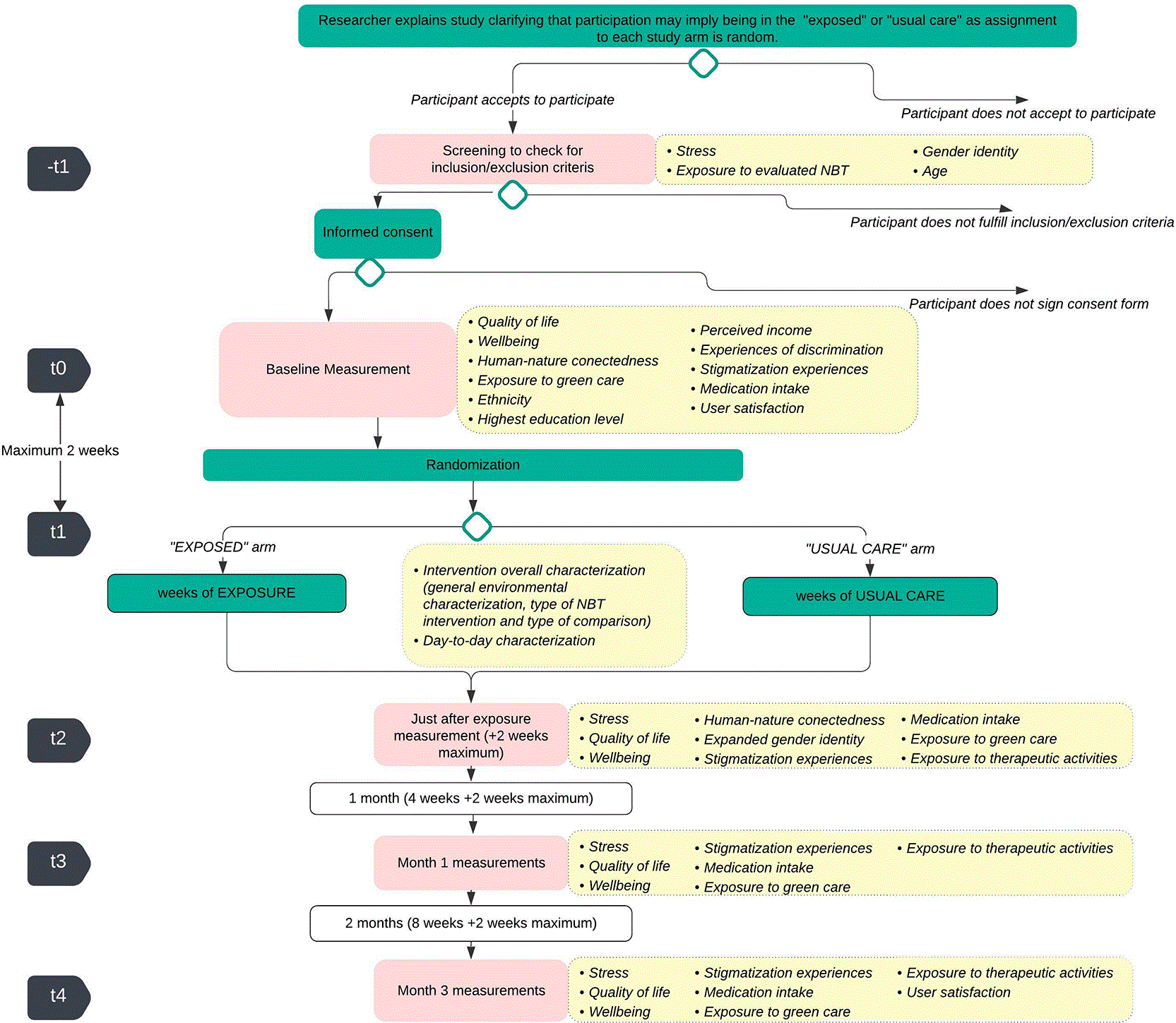
Figure 1. Participant timeline: Adaptation of the SPIRIT 2025 schedule of enrolment, intervention/comparator, and assessments.
In the UK, NBT are considered part of the usual care mental health patients can receive. Hence, NorthernRoots and TONIC usual care participants will receive the NBT intervention after t2, so we will not have t3 or t4 data from these participants.
2.5 Measures
Details on when each of the measures common to all evaluated interventions will be assessed are provided in
Figure 1.
2.5.1 Health measures
Stress: Our primary outcome. Self-reported through the perceived stress scale of 10 items.64 Items (e.g., “In the last month, how often have you found that you could not cope with all the things that you had to do?”) are rated on a 1–5 scale (1 = “Never”, 5 = “Very Often”; α = 0.85) at -t1, t2, t3, and t4. Items are reversed-scored when necessary, such that higher values indicate greater stress, and items are averaged to create the scale score. Psychometric research has demonstrated that this measure has been reported to have adequate reliability (> 0.70) and validity as it is correlated with related experiences of depression and anxiety symptoms, among others.62,63
Quality of life: One of our secondary outcomes. Self-reported at t0, t2, t3, and t4 through the EuroQol 5 dimensions64 that includes 5 levels. The EQ-5D-5L is administered to assess health-related quality of life. It has two parts: First (5 items), the individual’s difficulties in five domains (i.e., mobility, self-care, usual activities, pain/discomfort, and anxiety/depression) and last (1 item), the current state of self-perceived health. The first part is responded by using a 5-point rating scale varying from 1 (“no problems”) to 5 (“extreme problems”), with higher scores indicating greater individual difficulties. The second part is a Visual Analogue Scale (EQ-VAS) ranging from 0 (“worst imaginable health”) to 100 (“best imaginable health”), with a higher score representing greater self-perceived health.
Wellbeing: Our other secondary outcome. Self-reported at t0, t2, t3, and t4 through the Office for National Statistics (ONS-4).65 The ONS-4 is a brief self-report measure developed by the UK Office for National Statistics to assess subjective wellbeing. It consists of four single-item indicators capturing distinct but related domains: life satisfaction, worthwhileness, happiness, and anxiety (the latter reverse-scored when computing overall wellbeing). Each item is rated on an 11-point Likert scale (0–10). The ONS-4 demonstrates good construct and convergent validity, showing strong associations with established wellbeing, mental health, and quality-of-life measures. Although internal consistency indices (e.g., Cronbach’s alpha) are not typically reported due to its intentional single-item structure, evidence supports its reliability at the population level, including temporal stability in large longitudinal datasets.65,66 The scale is sensitive to change and performs well in detecting differences across groups and over time.
2.5.2 Exposure to green care
General environmental characterization: Collected through an audit tool developed as part of the GreenME project58 to assess different characteristics of each evaluated NBT intervention. Each NBT will be audited at least once between t1 and t2 of one of the data collection waves and, when necessary, reassessed to account for construction modifications and meteorological variations across data collection waves.
Type of intervention and type of comparison: Each NBT intervention and each comparison is classified according to general categories, such as horticulture therapy, social and therapeutic horticulture, forest bathing, forest therapy, garden therapy, surf therapy or other. Other categories for comparisons include, for example, cognitive-behaviour therapy (CBT), activities to develop cognitive functions, occupational therapy, no treatment, physical activity, art therapy, social activities or others.
Day-to-day characterization: In each session of the NBT intervention - and also in each session of usual care in CSMaresme and PSSJD - we will collect information on date of session, guide name and surname, start and end time, activities (e.g. planning what vegetables to grow; designing the garden layout; making decisions about plan types, spaces, soil or similar; deciding what activities will be done that day or distributing tasks among participants), duration of each activity, study participants identifier of those participating in the session, and any other comments considered relevant during the session. This allows us to monitor adherence and fidelity to the evaluated interventions.67
Exposure to green care: Participants’ exposure to different levels of green care (NBT, nature-based health promotion, nature-in-everyday-life) is self-reported at t0, t2, t3 and t4. Participants are asked to report their exposure to green care during the previous 2 weeks in all measurements, except for t2 and NBT when participants are asked to report their exposure to NBT during the weeks of the evaluated intervention (i.e. either last 6, 10 or 12 weeks).
Exposure to therapeutic activities excluding the evaluated NBT: Participation in different therapeutic activities, including meditation, psychological therapy, art therapy, occupational therapy, problem-solving activities, among others. For t3 and t4 we are asking for the previous 4 weeks. For t2 the question refers to the same weeks as the duration of the evaluated intervention.
2.5.3. Pathways and other intermediary outcomes
Human-nature connectedness: This construct is assessed at t0 and t2 using the Nature Connection Index (NCI68;). The NCI is a 6-item tool that provides a reliable and valid alternative to existing, lengthier measures of this construct and can be administered in both face-to-face and online survey contexts. Its validity has been supported through factor analyses using large adult and child samples, and it showed associations with established pro-environmental and pro-conservation behaviours. The NCI has demonstrated strong internal consistency across multiple samples, with alpha values of 0.9268 .
Experiences of discrimination: These were assessed at t0 following the recommended and validated two-stage discrimination framework from Krieger.69 All participants were first asked whether they experience discrimination in daily life, and afterwards in our survey they were able to select applicable reasons from 16 items covering intersectional factors (e.g. age, gender, ancestry, weight, sexual or sexual orientation).70,71
Stigmatization experiences: Assessed at t0, t2, t3 and t4 through an adaptation of the sub-scale on Feelings of Stigmatisation from the Self-esteem and Stigma Questionnaire (SESQ).72 That is, we used the 6 items of the Feelings of Stigmatisation sub-scale but adapted them to our population (i.e. we adapted the tool for individuals with lived experiences of mental health issues or long-term unemployment instead of manic depression). Each item is rated on a six-point Likert scale, in which 1 means strongly agree and 6 means strongly disagree. Scores of Feelings of Stigmatisation range from 8 to 48, with higher scores indicating more stigmatization. The tool assesses public stigma through self-reporting, so we use it as a proxy of the interrelated public and internal stigma. TONIC and NorthernRoots are not collecting this information.
Healthcare and detailed medication use: information was collected through a version of the Client Service Receipt Inventory (CSRI)73 that collects retrospective data on medication use and healthcare service utilization at t0 and t4. Regarding medication use, participants are asked to provide information on prescribed medications, including the name of the drug, the prescribing professional, dosage level, total number of prescription days, daily dosage consumed, reasons for medication changes (when applicable), and adherence. To do so, participants are asked to bring photos or boxes of the medication they are taking, except in CSMaresme in which the health care workers are the ones filling the questions based on participants’ clinical histories. Concerning service use, data is collected on emergency services (total number of visits), general medical inpatient hospital admissions (total number of days), and outpatient healthcare services (total visits to general practitioners, nurses, social workers, psychologists, and other professionals). Information is also recorded on whether each service is provided by the public or private healthcare sector, as well as the type and number of diagnostic tests administered.
2.5.4. Covariates
Gender identity: At -t1, a single-item question collects information on self-reported gender identity of the participants (man, woman, non-binary, other, or prefer not to say). This item was self-developed based on previous research and established recommendations.74
Expanded gender identity and biological sex: At t2, a two-step question assesses self-reported gender identity including transgender identity using the approach developed by the UK Office for National Statistics for the 2021 Census in England and Wales,75 aligning with existing recommendations.74 This information was not collected in TONIC and NorthernRoots.
Age: self-developed question asking participants to self-report their age in years at -t1.
Ethnicity: defined according to what is socially accepted in each context. For all interventions this data was collected at t0 through an existing question. For TONIC and NorthernRoots, the question was derived from the UK Census 2021.75 For the other interventions, the question was adapted from the Ministerio de Igualdad de España.76
Highest education level: highest education level completed at t0 adapted from a previously used question.77
Perceived income: subjective financial situation at t0 as used in a previous study.77
General changes in medication intake: we self-developed a question to collect general self-reported medication intake in the last 4 weeks (t2 and t3) and changes over the course of the study. To do so, participants are asked to bring photos or boxes of the medication they are taking, except in CSMaresme in which the health care workers are the ones filling the questions based on participants’ clinical histories.
2.5.5 Other measures
Intervention sites were provided with a longer list of tools to characterise the NBTs intervention, health measures, effect modifiers and covariates which they could also choose to include. Find the details on what interventions incorporated each optional measure in the Extended data – Item 7 – DOI: 10.5281/zenodo.20777595.
Concerning the characterisation of NBTs, some interventions collected information on perceived exposure to biodiversity (i.e. their perceptions of the number of birds, butterflies and plant species within the space where NBT was implemented), measured using questions adapted from a previously used question.78
In relation to the optional health measures, some of the interventions also incorporated: anxiety assessed through the generalized anxiety disorder-7 (GAD-7);79 sleep quality measured via a 2-item scale extracted from the 19-item Pittsburgh sleep Quality Index (PSQI);80 emotional regulation measured with the difficulties in emotion regulation scales (DERS-16);81 self-esteem assessed through the Rosenberg self-esteem scale (RSES);82 depression via the Patient Health Questionnaire-9 (PHQ-9);83 psychological distress measured with the Kessler Psychological Distress Scale (K10);84 and complicated grief measured via the Inventory of Complicated Grief (ICG).85
In relation to potential effect modifiers, some interventions incorporated assessments of perceived health benefits from exposure to nature through a question used in previous studies86 and expected treatment using a single self-developed item assessing participants’ treatment preferences prior to the start of the intervention. Last, some interventions also incorporated other potential covariates. These included everyday discrimination using the Everyday Discrimination Scale (EDS)87 and sexual orientation using a question used in previous studies.88
2.6 Analysis plan
An intention-to-treat approach will be employed in data analysis in which the exposure of individuals will be considered according to the groups to which each was randomly assigned. We will explore reasons for systematic missing data. Data will be analysed at the level of the intervention, followed by an individual-level data meta-analysis joining data from all seven interventions.
To respond to the main objective of the study, we will consider stress pre-intervention scores (at -t1) and compare outcomes between NBT and usual care groups immediately after the intervention. These analyses will be linear mixed effects regressions of stress just after the intervention (t2) as dependent variables. These regressions will include the participant identification code and the pre-intervention score of the evaluated health outcome as random effects. As fixed effects we will include exposure (NBT intervention/usual care comparison) and covariates.
To respond to the secondary objective on the superiority of NBT for other health outcomes, we will use the same models but using pre-intervention scores of the secondary outcomes (−t1 or t0, depending on the outcome) (different models for each outcome). To explore the durability of the effects, we will use the same models but adding time (t3, t4) and an interaction term between exposure and time as fixed effects. To explore whether NBT serves as an effect modifier of the association between stigma and mental health, and to investigate nature connectedness as a mechanism of the relationship between exposure to NBT and mental health we will use the Baron & Kenny approach.89
To investigate cost-effectiveness, we will perform cost-utility analysis (CUA) and cost-effectiveness analysis (CEA) with all data except UK. We will use exposure (NBT intervention/usual care comparison) as the main independent variable and adjust for costs and outcome scores pre-intervention. CUA will estimate quality-adjusted life years according to EQ-5D-5L utility scores and country-specific rates. CEA will estimate costs in relation to the changes in the EQ-5D-5L Visual Analogue Scale scores. Based on CUA and CEA results, we will consider four potential scenarios: (1) dominant: NBT more effective and less costly than usual care, (2) NBT more effective and more costly than usual care, (3) NBT less effective and less costly than usual care, and (4) dominated: NBT less effective and more costly than usual care. NBT interventions classified as “dominant” will be classified unequivocally cost-effective, and dominated NBT interventions will be classified as not cost-effective. NBTs classified in scenarios 2 or 3 will be interpreted in relation to willingness-to-pay thresholds in each country.
Sensitivity analyses will include a per-protocol analysis for both main and secondary objectives. We defined the per-protocol threshold a priori, in line with methodological reviews of non-pharmacological trials.90 Participants randomized to the intervention who attend fewer than 75% of the scheduled sessions will be excluded from the per-protocol analysis.
2.7 Dissemination
A GreenME communication, dissemination and exploitation plan has been developed.91 All study participants will be invited to join our GreenME distribution list and to follow our social media accounts to receive all the dissemination documents presenting the results of this study.
2.8 Data management and monitoring
The GreenME Data Management Plan and the GreenME Legal & Ethics Management handbook establish guidelines on data transfer and data management, and all participants will be informed about data transfers in the consent forms. All the information is being collected via Qualtrics, a secure, web-based software designed to support data collection for research studies.92 Each participant will be assigned a unique identifier. As work package leaders, UAB and UOC are responsible of data management and data monitoring of all the data from this study.
3. Discussion
This paper presents the protocol for a multi-country experimental study co-designed between transdisciplinary experts (researchers and implementers) to evaluate the effectiveness of seven existing nature-based therapies in improving mental health outcomes among adults experiencing clinically relevant stress. The study will generate evidence on whether NBTs improve stress, quality of life, and subjective wellbeing, explore the role of nature connectedness as a potential mechanism, assess the role of NBTs in the associations between internalized stigma and mental health, and examine cost-effectiveness relative to usual care.
The scientific quality of this study protocol was strengthened by the collaboration between implementers and scientists, calculating required sample sizes a priori, a randomization design, collecting specific information on NBT interventions and usual care, and including many validated outcome measures. Our final design is the collaboration between those implementing the interventions and scientists, improving the research quality overall.93,94 Our protocol establishes sample sizes that can detect medium-large effects. However, because our study populations are mostly recruited through referrals from health care professionals, the final sample sizes will be influenced by factors beyond the control of our research team. Although randomization enhances the rigor of the study, it may pose a barrier to participation for some individuals in real-world settings. For each NBT intervention session, we are collecting information on the type of activity and time spent in each activity (e.g. travelling to the NBT location, watering plants). However, for the usual care sessions, we are only able to collect activity information through the day-to-day characterization questionnaire for CSMaresme and PSSJD, as the other evaluated interventions involve usual care delivered by health professionals and services outside our GreenME research team and collaborators. However, for all study participants, we will collect self-reported information on exposure to green care and to therapeutic activities (i.e. potential activities of usual care) at t2, t3 and t4. The final design aspect ensuring strong scientific quality of this protocol is the use of validated outcome measures, although some exposure and process-related constructs are assessed using measures that are not yet formally validated, reflecting the current methodological limitations of the field.
The protocol presented here to evaluate seven different NBT interventions includes a common set of validated health measures and shared characterization of both interventions and comparison conditions. These harmonized measures and characterizations enable the comparison of effectiveness across the seven NBTs evaluated. To further strengthen comparability, we also homogenized the duration and frequency of NBT sessions as much as possible. Nonetheless, efforts to enable comparability across sites are constrained by contextual differences in usual care, as well as by the intervention-specific adaptations to frequency and duration required to ensure feasibility. These adaptations are necessary to maintain the relevance of the GreenME study findings for each intervention. In addition, the shared assessment measures and the selected duration and frequency of the evaluated nature-based therapies (NBTs) may be more suitable for some intervention-specific populations than for others.
Our multi-country study responds to previous calls to investigate NBT health effects beyond short-term.10 However, as our target population includes adults at-risk, the potential loss of participants along the study is a challenge. Last, our study will be the first one on formally evaluating human-nature connectedness as a pathway between NBT-mental health, also on directly exploring the role of NBTs on modifying the associations between internalized stigma and mental health and, finally, on evaluating NBTs cost-effectiveness using data from a randomized study.57,55 However, as we have identified and detailed in our protocol, stigmatization-related questions are sensitive and may be too uncomfortable for some participants (leading to reporting bias), and cost-effectiveness questions require detailed information on medication which participants that are worse off may struggle more to report (leading to measurement error).
Overall, this study has the potential to provide strong evidence to scale-up NBTs to address mental health-related outcomes, such as stress, quality of life and subjective wellbeing. This is particularly relevant because mental health conditions are particularly prevalent amongst socially marginalized communities.2 However, NBTs do not directly impact the social determinants of health at macro level (e.g. socio-economic status, working situation, different forms of discrimination), which are main drivers of mental health conditions. Individuals able to access NBTs may be constrained by individual economic conditions, healthcare system, caring responsibilities, household geographical location, or other social determinants of health. Consequently, the role of NBTs at addressing mental health-related outcomes may be limited. GreenME focuses on providing scientific evidence and tools to scale-up NBTs as part of a continuum of exposure to nature (together with nature-based health promotion and nature-in-everyday life). Increasing exposure across the full continuum – especially for individuals with poorer health status and lower economic resources – is likely to produce the greatest improvements in stress levels and mental health at the population level.
Ethics approval and consent to participate
The study design was approved by the corresponding Ethics and Research Committee of each intervention site. More specifically, PSSJD received approval from the Research Ethics Committee of the Autonomous University of Barcelona (UAB-CERec65) and the Universitat Oberta de Catalunya (CE24-PR55), also from the Research Committee of Parc Sanitari Sant Joan de Déu and the Drug Research Ethics Committee of Parc Sanitari Sant Joan de Déu (PIC-82-25). CSMaresme received approval from the Research Ethics Committee of the Autonomous University of Barcelona (UAB-CERec85) and the Universitat Oberta de Catalunya (CE24-PR59), and the Ethics Committee for Clinical Research with Medication of the Mataró Hospital of the Maresme Healthcare Consortium (CEIm: 11/25). Salus and Battirame received approval from the Bioethics committee of University of Bologna (n° 0075975). NorthernRoots and TONIC received the approval of the Ethics Panel of the University of Salford (Ref.4552). ShinrinYoku received the approval of the Swedish Ethical Review Authority (Ref. 2025–01954-01).
The GreenME Legal & Ethics Management handbook establishes guidelines on how each partner and the project overall is required to manage ethical aspects. Before enrolment in the study, all participants receive comprehensive information about the project and we ensure they have fully understood this information, including information on data management, data treatment and type of results (see Extended data – Item 8 – DOI: 10.5281/zenodo.20777595). Also, all participants are asked to sign an informed consent form (Extended data – Item 9 – DOI: 10.5281/zenodo.20777595). Information sheets and consent forms are presented in language accessible to participants. We ensure that all participants have agreed to voluntarily participate with no direct compensation resultant from this participation. We also ensure participants are aware that they can leave the project at any step of the process (i.e. participants will be informed of their right to refuse or withdraw without facing any consequence). Special care is taken to ensure participants’ dignity, privacy, confidentiality and decision-making ability (including deciding whether to respond to questions or not). This is particularly important as a potential risk of this study is discomfort in answering some questions due to the sensitivity and stigmatization of the topic of mental health and wellbeing. Our interactions with participants must demonstrate empathy and understanding, respecting diversity of cultural norms and values. We have developed a protocol for incidental and adverse findings (e.g. interim analyses exploring if there are scores above 0 in the PHQ-9), which will be internally recorded and reported back to each evaluated intervention to be communicated to a qualified clinician.
Any arising ethical concerns are discussed and monitored during GreenME monthly meetings with representatives of all evaluated interventions. If needed, delicate concerns are discussed with the GreenME steering committee (with representatives of all those leading one of the work packages of GreenME, including the person leading the interventions evaluations) and with the External Ethics Advisor. A specific work package oversees ethics requirements, and the External Ethics Advisor independently oversees the progress of the project in relation to ethics.
Trial registration
CSMaresme (Spain): ISRCTN registry, ISRCTN14970007, Registration Date: 16th May 2025, https://doi.org/10.1186/ISRCTN14970007
PSSJD (Spain): ISRCTN registry, ISRCTN11841855, Registration Date: 16th May 2025, https://doi.org/10.1186/ISRCTN11841855
Salus (Italy): ISRCTN registry, ISRCTN13105773, Registration Date: 22th August 2025, https://doi.org/10.1186/ISRCTN13105773
Battirame (Italy): ISRCTN registry, ISRCTN76221696, Registration Date: 13th February 2026, https://doi.org/10.1186/ISRCTN76221696
NorthernRoots (UK) & TONIC: ISRCTN registry, ISRCTN71485431, Registration Date: 6th June 2025, https://doi.org/10.1186/ISRCTN71485431
ShinrinYoku (Sweden): ISRCTN registry, ISRCTN15381820, Registration Date: 15th May 2025, https://doi.org/10.1186/ISRCTN15381820