Introduction
Febrile illness continues to be a significant global health problem, causing approximately 75% of mortality in children under five years old1. Although the World Health Organization (WHO) does not classify febrile illness as a disease, it is associated with infectious conditions such as pneumonia, malaria, and typhoid fever, which are linked with high morbidity and mortality in children under five1,2. Each year, it is estimated that about 10 million children under five years in developing countries die due to febrile illnesses3. In Kenya, more than 10 million children under five years require treatment for acute febrile illnesses4. In Busia County (where the study site is located), the highest rate of febrile illness and related mortality is reported in all the Kenyan counties. In 2022, the Kenya Health Information System (KHIS), for instance, reported that the prevalence of under 5 years cases with fever was 20% in Butula Sub-County Busia County5.
Febrile illness-related deaths are high because caregivers of children under five fail to seek timely medical care. In 2020, the Kenya Malaria Indicator Survey (KMIS) showed that the proportion of children with fever who received treatment dropped from 72% to 64% between 2015–20206. Research shows that the behavior of seeking timely treatment significantly impacts febrile illness7. In the current study, these behaviors are referred to as health-seeking behaviors (HSBs). Health-seeking behaviors are defined as any attempt by an individual (in this case a caregiver) to obtain the proper and timely treatment to address a health condition upon symptom manifestation8. UNICEF and WHO, in their global action plans, recommend that caregivers obtain adequate treatment for their children to reduce the impact of febrile illness9.
Many factors may determine HSBs among caregivers of children under five, including individual and health-system factors. Research on health-seeking behavior for febrile illness has revealed regional variations in health-seeking rates. According to Min et al.10, geographic location is linked to the decision not to seek treatment for fever, with only 32.0% obtaining treatment within 24 hours. In sub-Saharan Africa, the percentage of caregivers who sought treatment for children with febrile illnesses was 67.3%, 56.8%, and 27.0% in Malawi, Tanzania, and Zambia11. Odimbe and Atuhairwe, in a study conducted in the Ugandan town of Busia Municipality, revealed that factors such as illness severity and caregivers' age influenced caregivers' health-seeking behaviors for children under five years with malaria12. Additionally, they identified the quality of health services and health workers' behaviors as factors influencing caregivers' HSBs to treat malaria in children under five12. Liyew et al.11 reported that knowledge, educational status, and age influenced caregivers' decision to seek treatment for febrile illness. They also reported that the availability of health facilities influenced caregivers' HSBs for children with fever11.
In Kenya, poor HSBs among caregivers are demonstrated by the significant decline in the proportion of children receiving treatment for fever6. Individual and health system factors may contribute to these poor HSBs. Still, there are limited comprehensive studies done in Kenya, particularly in the Western region that is prone to febrile illness, to support these claims. Therefore, this study aimed to achieve two objectives, (a) the proportion of appropriate health-seeking behavior and (b) determinants (individual and health-related factors) of health-seeking behaviors among caregivers of children under 5 years with febrile illness in Butula Sub-County, Busia County, Kenya, as reported by caregivers.
Methods
Study type and period
A community-based analytical cross-sectional, explanatory sequential mixed methods design was employed in the study. The research assistants first collected quantitative data and later qualitative data to support the quantitative data. The study period was between May 22, 2023 and July 28, 2023.
Study setting
The study site was Butula Sub-County, Busia County. It is one seven sub-counties in Busia County, the other being Teso North, Teso South, Nambale, Bunyala (Bundalangi), Samia (Funyula) and Matayos sub-county administrative units. Not much is published about the sub-county. Busia together with Kakamega, Bungoma, and Vihiga counties constitute the western region of Kenya. It borders the Republic of Uganda to the North, Siaya to the south, Kakamega to the east, and Bungoma to the Northeast. Busia County covers an area of approximately 1,683 sq. km and is located between latitudes 00° 01' and 00° 47' North of the Equator and longitudes 33° 57' and 34° 26' East of Greenwich Meridian. Butula sub-county is prone to febrile illness-associated diseases because of being in the Victoria region basin, hence why it was purposively selected as the study area.
Target Population. Caregivers of children under five years old in the study setting.
Inclusion Criteria. Caregivers over 18 years, with a child under five, residing in Butula, and willing to consent.
Exclusion Criteria. Caregivers who had lived in Busia County for less than two weeks before study period as they have not resided in the county to experience febrile diseases and engage in appropriate HSB.
Sampling
Butula sub-county has six wards. Three (Marachi West, Marachi Central, and Kingandole) were selected using simple random sampling. The sample for the quantitative phase of the study was selected from homes with children under five using systematic random sampling. A sample size of 271 participants was used in the study. This sample was obtained using Fisher's formula with an acceptable confidence level of 95%13. The prevalence or proportion used was the prevalence of fever among under-five children14.
Where: n0 is the sample size
Z2 is the abscissa of the standard curve that cuts off an area α at the tails (1 – α), which equals the desired confidence level at 95%).
e is the desired level of precision
p = Expected prevalence or proportion of an attribute/disease in the population from previous or pilot studies. Data on the prevalence of 20% of children below five with a fever in the two weeks before the malaria survey in Butula sub-county5.
q is 1-p.
Z = 1.96 for a 95 % level of confidence
= 217 the sample is adjusted upwards by 10% to cushion for attrition cases
The sampling frame was determined from the sub-county register containing the number of households for caregivers under under-five. A selection interval (k) was determined by dividing the total number of households and participants. The randomly generated numbers on a computer were used to select the first household in the study each day. The 271 caregivers were allocated across the three wards at a ratio of 2:2:1.
Healthcare workers who work in the pediatric department at Mayo Sub-county Hospital and community health volunteers providing care to children and caregivers in Butula sub-County were purposively selected as crucial informants. Eleven key informants were found to saturate the qualitative data.
Data collection and tools
Two research assistants collected quantitative data from 271 caregivers between May and July 2023 using a semi-structured questionnaire. The semi-structured questionnaire developed by the primary investigator was used to collect data for the quantitative phase of the study. It contained five parts that collected data on social demographic, social and economic data of caregivers, characteristics of children, the prevalence of febrile, HSBs for febrile illness, and factors influencing HSBs. Its validity and reliability were tested using 10% of the sample in the Nyalenda ward in Kisumu County, which has similar geographical characteristics and experiences high cases of febrile illness as Butula Sub-County. Cronbach's alpha was 0.86, indicating high reliability. Before distributing the questionnaire, the research assistants explained the study's purpose and objectives and obtained a signed informed consent form. An unbiased witness was present when a caregiver was incapable of reading or writing to make sure they received the correct information regarding the study. An in-person (face-to-face) approach was used to administer the questionnaire. The choice of research assistants was based on their educational background; prerequisites for inclusion were (a) a minimum degree of medical training, (b) fluency in English and Kiswahili, and (c) speaking the native language.
A critical informant interview guide, developed by the study investigator, helped collect data from healthcare workers at the Mayo Sub-County Hospital through semi-structured interviews. Interviews with health workers lasted 30–45 minutes and targeted institution-level factors such as turnaround time (TAT), availability of commodities, availability of human resources, distance, hospital fee, and distance. The interview session ended after reaching data saturation—FGDs with CHVs collected data on health-system-related determinants of HSBs. Tape recordings were used to capture and maintain the informants exact words. A focus group discussion (FGD) guide, also developed by principal author, collected data from two FGDs, each lasting 30–60 minutes., The aim of these FGDs was to explore more into the determinants of HSB among caregivers of children under five with for febrile illness. They were conducted until data saturation.
Data management and analysis
Quantitative data was cleaned in Excel and imported into Statistical Package for Social Scientists (SPSS) version 25 for descriptive and inferential analysis. Descriptive statistics included frequency, percent, and measures of central tendency and presented as figures and tables. A binominal logistic regression analysis was used to determine the association between individual or health-system factors and HSBs using odds ratio (OR) at 95% confidence interval and p-value less than 0.05. Qualitative data analysis began with transcribing the voice recording and transcripts. Concepts, words, phrases, and sentences were coded to identify themes through categorization. These themes formed the study results. All qualitative data analysis was manually done in Microsoft Excel 365.
Results
In our study, 271 caregivers were enrolled between June and December 2023, and all of them responded to the questionnaire. There were no refusals, however 14 households had no one available during the survey and were omitted from the study altogether.
Participants characteristics
The mean age of participants was 33.4 ± 12.4 years, with most (42.1%) being between 21.3 years. 84.1% were female, and 44.6% had secondary-level education. More than half (59%) were self-employed and earned an income of less than KSH 5000 (75.3%). Most (79.3%) lived in a nuclear family, had two or fewer children (48.7%), and had one child under five years (67.5%). (Table 1).
Table 1. Demographic characteristics of study participants.
| Total | Proportion (%) |
|---|
Age (years)
≤ 20
21 – 30
31 – 40
41 – 50
51 – 60
≥ 61 |
26
114
80
20
18
13 |
9.6
42.1
29.5
7.4
6.6
4.8 |
| Mean age | M = 33.4 year (SD = 12.4) |
Sex
Male
Female |
43
228 |
15.9
84.1 |
Education Level
None
Primary
Secondary
Tertiary |
13
81
121
56 |
4.8
29.9
44.6
20.7 |
Occupation status
Unemployed
Self
Formal |
90
160
21 |
33.2
59.0
7.7 |
Religion
Christians
Others |
268
03 |
98.9
1.1 |
Residency Ward
Marachi Central
Kingandole
Marachi West |
110
106
55 |
40.6
39.1
20.3 |
Income (KSH)
< 5,000
5,000 – 10,000
10,001 – 20,000
20,001 – 50,000
> 50,000 |
204
36
13
14
4 |
75.3
13.3
4.8
5.2
1.5 |
Type of Household
Grandparent Family
Single-parent
Nuclear Family
Extended Family |
12
23
215
21 |
4.4
8.5
79.3
7.7 |
Age of the Child
≤ 6 months
7 – 12 Months
13 – 24 Months
25 – 36 Months
37 – 48 Months
49 – 60 Months |
52
63
60
49
35
12 |
19.2
23.2
22.1
18.1
12.9
4.4 |
| The mean age of the child | M = 21.5 months (SD =15.6) |
Number of Other Children
Two or less
3 – 5
Six or More |
132
89
50 |
48.7
32.8
18.5 |
| The mean number of other children | Mean = 2.9 (SD = 2.1) |
Number of Children < 5 years
One
Two
Three
Four or More |
183
64
6
2 |
71.8
25.1
2.4
0.8 |
| The mean number of children under 5 years | M = 1.4 (SD = 2.0) |
Prevalence of febrile illness among under-five children
Febrile illnesses were assessed on how many children experienced fever-related illnesses in the last two weeks before the study. Figure 1 shows that 64.6% of children experienced fever episodes, and 35.4% did not.
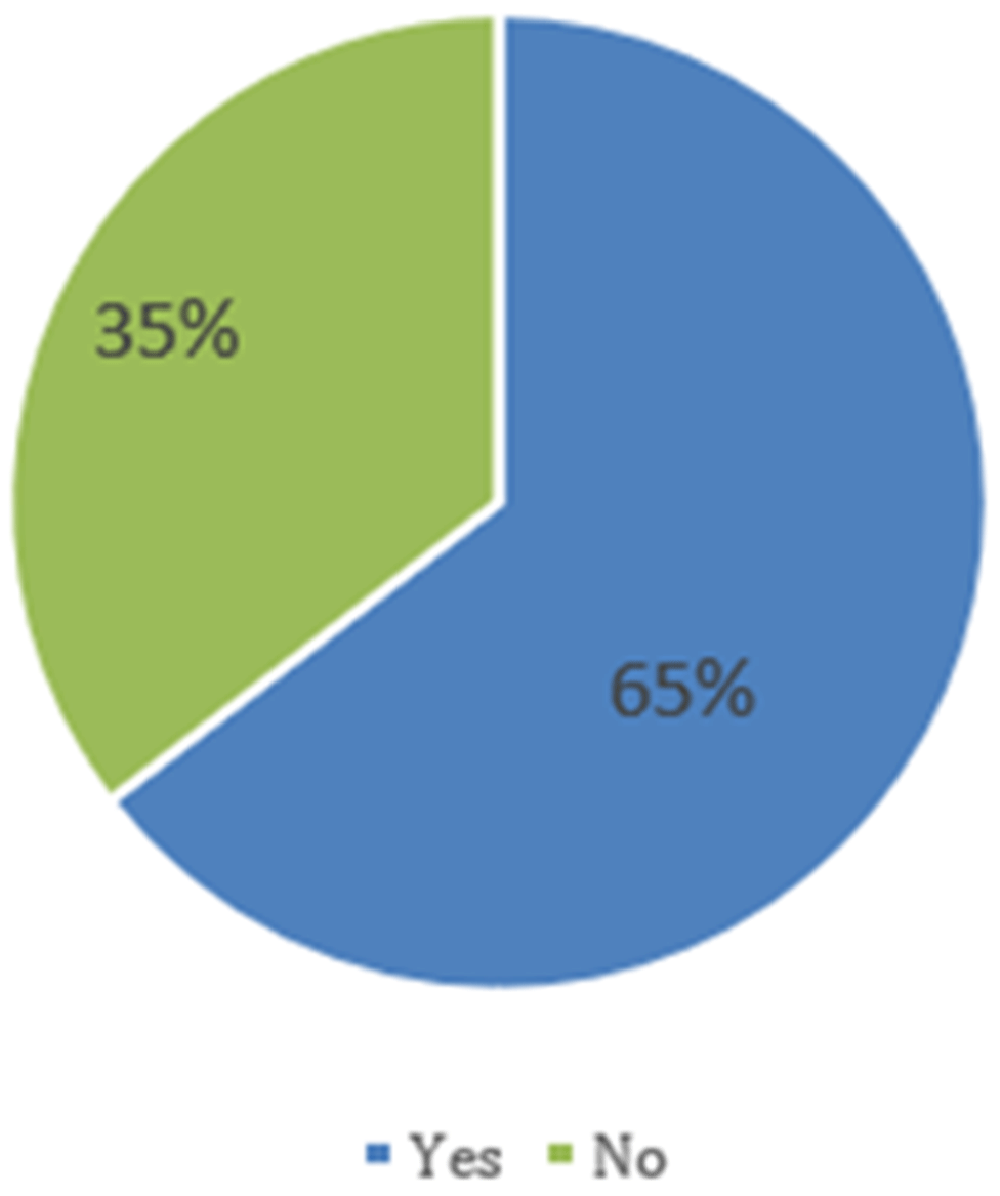
Figure 1. The proportion of children with fevers as reported by caregivers.
Proportion of appropriate Health Seeking Behavior
The health-seeking behavior was assessed on how long the caregiver took to seek health after detecting the child had a fever. Figure 2 shows that 70.1% of caregivers reported that they did seek healthcare within 24 hours of detecting fever in their child, while 29.9% did not.
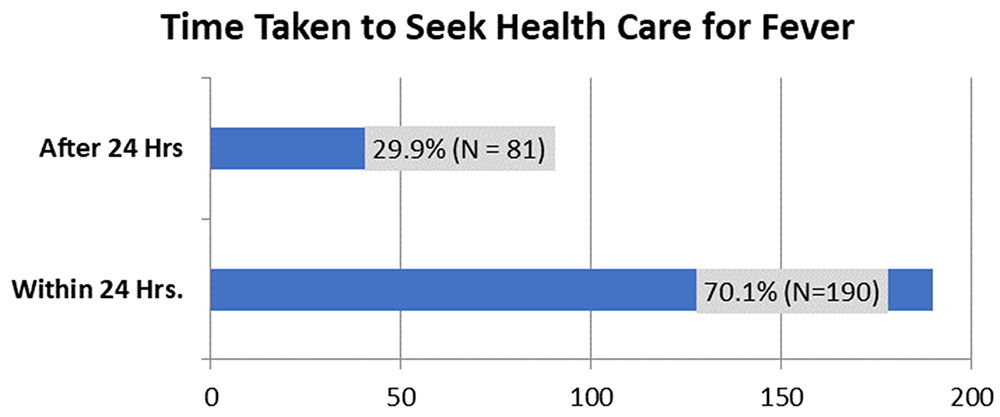
Figure 2. The period within which caregivers seek health care services after detecting fever in the child.
Determinants of Health-Seeking Behavior among caregivers
Individual-level factors. The bivariate analysis of individual factors and HSB within 24 hours showed a significant association for some factors. Table 2 shows that unemployment, self-medication, personal beliefs about care, confidence in fever identification, fever severity, using a hand to identify fever, and having multiple children were significantly associated with health-seeking behavior. Being unemployed lowered the likelihood of a caregiver seeking care within 24 hours by 69% (OR = 0.41, 95% CI: 0.212 – 0.807, p = 0.011). Those who addressed fever by self-medication rather than seeking professional health had odds of caring for fever within 24 hours reduced by roughly 84% (OR = 0.16, 95% CI: 0.093 – 0.290, p < 0.001). The belief that it is good to take care of fever within 24 hours was associated with a threefold higher likelihood of seeking health within 24 hours (OR = 3.4, 95% CI: 1.441 – 8.217, p = 0.007). Those confident in identifying fever in under-five-year-old children had close to 9 times higher likelihood of having the child's fever taken care of within 24 hours (OR = 8.8, 95% CI: 3.331 – 23.049, p < 0.001). The severity of the fever increased the chances of care for fever being sought within 24 hours by two times (OR = 2.4, 95% CI: 1.401 – 4.083, p = 0.002). Using the hand to identify fever was associated with 85% chances of low HSB within the first 24 hours (OR = 0.15, 95% CI: 0.019 – 0.693, p = 0.045). Other children seemed to calm the caregiver and lower the tendency to seek care within 24 hours by 46% (OR = 0.54, 95 CI: 0.294 – 0.981).
Table 2. A bivariate association between individual factors and caregivers' health-seeking behavior.
| Variable | Good HSB
N (%) | Poor HSB
N (%) | Odds Ratio (OR) (95% CI) | P -Value |
|---|
Caregiver Age
≤ 25 Yrs.
> 25 Yrs. |
53 (27.9)
137 (72.1) |
20 (24.7)
61 (75.3) |
1.2
(0.650 – 2.142) |
0.655 |
Level of Education
Primary or None
Secondary or Higher |
63 (33.2)
127 (66.8) |
31 (38.3)
50 (61.7) |
0.8
(0.466 – 1.373) |
0.486 |
Occupation
Unemployed
Employed (Self/Formal) |
130 (68.4)
60 (31.6) |
68 (84.0)
13 (16.0) |
0.41
(0.212 – 0.807) |
0.011 |
Marital Status
Single/Divorced/Widowed
Married |
150 (78.9)
40 (21.1) |
61 (75.3)
20 (24.7) |
1.2
(0.761 – 1.749) |
0.525 |
Relationship with Child
Parent
Others |
156 (82.1)
34 (17.9) |
67 (82.7)
14 (17.3) |
0.9
(0.483 – 1.902) |
1.000 |
Monthly Income
≤ Ksh. 5000
> Ksh. 5000 |
142 (74.7)
48 (25.3) |
62 (76.5)
19 (23.5) |
0.9
(0.493 – 1.667) |
0.878 |
How they Often Address Fever
Self-Medication
CHV or Clinician |
49 (25.8)
141 (74.2) |
55 (67.9)
26 (32.1) |
0.16
(0.093 – 0.290) |
< 0.001 |
Good to Take Care with 24 Hrs.
Yes
No |
180 (94.7)
10 (5.3) |
68 (84.0)
13 (16.0) |
3.44
(1.441 – 8.217) |
0.007 |
Can Identify Fever in Under 5
Yes
No |
184 (96.8)
6 (3.2) |
63 (77.8)
18 (22.2) |
8.8
(3.331 – 23.049) |
< 0.001 |
Severity Influenced HSB
Yes
No |
133 (70.0)
57 (30.0) |
40 (49.4)
41 (50.6) |
2.4
(1.401 – 4.083) |
0.002 |
Culture Influence HSB
Yes
No |
7 (3.7)
183 (96.3) |
4 (4.9)
77 (95.1) |
0.74
(0.209 – 2.588) |
0.738 |
How do you Identify fever?
Feeling by Hand
Thermometer |
175 (92.1)
15 (7.9) |
80 (98.8)
1 (1.2) |
0.15
(0.019 – 0.693) |
0.045 |
Has Two or More Children
Yes
No |
124 (65.3)
66 (34.7) |
63 (77.8)
18 (22.2) |
0.54
(0.294 – 0.981) |
0.045 |
Has other Under-five Children
Yes
No |
179 (94.2)
11 (5.8) |
76 (93.8)
5 (6.2) |
1.071
(0.360 – 3.186) |
1.000 |
Controlling Confounding Variables. Table 3 shows the adjusted odds ratio for individual factors influencing HSB within 24 hours after controlling confounders, such as unemployment, self-medication preference, having multiple children, and confidence in disease identification. Unemployment lowered health-seeking behavior rate by 51% (aOR = 0.49, 95% CI: 0.217 – 0.593, p = 0.018). Caregivers who preferred self-medication over professional care for their child's fever had 86% lower chances of seeking care within 24 hours (aOR = 0.14, 95% CI: 0.054 – 0.363, p < 0.001). Those with two or more children witness a 37% lower chance of seeking care within 24 hours than those with one or less (aOR = 0.63, 95% CI: 0.425 – 0.937, p = 0.042). Caregivers who could be confident identifying when their child had a fever were seven times more likely to seek health care services within 24 hours than those who were not confident of detecting fever (aOR = 7.0, 95% CI: 2.200 – 22.439, p = 0.001).
Table 3. Multivariable logistic regression on individual-level factors influencing Health-Seeking Behavior.
| Variables | Crude Odds
Ratio
(95% CI) | P - Value | Adjusted Odds Ratio
(aOR) (95% CI) | P - value |
|---|
Caregiver occupation
Unemployed
Employed (Self/Formal) |
0.41
(0.212 – 0.807) |
0.011 |
0.49
(0.217 – 0.593) |
0.018 |
How they often address fever
Self-Medication
CHV or Clinician |
0.16
(0.0.93 – 0.290) |
< 0.001 |
0.14
(0.054 – 0.363) |
< 0.001 |
Good to take care with 24 hours
Yes
No |
3.44
(1.441 – 8.217) |
0.037 |
1.62
(0.525 – 5.017) |
0.401 |
Can identify fever in under 5-year-olds
Yes
No |
8.8
(3.331 – 23.049) |
< 0.001 |
7.03
(2.200 – 22.439) |
0.001 |
Severity influenced HSB
Yes
No |
2.4
(1.401 – 4.083) |
0.002 |
1.23
(0.622 – 2.418) |
0.556 |
How do you identify fever?
Feeling by Hand
Thermometer |
0.15
(0.019 – 0.693) |
0.045 |
0.21
(0.025 – 1.801) |
0.156 |
Has two or more children
Yes
No |
0.54
(0.294 – 0.981) |
0.045 |
0.63
(0.425 – 0.937) |
0.042 |
Health systems factors. Health-system factors associated with HSB based are presented in Figure 3. Based on quantitative data, most participants (84.1%, N = 228) confirmed that they had received health education from the providers on fever care while 10.0% did not. Furthermore, 71.2% (N = 193) agreed or strongly agreed to considering the facility level when deciding to seek medical attention. 44.6% (N = 121) verified that long waiting had a negative impact on the delay in seeking medical attention while 32.1% (N = 87) thought that their HSB was unaffected by extended waiting time. 37.3% (N = 86) reported that their HSB was limited by inadequate medication. 37% (N = 86) indicated that the expense of febrile treatment was a limiting factor in their HSB while 49% (N = 134) disputed this. Long distance to the facility was mentioned as a problem restricting HSB by 25.8% (N = 70) of the participants while 63.8% (N = 173) considered long distance was not an issue impacting HSB.
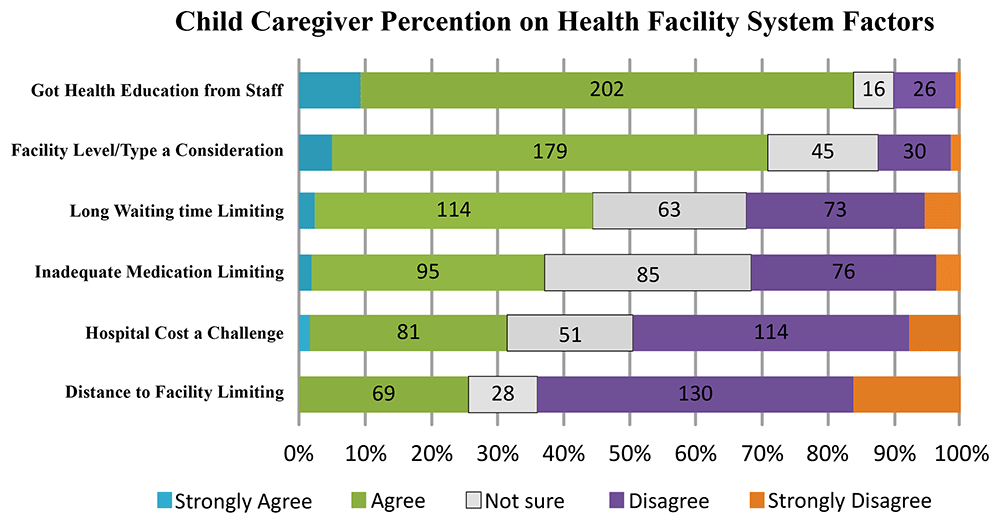
Figure 3. Participants’ perception on facility system factors influence on HSB.
Multivariate analysis showed that a facility being too far was associated with lowering the HSB within 24 hours by 14% (adjusted odds ratio (aOR) = 0.86, 95% CI: 0.526-0.914, p = 0.027). Those offered health education had increased odds of having sought care within 24 hours by 82% (aOR = 1.82, 95% CI: 1.201-4.122, p = 0.015). The type/level of the facility was also a factor for consideration, increasing the access to fever care within the first 24 hours by more than four times (aOR = 4.43, 95% CI: 2.015-9.750, p < 0.001). However, cost of care (p = 0.154), long waiting time (p = 0.689), and lack of drugs in the facility (p = 0.891) had no statistical significance association (Table 4).
Table 4. Bivariate and multivariate association between health seeking behavior and health system factors.
| Good HSB
N (%) | Poor HSB
N (%) | OR
(95% CI) | p | Adjusted OR
(95% CI) | p |
|---|
Facility too Far
No (reference)
Yes |
150 (78.9)
40 (21.1) |
51 (63.0)
30 (37.0) |
0.45
(0.256 – 0.802) | 0.010 |
0.86
(0.526 – 0.914) | 0.027 |
Cost of Care
No (reference)
Yes |
135 (71.1)
55 (28.9) |
50 (61.7)
31 (38.3) |
0.66
(0.380 – 1.135) |
0.154 | - | - |
Long Waiting Time
No (reference)
Yes |
112 (58.9)
78 (41.1) |
36 (44.4)
45 (55.6) |
0.56
(0.330 – 0.942) |
0.033 |
0.85
(0.378 – 1.902) | 0.689 |
Lack of Drugs in Facility
No (reference)
Yes |
120 (63.2)
70 (36.8) |
50 (61.7)
31 (38.3) |
0.94
(0.550 – 1.609) |
0.891 | - | - |
Staff Offered Health Education
No (reference)
Yes |
19 (10.0)
171 (90.0) |
24 (29.6)
57 (70.4) |
3.8
(1.934 – 7.423) |
< 0.001 |
1.82
(1.201 – 4.122) |
0.015 |
Facility Type/Level
No (reference)
Yes |
44 (23.2)
146 (76.8) |
34 (42.0)
47 (58.0) |
2.4
(1.378 – 4.182) |
0.003 |
4.43
(2.015 – 9.750) | < 0.001 |
Findings from critical informant interviews
Based on the interview with health workers, the following themes emerged as impacting HSB among caregivers of children under five years; medication stockouts, staffing issues, facility level, behavior of health professionals, distance from the facility, and lack of funding for outreach activities. These findings supported the quantitative findings.
One health care informant said "… caregivers preferred facilities with specialists, those that do not charge, where they can get medication, where staffs are more hospitable, those close to caregivers," but "… lack of funding for sensitization campaign does limit our reach to the caregivers creating a problem on identifying them". Another one argued that "… some prefer facilities with minimum to zero charges for services, those nearer to them, public facilities" and further added that "the facility has enough staff, engage the community outreaches programs, but most caregivers tend to ignore the severity of the medical issues." The issue of drug stock out was further stressed with one interviewee saying "… caregiver prefer to not go to hospitals since they would not be given any medication even after having been seen".
FGDs with community health volunteers generated the following themes: caregivers' ignorance, facility accessibility, drug unavailability, poor staff motivation, and care costs. One of the FGD participants highlighted that "… in some cases and just disturbed by the level of ignorance among caregivers not taking fever seriously in a region prone with malaria cases…." with a fellow participant adding, "… sometimes you feel for them, especially after knowing how bad the situation can be praying that it does not turn out to be malaria." In terms of facility accessibility, another FGD participants noted "…from my interaction, I think the long distance they have to cover to the facility has demotivated them to seek the health care services." Participants agreed that the county government should do more to motivate the staff, emphasizing the im-portance of fever care and "… authorities to recognize the significant role CHVs can have in primary care." The social economic activity for most of the people in the region is farming, "cost of care lowers health seeking behavior due to poverty" and that "… creates a problem to dispensaries and level three facilities not charging by having long waiting time and drug stock out."
Discussion
The aim of this study was to determine the determine the proportion of appropriate health-seeking behaviour for febrile illness among caregivers of children under five years and the individual factors and health-system factors associated with health-seeking behaviors among their caregivers in Butula sub-county, Busia County. The findings have revealed that the proportion of HSB is high in this community. This finding is consistent with the survey findings by KMIS who reported a prevalence of 67%15 and Liyew et al.11 who found a prevalence of 67.3% in Malawi. These is significantly higher than reported in O’Meara et al.4 at 22.4% but slightly lower than reported by Nyaoke et al.16 at 84%.
The study findings have revealed that individual factors influencing appropriate health-seeking behavior are unemployment, preferring self-medication over professional care, having two or more children, and confidence in identifying fever. Caregivers who reported not being unemployed were 0.49 less likely to seek appropriate healthcare. These findings support Chauhan et al.17, who reported that occupation influences health-seeking behavior. Caregivers who could identify fever signs were seven times more likely to Have appropriate HSB. This is consistent with Zenebe et al.9, who reported that the proportion of mothers with good knowledge of childhood illnesses was around two times more likely to seek healthcare than those with poor knowledge. Similarly, Guntur et al.7 reported that understanding fever signs positively influences health-seeking behavior. It is unclear why these factors significantly influenced HSB and not the others. Unemployment might affect caregiver’s financial ability to support HSB. Caregivers who prefer not to give their children medication for febrile illness on their own may have poor HSB. Having more than two children and confidence in identifying fever may give caregivers the perceptions that they have the experience to care for their sick children without professional care. However, further enquiry is needed to support these assertions.
Additionally, the findings revealed that factors that significantly influence HSBs included staff offered health education, distance to facility, care costs, and facility type or level. There was a high probability that caregivers would engage in HSB when they received health education about febrile diseases from the facility staff. This could be explained by perceived higher confidence levels among caregivers in the nursing staff's knowledge or increased levels of trust for them to provide accurate information during the education. The healthcare facility, being level three, increased HSB twofold. Level three hospitals provide more services and have better medical equipment and other resources. According to Getahum18, a lack of adequate resources is a factor determining HSB. Medication stockouts, personnel shortages, and insufficient funding for community outreach programs were associated with poor HSB18. Our results are consistent with previous research. According to Muriithi et al.19, even when a patient desired medical attention, getting there would be difficult due to the distance to the institution. Kamat20 made similar observations that caregivers tend to choose nearby institutions when seeking medical attention, mostly due to the reduced cost of treatment. Ease of access to healthcare facilities is a motivator to HSB20. Demand for healthcare reduces as the distance to the facility increases due to limited means of transportation and lack of transport fees19. Health institutions that promoted illness education to moms were favored above those that did not18. Oladigbolu et al.21 also revealed that knowledge, medicine availability, and the high cost of care were some factors limiting HSB.
Limitations
A major limitation of the study is that it was cross-sectional and therefore limited to a specific period. It does not allow for further analysis of how HSB changes over time. Another limitation was that the investigators did not confirm whether caregivers’ health seeking behavior was within the indicated time and therefore relying on sincerity of the caregivers. There was potential for data collection bias.
Conclusion
In conclusion, the proportion of HSB in the investigated community was high. Individual factors significantly associated with appropriate health-seeking behavior were occupation, how they address fever, ability to identify fever in under-five, and number of children per household. Furthermore, we concluded that health system factors associated with HSB include facility being too far, staff workload, drug stock out, inadequate sensitization due to shortage of community outreach program, facility type, and health education. Interventions or initiatives to improve HSBs should consider targeting these factors if efforts to address febrile illnesses is realized in this community and similar neighboring communities. Further research should focus on longitudinal prospective cohort studies to help establish a causal-effect relationship between HSBs and individual or health-system factors, targeting Busia County in its entirety to understand the problem at the county level, possibly opening room for further investigations at the national level.
Ethics and consent
The Ethics Review Board at Jomo Kenyatta University of Agriculture and Technology approved the study (ref: JKU/ISERC/02316/0834) on March 9, 2023. Busia County government approved Butula Sub-County as the study site. Study participants signed the informed consent form before enrolling in the study. Privacy and confidentiality were maintained by omitting personal identifiers and storing the data in password-protected devices.
Data availability
Underlying data
Dryad: Data from: Determinants of appropriate health-seeking behavior for febrile illness among caregivers of children under 5 years in Butula sub-county, Busia County, Kenya. https://doi.org/doi:10.5061/dryad.g4f4qrfzd22.
The project contains the following underlying data:
Extended data
Dryad: Data from: Determinants of appropriate health-seeking behavior for febrile illness among caregivers of children under 5 years in Butula sub-county, Busia County, Kenya. https://doi.org/doi:10.5061/dryad.g4f4qrfzd22.
The project contains the following extended data:
- Additional_file1.docx (a collection of the consent form, questionnaire for caregivers, key informant interview (KII) guide and a focus group discussion guide)
- README.md (summary of what the two attached Excel files contain, including abbreviations and codes)
Data are available under the terms of the Creative Commons Zero "No rights reserved" data waiver (CC0 1.0 Public domain dedication).
Acknowledgments
I am grateful to my supervisors and research assistants for this study.
Faculty Opinions recommendedReferences
- 1.
Takele K, Zewotir T, Ndanguza D:
Risk factors of morbidity among children under age five in Ethiopia.
BMC Public Health.
2019; 19(1): 942. PubMed Abstract
| Publisher Full Text
| Free Full Text
- 2.
Tam PYI, Obaro SK, Storch G:
Challenges in the etiology and diagnosis of acute febrile illness in children in low- and middle-income countries.
J Pediatric Infect Dis Soc.
2016; 5(2): 190–205. PubMed Abstract
| Publisher Full Text
| Free Full Text
- 3.
Burton DC, Flannery B, Onyango B, et al.:
Healthcare-seeking behaviour for common infectious disease-related illnesses in rural Kenya: a community-based house-to-house survey.
J Health Popul Nutr.
2011; 29(1): 61–70. PubMed Abstract
| Publisher Full Text
| Free Full Text
- 4.
O'Meara WP, Mott JA, Laktabai J, et al.:
Etiology of pediatric fever in Western Kenya: a case-control study of falciparum malaria, respiratory viruses, and streptococcal pharyngitis.
Am J Trop Med Hyg.
2015; 92(5): 1030–1037. PubMed Abstract
| Publisher Full Text
| Free Full Text
- 5.
Kenya Health Information System: Kenya Health Information System 2022. 2022. Reference Source
- 6.
Kenya Malaria Indicator Survey: Kenya Malaria Indicator Survey 2020. 2020. Reference Source
- 7.
Guntur RD, Kingsley J, Amirul Islam FM:
Malaria treatment-seeking behaviour and its associated factors: a cross-sectional study in rural East Nusa Tenggara province, Indonesia.
PLoS One.
2022; 17(2): e0263178. PubMed Abstract
| Publisher Full Text
| Free Full Text
- 8.
Wambui WM, Kimani S, Odhiambo E:
Determinants of health seeking behavior among caregivers of infants admitted with acute childhood illnesses at Kenyatta National Hospital, Nairobi, Kenya.
Int J Pediatr.
2018; 2018: 5190287. PubMed Abstract
| Publisher Full Text
| Free Full Text
- 9.
Zenebe GA, Gebretsadik S, Muche T, et al.:
Level of mothers’/caregivers’ healthcare-seeking behavior for child’s diarrhea, fever, and respiratory tract infections and associated factors in Ethiopia: a systematic review and meta-analysis.
Biomed Res Int.
2022; 2022: 4053085. PubMed Abstract
| Publisher Full Text
| Free Full Text
- 10.
Min KT, Maung TM, Oo MM, et al.:
Utilization of insecticide-treated bed nets and care-seeking for fever and its associated socio-demographic and geographical factors among under-five children in different regions: evidence from the Myanmar Demographic and Health Survey, 2015–2016.
Malar J.
2020; 19(1): 7. PubMed Abstract
| Publisher Full Text
| Free Full Text
- 11.
Liyew B, Tarekegn GE, Kassew T, et al.:
Individual and community-level factors of treatment-seeking behaviour among caregivers with febrile children in Ethiopia: a multilevel analysis.
PLoS One.
2022; 17(3): e0264707. PubMed Abstract
| Publisher Full Text
| Free Full Text
- 12.
Odimbe DB, Atuhairwe C:
Factors influencing caregivers' health seeking behavior for malaria treatment of children under 5 years in Busia municipality, Uganda. 2021. Publisher Full Text
- 13.
Jung SH:
Stratified fisher's exact test and its sample size calculation.
Biom J.
2014; 56(1): 129–140. PubMed Abstract
| Publisher Full Text
| Free Full Text
- 14.
Kenya Demographic and Health Survey: Kenya demographic and health survey 2022. 2022. Reference Source
- 15.
Kenya Malaria Indicator Survey: Kenya Malaria Indicator Survey 2020. 2020. Reference Source
- 16.
Nyaoke BA, Mureithi MW, Beynon C:
Factors associated with treatment type of non-malarial febrile illnesses in under-fives at Kenyatta National Hospital in Nairobi, Kenya.
PLoS One.
2019; 14(6): e0217980. PubMed Abstract
| Publisher Full Text
| Free Full Text
- 17.
Chauhan RC, Kandan M, Purty AJ, et al.:
Determinants of health care seeking behavior among rural population of a coastal area in South India.
Int J Sci Rep.
2015; 1(2): 118. Publisher Full Text
- 18.
Getahun A, Deribe K, Deribew A:
Determinants of delay in malaria treatment-seeking behaviour for under-five children in South-West Ethiopia: a case control study.
Malar J.
2010; 9: 320. PubMed Abstract
| Publisher Full Text
| Free Full Text
- 19.
Muriithi MK:
The determinants of health-seeking behavior in a Nairobi slum, Kenya.
European Scientific.
2013; 9(8): 151–164. Reference Source
- 20.
Kamat VR:
"I thought it was only ordinary fever!" cultural knowledge and the micropolitics of therapy seeking for childhood febrile illness in Tanzania.
Soc Sci Med.
2006; 62(12): 2945–2959. PubMed Abstract
| Publisher Full Text
- 21.
Oladigbolu R, Oche M, Kaoje A, et al.:
Socio-economic factors influencing utilization of healthcare services in Sokoto, North-Western Nigeria.
Int J Trop Dis Health.
2017; 27(2): 1–13. Publisher Full Text
- 22.
Kananura JL, Kamija SP, Rono BC:
Data from: determinants of appropriate health-seeking behavior for febrile illness among caregivers of children under 5 years in Busia County, Kenya.
[Dataset]. Dryad. 2024. http://www.doi.org/10.5061/dryad.g4f4qrfzd