Introduction

The stage of adolescence represents a pivotal juncture in human development, signifying the journey from childhood dependency to the autonomy of adulthood. This phase is characterized by distinct physiological, physical, psychological, and behavioral intricacies and challenges (Tajik et al., 2017). Adolescents, straddling the threshold between childhood and adulthood, grapple with unique needs, susceptibilities, and trials, leading scholars to categorize them as a particularly vulnerable segment of the population (Schondel & Boehm, 2000; Stewart et al., 2019). This vulnerability is further exacerbated for those already situated within high-risk categories, as they navigate the amalgamation of challenges intrinsic to adolescence alongside the unique issues pertinent to their specific cohort (Mohammadzadeh et al., 2018; Pigaiani et al., 2020). In light of the distinctive attributes of adolescence and a progressively nuanced understanding of its multifaceted challenges, endeavors to address these complexities are gaining momentum (Eijgermans et al., 2021; Laporte et al., 2021). A growing body of research underscores the imperative for public health authorities to intensify preventive measures targeted at adolescents (Le et al., 2021; Ojio et al., 2021; Tajik et al., 2017). However, owing to the intricate nature of research within at-risk and vulnerable subpopulations, there remains a significant void in terms of effective, evidence-based educational and therapeutic interventions tailored for adolescents within distinctively vulnerable strata (Frounfelker et al., 2020; Hameed et al., 2018).

The terminology "vulnerable group" is employed to encapsulate cohorts facing a heightened risk of suboptimal physical and psychological well-being, coupled with compromised social standing in comparison to other demographic clusters (Ellard-Gray et al., 2015; Mohammadzadeh et al., 2017). Asylum-seeking and refugee children and adolescents, given their unique circumstances, emerge as a particularly susceptible subgroup (Thomas & Byford, 2003). An array of studies accentuates the elevated prevalence of physical, psychological, and psychosomatic ailments within this cohort in contrast to the general population (Huemer et al., 2009). Notably, Germany, hosting approximately 1.5 million refugees and asylum seekers in 2021, primarily from nations such as Syria, Afghanistan, Iraq, and Iran, stands as a preeminent European host.

Importantly, a substantial portion of refugees in Germany falls within the under-18 age bracket. With the global surge in refugee numbers, the recognition and urgency surrounding the need for pragmatic health strategies for this substantial demographic have reached unprecedented levels (Frounfelker et al., 2020; Marquardt et al., 2016; von Werthern et al., 2019). Nevertheless, the constraints posed by host countries' limited human and financial resources, coupled with the considerable cultural, social, and linguistic diversity inherent within refugee populations, underscore an ongoing exigency for viable solutions.

Amid this landscape, the concepts of self-care and self-development have gained prominence. Self-care (SC) entails the provision of health maintenance and coping strategies "for you, by you" (Denyes et al., 2001). The World Health Organization (WHO) has underscored SC as a novel and promising strategy for enhancing various dimensions of health and well-being (WHO, 2019). Often orchestrated by individuals themselves without professional intervention, SC assumes the role of a pivotal form of early care, imparting positive effects on life quality and satisfaction across diverse community groups (Granger et al., 2009).

Likewise, self-development (SD) encapsulates the acquisition of skills and self-assuredness to manage personal needs, roles, responsibilities, and emotions, encompassing facets like heightened self-awareness (Karabanova & Bukhalenkova, 2016). Both SC and SD emerge from community-based capacities, such as the acts of care and sharing, thus solidifying their roles as robust and reliable health strategies. The importance of preventive and promotive measures in facilitating the establishment and sustenance of a healthy lifestyle for refugee adolescents is irrefutable (d’Abreu et al., 2019; Ellis et al., 2020; Mohammadzadeh et al., 2022b). Given that adolescence constitutes a critical phase for establishing a lifelong independent and health-conscious lifestyle (Zarei et al., 2016), the cultivation of healthy behaviors like SC and SD among adolescents, particularly those belonging to vulnerable groups, serves as a sturdy foundation for enduring mental and physical well-being throughout adulthood.

A thorough evaluation of pertinent knowledge and needs assumes paramount importance in the formulation of effective health strategies and educational programs tailored to specific populations, constituting the foundational step in the decision-making and planning continuum (Garira, 2020). This imperative becomes even more conspicuous when addressing minority populations, such as refugees, characterized by distinct cultural backgrounds and needs that diverge from those of the host communities (Mohammadzadeh et al., 2022b). The absence of this elemental information can substantially impede the development of suitable evidence-based health and educational initiatives for refugee adolescents (Eftekhar et al., 2012; Emami et al., 2007; Fink et al., 2015; Panjalipour et al., 2017) thereby exacerbating the dissonance between actual needs and sporadic program offerings, ultimately compromising program efficacy. In the context of youth needs assessments, recent qualitative research findings allude to the limitations of traditional "adult-centered" approaches like in-depth interviews in providing comprehensive insights (Capous-Desyllas & Bromfield, 2018; Duncan et al., 2014). Instead, studies employing visual methodologies have emerged as promising avenues for fostering collaboration and creative data collection among adolescents due to their participatory and dynamic nature (Strack et al., 2004). Yet, the incorporation of photography to explore adolescents' perspectives, needs, or routines within the framework of a healthy lifestyle remains underexplored.

The present article presents the outcomes of a photovoice and photo-elicitation study, constituting a segment of a triangulated needs assessment comprising qualitative datasets sourced from in-depth interviews, focus group discussions, and photographic (photovoice) data. This needs assessment constitutes the inaugural phase of the community-based health promotion project titled "SC-SD4ASA: A self-care/self-development guidebook for asylum-seeking adolescents," designed to cultivate a SC/SD guidebook aimed at enhancing healthy lifestyle practices among refugee adolescents (Mohammadzadeh et al., 2022a). Notably, this undertaking marks the first initiative investigating SC and SD practices among refugee adolescents in Germany through the prism of photo-based methodology. The primary objective of the current photovoice and photo-elicitation study is to gauge adolescents' knowledge, attitudes, and needs regarding SC practices and activities.

Methods

Study design

The research methodology is grounded in the application of modified photovoice as a self-directed qualitative participatory technique, wherein participants are tasked with elucidating ideas or phenomena through the medium of photography (Harley & Hunn, 2015; Wang & Burris, 1997). Conventionally, photovoice endeavors aim to employ images to capture participants' distinct perspectives on matters pertinent to their community. Typically, group discussions constitute the principal avenue for delving into the photographs, with outcomes of photovoice research often channeled into informing policy formulations (Plunkett et al., 2013; Wang, 2003). However, for the present study, a nuanced approach to the traditional photovoice paradigm was adopted, prompting participants to specifically focus their photographic documentation on a predefined topic—namely, SC and SD activities. Employing a semi-structured qualitative questionnaire, participants were afforded the opportunity to individually elucidate their perspectives through the prism of captured photographs, thus circumventing potential demand characteristics inherent to collective group settings. To supplement this individual-focused approach and attain a more holistic dataset from a "group perspective," participants engaged in discussions surrounding the photographs taken by others, utilizing a photo-elicitation technique. Introduced subsequent to photovoice in 2002 (Harper, 2002) photo-elicitation represents another participatory visual methodology grounded in the use of photographs/images as fundamental data. While both photovoice and photo-elicitation facilitate participants' contemplation of the research question and its discussion with researchers, a distinct divergence between them exists (Capous-Desyllas & Bromfield, 2018).

Photovoice, a robust participatory method, regards participants as integral to the data collection research team, engaging them within their unique cultural and life contexts. Here, participants' principal role involves visualizing issues by generating images (Leal et al., 2018). Conversely, in photo-elicitation, researchers predominantly supply images to participants to stimulate dialogues about the research queries (Shaw, 2021). In the current study, adolescents deliberated on photographs procured by the research team from other participants, with the photographers' identities being undisclosed. Alongside these two approaches, the images themselves were harnessed as self-representative data to apprehend participants' perspectives on SC/SD activities. Ensuring the robustness, credibility, and validity of this photovoice study, data was sourced from three distinct channels (Yang et al., 2020): 1) the photos; 2) the detailed explanations and statement about the photos from the participants; and 3) the focus group discussion.

Sampling and recruitment

Employing a non-probability purposive sampling approach, the study engaged refugee adolescents residing in Germany, adhering to specific inclusion criteria: individuals who arrived in Germany as refugees (either with or without their families), falling within the age range of 14 to 19, and possessing a photography device such as a camera, tablet, smartphone, and the like. Adolescents failing to satisfy these inclusion parameters or declining to provide consent (in cases of individuals under 16, alongside their families or legal guardians) were excluded from participation in the study. Principal governmental bodies and organizations directly or indirectly associated with refugee adolescents, coupled with private entities, non-governmental organizations (NGOs), refugee accommodations, and local youth centers, constituted the primary reservoirs for participant recruitment within this investigation. Furthermore, a call for voluntary participation was disseminated across diverse social networks commonly frequented by immigrants and refugees, bolstered by the project's illustrative promotional material. The initiative was also introduced to eligible adolescents through various public youth-oriented venues, including shopping malls, to amplify outreach efforts. (Mohammadzadeh et al., 2022b).

Like various other categories of qualitative research, determining the precise sample size for photovoice studies lacks a standardized formula. Nevertheless, drawing from prior research, data saturation has been observed to occur within a participant pool ranging from 6 to 20 individuals (Parker-Maneja, 2021; Yang et al., 2020). In total, 17 adolescents took part in the study, with one participant opting to withdraw during the initial week of project commencement. Upon the conclusion of the data collection phase, each participant was provided with a EUR 15 gift card as a token of appreciation for their participation.

Data collection procedures

Data collection took place from September to December 2021. Ethics approval was granted by the research ethical committee of Charité Universitätsmedizin Berlin (number EA2/087/21) on June 8, 2021. Comprehensive project details were communicated to participants and their parents/guardians through both face-to-face meetings and written materials. All project documents, including information sheets, consent forms, written study information, and posters, were meticulously prepared in four different languages: German, Arabic, Farsi, and English. The briefing sessions and group discussions were originally intended to be conducted in these four languages. However, the predominant collection of data occurred in Farsi (for participants from Iran and Afghanistan) and Arabic (for participants from Arabic-speaking countries such as Syria, Palestine, and Lebanon). There was only one instance where a participant requested English documents.

Photovoice

Individual briefing sessions, conducted either face-to-face or online, were arranged for each participant. The primary purpose of these sessions was to comprehensively convey the intricacies of the project in the language of their preference. Moreover, comprehensive written study information was provided to ensure a clear understanding for all participants. Within the framework of the study, each participant was explicitly directed to utilize their personal devices to capture between one to five photos over a span of six weeks. These photos were to be subsequently submitted to the research team via email or smartphone messenger. Additionally, participants were specifically instructed to affix responses to the five questions listed below to each corresponding photo. This procedure was in accordance with a modified version of the PHOTO protocol (Hussey, 2006). Notably, these responses could be in the form of text, voice, or video messages:

1.  Describe your Picture?

2.  What is Happening (regarding SC/SD practices) in your picture?

3.  Why did you take a picture Of this?

4.  What does this picture Tell us about the topic?

5.  How can this picture provide Opportunities to improve your quality of life as a migrant adolescent?

The participants were contacted by the research team if any more explanation about the photos was needed.

Photo-elicitation group discussion

After the collection of all the participants' photographs, a photo-elicitation group discussion session was convened. For those not residing in Berlin or who preferred remote engagement, an online platform such as a Skype meeting was facilitated. To accommodate participants from nearby cities, travel expenses were reimbursed. The session was conducted primarily in Farsi to match the language proficiency of the majority, with a dedicated research team translator offering simultaneous translation for two participants not conversant in Persian. During the approximately four-hour group discussion, which was audio-recorded, all photographs and their associated explanations were presented anonymously. The participants were tasked with assigning scores to each photo on a scale of 1 to 10, considering the following criteria: the extent to which the photo aligned with the research theme, its clarity and expressiveness, the adequacy of its description, and the degree to which the description offered pertinent insights relating to the project's subject. Towards the session's conclusion, the images garnering the highest scores were singled out for in-depth examination and discourse. To acknowledge their participation, all attendees received a small token of appreciation, such as a face mask and a magazine. Furthermore, the photographers responsible for the selected photos were recognized with applause.

Data management and analysis

The transcripts of the group discussion were meticulously transcribed, and the data and statements were rendered into English by a member of the research team. To assure translation precision, the text was then retranslated to its original language by a separate researcher. To ensure fidelity in the translation process, the research team sought guidance from an adept professional translator and a linguist, who were consulted in instances of translation discrepancies. Subsequently, an exhaustive examination of both the photographs and the transcriptions was undertaken to discern recurrent patterns, employing an open coding technique. Shared practices and perspectives were unearthed and subsequently refined through iterative collaboration within the research team. The data analysis process encompassed the generation of codes, followed by the formulation of overarching themes, occasionally accompanied by sub-themes. This analytical progression amalgamated deductive and inductive approaches to elicit meaningful insights (Hennink et al., 2020). Employing various formats to collect data from the participants contributed to enhancing the data's validity. (Sekaran et al., 2020). For each identified theme, a compilation of participant statements was generated. From these compilations, representative photos and corresponding statements were chosen. Following the receipt of 34 photos (contributed by 13 participants), no additional themes emerged pertaining to the subject matter. Nevertheless, a thorough analysis of all 41 photos, along with their statements and accompanying details, was conducted to ensure data saturation. The identical process was executed for the transcript derived from the audio recording of the group discussion. All categorized themes were cross-referenced with the initial transcript to verify the alignment of the text with the established classifications.

Results

Participant demographics

In total, 16 adolescents were actively engaged in the study. Predominantly, the participants were female (n=13, 81.25%) and communicated in Persian (Farsi) (n=12, 75%). They hailed mainly from Afghanistan (n=7, 43.75%) and Iran (n=5, 31.25%), with a subsequent representation of Arabic-speaking participants originating from Syria (n=3, 18.75%) and Iraq (n=1, 6.25%). The average age of the participants was 16.5 years, spanning an age range of 14 to 19 years. On average, they had resided in Germany for 2.5 years. It's noteworthy that all participants had previously partaken in interviews or group discussions that were integral components of the comprehensive needs assessment phase of the SC-SD4ASA study. They were already familiar with the study objectives and the concepts of SC/SD. The captured photographs were meticulously evaluated and deliberated upon within two distinct data collection contexts: photovoice, which involved participants describing the photos they took themselves, and photo-elicitation, where group discussions centered on photos taken by other participants. The intricacies of these processes are expounded upon in the subsequent sections.

Photovoice results

From the captured photos and the participants’ statements answering the PHOTO questions, four major themes emerged (Table 1).

Table 1. The codebook summary.

ThemeExamples of the related codesDefinitionExample (from the participants statements)
I adapt to the new
situation to get
back to normal.
Routine, feel home, modify
Habitats to continue,
restart, being normal,
understanding
culture, understanding
environment, again, after a
while, back to normal
Refers to any activity,
practice, or attitude
addressing a normal
life in the new
environment, regardless
of all the challenges and
uncertainties.
“As an adolescent girl, one of my most
important self-care routines is taking
care of my skin and hair, which helps me
a lot to have a better feeling of myself
and increase my self-confidence. ….
Like back to normal after a very hard
journey”.

I start to learn
again.

progress, plan; setting
goals, new experiences,
reaching my goals, step
forward, progress, learning
new language

Refers to the adolescents’
perceptions of starting any
kinds of learning process,
including new behaviors
related to their SC and SD.

“My small, colorful world of stationeries.
It gives me such a beautiful feeling
and helps me to take a step for my
own development ... With this positive
energy, I can communicate better with
the new environment I entered recently,
and I can progress in my work”.

I find new
opportunities

new opportunities, learning
a new language, resource,
access, not possible, hard
to reach

Considering the
uncertain situation in a
new environment, the
participants highlighted
the new SC and SD
opportunities they could
find in Germany.

“Four years ago, if someone told me that
I could read a book in German, I would
have laughed at him. Now I know that
new opportunities can be found even in
difficult and unstable conditions”.

I love myself

favorite, unique, forget,
feel better, enjoy, happy,
improve mood, calm down,
fate, satisfied, relax

Refers to any photo or
explanation to show the
participants self-awareness
and self-love as well as the
specific SC and SD activities.

“I think self-care can be helping others
or care for others, if it makes us feel
good. I feel very good when I feed
the birds in winter. I think it is a good
example of self-care or even self-
development”.
  • 1. I adapt to the new situation to get back to normal.

  • 2. I start to learn again.

  • 3. I find new opportunities.

  • 4. I love myself.

These themes illustrate how the refugee adolescents visualized their perspective, attitude, and practices toward SC and SD.

1.   I adapt to the new situation to get back to normal

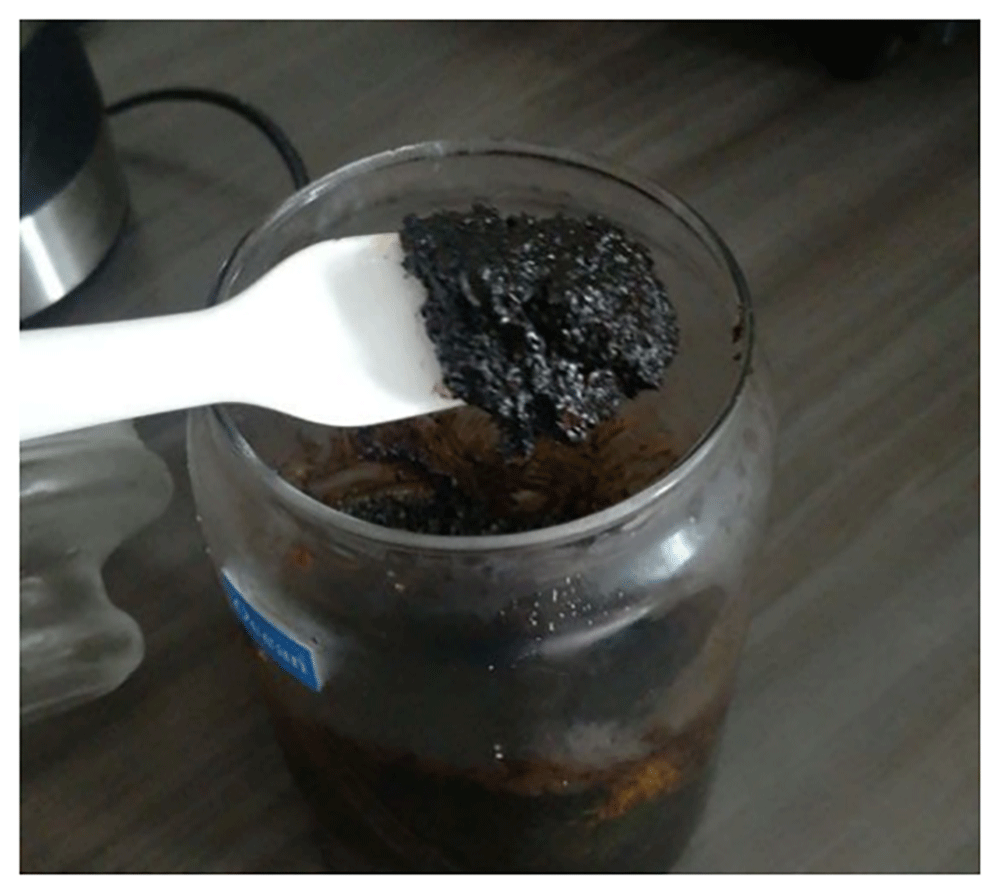
Considering the backdrop of their uncertain circumstances, participants directed their focus toward diverse facets of SC practices. A prevalent theme that emerged was the "adaptation to the new situation," which was prominently depicted in their captured images. This adaptation pertains to any endeavor, routine, or mindset that strives to establish a semblance of normalcy in the new environment, irrespective of the challenges and uncertainties that abound. Notably, the photographs predominantly showcased how these refugee adolescents ingeniously restructured their habits, undertakings, and behaviors to align with their novel circumstances, all in the pursuit of heightened efficacy or functionality (Figure 1–Figure 8). In a remarkable display of resilience and determination, participants demonstrated their resolve to reestablish a sense of everyday normalcy, irrespective of the profound changes that had taken place in their lives. The focal point of their accounts often revolved around seemingly modest adjustments (deemed potent in their perspectives) and ingenious adaptations, all serving the ultimate goal of "rekindling the feeling of home."

“I tried to stay on my skin care routine, having my own homemade skincare recipes, using very cheap and available ingredients. So, I still can have my treatments without spending lots of money for the products to save more money. I am so happy with my recipes and even my family tells me that my skin starts to glow again.” (Figure 1, Female, 17)
61d3dd4c-1704-4038-b832-f785b5ae1f9f_figure1.gif

Figure 1. A perfect homemade facemask.

Furthermore, the participants also prominently showcased an array of activities linked to SC and SD, encompassing practices like skincare routines, physical exercises, maintaining a wholesome diet, engaging in hobbies, and more.

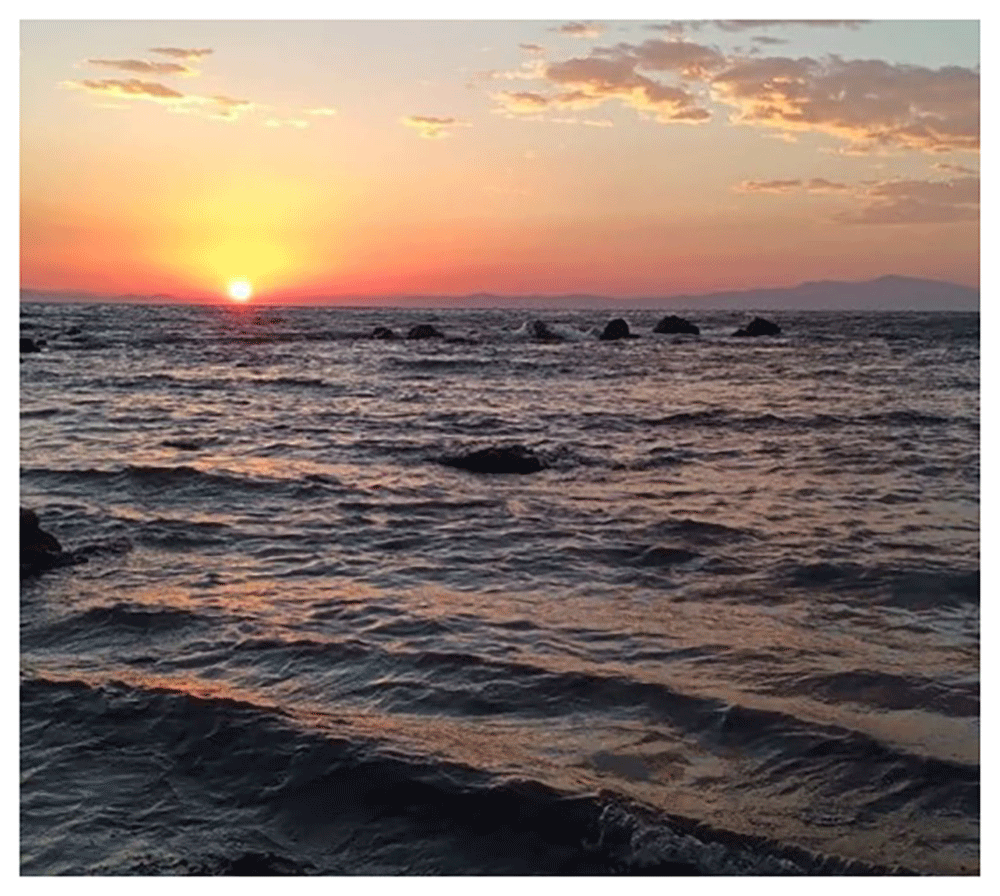
“Watching the sunrise and sunset is one of my cheapest and most enjoyable hobbies. I try not to think about any of my problems while watching the sun. By the way, there is always another time to fight with the problems.” (Figure 2, Female, 16)
61d3dd4c-1704-4038-b832-f785b5ae1f9f_figure2.gif

Figure 2. The calm of a sunset/sunrise.

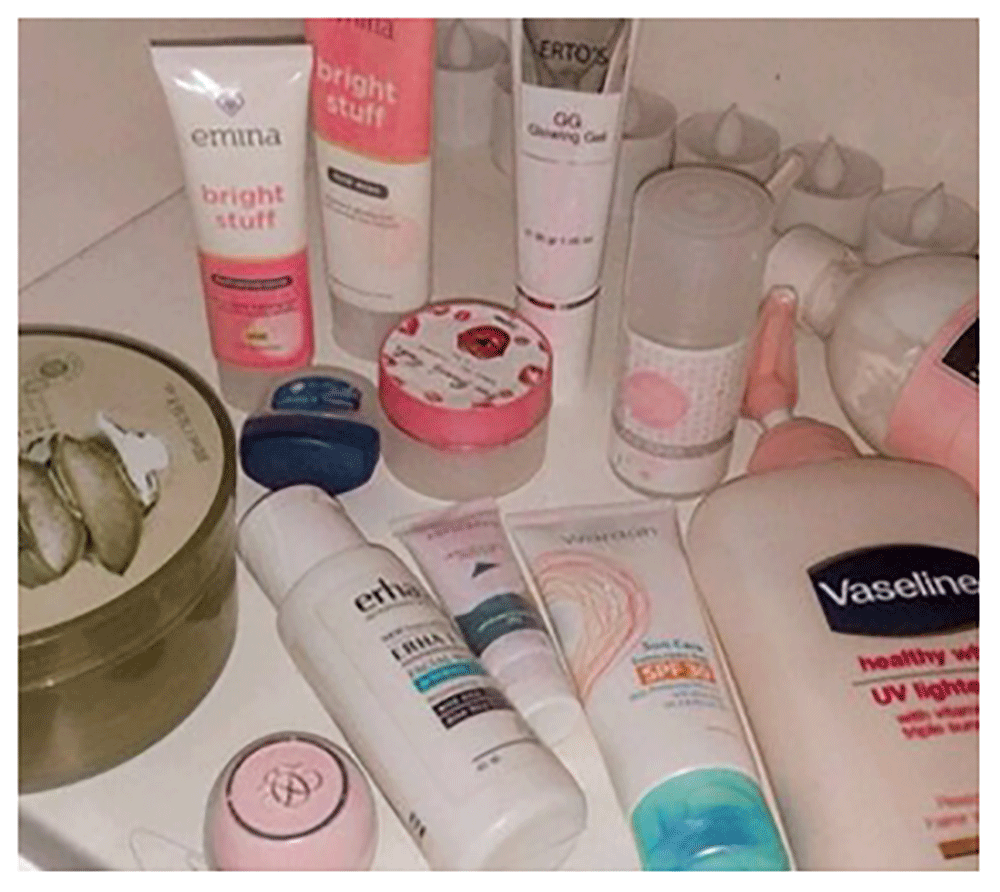
Additionally, participants emphasized that initiating a new routine played a significant role in enhancing their mental and physical well-being, fostering a sense of improved health and positivity. “As an adolescent girl, one of my most important self-care routines is taking care of my skin and hair, which helps me a lot to have a better feeling of myself and increase my self-confidence. …. Here, I have my own collection of skin care products after a while and I´m so happy about it. It makes me feel home again. Like back to normal after a very hard journey” (Figure 3, Female, 17)
61d3dd4c-1704-4038-b832-f785b5ae1f9f_figure3.gif

Figure 3. A personal set of skin and hair products.

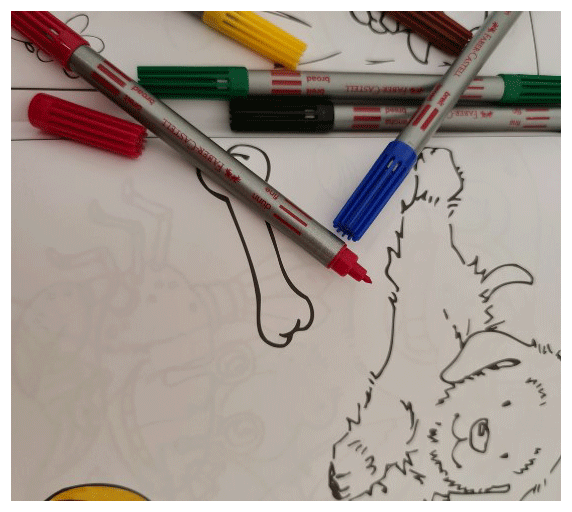
Furthermore, two other participants documented their engagement in coloring activities, elucidating how such a simple practice effectively reduces their stress levels by providing a mental clarity and relief.

“Coloring makes me think of nothing for a while. I can relax and focus more. I especially like working on children's designs. It helps me when I am stressed.” (Figure 4, Female, 15)
61d3dd4c-1704-4038-b832-f785b5ae1f9f_figure4.gif

Figure 4. Kids color books are fun! Even for a teen!.

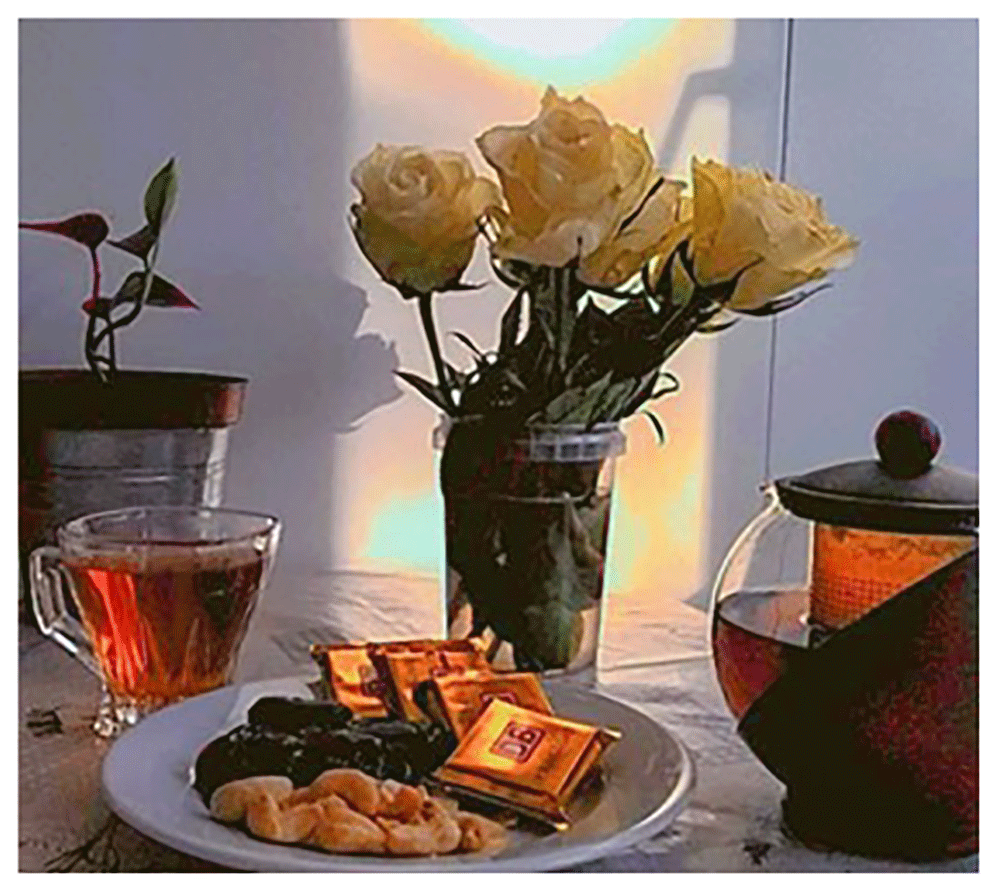
A 19-year-old female participant described experiencing a sense of tranquility by dedicating some time to herself and her mother. She shared how they set up a tea table after a particularly taxing week marked by her mother's illness and challenges related to their refugee journey.

“An autumn weekend evening with a delicious tea that gives a good aroma of cinnamon and the smell of roses. It removes the tiredness of the body and causes a good feeling and positive energy, after a very stressful and challenging week. After all, I need to recharge myself for the challenges of our next week. Our situation is hard, but I should be strong for me and my mother.” (Figure 5, Female, 18)
61d3dd4c-1704-4038-b832-f785b5ae1f9f_figure5.gif

Figure 5. The aroma of tea and roses.

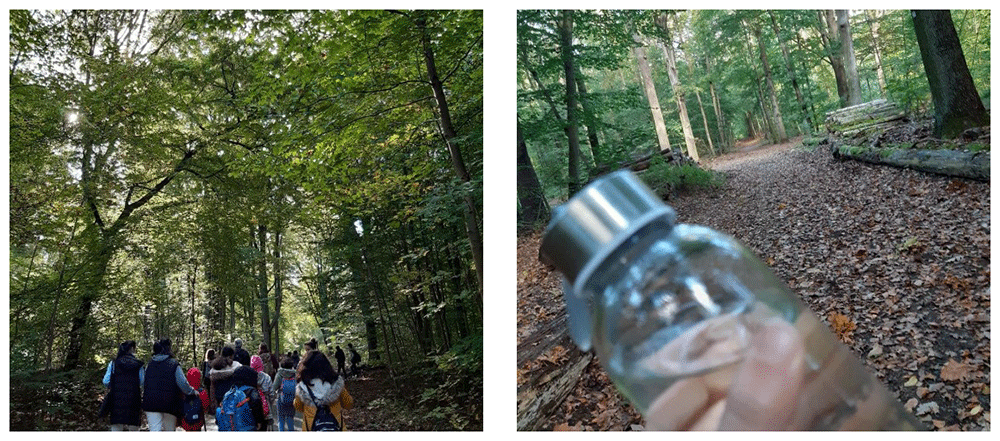
In their captured photos, participants also recognized the significance of engaging in new social activities as an avenue for learning and better acclimatization to their unfamiliar surroundings. They portrayed various social engagements as means of discovering and establishing connections with friends and peers at their new school and within community organizations. These activities encompassed "group activities" like hiking and "organized sports" such as basketball, as well as casual interactions like having a coffee with a friend. Participants articulated how such activities played a pivotal role in alleviating negative emotions like stress, while also fostering a deeper understanding of the new culture and environment they found themselves in.

“One of my classmates introduced me to a social group, after I told her I am looking for a good group activity. The group members go hiking in one of the forests around town on weekends. This was very exciting for me because I love nature so much and I really need to feel to belong to a group. Here, I found new friends. … Being in this environment contributes to both my physical and mental health” (Figure 6 and 7, Female, 15).
61d3dd4c-1704-4038-b832-f785b5ae1f9f_figure6.gif

Figure 6 and 7. A day in the nature.

2.   I start to learn again

The subsequent theme, "I start to learn again," pertains to the adolescents' viewpoints on initiating various learning processes, encompassing novel behaviors associated with their SC and SD. Illustrative images (Figure 8–Figure 13) were submitted by participants, depicting their commitment to sustaining and mastering their preferred skills or activities. While the majority of participants regarded acquiring a new skill or behavior as integral to their SD aspirations, instances of SC were also evident. Notably, the participants' photos and statements frequently illustrated a confluence of persisting in the learning journey while capitalizing on the resources available in their new environment. The following examples elucidate this perspective:

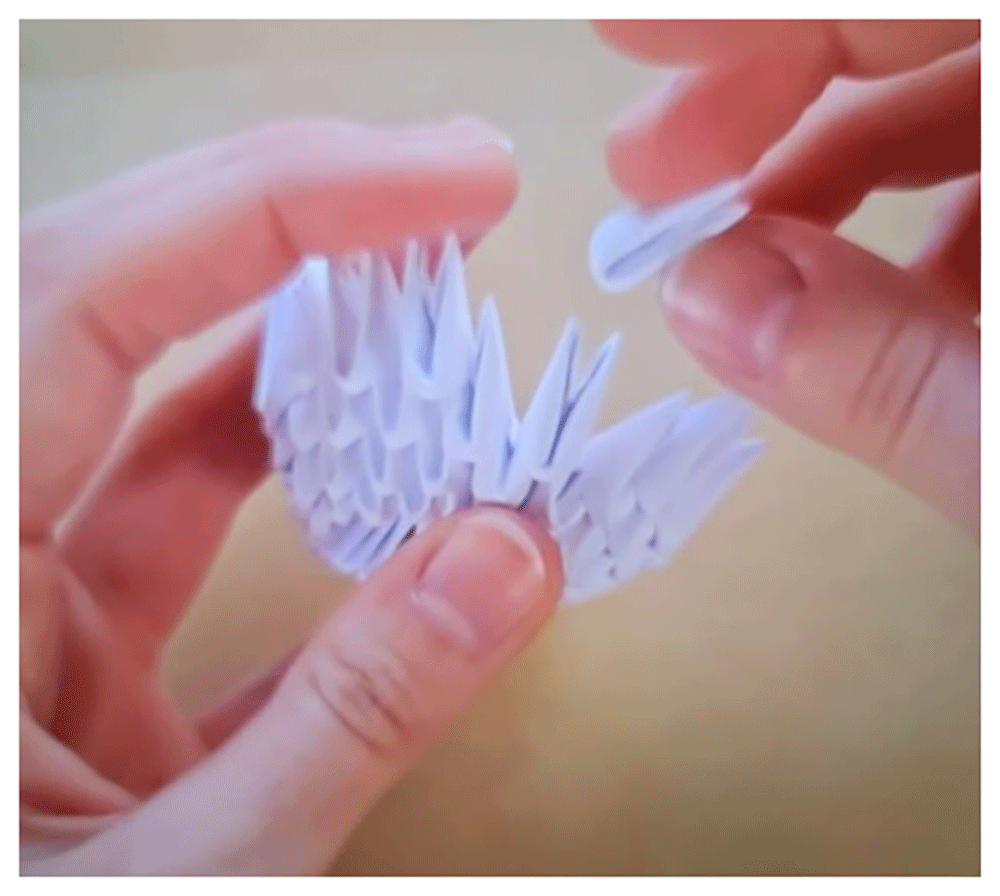
“I was always obsessed with the art of origami. It increases my concentration and reduces my stress. Especially these days, when I'm waiting for important news or an update about my refugee case, working on my handcrafts makes my waiting time much easier. In my own country, I learned this art by using free internet tutorials. But here, since the internet access is faster and easier, I have made very good progress in a short period of time. I plan to have a YouTube channel for myself soon. Access to YouTube was not easy in my country, but I am glad that the conditions are good here.” (Figure 8, Female, 16)
61d3dd4c-1704-4038-b832-f785b5ae1f9f_figure8.gif

Figure 8. Me and origami.

Another participant interprets the photo she took as follows:

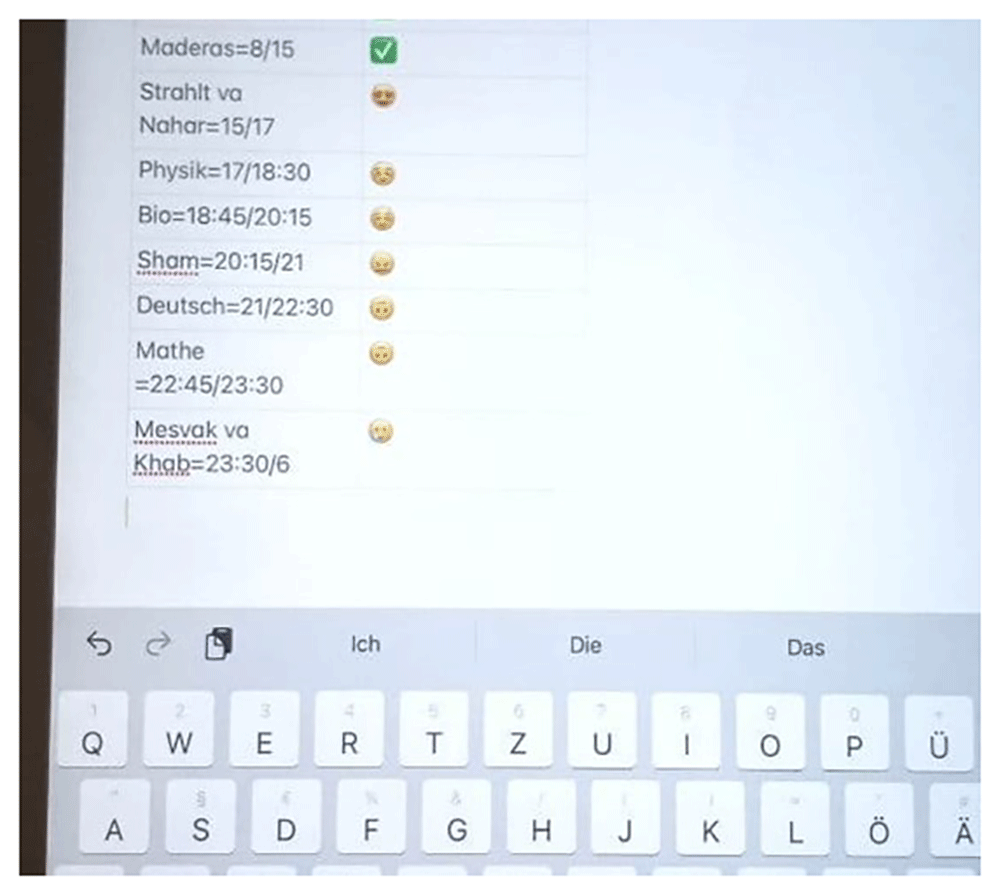
“I have a list of my daily tasks for every day. Writing daily plans and setting goals, are new experiences for me that surprisingly works so well. They help me to always know what I want to do next, so time will not be wasted. Since I have started to write down my plans, I feel that I am closer to reaching my goals. I am extremely satisfied with this new routine in my life.” (Figure 9, Female, 14)
61d3dd4c-1704-4038-b832-f785b5ae1f9f_figure9.gif

Figure 9. My daily TO DO list.

Another participant underscored their sense of joy upon embarking on an internship, elaborating on the novel work environment they encountered:

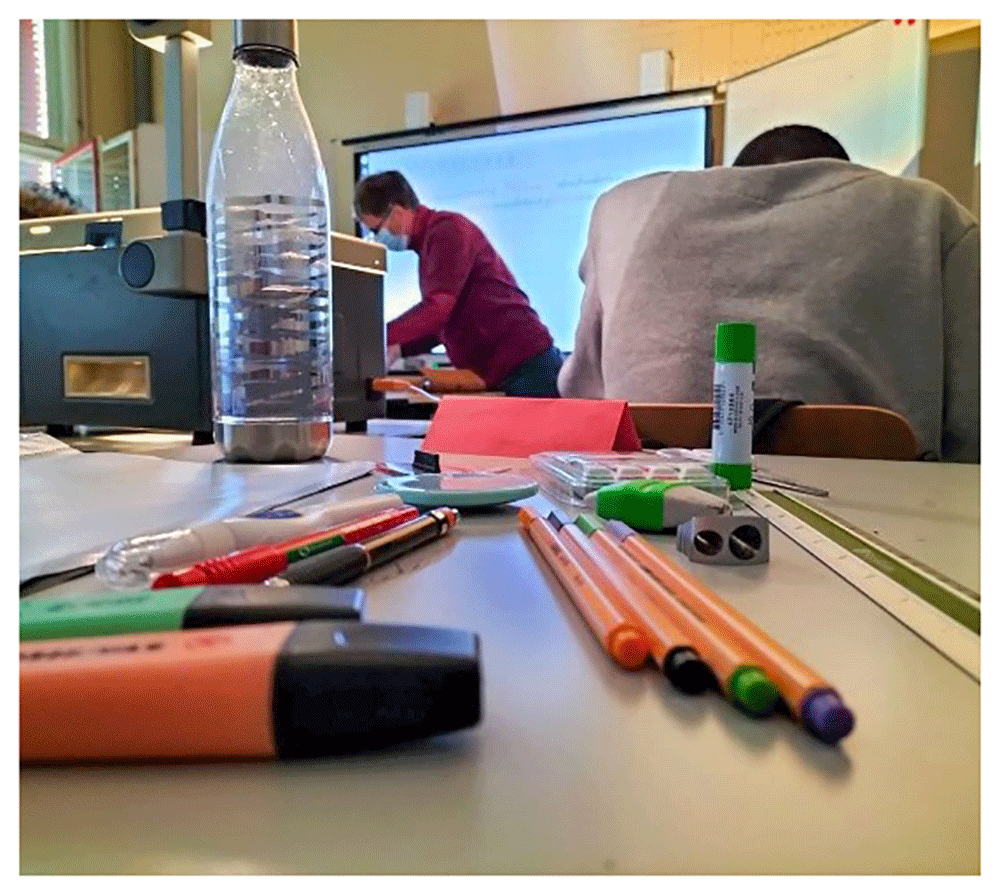
“My small, colorful world of stationeries. It gives me such a beautiful feeling and helps me to take a step for my own development ... With this positive energy, I can communicate better with the new environment I entered recently, and I can progress in my work.” (Figure 10, Male, 17)
61d3dd4c-1704-4038-b832-f785b5ae1f9f_figure10.gif

Figure 10. Ready to work.

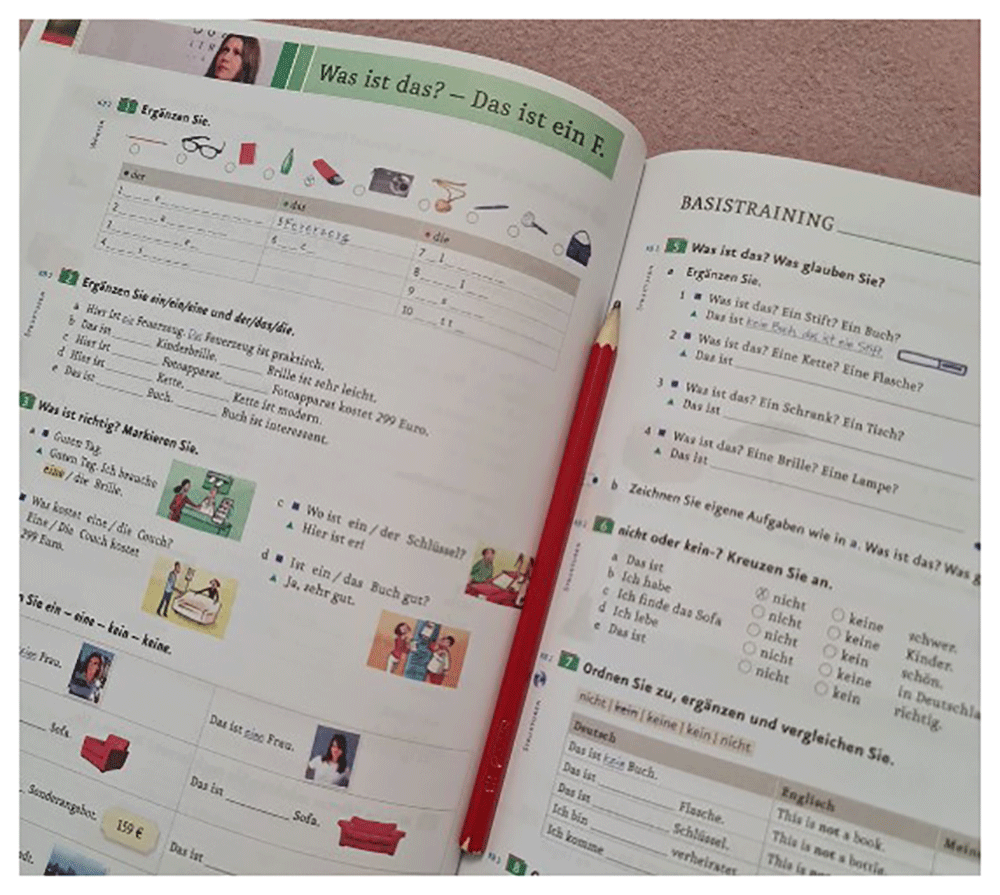
The participants predominantly highlighted the significance of learning the German language as a central aspect. Learning German was underscored as a primary priority by the participants, given its pivotal role in their educational and subsequent professional growth. As all study participants were students, the emphasis lay on language acquisition for effective academic engagement, communication with educators and peers, and bolstering self-confidence.

“These days most of my focus is on learning the [German] language. Without it, I could not go to school, get good grades, have a good relationship with my teachers and classmates, or make new friends. Of course, I have new friends here [speaking] in my own language, but I prefer to make new German friends, which is not possible without learning the language. I must go to university soon and I must know the language so well that I can continue my studies in my favorite field.” (Figure 11, Male, 16)
61d3dd4c-1704-4038-b832-f785b5ae1f9f_figure11.gif

Figure 11. Time to learn a new language.

Several participants acknowledged the essential role of learning the German language in their self-development endeavors, recognizing it as a vital prerequisite for their future career aspirations.

“I must start an internship soon, which is very important for the career I want to have in the future. But it is necessary to learn German before joining this course.” (Female, 16)

Furthermore, the participants highlighted the importance of acquiring or enhancing various life skills, such as communication skills, self-awareness, and emotional coping strategies, as reflected in their submitted photos and statements. Particularly, the theme of managing emotions, specifically stress, stood out prominently, with its relevance to both SC and SD perspectives.

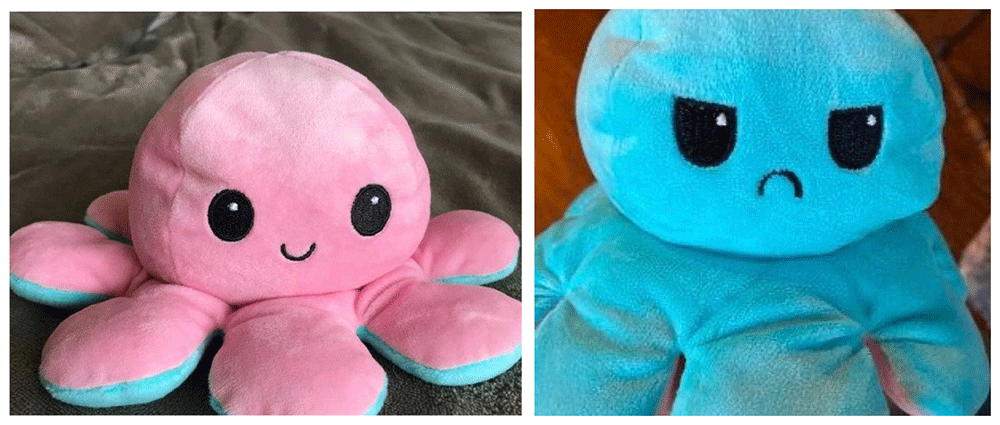
“I use this octopus stuffed toy to show my emotions. Every time the little octopus is sad (or angry), I try to find a way to cheer it up again. This is a new way I recently use to cope with my bad emotion.” (Figure 12, Female, 14)
61d3dd4c-1704-4038-b832-f785b5ae1f9f_figure12.gif

Figure 12. My cute reversible octopus.

3.   I find new opportunities

Another significant theme that emerged from the participants' photos and statements was the concept of "New Opportunities," as illustrated by Figure 13. Given the uncertainties associated with their new environment, the participants emphasized the newfound possibilities for both SC and SD that they encountered in Germany. Learning a new language, particularly German, was a salient aspect of this theme. However, the emphasis here was on the advantage of learning a new language within the native environment, where access to learning materials and books was more accessible. Many participants had already acquired proficiency in speaking and reading German, which could potentially unlock various new opportunities for them in their adopted country.

“Four years ago, if someone told me that I could read a book in German, I would have laughed at him. Now I know that new opportunities can be found even in difficult and unstable conditions.” (Female, 17)

Additionally, participants underscored the opportunities tied to forging new friendships, immersing themselves in a new culture, cultivating fresh hobbies, and becoming part of new social groups. These opportunities held significant importance for enhancing their capacity to manage the stress and anxiety that often accompanied their arduous and, in some instances, perilous journey to Germany. Furthermore, they emphasized the prospects presented by their new environment for engaging in activities they now held dear, activities that were previously unattainable or constrained by political, cultural, or personal restrictions in their countries of origin. This new-found sense of freedom and possibility further contributed to their holistic well-being and development.

“I love group sports. But some sports in my country were not possible or very difficult for girls to do. Here I found the opportunity to do my favorite sports.” (Figure 13, Female, 15)

61d3dd4c-1704-4038-b832-f785b5ae1f9f_figure13.gif

Figure 13. I love basketball!.

4.   I love myself

The final theme, "I love myself," encapsulates the instances where participants demonstrated self-awareness and self-compassion, often intertwined with specific SC and SD activities. This theme finds expression in a variety of ways within the participants' contributions. Their photos (depicted in Figure 14–Figure 21) capture elements of their lives that they actively pursue, driven by an inherent enjoyment and sense of self-value. Notably, each participant in this study conveyed at least one photo that aligns with the essence of this theme and shared it with the research team.

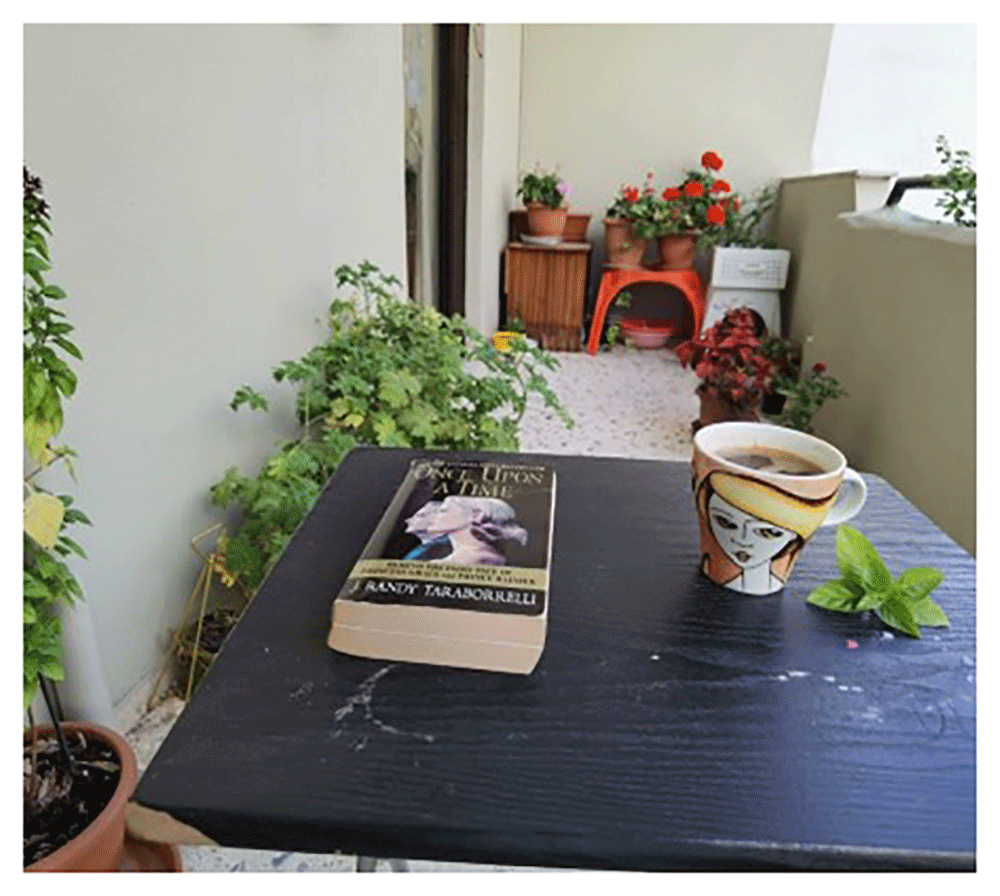
“A cozy corner on the balcony of my house with a cup of coffee and my favorite book .... all I need to get rid of the tiredness of a busy and stressful day… Everyone can create a place that is unique to him. Make a coffee for yourself and read a few pages of your favorite book and forget about all the uncertainties surrounding you. You will see that you can think better and make much better decisions”. (Figure 14, Female, 18)
61d3dd4c-1704-4038-b832-f785b5ae1f9f_figure14.gif

Figure 14. A cozy corner on the balcony.

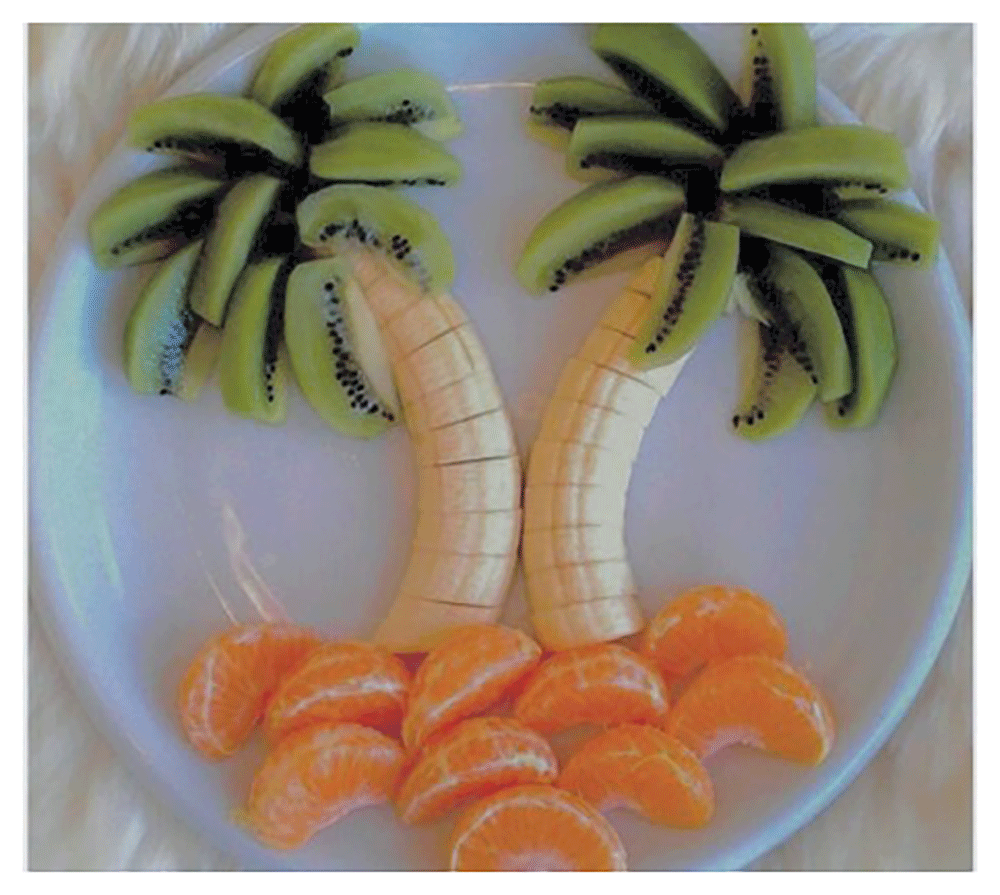
Numerous photos within the collection simply manifest the participants' delight in or efforts to enhance their well-being, fostering a healthier, more content, and productive life. These endeavors are often characterized by simplicity, accessibility, and affordability, reflecting the participants' resourceful engagement even amid their uncertain circumstances. The array of photos captures various SC and SD activities, while the accompanying statements underscore the efficacy of these endeavors in enhancing their overall quality of life.

“I love fruits more than foods. And of course, fruit designing… eating fruit helps a lot to strengthen the immune system and the health of blood circulation and many other good things. While fruit designing is a fun and colorful activity.” (Figure 15, Female, 15)
61d3dd4c-1704-4038-b832-f785b5ae1f9f_figure15.gif

Figure 15. Fruit art.

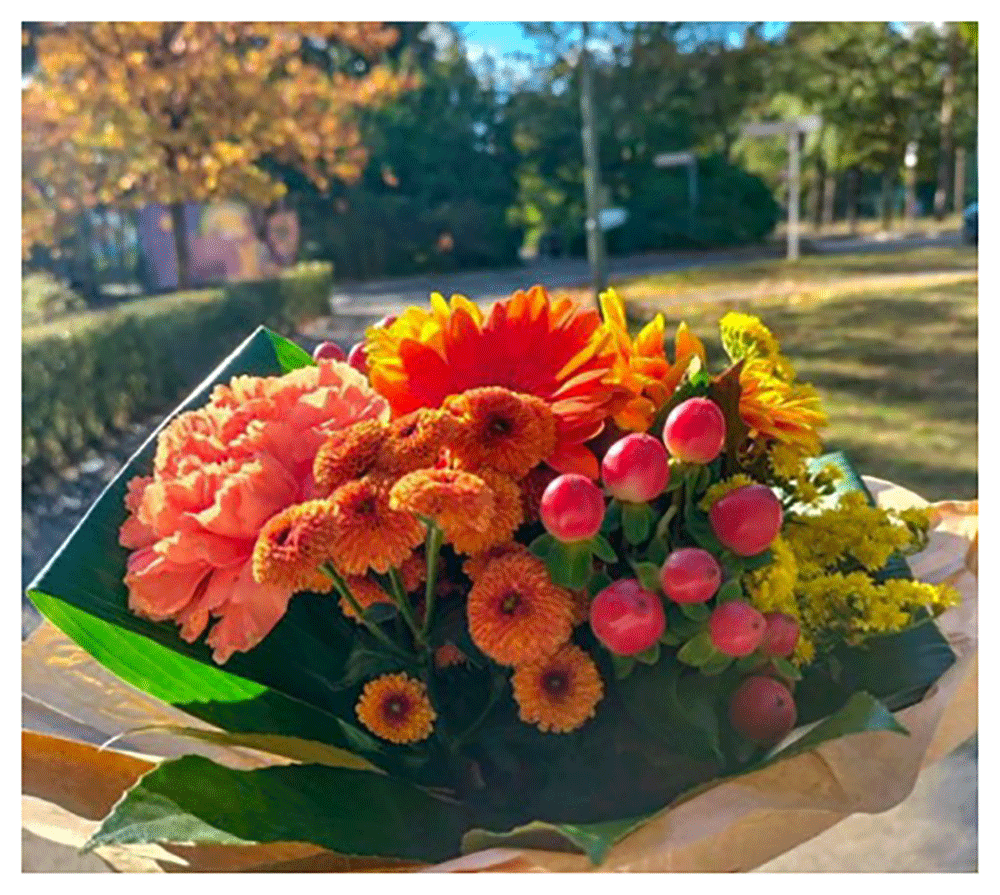
The images also demonstrate the participants' keen awareness of their positive and negative emotions, along with their proactive efforts to nurture their emotional well-being.

“Since I have a deep relationship with myself, I try to do a little for myself every day. I get a flower for myself, or I invite myself to a coffee or ice cream to remind myself that I am the greatest asset for me. I took this picture after a very hard day receiving bad news. But still, I have fate that I can make it at the end.” (Figure 16, Female, 17)
61d3dd4c-1704-4038-b832-f785b5ae1f9f_figure16.gif

Figure 16. A bouquet for myself because I deserve it.

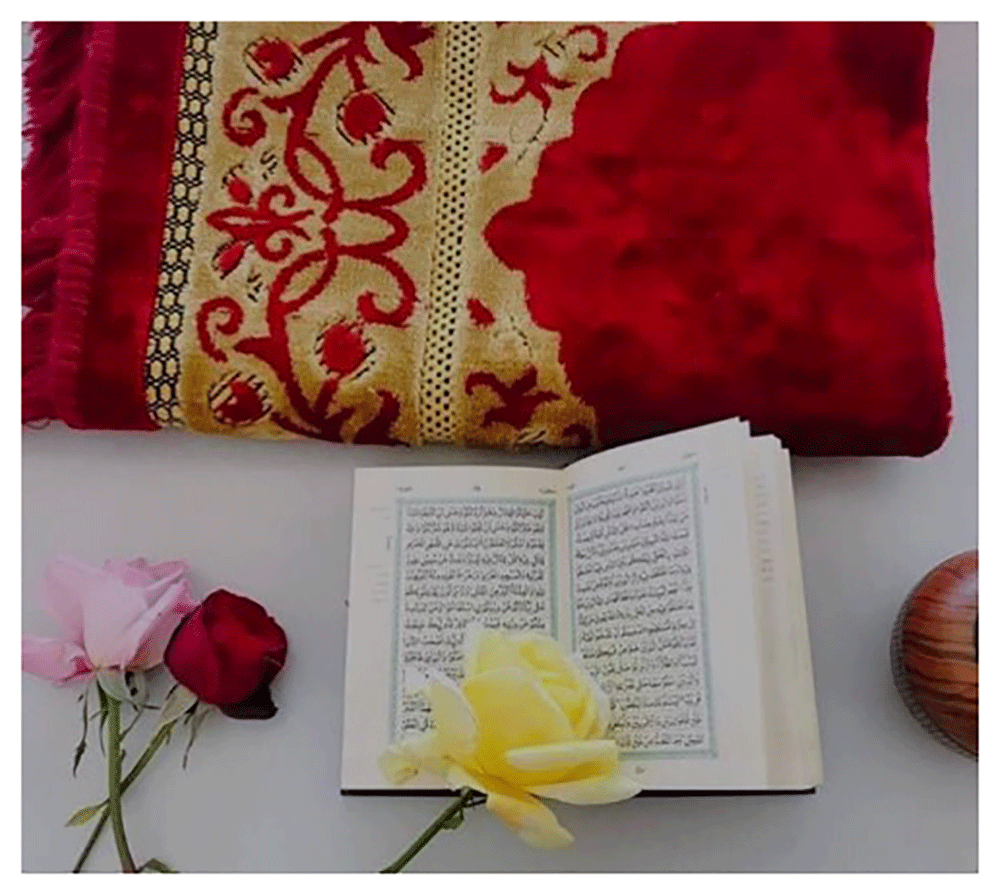
“I think praying and reading our holy book the Qur'an can also help to improve my mood. Personally, when I feel very, very tired and I have no hope, I pray. It really gives me a special sense of peace, and I feel that this is a very good example of self-care.” (Figure 17, Female, 16)
61d3dd4c-1704-4038-b832-f785b5ae1f9f_figure17.gif

Figure 17. Time to spiritual self-care.

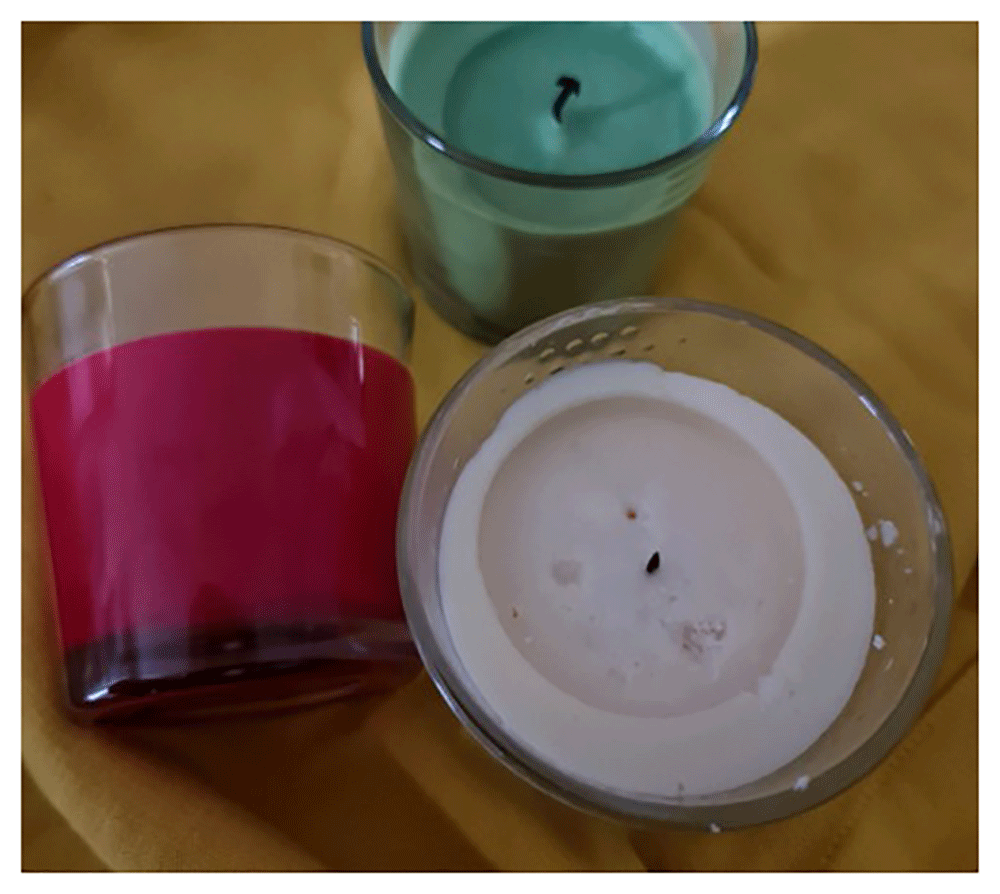
And from another participant:

“These are my candles. When I need to calm down, I turn off the lights and light the room with candlelight. I take a few deep breaths and try not to think about anything for a few minutes.” (Figure 18, Female, 15)
61d3dd4c-1704-4038-b832-f785b5ae1f9f_figure18.gif

Figure 18. A source of positive energy.

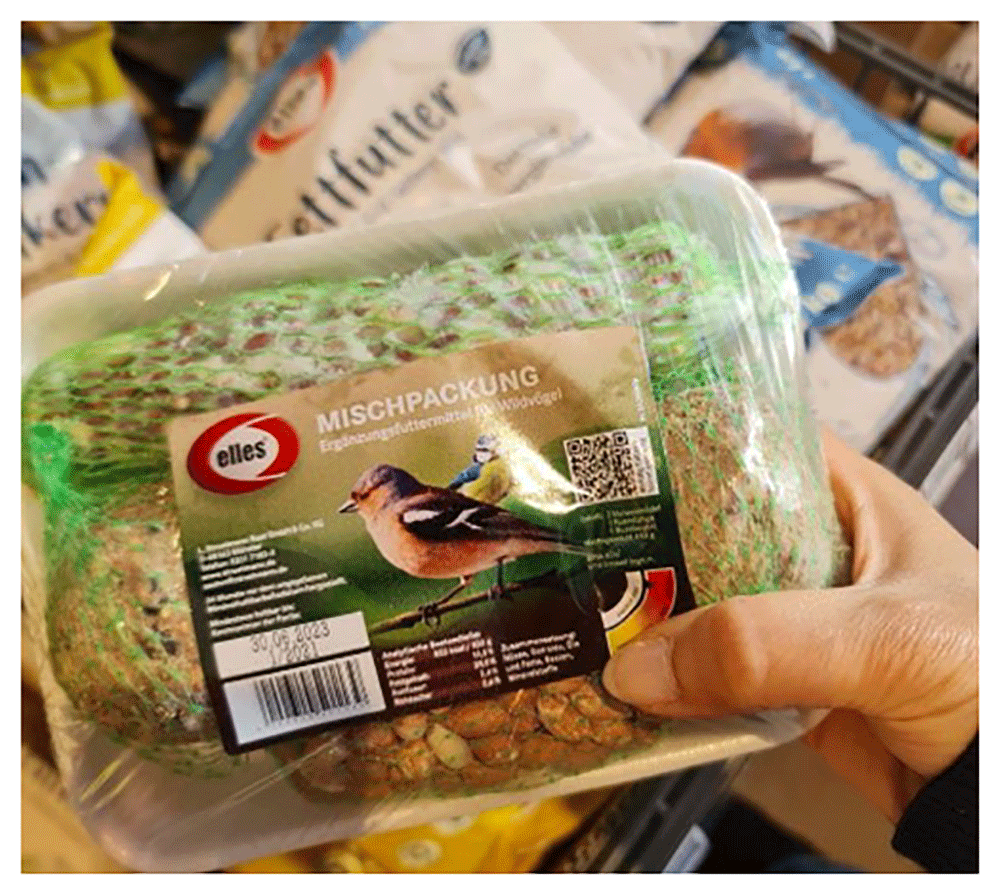
A 15-year-old female participant, on the other hand, held a distinct perspective on SC. She believed that assisting others (in her case, animals) could also be viewed as a valuable SC practice, particularly when it brings happiness, contentment, or an improved sense of well-being.

“I think self-care can be helping others or care for others, if it makes us feel good. I feel very good when I feed the birds in winter. I think it is a good example of self-care or even self-development.” (Figure 19, Female, 15)
61d3dd4c-1704-4038-b832-f785b5ae1f9f_figure19.gif

Figure 19. Sometimes “others-care” is self-care.

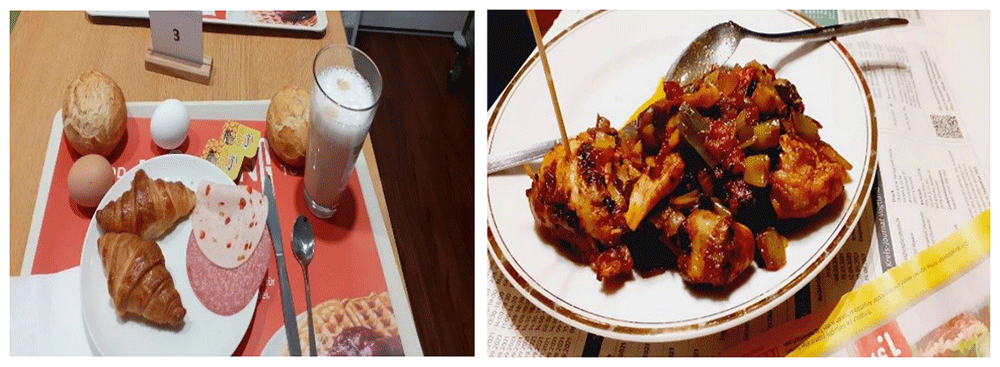
Sharing an image of a delectable breakfast and dinner, a male participant conveyed to us that:

Having a good breakfast could be a perfect start for a busy day. For all I want to go through today, I need energy, right?!....I also love to cook for myself, when I have time. Actually, I find cooking very relaxing. (Figures 20 and 21, male, 18)
61d3dd4c-1704-4038-b832-f785b5ae1f9f_figure21.gif

Figures 20 and 21. Fuel for my body, homemade or fast food?

Results of the photo-elicitation study

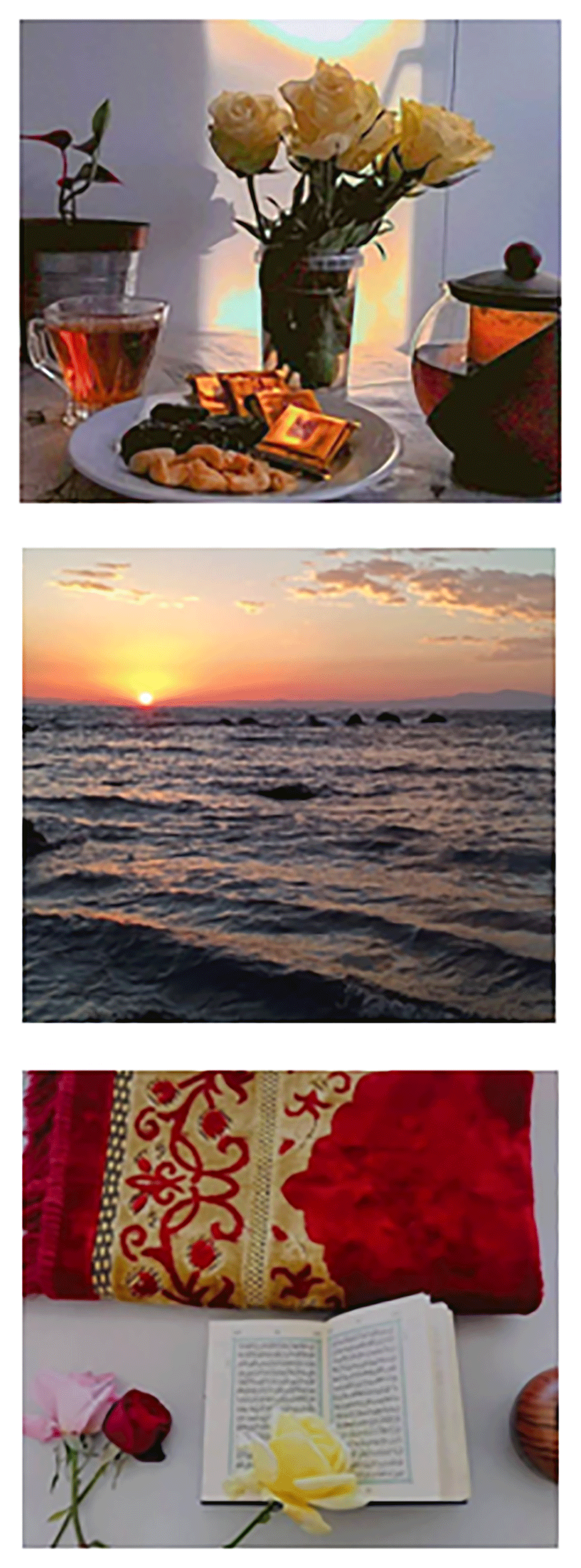
Out of the 16 participants involved in the photovoice study, 12 participated in the subsequent group discussion session to deliberate on the shared photos. During this meeting, the three photos (Figure 22) that garnered the highest scores were brought into focus and analyzed. In response to why these photos received elevated ratings, participants put forth an array of justifications for their scoring, which were then collectively discussed. A prevailing consensus emerged among participants that the chosen images evoked positive and serene sentiments within them. They expressed the view that the photographers effectively conveyed their intended concepts to the audience.

61d3dd4c-1704-4038-b832-f785b5ae1f9f_figure22.gif

Figure 22. The three highest scored photos from the participants viewpoint (Figure 5, Figure 2 and Figure 17, respectively).

“Photo number six conveys the good feeling of the person when taking the photo. In my opinion, the photographer really believes what he says in the description of the photo. I can even inhale the aroma of tea from this photo, as the photographer mentioned.” (Male, 17)

And from two other participants:

“Well, I agree with the photographer (Figure 2). Watching the sunrise and sunset is enjoyable and relaxing. Of course, I do not think any place in the world is as suitable as the beach to show the beauty and sense of calm of sunrise and sunset.” (Female, 16)

“It is a clever choice for subject-related photo (Figure 6). The aroma of tea reminds me of my childhood days at my grandmother's house when we all got together. I must admit I had forgotten its good feelings.” (Female, 17)

Here is another opinion from our 15-year-old participant:

“This image (Figure 18) gives me a true sense of calm. It reminds me to stay on my beliefs and culture, while I am trying to integrate to my new environment. This combination makes me a unique person.” (Female, 15)

The ease of comprehending the message conveyed by the chosen photos, regardless of the accompanying photo descriptions, was another aspect deemed significant by the participants in the photo selection process. Conversely, three participants noted that certain photos appeared more coherent when viewed alongside their respective descriptions, as the photographs alone could not entirely encapsulate the intended significance. An additional participant acknowledged that they were initially unable to grasp the concept behind a few photos until the accompanying descriptions provided clarity.

“I gave high score to photo number six because without a word, I could understand and feel the photographer's purpose and message.” (Male, 18)

“This photo depicts the concept of self-care in a creative way. For me, nature in general has a sense of stress and anxiety after all the journeys I have taken in the forest and at sea to get here. But this photo is full of good feeling for me.” (Female, 19)

“Simply beautiful. I can see one of the most important aspects of my life in this picture (Figure 18). The massage is also simple to capture. You may leave many things behind when you immigrate, but it doesn’t mean that you should leave your relationship with your God, even if you pass horrible experiences.” (Female, 17)

As per the participants' perspectives, the selected photos, coupled with the broader collection encompassing diverse subjects, served as a poignant reminder that despite the arduous journeys they have traversed and their existing circumstances, they possess the capacity to uncover moments of joy and renewal, enabling them to distance themselves from stressful surroundings. Crucially, this does not mandate the need for specialized spaces or intricate facilities. The participants also underscored the importance of engaging in self-care-related activities with intentionality and foresight. They accentuated that when executed conscientiously, these actions not only provide a profound sense of solace but also serve as an effective avenue for upholding physical well-being amidst volatile conditions.
Discussion

The primary aim of this study was to explore SC and SD practices among refugee adolescents. The findings unveil two primary dimensions. Firstly, despite the emergence of four distinct themes from the captured photos and their accompanying explanations, a strong shared message resonated across all visual depictions and textual accounts. This collective message reflected a resolute aspiration to transcend uncertainty and restore a sense of normalcy – mirroring the desires of their non-refugee counterparts. The outcomes vividly showcased the endeavors and challenges faced by the participants, regardless of their age, gender, or country of origin, to navigate away from distressing memories and embark on a new trajectory akin to their fellow peers in the host nation. The photographs conveyed straightforward, often cost-effective or free activities that synthesized their amalgamated past and present experiences, talents, and insights. These activities were undertaken with the overarching objective of nurturing their physical, mental, and spiritual well-being, in pursuit of a brighter future.

The practices of SC and SD, ranging from learning the German language, reestablishing former healthy routines, participating in individual and group sports, pursuing ongoing education, enrolling in training programs, and engaging in religious activities – all of which were captured through the lenses of the study's participants – closely aligned with the experiences documented in prior international research concerning the youth refugee population (Earnest et al., 2010; Earnest et al., 2015; Iqbal et al., 2012). In this context, the findings strongly mirror the essence of SC and SD as defined.

Our findings lead us to deduce that refugee adolescents, regardless of the poignant narratives underlying their unpredictable circumstances, strive for a sense of normalcy that transcends social and individual categorizations, stereotypes, or prejudices. The significance, obstacles, and constraints of reconstructing a conventional existence for refugees and asylum seekers have been underscored in numerous reports and research studies. As exemplified, Nicholson's 2018 report sheds light on this aspect (Nicholson, 2018) Nicholson's report in 2018 distinctly highlighted the profound yearning of refugees to reintegrate into a semblance of ordinary existence within their host nations. The pursuit of reconstituting a notion of "normal life" within the refugee context has also been explored in Olwig's study in 2021 (Olwig, 2021). Nevertheless, the strategies to navigate the labyrinth of uncertainty and attain a semblance of normalcy among refugees, particularly adolescents, have been infrequently examined in previous discourse. Existing resources have primarily centered on coping mechanisms tailored to address emotional challenges (Alzoubi et al., 2019; Rayes et al., 2021).

In light of these findings, we extend a recommendation to organizations and policy-makers engaged in designing and executing initiatives for refugee children and adolescents. It is essential to recognize that an emphasis on normalcy holds significant pertinence, while an overly pronounced concentration on problem-centric approaches may prove counterproductive. The participants' steadfast emphasis on the primacy of acquiring proficiency in the German language underscores its pivotal role as a gateway to reestablishing a sense of "normal life." This alignment with prior research within refugee and asylum-seeking contexts (Aspinall & Watters, 2010; Martzoukou & Burnett, 2018) reinforces our own discovery that mastery of the German language constituted a foremost challenge to surmount, acting as a prerequisite to active engagement with information and the cultivation of a redefined normalcy. Indeed, effective communication is an intrinsic facet of what constitutes a typical and customary existence.

A second notable discovery emanates from the interrelation with the broader findings derived from the SC-SD4ASA project. All participants in this art-based study had previously taken part in other forms of qualitative data collection within the project, such as interviews or group discussions. A discernible evolution in participants' perspectives and comprehension of SC and SD practices was observed from those prior sessions to the present study. This signifies that even a modicum of guidance and insight into SC/SD can wield a substantial influence on participants' daily routines. Unlike the immediate answers sought through interviews or group discussions, this study afforded participants the opportunity and time for contemplation, a luxury that often eludes the former methods.

The photo-elicitation results also revealed some more information about the question, which SC and SD practices might be attractive and useful for refugee adolescents. They specifically emphasized the importance of keeping the good aspects of the original culture from their home countries and combining them with what exists in the host country and in their presence.

Struggles related to cultural background of those immigrating to a new country, including refugee and asylum-seeking status, have always been a significant challenge, especially for adolescents’ wellbeing, adjustment skills and coping abilities, due to their age specific sensitivities.

A coherent thread connecting past socio-cultural values brought by refugees to their host countries, along with new knowledge structures, has been established through previous studies (Martzoukou & Burnett, 2018; Tan & Allen, 2021). This amalgamation could potentially enhance refugees' quality of life. The findings of the current study underline that the judicious integration of norms from both cultures within daily SC practices can yield enduring positive effects on the well-being and quality of life of refugee adolescents.

Participants also underscored the value of "being oneself" and authentically adhering to practices that uphold one's distinct and healthy lifestyle, thereby enhancing emotional well-being. While the top-scoring photos might appear disparate at first glance, they share common attributes of simplicity, genuineness, and originality. Our comprehensive experience accentuates the potency of amalgamating art-based methodologies with traditional data collection approaches to yield richer and more profound data and insights aligned with study objectives. This avenue facilitated the virtual expression of adolescents' practical activities. Furthermore, the space for contemplation afforded by this approach enhances data validity, enabling participants to articulately convey their thoughts, feelings, and ideas.

Study limitations

While this study boasts several distinctive strengths, it is not exempt from certain limitations. To begin, the gender distribution of participants leaned heavily towards females, potentially introducing gender-related biases into the outcomes. Additionally, a notable limitation pertains to the fact that all participants in this art-centric investigation had already engaged in one of our prior qualitative inquiries (interview or group discussion) as part of the comprehensive needs assessment within the SC-SD4ASA study. Consequently, their understanding of SC and SD concepts may have undergone a perceptible evolution between initial data collection and the present study. This heightened familiarity with SC and SD themes might impede the generalizability of our findings across the broader adolescent refugee population. Hence, further research endeavors are recommended to procure a more comprehensive dataset that facilitates comparative analysis and robust discussions. Furthermore, the COVID-19 pandemic context necessitated the abandonment of in-person interviews regarding the captured photos, thereby hindering comprehensive data collection. Despite our best efforts to recover missing textual statements through telephonic or messaging correspondence, a portion of the information could not be retrieved. This, however, did not undermine the data's saturation point, as we managed to achieve a comprehensive analysis of the available statements.

Conclusions

In conclusion, this study has brought valuable insights into the realm of SC and SD practices among refugee adolescents. Beyond its immediate findings, this research underpins the efficacy of employing art-based methodologies as potent participatory tools, especially in challenging-to-reach and culturally diverse youth populations. Furthermore, it underscores the latent potential and enthusiasm of refugee adolescents to actively engage in the planning and assessment of programs tailored to their age group. The significance of designing effective health education initiatives for refugee populations necessitates a nuanced understanding of their specific needs and constraints. The outcomes derived from this study elucidate the facets of SC and SD pertinent to refugee adolescents, thus bearing substantial practical implications for professionals engaged in youth program design and researchers across various disciplinary domains such as psychology, social and behavioral sciences, health education, health policy, as well as diversity and culture studies.

Ethics and consent

Ethics approval was granted by the research ethical committee of Charité - Universitätsmedizin Berlin (number EA2/087/21) on June 8, 2021. Written informed consent was obtained from all subjects involved in the study and legal guardians for minors. All the participants and their parents/guardians have been informed (orally and in writing) about the nature of the study (as written in the information sheet) and the participant’s rights.

Data availability

Underlying data

In consideration of the vulnerable nature of the participants involved in our project, as outlined in our study information sheet, access to the recorded data is restricted and not openly available. Additionally, the raw data in its original languages (Persian and Arabic) is accessible upon formal request to the corresponding author, thereby maintaining a rigorous standard of data governance and safeguarding the privacy of our participants. The data sharing process of this study is approved by the ethical committee. The data sharing detailed report was also approved by the funding body. All the original data are kept on the Charité server.

Extended data

Open Science Framework: Study Protocol for the SC-SD4ASA Project. https://doi.org/10.17605/OSF.IO/F7C48 (Mohammadzadeh, 2024).

  • - DataCollectionGuidelines_ENG.pdf (Data Collection Guidelines for all interviews, discussions, and photo collections. related to this/the main project, in English)

  • - Info+Consent-4 Languages.pdf (Information sheets and consent forms in the four different languages)

Data are available under the terms of the Creative Commons Attribution 4.0 International license (CC-BY 4.0).

References

  •  Alzoubi FA, Al-Smadi AM, Gougazeh YM: Coping strategies used by Syrian refugees in Jordan. Clin Nurs Res. 2019; 28(4): 396–421. PubMed Abstract | Publisher Full Text
  •  Aspinall PJ, Watters C: Refugees and asylum seekers: a review from an equality and human rights perspective. Equality and Human Rights Commission, 2010. Reference Source
  •  Capous-Desyllas M, Bromfield NF: Using an arts-informed eclectic approach to photovoice data analysis. Int J Qual Methods. 2018; 17(1): 1609406917752189. Publisher Full Text
  •  d’Abreu A, Castro-Olivo S, Ura SK: Understanding the role of acculturative stress on refugee youth mental health: a systematic review and ecological approach to assessment and intervention. Sch Psychol Int. 2019; 40(2): 107–127. Publisher Full Text
  •  Denyes MJ, Orem DE, Bekel G: Self-care: a foundational science. Nurs Sci Q. 2001; 14(1): 48–54. PubMed Abstract | Publisher Full Text
  •  Duncan LR, Hieftje KD, Culyba S, et al.: Game playbooks: tools to guide multidisciplinary teams in developing videogame-based behavior change interventions. Transl Behav Med. 2014; 4(1): 108–116. PubMed Abstract | Publisher Full Text | Free Full Text
  •  Earnest J, Joyce A, De Mori G, et al.: Are universities responding to the needs of students from refugee backgrounds? Aust J Educ. 2010; 54(2): 155–174. Publisher Full Text
  •  Earnest J, Mansi R, Bayati S, et al.: Resettlement experiences and resilience in refugee youth in Perth, Western Australia. BMC Res Notes. 2015; 8(1): 236. PubMed Abstract | Publisher Full Text | Free Full Text
  •  Eftekhar H, Mirkamali SK, Tavafian SS, et al.: Exploring self care in Tehran, Iran: a population based study. J Res Med Sci. 2012; 17(12): 1144–1150. PubMed Abstract | Free Full Text
  •  Eijgermans DGM, Fang Y, Jansen DEMC, et al.: Individual and contextual determinants of children’s and adolescents’ mental health care use: a systematic review. Child Youth Serv Rev. 2021; 131: 106288. Publisher Full Text
  •  Ellard-Gray A, Jeffrey NK, Choubak M, et al.: Finding the hidden participant: solutions for recruiting hidden, hard-to-reach, and vulnerable populations. Int J Qual Meth. 2015; 14(5): 1609406915621420. Publisher Full Text
  •  Ellis BH, Abdi SM, Winer JP: Mental health practice with immigrant and refugee youth: a socioecological framework. American Psychological Association, 2020. Publisher Full Text
  •  Emami H, Ghazinour M, Rezaeishiraz H, et al.: Mental health of adolescents in Tehran, Iran. J Adolesc Health. 2007; 41(6): 571–576. PubMed Abstract | Publisher Full Text
  •  Fink E, Patalay P, Sharpe H, et al.: Mental health difficulties in early adolescence: a comparison of two cross-sectional studies in England from 2009 to 2014. J Adolesc Health. 2015; 56(5): 502–507. PubMed Abstract | Publisher Full Text
  •  Frounfelker RL, Miconi D, Farrar J, et al.: Mental health of refugee children and youth: epidemiology, interventions, and future directions. Annu Rev Public Health. 2020; 41: 159–176. PubMed Abstract | Publisher Full Text | Free Full Text
  •  Garira E: Needs assessment for the development of educational interventions to improve quality of education: a case of Zimbabwean primary schools. Soc Sci Humanit Open. 2020; 2(1): 100020. Publisher Full Text
  •  Granger BB, Sandelowski M, Tahshjain H, et al.: A qualitative descriptive study of the work of adherence to a chronic heart failure regimen: patient and physician perspectives. J Cardiovasc Nurs. 2009; 24(4): 308–315. PubMed Abstract | Publisher Full Text
  •  Hameed S, Sadiq A, Din AU: The increased vulnerability of refugee population to mental health disorders. Kans J Med. 2018; 11(1): 1–12. PubMed Abstract | Publisher Full Text | Free Full Text
  •  Harley D, Hunn V: Utilization of photovoice to explore hope and spirituality among low-income African American adolescents. Child Adolesc Soc Work J. 2015; 32(1): 3–15. Publisher Full Text
  •  Harper D: Talking about pictures: a case for photo elicitation. Vis Stud. 2002; 17(1): 13–26. Publisher Full Text
  •  Hennink M, Hutter I, Bailey A: Qualitative research methods. Sage, 2020. Reference Source
  •  Huemer J, Karnik NS, Voelkl-Kernstock S, et al.: Mental health issues in Unaccompanied Refugee Minors. Child Adolesc Psychiatry Ment Health. 2009; 3(1): 13. PubMed Abstract | Publisher Full Text | Free Full Text
  •  Hussey W: Slivers of the journey: the use of photovoice and storytelling to examine female to male transsexuals' experience of health care access. J Homosex. 2006; 51(1): 129–158. PubMed Abstract | Publisher Full Text
  •  Iqbal N, Joyce A, Russo A, et al.: Resettlement experiences of Afghan Hazara female adolescents: a case study from Melbourne, Australia. Int J Popul Res. 2012; 1–9. Publisher Full Text
  •  Karabanova OA, Bukhalenkova DA: Perception of success in adolescents. Procedia Soc Behav Sci. 2016; 233: 13–17. Publisher Full Text
  •  Laporte N, Soenens B, Brenning K, et al.: Adolescents as active managers of their own psychological needs: the role of psychological need crafting in adolescents’ mental health. J Adolesc. 2021; 88(1): 67–83. PubMed Abstract | Publisher Full Text
  •  Le LKD, Esturas AC, Mihalopoulos C, et al.: Cost-effectiveness evidence of mental health prevention and promotion interventions: a systematic review of economic evaluations. PLoS Med. 2021; 18(5): e1003606. PubMed Abstract | Publisher Full Text | Free Full Text
  •  Leal CCG, Gomes-Sponholz FA, Mamede FV, et al.: Photovoice: method experiment research with adolescent mothers. Escola Anna Ner. 2018; 22(3). Publisher Full Text
  •  Marquardt L, Krämer A, Fischer F, et al.: Health status and disease burden of unaccompanied asylum-seeking adolescents in Bielefeld, Germany: cross-sectional pilot study. Trop Med Int Health. 2016; 21(2): 210–218. PubMed Abstract | Publisher Full Text
  •  Martzoukou K, Burnett S: Exploring the everyday life information needs and the socio-cultural adaptation barriers of Syrian refugees in Scotland. J Doc. 2018; 74(5): 1004–1032. Publisher Full Text
  •  Mohammadzadeh M, Awang H, Ismail S, et al.: Establishing content and face validity of a developed educational module: life skill-based education for improving emotional health and coping mechanisms among adolescents in Malaysian Orphanages. J Community Health Res. 2017; 6(4): 223–228. Reference Source
  •  Mohammadzadeh M, Heinrichs K, Pilz González L, et al.: Study protocol for the SC-SD4ASA project: a self-care/self-development guidebook for asylum-seeking adolescents. Front Public Health. 2022a; 10: 736673. PubMed Abstract | Publisher Full Text | Free Full Text
  •  Mohammadzadeh M, Tajik E, Awang H, et al.: Emotional health and coping mechanisms among adolescents in Malaysian residential foster care homes: a comparative study with adolescents living with families. Asian J Psychiatr. 2018; 32: 156–158. PubMed Abstract | Publisher Full Text
  •  Mohammadzadeh M, Taras A, Stock C: Participant recruitment among vulnerable populations: an experience from a qualitative study among refugee adolescents in Germany [version 1; peer review: 3 approved with reservations]. Open Res Eur. 2022b; 2: 47. Publisher Full Text
  •  Mohammadzadeh M: Study Protocol for the SC-SD4ASA Project. OSF. [Dataset]. 2024. http://www.doi.org/10.17605/OSF.IO/F7C48
  •  Nicholson F: The “Essential Right” to family unity of refugees in need of international protection in the context of family reunification. 2018. Reference Source
  •  Ojio Y, Mori R, Matsumoto K, et al.: Innovative approach to adolescent mental health in Japan: school‐based education about mental health literacy. Early Interv Psychiatry. 2021; 15(1): 174–182. PubMed Abstract | Publisher Full Text
  •  Olwig KF: The end and ends of flight. Temporariness, uncertainty and meaning in refugee life. Ethnos. 2021; 88(1): 52–68. Publisher Full Text
  •  Panjalipour S, Bostani Khalesi Z, Mirhaghjoo SN: Iranian female adolescents’ reproductive health needs: a systematic review. Int J Women's Health Reprod Sci. 2017; 6(3): 226–232. Publisher Full Text
  •  Parker-Maneja K: A Photovoice study on growing up female in foster care. Walden University, 2021. Reference Source
  •  Pigaiani Y, Zoccante L, Zocca A, et al.: Adolescent lifestyle behaviors, coping strategies and subjective wellbeing during the COVID-19 pandemic: an online student survey. Healthcare (Basel). Paper presented at the Healthcare. 2020; 8(4): 472. PubMed Abstract | Publisher Full Text | Free Full Text
  •  Plunkett R, Leipert BD, Ray SL: Unspoken phenomena: using the photovoice method to enrich phenomenological inquiry. Nurs Inq. 2013; 20(2): 156–164. PubMed Abstract | Publisher Full Text
  •  Rayes D, Karnouk C, Churbaji D, et al.: Faith-based coping among Arabic-speaking refugees seeking mental health services in Berlin, Germany: an exploratory qualitative study. Front Psychiatry. 2021; 12: 595979. PubMed Abstract | Publisher Full Text | Free Full Text
  •  Schondel CK, Boehm KE: Motivational needs of adolescent volunteers. Adolescence. 2000; 35(138): 335–344. PubMed Abstract
  •  Sekaran VC, Bailey A, Kamath VG, et al.: ‘This is the place where I can be alone, no tension:’ photovoice evidence for adolescent perceptions of their microsystem and psychological adjustment. Asian J Psychiatr. 2020; 51: 102021. PubMed Abstract | Publisher Full Text
  •  Shaw PA: Photo-elicitation and photo-voice: using visual methodological tools to engage with younger children’s voices about inclusion in education. International Journal of Research Method in Education. 2021; 44(4): 337–351. Publisher Full Text
  •  Stewart JG, Shields GS, Esposito EC, et al.: Life stress and suicide in adolescents. J Abnorm Child Psychol. 2019; 47(10): 1707–1722. PubMed Abstract | Publisher Full Text | Free Full Text
  •  Strack RW, Magill C, McDonagh K: Engaging youth through photovoice. Health Promot Pract. 2004; 5(1): 49–58. PubMed Abstract | Publisher Full Text
  •  Tajik E, Javadi M, Mohammadzadeh M: Diet and mental health: what should be done for Malaysian adolescents. Iran J Public Health. 2017; 46(7): 992–994. PubMed Abstract | Free Full Text
  •  Tan JS, Allen CW: Cultural considerations in caring for refugees and immigrants. Prim Care. 2021; 48(1): 35–43. PubMed Abstract | Publisher Full Text
  •  Thomas S, Byford S: Research with unaccompanied children seeking asylum. BMJ. 2003; 327(7428): 1400–1402. PubMed Abstract | Publisher Full Text | Free Full Text
  •  von Werthern M, Grigorakis G, Vizard E: The mental health and wellbeing of Unaccompanied Refugee Minors (URMs). Child Abuse Neglect. 2019; 98: 104146. PubMed Abstract | Publisher Full Text
  •  Wang C: Using photovoice as a participatory assessment and issue selection tool. Community Based Participatory Research for Health. 2003; 1: 179–196. Reference Source
  •  Wang C, Burris MA: Photovoice: concept, methodology, and use for participatory needs assessment. Health Educ Behav. 1997; 24(3): 369–387. PubMed Abstract | Publisher Full Text
  •  WHO: WHO consolidated guideline on self-care interventions for health: sexual and reproductive health and rights. Retrieved from Geneva, 2019. PubMed Abstract
  •  Yang Y, Lim AC, Wallace RE, et al.: Photovoice and youth on violence and related topics: a systematic review. Fla Public Health Rev. 2020; 17(1): 6–12. Reference Source
  •  Zarei E, Simbar M, Shahhoseini Z: Explaining the concept of self-care in adolescents. J Qual Res Health Sci. 2016; 4(4): 395–405. Reference Source