Introduction
Dendarus foraminosus is a darkling beetle in the family Tenebrionidae. The species is endemic to the island of Crete (Trichas, 2008) and is mostly found in the central parts of the island, from lowland phrygana and maquis to montane shrublands. In the west- and the east-side of the island, the species is replaced by its congeneric species D. opacus and D. puncticollis respectively, while in the higher altitudes of Psiloritis and Dikti mountains by D. politus. All these species together form the Dendarus Cretan lineage (Trichas et al., 2020). Like all the other Dendarus species that form the Cretan clade, D. foraminosus is characterized by a “vase-neck”shaped humeral bump (Trichas et al., 2020). From its close relatives, D. foraminosus is easily distinguished by the large, irregular longitudinal grooves on the elytra, that are the result of the fusion of two or more elytral punctures (Trichas, 2008). These punctures are less harsh and deep in the other Cretan species of this clade. In fact, they are almost missing in the montane species D. politus (Trichas, 2008). It is noteworthy that the punctuation of D. foraminosus differs between populations, producing various gradients between elevations. Dendarus foraminosus displays the typical sexual dimorphism among Tenebrinoidae, that is, the tarsal segments of the male are larger and wider than the ones of the female. According to the IUCN Red List (Red List Necca 2025, unpublished assessment), the species is not threatened by extinction, as it occurs in great abundance in many localities and various habitats in Crete.
The species larvae are saprophytophagous, participating in the decomposition of the rotting plant matter.
The reference genome of D. foraminosus will help in understanding the phylogenetic relationships of the species of the genus Dendarus in Crete, the species delimitation of the Cretan lineage, the recovery of its population structure, and the species adaptation in the Cretan environment in the face of climate change.
The generation of this reference resource was coordinated by the European Reference Genome Atlas (ERGA) initiative’s Biodiversity Genomics Europe (BGE) project, supporting ERGA’s aims of promoting transnational cooperation to advance in the application of genomics technologies to protect and restore biodiversity (Mazzoni et al., 2023).
Materials & methods
ERGA's sequencing strategy includes Oxford Nanopore Technology (ONT) and/or Pacific Biosciences (PacBio) for long-read sequencing, along with Hi-C sequencing for chromosomal architecture, Illumina Paired-End (PE) for polishing (i.e. recommended for ONT-only assemblies), and RNA sequencing for transcriptome profiling, to facilitate genome assembly and annotation.
Sample and sampling information
On April 9th, 2022, 11 male adults of Dendarus foraminosus were sampled by Giannis Bolanakis (Figure 1). The species was identified by the expert entomologist Dr. Apostolos Trichas. The specimens were hand-picked in Mount Kedros, Rethymno, Crete (Greece). Sampling was performed under the Presidential Decree 67/81 of the Greek Government. The specimens were euthanized in liquid nitrogen and were preserved at -80°C until DNA extraction.
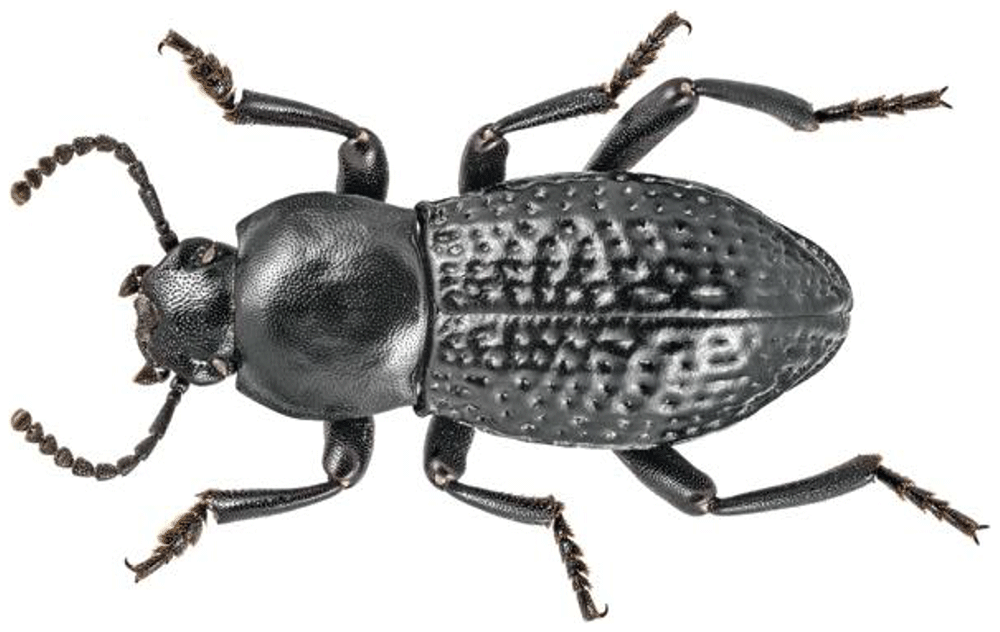
Figure 1. A darkling beetle (Dendarus foraminosus) from a different specimen from the one sampled for this study.
The specimen was photographed on the island of Crete. Photo credit: Dr. Apostolos Trichas.
Vouchering information
Physical reference material for the here sequenced specimen has been deposited in the Arthropods Collections of the Natural History Museum of Crete of the University of Crete (NHMC) https://www.nhmc.uoc.gr/en/departments/arthropods/ under voucher ID NHMC.85.2.26267.
Frozen reference tissue material of abdomen, head and pronotum of D. foraminosus have been deposited in the Genomics and Genetic Resources Division of the NHMC https://www.nhmc.uoc.gr/ under voucher ID NHMC.85.2.26267.
Genetic information
The estimated genome size, estimated by Genomes on a Tree (GoaT) (Challis et al., 2023) by ancestral state reconstruction, is 0.41 Gb. This is a diploid genome with a haploid number of 10 chromosomes (2n = 20). All information for this species was retrieved from GoaT.
DNA/RNA processing
DNA for Illumina and PacBio sequencing was extracted from a whole male individual (80 mg) using a conventional CTAB extraction followed by a commercial purification using Qiagen Genomic tips (QIAGEN, MD, USA). A detailed protocol is available on protocols.io (https://www.protocols.io/view/hmw-dna-extraction-for-long-read-sequencing-using-bp2l694yzlqe/v1).
DNA fragment size selection was performed using Short Read Eliminator (PacBio, CA, USA). Quantification was performed using a Qubit dsDNA HS Assay kit (Thermo Fisher Scientific) and integrity was assessed in a FemtoPulse system (Agilent). DNA was stored at 4 °C until usage. RNA was extracted from a second male individual using an RNeasy Plus Universal Kit (Qiagen) following manufacturer instructions. RNA was extracted from the whole individual (80 mg) and extracted RNA was then treated with 6U of TURBO DNase (2 U/μl) (Thermo Fisher Scientific). Quantification was performed using a Qubit RNA HS Assay and integrity was assessed in a Bioanalyzer system (Agilent). RNA was stored at -80 °C.
Library preparation and sequencing
Long-read DNA libraries were prepared with the SMRTbell prep kit 3.0 following manufacturers' instructions and sequenced on a Revio system (PacBio). Hi-C libraries were generated from a whole female individual using the Dovetail Omni-C Kit (following the Insects & marine invertebrates’ protocol v1.2) and sequenced on a NovaSeq 6000 instrument (Illumina) with 2x150 bp read length. Poly(A) RNA-Seq libraries were constructed using the Illumina Stranded mRNA Prep, Ligation Prep kit (Illumina) and sequenced on an Illumina NovaSeq 6000 instrument.
Genome assembly methods
The genome of Dendarus foraminosus was assembled using the Genoscope GALOP pipeline (https://workflowhub.eu/workflows/1200). Briefly, raw PacBio HiFi reads were assembled using Hifiasm v0.19.5-r593. Retained haplotigs were removed using purge_dups v1.2.5 with default parameters and the proposed cutoffs. We did not observe any over-purging and loss of valid gene content, as confirmed by BUSCO before (99.3% completeness, 98.1% single and 1.2% duplicate) and after (99.3% completeness, 98.1% single and 1.2% duplicate) purging. The purged assembly was scaffolded using YaHS v1.2 and assembled scaffolds were then curated through manual inspection using PretextView v0.2.5 to remove false joins and incorporate sequences not automatically scaffolded into their respective locations within the chromosomal pseudomolecules. Two scaffolds with low coverage, and homology with Tenebrio molitor (X, Y) chromosomes, were renamed as X and Y respectively. The telomeric repeat pattern found with TelFinder is TCGGG (Sun et al., 2023). Chromosome-scale scaffolds confirmed by Hi-C data were named in order of size. The mitochondrial genome was assembled as two circular forms using Oatk v1.0 and included in the released assembly. Summary analysis of the released assembly was performed using the ERGA-BGE Genome Report ASM Galaxy workflow (https://doi.org/10.48546/workflowhub.workflow.1104.1).
Genome annotation methods
A gene set was generated using the Ensembl Gene Annotation system (Aken et al., 2016), primarily by aligning publicly available short-read RNA-seq data from BioSample SAMEA112751342 to the genome. Gaps in the annotation were filled via protein-to-genome alignments of a select set of clade-specific proteins from UniProt (UniProt Consortium, 2019), which had experimental evidence at the protein or transcript level. At each locus, data were aggregated and consolidated, prioritising models derived from RNA-seq data, resulting in a final set of gene models and associated non-redundant transcript sets. To distinguish true isoforms from fragments, the likelihood of each open reading frame (ORF) was evaluated against known metazoan proteins. Low-quality transcript models, such as those showing evidence of fragmented ORFs, were removed. In cases where RNA-seq data were fragmented or absent, homology data were prioritised, favouring longer transcripts with strong intron support from short-read data. The resulting gene models were classified into two categories: protein-coding, and long non-coding. Models that did not overlap protein-coding genes and were constructed from transcriptomic data were considered potential lncRNAs. Potential lncRNAs were further filtered to remove single-exon loci due to their unreliability. Putative miRNAs were predicted by performing a BLAST search of miRBase (Kozomara et al., 2019) against the genome, followed by RNAfold analysis (Gruber et al., 2008). Other small non-coding loci were identified by scanning the genome with Rfam (Kalvari et al., 2018) and passing the results through Infernal (Nawrocki & Eddy, 2013).
Results
Genome assembly
The Pacbio HiFi library generated 32.4 Gb of data, whereas Illumina libraries generated 37.5, 44.9, and 22.2 Gb of data respectively for DNAseq, Hi-C, and RNA-seq. The corresponding values of coverage are 55x, 63x, 76x, and 37x. The genome assembly has a total length of 593.991 Mb in 415 scaffolds including two circular forms of the mitogenome (Figure 2 and Figure 3), with a GC content of 35.9%. It features a contig N50 of 24.404 Mb (L50 = 9) and a scaffold N50 of 51.873 Mb (L50 = 5). There are 15 gaps, totalling 2.0 kb in cumulative size. The single-copy gene content analysis using the Arthropoda database with BUSCO (Manni et al., 2021) resulted in 100% completeness (98.9% single and 1.1% duplicated). The BUSCO completeness score did not change significantly when using a taxonomically appropriate single-copy ortholog dataset, such as the Endopterygota database (99.2% completeness, 98.4% single and 0.8% duplicated). 71.3% of reads k-mers were present in the assembly and the assembly has a base accuracy Quality Value (QV) of 63.4 calculated by Merqury (Rhie et al., 2020).
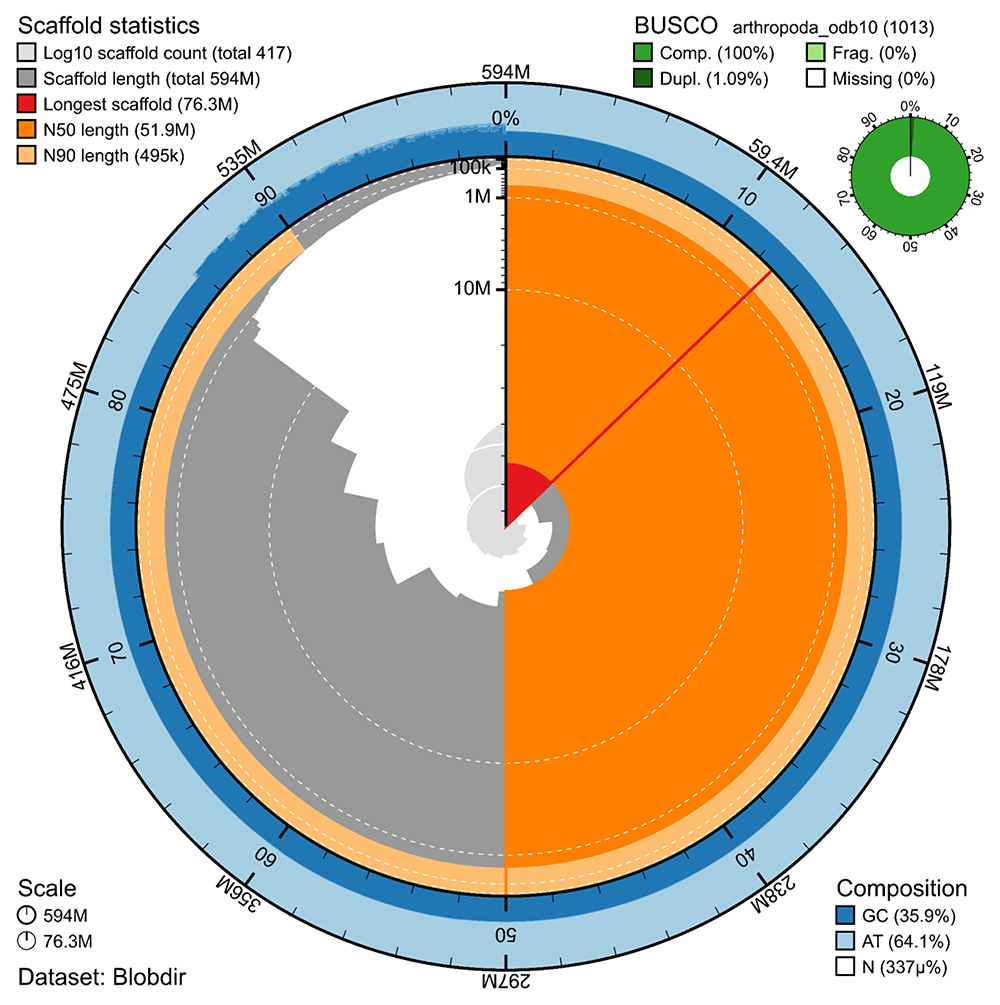
Figure 2. Snail plot summary of assembly statistics.
The main plot is divided into 1,000 size-ordered bins around the circumference, with each bin representing 0.1% of the 593.991 Mb assembly including the mitochondrial genome. The distribution of sequence lengths is shown in dark grey, with the plot radius scaled to the longest sequence present in the assembly (76.3 Mb, shown in red). Orange and pale-orange arcs show the scaffold N50 and N90 sequence lengths (51.873 Mb and 0.494 Mb), respectively. The pale grey spiral shows the cumulative sequence count on a log-scale, with white scale lines showing successive orders of magnitude. The blue and pale-blue area around the outside of the plot shows the distribution of GC, AT, and N percentages in the same bins as the inner plot. A summary of complete, fragmented, duplicated, and missing BUSCO genes found in the assembled genome from the Arthropoda database (odb10) is shown on the top right.
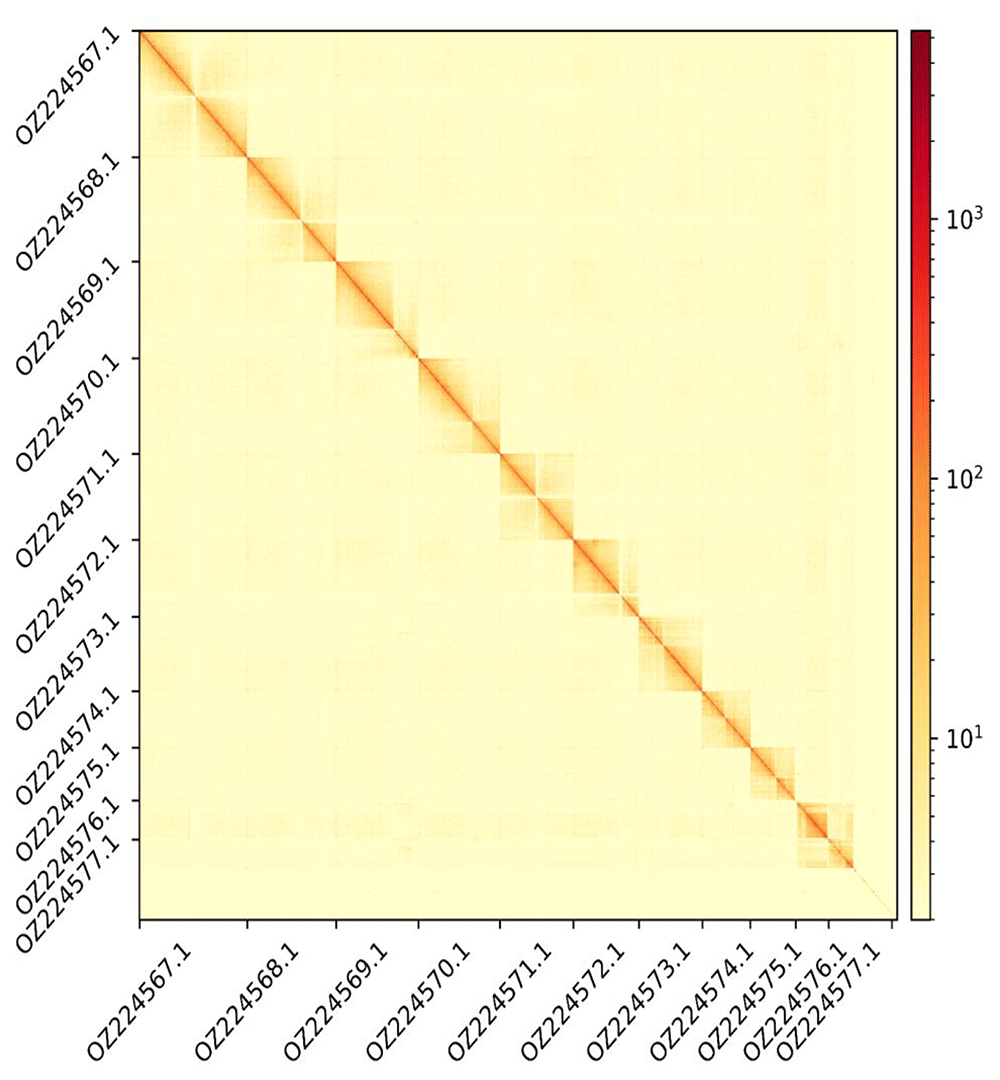
Figure 3. Hi-C contact map showing spatial interactions between regions of the genome.
The diagonal corresponds to intra-chromosomal contacts, depicting chromosome boundaries. The frequency of contacts is shown on a logarithmic heatmap scale. Hi-C matrix bins were merged into a 100 kb bin size for plotting. On both axes the GenBank names of the 9th largest autosomes are shown along with the X chromosome (GenBank accession: OZ224576.1) and Y chromosome (GenBank accession: OZ224577.1).
Genome annotation
The genome annotation consists of 15,992 protein-coding genes with associated 23,634 transcripts, in addition to 2,335 non-coding genes (Table 1). Using the longest isoform per transcript, the single-copy gene content analysis using the Arthropoda odb10 database with BUSCO resulted in 96.9% completeness. Using the OMAmer Metazoa-v2.0.0.h5 database for OMArk (Nevers et al., 2025) resulted in 93.7% completeness and 79.2% consistency (Table 2).
Table 1. Statistics from assembled gene models.
| No.
genes | No.
transcripts | Mean gene
length (bp) | No. single-exon
genes | Mean exons
per transcript |
|---|
| mRNA | 15,992 | 23,634 | 10,478 | 554 | 5.3 |
| pseudogene | 0.0 | 0.0 | 0.0 | 0.0 | 0.0 |
| snoRNA | 22 | 22 | 116 | 22 | 1.0 |
| lncRNA | 1,864 | 1,978 | 4,892 | 3 | 2.2 |
| miRNA | 0.0 | 0.0 | 0.0 | 0.0 | 0.0 |
| snRNA | 71 | 17 | 136 | 71 | 1.0 |
| rRNA | 77 | 77 | 692 | 77 | 1.0 |
| scRNA | 1 | 1 | 128 | 1 | 1.0 |
| tRNA | 300 | 300 | 74 | 300 | 1.0 |
| Other ncRNA | 3 | 3 | 298 | 3 | 1.0 |
Table 2. Annotation completeness and consistency scores calculated by BUSCO run in protein mode (arthropoda_odb10) and OMArk (Metazoa-v2.0.0.h5).
| Complete | Single copy | Duplicated | Fragmented | Missing |
|---|
| BUSCO | 981 (96.9%) | 969 (95.7%) | 12 (1.2%) | 8 (0.8%) | 24 (2.3%) |
| OMArk | 4,465 (93.7%) | 4,175 (87.6%) | 290 (6.1%) | - | 298 (6.2%) |
| Consistent | Inconsistent | Contaminants | Unknown |
|---|
| OMArk | 12,671 (79.2%) | 339 (2.1%) | 0.0 (0.0%) | 2,982 (18.6%) |
Data availability
Dendarus foraminosus and the related genomic study were assigned to Tree of Life ID (ToLID) 'icDenFora10' and all sample, sequence, and assembly information are available under the umbrella BioProject PRJEB77350. The sample information is available at the following BioSample accessions: SAMEA112751340, SAMEA112751341, and SAMEA112751342. The genome assembly is accessible from ENA under accession number GCA_965152765.1 and the annotated genome is available through the Ensembl website (https://projects.ensembl.org/erga-bge/). Sequencing data produced as part of this project are available from ENA at the following accessions: ERX12116622, ERX12732899, ERX12732900, ERX12116621, and ERX12733285. ERR13362399, ERR13362013, and ERR13362014. Documentation related to the genome assembly and curation can be found in the ERGA Assembly Report (EAR) document available at https://github.com/ERGA-consortium/EARs/blob/main/Assembly_Reports/Dendarus_foraminosus/icDenFora10/. Further details and data about the project are hosted on the ERGA portal at https://www.ebi.ac.uk/biodiversity/data_portal/2712997.
Author contributions
DK coordinated the project; GB collected the species; AT identified the species; GB, MS, EB, NP, PL and DK sampled and preserved biological material and provided metadata; AsB, RM, RF, and NE provided support in sampling, shipping of biological material, metadata collection, and management; the GST extracted DNA, prepared libraries, and performed sequencing under the supervision of AM, CC, KL, PHO and PW; SD, ET, LD and JMA performed genome assembly and curation under the supervision of JMA; LH, SS, and FM performed genome annotation; CB generated the analysis and report. All authors contributed to the writing, review, and editing of this genome note and read and approved the final version. This work is part of the species assigned to Genoscope, which was instrumental in the wet lab, sequencing, and assembly processes, and represents a key contribution to BGE's outputs.
Acknowledgements
We acknowledge the support of the Freiburg Galaxy Team: Saim Momin and Björn Grüning, Bioinformatics, University of Freiburg (Germany), funded by the German Federal Ministry of Education and Research BMBF grant 031 A538A de.NBI-RBC and the Ministry of Science, Research and the Arts Baden-Württemberg (MWK) within the framework of LIBIS/de.NBI Freiburg. We would like to acknowledge the assembly reviewer, Michael Paulini from the Wellcome Sanger Institute.
Faculty Opinions recommendedReferences
- Aken BL, Ayling S, Barrell D, et al.:
The Ensembl gene annotation system.
Database (Oxford).
2016; 2016: baw093. PubMed Abstract
| Publisher Full Text
| Free Full Text
- Challis R, Kumar S, Sotero-Caio C, et al.:
Genomes on a Tree (GoaT): a versatile, scalable search engine for genomic and sequencing project metadata across the eukaryotic Tree of Life [version 1; peer review: 2 approved].
Wellcome Open Res.
2023; 8: 24. PubMed Abstract
| Publisher Full Text
| Free Full Text
- Gruber AR, Lorenz R, Bernhart SH, et al.:
The Vienna RNA websuite.
Nucleic Acids Res.
2008; 36(Web Server issue): W70–W74. PubMed Abstract
| Publisher Full Text
| Free Full Text
- Kalvari I, Nawrocki EP, Argasinska J, et al.:
Non-coding RNA analysis using the Rfam database.
Curr Protoc Bioinformatics.
2018; 62(1): e51. PubMed Abstract
| Publisher Full Text
| Free Full Text
- Kozomara A, Birgaoanu M, Griffiths-Jones S:
miRBase: from microRNA sequences to function.
Nucleic Acids Res.
2019; 47(D1): D155–D162. PubMed Abstract
| Publisher Full Text
| Free Full Text
- Manni M, Berkeley MR, Seppey M, et al.:
BUSCO update: novel and streamlined workflows along with broader and deeper phylogenetic coverage for scoring of eukaryotic, prokaryotic, and viral genomes.
Mol Biol Evol.
2021; 38(10): 4647–4654. PubMed Abstract
| Publisher Full Text
| Free Full Text
- Mazzoni CJ, Ciofi C, Waterhouse RM:
Biodiversity: an atlas of European reference genomes.
Nature.
2023; 619(7679): 252. PubMed Abstract
| Publisher Full Text
- Nawrocki EP, Eddy SR:
Infernal 1.1: 100-fold faster RNA homology searches.
Bioinformatics.
2013; 29(22): 2933–2935. PubMed Abstract
| Publisher Full Text
| Free Full Text
- Nevers Y, Warwick Vesztrocy A, Rossier V, et al.:
Quality assessment of gene repertoire annotations with OMArk.
Nat Biotechnol.
2025; 43(1): 124–133. PubMed Abstract
| Publisher Full Text
| Free Full Text
- Rhie A, Walenz BP, Koren S, et al.:
Merqury: reference-free quality, completeness, and phasing assessment for genome assemblies.
Genome Biol.
2020; 21(1): 245. PubMed Abstract
| Publisher Full Text
| Free Full Text
- Sun Q, Wang H, Tao S, et al.:
Large-scale detection of telomeric motif sequences in genomic data using TelFinder.
Microbiol Spectr.
2023; 11(2): e0392822. PubMed Abstract
| Publisher Full Text
| Free Full Text
- Trichas A:
The genus Dendarus Latreille, 1829 (Coleoptera, Tenebrionidae: Dendarini) in Greece (A systematic account of the genus with description of a new species and four new systematic combinations). Advances in Arachnology and Developmental Biology. SASA, Belgrade & UNESCO MAB Serbia. Vienna-Belgrade-Sofia, Monographs, 2008; 12. : 417–462. Reference Source
- Trichas A, Smirli M, Papadopoulou A, et al.:
Dispersal versus vicariance in the Aegean: combining molecular and morphological phylogenies of eastern Mediterranean Dendarus (Coleoptera: Tenebrionidae) sheds new light on the phylogeography of the Aegean area.
Zool J Linn Soc.
2020; 190(3): 824–843. Publisher Full Text
- UniProt Consortium: UniProt: a worldwide hub of protein knowledge.
Nucleic Acids Res.
2019; 47(D1): D506–D515. PubMed Abstract
| Publisher Full Text
| Free Full Text