Introduction
The SARS-CoV-2 pandemic has highlighted health, social and economic problems faced by the population of the Democratic Republic of the Congo (DRC), a country of almost 100 million inhabitants in central Africa. The COVID-19 pandemic prompted governments at the global level to take urgent coercive measures to mitigate the disease’s impact. The African Continent has fewer documented devastating effects compared to Europe, Asia and America.
1
–
3
The world’s most populous countries were the most affected, among which the United States, China, India, France and Germany. But more than two years after the end of the pandemic, DRC likewise other countries still report new cases though incidence has strongly decreased in most African countries.
4
,
5
The DRC is the second-largest country in Africa, with poorly developed communications and health infrastructures a backdrop of poverty for most people, political unrest, and diverse recurrent emergencies (natural disasters, and outbreaks).
6
–
8
Also, there are significant disparities between urban and rural areas, with most developed structures clustered in main cities.
9
,
10
In urban settings, people survive on a daily basis, traced on economic hardship with most of people working in the informal sector.
11
,
12
In rural areas, farming, breeding, hunting, fishing, and small trade within are critical activities, though performed with poor tools and resources. Healthcare services are often available at several hours walk with limited access to essential drugs.
13
–
18
Earlier in the pandemic, city-dwellers were submitted to a lockdown with telework possibility for a few some employees. However, lockdown and other preventive measures (restaurant closures, flight bans, etc.) have hardened social situation of most people. In Kinshasa, lifestyle totally depends on exports for food and supplies. In this condition, the lockdown has seriously impacted international and national trade, resulting in a rise of price for most goods.
19
Upon the detection of the first Covid-19 case in Kinshasa in March 2020, the DRC government initiated mitigation measures i.e. the lockdown of Gombe township, barrier measures, suspension of domestic and international flights, curfews etc. Additional coercive measures were added following the state of health emergency’s declaration in which a a Covid-19 Task Force group and Technical Secretariat of Multisectoral Committee were created to coordinate the response.
20
Subsequently, financial resources were allocated to different entities to support and reinforce the health system to mitigate the spread of the disease. Despite positive outcomes observed, lockdown measures were not accepted by most individuals, due to disruption and hardships provoked in their normal life.
8
,
21
To circumvent this issue, DRC government has progressively resumed most activities with minimal mitigation measures such as mask wearing, social distancing, Real Time-Polymerase Chain reaction testing (RT-PCR) for travellers, etc. Of note, RT-PCR tests were mandatory only for airlines, but not for other transport means. As the aftermath, the spread of the virus avoided by airlines was strongly facilitated by other transport means.
Due to its proximity with Kinshasa, the pandemic hotspot, the province of Kongo Central was severely affected, amid poor adherence to Covid-19 prevention measures. Understanding the drivers of acceptance of mitigation measures proposed in urban and rural areas would help improving the response to future epidemics. This study compared knowledge, attitude, and perception of COVID-19 response strategies between urban and rural populations in the DRC.
15
,
16
Methods
Study design
We conducted a cross-sectional study on knowledge, attitudes and perceptions (KAP) on the COVD-19 response from 1st to 30th September 2023.
Study settings
The study was conducted in Kinshasa, the capital of the DRC and hotspot of Covid-19 outbreak, representing the urban area, and in Kimpese health and demographic surveillance system (KHDSS) in the Kongo Central province, as rural area. Kinshasa is the capital and most populated city in the DRC with an estimated population of 17 million inhabitants,
22
over an area of 9,965 km
2, 583 of which are urban areas. This city has not only housed the first case of Covid-19 in the DRC,
23
but also the largest number of cases overall. The KHDSS is situated about 200 km southwest of Kinshasa along the main road connecting the capital to the coastal region. It covers an area of 2,800 km
2, with an estimated population of 65,140 inhabitants.
We used the Centre Hospitalier du Mont Amba in Kinshasa and the Institut Médical Evangélique de Kimpese (IME) in Kimpese city for data collection.
24
Population
For each setting considered, we included their health professionals, community members, and relatives of patients who attended those facilities.
Data collection
Data were collected with a pre-tested questionnaire, in-depth interviews (IDIs) and focus group discussions (FGDs) facilitated by trained research personnel. We used a modified version of the COVID-Score 10 developed by Lazarus et al. to assess perceived response to COVID-19.
25
In-depth interviews were conducted with health professionals and lay community members for both areas. In addition, two focus groups, involving six to eight participants, were organised in each setting (rural and urban), one for women and one for men. The IDIs and FGDs were tape-recorded with the consent of the participants.
Statistics
We analysed the quantitative data using R (
version 4.5.2), following standard procedures for quality control and data cleaning. Continuous variables, such as age, were described using median and interquartile range (Q1-Q3), while categorical variables, including sex, education, occupation, and perceptions of Covid-19, were summarized as frequencies and percentages. To compare groups, we applied the Mann-Whitney U test for continuous variables and either the Chi-square or Fisher’s exact test for categorical variables. We considered results statistically significant at p < 0.05. Perceptions of government response were measured using the Lazarus Score (yes = 1, Partial = 0, No = 0) and a composite score was calculated for each participant to allow comparison between rural and urban settings.
The qualitative component drew on in-depth interviews (IDIs) and focus group discussions (FGDs), which were transcribed verbatim thematically using ATLAS.ti
® (Lumivero, LLC, Berlin, Germany,
https://atlasti.com/).
Finally, we integrated the quantitative and qualitative strands through triangulation, highlighting points of convergence and divergence in community perceptions of the government’s COVID-19 response. This mixed-methods approach provided a comprehensive understanding of how rural and urban populations in the DRC experienced and interpreted pandemic management.
Ethical considerations
This study received the approval of Ethics Committee of the Protestant University in Congo (CEUPC_0109).
Results
The study enrolled 90 participants, among which 46 from Kinshasa and 44 from the Kimpese (
Figure 1).
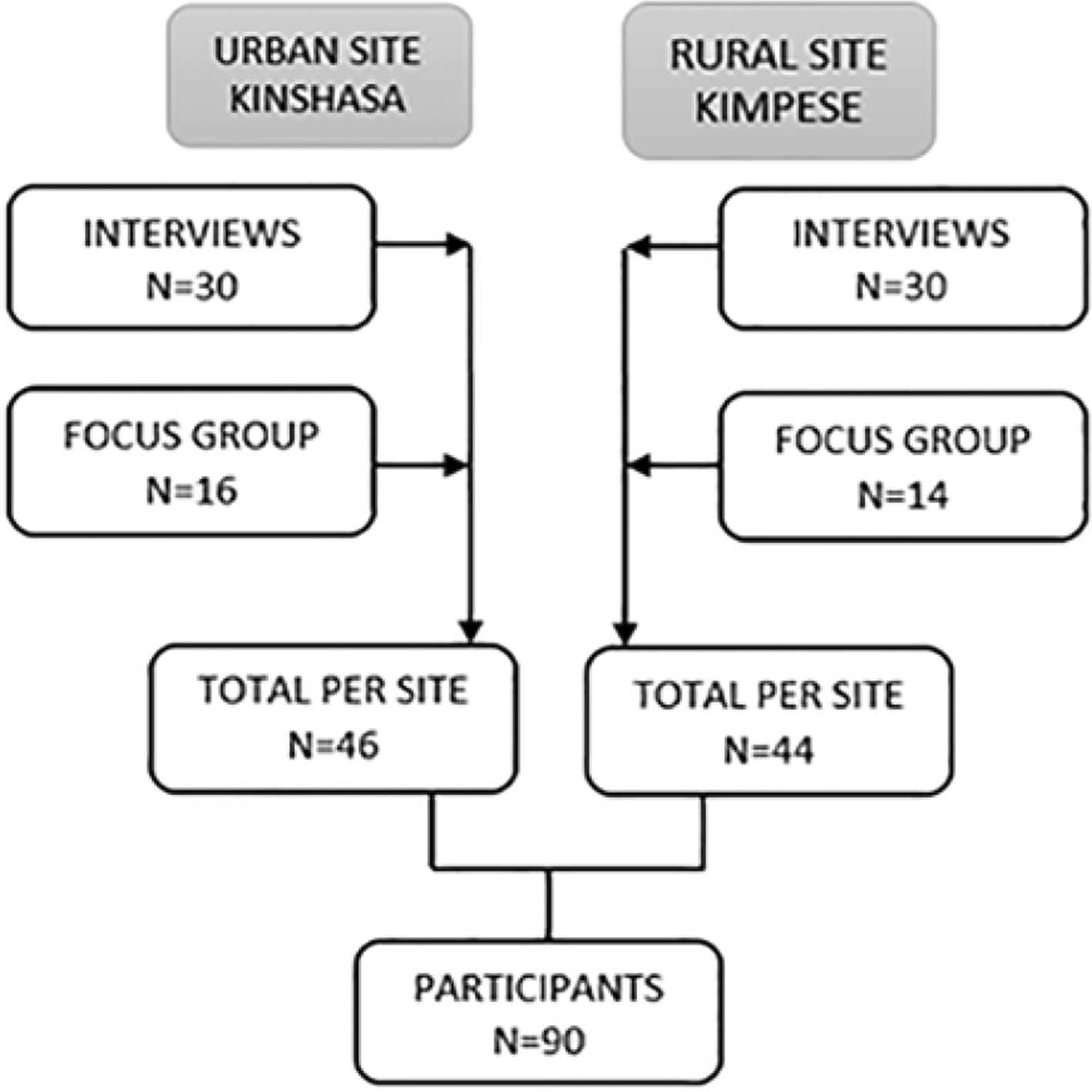
Figure 1. Flow chart.
The quantitative component includes 60 individuals, evenly divided between rural (30) and urban (30) settings. For the qualitative strand, two focus groups were organized at the
Centre Hospitalier du Mont Amba, in Kinshasa, comprising 8 men and 8 women. In the Kimpese health zone, discussions were held separately with 8 men in the village of Kilueka, and 6 women in the village of Yanga dia Songa (
Figure 1).
Sociodemographic characteristics
The study participants median age was 38 years in the rural group versus 36 years in the urban group, with no significant diffrences observed across age categories. Similarly, the gender distribution wa balanced across group, with women representing 43% of te rural sample versus 47% for urban sample.
Table 1. Sociodemographic characteristics of respondents by study site.
| Characteristic | Rural (n = 30)
a
| Urbain (n = 30)
a
| Total
(N = 60)
a
|
p-value
b
|
|---|
|
Age
| 38 (31, 49) | 36 (27, 49) | 37 (28, 49) | 0.3 |
|
Age category
| | | | >0.9 |
| > 50 ans | 7 (23) | 7 (23) | 14 (23) | |
| ≤ 50 ans | 23 (77) | 23 (77) | 46 (77) | |
|
Sex
| | | | 0.8 |
| Female | 13 (43) | 14 (47) | 27 (45) | |
| Male | 17 (57) | 16 (53) | 33 (55) | |
|
Education level
| | | |
0.004
|
| Primary | 3 (10) | 2 (6.7) | 5 (8.3) | |
| Secondary | 18 (60) | 7 (23) | 25 (42) | |
| High school | 9 (30) | 21 (70) | 30 (50) | |
|
Respondent’s occupation
| | | |
<0.001
|
| Craftsman | 0 (0) | 1 (3.3) | 1 (1.7) | |
| Student | 0 (0) | 6 (20) | 6 (10) | |
| Farmer/Cultivator | 11 (37) | 1 (3.3) | 12 (20) | |
| Government employee | 11 (37) | 15 (50) | 26 (43) | |
| Nurse | 7 (23) | 0 (0) | 7 (12) | |
| Mason | 1 (3.3) | 0 (0) | 1 (1.7) | |
| Unemployed | 0 (0) | 7 (23) | 7 (12) | |
|
Religion
| | | | 0.065 |
| Animist | 0 (0) | 1 (3.3) | 1 (1.7) | |
| Other | 3 (10) | 0 (0) | 3 (5.0) | |
| Indigenous church | 6 (20) | 2 (6.7) | 8 (13) | |
| Islam | 0 (0) | 1 (3.3) | 1 (1.7) | |
| Christian | 21 (70) | 26 (87) | 47 (78) | |
Rural participants were predominantly secondary school graduated (60%), whereas only 30% have attained a higher or university education. In urban areas, by contrast, 70% of respondents had a higher or university –level qualification versus 23% for secondary school diploma. The observed difference was statistically significant (p = 0.004). The occupations held also markedly differed between the two environments (p < 0.001). In rural areas, 37% of participants were either farmers or government employees, followed by nurses (23%). In urban areas, the majority were civil servants (50%), followed by students (20%) and the unemployed (23%). Most participants sef-identified as Christian 70% in rural areas and 87% in urban areas.
COVID-19 Knowledge
Sources of information
Information channels included traditional media, social media, healthcare professionals, government authorities, and personal networks (family and friends)
Figure 2 highlights the predominance of traditional media, with radio and television emerging as the most cited sources of health information, while online platforms and international organizations remains marginal.
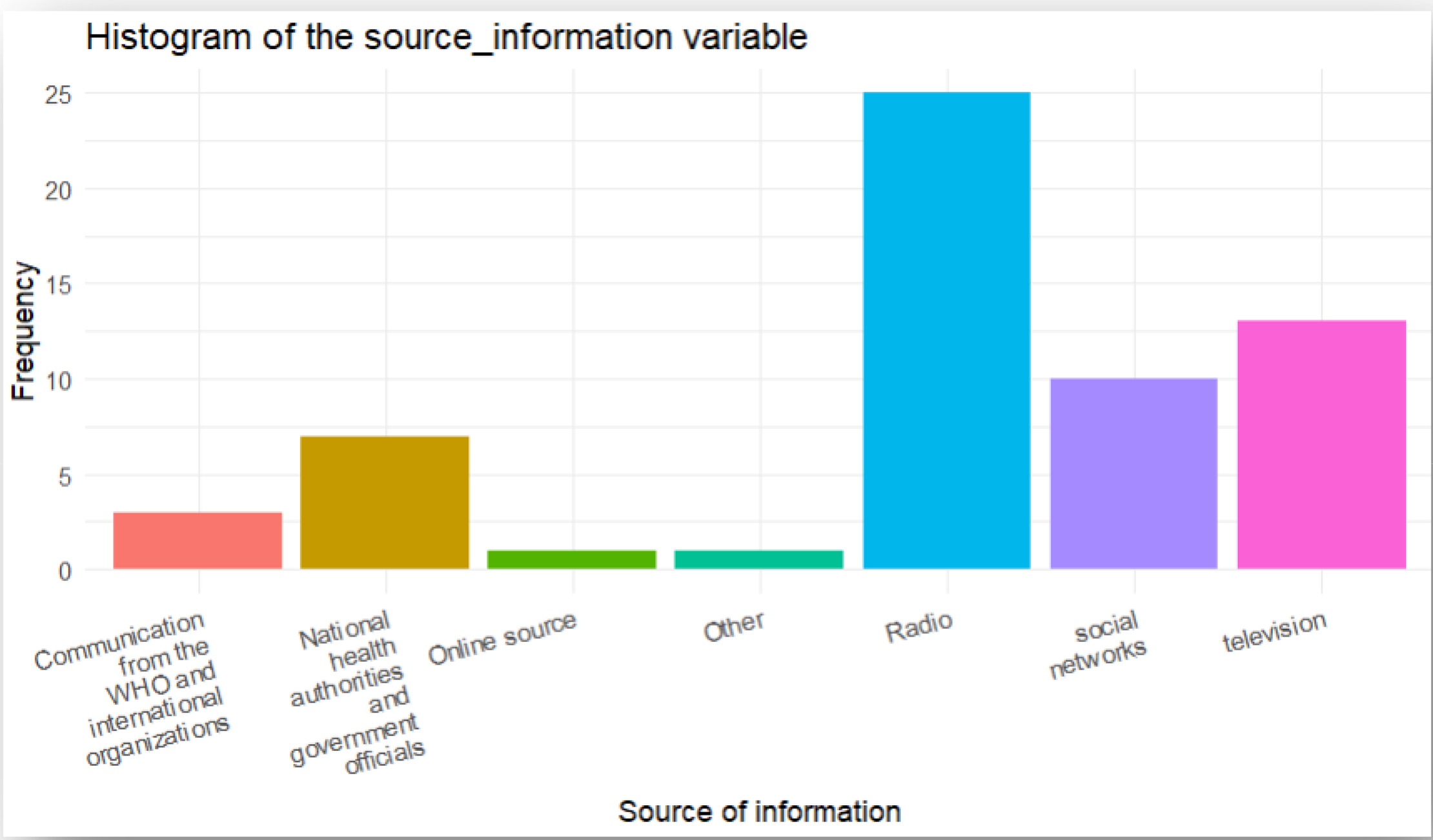
Figure 2. Distribution of sources of information on COVID-19.
Knowledge of government’s measures against COVID-19
Awareness of government measures for visible interventions such as mask wearing, lockdown, border closure and bans on public gatherings was highest across both settings with no significant differences observed. In contrast, significant disparities emerged for social and economic interventions: awareness of social policies was higher in urban areas (33% vs. 10%, p = 0.028), and economic policies were reported exclusively by urban respondents (23% vs. 0%, p = 0.011) (
Figure 3).
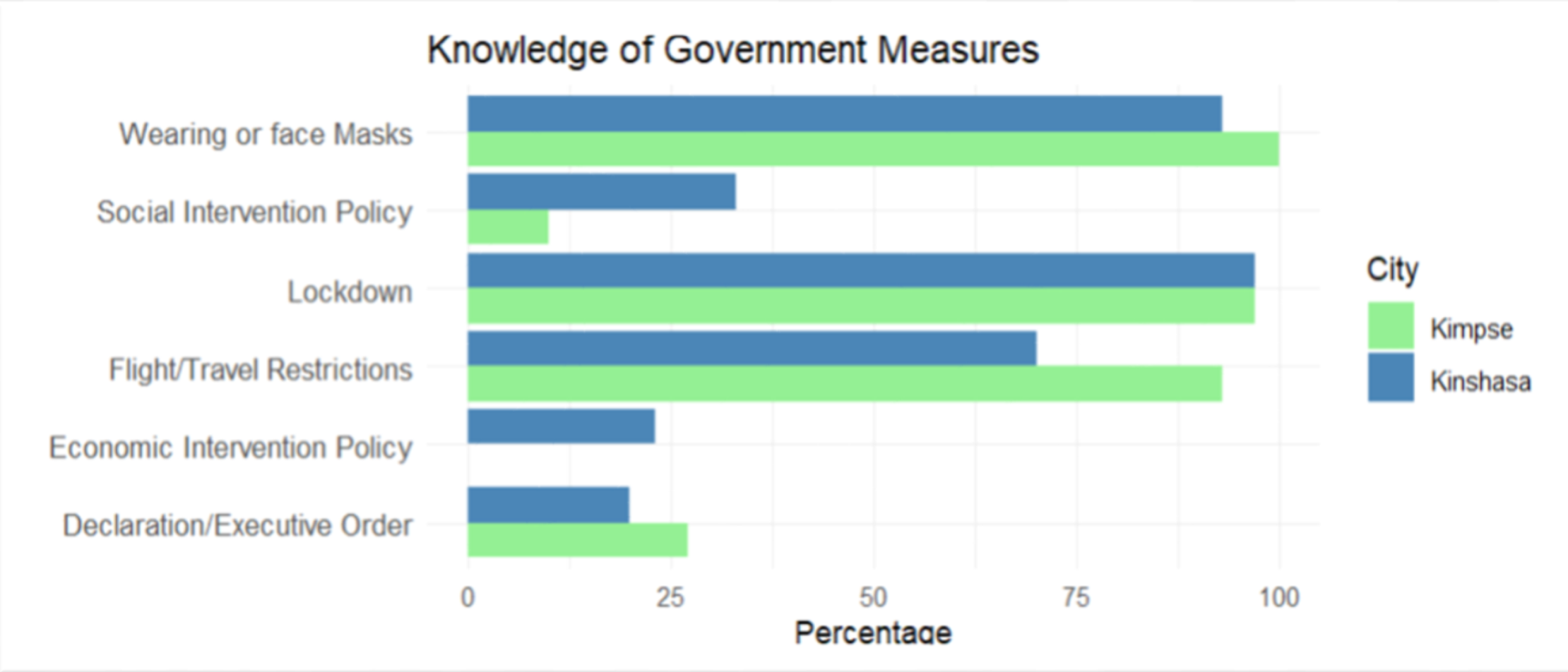
Figure 3. Knowledge of government measures by site.
Attitude toward the response to COVID-19
Satisfaction with government measures was markedly higher among rural residents, while urban populations expressed greater dissatisfaction or uncertainty, underscoring geographic disparities in public perception (
Figure 4). The difference between sites was statistically significant (p = 0.0164). statistically significant (p = 0.0164).
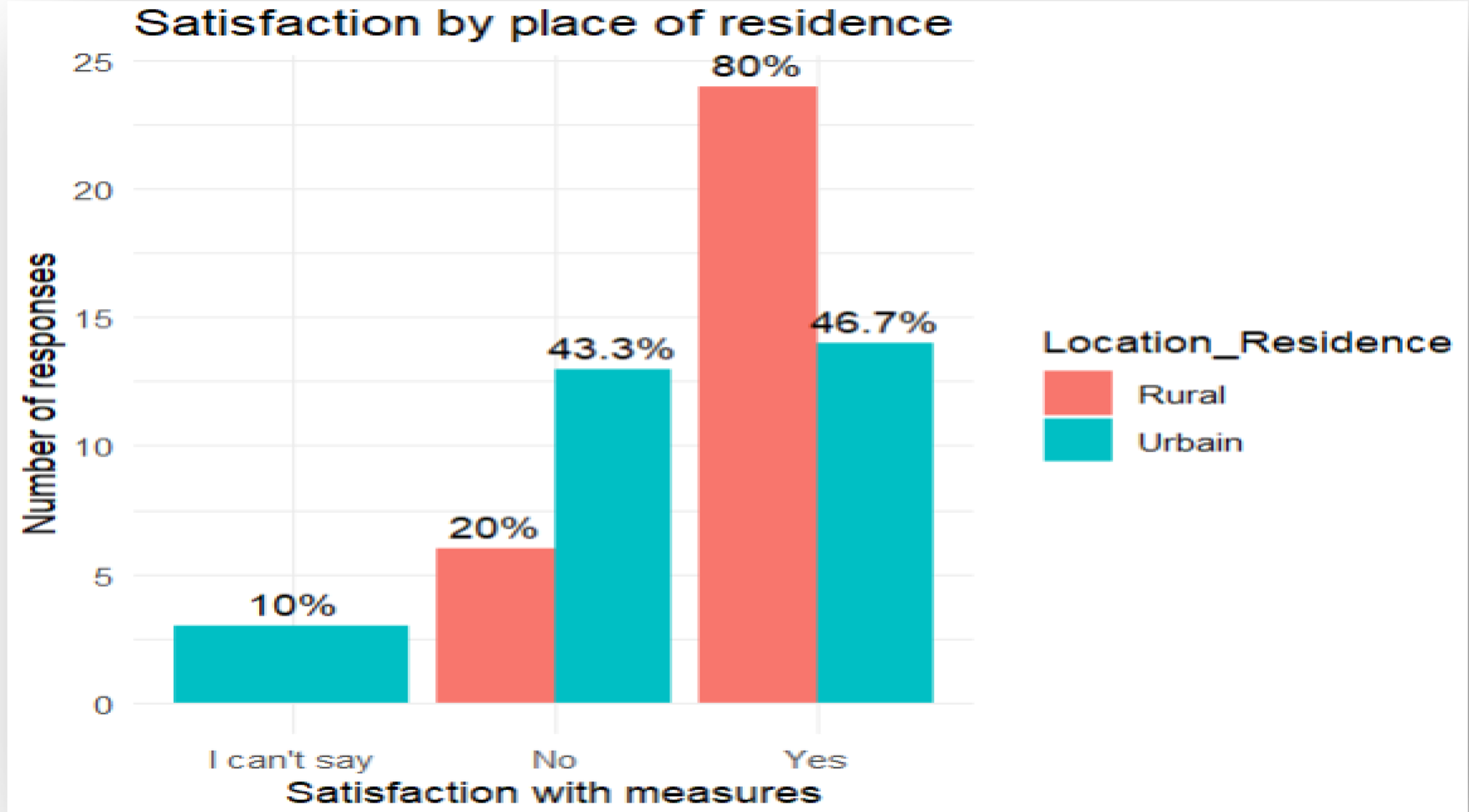
Figure 4. Respondents’ satisfaction with measures taken, stratified by residence.
Perception of the Government’s response to COVID-19
Respondents’ perceptions of the government’s response to the Covid-19 pandemic varied significantly by place of residence (
Table 2). While several views were broadly shared across groups, rural residents reported lower satisfaction with access to services, testing, and protective measures compared to their urban counterparts.
Table 2. Perception of the government’s response to COVID-19 (Adapted from COVID Score-10 questionnaire, Lazarus
et al.,
2020).
| Questions | Rural (n = 30)
a
| Urbain (n = 30)
a
| Total (N = 60)
a
| Lazarus Score (Yes = 1, No = 0,Partial = 0.5) |
p-value
b
|
|---|
|
The government helped me and my family to meet our daily needs during the COVID-19 epidemic in terms of income, food and housing.
| | | | | |
|
No
| 30 (100) | 30 (100) | 60 (100) | 0.0 | |
|
The government has communicated clearly to ensure that everyone has the information they need to protect themselves and others from COVID-19, regardless of socio-economic level, migrant status, ethnicity or language.
| | | | | 0.3 |
|
Partially
| 1 (3.3) | 4 (13) | 5 (8.3) | | |
|
No
| 8 (27) | 5 (17) | 13 (22) | | |
|
Yes
| 21 (70) | 21 (70) | 42 (70) | 0.7 | |
|
I trusted the government’s reports on the spread of the epidemic and the statistics on the number of cases of COVID-19 and deaths.
| | | | | 0.3 |
|
Partially
| 1 (3.3) | 3 (10) | 4 (6.7) | | |
|
No
| 9 (30) | 13 (43) | 22 (37) | | |
|
Yes
| 20 (67) | 14 (47) | 34 (57) | 0.57 | |
|
The government had a strong pandemic response team, including public health and medical experts, to manage our national response to the COVID-19 outbreak.
| | | | | 0.054 |
|
Partially
| 1 (3.3) | 7 (23) | 8 (13) | | |
|
No
| 7 (23) | 8 (27) | 15 (25) | | |
|
Yes
| 22 (73) | 15 (50) | 37 (62) | 0.62 | |
|
The government has given everyone access to a free and reliable screening test for COVID-19 in the event of symptoms.
| | | | |
0.001
|
|
Partially
| 4 (13) | 7 (23) | 11 (18) | | |
|
No
| 11 (37) | 0 (0) | 11 (18) | | |
|
Yes
| 15 (50) | 23 (77) | 38 (63) | 0.63 | |
|
The government ensured that we always had full access to the health services we needed during the epidemic.
| | | | |
0.001
|
|
Partially
| 1 (3.3) | 13 (43) | 14 (23) | | |
|
No
| 12 (40) | 7 (23) | 19 (32) | | |
|
Yes
| 17 (57) | 10 (33) | 27 (45) | 0.45 | |
|
The government provided special protections for vulnerable groups at higher risk such as the elderly, the poor, migrants, prisoners and the homeless during the COVID-19 epidemic.
| | | | |
0.002
|
|
Partially
| 2 (6.7) | 11 (37) | 13 (22) | | |
|
No
| 28 (93) | 16 (53) | 44 (73) | | |
|
Yes
| 0 (0) | 3 (10) | 3 (5.0) | 0.05 | |
|
The government has ensured that healthcare workers have the necessary personal protective equipment to protect themselves from COVID-19 at all times.
| | | | |
0.037
|
|
Partially
| 7 (23) | 7 (23) | 14 (23) | | |
|
No
| 11 (37) | 3 (10) | 14 (23) | | |
|
Yes
| 12 (40) | 20 (67) | 32 (53) | 0.53 | |
|
The government provided mental health services to help people suffering from loneliness, depression and anxiety caused by the COVID-19 epidemic.
| | | | |
0.001
|
|
Partially
| 0 (0) | 10 (33) | 10 (17) | | |
|
No
| 25 (83) | 17 (57) | 42 (70) | | |
|
Yes
| 5 (17) | 3 (10) | 8 (13) | 0.13 | |
|
The government cooperated with other countries and international partners such as the World Health Organisation (WHO) to combat the COVID-19 pandemic.
| | | | | 0.2 |
|
Partially
| 2 (6.7) | 0 (0) | 2 (3.3) | | |
|
No
| 1 (3.3) | 0 (0) | 1 (1.7) | | |
|
Yes
| 27 (90) | 30 (100) | 57 (95) | 0.95 | |
All respondents, regardless of residence, unanimously reported that the government did not provide assistance to households in meeting daily needs (income, food, and housing) during the epidemic (100% “No”), indicating a perceived absence of direct socio-economic support.
Seventy percent of respondents across both settings considered governmental communication clear to enable protective behaviours against Covid-19. A notable minority judged communication partial or insufficient, with no statistically significant difference between rural and urban groups (p = 0.3).
Overall, 57% of respondents expressed trust in official reports and statistics. Confidence was slightly higher in rural areas (67%) compared to urban areas (47%), though this difference was not statistically significant (p = 0.3).
A majority (62%) perceived the existence of a strong national response team. Rural respondents reported greater confidence (73%) than urban respondents (50%), a difference approaching statistical significance (p = 0.054).
Significant disparities were observed in access to free and reliable testing. Urban respondents reported greater access (77%) compared to rural ones (50%), while 37% of rural participants reported no access (p = 0.001).
Access to health services during the epidemic differed significantly by residence (p = 0.001). Rural respondents frequently reported satisfactory access (57%), whereas urban respondents mostly reported partial access (43%).
Most respondents (73%) perceived that the government did not provide specific protections for vulnerable populations. This perception was particularly pronounced in rural areas (93%), while urban respondents more frequently acknowledged partial or positive action, a statistically significant difference (p = 0.002).
Perceptions of PPE availability for healthcare workers were more favourable in urban settings (67%) than in rural settings (40%), a statistically significant difference (p = 0.037).
Mental health support during the pandemic was deemed insufficient by 70% of respondents. Perceptions significantly differed by residence (p = 0.001): urban respondents frequently reported partial provision, whereas rural respondents predominantly acknoweldged a complete absence of services.
International cooperation was widely recognized, with 95% of respondents affirming that the government collaborated with international partners, including the World Health Organization. No significant difference was observed between rural and urban groups (p = 0.2).
Focus group results
In Kinshasa, 67% of participants reported trusting government accounts of the pandemic, compared with 47% in Kimpese. Likewise, 73% of Kinshasa respondents believed the government had a strong pandemic response team, while only half of those in Kimpese shared this view.
Access to testing
varied: in Kinshasa, half of respondents said they had free and reliable access, though some questioned reliability— “
Yes, there were free laboratory tests, which were very important and available, but they weren’t reliable. Yes, everyone was entitled to a free COVID screening test”. Others noted that “
The tests were paid for at the airport when you travelled abroad, costing US$30 or US$40.”
In contrast, 77% of participants in Kimpese reported free testing, mainly at the Evangelical Medical Institute (IME), where one explained:
“In Kimpese, Covid-19 tests were carried out at the IME to detect positive cases and isolate them from the rest of the population.”
Preventive measures and lockdown
Participants in Kinshasa were highly aware of mitigation measures such as mask mandates, bans on gatherings, and travel restrictions.
One recalled: “
There were adverts on television to raise people’s awareness, water to wash your hands was placed in supermarkets, banks, shops, schools and hospitals.” Another added: “
Of course, but it was serious at the start of the pandemic, hand washing had a good impact.”
Yet, lockdown enforcement was inconsistent: “
No, because where I live there has never been any containment.” Travel restrictions were described as uneven: “
The instructions were there, but they weren’t respected, because people travelling within the country travelled easily; there was much more rigour for those travelling outside the country.”
In Kimpese, preventive measures were also emphasized. A resident of Kilueka explained: “
There was a lot of pressure on hand washing, physical distancing and the wearing of masks everywhere.”
Others noted disparities between capital and provinces.
“
The capital is more overcrowded than our province. For example, here you can travel just as many kilometres without meeting ten or fifteen people along the way. You can leave our village and go to the next village without meeting a single person on the way, so you’re free to move around. But in the big centres you must be very careful, because there are lots of people moving around at the same time, and you shouldn’t get mixed up with them, because you run the risk of contaminating yourself”.
Lockdown was often seen as harmful:
“
In my opinion, this lockdown was not a good thing, it put us in a difficult situation, because it was impossible to manage to find enough to feed our children. Apart from that, the state banned school, so the children stayed at home for a long time, which was a real disruption, and I didn’t like it”.
Treatment protocols
In Kinshasa, hospital staff adapted existing protocols: “
There was a protocol that we adapted for anyone positive for COVID-19 to follow but not a new specific drug, this protocol was effective for the majority of patients even if some showed resistance.” Traditional remedies were also used: “
Yes, the traditional plant-based medicines (kongo bololo, sinda, bulukutu).”
In Kimpese, traditional fumigation practices were common: “
I can add that COVID-19 used to scare us when you had intermittent fevers and a persistent cough, so we had to start thinking about fumigation, which is a traditional practice that helped us to resolve the problem a little without using modern medicines. … The leaves used in this practice were “kongo ya sika”, “mbota”, “acacia”, “mazudi”, lemon leaves and other plants. All these plant leaves were boiled in the same pot and then tipped into a bucket to inhale the steam they gave off.
Disruption of routine services
Kinshasa respondents reported disruptions due to fear and lack of protective equipment: “
Certain diseases were neglected, such as HIV, and all patients who came in with symptoms similar to those of COVID were received with difficulty and designated as suffering from COVID”.
In Kimpese, participants generally felt routine healthcare was not disrupted.
Strategies for improving future responses
Kinshasa participants emphasized awareness and equity: “
Raise people’s awareness in a down-to-earth way … Covid was referred to as a disease of the rich and white.” Another added: “
Give people on low incomes the means to protect themselves … the government needs to show more responsibility.”
Kimpese respondents highlighted material support: “
Masks and hand washing equipment should be free, and food should be provided during pandemics.”.
Others stressed equipment and clarity: “
the government needs to improve the health systems, especially in terms of equipment, so that this problem of confusion no longer exists. If there is a good screening device, then COVID will be COVID and malaria will remain malaria”.
Gains from the pandemic
Despite challenges, some participants identified positive outcomes. Farmers noted improved border controls: “
Thanks to COVID-19, checks are even carried out at provincial entrances … this can help the government respond better in the future.”
Discussion
This mixed-methods study, conducted in both rural and urban settings of DRC, explored the knowledge, attitudes, and perceptions of health professionals and community members regarding the government’s response to the COVID-19 pandemic. While rural and urban populations were broadly comparable in terms of age and sex, they significantly differed in educational attainment and professional profiles. These contrasts underscore the distinct professional dynamics shaped by geographical context, which may in turn influence perceptions of, access to, and adherence to preventive strategies.
34
,
35
Religion also emerged as a factor shaping community responses, as observed in other contexts such as Nigeria.
36
–
40
Traditional and social media were the most frequently cited sources of information, highlighting their central role in the rapid dissemination of pandemic-related messages. At the same time, these platforms served as major conduits of misinformation, fueling rumours and misconceptions.
41
Fridman further noted that in the United States, adults over 65 years and white populations expressed greater trust in government sources. In contrast, healthcare professionals and government authorities were consulted less often, particularly by younger respondents, despite being perceived as more reliable sources, as reported in studies from Nigeria and Saudi Arabia.
40
,
42
–
44
Our findings suggest that basic health measures were widely disseminated, reflecting effective communication of visible and restrictive policies. However, limited awareness of formal decrees points to gaps in public understanding of institutional frameworks. Rural–urban disparities in knowledge of socio-economic interventions reveal unequal access to information, likely linked to proximity to decision-making centers and media outlets. Urban populations were inundated with contradictory messages, while rural communities relied more heavily on health workers, community radio, and oral traditions.
22
,
24
,
45
,
46
The nickname “passport holder’s disease” illustrates both the perceived origin of COVID-19 and the social categorization of patients.
30
,
47
Communication was further undermined by errors and inconsistencies, such as the misreporting of the first case outside Kinshasa, initially attributed to North Kivu but later confirmed in Ituri.
23
,
48
,
49
Sensational narratives on social media eroded fragile trust in government communication, and perceptions of neglect persisted.
17
,
18
,
50
–
52
Strengthening communication in rural areas remains essential to ensure equitable uptake of government support.
Rural respondents reported significantly higher satisfaction with government measures compared to urban residents. This difference reflects the heavier economic and social impact of restrictions in cities, such as travel bans, business closures, and service disruptions, combined with broader access to information and debates on pandemic management. The presence of health checkpoints reassured communities, alleviating insecurity among populations indirectly affected by ongoing conflict in eastern DRC.
53
Place of residence thus emerges as a key determinant of perceptions of the COVID-19 response, underscoring the need for policies tailored to diverse contexts.
28
,
54
,
55
Beyond the fragility of the health system, the government faced challenges related to poor resource management, weak information sharing, and strikes triggered by delayed risk premiums for healthcare workers.
14
,
22
,
24
,
52
,
56
,
57
Measures profoundly disrupted daily life: fines for not wearing masks led to police abuse,
58
,
59
Kinshasa’s quarantine collapsed amid market chaos, and restrictions hindered food production and transport.
23
,
60
,
61
Community life was further strained by bans on gatherings,
44
worsening poverty, malnutrition, delinquency,
62
–
64
childhood diseases, and limiting women’s empowerment.
65
,
66
From the earliest weeks, Gombe township, Kinshasa’s administrative and medical hub, was confined, leading to suspension of routine care, including maternal and child health services, and prompting reliance on traditional medicine.
56
,
63
,
67
–
72
The Lazarus score of 5.6, slightly above the global average of 5.2, reflects a moderate perception of government response relative to worldwide assessments of pandemic management. Strengths included communication, international cooperation, and the presence of a response team. Weaknesses were evident in the lack of support for daily needs, limited protection of vulnerable groups, and inadequate mental health services. This score was marginally higher than that reported in Nigeria (4.6) and France (4.9), yet remained well below those observed in China (8.0) and South Africa (6.4).
33
,
39
To our knowledge, this study is the first to systematically compare the knowledge, attitudes, and perceptions of rural and urban communities regarding the government’s management of the COVID-19 pandemic in the DRC. A key limitation lies in its qualitative design and relatively small sample size, which restricts generalizability. Another limitation concerns the timeframe: data collection occurred more than two years after the initial governmental response, which may have introduced recall bias. Despite these constraints, the study provides valuable insights into disparities between urban and rural populations and highlights dimensions essential for strengthening public health strategies across diverse sociocultural contexts.
Conclusion
This study provides the first systematic comparison of rural and urban perceptions of the government’s COVID-19 response in DRC. Findings reveal that geography, information channels, and socio-economic context strongly shaped knowledge, attitudes, and trust. While preventive measures were widely communicated, gaps in awareness of institutional frameworks and unequal access to socio-economic support highlight persistent disparities. The moderate Lazarus score underscores both strengths, such as communication and international cooperation, and weakness, including fragile trust and limited protection of vulnerable groups. Despite limitations of sample size and recall bias, these insights emphasize the need for tailored, equitable strategies that strengthen communication, resource management, and community engagement across diverse settings.
Data availability statement
The raw data collected in this study—individual forms, audio recordings, and interview transcripts with identifiable participants—cannot be shared due to data privacy regulations. However, researchers may request access to aggregated and anonymized data by contacting the corresponding author, Mireille Ngale Amba (
mireille.ngale@unikin.ac.cd), for research purposes.
Author contributions
Institutional review board statement
The study was approved by the Ethics Committee of the Protestant University in Congo on 21 August 2023 (CEUPC_0109). The study has been conducted in accordance with the Declaration of Helsinki.
Informed consent statement
The recruitment procedure and the informed consent form were approved by the ethics committee. Written informed consent has been obtained from all participants. As some participants were illiterate and in order to standardise the informed consent process, oral informed consent with a third-party witness was obtained from each participant. The participants were notified that participation was voluntary, and they could withdraw at any time without consequences. A copy of the consent form signed by the witness was given to the participant to keep.
Acknowledgments
Thanks to all authors for their contributions to this article.
References
-
World Food Program:
Impact of COVID-19 outbreak on supply chains, regional trade, markets and food security in East Africa.2020.
Reference Source
-
Murewanhema
G
Dzinamarira
T
:
The COVID-19 pandemic: public health responses in sub-Saharan Africa.
Int J Environ Res Public Health. MDPI.
2022;19(8):4448.
PubMed Abstract
Publisher Full Text
Free Full Text
-
Nkengasong
JN
Mankoula
W
:
Looming threat of COVID-19 infection in Africa: act collectively, and fast.
Lancet.
Lancet Publishing Group.2020;395(10227):841–842.
PubMed Abstract
Publisher Full Text
Free Full Text
-
Chung
YS
Lam
CY
Tan
PH
et al.
:
Comprehensive review of COVID-19: epidemiology, pathogenesis, advancement in diagnostic and detection techniques, and post-pandemic treatment strategies.
Int J Mol Sci.
Multidisciplinary Digital Publishing Institute (MDPI).2024;25(15):8155.
PubMed Abstract
Publisher Full Text
Free Full Text
-
World Health Organization (WHO):
WHO coronavirus disease (COVID-19) dashboard.[cited2023 Apr 9].
Reference Source
-
Bukome
D
Kingoma Munganga
JP
:
CONNECTIVITÉ ET ACCESSIBILITÉ DU RÉSEAU ROUTIER DE LA RÉPUBLIQUE DÉMOCRATIQUE DU CONGO.2002:42.
Reference Source
-
Onuinfo:
« La Covid-19 n’est pas terminée », prévient le chef de l’OMS à l’ouverture de l’Assemblée mondiale de la santé/2022/05/1120442.2022; [cited2024 Feb 10].
Reference Source
-
Yeboua
K
Cilliers
J
Kwasi
S
:
Réveiller le géant endormi. Trajectoires de développement de la République Démocratique du Congo à l’horizon 2050.2021.
Reference Source
-
Gerstl
S
Sauter
J
Kasanda
J
et al.
:
Who can afford health care? Evaluating the socio-economic conditions and the ability to contribute to health care in a post-conflict area in DR Congo.
PLoS One.
2013;8(10):e77382.
PubMed Abstract
Publisher Full Text
Free Full Text
-
Stasse
S
Vita
D
Kimfuta
J
et al.
:
Improving financial access to health care in the Kisantu district in the Democratic Republic of Congo: acting upon complexity.
Glob Health Action.
2015;8(1):25480.
Publisher Full Text
-
Batana
YM
Jarotschkin
A
Konou
A
et al.
:
Profiling Living Conditions of the DRC Urban Population.
World Bank Group Poverty and Equity Global Practice [Internet].
2021 Nov[cited 2025 Feb 15].
Reference Source
-
Kandala
NB
Madungu
TP
Emina
JBO
et al.
:
Malnutrition among children under the age of five in the Democratic Republic of Congo (DRC): does geographic location matter?
BMC Public Health.
2011;11:261.
PubMed Abstract
Publisher Full Text
Free Full Text
-
Kibala Kuma
J
: Pauvreté et chômage en République Démocratique du Congo: état des lieux, analyses et perspectives.
Reference Source
-
Lordemus
S
:
Colonial origins and health system performance in the D.R. Congo.February, 2021.
Reference Source
-
Monizi
M
Bongo
GN
Afonso
E
et al.
:
Food security and livelihood of rural households of Songololo territory in Kongo Central Province, Democratic Republic of the Congo.
J Glob Health Econ Policy.
2017;2(3):97–103.
Reference Source
-
Scheil-Adlung
X
:
Global evidence on inequities in rural health protection: new data on rural deficits in health coverage for 174 countries.
Geneva;2015.
Reference Source
-
World bank:
Suivi de l’impact du COVID-19 dans l’est de la RDC - Reprise inégale de la rentrée scolaire.2023; [cited 2024 Feb 9].
Reference Source
-
Diwambuena
J
Musimwa
I
Tsasa
JPK
:
Covid-19 and Cost of Living in Developing Countries.2020.
Publisher Full Text
-
Manyong
V
Bokanga
M
Akonkwa Nyamuhirwa
DM
et al.
:
COVID-19 outbreak and rural household food security in the Western Democratic Republic of the Congo.
World Dev Perspect.
2022;28:100469.
Publisher Full Text
-
Ayouni
I
Maatoug
J
Dhouib
W
et al.
:
Effective public health measures to mitigate the spread of COVID-19: a systematic review.
BMC Public Health.
2021 Dec 29;21(1):1015.
PubMed Abstract
Publisher Full Text
Free Full Text
-
PREC:
IPSOS [Internet].2022[cited 2024 Oct 22]. Responding to COVID-19 in Africa: finding the balance, Part IV calls to action.
Reference Source
-
Kashiya
Y
Ekofo
J
Kabanga
C
et al.
:
Multilevel Governance and Control of the COVID-19 Pandemic in the Democratic Republic of Congo: Learning from the Four First Waves.
Int J Environ Res Public Health.2023 Feb 1;20(3).
PubMed Abstract
Publisher Full Text
Free Full Text
-
Mabasi Mayala
G
Niangi Malonga
L
Wembo Lombela
G
et al.
:
The first year of COVID-19 in the Democratic Republic of Congo: Crisis management’s review in a decentralized health system.
Ann Afr Med.
2022 Mar;15.
Publisher Full Text
-
Nachega
JB
Mbala-Kingebeni
P
Otshudiema
J
et al.
:
Responding to the challenge of the dual Covid-19 and ebola epidemics in the democratic republic of congo’priorities for achieving control.
Am J Trop Med Hyg.2020;103:597–602.
PubMed Abstract
Publisher Full Text
Free Full Text
-
VOAAFRIQUE:
Tshisekedi décrète l’état d’urgence et interdit les voyages entre Kinshasa et les provinces.2020; [cited 2024 Feb 10].
Reference Source
-
Iyenda
G
:
Street enterprises, urban livelihoods and poverty in Kinshasa.
Environ Urban.
2005;17(2):55–67.
Publisher Full Text
-
Ditekemena
JD
Nkamba
DM
Muhindo
HM
et al.
:
Factors associated with adherence to COVID-19 prevention measures in the Democratic Republic of the Congo (DRC): results of an online survey.
BMJ Open.
2021;11(1):e043356.
Publisher Full Text
-
Juma
CA
Mushabaa
NK
Salam
FA
et al.
:
Covid-19: The current situation in the democratic republic of congo.
Am J Trop Med Hyg.
2020;103:2168–2170.
PubMed Abstract
Publisher Full Text
-
World Population review. Kinshasa:
DR Congo.
Population.
2024:2024.
-
First case of COVID-19 confirmed in the Democratic Republic of the Congo:
WHO Regional Office for Africa.[cited2024 Dec 13].
Reference Source
-
Fumwakwau
JK
Derra
K
Nzolo
DB
et al.
:
Cohort Profile: Kimpese Health and Demographic Surveillance System, Democratic Republic of Congo.
Int J Epidemiol.
2024 Oct 13;53(6).
PubMed Abstract
Publisher Full Text
-
Mapaction:
Mapaction.org: Territoires des Provinces de Kongo-Central et Kinshasa.2022; [cited 2024 Nov 20].
Reference Source
-
Lazarus
JV
Ratzan
SC
Palayew
A
et al.
:
A global survey of potential acceptance of a COVID-19 vaccine.
Nat Med.
2021;27(2):225–228.
PubMed Abstract
Publisher Full Text
Free Full Text
-
Adams
F
Attuquayefio
PK
Kipo-Sunyehzi
DD
:
Africa centers for disease control and prevention and other global partners’ role in the fight against COVID-19 in Africa: an analysis of frontline health workers’ perspectives.
J Glob Health Sci.
2022;4(2):e15.
Publisher Full Text
-
Saqlain
M
Munir
MM
Rehman
SU
et al.
:
Knowledge, attitude, practice and perceived barriers among healthcare workers regarding COVID-19: a cross-sectional survey from Pakistan.
Journal of Hospital Infection.2020 Jul 1;105(3):419–423.
PubMed Abstract
Publisher Full Text
-
Ejeh
FE
Saidu
AS
Owoicho
S
et al.
:
Knowledge, attitude, and practice among healthcare workers towards COVID-19 outbreak in Nigeria.
Heliyon.
2020 Nov;6(11):e05557.
PubMed Abstract
Publisher Full Text
Free Full Text
-
Habib
MA
Dayyab
FM
Iliyasu
G
Habib
AG
.
Knowledge, attitude and practice survey of COVID-19 pandemic in Northern Nigeria.
PLoS One.2021;16(1):e0245176.
PubMed Abstract
Publisher Full Text
-
Hager
E
Odetokun
IA
Bolarinwa
O
et al.
:
Knowledge, attitude, and perceptions towards the 2019 Coronavirus Pandemic: A bi-national survey in Africa.
PLoS One.
2020 Jul 29;15(7):e0236918.
PubMed Abstract
Publisher Full Text
Free Full Text
-
Ratzan
S
Sommariva
S
Rauh
L
:
Enhancing global health communication during a crisis: lessons from the COVID-19 pandemic.
Public Health Res Pract.
2020 Jun 30;30(2).
Publisher Full Text
-
Reuben
RC
Danladi
MMA
Saleh
DA
et al.
:
Knowledge, Attitudes and Practices Towards COVID-19: An Epidemiological Survey in North-Central Nigeria.
J Community Health.
2021 Jun 7;46(3):457–470.
PubMed Abstract
Publisher Full Text
Free Full Text
-
Tsao
SF
Chen
H
Tisseverasinghe
T
et al.
:
What social media told us in the time of COVID-19: a scoping review.
Lancet Digit Health.
Elsevier Ltd;2021;3:e175–94.
PubMed Abstract
Publisher Full Text
Free Full Text
-
Alahdal
H
Basingab
F
Alotaibi
R
:
An analytical study on the awareness, attitude and practice during the COVID-19 pandemic in Riyadh, Saudi Arabia.
J Infect Public Health.
2020 Oct;13(10):1446–1452.
PubMed Abstract
Publisher Full Text
Free Full Text
-
Fridman
I
Lucas
N
Henke
D
et al.
:
Association between public knowledge about COVID-19, trust in information sources, and adherence to social distancing: cross-sectional survey.
JMIR Public Health Surveill.
2020;6(3):e22060.
PubMed Abstract
Publisher Full Text
Free Full Text
-
Lake
EA
Demissie
BW
Gebeyehu
NA
et al.
:
Knowledge, attitude and practice towards COVID-19 among health professionals in Ethiopia: A systematic review and meta-analysis.
PLoS One.2021;16(2):e0247204.
PubMed Abstract
Publisher Full Text
-
Heydari
ST
Zarei
L
Sadati
AK
et al.
:
The effect of risk communication on preventive and protective Behaviours during the COVID-19 outbreak: mediating role of risk perception.
BMC Public Health.
2021;21(1):54.
PubMed Abstract
Publisher Full Text
Free Full Text
-
Programme National des Comptes Nationaux de la Santé.
Rapport sur les Comptes de la Santé RDC 2018.
Kinshasa,2020.
-
Linka
K
Goriely
A
Kuhl
E
:
Global and local mobility as a barometer for COVID-19 dynamics.
Biomech Model Mechanobiol.
2021 Apr 15;20(2):651–669.
PubMed Abstract
Publisher Full Text
Free Full Text
-
Adebisi
YA
Rabe
A
Lucero-Prisno
DE
:
Risk communication and community engagement strategies for COVID-19 in 13 African countries.
Health Promot Perspect.
Tabriz University of Medical Sciences,2021;11(2):137–147.
PubMed Abstract
Publisher Full Text
Free Full Text
-
Jeuneafrique:
RDC: face au coronavirus, la riposte tâtonne.2020; [cited 2024 Feb 10].
Reference Source
-
Bargain
O
Aminjonov
U
:
Trust and compliance to public health policies in times of COVID-19.
J Public Econ.
2020;192:104316.
Publisher Full Text
-
Kouzy
R
Abi Jaoude
J
Kraitem
A
et al.
:
Coronavirus goes viral: quantifying the COVID-19 misinformation epidemic on twitter.
Cureus.
2020;12(3):e7255.
PubMed Abstract
Publisher Full Text
Free Full Text
-
Quattrochi
JP
Malemo
L
Niehuus
R
:
Impact of the 2018-2020 Democratic Republic of Congo Ebola epidemic on health system utilization and health outcomes.
J Glob Health Rep.
2023;7:7.
Publisher Full Text
-
Hilhorst
D
Mena
R
:
When Covid-19 meets conflict: politics of the pandemic response in fragile and conflict-affected states.
Disasters.
2021;45(S1):S174–S194.
PubMed Abstract
Publisher Full Text
Free Full Text
-
Lupande-Mwenebitu
D
Baron
SA
Nabti
LZ
et al.
:
Current status of resistance to antibiotics in the Democratic Republic of the Congo: A review.
J Glob Antimicrob Resist.2020 Sep;22:818–825.
PubMed Abstract
Publisher Full Text
-
Siddiquea
BN
Shetty
A
Bhattacharya
O
et al.
:
Global epidemiology of COVID-19 knowledge, attitude and practice: a systematic review and meta-analysis.
BMJ Open.2021 Sep 14;11(9):e051447.
PubMed Abstract
Publisher Full Text
-
Kasonia
K
Tindanbil
D
Kitonsa
J
et al.
:
The impact of the COVID-19 pandemic on the provision & utilisation of primary health care services in Goma, Democratic Republic of the Congo, Kambia district, Sierra Leone & Masaka district, Uganda.
PLoS One.
2023;18(6):e0286295.
PubMed Abstract
Publisher Full Text
Free Full Text
-
Wu
Z
McGoogan
JM
:
Characteristics of and Important Lessons From the Coronavirus Disease 2019 (COVID-19) Outbreak in China.
JAMA.
2020 Apr 7;323(13):1239.
Publisher Full Text
-
Feng
S
Shen
C
Xia
N
et al.
:
Rational use of face masks in the COVID-19 pandemic.
Lancet Respir Med.
2020 May;8(5):434–436.
PubMed Abstract
Publisher Full Text
Free Full Text
-
Le Figaro:
Covid-19 en RDC: un étudiant qui ne portait pas de masque tué par un policier [Internet].2021[cited 2024 Jan 30].
Reference Source
-
Akilimali
PZ
Kazenza
BM
Kabasubabo
FK
et al.
:
Household Food Insecurity During the COVID-19 Pandemic Between Slum and Non-Slum Areas in Kinshasa, DR Congo: A Cross-Sectional Study.
Foods.
2024 Nov 17;13(22):3657.
PubMed Abstract
Publisher Full Text
Free Full Text
-
Akilimali
PZ
Kazenza
B
Kabasubabo
F
et al.
:
Understanding Food Insecurity in Kinshasa During the COVID-19 Pandemic [Internet].2024.
Publisher Full Text
-
Karume
K
Mondo
JM
Chuma
GB
et al.
:
Current practices and prospects of climate-smart agriculture in democratic republic of congo: a review.
Land.
MDPI.2022;11(10):1850.
Publisher Full Text
-
Luijten
MAJ
Muilekom
MM
van
Teela
L
et al.
:
The impact of lockdown during the COVID-19 pandemic on mental and social health of children and adolescents.
Qual Life Res.2021 Oct 1;30(10):2795–2804.
PubMed Abstract
Publisher Full Text
Free Full Text
-
Ndejjo
R
Tusubiira
AK
Kiwanuka
SN
et al.
:
Consequences of school closures due to COVID-19 in DRC, Nigeria, Senegal, and Uganda.
PLoS Glob Public Health.
2023 Oct 16;3(10):e0002452.
Publisher Full Text
-
Fuhrman
S
Kalyanpur
A
Friedman
S
Tran
NT
:
Gendered implications of the COVID-19 pandemic for policies and programmes in humanitarian settings.
BMJ Glob Health.
BMJ Publishing Group;2020;5(5):e002624.
PubMed Abstract
Publisher Full Text
Free Full Text
-
Sevilla
A
Smith
S
:
Baby steps: the gender division of childcare during the Covid-19 pandemic. In:
Covid economics vetted and real-time papers.
CEPR;2020: pp.58–78.
PubMed Abstract
Publisher Full Text
Free Full Text
-
Altare
C
Matadi Basadia
L
Kostandova
N
et al.
:
The implementation of infection prevention and control measures and health care utilisation in ACF-supported health facilities during the COVID-19 pandemic in Kinshasa, Democratic Republic of the Congo, 2020.
Glob Health Action.
2023;16(1):2258711.
PubMed Abstract
Publisher Full Text
Free Full Text
-
Dzinamarira
T
Dzobo
M
Chitungo
I
:
COVID-19: a perspective on Africa’s capacity and response.
J Med Virol.
John Wiley and Sons Inc,2020;92(11):2465–2472.
PubMed Abstract
Publisher Full Text,
Free Full Text
-
Hategeka
C
Carter
SE
Chenge
FM
et al.
:
Impact of the COVID-19 pandemic and response on the utilisation of health services in public facilities during the first wave in Kinshasa, the Democratic Republic of the Congo.
BMJ Glob Health.
2021;6(7):e005955.
PubMed Abstract
Publisher Full Text
Free Full Text
-
Natuhoyila
AN
Nlombi
CM
Kabangi
HAT
et al.
:
Discrimination of the Socio-Economic Impact of the Corona Virus Disease Pandemic in Kinshasa, in the Democratic Republic of the Congo: A Population-Based Cross-Sectional Survey.
OAlib.
2021;8(4):1–13.
Publisher Full Text
-
Ngamaba
KH
Lombo
LS
Makopa
IK
et al.
:
Are COVID-19’s restrictive measures associated with people’s quality of life and the prevalence of anxiety and depression in Kinshasa in the Democratic Republic of Congo?
J Public Health Afr.
2022;13(3):13.
Publisher Full Text
-
WHO. Internet [Internet]:2021[cited 2024 Oct 23].
More than half a billion people pushed or pushed further into extreme poverty due to health care costs.
Reference Source