Introduction
The Azores Bullfinch, Pyrrhula murina Godman, 1866, is restricted to a small area that includes native laurel forest, in the east of the largest island (São Miguel) of the Azores archipelago (
Figure 1). It is thought to have diverged from its nearest sister species more than 1 MYA (Töpfer et al., 2011).
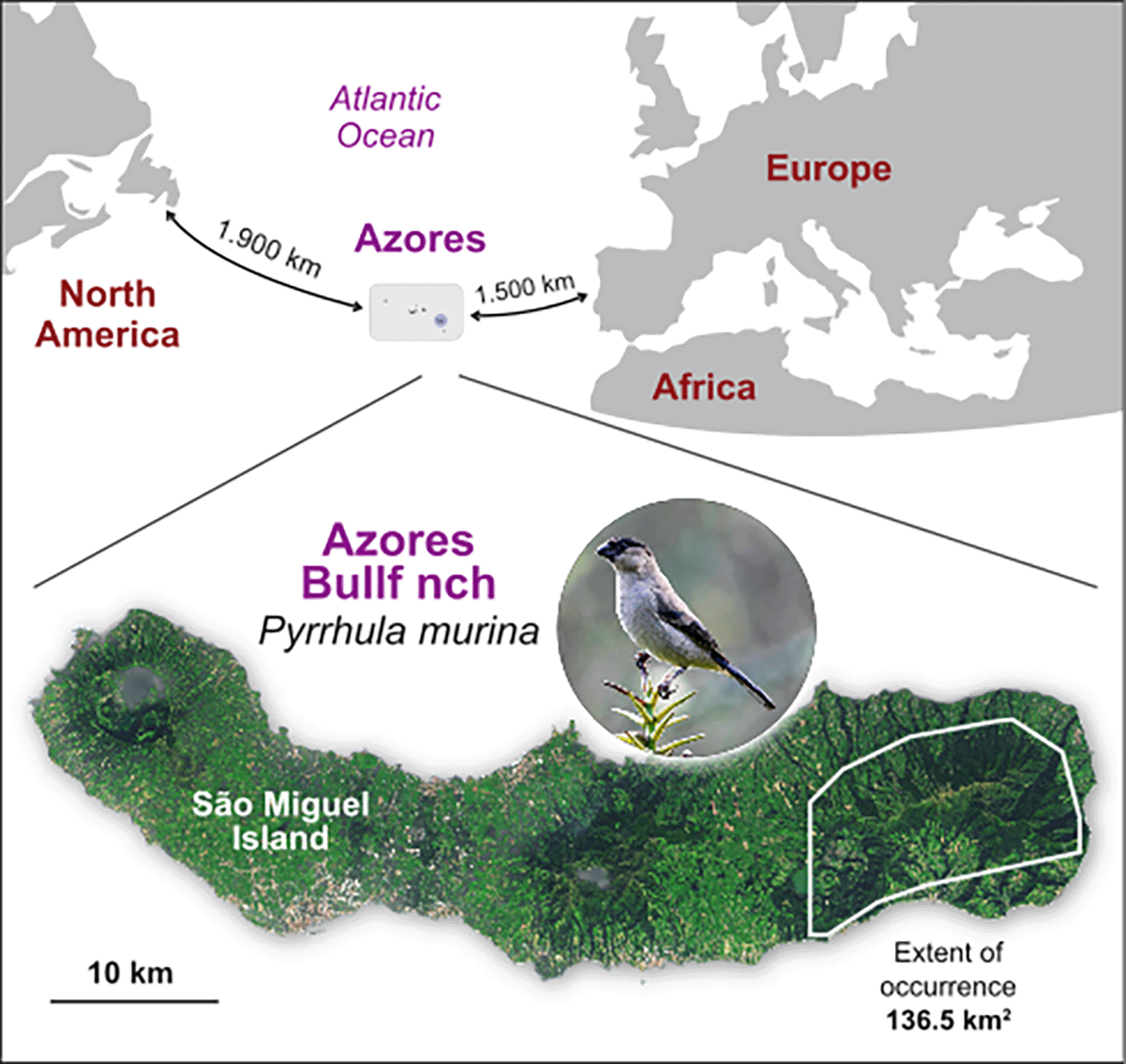
Figure 1. Spatial location of the Azores archipelago and the distribution range of the Azores Bullfinch (Pyrrhula murina) in the east part of São Miguel Island.
Also shown the latest estimates of the extent of occurrence, from Costa et al. (2023).
By the late 19th/early 20th century, the Azores Bullfinch was already very rare and restricted to the higher mountain valleys in the east of São Miguel island (Aubrecht, 2000). It was rediscovered only in the last century, and numbers have increased as a result of conservation efforts to protect this species and its main habitat. Its current population size is estimated at around 1000 individuals (Ceia et al., 2011; Costa et al., 2023; Gil et al., 2016), and its conservation status has been down-listed from “Critically Endangered” to “Vulnerable” on the IUCN Red List, as the population size is considered to be stable (BirdLife International, 2021).
It is one of the few endemic bird species that is strongly connected to the last remnants of the Laurel Forest in the Azores, providing key ecological services for the sustainability of these habitats.
A high-quality reference genome will allow us to enhance our knowledge on the long-term viability of this small population, informing us about the impact of the multiple bottlenecks on its genetic diversity and also on the current and future evolution of this population. Of particular importance for the viability of the species, is the fact that Pyrrhula murina, along with his sister species, the Eurasian Bullfinch, Pyrrhula pyrrhula, have relatively small and possibly neotenous sperm, an ancestral trait that evolved before the two taxa diverged (Lifjeld et al., 2013).
The generation of this reference resource was coordinated by the European Reference Genome Atlas (ERGA) initiative’s Biodiversity Genomics Europe (BGE) project, supporting ERGA’s aims of promoting transnational cooperation to promote advances in the application of genomics technologies to protect and restore biodiversity (Mazzoni et al., 2023).
Materials & methods
ERGA’s sequencing strategy includes Oxford Nanopore Technology (ONT) and/or Pacific Biosciences (PacBio) for long-read sequencing, along with Hi-C sequencing for chromosomal architecture, Illumina Paired-End (PE) for k-mer profiling and polishing (i.e. recommended for ONT-only assemblies), to facilitate genome assembly, as well as Illumina RNA sequencing for transcriptomic profiling and annotation.
Sample and sampling information
On November 27, 2023, a female adult (determined based on genetic sexing) of Pyrrhula murina was sampled and identified by Ricardo Jorge Lopes. The specimen was caught using mist-nets in a woodland area in Salto do Cavalo, São Miguel island, in the Azores archipelago, Portugal.
This species is unmistakable, being the sole representative of this Genus in the Azores Archipelago.
Sampling was performed under permit 119/2023/DRAAC, from the Regional Directorate for the Environment and Climate Action, of the Azores Government, and under the Internationally Recognized Compliance certificate CCIR-RAA/2023/65. The specimen’s blood samples were snap-frozen immediately after harvesting and stored in liquid nitrogen until DNA extraction.
Vouchering information
An electronic voucher image of the sequenced individual is available from ERGA’s EBI BioImageArchive dataset www.ebi.ac.uk/biostudies/bioimages/studies/S-BIAD1012?query=ERGA under accession ID SAMEA115966740.
A frozen reference blood sample from the sequenced individual was deposited at MUHNAC (National Museum of Natural History and Science of the University of Lisbon), under the voucher ID C67972_Blood_05.
Genetic information
The estimated genome size, based on ancestral taxa, is 1.33 Gb, while the estimation based on reads kmer profiling using GenomeScope2 (kmer length = 21) is 1.08 Gb. This is a diploid genome with a haploid number of 39 chromosomes (2 n = 78), including Z and W sex chromosomes in females, based on ancestral data (no direct estimates are available. All information for this species was retrieved from Genomes on a Tree (Challis et al., 2023).
DNA/RNA processing
DNA was extracted from blood using the Blood & Cell Culture DNA Midi Kit (Qiagen) following the manufacturer’s instructions. DNA quantification was performed using a Qubit dsDNA BR Assay Kit (Thermo Fisher Scientific), and DNA integrity was assessed using a Genomic DNA 165 Kb Kit (Agilent) on the Femto Pulse system (Agilent). The DNA was stored at +4 °C until sequenced.
RNA was extracted from blood using an RNeasy Mini Kit (Qiagen) according to the manufacturer’s instructions. RNA quantification was performed using the Qubit RNA BR kit, and RNA integrity was assessed using a Bioanalyzer 2100 system (Agilent) RNA 6000 Nano Kit (Agilent). The RNA was stored at -80 °C until sequenced.
Library preparation and sequencing
For long-read whole genome sequencing, a library was prepared using the SQK-LSK114 Kit (Oxford Nanopore Technologies, ONT), which was then sequenced using a R10.4.1 flow cell on a PromethION 24 A Series instrument (ONT). A short-read whole-genome sequencing library was prepared using the KAPA Hyper Prep Kit (Roche).
A Hi-C library was prepared from blood using the Dovetail Omni-C Kit (Cantata Bio), followed by the KAPA Hyper Prep Kit for Illumina sequencing (Roche).
The RNA library was prepared using the KAPA mRNA Hyper prep kit (Roche). All short-read libraries were sequenced on a NovaSeq 6000 instrument (2x150 bp, Illumina).
In total, 100x Oxford Nanopore, 99x Illumina WGS shotgun, and 79x Hi-C data were sequenced to generate the assembly. In addition, 91 million reads of Illumina RNA-seq were sequenced to facilitate future annotation efforts.
Genome assembly methods
The genome was assembled using the CNAG CLAWS pipeline v2.3.0 (Gomez-Garrido, 2024). Briefly, ONT reads were preprocessed for quality and length using Filtlong v0.2.1 (--min_length 1000 --min_mean_q 97 -t 80000000000) , and initial contigs were directly assembled from the filtered ONT data using Hifiasm v0.24.0 with the –ont option and Hi-C phasing, followed by scaffolding with YaHS v1.2a using the Hi-C data. Assembled scaffolds were curated via manual inspection using Pretext v0.2.5 with the Rapid Curation Toolkit (https://gitlab.com/wtsi-grit/rapid-curation
) to remove any false joins and incorporate any sequences not automatically scaffolded into their respective locations in the chromosomal pseudomolecules (or super-scaffolds). The blobtoolkit nextflow pipeline v0.6.0 (https://pipelines.tol.sanger.ac.uk/blobtoolkit/0.6.0/usage) confirmed the absence of contaminants. The sex chromosomes were identified by sequencing coverage. Assignment of Z and W chromosomes was according to conservation of length: bPyrMur chrZ (OZ238997.1: 86793913 bp) vs. bGalGal chrZ (CM028522.1: 86044486 bp). Whole genome alignment against GRCg7b (GCA_016699485.1) confirmed these assignments. Finally, the mitochondrial genome (OZ239036.1) was assembled as a single circular contig of 16,836 bp using the FOAM pipeline v0.5 (https://github.com/cnag-aat/FOAM) and included in the released assembly (GCA_965183895.1). K-mer counts for estimating genome size, QV and k-mer completeness were performed on the combined set of Illumina WGS and filtered ONT reads. Summary analysis of the released assembly was performed using the ERGA-BGE Genome Report ASM Galaxy workflow (De Panis, 2024).
Results
Genome assembly
The genome assembly has a total length of 1,163,884,374 bp in 61 scaffolds, including 40 autosomes, the Z and W chromosomes, and the mitogenome (
Figure 2 and
Figure 3), with a GC content of 43.29%. It features a contig N50 of 64,819,875 bp (L50=6) and a scaffold N50 of 76,036,967 bp (L50=6). There are 5 gaps, totaling 1,000 kb in cumulative size. The ten largest autosomes as well as the Z and W scaffolds are longer than 28 Mb and the rest (30 autosomes) are shorter than 23 Mb, the shortest being about 3.5 Mb. The single-copy gene content analysis using the aves_odb10 database with BUSCO v5.5.0 (Manni et al., 2021) resulted in 96.9% completeness (96.3% single and 0.6% duplicated). 98.6% of reads k-mers were present in the assembly, and the assembly has a base accuracy Quality Value (QV) of 52.6 as calculated by Merqury v1.3 (Rhie et al., 2020).
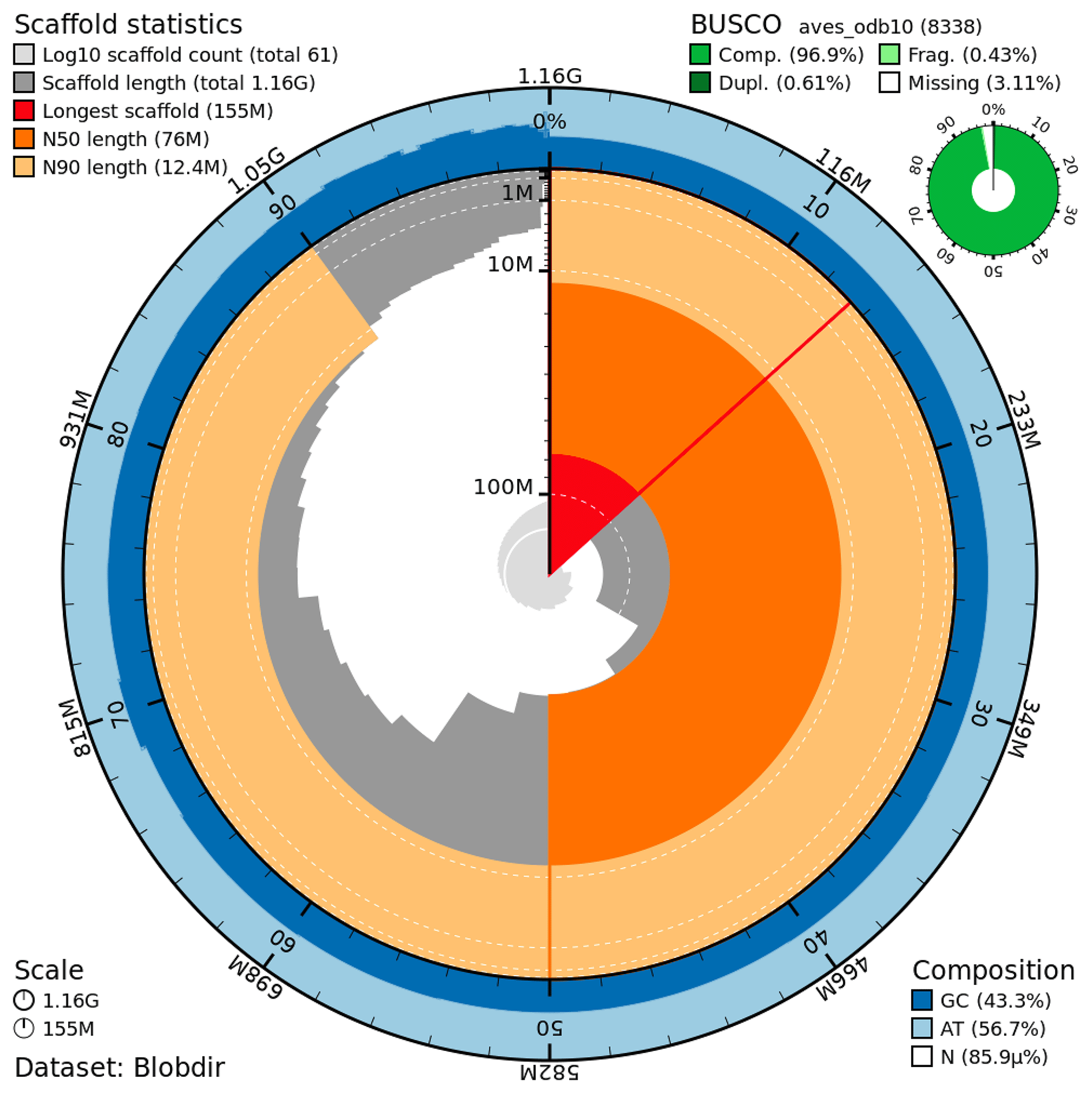
Figure 2. Snail plot summary of assembly statistics.
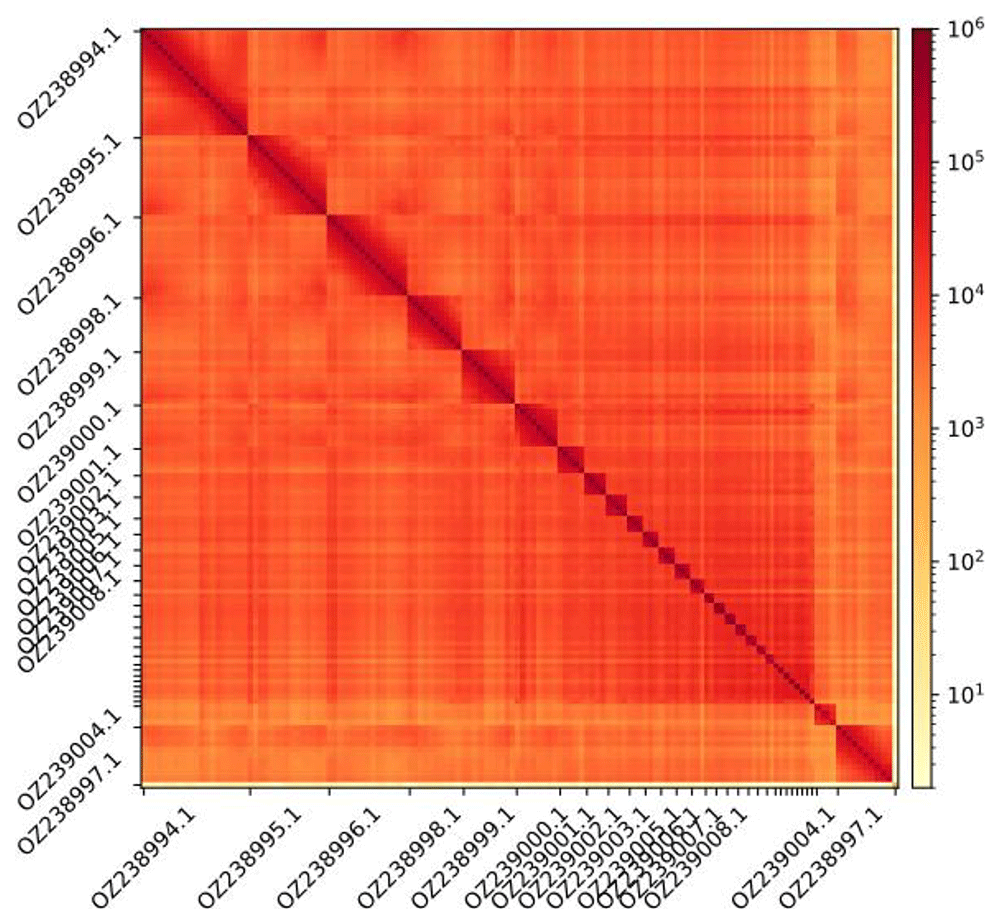
Figure 3. Hi-C contact map showing spatial interactions between regions of the genome.
The main plot is divided into 1,000 size-ordered bins around the circumference, with each bin representing 0.1% of the 1,163,884,374bp assembly, including the mitochondrial genome. The distribution of sequence lengths is shown in dark grey, with the plot radius scaled to the longest sequence present in the assembly (155 Mb bp, shown in red). Orange and pale-orange arcs show the scaffold N50 and N90 sequence lengths (76,036,967 and 12,418,366 bp), respectively. The pale grey spiral shows the cumulative sequence count on a log-scale, with white scale lines showing successive orders of magnitude. The blue and pale-blue area around the outside of the plot shows the distribution of GC, AT, and N percentages in the same bins as the inner plot. A summary of complete, fragmented, duplicated, and missing BUSCO genes found in the assembled genome from the avian database (odb10) is shown on the top right.
The diagonal corresponds to intra-chromosomal contacts, depicting chromosome boundaries. The frequency of contacts is shown on a logarithmic heatmap scale. Hi-C matrix bins were merged into a 150 kb bin size for plotting. Due to space constraints on the axes, only the GenBank names of the 13th largest autosomes and the sex chromosomes are shown.
Author contributions
RJL coordinated the project, collected the species, identified the species, sampled and preserved biological material and provided metadata, RM, TM, RAO, THS, and AsB provided sampling and metadata support and management, LA and MG extracted DNA, prepared libraries, and performed sequencing, FCF, JGG and FC performed genome assembly and curation under the supervision of TA, RM generated the analysis and report. All authors contributed to the writing, review, and editing of this genome note and read and approved the final version.
Acknowledgements
We acknowledge the support of the Portuguese Society for the Study of Birds (SPEA) for the logistical support during the sampling. We acknowledge the support of the Freiburg Galaxy Team: Saim Momin and Björn Grüning, Bioinformatics, University of Freiburg (Germany), funded by the German Federal Ministry of Education and Research, BMBF grant 031 A538A de. NBI-RBC and the Ministry of Science, Research and the Arts Baden-Württemberg (MWK) within the framework of LIBIS/de. NBI Freiburg.
References
- Aubrecht G:
The Azores Bullfinch - Pyrrhula murina GODMAN, 1866 The history of a bird species: persecuted - missing - rediscovered - protected (?) (including a list of all known specimens and syntypes).
Ann Nat Mus Wien.
2000; 102: 23–62. Reference Source
- BirdLife International:
Species factsheet: Azores Bullfinch Pyrrhula murina.2021. Reference Source
- Ceia RS, Ramos JA, Heleno RH, et al.:
Status assessment of the critically endangered Azores Bullfinch Pyrrhula murina.
Bird Conserv Int.
2011; 21(4): 477–489. Publisher Full Text
- Challis R, Kumar S, Sotero-Caio C, et al.: Genomes on a Tree (GoaT): a versatile, scalable search engine for genomic and sequencing project metadata across the eukaryotic Tree of Life [version 1; peer review: 2 approved].
Wellcome Open Res.
2023;8:24. 24. PubMed Abstract
| Publisher Full Text
| Free Full Text
- Costa TMM, Gil A, Timóteo S, et al.:
How many Azores Bullfinches (Pyrrhula murina) are there in the world? case study of a threatened species.
Diversity.
2023; 15(5): 685. Publisher Full Text
- De Panis D:
ASM analyses (one-asm WGS Illumina PE + HiC).
WorkflowHub.
2024. Reference Source
- Gil A, Ceia R, Coelho R, et al.:
The Priolo Atlas: a citizen science-based census initiative for supporting Pyrrhula murina habitat conservation and restoration policies in São Miguel Island (Azores, Portugal).
Ecol Eng.
2016; 86: 45–52. Publisher Full Text
- Gomez-Garrido J:
CLAWS (CNAG’s Long-read Assembly Workflow in Snakemake) [Computer software].
2024. Publisher Full Text
- Lifjeld JT, Hoenen A, Johannessen LE, et al.:
The Azores bullfinch (Pyrrhula murina) has the same unusual and size-variable sperm morphology as the Eurasian bullfinch (Pyrrhula pyrrhula).
Biol J Linn Soc.
2013; 108(3): 677–687. Publisher Full Text
- Manni M, Berkeley MR, Seppey M, et al.: BUSCO: assessing genomic data quality and beyond.
Curr Protoc.
2021;1(12): e323. PubMed Abstract
| Publisher Full Text
- Mazzoni CJ, Ciofi C, Waterhouse RM: Biodiversity: an Atlas of European reference genomes.
Nature.
2023;619(7969): 252. PubMed Abstract
| Publisher Full Text
- Rhie A, Walenz BP, Koren S: Merqury: reference-free quality, completeness, and phasing assessment for genome assemblies.
Genome Biol.
2020;21(1): 245. PubMed Abstract
| Publisher Full Text
| Free Full Text
- Töpfer T, Haring E, Birkhead TR, et al.: A molecular phylogeny of bullfinches Pyrrhula Brisson, 1760 (Aves: Fringillidae).
Mol Phylogenet Evol.
2011;58(2): 271–282. PubMed Abstract
| Publisher Full Text







