Introduction: Rethinking team development in times of disruption
In recent years, team development in both education and sports has faced new challenges due to global instability, war-related disruptions, and the growing need for psychological resilience. Traditional approaches to team building, often based on linear or stage-based models, such as Tuckman's framework, must now be re-evaluated in light of post-crisis realities. In Ukraine, the war fundamentally reshaped educational and sports environments, revealing the importance of flexible, human-centered, and emotionally informed team processes.
Particularly in environments affected by crises, such as post-conflict Ukraine, team building offers an essential mechanism for psychological recovery, social reintegration, and community resilience. Under such conditions, group identity and shared goals become stabilizing forces for both youth and adults, especially in sports-based settings.
As organizations and institutions increasingly seek methods to promote unity, motivation, and retention among group members, team building has emerged as a multidimensional strategy. This supports interpersonal trust, shared responsibility, and a strong sense of belonging. These factors are especially crucial for preventing dropouts among athletes, promoting emotional safety, and cultivating healthy communication climates.
The purpose of this case study was to explore how team-building strategies can be effectively implemented to foster cohesion, prevent psychological disengagement, and optimize group functioning. This study analyzed real-world practices, diagnostic tools, and staged methodologies used in Ukrainian educational and sports institutions to highlight the benefits and challenges of team-based interventions.
This essay offers a reflective and practice-based exploration of stage-based team development in education and sport from 2023 to 2024. Drawing on our experience with structured interventions, we examine how group dynamics evolve across stages, such as formation, storming, norming, and performing, especially when teams face stress, uncertainty, and recovery. The aim is not to test a model, but to show how tailored, context-sensitive team-building practices can support collaboration, psychological safety, and shared goals in post-crisis conditions. Despite extensive theoretical work, there is a lack of synthesis on the application of stage-based models in post-conflict and educationally unstable conditions, particularly in Eastern Europe.
Conceptual foundations: from Tuckman to trauma-informed teamwork
Classical models of group development, such as Bruce Tuckman’s “Forming-Storming-Norming-Performing” framework, have long served as a foundation for understanding how teams evolve. These linear stage-based models suggest that teams progress through predictable phases, developing cohesion, structure, and efficiency over time. Such models have been widely applied in educational and sports contexts to support collaborative learning and high-performance coaching.
However, in times of social crisis, forced displacement, or psychological trauma, these stages may unfold in unexpected or fragmented ways. The assumption that teams naturally resolve conflict and achieve productive synergy becomes unrealistic when emotional wounds, instability, and disrupted environments shape interpersonal dynamics. Recent scholarship and practice in trauma-informed education and sports psychology emphasize the need for emotional safety, inclusive participation, and sensitivity to individual and collective stress responses.
Thus, a modern understanding of team development must integrate stage-based thinking into flexible, responsive, and context-aware strategies. Rather than abandoning classical models, we propose adapting them through structured emotionally intelligent interventions that support both performance and recovery. In this light, each “stage” becomes less a step on a ladder and more space for intentional design, reflection, and relationship-building.
This model outlines the sequential phases through which a group evolves into a fully functional team with each stage marked by specific psychological and social (Figure1).
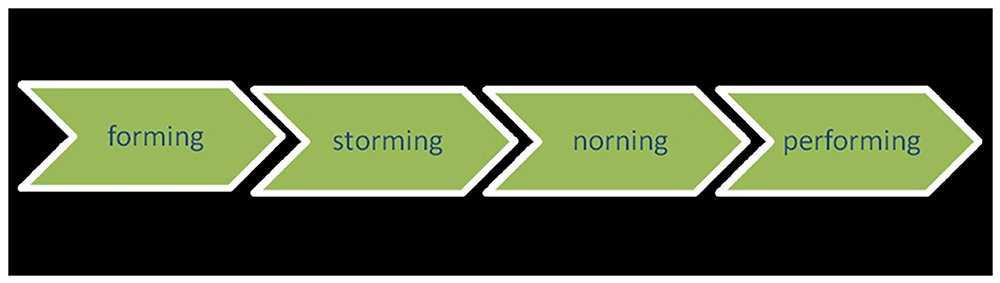
Figure 1. Stages of Team Development According to Tuckman’s Model.
Understanding how teams evolve over time is essential in designing effective interventions. The classic four-stage model— forming, storm, norming, and forming — offers a valuable lens through which facilitators in both educational and athletic contexts can observe, interpret, and support group development. Each stage presented unique challenges and opportunities.
Forming
At this early stage, individuals tend to operate cautiously and rely heavily on leadership for guidance. Relationships are tentative and their roles are often unclear. In educational or athletic groups, especially among adolescents, this phase may also reveal anxiety, performance pressure, or silence as defenses.
Storming
conflicts often emerge when initial boundaries are tested. Team members begin asserting opinions, forming subgroups, or challenging the leader’s approach. In post-conflict or high-stress environments (e.g., in war-affected Ukrainian schools), this stage may involve resistance not just to tasks but to the emotional context of teamwork itself.
Norming
With guided facilitation, teams begin to overcome earlier disruptions. Trust begins to solidify, interaction norms emerge, and participants develop a stronger sense of group identity. In sports settings, this might manifest as synchronized movements, shared rituals, or peer-led decision-making.
Performing
In this mature phase, the team becomes largely autonomous, self-motivated, and capable of creative problem-solving. Educators and coaches can step back, allowing participants to lead or innovate within the group. Emotional safety and accountability are typically well-established.
This model not only helps to structure the flow of interventions but also allows facilitators to diagnose stagnation or regression. For example, when a group appears “stuck” in the Storming phase, a targeted conflict resolution or reflective dialogue may be introduced. When applied with flexibility and contextual awareness, a stage-based framework becomes a powerful diagnostic and design tool.
Structured team-building interventions in education and sport
Structured team building is not a one-size-fits-all tool; it must adapt to a group’s developmental stage, emotional readiness, and social dynamics. The theory of team evolution, particularly the well-known Tuckman model, offers both temporal logic and practical scaffolding for intervention planning. Each stage—Forming, Storming, Norming, Performing—poses unique emotional and communicative challenges and thus requires differentiated strategies from the leader or facilitator.
Interventions that ignore these nuances risk becoming either mechanical or counterproductive. Conversely, those attuned to group maturity can unlock powerful processes of cohesion, identity formation, and shared agency. The leader's role is crucial here, not as a dominant commander but as a transitional figure who guides, adapts, and eventually steps back Table 1.
Table 1. Stages of Team Development According to Tuckman’s Model and the Role of the Leader.
| Stage | General characteristic of the stage | Tasks | The role of the leader(coach/trainer/teacher) |
|---|
| Forming | The group meets for the first time
Members depend on a formal leader | establishing basic rules of behaviors in the team, clarifying goals, issues giving answers to questions: What? Why? Who? How?’ | the coach dominates in determining strategic and tactical goals and objectives, organizes collective discussions during team meetings, trying to explain to each team member his or her tasks, ensuring the formation of collegiality in making joint decisions |
| Storming | conflicts unwillingness to continue working together disbelief in your own ability to achieve the goal | team members start to get answers to their questions they need to be organized | the coach should pay the most attention to the organization of the work process.
Maintaining a comfortable psychological climate, demonstrating achievements and clearly defining specific tasks |
| Norming | initial conflicts are solved the team achieves identity, a sense of unity and cohesion responsibility of team members | wide exchange of ideas, information, joint analysis of opinions and collective decisions on specific actions to work towards results, support and effective relationships within the team. | creating a positive team microclimate, thus eliminating the need for strict control and step-by-step recommendations, which can already interfere with determining one's own position in a common cause. involve everyone in teamwork, a coach needs to be sociable, have a sense of humor, and be able to organize feedback. |
| Performing | trust of all team members to each other
team members are maximally committed to the common aim and show a creative approach
a high level of interdependence the ability to cooperate in relationships | Problem solving The team is highly effective and can respond to any need for change in circumstances | the coach's involvement in building relationships in team is significantly reduced, while reasonable delegation of authority and stimulation of team achievements are necessary |
In both education and sports, structured team-building methods can be mapped into categories based on their primary focus and mode of delivery (Table 2).
Table 2. Mapping Practice: Typology of Team-Building Strategies.
| Type of Intervention | Focus | Examples |
|---|
| Psychoeducational Workshops | Emotional literacy, conflict resolution | "Safe Space Circles", Emotion Cards, Values Game |
| Kinesthetic Games & Routines | Trust, synchrony, group rhythm | Blindfold Trust Walk, Mirror Movements |
| Narrative and Role-Based Tasks | Identity, empathy, role flexibility | Forum Theatre, Role Reversal Games |
| Creative Collaboration | Innovation, group ownership, play | Group Poster Making, Building Together Challenges |
Each structured method, whether reflective, physical, or creative, is inherently adaptable to age, group size, or cultural background. For example, “mirror movement” techniques employed in aerial sports effectively cultivate mutual responsiveness and attunement, which are crucial for pair and group acrobatics. These methods emphasize embodied trust and intuitive synchronization, which are the core elements of team cohesion in performance-based environments.
Team development is not a linear process but rather a dynamic interplay of structure, emotion, and evolving roles. As Tuckman's framework suggests, leaders must continuously recalibrate their involvement: offering direction in the forming stage, facilitating resolution during storms, nurturing ownership in Norming, and gradually stepping back during Performing (Tuckman & Jensen, 1977). This gradual withdrawal allowed team members to assume increasing levels of autonomy and responsibility.
Contemporary educational and psychological research has further expanded this view by emphasizing the relational and affective dimensions of teamwork. Edmondson (1999) and Salas et al. (2015) underscored the importance of psychological safety and shared mental models. The diversity of perspectives when paired with structured communication and role clarity fosters both creativity and conflict resilience (Johnson & Johnson, 2009). Moreover, open dialogue, emotional safety, and deliberate conflict-resolution mechanisms are recognized as essential conditions for sustainable collaboration, especially in educational teams operating under stress or transformation.
Thus, effective teamwork emerges not solely from task-oriented coordination but from the internal architecture of the group: trust, shared purpose, adaptive communication, and a sense of belonging. These conceptual foundations underpin the present study, which aims to implement and evaluate structured team-building interventions in Ukrainian educational and athletic contexts—settings marked by social recovery and institutional reform.
Application and reflection in Ukrainian educational and athletic contexts
The urgency to foster resilient and cohesive teams has become particularly evident in Ukraine since 2022, as educators, coaches, and young athletes have found themselves navigating the conditions of psychological uncertainty, forced relocation, and institutional fragmentation. In this context, structured team building was not a luxury; it was a psychosocial necessity. This section reflects on a series of interventions conducted between 2023 and 2024 in Ukrainian schools, universities, and sports clubs, offering insights into both challenges and breakthroughs in team formation under duress.
The design of the program was informed by Tuckman’s four-stage developmental model, with each phase— forming, storm, norming, and forming —framing the structure and goals of the activities. Facilitators consciously adjusted their role according to team maturity, from directive leadership in the early stages to minimal intervention as autonomy and peer regulation emerged. The emphasis on flexible leadership and psychological safety was particularly vital given the emotional volatility among participants.
The intervention activities were intentionally sequenced. In Forming and Storming, exercises focused on emotional grounding, defining team purposes, and establishing norms for respectful communication. These included facilitated dialogues, guided breathing tasks, role mapping, and collaborative decision-making. Later, in Norming and Performing, teams engaged in open-ended simulations and creative problem-solving tasks, allowing for horizontal leadership and an emergent team identity.
To track team progress, facilitators used a tailored diagnostic tool, the Team Development Assessment Test, which evaluates dimensions such as communication, shared goals, conflict management, trust, and initiatives. Based on the test results, teams were informally categorized as high-, medium-, or low-maturity, and support was adapted accordingly. For example, low-maturity teams received shorter, more structured tasks and stronger emotional scaffolding, whereas high-maturity teams operated with greater autonomy and reflective discussion.
Facilitation itself incorporated principles from trauma-informed pedagogy and dialogical learning. Techniques included time-limited discussions, opt-in participation models, and symbolic feedback tools such as “energy meters” and color-based reflection cards. The goal was not only to create efficiency but also to foster emotional expression, group empathy, and restorative presence, which are often missing in conventional team settings.
These practices align with recent empirical findings. For instance, Bruner et al. (2021) underscored the role of team building in enhancing cohesion and leadership perception in youth sports. Kwon (2022) found that the impact of such programs significantly increased after two weeks, particularly among adolescents. Similarly, Hackman (2002) and Salas et al. (2015) argued that structured team development enhances coordination, communication, and trust, all of which are critical in post-crisis educational contexts.
Mistakes and insights from practice
No intervention unfolded, without any missteps. In fact, many of the most meaningful insights from Ukrainian team-building programs arose not from flawless execution, but from moments of tension, failure, or resistance. These instances provide opportunities to recalibrate, listen more attentively, and revise assumptions about how teams evolve under pressure.
One recurring mistake was overestimating the group’s initial readiness for open communication. In the early sessions, facilitators invited participants to share goals and feelings openly. However, in several groups, especially those with displaced youth or unfamiliar peer dynamics, this approach was met with silence, discomfort, and even sarcasm. It became clear that psychological safety must be earned, not assumed, and that vulnerability must be preceded by gradual trust-building through embodied or non-verbal activities.
Another challenge involves imposing pre-structured roles too early, especially in low-maturity teams. For example, assigning "team leaders" or rotating spokespersons sometimes creates artificial hierarchies or reinforces existing power imbalances. A more effective alternative is to allow leadership to emerge naturally during collaborative tasks, allowing influence flow from competence and group feedback rather than external designation.
There were also moments when facilitators intervened too much, fearing silence or ambiguity. In retrospect, these spaces were precisely where teams needed time to process, negotiate, or disagree. Resisting the urge to “fill in the gaps” with explanation becoming a discipline in itself. As one facilitator reflected, “Silence is not absence—it’s space for emergence.”
Perhaps the most difficult yet instructive insight was that not all teams are ready to perform in the same cycle. While the Tuckman model offers a valuable developmental map, real-life teams often loop back, regress, or remain in storage for longer than expected. This demanded a shift from linearity to adaptive pedagogy—one that tolerates emotional flux and normalizes imperfections as part of growth.
Importantly, cultural sensitivity has emerged as a subtle yet powerful factor. In some cases, Western facilitation styles, such as constant eye contact or enthusiastic verbal affirmations, are perceived as artificial or invasive. Local adaptations that drew on Ukrainian communication norms (indirect speech, gesture, metaphor, and silence) proved to be more effective in creating authentic rapport. According to Mezirow’s theory of transformative learning (1991), discomfort and dissonance are not only expected but also necessary conditions for deeper group change.
These challenges did not disrupt or enrich the process. They revealed the nuanced human side of collective learning: fragile, uneven, yet profoundly transformative. For facilitators, the key lesson was not to perfect every step but to remain responsive, present, and humble in the face of complexity.
These grounded insights inform the concluding reflections and future pathways for structured team development in post-crisis settings.
Methodology
This study adopts a conceptual and interpretive methodology aimed at integrating existing theoretical models with practical insights from educational and athletic contexts in Ukraine. Rather than collecting new empirical data, this study synthesizes diverse sources to construct a reflective and transferable framework for team building interventions, particularly in post-crisis environments. The selection was based on its relevance to the research aims, consistency with empirical findings, and theoretical coherence.
Conceptual Foundation
This study draws primarily on Tuckman’s four-stage model of group development (forming, storming, norming, and forming), which remains a cornerstone of team dynamics theory (Tuckman, 1965; Tuckman & Jensen, 1977). This model provides a stage-sensitive lens for team evolution, emphasizing the interplay between task focus and interpersonal relationship.
Additionally, this research integrates principles from trauma-informed pedagogy, dialogical learning, and sports psychology, particularly regarding emotional regulation, adaptive leadership, and collective identity formation.
Analytical strategy
The research applies Qualitative document analysis (QDA) as the primary methodological tool. This involves a structured review and interpretive synthesis of the following:
theoretical literature on group dynamics, team cohesion, and developmental psychology.
pedagogical resources utilized in Ukrainian educational and coaching programs (e.g., session plans and diagnostic tools).
reflective narratives and field notes from team-building interventions conducted during 2023–2024.
This strategy facilitates identification of recurring structures, adaptive challenges, and thematic patterns relevant to team development across various contexts.
Sources and materials
This study was based exclusively on previously published research, pedagogical documentation, and publicly available training materials. No personal data were collected and no direct interaction with the participants occurred. Therefore, ethical approval was not required for this study.
The analytical corpus includes:
peer-reviewed studies in education, sports psychology, and organizational behavior (e.g., Bruner et al., 2021; Hackman, 2002).
workshop materials and methodological tools developed by Ukrainian educators and coaches,
structured evaluation frameworks, such as the Team Development Assessment Test (TDAT), which is referenced illustratively to describe common assessment criteria found in the literature. Adapted by authors from the Team Development Assessment Test (TDAT) Figure 2.
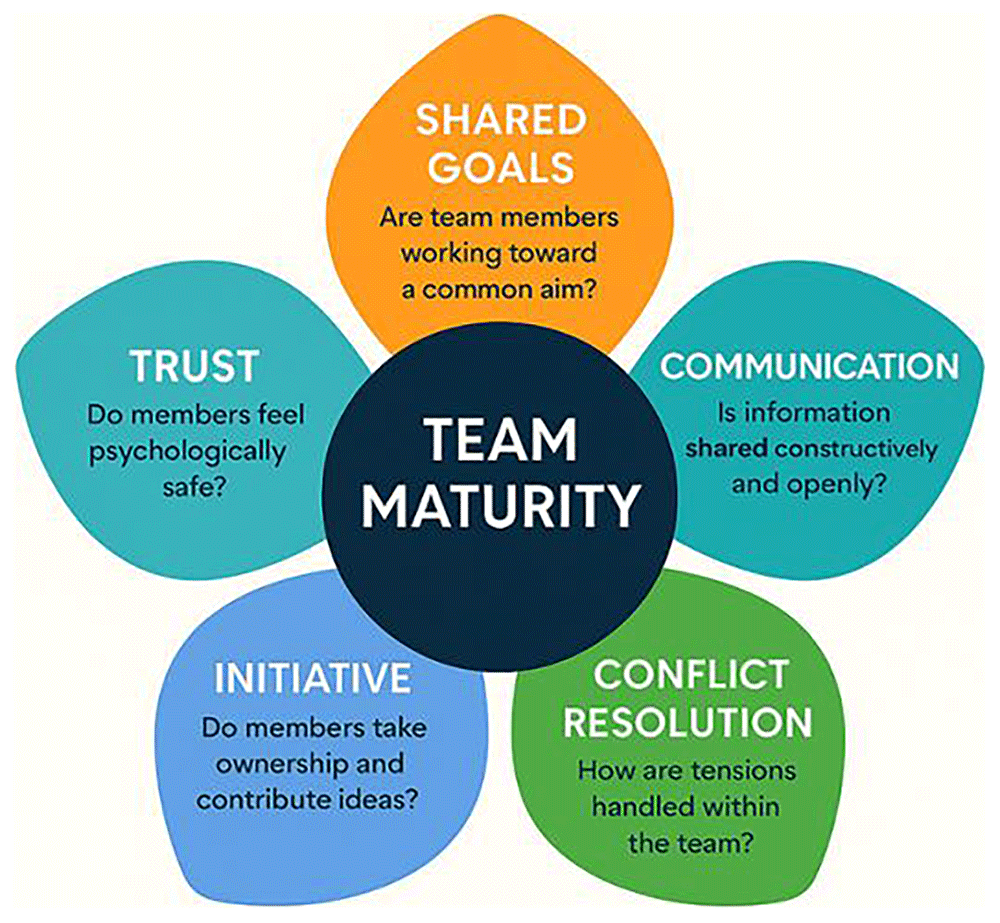
Figure 2. Team development Assesment Test.
This visual diagram represents five key dimensions of team maturity. At the center is “Team Maturity,” surrounded by five interrelated components that support effective group functioning:
1. Shared Goals – Do team members work toward a unified objective?
2. Communication – Is information exchanged clearly, constructively, and openly?
3. Conflict Resolution – How are tensions and disagreements addressed?
4. Initiative – Do members take ownership and actively contribute?
5. Trust – Is there a shared sense of psychological safety?
This framework is widely used in the evaluation of team processes, and has been adapted across pedagogical and sports-based environments to gauge team development and cohesion.
While this study does not present new empirical fieldwork or statistical measurements, its strengths lie in its synthesis and reflection. Rather than seeking generalizable truths, it offers conceptual scaffolding to understand how structured team development might operate in trauma-affected or transitional environments. The absence of numerical data is intentional and not incidental; it reflects the belief that human dynamics, especially under pressure, are best approached through layered interpretation and context-sensitive analysis.
By combining theory, field-based materials, and practitioner insights, this study invites critical engagement rather than definitive conclusions. It acknowledges that every team is shaped by not only psychological patterns but also cultural norms, emotional landscapes, and historical disruptions. Therefore, the findings here should be seen not as fixed outcomes but as a living framework open to adaptation, refinement, and empirical testing in future studies.
Reflections
The following four thematic domains emerged from the interpretive synthesis of the theory, reflective literature, and applied practice. Together, they clarify not only how team-building interventions function in educational and athletic environments but also why they succeed or fail, particularly in transitional or post-crisis contexts. These findings do not offer statistical generalizations but provide a conceptual framework for further empirical testing and adaptation.
Validation of the stage-based team development model
Tuckman’s four-stage model of group development— forming, storing, norming, and forming —remains the most frequently cited framework for understanding team dynamics (Tuckman, 1965; Tuckman & Jensen, 1977). Each stage captures a distinct psychological and functional phase: dependence and orientation towards cohesion and cooperative productivity through conflict and role negotiation. The later addition of the adjourning phase expanded its relevance to short-term or project-based teams.
The model’s core value lies in its developmental logic and emphasis on the dual structure of task and relationship processes. Empirical studies support the practical validity of this framework; interventions that match a team’s current developmental stage are consistently more effective than generic approaches (Bonebright, 2010; Forsyth, 2018). In education and sports, in which teams often form temporarily and under fluctuating conditions, this stage-sensitive orientation offers both clarity and flexibility.
Recent extensions of the model explore variables such as emotional intelligence (Jordan & Troth, 2004) and cultural diversity (van Knippenberg et al., 2013), indicating that the framework remains robust and adaptable to a range of youth, athletic, and cross-cultural settings.
Documented outcomes of Team Development Interventions
Team Development Interventions (TDIs) are structured activities aimed at enhancing group functionality by improving processes and outcomes. A meta-analysis by McEwan et al. (2017) found that TDIs significantly improve both relational dynamics (e.g., trust, cohesion, and communication) and measurable outcomes (e.g., team performance and satisfaction). Salas et al. (2008) identified four key components of effective TDIs: team leadership training, mutual performance monitoring, backup behavior, and adaptability.
Duration has emerged as a crucial factor. Longer iterative programs have shown stronger impacts on motivation, cohesion, and retention, especially among youth teams (Bruner et al., 2013). Similarly, Klein et al. (2009) reported that interventions incorporating reflective practices outperformed those that were purely task oriented.
Across studies, the most effective TDIs:
are sustained over time,
integrate structured reflection and feedback,
balance task objectives with relational goals,
and are facilitated by trained, adaptive leaders.
Adaptive leadership as a developmental catalyst
Leadership plays a dynamic and stage-contingent role in team development. Hackman (2002) emphasized the importance of “situational diagnosis”: leaders must assess the developmental phase of a team and adjust their behavior accordingly. In the early stages, directive leadership that provides structure and psychological safety is essential; in the later stages, leadership should become facilitative and participatory.
This approach resonates with transformational leadership theory (Bass, 1990), which promotes individualized support, shared vision, and intellectual stimulation. In athletic settings, athlete-centered coaching (Vella et al., 2013) has been shown to enhance intrinsic motivation and team cohesion through a balanced leadership style that emphasizes autonomy alongside structure.
Effective stage-sensitive leadership contributes to:
greater team adaptability,
constructive conflict management,
inclusive and collaborative decision-making,
and reduced dropout caused by interpersonal breakdowns.
Psychological safety and norm clarity as structural pillars
Psychological safety, defined by Edmondson (1999) as a shared belief that the team environment allows for interpersonal risk-taking, is a foundational prerequisite for effective team functioning. Teams characterized by psychological safety are more likely to
report difficulties or errors without fear of punishment,
engage in feedback loops,
raise questions or challenge norms without risking exclusion.
This is especially vital in educational and trauma-affected settings. Norm clarity, defined as the extent to which behavioral expectations are explicit and shared, has been shown to reinforce the effects of psychological safety (Lenberg & Feldt, 2018). Together, these two elements form the relational infrastructure for a successful team.
Without them, even technically well-structured interventions may fail because of emotional shutdown, confusion, or passive disengagement. However, their presence enables teams to sustain focus, navigate complexity, and maintain cohesion over time (Table 3).
Table 3. Summary of Theoretical Results.
| Core Area | Key Insight | Implication for Practice |
|---|
| Tuckman’s model | Teams evolve in distinct stages; interventions
must match the stage | Use diagnostic tools and flexible facilitation
strategies |
Team-building
effectiveness | TDIs enhance both relational dynamics and
performance | Prioritize long-term, reflective, structured team
programs |
| Adaptive leadership | Leadership must align with developmental stage
and team maturity | Train leaders in stage-aware and emotionally
intelligent methods |
Psychological safety &
norms | These factors are foundational for learning,
engagement, and trust | Establish emotionally safe environments with
clearly shared norms |
Discussion
The findings of this theoretical inquiry affirm that team building is not a collection of isolated techniques but a dynamic developmental process shaped by both structured frameworks and lived realities. Integrating Tuckman’s stage-based model with contemporary theories of adaptive leadership and psychological safety offers not only a theoretical scaffold, but also a practical compass for educators and coaches operating in unpredictable or transitional contexts.
Reflecting on the convergence of models across organizational, educational, and athletic domains, one cannot help but notice a common thread: human groups, regardless of setting, move through cycles of uncertainty, negotiation, and cohesion. These cycles echo deeper psychological needs for clarity, shared purpose, and belonging. The stage-based paradigm, originally designed for small task groups, resonates in classrooms, sports teams, and even displaced youth collectives. Its strength lies not in prescriptive exactness but in its ability to accommodate the emotional complexity of real groups.
In practical applications, this means that effective facilitation is less about "delivering" a team-building intervention and more about attuning to where the group is developmentally. I have seen how rushing a group into a performance without laying down trust leads to withdrawal or resistance. Conversely, when facilitators honor the storming phase—not fearing its discomfort but guiding through it—the group emerges with deeper cohesion and clearer norms.
This study also foregrounds the critical role of leadership, not as static authority but as a fluid presence responsive to evolving group dynamics. Leaders in both education and sports are often trained to manage outcomes, yet the more lasting impact may come from their capacity to hold space for uncertainty, mediate conflict, and model vulnerability. When leadership is grounded in emotional intelligence and stage awareness, teams do more than function; they transform.
Most importantly, this reflection calls attention to psychological safety as an invisible architecture of all group work. Safety is not provided in environments affected by war, displacement, or systemic disruption. It must be intentionally cultivated, often beginning with the facilitator’s tone, posture, and willingness to tolerate the silence. Without this, even the most innovative methods are ineffective. With this, the simplest practices—sharing names, forming circles, and creating shared rituals—can become transformative.
Of course, this inquiry is not without its limitations. Because this was a conceptual review, no statistical methods were employed. It is conceptual, not empirical. It interprets rather than measures. It builds a framework rather than a formula. Perhaps this is precisely what teams—especially those in fragile contexts—most need, not rigid scripts, but adaptable maps. Real-world application of this framework requires iterative learning, local adaptation, and humility.
Looking forward, I see the urgent need for empirical studies rooted in the Ukrainian experience. Longitudinal research can illuminate how trauma-informed, stage-sensitive team building affects student motivation, peer cohesion, or athlete retention. Equally, there is scope to explore how hybrid or virtual environments reconfigure the emotional grammar of teams: what does trust look like when mediated through a screen? These are not merely academic questions. These are the future terrains of collective resilience.
Essentially, a team differs from a group of individuals in its capacity to become more than the sum of its parts. It is not perfection that makes a team—it is process, shared struggle, and quiet moments of recognition when members begin to think in the same language, move in shared rhythm, and imagine futures together. Team building was not a method. It is a form of care.
Conclusion
This study emerged from the intersection of theory and lived education practices. It was born not from controlled experiments, but from real-world observations, reflective inquiry, and an urgent need to reimagine team dynamics under conditions of instability. The exploration of stage-based development models, leadership adaptability, and psychological safety has revealed team building not as a decorative extracurricular element but as a deeply structural and therapeutic process.
In Ukrainian educational and athletic contexts, particularly during times of social disruption, teams are not simply operational units; they become vessels for emotional containment, identity reconstruction, and shared resilience. What begins as a discussion of group roles often unfolds into the process of collective healing. In this sense, team building transcends organizational logic and enters the domain of human restoration.
Throughout this theoretical synthesis, I did not seek to prove a universal formula. Instead, I have traced conceptual pathways that practitioners and researchers can walk, sometimes cautiously, sometimes intuitively, toward creating environments where people not only cooperate but also feel seen, empowered, and safe. This, I believe, is the true measure of a team, not just productivity or cohesion, but also the willingness to remain human in one another’s presence.
Future research will undoubtedly provide empirical evidence for this. However, even without large datasets, we already know — from the silent nods of a circle, the hesitant laughter of trust is slowly forming — that something essential happens when people come together with care and structure. This knowledge, although often unquantifiable, remains the beating heart of all meaningful team developments. The conclusions are intended as theoretical propositions to guide future empirical validations.
Ethics and consent
This article is a conceptual and reflective study grounded in the previously published literature and publicly accessible pedagogical resources. It also draws on the non-identifiable methodological documentation created by Ukrainian educators and coaches. No personal data were collected and no direct interactions with human participants took place. Therefore, ethical approval and written informed consent were not required.
Data availability statement
All extended data supporting the findings and theoretical discussion presented in this essay are openly available in Zenodo.
Underlying data
Zenodo: Structured Team-Building Toolkit (HEAL Project, 2023–2025). https://doi.org/10.5281/zenodo.15827334 (Kostrikova, 2025).
This project contains the following underlying data:
Team Development Stage Test.pdf – A structured diagnostic tool for assessing group maturity in sports and educational settings.
Teambuilding Algorithms.pdf: Adaptable scenarios for designing team-building interventions based on Tuckman’s and HEAL models.
Methods_of_implementing_psychological_and_pedagogical_principles.pdf – applied techniques for cohesion and psychological safety.
The importance of team building.pdf: Supplementary guidelines used in field testing during the HEAL Erasmus+ project (2023–2025).
Extended data
Zenedo: Structured Team-Building Toolkit (HEAL Project, 2023–2025). https://doi.org/10.5281/zenodo.16363658 (Kostrikova, 2025).
This project contains the following extended data:
Supplementary Figure 1 – visual representation of team maturity components.
Supplementary Table 1 – description of team development intervention stages and related leadership roles.
Questionnaire.pdf – diagnostic items for assessing team cohesion and readiness.
All data were developed and structured by the authors and were fully available for reuse with appropriate citations.
Data are available under the terms of the Creative Commons Attribution 4.0 International license (CC-BY 4.0).
Faculty Opinions recommendedReferences
- Bass BM:
Bass & Stogdill's handbook of leadership: theory, research, and managerial applications (3rd ed.). Free Press. 1990. Reference Source
- Bonebright DA:
40 years of storming: a historical review of Tuckman's model of small group development.
Hum Resour Dev Int.
2010; 13(1): 111–120. Publisher Full Text
- Bruner MW, Eys MA, Wilson KS, et al.:
The effectiveness of team building in sport: a meta-analysis.
J Sport Exerc Psychol.
2013; 35(2): 143–152.
- Bruner MW, Eys MA, Wilson KS, et al.:
Group cohesion and youth sport.
J Sport Exerc Psychol.
2021; 43(2): 105–119. Publisher Full Text
- Edmondson AC:
Psychological safety and learning behavior in work teams.
Admin Sci Quart.
1999; 44(2): 350–383. Publisher Full Text
- Forsyth DR:
Group dynamics. (7th ed.). Cengage Learning, 2018. Reference Source
- Hackman JR:
Leading teams: setting the stage for great performances. Harvard Business School Publishing, 2002. Reference Source
- Johnson DW, Johnson RT:
An educational psychology success story: social interdependence theory and cooperative learning.
Educ Researcher.
2009; 38(5): 365–379. Publisher Full Text
- Jordan PJ, Troth AC:
Managing emotions during team problem solving: emotional intelligence and conflict resolution.
Hum Perform.
2004; 17(2): 195–218. Publisher Full Text
- Klein C, DiazGranados D, Salas E, et al.:
Does team building work?
Small Gr Res.
2009; 40(2): 181–222. Publisher Full Text
- Kostrikova K:
Stage-Based Team Development in Education and Sport (v1.0) [19.07.2025]. Zenodo. 2025. http://www.doi.org/10.5281/zenodo.16363658
- Kwon H:
The effect of team building interventions on team cohesion: a meta-analysis.
Int J Sport Psychol.
2022; 53(1): 42–59. Publisher Full Text
- Lenberg P, Feldt R:
Psychological safety and norm clarity in software engineering teams.
J Syst Software.
2018; 146: 1–16.
- McEwan D, Ruissen GR, Eys MA, et al.:
The effectiveness of team building interventions: a meta-analysis.
Sport, Exercise, and Performance Psychology.
2017; 6(3): 271–286.
- Salas E, DiazGranados D, Klein C, et al.:
Does team training improve team performance? A meta-analysis.
Hum Factors.
2008; 50(6): 903–933. PubMed Abstract
| Publisher Full Text
- Salas E, Shuffler ML, Thayer AL, et al.:
Understanding and improving teamwork in organizations: a scientifically based practical guide.
Hum Resour Manage.
2015; 54(4): 599–622. Publisher Full Text
- Tuckman BW:
Developmental sequence in small groups.
Psychol Bull.
1965; 63(6): 384–399. PubMed Abstract
| Publisher Full Text
- Tuckman BW, Jensen MAC:
Stages of small-group development revisited.
Group Organ Stud.
1977; 2(4): 419–427. Publisher Full Text
- van Knippenberg D, De Dreu CKW, Homan AC:
Diversity and team outcomes: the moderating effects of outcome interdependence and group longevity.
J Organ Behav.
2013; 24(6): 769–790.
- Vella SA, Oades LG, Crowe TP:
A pilot test of transformational leadership training for sports coaches: impact on the developmental experiences of adolescent athletes.
Int J Sports Sci Coa.
2013; 8(3): 513–530. Publisher Full Text