Introduction
The disparity in access to information and communication technology (ICT) across individuals, groups, or nations—commonly known as the ‘digital divide’1—has emerged as a defining factor in socio-economic inequality in the contemporary world. As digitalization continues to transform global economies, particularly in dynamic regions like Southeast Asia, the gap between digitally advanced and lagging nations grows increasingly pronounced. Within this context, the Association of Southeast Asian Nations (ASEAN) represents a unique and diverse regional bloc of ten member states, each characterized by varying levels of development. Established on August 8, 1967, in Bangkok, ASEAN initially comprised Indonesia, Malaysia, the Philippines, Singapore, and Thailand. The bloc expanded to include Brunei Darussalam in 1984, Vietnam in 1995, Lao PDR and Myanmar in 1997, and Cambodia in 1999, forming the current ASEAN-10. The economic disparity within this grouping is stark, ranging from Singapore’s high-income status, with a Gross Domestic Product (GDP) per capita of about $84,000, to Myanmar’s low-income status, with a GDP per capita of just $1,1002.
ASEAN’s objectives are both visionary and practical, focusing on accelerating economic growth, social progress, and cultural development among member nations. Digital transformation has become a critical enabler of these goals, especially in ASEAN’s developing economies, where digital technologies hold the potential to drive significant economic growth. This shift was further catalyzed by the COVID-19 pandemic, which spurred rapid digital adoption in sectors such as e-commerce. For instance, the Philippines and Malaysia recorded annual e-commerce growth rates of 25% and 23%, respectively, during the pandemic3. Despite these advancements, significant digital divides persist within ASEAN. Lower-income countries such as Indonesia, Vietnam, the Philippines, Cambodia, and Laos face unique challenges in achieving digital convergence.
Extensive research highlights the uneven progress of digital convergence and ICT adoption globally, with gradual improvements noted in low- and middle-income countries regarding mobile and broadband access4–6. For example4, identified a notable increase in ICT adoption across low-income regions between 2000 and 2010, hinting at a partial reduction in global digital inequalities. Within Indonesia5, found that provincial ICT development was significantly influenced by foreign direct investment and educational expenditure, demonstrating how targeted policy interventions can help narrow the digital divide. Comparative studies from other regions, such as China and Africa, emphasize that coordinated policy efforts, financial investment, and urban-rural income equalization are essential to advancing digital adoption and reducing ICT disparities6,7. However, findings by 8 reported no evidence of beta convergence, indicating persistent initial inequalities in digital access over time. Similarly9, observed that the pace of digital convergence remains uneven, particularly for low-income nations with limited capacity to invest in ICT infrastructure. These findings collectively underscore the critical role of structural and financial factors in bridging the digital divide.
The economic trajectories of ASEAN member states further underscore these developmental disparities. Projections for 2023 and 2024 show GDP growth rates exceeding 5% for countries like Cambodia, Indonesia, and Vietnam, while Brunei and Singapore are expected to experience more modest growth rates below 4%3. These differences highlight the region’s uneven pace of economic development, where lower-income nations often achieve higher growth rates, partly driven by digital transformation and infrastructure investments. Historical data on ASEAN’s economic growth between 2013 and 2022 further illustrate the region’s resilience and adaptability. The COVID-19 pandemic led to a sharp decline in economic performance in 2020, followed by a robust recovery in 2021 and 2022, particularly in Vietnam and the Philippines. The resilience displayed by these nations underscores the pivotal role of digital transformation in fostering economic recovery, as they accelerated their adoption of digital economies during the pandemic.
This study situates its analysis within this complex landscape, exploring the extent of digital convergence among ASEAN’s lower-HDI countries and the structural challenges that perpetuate the digital divide. By examining these disparities, it aims to contribute to the ongoing discourse on digital equity and inclusivity in Southeast Asia, aligning with ASEAN’s broader objectives of regional integration and sustainable development. (Figure 1) (Figure 2)
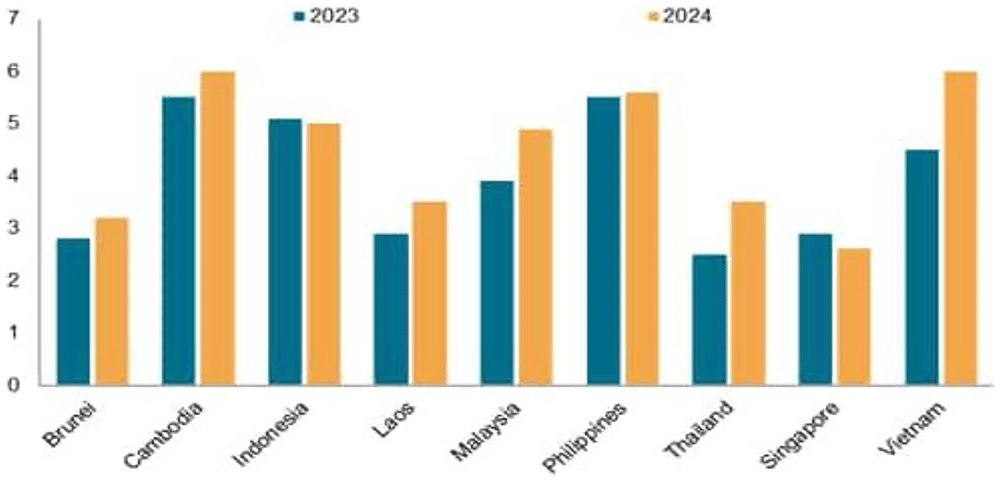
Figure 1. ASEAN GDP growth forecasts.
Source: S&P Global Market Intelligence.
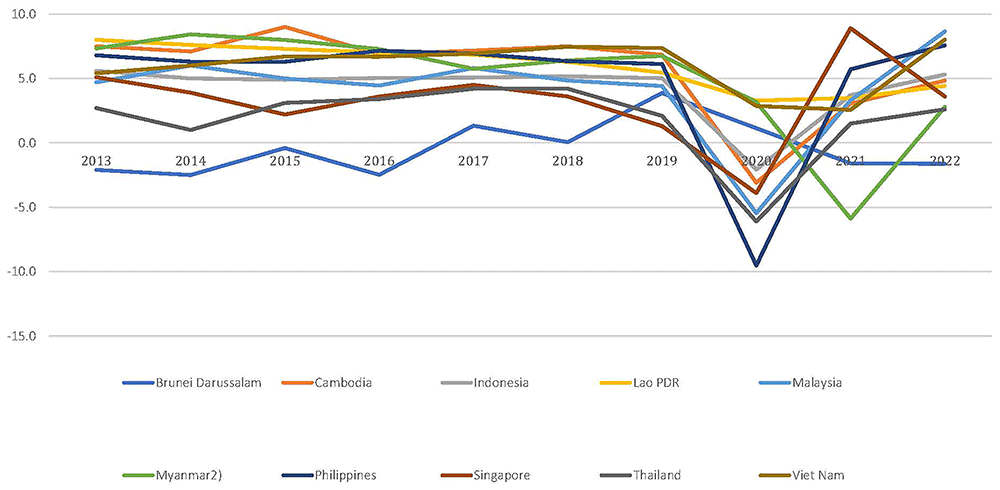
Figure 2. Rate of Economic Growth in ASEAN from 2013 until 2022.
Figure 3 highlights GDP per capita for ASEAN countries over the same period, drawing attention to the pronounced economic disparities that exist within the region. Singapore, with a per capita GDP approaching $80,000, stands in stark contrast to Cambodia, Laos, and Myanmar, where GDP per capita remains under $5,000. This significant income gap underscores the enduring economic inequalities among ASEAN member states, reflecting the varied levels of development and resources available across the bloc. The disparity further illustrates the challenges faced by lower-income countries in narrowing the development gap with their wealthier counterparts. However, digital transformation emerges as a critical opportunity for these less-developed nations to bridge this divide. By leveraging advancements in digital technologies and investing in ICT infrastructure, lower-income countries have the potential to accelerate economic growth, improve productivity, and enhance access to global markets, thereby creating a more balanced and inclusive economic landscape within ASEAN.
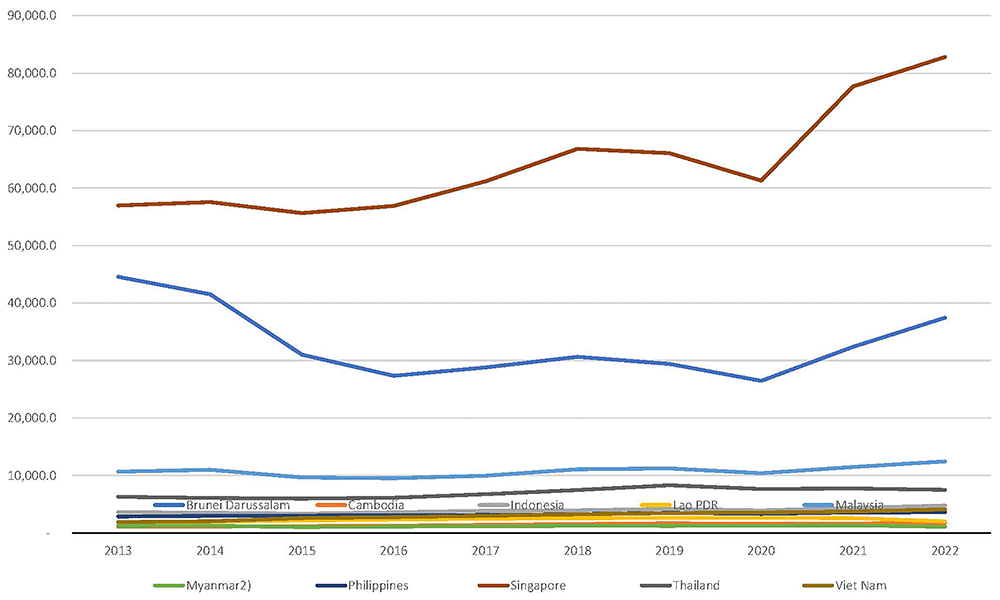
Figure 3. GDP per Capita in ASEAN from 2013 until 2022.
The stark economic disparities highlighted by GDP per capita metrics further emphasize the digital divide that exists within the ASEAN region. Singapore’s per capita GDP of approximately $80,000 stands in striking contrast to that of Cambodia, Laos, and Myanmar, where GDP per capita remains below $5,000. This glaring gap underscores the urgent need for targeted digital initiatives to foster more equitable economic development across the region. The role of ICT in bridging this divide is paramount, as evidenced by strong economic recoveries in countries that have embraced digital technologies. These examples suggest that digitalization could serve as a transformative pathway for less developed nations to narrow the economic gap with their more affluent neighbors10,11.
Despite ongoing regional efforts to promote digital integration, significant barriers persist for lower-income ASEAN nations. Challenges such as limited broadband coverage and high costs continue to hinder the expansion of ICT infrastructure in countries with fewer resources12. These barriers highlight the disparity in digital readiness across ASEAN and underscore the need for both national and regional strategies to address the infrastructural and economic constraints faced by these nations.
Emerging studies on digital convergence within ASEAN reveal varied trends. While countries such as Vietnam and the Philippines have made substantial progress in improving ICT access, others like Cambodia, Laos, and Myanmar remain constrained by infrastructural, political, and economic challenges12. These differences point to the complexity of achieving digital equity across the region and the need for tailored approaches to address each country’s unique circumstances.
This study seeks to examine whether digital convergence is occurring among ASEAN’s lower-HDI countries—Indonesia, Vietnam, the Philippines, Cambodia, and Laos. Specifically, it explores the presence of sigma and beta convergence in digitalization by analyzing key indicators such as household internet access and broadband subscriptions. Understanding these trends is vital for evaluating ASEAN’s digital integration objectives. By addressing the digital divide, the region can bolster economic resilience, advance human development, and move closer to realizing a more inclusive ASEAN community. Such an effort not only aligns with ASEAN’s broader integration goals but also holds the potential to enhance regional stability and economic equality.
Literature review
As ASEAN countries advance in their digital transformation journey, disparities in access to digital infrastructure reveal the enduring challenge of the digital divide, particularly in low-HDI nations such as Cambodia, Laos, and Myanmar. For these countries, access to fixed broadband and internet services is essential in closing this gap, as these technologies are critical to enabling economic participation, social inclusion, and access to essential services. While some ASEAN countries, including Vietnam and Thailand, have made significant progress in expanding their digital infrastructure, others struggle with challenges such as high costs and limited financial and technical resources. This literature review focuses on two critical indicators of digital convergence—fixed broadband subscriptions and internet usage—to assess how these elements contribute to fostering digital inclusion and supporting economic development. By analyzing existing studies on fixed broadband and internet access, this review provides context on the barriers to digital integration in Southeast Asia and its implications for policy and sustainable development.
Fixed broadband subscriptions
Fixed broadband infrastructure is a cornerstone of sustainable digital growth and economic modernization, particularly in developing regions like Southeast Asia. It offers reliable, high-speed internet access essential for bandwidth-intensive activities such as digital business operations, remote learning, and telecommuting13. Compared to mobile broadband, fixed broadband is more dependable and supports advanced technological applications like cloud computing and data-driven industries, which are critical to competitiveness in today’s global economy9. Investments in fiber-optic networks have been instrumental in countries like Vietnam and Thailand, facilitating connectivity in both urban and rural areas, driving economic growth, and enhancing global competitiveness14. These efforts align with ASEAN's broader goal of fostering regional digital integration by scaling up digital industries.
However, fixed broadband penetration remains a challenge in lower-income ASEAN countries, including Cambodia, Laos, and Myanmar. These nations face significant hurdles in deploying fixed broadband infrastructure due to high capital costs and challenging geographical terrains that complicate extending coverage to rural and underserved areas15. Consequently, mobile broadband has become a dominant alternative in these countries. While valuable, mobile broadband often lacks the speed and reliability necessary for advanced services, further exacerbating the digital divide16. 9 highlights how the absence of robust fixed broadband infrastructure deepens socio-economic inequalities by restricting access to education, healthcare, and economic opportunities for rural populations.
Global examples reflect similar trends. For instance17, found that fixed broadband adoption in India’s low-income states significantly lagged behind, widening the digital divide. In China7, emphasized the role of fixed broadband in rural connectivity and economic revitalization, though adoption remained uneven between urban and rural areas. In Africa6, identified slower convergence in fixed broadband adoption compared to mobile broadband, citing high costs and infrastructural limitations as key barriers. Similarly9, underscored the importance of fixed broadband in fostering inclusive development in Chinese cities, although regional disparities persisted. These findings reinforce the notion that while fixed broadband is crucial for digital inclusion, its expansion faces substantial obstacles, particularly in low-income and rural contexts.
Internet users
Internet access is a vital enabler of digital transformation and economic growth, especially in emerging economies. Greater internet penetration among households has been linked to enhanced productivity, better educational outcomes, and increased economic participation13,18. Countries like Vietnam, the Philippines, and Thailand have demonstrated substantial growth in household internet access, spurred by government investments in digital infrastructure and the proliferation of affordable mobile broadband. This increased connectivity has broadened access to digital services and e-commerce, enabling local businesses to participate in global trade through digital platforms18. According to 15, internet access plays a pivotal role in enhancing social services, particularly in underserved areas where connectivity gaps hinder access to education and healthcare.
Despite these advancements, the growth of internet access across ASEAN remains uneven, with notable disparities between urban and rural regions. Mobile broadband, while a cost-effective solution for expanding digital access in Southeast Asia, often falls short in providing the speed and reliability required for bandwidth-intensive activities such as telemedicine and online learning16. 19 emphasizes the importance of policy initiatives and targeted investments to enhance internet access in low-income and remote regions. Expanding internet coverage in these areas is critical to fostering economic inclusion, driving innovation, and enabling broader participation in the digital economy.
Extensive research illustrates the variability of digital convergence and ICT adoption globally, with gradual improvements noted in mobile and broadband access among low- and middle-income nations4–6. 4 observed significant growth in ICT adoption in low-income regions between 2000 and 2010, suggesting a narrowing of global digital inequalities. Within Indonesia5, highlighted that ICT convergence across provinces was largely influenced by foreign direct investment and educational expenditures, showcasing the role of policy interventions in narrowing digital divides. Other regions, such as China and Africa, have demonstrated that coordinated policy, financial support, and efforts to equalize urban-rural incomes are essential for advancing digital adoption and reducing ICT disparities6,7. In India17, documented significant divergence in internet access across states, with lower-income areas struggling to achieve the growth rates required for convergence. Meanwhile8, found no evidence of beta convergence, indicating that initial inequalities in digital access remained unaddressed over time. Similarly9, noted that digital convergence rates remain inconsistent, particularly in low-income countries with limited capacity for ICT investments. Together, these studies emphasize that while factors such as policy, education, and investment can facilitate digital convergence, structural and financial barriers continue to present significant obstacles to bridging the digital gap.
The literature highlights fixed broadband subscriptions and internet access as critical indicators of digital convergence, both of which are essential for economic growth and digital inclusion. Mobile broadband, while offering an accessible entry point to digital services, cannot match the reliability and speed of fixed broadband required for advanced economic activities. ASEAN countries like Vietnam and Thailand demonstrate how investments in broadband infrastructure can support digital transformation, bolstering economic resilience and competitiveness. However, significant challenges persist in achieving equitable access across the region, particularly in lower-income nations such as Cambodia, Laos, and Myanmar. Addressing these disparities through targeted policies, international collaboration, and investment in infrastructure will be vital to closing the digital divide and fostering inclusive growth across ASEAN.
Research methodology
Drawing on the club convergence hypothesis, which posits that convergence in economic or digital development tends to occur within groups of countries that share similar characteristics20, this study investigates digital convergence among five ASEAN countries: Indonesia, Vietnam, the Philippines, Cambodia, and Laos. These nations are grouped together due to their comparable developmental challenges within the ASEAN region, enabling an analysis of digital convergence trends as a collective unit. The study specifically examines fixed broadband subscriptions (FBS) and internet usage (IU) as key indicators of digitalization. These indicators are assessed over two periods: 2003–2022 for FBS and 1995–2022 for IU, utilizing data obtained from the International Telecommunication Union (ITU). Fixed broadband subscriptions are defined as the number of subscriptions per 100 people, requiring a minimum downstream speed of 256 kbit/s, serving as a proxy for infrastructure readiness. Internet usage is expressed as the percentage of individuals who accessed the internet from any location in the past three months, representing digital engagement across populations.
The study employs two established methods of convergence analysis: sigma convergence and beta convergence, building on the frameworks developed by 8 and 9. Sigma convergence focuses on measuring disparities in digital development by calculating the coefficient of variation (CV) for FBS and IU across the selected countries over time. The CV is derived by dividing the standard deviation of the digitalization indicators by their mean. A declining CV over time signifies a reduction in disparities, indicating that digitalization levels are becoming more equitable across ASEAN. Such a trend would confirm the presence of sigma convergence. The sigma convergence method is a well-recognized tool in economic studies for evaluating reductions in disparities within groups of countries21 and has also been widely applied in recent ICT development research9,17.
Beta convergence, on the other hand, examines whether less digitally advanced economies are catching up with their more developed counterparts. This method specifically evaluates the catch-up potential of countries with lower initial levels of digitalization. Following the methodological approach established by 21, beta convergence is analyzed through regression modeling to determine whether countries with lower initial digital levels experience faster growth compared to those with higher initial levels. In this framework, a statistically significant negative beta coefficient would confirm that countries with lower initial digitalization levels are converging toward their more advanced counterparts.
Beta convergence is operationalized through the following regression equation:
where (y)i,t represents the digitalization indicator in country i at time t, and (y)i,t-1 is the initial period’s digitalization level. A significant, negative beta coefficient (β) would indicate convergence, implying that countries with higher initial levels experience slower growth. Additionally, to capture overall trends in digitalization, the model incorporates a time trend coefficient, which represents the rate of change in digitalization across the period. This augmented model is estimated using panel data, allowing for the comparison of pooled ordinary least squares (OLS), fixed effects, and random effects models to determine the most robust estimation approach.
The extended beta convergence model used in this study is expressed as:
where (Yi,t) represents the ICT development indicator for country i at period t; Xi,t represents control variables for initial levels of digitalization; μi captures country-specific effects, and λt denotes time-specific effects. This equation, which incorporates both lagged digitalization levels (β1) and initial digitalization levels (β2), helps assess whether initial disparities in digitalization lead to differential growth rates. A negative β1 coefficient would suggest that lower-initial digitalization levels contribute to faster growth, supporting the notion of beta convergence22,23.
In this study, the beta convergence model is further specified as:
where Δ digitalizationi,t denotes the change in digitalization for country i at time t, Digitalizationi,t-1 is the lagged level of digitalization, InitialLeveli represents the initial level of digitalization, and t captures the time trend. Here, β1 tests for convergence by indicating if countries with higher initial digitalization levels grow more slowly, while β2 assesses the role of initial digitalization levels in influencing growth rates. A negative β1 or β2 would suggest convergence.
This study incorporates panel data estimation techniques to effectively account for both time-invariant and time-specific factors influencing the growth of digitalization. By employing this methodological approach, the analysis not only examines the presence or absence of convergence but also identifies persistent barriers that may impede digital convergence within the ASEAN region. Panel data analysis offers a nuanced perspective, enabling a deeper understanding of the convergence process by capturing both cross-country variations and time-dependent trends in digitalization24. The integration of sigma and beta convergence methods in this study reflects a dual approach that has been widely recognized in prior research for its ability to evaluate convergence patterns comprehensively. This approach highlights the significance of assessing both relative disparities and the potential for catch-up growth among less advanced economies9,13. Through this combined framework, the study provides valuable insights into the dynamics of digital equity and progress within the ASEAN bloc.
Results and findings
This section provides the empirical findings of the study, focusing on the assessment of digital convergence among ASEAN’s low-HDI countries: Indonesia, Vietnam, the Philippines, Cambodia, and Laos. Using the methodology outlined earlier, sigma and beta convergence analyses were performed with fixed broadband subscriptions (FBS) and internet usage (IU) as proxies for digitalization. The analysis spans the periods 2003–2022 for FBS and 1995–2022 for IU. Sigma convergence was evaluated by analyzing the coefficient of variation (CV) over time, where a decline in CV indicates narrowing digital disparities. For beta convergence, panel regression models were employed to determine whether countries with lower initial levels of digitalization demonstrated faster growth rates, indicative of a catch-up effect. This section explores the extent of digital convergence within these ASEAN nations, emphasizing both areas of progress and enduring gaps in digital infrastructure and access, while also discussing the implications for regional digital equity and policy strategies.
The trends in internet usage among ASEAN’s low-HDI countries—Indonesia, the Philippines, Vietnam, Cambodia, Laos, and Myanmar—are illustrated in Figure 4. The trend lines display the percentage of internet users over time across these nations. The majority of countries show a significant upward trajectory, reflecting increased internet penetration over the years. During the earlier periods, internet usage percentages were relatively low, indicative of limited accessibility to digital resources. However, starting in the early 2000s, a noticeable upward shift is evident, corresponding to advancements in technology, expanded infrastructure, and enhanced global internet access.
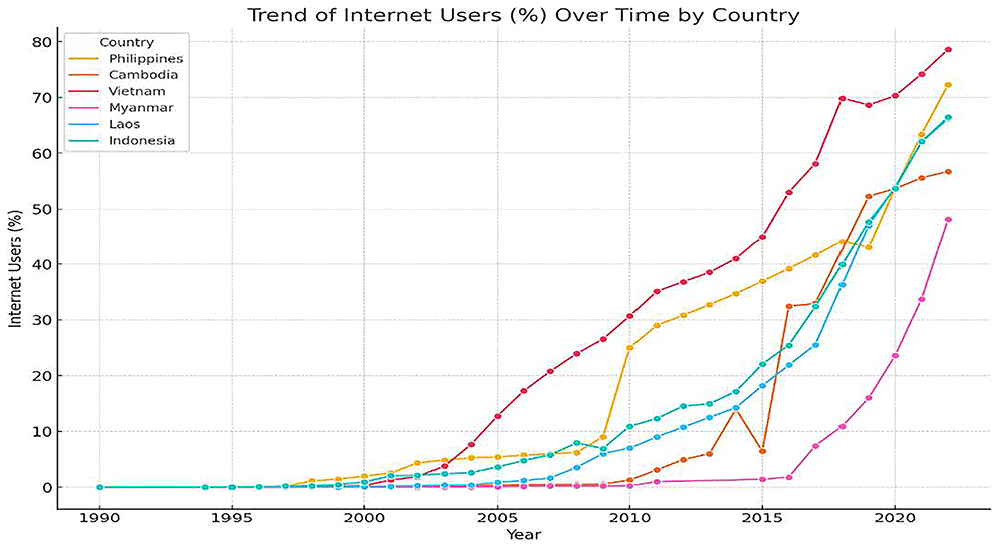
Figure 4. Trend of Internet Users of ASEAN Low HDI Countries.
Countries that initially lagged in internet penetration exhibit steep inclines later, signifying accelerated adoption of digital technologies, while others demonstrate a more gradual increase as they approach higher levels of saturation. These trends collectively underscore the global transition toward enhanced digital connectivity and reflect progress in narrowing the digital divide over time. Nevertheless, the variations in the rate of growth among these countries highlight persistent disparities, which remain a critical concern for achieving comprehensive digital inclusivity across ASEAN.
Figure 5 below illustrates the trend of fixed broadband Internet subscribers (FBIS) in ASEAN’s low-HDI countries. The trend lines highlight a gradual increase in broadband adoption across most countries over time. In the initial years, subscriber numbers were notably low, reflecting the limited availability and adoption of broadband technology. However, with the expansion of broadband infrastructure, a significant rise in subscriptions is evident, particularly from the mid-2000s onward. Certain countries exhibit sharp increases in broadband adoption, which can likely be attributed to targeted infrastructure investments and growing demand for high-speed internet services. Overall, the data reflects substantial growth in broadband accessibility across the region, although some countries show a more gradual rate of adoption, potentially due to slower infrastructure development or economic constraints.
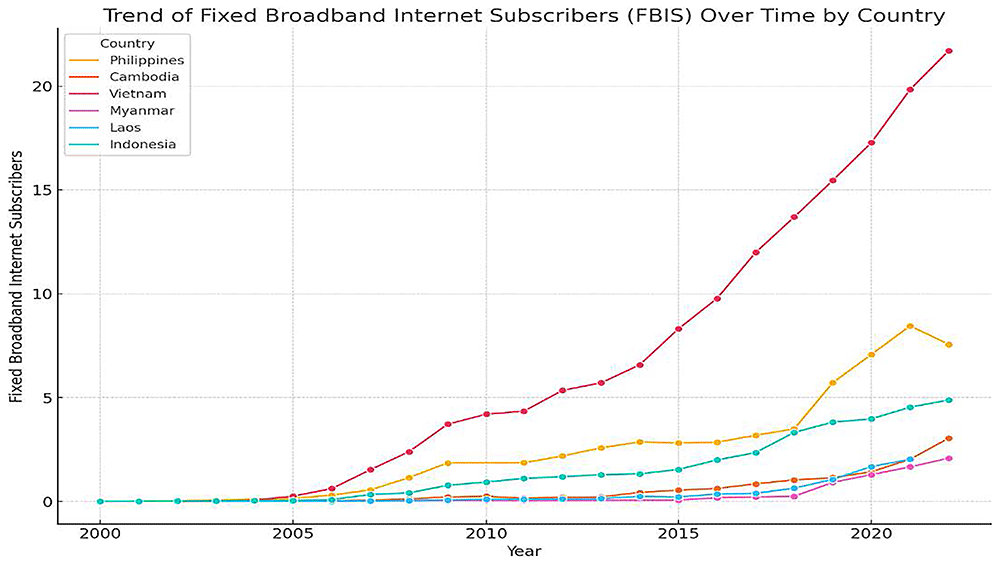
Figure 5. Trend of Fixed Broadband Internet Subscribers of ASEAN Low HDI Countries.
Since the 2000s, internet and broadband usage have shown consistent growth in Indonesia, the Philippines, Vietnam, Laos, Cambodia, and Myanmar. Internet adoption has increased significantly, with Vietnam and the Philippines experiencing particularly rapid growth. Broadband usage, however, has expanded at differing rates across the region. Indonesia and Vietnam have demonstrated faster growth in broadband adoption, while Laos, Cambodia, and Myanmar have progressed more slowly, largely due to differences in infrastructure development. These trends highlight the region’s collective shift toward enhanced digital connectivity, albeit at varying speeds across countries.
Sigma convergence
The trend graph presented in Figure 6 depicts the Coefficient of Variation (CV) for internet usage among the selected ASEAN countries over the years. This graph illustrates the temporal changes in the CV for internet users (%), serving as an indicator of the disparities in internet penetration across the countries analyzed in the dataset. A declining trend in the CV signifies sigma convergence, as it reflects a reduction in variation and suggests that internet usage levels are becoming more uniform across the countries over time.
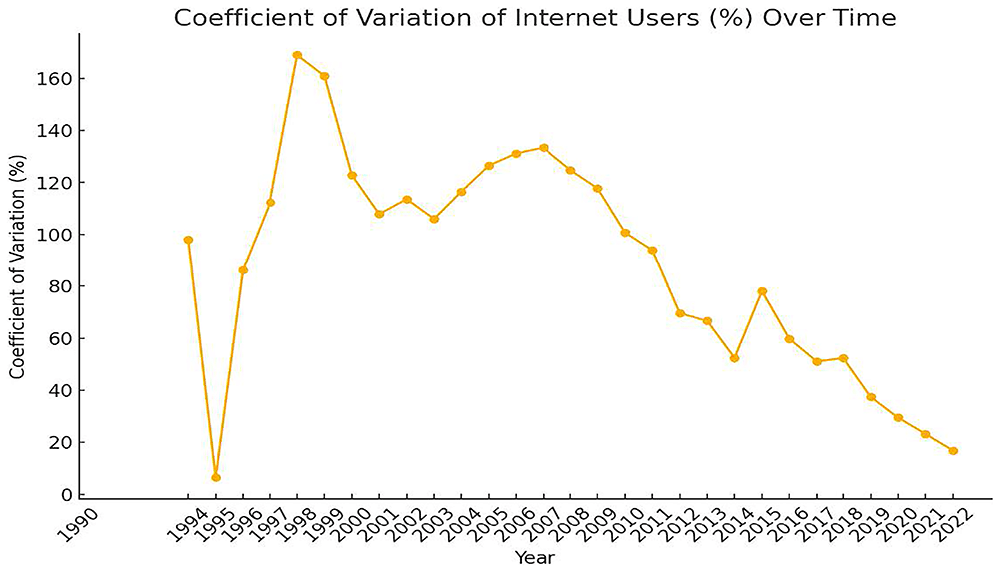
Figure 6. Coefficient of Variation for Internet Users.
The graph reveals a general decrease in the CV starting from the early 2000s, with a particularly noticeable decline beginning around 2010. This downward trend indicates a progressive narrowing of digital inequalities among these countries. The observed reduction in CV provides evidence supporting the existence of sigma convergence in internet adoption across the examined regions, highlighting a movement toward greater digital parity over the studied period.
Figure 7 illustrates the Coefficient of Variation (CV) for fixed broadband internet subscribers over time. A decreasing trend in the CV is indicative of sigma convergence, as it reflects a reduction in variability across the countries studied. The plot reveals some fluctuations in the CV over the observed period. While there are intervals of increase, particularly during the early 2000s, the overall trend post-2010 demonstrates a gradual decline. This downward trajectory suggests a convergence in broadband subscription levels among the countries under examination. The consistent decrease in CV during recent years provides evidence supporting the presence of sigma convergence in fixed broadband adoption across the region.
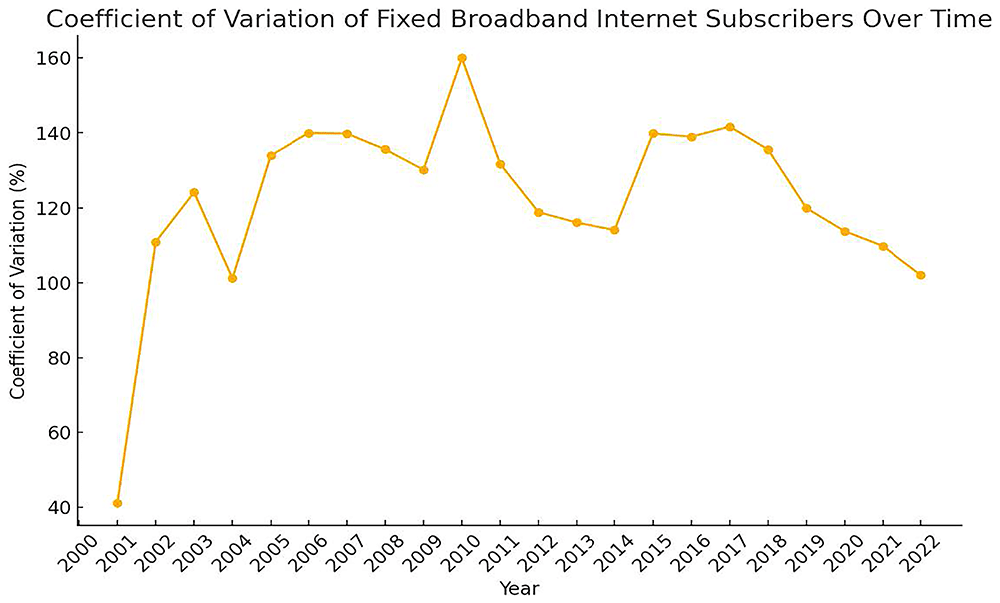
Figure 7. Coefficient of Variation for Fixed Broadband Internet Subscribers.
In summary, the findings from both datasets indicate the existence of sigma convergence, as disparities in digital access, specifically regarding internet usage and broadband subscriptions, are diminishing over time. This trend highlights significant progress in narrowing the digital divide within these regions.
Beta convergence
Table 1 and Table 2 present the panel regression analyses for Internet Users and Fixed Broadband Internet Users, respectively. In Table 1, the analysis shows an insignificant positive coefficient for lagged Internet Users, indicating a lack of strong evidence for beta convergence in this model. Instead of showing convergence, the results suggest that entities with higher initial growth rates are not catching up to those with lower initial rates, contradicting the expectations of beta convergence.
Table 1. Beta Convergence – Internet Users (N = 100).
| Pooled OLS |
|---|
| Coefficient | t | p-value | Findings |
|---|
| Lagged IU | -0.01637 | -2.07507 | 0.0407 | Significance |
| Initial IU | 0.034705 | 0.750903 | 0.4545 | Insignificance |
| Time | 0.023068 | 0.833664 | 0.4065 | Insignificance |
| Constant | 0.400985 | 1.811953 | 0.0731 | Insignificance |
| R-squared | 0.09601 | | | |
| F-statistic | 3.398621 | | | |
Prob(F-
statistic) | 0.020913 | | | |
Table 2. Beta Convergence – Fixed Broadband Internet Users (N = 100).
| Pooled OLS |
|---|
| Coefficient | t | p-value | Findings |
|---|
| Lagged FBIS | -0.00659 | -0.26721 | 0.7899 | Significance |
| Initial FBIS | -5.17385 | -1.60742 | 0.1112 | Insignificance |
| Time | -0.05558 | -3.47541 | 0.0008 | Insignificance |
| Constant | 1.227136 | 6.803309 | 0.0000 | Insignificance |
| R-squared | 0.181337 | | | |
| F-statistic | 7.08812 | | | |
Prob(F-
statistic) | 0.000236 | | | |
Likewise, the panel regression analysis for Fixed Broadband Internet Users, as shown in Table 2, reveals a negative coefficient for lagged Fixed Broadband Internet Users, measured at -5.173853. This indicates a negative relationship between the initial growth rate and the subsequent growth of Fixed Broadband Internet Users, suggesting the possibility of beta (β) convergence. However, the associated p-value of 0.1112 for this variable demonstrates that this relationship is not statistically significant at conventional confidence levels. Therefore, while the observed negative relationship hints at convergence, the lack of statistical significance implies that the evidence is insufficient to conclusively confirm beta convergence within this model.
The findings of this study align with those reported by 8 indicating no evidence of digital convergence and suggesting that the digital divide persists. Put simply, regions or groups with limited access to digital tools and knowledge are not catching up with their more technologically advanced counterparts. This lack of progress underscores the persistence of disparities in digital access and resources, despite ongoing efforts to address these issues. These results highlight the significant challenges in ensuring equal digital opportunities and emphasize the need for targeted actions to overcome the barriers that prevent certain communities from advancing in the digital sphere.
Discussion
The findings of this study reveal persistent disparities in digital progress among ASEAN’s lower-HDI countries—Indonesia, the Philippines, Vietnam, Laos, and Cambodia—indicating a lack of convergence in digital development. Despite ASEAN’s ambitious goals for digital integration, these nations continue to experience significant differences in digital infrastructure, adoption rates, and the effectiveness of digital policies. For instance, Cambodia and Laos lag considerably behind more digitally advanced nations such as Indonesia and the Philippines. These disparities present challenges to ASEAN’s broader objectives of economic integration and digital cohesion, raising critical questions about the alignment and effectiveness of current digital strategies within the region.
These findings align with broader regional studies, which show that while East Asia has made substantial progress toward digital convergence through coordinated policies and robust investments in digital infrastructure, the experience in Southeast Asia has been more fragmented25. Previous research by 26 similarly highlights disparities within ASEAN, attributing them to differences in policy approaches, investment levels, and digital literacy. This study also supports27 concept of the "digital divide," which emphasizes how socio-economic and structural barriers can significantly hinder digital adoption, especially in emerging economies. In Southeast Asia, these barriers manifest as uneven infrastructure access, insufficient government funding, and low digital literacy levels, all of which limit equitable access to digital technologies3. These persistent divides suggest that digital inequality within ASEAN is driven by a combination of economic and policy factors.
The enduring disparities in digitalization among ASEAN’s low-HDI countries underscore the importance of adopting targeted and differentiated digital strategies. According to 26, digital policies tailored to each country’s unique needs and circumstances are more effective than uniform approaches. For instance, Cambodia and Laos, characterized by lower levels of digitalization, would benefit from foundational support in the form of investments in digital infrastructure and initiatives aimed at improving digital literacy. Targeted investments and capacity-building programs are necessary to address the structural challenges that limit their digital adoption and hinder their integration into the regional digital economy3.
For more digitally advanced countries like Indonesia and Vietnam, policy efforts could focus on fostering innovation and supporting digital entrepreneurship. Encouraging the growth of digital services and technology-based industries can stimulate economic activity and create regional spillover effects that benefit neighboring countries28. Drawing from examples in other emerging markets, a strategic mix of public and private investments in digital infrastructure can help bridge digital divides and promote sustainable growth29. For example, incentivizing private companies to invest in broadband and digital infrastructure in underserved areas could accelerate access and participation. Similarly, offering tax breaks or subsidies for tech startups could encourage the development of locally relevant digital solutions and services.
The lack of digital convergence within ASEAN highlights the critical need for stronger regional cooperation to promote digital equity and cohesion. The ASEAN Digital Masterplan 2025 prioritizes a unified digital framework to facilitate regional integration, yet the persistence of disparities suggests that cross-country collaboration remains insufficient26. Enhanced regional cooperation could address these gaps through initiatives such as cross-border technology transfer, joint capacity-building programs, and a shared policy framework. These efforts could be modeled after the European Union’s Digital Strategy, which has successfully fostered digital cohesion among economically diverse member states30.
For example, large-scale regional digital literacy programs could be introduced to benefit countries with low digital skills and limited access to educational resources. Vietnam’s successful digital literacy programs31 could serve as a model, demonstrating how targeted education initiatives can enhance digital skills and promote inclusive participation. Additionally, ASEAN could establish funding mechanisms or provide financial incentives to support digital infrastructure development in underrepresented regions. Such incentives could encourage private-sector investment in digital infrastructure projects, further enhancing digital equity and supporting regional stability in the long term28.
The relationship between low Human Development Index (HDI) scores and digital inequality creates a self-reinforcing cycle of disadvantage for ASEAN’s lower-HDI countries. Nations such as Cambodia and Laos, which have low HDI scores, face limited access to critical resources like healthcare, education, and economic opportunities, thereby restricting their ability to adopt and utilize digital technologies effectively. This challenge is particularly acute in the area of digital literacy, where inadequate educational infrastructure in low-HDI countries constrains the development of digital skills, further limiting economic participation and growth32. In the healthcare sector, digital health solutions have the potential to enhance access to and quality of care in low-resource settings, but the lack of digital convergence means that the country’s most in need of these innovations are often the least equipped to implement them31.
The economic impact of this digital divide is significant. Countries with low HDI scores struggle to access digital economic opportunities, such as e-commerce and digital entrepreneurship, which are becoming increasingly critical for GDP growth and employment. Without sufficient digital infrastructure, these nations risk falling further behind as more digitally capable ASEAN countries continue to attract investment and improve living standards, thereby widening the development gap33. Inadequate infrastructure not only limits growth potential but also exacerbates regional inequalities, as high-HDI countries like Indonesia and Vietnam leverage their digital capabilities to accelerate economic development.
To address these disparities, coordinated investments and targeted policy interventions are essential to enable ASEAN’s low-HDI countries to fully participate in the digital economy. Policymakers should prioritize digital infrastructure development in underserved regions, leveraging public-private partnerships and international aid where possible. Investments in digital literacy and education programs, particularly in rural areas, would help equip citizens with the skills needed to engage with digital platforms and tools. International cooperation, supported by multilateral funding and technical assistance, could play a pivotal role in creating an enabling environment for digital growth.
Furthermore, ASEAN could consider establishing a digital cohesion fund similar to the EU’s Cohesion Fund, specifically designed to address gaps in digital infrastructure among lower-income member states30. This fund could focus on expanding broadband networks in rural and remote areas and supporting digital literacy initiatives targeted at disadvantaged populations. By implementing regional digital inclusion programs that incorporate these strategies, ASEAN can significantly reduce the digital divide and promote more inclusive growth within the region.
Conclusion and recommendation
This study analysed the state of digitalization in ASEAN’s low-HDI countries—Indonesia, the Philippines, Vietnam, Cambodia, and Laos—to evaluate the extent of digital convergence within the region. Using sigma and beta convergence analyses, the study assessed digital progress through fixed broadband subscriptions and internet usage as indicators of digital infrastructure and access. The findings reveal that digital convergence has not yet been achieved, as significant disparities persist in digital infrastructure, adoption rates, and the effectiveness of digital policies among these nations. While digitally advanced countries such as Indonesia and Vietnam have made substantial progress, lower-HDI countries like Cambodia and Laos continue to face significant barriers to digital adoption. These gaps hinder ASEAN’s objective of establishing a unified digital economy and highlight the challenges of achieving digital equity and fostering inclusive economic development across the region.
The study’s findings align with existing research that underscores the digital divide in Southeast Asia and highlights the role of economic and structural barriers in hindering digital convergence. Differences in government investment, levels of digital literacy, and policy implementation across ASEAN member states exacerbate these disparities. Countries with fewer resources struggle to adopt and benefit from digital technologies at the same pace as their more developed counterparts. This digital divide not only limits economic opportunities for lower-HDI nations but also intensifies existing socio-economic inequalities, creating a cycle of disadvantage for countries with limited access to digital resources.
Bridging these disparities requires a multifaceted approach that integrates targeted infrastructure investments, policy reforms, and regional collaboration. For nations like Cambodia and Laos, foundational investments in broadband infrastructure and the implementation of digital literacy programs are critical to fostering digital inclusion. Capacity-building initiatives in underserved areas, supported by a combination of public and private sector investments, could help these countries address structural barriers and enable wider access to digital tools and services. Conversely, digitally advanced nations such as Indonesia and Vietnam should prioritize fostering innovation and supporting digital entrepreneurship to stimulate growth and drive regional knowledge spillovers. These countries can act as digital hubs within ASEAN, promoting technology transfer and collaboration that benefits neighboring nations with less-developed digital capabilities.
The study emphasizes the importance of regional cooperation and knowledge sharing within ASEAN to address the digital divide. The ASEAN Digital Masterplan 2025 provides a strategic framework for digital integration, but its success relies on enhanced regional cooperation. This includes promoting cross-border technology transfers, harmonizing policy frameworks, and initiating joint capacity-building programs. ASEAN could take inspiration from models such as the European Union’s Digital Strategy, which has successfully fostered digital cohesion among its economically diverse member states. Establishing funding mechanisms or incentives for digital infrastructure investments in underserved regions could encourage private-sector participation, enabling lower-HDI countries to engage more fully in the digital economy.
Additionally, the study highlights the critical need for international support to bridge ASEAN’s digital divide. Collaborative efforts involving international organizations, multilateral funding agencies, and development partners could provide vital resources for digital infrastructure projects, particularly in remote and rural areas. The establishment of a coordinated ASEAN Digital Cohesion Fund could play a transformative role in supporting digital infrastructure and literacy initiatives for low-income member states, drawing lessons from the EU’s experience in addressing regional disparities through targeted funding mechanisms.
In conclusion, this study demonstrates that the lack of digital convergence within ASEAN’s low-HDI countries remains a significant challenge to achieving economic integration and digital equity in the region. By prioritizing digital literacy, expanding digital infrastructure, and fostering innovation, ASEAN can work to close the development gap, ensuring that all member states can participate equitably in the digital economy and contribute to the region’s collective growth. These efforts align with ASEAN’s vision for a digitally inclusive and economically resilient future, emphasizing the critical role of digitalization in driving human development and regional stability. Addressing these challenges will not only advance ASEAN’s economic objectives but also ensure that digitalization becomes a powerful tool for inclusive development, empowering citizens across the region to achieve greater economic and social progress.
Data availability statement
The dataset used in this research was obtained from the International Telecommunication Union (ITU) and is freely available through the ITU DataHub platform. The data can be accessed directly at: https://datahub.itu.int/query/. The dataset was collected and analyzed as part of the Overcoming Digital Divide Between Europe and Southeast Asia (ODDEA) EU research project.
Acknowledgement
This paper was prepared with the support of the ODDEA Horizon Europe-MSCA-SE project. Project No. 10108638. This support is gratefully acknowledged.
Faculty Opinions recommendedReferences
- 1.
Hilbert M:
The end justifies the definition: the manifold outlooks on the digital divide and their practical usefulness for policy-making.
Telecommun Policy.
2011; 35(8): 715–736. Publisher Full Text
- 2.
World Bank:
World development indicators. Washington, DC: World Bank. 2022. Reference Source
- 3.
ASEAN Secretariat:
ASEAN digital integration framework. ASEAN Secretariat. 2021. Reference Source
- 4.
Lechman E:
Technology convergence and digital divides. A country-level evidence for the period 2000–2010.
Ekonomia. Rynek, Gospodarka, Społeczeństwo.
2012; (31): 93–123. Reference Source
- 5.
Ramadhanti HD, Astuti ET:
Digital divide and a spatial investigation of convergence in ICT development across provinces in Indonesia.
Jurnal Aplikasi Statistika & Komputasi Statistik.
2020; 12(3): 69–84. Publisher Full Text
- 6.
Du M, Huang Y, Dong H, et al.:
The measurement, sources of variation, and factors influencing the coupled and coordinated development of rural revitalization and digital economy in China.
PLoS One.
2022; 17(11): e0277910. PubMed Abstract
| Publisher Full Text
| Free Full Text
- 7.
Chang YS, Jeon S, Samba K:
Speed of catch-up and digital divide: convergence analysis of mobile cellular, internet, and fixed broadband for 44 African countries.
J Glob Inform Technol Manag.
2020; 23(3): 217–234. Publisher Full Text
- 8.
Rath BN:
Does the digital divide across countries lead to convergence? New international evidence.
Econ Model.
2016; 58: 75–82. Publisher Full Text
- 9.
Han J, Song Y, Chen J:
Reducing the “digital divide” to reap the “digital dividend”: spatial differences and convergence of the digital economy in cities of China.
Front Sustain Cities.
2024; 6: 1283604. Publisher Full Text
- 10.
Hindrayani A, Rina L, Naufalin LR:
Impact of Indonesia's ICT development on economic growth.
Jurnal Pendidikan Ekonomi Dan Bisnis.
2024; 12(1): 1–10. Publisher Full Text
- 11.
Oloyede AA, Faruk N, Noma N, et al.:
Measuring the impact of the digital economy in developing countries: a systematic review and meta-analysis.
Heliyon.
2023; 9(7): e17654. PubMed Abstract
| Publisher Full Text
| Free Full Text
- 12.
Habaradas RB, Mia IBR:
ASEAN ICT developments: current state, challenges, and what they mean for SMEs.
Philipp Acad Manag E J.
2020; 3(1): 37–50. Reference Source
- 13.
Duong VAN:
Impacts of Information and communication technologies infrastructure development on economic growth: an empirical study of Southeast Asian countries.
J Econ Law Manag.
2023; 7(2): 4331–4340. Publisher Full Text
- 14.
Broadband Commission for Sustainable Development:
The state of broadband 2020: tackling digital inequalities. scientific and cultural organization, 2020. Reference Source
- 15.
World Bank:
World Development Report 2021: data for better lives. The World Bank Group, 2021. Reference Source
- 16.
GSMA:
The mobile economy Asia Pacific 2022. GSMA Intelligence. 2022. Reference Source
- 17.
Agarwal T, Panda PK:
Pattern of digital divide and convergence in access to ICT facilities among the Indian States.
J Infrastruct Dev.
2018; 10(1–2): 37–51. Publisher Full Text
- 18.
Banerjee S, Bose P, Siddiqui I:
Digital dynamics and international trade: experiences of South and South-East Asia.
Int J Asian Bus Inform Manag.
2022; 13(1): 1–16. Publisher Full Text
- 19.
International Telecommunication Union (ITU):
Measuring digital development: facts and figures 2020. ITU Publications, 2020. Reference Source
- 20.
Garang APM, Erkekoglu H:
Convergence triggers in Africa: evidence from convergence clubs and panel models.
S Afr J Econ.
2021; 89(2): 218–245. Publisher Full Text
- 21.
Barro RJ, Sala-i-Martin X:
Convergence.
J Polit Econ.
1992; 100(2): 223–251. Publisher Full Text
- 22.
Islam N:
What have we learnt from the convergence debate? A review.
J Econ Surv.
2003; 17(3): 309–362. Publisher Full Text
- 23.
Sala-i-Martin XX:
Regional cohesion: evidence and theories of regional growth and convergence.
Eur Econ Rev.
1996; 40(6): 1325–1352. Publisher Full Text
- 24.
Hsiao C:
Panel data analysis – advantages and challenges.
TEST.
2007; 16(1): 1–22. Publisher Full Text
- 25.
Curtis H, Hogeveen B, Kang J, et al.:
Digital Southeast Asia. Australian Strategic Policy Institute, Report no. 57/2022, 2022. Reference Source
- 26.
Asongu SA, Odhiambo NM:
Economic development thresholds for a green economy in sub-Saharan Africa.
Energy Exploration & Exploitation.
2019; 38(1): 3–17. Reference Source
- 27.
van Dijk JAGM:
The digital divide. Pbk/Hbk/eBook ed, Canbridge UK; Medford MA USA: Polity Press, 2020; 184.
- 28.
Mawang Z, Sieng LW:
Digital economy's transformative impact on regional growth: evidence from ASEAN countries.
Jurnal Ekonomi Malaysia.
2024; 58(2). Publisher Full Text
- 29.
Asian Infrastructure Investment Bank: Bridging the digital divide. Infrastructure Investor. 2024. Reference Source
- 30.
European Commission: The EU and ASEAN: building stronger digital economy & connectivity cooperation [Event report].
Directorate-General for Communications Networks, Content and Technology.
2019. Reference Source
- 31.
World Health Organization: Global strategy on digital health 2020–2025. Geneva: WHO, 2021. Reference Source
- 32.
UNESCO: A global framework of reference on digital literacy skills for Indicator 4.4.2 (Information Paper No. 51).
UNESCO Institute for Statistics.
2018. Reference Source
- 33.
Box S, Lopez-Gonzalez J:
The future of technology: opportunities for ASEAN in the digital economy.
Global megatrends: implications for the ASEAN economic community.
2017; 37–60. Reference Source







