Introduction
Modern technological advancements are revolutionizing the production of essential resources, setting the stage for a more sustainable and climate-neutral future. Among the most innovative breakthroughs is the creation of liquid ammonia using clean electricity, air, and water. This state-of-the-art method not only transforms traditional ammonia production but also significantly reduces the emissions linked to its use in fertilizers and marine fuels.
The potential impact is profound: this cleaner approach to ammonia synthesis has the capacity to drastically cut industrial greenhouse gas emissions, a key driver of global warming potential. As the technology advances, research efforts continue to focus on enhancing electrolytic systems for nitrogen reduction, striving to boost efficiency and ensure lasting operational reliability. Ultimately, these innovations have the power to redefine the global chemical industry and open up new pathways for sustainable progress and development.
Ammonia is a key component of the agricultural sector because it is used as a foundation for nitrogen fertilizers. When used in mineral fertilizers, its application raises soil fertility and plant nourishment, promoting global food security. However, ammonia releases from agriculture have prompted issues that have influenced the enforcement of stringent environmental policies. Global policies are being modified to establish safer production, storage, and transport regulations to guarantee that ammonia remains a viable product of global industries. Also, as the need for alternative fuels grows, ammonia’s potential to be used as a shipping fuel presents an opportunity to decarbonize shipping. While there are technical and regulatory challenges, sustained research and new structures are leading the way towards ammonia-powered vessels, in line with international objectives for clean energy transitions. Through the applications of regulatory systems and technological advancements, ammonia can be at the center of seeking environmental sustainability and effective management of resources1.
Three areas in the ammonia sector that are considered of utmost importance for the protection of human health and the environment are: the safety measures taken when dealing with it, its production process, and its proper transportation process. Each of these has specific standards that must be met in accordance to the related global legislation. Laws, Directives, Frameworks, etc. are included, diverse and differ depending on the area of their application.
Discussion/analysis of the recent literature
Safety standards
Initially, safety standards are important because they protect human health and the environment and enable the utilization of chemicals like ammonia, which, although useful in various uses, poses tremendous risk due to its toxicity, corrosiveness, and reactivity. Safety frameworks are structured in three levels. First are the Safety Fundamentals, which set out the underlying principles and the general objective of safety procedures—to protect people, property, and the environment. They are followed by Safety Requirements, binding standards that specify what must be done to ensure safety in practice. Lastly, Safety Guides provide technical guidance and best practices to ease implementation and adherence to the general safety goals. Together, these layers form a solid foundation for ensuring safety in diverse industries and applications2.
Globally, safety is driven by conventions and organizations that ensure harmonized norms. The International Labour Organization (ILO) sets international standards of safe working conditions, while conventions such as the Basel and Rotterdam Conventions regulate safe transportation, trade, and dumping of hazardous chemicals and wastes. The International Organization for Standardization (ISO) and the International Electrotechnical Commission (IEC) publish widely adopted technical standards that ensure consistency of safety measures across boundaries.
Chemical safety legislation within the European Union is extremely comprehensive and precautionary. Major laws such as REACH (Registration, Evaluation, Authorisation, and Restriction of Chemicals) make sure chemicals imported or manufactured are registered and tested for safety. The CLP Regulation also puts in place uniform criteria for the classification, labeling, and packaging of substances to warn and protect users. Parallel to these is the General Product Safety Directive, which requires all consumer products to comply with general safety standards. Moreover, sector-specific directives like Seveso III aim to prevent industrial accidents involving dangerous substances by requiring risk assessment and emergency planning.
The European Standard EN 378 is particularly applying in the VERGE project. It is specifically addressing the design, operation, and disposal of refrigeration equipment based on hazardous substances such as ammonia. It places strict limits on quantities of ammonia in systems and requires best practices in leak detection, emergency ventilation, and system design to reduce public alarm from ammonia odor even when present at non-hazardous concentrations3.
Recent developments focus on improving safety through technological advancements. This includes integrating digital monitoring systems, utilizing advanced risk assessment tools such as HAZOP and PHA, and improving emergency preparedness through systematic planning and simulation. Significant endeavors are also made to harmonize international safety standards, primarily by the Globally Harmonized System of Classification and Labelling of Chemicals (GHS), which aims to standardize hazard classification and communication worldwide, although its adoption varies across different countries2.
Overall, the safety criteria reflect a comprehensive and global approach to managing chemical risks. They emphasize prevention, real-time monitoring, and preparedness, particularly in the case of ammonia. Rooted in European and international legal frameworks, these criteria are increasingly influenced by innovation, sustainability priorities, and the need for harmonization, especially amid growing cross-border industrial activities and environmental concerns. Adhering to these principles is not only essential for regulatory compliance but also critical in fostering a resilient, sustainable, and safe chemical industry.
Chemical production process
The process of chemical production is governed by a combination of legal frameworks, environmental considerations, and technical practices, particularly in the case of ammonia production. Chemical production regulations intend to guarantee the safe handling, use, storage, and disposal of chemical compounds and consider their broader implications on health, safety, and the environment. These frameworks are typically enforced by both national and global legislation, which sets requirements for risk assessment, labeling, classification, and reporting of safety data. Examples of such are REACH within the EU and TSCA in the US, both demanding registration and testing of chemical substances so that they can be declared safe and their environmental effects ascertained.
Environmental laws are also closely connected with chemical production and aim to minimize emissions, regulate hazardous waste, and implement proper wastewater treatment processes. International agreements such as the Stockholm Convention on Persistent Organic Pollutants (POPs) and the Rotterdam Convention on Prior Informed Consent (PIC) promote international cooperation in managing hazardous chemicals. At the industrial level, ammonia is produced via the well-established Haber-Bosch process, developed in the early part of the 20th century. This method synthesizes ammonia by combining nitrogen and hydrogen under high pressure and temperature in the presence of a catalyst. While energy-intensive, the process is vital in modern industry and agriculture since it enables large-scale production of fertilizers. The ecological cost of the Haber-Bosch process is significant, and it consumes around 1–2% of all energy on earth and contributes a large amount of global CO2 emissions (roughly 1,8% to 2,0% of global CO2 emissions, or 0,8 of around 40 billion metric tons of CO2 annually)4. Consequently, there is increasing interest in transitioning to low-carbon or green ammonia production methods that use renewable energy to power electrolysis and produce hydrogen required for ammonia synthesis. Green ammonia is grouped with other low-carbon alternatives like blue ammonia, which captures and stores carbon emissions of conventional processes, with pink or yellow ammonia, which uses nuclear energy to produce hydrogen, and turquoise ammonia, which is produced by methane pyrolysis, resulting in solid residues of carbon that can be recycled5.
Harmonization of chemical production standards worldwide remains a challenge due to disparate regulatory approaches and enforcement systems. Efforts like the Globally Harmonized System (GHS) try to offset these disparities by harmonizing chemical labeling and classification globally, although implementation remains extremely variable. With this complex and evolving background, chemical production must balance innovation and industrial necessity with a strong commitment to safety, sustainability, and global cooperation6.
Ammonia’s handling, storage and transport
Ammonia, a corrosive, hazardous, and potentially explosive compound, must be in strict compliance with environmental and chemical safety regulations to minimize the risk it presents to human health, the environment, and infrastructure. Although regulations vary around the world, they all aim to ensure the safe and efficient production, storage, and transportation of ammonia as best as possible. Environmental regulations control emissions standards, spill containment, and discharge practices, while chemical storage law addresses containment structures, emergency shutdown systems, ventilation, and real-time monitoring systems. Where transport is concerned, the regulation addresses packaging, labeling, vehicle design, loading and unloading procedures, along with personnel training, with the U.S. Department of Transportation and the United Nations Economic Commission for Europe being significant bodies regulating it.
Storage processes emphasize the use of double-wall, low-pressure, atmospheric tanks for larger amounts. These tanks typically feature outer or annular insulation and conform to international codes such as API 620 and API 6257. The tanks are built on elevated concrete slabs to prevent ground freezing and have been designed with considerations such as resistance to seismic conditions, wind resistance, and thermal stability. Safety aspects in storage include high-level shutdown systems, independent pressure and level indicators, lightning and earthquake protection, and vapor barriers to prevent moisture exclusion. Instrumentation and insulation design is important in maintaining tank integrity and preventing occurrences such as ice formation, structural failure, or stress corrosion cracking. The decommissioning and commissioning processes are also tightly regulated with nitrogen and ammonia purging, temperature management, sampling of gases, and meticulous checking for the sake of safety before and after operating cycles8.
For transport, ammonia is shipped primarily by ship or pipeline, both of which are proven and mature means of transportation. Approximately 170 vessels are converted to carry ammonia, and as many as 200 ports worldwide have infrastructure to support transport today. Ammonia loss in shipping at sea is minimal, typically under 1%, and expanded utilization of low-carbon or blue ammonia has meant shipments all over regions of the world like between the Middle East, Japan, and Europe. Pipes, such as the 2,470 km Russia-to-Ukraine pipeline, previously have conducted successful ammonia shipment, and similar infrastructures are located in the United States where pipelines carry nearly 2 million tons annually within 11 states. However, geopolitical volatility and shifting energy conditions spurred increasing activity toward the reopening of LNG facilities and the new-build ammonia pipe installations to facilitate increasing demand for clean energy carriers.
Ammonia bunkering as a marine fuel is also underway, with concepts of ship-to-ship, truck-to-ship, and floating storage unit-based refueling. Safety during bunkering is ensured through dispersion simulations, leakage detection schemes, and wind-affected emission simulation. Computational fluid dynamics simulations and advanced technologies are employed to predict the behavior of ammonia on leakage in terms, thereby enabling design toward safer handling systems. Additionally, ongoing risk management entails emergency planning, systems for detecting ammonia leaks, standby refrigeration facilities, reduction of venting, and flare systems for major emergencies. Overall, the storage, handling, and transportation of ammonia are founded on an integrated safety approach, which unites engineering standards, regulatory needs, environmental responsibility, and technological advancements to support industrial application as well as the transition to low-carbon energy systems9.
ECHA & PFAS
The European Chemicals Agency (ECHA), (presented in Figure 1), has taken a leading role in tightening the regulatory landscape for hazardous substances, - most notably through its proposed restriction of per- and polyfluoroalkyl substances (PFAS). Although PFAS are not used directly in renewable e-fuels or ammonia-based fertilizers, the debate around them illustrates a broader regulatory trend under the EU’s REACH framework toward restricting substances of very high concern10.
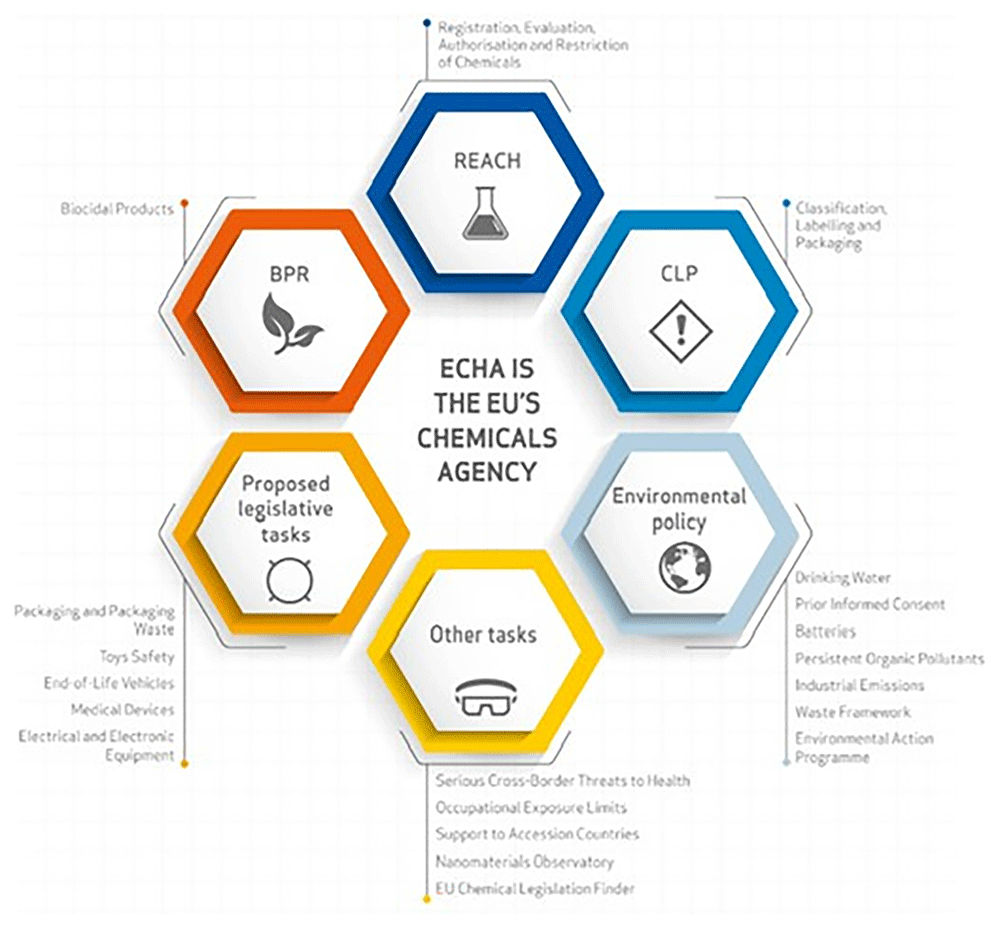
Figure 1. Overview of the European Chemicals Agency (ECHA) and Its Key Responsibilities.
(source: 13).
PFAS comprise a diverse family of over 10,000 synthetic chemicals with widely varying properties. Only certain subgroups (for example, long-chain perfluoroalkyl acids) are well documented for their persistence, bioaccumulation potential, and toxicity11. Scientific articles have been published about PFAS exposure and health effects, and while it is difficult to prove direct causation in humans, studies suggest that exposure to some PFAS may be linked to harmful health effects in humans and animals—though more research is needed to clarify these relationships.
ECHA’s proposal—one of the largest chemical-group restrictions ever undertaken in the EU—therefore adopts a precautionary approach, aiming to address cumulative environmental and health risks even as toxicological and epidemiological studies continue to identify which PFAS clusters pose the greatest hazards.
Industry experts have raised concerns that regulating all PFAS as a single class may be too broad. They argue that clustering PFAS by similar bioavailability, environmental fate, and reactivity would allow risk-based restrictions focused on the most problematic subgroups, while avoiding unnecessary disruption in sectors such as refrigeration, gas supply systems, and advanced manufacturing—where PFAS currently have no readily available substitutes. In response, industry representatives have proposed targeted exemptions and longer transition periods.
ECHA and the European Commission, supported by the Chemicals Strategy for Sustainability (2020)12, counter that a class-wide restriction is warranted under the precautionary principle, since the extreme persistence of many PFAS means that delaying action could entail irreversible environmental and health impacts.
This evolving regulatory tension is particularly relevant to ammonia—another hazardous chemical. Unlike PFAS, where regulators are debating targeted restrictions by chemical clusters rather than an outright prohibition, ammonia is essential for fertilizer production and renewable-energy pathways (including e-fuel development). Consequently, it is more likely to be managed through risk-based controls and exposure limits rather than broad, class-wide restrictions.
Figure 2. (below) illustrates some of the potential health effects reported for certain well-studied PFAS subgroups. It is not intended to imply that all PFAS share these effects, but rather to highlight why regulators and researchers are prioritizing specific PFAS families for further risk assessment and possible restriction.
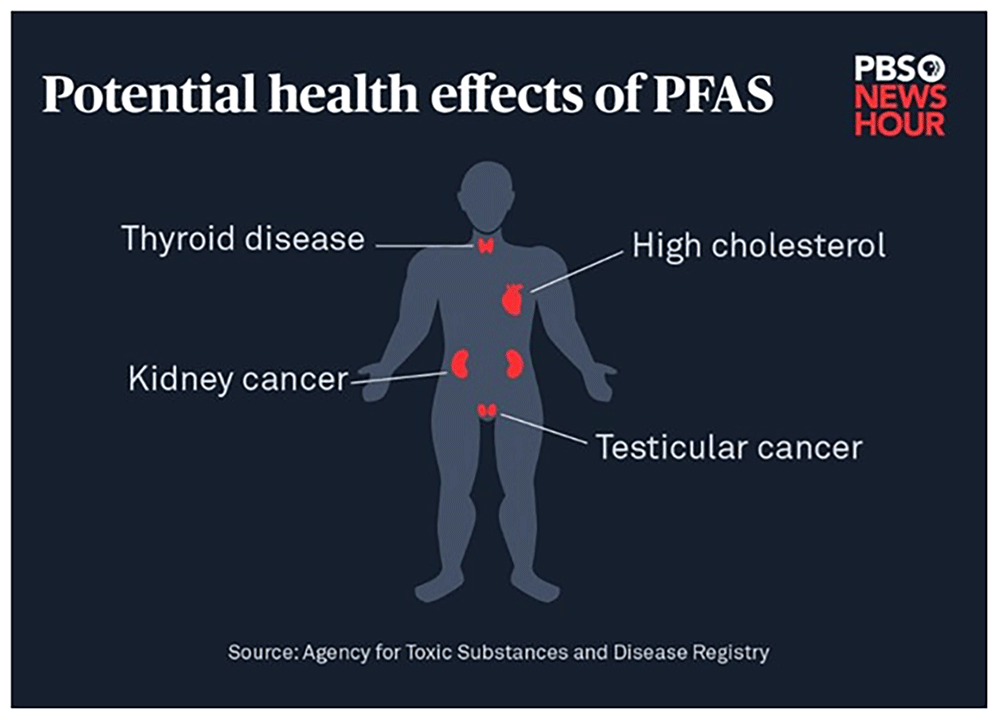
Figure 2. Potential health effects of PFAS.
(source: 14).
Regulatory framework analysis
In total, seventy five (75) unique regulatory frameworks were identified in the field of dangerous chemicals, including ammonia. These were categorized based on geographical regions, typology and severity levels. They are briefly presented below.
1. REACH Regulation (EC 1907/2006): Aims to ensure the registration, evaluation, authorization, and restriction of chemical substances to guarantee human health and environment protection15.
2. CLP Regulation (EC 1272/2008): Imposes the conditions for the classification, labeling, and packaging of chemical substances and mixtures in line with the UN's system of GHS16.
3. (Chemicals Strategy, n.d.) EU Chemical Strategy (for Sustainability): Facilitates the transition to safe and sustainable chemicals through prioritizing innovation and safeguarding the environment12.
4. European Green Deal: Aims for climate neutral EU by 2050, with far-reaching implications for sustainable chemical production and emission cuts17.
5. Safe and Sustainable by Design Framework (SSbD): Sets the assessment methods of chemicals and materials considering health, safety, and sustainability from the design stage18.
6. F-Gas Regulation (EU 2024/573): sets out a stricter phase-down schedule for fluorinated greenhouse gases (F-gases), for minimizing their climate impact and endorse alternatives that include a few or no global warming potential (GWP)19.
7. Industrial Emissions Directive (IED 2010/75/EU): Regulates industrial installations to prevent pollution through the use of permits and the best available technology20.
8. Seveso III Directive (2012/18/EU): Requires protection steps and emergency planning with the aim of preventing serious industrial accidents involving harmful chemicals21.
9. Chemical Agents Directive (CAD 98/24/EC): Protects workers from the dangers caused by hazardous substances in workplaces by defining limit values and protective measures22.
10. FuelEU Maritime Regulation (EU 2023/1805): Establishes mandatory GHG intensity limits for energy used in shipping and encourages the transition to sustainable marine fuels – like ammonia to cut maritime emissions across the EU beginning in 202523.
11. Renewable Energy Directive (EU 2023/2413): The Renewable Energy Directive (2023/2413/EU) – RED III strengthens the EU’s renewable energy framework establishing a mandatory target of at least 42,5% renewable energy in total final energy consumption by 2030, with an ambitious objective of achieving 45%24.
12. Commission Delegated Regulation (EU) 2023/1184: The Act establishes a Union methodology for the production of renewable liquid and gaseous transport fuels of non-biological origin25.
13. Commission Delegated Regulation (EU) 2023/1185: The Act lays down a minimum greenhouse-gas (GHG) savings threshold and the methodology to calculate life-cycle GHG emissions savings26.
14. Regulation (EU) 2023/1804: Has emission limits and reporting obligations for large industrial sectors, including ammonia handling27.
15. Regulation (EU) 2023/957: Has a mainstreaming of climate and sustainability principles in chemical and product safety policy28.
16. Carbon Border Adjustment Mechanism (CBAM): Prevents leakage of carbon by putting a carbon price on imports of a few products like chemical inputs29.
17. The National Emission Ceilings (NEC) Directive: Aims to reduce the health and environmental impacts of air pollution while moving toward the EU's long-term air quality objectives30.
18. The Fertilizers Regulation (EU) 2019/1009: Sets up unified rules for the safety, labeling, and market placement of fertilizers across the European Union, ensuring high levels of environmental and health protection31.
19. Hydrogen and Decarbonized Gas Market Pack: A 2024 EU legislative package setting common rules both for hydrogen and low-carbon gas markets, involving infrastructure access, certification of renewable gases (like hydrogen and ammonia), and measures for the promotion of integration and decarbonization32.
20. ADR: It works to ensure safe transportation of dangerous goods by road across Europe to safeguard individuals, property, and the environment33.
21. PIC Regulation (EU 649/2012): Uses the Rotterdam Convention in the EU export and import of risky chemicals34.
22. International Maritime Organization (IMO): Develops global standards for safety, security, and environmental performance of global shipping, including the transportation of ammonia35.
23. Rotterdam Convention: Manages international trade in dangerous chemicals and pesticides through prior informed consent processes36.
24. Basel Convention: Limits transboundary movement and disposal of dangerous waste and chemicals37.
25. ISO (International Organization for Standardization): Creates optional international guidelines to ensure chemical safety, enhance quality, and promote effective environmental management38.
26. Best Available Techniques (BAT): Provides guidance documents to specific industrial sectors for reducing emissions as well as improving safety39.
27. ILO Convention No 174: A legally binding international convention to prevent major industrial accidents and limit their consequences for workers and the environment40.
28. OECD: Facilitates internationally accepted techniques for determining the safety and environmental impact of chemicals to enable harmonized testing methodologies11.
29. WHO for drinking-water Quality: Seta international guidelines for safe drinking water, addressing chemical, microbiological, and radiological parameters to safeguard human health41.
30. POPs: A global treaty aimed at eliminating or restricting the production and utilization of persistent organic pollutants, which pose serious environmental and health risks42.
31. Minamata Convention on Mercury: A global treaty aimed at protecting human health and the environment by controlling emissions and releases of mercury and its compounds43.
32. CWC: Bans the creation, accumulation, and utilization of chemical weapons, mandating their elimination under internationally supervised verification44.
33. RID: Sets safety standards for the rail transport of hazardous goods to prevent accidents and protect the public and the environment33.
34. IMDG Code: Provides advice on safe sea carriage of hazardous and dangerous goods to prevent accidents and marine pollution38.
35. ICAO Technical Instructions: Sets international guidelines to ensure the secure air transport of hazardous materials, supporting the ICAO’s broader aviation safety framework45.
36. IBC Code: Defines the requirements for the design, construction, and equipment of ships transporting bulk hazardous chemical cargoes, prioritizing safety and environmental preservation46.
37. GHS for Chemicals: A globally harmonized system for the classification and labelling of chemicals to ensure safe production, handling, and use worldwide6.
38. Toxic Substances Control Act (TSCA - USA): Supervises the import and use of new chemical substances in the47.
39. Occupational Safety and Health Act (OSHA - USA): Provides worker health and safety in operations involving hazardous chemicals like ammonia48.
40. Clean Air Act (CAA - USA): Handles air pollution control such as chemicals industries emissions and ammonia production49.
41. U.S. Environmental Protection Agency (EPA): Manages environmental policies like chemical emissions, waste, and industrial processes50.
42. RMP Rule (40 CFR Part 68): A U.S. regulation requiring facilities that handle threshold amounts of hazardous chemicals, like ammonia, to create a Risk Management Plan (RMP) addressing accidental release prevention, emergency response, and hazardous analysis51.
43. EPCRA: Mandates reporting by industries of hazardous chemicals storage and releases to increase community safety and emergency preparedness52.
44. Work Health and Safety Act (WHS Act – Australia): Sets out employer and employee responsibilities for ensuring a safe workplace, such as the control of hazardous chemicals like ammonia53.
45. Safe Work Australia Guidelines: Provides national model codes of practice and guidelines on the control of chemical hazards and occupational health and safety54.
46. The Australian Dangerous Goods (ADG) Code: Oversees the transport of hazardous materials by setting guidelines for packaging, labeling, and emergency protocols for substances such as ammonia55.
47. The National Environment Protection Council (NEPC – Australia): Develops and maintains national environmental conditions and state and territory measures for things like air and soil pollution53.
48. NOHSC:1005 (1994): An Australian Code of Practice that lays down the rules for labeling hazardous stuff in workplaces, helping everyone handle chemicals safely48.
49. Workplace Hazardous Materials Information System (WHMIS): Canada’s nationwide system to provide information regarding hazardous workplace chemicals through labeling and safety data sheets to protect employees56.
50. Transportation of Dangerous Goods Act (Canada): Regulates the safe transportation of dangerous substances, like ammonia, by all transport methods, railway, airline, and ship- within Canada57.
51. The Fertilizers Act (Canada): Regulates the registering, labeling, and safeness of fertilizers used to sell in Canada, that they are efficient and safe to the consumers and environment58.
52. Canadian Environmental Protection Act (CEPA): Provides a legal framework to evaluate and manage toxic substances and pollutants like ammonia to protect human health and the environment59.
53. Industrial Safety and Health Act (ISHA-South Korea): Aims to prevent industrial accidents and disease by controlling dangerous substances and enforcing occupational safety standards60.
54. The Act on the Prevention of Air Pollution (South Korea): Sets regulations and mitigation strategies for controlling air pollutants generated by industrial processes, including those related to ammonia emissions61.
55. The Green Growth Strategy (South Korea): Encourages environmentally conscious, low-carbon growth by embedding sustainability into industrial and economic strategies with a reference on green ammonia62.
56. Chemical Substances Control: A Japanese law for the production, importation, and assessment of chemical substances to mitigate environmental and health hazards63.
57. Factories Act of 1948 (India): Enforces labor safety and hazardous waste management in industry, including ammonia64.
58. Manufacture, Storage and Import of Hazardous Chemicals: Regulations under India’s Environment Protection Act designed to manage industrial activities involving hazardous chemicals by enforcing standards for registration, labeling, and safety measures64.
59. Fertilizer (Control) Order, 1985: A piece of legislation of India dealing with the quality, production, sale, and supply of fertilizers for ensuring agricultural efficiency and farm safety64.
60. China’s Environmental Protection Law (2014): Regulates air, water, and ground pollution, bringing ammonia use and emissions under strong controls65.
61. Air Pollution Prevention and Control Action Plan (China): Focuses on major polluting sectors by enforcing strict emissions regulations and encouraging the adoption of cleaner production methods, such as those for ammonia66.
62. Decree No. 591: Regulates the safe management of hazardous chemicals in China, covering classification, registration, and emergency response measures67.
63. Law on Chemical Substances (L. 4412/2016 – Greece): It regulates labeling, packaging, and classification of chemical products in Greece based on EU standards like REACH and CLP for safe handling and use68.
64. Law on Industrial Emissions (L. 4014/2011 – Greece): Sets the framework for environmental permits and emissions management in industrial plants, implementing the EU’s Industrial Emissions Directive in Greece69.
65. The Health and Safety at Work Act 2015 (HSWA – New Zealand): Core occupational health and safety legislation requiring risk management of chemicals and a safety-first culture70.
66. The Resource Management Act (New Zealand): New Zealand’s principal environmental law, regulating the sustainable management of natural and physical resources, including chemical process emissions and discharges71.
67. Environmental Conservation Acts in South Korea: Includes a number of laws to protect water, air, and soil quality from industrial pollution, with ammonia emissions listed as a priority field72.
68. Industrial Safety and Health Act (Japan): Ensures safety at work by regulating the management of dangerous chemicals, training, marking, and control stipulations60.
69. Brazilian Institute of Environmental and Renewable Natural Resources (IBAMA): Places environmental approval and regulation of ammonia emissions in Brazil's manufacturing industry73.
70. Policy on Solid Waste (No. 12,305/2010): A Brazilian law that establishes rules and tools for sustainable environmentally friendly solid waste management, such as hazardous industrial and chemicals waste74.
71. The Control of Major Accident Hazards (COMAH - UK): UK application of Seveso III with safety reporting and emergency preparation for high-hazard industries75.
72. No. 7-FZ: Establishes the fundamental regulations and principles for ensuring environmental safety and using natural resources sustainably in Russia76.
73. Royal Decree No. M/34: Establishes fertilizer quality and standards in Saudi Arabia to promote safe farming practices and ensure compliance with market regulations77.
74. No 107 of 1998: Sets rules for registering, selling, and using fertilizers, farm feeds, and agricultural remedies so we can be sure they are safe and good quality78.
75. ASEAN Agreement on Haze Pollution: A regional agreement between ASEAN countries for the prevention, monitoring, and mitigation of haze pollution resulting from land and forest fires79.
Their classification according to type, geographical distribution, and severity is presented in Table 1 and is depicted in Figure 3, Figure 4, and Figure 5.
Table 1. A categorization of the 75 Regulatory Frameworks.
Types: Regulation: A binding act made in law directly enforceable throughout all the EU member states or within a member state, with no need for national implementation legislation. Act: A law passed by a legislative assembly to govern behavior within a country or area. Agency: A government agency or organization responsible for governing and imposing policies, laws, or rules. Directive: An act of the EU that sets out to achieve objectives for the member states, but gives them the flexibility to create their own legislation to attain the objectives. Law: A rule formally enacted by a governing authority that must be followed within its jurisdiction. Strategy: A plan or policy designed to achieve specific objectives, often over a long period of time, but not legally binding. Treaty: A formal, legally binding agreement between international organizations or states. Framework: A general plan or set of guidelines that specifies principles, aims or processes, but which has no legally binding force on its own. Guidelines: Non-binding guidance or recommendations that specify a course of action but are not mandatory. Decree: An authoritative direction issued by a head of state or government by virtue of a statute, usually without the intervention of the legislature Order: A specific order issued by an authority (for instance, a court, a minister, or an agency) which must be followed. Rule: A technical direction or routine issued under an act or law. Code: A systematic collection of regulations or rules on a specific subject. Standard: A technical standard, normally voluntary but utilized by most or sometimes mentioned in legislation. Convention: An international agreement, usually concluded under the UN, to which nations subscribe, usually needing ratification. Agreement: An authoritative agreement between parties (nations, bodies) that can be or can fail to be legally enforceable. Severity Levels:  Very High - High: Mandatory, strict regulations with severe penalties for non-compliance.
 Moderate to High: Comprehensive frameworks with strong enforcement but some flexibility.
 Moderate: Guidelines or frameworks with limited enforcement or voluntary adherence.
| S/N | Name | Geographical Boundaries | Type | Stringency/ Severity |
|---|
| 1 | REACH | EU | Regulation |  Very High |
| 2 | CLP | EU | Regulation |  High |
| 3 | Chemical Strategy (for Sustainability) | EU | Strategy | High |
| 4 | European Green Deal | EU | Strategy | High |
| 5 | SSbD | EU | Framework |  Moderate to High |
| 6 | No 2024/573 | EU | Regulation | High |
| 7 | Industrial Emissions Directive (IED) | EU | Directive | High |
| 8 | No 2012/18/EU – SEVESO III | EU | Directive | High |
| 9 | Chemical Agents Directive (CAD) | EU | Directive | High |
| 10 | Fuel Maritime Regulation 2023/1805 | EU | Regulation | High |
| 11 | Regulation 2023/2413 | EU | Directive | High |
| 12 | Regulation (EU) 2023/1184 | EU | Regulation | High |
| 13 | Regulation (EU) 2023/1185 | EU | Regulation | High |
| 14 | No 2023/1804 | EU | Regulation | High |
| 15 | No 2023/957 | EU | Regulation | High |
| 16 | CBAM | EU | Regulation | High |
| 17 | NEC Directive | EU | Directive | High |
| 18 | Fertilizers Regulation (EU) 2019/1009 | EU | Regulation | Very High |
| 19 | Hydrogen and Decarbonized Gas Market Pack | EU | Policy Pack | Moderate to High |
| 20 | ADR | EU | Agreement | Very High |
| 21 | No 649/2012 – PIC Regulation | International | Regulation | High |
| 22 | IMO | International | Agency | High |
| 23 | Rotterdam Convention | International | Treaty | High |
| 24 | Basel Convention | International | Treaty | High |
| 25 | ISO | International | Agency |  Moderate |
| 26 | Best Available Techniques (BAT) | International | Framework | High |
| 27 | ILO Convention No 174 | International | Convention | Moderate to High |
| 28 | OECD | International | Guideline | Moderate to High |
| 29 | WHO for drinking-water Quality | International | Guideline | Moderate |
| 30 | POPs | International | Treaty | Very High |
| 31 | Minamata Convention on Mercury | International | Treaty | Very High |
| 32 | CWC | International | Treaty | Very High |
| 33 | RID | International | Regulation | High |
| 34 | IMDG Code | International | Code | Very High |
| 35 | ICAO Technical Instructions | International | Regulation | Very High |
| 36 | IBC Code | International | Code | Very High |
| 37 | GHS for Chemicals | International | System | High |
| 38 | TSCA | US | Act | Moderate |
| 39 | OSHA | US | Agency | Moderate |
| 40 | CAA | US | Law | Very High |
| 41 | EPA | US | Agency | High |
| 42 | RMP Rule (40 CFR Part 68) | US | Rule | Very High |
| 43 | EPCRA | US | Act | High |
| 44 | WHS Act | Australia | Act | Moderate to High |
| 45 | Safe Work Australia Guideline | Australia | Guideline | Moderate |
| 46 | ADG Code | Australia | Regulation | Moderate to High |
| 47 | NEPC | Australia | Agency | Moderate to High |
| 48 | NOHSC:1005(1994) | Australia | CoP | Moderate to High |
| 49 | WHMIS | Canada | Regulation | High |
| 50 | TDGA | Canada | Act | High |
| 51 | The Fertilizers Act | Canada | Act | High |
| 52 | CEPA | Canada | Law | High |
| 53 | ISHA | Japan | Act | High |
| 54 | Act on the Prevention of Air Pollution | Japan | Act | High |
| 55 | The Green Growth Strategy | Japan | Strategy | High |
| 56 | Chemical Substances Control | Japan | Act | Very High |
| 57 | Factories Act of 1948 | India | Act | Moderate |
| 58 | Manufacture, Storage and Import of Haz.Chems | India | Rule | High |
| 59 | Fertilizer (Control) Order, 1985 | India | Order | High |
| 60 | Environmental Protection Law (2014) | China | Law | High |
| 61 | Air Pollution Prevention & Control Plan | China | Strategy | High |
| 62 | Decree No. 591 | China | Decree | High |
| 63 | Chemical Substances (L. 4412/2016) | Greece | Law | High |
| 64 | Industrial Emissions (L. 4014/2011) | Greece | Law | High |
| 65 | HSWA | New Zealand | Act | High |
| 66 | RMA | New Zealand | Act | High |
| 67 | Environmental Conservation Acts | South Korea | Act | High |
| 68 | ISHA | South Korea | Act | High |
| 69 | IBAMA | Brazil | Agency | High |
| 70 | Policy on Solid Waste (No. 12,305/2010) | Brazil | Law | Moderate |
| 71 | COMAH | UK | Regulation | High |
| 72 | No. 7-FZ | Russia | Law | High |
| 73 | Royal Decree No. M/34 | Saudi Arabia | Decree | Moderate to High |
| 74 | No. 107 of 1998 | South Africa | Law | Moderate |
| 75 | ASEAN Agreement on Haze Pollution | ASEAN Reg. | Treaty | Moderate |
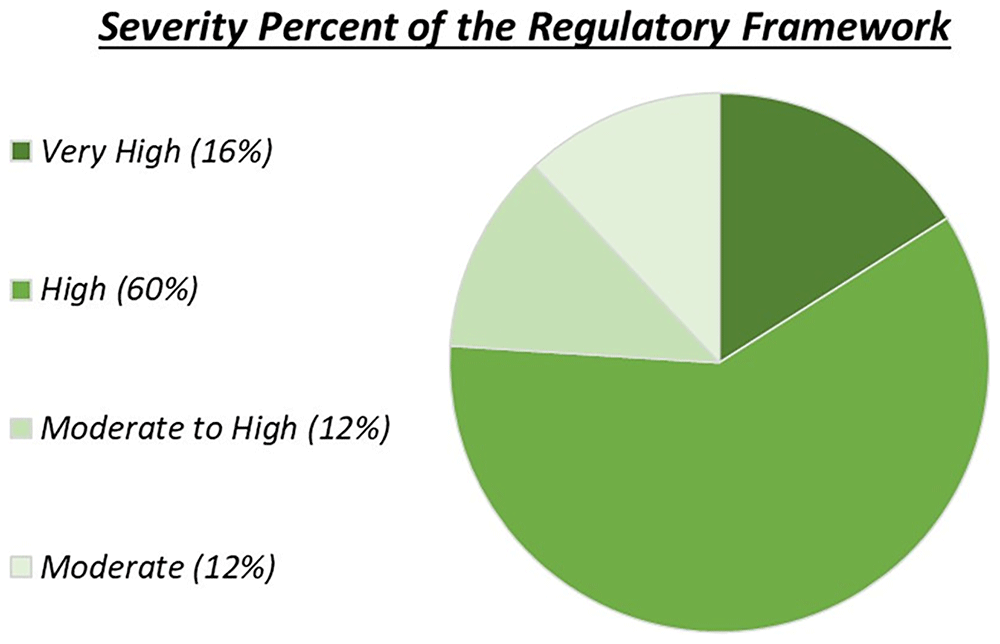
Figure 3. Severity Levels allocation of the Global Regulatory Framework.
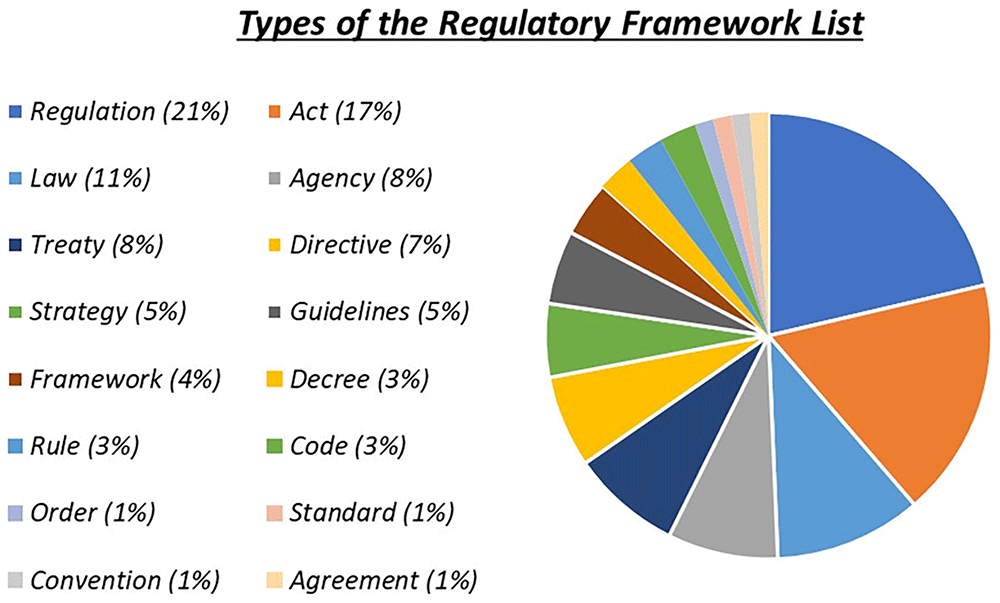
Figure 4. Types allocation of the Global Regulatory Framework.
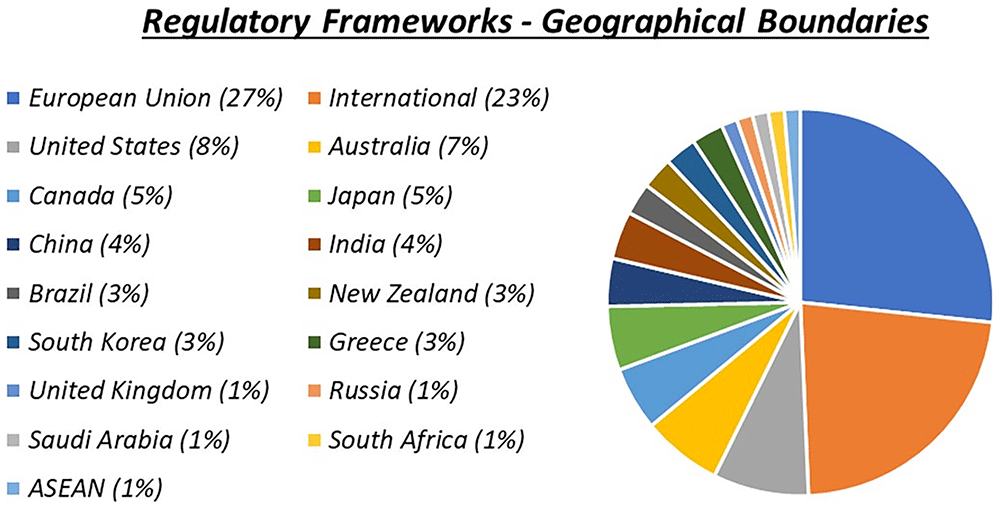
Figure 5. Geographical Boundaries of the Global Regulatory Framework.
While ammonia is the primarily focus of our analysis, the other chemicals are considered secondary. Additionally, we categorized all 75 regulatory frameworks based on their relevance to ammonia, as shown in the following Figure 6.
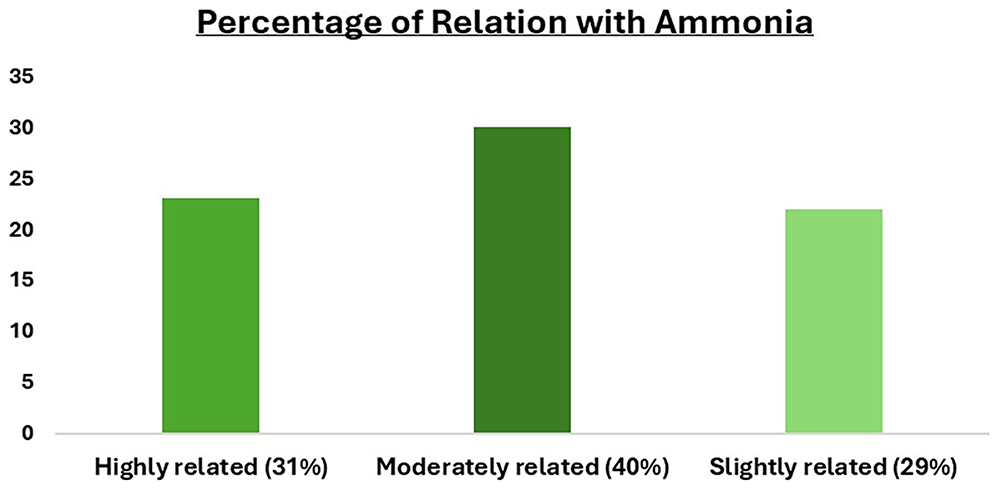
Figure 6. Percentage of relevance of legislation to ammonia.
Conclusions
Ammonia is a cornerstone of modern agriculture and an emerging player in renewable fuel economies, subject to complex regulatory frameworks. It is an essential yet hazardous substance, widely used but subject to intense regulatory scrutiny. The Horizon Europe VERGE project is tackling this duality by exploring the potential of utilizing ammonia more effectively through new production technologies and ensuring risks are kept in check by adhering to thorough regulation compliance.
Throughout the European Union and globally, legislative frameworks such as REACH, CLP, the Industrial Emissions Directive, and more recently introduced legislation focused on renewable fuels of non-biological origin (RFNBOs) have placed stringent requirements for the safe handling, storage, and transportation of chemicals. These are complemented by international agreements, such as the Rotterdam Convention and national regulations that reinforce a shared commitment to chemical safety.
The regulation of ammonia signifies a substantial policy transformation in several key ways:
1. Reframing an industrial chemical as part of circular economy solutions rather than just a pollutant
2. Recognizing the dual nature of ammonia as both an environmental challenge (through emissions) and a potential climate solution (as green ammonia)
3. Creating regulatory frameworks that address both the risks and opportunities
4. Demonstrating how traditional industries can be reimagined for a low-carbon future
5. Linking previously separate policy areas, including agricultural emissions, industrial policy, and energy transition.
This shift represents broader changes in environmental governance where regulations increasingly seek to balance pollution control with innovation pathways. Ammonia regulation exemplifies how policymakers are working to transform linear production models into circular systems that minimize waste and environmental impacts while maximizing resource efficiency.
As ammonia emerges as both a staple fertilizer and a green energy carrier, regulatory frameworks must adapt to evolving production technologies. Producing green ammonia with renewable electricity offers both an opportunity and a challenge: on the one hand, it holds great promise to decarbonize shipping, heavy industry, and agriculture, but, on the other, it requires coherent and harmonized standards if it is to deliver environmental integrity and operational safety. Future policy will therefore have to strike a careful balance - fostering innovation while ensuring robust safeguards for both human well-being and environmental health.
Horizon Europe initiatives such as VERGE contribute positively to this discussion by bridging scientific research and policy experience. By mapping the global regulatory landscape, this study helps to identify gaps or inconsistencies and facilitate the safe development of new technologies. The path forward will rest on continued cooperation among public institutions, industry, academia, and civil society. It is only through such coordinated efforts that Europe and the world can transition towards an authentically sustainable an secure economy, where chemicals like ammonia are seen not only as risks, but also as acceleration drivers of the green transition.
Ethics and consent
Ethical approval and consent were not required.







