Background
Creating and reporting honest, trustworthy, and objective science in any field depends on doing research in line with research integrity (RI) standards. Endorsing RI standards within the research community can be achieved by clear guidelines, data sharing, and RI education1. Many different RI training programs have been developed in recent decades, but with varying success in terms of improving RI-related awareness within the research community2. A qualitative study on RI training practices highlighted the importance of providing general RI-related knowledge, but also expressed the need for diverse and combined approaches to be considered for development of more comprehensive training2.
Art may represent a training tool suitable for this purpose. Whether in the form of music, poetry, illustrations, or sculptures, art can serve as a cognitive instrument and promote the synthesis of different types of knowledge. It may also have a significant role in the process of scientific research, due to its ability to induce creativity and critical thinking3. Although art and science have been perceived to be in an opposing relationship, they often share images, symbols and archetypes4, and are becoming increasingly interlinked, from the artistic scientific masterpieces of Leonardo da Vinci to artworks created by artificial intelligence5.
Art has been a part of education and training in many professions, particularly for those related to health. Recent systematic reviews on the use of art in health care education showed that art can be successfully used in a variety of ways and with diverse student groups to promote learning a profession6–8. Engagement with the arts stimulates reflection, interpretation, imagination, and aesthetic and emotional engagement, which helps in constructing new meanings, such as self-awareness, opening to alternate perspectives, coping with ambiguity and deeper understandings, all of which translated to health practice, leading to increased empathy and communication and observation skill as well as increased ethical reasoning6. Formats and content of art programs in health care education vary, and long-term outcomes are not clear, but the evidence indicates a strong influence on different clinical competences, such as mindfulness, identification of patient stories, and emotional awareness7,8. An example of the interface of the arts and medicine is the collection of more than five hundred creative works by medical students, patients, and doctors – the Out of Our Heads collection, created by the teachers from the Bristol Medical School in the UK9,10. A hermeneutic phenomenological analysis of written statements from students of occupational therapy about ethics training using visual arts10 showed that the students reported the following important learning outcomes: becoming aware of values, discovering creativity, valuing reflection in personal life, deepening self-awareness, and capacity to imagine future practices. Examples of art-based training include teaching undergraduate students of chemistry11, business ethics courses12, and mathematics13. Positive experiences of collaboration between artists and scientists have also been reported, which may result in improved communication skills, creative problem solving and better problem articulation14,15.
Because art-based training uses the artistic language to create concepts and new ideas, and not recreated physical objects3, it may be particularly relevant for teaching research ethics and research integrity. We are not aware of previous studies exploring the use of art in this context, although there is a clear rationale for its use in teaching ethics and integrity. As Rethorst16 argues in his recent book on “Why Teaching Art is Teaching Ethics,” standard approaches to training ethics cannot provide “moral illumination” which is important in internalizing good behaviours. Traditional instruction in rules and system of conduct cannot capture the unique and complex situations involved in ethics choices and actions, but engagement with art may facilitate understanding and discussion of these issues.
In this case study, we explored the value of introducing an art session in virtue-based RI training withing the European Code of Conduct for Research Integrity. We present the analysis of paintings and literary reflections of doctoral and postdoctoral students and teachers participating in a summer school of research integrity, where an art session was introduced at the end of the school as a formal and mandatory part of the training.
Methods
Study design and aim
This was a case study performed during a summer school on RI that took place at the University of Split School of Medicine, Split, Croatia. An art session exercise took place at the end of the summer school, with the aim of having the participants integrate, evaluate, and synthesize the knowledge they had gained into an artistic creation and elaborate on its meaning.
The specific aim of the present study was to gain understanding about the relationship between the RI concepts and researchers’ perspective of their role in RI processes. We used a qualitative approach to analyse the painting and the accompanying essays, with the overall goal to lay ground for the development of a new innovative practical exercise for RI training. Within the art session, our aim was not to assess the effect of the whole RI training, but rather to explore the value of an art session embedded in a RI course and the multifaceted information that can come out of such an activity.
Setting
The first four days of a five-day summer school were focused on information collection and understanding the principles of and good practices in RI, as outlined in the European Code of Conduct for Research Integrity17. The practical exercises were based on the application of normative principles as well as virtue-based approach, developed by the Horizon 2020 project VIRT2UE18. The topic of research misconduct and responses to allegation of misconduct were also addressed. The school’s program was organized in 5 full days that could be briefly described as follows19:
Day 1: RI concepts; virtue-based training (Debate and Dialogue, Values and Norms); sharing experiences about own research;
Day 2: Safeguards; Information sources; virtue-based training (Goodness/Self-declaration);
Day 3: Research procedures, research reproducibility; virtue-based training (Middle position); Walkshop;
Day 4: Data management and sharing; Misinterpretation of research findings; virtue-based training (Rotterdam Dilemma Game);
Day 5: Responsible publishing and peer review; Art session.
The art session at the end of the summer school was designed as an exercise to help the participants synthesize their knowledge of RI concepts and envision how they affect their research practice by combining these concepts in a visual, art-based format. The art session format, where each participant received a task to make a painting about their perspective on research integrity, allowed the participants to focus on the most important aspects of RI relevant to them as individuals.
Procedure and data collection
Both the teachers and the students participated in the art session, which was titled: The “I” in Research Integrity. They received the following instruction: “In this session, your task is to visually present how you see yourself (the “I” from the title) in research integrity. You have in front of you a small canvas (20×20 cm), a set of tempera colours, a brush, and some water in a cup. You have the full freedom to use the colours and any additional material, such as flour, paper, plastic, or wood”.
After the end of the summer school, the participants in the art session were asked to submit a brief essay (up to 300 words) about their painting. They were asked to give it a title, and describe what the “I” in Integrity meant to them based on what they drew.
Participants’ characteristics and reflexivity
The summer school was a voluntary extracurricular activity for doctoral students and other early career researchers. We targeted both national and international participants. The participants came from our institution, other institutions in Croatia, as well as from other countries. They were doctoral or postdoctoral students. Some participants knew each other well, but the majority met for the first time at the beginning of the summer school and interacted a lot during the summer school’s activities. Considering that the exercise was performed on the fifth day of the school, it is possible that by participants knew each other well enough, which helped them approach the exercise without any pressure to make a good initial impression, thus facilitating their creative expression in the task.
All teachers in the summer school were researchers from the field of RI and certified trainers in virtue-based research integrity training18. The coders (IB, RT) of the qualitative analysis had substantial experience in qualitative research since they both participated and published within the field of qualitative research. They were also participants in the school, but the decision that they would be the first coders was made after the summer school (several of the participants/teachers had experience in qualitative research). The coders performed the qualitative analysis using a consensus-based approach after working through the essays written about the art session paintings.
Analysis
We analysed the results both quantitatively and qualitatively in order to provide a multi-perspective overview of the outcomes of the art session. For the qualitative analysis, we analysed the motives of the drawings, descriptions of the motives, and colours used, using a descriptive approach to form conclusions about the authors’ experiences and attitudes. We followed an interpretivist research paradigm, since participants themselves gave meaning and descriptions to their drawings, and we only analysed the content of the corresponding descriptions20. Since all of the study participants were also authors of the study, a full description of the analysis, performed initially by the two coders, was sent to all participants in order for them to confirm that they agree with the way it was presented, thus minimizing a possible bias.
The quantitative analysis included a descriptive presentation of the demographic characteristics and sentiment analysis of the essays corresponding to the paintings. For sentiment analysis, we used the “SentimentAnalysis” package, version 1.3–421. Categorical variables were presented as frequencies and percentages, while numerical variables were presented as median and interquartile range (IQR). A graphical presentation of the most frequent words within the participants’ essays was constructed to serve as a supplement to the qualitative analysis of the paintings, where we created a word-cloud where word size depended on the word frequency in the texts, using the “wordcloud” package, v2.622 and “wordcloud2” package v0.2.123.
Ethical considerations
Ethics approval was obtained from the institutional ethics committee for this study. The participation in the art session was voluntary. All authors gave written informed consent to participate in the study and for their paintings from the summer school to be presented and analysed within this study. They did not give consent to publicly share the full text of their essays. The access to anonymized full texts may be requested from the corresponding author.
Results
Eight out of 19 participants of the art session had a university master or doctoral degree, and ranged in age from 24 to 57 years (Table 1). They were academic researchers (16 out of 19), were engaged in research in biomedical sciences (15 out of 19), were women (13 out of 19), and had a medium level of experience in RI issues (Table 1). They also served multiple roles in the research process, from students to journal editors (Table 1).
Table 1. Characteristics of study participants.
| Characteristics | No. participants |
|---|
| Female gender | 13/19 |
| Country of residence: | |
| Croatia | 16 |
| Hungary | 1 |
| Brazil | 1 |
| Montenegro | 1 |
| Age (median, interquartile range) | 31 (28-37) |
| Highest level of education: | |
| Bachelors’ | 1 |
| Masters’ | 3 |
| PhD student | 5 |
| PhD/MD | 8 |
| Other | 2 |
| In which type of the research process are you currently active?* | |
| Academic researcher | 16 |
| Journal editor | 7 |
| Peer reviewer | 9 |
| Member of research ethics or research integrity committee | 1 |
| Student | 7 |
| Research assistant | 1 |
| In which discipline(s) do you work?* | |
| Biomedical sciences | 15 |
| Social sciences | 7 |
| Humanities | 3 |
| Multidisciplinary | 1 |
| How experienced are you in research integrity? (Scale range 1 (no experience) to 5 (expert); median, interquartile range) | 3 (3–4) |
Qualitative content analysis of the drawings
The graphical content was very diverse (Figure 1). Some of the images created were monochromatic, while others used a wide range of colours. Two authors decided to add newspaper pieces or flour to create texture in their paintings. In some cases, images of nature, such as sunflowers, beaches, and trees, were associated with RI. Conflict and balance motives were also present in the paintings, such as the contrast between black and white and the image of a scale.
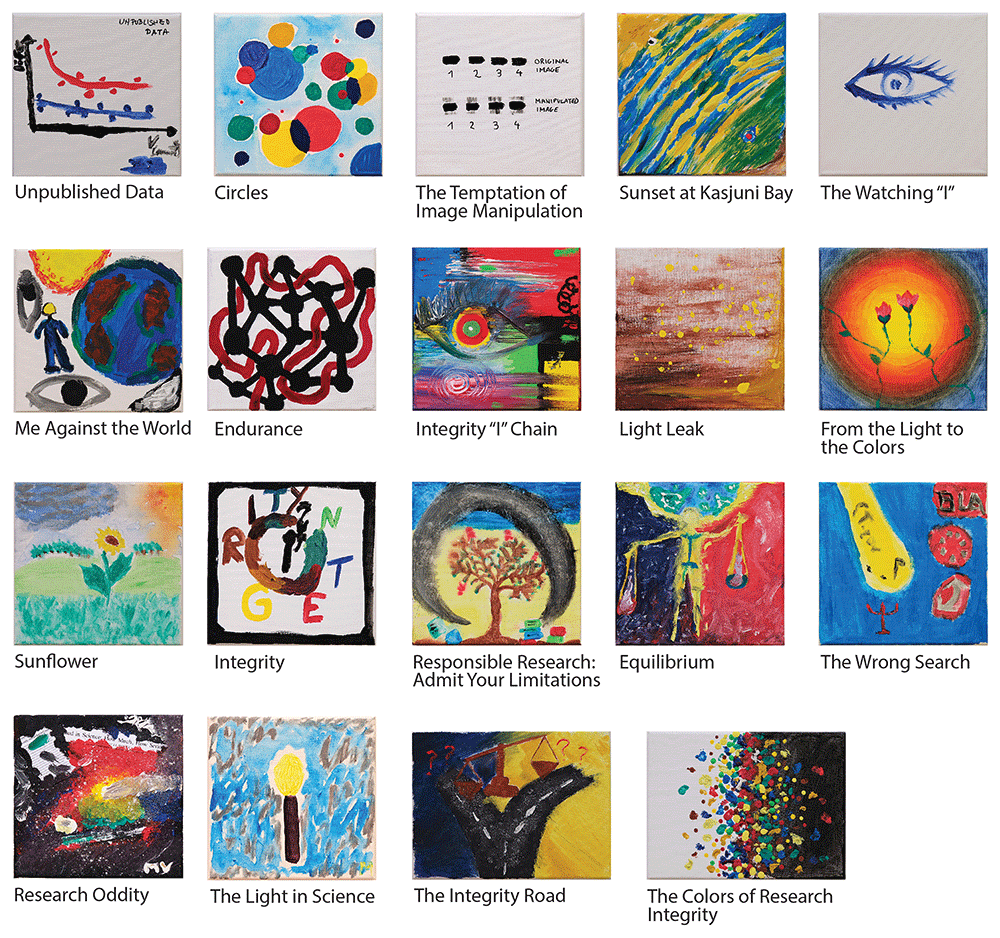
Figure 1. Paintings we created at the art session of the Summer School of Responsible Research.
The titles are original titles given by the participants in their essays.
Qualitative content analysis of the painting titles and descriptions
The titles of the painting ranged from ambiguous and abstract (e.g., “Circles” or “Equilibrium”) to more specific (e.g., “The temptation of image manipulation”). In describing their paintings, some authors associated them with classical RI themes such as morality, transparency, or data manipulation. The titles of the paintings and excerpts from essays describing the paintings are available as extended data in Zenodo (https://doi.org/10.5281/zenodo.16874806).
Quantitative analysis of painting descriptions
Word cloud analysis of the text corpus put RI in the centre as the most common word, followed by words expressing positive concepts, such as “good”, “right”, “light” (Figure 2). “Science”, “picture”, and “painting” were also common.
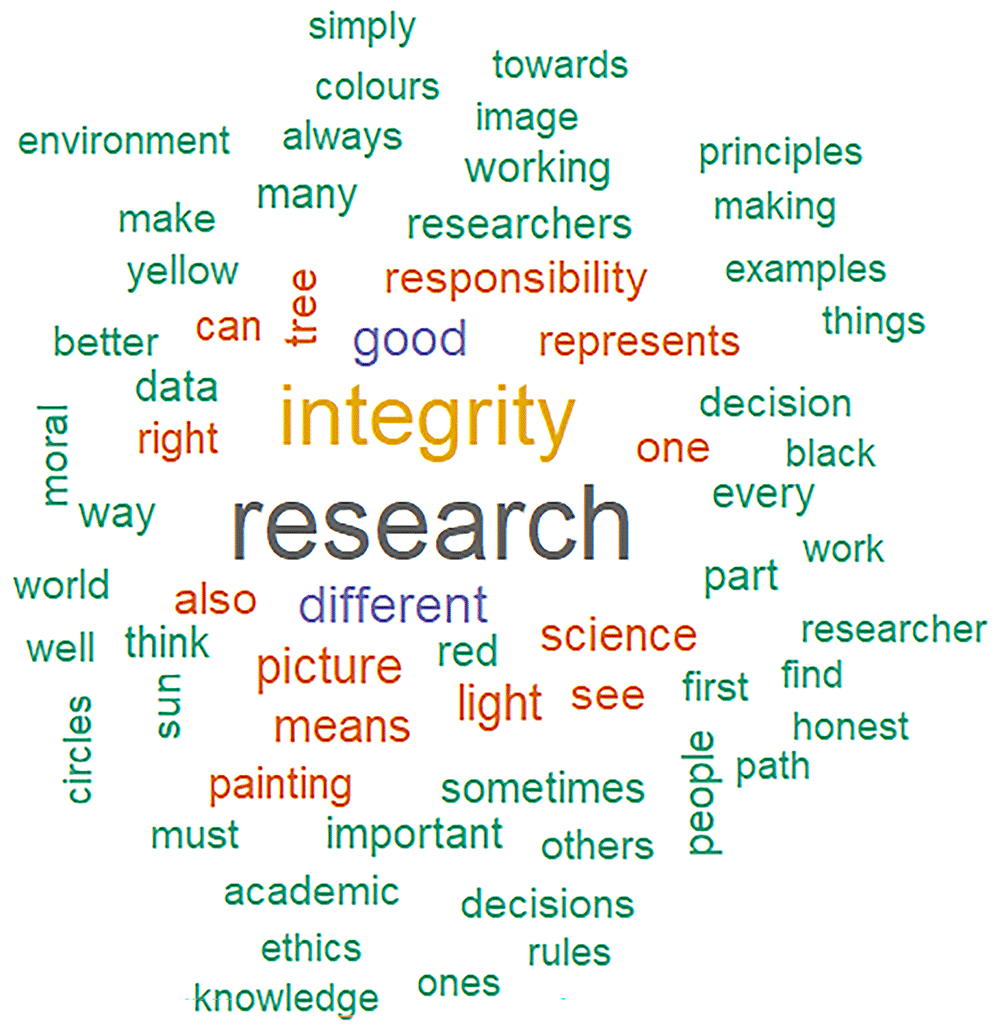
Figure 2. Word cloud of words used in the picture descriptions, arranged by frequency from the centre outward.
The sentiment analysis, which looked at the overall frequency of words with different sentiments (Figure 3), showed that the most predominant sentiment in the total text corpus was positive, with trust, anticipation, and joy as important positive sentiments.
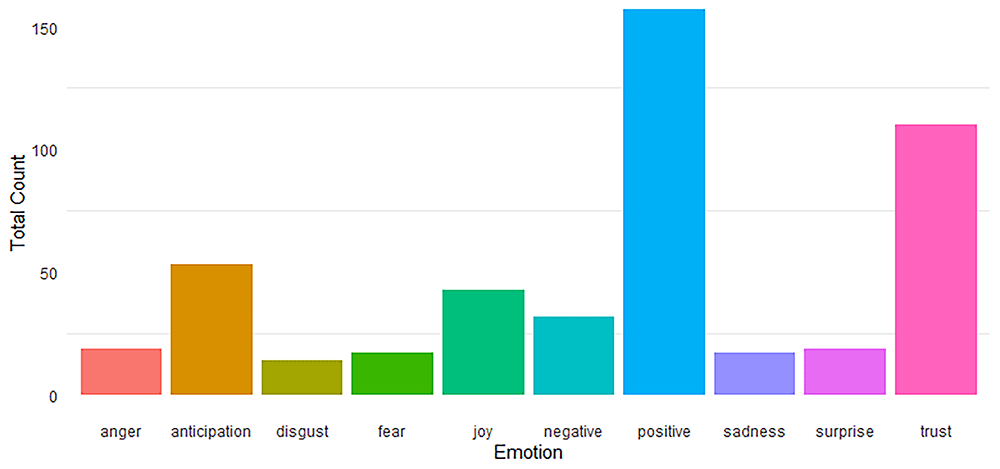
Figure 3. Sentiment analysis of the descriptions about what research integrity means to participants.
Bar size represents the number of words for each word category for all painting descriptions. SentimentAnalysis in R, version 1.3-4 was used for data analysis.
Negative sentiment was very low. At the level of the individual textual descriptions of how we see ourselves in RI, the text content was predominantly positive, with a median count of 7 (IQR 3-13) words expressing positive emotions (Table 2). The specific positive emotion expressed in the texts was trust, with a median of 5 words reflecting this sentiment (IQR 3-9).
Table 2. Median number of words (interquartile range) related to specific emotions in painting descriptions*.
| Emotion | Number of words |
|---|
| Anger | 1 (0–2) |
| Anticipation | 2 (1–4) |
| Disgust | 1 (0–1) |
| Fear | 1 (0–1) |
| Joy | 2 (0–4) |
| Sadness | 0 (0–2) |
| Surprise | 0 (0–2) |
| Trust | 5 (3–9) |
| Positive emotions in general | 7 (3–13) |
| Negative emotions in general | 1 (0–3) |
Discussion
Our study demonstrated that an art session can be incorporated into formal training in RI. While there are a number of studies on how art can be included in general professional education6–8 or ethics training16, this is, to the best of our knowledge, the first study to explore using art to teach RI. The art session was well-accepted as a part of the summer school and the participants were keen to express their understanding of RI using art techniques. They also actively participated in the essay assignment, indicating that they were very engaged with the art session. Significant differences in presenting the “I in Integrity” and in describing paintings suggest the complexity of RI and its understanding. Alternatively, this may be due to the variety in human capacity of expression on the same topic brought out by the creation of art. Most likely both processes were in play – artistic expression leads to a large variety of modes of expression, and the subject matter itself was complex.
From a qualitive point of view, our study showed a variety of artistic expressions, and the quantitative linguistic characteristics of the essays about participants’ painting showed mostly positive tone and words related to trust. This indicates that artistic and literary analysis of works related to RI may help understand individual perceptions of research processes, which can then help understand wider, organizational culture for research. The frequent appearance of motifs of balance and light in the artwork followed the linguistic expressions of optimism and moral clarity found in participants' descriptions of their art. Similarly, the absence of negative sentiments such as anger or fear was consistent with an absence of visual or narrative conflict within the paintings. This suggests that participants’ artistic and written expressions pointed towards their view of research integrity as a source of meaning and trust instead of a source of tension or moral struggle.
Several limitations of our study have to be kept in mind. Firstly, this was a pilot study and we did not formally study the short- or long-term effectiveness of the art session as a training tool for RI. We see the art session as an important creative and introspective tool that can be added to the conventional RI training. Secondly, our case study involved participatory research, – collaborative research approach that emphasizes shared decision-making, mutual learning, and co-creation of knowledge between researchers and participants. In our case, both the teachers and students jointly took part in the art session, performed the qualitative and quantitative analysis of paintings and written essays, respectively, and wrote the present article. This introduced different and significant biases related to participant recruitment, delivery of the intervention, and analysis. On the other hand, it is important to keep in mind that our study was explorative pilot study. The rationale for including the teachers in the art session was to reflect the actual research environment: research is mostly done in a group comprised of researchers at different career levels; thus, their collaboration and interactions in research were recreated in the art session, where the discussion by written or oral arguments in a research group was replicated in their artistic expressions. Our sample was small and purposive, as it is often the case with qualitative studies, which enables obtaining a richness of data, but does not allow the generalization of the findings to other populations. We are not art experts and did not attempt to use analysis methods from art studies, particularly with regard to transferability, reproducibility and authenticity of the art works created in this study. Further studies should look deeper into art as a research method to understand both the critical reflections of individual researchers and the wider RI culture. For this, larger samples may be needed, also with diverse populations in terms of cultural, ethnic, and professional background.
Despite these limitations, our art exercise provided the opportunity for us to have an important introspection on how we see RI from our individual standpoints and lived experiences. As Redhorst posited in his book on the similarities of teaching art and ethics16, our perception of aesthetics and ethics has an organic connection, which helps us clarify moral perception. Art takes ethics education to a higher level, transcending direct formal educational instruction into a state of moral illumination16. We can say, as the participants and researchers studying our own behaviour in an educational exercise, that the visual art allowed us to express ourselves more freely on the challenging topic of RI. Such an introspective experience helped us become more aware of our position in a particular research environment and to also learn how other colleagues from a similar or very different research, educational, or social/geographical background express their innermost views and interpretations on the common topic of RI.
In our experience, attending an art session started with some anxiety, as most of us were not familiar with visual expression of our thoughts and opinions, since our professional and research education and experience focused almost solely on writing research articles. The only opportunity for visual expression for most of us was when we had to create graphs to present research results. However, although some of us felt insecure and perhaps unqualified to make art, we all enjoyed the course session very much. Some of us had to spend more time on preparing for the painting process, but some dove right into painting. We also had different levels of painting skills, from very basic to very accomplished. However, all of us found the best way to express themselves regardless of our art skill. Some used more complex motives from nature, while some resorted to conceptual motives, letters, or symbols, whose meaning was only made clear in the written assays, thus making the visual and literary expressions complementary parts of their artistic expression. Our experience thus demonstrates that no art skills are needed for successful implementation of art in RI training – everyone can find the mode of artistic expression that is best for them, especially when there is a combination of different art forms. Most of the concepts presented and addressed in our art session were very optimistic. This may mean that we have not experienced hardships in research and morally grey choices and situations in the real-world. This may have been true for most of us, as we were mostly researchers in their early careers. However, those of us with more experience, who had sometimes witnessed the negative sides of science, still presented an optimistic view of RI. Our approach is similar to the photovoice methodological approach in qualitative research, where participatory research empowers individuals to reflect and document their thinking and opinions, invite critical discussion, and create knowledge about important issues through the creation of photographs24.
A recent study from UK used collage art to explore how researchers reflect on their work and the conditions shaping it, thus framing research culture as something negotiated by individuals within the practice of research25. Similar to that study, our study may indicate that arts-based, reflexive, and deliberative approach may foster a more responsible research environment. Future research should examine whether the artistic expression changes over time, with accumulated research experience. It would also be interesting to explore whether other stakeholders in RI, such as research policy makers, funders, managers, journal editors, have different artistic expression of their role in and view of RI.
Conclusions
Training in RI and research ethics has moved from conventional training to learning by doing and learner-cantered teaching, emphasizing the development of virtues relevant for RI18,26,27. Art as a training tool may contribute to the success of virtue training by focusing on introspection, which may contribute to the development of moral sensitivity and moral character and facilitate taking ethics education beyond utilitarian compliance to the rules, thus better addressing the complexities of individual, specific dilemmas in real-life situations. At a personal level, art may help in accomplishing Aristotle’s eudaimonia – a (research) life well lived28. At an institutional level, art in RI training may help understand how Ri is practiced, manifested, and debated in everyday life, providing creative and reflexive approaches can play an active role in shaping responsible research culture25.
Declarations
Ethics approval and consent to participate
This study is the result of participatory research, where all the participants and some of the teachers at the summer school participated in the art session and were also authors in the study, therefore participating in the analysis and interpretation of data and writing of the manuscript. The participation in the art session was voluntary. Ethics approval was obtained from the Ethics Committee of the University of Split School of Medicine (document: Class No. 003-08/23-03/0015, Reg. No 2181-198-03-04-23-0086). All authors gave written informed consent to participate in the study and for their paintings from the summer school to be presented and analysed within this study.
Consent for publication
Not applicable.