Introduction
The scholarly conversation on digital transformation (DT) in healthcare highlights technological innovations such as electronic medical records (EMRs), artificial intelligence (AI), and telemedicine as transformative tools (Kakale, 2024; Marques & Ferreira, 2020). Key barriers include data privacy and security (Dionisio et al., 2023; Stoumpos et al., 2023), while digital platforms enhance collaboration and patient safety (Dal Mas et al., 2023). Thus, their impact hinges on organizational adaptation and stakeholder cooperation.
Paradoxes also emerge as an area of focus within the broader discourse on the DT of healthcare. DT often provokes paradoxical tensions: opposing demands that must be managed rather than resolved (Dąbrowska et al., 2022; Smith & Lewis, 2011). Paradoxes in healthcare DT arise from revolutionary changes and the involvement of multiple stakeholders (Johansson et al., 2022). Examples include digital tools increasing staff workload and digital communication hindering interactions (Ziebland et al., 2021). Managing such paradoxes requires engaging with contradictions and alternating between opposing demands (Dąbrowska et al., 2022). Scholars emphasize the interplay of agency, i.e., the capacity of individuals to act within organizational constraints, and structure, including policies and governance, in shaping paradox management (Giddens, 1984; Schad & Bansal, 2018).
While progress has been made in understanding the paradoxes of DT (e.g., Volpentesta et al., 2023), healthcare-specific discussions about this theme remain dispersed. The literature on healthcare DT paradoxes and strategies for managing competing demands is fragmented, hindering the effective adoption of digital technologies (Johansson et al., 2022). Healthcare often experiences partial or superficial implementation of innovations, with initial enthusiasm frequently giving way to abandonment (Dionisio et al., 2023). A systematic consolidation of insights is needed to address these challenges. This review synthesizes empirical evidence on DT paradoxes, classifying them and examining the actions and enablers that shape their management (Schad & Bansal, 2018). Using a systematic literature review (SLR) and meta-synthesis, this research uncovers deeper insights by adopting a paradoxical lens and exploring the interplay of agency and structure (Rousseau et al., 2008; Tranfield et al., 2003). This review seeks to answer the following research questions:
Background
A paradox can be defined as demands that are contradictory yet interrelated, that exist simultaneously and endure over time, e.g., control and flexibility (Smith & Lewis, 2011). Organizations that experience paradoxes may alternate between control and flexibility to experience a dynamic equilibrium (Smith & Lewis, 2011). Smith and Lewis (2011) propose a typology of four organizational paradoxes: (i) organizing (when complex systems give rise to conflicting processes), (ii) performing (driven by the diverse interests of stakeholders), (iii) belonging (linked to tensions that involve identity, values, and relationships), and (iv) learning (between maintaining past practices and pursuing future innovations). Overall, managing the paradoxes in the context of DT in healthcare may lead to meaningful improvements in patient care, operational efficiency, and healthcare delivery. Nevertheless, current SLRs in healthcare DT overlook paradoxes. Recent SLRs on healthcare DT adopt two primary approaches. One highlights technological insights, including capabilities, trends, and strategic considerations (Kraus et al., 2021; Marques & Ferreira, 2020; Stoumpos et al., 2023), while the other emphasizes success factors and challenges, such as risks, barriers, and opportunities (Dal Mas et al., 2023; Dionisio et al., 2023; Kakale, 2024). The latter’s linear, problem-solving perspective oversimplifies DT by framing challenges as resolvable issues rather than enduring paradoxes (Smith & Lewis, 2011). Viewing DT as an interplay of contradictory forces offers a deeper understanding of its complexities. Thus, this review is necessary to consolidate knowledge of these paradoxes and establish a foundation for strategies to advance DT in the healthcare sector.
Methods
The research question is answered through a meta-synthesis of qualitative case studies (Tranfield et al., 2003) focused on paradoxes in healthcare DT. The decision to use only qualitative case studies was based on their ability to capture rich, contextualized experiences of complex phenomena (Rousseau et al., 2008). Paradoxes involve competing demands embedded in practices, processes, experiences, and interactions (Smith & Lewis, 2011), making qualitative research particularly suitable for understanding how these paradoxes emerge and are navigated in healthcare settings.
Identification of search string and databases
The SLR was conducted in May 2024, covering literature from 2000 to the present, consistent with other relevant SLRs on DT (e.g., Kraus et al., 2021). The search used the Web of Science (WoS), Science Direct, PubMed, and Scopus databases, with search terms such as “digital transformation,” “digitalization,” “digital*,” “technolog*,” and various healthcare terms (e.g., “health*,” “health care,” “medic*”). Additionally, terms like “paradox*,” “tension*,” “dilemma*,” “contradiction*,” “dialectic*,” and “dual*” were included, recognizing the conceptual overlap between dilemmas, dialectics, and paradoxes (Smith & Lewis, 2011). Each search combined these terms with AND to ensure all criteria were met. In Science Direct, the search focused on “paradoxes of digital transformation in healthcare” due to database limitations, which restrict Boolean connectors and provide results for the last three years when fewer terms are used.
Search process and study selection
The initial search produced 647 references in WoS, 4,837 in PubMed, 1,619 in Science Direct, and 1,692 in Scopus, totaling 8,795. After these results were shown in each database, some filters were applied in the search to a) exclude research articles in languages other than English, b) exclude review research and conference proceedings and, thus, include only peer-reviewed journal articles because they verify and represent validated knowledge (Rousseau et al., 2008), and c) exclude research papers outside management, business, social sciences, and organization fields. Following these filters, the search resulted in 54 in WoS, 69 in PubMed, 479 in Science Direct, and 132 in Scopus, totaling 734. All 734 references were imported to a reference management tool (Covidence), and 47 duplicates were removed. Thus, 687 articles were screened in full text based on the inclusion/exclusion criteria for the screening stage. To illustrate, this screening phase included only qualitative studies, whose data was collected fully or partially in healthcare settings (i.e., hospitals, nursing homes, private clinics, care centers, assisted living facilities, rehabilitation centers, and community health centers). Furthermore, to be included, studies should show insights related to paradoxes and similar terms, e.g., contradictions, dualities, etc. Therefore, while numerous studies were screened, only a few complied with the above-mentioned criteria, which is key to answering the research questions.
After the screening, 31 qualitative research papers were selected for further analysis. These 31 papers were thoroughly read to confirm quality in (1) methodology, (2) contextual richness, (3) relevance to answering the research question, and (4) clear articulation of the study’s objective (Rousseau et al., 2008). When finalizing the quality check based on the four previously mentioned aspects, 29 papers (Rojas, 2025a) continued to be considered for the review, and two were excluded given that they were about non-digital innovation and therefore not useful to answer the research question. Figure 1 shows the search process.
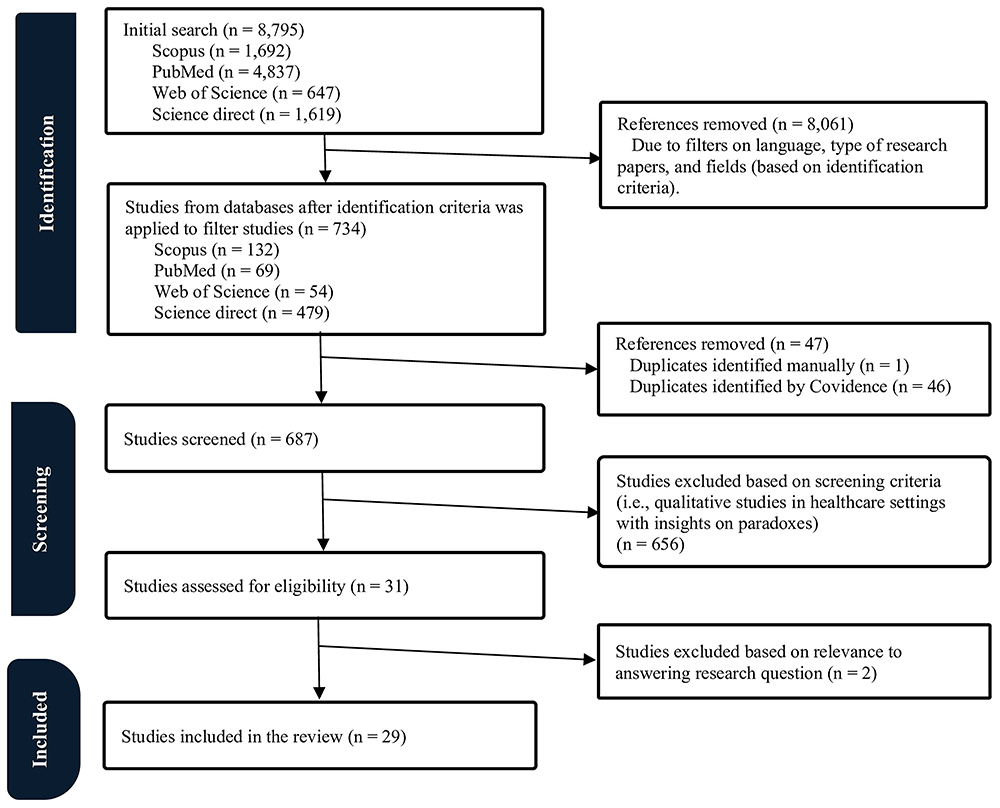
Figure 1. Search process based on PRISMA.
Data extraction and synthesis
Each research paper was allocated a row in an Excel spreadsheet to collect and code details such as author(s), journal, publication year, research question(s), methodology, location of data collection, type of technology, and research context. Furthermore, the data extraction process involved compiling insights on paradoxes. After reading all the research papers and filling out the Excel spreadsheet, the extracted data related to the paradoxes and alternation approaches was converted into first-order codes, following the Gioia method (Gioia et al., 2013), as done in similar studies (e.g. Jeon & Maula, 2022). The Gioia method employs inductive reasoning, progressing to abduction to integrate theory and data for new insights (Gioia et al., 2013). After first-order coding, a second round generated higher-level themes and aggregate dimensions, categorizing paradox types and alternating approaches informed by paradox theory (Smith & Lewis, 2011) while allowing for new or hybrid categories. The data structure was constructed to showcase the rigor of qualitative research (Rojas, 2025a). Finally, a typological framework (Figure 2) was developed with the aggregate dimensions from the data structure to visualize the types of paradoxes based on two dimensions.
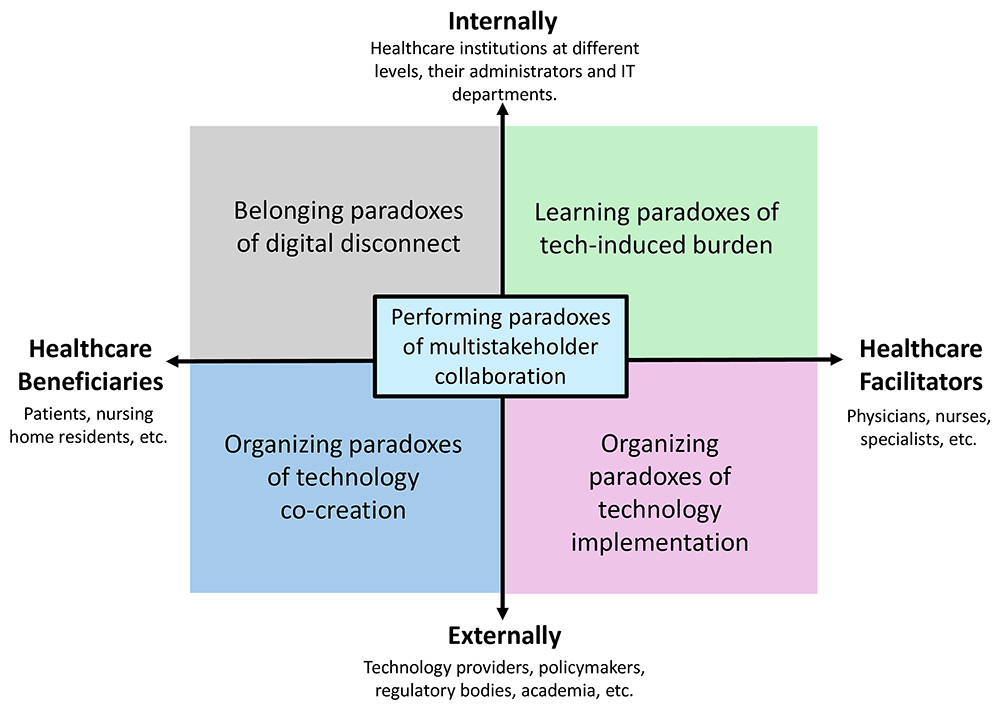
Figure 2. Typological framework with paradoxes in DT of healthcare.
Results
Findings revealed five types of paradoxes: (i) belonging paradoxes of digital disconnect, (ii) learning paradoxes of tech-induced burden, (iii) organizing paradoxes of technology co-creation, (iv) performing paradoxes of multistakeholder collaboration, and (v) organizing paradoxes of technology implementation. When assigning the names to each type of paradox, the aim was to maintain the focus on their unique elements of DT in healthcare while embedding them within the broader typology of paradoxes that Smith and Lewis (2011) propose. The typological framework presented in Figure 2 is introduced to help categorize these paradoxes by mapping them across two dimensions: the involvement in healthcare delivery of the actors that experience such paradoxes, i.e., the healthcare beneficiaries and facilitators, and the organizational boundaries (internal and external stakeholders). The internal approach includes actors from healthcare institutions (e.g., administrators, IT departments) at the meso level, while the external approach involves meso- and macro-level stakeholders such as technology providers, policymakers, regulatory bodies, and academia. The ‘performing paradoxes of multistakeholder collaboration’ type is positioned in the middle of the framework given its multi-actor nature that involves healthcare beneficiaries and facilitators, as well as other actors both internally and externally. Although the framework itself may appear stagnant, it was created as a simplification to facilitate understanding of the complex interplay of paradoxes and actors in healthcare DT.
Furthermore, Table 1 elaborates on the alternation approaches for each of the five types of paradoxes, i.e., (i) adaptive innovation, (ii) human-centered empowerment, (iii) strategic agility, (iv) collaboration for user-centric design, (v) collaborative alignment, which refer to strategies for oscillating between opposing demands (Smith & Lewis, 2011). Therefore, Table 1 clarifies these approaches, identifying the underlying structures in italics and mechanisms underlined.
Table 1. Typology of paradoxes that emerge in DT in healthcare.
| Type of paradox in healthcare DT | Short description | Implications | Alternation approaches (structures in italics and mechanisms underlined) | References |
|---|
| Belonging paradoxes of digital disconnect | While digital technology may enhance the effectiveness of healthcare delivery, healthcare staff and patients deal with the distance and disconnect created by tech-driven interactions versus the personal touch of traditional care. | Decreased engagement in personal interactions, greater access to information but also overwhelming, and healthcare staff having advanced technical skills but underdeveloped interpersonal skills. | Adaptive innovation.
Continuous redefinition of roles and identity to help balance tech-driven care with human interaction. This is done through digital technologies and communication platforms where healthcare staff interact with patients and perform work practices. | Ignatowicz et al. (2018), Marent et al. (2018), Donaghy et al. (2019),
Woods & Kong (2020), Hvidt et al. (2021), Baraitser & Lupton (2023), Leite (2025), Leite et al. (2024), Moretti & Pronzato (2024), Wosny et al. (2024), Schiller et al. (2024) |
| Learning paradoxes of tech-induced burden | Efficiency-enhancing technology, intended to augment human capabilities, instead creates new occupations and intensifies existing work, leading to better healthcare service but blurred boundaries regarding working hours, responsibilities, and liabilities. | Increased reliance on digital technology may lead to workload intensification and role ambiguity within the doctor-patient relationship. | Human-centered empowerment.
Involving healthcare staff and patients in implementing technology through participatory decision-making, recognizing their skills and collaborative efforts in job transformation. This is embedded into institutional policies. | Nicolini (2006), Melin & Axelsson (2014), Pope & Turnbull (2017), Radaelli et al. (2017), Ignatowicz et al. (2018), Banks et al. (2018), Woods & Kong (2020), Hvidt et al. (2021), Kabel et al. (2024), Chorev (2020), Roitenberg & Ben-Ami (2023), Williams et al. (2024), Wosny et al. (2024) |
| Organizing paradoxes of technology implementation | Paradoxes that stem from the intricate decisions required when stakeholders (e.g., technology providers and healthcare providers) collaborate. For example, sharing data while protecting privacy. | Organizations struggle while developing processes for decision-making, integration, and change management to manage the complexities of technology implementation. | Strategic agility.
Using adaptable routines that enable dynamic problem-solving, e.g., real-time strategy adjustments and balancing collaboration without compromising organizations’ core identity through self-reflection. | Gastaldi et al. (2018), Bunduchi et al., 2020), Begkos et al., (2024), Denicolai & Previtali (2023), Gillner (2024)
Kabel et al. (2024) |
| Organizing paradoxes of technology co-creation | The dynamic between transactional approaches, which view technology as a simple exchange, and co-creation, which involves collaborative development across stakeholders. | Balancing diverse interests and ensuring equitable participation of all stakeholders in the co-creation process, dealing with power imbalances. | Collaboration for user-centric design.
Prioritizing users’ needs promotes collaboration and enhances technological solutions through ongoing and iterative feedback frameworks and horizontal partnerships. | Marent et al. (2018), Leone et al. (2021),
Kabel et al. (2024),
Roesler et al. (2024), |
| Performing paradoxes of multistakeholder collaboration | The healthcare ecosystem requires balancing varied interests, fostering effective collaboration, and managing the dual roles (of enablers and constrainers) of government and regulatory bodies. | Balancing international collaboration with national interests, harmonizing regulatory environments, addressing data privacy and cybersecurity concerns, and bridging technological disparities. | Collaborative alignment.
This approach aims for coherence and alignment of vision among stakeholders, promoting a space for collective learning, negotiation, flexibility and effective communication. | Johansson et al. (2022),
Gardner (2023), Begkos et al. (2024), Gillner (2024), Kabel et al. (2024), Roesler et al. (2024) |
Paradoxes that emerge in DT of healthcare
Belonging paradoxes of digital disconnect
Ambiguity in patient-clinician relationships through technology
Digital technologies can enhance healthcare delivery but also introduce paradoxical tensions, as tech-driven interactions may lack the personal touch of traditional care. These tensions align with belonging paradoxes (Smith & Lewis, 2011), which affect relationships and social cohesion. For instance, Marent et al. (2018) demonstrated how digital interactions can simultaneously strengthen and weaken bonds with healthcare providers. Their study on HIV patients’ co-design of a mHealth platform revealed that digital tools foster intimacy through certain features while creating separation through others, highlighting the dual impact of technology on patient experiences. Baraitser and Lupton (2023) found that users of an online photo-diagnosis sexual health service valued anonymity and distance from clinicians but still sought empathetic human interaction during critical stages. Similarly, Ignatowicz et al. (2018) showed that while digital communication promotes trust through immediacy, significant care decisions are better-handled face-to-face. These studies highlight that digital tools improve connectivity but can reduce empathy and trust in patient-clinician relationships.
Tensions in transitioning traditional care to tech-enhanced models
Leite et al. (2024) found that psychologists transitioning from in-person to online consultations faced emotional and psychological uncertainty despite recognizing telemedicine's benefits. Similarly, Donaghy et al. (2019) highlighted patient discomfort with virtual waiting rooms, while Hvidt et al. (2021) showed that email consultations improve flexibility but alter doctor-patient interactions. These studies demonstrate how adapting traditional practices to digital models can paradoxically hinder communication and connectivity. Woods and Kong (2020) examined smart eldercare technologies, revealing that while they extend caregivers' reach, they weaken essential human connections, turning caregivers into "systems managers" focused on maintaining technology rather than providing care. This paradox between remoteness and proximity can create a sense of care that feels detached from actual caregiving. Similarly, Leite (2025) found that physiotherapists' mediation of VR treatment influenced patient engagement, with their role enhancing or diminishing the experience. Thus, while technology can improve aspects like immediacy, it may reduce others, such as empathy in patient-clinician interactions.
Learning paradoxes of tech-induced burden
Workload intensification and blurred role boundaries
The learning paradoxes of tech-induced burden show the unintended consequences of integrating digital technologies aimed at streamlining healthcare services. While patients benefit from faster and more efficient care, healthcare staff often experience an increased workload and reconfiguration of roles. This aligns with the learning paradoxes suggested by Smith and Lewis (2011), where tension exists between maintaining past practices and pursuing future innovations. Banks et al. (2018) found that e-consultations required follow-up appointments, increasing staff workload. Ignatowicz et al. (2018) showed that doctors struggled with the immediacy of digital communication, especially in urgent cases like suicidal patients. Similarly, Woods and Kong (2020) highlighted how smart eldercare technologies raised expectations for immediate caregiver responses, expanding caregivers' responsibilities. Thus, while technology benefits patients, it can pressure healthcare staff more.
Nicolini (2006) found that telemedicine reassigns advanced tasks to telehealth practitioners, like nurses, but these increased responsibilities are often not legally or financially acknowledged. Similarly, Pope and Turnbull (2017) showed that a computer decision support system (CDSS) used for managing emergency care calls was intended to reduce costs by substituting clinical labor. However, it also led to more tasks, both physical and emotional, and required clinical staff to train non-clinical staff. Thus, these technologies paradoxically both replace and intensify labor demands.
Efficiency gains with added emotional and cognitive load
The implementation of EMRs in healthcare has had unintended consequences. Nicolini (2006) found that despite EMRs being designed to improve provider-patient interactions, clinicians often faced interruptions during diagnoses, increasing patient anxiety. Melin and Axelsson (2014) observed that while EMRs reduced the time spent searching for paper records, they also led to productivity drawbacks, as clinicians now spent more time navigating large data volumes. Similarly, Wosny et al. (2024) found that IT system malfunctions were a major cause of inefficiency and frustration for healthcare staff.
Predictive information technologies, while enhancing efficiency, also amplify work and introduce uncertainty in clinicians' decisions. Chorev (2020) found that clinicians’ use of data and digital tools in personalized medicine led to treatment choices that were paradoxically both fixed and uncertain, especially in cancer treatment. While some healthcare professionals believe that the quality of patient data has improved with digitalization, others believe it has become less accurate and personalized as it is “copied and pasted” (Wosny et al., 2024, p.12). Therefore, automation, intended to increase efficiency and reduce costs, creates new occupations and intensifies existing work, leading to better service but blurred boundaries regarding working hours, responsibilities, and liabilities.
Organizing paradoxes of technology implementation
Conflicting strategies and tactics across stakeholders
These paradoxical tensions originate from the decisions required when technology and healthcare providers develop the DT strategy. This relates to organizing paradoxes (Smith & Lewis, 2011), which involve conflicting demands in achieving outcomes. A key tension is balancing short-term experimentation with long-term planning for sustainable integration. Kabel et al. (2024) found that while short-term trials are necessary, healthcare managers still emphasize long-term fixed goals despite uncertainty about the new technology's success. Additionally, digital ambidexterity challenges involve balancing costs, quality, interoperability, and decisions between current and new IT systems (Gastaldi et al., 2018).
Data management and tech integration contradictions
DT in healthcare is complicated by the need to balance data sharing with privacy protection. In the patient-centric model, innovation must address patient needs, including privacy (Denicolai & Previtali, 2023). Gillner (2024) found that AI providers face tensions across healthcare’s sociocultural, technological, and institutional subsystems. Socioculturally, AI's black-box decision-making conflicts with medical ethics. Technologically, IT departments control data and resist integration. Institutionally, strict AI regulations act as barriers. These organizing paradoxes involve balancing short-term and long-term goals, data sharing with privacy, and managing between old and new IT systems.
Organizing paradoxes of technology co-creation
Conflicting approaches in technology design and adoption
In the co-creation of tech-based solutions in healthcare, paradoxical tensions emerge from balancing the diverse needs and expectations of patients and healthcare staff with the interests of technology providers, which is why this category also aligns with the organizing paradoxes proposed by Smith and Lewis (2011). The tension between transactional approaches, which view technology as a simple exchange, and co-creation, which involves collaborative development, creates paradoxical tensions. Roesler et al. (2024) highlight co-creating's complexity when prioritizing standardization. Medical technology providers focus on reaching a broad customer base with minimal effort, favoring standardization and overlooking specific user needs. Conversely, hospitals prioritize customization, reflecting resistance to standard solutions. The challenge lies in choosing between modularized designs, which offer ease of implementation, and flexible designs, which can adapt to varying needs but are harder to standardize (Kabel et al., 2024). Roesler et al. (2024) found that hospitals' internal stakeholders, particularly the IT department, viewed technology providers as rivals, highlighting conflicting values. Medical staff also believed collaborating with numerous external partners added effort without clear benefits. Marent et al. (2018) showed that co-design evolves during use, requiring collaboration throughout implementation. However, long-term collaboration is hindered by the pressure for rapid technology deployment, which conflicts with the slower processes for testing and validation.
Performing paradoxes of multistakeholder collaboration
Divergent stakeholder perspectives
These paradoxical tensions arise from various stakeholders and institutions’ diverse visions and logic, including healthcare providers, technology companies, patients, government, and regulatory bodies. These differences create paradoxes, and sometimes dilemmas, within decision-making and goals’ alignment. Thus, this aligns with the performing paradoxes suggested by Smith and Lewis (2011), which refer to tensions that emerge when various actors have different and often conflicting demands. Bunduchi et al. (2020) found that the success of IT implementation in healthcare is influenced by institutional and contextual complexity, with outcomes shaped by how actors respond to these challenges by emphasizing different logics. Johansson et al. (2022) highlighted the complexity of a regional-wide DT project, where multiple stakeholders at different organizational and external levels define visions, goals, and strategies. The choice between selective and intensive collaboration adds complexity in healthcare DT. Kabel et al. (2024) found a lack of alignment between healthcare and technology providers, as each perceives the other as self-interested rather than coordinated. Patients experience autonomy through self-service technologies, but healthcare providers distrust patient self-reports, creating conflicts in technology implementation. Similarly, Gardner (2023) highlighted tensions between a hospital’s focus on patient care and its research-driven goals, illustrating misaligned logics among stakeholders.
Navigating regulatory challenges
Government initiatives can both facilitate and impede DT progress. Begkos et al. (2024) highlighted that while external forces like the government can drive change, they create obstacles, especially through mergers and bureaucracy. Gillner (2024) found that regulatory barriers in healthcare make market entry difficult for startups, particularly AI providers. These barriers hinder engagement with regulators and complicate technological integration. Thus, the healthcare ecosystem requires balancing varied interests, promoting effective collaboration, and managing the dual roles of government bodies to achieve successful technology integration in healthcare.
Alternation approaches
Adaptive innovation
Adaptive innovation in healthcare DT involves continuous iteration to meet conflicting demands while redefining clinicians’ roles to ensure technology enhances patient interactions. Hvidt et al. (2021) found that email consultations led GPs to reconsider their professional roles, as some patients' behaviors imposed a role that conflicted with the GPs' identity. Consequently, GPs redefined their roles by adjusting patient-clinician dynamics and setting boundaries to avoid being seen as a "mailbox-lady." Alternating between tech-enhanced care and human interaction degradation requires balancing efficiency and empathy, negotiating competing demands from patient needs, staff workflows, and technology. Johansson et al. (2022) highlight that this involves distinguishing between short-term and long-term needs, while Woods and Kong (2020) emphasize the continuous negotiation of new care cultures. For example, smart eldercare technologies, while offering "always on" care, are influenced by existing caregiving practices (Woods & Kong, 2020). Similarly, digital platforms like WhatsApp create emotional burdens but also positive feelings (Moretti & Pronzato, 2024), forcing healthcare staff to constantly redefine their professional and personal boundaries.
Human-centered empowerment
This approach emphasizes involving clinicians and patients in the DT process through participatory decision-making, ensuring their roles and needs shape technology adoption. Ignatowicz et al. (2018) found that healthcare staff often felt disempowered, with digital communication raising concerns about clinician autonomy and unclear consent processes. Establishing clear rules for digital communication can help manage expectations and reduce stress (Hvidt et al., 2021; Woods & Kong, 2020). Begkos et al. (2024) highlighted how clinicians overcame EMR implementation challenges through collaboration, while Radaelli et al. (2017) emphasized the role of healthcare professionals in educating patients to enhance their participation in health decisions.
Recognizing the physical and emotional labor inherent in healthcare empowers and acknowledges the human aspect of care, which is key to maintaining morale and job satisfaction. Human effort is key, both physical and emotional (Pope & Turnbull, 2017). For example, empowering clinicians to make the final decisions about treatments ensures that human judgment remains central, preserving the quality of care (Chorev, 2020) study.
Strategic agility
Strategic agility helps healthcare organizations manage technology implementation complexities through dynamic problem-solving. Kabel et al. (2024) suggest using meta-routines, i.e., routines for adjusting other routines, problem-solving, and self-reflection, to adapt to evolving needs. Their study highlights the importance of balancing stakeholder collaboration with maintaining the organization’s identity, ensuring collaboration does not undermine its norms, values, and beliefs. Gastaldi et al. (2018) found that DT implementation requires a time-variant approach, aligning with strategic agility’s emphasis on flexibility and timing. This approach balances short-term and long-term goals, addressing both technological and human factors. Kabel et al. (2024) highlight that healthcare organizations should accept technological uncertainty and experiment with short-term solutions to improve processes and patient outcomes.
Collaboration for user-centric design
Co-designing with key actors, such as patients, healthcare providers, and technology developers, promotes ownership and integrates diverse perspectives. Marent et al. (2018) found that co-design participants used their existing digital technology experiences to predict how a platform might change HIV care, with ambivalence helping to shape more reflexive designs. A collaborative approach may help mitigate paradoxical tensions by creating solutions with people to align the goals of all stakeholders. For example, the technology service provider in the study from Leone et al. (2021) forms horizontal partnerships with other providers to strengthen its AI-based solutions through ongoing user feedback and live data. Leite et al. (2024) illustrated how patients and psychologists co-create value in online consultations by continuously adapting interactions for mutual benefit. For instance, psychologists intuitively developed new therapeutic methods using visual cues in patients’ surroundings.
Collaborative alignment
Maintaining coherence and alignment of vision across units and stakeholders is key, as it promotes a unified approach and clear objectives. Bunduchi et al. (2020) show how aligning actors’ visions bridges institutional logics in national DT healthcare projects. In contrast, Roesler et al. (2024) highlight how differing definitions of "quality" between hospital managers and doctors lead to conflicting demands, amplifying paradoxes in multistakeholder collaboration. Johansson et al. (2022) suggest that creating "balancing spaces" with soft system boundaries can help manage goal ambiguity and foster collective learning.
Discussion
This study contributes to classifying paradoxes in healthcare DT, which is key for developing effective strategies (Jeon & Maula, 2022). A paradoxical perspective acknowledges that challenges in DT are enduring elements requiring dynamic equilibrium (Smith & Lewis, 2011). The digital disconnect and tech-induced burden paradoxes highlight tensions at the micro level, where digital tools improve efficiency but increase workloads and detachment. These paradoxes emphasize the need for strategic management to balance efficiency with quality care. Meanwhile, technology co-creation, multistakeholder collaboration, and technology implementation paradoxes reflect complexities at meso and macro levels, including navigating institutional structures and reconciling diverse interests. Overall, the typology proposed by Smith and Lewis (2011) supported the data that emerged from the analyzed studies, showing that paradoxes in healthcare DT fit into these categories. However, the abductive approach helped to highlight the specific characteristics of these types of paradoxes in the context of healthcare DT.
The meta-synthesis identified five alternation approaches, i.e., adaptive innovation, human-centered empowerment, strategic agility, collaboration for user-centered design, and collaborative alignment, that help navigate the opposing demands of paradoxes (Schad & Bansal, 2018). These approaches highlight structures and mechanisms that facilitate or limit actors’ actions in managing paradoxes. For example, adaptive innovation involves redefining healthcare staff roles and identities to balance tech-driven care with human interactions. Roles shape actions by helping healthcare staff set boundaries in daily practices, such as email consultations, to manage the effects of technology on patient interactions (Giddens, 1984; Hvidt et al., 2021). However, roles can constrain healthcare staff in alternating between opposing demands if boundaries are blurry, e.g., if it is not clear if healthcare staff should be ‘always on’ to reply to patients’ requests anytime (Ignatowicz et al., 2018; Woods & Kong, 2020). Through mechanisms like participatory decision-making, human-centered empowerment helps involve staff and patients in technology implementation. However, it can be constrained if staff are unaware of relevant institutional policies (Ignatowicz et al., 2018). Similarly, a clear vision in collaborative alignment can guide stakeholders and facilitate mechanisms like collective learning to address contradictions (Johansson et al., 2022). The effectiveness of these structures and mechanisms depends on their clarity and communication, as ambiguity can hinder their practical use.
Healthcare needs to be faster to follow the pace of DT (Dionisio et al., 2023). Thus, practitioners can leverage this study’s insights to design interventions based on the alternation approaches identified in this review. Unavoidably, DT creates a scenario in which organizations are prone to experience paradoxes (Johansson et al., 2022). Therefore, policymakers could develop regulatory frameworks that support the balanced implementation of DT, safeguarding that technological advancements do not fully compromise the quality of human interactions and patient care, even when they will inevitably do it to a certain degree.
Research agenda
The research agenda emerged from the findings and outlines five key areas for future healthcare digital transformation (DT) studies. First, it suggests investigating (i) how healthcare staff roles can be redefined to enhance patient care and autonomy while shaping technology integration. Second, it highlights the relevance of (ii) maintaining human connections in healthcare despite increasing digitalization, focusing on healthcare providers' physical and emotional labor. The third area explores (iii) minimizing workload amplification, emphasizing clinician involvement in technology design to prevent additional burdens. Furthermore, findings show opportunities for future research on (iv) co-creating healthcare technology with multiple stakeholders and (v) negotiating strategy terms and defining stakeholder roles in technology implementation. These themes center on balancing diverse needs in the technology innovation process and ensuring alignment in healthcare strategies. All five research opportunities align with the alternation approaches outlined in this study, offering pathways to navigate paradoxical tensions in healthcare DT.
Conclusion
This study synthesizes the literature on healthcare digital transformation (DT) paradoxes, identifying five types of paradoxes and alternation approaches to manage them. Through a meta-synthesis of 29 qualitative studies, a typological framework is proposed to classify paradoxes based on the involvement of healthcare beneficiaries, facilitators, and actors at various levels. The study also identifies five alternation approaches, i.e., adaptive innovation, human-centered empowerment, strategic agility, collaboration for user-centered design, and collaborative alignment, that help navigate opposing demands. The findings provide practical insights for healthcare practitioners and policymakers, emphasizing the relevance of supporting structures that facilitate navigating these paradoxes while balancing technological advancements with human care.
Ethics and consent
Ethical approval and consent were not required.









