Introduction
Intervertebral disc degeneration (IDD) is a prevalent condition that results in chronic back pain and disability. The degenerative process is marked by intricate biological and structural alterations in the intervertebral disc, potentially leading to disc herniation, spinal stenosis, and other spinal disorders1. It’s global prevalence has been reported to be as high as 58 – 84% in individuals aged 40–59, making it a leading cause for disability worldwide2. Despite its widespread occurrence and significant impact on quality of life, the available treatment options for IDD are limited and often fail to provide enduring relief3.
The initial step in managing IDD is an accurate diagnosis, typically involving a comprehensive medical history, physical examination, and imaging studies such as MRI or CT scans. The diagnosis of IDD is often based on characteristic symptoms, such as back or neck pain and evidence of disc degeneration in imaging studies4.
Conservative treatment is commonly the first line of therapy for IDD, encompassing a variety of approaches such as physical therapy, pain management with medications, and lifestyle modifications. Physical therapy can aid in strengthening the muscles that support the spine, improving flexibility, and promoting good posture. Pain management can involve using non-steroidal anti-inflammatory drugs (NSAIDs), muscle relaxants, and, in some cases, opioid medications5.
If conservative treatments prove ineffective, non-surgical treatments may be considered. Examples of these include epidural steroid injections, which can help to reduce inflammation and relieve pain and nerve blocking and radiofrequency ablation, which can help to disrupt the pain signals from the affected disc6.
When conservative and non-surgical treatments fail to provide relief or when the patient has severe or progressive neurological symptoms, surgical treatment is considered. Surgical options can include discectomy, where part or all of the degenerated disc is removed, and spinal fusion, where two or more vertebrae are fused to stabilize the spine7.
Regenerative medicine also offers a promising direction for treatment, aiming to restore disc integrity through cell therapy and tissue engineering. Preclinical studies suggest that mesenchymal stem cells (MSCs) can differentiate into disc cells and produce vital matrix proteins, while advances in biomaterials provide scaffolds for cell delivery and disc repair8. These approaches could shift IDD treatment from symptom relief to addressing root causes.
In addition to those, alternative approaches such as acupuncture, chiropractic care, and massage therapy may be considered. While these treatments may not be as widely accepted or as well-studied as conventional treatments, some patients may find them helpful for managing their symptoms9. Regardless of the treatment approach chosen, follow-up care and rehabilitation are crucial components of the treatment plan. This can include ongoing physical therapy, pain management, and lifestyle modifications to help prevent further disc degeneration and promote overall spinal health10.
The adoption of these treatments relies on clinical trials confirming their safety and efficacy. To understand what researchers have devised to intervene in IDD, clinical trial platforms are a rich source of data that facilitate a standardized evaluation of existing clinical trials10. To key stakeholders, clinical trial protocols emerge as the foundational documents for capturing the comprehensive aspects of trials, such as design, methodology, and ethical considerations11.
Related studies
Several studies, summarized by Table 1 below, analyze clinical trial protocols across different diseases and therapeutic areas, providing valuable insights into protocol quality, design characteristics, and methodological trends. These analyses reveal significant variations in protocol development and reporting standards across medical specialties.
Table 1. Related Studies.
| Study | Disease Area | Protocols
Analyzed | Key Findings |
|---|
Langrand-Escure
et al. | Oncology | 557 protocols | Only 26.2% achieved highest quality; 66%
missing sample size calculations |
| Bush et al. (2017) | Infectious
Disease | 145 protocols | 26,986 patients; sufficient consistency for
data pooling |
Linardon et al.
(2024) | Mental Health | 171 protocols | Only 32% reported adverse events;
significant reporting heterogeneity |
| Ha et al. (2023) | Precision
Oncology | 29 protocols | Most used NGS/IHC; central vs. local lab differences |
Ciaranello et al.
(2009) | Pediatric HIV | 31 protocols | Plans for trial participation payment and
injury care payment were mentioned more
often than posttrial services. |
Oncology protocol analysis
Langrand-Escure et al. (2017)12 conducted a systematic review of 557 phase II oncology trial protocols, finding that only 26.2% achieved the highest methodological quality score, with sample size calculation missing in 66% of protocols. Their analysis identified three variables independently associated with higher reporting quality: presence of statistical design, multicenter design, and per-protocol analysis.
Ha et al. (2023)13 performed a systematic review of precision oncology clinical trials with phase II, biomarker-driven, adaptive design, analyzing 29 eligible trials from 2015–2023. Their study revealed that most trials used next-generation sequencing and/or immunohistochemistry for biomarker screening, with investigator-initiated trials primarily using central laboratories while sponsor-initiated trials used both central and local facilities.
Mental health protocol analysis
Linardon et al. (2024)14 systematically reviewed 171 clinical trials of mental health apps, finding that only 55 trials reported adverse events, with significant heterogeneity in assessment methods and event recording. Their meta-analysis showed a deterioration rate of 6.7% across 13 app conditions, with no significant difference between app and control groups.
Petrie et al. (2019)15 conducted a systematic review of interventions to reduce mental health symptoms in physicians, including eight studies with 1,023 physicians. They found that physician-directed interventions were associated with small reductions in symptoms of depression and anxiety.
Pediatric HIV protocol analysis
Ciaranello et al. (2009)16 reviewed protocols and informed consent forms from Phase 3 and 4 antiretroviral trials in adults, finding that post-trial medications and medical care were mentioned in fewer than half (45%) of all trials. Their analysis showed plans for trial participation payment (74%) and injury care payment (94%) were mentioned more often than posttrial services. A summary of all related studies can be found on Table 1.
Methods
Study design
This study is a systematic review of clinical trial protocols focusing on interventions for intervertebral disc degeneration. We designed the review according to PRISMA 2020 guidelines for transparent reporting of systematic reviews. No meta-analysis was performed because our analysis was limited to trial protocols without outcome data. Instead, we conducted a descriptive overview of protocol characteristics and did not calculate pooled effect estimates.
Information sources
The primary source was ClinicalTrials.gov targeting intervertebral disc degeneration protocols. All searches were initially conducted in September 2024 and updated through December 31, 2024. No restrictions on language or publication status were applied in the searches.
Search strategy
A comprehensive search strategy was developed using both controlled vocabulary and free-text keywords to capture the concept of intervertebral disc degeneration and related terms. The search combined Medical Subject Headings (MeSH) and keywords: “intervertebral disc” OR “intervertebral disk” AND “degeneration” OR “degenerative disc disease”. Boolean operators and truncation were applied as appropriate to broaden the search (e.g., using variations of the term “degeneration”).
Eligibility criteria
We pre-specified inclusion and exclusion criteria to determine which records would be included in this review:
Inclusion criteria
We included studies that
were described as interventional clinical trials (e.g., randomized or non-randomized trials) investigating intervertebral disc degeneration in human participants;
had a protocol available through a trial registry entry or a published protocol article; and
were registered (or published) from January 2013 onward (to focus on trials developed after the introduction of the SPIRIT guidelines).
We imposed no restrictions on the type of intervention (e.g., surgical, pharmacological, biological, or device-based therapies were all eligible) or comparator (placebo, active control, or no-treatment control), as long as the study’s primary focus was intervertebral disc degeneration. Trials of any phase (Phase I to IV) and any size were eligible provided they met the above criteria.
Exclusion criteria
We excluded:
observational studies and other non-interventional study designs (such as case series, case reports, or reviews) because our focus was on prospective interventional trial protocols;
trials that did not primarily address intervertebral disc degeneration (for example, studies focused on acute disc herniation or unrelated spinal conditions without a degenerative component were excluded)
duplicate entries or reports
If a trial’s protocol information was so incomplete that key data items could not be obtained from either the registry or publication (despite being labeled as a trial in disc degeneration), that trial was also not included in the synthesis.
Selection process
All protocols retrieved from the searches were imported into a reference management system. We then followed a two-stage screening process. First, two reviewers independently screened titles and registry entries to identify eligible studies. Protocols were filtered using the predefined inclusion/exclusion criteria. Any disagreements regarding study inclusion were resolved through discussion and consensus between the two reviewers. A third reviewer was designated to arbitrate unresolved conflicts. The results of the study selection process are documented in a PRISMA flow diagram (Figure 1), which illustrates the number of records identified, screened, excluded (with reasons for major exclusions), and ultimately included in the review.
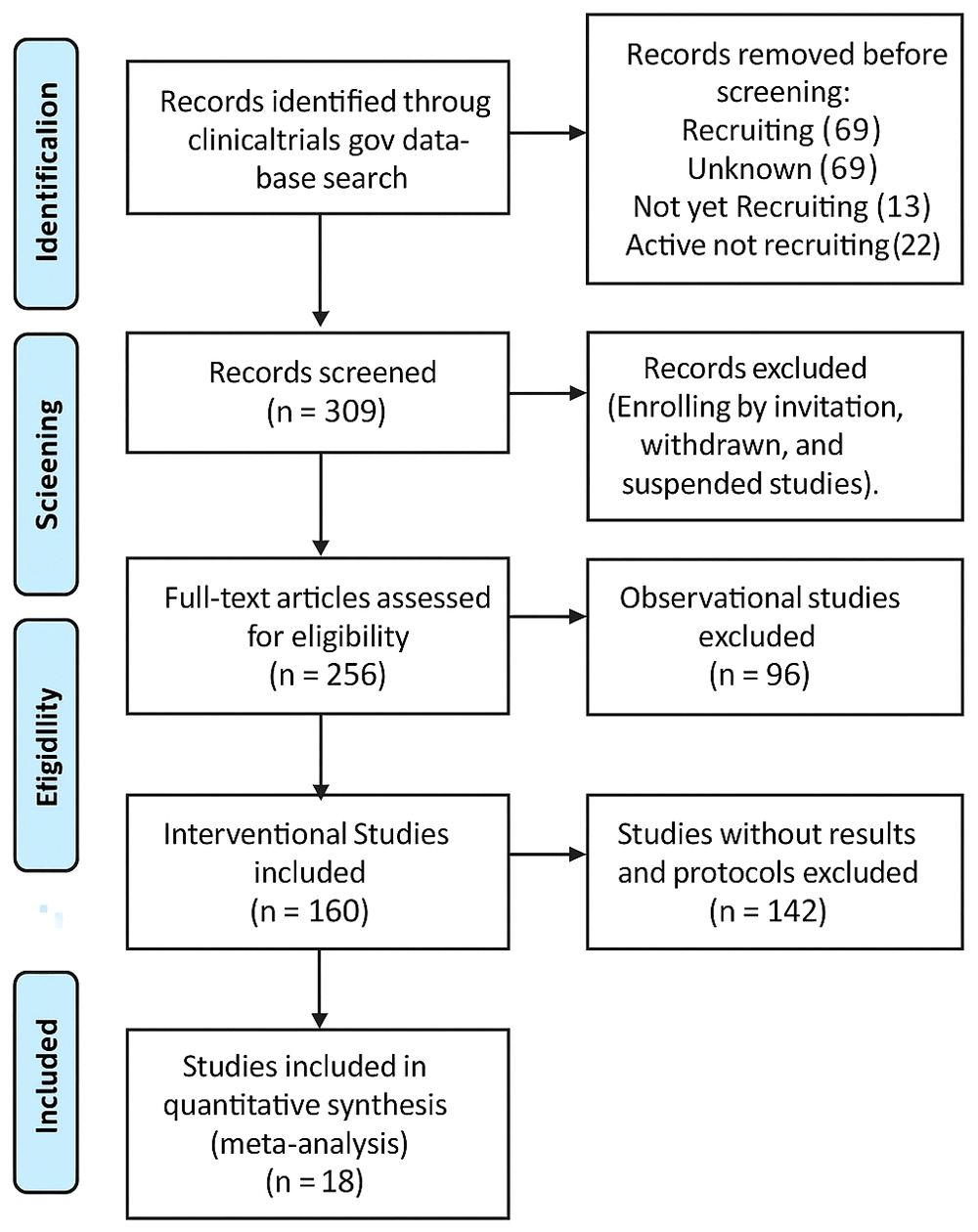
Figure 1. Selection of IDD Clinical Trial Protocols.
Data items
From each included trial protocol, we extracted a comprehensive set of data items to characterize the study and evaluate its protocol content. Key data items collected were:
General Study Information: Trial registry identifier (e.g., NCT number if from ClinicalTrials.gov), trial title, year of registration (or publication year for published protocols), and country or region where the trial was conducted or registered.
Study Design Characteristics: The design of the trial (randomized controlled trial, non-randomized trial, etc.), including allocation method (e.g., randomized vs. non-randomized, and if randomized, whether allocation concealment and blinding were planned). We also noted the presence of a control group and the nature of the control (placebo, active comparator, etc.), as well as the trial phase (for drug or device trials, if reported).
Population and Sample Size: The target patient population (key inclusion criteria such as patients with lumbar or cervical disc degeneration, age range, etc.) and the planned sample size (number of participants). We recorded whether the trial was single-center or multi-center.
Interventions: The type of intervention being tested (e.g., surgical procedure, pharmacological treatment, cell or biologic therapy, physiotherapy or exercise program, medical device, etc.). For multi-arm studies, we recorded all intervention arms and the comparator arm(s).
Outcomes: The primary outcome(s) as stated in the protocol, and any key secondary outcomes whenever mentioned. We specifically noted outcomes relevant to intervertebral disc degeneration (such as pain, functional disability scores, imaging outcomes, or biomarkers), as well as the time points for primary outcome assessment.
Sponsor and Funding: The sponsor type (industry-sponsored vs. investigator-initiated/academic) and any information on funding or funding source as reported in the protocol or registry entry.
Trial Status: The recruitment status at the time of data extraction (e.g., recruiting, active not recruiting, completed, etc.) and whether results had been posted (if applicable). This was noted to contextualize the protocols (though we did not use results data in our analysis).
All data items were clearly defined prior to extraction to ensure uniformity. If any information was unclear or not explicitly stated in the protocol or registry entry, we recorded it as “not reported” for the purposes of our analysis.
Risk of bias and reporting bias assessment
We did not perform traditional risk of bias or reporting bias assessments because our review focused on trial protocols rather than reported outcomes. No risk of bias tool (e.g., Cochrane Risk of Bias 2 for RCTs) was applied, as typical domain-based evaluations (covering selection bias, performance bias, detection bias, etc.) are not applicable to protocol-only reviews. Similarly, reporting bias assessments like funnel plot analysis were not relevant since we performed no meta-analysis of outcome data. Our data sources were protocols accessed from registries regardless of whether trials eventually published results, making our selection process inherently less prone to publication bias than typical results-based reviews.
Synthesis methods
We synthesized the extracted data using descriptive and narrative methods. Given the qualitative nature of the data (trial characteristics and protocol content) and the absence of commensurate outcome metrics, no statistical meta-analysis was performed. Instead, we tabulated the data and summarized key findings in text. We calculated simple descriptive statistics to characterize the trial protocols: for example, we reported the number and percentage of trials by intervention type and by sponsor type. Categorical variables (like intervention category, presence of a control group, etc.) are presented as frequencies and percentages. Continuous variables (such as target sample size or planned trial duration) are summarized with medians and ranges. The results of the synthesis are presented narratively in the Results section. An earlier version of this work was published as a preprint17.
Results
The search revealed 481 Intervertebral Disc Degeneration (IDD) clinical trials. After an initial screening, in which trials that were still looking for participants or not yet recruiting, ones that were actively not recruiting, enrolling by invitation, with unknown and suspended, withdrawn and unknown studies were excluded, 256 studies were selected for closer review, and were further narrowed down to 160 studies after excluding observational studies. A further criteria exluded 142 additional studies, as these were lacking results and protocols. This selection process resulted in 18 trials that spanned from 2013 to 2024.
Of the selected trials, the majority (13 trials) specifically targeted the lumbar spine, while 5 trials investigated degenerative disc interventions in the cervical spine (included here due to overlap in degenerative mechanisms). The inclusion of a few cervical IDD trials (e.g. a trial of an allograft in cervical fusion18 and an artificial cervical disc trial19) reflects the breadth of our search; however, results will emphasize lumbar applications. Figure 1 summarizes the protocol selection process.
The selected trials represent a diverse mix of interventions and study designs. Altogether, these interventions and study designs planned to enroll approximately 1,272 participants (actual enrollment ranged from small pilot samples of <10 patients to a large Phase 3 trial with more than 400 participants). Trial statuses at the time of analysis included 11 completed studies, 6 terminated early (often due to low enrollment or futility), and 1 active but not recruiting (likely in follow-up phase). Notably, a substantial subset, 33%, of initiated trials ended prematurely (“Terminated” status), e.g., because of recruitment difficulty or interim results not meeting expectations. Geographically, most trials were conducted in the United States, often as multi-center studies across specialized spine centers. One trial was conducted in Europe (Spain)20, reflecting an international interest in biologic therapies for IDD. The patient populations were generally adults with chronic low back pain due to lumbar IDD, often after failure of conservative management. Many trials focused on single-level disease, though some included multi-level degeneration or degenerative spondylolisthesis in inclusion criteria. Typical exclusion criteria (from descriptions) included prior lumbar fusion surgery, severe osteoporosis, or other spine pathologies that could confound outcomes (e.g. tumor, infection). Where cervical IDD trials were included, the populations were analogously adults with symptomatic cervical disc degeneration causing neck pain or radiculopathy. Table 2 summarizes the selected studies.
Table 2. Characteristics of selected studies of IDD interventions.
| NCT Number | Study Title | Status | Personalized Device/Drug? | Conditions | Interventions | Enrollment |
|---|
| NCT02667067 | Investigation of the Simplify® Cervical Artificial Disc | Completed | No | Cervical Degenerative Disc Disease | DEVICE: Simplify® Disc, DEVICE: Anterior Cervical Discectomy & Fusion | 150 |
| NCT01860417 | Treatment of Degenerative Disc Disease With Allogenic Mesenchymal Stem Cells (MSV) | Completed | No | Degenerative Disc Disease, Intervertebral Disc Disease, Low Back Pain | BIOLOGICAL: Allogenic Mesenchymal Stromal Cells, DRUG: Mepivacaine | 24 |
| NCT03817606 | A Comparison of Stryker's Titanium (Tritanium® Technology) Posterior Lumbar Cage and PEEK Implant | Terminated | No | Degenerative Disc Disease, Degenerative Scoliosis | DEVICE: Titanium Posterior Lumbar Cage, DEVICE: AVS UniLIF® PEEK Posterior Lumbar Cage | 4 |
| NCT03018392 | Clinical and Radiological Evaluation Following TLIF With 3D-Printed Titanium Cage | Completed | No | Intervertebral Disc Disease | DEVICE: Stryker Titanium Spinal System | 20 |
| NCT04272606 | Tranexamic Acid in Spinal Fusion | Active, Not Recruiting | No | Degenerative Disc Disease | DRUG: Tranexamic Acid, DRUG: Saline Solution, DIAGNOSTIC: Visual Acuity Exam, 3D-CAM Interview | 123 |
| NCT02070484 | NuCel® in Posterolateral Lumbar Fusions for DDD | Terminated | No | Lumbar DDD, Spinal Stenosis, Spondylolisthesis, Spondylosis, Disk Displacement, Disk Degeneration, Spinal & Bone Diseases | BIOLOGICAL: NuCel®, Demineralized Bone Matrix | 6 |
| NCT02412735 | Rexlemestrocel-L ® With/Without Hyaluronic Acid in Chronic Low Back Pain | Completed | No | Degenerative Disc Disease | DRUG: Rexlemestrocel-L®, Rexlemestrocel-L® + HA, Placebo | 404 |
| NCT02347410 | Spineology Clinical Outcomes Trial | Completed | No | Lumbar Degenerative Disc Disease | DEVICE: SIFS Graft Containment Device | 102 |
| NCT02704689 | AccuLIF® Prospective Patient Outcomes Study | Terminated | No | Degenerative Disc Disease, Grade 1 Spondylolisthesis, Retrolisthesis | DEVICE: AccuLIF® Expandable TLIF Cage | 9 |
| NCT02182843 | Cellentra® VCBM ACDF Outcomes Study (VCBM/MaxAn) | Completed | No | Cervical Disc Degenerative Disorder | BIOLOGICAL: Cellentra Viable Cell Bone Matrix | 81 |
| NCT03062657 | Metal Concentration After PRESTIGE LP™ Cervical Disc Implantation | Terminated | No | Cervical DDD, Radiculopathy, Myelopathy | DEVICE: PRESTIGE LP™ Cervical Disc | 25 |
| NCT03484403 | Lumbar Bracing for Chronic Low Back Pain | Completed | Yes | DDD, Lumbar Spondylosis, Low Back Pain | OTHER: Personalized Lumbar Brace, BEHAVIORAL: Back School Physical Therapy | 61 |
| NCT01829997 | Assessment of nanOss® Bioactive 3D in the Posterolateral Spine | Completed | No | DDD, Spinal Stenosis, Spondylolisthesis | DEVICE: nanOss Bioactive 3D BVF | 22 |
| NCT03077204 | BIO4® Case Study in Cervical Spine | Completed | No | DDD, Trauma (Fractures), Spondylolisthesis | BIOLOGICAL: BIO4 with Bio AVS Cervical Allograft, DEVICE: Aviator Cervical Plating System | 20 |
| NCT04007094 | Use of ViviGen Bone Matrix in Lumbar Surgery | Terminated | No | DDD, Spinal Stenosis, Spondylosis, Spondylolisthesis | OTHER: ViviGen Cellular Bone Matrix | 21 |
| NCT02539394 | Effect of Topical Corticosteroids on Dysphagia in ACDF | Completed | No | Cervical Herniation, Cervical DDD, Myelopathy, Dysphagia, Osteoarthritis | DRUG: Methylprednisolone Acetate, OTHER: Hemostatic Matrix Kit | 128 |
| NCT03514277 | Bupivacaine and Exparel® for Postoperative Pain | Terminated | No | Low Back Pain, Radiculopathy, Disc Degeneration, Herniation, Stenosis, Spondylolisthesis, Spondylolysis, Deformity | DRUG: Exparel, Bupivacaine | 19 |
| NCT03647501 | Lumbar Fusion with Nexxt® Spine 3D-Printed Titanium Cages | Completed | Yes | Lumbar DDD, Stenosis, Spondylolisthesis, Spinal Deformity, Spondylosis | DEVICE: Titanium Interbody Cage, PEEK Interbody Cage, with adjustable height | 53 |
Combinations of device and biological interventions were present in 10.5% (2 trials), and similarly, biological-only and drug-only interventions were each found in 10.5% (2 trials) of the trials. Combinations involving biological and drug interventions, as well as drug and other interventions, each occurred in 10.5% (2 trials). Less common were combinations of device and drug, device and diagnostic test, and device and other interventions, each recorded in 5.3% (i.e., 1 trial each). Some trials featured only other types of interventions, representing 5.3% (1 trial) of the total.
Interventions
The interventions under investigation fell into several distinct categories: surgical implants, biologic therapies, pharmacologic adjuncts, and conservative treatments. Figure 2 illustrates the distribution of intervention types among the included trials.
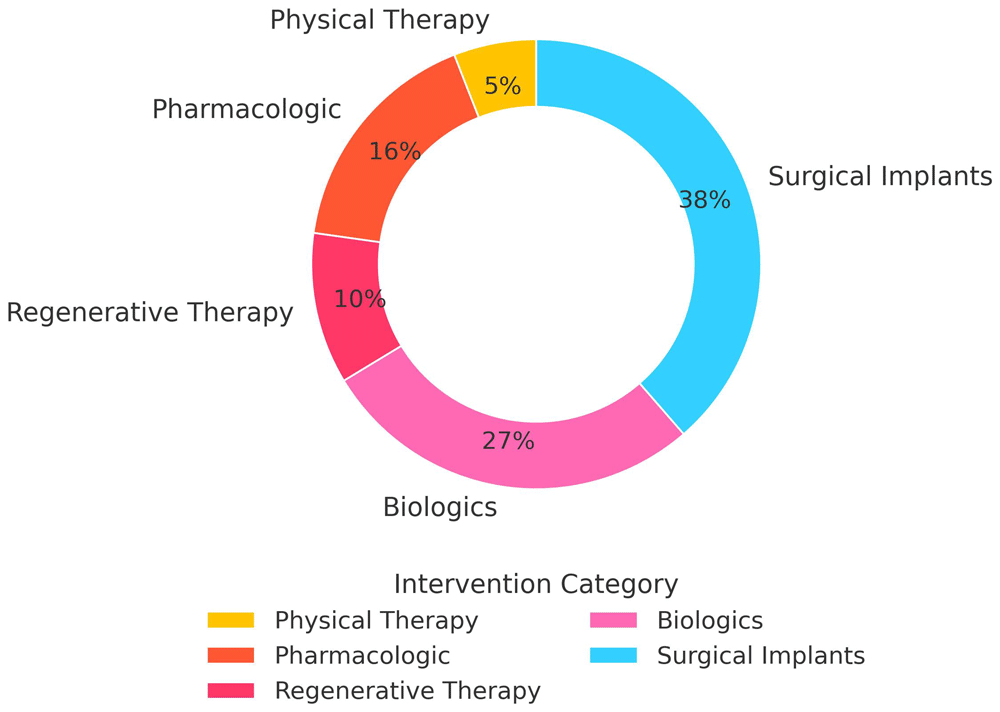
Figure 2. Types of interventions in IDD trials.
Surgical implant-based approaches (e.g., novel interbody fusion cages or artificial discs) constituted the largest category (39% of trials). These included:
1. AVS UniLIF © PEEK Posterior Lumbar Cage: A posterior lumbar interbody fusion cage made of PEEK designed for PLIF or TLIF procedures with various configurations to accommodate patient anatomy and desired spinal alignment21.
2. Simplify® Cervical Artificial Disc: A prosthetic disc for cervical disc replacement consisting of two PEEK endplates and a mobile ceramic core, with titanium coating to promote bone integration19.
3. Stryker Tritanium Spinal System: A lumbar interbody fusion device manufactured using 3D-printing process, constructed from titanium alloy in a lattice structure to mimic trabecular bone22.
4. AccuLIF® expandable TLIF cage: An expandable lumbar interbody cage for TLIF procedures that can be inserted at a reduced height and expanded in situ through a surgeon-controlled hydraulic mechanism23.
5. Spineology SIFS Graft Containment Device: A novel approach using a collapsible PET mesh bag inserted into the disc space and filled with bone graft material24.
6. NEXXT® MATRIXX 3D-Printed Cages: 3D-printed titanium fusion devices with porous geometry balancing strength and radiolucency25.
7. Prestige LP™ Cervical Disc: A device for cervical disc replacement designed to maintain natural range of motion while potentially preventing adjacent segment degeneration26.
Biologic or regenerative therapies (28%) were also prominent, including:
1. Cellentra™ VCBM (Viable Cell Bone Matrix): An allogenic bone graft substitute incorporating living mesenchymal stem cells derived from adult adipose tissue27.
2. NuCel®: A cryopreserved allograft product derived from human amniotic membrane and amniotic fluid components used as an adjunct to bone grafts in fusion procedures18.
3. Demineralized Bone Matrix (DBX®): A processed human donor bone with the inorganic mineral content removed, leaving organic collagen matrix and associated growth factors18.
4. BIO4® Bone Matrix(©): A viable bone matrix product containing osteoconductive scaffold, osteoinductive growth factors, osteogenic cells, and angiogenic components28.
5. Allogenic Mesenchymal Stromal Cells: Stem cells derived from stroma with potential to differentiate into various cell types, used for regenerative treatment of disc degeneration20.
Pharmacological interventions (17%) were evaluated in a few trials – these were not systemic drugs for disc disease per-se, but medications used as adjuncts to surgery:
1. Bupivacaine: A spinal anesthetic used in various forms for local anesthesia29.
2. Exparel®: A liposome-encapsulated bupivacaine product designed for prolonged drug release29.
3. Methylprednisolone Acetate: A corticosteroid particulate suspension injected into the spine to inhibit inflammation implicated in axial pain and radiculopathy30.
4. Rexlemestrocel-L©: A product derived from human bone marrow, categorized as an allogeneic mesenchymal precursor cell therapy for inflammatory diseases31.
5. Mepivacaine: An intermediate-acting local anesthetic with a shorter duration of action compared to bupivacaine20.
6. Tranexamic Acid: A synthetic antifibrinolytic used to reduce perioperative blood loss and the need for blood transfusions in spine surgery32.
Finally, physical therapy-based strategies (6%) were examined in one trial – the use of a lumbar back brace with physical therapy.
This spread of interventions highlights a multipronged research effort: from high-tech implants to regenerative medicine and rehabilitation techniques. Many trials targeted improved spinal fusion outcomes (either through better cages or bone graft substitutes), reflecting a continued emphasis on achieving solid arthrodesis in IDD patients. Meanwhile, a significant number pursued disc preservation or regeneration, such as the allogenic mesenchymal stem cell (MSC) therapy trial for chronic low back pain which delivered stem cells into degenerated discs20. Only one trial squarely addressed purely conservative care (evaluating whether adding a lumbar brace to therapy improves pain in chronic IDD25, indicating that most registered studies are exploring surgical or minimally invasive interventions rather than non-invasive treatments.
Study designs
Among the 18 trials, 9 were randomized controlled trials (RCTs) and 9 were single-arm or non-randomized studies. Most implant and device trials were single-group feasibility studies or used a historical or performance goal as comparator rather than randomizing patients – for example, one trial of a 3D-printed titanium fusion cage enrolled patients to receive the device and compared outcomes to literature benchmarks22. In contrast, trials evaluating drugs or biologics were often randomized and placebo-controlled.
For instance, a Phase 3 Mesoblast-sponsored trial of an allogenic cell injection vs. placebo was a randomized, double-blind study in over 400 patients31, and a smaller Phase 1/2 trial randomized 24 patients to stem cells vs. anesthetic for IDD29. Surgical trials that did randomize typically compared two device techniques (e.g., a titanium cage vs. a PEEK cage in lumbar fusion) or compared an intervention vs. standard care.
Blinding was rarely possible in surgical device trials (surgeons and patients knew which procedure was done), though outcome assessors were sometimes blinded. In pharmacologic adjunct trials, blinding was feasible – for example, a trial comparing extended-release liposomal bupivacaine vs. standard bupivacaine for post-operative pain was double-blind29.
Outcomes and endpoints
The primary outcomes varied based on the intervention type but broadly fell into a few categories: patient-reported pain/function measures, radiographic or biomechanical outcomes, composite endpoints, and safety metrics. About one-third of trials (6/18) set a patient-reported outcome (PRO) as the primary endpoint – typically improvement in pain or disability scores. For example, several trials used the Oswestry Disability Index (ODI) or Visual Analog Scale (VAS) pain score at 6 or 12 months as the primary measure of success. Another large subset (7/18, 39%) of trials primarily evaluated imaging-based outcomes, such as the proportion of patients achieving solid fusion on radiographs/CT or changes in disc height and alignment after treatment. These were common in fusion device trials and biologic fusion adjunct studies (e.g., fusion rate at 1 year as the primary endpoint in a bone graft product trial).
Composite endpoints were used in 3 trials (17%), especially in industry-sponsored device trials where an "overall success" composite was defined – for instance, a cervical disc replacement trial required concurrent improvement in Neck Disability Index (NDI) score, no neurological deterioration, and absence of serious adverse events to count as a success. Similarly, a lumbar fusion device trial defined success as a combination of pain reduction, ODI improvement, radiographic fusion, and no re-operations. Lastly, 2 trials (11%) had primary outcomes focused on perioperative safety/efficacy metrics: one examined blood loss and transfusion rates with vs. without tranexamic acid, and another monitored serum metal ion levels after implantation of a metal cervical disc implant as a safety outcome. Figure 3 below shows the primary outcome categories.
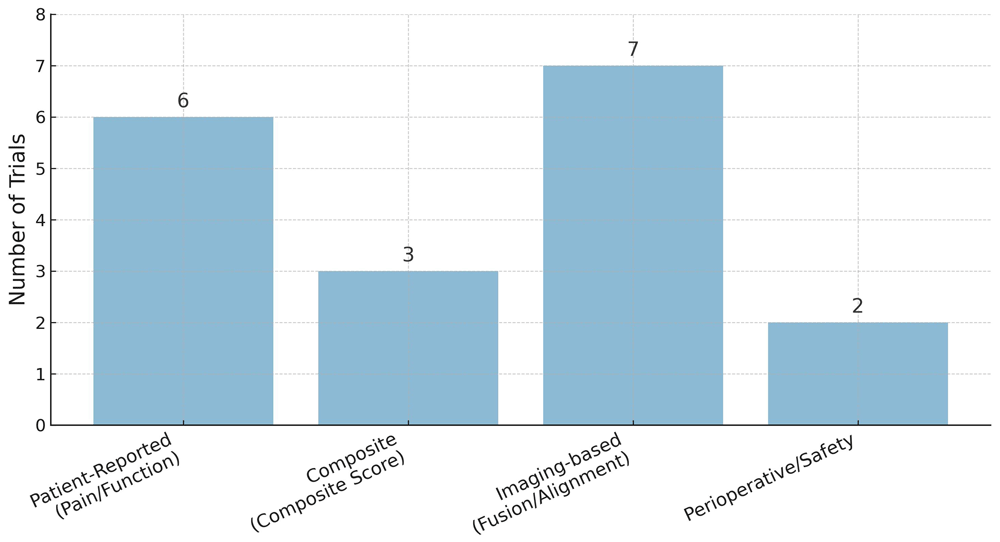
Figure 3. Primary outcome measure categories.
Additional outcome measures included:
1. Surgical outcomes: Length of surgery, hospitalization time, and blood loss.
2. Medical outcomes: Incidence of complications and changes in neurological function.
3. Quality of life: Assessed using instruments like the SF-36 PCS questionnaire and the European Quality of Life (EQ-5D) Questionnaire.
4. Radiographic outcomes: Evaluating fusion status, device placement, and morphologic changes in treated intervertebral discs through MRI and X-ray assessments.
This distribution shows a balance between patient-centric outcomes (pain relief, improved function) and structural outcomes (achievement of solid fusion or maintaining spinal alignment). Many trials also tracked both kinds of outcomes as secondary endpoints, even if one domain was primary. This reflects an increasing recognition that successful treatment of IDD should demonstrate both radiographic success and meaningful patient benefit.
Trial phases
Consistent with the nature of the interventions, most trials were not classical drug trials and therefore did not have a phase designation. Thirteen of the studies were categorized as "N/A" for phase (these include device trials and procedure studies which are not assigned Phase 1–4). Among the 5 trials with an official phase, there was 1 Phase 3 trial (the MSC injection trial for chronic low back pain), 1 Phase 2 trial (tranexamic acid in spinal fusion), 1 Phase 1/2 trial (a pilot stem cell injection study), and 2 Phase 4 trials (post-market studies: one evaluating a biologic allograft in cervical fusion and another comparing analgesic regimens).
The dominance of "Phase N/A" (72% of trials) underscores that many studies were device or surgical technique evaluations typically conducted under IDE (Investigational Device Exemption) regulations rather than the drug trial phase system. The presence of a large Phase 3 program in regenerative medicine (Mesoblast's trial) indicates a mature effort to bring a biologic therapy through regulatory approval. The Phase 4 studies suggest that the corresponding interventions (e.g., allograft bone substitutes, new analgesics) were already in clinical use and were further studied, to gather additional evidence.
Discussion
This systematic review of registered trials provides a comprehensive overview of research efforts aimed at treating intervertebral disc degeneration. The trials are diverse, spanning cutting-edge biologic therapies to incremental improvements in surgical technique, which reflects the multifactorial nature of degenerative disc disease and the lack of a single definitive cure. Several important insights emerge:
Emphasis on fusion and biomechanical solutions
A significant portion of trials focus on improving spinal fusion outcomes for IDD with75% of device trials targeting fusion enhancement. This includes novel interbody cages (often 3D-printed or with enhanced porosity) intended to improve bony integration, and biologic graft substitutes (like cellular allografts or growth-factor-rich tissues) to stimulate fusion. The rationale is that a solid fusion can stabilize the segment and alleviate pain from an unstable degenerated disc.
The prevalence of fusion-oriented trials indicates that, despite the availability of motion-preserving artificial discs, fusion remains a mainstay for advanced IDD and there is ample room for optimizing it. Recent systematic reviews confirm that lumbar fusion for degenerative disease remains effective, though outcomes vary significantly based on patient selection and surgical technique33,34. The use of new material and structures (titanium alloys with trabecular structure, etc.) and biologics addresses known problems like pseudoarthrosis (failed fusion). Especially, current evidence suggests that 3D-printed porous titanium cages demonstrate superior fusion rates and significantly lower subsidence rates (3.03% vs. 10–20% for traditional cages) compared to conventional cage structures35–37.
If these innovations succeed in increasing fusion rates or speeding fusion, patients could benefit from more reliable pain relief and possibly shorter recovery. However, it also underscores that current fusion surgery, while effective for many, is not uniformly successful, hence the ongoing search for enhancements. Adjacent segment degeneration remains a concern, affecting up to 25% of patients within 10 years following fusion38.
Exploration of regenerative therapies
Parallel to mechanical solutions, there is clearly a strong interest in restoring disc function biologically. The presence of high-profile trials using mesenchymal stem cells (MSCs) or other cell products reflects a hope that disc degeneration could be treated rather than simply bypassed with fusion. These trials target patients with chronic discogenic back pain who might avoid or delay surgery if an injection could reduce their pain by halting or reversing degeneration.
Recent systematic reviews and meta-analyses demonstrate that MSC therapy can significantly reduce pain scores (VAS reduction SMD = -0.50, 95%CI = -0.68 to -0.33, P < 0.00001) and disability indices (ODI reduction SMD = -0.27, 95%CI = -0.44 to -0.09, P = 0.003) in patients with degenerative disc disease39,40. Early-phase trials have shown safety of intradiscal MSC injections, and preclinical studies suggest such cells can modulate inflammation and matrix content in degenerating discs41,42. The FDA approval of late-stage trials for stem cell products represents a significant milestone, with Phase 3 trials now underway involving up to 400 patients43.
The European RESPINE project, a H2020-funded Phase 2b clinical trial, demonstrated promising results with allogenic mesenchymal stromal cells in 112 patients with DDD, showing functional and pain improvements of 50% within 6 months and 65–78% after 1 year44. However, as noted by Vadalà and colleagues, the hostile microenvironment of the degenerated disc (avascularity, hypoxia, low pH, hyperosmolarity) poses significant challenges for both resident and exogenously administered cells, which must be carefully considered in regenerative therapy design45.
However, recent critical perspectives, including concerns raised by leading researchers in the field, emphasize that cell therapy for disc degeneration faces significant challenges beyond initial promising results. The avascular nature of the disc, combined with its unique nutritional environment, creates conditions that may limit cell survival and therapeutic efficacy. The increased metabolic demands of delivered cells in a nutrient-poor environment may paradoxically worsen the degenerative process rather than improve it46.
Notably, regenerative trials face challenges such as appropriate patient selection (they likely work best in moderate degeneration, not complete collapse) and demonstrating durable benefits. The fact that the large trial required a composite endpoint of pain and function improvement without additional interventions speaks to stringent efficacy criteria. Clinical studies remain relatively limited, with only 6 eligible clinical trials identified in recent bibliometric analyses, suggesting that further randomized controlled studies are needed to improve the evidence level47.
Shift in pharmacological approaches
There is a clear trend toward multimodal pain management and alternatives to opioids, as evidenced by the trials investigating extended-release local anesthetics like Exparel© (liposome-encapsulated bupivacaine). This shift has been significantly influenced by the opioid crisis, prompting medical professionals to explore alternative strategies for managing post-surgical pain48–50.
The development of advanced mesenchymal precursor cell therapies like Rexlemestrocel-L also represents innovation in pharmacological approaches, aiming to address inflammation at its source rather than merely masking symptoms. These therapies may offer longer-lasting relief by modulating the inflammatory processes that contribute to pain in IDD. Current evidence suggests that tranexamic acid reduces perioperative blood loss and transfusion requirements in spinal fusion procedures, representing one successful pharmacological adjunct32.
Patient-centered outcomes gaining importance
We observed that many trials incorporated patient-reported outcomes (pain, disability indices) either as primary or key secondary endpoints (33% of trials used PROs as primary endpoints). This aligns with the broader trend in spine research to ensure that radiographic success translates to patient benefit. Traditionally, device trials focused heavily on fusion rates or angular motion achieved, but newer trials (e.g., those for FDA approval of arthroplasty devices or stem cell therapies) often require demonstration of improvement in patient pain and function.
The frequent use of composite endpoints that include a clinical improvement component (such as 15-point improvement in ODI or NDI) underscores this patient-centric approach. It is encouraging that trials are not solely reporting "fusion achieved on CT" without considering how the patient feels. The consistency of including validated scales like ODI, VAS, NDI, SF-36, or EQ-5D across these studies will allow future meta-analyses to compare efficacy in terms of quality of life improvement. In the long run, patients with IDD seek pain relief and restored function – the ultimate success of any new intervention will be judged by those outcomes.
Motion-preserving strategies: Balancing innovation with risk
While motion-preserving devices represented 25% of device trials, these interventions face unique challenges that merit careful consideration. Cervical disc arthroplasty, while promising for maintaining spinal motion, requires complex anterior surgical approaches with inherent risks including vascular injury, esophageal perforation, and recurrent laryngeal nerve damage51,52.
Long-term studies of cervical disc arthroplasty show variable outcomes, with 20-year follow-up data demonstrating that while both cervical disc arthroplasty (CDA) and anterior cervical discectomy and fusion (ACDF) are effective, CDA shows lower reoperation rates but comparable functional outcomes53,54. However, complications including heterotopic ossification, implant subsidence, and device migration can impact long-term function55. Recent meta-analyses at 10-year follow-up show that while CDA demonstrates statistically significant improvements in neck disability scores and fewer secondary surgeries compared to ACDF, the clinical significance of these differences remains debatable56.
The risk-benefit profile must be carefully weighed against fusion procedures, which, while eliminating motion, offer more predictable outcomes and lower perioperative morbidity in many cases. The complex surgical exposure required for disc arthroplasty, particularly in obese patients, has been associated with increased neurologic complications, pulmonary embolism, and wound infections57.
Trial quality and research challenges
A concerning finding from this review is the high early termination rate (33%, 6 out of 18 trials), which significantly exceeds the general clinical trial termination rate of approximately 12% reported in the broader literature58,59. This suggests significant challenges in conducting IDD research. Common reasons for early termination across clinical research include insufficient accrual (57% of terminated trials), safety concerns, and futility60. Studies in orthopedic research have reported termination rates as high as 40%, with inadequate recruitment being the leading cause61.
This high attrition rate underscores the need for more robust trial design, better patient stratification, and potentially more collaborative multi-center approaches to ensure adequate statistical power. The diversity in outcome measures and trial designs limits the ability to synthesize evidence across studies, further emphasizing the need for standardization of protocols and outcome measures in IDD research.
Conclusion
This systematic review reveals a dynamic field actively investigating diverse approaches to IDD treatment, from advanced fusion technologies to regenerative therapies. While fusion-centric approaches remain predominant (75% of device trials), the research landscape reflects both innovation and significant challenges. The high early termination rate (33%) highlights critical issues in IDD research methodology and execution. This concerning trend, which exceeds general clinical trial termination rates, suggests that future studies require more thorough design standards, improved patient selection criteria, and enhanced multi-center collaboration to ensure adequate enrollment and statistical power. The development of standardized protocols and outcome measures could significantly improve the consistency and reliability of IDD clinical research.
Motion-preserving strategies, while representing 25% of device trials, require careful consideration of their risk-benefit profile. The complex surgical approaches required for disc arthroplasty and uncertain long-term advantages over fusion demand evidence-based selection criteria and patient counseling about realistic expectations. On the other hand, the promising developments in regenerative medicine, particularly MSC therapy, show clinically meaningful improvements in pain and function. However, the limited number of high-quality clinical trials necessitates continued investigation with larger, well-designed studies. The recent FDA approval of Phase 3 stem cell trials represents a crucial step toward establishing regenerative therapies as viable treatment options.
Engineering innovations in fusion technology, particularly 3D-printed porous titanium cages with their superior fusion rates and reduced subsidence risk, demonstrate the potential for improved surgical outcomes. However, the higher costs and technical complexity of these technologies require careful economic evaluation alongside clinical benefits. The balance between structural and patient-reported outcomes observed across trials is encouraging, reflecting the field's evolution toward patient-centered care. However, the diversity in outcome measures and trial designs limits the ability to synthesize evidence across studies, further emphasizing the need for standardization.
For clinicians, emerging evidence from completed trials will inform critical decisions about stem cell therapies, advanced implant technologies, and optimal surgical approaches. However, the high termination rate serves as a cautionary reminder that not all promising interventions will translate to clinical practice. The research activity documented reflects a field in transition, moving beyond traditional fusion approaches toward comprehensive solutions that address both structural and biological aspects of disc degeneration. Success will depend not only on technological innovation but also on improved research methodology, standardized protocols, and collaborative efforts to overcome the recruitment and design challenges that have hindered progress. Ultimately, advancing IDD treatment requires both scientific innovation and methodological thoroughness to ensure that promising therapies reach patients safely and effectively.
Ethics and consent
Ethical approval and consent were not required









