Introduction
Physical activity (PA) is central to the increasingly important topic of active aging1,2. As populations around the globe continue to age, PA plays a vital role in promoting healthy, functional, and independent ageing1,2. The physical and mental health benefits of regular PA for adults are well documented2–4 and associated with a decreased risk of all-cause mortality and chronic conditions such as cardiovascular disease, cancer, and diabetes3,4. Moreover, PA supports the maintenance of functional abilities and reduces limitations in activities of daily living3,4. On the psychological and cognitive level, PA has been shown to alleviate symptoms of anxiety, depression, and dementia, while enhancing overall quality of life3,4. Among older adults (OA) specifically, regular PA is instrumental in preventing falls and injuries through improvements in mobility, strength, and balance2–4. These benefits highlight the importance of promoting PA across all age groups, but especially among OA and middle-aged adults (MAA). The two populations can be defined with ages ranging from 40 to 64 years for MAA5 and 65 years and older for OA6.
It is recommended that adults engage in multimodal exercise, which incorporates aerobic, strength, flexibility, and balance exercises7. All types of multimodal exercise provide specific benefits. For example, strength exercise helps to increase muscle mass, strength and function, increase bone mass and strength, improve balance, increase functional ability, and improve cardiometabolic health. However, adults across Europe do not achieve the recommendations for multimodal exercise and the minimum recommended levels of PA8–10; therefore, there is a need for accessible, tailored, inclusive, and convenient online and on-demand multimodal exercise programs. Furthermore, evidence indicates that PA levels decline progressively with advancing age8. In the European Union, only 27% of men aged 15–24 report rarely or never exercising, but this number increases to 73% among men aged 55 and above. Among women, inactivity rates rise from 24% (ages 15–24) to 75% (ages 55+)11. The focus on both MAA and OA is critical as these age groups not only differ in their level of PA engagement9 but also in other aspects, including digital skills12 or physical status13.
The reasons for insufficient PA among MAA and OA are multifaceted and often linked to specific barriers faced by these populations. One of the most commonly reported obstacles is health-related limitations, including comorbidities, physical impairments, pain, poor perceived functional capacity, and fear of falling or injury14–17. However, the management of physical conditions often requires consistent PA to slow disease progression and maintain independence14. Another category of barriers involves accessibility, availability, and affordability. These include a lack of suitable PA opportunities, limited awareness of existing programs, poor transportation options, and adverse weather conditions14,15. Social and psychological factors also play a role in participation levels. Some OA list a lack of companionship or interest as a reason for non-participation14. Although group-based PA is often promoted for its motivational and social benefits, group dynamics themselves can discourage involvement. For instance, some OA feel uncomfortable exercising in intergenerational groups due to reduced confidence in their physical abilities. Many express a preference for exercising with peers of a similar age16,18.
Since the COVID-19 pandemic, online exercise programs have emerged as a popular alternative or addition to in-person formats, providing a way to reach many people18,19–23. These platforms can broaden access to PA, helping more individuals meet the WHO recommendations for weekly PA19,22. Furthermore, web-based exercise is considered convenient for MAA and OA given its flexibility, accessibility, and feasibility18,20,21,23. Participants appreciate being able to choose their preferred training time, which enhances motivation and leads to greater satisfaction23. The home-based nature of such programs helps overcome common in-person barriers, including transportation challenges or physical restrictions18,20,21,23. Moreover, online exercise interventions have shown both physical and mental health benefits20,21. During periods of isolation, they serve as a vital tool to maintain activity levels and social engagement, especially for OA24. Research has also reported improvements in endurance, gait speed, muscle strength, balance, and quality of life20,21.
However, several disadvantages of online exercise have also been noted. A key concern is the inability of instructors to provide direct feedback on exercise form, which may compromise execution quality, increase the risk of injury, and reduce the overall effectiveness18,22,23. Safety concerns and fear of injury when exercising alone are particularly pronounced among OA23. The lack of social interaction and limited contact with professionals can further diminish the quality and appeal of online exercise18,22,23. Additionally, these formats often do not accommodate individualized adjustments for specific health conditions22. Other barriers include insufficient space or a lack of exercise equipment at home. Access to technology and the internet, as well as digital literacy, further influence adoption and sustained motivation for online exercise18,22,23. OA often struggle with digital tools due to limited prior exposure and lower confidence22. Concerns about privacy and data security can further hinder engagement23. Technical problems such as screen freezing, audio or video lag, and poor connectivity also remain persistent challenges that can lead to demotivation18,21,23.
Much of the existing literature on online exercise focuses on live, interactive, or group-based programs21. These features are believed to enhance the effectiveness, feasibility, and usability of digital exercise platforms for MAA and OA compared to pre-recorded programs20,25. For instance, one study comparing live and recorded exercise formats found similarly high adherence rates in both groups; however, physical performance was slightly better in the live group. Notably, improvements in quality of life were observed only in the live group, while mood declined more in the recorded group. Nonetheless, improvements in walking speed, muscle endurance, and functional capacity were comparable between the two formats20, suggesting that mental health may be particularly responsive to interactive sessions. In another study, participants following a sequence of live-recorded-live sessions demonstrated better adherence and greater improvements in muscle power and endurance than those in a recorded-live-recorded sequence25. Additionally, one live online exercise program reported reductions in depressive symptoms, high adherence rates, and improvements in physical function and energy levels26.
The AgeWell Europe program
AgeWell Europe is an 8-week online and on-demand digital multimodal exercise and health education program developed by the consortium. AgeWell was primarily based on an evidence-based 12-week online (live and on-demand) and in-person multimodal exercise and health education program called Prime Time of Life, developed by EduFIT in Ireland. Additionally, the content for AgeWell was informed through a needs analysis with middle-aged and older adults in each of the partner countries. This program and platform are designed for both MAA and OA and include 16 multimodal exercise videos lasting between 25–35 minutes. Each video includes endurance, strength, balance, and flexibility training, starting with a warm-up and ending with a cool-down. Additionally, each exercise is offered in three or four difficulty levels, structured to display one difficulty level at a time before displaying all difficulty levels together in one screen (Figure 1) with a countdown timer of 30 seconds for the main phase. This customization of the level of difficulty aims at allowing participants to choose their preferred level of difficulty and work at their self-selected intensity. Level choice and the gradual inclusion of more complex exercises also provided a progression of intensity over time. All exercises were designed by a clinical exercise physiologist and cardiac rehabilitation specialist specifically for MAA and OA.
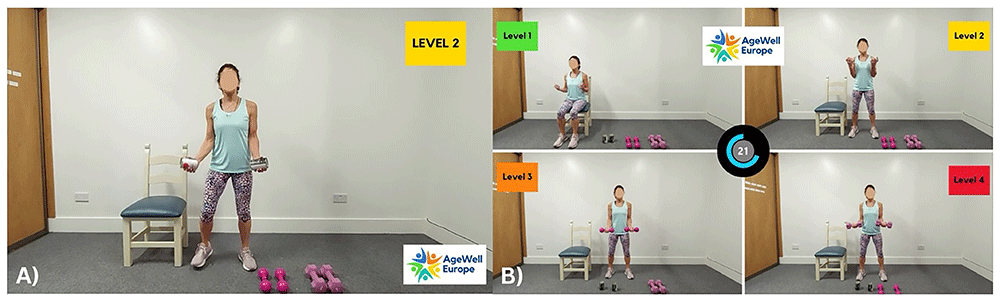
Figure 1. Display of level(s).
A) during explanation of exercise. B) during execution of exercise.
In addition, 11 on-demand health education workshops were available as pre-recorded presentations on the platform, lasting between 10–20 minutes. One module about exercise intensity was mandatory and had to be completed before starting the intervention. All other modules were voluntary and included the following topics: importance of exercise and multimodal training, nutrition, mindfulness, healthy habits, exercise with clinical conditions such as type 2 diabetes, cardiovascular disease, arthritis, or osteoporosis, special exercise considerations, cognitive health, and training structure.
The AgeWell program was tested between January and March 2025 over an 8-week pilot phase across four European countries: Germany, Ireland, Slovenia, and Italy. The broader study employed a mixed-methods approach, collecting both quantitative and qualitative data. Prior to the 8-week pilot phase, participants underwent a pre-intervention test to assess their current fitness status, level of activity, and other psychological factors connected to PA27. During the intervention, participants were asked to document their adherence to the exercise videos and health education workshops, as well as all additional PA using an activity tracker. Moreover, half of the participants were randomly selected to receive weekly motivational messages via the platform. Following completion of the program, participants underwent a post-intervention assessment that included the same tests as the pre-intervention assessment and an additional structured feedback survey27. The median interval between the pre- and post-test was 9 weeks for all participants, with only minor deviations due to scheduling issues. The quantitative data collected from the pre- and post-tests were analyzed independently and will be reported elsewhere. Therefore, this paper focuses on the analysis of the qualitative data retrieved after the pilot phase.
Study objectives
To better understand the potential effects of on-demand digital exercise programs on MAA and OA, it is important to scrutinize their views. Additionally, understanding how users perceive and engage with such on-demand exercise platforms helps to inform the development of future digital health initiatives and improve current platforms. Therefore, this study aimed to explore the perceptions and experiences of MAA and OA who used the AgeWell program and its responsive platform, focusing specifically on usability, technology, and content. Understanding these perceptions is vital for the development of more user-centered digital exercise platforms that foster long-term engagement, support adherence, and promote sustained PA in later life. To gather an in-depth understanding and to draw conclusions for possible improvements, this study used qualitative data from focus groups and addressed the following research question: How did middle-aged and older adults perceive and experience AgeWell in terms of usability, technology, and content?
Methods
Study design
This qualitative analysis is part of a larger study that evaluated the 8-week online, on-demand multimodal exercise and health education program AgeWell Europe. Underlying and extended data included in the study are available via OSF at: OSF - AgeWell27.
For the qualitative part of the study, focus groups were conducted to gather insights into participants’ perceptions of the intervention. The focus groups were held two weeks after the completion of all post-tests, and were organized by age group, aiming to have one group of MAA and one group of OA per participating country. The linear progression of the study design is illustrated in Figure 2. The Consolidated Criteria for Reporting Qualitative Research (COREQ) 32-item checklist28 guided the reporting of this study. While participant sex was recorded, the study design did not specifically analyze sex-based differences, since the primary focus was on differences between age groups.
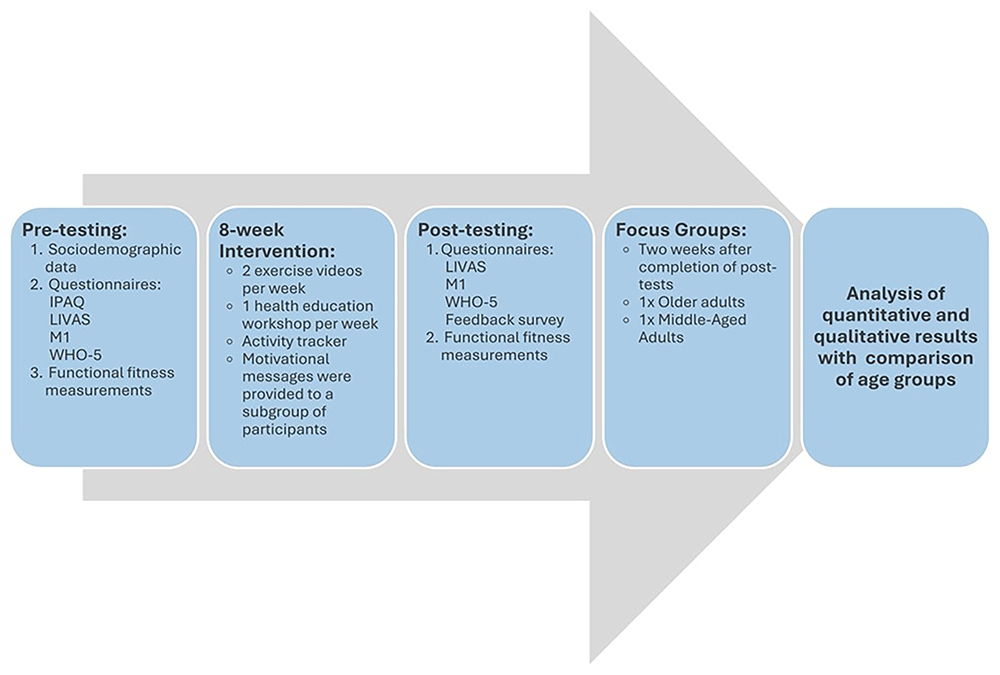
Figure 2. Overview of the consecutive steps of the AgeWell study.
IPAQ = International Physical Activity Questionnaire to estimate participants’ PA(validated). LIVAS =Lichamelijke Vaardigheden Schaal to assess perceived PA (validated). M1 = One question to estimate the number of days per week participants engage in PA for 30 minutes or more (validated). WHO-5 = World Health Organization-Five Well-Being Index to estimate participants’ well-being (validated).
Eligibility criteria and recruitment process
Participants were MAA (40–64 years) and OA (65–80 years), including both males and females. Recruitment was carried out via flyers, advertisements, and email correspondence with local partner institutions. Participants were eligible if they were physically and cognitively capable of engaging in moderate-intensity exercise and completing health education modules. Participants with injuries or long-term conditions were eligible for participation; however, individuals with unstable angina and heart failure were excluded for safety reasons.
For the qualitative part, participants were selected using consecutive sampling based on age, beginning with either the youngest or oldest individuals in each group. Selection was also based on willingness and availability, and participants were contacted via email and face-to-face invitations. Non-participation was primarily due to scheduling conflicts with the predetermined focus group time slots.
Data collection
Focus groups were conducted with one or two moderators, who were experienced with focus groups methods and supported by one or two additional research team members who took field notes. There were no personal relationships between participants and facilitators, and no external observers were present during the sessions. Focus groups were conducted either on-site or online via Zoom. All countries used the same semi-structured discussion guideline27, developed by the University of Münster, Germany, and reviewed collaboratively by all partners; however, it was not pilot-tested beforehand. The guide included questions on user-friendliness, structure and design, technological aspects, and the pre- and post-testing process. Focus groups were audio- and/or video-recorded and lasted between 15 and 75 minutes.
Data analysis
Focus group recordings were transcribed in the respective partner countries using locally available transcription software. Subsequently, transcripts from Ireland and Slovenia were translated into English and forwarded to the University of Münster, Germany, for qualitative analysis.
Thematic analysis was conducted using MAXQDA software (version 20; VERBI GmbH), following the six-step method by Braun and Clarke29. A general inductive approach to theme development, as described by Thomas30, was used. Methodological steps are outlined in Figure 3, showing that an upper-level categorization of the main themes emerged from the three topics of the research question, which in turn was based on the focus group guideline. The inductive approach enabled the emergence of subthemes (ST), which were constructed by clustering codes at the lowest level of categorization. These codes were derived directly from the data rather than from pre-existing theoretical frameworks. Hence, subthemes and codes were developed through iterative, detailed reading of the transcripts with the research question in focus, allowing the data to guide the analytical process. Inductive coding was deemed adequate as it allows the development of results based on the most important themes contained within the raw data30. Additionally, the analysis proceeded country by country, beginning with Germany, followed by Ireland and then Slovenia.
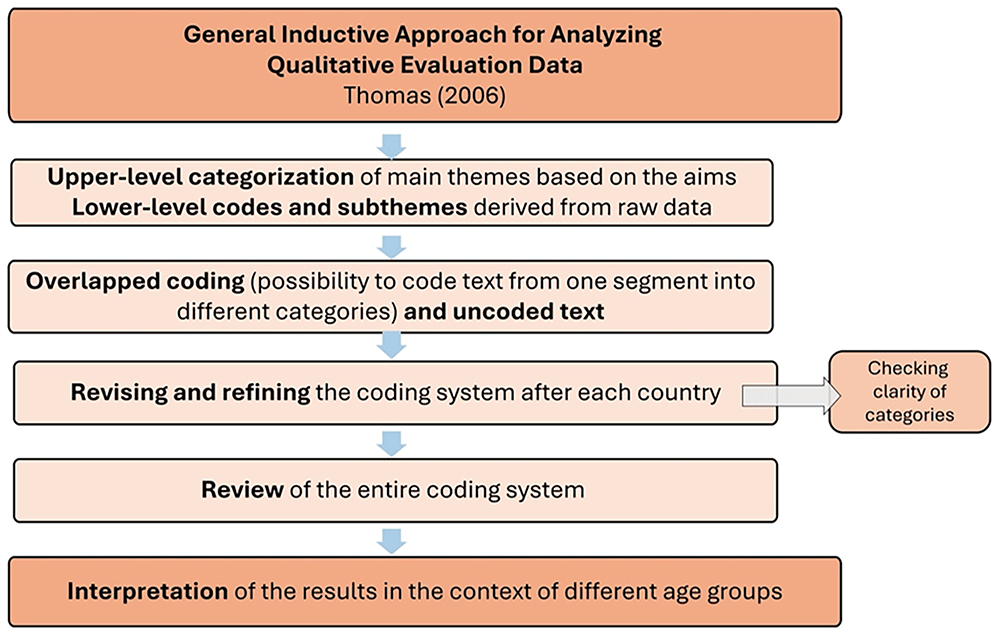
Figure 3. Thomas’30 general inductive approach to coding.
For the German transcripts, initial coding was performed by JB. The two German transcripts were reviewed separately, and relevant text segments were coded based on alignment with the study’s research question, which allowed for the development of the broader themes. JB developed a preliminary coding framework, organizing emerging codes into subthemes and grouping them under the themes. Once both German focus groups were coded, differences and similarities between the age groups were examined to refine the framework. Next, AW independently reviewed and coded the same transcripts using the preliminary coding tree. Codes and subthemes were adjusted, added, refined, or removed where necessary. A consensus discussion followed to reconcile discrepancies and finalize the coding framework for the German dataset.
This coding structure was then applied to the Irish and Slovenian transcripts. As new concepts emerged from these focus groups, the coding tree was modified accordingly. The same process of initial coding by JB, followed by AW’s review and consensus discussion, was applied to each country’s transcripts to provide transparency and consistency throughout the coding process. Hence, the coded datasets were jointly reviewed and validated after each country by both researchers to ensure intercoder agreement and reliability. At the end of the analysis, both coders reviewed the entire coding tree to make final adjustments across the full dataset27.
Ethical considerations
Ethical approval for this study was obtained from the relevant local ethics committees in Ireland (Ethics Approval from Dublin City University, REC Reference: DCUREC/2024/212), Germany (Ethics Committee of the Faculty of Psychology and Sports Science at the University of Münster, No. 2024-77-EB), Italy (Comitato Etico Territoriale CET Ara Nord Veneto, No. 0024851/24) and Slovenia (146/3/2025 KME).
Prior to the intervention, participants were asked to complete the validated Physical Activity Readiness Questionnaire for Everyone (PAR-Q+) developed by the American College of Sports Medicine (ACSM)26. Participants in Germany, Slovenia, and Italy received a translated version. Participants who answered “yes” to one or more statements were asked to visit their general practitioner and receive medical advice before participating. To enhance user safety, this questionnaire was also integrated into the platform.
Participants were provided with both verbal and written explanations of the study procedures and an informed consent form. Participation was voluntary, and participants were informed about their right to withdraw from the study at any time without providing an explanation and without repercussions. Additionally, an informed consent form for image, audio, and video recordings was distributed27. Participants were informed that if they felt uncomfortable during the focus group, the recording could be stopped. However, they were also informed that withdrawal from the focus group was not possible once it was completed, as otherwise, data could not be secured. Participants provided written consent to both study participation and recordings.
All project partners followed data protection and confidentiality protocols. Focus groups were recorded using participants' unique identification codes. The list linking participant names to ID codes was destroyed upon completion of data analysis, rendering all data fully anonymous. Recordings were deleted within a two-week frame after data transcription.
Results
Study sample
A total of ten focus groups, including one which was considered an interview because only one person participated, were conducted across all four participating countries between April and May 2025, following completion of the eight-week AgeWell intervention. Twenty-seven adults aged between 40 and 83 years participating in the focus groups were included in this study. Italian focus groups were conducted and documented but not recorded and, therefore, excluded from the thematic analysis. However, the field notes from these sessions are available in the underlying data27. Fourteen MAA and thirteen OA were included. Table 1 displays the participants’ characteristics.
Table 1. Participant characteristics.
| Variable | Total
N (%) | Middle-aged
adults
N (%) | Older
adults
N (%) |
|---|
Age Category
Middle-aged adults
Older adults |
14 (51.9%)
13 (48.1%) |
14 (51.9%) |
13 (48.1%) |
Sex
Male
Female |
5 (18.5%)
22 (81.5%) |
3 (21.4%)
11 (78.6%) |
2 (15.4%)
11 (84.6%) |
Retired
Yes
No |
15 (55.6%)
12 (45.4%) |
2 (14.3%)
12 (85.7%) |
13 (100%)
/ |
Country
Germany
Ireland
Slovenia |
9 (33.3%)
8 (29.6%)
10 (37.1%) |
4 (28.6%)
3 (21.4%)
7 (50%) |
5 (38.5%)
5 (38.5%)
3 (23.0%) |
| Total | 27 (100%) | 14 (100%) | 13 (100%) |
Overview
Three themes were identified on the upper level: 1) perceived usability of the platform and the program; 2) experiences with technology; and 3) thoughts on the content of the videos. Each theme includes several subthemes on the lower level, many of which were found in both age groups, although perspectives on these subthemes sometimes differed both between and within age groups. In addition, some age group-specific subthemes emerged. For the lowest analytical level, all codes are listed with the number of participants whose statements were assigned to the respective code. The numbers are reported separately for both age groups.
Theme 1: Perceived usability
This theme broadly describes the perceived usability of the program and the responsive platform. Several aspects were described under usability. Regarding the platform, aspects such as ease of use, structure, convenience, and motivational features are discussed. In terms of the program, level customization and the need for inclusivity are addressed.
Shared subthemes
ST 1.1.: Ease of use, navigation, structure and clarity
Self-explanatory and easy (MAA = 14; OA = 10): Both groups stated that the platform was self-explanatory and straightforward. They described it as highly user-friendly and well-designed, noting that they knew where to click and appreciated the clear navigation, as well as supportive features like subtitles and voice-over. Most participants had no suggestions for improvement regarding ease of use. “The website is excellent. You can tell it was created by professionals and not just put together randomly”(MAA, Slovenia, p. 2).
Digital literacy, prior knowledge and requirements (MAA = 4; OA = 9): Digital literacy was discussed in relation to the platform’s self-explanatory nature. While one MAA believed that individuals with limited technological experience might struggle to navigate AgeWell, others disagreed. They felt the platform was usable and clear to navigate, even with minimal digital skills. Similarly, OA noted that the perceived simplicity of the platform depends on users’ familiarity with technology, acknowledging that it required some time to get used to. Some OA also reported having limited digital experience, yet still found the platform intuitive and self-explanatory. Additionally, OA highlighted that certain requirements, such as the ability to use a computer, access to the internet, and open the website, were important and felt that the AgeWell information session may have helped ease navigation.: “[...] I think that someone who knows how to use a computer would not have any problems” (OA, Slovenia, p. 3). One difficulty regarding the use of the platform related to the program’s opt-out function as one OA mentioned needing support after accidentally logging out.
Structure and design (MAA = 10; OA = 12): Both groups complimented the platform’s structure. MAA appreciated the clear layout, the menu feature, and the visual presentation of exercise and workshop videos in separate windows. They valued the weekly organization of content and the ability to revisit previous videos. OA shared similar views on the platform’s structure, describing it as minimalist, clean and well-organized, and one participant preferred AgeWell over other Apps:
[...] I actually used such an app for exercises for my knees not too long ago, 3 months several times a week, that was more difficult, there wasn't so much explained before, now I've come along too, but that's why I found this one really pleasant in comparison, also regarding the structure [...] (OA, Germany, p. 6).
The weekly structure of two exercise classes was particularly appreciated, as it provided a clear sense of routine and accountability. Several participants confirmed that they logged in and went straight to the exercise page, without navigating away. However, this may have led to the health education workshops being overlooked, as one participant did not notice this separate window.
Suggestions to improve the platform’s structure included using images to better distinguish between the exercise videos and the health education workshops. Another recommendation was to adjust the placement of the user manual:
[...] once there was a user manual and that was in third place, which I didn't understand, so I ignored it, because short and sweet, if you had to read it to be able to do everything, I think it belongs on the left (OA, Germany, p. 9).
The design was generally described as appealing. While most participants had no suggestions for improvement, two MAA felt that the design could be enhanced, for example, by using brighter colors. Several OA expressed little interest in the platform’s design, noting that their focus was primarily on the program’s content. While one participant liked the design, others felt that the visuals such as images or logos could be improved. They described the platform as not particularly eye-catching, stating that other websites are more appealing. However, the consensus was that the content mattered more than the design.
The website is not very flashy like some others, because I don’t think the website is essential. What is essential is what you find on it. In case it was marketing, if you want to sell a service, you should make the website a little different. As far as likeability is concerned, there are many websites that are more likeable (OA, Slovenia, p. 4).
Misleading interface (MAA = 3): MAA raised concerns about the mouse cursor during the display of levels in the exercise videos. They found it misleading, as it gave the impression that they needed to click on it, and therefore suggested that it should be removed.
Tracking progress (MAA = 5; OA = 7): The exercise videos on the AgeWell platform were structured chronologically; hence, ‘Exercise Video 1’ had to be completed in full before accessing ‘Exercise Video 2’ for all 16 videos. There were mixed perceptions on this among MAA – some participants found it uncomplicated: “You couldn’t fall behind so like I could catch up to a point and then it wouldn’t let you go any further and it was fine because then I knew I was on track” (MAA, Ireland, p. 1). However, others expressed the need for a clearer visual overview of their progress and an explanation of how to access the restricted content. For example, one participant reported confusion when the progress bar did not fully complete, despite having watched all the health education workshops. Similarly, some participants believed they had not finished a video because the next one did not unlock. Later, they realized they needed to watch each video until the final second. Thus, suggestions included making the lock icon more visible, marking completed videos with a checkmark or color change, and improving the clarity of the green progress bar.
Most OA referring to tracking progress found it easy due to the lock and restricted access to upcoming videos: “[...] you had to have clicked on it until you got to the second, third and so on, I thought that was a little help for someone who can't, can't really remember something like that or something” (OA, Germany, p. 18). Only one participant reported difficulties remembering which video they were on, stating that they had to scroll down each time to find their spot. Some OA expressed interest in having a digital section on the platform to record their PA, in addition to the existing paper-based tracker.
Use on different devices (MAA = 12; OA = 12): Most MAA and OA reported using laptops or tablets due to screen size. Among MAA, only three participants reported using the AgeWell program on their phones. While some MAA considered using the App, they found the small screen size a barrier. Others did not attempt mobile use at all. However, one participant used their phone when away from home, and one noted that accessing the program on the phone was convenient towards the end of the program, once they were familiar with the exercises. One participant explained appreciating the flexibility of mobile use:
I just have the phone with me at any time. So, like, I was using any spare time that I had, to get in the lessons if you know what I mean so rather than getting out the laptop at the end of a workday, when I get the kids to bed it was just here, look, I just put it on the phone (MAA, Ireland, p. 2).
Similar to MAA, OA generally agreed that the platform functioned well and could be used across various devices. OA primarily accessed the AgeWell platform using a laptop or tablet, but they highlighted a challenge of adjusting the screen to maintain visibility of the instructor while performing exercises on the floor. A few OA used their phones, one participant was unaware that a mobile App even existed, and others expressed concerns about the small screen size:
I worked on a computer, you couldn’t do it on your phone. I needed to look a couple of times to see if the arm was bent or the other leg was bent. So I could see in more detail how I could do the exercise on the bigger computer screen (OA, Slovenia, p. 5).
ST 1.2.: Flexibility, accessibility and convenience
Accessibility of the platform (MAA = 3): MAA appreciated the platform’s general accessibility, with one highlighting how easy it was to access the App on their phone and another one explaining learning about the program through personal conversations, making participation straightforward. Others valued the platform’s accessibility due to the broad range of exercise options, making it feel suitable across countries, ages, and fitness levels.
Free and easy access (OA = 6): Several OA appreciated the simplicity of accessing the App or platform without needing to repeatedly log in. One participant mentioned bookmarking the site to make it even more convenient. Moreover, one participant highlighted the value of free access, particularly for retirees: “It was free, it's good when you're retired to get something free and it's very worthwhile. It's necessary, actually” (OA, Ireland, p. 6).
Time flexibility and independence (MAA = 1): One MAA specifically identified time flexibility as a positive aspect.
Spatial and temporal independence and flexibility (OA = 5): OA frequently emphasized the benefits of the program’s on-demand format, allowing them to train when and where it suited them. Temporal independence was especially valued, as it allowed participants to train at their preferred times and fit sessions into their personal schedules: “That's why I think it's so great that you can fit it in when it suits you [...] but apart from that, this time freedom is very important to me” (OA, Germany, p. 40). Two participants also valued spatial flexibility, highlighting the ability to exercise even when outdoor conditions make exercise difficult.
Unlimited runtime (OA = 1): One participant identified the program’s unlimited runtime as an advantage over in-person training.
ST 1.3.: Level customization
Lack of filtering option and need for quicker access to the levels (MAA = 8; OA = 1): Both groups noted the absence of a filtering option and need for quicker access to levels. MAA more frequently highlighted this aspect, whereas OA were more appreciative of the existing level selection. Most MAA expressed the desire for enhanced level customization to individualize the videos and save time. They suggested a filtering function to streamline access to their preferred difficulty level, suggesting changes such as displaying all levels simultaneously: “I also thought at the beginning that it could have saved a little time by showing the different categories, first, second and third on one screen in three images. Showing all the levels took a lot of time” (MAA, Slovenia, p. 6). Another suggestion to improve user-friendliness was to include a pre-set intensity filter, enabling users to perform all exercises at a chosen difficulty level, selected at the beginning of the video. Only one OA disliked the lack of a pre-set filter and the need to go through all level presentations.
Benefits of level choice (MAA = 5; OA = 6): Some MAA appreciated the option to choose the difficulty level and recognized the benefits of displaying each level once. Advantages included the ability to progress over time, become familiar with the exercises, and understand the differences in difficulty. One participant explained that this approach enabled them to gradually increase their level. Choosing the level also allowed participants to tailor the exercises to their current energy levels, mood, or self-confidence: “[...] I liked it so that I could test what worked for me and what didn’t. I did some exercises from the first level, some from the second and some from the third” (MAA, Slovenia, p. 5). It was further emphasized that choosing the difficulty level was essential, as the intensity one can manage often depends on the body region being exercised.
Many OA appreciated the option to choose between levels, noting similar reasons as MAA. Different degrees of difficulty were seen as important not only for targeting various parts of the body and performing the balance exercises but also for adapting to different personal situations: “I got a flu towards the end, so I stepped down on some of the exercises, I found that really good. I could just say, okay take it easy here, you know” (OA, Ireland, p. 3).
ST 1.4.: Motivational features
While both age groups discussed motivational features, the points they raised differed, and they were mentioned more frequently by MAA. The only common idea was on reminders and notifications.
Reminders and notifications (MAA = 2; OA = 2): The motivational messages sent to half of the participants once per week were discussed in both age groups. Overall, six MAA’s and five OA’s taking part in the focus groups received the weekly messages. MAA agreed that they would have liked to receive motivational messages weekly, believing this could help boost motivation, especially if they were falling behind in the program:“[...] it could be good to have a reminder set up every Monday and Wednesday. It might help if you were lagging a bit” (MAA, Ireland, p. 1). Experiences differed among OA. While one reported not receiving the messages, another believed they did not come on a weekly basis and consequently missed the messages. The latter suggested that regular notifications would help with reading the messages more consistently.
Progress indicators (MAA = 5): Several MAA highlighted progress indicators, such as the green bar growing after every video and showing video completion. Specifically, the green bar was described as encouraging: “I am someone who cycles with a kilometer counter and walks with a step counter, so I liked the green bar, it motivated me” (MAA, Germany, p. 6).
Social and community aspects (MAA = 3): MAA suggested incorporating social and community aspects as motivational features on the platform in the future. Suggestions included displaying the number of current users on the platform or the number of people training at the same time. Two other participants felt that their personal relationships with the training instructors motivated them to complete the exercises: “[...] because of the personal relationship at the start we knew we weren't going to let ourselves or you down” (MAA, Ireland, p. 2). One of them questioned whether they would have finished the program without this sense of personal obligation.
General motivation for activity (MAA = 3): Some participants reported an increase in motivation for PA during the program or found the encouraging language in the videos helpful. One participant admitted they lacked the motivation to continue exercising consistently.
Program costs and availability (MAA = 1): One participant suggested that program accessibility and cost structure could influence motivation. They believed that having the platform freely available year-round might reduce engagement, and proposed that it be offered during set times, such as after Christmas, to motivate people to sign up.
I think sometimes that having it free all of the time might be a disincentive [...]. I know myself I go in cycles of things and then I don’t do it again, you know if you plugged into the psychology of people (MAA, Ireland, p. 2).
Pre- and post-testing and praise (OA = 4): Pre- and post-testing were seen as motivational tools, offering insights into current physical status and personal progress. One OA also found the praise at the end of exercise videos encouraging.
Age-specific group subthemes
ST 1.5.: Pre- and post-testing (MAA = 5)
MAA generally liked the pre- and post-testing sessions, describing them as well-organized, clearly explained, and efficient. They appreciated the information provided and felt the sessions were conducted smoothly. However, two participants raised concerns about the relevance of certain test exercises. One participant questioned the inclusion of push-ups, while another participant felt that no progress was possible in the balance test, also noting that balance is influenced by many factors, which made the results feel irrelevant.
ST 1.6.: Adaptability and inclusivity (OA = 5)
OA expressed concerns about the adaptability and inclusivity of the exercises.
Alternative options for individual conditions (5): Many agreed that the exercises focused heavily on the knees, which led some to avoid certain movements, such as standing on one leg. “With the knee, it was so much, if you had left it all out, you couldn't have done it [AgeWell program]” (OA, Germany, p. 28). Similarly, one participant reported being unable to perform exercises lying on their back due to severe scoliosis. Consequently, participants suggested providing alternative exercises that place less strain on the knees or spine.
Fall prevention and progress (2): A few participants acknowledged the importance of balance training for fall prevention and progress, including exercises involving joint and muscle strengthening, as well as standing on one leg.
Theme 2: Experiences with technology
This theme outlines participants’ experiences with the technological functionality of the platform and videos, their desire for technical support, as well as suggestions for how such support could be implemented.
Shared subthemes
ST 2.1.: Technological functionality
Both MAA and OA shared experiences related to the technological functionality of the AgeWell platform.
No issues with technology (MAA = 2; OA = 2 ): A few participants reported no technological problems at all.
Technological problems (MAA = 5; OA = 5): More MAA mentioned encountering occasional minor issues, such as the program, screen or video freezing or difficulties loading videos. These were described as infrequent issues occurring only once or twice. Additionally, one participant was uncertain whether the problems were related to their Wi-Fi connection. In contrast, some OA reported major and frequent screen freezing and difficulties logging in or accessing videos. One OA experienced such frequent issues that it took them twice as long to complete the videos. “Well, I had difficulties because I had the big problem that both the sound and the picture always froze, stopped, very, very often [...]” (OA, Germany, p. 3).
Age-specific group subtheme
ST 2.2.: Support for technological issues (OA = 4)
OA expressed a need for technical support to address issues encountered on the platform. One participant shared their experience with uncertainty about the source of the problem: “I didn't find out what the problem was at first because I thought my laptop was too old or my line wasn't fast enough, yes exactly, it could be anything [...]” (OA, Germany, p. 3). Two main suggestions were made to enhance confidence in using technology:
In-built support (3): OA suggested including a help guide or note listing common technical issues, possible causes, and potential solutions to support independent problem-solving.
Option to download videos (2): OA suggested having an option for downloading videos in advance to avoid reliance on Wi-Fi and ensure consistent access.
Theme 3: Thoughts on content
While perceived usability and experiences with technology are closely tied to aspects surrounding the platform, participants’ thoughts about content relate specifically to the exercise videos and the health education workshops. This theme addresses audiovisual elements, explanations, exercise intensity, trainer characteristics, and the equipment used. Content and perceived usability are interrelated, but while perceived usability is considered in a more holistic way, this theme focuses on the videos and educational material.
Shared subthemes
ST 3.1.: Program engagement
Negative aspects (MAA = 2): A few negative aspects were mentioned, including monotony and dullness in program engagement. They reflected on possible reasons for these impressions, considering both the background and the content of the videos. One participant noted that watching without sound required increased visual attention, and they would have preferred exercising together with the trainer rather than waiting through the instructions.
Positive aspects (MAA = 8; OA = 4): Most participants from both groups highlighted positive aspects of the AgeWell program, from the testing phase to the exercises themselves. MAA described the program as enjoyable, excellent, and professional, especially considering it was free of charge. They also highlighted the fun nature and appreciated that exercises were multimodal rather than solely aerobic exercise, which they felt already dominated their daily routines. Overall, they were grateful for the opportunity to participate and indicated they would do so again. Similarly, OA emphasized the importance of a program like AgeWell, complimented its content and described it as outstanding: “The whole program was brilliant, and it’s great. Overall, I can’t praise it enough” (OA, Ireland, p. 6).
Neutral feedback (OA = 4): Some OA provided neutral responses, stating they did not identify any particular negative aspects related to program engagement.
Physical benefits of the program (OA = 5): Several OA believed that AgeWell improved their physical condition. They reported feeling stronger, fitter and noticed improved balance after completing the program.
ST 3.2.: Exercise duration, intensity and selection
Exercise duration (MAA = 9; OA = 5): Participants discussed the duration of exercise in terms of the individual videos, frequency per week, and duration of specific exercises. MAA generally agreed that the actual exercising time was too short compared to the pausing time, suggesting increasing working time from 30 to 45 seconds, especially for those intending to follow the program in the long term. Participants also mentioned that the balance part should be extended. To compensate, many participants reported continuing to exercise during the explanation segments or skipping breaks, which made the exercises feel more beneficial.
Half a minute of exercises was not enough for me, so I extended the time myself. I spent the time when the different levels were presented by doing the previous exercise. I didn’t rest between exercises, I did each exercise for one minute. Sometimes I changed legs or sides beforehand because I knew which exercise was going to follow (MAA, Slovenia, p. 4).
MAA opinions regarding the length of the videos were mixed. Some would have preferred longer or more consistent video durations, suggesting making them all 30 minutes long. However, most appreciated the twice-weekly 30-minute format, stating:
I think twice a week is doable, twice a week for 30 minutes is absolutely doable, and that's definitely a reason to stick with it. So if it had been an hour, I don't know, but I thought that was okay [...] (MAA, Germany, p. 20).
OA agreed that the overall duration and frequency of the program were ideal, and they appreciated knowing the exercise duration in advance. In contrast to MAA, they welcomed the breaks and requested a longer warm-up phase. Some noted that the transition time between exercises was inappropriate - too long when only switching sides, but too short for position changes such as moving from standing to lying on the mat. Similar criticism was raised about the abrupt start of the warm-up:
[...] like you’re straight into it [warm-up] and you’re barely collected yourself and then as you say going from the floor to the other exercises so the timing could just be changed, [...], if you’re going from the right to the left leg and vice versa that she gave the same amount of time whereas we didn’t need it, you know (OA, Ireland, p. 4).
Degree of difficulty and progression (MAA = 3; OA = 8): Both groups discussed the level of difficulty of exercises and tests. MAA acknowledged a gradual progression in difficulty, although opinions varied depending on specific exercises, such as push-ups. Participants agreed that certain exercises were particularly strenuous, such as walking in a squat position. Some described the pacing, especially for the warm-up, as too fast and suggested increasing the number of repetitions or extending the warm-up.
OA similarly recognized the progressive nature of the program. They appreciated feeling a sense of improvement over the weeks, and liked being able to adjust the difficulty themselves, such as by choosing their own weights. While one participant indicated that they did not perceive progression in the program, another reported finding the progression surprising. Others said that the videos contained a consistent mix of warm-up, strength, balance, and cool-down exercises. Regarding the cool-down, one participant felt it lacked progression. As with MAA, the warm-up was also perceived as too fast by one OA, who admitted being unable to follow accurately. In contrast, another participant remarked: “I suppose it wasn’t cardiac either, so I wasn’t as out of breath or sweat. Yeah, yeah, it was easier to do” (OA, Ireland, p. 3).
Exercise selection (MAA = 5; OA = 4): Feedback on exercise selection varied across both groups. MAA generally responded positively, noting that the program included a good variety and structure. While one participant appreciated the variety in the exercises, another would have preferred more repetition in the movements. One participant also suggested including a balance exercise with eyes closed.
In contrast, OA raised more concerns about the selection of exercises. Many commented that the exercises were overly focused on the legs, including frequent use of squats, which posed difficulties for those with knee problems. Participants with back pain also struggled with exercises requiring them to get on and off the mat. This led some to skip exercises or find their own alternative, such as performing only one side to avoid discomfort. Additional comments included a lack of endurance-focused exercises, but participants also liked exercises that involved using the wall.
ST 3.3.: Exercise description and visualization
Explanations and instructions (MAA = 8; OA = 10): Both groups discussed the quality and length of the explanations and instructions. The explanations provided during the videos were generally seen as clear by both: “The actions were explained very well. [...], but I thought the way they were explained was very clear and you knew exactly what you had to do” (OA, Ireland, p. 4). One OA praised the explanations, emphasizing that even with their own experience and knowledge of exercise, it remained essential to understand how to perform movements correctly.
However, there was agreement among both groups that the explanations were too lengthy. Participants felt that too much time was spent on explanations and too little on actual exercise - especially when repeated for both sides during unilateral exercises. Many felt that once the movement was understood on one side, the trainer should directly move on to the other side. Overall, these explanations were described as repetitive: “What annoyed me a bit was the mix of technology and content, with the levels—“Please choose the next level”—it was repetitive, and you’d think, just get on with it” (MAA, Germany, p. 8). Some participants chose to skip these explanations, while others valued them, stating that they ensure correct execution of the exercises.
Nonetheless, both MAA and OA appreciated the instructions during exercise execution. Several participants noted that certain instructions would have been even more beneficial if introduced earlier in the session, such as at the beginning of the video. For instance, early information about muscles would have helped them to more consciously focus on the targeted muscle groups from the start. Participants also expressed a need for information on required equipment in advance. Knowing beforehand which items would be used would have allowed them to better prepare: “[...] it would be good to have the equipment already prepared when you start the exercise session” (MAA, Slovenia, p. 3).
These ongoing instructional cues during the exercises were especially appreciated by OA, who found reminders like keeping the back straight or engaging the core to be helpful. They also valued the clarification that exercises could be done without weights, although they noted that this instruction was missing for exercises involving the Terra Band. Suggestions for further improving the instructions included adding a warning before floor-based exercises to have time for adjusting the camera, incorporating more safety instructions and guidance to empower users:
[...] so maybe you should also say in one place or another, for people who have bad knees or can also apply to the shoulders or elbows “please do it with caution and make sure that you behave in a way that you still feel comfortable”. I would also like this advice (OA, Germany, p. 24).
Such additional instructions were seen as especially important in the balance section, where participants suggested including reminders to have a chair nearby. They believed that such instructions would increase their sense of safety and help them progress in their training.
Countdown (MAA = 3; OA = 2): The countdown indicating the remaining time during the exercise was appreciated as it helped participants see how much longer they needed to engage in an exercise. However, one MAA expressed a different view, stating: “I didn't like the clock that counted down too much” (MAA, Slovenia, p. 3).
Trainer visibility and orientation (MAA = 4): MAA reflected on the orientation of the trainer in the video, with some noting the difficulty of following the movements due to the lack of mirrored demonstration:
What I would have liked: the exercises are called out as the instructor does them. If she raises her right arm, she says, “Raise your right arm.” But I’d prefer if it were mirrored—if she raises her right arm, the instruction is, “Raise your left arm,” so you do the same as you see, as if in a mirror. That’s what I missed (MAA, Germany, p. 9).
Although not problematic for everyone, several acknowledged the issue but said they either adapted automatically or performed the movements on the opposite side. Others suggested filming the trainer from the back or using a mirror to make it easier to follow.
ST 3.4.: Trainer-related aspects
Participants from both groups shared impressions of the trainer, particularly regarding her enthusiasm and age.
Trainer’s lack of engagement (MAA = 5): Several MAA reported having the impression that the trainer was not fully engaged or enthusiastic, which some perceived as demotivating. “I would like the trainer to be more energetic, happy, smiling. I’m more of a visual person, so these things are important to me” (MAA, Slovenia, p. 3).
Positive feedback on trainer (MAA = 2): Two participants believed the trainer was great and that her role was to demonstrate exercises rather than to create interaction.
Trainer’s behavior and skill level (OA = 5): OA largely shared MAA concerns about enthusiasm, reporting that the trainer was perceived as appearing rather strict. They expressed a desire for a more positive and smiling attitude. Some participants mentioned the trainer's ease in performing the exercises and their visibly high fitness level. At the same time, one participant appreciated that the trainer occasionally paused or adjusted for stability, even when she did not appear to need it.
Trainer’s age (MAA = 1; OA = 3): The trainer’s age was mentioned by both groups. MAA generally appreciated that the trainer was of a similar age: “I should mention my husband and I both thought it was good that she was our age, not a 20-year-old, super-fit woman—that would have been discouraging” (MAA, Germany, p. 5). However, OA expected a trainer who more closely matched their age group to make the program more customer-oriented. They also commented on the broad age range targeted by the program, and when comparing themselves to participants in their forties, they felt those individuals were considerably younger.
Gender focus (OA = 1): One OA found the program was highly women-oriented, a perception that already emerged during the information session. To foster more inclusive engagement of men, the participant suggested that further considerations are necessary.
ST 3.5.: Health education workshops
Topic-related aspects (MAA = 4; OA = 7): Both groups enjoyed the content and topics of the health education workshops and appreciated that they offered basic yet valuable information. Participants highlighted topics they particularly liked. Among MAA, favorite topics included arthritis, mindfulness, and mindful walking. One participant laughed and said: “I especially liked mindfulness, especially mindful walking—I knew mindfulness exercises, but not mindful walking, and I really liked that, did it several times” (MAA, Germany, p. 12). In contrast, nutrition was mentioned by one participant as a topic that is frequently covered elsewhere and thus felt less appealing. Nevertheless, MAA emphasized that each topic offered something new, even when they already had prior knowledge.
Similarly, OA noted key takeaways from the workshops, such as the importance of endurance training, and liked the sessions for being concise yet informative. They described the workshops as helpful in providing an overview of the topic: “If you want to learn something, you have to read two books, and here you have a great overview” (OA, Slovenia, p. 3). Two participants also appreciated exploring topics based on their personal interests or health conditions. Therefore, they skipped some workshops but revisited others multiple times.
Workshop content is well explained (MAA = 2; OA = 2): Both groups agreed that the workshop content was clearly explained, easy to understand and pleasant to listen to.
Length, structure and quantity (MAA = 1; OA = 2): One MAA was pleasantly surprised by the number of available workshops and appreciated their structure; however, they felt that the lessons were a bit too short. While OA also found the workshops easy to follow, they criticized some elements. For instance, one participant noted a misfit between what was spoken and what appeared on the slides, though opinions differed on whether this was problematic. Another expressed confusion over the number of workshops, as they had expected one per week, but found there were more. They also reflected on the difference in nature between certain workshops, noting that the mindfulness sessions required a different approach compared to more factual topics: “then I thought, [...], we have to do something completely different and take a completely different approach, because I didn't find it as easy as about nutrition or sleeping [...]” (OA, Germany, p. 9).
Good combination with exercise videos (MAA = 1; OA = 1): The combination of theory and physical practice was noted as a valuable aspect of the program. One participant from each age group expressed appreciation for the learning effect alongside the physical training and said that they liked how the two components could be followed independently.
Freedom of choice and selection (MAA = 2): All MAA referencing this feature appreciated the voluntary nature of the health education workshops, as it allowed them to select presentations based on their interests and skip those they did not relate to: “I think for different people, they have different ailments or different interests, like the mindfulness some people have an interest in that, other people don’t [...]” (MAA, Ireland, p. 4). This flexibility enabled participants to filter out personally relevant topics simply by reviewing the titles of the workshops.
Suggestions (MAA = 3; OA = 2): Suggestions for improvement emerged from both groups. MAA proposed additional topics such as managing nutrition during stressful times, sports nutrition and timing, pain management, strategies for fat loss and weight management and more detailed information on heart health and cholesterol. OA suggested ending the videos with an invitation to go for a walk, as well as including a brief summary of the workshops to capture participants' interest.
ST 3.6.: Audiovisual aspects
Music (MAA = 3; OA = 4): Opinions on music varied, but both groups generally appreciated the absence of fixed background music, as it allowed them to choose their own songs. “I always find it awful when there's always this whoosh, whoosh, whoosh, music in the background. I don't like that at all, but I thought it was very good without music, yes” (OA, Germany, p. 28). Despite this flexibility, only one MAA reported having played their own music. Others cited difficulty hearing the voice-over instructions as a reason for not playing their own music. OA discussed the option of using platforms like Spotify to play their own playlists and acknowledged that musical preferences would vary greatly across the program’s broad target group. Nonetheless, both groups agreed that a good alternative would be to provide optional music tracks in different styles – such as techno or hip hop – that users can choose to turn on or off.
Voice-over, subtitles and images (MAA = 5; OA = 9): MAA were positive about the voice-over, subtitles, and images used in the videos. They noted that if the videos had only included images, it would have been more difficult to follow. Being able to watch the instructor while listening to the explanations was seen as a major benefit, making everything easy to understand. Additionally, they appreciated that the movement and speech were well synchronized.
OA shared similar views, valuing the use of both subtitles and voice-over, appreciating their comprehensibility as well as the precise alignment between the spoken instructions and the demonstrations. Subtitles were considered especially useful for individuals with hearing impairments, and they helped OA feel informed when they could not hear everything. “The presentation was very understandable. The image, the sound, that was all fine. No problems. The voice was understandable. I would say a perfect ten” (OA, Slovenia, p. 5).
More engaging background (MAA = 3): Several MAA felt that the background in the videos – a plain white wall – was boring and unengaging, possibly contributing to a sense of monotony. They suggested using scenic visuals or placing the trainer in a more natural environment:
What you could change: she stands in a bare, white room—maybe next time use a blue or green screen, so you could imagine a waterfall, jungle, meadow, sea, or whatever you can imagine, so you don’t always see the background of a white wall (MAA, Germany, p. 5).
Editing quality (MAA = 1): One participant criticized the editing quality of the exercise videos, pointing out that visible interruptions made the videos seem like a repetition loop. They noted that it was obvious to them that the trainer did not perform the full thirty seconds.
Visibility quality (OA = 1): One OA experienced difficulty seeing the content clearly, which they attributed partly to screen brightness. They also added that it was particularly difficult during exercises using the TerraBand to tell whether it was still in use or not.
Age-specific group subtheme
ST 3.7.: Equipment (OA = 5)
OA discussed the equipment used in the program, focusing primarily on the Terra Band and Kettlebell, both of which were viewed critically.
Terra Band (5): All participants discussing equipment agreed that using the Terra Band was dangerous, complicated, and irritating. They reported difficulties putting it on and taking it off, which led several to avoid it altogether. One participant stated: "Too dangerous! I found it too dangerous, I didn't do it" (OA, Germany, p. 19). The absence of instructions for alternative exercises for participants who preferred not to use the Terra Band was also criticized. Thus, removal from the program was suggested by one participant.
Kettlebell (2): Participants noted that not everyone has a Kettlebell at home, and finding a suitable replacement was considered difficult. As a result, they recommended reconsidering its inclusion.
Dumbbell (2): Dumbbells were well received. Participants appreciated their practicality as they could be easily substituted with household items such as water bottles.
Inconsistency in equipment (1): One participant pointed out an inconsistency in equipment use across the videos. Since dumbbells were used most consistently, the sudden inclusion of the Terra Band and Kettlebell felt unexpected and confusing.
Discussion
This study is the first to explore the AgeWell platform. By examining the perspectives of both MAA and OA, this research identified age-specific differences and similarities. While both groups noted common subthemes, age-specific group subthemes were also highlighted: MAA mentioned pre- and post-testing, whereas OA focused on adaptability and inclusivity, the need for accessible technical support and concerns about equipment use.
Usability of the platform and videos
MAA and OA described AgeWell as user-friendly, self-explanatory and intuitively navigable. These views aligned with their positive feedback on the program’s structure, with one suggested improvement being to increase the visibility of certain elements. This mirrors existing research highlighting preferences for minimalist platform design using color blocks31, intuitive interfaces, consistent navigation, and large fonts32. Furthermore, digital literacy and prior knowledge are known to influence the acceptance of digital interventions32. In our study, even participants with limited digital skills were able to navigate the platform, underscoring its simplicity. However, OA specifically emphasized the importance of basic technical familiarity and benefited from receiving an introduction to the program. This supports previous findings31,33, which highlight the value of clear, upfront guidance in helping OA engage confidently with digital tools.
Previous research has identified design features that support OA, such as intuitive interfaces, consistent navigation, and large fonts32. Both groups found the platform easy to use, but not particularly eye-catching. However, differences emerged in how each group valued specific usability features, particularly design and interface elements. MAA were more sensitive to visual details such as the mouse cursor, whereas OA prioritized content over appearance. Differences also appeared in how participants evaluated progress tracking. While MAA expressed a need for a clearer overview, OA generally found the current system sufficient. Several participants also expressed interest in having a digital activity tracker, aligning with previous findings, which indicate that such tools support OA ongoing engagement with exercise33.
Flexibility and convenience were important across both groups, supporting findings that ease of integration into daily routines boosts engagement31,32,34. The ability to access a platform at any time – a known advantage31,32 – was appreciated, and OA valued the program’s cost-free nature.
Overall, OA seemed to place greater emphasis on spatial and temporal flexibility, which corresponds with existing research. For instance, the reference to weather conditions by OA may reflect concerns about outdoor mobility, such as fear of falling. This is supported by research showing that seasonal conditions impact PA engagement among OA34. Existing research also agrees that OA view online exercise programs as viable alternatives to in-person sessions during challenging circumstances such as limited access to fitness centers23.
Previous research has emphasized the importance of personalization and progressive difficulty – such as tailored plans and adjustable levels – for engaging OA in digital exercise programs32. In this study, opinions on level customization were mixed. MAA more often expressed a desire for time-saving options than OA, possibly reflecting differing priorities: MAA may value efficiency, whereas OA may benefit more from adaptive features and appreciate customization. OA also highlighted the need to adjust exercise difficulty by body part, possibly reflecting mobility limitations that increase with age. This suggests a need for programs to better accommodate varying physical abilities.
Group differences were more pronounced regarding motivational features. While both MAA and OA expressed interest in reminders and notifications, MAA emphasized motivational elements such as visual progress indicators, social connectedness, and external accountability. This suggests that MAA may rely more on extrinsic incentives to maintain engagement. Research has shown the motivational effect of precommitment strategies, including physical feedback and self-monitoring. Additionally, increased awareness of exercise benefits and the desire to maintain physical function are key motivators for exercise engagement31,32. This is partly mirrored in our findings: while both groups discussed pre- and post-testing, only OA linked it to motivation – possibly associating it more closely with personal progress.
Only OA emphasized the need for adaptability and inclusivity, suggesting they faced barriers not encountered by MAA. These were mainly physical, such as knee and back issues, indicating a higher prevalence of movement limitations with age. A recent systematic review32 supports this, noting that OA engagement in online exercise is influenced by physical factors. Similarly, another study31 found that non-engagement with digital interventions often stems from a mismatch between program demands and user capabilities. These findings highlight the importance of adaptable platforms tailored to individual needs in order to sustain engagement.
Technology
Participants’ experiences with technology were generally positive, though some reported issues such as connectivity problems or missing sound or visuals – challenges also noted in prior research23. However, differences emerged between MAA and OA in the severity of these issues. For MAA, problems were typically minor, such as brief video freezing. In contrast, OA reported more disruptive technical difficulties, which seemed at times to lead to frustration. This may reflect greater vulnerability among OA when using digital tools, likely due to lower familiarity. A further distinction was that only OA voiced the need for technical support. Interestingly, previous studies suggest that overcoming such technological barriers can build confidence over time34.
Videos’ content
Participants from both age groups generally found the program engaging and appreciated its multimodal approach. However, MAA noted moments of monotony, suggesting that the program may have lacked challenge for them, highlighting the importance of both content and presentation. Interestingly, only OA reported physical benefits, possibly indicating a more outcome-driven motivation, compared to MAA focus on enjoyment.
Feedback on exercise duration, difficulty, and selection varied. Views on difficulty were mixed both between and within groups, though MAA and OA noted that the pacing was sometimes too fast and acknowledged moments of difficulty. Regarding duration, MAA often increased exercise duration for greater intensity, while OA appreciated the rest periods but requested more accurate timing for position changes. In terms of exercise selection, MAA were generally satisfied, whereas OA raised concerns about leg-intensive and floor-based exercises due to joint or mobility issues – possibly reflecting differing physical capacities. Nonetheless, some OA were aware of the importance of leg-strengthening and balancing exercises. Overall, MAA appeared more proactive, while certain aspects may have been too demanding for some OA, reinforcing the need for customizable digital exercise programs.
Both groups acknowledged the instructions but criticized the repetitive and lengthy explanations provided in the recovery periods between exercises. Many participants, especially MAA, found them redundant and continued exercising during these segments. Nonetheless, instructional cues focused on proper execution were highly valued – particularly among OA, who even expressed a desire for more explicit guidance, especially for balance training. This need for reassurance may reflect a greater sense of insecurity among OA when exercising in digital formats with limited feedback – a known limitation of such programs18,22,23.
Our findings support previous research emphasizing the trainer’s key role30,31,33. The exercise videos on the AgeWell platform were recorded in silence to allow the integration of voice-overs, which may have contributed to the trainer appearing less animated than she otherwise might have been. Hence, reactions to the trainer varied both within and between groups. Several participants perceived the trainer as less enthusiastic, which a few noted could affect their motivation, reflecting evidence that trainer charisma can influence engagement33. More distinct differences emerged regarding perceived skills and age. Consistent with prior research31, MAA appreciated a peer-like trainer over a younger, highly athletic figure. In contrast, OA found the trainer’s effortless performance less relatable and preferred someone closer to their own age to better reflect their physical realities, although the trainer was in fact over 65 years old. The trainer’s highly trained physique may have contributed to a younger appearance. These findings support the suggestion to feature multiple trainers of varied demographics and physical abilities to foster inclusivity31. Interestingly, unlike in prior findings31,33, trainer qualifications were not identified as important in our findings.
Several studies highlight the value of holistic digital programs that combine educational or cognitive content with PA, particularly in areas such as health, nutrition, and PA, as this enhances perceived relevance22,31,33. Our findings reflect this, as participants appreciated both theoretical and practical elements. The optional nature of the workshops, which allowed users to choose topics based on personal interest, was especially appreciated by MAA. This may suggest age-related differences in topic preferences, with OA potentially prioritizing health education due to greater personal relevance.
In terms of audiovisual elements, both groups appreciated the absence of background music, which allowed them to play their own. They suggested adding optional music tracks to enhance engagement. Subtitles were especially appreciated by OA, as the combination of text and audio enhanced their sense of security and supported their ability to follow along, reinforcing the value of dual-mode communication for older users. Aesthetic preferences differed between groups: MAA critiqued the plain white background and video editing quality, while OA focused more on visual clarity.
In digital exercise programs, exercises that require no additional equipment are generally preferred33, though some equipment challenges can be mitigated by using household items34. In our study, dumbbells were well received by OA. However, although the Terra Band was only used in video 15 to provide variety, it was criticized for being unsafe and difficult to use. Inconsistencies in equipment use across videos also caused confusion. These findings underscore the need for simple, clearly communicated equipment choices – especially for OA. As exercise complexity increases, OA appear to encounter more barriers, reinforcing the importance of adaptable options to maintain engagement.
Strengths and limitations
Strengths include the use of focus groups, a suitable method for gathering feedback to improve AgeWell. The study’s multinational design and nearly equal representation of two major age groups allowed for diverse perspectives and meaningful age group comparisons. Finally, to our knowledge, this is the first study to explore age-related perceptions and experiences of the AgeWell platform.
Several limitations related to the dataset should be acknowledged. Due to recruitment difficulties in Ireland, one focus group consisted of only one participant. It was excluded from the analysis as it did not meet the criteria for a focus group but can rather be seen as an interview. Another Irish session included only two participants. Group sizes ranging from two to five participants might have potentially affected discussion dynamics and the diversity of perspectives. Moreover, in Slovenia and Ireland, two focus groups combined both OA and MAA – rather than separating them. This may have influenced individual responses, as participants might have adjusted their answers in mixed-age settings compared to age-specific groups. Nevertheless, an allowance was made by applying the respective coding system for the age category rather than excluding these focus groups to ensure consistency in results. It is important to note that moderators had varying focus group experience. Therefore, a meeting was scheduled among the consortium partners to provide instructions and ensure that everyone was on the same level.
Additional limiting factors were age distribution and allocation of participants to age groups. Only six people were under 50, resulting in a lack of information and feedback from this particular age group. Similarly, few participants were over 75 years old, limiting insights from the oldest age group. Additionally, one participant was 83 years old, contradicting the initial age inclusion criteria. However, this broadened age range may also be seen as a strength, as it provides feedback from a broader variety of participants; therefore, data from this participant were retained in the analysis. Furthermore, most participants were female, which may have contributed to more favorable evaluations; one participant noted that the program seemed women-focused. An analysis by sex was not conducted, as the primary focus was on age-related differences.
Further limitations in the data analysis process include the translation of original language transcripts into English, which may have caused a loss or alteration of meaning, with potential inconsistencies across countries affecting comparability. Moreover, independent parallel coding30 was not employed, so the second coder’s interpretation might have been influenced by the first coder’s framework. Nevertheless, both coders reviewed all transcripts and collaborated on the coding system. Additionally, no stakeholder or member checks30 were conducted, meaning participants did not validate transcripts or findings. This may have led to discrepancies between researchers’ interpretations and participants’ original meanings.
Considering these limitations, future research should prioritize methodological consistency - particularly in transcription, translation, and the use of independent parallel coding. Studies could also investigate cross-country differences, including a thorough analysis of the Italian data, to identify cultural influences and better tailor the platform. Additionally, examining sex differences and narrowing age categories would provide more nuanced insights. Finally, employing mixed-methods designs could clarify how experiences and perceptions relate to performance outcomes.
Conclusion
In conclusion, this study identified several positive aspects of the AgeWell platform, including the multimodal format of the exercises, the ability to choose between different levels, the flexibility of the on-demand format, the easy access to the platform, its highly user-friendly navigation and structure, as well as the integration of both exercise and educational material. Additionally, it offers practical recommendations to improve the AgeWell program and its responsive platform based on age-related perceptions and experiences. While tailored to AgeWell, these insights can inform similar digital health initiatives. The recommendations focus on 1) usability, 2) technology, and 3) content, addressing the needs of both MAA and OA:
1) While maintaining its minimalist design, the AgeWell platform should incorporate brighter, more visible colors - such as adding a colored frame around the upcoming video or making the lock symbol more noticeable - to support progress tracking. Incorporating a digital tracker would allow users to monitor platform adherence, PA outside AgeWell, and pre- and post-test results, enabling self-assessment. Thus, the pre- and post-tests conducted in-person as part of the research study should be available on the platform. Additional motivational elements, such as clearer notifications and user activity insights, could foster long-term engagement. To address adaptability concerns raised by OA, exercises should offer modified versions for different ability levels within each video, including alternatives for specific limitations. A recommendation is to increase the number of chair-based exercise options available in each exercise class.
2) Digital programs should include technological support materials. While adjusting the placement of the user manual may already help participants, guides that outline common issues, their causes, and step-by-step solutions may further enhance users’ self-efficacy.
3) To optimize content, several adjustments are recommended: optional background music, a customizable background, clearer instructions at the start of each video, and more specific guidance on equipment. For instance, a future suggestion is to include a reminder that the use of equipment is optional and provide additional alternative exercises for participants who choose not to use equipment. Equipment use should also be limited to dumbbells, with suggested weight ranges. Exercise explanations should be shortened to avoid redundancy, while executional instructions should be retained or even expanded. Additionally, connected to usability, a future recommendation would be to have a filtering option or to allow for quicker access to the levels. For instance, participants could enter key information upon sign-in, such as pre-tests, exercise levels, mobility limitations, and age. This data could then direct users to a more tailored exercise pathway.