1. Introduction
1.1. Problematic aspects of indoor radon testing
Recently, experts from the Radiation and Nuclear Safety Authority (STUK, Finland), published an important article titled “Short-Term Temporal Variability of Radon in Finnish Dwellings and the Use of Temporal Correction Factors”.1 Article 1 addresses a highly relevant issue: the potential for standardizing short-term radon measurements for the purpose of conformity assessment of rooms (buildings) with radiation safety requirements. The urgency of this topic is underscored by the conflict between residents’ preference for short (rapid) testing1 and STUK’s requirement to conduct only long-term measurements lasting at least two months,2,3 in accordance with ISO 11665-8:2019 recommendations.4 Additionally, STUK mandates that indoor radon testing be carried out only between September 1 and May 31,2 and that such testing “must comply with the quality criteria specified in national regulatory guidelines”.1
In this context, it is important to note that short-term measurements (typically lasting from 2 to 7 days) have been used in U.S. regulations—demonstrating high effectiveness—for over 30 years.5,6 However, the applicability of short-term measurements remains a topic of discussion in Europe and other parts of the world. Over the decades, numerous thematic studies have been conducted at both national and international levels, including within major scientific projects such as MetroRADON7 and RadoNorm.8
In recent years, however, there has been a noticeable shift away from field studies on the temporal variability of indoor radon— which could have been conducted within a long-proposed rational approach6,9 —toward the publication of numerous reviews on radon strategies adopted in various countries, including methods for indoor radon testing,10–18 none of which are supported by adequate metrological foundations.9 Moreover, the RadoNorm project places considerable hope in a questionable hypothesis: the possibility of identifying hazardous buildings (i.e., those exceeding the reference level) without conducting indoor radon measurements.19,20 It remains unclear what value such reviews and hundreds of related studies offer if they fail to generate the data necessary for harmonization and international standardization of measurements aimed at improving the effectiveness and reliability of indoor radon testing within the framework of modern metrology.
Despite the significant time and financial investments made over the years, there is still no internationally agreed-upon standard with metrological support for the reliable conformity assessment of rooms and buildings with radiation safety requirements.6,9 The international standard for indoor radon testing, ISO 11665-8:201221 —introduced over a decade ago as an application rather than a basic standard in the ISO 11665 series6 —lacks adequate metrological support.6,9,22 Its updated version, ISO 11665-8:2019,4 also fails to address this issue, as it still does not account for the temporal (key) component of uncertainty in decision-making for conformity assessment.6,9,22 Even with measurement durations of two or three months, temporal uncertainty remains very high—around 100% and 85%, respectively.6,9 Unfortunately, many national regulators and ISO experts continue to disregard this fact, maintaining a narrow focus on instrumental uncertainty, which rarely exceeds 30%.6,9,23 Moreover, due to the deeply rooted conservatism within the radon community,22 there is still no internationally harmonized strategy for rational radon regulation.6,24
1.2. Rational approach to studying and measuring indoor radon
Given the current gaps in international radon regulation6 and the fragmented state of national research efforts, only the study under discussion1 stands out for its practical utility. This Finnish study, for example, like the Austrian study,25 are based on results of long-term continuous measurements of radon concentrations in various buildings.
Unfortunately, in study,25 the maximum measurement duration did not exceed six months, which significantly undermines the reliability of its findings. This is because the temporal uncertainty of indoor radon—unaccounted for in that study—remains high, at approximately 40% even with semi-annual measurements.6,9 Since the reference level is defined as the annual average radon concentration, only measurements lasting a full year should be considered baseline (benchmark) values when the temporal variability of indoor radon is the focus of the research. This requirement is fundamental for such studies and is readily achievable thanks to the wide availability of reliable and affordable continuous radon monitors.23
In this regard, the study discussed in1—particularly its experimental data—is especially valuable. The STUK researchers made their field (initial) results publicly available in the “Supplementary Materials” section,1 including time series data from continuous year-long indoor radon measurements with a 24-hour integration interval. Nearly complete year-long measurements were conducted in 55 dwellings, providing strong statistical power and representativeness of the dataset.
However, both of the aforementioned studies1,25 continue to rely on the traditional use of “correction factors”, which is outdated and ineffective. Indeed, many researchers and regulators believe that applying correction factors improves the accuracy of estimating the annual average radon concentration (AARC) when the measurement duration is less than one year. Yet, it seems increasingly clear that striving for high-accuracy AARC estimates in every tested room is not a rational approach because indoor radon levels in the vast majority of buildings are relatively low, around 30 Bq/m3,26 which is significantly below the reference levels with a range typically from 100 to 300 Bq/m³ (the reference level is higher in radon priority areas). Therefore, it is rational to accept high AARC uncertainty (at the level of 100% and even more) during initial (first) testing in short-term mode, but this uncertainty must be known and taken into account when making decision.6,9
Within the framework of fundamental ISO/IEC concepts —such as measurement uncertainty27 and conformity assessment28 —and particularly under the rational approach,6,9 the principle of conformity assessment (for effective identification of radon hazardous buildings requiring remediation) lies in comparing the reference level with the upper bound of the confidence interval of the estimated AARC. This interval is derived from the measured radon concentration, taking into account the main components of AARC uncertainty—temporal and instrumental—which decrease as the measurement duration increases. Corresponding to this principle, a strategy for rational indoor testing is very briefly but accurately outlined in6:
•
“In the vast majority of cases, due to the low level of indoor radon, it is sufficient to conduct inexpensive short-term tests (from 2 to 7 days) within the framework of the rational criterion to ensure the absence of a radon problem. In another, relatively small proportion of cases, additional more accurate and costly long-term tests (from 2 to 12 months) will be required after (or in continuation of
) short-term measurements due to the high temporal uncertainty of short tests and the elevated radon levels in some buildings, which will ultimately be reliably identified”.
Thus, from the perspective of modern metrology and rational methodology, it is more effective and straightforward to operate directly with the temporal uncertainty of AARC (of indoor radon), rather than relying on correction factors or other traditional concepts such as “false negatives” or “false positives”.1 Temporal uncertainty has a clear definition within the ISO/IEC concepts and is directly incorporated into the conformity assessment criterion (see
Section 2.1) within a measurement protocol.6,9 This rational approach enables the most effective implementation of the primary goal of indoor radon testing — “to assess the need for radon remediation in buildings”,1 while ”estimate residents’ exposure or assess public exposure”1 should be considered as a secondary (optional) goal. The issue of priority in the design of indoor radon surveys (testing) is discussed in more detail in the final paragraph 3.4.3(a), as well as in previously published articles.6,9,24
It is also important to recognize that the effectiveness of correction factors—or of accounting for various influencing factors such as climate, geology, or architectural style—should likewise be evaluated through the lens of temporal uncertainty. If temporal uncertainty cannot be meaningfully reduced (e.g., by more than 10%), then the use of correction factors or consideration of such influencing variables provides no practical benefit.
Unfortunately, neither the effectiveness of temporal correction factors1 nor the influence of external factors25 has been evaluated using а rational, uncertainty-based concepts. Nevertheless, the study25 is classified as a “novel approach”,1 while the rational approach is neither discussed nor even mentioned in the introductions of either paper.1,25
1.3. Excessive focus on seasonal correction factor
In the Finnish study under discussion,1 the concept of the Temporal Correction Factor differs only slightly from that of a Seasonal Correction Factor, as evidenced by numerous references cited within the study itself. In this context, it seems important to quote an entire paragraph from6:
•
“Regarding the pattern of seasonal variations in indoor radon, it is important to clarify the following sensitive point. An analysis of the accumulating global results of annual and seasonal indoor radon measurements shows that higher radon levels are more likely (with an undetermined probability) to occur in the cold period… However, seasonal variations often follow the opposite trend (higher radon levels in the warm period) or are not expressed at all… This indicates the absence of a strict pattern of temperature (or seasonal) influence that could be universally applied to any rooms and buildings. Therefore, a separate consideration of the seasonal factor does not contribute to improving the quality of conformity assessment of rooms (buildings) to safety requirements. The consideration of the seasonal factor may be useful in refining collective risks but not individual risks within the conformity assessment of rooms/buildings. In this regard, the traditionally increased attention in the IAEA Safety Guides… related to the Seasonal Correction Factor seems not entirely justified, especially when assessing conformity”.
Indeed, the correction factor used in Finland—set at 0.92 —introduces only a 10% seasonal adjustment, which indicates that seasonal variation has a relatively minor impact on the results of indoor radon testing. In this context, the prohibition on conducting measurements from June through September (a full three-month period) appears excessively strict and not entirely justified.
These circumstances also indicate that the traditional approach to indoor radon measurements using the Temporal (or Seasonal) Correction Factor is outdated and ineffective.
1.4. Objectives of the study
We might also classify the study25 as a “novel approach”,1 were it not for the fact that the rational concepts of ISO/IEC27,28 —supported by the Joint Committee for Guides in Metrology (JCGM 100:2008, GUM 1995 with minor corrections)29 —have already been globally adopted in the field of measurement standardization.
In contrast, we have been advocating for the application of the JCGM 100:2008 rational approach in the context of indoor radon testing for many years.6,9 Nevertheless, the rational approach is only mentioned at the very end of the article,1 where it is subjected to a critique that appears to be based on a misinterpretation of methodological assumptions:
•
“The novelty of this study lies in the probabilistic method applied, which allowed for the estimation of the proportion of false negatives in the results, as well as the determination of action levels for different measurement durations using the actual temporal distribution of the results, rather than, for example, an assumed log-normal distribution. In the method presented by Tsapalov and Kovler…, the action level is set based on log-normally distributed temporal variation in such a way that the reference level is not exceeded in 95% of the measurement locations”.
This remark in1 regarding the limitation of our rational method due to the assumed log-normal distribution appears both puzzling and unsubstantiated. None of our publications5,6,9,22,23 —including article,30 which is cited in1 —suggest that our rational method is constrained by such an assumption. On the contrary, a detailed set of limitations associated with the rational method is clearly outlined, for example, in the “Test Conditions” section of,6 as well as in the context of collecting statistical data to ensure the representativeness of temporal uncertainty values.9
Given the above, the use of the extensive statistical dataset provided by independent experts from STUK in the Supplementary Materials of1 enables to implement the following objectives (novelty) within the previously published rational approach6,9:
1.
Analyze and process the initial data presented in the Finnish study1 using mathematical algorithms based on the Rational Method.6
2.
Refine the limitations of the Rational Method, including the rules for collecting statistical data to improve the representativeness of temporal uncertainty estimates.
3.
Verify the values of temporal uncertainty based on data from independent experts, including checking the hypothesis that:
4.
Critically examine the traditional research design1 and approach to indoor radon testing in Finland, including the controversial conclusion that:
2. Methods and materials
2.1. Rational method for indoor radon measurements
The rational approach enables the integrated consideration of all anthropogenic and natural factors—including seasonal variations—that influence temporal uncertainty. As a result, it eliminates the need for traditional analyses that examine the effect of each factor individually on the temporal behavior of indoor radon.6,9 This allows buildings to be tested at any convenient time without accounting for seasonal effects, as this does not compromise the reliability of the conformity assessment. Moreover, temporal uncertainty values can be stratified not only by measurement duration but also by the operational mode of the room (e.g., normal or closed conditions).6,9
The Rational Method for indoor radon measurements —including its principles and limitations —is presented in6 as a measurement protocol that, for the first time, has full metrological support due to accounting both temporal (key) and instrumental uncertainties of AARC (or indoor radon). In this context, it is useful to recall the rational conformity assessment criterion, which covers any methods, devices, and samplers intended for radon concentration measurements, in both short- and long-term modes.
The rational criterion for conformity assessment ensures a decision reliability of at least 95%, meaning no more than a 5% false-negative error in determining whether a room complies with safety requirements, provided the following condition is met6,9:
(1)
where
C(
t) is the measured mean radon concentration (Bq/m
3) over a measurement duration
t, which should be at least two days under closed-mode conditions and at least four days under normal-mode conditions,
CRL is the reference level (Bq/m3), expressing the limit for the annual average indoor radon concentration,
UV (t) is the temporal uncertainty in relative units (with a coverage factor of k = 2), the values of which depend on the measurement duration and operation/ventilation mode (see
Section 2.2),
UD is the instrumental (device) uncertainty in relative units (k = 2), the algorithm for its determination is provided in ANNEX B.6
An additional criterion for identifying hazardous rooms ensures a decision reliability of at least 95% regarding the non-compliance with a safety requirement, provided the following condition is met6:
(2)
where
MF(
t) is the multiplicity factor expressed in relative units; its depend solely on the measurement duration under normal-mode conditions (see
Section 2.2).
2.2. Algorithms for determining temporal uncertainty and the multiplicity factor
Temporal uncertainty is a key component of the combined uncertainty in conformity assessment. It is defined as the 95th percentile (i.e., the value or 95% probability) in the distribution of all deviations Dij(t) between the measured concentrations Cij(t) and the measured annual average (AA) concentration CjAA, where Dij(t) is calculated as:
(3)
Here, N is the number of buildings (rooms) in a representative sample from an international or national case study, and M is the number of registration (or integration) periods of measurements in the j-th room for one year.
Year-long continuous measurement (YLCM) of radon concentration conducted in each of the N buildings, with a registration period of 1 or 3 hours (corresponding to M = 8760 or M = 2920, respectively), provide robust statistics for the deviations D ij(t) for any measurement duration t.6,9 It is worth noting that the initial registration (or integration) period can be extended to 1 or 2 days (M = 365 or M = 182, respectively), since the minimum measurement duration is 2 days, as specified in criterion (1). Any reduction in statistical power due to a longer integration period (i.e., smaller M) can be compensated by increasing the number of buildings N included in the study.
According to the original algorithm,9,30 an initial YLCM can be transformed into multiple new YLCM datasets with the same number of M, but with any measurement duration t greater than the original registration period. This approach enables the generation of, for example, 10–30 additional YLCM datasets from a single initial YLCM (for the same monitored room), each corresponding to a different registration period or measurement duration t. Collectively, these datasets can span the entire target range—from 2 days up to 11 months.
The multiplicity factor is used within the additional criterion for identifying hazardous rooms. However, this additional criterion (2)—as well as the multiplicity factor values themselves—does not play as critical a role in conformity assessment as the primary criterion (1), since the likelihood of satisfying condition (2) is relatively low. This is due to the fact that extremely high indoor radon levels are relatively rare.
The multiplicity factor is defined as the 95 th percentile (i.e., 95% probability) in the distribution of all ratios Rij(t) between the measured concentrations Cij(t) and the measured annual average (AA) concentration, where Rij(t) is calculated as:
(4)
The arrays of values Cij(t) and CjAA used in this calculation are the same as those employed in determining temporal uncertainty.6,23
It is important to clarify that the deviations Dij(t) and ratios Rij(t) typically do not follow a normal distribution. Therefore, a more reliable estimate is obtained by determining the 95th percentile of the processed data arrays, rather than calculating twice the standard deviation. Notably, the algorithm described above for determining temporal uncertainty characterizes it as a Type A uncertainty within the framework of the “measurement uncertainty” concept.27,29
The values of temporal uncertainty and the multiplicity factor are provided in.6 It is worth emphasizing that although temporal uncertainty has been refined over many years, the same values (for both normal and closed modes) have been consistently reported in earlier publications.5,9,22,23,30,31
2.3. Limitations of the Rational Method
The limitations of the Rational Method are described in detail—point by point—in Section 4.5, “Test Conditions” of.6 In addition, several limitations for year-long continuous measurement (YLCM) have been established to ensure the representativeness of temporal uncertainty values for indoor radon,9 including:
(a) In each building, only one monitored room should be selected, and it must exhibit an elevated radon activity concentration—on average, at least 50–70 Bq/m³, which is at least five times higher than the typical outdoor radon level. Conformity assessment in rooms with low (near-outdoor) concentrations is less demanding than in those with elevated indoor radon. Additionally, differences in the temporal variation patterns of indoor radon concentrations between low- and high-radon buildings may arise from the varying contribution of outdoor radon to the overall indoor radon balance.
(b) The monitored room should be the one most frequently occupied—typically a bedroom or office—used for at least 6 hours per day.
(c) Preference should be given to both low-rise and high-rise dwellings with natural ventilation, as such buildings are significantly more common than those with mechanical or forced ventilation systems.
(d) The monitored room, as well as the building as a whole, must operate under normal-mode conditions throughout the entire monitoring period. This excludes any special ventilation effects (natural or mechanical) and any room subjected to building renovations or repairs.
As part of our in-depth study, it is necessary—beyond the limitations already outlined—to also focus on the issue of low indoor radon concentrations (approaching outdoor levels) observed over extended periods of time, either continuously or cumulatively throughout the year. Such occurrences can sometimes be found even in rooms with a high annual average radon concentration that exceeds the reference level. In these cases, the results of short-term or long-term measurements—if conducted during intervals that coincide with these prolonged low-radon periods—may lead to misinterpretation in the conformity assessment of a room or building with respect to safety requirements.
In this context, it is necessary to clarify the limitations of the Rational Method, including additional constraints beyond those previously listed, to ensure a more rigorous selection of initial YLCM suitable for evaluating temporal uncertainty, in accordance with the algorithm described in
Section 2.2.
These additional limitations for selection of YLCM can be formulated as follows:
(e) YLCM is considered unsuitable for evaluating temporal uncertainty if the duration of data registration gaps exceeds 10 consecutive days or 15 cumulative days within a year.
(f
) YLCM is also unsuitable for evaluating temporal uncertainty if the daily average ratios CAA/Ci(t=24 h) exceed a threshold value ХR for more than ХD days cumulatively over the year.
Thus, the specific objectives of this study include:
• Determining the values ХD and ХR as part of the selection algorithm in 2.3(f
), and
• Evaluating temporal uncertainty based on relevant YLCMs obtained in the Finnish dwellings study.1
It is particularly valuable to compare the new results of determining temporal uncertainty —derived from initial data collected by other researchers (from STUK)—with previously published findings.5,6,9,22,23,30,31
2.4. Materials based on original STUK data
The experimental data from the Finnish dwellings study,1 kindly provided by our colleagues at STUK as Supplementary Materials, include 55 year-long continuous measurements (YLCM) with a registration interval of one day. These datasets serve as the initial data for our computational analysis.
For brevity, the full or partial set of these data will hereafter be referred to as “STUK data.”
3. Results and discussion
3.1. Key results and analysis
At the outset, the STUK data were filtered according to criteria 2.3(a) and 2.3(e). The identifiers of the 38 YLCMs that met these two criteria are listed in
Table 1. This step is essential for ensuring clear traceability and identification of the original STUK data used in our in-depth study.
Table 1. Designations and characteristics of selected YLCM.
| No. | 1 | 2 | 3 | 4 | 5 | 6 | 7 | 8 | 9 | 10 | 11 | 12 | 13 | 14 | 15 | 16 | 17 | 18 |
19 |
|---|
| Code | B | C | D | E | F | I | J | K | L | M | N | O | Q | R | S | U | V | W | X |
| AARC | 148 | 82 | 96 | 88 | 285 | 211 | 314 | 97 | 75 | 269 | 202 | 66 | 108 | 141 | 154 | 401 | 74 | 126 | 106 |
| Inclusion | + | + | + | + | + | + | - | + | + | + | + | - | + | + | + | + | - | + | + |
| No. | 20 | 21 | 22 | 23 | 24 | 25 | 26 | 27 | 28 | 29 | 30 | 31 | 32 | 33 | 34 | 35 | 36 | 37 |
38 |
|---|
| Code | Z | AA | AC | AD | AE | AG | AH | AL | AO | AP | AR | AT | AU | AW | AY | BA | BB | BC | BD |
| AARC | 135 | 298 | 254 | 102 | 61 | 62 | 103 | 131 | 86 | 160 | 52 | 70 | 203 | 109 | 59 | 100 | 98 | 195 | 234 |
| Inclusion | + | - | + | + | + | + | + | - | + | - | + | + | + | + | + | - | + | + | - |
A large set of intermediate results from our analysis has also been compiled as Supplementary Materials, which can be retrieved from the archive in the "Data availability" section. The files in this archive contain the conversion algorithms and the results of processing the original STUK data, along with corresponding graphs and figures. All files are in Microsoft Excel format, and their filenames are linked to the dataset identifiers listed in
Table 1.
The analysis of the selected YLCM using the algorithm described in
Section 2.2 revealed that the partial values of temporal uncertainty (without using index j) for each of the eight YLCM (with codes J, O, V, AA, AL, AP, BA, and BD, highlighted in
Table 1) differ significantly not only from previously published data,5,6,9,22,23,30,31 but also from the results obtained for the remaining thirty YLCM.
Figure 1 and
Figure 2 illustrate examples of the difference in partial temporal uncertainty values (highlighted in red and yellow) for measurement durations of t = 2 days and t = 2 months, respectively. The largest discrepancies across the entire range of t values are observed for YLCMs with codes AA, AL, BA, and BD, which are marked in red in
Figure 1 and
Figure 2.
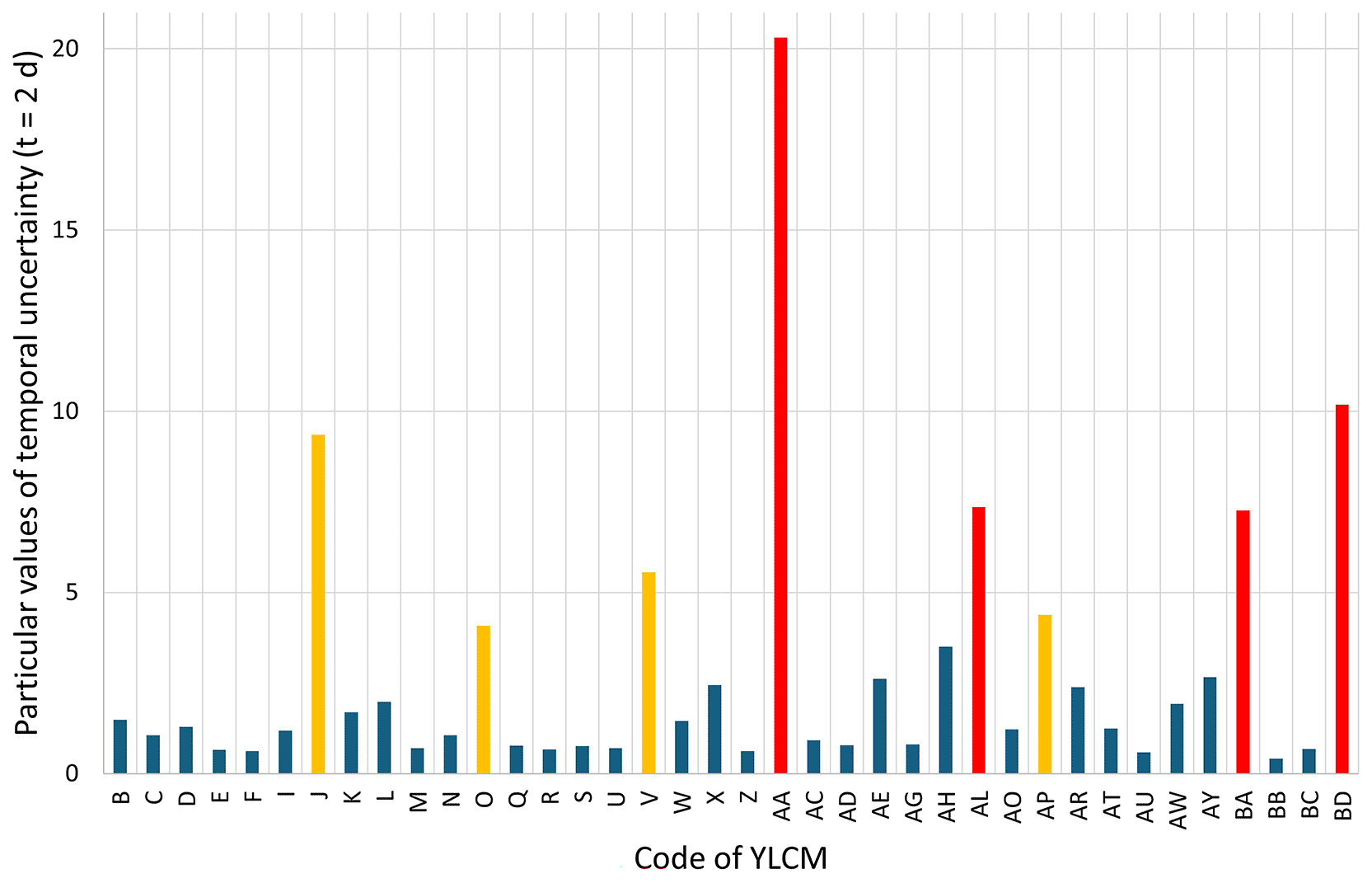
Figure 1. Partial values of temporal uncertainty for each of the 38 YLCMs, based on STUK data, for a measurement duration of 2 days.
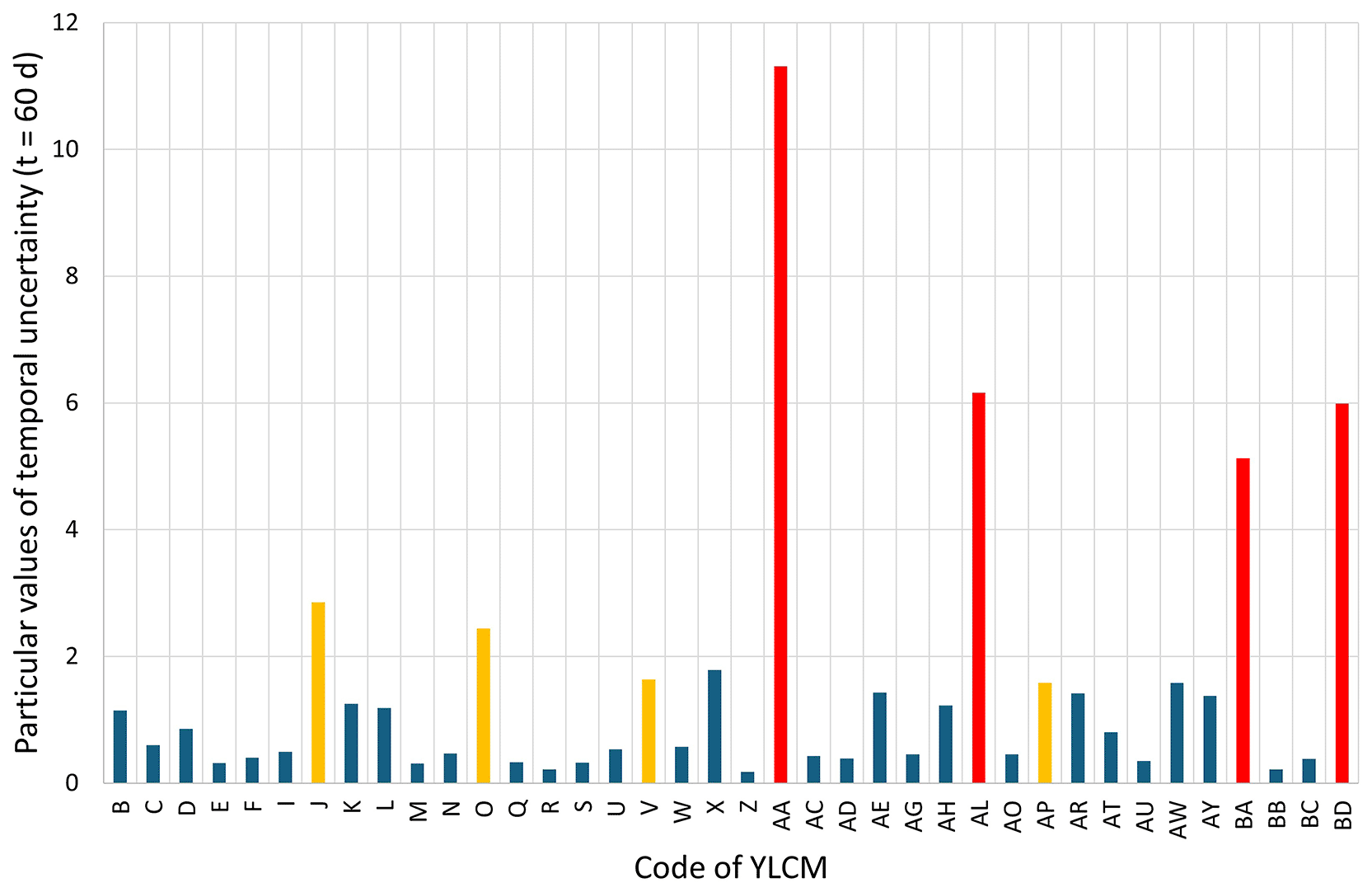
Figure 2. Partial values of temporal uncertainty for each of the 38 YLCMs, based on STUK data, for a measurement duration of 2 months.
A visual analysis of the time series for the eight YLCMs (coded J, O, V, AA, AL, AP, BA, and BD) shown in
Figure 3 reveals the presence of extended periods with relatively low radon concentrations. The duration of these periods can exceed 2–3 months (codes O and BA), 4 months (codes AA and BD), and even 6–8 months (code AL). These prolonged low-radon periods contribute to the increased difference between the partial values of temporal uncertainty and previously published data. Notably, such extended intervals of low radon concentration create a conformity assessment problem not only in short-term but also in long-term measurements.
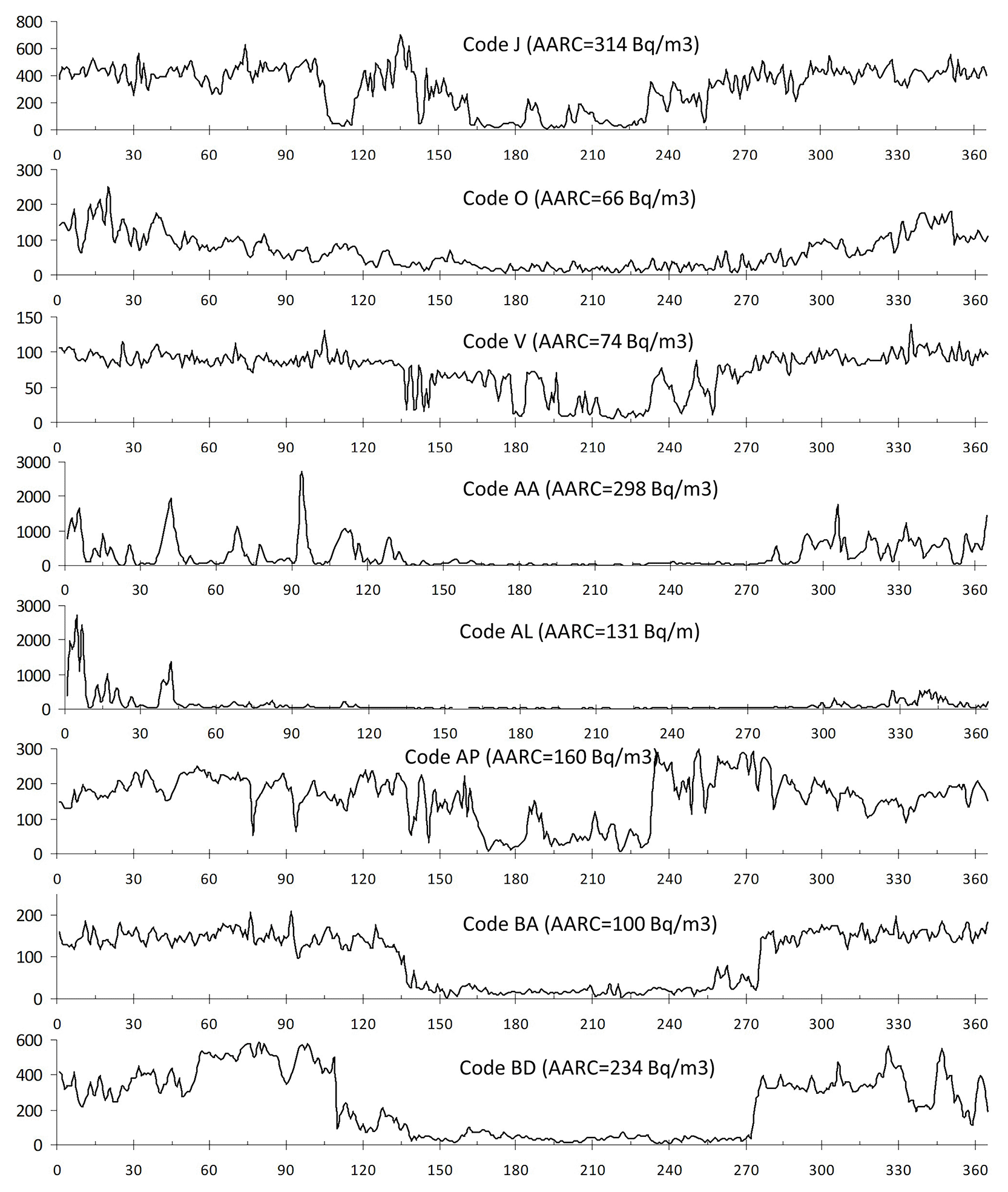
Figure 3. Examples of YLCM (coded J, O, V, AA, AL, AP, BA and BD) characterized by long-time intervals with low indoor radon concentrations in Bq/m 3; the time axis (days) starts from January 1.1
In this context, an effective solution is to exclude the data from at least four YLCMs (codes AA, AL, BA, and BD) from the overall set of deviations Dij(t).
Figure 4 presents the generalized temporal uncertainty, calculated from the remaining 34 YLCMs within the STUK dataset, which shows satisfactory agreement with previously published data.5,6,9,22,23,30,31
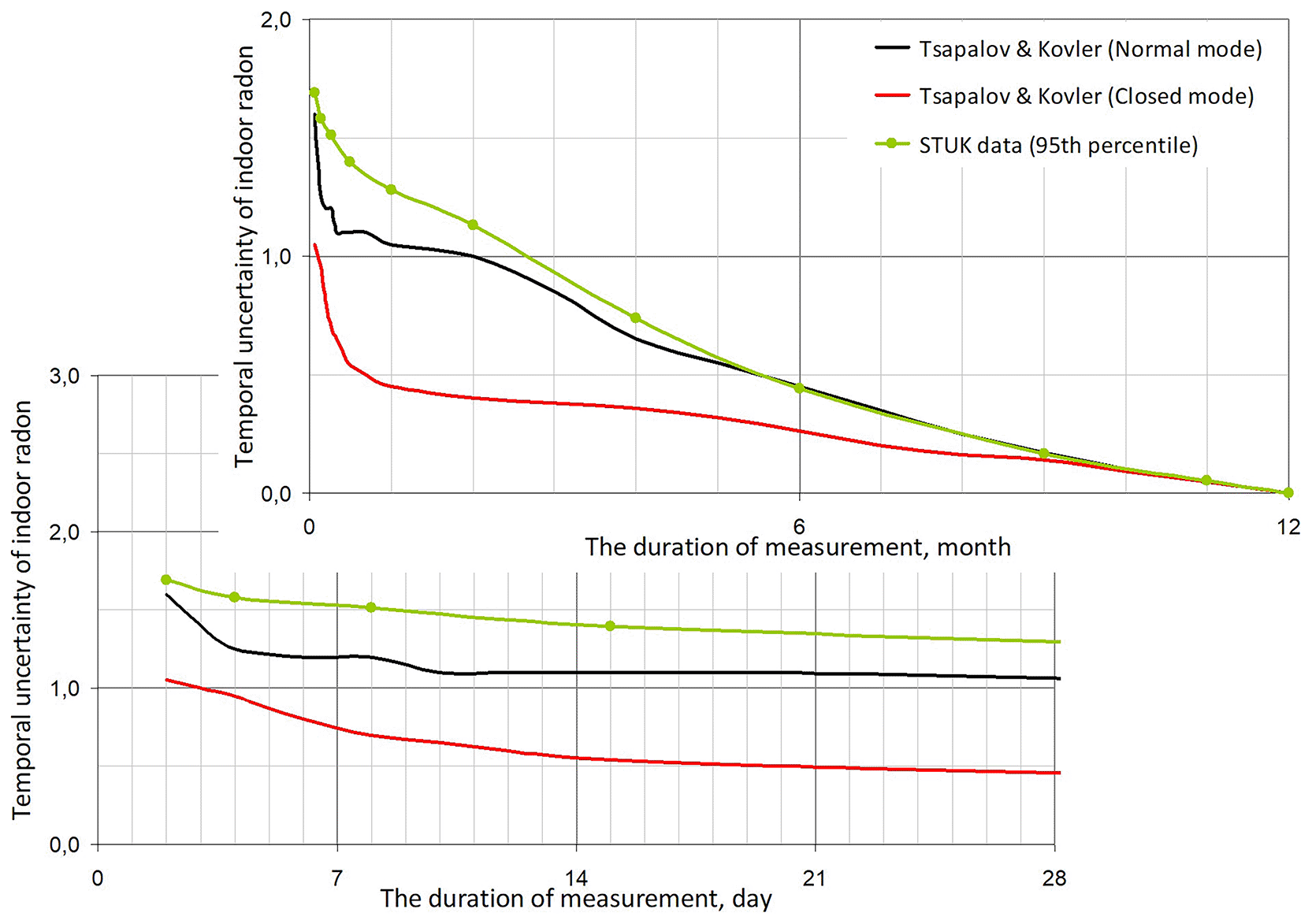
Figure 4. Comparison of the temporal uncertainty obtained from STUK data (excluding 4 YLCM coded AA, AL, BA and BD) with previously published data.5,6,9,22,23,30,31
As shown in
Figure 5, further improvement in convergence across the measurement duration range of 4 to 120 days is achieved by excluding eight YLCM (coded J, O, V, AA, AL, AP, BA, and BD) from the overall set of deviations.
Figure 5 also includes an estimate of UV(t) derived from the conversion of data22,30 from earlier Finnish study by Arvela et al. (2015), originally reported in.32
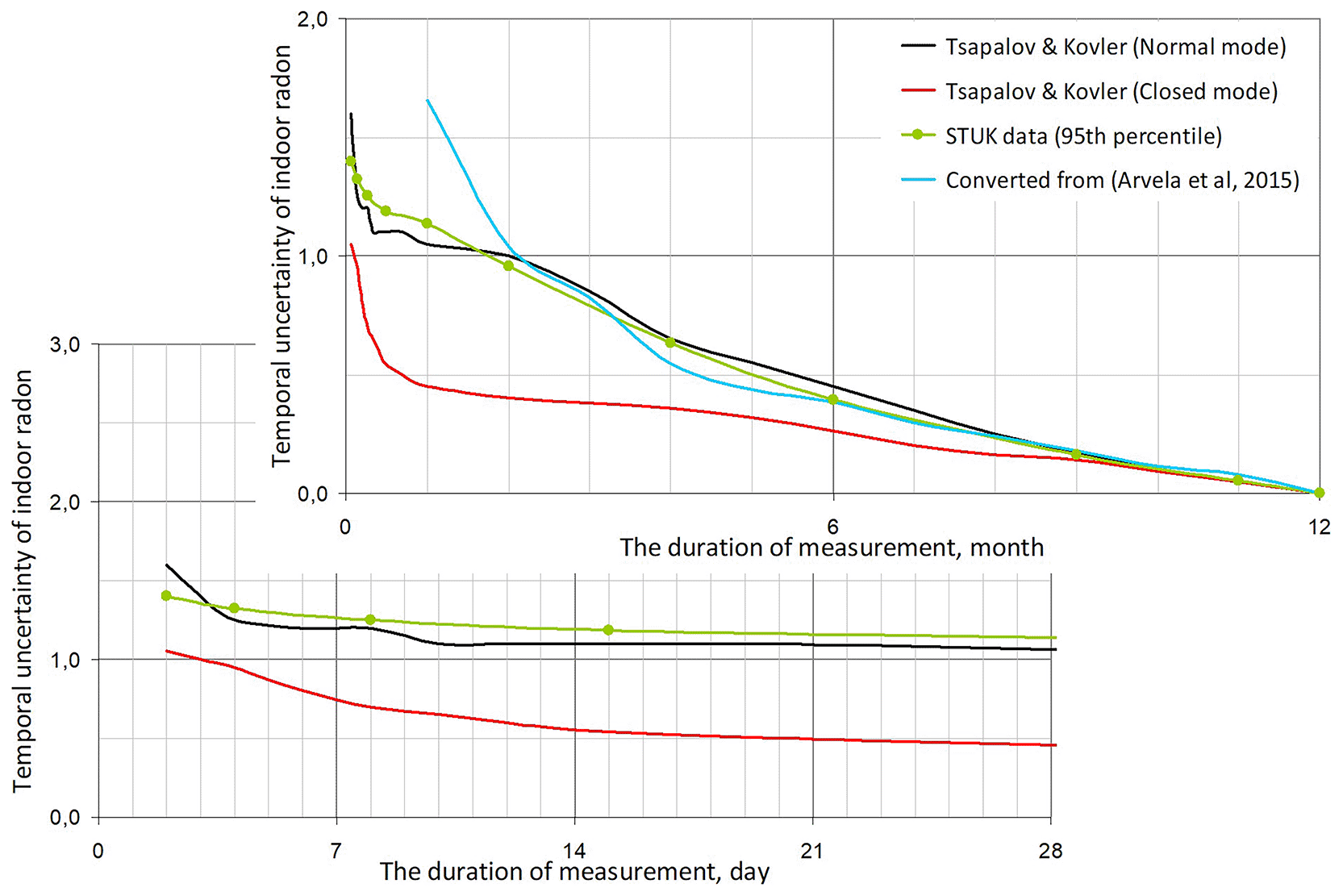
Figure 5. Comparison of the temporal uncertainty obtained from STUK data (excluding 8 YLCM coded J, O, V, AA, AL, AP, BA and BD) with previously published data.5,6,9,22,23,30,31
The data presented in
Figure 5 demonstrate good agreement between the temporal uncertainty values obtained from the STUK data and those previously published in.5,6,9,22,23,30,31 This means that the behaviour of indoor radon in Finland is not unique, given that previous studies were conducted under significantly different climatic and geological conditions at Israeli5 and Russian30,31 experimental sites. This finding challenges the hypothesis that “certain characteristics unique to Finland suggest that temporal variations in radon concentration, as quantified in other parts of the world, may not necessarily apply to Finnish conditions”.1 Consequently, this strengthens the confidence that previously published values of temporal uncertainty (for example, in6) are applicable across different countries and can be used in national regulations in the absence of more reliable country-specific
data.
3.2. Additional limitation for determining temporal uncertainty
The exclusion algorithm described above for identifying unsuitable YLCMs from the overall set of deviations D ij(t) is labor-intensive and, moreover, relies on qualitative (subjective) analysis. However, a more straightforward quantitative exclusion criterion was already introduced in
Section 2.3(f
), formulated as a condition involving two numerical parameters, ХR and ХD, which must be determined.
A mathematical procedure for identifying appropriate values of ХR and ХD, is provided in one of the Excel files included in the archive from the “Data availability” section. The core idea of this algorithm is to select a value of ХR such that the total number of days ХD for each of the eight excluded YLCMs (codes J, O, V, AA, AL, AP, BA, and BD), according to the proposed criterion, exceeds the corresponding Х D value for any of the remaining 30 YLCMs. Based on this approach, it was established that ХD =15 days when ХR =6.
If only four YLCMs (codes AA, AL, BA, and BD) are excluded from the analysis, then ХD =50 days when ХR =6. Nevertheless, considering the strong agreement between the newly derived temporal uncertainty values (based on STUK data) and previously published results—particularly in light of the earlier Finnish survey,32 as illustrated in
Figure 5—the preferred threshold remains ХD =15 days. Regarding the robustness of this threshold, it is also worth noting the 20-day benchmark mentioned in23:
•
“…in 5% of cases, or 20 out of 365 days a year, the start of testing may occur at very low radon levels and cause a false-negative decision error. To reduce this error, indoor radon testing must be carried out in the normal mode of room usage, that is, when windows are not constantly open or closed for a long time.”
Therefore, the final formulation of paragraph 2.3(f
) should be as follows:
This clearly defined condition (f
), together with the set of conditions (a)–(e) from
Section 2.3, establishes a robust framework for conducting and selecting YLCM to ensure the most reliable assessment of indoor radon temporal uncertainty.
3.3. Additional limitations for indoor radon testing within the Rational Method
As previously noted, the limitations of the Rational Method are discussed in detail in Section 4.5, “Test Conditions”.6 However, in the context of this discussion—and beyond the additional limitations related to determining temporal uncertainty—it is necessary to clarify or introduce further constraints for indoor radon testing. This is particularly relevant in cases where indoor radon concentrations remain relatively low, approaching outdoor levels, over extended periods (either continuously or cumulatively throughout the year). Several examples of such scenarios are illustrated in
Figure 3.
It is evident that relatively low indoor radon concentrations—despite elevated annual average radon concentrations (AARC)—can be attributed to two primary factors:
The influence of the first factor may result from continuous and intensive ventilation, such as when windows in all occupied rooms remain open day and night due to comfortable outdoor temperatures, or when an unregulated central heating system overheats the indoor environment. Wind gusts and sustained high wind speeds, lasting days or even weeks, should also be considered.
The second factor may be linked to a weakening of the stack effect at the soil–building interface, caused by the cessation of heating (and a sharp drop in indoor temperature), or a sudden increase in outdoor temperature. Additionally, a rapid rise in groundwater levels—up to and including flooding of the building’s underground parts—following heavy snowmelt or prolonged rainfall, can significantly reduce radon entry. Focusing on understanding the mechanism behind this second factor would be highly beneficial for the radon research community.
All of these circumstances should be taken into account when planning and conducting indoor radon measurements. Doing so will help minimize the risk that short- or long-term measurement periods coincide with intervals of abnormally low indoor radon concentrations. In this context, the following are revised versions of two paragraphs from Section 4.5, “Test Conditions,” of the Rational Method6:
Updated Content for paragraph 4.5.1(a) in Section “General”
“Measurements in both short-term and long-term modes may be conducted at any time of the year, except when starting measurements during adverse meteorological or geological conditions. In such cases, it is recommended to consult weather forecasts in advance and avoid initiating measurements (especially short-term) under the following conditions:
•
During abnormally high or low temperatures, or during unusually sharp temperature fluctuations in the region;
•
During periods of high wind speeds and/or strong wind gusts;
•
During prolonged rainfall and for 1–2 days following its end;
•
During significant rises in groundwater levels (including flooding of the building’s underground parts) caused by heavy snowmelt or rainfall, and for 1–2 months after groundwater levels return to normal.”
Updated Content for paragraph 4.5.2(b) in Section “Ventilation Mode”
“In normal mode, where all rooms and the building are operated in a regular mode without any special restrictions, the measurement duration should be at least 4 days. In this case, no preliminary preparation of the tested rooms is required.
It is important to note that in normal mode, deliberately keeping windows or doors constantly open or closed, as well as intentionally disabling mechanical ventilation (if included in the building’s design), can significantly affect the measurement results and reduce the reliability of the testing—particularly for short-term measurements.
Furthermore, measurements should not be conducted when windows remain open day and night due to comfortable outdoor temperatures or excessive indoor heating.”
Additionally, it is appropriate to update paragraph 4.6.2(b) under “Performing Measurements” in Section 4.6, “Measurements”.6 Enhancing the reliability of identifying rooms (and buildings) with radon concentrations exceeding the reference level can also be achieved by revising paragraph 4.4.1(i) under “General” in Section 4.4, “Principle of Measurement and Conformity Assessment”.6
Updated Content for paragraph 4.6.2(b) in Section “Measurements”
“It is recommended to begin indoor radon testing with short-term measurements, in accordance with the conditions outlined in Section 4.5, while initial recording actual weather (temperature/humidity/wind/precipitation), microclimatic conditions, and the operation/ventilation mode (normal or closed). If the conditions specified in Sections 4.5.1(a) or Sections 4.5.2(b) cannot be met, only long-term measurements should be conducted, with a minimum duration of 9 months, covering the entire heating season.”
Updated Content for paragraph 4.4.1(i) in Section “Principle of Measurement and Conformity Assessment”
“Renovation or major repairs of a building—including upgrades to engineering systems and underground utilities—can significantly affect the radon environment, especially on lower floors. In such cases, it is advisable to re-test the building. Additionally, due to the gradual degradation of foundation elements and underground infrastructure, radon migration from the soil into the building may increase over time. Therefore, it is recommended to conduct repeat radon testing every 3–5 years in buildings located in high-radon areas, and every 10 years in low-radon areas. Repeat measurements should be performed in a different season than the previous test.”
3.4. Disadvantages of traditional approaches to studying and measuring indoor radon
3.4.1. Introductory considerations
In our view, STUK’s approach to indoor radon testing is the most advanced among national regulatory systems across the European Union. Furthermore, the study design adopted in Finland for the purpose of standardization of indoor radon measurement is more effectively compared to those in other European countries.
Nevertheless, it will be beneficial—not only for our colleagues at STUK but also for the broader radon community, including national regulators, metrologists, and researchers—to critically reflect on the traditional approach for studying and measuring indoor radon. This critique, along with the proposed Rational Method,6 is intended as a constructive contribution to the advancement of indoor radon testing and international standardization efforts.
3.4.2. Comments on the STUK regulation in radon measurements
(a) Radon risk regulation in Finland, according to national regulatory guidelines,2,3,33,34 covers a broad spectrum of indoor environments—including workplaces, residential buildings, and other premises used by people.
(b) Although one of STUK’s documents3 refers to the concept of “expanded uncertainty of measurement” (defined as the product of the combined measurement uncertainty and a coverage factor), the traditional approach to indoor radon measurements does not account for temporal uncertainty, which is, however, a key component of the combined measurement uncertainty in indoor radon testing. This omission contradicts the recommendations of the Joint Committee for Guides in Metrology, JCGM 100:2008 (GUM 1995 with minor corrections),
29 and more importantly, the requirements of ISO/IEC 17025:2017 for accredited laboratories, as outlined in Section 7.6, “Evaluation of Measurement Uncertainty”.35
(c) While STUK’s regulatory documents2,3 include requirements and limitations for indoor radon measurements, they do not reference a clearly defined national measurement protocol (such as the Rational Method6). Instead, the absence of a national protocol is compensated by referring to the international standard ISO 11665-8:2019,
4 which recommends a minimum measurement duration of two months. However, this ISO standard still lacks proper metrological support6,9,22 —a surprising shortcoming, given that it also fails to account for temporal (key) uncertainty. As noted in the Introduction and seen in
Figure 5, this uncertainty can reach 100% for a two-month measurement period.
Unfortunately, many national regulators appear to find it convenient to rely on ISO 11665-8:2019, as it allows them to “justifiably” ignore temporal (key) uncertainty and focus solely on instrumental uncertainty, which rarely exceeds 30%.
3.4.3. Comments on the design and results of the STUK study
(a) As discussed in the Introduction, the traditional approach used in the design of the STUK study on the temporal variability of indoor radon1 does not comply with the fundamental concepts of ISO/IEC, which have been globally adopted for measurement standardization for several decades and supported by the Joint Committee for Guides in Metrology (JCGM 100:2008). Instead of the outdated and ineffective traditional approach, we have been promoting a rational approach to indoor radon testing in line with JCGM 100:2008 for many years. Unfortunately, the radon community continues to overlook the rational approach.6,9
The rational approach to radon regulation is thoroughly discussed in our review article, with a focused strategy presented in Section 3.2.1, “General Strategy of Indoor Radon Surveys”.6 The core principle of the Rational Method is outlined in Section 4.4, “Principle of Measurement and Conformity Assessment”.6
In this context, it is important to emphasize that the primary objective of indoor radon surveys should be the effective identification of hazardous buildings—based on the Rational Method—where the reference level limiting the annual average radon concentration (AARC) is exceeded. Moreover, this prioritization is consistent with the ratio legis of Section 19, subsection 1, paragraph 5 of the Finnish Radiation Act (859/2018),33 which establishes the radon concentration register specifically to enable the identification of buildings and workplaces exceeding the reference level. Estimating effective dose of radon exposure is a secondary goal. Notably, the results of short- or long-term measurements from such surveys can also be used to characterize the lognormal distribution of indoor radon concentrations (including AM - arithmetic mean, GM - geometric mean, and GSD - geometric standard deviation), as well as to estimate the collective dose.6
Therefore, the foremost aim of indoor radon studies should be to improve the measurement protocol for reliable and cost-effective radon testing, rather than to refine national or regional estimates of AM, GM, and GSD—values that have already been determined with sufficient accuracy in many countries, including Finland. Further refinement of these parameters offers dubious benefit and lacks strong justification within the framework of the rational approach to radon regulation.6
(b) Among the reference parameters used to derive the Temporal Correction Factor were AM, GM, and even GSD—an approach that appears questionable. As previously discussed, the main objective of indoor radon testing should be the reliable identification of hazardous buildings, not the enhancement of collective dose estimates.
(c) Time series data (YLCMs) containing extended periods of extremely low indoor radon concentrations were included in the overall dataset for analysis. This decision in1 appears questionable, especially in light of the findings presented in
Section 3.1. The same concern applies to YLCM with AARC below 50 Bq/m³, which meets the exclusion condition outlined in
Section 2.3(a).
(d) As discussed in the Introduction, the use of a single seasonal correction factor of 0.9 in Finland reflects the relatively small average difference between indoor radon concentrations in winter and summer. Indeed, a visual analysis of seasonal variations across 38 YLCMs (see "Data availability" section) reveals that in nearly half of the cases, the expected seasonal pattern is reversed (i.e., radon concentrations are higher in summer than in winter), or seasonal variation is not clearly expressed. Therefore, STUK’s requirement to conduct indoor radon testing only from the beginning of September to the end of May (excluding the three summer months) seems overly strict—especially in light of the findings in
Section 3.3. Comparable concerns may be raised with regard to the regulatory frameworks of other EU Member States, where national guidance continues to recommend limiting indoor radon measurements to the “heating season”.36
In this context, it is worth examining the results of YLCMs with codes AA, AL, and BD shown in
Figure 3. In all three cases, the AARC does not exceed the reference level (300 Bq/m³ in existing buildings in Finland34 ), meaning radon remediation is not formally required. However, these rooms periodically experience very high radon entry—lasting for weeks, months, or even entire seasons. Therefore, to ensure radiation safety, remediation would be justified in these cases based on the ALARA principle.6
These two examples illustrate, on the one hand, the excessive rigidity of indoor radon testing requirements, and on the other, their overly formalistic nature. Such issues should be carefully considered when developing or refining a measurement protocol (such as the Rational Method), which—especially in its draft stage—cannot be flawless. For this reason, objective feedback and recommendations from experts in the radon community are of great importance.
(e) STUK experts rightly raise an important issue:
•
“Currently, no established standard defines the acceptable proportion of false negatives when determining an action level. For some individuals, a 5% probability of a false negative may be entirely acceptable, whereas for others—particularly those who work from home or have small children—only the most reliable result is acceptable”.1
The reliability of decision-making, or the probability P, that a room complies with safety requirements, is directly related to the false-negative error as 1− P, or (100− P) %. A high value of P=99% (false-negative error is 1%) seems too stringent a requirement, so such a probability value is not usually used in routine radiation measurements. In addition, applying different P values across countries or institutions may hinder harmonization in radon regulation.
In this context, it is helpful to reference several clear principles adopted in the Russian system of measurement standardization for radiation safety, as outlined in GOST 8.638-2013 (State system for ensuring the uniformity of measurements. Metrological support for radiation control. General principles):
• In radiation control, measurement uncertainty is estimated as an interval around the measured value of a quantity, within which the true value of the measured quantity is located with a given probability P=0.95.
• Expanded uncertainty of measurement is the product of the total standard uncertainty of measurements and the coverage factor (k) adopted to take into account the selected coverage probability (in radiation control, for a probability of P = 0.95, k = 2 is usually adopted).
• These principles also apply to indoor radon testing and seem to be quite relevant to be adapted at the international level—for example, in relevant IAEA Safety Guides and ISO/IEC or CEN standards.
• To illustrate the implications of selecting different P values, consider the following examples:
• According to the Rational Method, with P=95% (no more than 5% false-negative error), the action level in Finland (where the reference level is 300 Bq/m³) for a 2–5 day measurement is approximately 110–130 Bq/m³ under normal ventilation mode, and 140–150 Bq/m³ under closed mode.30 If these thresholds are exceeded, a longer measurement period is required.
• STUK proposes an alternative (when P=99%):
“One of the primary objectives of this study was to determine how the results of short-term radon measurements lasting 2–5 days should be interpreted. Based on the data, a suitable action level could be set at 90–100 Bq/m³, ensuring that only approximately 1% of measurements at this concentration exceed the reference level of 300 Bq/m³”.1
It is important to note that when P = 99%, the Rational Method enables straightforward recalculation of temporal uncertainty values using the same datasets. However, these uncertainties increase significantly for both short-term and long-term measurements. This, in turn, would require additional effort and considerable expense for the certification and periodic validation of all devices and methods used to measure radon concentrations, in order to ensure that instrumental uncertainty is assessed at P = 99%. Consequently, the overall cost of indoor radon testing could rise substantially.
The choice of P in indoor radon testing is a controversial and highly relevant issue. It would be beneficial to discuss and establish the value of P in the framework of clear, harmonized guidelines—potentially within the RadoNorm project,8 in which STUK experts are involved.
(f
) The article1 presents a substantial number of descriptive algorithms, accompanied by numerous figures and tables intended to support the outcomes. However, the approach advocated in the article1 is grounded in conservative decision-making traditions that are outdated and inefficient, which is quite reasonably demonstrated not only in this, but also in our previous publications.6,9,22,23,30 In contrast, the rational approach requires only one or two illustrations—such as
Figure 4 or
Figure 5—whose data are directly linked to the conformity assessment criterion (1). This criterion underlies the measurement protocol and ensures compliance with modern metrological requirements, commonly referred to as quality criteria or quality assurance (QA). These observations highlight the excessive complexity—and even the opacity—of traditional (non-rational) approaches, whose results are significantly harder to reproduce and are not clearly tied to specific measurement protocols. This stands in stark contrast to the straightforward algorithm of the Rational Method, which was discussed in detail earlier. Accordingly, the "Data availability" section includes archive with Excel files containing simple algorithms for converting the original STUK data and determining temporal uncertainty within the Rational Method.
(g) The analysis of tabular data in1 shows that the generic values of the temporal correction factor do not depend on the duration of measurements, and also differ only slightly from 1, except for the values of k C (regression). At the same time, the data in1 indicate that applying k C (regression) actually reduces the reliability of the AARC estimate. The use of other types of temporal correction factors has a negligible effect, therefore the application of correction factors does not provide real benefit. Nevertheless, the article1 continues to argue for usefulness of temporal correction factors with specific examples based on absolute values of control and reference levels, expressed in Bq/m³, although the results of comparison in relative units are usually more expressive.
(h) All these efforts culminate in the “Conclusion” section of 1, which presents broadly generalized recommendations for applying temporal correction factors. However, it remains unclear how these recommendations could be implemented in a national measurement protocol, which, to date, has not been formally established in Finland. Furthermore, the final part of the “Conclusion” presents a particularly debatable statement:
In contrast, most effective radon regulation practices—such as those implemented in the United States—and the results of our long-term studies,6,9 particularly those refined using STUK data, point toward a different conclusion. Indeed, short-term radon measurements form the core of the Rational Method,6 which, for the first time, received metrological support by accounting for both temporal and instrumental components of AARC uncertainty.
4. Conclusions
The analysis of the extensive experimental STUK data using Rational Method algorithms has led to the following key outcomes:
a) The limitations of the Rational Method have been refined, enhancing the reliability of identifying hazardous buildings where the annual average radon concentration exceeds the reference level.
b) Additional limitations for statistical data collection have been introduced to improve the reliability and representativeness of temporal uncertainty estimates.
c) The behaviour of indoor radon in Finland is not unique, therefore it can now be more reasonably argued that previously published values of temporal uncertainty—validated using STUK data—are universal across different countries. Therefore, they can be used in national measurement protocols for indoor radon testing in the absence of more reliable country-specific
data.
In addition, a critical analysis of STUK’s approaches to both regulation and study design revealed several key issues:
d) The traditional approach to indoor radon measurements, adopted not only in Finland (STUK) but also in other countries, fails to account for temporal (key) uncertainty. This neglects the recommendations of the Joint Committee for Guides in Metrology (JCGM 100:2008, GUM 1995) and the requirements of ISO/IEC 17025:2017 for accredited laboratories, rendering the traditional approach outdated and inefficient.
e) Regulatory systems in some countries, including Finland, lack a national indoor radon measurement protocol. This gap is compensated by referencing ISO 11665-8:2019, which still lacks metrological support. As a result, regulators are able to “justifiably” ignore temporal (key) uncertainty in decision-making.
f
) The design of the STUK study is also based on traditional approaches, using outdated terminology and focusing on the Temporal Correction Factor and false negative/positive errors, rather than applying the rational concept of “Measurement Uncertainty” (including temporal uncertainty as a key component) within the framework of modern metrology (JCGM 100:2008, GUM 1995).
g) The single seasonal correction factor of 0.9 used in Finland confirms only a minor average difference between indoor radon concentrations in winter and summer. Therefore, STUK’s requirement to conduct indoor radon testing from the beginning of September to the end of May (excluding the three summer months) appears overly strict. Moreover, the values of the temporal correction factor do not depend on the duration of measurements, and also differ only slightly from 1, casting doubt on their practical utility.
h) A critical issue remains unresolved—at both the IAEA and ISO levels—regarding the quantitative characterization of decision-making reliability or probability (e.g., P = 0.95) regarding the compliance of a room with radon safety requirements.
i) The main conclusion of the STUK study—that “short-term radon measurements cannot yet be recommended as a replacement for current methods”—is insufficiently supported and highly debatable. In contrast, the most effective radon regulation practices, such as those in the United States, and the results of our long-term studies (especially those refined using STUK data), suggest the opposite. Moreover, short-term radon measurements form the foundation of the Rational Method, which, for the first time, has full metrological support because it takes into account both temporal (key) and instrumental uncertainties in decision-making.
We hope that our critique of the outdated and inefficient traditional approach together with the proposed Rational Method will be regarded as a constructive and valuable contribution by regulators and metrology experts, including those engaged in ISO and IAEA processes. Although still under development, the Rational Method stands to benefit greatly from expert feedback, particularly given the prolonged absence of alternative measurement protocols grounded in modern metrological foundation.
Ethics and consent
Ethical approval and consent were not required.









