Introduction
A constantly changing environment challenges organisms to adapt and survive (Hoffmann, 2011). This is particularly true for marine organisms living in the intertidal zone, where they must cope with regular environmental fluctuations caused by tides, as well as the increasing pressure from human-caused global warming (Helmuth et al., 2006; Somero, 2010). Gaining knowledge on how intertidal organisms cope with environmental stress, adapt, and continue to diversify is therefore urgent in the context of the current climate crisis (Trégarot et al., 2024) and the pressing need for effective conservation efforts.
Limpets are among the most common marine gastropods inhabiting the rocky intertidal zones worldwide (Firth, 2021). Of these, species of the genus Patella, which are distributed along the Northeastern Atlantic and Mediterranean coasts, have been extensively studied in relation to environmental stress, among other species (Siphonaria sp., Teske et al., 2011; barnacles and topshells, Broitman et al., 2008; for more invertebrates, see Sokolova et al., 2012). These species can serve as sentinels, providing insights into how marine biodiversity responds to climate change and the health of coastal ecosystems (Hawkins et al., 2009). Consequently, they can help improve predictions of the impacts of global warming on marine communities and ecosystems.
This is especially true for Patella rustica, also known as the Lusitanian limpet, which is found throughout the Mediterranean basin and along the northeastern Atlantic coast from Southern France (Biarritz) to Mauritania, as well as in the Macaronesian archipelagos, excluding the Azores (Christiaens, 1973; Crisp & Fischer-Piètte, 1959; Fischer-Piètte, 1955; Weber & Hawkins, 2005). It can be easily distinguished from other Patella species by the presence of brown spots on the upper part of the shell (Figure 1). Several studies have documented recent changes in its distribution, particularly the bridging of a historical distribution gap in northwestern Iberia. This distribution change was probably driven by rising sea temperatures, increased river runoff, and decreased upwelling intensity off the Portuguese coast (Lima et al., 2006; Lima et al., 2007; Sousa et al., 2012). While genetic diversity has remained stable in colonizing populations (Ribeiro et al., 2010), reliance solely on conventional markers (mtDNA and microsatellites) has limited understanding of both demographic history and adaptive genomic features. Addressing this gap is crucial for predicting further northward expansions and assessing the species’ impact on local communities and ecosystems.
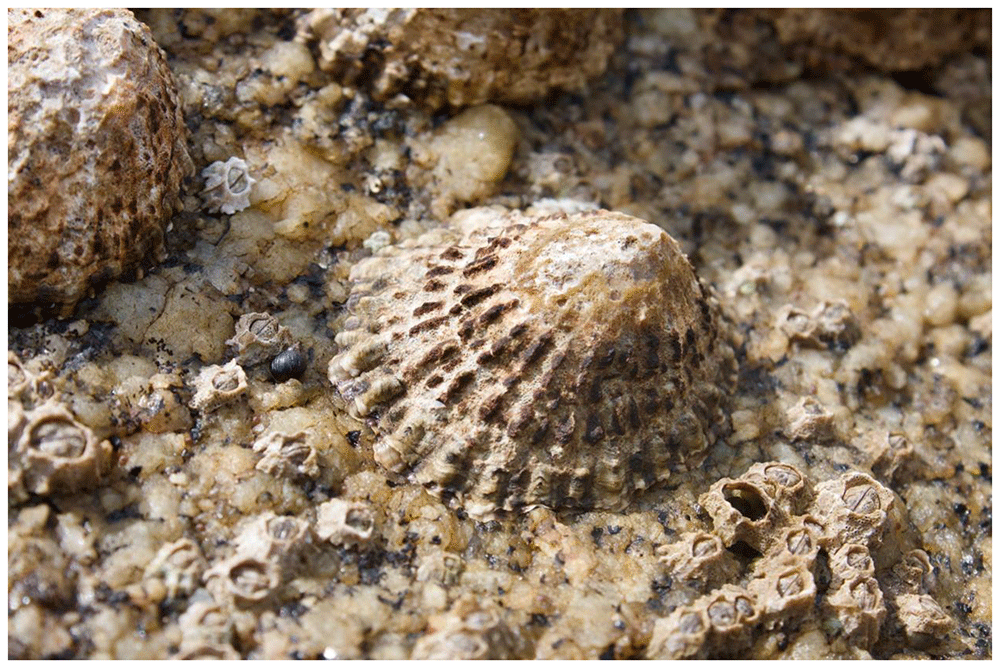
Figure 1. Example image of Patella rustica.
Image taken by Fernando P. Lima.
It is now increasingly recognized that public genomic resources, specifically high-quality reference genomes, can be highly valuable for biodiversity monitoring and can support conservation efforts by providing essential information to guide management decisions (Theissinger et al., 2023). Additionally, they offer a crucial foundation for assessing how species adapt to drastic environmental changes and further diversify amid global warming (Formenti et al., 2022). While we are beginning to better understand these evolutionary processes in certain marine species with low dispersal (e.g., Littorina marine snails, Faria et al., 2019; Faria et al., 2021; Morales et al., 2019; Westram et al., 2018), we are still far from understanding how speciation occurs in most marine species, particularly those with high dispersal, where gene flow can oppose divergent selection and reproductive isolation (Potkamp & Fransen, 2019; Barry et al., 2024).
Here, we present a chromosome-level genome of Patella rustica, to support intertidal biodiversity monitoring amid climate change. Along with recent chromosome-level reference genomes of five other Patella species, this will help uncover insights into their evolutionary history and investigate the development of reproductive barriers within this genus (Sá-Pinto et al., 2010), including the role of structural variants in diversification (Petraccioli et al., 2010).
The creation of this reference genome results from a collaborative effort coordinated by the European Reference Genome Atlas (ERGA) within the Biodiversity Genomics Europe (BGE) project. It aligns with ERGA’s objectives of fostering cooperation among European countries to develop genomic resources for biodiversity protection (Mazzoni et al., 2023), as well as with the Portuguese coalition for biodiversity genomics initiative (Marques et al., 2024).
Materials & Methods
Sample and sampling information
On 29th January 2024, an adult, female sample of Patella rustica was sampled by Rui Faria and Fernando P. Lima. The species was identified by Fernando Lima via morphology and color pattern. The specimen was dislodged with a knife from an intertidal rock and collected by hand in Porto, Portugal. Ethical sampling permits are not required for sampling of these species at this location. After dissection by Rocío Nieto Vilela, the specimen's tissues (mollusc foot, gonad, head, hepatopancreas and other somatic tissue) were snap-frozen immediately in liquid nitrogen and stored at -80°C until they were shipped to CNAG, Barcelona in dry ice for subsequent laboratory procedures.
Vouchering information
Shells for the here sequenced specimen and proxy specimen have been deposited in the Natural History and Science Museum of the University of Porto (MHNC-UP https://mhnc.up.pt/), under the accession numbers MHNCUP-MOL-24647 and MHNCUP-MOL-24646.
Frozen reference tissue material of muscle is available from the same and proxy individuals at the Museum Koenig Bonn (https://bonn.leibniz-lib.de/de/) under the voucher IDs ZFMK-TIS:89067 and ZFMK-TIS-89068.
Data availability
Patella rustica and the related genomic study were assigned to Tree of Life ID (ToLID) 'xgPatRust1' and all sample, sequence, and assembly information are available under the umbrella BioProject PRJEB84018. The sample information is available at the following BioSample accessions: SAMEA117648698, SAMEA115406481, SAMEA115406496 and SAMEA117648698. The genome assembly is accessible from ENA under accession number GCA_965111895.1 and the annotated genome is available through the Ensembl Beta site (https://beta.ensembl.org/) and BGE Project Page (https://projects.ensembl.org/erga-bge/). Sequencing data produced as part of this project are available from ENA at the following accessions: ERX13508601, ERX13629331, ERX13629332 and ERX13629333. Documentation related to the genome assembly and curation can be found in the ERGA Assembly Report (EAR) document available at https://github.com/ERGA-consortium/EARs/tree/main/Assembly_Reports/Patella_rustica/xgPatRust1. Further details and data about the project are hosted on the ERGA portal at https://portal.erga-biodiversity.eu/data_portal/87964.
Genetic information
The estimated genome size, based on measurements across the Lottioidea superfamily, is 740 Mb, while the estimation based on reads kmer profiling is 726 Mb. This is a diploid genome with a haploid number of 9 chromosomes (2n=18). Information for this species was retrieved from Genomes on a Tree (Challis et al., 2023).
DNA/RNA processing
DNA was extracted from the mollusc foot using the Blood & Cell Culture DNA Mini Kit (Qiagen) following the manufacturer’s instructions. DNA quantification was performed using a Qubit dsDNA BR Assay Kit (Thermo Fisher Scientific), and DNA integrity was assessed using a Femtopulse system (Genomic DNA 165 Kb Kit, Agilent). DNA was stored at 4°C until use.
RNA was extracted using an RNeasy Mini Kit(Qiagen) according to the manufacturer’s instructions. RNA was extracted from two different specimen body parts: mollusc foot, gonad and other somatic tissue. RNA quantification was performed using the Qubit RNA BR Kit and RNA integrity was assessed using a Fragment Analyzer system (RNA 15nt Kit, Agilent). RNA was stored at -80°C until use.
Library preparation and sequencing
A long-read whole genome library was prepared using the SQK-LSK114 kit and sequenced on a PromethION P24 A series instrument (Oxford Nanopore Technologies). For short-read whole genome sequencing (WGS), a library was prepared using the KAPA Hyper Prep Kit (Roche). A Hi-C library preparation, using mollusc foot tissue, was conducted with the Dovetail Omni-C Kit (Cantata Bio) and further processed with the KAPA Hyper Prep Kit for Illumina sequencing (Roche). The RNA library, generated from mollusc foot, gonad and other somatic tissue, was prepared with the KAPA mRNA Hyper Prep Kit (Roche). All the short-read libraries were sequenced on the Illumina NovaSeq 6000 instrument. In total, 59x Oxford Nanopore, 65x Illumina WGS shotgun, and 147x Hi-C data were sequenced to generate the assembly.
Genome assembly methods
The genome was assembled using the CNAG CLAWS pipeline (Gomez-Garrido, 2024). Briefly, reads were preprocessed for quality and length using Trim Galore v0.6.7 and Filtlong v0.2.1, and initial contigs were assembled using NextDenovo v2.5.0, followed by polishing of the assembled contigs using HyPo v1.0.3, removal of retained haplotigs using purge-dups v1.2.6 and scaffolding with YaHS v1.2a. Finally, assembled scaffolds were curated via manual inspection using Pretext v0.2.5 with the Rapid Curation Toolkit (https://gitlab.com/wtsi-grit/rapid-curation) to remove any false joins and incorporate any sequences not automatically scaffolded into their respective locations in the chromosomal pseudomolecules (or super-scaffolds). Summary analysis of the released assembly was performed using the ERGA-BGE Genome Report ASM Galaxy workflow (De Panis, 2024a), incorporating tools such as BUSCO v5.5 and Merqury v1.3.
Genome annotation methods
A gene set was generated using the Ensembl Gene Annotation system (Aken et al., 2016), primarily by aligning publicly available short-read RNA-seq data from BioSample: SAMEA117648698 to the genome. Gaps in the annotation were filled via protein-to-genome alignments of a select set of clade-specific proteins from UniProt (The UniProt Consortium, 2019), which had experimental evidence at the protein or transcript level. At each locus, data were aggregated and consolidated, prioritising models derived from RNA-seq data, resulting in a final set of gene models and associated non-redundant transcript sets. To distinguish true isoforms from fragments, the likelihood of each open reading frame (ORF) was evaluated against known metazoan proteins. Low-quality transcript models, such as those showing evidence of fragmented ORFs, were removed. In cases where RNA-seq data were fragmented or absent, homology data were prioritised, favouring longer transcripts with strong intron support from short-read data. The resulting gene models were classified into two categories: protein-coding, and long non-coding. Models that did not overlap protein-coding genes, and were constructed from transcriptomic data were considered potential lncRNAs. Potential lncRNAs were further filtered to remove single-exon loci due to their unreliability. Putative miRNAs were predicted by performing a BLAST search of miRBase (Kozomara et al., 2019) against the genome, followed by RNAfold analysis (Gruber et al., 2008). Other small non-coding loci were identified by scanning the genome with Rfam (Kalvari et al., 2018) and passing the results through Infernal (Nawrocki & Eddy, 2013). Summary analysis of the released annotation was performed using the ERGA-BGE Genome Report ANNOT Galaxy workflow (De Panis, 2024b), incorporating tools such as AGAT v1.2, BUSCO v5.5 and OMArk v0.3.
Results
Genome assembly
The genome assembly has a total length of 719,386,390 bp in 24 scaffolds including the mitogenome (Figure 2 and Figure 3), with a GC content of 36.4%. It features a contig N50 of 8,519,583 bp (L50=22) and a scaffold N50 of 83,582,575 bp (L50=4). There are 133 gaps, totaling 26.6 kb in cumulative size. The single-copy gene content analysis using the metazoa_odb10 database with BUSCO, run in genome assembly mode, resulted in 97.7% completeness (97.3% single and 0.4% duplicated). 81.41% of reads k-mers were present in the assembly and the assembly has a base accuracy Quality Value (QV) of 43.04 as calculated by Merqury.
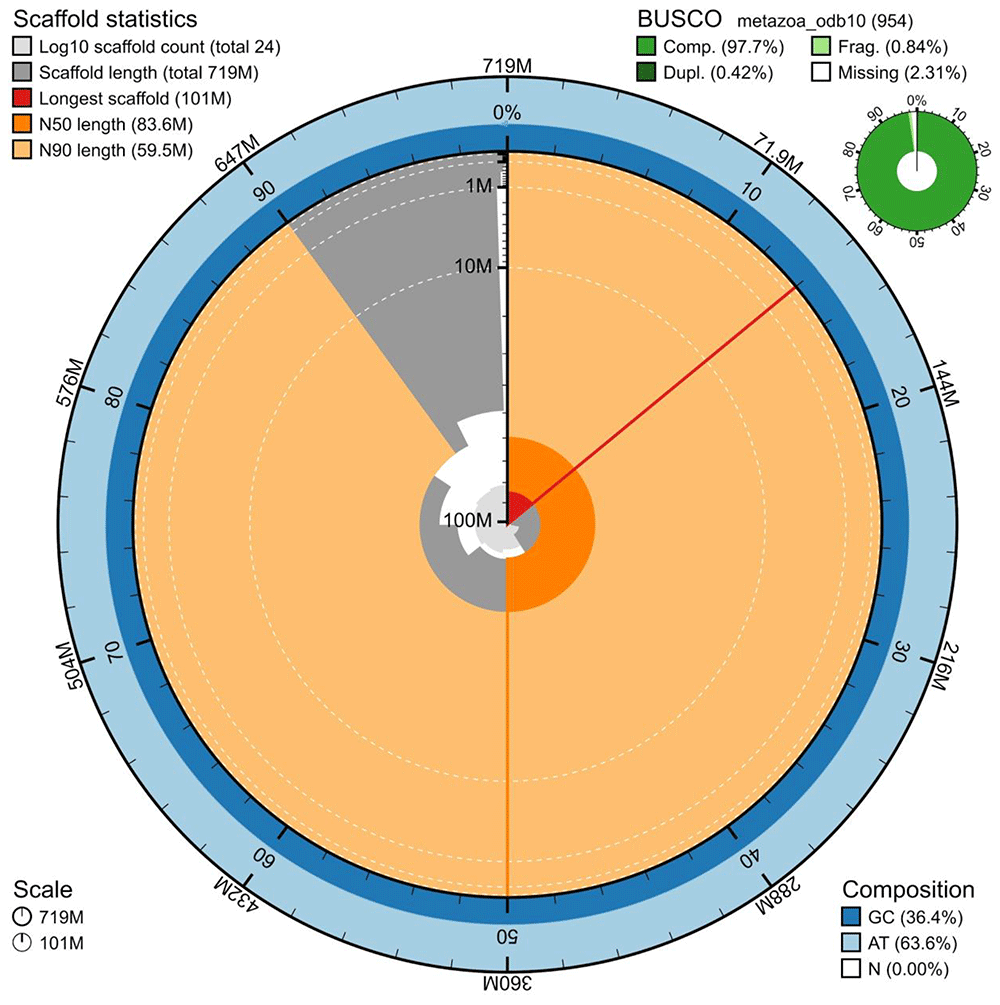
Figure 2. Snail plot summary of assembly statistics.
The main plot is divided into 1,000 size-ordered bins around the circumference, with each bin representing 0.1% of the 719,386,390
bp assembly including the mitochondrial genome. The distribution of sequence lengths is shown in dark grey, with the plot radius scaled to the longest sequence present in the assembly (719,386,390
bp, shown in red). Orange and pale-orange arcs show the scaffold N50 and N90 sequence lengths 83,582,575 and 59,523,780 bp), respectively. The pale grey spiral shows the cumulative sequence count on a log-scale, with white scale lines showing successive orders of magnitude. The blue and pale-blue area around the outside of the plot shows the distribution of GC, AT, and N percentages in the same bins as the inner plot. A summary of complete, fragmented, duplicated, and missing BUSCO genes found in the assembled genome from the metazoa database (odb10) is shown on the top right.
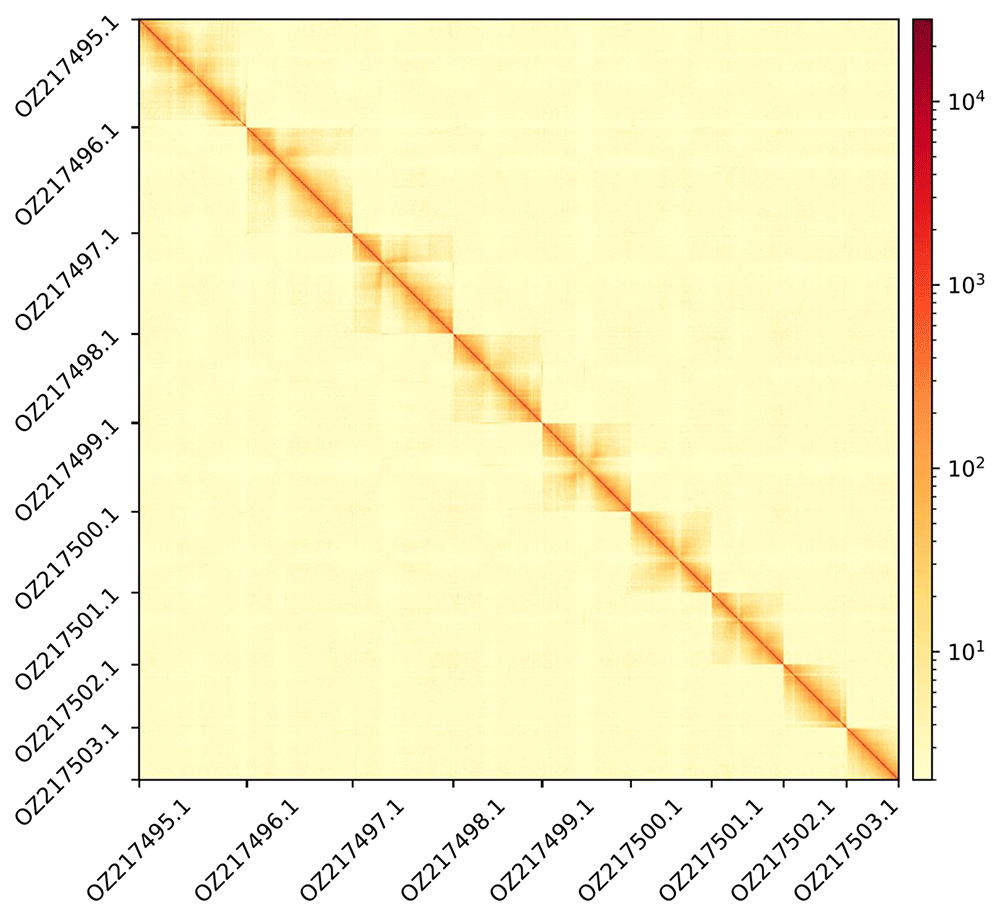
Figure 3. Hi-C contact map showing spatial interactions between regions of the genome.
The diagonal corresponds to intra-chromosomal contacts, depicting chromosome boundaries. The frequency of contacts is shown on a logarithmic heatmap scale. Hi-C matrix bins were merged into a 400 kb bin size for plotting.
Genome annotation
The genome annotation consists of 20,636 protein-coding genes with an associated 37,053 transcripts, in addition to 22,234 non-coding RNA genes of various types (Table 1). Using the longest isoform per transcript, the single-copy gene content analysis using the metazoa_odb10 database with BUSCO, run in protein mode, resulted in 93.2% completeness. Using the OMAmer Lophotrochozoa database for OMArk resulted in 95.91% completeness and 65.19% consistency (Table 2).
Table 1. Statistics from assembled gene models.
| No.
genes | No.
transcripts | Mean* gene
length (bp) | No. single-
exon genes | Mean* exons
per transcript |
|---|
| Protein-coding | 20,636 | 37,053 | 18,629 | 834 | 8.9 |
| lncRNA | 13,909 | 19,144 | 16,846 | 5 | 2.2 |
| snRNA | 279 | 279 | 140 | 43 | 1.0 |
| snoRNA | 43 | 43 | 142 | 43 | 1.0 |
| rRNA | 1,120 | 1,120 | 221 | 1,120 | 1.0 |
| tRNA | 2,579 | 2,579 | 78 | 2,579 | 1.9 |
| scRNA | 1 | 1 | 133 | 1 | 1.0 |
| Other non-coding | 4,303 | 4,303 | 58-77 | 4,303 | 1.0 |
Table 2. Annotation completeness and consistency scores calculated by BUSCO run in protein mode (metazoa_odb) and OMArk (Lophotrochozoa).
| Complete | Singular | Duplicated | Fragmented | Missing |
|---|
| BUSCO | 921 (96.5%) | 915 (95.9%) | 6 (0.6%) | 9 (0.9%) | 24 (2.5%) |
| OMArk | 2,065 (95.91%) | 1,918 (89.08%) | 147 (6.83%) | - | 88 (4.09%) |
| Consistent | Inconsistent | Contaminants | Unknown |
|---|
| OMArk | 13,451 (65.18%) | 1,914 (9.28%) | 0 (0.05) | 5,271 (25.54%) |
Author contributions
RF coordinated the project, RF and FL collected the species, FL and RNV identified the species, RF, FL and RNV sampled and preserved biological material and provided metadata, RF, RM, AB, TM, TS and RO provided sampling and metadata support and management, LA and MG extracted DNA, prepared libraries, and performed sequencing, FCC, JG-G and FC performed genome assembly and curation under the supervision of TA, LH and FM performed genome annotation, TB generated the analysis and report. All authors contributed to the writing, review, and editing of this genome note and read and approved the final version.
Acknowledgements
We acknowledge the support of the Freiburg Galaxy Team: Saim Momin and Björn Grüning, Bioinformatics, University of Freiburg (Germany), funded by the German Federal Ministry of Education and Research BMBF grant 031 A538A de.NBI-RBC and the Ministry of Science, Research and the Arts Baden-Württemberg (MWK) within the framework of LIBIS/de.NBI Freiburg. We would like to acknowledge the assembly reviewer, Emilie Teodori from Genoscope.
Faculty Opinions recommendedReferences
- Aken BL, Ayling S, Barrell D, et al.:
The Ensembl gene annotation system.
Database (Oxford).
2016; 2016: baw093. PubMed Abstract
| Publisher Full Text
| Free Full Text
- Barry P, Balmori-de la Puente A, Martinez-Monreal I, et al.:
Evolutionary processes in marine environments. eLS, Encyclopedia of Life Sciences. 2024; 3. : a0029536. Publisher Full Text
- Broitman BR, Mieszkowska N, Helmuth B, et al.:
Climate and recruitment of rocky shore intertidal invertebrates in the eastern North Atlantic.
Ecology.
2008; 89(11 Suppl): S81–S90. PubMed Abstract
| Publisher Full Text
- Challis R, Kumar S, Sotero-Caio C, et al.:
Genomes on a Tree (GoaT): a versatile, scalable search engine for genomic and sequencing project metadata across the eukaryotic Tree of Life [version 1; peer review: 2 approved].
Wellcome Open Res.
2023; 8: 24. PubMed Abstract
| Publisher Full Text
| Free Full Text
- Christiaens J:
Révision du genre Patella (Mollusca, Gastropoda). Bulletin du Museum National d’Histoire Naturelle. Paris, 1973; 182. : 1305–1392. Publisher Full Text
- Crisp DJ, Fischer-Piètte E:
Répartition des principales espèces intercotidales de la côte atlantique française en 1954–1955. Annales de l’Institut Océanographique. Paris, 1959; 36. : 275–388. Reference Source
- De Panis D:
ERGA-BGE genome report ASM analyses (one-asm WGS Illumina PE + HiC). WorkflowHub, 2024a. Publisher Full Text
- De Panis D:
ERGA-BGE genome report ANNOT analyses. WorkflowHub, 2024b. Publisher Full Text
- Faria R, Chaube P, Morales HE, et al.:
Multiple chromosomal rearrangements in a hybrid zone between Littorina saxatilis ecotypes.
Mol Ecol.
2019; 28(6): 1375–1393. PubMed Abstract
| Publisher Full Text
| Free Full Text
- Faria R, Johannesson K, Stankowski S:
Speciation in marine environments: diving under the surface.
J Evol Biol.
2021; 34(1): 4–15. PubMed Abstract
| Publisher Full Text
- Fischer-Piètte E:
Répartition le long des côtes septentrionales de l’Espagne, des principales espèces peuplant les rochers intercotidaux. Annales de l’Institut Océanographique. Paris, 1955; 31. : 37–124.
- Firth LB:
What have limpets ever done for us? On the past and present provisioning and cultural services of limpets.
Int Rev Environ Hist.
2021; 7(2): 5–45. Publisher Full Text
- Formenti G, Theissinger K, Fernandes C, et al.:
The era of reference genomes in conservation genomics.
Trends Ecol Evol.
2022; 37(3): 197–202. PubMed Abstract
| Publisher Full Text
- Gomez-Garrido J:
CLAWS (CNAG's Long-read Assembly Workflow in Snakemake). WorkflowHub, 2024. Publisher Full Text
- Gruber AR, Lorenz R, Bernhart SH, et al.:
The Vienna RNA websuite.
Nucleic Acids Res.
2008; 36(Web Server issue): W70–W74. PubMed Abstract
| Publisher Full Text
| Free Full Text
- Hawkins SJ, Sugden HE, Mieszkowska N, et al.:
Consequences of climate-driven biodiversity changes for ecosystem functioning of north European rocky shores.
Mar Ecol Prog Ser.
2009; 396: 245–259. Publisher Full Text
- Helmuth B, Mieszkowska N, Moore P, et al.:
Living on the edge of two changing worlds: forecasting the responses of rocky intertidal ecosystems to climate change.
Annu Rev Ecol Evol Syst.
2006; 37(1): 373–404. Publisher Full Text
- Hoffmann A, Sgrò C:
Climate change and evolutionary adaptation.
Nature.
2011; 470: 479–485. Publisher Full Text
- Kalvari I, Nawrocki EP, Argasinska J, et al.:
Non-coding RNA analysis using the Rfam database.
Curr Protoc Bioinformatics.
2018; 62(1): e51. PubMed Abstract
| Publisher Full Text
| Free Full Text
- Kozomara A, Birgaoanu M, Griffiths-Jones S:
miRBase: from microRNA sequences to function.
Nucleic Acids Res.
2019; 47(D1): D155–D162. PubMed Abstract
| Publisher Full Text
| Free Full Text
- Lima FP, Queiroz N, Ribeiro PA, et al.:
Recent changes in the distribution of a marine gastropod, Patella rustica Linnaeus, 1758, and their relationship to unusual climatic events.
J Biogeogr.
2006; 33(5): 812–822. Publisher Full Text
- Lima FP, Ribeiro PA, Queiroz N, et al.:
Modelling past and present geographical distribution of the marine gastropod Patella rustica as a tool for exploring responses to environmental change.
Glob Chang Biol.
2007; 13(10): 2065–2077. Publisher Full Text
- Marques JP, Alves PC, Amorim IR, et al.:
Building a Portuguese coalition for biodiversity genomics.
NPJ Biodivers.
2024; 3(1): 27. PubMed Abstract
| Publisher Full Text
| Free Full Text
- Mazzoni CJ, Ciofi C, Waterhouse RM:
Biodiversity: an atlas of European reference genomes.
Nature.
2023; 619(7969): 252. PubMed Abstract
| Publisher Full Text
- Morales HE, Faria R, Johannesson K, et al.:
Genomic architecture of parallel ecological divergence: beyond a single environmental contrast.
Sci Adv.
2019; 5(12): eaav9963. PubMed Abstract
| Publisher Full Text
| Free Full Text
- Nawrocki EP, Eddy SR:
Infernal 1.1: 100-fold faster RNA homology searches.
Bioinformatics.
2013; 29(22): 2933–2935. PubMed Abstract
| Publisher Full Text
| Free Full Text
- Petraccioli A, Guarino FM, Maio N, et al.:
Molecular cytogenetic study of three common Mediterranean limpets, Patella caerulea,
P. rustica and P. ulyssiponensis (Archaeogastropoda, Mollusca).
Genetica.
2010; 138(2): 219–225. PubMed Abstract
| Publisher Full Text
- Potkamp G, Fransen CHJM:
Speciation with gene flow in marine systems.
Contrib Zool.
2019; 88(2): 133–172. Publisher Full Text
- Ribeiro PA, Branco M, Hawkins SJ, et al.:
Recent changes in the distribution of a marine gastropod, Patella rustica, across the Iberian Atlantic coast did not result in diminished genetic diversity or increased connectivity.
J Biogeogr.
2010; 37(9): 1782–1796. Publisher Full Text
- Sá-Pinto A, Baird SJE, Pinho C, et al.:
A three-way contact zone between forms of Patella rustica (Mollusca: Patellidae) in the central Mediterranean Sea.
Biol J Linn Soc Lond.
2010; 100(1): 154–169. Publisher Full Text
- Somero GN:
The physiology of climate change: How potentials for acclimatization and genetic adaptation will determine ‘winners’ and ‘losers’.
J Exp Biol.
2010; 213(6): 912–920. PubMed Abstract
| Publisher Full Text
- Sokolova IM, Frederich M, Bagwe R, et al.:
Energy homeostasis as an integrative tool for assessing limits of environmental stress tolerance in aquatic invertebrates.
Mar Environ Res.
2012; 79: 1–15. PubMed Abstract
| Publisher Full Text
- Sousa LL, Seabra R, Wethey DS, et al.:
Fate of a climate-driven colonisation: demography of newly established populations of the limpet Patella rustica Linnaeus, 1758, in northern Portugal.
J Exp Mar Biol Ecol.
2012; 438: 68–75. Publisher Full Text
- Teske PR, Papadopoulos I, Mmonwa KL, et al.:
Climate-driven genetic divergence of limpets with different life histories across a southeast African marine biogeographic disjunction: different processes, same outcome.
Mol Ecol.
2011; 20(23): 5025–5041. PubMed Abstract
| Publisher Full Text
- Theissinger K, Fernandes C, Formenti G, et al.:
How genomics can help biodiversity conservation.
Trends Genet.
2023; 39(7): 545–559. PubMed Abstract
| Publisher Full Text
- Trégarot E, D’Olivo JP, Botelho AZ, et al.:
Effects of climate change on marine coastal ecosystems – A review to guide research and management.
Biological Conservation.
2024; 289: 110394. Publisher Full Text
- The UniProt Consortium: UniProt: a worldwide hub of protein knowledge.
Nucleic Acids Res.
2019; 47(D1): D506–D515. PubMed Abstract
| Publisher Full Text
| Free Full Text
- Weber LI, Hawkins SJ:
Patella aspera and P. ulyssiponensis: genetic evidence of speciation in the north-east Atlantic.
Marine Biology.
2005; 147(1): 153–162. Publisher Full Text
- Westram AM, Rafajlović M, Chaube P, et al.:
Clines on the seashore: the genomic architecture underlying rapid divergence in the face of gene flow.
Evol Lett.
2018; 2(4): 297–309. PubMed Abstract
| Publisher Full Text
| Free Full Text







