1.
Introduction
Recently, there has been a global pursuit of sustainable and resilient economic models. This has prompted a paradigm shift towards a circular bio-based economy (CBBE) at the intersection of circular economy and bioeconomy.1,2 The transition is vital for meeting the United Nations Sustainable Development Goals (SDGs) and reconciling environmental protection with sustainable growth.3 Additionally, achieving a net-zero emissions target for the European economy by 2050 requires a shift from a linear fossil-based economy to CBBE.4 This transition, at the same time, calls for a new economic framework and policy priorities that are in line with the European Green Deal.5 However, this transition is complex and requires societal transformations, cutting-edge technologies, and multi-actor processes.
The shift is exceptionally required in the carbon-intensive sectors facing major challenges within the current linear system, which are responsible for the most significant impacts. The sectors requiring a sustainable transition most urgently are construction, chemicals, plastics, and textiles.6–8 Hence, they can benefit from numerous advantages regarding this transition. For example, the chemicals sector can shift towards a bio-based and circular economy by implementing regulatory measures and providing access to financing mechanisms.2 The construction sector can improve sustainability through designing for circularity, deep renovation, and market mechanisms for the widespread reuse of products and materials9 as well as the use of circular bio-based building materialsi. The plastics sector can benefit from European environmental policies and commitments to reduce plastic waste and increase plastic recycling.10,11 Finally, the textile sector can improve its environmental performance and profit margin by reducing the overproduction of fast fashion items and switching to higher-quality garments made from natural fibres.11,12 In general, the transition in all these sectors will require transdisciplinary collaboration among policymakers, educational institutions, industry associations, environmental organisations and public opinion leaders to promote sustainable development.
The active involvement and collaboration of diverse stakeholders across sectors are crucial for the success of CBBE initiatives. This helps to bridge the gap between scientific advancements and practical implementation.13 Stakeholder engagement is critical to ensuring the inclusivity, acceptability, and effectiveness of CBBE initiatives. A variety of actors, such as policymakers, industry leaders, research institutions, local communities, and non-governmental organisations, play a key role in shaping the trajectory of CBBE. Stakeholders contribute unique perspectives, local insights, and practical experiences that are invaluable in tailoring CBBE practices to specific contexts and optimising their impact.
The academic literature increasingly explores the importance of stakeholder engagement in identifying solutions to overcome barriers in establishing CBBE.14 Some studies emphasise the need for a collaborative and interdisciplinary approach that encompasses multiple sectors and engages stakeholders at various levels.15 These studies highlight the multifaceted benefits of stakeholder involvement, ranging from increased resource efficiency and waste reduction to enhanced social acceptance and equitable distribution of benefits.16
Against this background, this paper aims to contribute to the ongoing discourse on CBBE for future research and policy development by synthesising existing knowledge and presenting novel insights as a result of stakeholder engagement activities, i.e., a focus group discussion, expert interviews, and a survey. An extensive list of barriers across four carbon-intensive sectors – construction, chemicals, plastics, and textiles – was initially identified in an extensive grey literature review by Dace et al.17 However, stakeholder engagement was considered crucial to validate the barriers identified and their relevance across sectors. This study bridges the gap between the literature and actual CBBE practice by presenting the results of a series of stakeholder engagement activities in which the barriers identified in the literature were discussed, ranked and validated.
The paper is structured as follows:
Section 2 provides the literature review on similar existing studies and how this study differs from them, as well as the critical importance of stakeholder engagement in promoting the development, adoption, and optimisation of CBBE strategies and policies.
Section 3 presents the methodological basis for the organisation of various stakeholder engagement activities. Section 4 summarises the results and elaborates on the evolution of barriers across various activities. Finally,
Section 5 concludes the study with insights and recommendations.
2.
Literature review
The importance of integrating diverse stakeholder perspectives has been recognised by a growing number of studies researching the transition to CBBE. However, stakeholder engagement is still not employed in studies that analyse the hindering factors to CBBE.
Compared with circular-economy- and circular-bioeconomy-related research, relatively few studies explore barriers to transitioning to CBBE. One of the first studies discussed management of agricultural waste and highlighted, among others, the challenge of connecting stakeholders beyond the usual suspects (winery, livestock or cereal producers and farmers’ associations) to engage, e.g. converters, end-users, waste management, Civil Society Organizations (CSO) representatives, knowledge providers, regional and national policy makers, etc.ii The study identifies other significant challenges (environmental, economic, and technical); however, it stops at a desk research level. Similarly, Vishwakarma et al.iii call for a systems approach to transitioning towards CBBE in rural regions using microalgal technologies, yet their study is limited to identifying and addressing mainly technical challenges, without engaging with stakeholders.
Studies at the sectoral leveliv,v,vi have focused on the transition in the plastics sector and have identified primarily technical, economic and environmental barriers such as biomass feedstock sourcing, low cost-efficiency, scalability issues, limited infrastructure for collection, recycling and resource recovery, water footprint and land use. These studies have been conducted at a desk research level. To our knowledge, no previous studies were published with a specific focus on CBBE transition barriers in the textile, construction and chemicals sectors.
Instead, there are two studies that explore barriers to developing CBBE across multiple sectors. Fernández Ocamica et al.vii have analysed six major sectors, including textiles, woodworking, and bio-based chemicals and materials (including plastics), and concluded that the primary barriers hindering the CBBE’s development include demand-side policy shortcomings such as inadequate incentives and market support, stakeholder perception challenges stemming from limited awareness and communication of product benefits, and investment obstacles driven by regulatory issues, lengthy return periods, and a lack of demonstrable product successes. Meanwhile, Dace et al.17 have focused on four sectors (plastics, textile, construction and chemicals) and have provided a detailed list of barriers to transition to CBBE from an industry perspective across six categories – cultural, social, economic, environmental, technical, and structural. Both studies were conducted at the desk research level.
Therefore, studies with stakeholder engagement often stop at a desk research level, mostly focus on one industry or sector and are limited to one country. Against this background, this paper engages stakeholders from across the EU using a 3-step grading system to assess the significance of barriers across four sectors of interest.
It is also worth mentioning that stakeholders hold the key to fostering collaboration, generating knowledge, and aligning interests towards common goals in shaping policies, practices, and strategies.14,18 Stakeholder engagement shifts policy recommendations from prescriptive, top-down measures to collaborative, adaptive, and systemic interventions that are more likely to be effective in practiceviii. However, some complexities and challenges related to stakeholder engagement should be taken into consideration.
One of the major complexities lies in the lack of awareness and understanding of the bioeconomy as a whole, its benefits and what roles stakeholders can take within the transition. Several groups, which are key to a thriving European bioeconomy ecosystem, such as the primary sector, youth and financial actors, are currently underrepresented in terms of the level of stakeholder engagement. These categories, which may not yet be fully aware that they could have a role in the bioeconomy, should be involved in the debate and participate in stakeholder engagement activitiesix. Secondly, the perspectives of stakeholders are diverse, with often conflicting interests, values, and motivations.19 Therefore, more inclusively and transparently tailored approaches are required to balance out the diversity of stakeholders.20 The principle of stakeholder engagement, adopting a “comprehensive” approach, has also been highlighted recently by the European Commission.19 Involving stakeholders from diverse fields and backgrounds allows the incorporation of perspectives from various social groups and makes the strategy more forward-thinking and aligned with the needs and agendas of all stakeholders, ensuring that CBBE innovation is relevant, acceptable and finally taken up by them all. Considering the innovations usually occur in “protected spaces”, i.e., niches, there are also some stakeholders with concerns about the upscaling of circular solutions.2 Additionally, the inherent complexity of circular bioeconomy systems, characterised by interconnectedness and uncertainty, further complicates stakeholder engagement efforts.21
To overcome these challenges and to enhance stakeholder engagement in the CBBE, among others, co-creation strategies have been actively employed. With the help of the co-creation process, e.g., focus groups or participatory workshops, stakeholders collaboratively design and implement solutions, which also lead to fostering ownership and legitimacy.22 This collaborative manner creates an environment of open dialogue and knowledge exchange, while facilitating mutual learning among stakeholders.23 Consequently, transparent communication builds trust, empowers long-term partnerships and assists in overcoming potential conflicts of interest.24
From a governance point of view, involving stakeholders in the decision-making process, especially through tools like life cycle assessment and multi-criteria analysis, amplifies the robustness and credibility of policy decisions.25 Furthermore, ensuring equitable participation and representation of marginalised groups promotes social justice and inclusivity in the circular bioeconomy transition.21 Szarka et al.13 underline the significance of participatory processes in developing regional bioeconomy strategies that align with local needs and priorities via engaging diverse stakeholders at the regional level. Similarly, Leipold and Petit-Boix26 provide insights into the perspectives of European and German stakeholders on the CBBE, highlighting varying stakeholder interests, priorities, and challenges, underscoring the need for tailored engagement approaches at regional and national levels.
Stakeholder engagement can also be used to understand the market dynamics influencing the transition towards a CBBE and to co-design transition pathways that increase resilience and mitigate potential risks associated with market disruptions.27 Ultimately, Lokesh et al.28 mention the importance of stakeholder mapping to identify key actors and their roles within bio-based value chains. Engaging stakeholders across the value chain is crucial for addressing gaps, ensuring resource efficiency, and enhancing the viability of CBBE initiatives.
3.
Methods
This paper presents a follow-up to a comprehensive grey literature review conducted by Dace et al.17 as part of the Horizon Europe project SUSTRACK.29 The original list of barriers was extracted from a literature analysis looking beyond the theoretical background of pure research and identifying more practical solutions from the four sectors of interest (construction, chemicals, plastics, textiles) of the project. A total of 193 different barriers were identified and clustered into six categories: cultural, technical, economic, environmental, governance, and structural. We checked the frequency of each barrier mentioned in the literature. Employing an analysis of the citations’ cumulative distribution function and choosing at least 3 citations as the cut-off criterion, we reached a list of 51 barriers to be further validated through co-creation activities.17
To that aim, an online focus group entitled “Limits, barriers and solutions to boost the transition towards a circular bio-based economy” was organised during the European Green Week30 (Section 3.1). Expert interviews were then conducted with the primary objective of validating the previously identified barriers, as well as their allocation to the four selected sectors (Section 3.2). The results of the interviews were compiled into a new list of barriers to feed an online survey as a final validation step to produce a consolidated list of barriers hindering the transition to CBBE (Section 3.3).
Written informed consent was obtained from all participants prior to their involvement in the study, in accordance with the SUSTRACK Data Management Plan and Horizon Europe ethical standards. Consent was collected via online registration forms, which also addressed permissions for the use of photographs, video recordings, and other audiovisual materials.
Step 1: Focus group
3.1
Focus groups have become a convenient and effective method for collecting qualitative data in a variety of academic and applied research areas.31 A focus group (FG) is a group interview that involves a small number of participants with experience in a specific topic of interest. The purpose is to collect qualitative data through interactive and directed discussions with multiple individuals simultaneously.32,33 The participants are encouraged to interact with each other, and group activation is key to exploring and clarifying their perceptions, opinions, and views.
To collect outcomes, the focus group was prepared and structured, adopting the Mobilisation and Mutual Learning approach. According to the methodology developed by the BIOVOICES project,34 the starting point is the definition of the “what for – objectives”. This step is crucial, as it shapes and guides the three subsequent key questions: “what – contents to be discussed,” “with whom – stakeholders to be involved,” and “how – formats and supporting tools for engagement.” This approach has been widely validated, having already been applied in more than 300 workshops in the context of EU-funded projects, and was originally developed through the BIOVOICES, Biobridges35 and LIFT36 initiatives. The systematic use of this approach has proven to be effective in structuring participatory processes and ensuring targeted, meaningful dialogue across diverse stakeholder groups.
The SUSTRACK stakeholder engagement strategy is based on these experiences and methodological approaches to ensure the engagement of the most appropriate stakeholders to achieve the intended objectives. Prior to the FG, a database of relevant stakeholders was created to ensure the representativeness of the four dimensions defined by the SUSTRACK stakeholder engagement model (
Figure 1), namely the quadruple helix stakeholders, at different geographical levels, sectors of interest, and expertise. The quadruple helix dimension refers to different types of stakeholders (research, business, policy, civil society); the level dimension refers to the geographical scope of stakeholders’ activities (European, national, regional, local); the sector dimension refers to the four SUSTRACK target sectors (textile, construction, chemicals, plastic); and the expertise dimension refers to the relationship between the stakeholder engagement activity and the expected outcomes (e.g., validation, prioritisation, co-creation, foresight).
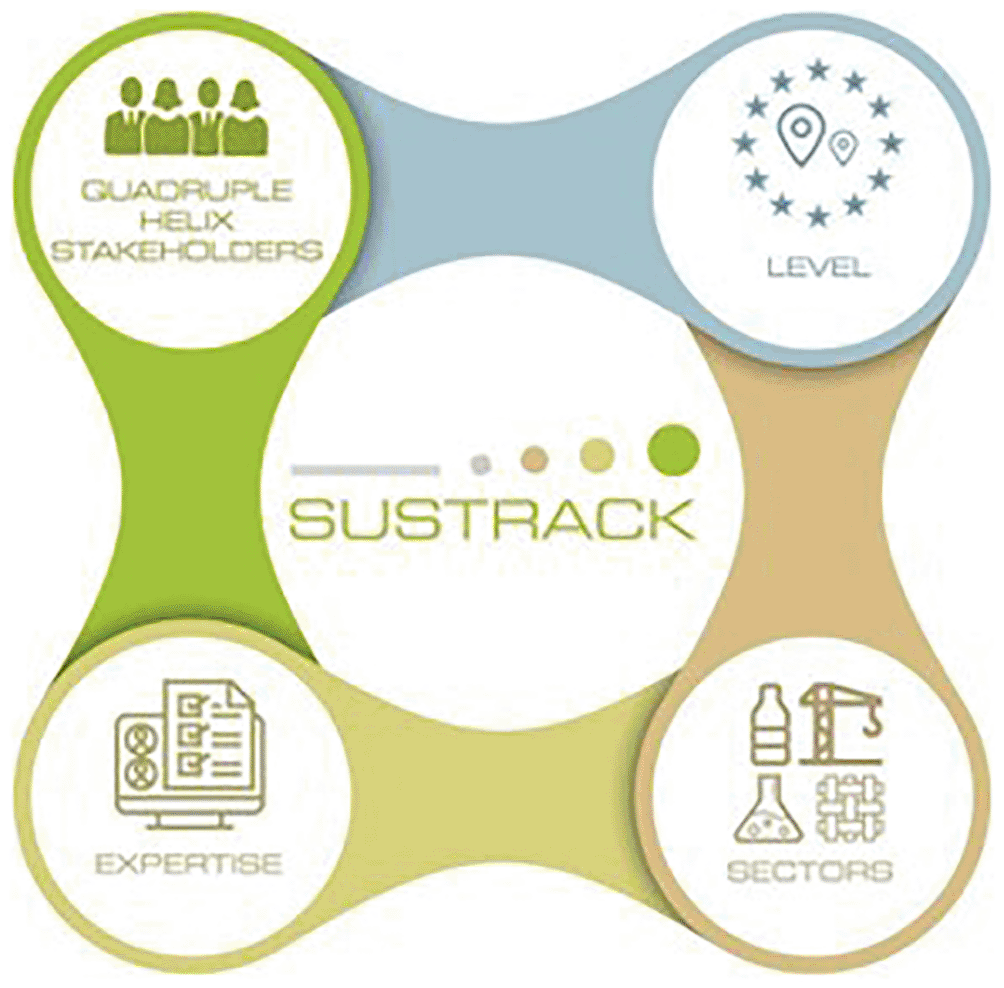
Figure 1. SUSTRACK stakeholder engagement model.
It is also worth mentioning that the SUSTRACK model targeted engaged actors to bridge the gap between pure research and actual CBBE practice. Although we aimed for broad representation, we acknowledge that certain groups crucial to the bioeconomy, such as the primary sector, youth, and financial actors, are generally underrepresented in engagement activitiesii and this could create a bias risk for barrier selection. However, the three-step approach was designed to serve as a filtering mechanism to overcome this bias with the help of using cut-off criteria to ensure the validity of the selection via consensus among stakeholders.
The FG was organised online, building on the extensive experience gathered during the COVID-19 pandemic, including the fruitful exploitation of online supporting tools such as the MIRO board.37 These tools, together with the FG recording, upon appropriate authorisation in compliance with GDPR, facilitated the elaboration of the insights that emerged and significantly reduced the risk of errors in transcribing comments verbatim in real-time.
The FG was structured in four main steps to guide the discussion: (i) setting the scene to facilitate a common ground for discussion; (ii) identification of missing barriers to the transition (compared to the shortlisted list of barriers identified in the literature review); (iii) prioritisation of the most relevant barriers; (iv) allocation of barriers to the four sectors of interest for the SUSTRACK project.
First, the SUSTRACK project was presented to stakeholders, and then each participant had the opportunity to introduce themselves and share their expectations regarding the SUSTRACK project and the event itself. During the FG, a total of 25 external participants were engaged. In the research field, there were 3 stakeholders, each from the construction and plastics sectors, accompanied by one from the chemicals and textiles sectors. The private sector was represented by 3 individuals from construction, 2 from plastics, and one from the chemicals and textiles sectors. NGOs and CSOs had one representative in the construction and plastics sectors. Project-relevant representatives included one stakeholder from the construction, chemicals, and textiles sectors. Additionally, there were participants from other fields, with construction attracting 2, plastics 1, and the chemicals sector 2 people. In total, the construction sector had the highest engagement with 9 participants, followed by the plastics sector with 8, the chemicals sector with 5, and the textiles sector with 3 participants.
The results of the barriers identified in the literature review were then presented.17 For this step, a total of 54 barriers, including 7 cultural, 11 economic, 4 environmental, 14 governance, 9 structural and 9 technical, were presented for discussion. Then, the interactive session started with the introduction of the online MIRO board, specifically designed to support the process, facilitating the presentation and visualisation of the barriers (
Figure 2). Stakeholders suggested additional barriers based on their background and experience, adding them to the appropriate cluster on the MIRO board.
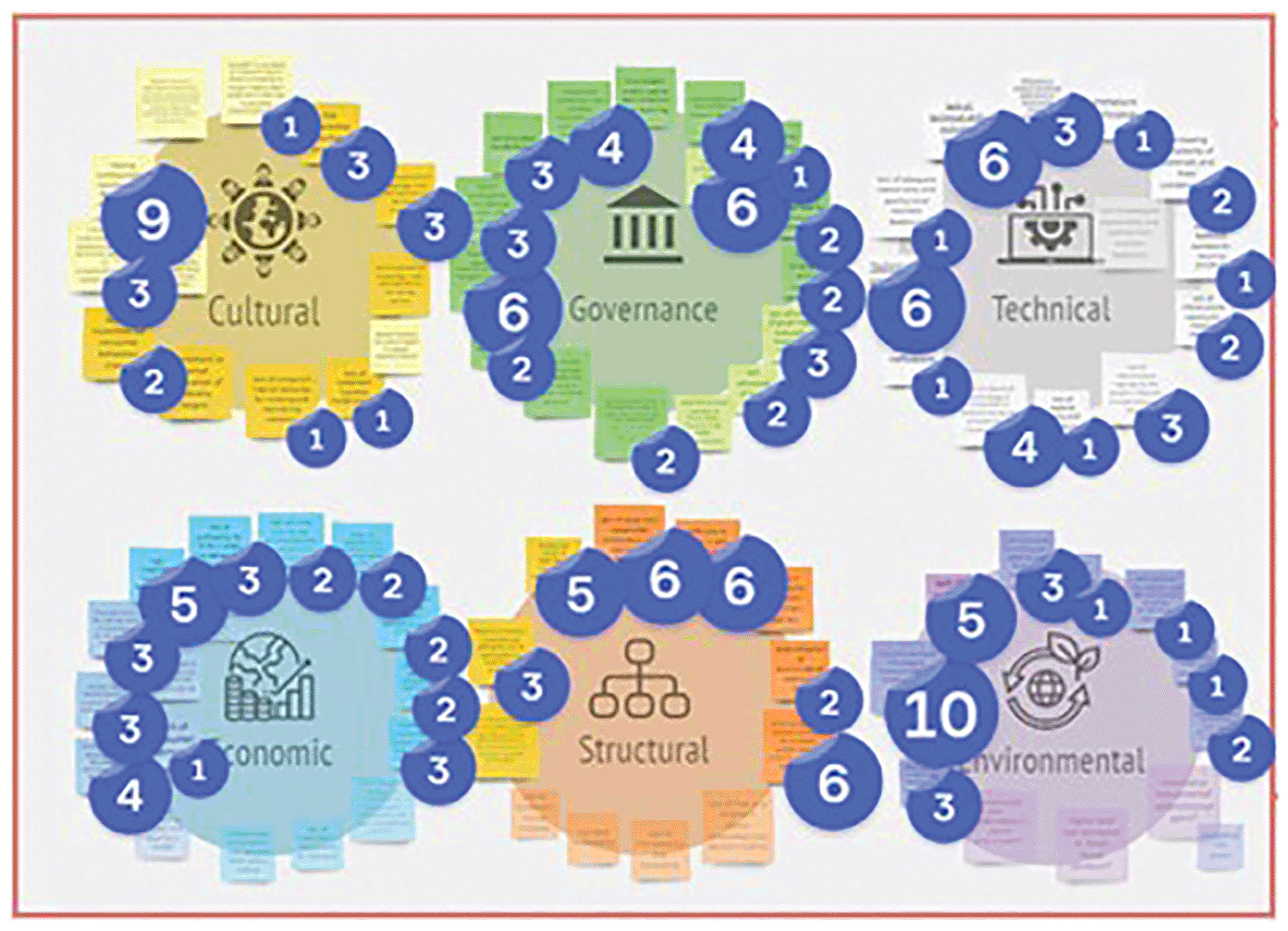
Figure 2. The structure of the MIRO Board for identifying additional barriers and prioritising them.
Stakeholders were then asked to use the voting tool to prioritise the most relevant barriers. They were given 10 votes to select the most urgent barriers to be addressed, based on their opinion (
Figure 2).
Finally, stakeholders were asked to allocate the barriers to the textile, construction, plastics, and chemicals sectors based on their relevance to each sector (
Figure 3). It should be noted that the same barriers may apply to different sectors.
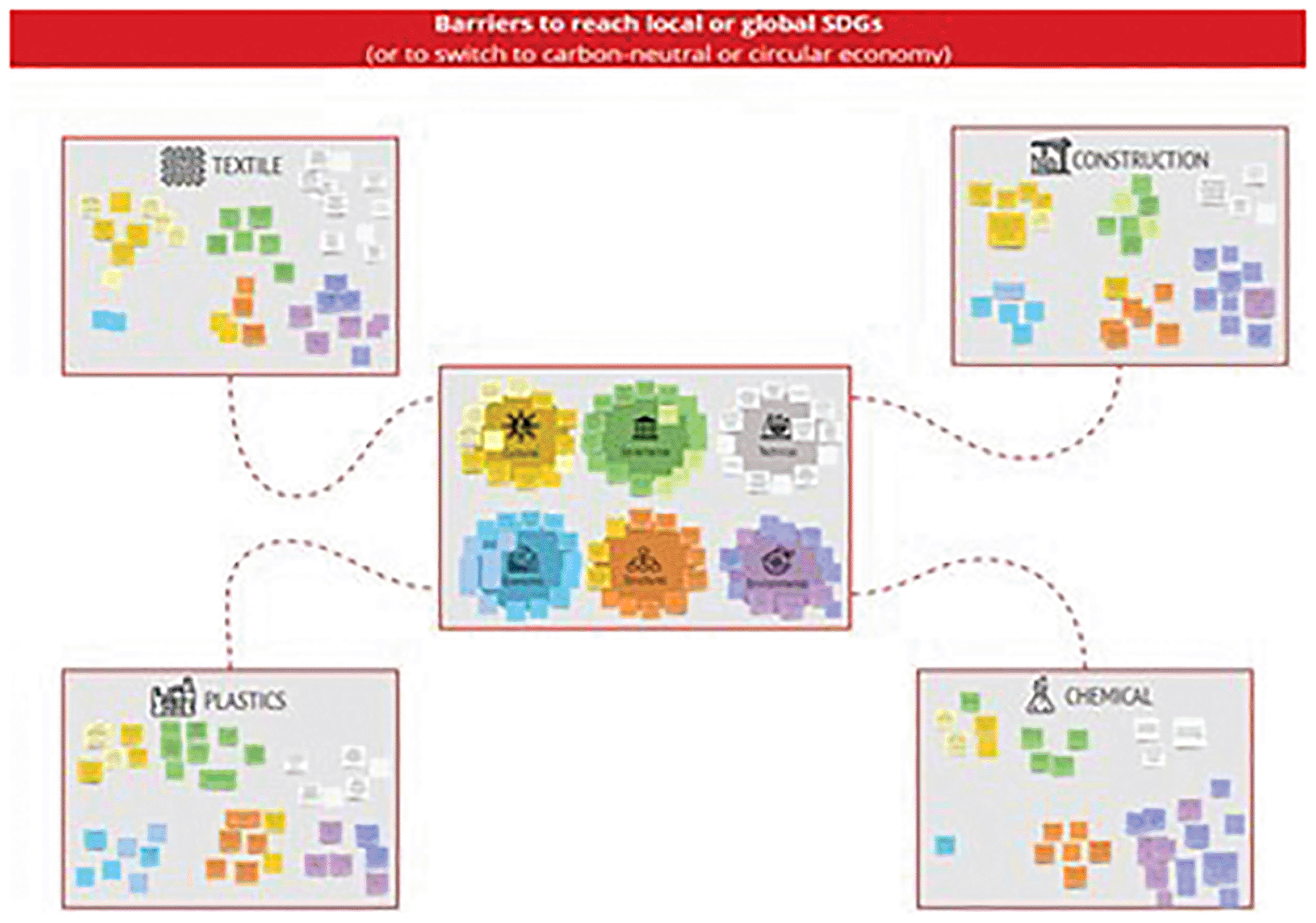
Figure 3. The structure of the MIRO Board to assign barriers to different sectors.
Step 2: One-to-one interviews with sector experts
3.2
To further validate and complement the results obtained, 20 expert interviews were conducted online. The interview process included eight steps, presented in
Figure 4.
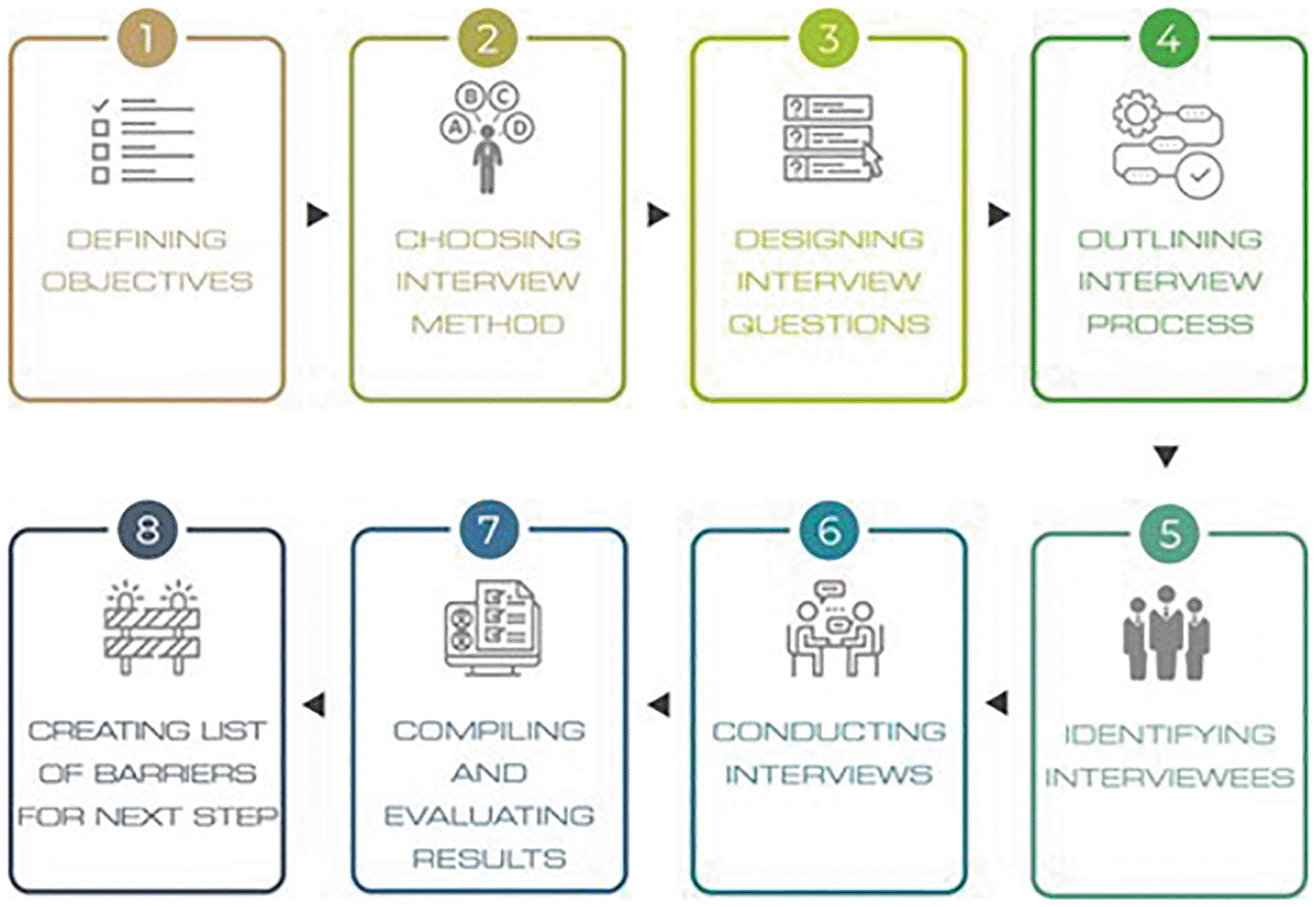
Figure 4. The methodological steps of the interviews.
First, the objectives were defined to guide and fit the research objective, namely to validate the identified barriers and allocate them to the four selected sectors. Second, a suitable interview method was selected in line with the aforementioned objective. The semi-structured approach was considered optimal given its versatility, as it accommodates both closed and open-ended questions and allows for follow-up questions if needed.38,39
The next step was to design the interview questions and compile them into a Microsoft PowerPoint presentation that was shared with the experts during the online interviews (
Figure 5). Microsoft PowerPoint was chosen not only to present the questions in written form to the interviewees, but also to allow the interviewers to take visible notes. This transparency ensured that interviewees were able to review the wording of their responses, enabling them to articulate answers that genuinely reflected their perspectives. Once the interview template had been created, the process was outlined, and potential expert interviewees were identified and contacted. A total of 33 invitations were sent out to prospective experts identified from the SUSTRACK stakeholder database and project networks, and 21 individuals accepted to be interviewed. Participants included representatives from academia (n = 9), industry (n = 7), policy (n = 2) and NGOs (n = 2). Interviews were scheduled for 45–60 minutes and conducted via online meeting platforms. One or two interviewers from the SUSTRACK team conducted each interview using a standardised interview template (
Figure 5).
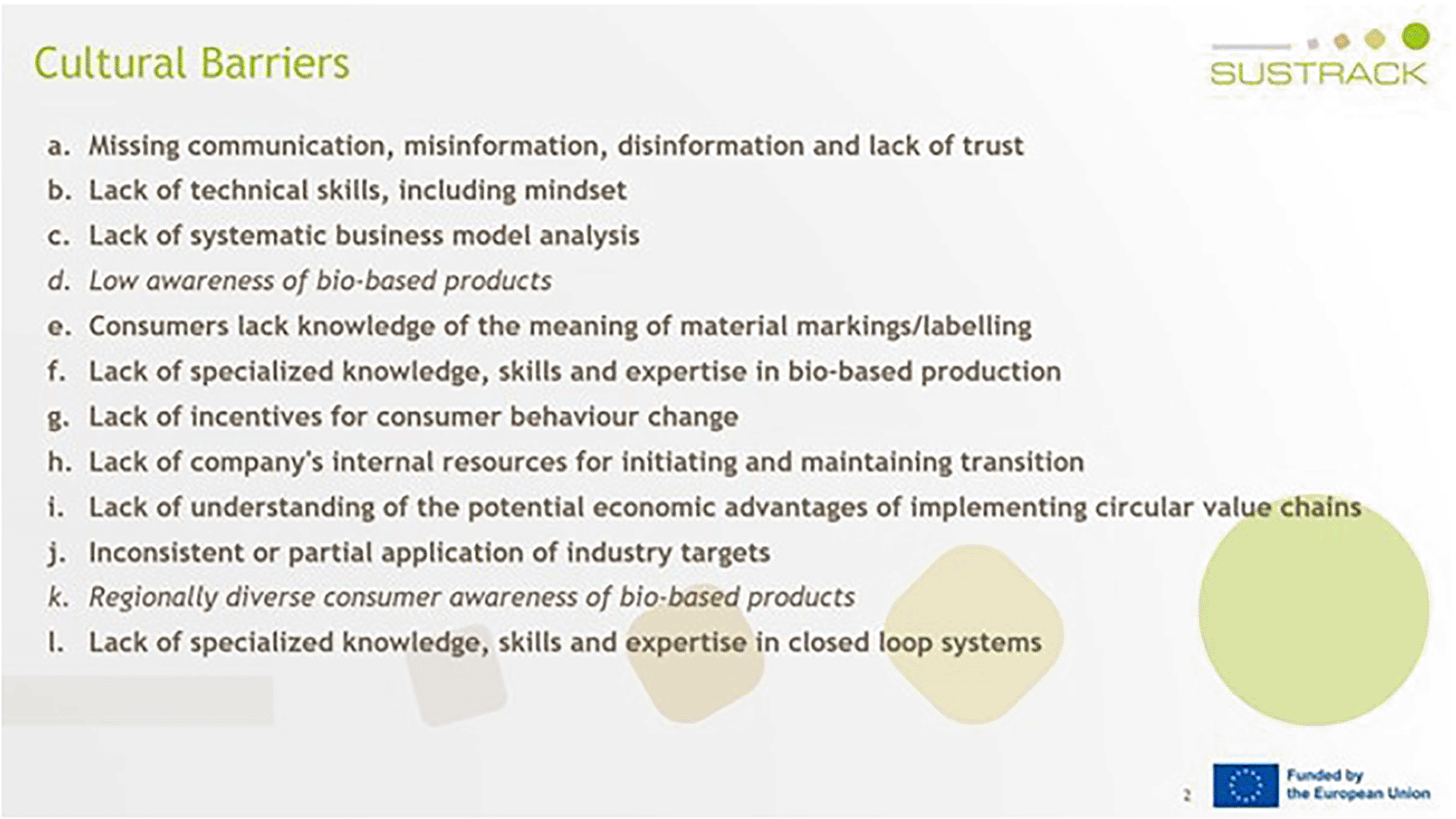
Figure 5. An example PowerPoint slide from an interview for the textile sector, showing how cultural barriers were validated (marked in bold).
The interviewees were asked to validate the barriers previously identified in the literature review and validated during the FG, to allocate them to the sector of their expertise if applicable, and to add any missing barriers (
Figure 5). Once all interviews had been completed, individual reports were created for each interview, and all the findings were analysed and aggregated.
The process of compiling the results of the interviews into a new list of barriers was twofold. On the one hand, the additional missing barriers suggested by the interviewees were reviewed and compared with the results of the literature review and the FG. Accordingly, some of these barriers were eliminated, and others were used to edit or complement existing barriers. On the other hand, to determine which existing barriers to retain, we applied a pre-defined validation rule: barriers validated by fewer than 40% of interviewed experts were removed from the pre-final list. The 40% threshold was selected to keep only those barriers that at least a meaningful share of experts agreed on, while avoiding the inclusion of very individual or uncommon responses.
Step 3: Survey
3.3
The consolidated list of barriers emerging from the literature review, FG and expert interviews was used to build an online survey implemented in LimeSurvey.40 The survey was distributed through the SUSTRACK network, targeted mailing lists, and social media. A total of 55 respondents representing institutions located in nine different European countries completed the survey. Of these, 21 participants (38%) represented one of the four specific sectors targeted by the project. The majority, accounting for 20 participants, represented the bio-based sector as a whole, while the remaining 14 respondents represented “other” sectors such as the blue economy, environment, and recycling. The survey allowed respondents to skip items they did not feel competent to answer.
The survey included a first section collecting respondent characteristics (stakeholder category, country, organisation size and sector represented), followed by the barrier rating blocks categorised into the six clusters (i.e., cultural, economic, environmental, governance, structural, and technical). For each barrier, respondents selected one of four options: “major”, “moderate”, “minor”, or “not a barrier” (
Table 1). A cut-off criterion was applied: barriers deemed major or moderate by at least 75% of survey respondents were retained This threshold was chosen in line with the literature findingsx to ensure that only barriers with broad consensus were selected, while still allowing for moderate variability in expert opinion. To reduce the risk that the results were overly dependent on this threshold, we conducted a brief sensitivity reflection. Lowering the cut-off to 70% or raising it to 80% did not materially change the set of retained barriers, and the relative ranking of barrier clusters remained stable. This suggests that the findings are robust to reasonable variations in the selection threshold.
Table 1. The description of the barrier nature.
|
Nature of the barrier | Description |
|---|
| Major barrier | A critical obstacle to the transition to a circular bio-based economy. Addressing it requires a coordinated effort and is crucial for the success of the transition |
| Moderate barrier | A substantial challenge but does not impede the transition as significantly as critical barriers. Addressing it is important, but not inevitable. |
| Minor barrier | A relatively smaller challenge that may slow down the transition but does not prevent it. While addressing it is not urgent, it should not be ignored. |
4.
Results and discussion
This section outlines the results obtained through different steps of stakeholder engagement activities. A schematic representation of the barrier identification and validation process is shown in
Figure 6. The following subsections are dedicated to the findings of different co-creation activities, i.e., Section 4.1 for the focus group results,
Section 4.2 for the interview results and Section 4.3 for the survey results.
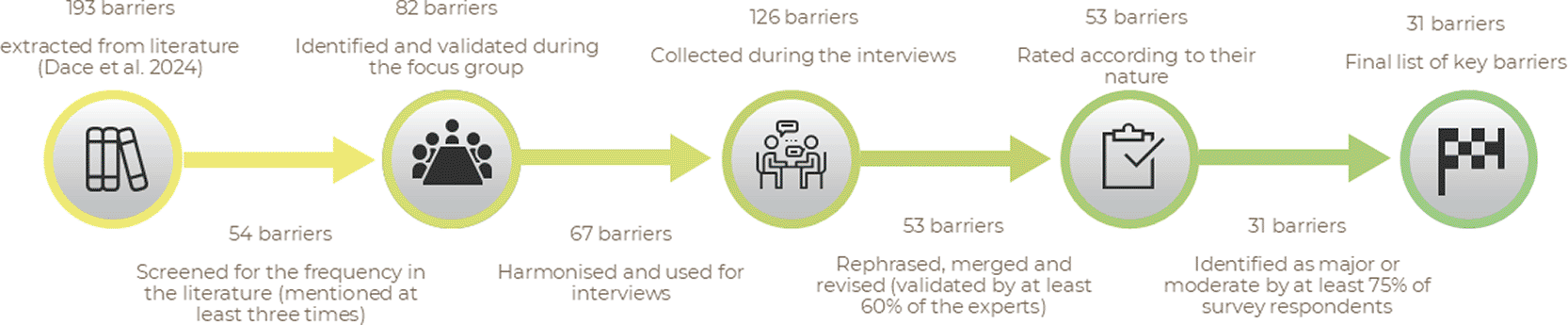
Figure 6. Evolution of barriers across the co-creation activities.
The results from the focus group
4.1
Dace et al.17 identified a total of 193 barriers across various sectors, including chemicals (63 barriers), construction (62 barriers), plastics (116 barriers), and textiles (54 barriers). These barriers were mentioned with varying frequencies in the literature. The top three barriers to the transition to a sustainable CBBE were identified as the cultural barrier “Lack of incentives for consumer behaviour change”, which was mentioned in 11 different reports, followed by the structural barrier “Lack of value chain stakeholder collaboration (including information exchange)” (10 reports), and the technical barrier “Increasing complexity of materials and their combinations” (9 reports). These barriers underscore the multifaceted nature of the challenges facing the transition to a sustainable CBBE. To proceed with stakeholder engagement, we applied a cut-off criterion, only considering barriers that were mentioned at least three times in different records. This resulted in a total of 51 barriers, including 14 governance barriers, 11 economic barriers, 9 structural barriers, 7 cultural barriers, and 9 technical barriers. Remarkably, only one barrier was classified under the environmental cluster.17 However, underscoring the urgency and importance of addressing environmental concerns, we added three additional environmental barriers from the literature review to initiate the FG discussion on the environmental cluster, despite their initial exclusion based on the cut-off criterion.
During the FG, the list of 54 barriers resulting from the literature review, which served as the starting point for the FG activity, was expanded to 82 barriers. Thus, 28 additional barriers across all clusters were suggested by the participating stakeholders. These 28 barriers included 19 that were identical or similar to ones already identified in the literature review, but did not meet the cut-off criterion and therefore were initially excluded from the presented list. The remaining 9 barriers were considered “original” as they were not previously identified in any of the reviewed literature but rather proposed by the experts participating in the FG.
Following the identification of missing barriers, FG attendees were asked to vote for the 10 most pressing barriers. They were able to allocate their votes to any of the barriers, whether from the provided list or the additional ones they suggested. During the FG, the environmental barrier that received the highest number of votes (10) was the “Lack of harmonised methods for environmental, climate, and sustainability impact assessment of CBBE”, which was suggested during the FG. It highlights the challenge of integrating universally accepted metrics and methodologies to evaluate the sustainability impacts of establishing a CBBE, which leads to uncertainties related to potential benefits. The need for such harmonisation is crucial for providing a reliable basis for monitoring progress towards sustainability goals, thus enhancing transparency. The cultural barrier “Missing communication, misinformation, disinformation and lack of trust” received 9 votes, making it the second most popular choice among stakeholders during the FG. 7 other barriers received 6 votes each, sharing the third place. Of these, 3 are structural, 2 are technical, and 2 are related to governance. Of the 7 barriers, 3 were proposed by stakeholders, while the remaining four came from the list presented (
Table 2).
Table 2. Top-rated barriers resulting from the FG.*
| Rating | Barrier (Votes) | Cluster |
Source |
|---|
| 1 | Lack of harmonised methods for environmental, climate, and sustainability impact assessment of CBBE (10) | Environmental | FG participants |
| 2 | Missing communication, misinformation, disinformation and lack of trust (9) | Cultural | FG participants |
| 3 | Difficulty to enter a well-established fossil-based market (6) | Structural | Literature review |
| 3 | Lack of value chain stakeholder collaboration (including information exchange) (6) | Structural | Literature review |
| 3 | Weak reconciliation between the need for economic growth with the need for sustainable development (6) | Structural | Literature review |
| 3 | Technical issues for scale-up (6) | Technical | FG participants |
| 3 | Lack of technical skills, including mindset (6) | Technical | FG participants |
| 3 | Competing political interests with “old” industries (big lobbies, etc.) (6) | Governance | FG participants |
| 3 | Fragmented regulatory environment across European countries and at the national/regional level (6) | Governance | Literature review |
It is noteworthy to highlight that only one of the top three most cited barriers in the literature review, specifically the structural barrier “Lack of value chain stakeholder collaboration (including information exchange)”, was prioritised as a top barrier in the FG. The other two most cited barriers, “Lack of incentives for consumer behaviour change” and “Increasing complexity of materials and their combinations”, received only two votes each. Out of the 82 barriers, 31 were voted for by at least three FG participants. Of the remaining barriers, 29 received only one or two votes, and 22 barriers received no votes at all.
The categorisation of the barriers into clusters was undertaken to find structure within the long list of barriers and group similar barriers together, separating them from those that are dissimilar. It is important to acknowledge that such classificatory activities are carried out on a subjective level, and there might be some overlap between categories. However, these clusters still provide a useful framework for analysis. As demonstrated in the table above, none of the top-rated barriers is economic. Of the three top-rated structural barriers, however, two can be viewed as economic, namely “Difficulty to enter a well-established fossil-based market” and “Weak reconciliation between the need for economic growth with the need for sustainable development”. A reallocation of the barriers to different clusters can be beneficial in revealing underlying factors. For instance, “Difficulty entering a well-established fossil-based market” could be seen as both a structural barrier due to the dominance of existing players and an economic barrier due to the lack of economic incentives for new entrants.
After voting, stakeholders were asked to allocate the barriers to their respective sectors of interest. Of the barriers, 31 were allocated to the plastics sector, 29 were relevant to both the textiles and construction sectors, and 25 were relevant to the chemicals sector. Only 3 barriers were allocated to all four sectors, whereas 21 were not allocated to any sector at all. Despite this, some of these barriers still received votes, including the technical barrier “Lack of technical skills, including mindset”, which shared third place in the prioritisation exercise. The 3 common barriers allocated to all sectors are: (i) Missing communication, misinformation, disinformation, and lack of trust; (ii) Lack of harmonised methods for environmental, climate, and sustainability impact assessment of CBBE; and (iii) Weak reconciliation between the need for economic growth with the need for sustainable development.
As the final step, we formulated a consolidated list of all barriers based on the feedback collected during the barrier rephrasing process and the addition of newly identified barriers. Overlapping barriers were merged, resulting in a concise list of 67 barriers for the follow-up project activities (Appendix A41). No barriers were removed from the originally provided list of 54 barriers.
The results from expert interviews
4.2
The resulting list of 67 barriers after FG was validated by experts during interviews and allocated to four key sectors: textiles, construction, plastics, and chemicals. The most frequently cited barrier across sectors was “Missing communication, misinformation, disinformation, and lack of trust,” while “Lack of systematic business model analysis” was the least cited.
For the textiles and plastics sectors, all 67 barriers were validated by at least one expert, though strong consensus was limited. In the textiles sector, 10 barriers were unanimously validated, whereas the plastics sector achieved unanimous agreement on only one: the environmental barrier “Lack of harmonised methods for environmental, climate, and sustainability impact assessment of CBBE.” In contrast, chemicals sector experts demonstrated higher consensus, unanimously validating 14 barriers, half of which fell under governance. However, two barriers, “Lack of systematic business model analysis” (cultural) and “Insufficient investment in mature closed-loop recycling technologies” (economic), received no validation from chemicals sector experts. The construction sector exhibited the greatest number of unvalidated barriers (10), likely due to the limited representation of experts (n = 3).
During the interviews, participants identified 59 additional barriers, expanding the list to 126. These new barriers spanned the six clusters: cultural (14), economic (12), governance (12), structural (8), environmental (7), and technical (6). Many new barriers were duplicates, closely related, or not true barriers according to our definition of a barrier, i.e. “a problem, rule or situation that prevents somebody from doing something, or that makes something impossible”.42
The process of compiling the results of the interviews into a new list of barriers was twofold. On the one hand, newly proposed barriers were compared against the literature findings of Dace et al.,17 leading to the elimination or refinement of some barriers. On the other hand, existing barriers validated by less than 40% of the experts were removed.
The process culminated in a pre-final list of 53 barriers. Although some edits were made for clarity and precision, the number of barriers remained unchanged, and the evolution of all barriers is presented in Appendix A. An example of the evolution of two barriers is provided as follows. Cultural barriers “Consumers lack knowledge of the meaning of material markings/labelling” and “Missing communication, misinformation, disinformation and lack of trust”, that have been added after the FG discussions, were revised after the interviews such as “Consumer confusion and lack of trust due to generic sustainability claims and the proliferation of certification schemes and labels” and “Missing communication, misinformation, and disinformation” to provide better clarity for the external stakeholders. Both barriers stayed in the final list after the survey.
The final list of barriers
4.3
The 53 barriers resulting from the interview step were prioritised through a survey, with the objective of identifying those that most significantly hinder the transition to a CBBE. Survey respondents rated barriers as major, moderate, minor, or non-barriers (
Table 1). A cut-off criterion was applied: barriers deemed major or moderate by at least 75% of survey respondents were retained. This process reduced the list to 31 key barriers (
Table 3). Notably, four barriers were identified as major by at least half of the respondents (28 out of 55), three of which belonged to governance, while one was an economic barrier. Detailed survey results are provided in Appendix B.41
Table 3. The final list of validated barriers.
| Cluster | Barrier |
|---|
| Cultural | Missing communication, misinformation, and disinformation |
| Consumer confusion and lack of trust due to generic sustainability claims and the proliferation of certification schemes and labels |
| Low awareness and knowledge of bio-based products |
| Lack of incentives for consumer behaviour change |
| Economic | High investment costs and risks for establishing circular bio-based industries |
| Fluctuating prices and unstable supply of biomass and (processed) raw materials |
| Weak cost competitiveness: bio-based vs. fossil-based ingredients, materials or products |
| Difficulties in reconciling economic growth with sustainable development |
| High operating costs: bio-based vs. fossil-based production |
| Lack of funding and investment in End-of-Life (EoL) infrastructure and waste management practices |
| Environmental | Concerns over (local) biomass feedstock availability within the limits of carrying capacity |
| Lack of harmonised methods for environmental, climate and sustainability impact assessments |
| Lack of knowledge and data on impacts |
| Governance | Regulatory complexities and lack of support for the transition at government level |
| Fragmented regulatory framework across European countries and at national/regional level |
| Competing political interests with fossil-based industries (big lobbies etc.) |
| Lack of alignment and consistency between different policies |
| Lack of market-based policies (e.g. subsidies or higher CO2 prices) to stimulate the market |
| Limited long-term policy reliability |
| Lack of supportive policy framework for product-related inner circles of the circular system (recycling, reuse, repair, redistribute, remanufacture, and refurbish) |
| Legislative limitations for applications of materials when classified as waste |
| Lack of clarity around policy targets and trajectories |
| Insufficiently ambitious targets and limited policy drivers |
| Structural | Lack of harmonized waste collection systems and infrastructure |
| Lack of established markets and value chains for by-products |
| Low data accessibility and lack of transparency and traceability |
| Lack of value chain stakeholder collaboration (including information exchange) |
| Social and technical lock-ins to the current linear system |
| Lack of mid- and long-term impact assessment and decision-making
|
| Technical | Incompatible and/or insufficient infrastructure capacity for EoL product collection, transportation, storage and management |
| Increasing complexity of materials and their combinations |
The results of the multi-stakeholder consultation have shown that the primary cultural barrier is the lack of communication regarding the advantages of bio-based products. This is closely followed by consumer confusion and mistrust arising from ambiguous sustainability claims. As a result of these barriers, there remains a limited understanding of bio-based products. Additionally, a significant challenge hindering the transition is the absence of incentives to encourage changes in consumer behaviour. These cultural barriers are strongly shaped by governance-related gaps; in particular, the absence of clear rules for sustainability claims and the lack of consumer-oriented policy instruments reinforce mistrust and reduce the perceived benefits of transitioning to bio-based alternatives. This highlights how barriers interact across clusters, especially the fact that weak governance frameworks contribute to consumer mistrust. Previous research has also stressed the importance of stakeholder engagement and social acceptance.14,16 Our findings deepen this understanding by identifying specific mechanisms, such as consumer confusion due to unclear sustainability claims and label proliferation and by explicitly linking these cultural barriers to governance failures. The most challenging barrier within the economic cluster is the high costs and risks involved in setting up circular bio-based systems. Furthermore, bio-based production also incurs higher operating costs. These economic barriers are closely related to structural factors. Indeed, regulatory uncertainty and the lock-ins in favour of the established fossil-based economy raise operational costs for bio-based solutions. The results align with previous studies highlighting high costs, investment risks, and limited market incentives as major barriersiv,v,vi,vii. However, while earlier sector-specific research tends to emphasise cost-efficiency and scalability, the present findings show that economic barriers are deeply intertwined with governance and structural constraints, suggesting that purely market-based solutions may be insufficient.
The most pressing environmental challenge is the concern of (local) biomass within the limits of the carrying capacity. Additionally, the lack of knowledge and data availability for assessing the impact on the environment of the different steps of the life cycle of bio-based products, coupled with the lack of harmonised methods for environmental, climate, and sustainability impact assessment, are seen as urgent concerns to be addressed. The concerns regarding biomass sustainability and the lack of harmonised assessment methodologies reinforce existing discussions in the literature about environmental trade-offs and life-cycle uncertainties. However, this study highlights more explicitly the role of data gaps and methodological inconsistencies as critical bottlenecks.
The most challenging governance barriers are related to the lack of a supportive regulatory framework for establishing a CBBE, characterised by complexity and conflicting policy goals. Additionally, the lack of a level playing field and the existence of competing political interests between the fossil-based and the bio-based economy are emphasised. The findings strongly confirm the literature identifying regulatory uncertainty, policy fragmentation, and demand-side policy gaps as key obstaclesvii. However, this study advances the literature by empirically demonstrating through stakeholder validation that governance barriers are perceived as the most critical in practice, rather than merely theoretical concerns.
Within the structural cluster, the most pressing barrier is the lack of harmonised waste collection systems and infrastructure. In addition, the lack of established markets and value chains for byproducts is hampering the establishment of circular business models, and this is related to the technical lock-ins to the current linear system. Experts also identified the collaboration among value chain stakeholders as a challenge to be overcome to support the establishment of a CBBE. The results are closely aligned with studies emphasising the importance of value chain coordination along with infrastructure challengesii.17,28 Many studies tend to focus on technical, economic, and regulatory barriers, often relying on literature reviews and expert assessments, which risks omitting key dimensions such as cultural resistance or lack of coordination essential for a successful CBBE transitioni,ii,xi,xii. In contrast, studies that engage stakeholders utilize participatory methods which capture a wider range of barriers (e.g. social, cultural, structural), thereby providing a richer, context-sensitive analysis and enabling the co-creation of actionable solutionsi,xiii,xiv. The identified lack of stakeholder collaboration confirms prior findings but also extends them by demonstrating how these challenges are linked to governance issues such as regulatory fragmentation and policy misalignment.
Immature technologies and insufficient capacities for EoL product treatments are considered the most challenging barriers within the technical cluster. In addition, the increasing complexities of materials and their combinations were also viewed as a major challenge, which in turn can affect both the production and the EoL treatment of these products. Consistent with prior research, technological immaturity, scalability challenges, and limitations in feedstock and processing are confirmed as relevant barriersiv,v. Nonetheless, in contrast to earlier studies that position these as dominant constraints, the current findings indicate that technical barriers are secondary to governance and structural issues when assessed across sectors.
The list of 31 validated barriers indicates that the transition is asking for rather structural and governance changes to steer the current economic model to a more circular and sustainable one. The dominance of governance, structural, and economic barriers suggests that the challenges are systemic rather than isolated and related to only one category. In this study, we highlighted the importance of adopting a joint approach combining literature review and stakeholder engagement activities to improve the understanding of the problem and detect the hotspots to be taken into account in developing solution strategies and policy recommendations.
Implications for Policy, Practice, and Future Research
4.4
The findings of this study have important implications for policy, industry, and future research on the transition towards a CBBE.
From a policy perspective, the dominance of governance and structural barriers highlights the need for more coherent, stable, and aligned policy frameworks. Regulatory fragmentation and unclear policy targets create uncertainty that discourages investment and slows down the transition. Policymakers should prioritise harmonisation across governance levels, strengthen long-term policy reliability, and introduce targeted market-based instruments (e.g., subsidies, carbon pricing, green public procurement) to improve the competitiveness of bio-based solutions. In addition, clearer standards and guidelines for sustainability claims are essential to address consumer mistrust and improve market uptake.
From an industry and managerial perspective, the results underline that firms cannot overcome transition barriers in isolation. The lack of value chain collaboration, insufficient infrastructure, and limited data transparency call for stronger partnerships across stakeholders. Companies should actively engage in collaborative platforms, invest in traceability and information-sharing systems, and develop joint strategies for end-of-life management. Furthermore, improving communication with consumers will be critical to reduce confusion and build trust in bio-based products.
From a research and methodological perspective, this study demonstrates the value of combining literature review with multi-step stakeholder engagement to identify and prioritise systemic barriers. The proposed approach provides a replicable framework for future research aiming to bridge the gap between theoretical insights and practical implementation. Future studies could extend this methodology to other sectors or regions, and further link barrier identification with quantitative prioritisation methods and policy scenario analysis.
5.
Conclusions
In the pursuit of sustainable and resilient economic models, a paradigm shift towards a CBBE has emerged as an innovative approach. Stakeholder involvement is a critical element of this transition to CBBE, as it helps bridge the gap between scientific advancements and practical implementation. This study aims to identify the most prominent barriers to the CBBE transition with an extensive stakeholder engagement strategy with representatives from the construction, chemicals, plastics, and textile sectors.
Upon a series of activities, adopting the SUSTRACK stakeholder engagement strategy, we reached a list of 31 barriers that are hindering the transition to a CBBE. In summary, the most prominent barriers in each cluster include (i) Consumer confusion and lack of trust due to generic sustainability claims and the proliferation of certification schemes and labels; (ii) High investment costs and risks for establishing circular bio-based industries; (iii) Concerns over (local) biomass feedstock availability within the limits of carrying capacity; (iv) Regulatory complexities and lack of support for the transition at the government level; (v) Lack of harmonized waste collection systems and infrastructure and (vi) Incompatible and/or insufficient infrastructure capacity for EoL product collection, transportation, storage and management.
The findings of this study highlight that the transition to a CBBE requires coordinated action across policy, industry, and research. From a policy perspective, greater regulatory coherence, long-term stability, and targeted market incentives are essential to address systemic barriers and create a level playing field. For the industry, stronger value chain collaboration, improved infrastructure, and more transparent communication with consumers are critical to overcoming operational and market challenges. From a research perspective, the study demonstrates the value of stakeholder-driven approaches in identifying and prioritising barriers, offering a replicable framework to support evidence-based policy design and future transition studies.
Despite the structured and multi-step stakeholder engagement approach adopted in this study, some limitations related to the implementation of engagement activities should be acknowledged. The findings of this study offer a consolidated perspective on the critical hurdles facing the transition to a sustainable CBBE, yet their generalizability should be considered within the scope of the four carbon-intensive sectors analysed: construction, chemicals, plastics, and textiles. Although efforts were made to ensure a broad and balanced representation across sectors, geographical levels, and stakeholder categories, the composition of participants was inevitably influenced by existing project networks and voluntary participation. As a result, certain stakeholder groups, in particular financial actors, primary producers, local authorities, and youth representatives, as well as representatives of less advanced countries in CBBE, were underrepresented. This may have limited the depth of certain insights. On the other hand, participation was inherently influenced by self-selection mechanisms. Stakeholders who are already engaged or interested in CBBE topics were more likely to participate in focus groups, interviews, and surveys, potentially leading to an overrepresentation of more informed or proactive perspectives, while more sceptical, less aware, or resource-constrained actors may remain underrepresented. The survey-based validation relied on self-reported assessments of barrier relevance, which reflects respondents’ professional backgrounds, institutional positions, strategic interests and levels of expertise with specific sectors or value chain stages. While the applied cut-off criteria enhanced robustness, the perceived importance and prioritisation of certain barriers may differ from their actual systemic impact on the transition. Overall, these limitations reflect common challenges inherent to participatory and co-creation-based research. Acknowledging them is essential to correctly frame the findings and to inform the design of future stakeholder engagement activities aimed at supporting evidence-based policy development for the CBBE.
The findings in this study are expected to feed into the further development of sector-based policy recommendations to overcome these barriers in the transition. To this aim, follow-up studies are planned to make a prioritisation of the list of barriers across different sectors through analytical methods such as analytical hierarchy and analytical network processes. Building on the analytical results tailor-made policy recommendations and roadmaps will be delivered to provide actionable knowledge on how to remove the prioritised barriers for each sector of interest.
Ethical and consent
The SUSTRACK project (funded under the Horizon Europe programme Grant Agreement number 101081823) received Ethics Clearance from the European Commission following an Ethics Check at the proposal stage (May 2022). The project Data Management Plan, prepared in accordance with the European Commission’s recommended structure and including ethics considerations, ensures compliance with the EU General Data Protection Regulation (GDPR) and relevant national regulations. Since the European Commission’s Ethics Clearance is deemed sufficient for Horizon Europe projects, no additional approval from any institutional review board was obtained.
The informed consent procedure is defined in the SUSTRACK Data Management Plan and complies with the standards of the Horizon Europe programme. Written informed consent was obtained from all participants prior to their involvement in project activities. Consent was collected through online registration forms (via third-party provider within secure environment), which included specific sections covering participation in workshops and events, as well as the use of photographs, video recordings, and other audiovisual materials. Participants were informed about the purpose of data collection, the scope of data use, and their rights under the EU General Data Protection Regulation (GDPR). Only individuals who provided explicit consent were included in the study.
Data availability
Extended data
Zenodo: Dataset from the SUSTRACK project, available at: https://zenodo.org/records/1761001741
The dataset includes:
• Appendix A. Evolution of barriers for review.xlsx (spreadsheets showing how the identified barriers under each cluster were changed during the various stakeholder engagement activities).
• Appendix B. Ranking of barriers for review.xlsx (spreadsheets showing the survey results of how the identified barriers under each cluster were ranked).
• Survey questions
• Interview presentation materials
• Supporting forms and templates (informed consent form and data subject form)
Data are available under the terms of the Creative Commons Zero “No rights reserved” data waiver (CC0 1.0 Public domain dedication).







