Introduction
Cancer remains the second leading cause of premature death and disability worldwide (Bray et al., 2018). In the European Union, it accounts for approximately 4.7 million new cases and 2.1 million deaths annually (Dyba et al., 2021). Recognising the magnitude of this public health challenge, the European Commission (EC) has prioritised cancer control as a key policy objective. This is reflected in Europe’s Beating Cancer Plan (EC, 2022), which outlines strategic actions to improve cancer prevention, early detection, treatment, and survivorship.
Cancer care involves long-term follow-up, complex treatment pathways, and high volumes of medical information, which demand that patients and professionals make informed decisions continuously throughout the care trajectory (Shickh et al., 2023). In this context, the digital transformation of healthcare is reshaping how cancer care is delivered and experienced. Telemedicine, electronic health records, mobile apps, and artificial intelligence tools are becoming increasingly embedded in oncology practice. However, capitalising on these advances requires adequate digital health literacy among both professionals (Tuominen et al., 2024b). Simultaneously, patients, particularly older adults, individuals living in rural areas, or those with lower socioeconomic status, often face substantial barriers to digital health access and engagement, including poor internet infrastructure, limited skills, and lack of tailored support (Gottlob et al., 2025; Yuen et al., 2024). These disparities highlight the urgent need to incorporate digital health literacy as a fundamental component of cancer care strategies, to ensure equitable access and improved health outcomes for all.
Despite the increasing presence of digital tools in oncology, structured training in digital health literacy for healthcare professionals remains limited (Liñares & Charalambous, 2025; Protogiros et al., 2025). Existing educational programs often fail to address the full spectrum of digital competencies needed to safely and effectively support patients in digital environments (Tischendorf et al., 2024). Moreover, the implementation of digital health solutions raises ethical, legal, technical, and policy-related challenges such as data privacy, digital equity, and the regulation of telemedicine (Livieri et al., 2025). A key limitation is the absence of consensus on what digital health literacy competencies should be included in professional development frameworks, which hampers the development of coherent, actionable, and widely applicable training strategies (Lawrence & Levine, 2024). Furthermore, training needs in cancer care vary depending on professional roles, with clinical and non-clinical professionals requiring different sets of digital competencies to fulfil their respective functions effectively (Liñares et al., 2025). Addressing these gaps is essential to ensure that healthcare professionals are equipped to meet the demands of digital cancer care.
In view of these challenges, the TRANSiTION project was co-funded by the European Union to address the digital training needs of the oncology workforce (https://www.europeancancer.org/hpv/impact/resource/transition.html). The project aims to develop an advanced training programme for both clinical and non-clinical professionals involved in cancer care, equipping them with the digital competencies needed to enhance the effectiveness and efficiency of information exchange with patients and other healthcare stakeholders. TRANSiTION brings together an interdisciplinary consortium of 24 partners across 14 EU Member States, each with extensive expertise in designing, evaluating, and implementing continuing professional development programmes in oncology. As part of this initiative, one of the project’s work packages focused on assessing training needs, with the objective of identifying both the specific requirements of future users and existing gaps in digital health literacy among professionals working in cancer care. Specifically, it responds to the lack of consensus on digital health literacy competencies and seeks to establish a coherent training framework.
Building on this rationale, the Nominal Group Technique (NGT) provides a structured, transparent process that elicits diverse perspectives, mitigates dominance effects, and yields ranked priorities suited to decision-making and guideline development in healthcare (Allen et al., 2004; McMillan et al., 2016). Recent methodological work also supports virtual adaptations of NGT when appropriate (Lee et al., 2024), and offers guidance for rigorous reporting (Gattrell et al., 2024). In oncology, NGT has been used to prioritize evidence–practice gaps in lung cancer care (Rankin et al., 2016), define quality metrics in pediatric end-of-life cancer care (Johnston et al., 2024), and develop, refine, and prioritize patient-care recommendations and service priorities across settings (Algeo et al., 2022; Humphrey et al., 2025; Somers et al., 2019; Stiger et al., 2025).
Accordingly, this study reports on two user experience (UX) design workshops conducted within the TRANSiTION project, each applying the NGT to elicit expert input on the digital training needs of cancer care professionals. The aim was to generate actionable, prioritised recommendations to inform the development of a comprehensive training framework, capturing perspectives from both clinical and non-clinical professionals across diverse countries and healthcare settings.
Method
Design
This study adopted a qualitative descriptive design underpinned by the NGT. It was implemented through two UX design workshops as part of the TRANSiTION project (Grant Agreement No. 101101261), which aims to develop a comprehensive training framework to enhance digital health literacy among clinical professionals (CP) and non-clinical professionals (NCP) involved in cancer care. CP are defined as members of healthcare organisations providing direct cancer care (e.g., oncologists, radiotherapists, oncology nurses, family physicians, and community nurses), whereas NCP refers to individuals performing administrative, managerial, or support functions related to cancer care, regardless of their professional background.
Participants
Two UX design workshops were conducted. Participants were selected through purposive sampling to ensure the inclusion of individuals with relevant expertise in cancer care and digital health literacy. Recruitment was carried out by members of the TRANSiTION consortium, who shared the workshop invitations via email and identified potential participants who met the predefined inclusion criteria. Consortium members were also eligible to participate. While some participants were consortium members or had prior professional contact with the research team, others were external invitees with no previous relationship with the facilitators.
Procedure
Each workshop was guided by a central focus question presented to all participants: “Considering the existing needs, select an ethical, policy, legal and/or technical recommendation, to partners or stakeholders, to ensure digital health literacy in cancer care.” This question was formulated within the framework of the TRANSiTION project, reflecting its emphasis on the ethical, policy, legal, and technical dimensions of digital health literacy in cancer care. It served as the basis for the idea generation and voting process. No pilot testing was conducted.
The first workshop was held on 25 September 2023 in a hybrid format, combining in-person and online participation, in Limassol, Cyprus. The second took place on 21 October 2023 in Madrid, Spain, and was conducted entirely in person.
Both workshops followed the same structured format based on the NGT. The first session lasted 120 minutes, beginning with 25 minutes dedicated to background information and participant introductions. This was followed by a 90-minute NGT session. During this time, each participant had 2 minutes to silently write up to two recommendations. Participants then shared their suggestions aloud, one at a time, without elaboration. Once all ideas were presented, a group discussion was held to clarify and synthesise the proposals, merging similar suggestions into unified statements. Participants subsequently voted for the three recommendations they considered most important. The final 5 minutes of the workshop were reserved for acknowledgements and closing remarks.
The second workshop followed the same structure, but with a shorter total duration of 90 minutes: 25 minutes for the background presentation, 60 minutes for the NGT session, and 5 minutes for the closing. The time reduction reflected the smaller group size.
Both workshops were conducted in English to ensure consistent communication among participants from diverse countries. As the TRANSiTION consortium included members from across Europe and beyond, English served as the shared working language, supporting inclusive participation and alignment with the project’s dissemination and communication strategy.
Each session was led by two members of the research team, both full-time researchers and members of the TRANSiTION consortium. One was a female physician specialised in public health with a PhD; the other was a male psychologist with a PhD in consumer and user research. Both had prior training and experience in the application of qualitative methods, including structured group techniques. One served as the main moderator, introducing the session, coordinating speaking turns, and guiding the synthesis of ideas. The second researcher conducted a real-time thematic analysis of participant contributions and took supporting notes to facilitate the consolidation and prioritisation of ideas for the voting phase. All participants received an information sheet in advance, outlining the study’s objectives, the researchers’ roles, and the intended use of the findings to support digital health literacy in cancer care.
Each session was video recorded with participants’ consent for documentation and analysis purposes. No repeat workshops or follow-up interviews were conducted. Transcripts were not returned to participants, as data collection was based on structured prompts, digital input, and real-time group discussion. Data saturation was not applicable given the consensus-oriented nature of the methodology.
Informed consent for participation was obtained verbally from all participants prior to the workshops. Verbal consent was considered appropriate given the time-limited, workshop-based format (hybrid and in-person) and the minimal-risk nature of the activity. Consent was explicitly requested and audio-visually recorded at the beginning of each session, including consent for video recording for documentation and analysis purposes. Written consent was therefore not collected. Ethics approval/waiver was confirmed by the Pontevedra–Vigo–Ourense Research Ethics Committee (ref: 2023/309).
Data analysis
A descriptive univariate analysis was conducted using data collected via the Slido.com platform during both UX design workshops. No formal refusals or dropouts were reported, and all individuals who agreed to participate completed the session. The analysis focused on the frequency of responses and prioritisation scores assigned during the voting phase of the NGT. The most frequently selected recommendations were identified and ranked by the number of votes received. No inferential statistical tests were applied, as the goal was to identify areas of consensus and priority among expert participants rather than to generalise findings.
Additionally, a real-time thematic synthesis was conducted by one researcher during each session. This involved grouping overlapping or similar suggestions into consolidated statements for the voting phase. Themes were derived inductively from the data generated during the sessions. No formal coding tree was created, and the data were managed manually without qualitative analysis software. Although sessions were recorded, participants did not review transcripts or provide feedback on the findings. However, their active involvement in the discussion and voting process directly informed the final recommendations.
Results
First UX design workshop
The first UX design workshop involved 34 participants (25 women, 9 men) from organisations based in 16 countries: Belgium, Bulgaria, Croatia, Cyprus, Czech Republic, France, Germany, Hungary, Latvia, Portugal, Romania, Saudi Arabia, Slovenia, Spain, Switzerland, and the United States. Participants were affiliated with institutions such as the Institute of Information Theory and Automation of the CAS, Institut Català d'Oncologia (ICO), International Systems Engineering (ISE), Riga Stradins University (RSU), The Oncology Institute "Prof. Dr. Ion Chiricuţă" Cluj-Napoca, Universitat Oberta de Catalunya (UOC), University of Bern (UB), University of Caen Normandy (UCN), University of Cyprus (UC), University of Lorraine, University of Maribor (UM), University of New Mexico (UNM), University of Osijek (UNIOS), and University of the Balearic Islands (UIB). Of the total sample, 25 participants attended in person, and 9 participated online. Among them, 3 were CP and 31 were NCP.
Given that most participants were non-clinical professionals, the session allowed for in-depth reflection from this perspective. During the group discussion, the consolidated recommendations (see Table 1) were reviewed and prioritised. The topic that received the most attention was the design and delivery of digital literacy training resulting from the TRANSiTION project. Participants stressed the importance of combining accurate and up-to-date content with a user-friendly interface tailored to the resources available. They agreed that “excellent content is of little use if it fails to engage the end users.”
Table 1. Feedback from the first UX design workshop.
| Considering the existing needs, select an ethical, policy, legal and/or technical recommendation, to partners or stakeholders, to ensure digital health literacy in cancer care |
|---|
“Technical - Prioritize accessibility features, such as text-to-speech and screen readers, to ensure that individuals with disabilities can effectively use these tools.”
“Include digital health courses for HCPs into national training programs.”
“Technical aspects should be very simple, intuitive, structured, and not overwhelming with information, with options to personalise the content/menu. Legal: all basic legal aspects related to regular workflow.”
“Empower patients to use e.g., online portals and telehealth services.”
“Increase in ICT related workforce in healthcare to support healthcare professionals. Training, funding, policy, organisational HR strategy, etc.”
“Educating healthcare professionals to be more positive towards change and to accept and adapt to new technologies.”
“We have to ensure the education of health care providers on digital tools.”
“New policies and procedures for telemedicine in health care. Especially in cancer care and in rural areas. New protocols and guidelines for ethical matters for the digital care is needed.”
“Technical.”
“Use common data models and translations.”
“Collaboration between non-clinicians and clinicians.”
“Communication with the cancer patients through constant feedback.”
“Understand the potential benefits of digital health; updated and continuous training for professionals.”
“Ethics especially in AI in healthcare.”
“Protection of personal information, Implementation within the NHS.” |
In line with the NGT, the ideas raised during the discussion were synthesised and presented for prioritisation through voting. Participants identified several key recommendations to guide the development of the TRANSiTION training framework. A total of 102 votes were obtained from the 34 participants.
The most highly prioritised recommendation was to promote telemedicine as a central component of training, with the aim of increasing patient empowerment in cancer care settings. This recommendation received 24 votes, with approximately 70 % of participants choosing it. The second most voted recommendation, selected by 19 participants (55 %), emphasised the importance of developing a user-friendly interface for the training platform. Participants noted that the effectiveness of the training depends not only on content quality but also on usability and accessibility for diverse user profiles. Two recommendations received equal support and were jointly ranked third (n = 15; 45 %): the need to train both clinical and non-clinical professionals in the ethical and secure handling of personal data, and the importance of addressing the specific challenges of rural areas, particularly by reducing the digital divide and ensuring equal access to digital resources. These results reflect the participants’ shared concern for ethical, technical, and contextual dimensions of digital health literacy in cancer care. The rest of the recommendations collected are shown in Figure 1.
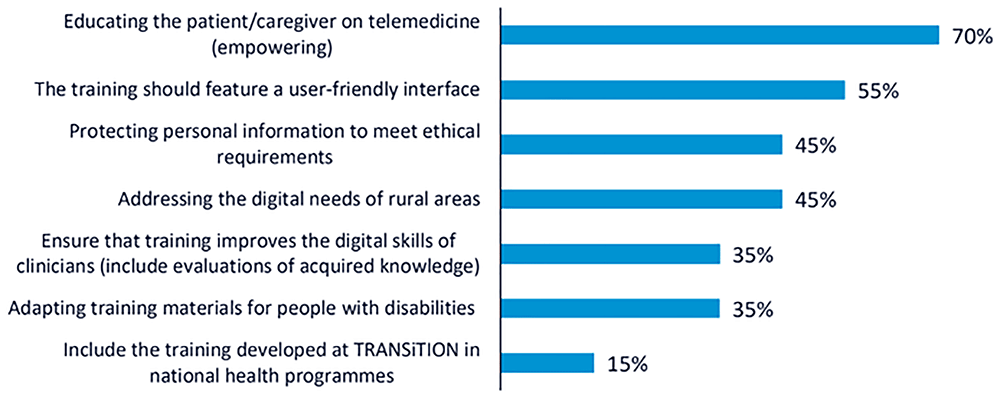
Figure 1. Percentage of participants selecting each recommendation during the voting phase of the first UX design workshop.
Second UX design workshop
The second workshop included 10 participants (6 women, 4 men), aged between 29 and 48 years, from 6 countries: Belgium, Cyprus, Greece, Portugal, Spain, and Turkey. Participants were affiliated with the following organisations: Associação de Investigação de Cuidados de Suporte em Oncologia (AICSO), Cyprus University of Technology (CUT), European Cancer Organisation (ECO), European Oncology Nursing Society (EONS), Hospital Universitario Infanta Sofía, Koc University, and Servizo Galego de Saúde (SERGAS). Of these, 6 were CP and 4 were NCP.
The second UX design workshop followed the same structured procedure as the first. In this session, the composition of the group included a higher proportion of clinical professionals. This sampling strategy was intentional, aimed at capturing deeper insights and reflections from those directly involved in patient care.
The participants’ contributions, collected via the Slido.com platform, reflected a strong concern for ethical considerations in the digital transformation of healthcare (see Table 2). The most extensively discussed topic during the group debate was the role of ethics in the computerisation of medicine. Participants raised questions about how the TRANSiTION project could uphold the ethical rights of both professionals and patients in the shift toward digital health solutions.
Table 2. Feedback from the second UX design workshop.
| Considering the existing needs, select an ethical, policy, legal and/or technical recommendation, to partners or stakeholders, to ensure digital health literacy in cancer care |
|---|
“Combination of digital skills education for clinical professionals with specific training on data security.”
“Ensure the safety of data (ethical); ensure the quality of applications and regulate its use -quality and loyalty assurance
(legal); development with the input by users and updated continuously (technical)”
“I would say there needs to be a combination approach between policy (digital skills being part of professional
qualification requirements) and technical (clinical training) intervention to ensure health literacy and its sustainability”
“Depending on what exactly digital health literacy obtains within Transition project, I would always first address the
ethical and legal side towards the patient prior technical implementation itself”
“Ethical & technical followed by policy”
“Policy recommendation: supporting local community efforts on digital literacy for professionals from areas and
population groups affected by the digital divide (e.g., Eastern Europe, rural areas, older generations, etc.)”
“If I have to choose then I will choose the ethical and technical part” |
Another recurring theme was the potential reluctance of patients and caregivers to accept non-face-to-face procedures in oncology care. Participants emphasised that a sense of security and trust is fundamental for patients navigating digital interactions. Accordingly, the group recommended that the TRANSiTION training framework should equip healthcare professionals with the skills to foster this sense of safety and confidence in digital settings.
These discussions underscored the importance of integrating ethical awareness and patient-centred communication strategies into digital health literacy training for professionals in cancer care.
A total of 30 votes were obtained from the 10 participants. The top-ranked recommendation, supported by 8 participants (80 %), was to provide training tailored to individual patient preferences. This implies that both clinical and non-clinical professionals should be trained to assess patients’ digital readiness and incorporate digital solutions into care in a way that promotes shared decision-making.
As in the first workshop, 4 participants (40 %) highlighted the importance of addressing the specific needs of rural populations and older adults. Participants stressed that the training should consider the digital divide and disparities in access to technological resources across regions and demographic groups.
Another 4 participants (40 %) emphasised the relevance of formally recognising digital skills as a core component of professional competence. In this regard, it was recommended that the training credentials offered through the TRANSiTION project should be meaningful for career development and valued within the professional trajectories of both clinical and non-clinical staff. The rest of the recommendations collected are shown in Figure 2.
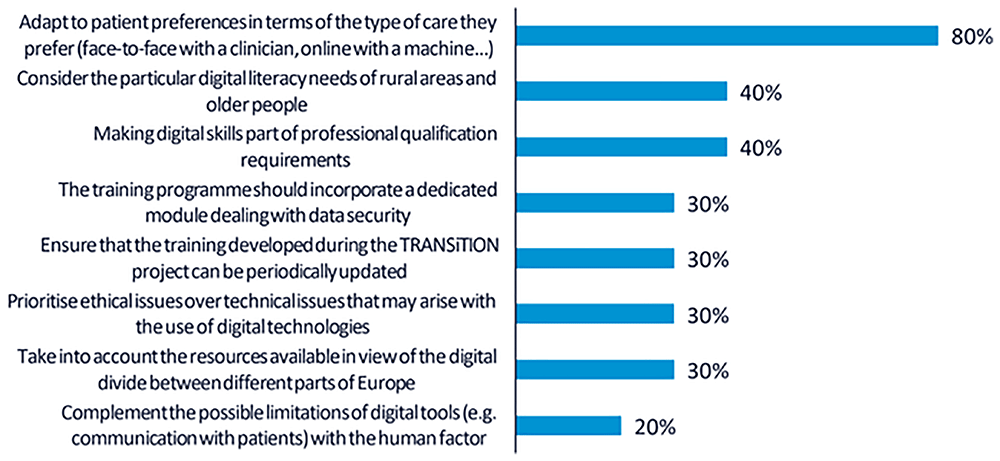
Figure 2. Percentage of participants selecting each recommendation during the voting phase of the second UX design workshop.
Discussion
Main results
The two UX design workshops, conducted using the Nominal Group Technique (NGT), identified five main priorities for advancing digital health literacy in oncology care: (1) ethics emerged as a cross-cutting concern, particularly data protection, trust, and the responsible use of digital tools; (2) telemedicine was highlighted as a key strategy to empower patients, provided it fosters a sense of safety and confidence; (3) participants emphasised the need for user-friendly, accessible, and adaptable interfaces, with training tailored to patients’ preferences and digital readiness; (4) both workshops stressed the importance of addressing the digital divide to ensure equity, especially in rural areas, older populations, and regions with fewer resources; and (5) continuous training for both clinical and non-clinical professionals was seen as essential, with calls to formally recognise digital skills as a core professional competence. While there was broad agreement across groups, non-clinical professionals tended to emphasise technical design and telemedicine, whereas clinical professionals prioritised ethical considerations, patient trust, and the formal recognition of digital skills.
Comparison with other studies
The findings of this study are broadly consistent with previous research highlighting ethics, usability, equity, and professional training as central dimensions of digital health. In the context of an ongoing infodemic, healthcare users increasingly struggle to identify accurate and reliable information and to place trust in both the content they receive and the communication channels through which it is delivered (Eysenbach, 2020). It is therefore unsurprising that participants voiced increasing concerns regarding data protection, trust, and the responsible use of emerging technologies, reflecting longstanding calls in the literature for ethical governance and transparency in digital health and artificial intelligence, including in oncology care (Bouderhem, 2024; Grosman-Rimon & Wegier, 2024; Tilala et al., 2024).
Some authors have warned that telemedicine can be regarded as a double-edged sword (Petretto et al., 2024). While it has the potential to expand access to treatment, socioeconomically and clinically vulnerable populations—those who might benefit the most—are often the least likely or able to use it. In cancer care, the prioritisation of telemedicine as a strategy to empower patients aligns with previous evidence highlighting its contribution to improving accessibility and satisfaction (Sirintrapun & Lopez, 2018; West et al., 2022). However, our results add that such empowerment requires professionals to foster a sense of safety and trust, and that digital solutions should be implemented in accordance with patients’ preferences, as imposing non-accepted tools risks undermining engagement. This interpretation is consistent with the work of Huret et al. (2022), who identified three eligibility criteria for telemedicine consultations: they should not be used for first visits, the patient should be well known to the physician and trusted to provide an accurate description of symptoms, and recent evaluations and test results should be satisfactory.
Telemedicine has been identified as a potential pathway to mitigate health inequities, with studies showing that remote consultation can improve access to specialist care in rural emergency contexts, and that its role in oncology could be strengthened when supported by adequate infrastructure and policy frameworks (Elder et al., 2023; Tsou et al., 2021). Nevertheless, both workshops stressed the importance of addressing the digital divide, particularly in rural areas and among older populations, as a prerequisite for advancing equitable digital cancer care. The workshops also underscored differences across European countries, which mirror broader inequalities in digital infrastructure and health system readiness. This concern is consistent with evidence indicating that rural oncology patients face persistent challenges in accessing and effectively using digital health technologies (Morris et al., 2022). Furthermore, cancer survivors living in rural areas tend to exhibit significantly lower levels of e-health literacy, which impairs their ability to identify, interpret, and apply online health information (Yuen et al., 2024). Addressing these gaps requires not only investment in infrastructure but also tailored training and inclusive design strategies that ensure digital health innovations are accessible to all patients.
In this sense, professional training in digital health literacy should be regarded not only as a competence requirement but also as a strategic lever to mitigate inequities in access and outcomes. To achieve this, both clinical and non-clinical professionals must be equipped with the digital competencies needed to recognise and respond to these disparities. The call for continuous training in digital skills reflects the position of the scientific community and healthcare decision-makers, who increasingly acknowledge digital competencies as core elements of healthcare practice (Charalambous, 2024; Longhini et al., 2022).
Finally, non-clinical professionals emphasised that digital skills training programmes in oncology should incorporate a user-friendly interface. While digital literacy initiatives often focus on content and conceptual frameworks, less attention is paid to how information is presented and how engaging it is for end users. The importance of UX in digital health literacy training is well established. UX research highlights the need to understand users, their contexts, and their expectations, as these factors determine whether digital innovations are accepted and adopted (Gilbert, 2022). In the specific context of eHealth tools, usability, accessibility, reliability, and overall user experience are essential to ensure effectiveness and inclusivity (Shamsujjoha et al., 2021). Studies on digital readiness among healthcare professionals further demonstrate that perceived ease of use and organisational support—key UX elements—are critical for technology acceptance, while adequate training and facilitating infrastructure help overcome digital barriers (Alotaibi et al., 2025). This is also consistent with broader research on usability in eHealth, which shows that simplicity and adaptability to patient needs are decisive factors for adoption (Broekhuis et al., 2021; Maramba et al., 2019).
Strengths and limitations
This study has several strengths. First, it applied the NGT, a structured consensus method that minimises dominance effects and ensures equal participation, thereby enhancing the credibility and transparency of the findings. Second, the inclusion of both clinical and non-clinical professionals from diverse organisational settings and multiple European countries provided variability in professional profiles and geographical perspectives, which strengthens the transferability of the results. Third, conducting the workshops within the framework of the TRANSiTION project ensured that the identified priorities are aligned with a broader European effort to advance digital health literacy. Finally, to the best of our knowledge, this is one of the first studies to apply NGT to assess digital training needs in cancer care, representing an innovative approach that could serve as a methodological foundation for future research.
Nevertheless, some limitations should be acknowledged. The purposive sampling strategy, while appropriate for capturing relevant expertise, may limit the representativeness of the sample and the generalisability of the findings to other contexts or healthcare systems. Differences in the proportion of clinical and non-clinical professionals across workshops may also have influenced the emphasis placed on specific themes. In addition, the workshops were conducted in English, which may have excluded professionals with limited language proficiency and thus narrowed the diversity of voices represented. Data analysis was primarily descriptive and relied on real-time synthesis without qualitative analysis software, which may have reduced the depth of thematic exploration. Finally, the study was limited to two workshops, and no follow-up interviews or validation rounds were conducted to further refine or validate the recommendations.
Impact in organizations and health
The findings of this study have important implications for both healthcare organizations and patient outcomes. A growing body of literature demonstrates the pivotal role of health literacy in achieving better health outcomes and higher quality of care (Kaper et al., 2019). Crucially, health literacy is modifiable and improving it is increasingly recognised as a way of enhancing outcomes, including in Europe’s Beating Cancer Plan (EC, 2022). Shared decision-making and the use of interactive digital tools have been consistently associated with greater patient empowerment and improved results in cancer care (Makarov et al., 2021; Tuominen et al., 2024a). In this context, preparing professionals to guide patients in the effective and secure use of digital tools becomes central to advancing patient-centred oncology.
The forthcoming European Health Data Space further underlines the need for robust digital skills among professionals, as health data will play a key role in research, innovation, and policy-making across Member States (Marelli et al., 2023). Therefore, it is essential that countries incorporate digital health literacy training not only into continuing education, but also at the earliest stages of health professional education—through university curricula, clinical rotations, and interdisciplinary learning opportunities. Supported by the dissemination capacity of scientific societies, universities, and European stakeholders, such efforts can accelerate the integration of digital health literacy into oncology care and strengthen workforce readiness.
At the health system level, addressing the digital divide—within and between countries—remains a prerequisite for reducing inequities in access to cancer care (Saeed & Masters, 2021). By equipping professionals with the competencies needed to support patients with diverse digital skills, organizations can ensure that telemedicine, electronic health records, and other eHealth tools foster more equitable and patient-centred care. Ultimately, embedding digital health literacy into routine oncology practice not only enhances communication and clinical outcomes but also ensures that digitalisation contributes to narrowing—rather than widening—existing disparities across Europe.
Conclusions
This study identified key priorities for advancing digital health literacy in oncology care through two NGT workshops with clinical and non-clinical professionals across Europe. These priorities include ethics, telemedicine, usability and user experience, equity, and continuous professional training, all of which are essential for integrating digital health into cancer care in a safe, effective, and patient-centred manner.
The findings reinforce calls from the scientific community and healthcare decision-makers to recognise digital skills as core healthcare competencies. Embedding these competencies into professional development frameworks has the potential to strengthen organisational capacity, support patient empowerment, and improve treatment outcomes. Future research should evaluate the implementation and impact of training initiatives derived from these priorities, ensuring that they remain responsive to evolving technologies, diverse patient needs, and the realities of oncology practice across Europe.
Ultimately, embedding digital health literacy into oncology care is not only a training challenge but also a strategic opportunity to build more equitable, patient-centred, and resilient health systems across Europe.
Ethics and consent
The study was conducted within the TRANSiTION project and included two UX design workshops. For ethical oversight, we sought review from the Pontevedra–Vigo–Ourense Research Ethics Committee (ref: 2023/309), as this is the competent regional committee for non-pharmacological research activities under the Galician public health research system. The committee reviewed the study documentation and indicated that no formal evaluation was required for this workshop-based, minimal-risk qualitative activity.
Informed consent to participate was obtained verbally from all participants prior to the workshops. Written consent was not collected because the activities were conducted in a time-limited workshop format (hybrid and in-person) and involved minimal risk. Consent was documented through an explicit verbal consent procedure recorded at the start of each session, including consent for video recording for documentation and analysis purposes. Participants received an information sheet in advance and were informed that participation was voluntary and that they could withdraw at any time.
Data availability
No additional datasets were generated or analysed during this study. All data supporting the findings are included within the article in the form of aggregated recommendations, prioritisation results, tables, and figures derived from the UX design workshops. No individual-level data are available.
Acknowledgements
Views and opinions expressed are those of the authors only and do not necessarily reflect those of the European Union or European Health and Digital Executive Agency (HADEA). Neither the European Union nor the granting authority can be held responsible for them. The authors also extend their gratitude to all collaborators and participants who contributed to the study.
Faculty Opinions recommendedReferences
- Algeo N, Bennett K, Connolly D:
Prioritising the content and delivery of a work-focused intervention for women with breast cancer using the nominal group technique.
Work.
2022; 73(4): 1337–1345. PubMed Abstract
| Publisher Full Text
- Allen J, Dyas J, Jones M:
Building consensus in health care: a guide to using the nominal group technique.
Br J Community Nurs.
2004; 9(3): 110–114. PubMed Abstract
| Publisher Full Text
- Alotaibi N, Wilson CB, Traynor M:
Enhancing digital readiness and capability in healthcare: a systematic review of interventions, barriers, and facilitators.
BMC Health Serv Res.
2025; 25(1): 500. PubMed Abstract
| Publisher Full Text
| Free Full Text
- Bouderhem R:
Shaping the future of AI in healthcare through ethics and governance.
Humanit Soc Sci Commun.
2024; 11(1): 1–12. Publisher Full Text
- Bray F, Ferlay J, Soerjomataram I, et al.:
Global cancer statistics 2018: GLOBOCAN estimates of incidence and mortality worldwide for 36 cancers in 185 countries.
CA Cancer J Clin.
2018; 68(6): 394–424. PubMed Abstract
| Publisher Full Text
- Broekhuis M, van Velsen L, Peute L, et al.:
Conceptualizing usability for the eHealth context: content analysis of usability problems of eHealth applications.
JMIR Form Res.
2021; 5(7): e18198. PubMed Abstract
| Publisher Full Text
| Free Full Text
- Charalambous A:
Digital transformation in healthcare: have we gone off the rails?
Asia Pac J Oncol Nurs.
2024; 11(5): 100481. PubMed Abstract
| Publisher Full Text
| Free Full Text
- Dyba T, Randi G, Bray F, et al.:
The European cancer burden in 2020: incidence and mortality estimates for 40 countries and 25 major cancers.
Eur J Cancer.
2021; 157: 308–347. PubMed Abstract
| Publisher Full Text
| Free Full Text
- Elder AJ, Alazawi H, Shafaq F, et al.:
Teleoncology: novel approaches for improving cancer care in North America.
Cureus.
2023; 15(8): e43562. PubMed Abstract
| Publisher Full Text
| Free Full Text
- European Commission: Europe’s beating cancer plan [Report]. 2022. Reference Source
- Eysenbach G:
How to fight an infodemic: the four pillars of infodemic management.
J Med Internet Res.
2020; 22(6): e21820. PubMed Abstract
| Publisher Full Text
| Free Full Text
- Gattrell WT, Logullo P, van Zuuren EJ, et al.:
ACCORD (ACcurate COnsensus Reporting Document): a reporting guideline for consensus methods in biomedicine developed via a modified Delphi.
PLoS Med.
2024; 21(1): e1004326. PubMed Abstract
| Publisher Full Text
| Free Full Text
- Gilbert RM:
Reimagining digital healthcare with a patient-centric approach: the role of user experience (UX) research.
Front Digit Health.
2022; 4: 899976. PubMed Abstract
| Publisher Full Text
| Free Full Text
- Gottlob A, Schmitt T, Frydensberg MS:
Telemedicine in cancer care: lessons from COVID-19 and solutions for Europe.
Eur J Public Health.
2025; 35(1): 35–41. PubMed Abstract
| Publisher Full Text
| Free Full Text
- Grosman-Rimon L, Wegier P:
With advancement in health technology comes great responsibility–ethical and safety considerations for using digital health technology: a narrative review.
Medicine (Baltimore).
2024; 103(33): e39136. PubMed Abstract
| Publisher Full Text
| Free Full Text
- Humphrey P, Dures E, Hoskin P, et al.:
Development and refinement of patient care recommendations in brachytherapy for locally advanced cervical cancer using nominal group technique workshops.
Support Care Cancer.
2025; 33(1): 24. PubMed Abstract
| Publisher Full Text
| Free Full Text
- Huret L, Stoeklé HC, Benmaziane A, et al.:
Cancer and COVID-19: ethical issues concerning the use of telemedicine during the pandemic.
BMC Health Serv Res.
2022; 22(1): 703. PubMed Abstract
| Publisher Full Text
| Free Full Text
- Johnston EE, Tefera R, Ananth P, et al.:
Defining the denominator for measuring quality of end-of-life care in children with cancer: results of a nominal group technique.
J Pediatr.
2024; 271: 114038. PubMed Abstract
| Publisher Full Text
- Kaper MS, de Winter AF, Bevilacqua R, et al.:
Positive outcomes of a comprehensive health literacy communication training for health professionals in three European countries: a multi-centre pre-post intervention study.
Int J Environ Res Public Health.
2019; 16(20): 3923. PubMed Abstract
| Publisher Full Text
| Free Full Text
- Lawrence K, Levine DL:
The digital determinants of health: a guide for competency development in digital care delivery for health professions trainees.
JMIR Med Educ.
2024; 10: e54173. PubMed Abstract
| Publisher Full Text
| Free Full Text
- Lee SH, Ten Cate O, Gottlieb M, et al.:
The use of virtual nominal groups in healthcare research: an extended scoping review.
PLoS One.
2024; 19(6): e0302437. PubMed Abstract
| Publisher Full Text
| Free Full Text
- Liñares D, Charalambous A:
Addressing digital skills gaps in cancer care: a call for targeted training programs.
Eur J Oncol Nurs.
2025; 75: 102842. PubMed Abstract
| Publisher Full Text
- Liñares D, Tsitsi T, Lopez-Rey N, et al.:
Training gaps in digital skills for the cancer health care workforce based on insights from clinical professionals, nonclinical professionals, and patients and caregivers: qualitative study.
JMIR Med Educ.
Advance online publication, 2025; 11: e78490. PubMed Abstract
| Publisher Full Text
| Free Full Text
- Livieri G, Mangina E, Protopapadakis ED, et al.:
The gaps and challenges in digital health technology use as perceived by patients: a scoping review and narrative meta-synthesis.
Front Digit Health.
2025; 7: 1474956. PubMed Abstract
| Publisher Full Text
| Free Full Text
- Longhini J, Rossettini G, Palese A:
Digital health competencies among health care professionals: systematic review.
J Med Internet Res.
2022; 24(8): e36414. PubMed Abstract
| Publisher Full Text
| Free Full Text
- Makarov DV, Feuer Z, Ciprut S, et al.:
Randomized trial of community health worker-led decision coaching to promote shared decision-making for prostate cancer screening among black male patients and their providers.
Trials.
2021; 22(1): 128. PubMed Abstract
| Publisher Full Text
| Free Full Text
- Maramba I, Chatterjee A, Newman C:
Methods of usability testing in the development of eHealth applications: a scoping review.
Int J Med Inform.
2019; 126: 95–104. PubMed Abstract
| Publisher Full Text
- Marelli L, Stevens M, Sharon T, et al.:
The European health data space: too big to succeed?
Health Policy.
2023; 135: 104861. PubMed Abstract
| Publisher Full Text
| Free Full Text
- McMillan SS, King M, Tully MP:
How to use the nominal group and Delphi techniques.
Int J Clin Pharm.
2016; 38(3): 655–662. PubMed Abstract
| Publisher Full Text
| Free Full Text
- Morris BB, Rossi B, Fuemmeler B:
The role of digital health technology in rural cancer care delivery: a systematic review.
J Rural Health.
2022; 38(3): 493–511. PubMed Abstract
| Publisher Full Text
| Free Full Text
- Petretto DR, Carrogu GP, Gaviano L, et al.:
Telemedicine, e-health, and Digital Health Equity: a scoping review.
Clin Pract Epidemiol Ment Health.
2024; 20: e17450179279732. PubMed Abstract
| Publisher Full Text
| Free Full Text
- Protogiros D, Cloconi C, Tsitsi T, et al.:
Achieving digital transformation in cancer care across Europe: practical recommendations from the TRANSiTION project.
J Cancer Policy.
2025; 44: 100584. PubMed Abstract
| Publisher Full Text
- Rankin NM, McGregor D, Butow PN, et al.:
Adapting the Nominal Group Technique for priority setting of evidence-practice gaps in implementation science.
BMC Med Res Methodol.
2016; 16(1): 110. PubMed Abstract
| Publisher Full Text
| Free Full Text
- Saeed SA, Masters RM:
Disparities in health care and the digital divide.
Curr Psychiatry Rep.
2021; 23(9): 61. PubMed Abstract
| Publisher Full Text
| Free Full Text
- Shamsujjoha M, Grundy J, Li L, et al.:
Human-centric issues in eHealth app development and usage: a preliminary assessment. In: 2021 IEEE International Conference on Software Analysis, Evolution and Reengineering (SANER). IEEE, 2021; 506–510. Publisher Full Text
- Shickh S, Leventakos K, Lewis MA, et al.:
Shared decision making in the care of patients with cancer.
Am Soc Clin Oncol Educ Book.
2023; 43: e389516. PubMed Abstract
| Publisher Full Text
- Sirintrapun SJ, Lopez AM:
Telemedicine in cancer care.
Am Soc Clin Oncol Educ Book.
2018; 38: 540–545. PubMed Abstract
| Publisher Full Text
- Somers C, Chimonas S, McIntosh E, et al.:
Using nominal group technique to identify key attributes of oncology treatments for a discrete choice experiment.
MDM Policy Pract.
2019; 4(1): 2381468319837925. PubMed Abstract
| Publisher Full Text
| Free Full Text
- Stiger RJ, Williams MA, Collett J:
Priorities for prehabilitation for patients with upper gastrointestinal cancer: a nominal group consensus study.
Support Care Cancer.
2025; 33(9): 794. PubMed Abstract
| Publisher Full Text
| Free Full Text
- Tilala MH, Chenchala PK, Choppadandi A, et al.:
Ethical considerations in the use of Artificial Intelligence and Machine Learning in health care: a comprehensive review.
Cureus.
2024; 16(6): e62443. PubMed Abstract
| Publisher Full Text
| Free Full Text
- Tischendorf T, Hasseler M, Schaal T, et al.:
Developing digital competencies of nursing professionals in continuing education and training–a scoping review.
Front Med (Lausanne).
2024; 11: 1358398. PubMed Abstract
| Publisher Full Text
| Free Full Text
- Tsou C, Robinson S, Boyd J, et al.:
Effectiveness of telehealth in rural and remote Emergency Departments: systematic review.
J Med Internet Res.
2021; 23(11): e30632. PubMed Abstract
| Publisher Full Text
| Free Full Text
- Tuominen L, Leino-Kilpi H, Poraharju J, et al.:
Interactive digital tools to support empowerment of people with cancer: a systematic literature review.
Support Care Cancer.
2024a; 32(6): 396. PubMed Abstract
| Publisher Full Text
| Free Full Text
- Tuominen L, Poraharju J, Carrion C, et al.:
Digital skills of health care professionals in cancer care: a systematic review.
Digit Health.
2024b; 10: 20552076241240907. PubMed Abstract
| Publisher Full Text
| Free Full Text
- West HJ, Barzi A, Wong D:
Telemedicine in cancer care beyond the COVID-19 pandemic: oncology 2.0?
Curr Oncol Rep.
2022; 24(12): 1843–1850. PubMed Abstract
| Publisher Full Text
| Free Full Text
- Yuen E, Winter N, Savira F, et al.:
Digital health literacy and its association with sociodemographic characteristics, health resource use, and health outcomes: rapid review.
Interact J Med Res.
2024; 13(1): e46888. PubMed Abstract
| Publisher Full Text
| Free Full Text