1. Introduction
European countries employ a range of policy instruments to manage the return and readmission (R&R) of migrants, including voluntary return programmes, forced removals, readmission agreements, and, in some cases, regularisation initiatives (EU Comission, 2008; Zoran & Jubany, (2024)). While these measures are central to contemporary migration governance, little is known about how the public perceives different R&R policy options. Empirical data on public opinion in this domain remains sparse, inconsistent, and difficult to compare across countries (Jeannet et al., 2021; Ruhs, Martin, 2022). This is partly due to the lack of harmonised survey instruments and publicly accessible datasets, but also to the limited use of existing data in informing academic research and policy development.
This article contributes to addressing this gap by providing a systematic mapping of public opinion surveys that include questions related to R&R policies in Europe. Drawing on the conceptual framework and research agenda developed within the MORE project, we pursue three main objectives:
1.
To identify public opinion surveys that capture attitudes and preferences regarding return and readmission policies;
2. To systematise the available metadata on these surveys, including their temporal scope, country coverage, accessibility, sample design, and thematic content; and
3. To provide a comparative overview of current public opinion data on R&R, highlighting key patterns and gaps in geographic, temporal, and thematic coverage, as well as inconsistencies in methodological design and data availability.
This article presents two primary outputs. First, we introduce a catalogue of existing Return and Readmission public opinion surveys in European countries. Second, we offer a mapping and analysis of the catalogue’s content, identifying underexamined countries, time periods, and policy themes. Together, these outputs provide a foundation for advancing empirical research on public preferences regarding return and readmission, and for informing more responsive and evidence-based policymaking.
The article is structured as follows. Section 2 outlines the theoretical framework guiding the analysis, distinguishing between removal, inaction, and inclusion as core state responses to irregular migration (Bauböck & Permoser, 2023; Carrera, Sergio & Jubany, Olga, 2025; Zoran & Jubany, (2024)). It also discusses how the thematic framing of survey questions can shape both the measurement and the interpretation of public attitudes. Section 3 details the methodological approach, including scope, data collection, coding strategy, and catalogue structure. Section 4 presents the main findings regarding survey availability, characteristics, and thematic patterns. Section 5 concludes with reflections on the current state of public opinion data on R&R and outlines recommendations for future research and data development.
2. Theoretical framework: Return and Readmission policies and its alternatives
2.1 Return and readmission policies in the context of state responses to irregular migration
Liberal democratic states can respond to the presence of irregular migrants in three fundamental ways: by attempting to remove them through deportation, by ignoring their presence without regularising their status or offering rights, or by seeking to include them through legal pathways to residence and socio-economic participation (Bauböck & Permoser, 2023). In this sense, responses can be grouped into the enforcement of return and its alternatives through inaction or inclusive measures. In addition, we consider a third dimension associated to policy framing and performance, in terms of how its goals and effectiveness are framed and assessed. Drawing from Carrera & Jubany (2025), policy effectiveness in the context of return encompasses outcome-oriented measures such as deportation rates but also process-oriented indicators associated to sustainability of return, measured by the extent to which migrants are successfully reintegrated and do not engage in repeated migration attempts. Crucially, effectiveness also involves the protection of migrants’ rights during the return process (Majcher & Strik, 2021).
Within the EU, R&R policies attempting to enforce return of irregular migrants belong to the external component of the European migration regime. R&R policies primarily target the removal of third-country nationals without legal authorisation to remain (EU Comission, 2008). These policies include voluntary and forced returns, the implementation of Readmission Agreements with third countries, and the use of detention to facilitate removal (Zoran & Jubany, (2024)).
The second dimension of analysis includes both inclusionary practices and inaction. Inclusionary responses involve regularisation programmes, and access to socio-economic rights, particularly in cases where return is not feasible. The Return Directive further emphasises that detention should be used only as a last resort and that non-custodial alternatives—such as reporting requirements or financial guarantees—should be applied wherever feasible (Majcher & Strik, 2021). Moreover, alternatives to detention, such as regular reporting to authorities, posting a financial bond, surrendering travel documents, or adhering to residence requirements, should be prioritized whenever feasible (Majcher & Strik, 2021). Additionally, several initiatives offer case management and individualised support to facilitate durable solutions. These measures are grounded in ethical, legal, and pragmatic considerations and are implemented in various forms across EU member states and the UK (Carrera, Sergio & Jubany, Olga, 2025).
Figure 1 presents an overview of return and readmission (R&R) policies and alternatives in Europe.
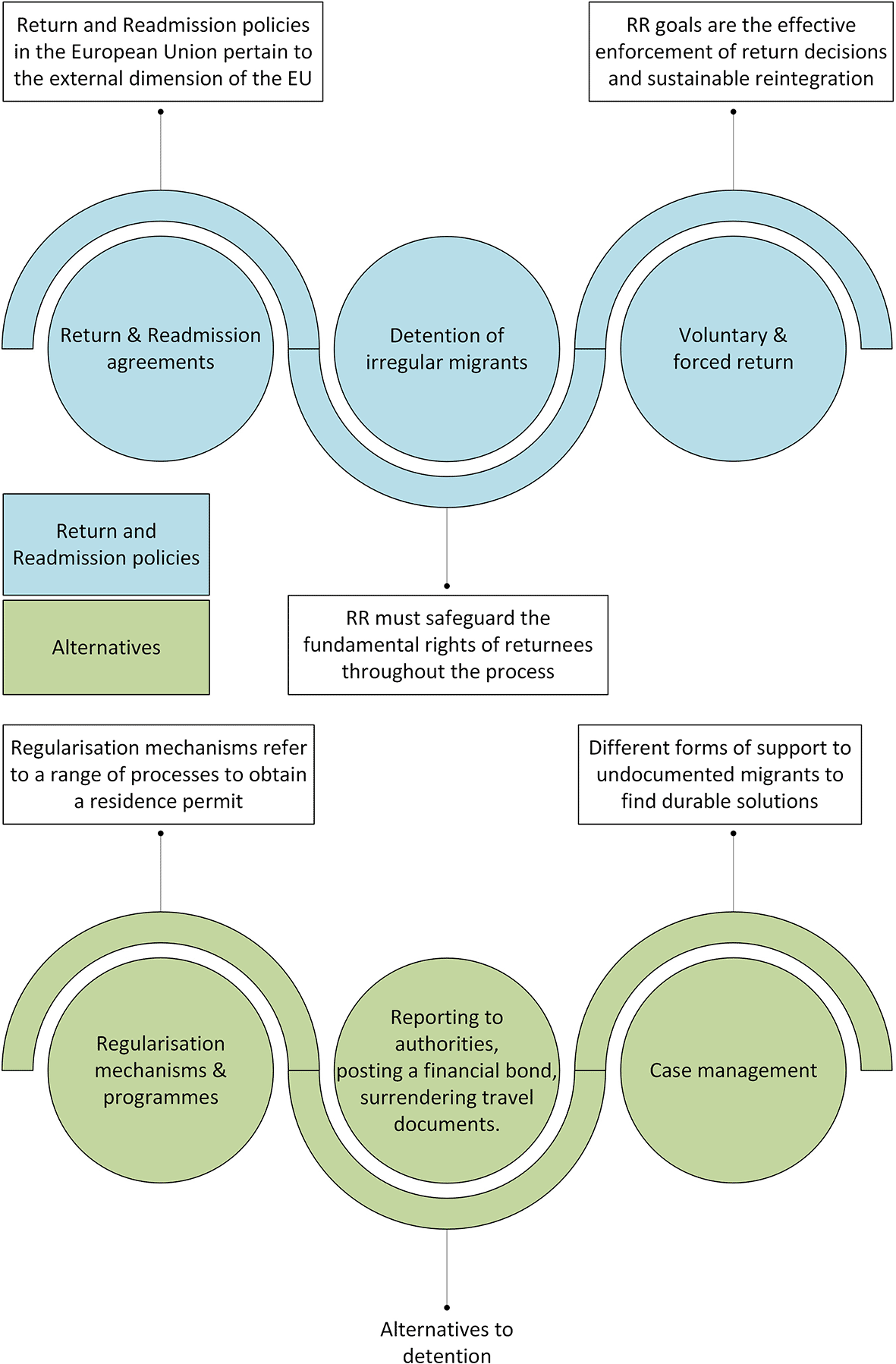
Figure 1. Return and Readmission policies and promising alternatives in European countries.
Legend: Conceptual overview of return and readmission (R&R) policies and alternatives in Europe. The figure summarises the main policy approaches to addressing irregular migration within European migration governance. It distinguishes enforcement-oriented return measures—such as voluntary and forced returns, detention, and readmission agreements—from inclusionary responses and alternatives, including regularisation, socio-economic rights, and non-custodial measures.
Source: own elaboration based on (Carrera, Sergio & Jubany, Olga, 2025; Majcher & Strik, 2021; Zoran & Jubany, (2024)).
Simultaneously, inaction reflects a widespread reality wherein states tolerate the presence of irregular migrants without offering legal status or actively pursuing removal (Bauböck & and Permoser, 2023). Migrants caught in this limbo exist in a state of legal and social precarity. Both inclusion and inaction fall within the broader dimension of alternatives and ethical dilemmas, which emphasize the limitations and moral implications of forced return.
These three dimensions, enforcement of return, alternatives to deportation, and policy framing and performance, form a conceptual typology that guides our analysis to assess how Return and Readmission (R&R) policies and its alternatives are studied in survey research.
2.2 Survey themes coverage and its role in shaping of public opinion
Surveys play an important role in capturing and shaping public opinion on policy issues, including those related to Return and Readmission (R&R). As noted in the literature, the design of survey instruments, including the framing of questions and the selection of topics, can influence how individuals interpret complex policy matters and the range of responses they consider (Bourdieu, 1979). In this sense, surveys do not merely reflect existing public attitudes but may also contribute to structuring them. In the case of R&R, a focus on enforcement-related topics—such as detention, deportation, or return based on criminality—can emphasize certain dimensions of the issue while giving less attention to others, such as voluntary return, regularization pathways, or ethical concerns related to deportation.
From this perspective, the thematic composition of survey content is relevant not only for understanding public opinion, but also for examining how public discourse and policy preferences are shaped over time. When alternative approaches and broader normative considerations are less represented in survey instruments, it may limit opportunities to represent the full spectrum of public views.
Our framework incorporates these insights by analysing the thematic distribution of survey content across three dimensions: (1) the enforcement of Return and Readmission; (2) alternatives to enforcement, including ethical considerations; and (3) respondents’ knowledge and evaluation of RR policies. This allows us to assess not only the prevalence of different themes but also their potential implications for understanding public preferences and policy development.
3. Methodology
3.1 Scope: countries, period, questions, and public views considered.
The catalogue focuses on policy preferences on Return and Readmission in thirty European countries. In addition to the twenty-seven European Union countries, Norway, Switzerland and the UK are considered. The scope period refers to surveys during the 2013–2025. The scope in terms of geographic level is flexible. Particularly, national, regional, local levels, or even online surveys with no specified representativeness have been considered.
Policy preferences on Return and Readmission refer to a subset of “public views” about migration, as depicted by the red square in
Figure 2. Public views are generally understood as evaluations of specific objects, actions or policies. For example, people could view a particular policy action as “good” or “bad”, or a policy as desirable or undesirable (Ruhs, Martin, 2022). The scope of WP3 is the subset of policy preferences towards Return and Readmission policies of irregular migrants in European countries.
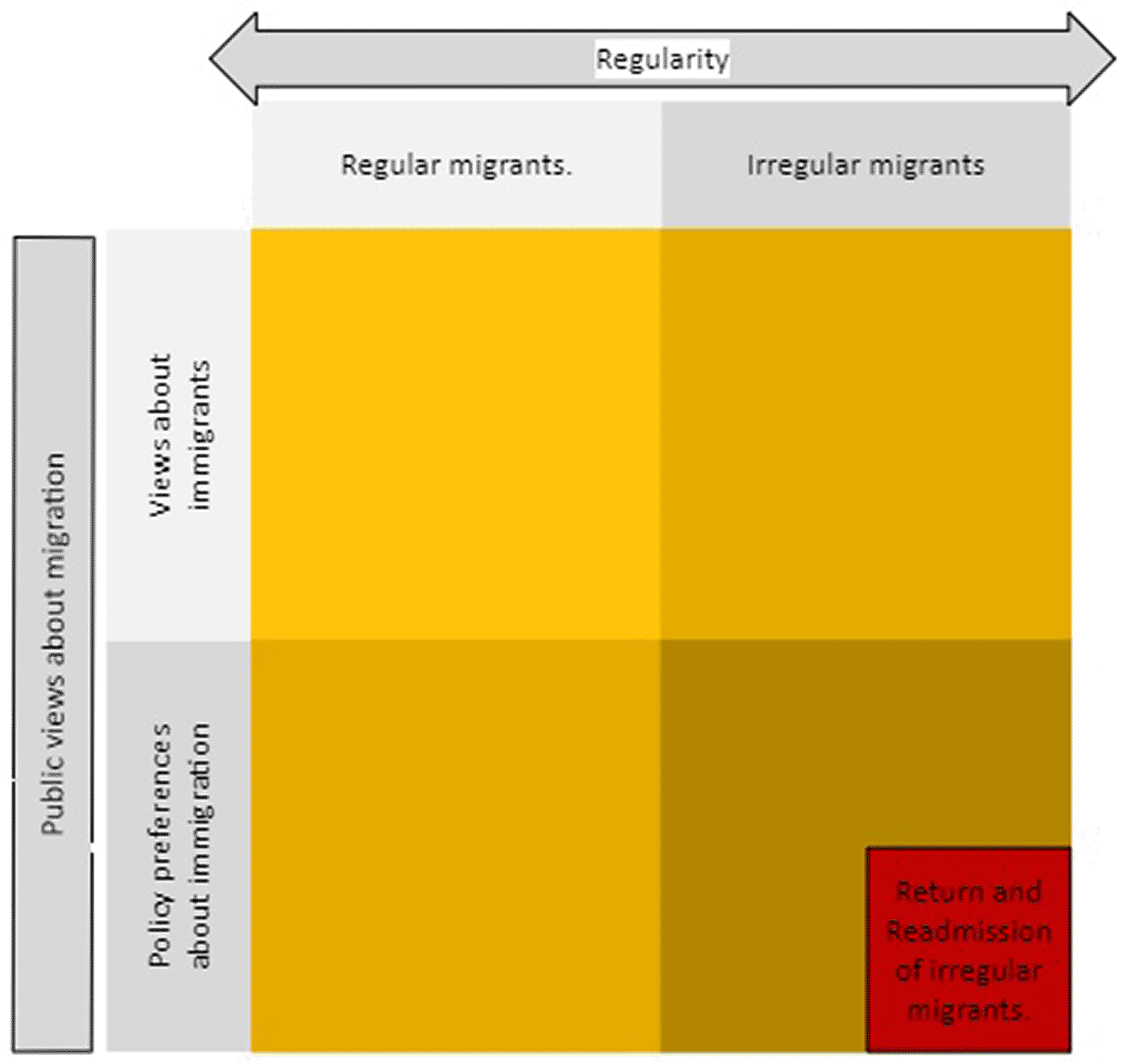
Figure 2. Policy preferences towards Return and Readmission policies and its alternatives.
Legend: The red square highlights policy preferences regarding return and readmission (R&R) as a specific subset of broader public views on migration. Following Ruhs (2022), public views refer to evaluations of policies or actions—for example, whether a policy is considered desirable or undesirable. The figure situates R&R preferences within this wider landscape of migration attitudes.
Source: the authors.
Two useful categories to analyse public opinion surveys are: i) views about immigrants and ii) policy preferences about migration (Dražanová & Gonnot, 2023). Views about immigrants relate to public attitudes towards immigrants, such as opinions about the consequences of immigration for the economy. Policy preferences, on the other hand, refer to public views on whether certain policies should be supported and how they should be designed or implemented (Ruhs, Martin, 2022). Although it is possible to distinguish between “values”, “attitudes”, and “opinions”, we treat these concepts as interchangeable.
Researchers also distinguish between attitudes towards different subgroups within the migrant population. For our purposes, the focus is on the irregular migrant population (Kierans & Vargas-Silva, 2024).
3.2 Search and selection of relevant surveys
The overall data collection was divided into two parts. The first part consisted of searching surveys among the 8 EU countries that are included in the MORE project and consisted in the following steps. In a first step, MORE partners (hereafter, partners) conducted a desk research based on topic expertise. Partners drew on their substantial knowledge of irregular migration in their countries and familiarity with key stakeholders involved in public opinion research. They compiled an initial list of migration-related public opinion surveys mentioned in academic publications or policy reports known to them. In a second step, partners conducted targeted online searches using the keywords “survey,” “public opinion,” “irregular migration,” “migration policies,” “preferences,” “attitudes,” and the name of their country. Searches were conducted both in English and the local language. From the first twenty results of each search, they identified additional surveys referenced in academic articles, government websites, media, and policy reports. In a third step, partners consulted two local experts in quantitative migration research to identify any surveys that may have been missed during the previous steps. These consultations aimed to ensure a comprehensive overview of migration-related public opinion surveys. In a fourth step, national partners compiled and reported three lists of surveys, namely, those identified through their own expertise, through online searches, and through expert consultations. This was reported to the associated partner, Centre on Policy, Migration, and Society (COMPAS) at the University of Oxford, through a detailed template including the specific questions, data sources and availability of complete databases.
The second part of the survey collection involved searching for surveys from the remaining EU countries, as well as Norway and Switzerland. This process replicated the original online search using English keywords and reviewing the first twenty results for each country.
Once all reporting sheets were completed, a selection of surveys that fell within the scope of the catalogue by adopting an inclusive approach was carried out. Any survey containing questions related to Return and Readmission (R&R) was considered relevant, regardless of the population or subpopulation referenced. This included R&R questions addressing migrants in a broad sense, such as refugees, irregular migrants, or unspecified migrant groups. Additionally, we included survey items that indirectly captured public preferences on R&R policies, such as questions about media attention to specific measures (e.g. deportation).
3.3 Analysis
We conducted a thematic analysis of survey questions and answer options related to Return and Readmission (R&R) policies using a theory-informed coding strategy. While the identification of themes was grounded in the language and logic of the survey data, the coding process was guided throughout by our conceptual framework. Drawing on established typologies of state responses to irregular migration (i.e. removal, inaction, and inclusion) (Bauböck & and Permoser, 2023) and the identification of alternatives to deportation (Carrera, Sergio & Jubany, Olga, 2025; Zoran & Jubany, (2024)) we organized survey content into three overarching dimensions: Enforcement of Return, Alternatives and Ethical Dilemmas, and Policy Framing and Performance.
Thematic coding combined manual review with automated keyword matching using a custom R function. This function was calibrated to differentiate whether relevant terms appeared in the original survey statements or were introduced through analyst classification. Initial codes and keyword lists were iteratively refined considering the framework and existing literature. For instance, distinctions were made between questions expressing support for deportation in general and those referencing conditional removal based on crime or integration status. Similarly, caution was applied in coding questions about deportation “options,” ensuring they reflected true alternatives to return rather than procedural variants within enforcement.
This hybrid approach, combining inductive attention to the data with deductive guidance from theory, allowed for a robust classification of ten themes across the three dimensions. We then examined the distribution of these themes over time, by country, and by survey type, to assess how public discourse frames R&R policy issues and where gaps or tensions in that framing may exist.
Catalogue fields
The following fields are specified for each survey (see
Table 1):
Table 1. Catalogue fields.
|
Field |
Label |
Definition |
|---|
| Survey name
| Survey_name
Survey_name_en
| The complete survey name. Original language and in English. |
| Country
| country | Country where the survey is conducted. If more than country is coded as “international”. |
| Countries
| countries | Complete list of countries included. This is relevant for international surveys. |
| Authors and responsible of data collection
| Authors
Responsible_data_collection
| Authors (in case of article or report) and institution or person responsible of the data collection. |
| Contact details of person or institution responsible
| contact | Contact details for the data collection responsible. |
| Survey year
| Year_last | The last year in which the survey is available. |
| Article
| Article | Whether survey was conducted as part of an academic article. |
| Survey method
| Type_methods | Whether survey is observational or a conjoint experiment. |
| Data availability
| data | Whether data is publicly available. Data that required a registration was considered as available. |
| Sample size
| Sample_size | The sample size of the survey. |
| Questionnaire
| questionnaire | Information concerning availability of questionnaire in the article or report annex, or webpage. |
| Questionnaire in English
| Questionnaire_en | Information concerning availability of questionnaire in English is available. |
| RR statement
| statements | The complete question or prompt, and the answer options about Return and Readmission. |
| Reference to supporting information
| supporting_material
supporting_material_2
| Reference to article, report, or webpage where the material was obtained from. |
The catalogue presents countries as one of the fields for easier filtering or management if imported to a data processing software. Surveys conducted in more than one country are labelled as international and a list of countries is specified in the column countries.
In addition, in a separate sheet, we include a thematic catalogue in which each survey is tagged with all the associated themes and terms. The type_RR field captures researcher-assigned categories based on a theory-driven content analysis of return and readmission policies, as described in the methodological documentation for this RR article. It reflects interpretive coding of each entry by the research team, guided by established conceptual frameworks. The source field identifies the origin of the survey or document analyzed. The
terms_from_statements
field lists keywords or phrases automatically extracted from the free-text statements associated with each entry, while the
terms_from_type_RR
field captures keywords drawn from the type_RR categories. These term lists support thematic mapping and text analysis.
3. Results
3.5 Few but increasing number of surveys examining policy preferences towards Return and Readmission policies in Europe
The analysis identified a total of 33 unique surveys relevant to the study, comprising 8 international and 25 national surveys. Among these, the international surveys included data from more than one country, bringing the total number of countries covered to 21 when accounting for all international components. The countries included in the catalogue can be grouped into four categories based on their presence across surveys (
Figure 3). The first group (Germany, Spain, Italy, and Sweden) appears in 6 to 11 surveys, indicating relatively high coverage. The second group consists of Belgium, France, the United Kingdom, Hungary, Poland, Austria, and Greece, each present in 3 to 5 surveys. The third group includes the Netherlands, Norway, Slovenia, Switzerland, Cyprus, Czechia, Denmark, and Slovakia, for which some data is available, though the coverage is more limited (i.e. 1–2 surveys). Finally, the remaining countries within the EU extended region were not found in any of the surveys.
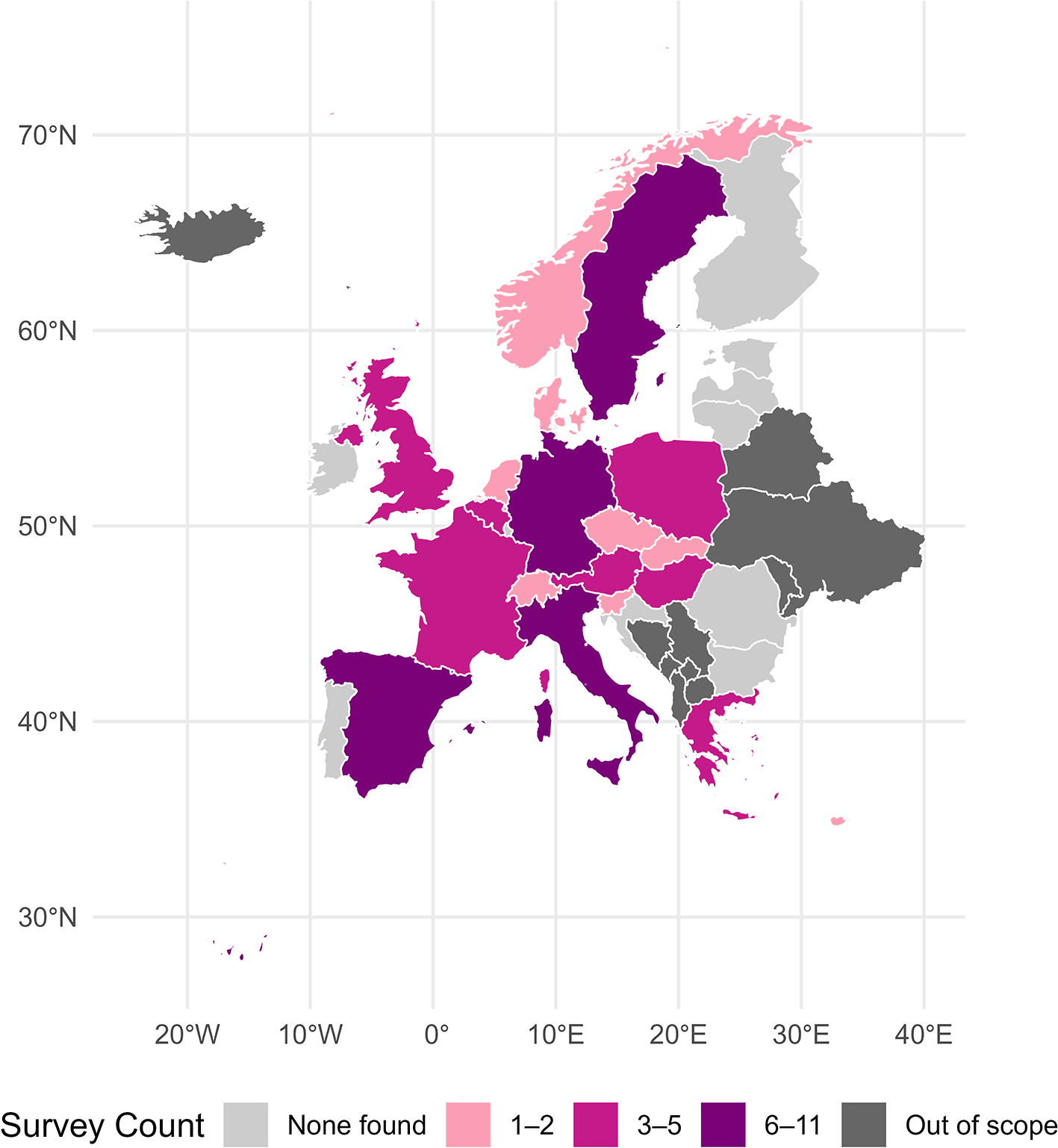
Figure 3.
European countries considered in international and national surveys.
Legend: The figure shows the distribution of 33 identified surveys (8 international and 25 national) covering 21 countries. Countries are grouped according to their level of representation across surveys, ranging from highly covered cases (e.g., Germany, Spain, Italy, and Sweden) to countries with limited or no survey coverage.
Source: based on MORE survey catalogue.
Data availability was uneven across the catalogue: only 12 surveys had accessible data, while 21 lacked publicly available or usable data, highlighting a significant gap in data resources for comparative migration research (
Figure 4 - Top). Most of the surveys with available data were international in scope, covering multiple countries. When shifting the focus from the number of surveys to the countries included in them (
Figure 4 - Bottom), Germany stands out with the highest data coverage, appearing in 7 surveys. Spain and Sweden follow, each included in 4 surveys. Austria, Hungary, and Italy appear in 3 surveys, while France, Greece, Poland, and Slovenia are featured in 2. The remaining EU countries part of the analytical scope with any data available are represented in only one survey.
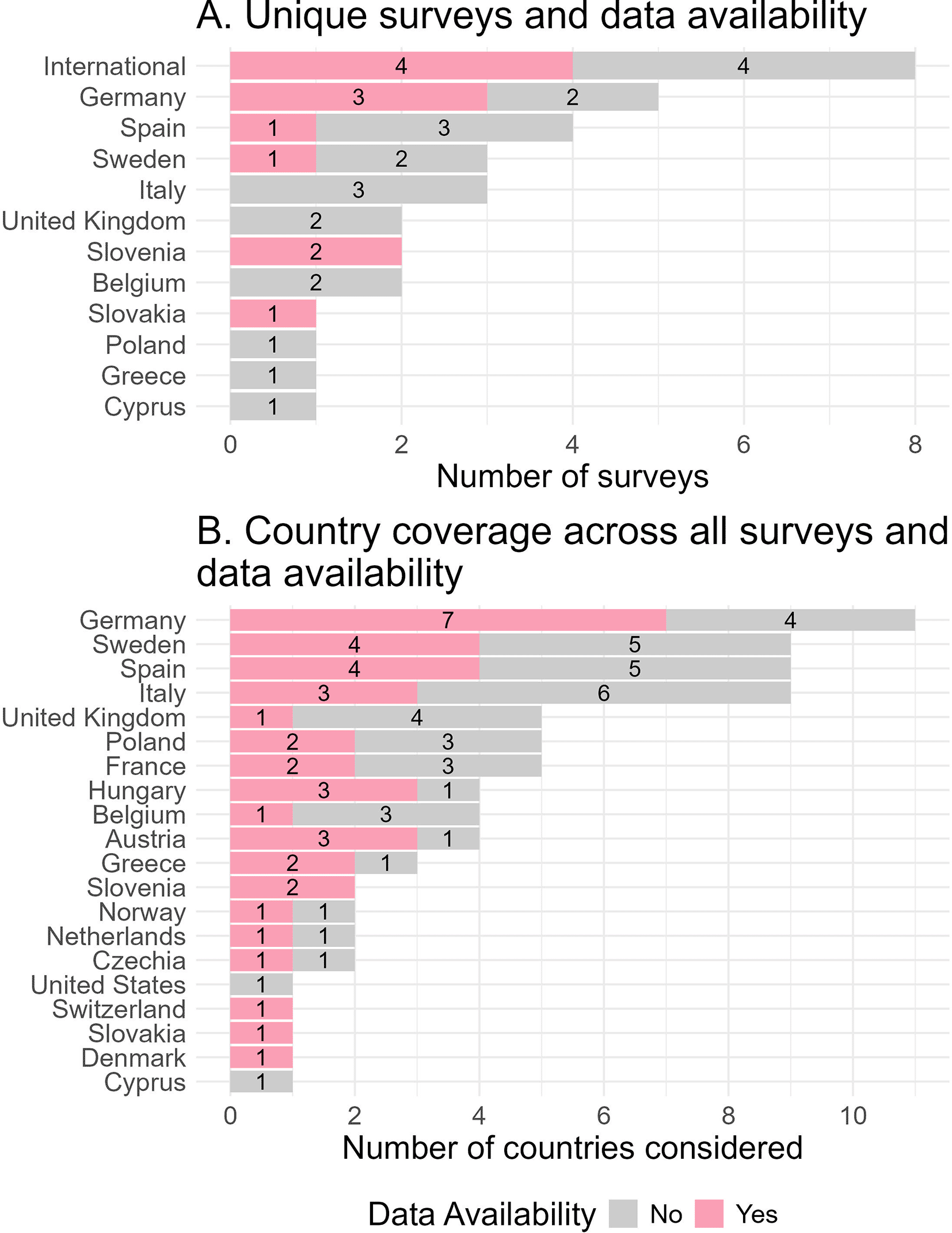
Figure 4. Unique surveys by country, country coverage and data availability.
Legend: The top panel shows that only 12 of the 33 identified surveys provide accessible data, while 21 lack publicly available or usable datasets. The bottom panel presents data availability by country, highlighting Germany, Spain, and Sweden as the most represented cases, while most other countries appear in only one or two surveys.
Source: based on MORE survey catalogue.
Figure 5 reveals a gradual increase in the number of surveys conducted over time, indicating growing interest and investment in data collection on the topic. While the number of surveys per year fluctuates, it averages around three annually, suggesting a relatively steady pace of data production. The lowest point occurred in 2014 and 2015, while peak activity was observed in 2019 and 2022, 2023, and 2024, each marking the highest number of surveys conducted in a single year. This trend suggests that although survey implementation is subject to periodic variation, there is an upward trajectory in data generation efforts.
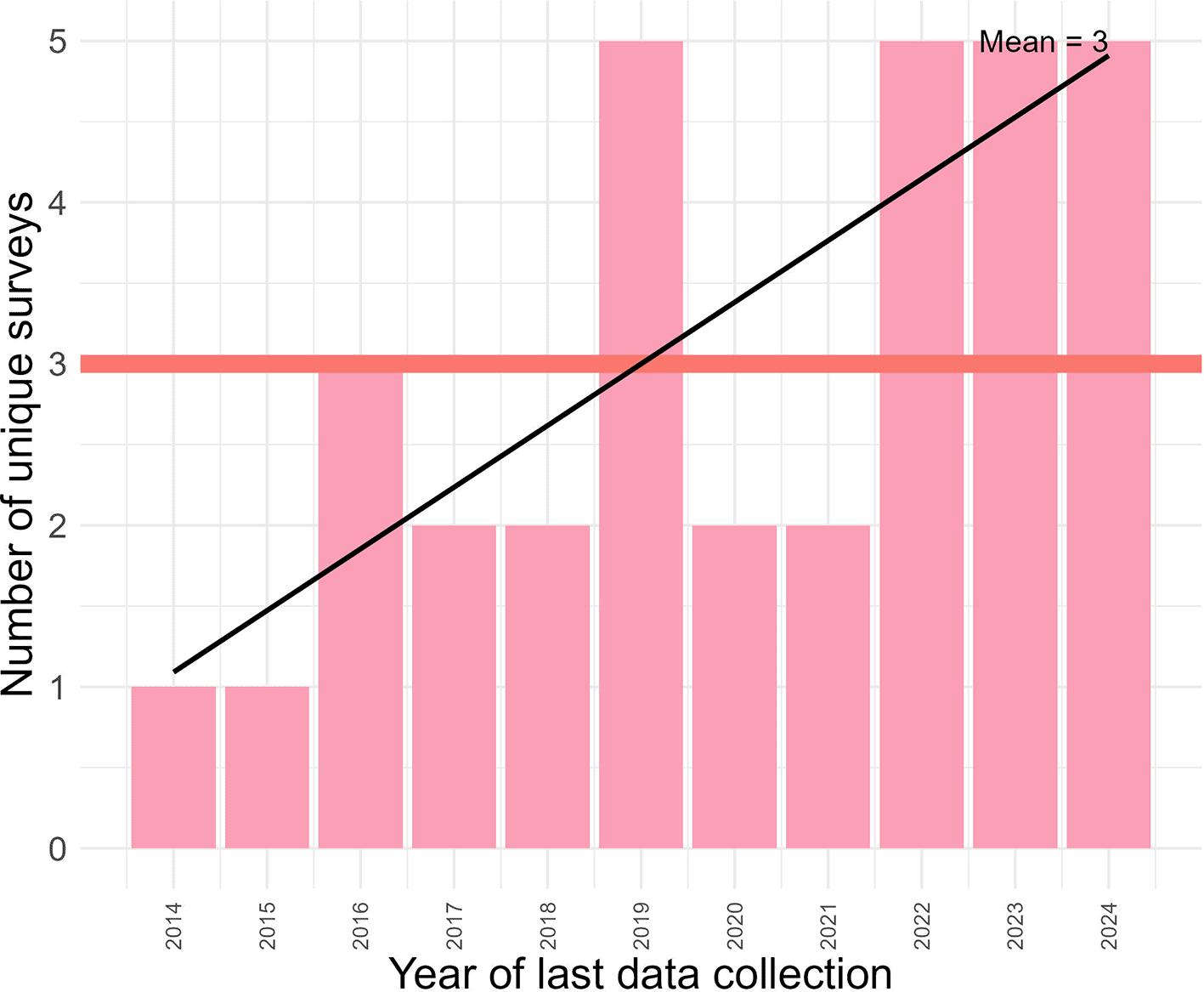
Figure 5. Unique surveys over time.
Legend: The figure shows the number of surveys conducted by year, indicating a gradual increase in data collection over time. Although yearly counts fluctuate, activity averages about three surveys per year, with lower levels around 2014–2015 and peaks in 2019 and again in 2022–2024.
Source: based on MORE survey catalogue.
The catalogue reflects considerable variation in survey design and scale. The average sample size across surveys is 2,320, but this figure decreases to 1,572 when excluding a significant outlier1. In terms of publication output, 8 surveys result from scientific articles, compared to 25 that were not directly linked to academic publications. Additionally, the vast majority of surveys (28) employed observational designs, with 5 utilizing experimental methods.
4.1 Persisting gaps in survey theme
The analysis of survey questions and answer options (hereafter referred to as statements) identified ten distinctive themes related to Return and Readmission (R&R) policies and their alternatives. While these themes emerged inductively from the content of the survey instruments, their interpretation and organization were guided by the conceptual framework outlined earlier. Specifically, themes were grouped into three theory-informed dimensions: Enforcement of Return, Alternatives and Ethical Dilemmas, and Policy Framing and Performance. Importantly, each survey can be associated with multiple themes, reflecting the multidimensional nature of public opinion on R&R policies.
The Enforcement of Return dimension considers themes focused on deportation preferences, conditional criteria for removal, procedural aspects of the return system, and EU cooperation with third countries. The Alternatives and Ethical Dilemmas dimension includes themes addressing voluntary return, regularization pathways, protection from removal, and special consideration for vulnerable groups (mostly references to children). Finally, the Policy Framing and Performance dimension captures statements related to the public views on return policies goals, its assessment and awareness.
Table 2 presents the four themes grouped under the Enforcement of Return dimension, along with one illustrative survey statement for each (see Supplementary Materials for the thematic catalogue). We highlight in bold the portion of each statement that corresponds to the identified theme.
Table 2. Enforcement of return themes and survey statements examples.
|
Theme |
Statement |
Survey source |
|---|
| Conditional Deportation
| Level of agreement with:
1.
We admit some migrants when there are labour market shortages, but on the condition that they will return to their country of origin after an agreed period of time. 2.
We admit some migrants when there are labour market shortages, but they are only allowed to stay if they have jobs 3. Anyone who applies for and is entitled to asylum in Belgium should be able to stay here and receive protection.
| In search of public support for migration. |
| Deportation Preference
| “On a scale from 1 to 7, where 1 indicates that [Respondent’s Country] should absolutely send the applicant back to their country of origin and 7 indicates that [Respondent’s Country] should definitely allow the applicant to stay, how would you rate each of the asylum seekers described above?” | How economic, humanitarian, and religious concerns shape European attitudes toward asylum seekers. |
| Externalization and Cooperation
| Choose between policy A or B:
Policy Option A:
•
Turkish control of border (e.g. document checks at ports) with Greece: Standard border controls to prevent irregular migration to the EU. • EU support to Greece to deal with migration: Financial and operational support; EU financial support to help refugees in Turkey: No financial support to the Turkish government or other organizations helping refugees. •
Resettlement from Turkey to the EU: EU takes one Syrian refugee for each irregular Syrian migrant sent back by Greece to Turkey. • Return of migrants from Greece to Turkey: Greece sends back only those migrants crossing irregularly from Turkey who do not qualify for asylum.
• Turkish control of border (e.g. document checks at ports) with Greece: Standard border controls to prevent irregular migration to the EU. • EU support to Greece to deal with migration: Financial and operational support. • EU financial support to help refugees in Turkey: No financial support to the Turkish government or other organizations helping refugees. • Resettlement from Turkey to the EU: EU takes 1% of the population of Syrian refugees in Turkey each year (that is, 36,000 in 2020). • Return of migrants from Greece to Turkey: Greece sends back only those migrants crossing irregularly from Turkey who do not qualify for asylum.
| The European refugee crisis and public support for the externalisation of migration management |
| Operational Return Measures
| To what extent, if at all, would you support or oppose policy that:
•
Restricts asylum seekers’ movement (e.g. in detention centres or border facilities) until their claim for asylum is processed, and they are given permission to remain in [COUNTRY]. • Sends applicants for asylum in [COUNTRY] to another host country as a deterrent to others from attempting to enter [COUNTRY]?
| World Refugee day 2023. Global attitudes towards refugees. |
Deportation Preference includes survey items that refer to deportation in general terms, typically framed as whether respondents favour or support forced return of irregular migrants. Conditional Deportation captures statements associated to the support for deportation under specific circumstances, such as the situation in the country of origin, levels of integration or contribution to the host society (e.g., employment, social ties), or the type of protection granted (e.g., temporary versus permanent). The theme Operational Return Measures focuses on the procedural implementation of return decisions, including detention and administrative enforcement. Finally, Externalization and Cooperation includes survey items that stress the role of international cooperation with third countries, border control, and international agreements (e.g. Return and Readmission agreements) in managing migration at Europe’s external borders.
Themes grouped under the Alternatives and Ethical Dilemmas dimension consider statements that reflect ethical concerns about return, as well as survey items offering respondents alternative policy options beyond deportation.
Table 3 presents the three themes identified within this dimension. Asylum and Protection Ethics includes statements that highlight the risks of return, particularly in cases involving unsafe conditions or human rights concerns in countries of origin. Return Alternatives captures survey items that assess public support for inclusive measures such as regularization, legal pathways to residence, or case management initiatives aimed at durable solutions. Lastly, Vulnerable Subpopulations includes statements specifically addressing the treatment of at-risk groups, most commonly unaccompanied minors.
Table 3. Alternatives and ethical dilemmas themes and statements examples.
|
Theme |
Statement |
Survey Source |
|---|
| Asylum and Protection Ethics
| Randomly allocated experimental features:
1. Refused asylum-seekers are never sent back to countries where they could face serious harm. 2. In some cases, refused asylum-seekers can be sent back to countries where they could face serious harm.
| What asylum and refugee policies do Europeans support?
|
| Return Alternatives
| Q13. Now, I will read some statements to you regarding refugees and asylum-seekers and on a scale from 1–5 where 1 means I Absolutely Disagree and 5 means I Absolutely Agree, to what extent do you agree with these statements?
Given they want to, refugees should be able to obtain a Cypriot Citizenship if they have lived in Cyprus for 5 years.
Refugees and asylum-seekers living in Cyprus should return to their home countries.
Refugees and asylum-seekers living in Cyprus should be allowed to reside in Cyprus if they want to.
Refugees and asylum-seekers should be transferred to other countries and leave Cyprus.
Cyprus should put a limit to how many refugees and asylum seekers can be admitted in the island and once that limit is reached it can turn away new arrivals. | Perceptions of Cypriots about Refugees, Asylum Seekers and Migrants
|
| Vulnerable Subpopulations
| Level of agreement with:
It is normal for underage children of illegal refugee parents to be detained with their parents while they await their deportation. | Survey on refugees
|
The Policy Framing and Performance dimension encompasses survey statements that address how Return and Readmission policies are defined, legitimised, and evaluated.
Table 4 presents the three themes grouped under this dimension, along with example statements from the survey catalogue. Policy awareness includes statements that reflect perceptions of public awareness about return-related policies. Return as Deterrent covers survey items that frame deportation or removal as a tool to discourage future irregular migration, often invoking border control or third-country processing. Finally, Policy Evaluation includes statements that engage with questions of policy effectiveness, sustainability, and long-term impact, reflecting on what R&R policies aim to achieve and whether they are working as intended.
Table 4. Policy Framing and Performance.
|
Theme |
Statement |
Survey Source |
|---|
| Return as Deterrent
| To what extent, if at all, would you support or oppose policy that:
- Restricts asylum seekers’ movement (e.g. in detention centres or border facilities) until their claim for asylum is processed, and they are given permission to remain in [COUNTRY]. -
Sends applicants for asylum in [COUNTRY] to another host country as a deterrent to others from attempting to enter [COUNTRY]?
| World Refugee Day 2023. Global attitudes toward refugees
|
| Policy awareness
| Exactly what one chooses to follow from what is said in the media varies from person to person. To what extent have you personally followed what was said in the media about the following topic during the past year? 0 = Have not followed this at all. 1 = Have followed this to a very high degree:
Swedish authorities’ handling of deportation cases. | Migrationpanelen 2016–2019 |
|
Policy Evaluation
| “The UK Government policy is to refuse permission to seek asylum in the UK to anybody who has crossed the Channel without permission. Those who do so could be sent to Rwanda, to apply for asylum there instead. On balance, to what extent, if at all, do you support or oppose this policy?
And how likely or unlikely do you think it is that this policy will…?
-
Reduce the number of people who try to enter the UK without permission to seek asylum. -
Successfully send people to Rwanda before the end of 2024. -
Provide value for money.
| Attitudes towards immigration – British Future
|
When comparing the distribution of themes across surveys (
Figure 6), we observe that the Enforcement of Return dimension dominates in terms of thematic salience. This is largely driven by the prominence of the Conditional Deportation theme, which appears in more surveys than any other theme, and by the relatively high frequency of Externalization and Cooperation. These results suggest that survey instruments tend to prioritise issues related to the conditional legitimacy of deportation and the role of return through international partnerships.
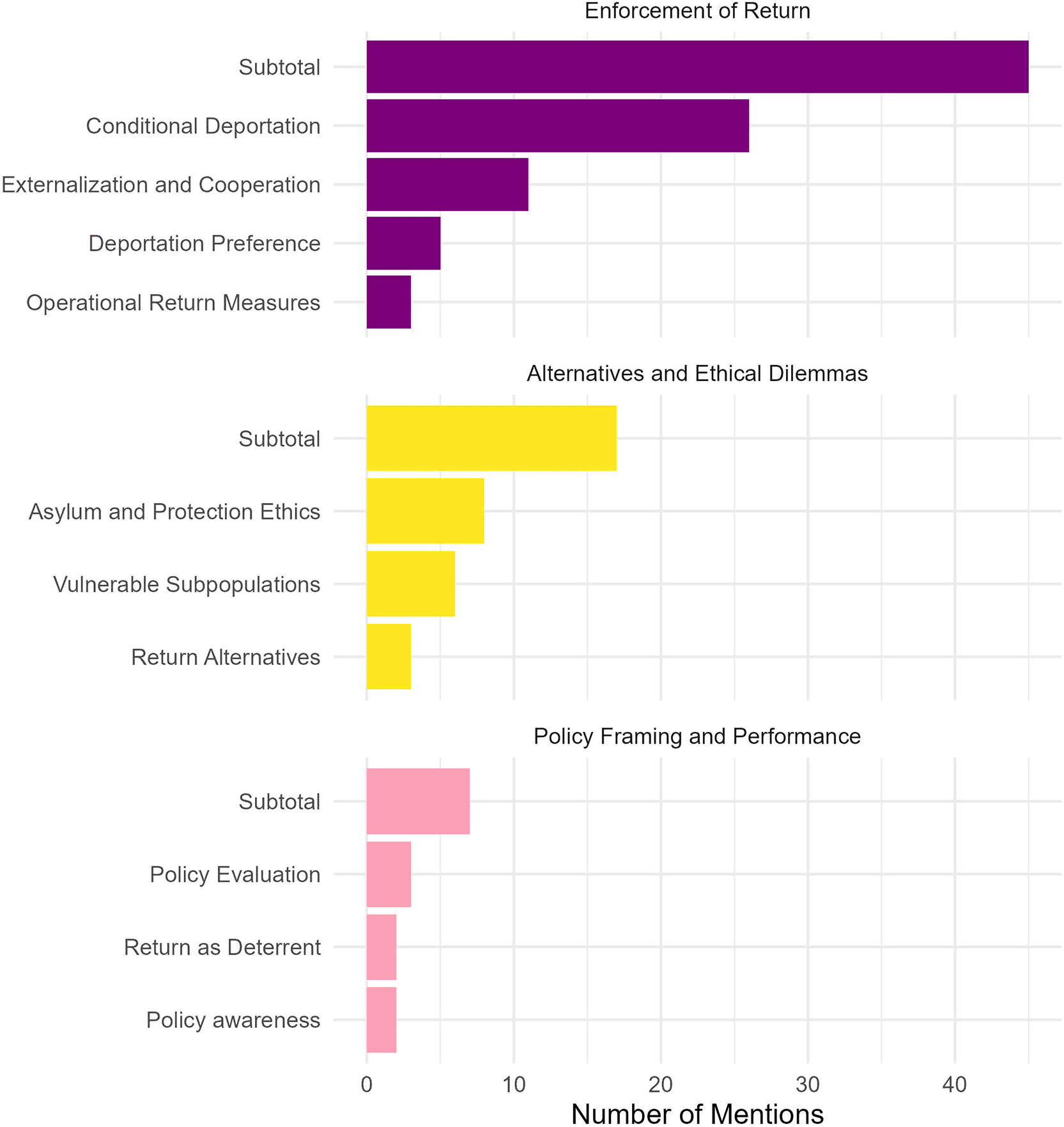
Figure 6. Distribution of themes by dimension.
Legend: The figure shows that enforcement-oriented themes dominate survey content, particularly questions on conditional deportation and international cooperation on return. In contrast, themes related to alternatives, ethical considerations, and policy evaluation appear less frequently, indicating a strong emphasis on enforcement-driven framings in existing survey instruments.
Source: own elaboration based MORE survey catalogue.
In contrast, themes under the Alternatives and Ethical Dilemmas and Policy Framing and Performance dimensions are less commonly represented. Notably, themes such as Asylum and Protection Ethics and Vulnerable Subpopulations are present but limited in scope, while Policy Evaluation and Return as Deterrent receive minimal attention. This pattern reflects a persistent focus on enforcement-driven framings of return, with comparatively limited engagement with ethical considerations or broader questions of policy awareness and effectiveness.
When examining the distribution of themes across time (
Figure 7), grouped into three-year intervals, we observe a consistent prominence of the Conditional Deportation and Deportation Preference themes. Already in the earliest period covered by the dataset (2014–2016), these two enforcement-oriented themes were the most frequently coded. This pattern persists into the most recent interval (2023–2025), where Conditional Deportation continues to dominate, followed closely by Deportation Preference.
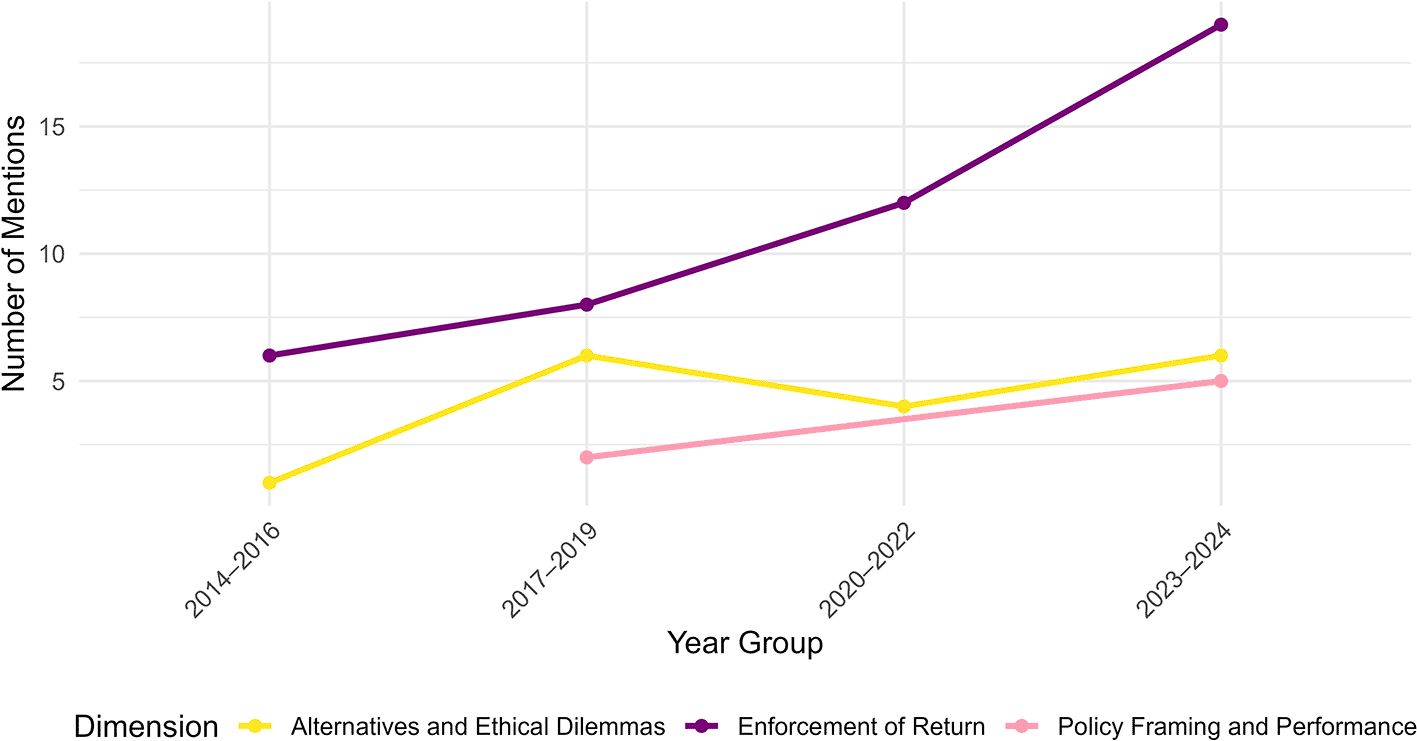
Figure 7. Dimensions over time, grouped by three years interval.
Legend: When examining the distribution of themes across time (
Figure 7), grouped into three-year intervals, we observe a consistent prominence of the Conditional Deportation and Deportation Preference themes. Already in the earliest period covered by the dataset (2014–2016), these two enforcement-oriented themes were the most frequently coded. This pattern persists into the most recent interval (2023–2025), where Conditional Deportation continues to dominate, followed closely by Deportation Preference.
Source: own elaboration based MORE survey catalogue.
3. Concluding remarks
This article set out to identify, systematise, and analyse public opinion surveys that address Return and Readmission (R&R) policies in Europe. In line with these objectives, we produced a structured catalogue of 33 relevant surveys, and examined their core characteristics in terms of geographic and temporal coverage, accessibility, and thematic content. A total of 21 countries are represented, though with uneven frequency—Germany, Spain, Italy, and Sweden account for the highest number of national surveys. Data availability remains a concern, with only a minority of datasets being publicly accessible, and very few linked to peer-reviewed research outputs.
Thematic analysis of survey statements reveals a strong emphasis on enforcement-oriented framings of return. The most prevalent themes concern the conditions under which deportation is considered acceptable, while alternatives to return—such as regularisation or protection from removal—are far less frequently addressed. Statements on procedural aspects of enforcement, such as detention or readmission processes, are also limited. This gap is particularly concerning, as it leaves as secondary the practical implications of deportation, which often involve significant administrative challenges and can have detrimental effects on the physical, emotional, and social well-being of migrants (Horsti & Pirkkalainen, 2021; Martinez et al., 2015; Pillai et al., 2025). Topics related to policy evaluation, sustainability, or public awareness remain underrepresented in most instruments, suggesting a need for greater attention to the broader consequences and public understanding of return policy implementation.
Importantly, the surveys rarely present removal, inaction, and inclusion—the three core state responses to irregular migration—as part of a coherent set of alternatives. Survey statements tend to isolate individual responses (e.g., support for deportation or regularisation) rather than positioning them within a broader policy menu. Even in more recent studies (Gschwind et al., 2025), which focuses on regularisation policies, the option of forced removal is only briefly mentioned, and consequences of non-access to regularisation or inaction is not stated on the statements. This narrow framing may constrain how respondents think about and express their views on R&R policy trade-offs.
This article also has limitations. The catalogue is restricted to surveys conducted in European countries, and therefore does not reflect global variation in public opinion research on return and readmission. The thematic analysis focuses on the content of survey questions and answer options. Future research could build on this catalogue to examine how to incorporate R&R and its policy alternatives within question formats.
By identifying existing data and highlighting gaps in geographic, thematic, and methodological coverage, this article provides a basis for improving the design and coordination of public opinion research on R&R policies in Europe. A more balanced survey agenda—one that systematically explores support for removal alongside alternative pathways—can help ensure that policy development is better informed by the full spectrum of societal perspectives.
Ethics and consent
Ethical approval and consent were not required.
Acknowledgements
This research was conducted within the framework of the “MORE project: Motivations experiences and consequences of returns and readmissions policy: revealing and developing effective alternatives”, Project No. 101094107. The project is coordinated by the Universitat de Barcelona (Spain) and implemented in collaboration with Università Ca′ Foscari Venezia (Italy), Université libre de Bruxelles (Belgium), Platform for International Cooperation on Undocumented Migrants (PICUM) (Belgium), Mirovni Inštitut (Slovenia), KMOP – Kentro Merimnas Oikogeneias kai Paidiou (Greece), Red Barnet (Denmark), Linköping University (Sweden), Georg-August-Universität Göttingen Stiftung öffentlichen Rechts (Germany), and the Centre for European Policy Studies (Belgium). The University of Oxford (United Kingdom) participates in the project as an associated partner. The views expressed in this article are solely those of the authors and do not necessarily reflect those of the project partners or funding bodies.
References
- Bauböck R, Permoser JM:
Sanctuary, firewalls, regularisation: Three inclusive responses to the presence of irregular migrants.
J. Ethn. Migr. Stud.
2023; 49(14): 3671–3688. Publisher Full Text
- Bourdieu P:
Public Opinion Does Not Exist.Siegelaub S, Mattelart A, editors.
Communication and Class Struggle: Capitalism, Imperialism: 001.
International General/Intl Mass Media Research Cen;
1979.
- Carrera S, Jubany O:
Deliverable D2.1 Synthesis Report Legal and policy responses to irregularised, non-removable third-country nationals and promising practices from seven EU Member States and the UK.2025.
- Dražanová L, Gonnot J:
Attitudes toward immigration in Europe: Cross-regional differences.
Open Res Europe.
2023; 3: 66. Publisher Full Text
- EU Comission:
Directive 2008/115/EC of the European Parliament and of the Council of 16 December 2008 on common standards and procedures in Member States for returning illegally staying third-country nationals.2008.
Reference Source
- Gschwind L, Ruhs M, Ahlén A, et al.:
Public preferences for policies vis-à-vis irregular migrants in Europe: The roles of policy design and context.2025.
Reference Source
- Horsti K, Pirkkalainen P:
The Slow Violence of Deportability|Oxford Law Blogs.2021, January 25.
Reference Source
- Jeannet A-M, Heidland T, Ruhs M:
What asylum and refugee policies do Europeans want? Evidence from a cross-national conjoint experiment.
Eur Union Polit.
2021; 22: 353–376. Publisher Full Text
- Kierans D, Vargas-Silva C:
The Irregular Migrant Population of Europe.
Krems:
University for Continuing Education Krems (Danube University Krems);
2024. Publisher Full Text
- Majcher I, Strik T:
Legislating without Evidence: The Recast of the EU Return Directive.
Eur J Migr Law.
2021; 23: 103–126. Publisher Full Text
- Martinez O, Wu E, Sandfort T, et al.:
Evaluating the Impact of Immigration Policies on Health Status Among Undocumented Immigrants: A Systematic Review.
J. Immigr. Minor. Health.
2015; 17(3): 947–970. Publisher Full Text
- Pillai A, Pillai D; Published, S. A:
Potential Impacts of Mass Detention and Deportation Efforts on the Health and Well-Being of Immigrant Families.
KFF;
2025, February 6.
Reference Source
- Ruhs M:
Who cares what the people think? Public attitudes and refugee protection in Europe.
Polit Philos Econ.
2022; 21: 313–344. Publisher Full Text
- Slavnic Z, Jubany O:
Development of the Return and Readmission policy across Europe: Multilevel analysis (MORE Policy Briefs.).
MORE project;
2024Reference Source







