1. Introduction
Climate change is an escalating global crisis that is fundamentally altering societies, economies, and ecosystems. Children, particularly those from marginalised backgrounds, are among the most vulnerable to climate change (UNICEF, 2021a). Potential impacts extend beyond physical health and economic stability, to mental well-being, education continuity, and future employment prospects (UNICEF, 2024; Xu et al., 2012). Addressing these challenges requires urgent investment in climate change education, to ensure that young learners acquire not only scientific knowledge but also the critical thinking, problem solving and personal skills needed by society to mitigate and adapt to climate change.
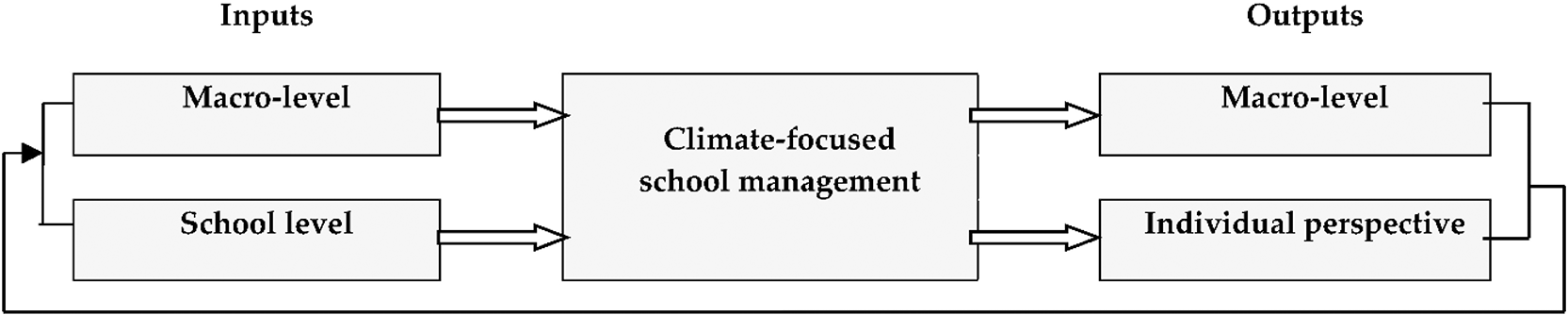
Climate Change Education (CCE) strongly aligns with Goal 13 (Climate Action) and Goal 4 (Quality Education) of the United Nations Sustainable Development Goals (SDGs) (United Nations, 2023). However, despite policy commitments, CCE integration remains inconsistent globally, with teacher preparedness, curriculum alignment, and lack of interdisciplinary integration seen as key barriers (Rousell & Cutter-Mackenzie-Knowles, 2019). Although several models exist for embedding CCE within formal schooling (Moshou & Drinia, 2023; Schweizer et al., 2013; Spínola, 2021), a universally agreed framework has yet to emerge. Some approaches focus on top-down policy interventions (Moshou & Drinia, 2023), whereas others emphasise community-driven educational initiatives (Schweizer et al., 2013; Spínola, 2021). The climate-focused school management model proposed by Szczepankiewicz et al. (2021) provides a structured framework for evaluating these challenges yet overlooks pedagogical innovation and recent developments in artificial intelligence (AI) (
Figure 1). This paper critically examines existing literature on global, national, and regional CCE practices, then applies an enhanced version of the Szczepankiewicz model to Sicily, Italy. This region was selected because it is highly vulnerable to climate-related hazards such as heatwaves, droughts, and wildfires (Bacciu et al., 2021; Jorda et al., 2020; Monforte et al., 2023).
Despite these serious threats, Sicily has a lack of local information about climate change impacts on its territory and thus presents a good opportunity for capacity building (Leon et al., 2022). Our study develops a 12-hallmark checklist for effective CCE that synthesizes insights from international best practices. Using Sicily as a case study, we assess how national and local curricula address CCE, identify gaps in policy implementation, and explore opportunities for AI-assisted curriculum development. We also evaluate the role of CCE in fostering green skills, which are increasingly in demand by the global job market (Simmonds & Lally, 2024).
The paper is structured as follows: Section 2 reviews global perspectives on CCE by analysing macro- and micro-level inputs and outcomes. Section 3 introduces a new 12-hallmark checklist that is then applied in Section 4 to assess CCE in Italy and Sicily. Section 5 discusses key challenges, including teacher training opportunities, curriculum gaps, and scope for AI-assisted learning. We conclude with policy recommendations and future research directions, emphasising the need for longitudinal studies to assess the long-term impact of CCE on learner attitudes, behaviours, and career readiness.
2. Climate change education: a global perspective
CCE is widely acknowledged as a key driver of climate resilience, yet is unevenly integrated into national curricula. Although some countries have proactively embedded CCE into primary education, most continue to treat it as a secondary topic, thereby limiting the potential to raise student awareness, advance behavioural change, and green skill development. This section evaluates the global landscape of CCE, identifying policy successes, persistent gaps, and emerging innovations by examining macro- and micro-level perspectives (
Figure 1).
2.1 Macro-level inputs: national policies and curricular frameworks
Despite Paris Agreement (United Nations, 2015) commitments, most global climate action has prioritised carbon-intensive activities over education (Climate Action Tracker, n.d.). Consequently, CCE remains underdeveloped, with considerable variation of national policies among countries. Some nations such as Greece were early adopters, integrating Environmental Education into their curriculum in 1976 then expanding to Sustainable Development Education by 2000 (Moschopoulou & Karakatsani, 2020). Conversely, Nigeria only began to formalise CCE in primary school curricula following the Climate Change Act in 2021 (Amanchukwu et al., 2015; Federal Republic of Nigeria, 2021). Similarly, Singapore has a comprehensive climate strategy but lacks a structured approach for integrating CCE into formal education (Chang & Pascua, 2017); although recent initiatives have sought to promote sustainable awareness among students (Ministry of Education Singapore, 2021). Elsewhere, there is a clear disconnect between the educational expectations of teachers and policy mandates. For example, a survey in the UK found that most teachers support early CCE, yet climate change is not explicitly included in the primary school curriculum (Howard-Jones et al., 2021). These inconsistences highlight a lack of global consensus on how CCE should be structured, resulting in significant disparities in the depth and quality of climate instruction across different education systems.
UNESCO (2021) found that 47% of national curricula do not reference climate change at all, whereas many others only include superficially. Moreover, only 55% of teachers worldwide have received formal training in CCE, highlighting a critical gap in teacher preparedness (UNESCO, 2021, 2024). Even in countries with well-established environmental education policies, many focus narrowly on STEM subjects, or neglect the social, economic and ethical dimensions of climate change (Nepraš et al., 2022; Rousell and Cutter-Mackenzie-Knowles, 2019). However, there is growing recognition that traditional science-based approaches alone are insufficient for driving behavioural change among students, favouring a shift toward more participatory and interdisciplinary learning models (Heinemeyer et al., 2024; Kubisch et al., 2022; Nusche et al., 2024).
2.2 Micro-level inputs: school strategies, resources, and teaching approaches
At the institutional level, implantation of CCE depends on levels of school autonomy, resource availability, and pedagogical strategies. Different education systems have adopted varied approaches to integrating climate change into school curricula, none more evident in the differences between the devolved nations of the UK (Education Scotland, 2019; Kulakiewicz et al., 2021). Some countries, such as Germany, follow a centralised curriculum where CCE is included in predefined lesson plans, with teachers having some flexibility in instructional methods (OECD, 2024). In contrast, Finland and Estonia allow greater flexibility, enabling teachers to customise content based on local environmental challenges (OECD, 2020).
Several experimental models have also emerged that integrate place-based learning and student-led initiatives into CCE. For instance, the UNESCO Associated Schools Network (ASPnet1), has facilitated collaborations between schools and local businesses, allowing students to engage in real-world environmental problem solving. A notable example is the Tamadaiichi Elementary School in Japan, where students work with local industries to design community-based environmental solutions (Chang & Mann, 2024). Other countries have introduced alternative teaching methodologies to make CCE more effective. In Austria, the Oikology program2 promotes daily environmental engagement by integrating sustainability practices into all aspects of the curriculum, from waste management to conservation efforts (ÖKOLOG Foliensatz, 2017). Similarly, Northern Ireland’s Eco-Schools program3 encourages student-led environmental projects which help bridge the gap between classroom learning and real-world impact (GEEP, 2017).
Artificial Intelligence has the potential of enhance the learning experience of children, when used for their development and well-being (UNICEF, 2021b). Rapid advances in AI in education have opened new possibilities for adaptive, student-centred climate learning. AI-powered tools such as interactive simulations, chatbots and virtual reality models can enhance CCE by making complex environmental concepts more accessible and engaging (Parsons et al., 2024). For example, platforms like IBM Watson Education and Googles AI for education have piloted AI-assisted climate literacy programs that adjust content based on student comprehension levels and engagement (Tuomi, 2018). AI can also support teacher training by providing real-time feedback and personalised professional development (Tavakoli et al., 2022). However, challenges such as unequal access to digital infrastructure in lower-income regions highlight the need for policy interventions to ensure AI-enhanced CCE is implemented equitably. More generally, educators need to improve their AI literacy to ensure robust and responsible use in the classroom (Wilby and Esson, 2023).
2.3 Macro-level outcomes: Societal shifts and policy impacts
At a macro level, CCE should ideally contribute to improved climate resilience, economic sustainability and behaviour change over the longer-term. However, these results are difficult to measure directly due to delayed policy outcomes and shifts in public attitudes (Bottin et al., 2023; Nusche et al., 2024). Some early indicators suggest positive correlation between education and climate preparedness, as countries with higher educational attainment tend to score more on climate resilience indices, such as the ND-GAIN Index4. However, countries in the Global South, which are most vulnerable to climate change but lack the financial resources to integrate CCE effectively, may struggle to achieve the same educational outcomes (ACS, 2024; Zickafoose et al., 2024), exacerbating inequalities in access to opportunities and attainment.
There is also a strong link between education and green workforce development. The demand for green skills has grown 11.6% globally, yet formal education programs have not kept pace with labour market trends (LinkedIn, 2024). Indeed, it is expected that by 2050 all jobs will require some green/sustainability skills (IEMA and Deloitte, 2022). Public awareness of climate change is increasing, but CCE alone does not necessarily convert into climate action. Research suggests that whereas exposure to CCE improves knowledge, it does not always translate into meaningful behavioural change (Većkalov et al., 2024). Given the time lag between education and societal transformation, future studies should focus on longitudinal assessments of CCE impacts on public behaviour, policy engagement and workforce adaptation (World Bank Group, 2024).
2.4 Micro-level outcomes: student engagement, behavioural change and eco-anxiety
At the micro level, CCE influences student cognitive, emotional, and behavioural reposes to climate change. Research suggests that young learners fall into three broad engagement profiles. The Eco-Disengaged group (53%) exhibits low awareness and minimal concern about climate change. The Eco-Engaged/Oriented group (25%) has high awareness and a proactive mindset, while the Eco-Engaged/Disoriented group (22%) experiences high levels of climate anxiety and uncertainty about how to act (Geraci et al., 2024). At the same time, interviews with environmental educators show that students who experienced no connection with nature and lacked environmental awareness had lower levels of anxiety related to climate change (Edwards et al., 2023).
Several studies highlight the psychological challenges associated with CCE. Traditional science-based instruction alone is found to be insufficient in motivating pro-environmental behaviour (Dijkstra & Goedhart, 2012; Geiger et al., 2019). Instead, emotion-driven pedagogies, such as narrative-based storytelling and debate-oriented learning, are shown to increase engagement and reduce fear-based disengagement (Ojala, 2012b; Parsons et al., 2024, 2025). Furthermore, hands-on learning approaches, such as game-based CCE and interactive community projects, are effective in building student agency and problem-solving skills (Abbate, 2020; Degl’Innocenti et al., 2016). Hence, to ensure that CCE fosters action rather than anxiety, future CCE strategies should balance factual learning with solution-based approaches, encouraging students to view climate challenges as an opportunity for innovation and change (Dwikamayuda et al., 2024).
CCE remains unevenly integrated across national curricula, with gaps in teacher training, student engagement, and interdisciplinary learning. Although experiential models, AI-assisted learning and participatory approaches offer promising pathways, further research is needed to track the long-term effectiveness of CCE. Strengthening teacher training programmes, expanding interactive learning models, and establishing robust CCE impact assessments will be critical for advancing climate literacy worldwide.
3. Hallmarks for effective climate change education
As shown above, effective CCE requires a holistic, interdisciplinary and action-oriented approach that extends beyond traditional science instruction. Although international frameworks such as the UNESCO (2024) Education for Sustainable Development provide valuable guidelines, research highlights ongoing gaps in policy enforcement, teacher training and student engagement strategies. To address these issues, we now introduce a 12-hallmark check list that synthesizes best practices from successful CCE models. This resource serves as both an evaluation tool for policymakers and a practical guide for schools aiming to strengthen CCE implementation.
3.1 The 12 hallmarks of effective climate change education
Drawing on existing CCE literature, international case studies, and interdisciplinary pedagogical research, the following 12 hallmarks outline the core attributes of an effective CCE. Each hallmark represents an essential component, validated through comparative education models and policy analyses from European Union sustainability policies, UNESCO education reports, and regional initiatives in high-risk climate zones. These hallmarks have three key dimensions:
1.
Curriculum Integration and Accessibility to ensure that CCE is embedded across disciplines and is accessible to all students.
2.
Pedagogical Strategies and Teacher Training to diversify learning approaches and equip educators with specialised training.
3.
Community Engagement and Impact Assessment to connect CCE to real-world challenges and support long-term behavioural change.
The 12 hallmarks are:
Climate education should be embedded across multiple disciplines, rather than treated as an isolated topic within STEM classes. A comprehensive approach would integrate climate discussions into civic education, social sciences, the arts, and even physical education to ensure a multifaceted understanding of climate change.
Schools and policymakers should prioritise equity in CCE, ensuring that all children – regardless of gender, socio-economic status, or disability – have access to high-quality learning resources. Special attention must be given to marginalised communities where climate change disproportionately affects access to education.
Given ongoing advances in climate research, educational policies should require regular updates to school curricula. This ensures that students are receiving accurate, evidence-based information, rather than outdated or incomplete knowledge about climate change.
National and regional education departments should conduct periodic assessment to ensure that CCE is effectively implemented in schools. Monitoring frameworks should track the depth of climate integration within lesson plans, teacher engagement, and student comprehension levels.
Climate change is a multi-dimensional issue, requiring an interdisciplinary teaching strategy that extends beyond STEM subjects. Lessons should incorporate social, ethical, political, and economic aspects, allowing students to grasp the full scope of climate challenges and solutions.
Traditional front-of-class instruction can be ineffective in engaging young learners with complex topics such as climate changes. More interactive approaches, including experiential learning, project-based activities, debates and gamification, should be integrated to foster critical thinking and creativity.
Although textbooks remain a key resource, schools should diversify learning materials to include videos, podcasts, virtual reality experiences, AI-powered learning tools, and interactive games. AI-driven personalised platforms can help tailor CCE to students individual learning needs, making CCE more effective and accessible.
Schools should implement structured assessment methods – including project-based evaluations, presentations and real-world application exercises – to measure student understanding of climate issues and their ability to apply knowledge in practical settings.
Many pre-service teacher training programs lack formal CCE components, leaving newly qualified educators unprepared to teach climate change effectively. Climate literacy should be a core requirement of teacher education programs, in order to equip future educators with the necessary knowledge, pedagogical tools, and confidence to engage students in CCE.
As climate science continues to evolve, teachers require regular CPD opportunities to stay updated on climate policies, teaching methodologies and technological advancements in education. Schools and education ministries should offer annual training programs to enhance the ability of teachers to deliver CCE effectively.
Schools should engage actively with local environmental organisations, research institutions and businesses to provide students with hands-on learning opportunities. Partnerships with non-governmental organisations (NGOs) and sustainability-focused businesses can enrich CCE by offering real-world exposure to environmental challenges and solutions.
Education ministries and school administrations should publicly share information about how CCE is integrated into national and regional curricula. Open-access resources, CCE reports, and public engagement programs can help raise awareness and encourage intergenerational learning about climate change.
3.2 Application of the 12-hallmark checklist
This checklist provides a structured means of evaluating CCE at national and local levels. By assessing how many hallmarks are being implemented, policymakers, educators and researchers can quickly identify areas that require further attention. We propose that the level of implementation be categorised into four stages, reflecting the extent of CCE integration within an education system.
If a country or region fulfils only one to three hallmarks, it suggests that CCE is still in early stages of development. At this point, climate change may be mentioned superficially or referenced in a limited number of subjects, without a comprehensive strategy to ensure full integration across disciplines. Teacher training on climate change may be minimal or absent, and CCE may depend largely on NGOs and external initiatives, rather than being embedded within the official school curriculum.
When a country or region meets four to six hallmarks, it indicates a moderate level of commitment to CCE. In this case, climate-related topics are included in multiple subjects, and some teacher training programs may be available, though they may not be mandatory. However, there are still gaps in curriculum updates, student assessment methods and public engagement. Schools may face challenges in securing adequate resources and accessing up-to-date climate science, preventing widespread implementation.
Countries or regions fulfilling seven to nine hallmarks demonstrate significant progress in implementing CCE. At this stage, climate change is well-integrated into the national curriculum with clear learning objectives and interdisciplinary connections across subjects. Teacher training programs are structured and widely available, ensuring that educators are equipped to teach climate-related content effectively. Additionally, student learning is regularly monitored, and alternative learning approaches – such as experiential education and project-based activities – are incorporated within teaching practices.
When a country or region achieves ten to twelve hallmarks, it signifies a highly developed and comprehensive CCE system. In such cases, climate change is a core component of national education policies, supported by continuous teacher training, interdisciplinary teaching approaches and robust student assessment frameworks. Schools actively engage in community-driven climate initiatives and learning materials extend beyond textbooks to include interactive digital tools, AI, and immersive learning experiences. These education systems ensure that students develop both climate literacy and green skills, preparing them for future careers in sustainability-related fields.
By using this checklist as an evaluation tool, countries and regions can systematically track their progress in implementing CCE and identify areas for policy development, funding, or curriculum update. Ultimately, the goal is to ensure that CCE evolves to meet the needs of students and society, equipping future generations with the knowledge and skills needed to navigate climate challenges effectively.
4. Assessing climate change education in italy
Climate education in Italy is influenced by national education policies and regionally tailored initiatives, especially in areas facing severe climate-related risks. As a southern European country increasingly affected by rising temperatures (Zachariah et al., 2024), droughts (Bacciu et al., 2021; Jorda et al., 2020), and coastal erosion (Spano et al., 2020), Italy has taken notable steps to embed climate literacy within the school curriculum (UNESCO, 2021). The country became the first globally to introduce mandatory CCE during the 33 hours per year dedicated to civic education (Italian Parliament, 2019). This move aligns with EU sustainability goals and signals leadership by Italy in CCE reform (Spano et al., 2020). However, despite policy advances, significant challenges remain for implementation, especially around teacher training, curriculum depth, and regional disparities. Although CCE was made mandatory in 2019, guidelines for implementation were only published late in 2024 (Ministry of Education and Merit, 2024), leading to inconsistencies in how schools across different regions have incorporated climate literacy into their programmes. Additionally, disparities in resource allocation – particularly between northern and southern Italy – raise concerns about equitable access to quality CCE (Fina et al., 2021).
Analysis of Italy is particularly relevant, given the previous role of the first author at CESIE ETS involved fieldwork, social engagement, and educational initiatives within the Italian territory. Additionally, this study received funding through the Horizon Europe project ClearClimate, which aims to enhance climate information services across several European countries. Given the pioneering approach to CCE taken by Italy and recent policy developments, this case study provides valuable insights into both the opportunities and challenges of integrating CCE within formal schooling. This will help to position education as a key mechanism for improving climate awareness across Europe.
This section evaluates the current state of CCE in Italy, with a focus on Sicily using the 12-hallmark checklist. By assessing how CCE is incorporated into national curricula, teacher training programs, and student learning experiences, our analysis highlights progress, challenges, and areas for improvement.
4.1 Macro-inputs
4.1 National framework for climate change education in italy
As mentioned above, Italy was a global leader in formal CCE by becoming the first country to introduce mandatory CCE in schools (Jones, 2019; Orlandi, 2019). However, variations exist in how CCE is integrated into the curriculum, as the Italian education system is governed by broader regulatory framework. Article 34 of the Constitution of Italy guarantees access to education for all children (Constitution of Italy, 1948), and the National Indications for the Curriculum (2012) outline the educational objectives for pre-school and the first cycle of education. While the geography section of the curriculum mentions climate change only once, in the context of active citizenship (Ministry of Education, University and Research, 2012), the pronouncement acknowledges that sustainability – and climate change more broadly – should be addressed in a multidisciplinary way.
From 2018, the Italian national curriculum integrated environmental education across multiple subjects, including science, geography, and citizenship (Italian Parliament, 2019). Schools are encouraged to adopt interdisciplinary approaches, allowing students to explore climate change via historical, economic, and ethical perspectives. This represents a significant shift from traditional science-based CCE toward a more holistic model, emphasising both the scientific and social dimensions of climate change. Despite these policy advancements, the effectiveness of CCE in Italy remains uneven due to inconsistencies in teacher training, curriculum delivery and student assessment. Many teachers lack formal training in CCE resulting in significant variation in teaching quality across schools (Tononi & Bonati, 2020). Although national policies mandate a minimum number of hours for civic education and CCE (Italian Parliament, 2019), the standardised framework for implementation in schools was only recently introduced and provides limited coverage of climate-related issues (Ministry of Education and Merit, 2024). Moreover, an Italian national survey found that teachers did not feel knowledgeable about climate change and sustainability (Smaniotto et al., 2022). Only 20% comprehend the ‘greenhouse effect’ and just 13% understand the term ‘climate resilience’. These findings led the survey authors to speculate about the quality and extent of sustainability teaching in Italian schools.
Another challenge is the limited use of innovative teaching methods such as digital tools (Fornasari, 2019; Ministry for Technological Innovation and Digitisation, 2020), as well as non-formal techniques, such as storytelling, which has been proved to be effective when it comes to CCE (Tran et al., 2025). Many schools continue to rely on traditional textbook-based instruction, which is known to be less engaging or effective (Dockx et al., 2020; West, 2019). These gaps highlight the need for greater investment in teacher training, interactive learning resources, as well as digital education strategies to ensure that CCE is consistently delivered across all regions.
4.2 Climate change education in sicily: a regional perspective
Sicily is the largest and most climate vulnerable island of Italy (Pecorino et al., 2024), because it faces extreme weather, wildfires, and coastal degradation (Bacciu et al., 2021; Jorda et al., 2020; Monforte et al., 2023). Hence, Sicily presents a compelling case for strong, place-based CCE. Despite national efforts to integrate climate literacy into school curricula, CCE remains fragmented across Sicilian schools, with significant disparities in teacher preparedness, resource allocation, and interdisciplinary engagement (Adriadapt, n.d.; OECD, 2024). A key barrier is the lack of localised educational materials as most climate curricula do not reflect Sicily’s specific environmental risks. This leaves students without a clear understanding of how climate change impacts their immediate surroundings.
Several studies indicate that climate awareness among Sicilian students is relatively high, yet their ability to apply climate knowledge to real-world problems remains limited (Bacciu et al., 2021; Provenzi et al., 2024). This suggests that although students are learning about climate change, they are not always provided with opportunities for hands-on engagement or problem-solving activities. A major contributing factor to this gap is the lack of specialised resources tailored to local needs and environmental challenges (Provenzi et al., 2024), and of teacher training (Tononi & Bonati, 2020) on the topic. Italian universities maintain a certain degree of freedom in their curricula (Stella, 2017), which can result in aspiring teachers from different parts of the country receiving slightly different training on specific topics. Moreover, not only in Sicily but also globally, there is a need for diversified CPD for in-service teachers that integrates scientific methodologies alongside local knowledge, allowing them to address CCE in the classroom more effectively (Bascopé et al., 2025).
Many schools in Sicily continue to rely on textbook-driven, front-of-class instruction, with limited access to digital learning tools (Lampugnani, 2021). Additionally, compared to schools in cities, rural schools often lack the infrastructure, funding and teacher expertise to implement similar initiatives (ISINNOVA, 2024; Orlandi, 2019). Furthermore, although eco-anxiety is increasingly recognised as a concern among students worldwide (Edwards et al., 2023;
Léger-Goodes et al., 2022), most schools in Sicily do not have structured programs to address climate-related stress (Provenzi et al., 2024). This highlights a need for more emotional and psychological support mechanisms in CCE, to ensure that students not only understand climate change but also develop resilience and problem-solving skills to cope with associated impacts.
Despite these challenges, several grassroots initiatives and pilot programs have demonstrated the potential for improving CCE in Sicily (Educational Profiles, 2020). During the 2024–2025 academic year, the regional administration introduced multiple initiatives in the field of environmental education (Sicilian Region, 2024). Moreover, some schools have partners with local sustainability organisations to introduce community-led environmental projects, such as gardening projects and visiting local farms (Hermsen, 2025), or promote sustainable behaviours, such as eliminating plastics from schools (Sicily Environment Fund, 2024). Expanding these initiatives could serve as a model for other regions facing similar climate risk, bridging the gap between policy and practice.
4.3 Evaluating italy and sicily using the 12-hallmark checklist
Using the 12-hallmark checklist, Italy, and consequently Sicily, score within the four to six hallmark range, reflecting a moderate but uneven integration of CCE (
Table 1). Schools in urban centres tend to offer project-based climate learning, whereas rural schools often lack funding and experiential learning programs (ISINNOVA, 2024; Orlandi, 2019). Furthermore, the absence of structured eco-anxiety support programs means students can experience climate-related stress without adequate coping strategies (Ojala, 2012a). Strengthening teacher training initiatives and localising climate curricular could bridge this gap, ensuring all students – regardless of geography – receive high-quality
CCE.
Table 1. Checklist of required attributes for effective CCE and their occurrence in Italy.
| Hallmark | Evident in italy |
|---|
| 1. Incorporate CCE in national and local primary school curricula | ✔ |
| 2. Ensure equal access to CCE for all children | ✔ |
| 3. Update school curricula to reflect latest climate science | |
| 4. Assess the implementation of CCE in classrooms | |
| 5. Adopt a multi-disciplinary approach to CCE | ✔ |
| 6. Diversify teaching methods to enhance student engagement | |
| 7. Use a variety of learning resources, including AI and digital tools | |
| 8. Monitor and evaluate student learning outcomes | ✔ |
| 9. Strengthen climate training for pre-service teachers | |
| 10. Provide continuous CPD for teachers | |
| 11. Encourage school-community collaboration for climate action | ✔ |
| 12. Improve public transparency of climate education initiatives | |
Italy could improve CCE by expanding teacher training programs, increasing student engagement through interactive learning and integrating AI and digital resources into CCE. Strengthening collaborations between schools, universities and environmental organisations could also help translate climate knowledge into practical solutions, equipping students with the skills needed for sustainability-driven careers.
4.4 Policy recommendations for strengthening climate education
To enhance the effectiveness of CCE nationally across Italy and regionally in Sicily, policymakers should focus on five key areas of reform.
Mandatory climate literacy training should be introduced in pre-service teacher education to ensure that all new educators are equipped to teach CCE effectively. CPD in climate education should be available annually, including AI-assisted learning strategies, interdisciplinary methodologies, and place-based CCE approaches (Smaniotto et al., 2022).
Current CCE frameworks lack regional relevance, particularly in Sicily, where localized environmental data are unavailable (Leon et al., 2022). National education bodies should collaborate with local universities, environmental NGOs, and regional governments to integrate location specific climate challenges into lesson plans.
Climate education should move beyond textbook-driven instruction and embrace AI-assisted adaptive learning platforms, gamification, and immersive virtual reality experiences (Tavakoli et al., 2022). These approaches enhance student engagement, particularly for disengaged or eco-anxious learners.
Additional government funding should be allocated to under-resourced rural schools in Sicily, supporting access to digital learning tools, outdoor education programs and teacher exchange initiative. Successful models from high-performing regions, such as Finland’s flexible curriculum model, could serve as a blueprint.
Climate education must foster empowerment rather than fear (Ojala, 2018). Schools should integrate mental health resources, peer support groups, and solution-focused climate discussions to manage climate-related anxieties while promoting student agency in climate action.
Italy has made significant strides in integrating CCE into its national curriculum, including Sicily, where CCE is recognized but inconsistently implemented. Strengthening policy execution and expanding interactive learning models will be key to moving towards. By implementing these reforms, Italy and Sicily can move forward with a more dynamic, inclusive and impactful CCE system. This would ensure that students are not only informed about climate change but also empowered to act in their communities.
5. Discussion
This study uncovers both progress and persistent barriers in the implementation of climate change education (CCE) in Italy and Sicily. Italy’s global leadership in mandating CCE (Italian Ministry of Education, n.d.) set a benchmark for national CCE policies, but challenges remain in curriculum consistency, interdisciplinary learning, and teacher preparedness. Our 12-hallmark checklist reveals that despite policy mandates, the depth and quality of implementation vary significantly between regions, particularly in resource constrained rural schools. One of the core structural challenges is the absence of a centralised implementation strategy. Although CCE is legally required, a lack of specific teacher training and climate-related pedagogical guidelines lead to inconsistent execution between schools (Smaniotto et al., 2022). Without stronger monitoring mechanisms, climate literacy risks becoming tokenistic rather than transformational. Another significant gap is the lack of interdisciplinary integration. Climate change is not just a scientific concern but also a socioeconomic, political, and ethical issue. However, most Italian schools still teach CCE primarily within STEM subjects, neglecting wider policy, economic, justice, and human rights dimensions (Oberman & Martinez Sainz, 2021). Such fragmentation hinders students from understanding climate change holistically and reduces their ability to engage with real world solutions (Pinto & Grove-White, 2020).
Italy’s decision to introduce mandatory CCE was a bold and necessary step in aligning formal education with sustainability goals. However, studies suggest that policy mandates alone are insufficient to ensure effective CCE (De Pascale, 2023; Provenzi et al., 2024; Smaniotto et al., 2022). This is because legislation does not guarantee quality teaching, interdisciplinary learning, or student engagement. One of the core issues is the lack of a centralised implementation strategy. Teachers are expected to deliver CCE within an existing subject, but without comprehensive national guidelines or structured teacher training, many schools lack a clear pedagogical approach. This results in inconsistent coverage, where some students receive in-depth, experiential learning opportunities while others engage with climate topics only superficially. To bridge the gap between policy and practices, future education reforms must move beyond compliance-based approaches and focus on capacity-building initiatives that equip teachers, administrators and students with the tools to transforming climate knowledge into action.
A recurring theme in CCE research is the importance of interdisciplinary approaches, yet this remains largely underdeveloped in Italy’s present CCE model. Climate change is not just a scientific issue, but an economic, social, political and ethical challenge. However, most Italian schools still teach CCE within STEM subjects rather than integrating it across disciplines. A fragmented approach to CCE limits the ability of students to make connections between environmental issues and their broader societal implications. For instance, understanding climate change solely through science lessons may provide technical knowledge but fails to develop the critical thinking skills necessary for engaging with climate policy, ethical decision-making, and sustainable economic strategies. To address this, CCE must be explicitly embedded into non-stem subjects such as history, economics, ethics, and political science. Additionally, students should have opportunities for place-based learning, where they can connect theoretical knowledge to local environmental challenges. For example, in Sicily where coastal erosion and extreme heatwaves are major concerns, students could participate in local community-driven climate resilience projects like those pioneered with intergenerational communities in Withernsea, UK (Parsons et al., 2025).
A key challenge revealed in the study is the disconnect between climate knowledge and student agency. Although climate knowledge acquisition is improving, this does not necessarily translate into meaningful pro-environmental behaviour (Liu et al., 2020). Research suggests that merely providing scientific information is insufficient for fostering sustained engagement; instead, students need solution-based, action-oriented learning (Većkalov et al., 2024). A major concern is the rise of climate anxiety among students who understand climate risks but feel overwhelmed by inaction (Geraci et al., 2024). Without structured coping mechanisms, this can lead to emotional disengagement rather than empowerment. Integrating eco-anxiety management strategies – such as peer-driven climate projects, debate-based learning, and narrative-based hope building – has proved effective in reducing fear-based paralysis (Ojala, 2018).
To counter this, CCE must be framed around empowerment rather than fear. Instead of simply teaching the risks of climate change, schools should emphasise solution-based learning models that encourage students to engage with real-world climate action. This could include student-led sustainability initiatives such as waste reduction programs, tree-planting projects, or energy conservation campaigns. Collaboration with local governments and NGOs can give students hands-on experience in policy-making, environmental advocacy, and sustainable urban planning, following other global examples (Ryu & Ju, 2025). Similarly, entrepreneurial green projects can enable students to develop climate-friendly business ideas or engage with innovation labs focused on sustainable solutions. By shifting from a fear-based climate narrative to an action-based framework, students can develop resilience, creativity, and confidence in their ability to address climate related challenges.
Although CCE policies are nationally mandated in Italy, their regional implementation varies significantly, particularly in Sicily, where schools face greater barriers to effective CCE delivery. Many rural and underfunded schools lack access to digital resources, specialised climate training, and interdisciplinary curricula, leaving students with limited exposure to interactive and applied climate learning. Addressing these regional disparities requires targeted funding for schools in climate-vulnerable areas, ensuring that all students – regardless of geography or socioeconomic status – receive high-quality CCE. Some potential solutions could include government grants for rural schools to invest in AI-assisted climate learning platforms and digital educational resources. National teacher exchange programs, could enable educators from resource-rich schools to collaborate with underfunded schools to share best practices and teaching methodologies. Partnerships with local environmental organisations could allow Sicilian students to engage in community-based conservation efforts that provide hands-on experience in climate resilience. Without addressing recognised regional inequalities, the effectiveness of Italy’s CCE model will remain uneven leaving some students significantly better equipped to navigate climate challenges than others.
Based on the insights gained from this study several policy interventions are proposed to strengthen CCE in Italy and Sicily. These include: 1) developing a centralised CCE framework to standardise teaching methodologies, assessment criteria, and interdisciplinary integration such that all schools apply best practises; 2) expanding national teacher training programmes to equip educators with up-to-date climate science knowledge, interdisciplinary teaching techniques, and digital learning tools; 3) increasing funding for under resourced schools, particularly in Sicily to support the adoption of AI -assisted education climate labs and outdoor learning initiatives; 4) implementing student action projects to enable young learners to engage with real world sustainability challenges and help them translate climate knowledge into tangible actions; 5) introducing mental health and climate resilience programmes in schools to help students manage eco-anxiety while fostering climate optimism and a problem-solving mindset; 6) encouraging long term studies of CCE effectiveness by tracking how early exposure to CCE influences student career choices, policy engagement, and sustainable behaviours over time. By implementing these strategies Italy could move beyond policy mandates to building a truly transformative CCE system where students are not just passive recipients of information but active participants in creating sustainable solutions.
6. Conclusions
This study evaluated Climate Change Education (CCE) at global, national, and regional levels, by adapting the climate-focused school management model of Szczepankiewicz et al. (2021). We also introduced a 12-hallmark checklist to assess implementation quality. Our analysis reveals that although Italy has made significant policy strides in embedding CCE into the national curriculum, gaps in teacher training, interdisciplinary approaches, and regional disparities remain critical barriers.
The hallmark assessment places Italy and Sicily in the ‘moderate progress’ category, due to regional disparities in teacher preparedness, infrastructure, and community engagement. Our findings emphasise that CCE effectiveness depends not only on curriculum mandates but also on pedagogical execution, access to digital tools, and localised environmental relevance. The findings indicate that while Italy has pioneered mandatory CCE, the depth, consistency and interdisciplinary integration of climate topics remain incomplete and unevenly distributed.
As climate challenges escalate, education must serve as a catalyst for resilience and innovation. By adopting inclusive, action oriented and research driven approaches to CCE, Italy has the opportunity to set a global benchmark for CCE, ensuring that future generations are not only informed but also empowered to tackle climate change.
To strengthen CCE implementation, we recommend the adoption of national standards in CCE. In this way, the Italian government could establish teaching frameworks that ensure all schools adhere to best practices, thereby reducing reliance on ad hoc teacher interpretations. Additionally, there are opportunities for contextually relevant materials, case studies, and AI-based personalised learning tools. These could strengthen teacher training and enhance student engagement through more adaptive, applicable and interactive CCE. We further recommend addressing regional disparities in CCE by targeting more government investment in rural schools, particularly in regions such as Sicily. These resources should prioritise teacher training, digital tool access, and interdisciplinary project-based learning models. We also highlight the necessity of mental health support for climate-anxious students by incorporating eco-anxiety reduction strategies, solution-focused discussions, peer-led climate projects, and hope-driven storytelling frameworks into school curricula. Finally, the interdisciplinary expansion of CCE beyond STEM subjects into areas such as art, history, economics, political science, and ethics is recommended to foster a wider range of critical thinking about the real-world implications of climate policies at global-to-national-to-regional scales.
Ethic and consent
Ethical approval and consent were not required.









