Introduction
Globally between the years 2006 and 2016, two nations in Europe were among the ten highest tomato producers, Spain (4.7 million tonnes (mT)) and Italy (6.4 mT) (Lu et al., 2019). In 2022, 16.9 mT of tomatoes were grown in Europe especially in the southern countries: Spain (6.8 mT), Italy (4.9 mT) and Portugal (1.9 mT) with 3.3 mT grown in the remaining European countries (Almeida et al., 2024). About 44% of tomatoes produced in Europe are processed in five different European countries resulting in the production of tomato juice at different levels of concentration leaving behind a pulp described as tomato pomace (AgroTimes, 2026) (Table 1). Consequently, large quantities of waste by-products are generated during production such as rotten tomatoes, unsaleable (misshapen and unripe) tomatoes and during processing such as tomato pomace which is comprised of peels and seeds when creating tomato paste. The composition of the discarded tomatoes along with attached greenery comprise of cellulose (50%), lignin (19%), hemicellulose (14%) and pectin (5%) (Fritsch et al., 2017). After processing, the tomato pomace has a combination of cellulose and lignin (22%), protein (14–20%) and pectin (5–10%). However, there is potential to upscale this biomass by recovering the seeds which itself can be used as a food additive (Roy et al., 2022; Rana & Kapoor, 2025) or processed further to recover its protein. The tomato seeds are a good source of protein which in one study involving the assessment of two different tomato seed cultivars at different stages in the growth cycle, which revealed a protein content associated with non-defatted seeds to be 23% (g per 100 g dry weight) and 27% with defatted seeds (Brodowski & Geisman, 1980).
Table 1. Global processing of tomatoes by 50 major companies.
| Country | Processed (million tonnes) | Number of companies |
Number of factories |
|---|
| China | 6.871 | 10 | 42 |
| USA | 9.749 | 11 | 19 |
| Spain | 2.72 | 6 | 15 |
| Italy | 2.656 | 6 | 28 |
| Japan | 1.783 | 1 | 6 |
| Turkey | 1.465 | 4 | 14 |
| Portugal | 1.412 | 1 | 5 |
| Brazil | 1.14 | 3 | 6 |
| Tunisa | 0.552 | 2 | 3 |
| Chile | 0.52 | 1 | 1 |
| Ukraine | 0.49 | 1 | 2 |
| Peru | 0.33 | 1 | 2 |
| Egypt | 0.31 | 1 | 3 |
| Greece | 0.225 | 1 | 3 |
| Canada | 0.21 | 1 | 2 |
| Europe | 7.503 | 15 | 53 |
| World | 30.433 | 50 | 151 |
Sedimentation has often been used to separate the seeds from tomato pomace (Kaur et al., 2005; Meshkani et al., 2016; Miklavčič Višnjevec et al., 2021) and from whole tomatoes (Sarkar & Kaul, 2014). However, it is possible to recover the seeds from whole tomatoes by filtration through sieves with holes sufficiently large enough to allow the passage of the tomato seeds. The presence of a gelatinous layer surrounding the tomato seeds allows the seeds to readily pass through these holes whereas the tomato peel remains trapped on the surface of the sieve. This was demonstrated with 20 kg whole cherry tomatoes to recover 53 g of seeds (Baker et al., 2022) and from 100 kg salad-type whole tomatoes to recover 110 g of seeds (Baker, unpublished). Whether this process would be effective at a much larger scale remains to be determined as the larger quantity of seeds could prevent passage through the holes. However, the process to extract tomato juice from tomatoes has resulted in tomato pomace containing seeds where the gelatinous layer has been removed, and these seeds could only be separated from the remaining tomato pomace by sedimentation (Miklavčič Višnjevec et al., 2021). The compositional analysis of tomato pomace compared with whole tomatoes has revealed differences in the fibre content resulting in a lower hemicellulose content and higher lignin and lipid contents, often by two-fold or more (Almeida et al., 2024). The seed content associated with the tomato pomace (at 53%) based on of dry weight (Liadakis et al., 1995) is high in contrast to regular tomatoes at 2% (Baker, unpublished).
The next step is the recovery of protein from the tomato seeds and one important parameter in this process is pH which revealed a significant increase in yield from 5% to 14% between pH 7 and pH 9 followed by a gradual increase from pH 9 to 12 (Piyakina & Yunusov, 1995). Consequently, most studies have focused on using an alkaline extraction process to recover the protein from defatted tomato seeds at pH 8 in 0.1 M NaCl at 50°C (Sarkar & Kaul, 2014), in 1% NaOH (Sogi et al., 2005) and 1 N NaOH at pH 9 (Latlief & Knorr, 1983). One of the limitations associated with protein recovery at high pH is the loss of the three-dimensional structure of the protein that could affect functional properties such as colour (Rana et al. 2025). Consequently, some studies have extracted protein from tomato seeds directly (Latlief & Knorr, 1983; Sarkar & Kaul, 2014) while other studies have defatted the seed meal with petroleum ether (Rana et al., 2025) or with hexane (Sogi et al., 2005). However, defatting tomato seeds with petroleum ether resulted in reduced protein recovery (Piyakina & Yunusov, 1995), whereas defatting with chloroform and methanol appeared to result in higher protein recovery (Brodowski & Geisman, 1980). Furthermore, defatting of the seed meal requires the use of large quantities of organic solvent at the start of the process.
The aim of this study was to scale-up from previous smaller scale laboratory experiments to pilot scale using the fixed equipment available at the pilot plant. Previous studies have made comparisons in protein recovery at laboratory scale to pilot-scale from pre-treated pea revealing a slight improvement in protein yield from 60% to 94% (Schmidt et al., 2022). More recently, pilot scale protein extractions have also been performed with rapeseed (Ahlström et al., 2022), lentil (Joehnke et al., 2021) and hempseed (Helstad et al., 2022). In our study, modifications were necessary during upscaling to account for the increased volume during the process. The pilot facilities offered the opportunity to concentrate the protein using ultrafiltration and to recover the protein using spray drying instead of acid precipitation. As the research progressed and discovering that only some of the protein was being recovered, the use of protease treatment was explored as an additional step.
Materials
Tomato pomace (50 kg) formed by pressing Roma tomatoes grown on farms by the conglomerate, Agrofusion in Kherson, Ukraine and sedimentation and was shipped frozen from Agrofusion, Kherson, Ukraine, once separated from the tomato juice. Deseeding was achieved by immersion in 150 L hot water at 50°C for 20 minutes in an electric tilting kettle with programmable controls (Firex Cucimix CBTE), skimming off floating pomace and skins from the surface and collecting the resuspended seeds on a sieve (Miklavčič Višnjevec et al., 2021). The deseeded pomace was concentrated by passing through a juicer (Hobart vegetable preparation machine) to remove excess water and retain the pomace.
Pilot scale extraction from tomato seeds
The seeds (2.815 kg wet weight equivalent to 809 g in dry weight) were resuspended in 10 L water and stirred at 160 rpm. An outline of the procedure is shown in
Figure 1 which was performed over two days. The suspension was at pH 5.5 and at about 20°C at the start of the experiment. The seeds were transported to Bangor University laboratory and high-shear mixed for five minutes at 8000 rpm progressing with the attachment of three different workheads, (General purpose disintegrating head, square hole high shear screen and emulsor screen, Silverson, UK). This process began with the workhead having the largest holes (5 mm) and completing with the workhead with the smallest holes (1 mm). High shear mixing was used initially instead of colloidal wet milling because the large quantity of seeds was too much for the wet mill to initially process. After high shear mixing, the suspensions were transported to the pilot scale facilities and another 10 L water was added to the suspension which passed from one 150 L stirred tank through a wet mill (model no. MZ50, FrymaKoruma) into another 150 L stirred tank over 30 min where the cone size of the wet mill was set at 0.5 mm at the beginning and decreased to 0.1 mm. The remaining suspension was adjusted to pH 8 with 2 M sodium hydroxide (500 g, Fisher Scientific, UK, product code 15433117) and the suspension was stirred at 160 rpm for 1 h at room temperature. The suspension was then filtered through 250 μm sieve and the filtrate was retained. The sieved material was resuspended in 20 L water and adjusted to pH 8 with 2 M sodium hydroxide. The process of resuspending the material collected on the sieve in 20 L water, adjusting to pH 8, stirring for 30 min and sieving again to collect another filtrate was repeated altogether three times. The filtrates were pooled together, stirred and adjusted to pH 5 with 3 M phosphoric acid (2.5 L, Fisher Scientific, UK, product code 10698133) and left overnight at room temperature. Acidification to pH 4 was avoided to prevent protein precipitation. The filtrate was separated by a stack disc centrifuge (model no. SB 7–06–576, GEA Westfalia, Germany) into a centrate and an enriched solids suspension that was stored at 4°C. The centrate was ultrafiltered for six hours through a 10 kDa polyether sulphone, ultrafiltration membrane (Axium Process Ltd., UK) at 30°C resulting in 60 L permeate containing soluble compounds without protein and 20 L retentate containing the concentrated protein. This retentate was high shear mixed with the emulsor screen for 5 min at 7000 rpm in 5 L batches and then passed through the spray dryer (Spray dryer model no. S1, Anhydro, Denmark) at a temperature between 90–100°C at the rate of 1 L per hour. A sample of this crude protein (1 g) was resuspended in 200 ml hexane for 1 h at 70°C and then the 95% n-hexane (2.5 L, Fisher Scientific, product code 10783601) was decanted. The pellet was completely dried by rotary evaporation (Rotavapor R100, Buchi, Switzerland), resuspended in deionized water and freeze-dried.
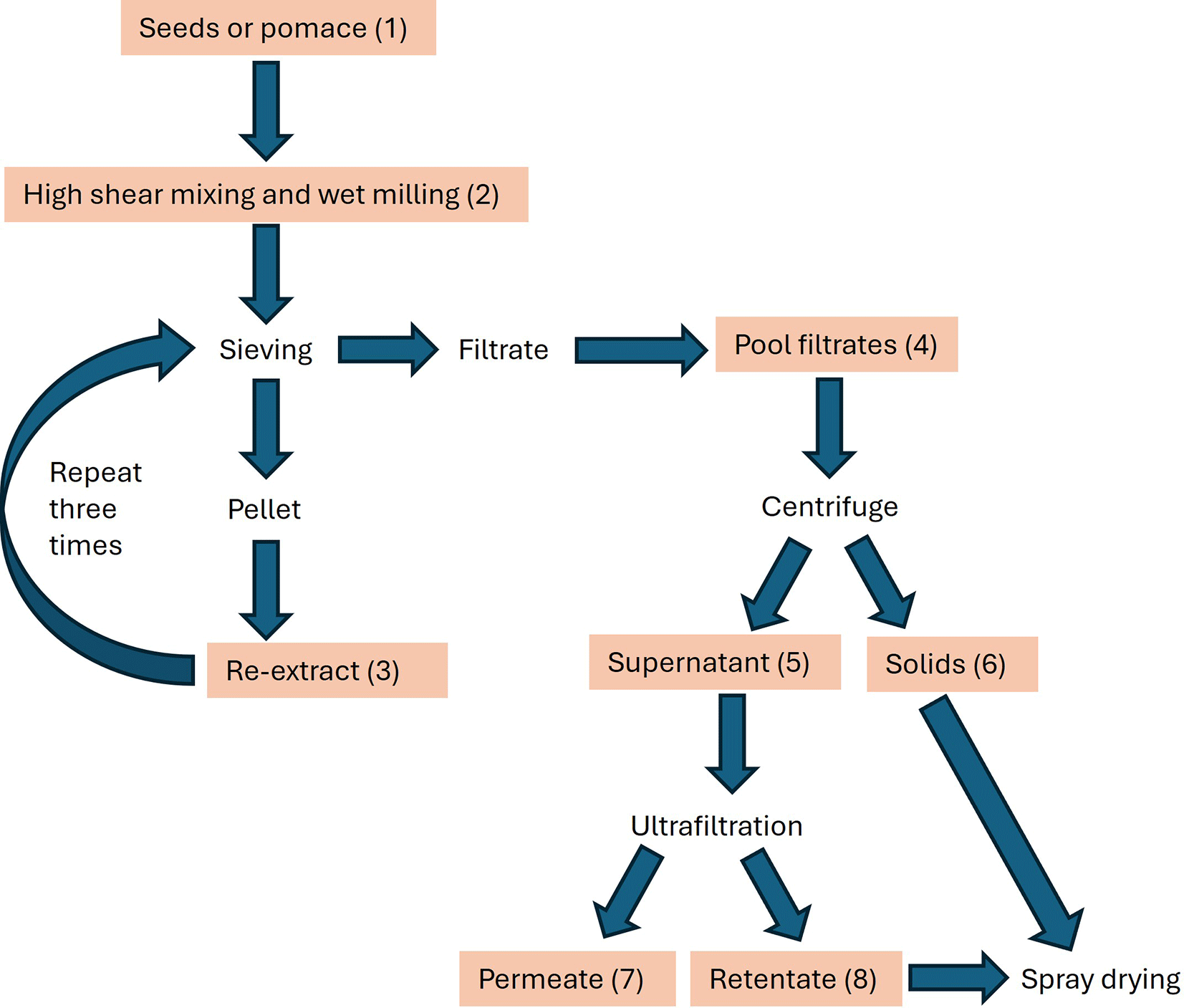
Figure 1. Schematic diagram of pilot process to extract protein from tomato seeds and pomace.
The process was similar with both substrates except where shown in brackets.
Pilot scale extraction from tomato pomace
Frozen tomato pomace (2.806 kg equivalent to 0.703 kg in dry weight) was thawed in 20 L hot tap water and then high shear mixed in the Bangor University laboratory using each of the workheads for 5 min at 7000 rpm in batches of 5 L as described in the previous section. The resuspended pomace was transported to the pilot scale facilities and was colloidal wet milled using a cone setting of 0.1 mm for 30 minutes at room temperature and then passed through a 250 μm sieve. The pellet was resuspended in another 20 L tap water and colloidal wet milled for 30 min, then sieved and the filtrate was retained. The pellet was resuspended in another 10 L tap water and colloidal wet milled for 30 min, sieved and filtered. This was repeated a further two times resulting in two filtrates. The filtrates were combined and stirred. The pooled filtrate was passed through the stack disc centrifuge to remove the solids which was stored at 4°C. The centrate was concentrated by ultrafiltration using a 10 kDa membrane resulting in a large volume of permeate waste. This suspension was high shear mixed with the emulsor screen attached for 5 min at 7000 rpm in 5 L batches and then passed through the spray dryer at temperatures between 90–100°C.
Protease treatment of tomato seed fractions
In a separate laboratory experiment, proteolysis of extracted tomato seed protein was explored. Extracts from seeds will contain peptides and amino acids which will pass through a 10 kDa ultrafilter membrane and become lost. The intention would be to treat the seed extract with a protease and to collect all of the proteinaceous material by sequential ultrafiltration through 10 kDa and 300 Da ultrafilter membranes and to concentrate the final permeate by spray drying. Therefore, the aim of this protease treatment was to confirm that a significant quantity of peptides and amino acids could be formed. Crude protein was extracted from tomato seeds (10.5 g wet weight equivalent to 3 g in dry weight) as previously described (Miklavčič Višnjevec et al., 2021). Briefly, the seeds were immersed in 500 ml deionized water and high shear mixed (Silverson mixer, UK) for 15 min at 7000 rpm. The seed hull solid was collected by sedimentation, and the crude protein suspension was decanted into another vessel. The pellet was resuspended in deionized water (50 ml) and a sample (1 ml) was removed to determine protein and peptides content before protease treatment. The pH of the remaining suspension was checked to ensure that it was between pH 5.5 to 7.5, the optimal pH range of the enzyme, and Neutrase (100 μl) (100 ml, NCBE, UK) was added. A sample (1 ml) was removed from the supernatant (100 ml) was checked to determine protein and peptide content and then Neutrase (20 μl) was added. The enzyme, which could be bought in small quantities, was active within the pH range of the tomato extracts without requirement pH adjustment. Both the resuspended pellet and supernatants were incubated at 50°C on the bottle roller (Fisher Scientific, UK, product code 15258854) at 80 rpm for 1 h and then incubated at 85°C for 15 min with occasional shaking to deactivate the enzyme. Finally, the suspensions were cooled to room temperature in order to determine the protein and peptide concentrations using the Bradford reagent (500 ml, Fisher Scientific, UK, product code 15424109) and modified Kaiser test kit (50 ml of each of three components, Merck, product code 12161503). The resuspended seed hulls were centrifuged (Avanti JXN-30 centrifuge, Beckman Coulter, Germany) at 4320 × g for 5 min. The protein concentrations were determined using the Bradford assay while peptide and amino acid concentrations using the modified Kaiser assay. Controls were performed using Neutrase (100 μl) immersed in 100 ml in water only. The protein, peptide and amino acid concentrations were calculated by subtracting the appropriate controls depending on whether protease was used.
Characterisation of protein samples
Sample collection
The volume of effluent was measured at each stage and was used in determining the protein contents. Samples (10 ml) were periodically collected during the process steps (
Figure 1).
Protein content
Protein contents were determined using the Bradford assay and measured in a plate reader (BioTek Epoch microplate spectrophotometer, Agilent Technologies, USA) at 595 nm. A standard curve was created using bovine serum albumin which was dissolved in deionized water at 0, 0.2, 0.4, 0.6, 0.8 and 1.0 mg/ml.
Bacterial enumeration
Bacterial populations were determined by serial dilution in 0.1% (w/v) sodium chloride (500 g, Fisher Scientific, UK, product code 10616082) solution and plating onto nutrient agar (500 g, Fisher Scientific, UK, product code 10219252). The plates were incubated at 25°C for one week and colonies were counted.
Amino acid and peptide content
The modified Kaiser assay was used to determine the presence of amino acids and peptides in the resuspended fraction and in the filtrate revealing that considerably more peptides were found in the filtrate. The latter assay was performed using 910 μl of sample, neat or diluted, with the addition of components of the Kaiser test [30 μl 0.2 mg potassium cyanide and 66% (v/v) pyridine, 30 μl 5% ninhydrin in n-butanol, and 30 μl 200% phenol in n-butanol]. The suspension was then incubated at 105°C for 5 min and then cooled to room temperature. Samples of 100 μl were measured in the plate reader at 570 nm. A standard curve was created using proteose peptone which had been enzymatically treated was prepared at 0, 0.2, 0.4, 0.6, 0.8 and 1.0 mg/ml.
Statistical analysis
All of the experiments were performed only once thus precluding the possibility of using standard statistical tests without replicates.
Results and discussion
The suspension of tomato seeds was at pH 5.5 at the start and almost no protein was detected (Table 2). Protein concentrations in the filtrate had increased that corresponded with the disintegration of the seeds. High shear mixing was necessary in order to reduce the particle size of the seeds because the large quantity of seeds was too much for the wet mill to process that resulted in a back-up of material. The protein concentration in the filtrate had increased as expected and resuspension of the remaining material collected on the sieve was at pH 7.31 which was adjusted to pH 8. The adjustment to pH 8 resulted in no change in the concentration of soluble protein in contrast to a previous study that revealed the quantity of protein extracted increased from pH 7 to pH 9 (Piyakina & Yunusov, 1995). This may be influenced by the presence of oil that has been shown to result in a 15% lower protein yield (Brodowski & Geisman, 1980), as a result of the good oil emulsion properties of this protein between pH 6 and 8 (Sarkar et al., 2016). Consequently, the presence of oil, albeit at low quantities, will result in some of the protein becoming associated with the oil and may be undetectable using the Bradford assay. The resuspensions of the remaining material collected on the sieve were at pH 7.51 on the third cycle and pH 7.67 on the fourth cycle and were readjusted to pH 8 each time. The protein concentrations recovered after the first and subsequent stirring cycles revealed considerably lower quantities were being recovered. This yield was lower than expected compared with laboratory trials (Table 3) where the yields appeared to be three-fold higher. Lower yields were obtained during repeated extractions in the large-scale trial (800 g) compared with the laboratory experiment (200 g). This could be attributed to the use of high shear mixing only in the laboratory experiments and not in the large-scale trial. The failure to use additional wet milling during subsequent extraction cycles was likely to be one of the contributing factors to reduced protein recovery. It would be expected that a further reduction in particle size would increase surface area supporting the transfer of proteins closer to the surface into the suspension. In addition, it was evident in a previous study that the presence of plant oils during the recovery of dietary fibres from olive pomace had a profound negative effect in pilot scale extraction compared with the laboratory experiments (Baker et al., 2023). The laboratory study revealed that optimal protein recovery was achieved with a high liquid-to-seed material of 500:1 during the first step (Table 3). Previous research has shown that a much lower ratio of 50:1 was sufficiently effective and that increasing this ratio did not increase protein recovery level (Sari et al., 2015). Nevertheless, the use of larger quantities of liquid becomes difficult to handle during the initial extraction to achieve effective disintegration during high shear mixing. The smaller volumes can be pooled together for storage in a larger vessel before proceeding to the next step in the process. In this large-scale trial, the pooling of four extractions would result in a ratio of 80:1, higher than the recommended 50:1 ratio. The first step in both laboratory experiments (700 g of wet tomato seed material) and the pilot scale extraction was similar involving high shear mixing and similar ratios of liquid to solid. However, the yield of protein was two-fold lower in the pilot scale extraction compared with the laboratory extraction indicating that another factor had affected the recovery of protein. This may be attributed to the higher quantity of seed mass of the pilot scale extraction resulting in more resistance to disintegration during high shear mixing compared with the smaller quantities used during the laboratory experiments.
Table 2. Protein concentrations and bacterial populations during each of the processing steps from tomato seeds and protein concentrations from tomato pomace comprising both seeds and skins.
|
Step in procedure | Step in Figure 1 | Concentration (percentage of total protein in seeds) | Bacterial population of seeds |
|---|
| Seeds |
Pomace* |
(Log cell counts per g DM) |
|---|
| RESUSPENSION |
| At start | 1 | 0.2 | 0. 27 | 6.48 |
| After high shear mixing and wet milling | 2 | 8.7 | 0. 37 | 6.87 |
| Adjustment to pH 8 | 2 | 8.7 | | ND |
| EXTRACTION AND SIEVING |
| First | 3 | 8.2 | 0. 41 | 6.82 |
| Second | 3 | 0.69 | 0. 17 | 6.15 |
| Third | 3 | 0.33 | 0. 073 | 6.90 |
| Fourth | 3 | 0.20 | ND | 6.59 |
| Pooled, adjust to pH 5 | 4 | 19.2 | 0. 90 | 6.18 |
| STACK DISK CENTRIFUGATION |
| Effluent | 5 | 16.5 | 1.1 | 4.66 |
| Solids | 6 | 2.9 | 0. 064 | 8.54 |
| ULTRAFILTRATION |
| Permeate | 7 | 0.067 | ND | 8.32 |
| Retentate | 8 | 1.5 | ND | 7.55 |
Table 3. Protein extraction from wet tomato seeds using consecutive high shear mixing extractions using different starting quantities.
|
| Protein concentration (mg per g DM of original seeds) |
|
|---|
| Sample (based on dry weight) | 1 g1 | 200 g2 | 800 g3 | ND4 |
| High shear mixing speed | 6000 | 6000 | 7000 | 0 |
| Initial extraction volume (ml) | 500 | 4000 | 20,000 | ND |
| Liquid/solid ratio (ml/g) | 500 | 20 | 25 | ND |
| Hulls | 11.6 | 27.3 | ND | |
| First extract | 87.7 | 52.2 | 22.4 | 78.5 |
| Second extract | ND | 40.6 | 1.9 | 20.45,6 |
| Third extract | ND | 42.5 | 0.9 | 7.75,7 |
| Fourth extract | ND | ND | ND | 4.75,8 |
| Total extracts | 87.7 | 135.3 | 25.2 | 111.3 |
The bacterial population during the pilot-scale processing steps remained low and appeared to decrease during the subsequent extraction steps as any bacteria remaining with the equipment was washed away (Table 2). However, the use of mild acidification to prohibit microbial growth during overnight storage was unsuccessful resulting in an increase in the bacterial population. The suspension showed a minor increase from pH 5.03 to pH 5.37 after 15 h on the following day. Ideally, continuous processing would have been preferential and instead the protein extracts were stored at 4°C during the subsequent trial with tomato pomace. The soluble protein content at this stage was higher compared with the sum of the soluble protein in the four separate filtrates which was perhaps caused by protease activity associated with the bacteria releasing insoluble protein that was not measured. The bacterial population remained relatively stable thereafter, but the soluble protein concentrations appeared to have decreased by the end of ultrafiltration. There are several possible explanations for the decrease in protein such as degradation caused by bacterial contamination or the presence of oils causing the proteins to adhere to the surface of the ultrafilter membrane. The protein concentrations associated with the solids enriched suspension collected by the stack disc centrifuge were also low because it is likely that most of these proteins were insoluble. The predicted soluble protein yield was highest with the pooled filtrates at 7.7% per g dry mass of tomato seeds and subsequently decreased to 0.6%. However, this calculated protein yield did not take into account insoluble protein associated with solids enriched suspension collected by the stack disc centrifuge, which was not measured. Rather than using ultrafiltration to concentrate the protein, acid precipitation followed by centrifugation has been previously used in the recovery of protein from rapeseed (Helstad et al., 2022). Consequently, a protein yield of 57% and a protein content of 91% was obtained when using alkaline extraction at pH 10.5. The crude protein yield after spray drying in our study was 21.88 g (2.7% of seeds DM) and appeared light yellow (Figure 2a). The powder contained a protein content of 40.3% as determined by Kjeldahl analysis using the standard conversion factor of 6.25 and 35% as determined using the Bradford assay. The protein yield was calculated as 2.6% g protein extracted per g tomato seed protein when using the value determined by Kjeldahl analysis. In another study on defatted tomato seeds, a higher protein yield of 27.4% g extracted protein per g tomato seed protein was obtained which had a higher protein content of 92% (w/w) from defatted tomato seeds (Sarkar & Kaul, 2014) compared with our study. The study used a similar technique, expect heat was applied (50°) that could result in more protein being extracted and higher centrifuging speeds were obtained on a much smaller sample size (40 g), which could result in a higher protein content. Protein recovery from lupin seeds appeared to be more effective due to the ease of dehulling resulting in kernels having a much higher initial protein content of 60% (Burgos-Díaz et al., 2019). Consequently, the use of more alkaline conditions and similarly high centrifugation speeds to remove remaining seed particles resulted in a protein content of 82% (w/w). While it is important to recover as much of the protein from tomato seeds, the low protein content of 40% (w/w) in our study would have limited applications in foods at that concentration. It would be described as a flour with a lower economic value in food applications compared with protein isolates having a protein content above 90% (Sari et al., 2015) and would require further processing to remove associated components. This yield was lower than expected compared with laboratory trials (Table 3) where the yields appeared to be three-fold higher. Hexane extraction of the crude protein to remove fats and oils resulted in an increase in the protein content from 35% to 47% as determined using the Bradford assay. The protein extract before hexane extraction appeared pale yellow whereas another study revealed that alkaline extraction of tomato seed protein may appeared darker possibly caused by the presence of phenolics despite having a higher protein content of 84% (Rana et al., 2025).
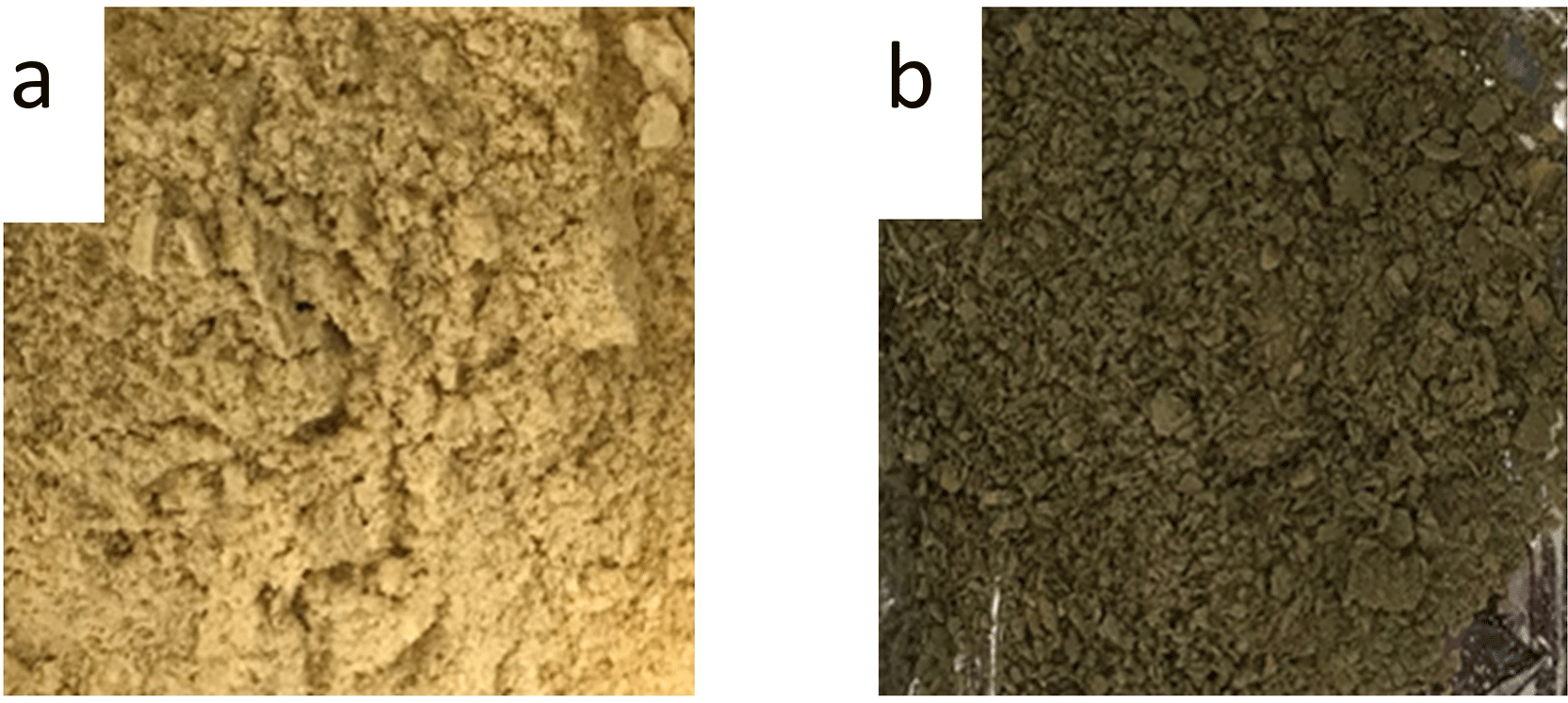
Figure 2. Final spray dried protein extracts from (a) tomato seeds and from (b) tomato pomace.
The processing of the whole tomato pomace was initiated using 2.806 kg in wet weight (833 g in dry weight) that comprised 70.4% seeds and 29.6% pomace. The pomace pellet collected on the sieve after the third and final filtration weighed 3 kg which had been squeezed by hand to remove as much water as possible. The tomato pomace after hand pressing had a dry weight content of 13%. Therefore, the remaining dry weight of material leftover after three successive extractions was 0.39 kg representing 47% of the original material at the start. The pooled filtrate was determined to be pH 4.20 and was stored in the fridge which decreased to pH 4.03 when left overnight. The protein content in the extracts was considerably lower than the extracts recovered from the separated seeds even after accounting for the proportion of seeds in the tomato pomace (Table 2). The spray dried protein extract weighed 42.2 g (6.0%) and contained a protein content of only 7% as determined using the Bradford assay, which reflected the lower protein content in tomato pomace. Furthermore, the spray dried crude protein appeared dark green (Figure 2b). Therefore, tomato seeds which contain most of the protein compared with the rest of the tomato pomace (Baker et al., 2022) must be separated from the remaining tomato pomace to efficiently recover protein in terms of yield and colour.
In an independent part of the study, the proportion of amino acids and peptides was assessed using a modified version of the Kaiser test. This test was originally designed to determine whether amino acids were present in a sample during protein synthesis (Kaiser et al., 1970). However, more recent studies have applied this method to quantify amino acids revealing most had similar levels of detection except cysteine and lysine which were barely detectable (Stauß et al., 2024). Detection is based on the reaction of ninhydrin with primary amines (Jarre et al., 2014) and therefore peptides would have only one amine group despite having a much larger molecular weight. These semi-quantitative results revealed the presence of amino acids and peptides were associated with the seed extract. It was assumed as shown with the soluble proteins that most of peptides would be soluble and found in the seed extract rather than remaining with the seed hull pellet. It was impossible to determine the separate proportions of amino acids and peptides. Proteolysis revealed that the total content of amino acids and peptides had increased assuming that the proportion of amino acids to peptides remained unchanged. This increase was accompanied by a decrease in the soluble protein content within the seed extract (Table 4). Likewise, amino acids and peptides were also found associated with the seed hull pellet after proteolysis, but soluble protein content associated with the seed hulls appeared to have shown a minor increase. It is highly probably that some insoluble protein remained with the seed hull and proteolysis may have solubilized some of this protein. A further reduction of the soluble protein associated with the seed extract could have been achieved by increased proteolysis incubation time. The recovery of soluble and insoluble proteins, and peptides from the suspension would require ultrafiltration through a 10 kD filter membrane followed by spray drying the retentate. The use of proteases in the recovery of protein from plant biomass appears to have the highest success in yields compared with the use of other enzymes (Baker and Charlton, 2020).
Table 4. Treatment of tomato seed extract and tomato seed hulls remaining after extraction with a protease and measurement of proteins and peptides.
| Neutrase proteolysis | Sample | Concentration (mg/g dry seeds) | Yield (% of dry weight) |
|---|
| Protein | peptides | protein |
peptides |
|---|
| Before | seed extract | 52.5 | 51.4 | 18.2 | 18.8 |
| seed hull pellet | 1.2 | ND | 0.4 | |
| After | seed extract | 26.4 | 173.2 | 9.2 | 60 |
| seed hull pellet | 1.4 | 18.8 | 0.5 | 6.1 |
It is perhaps worth considering the value of an industry that could be created using the protein recovered from tomato pomace. This would be based on the values described by Almeida et al. (2024) within Europe of 16.9 million tonnes of tomatoes of which 40% are processed. Amounting to 6.76 million tonnes. It is possible to calculate the quantity of seeds based on the previous knowledge that 110 g of seeds was recovered from 100 kg tomatoes, which would amount to 7500 tonnes. The recovery of about 750 tonnes of crude protein could be achieved assuming a recovery yield of just under 10% was possible based on current estimates. Previous market research revealed that expected purchasing prices by different types of industry of protein flour, concentrates and isolates would be €3, €4–€5, €10–€14, respectively (Pinilla & de la Fuente, 2018). These values could be used to calculate the total income that could be generated. The low protein content of the crude tomato seed protein would be classified as a protein flour and therefore the combined European market value of protein from tomato seeds could be worth €2.25 million during 2018. However, this highly approximate income does not take into account investment and operational costs.
Despite the relatively low income associated with this protein source, one of the beneficial factors associated with tomato seed protein is the presence of a higher concentration of lysine, an essential amino acid, compared with proteins recovered from other major sources such as soy and corn (Rana et al., 2025; Mechmeche et al., 2017). In addition, tomato seed protein has been shown to have high oil absorption (Liadakis et al., 1998; Sogi et al., 2002). A further investigation into the oil emulsion property of tomato seed protein revealed that it was stable in the presence of sodium chloride, at above pH 4, at a temperature below 80°C, and in calcium chloride below 50 mM (Sarkar et al., 2016). These properties could make tomato seed protein more desirable in the market and that proteins recovered from other plant seeds such as rapeseed showed poor solubility in water (Nasrabadi et al., 2021).
Conclusions
A full pilot scale protein extraction from tomato seeds was performed which revealed problems within the process leading to low yields compared with initial laboratory experiments. Suggestions have been considered that could significantly increase protein yields such as the use of high shear mixing instead of wet milling. Furthermore, the presence of oils and fats associated with the seeds appeared to significantly impact protein concentration during ultrafiltration and it appears that protein precipitation by acidification would be more effective. At his stage, it would be possible to treat the crude protein extract with hexane to remove any remaining oils and fats before progressing to enzyme hydrolysis with protease, followed by ultrafiltration. This process would shift hexane extraction from the initial stage with tomato seeds to much later resulting in a major reduction in solvent usage. A comparison with pilot scale protein extraction from tomato pomace revealed a lower yield even when taking into account the lower proportion of seeds. Pilot scale extractions revealed that the protein yield from tomato seeds was higher than from tomato pomace (mixture of pomace and seeds) even when the lower proportion of seeds in the tomato pomace was considered.
Ethics and consent
Ethical approval and consent were not required.
Data availability
There is no additional data to the numbers represented in the tables of this research article. However, all raw data and calculations are provided as an electronic data set at the following website: tomato seed and pomace data.
https://pure.bangor.ac.uk/admin/workspace.xhtml
Data file: 2 g seeds – lab experiment, 200 g seeds – lab experiment, 800 g seeds – pilot trial, pomace – pilot trial, seeds – bacterial population and protease treated (only highlighted data used in this research article).
References
- AgroTimes Ukrainian producer enters TOP-20 global tomato processors in 2024:
2025. Accessed on 19.5.2026.https://ukragroconsult.com/en/news/ukrainian-producer-enters-top-20-global-tomato-processors-in-2024/
- Ahlström C, Thuvander J, Rayner M, et al.:
Pilot-scale protein recovery from cold-pressed rapeseed press cake: influence of solids recirculation.
Processes.
2022; 10(3): 557. Publisher Full Text
- Almeida PV, Gando-Ferreira LM, Quina MJ:
Tomato residue management from a biorefinery perspective and towards a circular economy.
Foods.
2024; 13(12): 1873.PubMed Abstract
| Publisher Full Text
| Free Full Text
- Baker PW, Charlton A:
A comparison in protein extraction from four major crop residues in Europe using chemical and enzymatic processes-a review.
Innov. Food Sci. Emerg. Technol.
2020; 59: 102239. Publisher Full Text
- Baker PW, Preskett D, Krienke D, et al.:
Pre-processing waste tomatoes into separated streams with the intention of recovering protein: Towards an integrated fruit and vegetable biorefinery approach to waste minimization.
Waste Biomass Valor.
2022; 13(8): 3463–3473. Publisher Full Text
- Baker PW, Višnjevec AM, Peeters K, et al.:
Valorisation of waste olive pomace: Laboratory and pilot scale processing to extract dietary fibre.
Clean. Circ. Bioeconomy.
2023; 5: 100045. Publisher Full Text
- Brodowski D, Geisman JR:
Protein content and amino acid composition of protein of seeds from tomatoes at various stages of ripeness.
J. Food Sci.
1980; 45(2): 228–229. Publisher Full Text
- Burgos-Díaz C, Opazo-Navarrete M, Wandersleben T, et al.:
Chemical and nutritional evaluation of protein-rich ingredients obtained through a technological process from yellow lupin seeds (Lupinus luteus).
Plant Foods Hum. Nutr.
2019; 74(4): 508–517. PubMed Abstract
Reference Source
- Fritsch C, Staebler A, Happel A, et al.:
Processing, valorization and application of bio-waste derived compounds from potato, tomato, olive and cereals: a review.
Sustainability.
2017; 9(8): 1492. Publisher Full Text
- Helstad A, Forsén E, Ahlström C, et al.:
Protein extraction from cold-pressed hempseed press cake: From laboratory to pilot scale.
J. Food Sci.
2022; 87(1): 312–325. PubMed Abstract
| Publisher Full Text
- Jarre G, Heyer S, Memmel E, et al.:
Synthesis of nanodiamond derivatives carrying amino functions and quantification by a modified Kaiser test.
Beilstein J. Org. Chem.
2014; 10(1): 2729–2737. PubMed Abstract
| Publisher Full Text
| Free Full Text
- Joehnke MS, Jeske S, Ispiryan L, et al.:
Nutritional and anti-nutritional properties of lentil (Lens culinaris) protein isolates prepared by pilot-scale processing.
Food Chem. X.
2021; 9: 100112. PubMed Abstract
| Publisher Full Text
| Free Full Text
- Kaiser E, Colescott RL, Bossinger CD, et al.:
Color test for detection of free terminal amino groups in the solid-phase synthesis of peptides.
Anal. Biochem.
1970; 34(2): 595–598. PubMed Abstract
| Publisher Full Text
- Kaur D, Sogi DS, Garg SK, et al.:
Flotation-cum-sedimentation system for skin and seed separation from tomato pomace.
J. Food Eng.
2005; 71(4): 341–344. Publisher Full Text
- Latlief SJ, Knorr D:
Tomato seed protein concentrates: effects of methods of recovery upon yield and compositional characteristics.
J. Food Sci.
1983; 48(6): 1583–1586. Publisher Full Text
- Liadakis GN, Tzia C, Oreopoulou V, et al.:
Protein isolation from tomato seed meal, extraction optimization.
J. Food Sci.
1995; 60(3): 477–482. Publisher Full Text
- Liadakis GN, Tzia C, Oreopoulou V, et al.:
Isolation of tomato seed meal proteins with salt solutions.
J. Food Sci.
1998; 63(3): 450–453. Publisher Full Text
- Lu Z, Wang J, Gao R, et al.:
Sustainable valorisation of tomato pomace: A comprehensive review.
Trends Food Sci.Technol.
2019; 86: 172–187. Publisher Full Text
- Mechmeche M, Kachouri F, Chouabi M, et al.:
Optimization of extraction parameters of protein isolate from tomato seed using response surface methodology.
Food Anal. Methods.
2017; 10(3): 809–819. Publisher Full Text
- Meshkani SM, Mortazavi SA, Rad AHE, et al.:
Optimization of protein extraction and evaluation of functional properties of tomato waste and seeds from tomato paste plants.
Biosci. Biotechnol. Res. Asia.
2016; 13(4): 2387–2401. Publisher Full Text
- Miklavčič Višnjevec A, Baker PW, Peeters K, et al.:
HPLC-DAD-qTOF compositional analysis of the phenolic compounds present in crude tomato protein extracts derived from food processing.
Molecules.
2021; 26PubMed Abstract
| Publisher Full Text
| Free Full Text
- Nasrabadi MN, Doost AS, Mezzenga R:
Modification approaches of plant-based proteins to improve their techno-functionality and use in food products.
Food Hydrocoll.
2021; 118: 106789. Publisher Full Text
- Pinilla JM, de la Fuente E :
Review of end user partner requirements and desired target molecules.
ProEnrich delivery report.
2018: pp. 1–51.
- Piyakina GA, Yunusov TS:
General characteristics of the proteins of tomato seed flour and tomato skin flour.
Chem. Nat. Compd.
1995; 31(4): 495–499. Publisher Full Text
- Pleshkov BP:
Praktikum po biokhimii rasteniĭ (Practical Handbook of Plant Chemistry (In Russian)).
Uchebniki i uchebnye posobii︠a︡ dli︠a︡ vysshikh sel′skokhozi︠a︡ĭstvennykh uchebnykh zavedeniĭ.
1968.
- Rana S, Kapoor S:
Valorisation of tomato seeds: investigating the effects of defatting on the physico-chemical, rheological, structural and techno-functional properties.
Biomass Convers.Biorefin.
2025; 15(5): 6847–6858. Publisher Full Text
- Rana S, Kapoor S, Bala M, et al.:
Optimization and characterization of tomato seed protein isolate: a sustainable source of functional protein.
Biomass Convers. Biorefin.
2025; 15(9): 14339–14356. Publisher Full Text
- Roy S, Sarkar T, Chakraborty R:
Vegetable seeds: A new perspective in future food development.
J. Food Process. Preserv.
2022; 46(11): e17118. Publisher Full Text
- Sari YW, Mulder WJ, Sanders JP, et al.:
Towards plant protein refinery: review on protein extraction using alkali and potential enzymatic assistance.
Biotechnol. J.
2015; 10(8): 1138–1157. Publisher Full Text
- Sarkar A, Kamaruddin H, Bentley A, et al.:
Emulsion stabilization by tomato seed protein isolate: Influence of pH, ionic strength and thermal treatment.
Food Hydrocoll.
2016; 57: 160–168. Publisher Full Text
- Sarkar A, Kaul P:
Evaluation of tomato processing by-products: A comparative study in a pilot scale setup.
J. Food Process Eng.
2014; 37(3): 299–307. Publisher Full Text
- Schmidt F, Blankart M, Wanger J, et al.:
Upscaling of alkaline pea protein extraction from dry milled and pre-treated peas from laboratory to pilot scale: Optimization of process parameters for higher protein yields.
J. Food Meas. Charact.
2022; 16(6): 4904–4913. Publisher Full Text
- Sogi DS, Garg SK, Bawa AS:
Functional properties of seed meals and protein concentrates from tomato-processing waste.
J. Food Sci.
2002; 67(8): 2997–3001. Publisher Full Text
- Sogi DS, Bhatia R, Garg SK, et al.:
Biological evaluation of tomato waste seed meals and protein concentrate.
Food Chem.
2005; 89(1): 53–56. Publisher Full Text
- Stauß AC, Fuchs C, Jansen P, et al.:
The ninhydrin reaction revisited: optimisation and application for quantification of free amino acids.
Molecules.
2024; 29PubMed Abstract
| Publisher Full Text
| Free Full Text








