Introduction
Workplace violence and harassment (WPV) is a pervasive concern in healthcare globally, representing a significant breach of workers’ rights to safe, dignified, and equitable employment that are core elements to the International Labour Organisation’s (ILO) decent work agenda (2019). The ILO (1999) describes decent work as opportunities for women and men to obtain productive employment in conditions of freedom, equity, security, and human dignity. This concept extends beyond physical safety to encompass relational and organisational dimensions, as well as the dynamic balance between resources and demands in the workplace (Czakert et al., 2024). Cross-cultural research confirms that fair treatment, health and safety, meaningful work, and autonomy are intricately associated with psychological well-being and resilience (Ferraro et al., 2018). The damages of WPV on workers may occur in several of these critical components, expressing decent work deficits.
WPV, particularly gender-based violence and harassment (GBVH), is defined by ILO (2019) Convention No. 190 as violence and harassment directed at persons because of their sex or gender, or disproportionately affecting persons of a particular sex or gender, including sexual harassment. GBVH undermines Decent Work dimensions and signals systemic deficits threatening individual health and healthcare sustainability. GBVH in healthcare often stems from ambivalent sexism, comprising hostile sexism (overt antipathy towards women who challenge traditional roles) and benevolent sexism (subjectively positive but patronizing attitudes idealizing women in restrictive roles), as outlined by Ambivalent Sexism Theory (Glick & Fiske, 1997). Both forms justify male dominance and gender inequality, with hostile sexism directly associated with the perpetration of violence and benevolent sexism enabling tolerance of it by blaming victims who defy stereotypes. WPV is defined by the National Institute for Occupational Safety and Health (NIOSH, 2002) as acts or threats of violence targeting individuals while they are performing work duties. Although defined, the gender component of GBVH is hard to isolate or even to identify in many real events, so we decided to use the title ‘gender-related’ instead. However, due to the generalised use of ‘gender-based’, we will keep the acronym GBVH throughout this article.
Data from the United States indicates that healthcare workers account for nearly half of all nonfatal workplace violence injuries despite comprising only about 10% of the overall workforce (U.S. Bureau of Labour Statistics, 2024). Similar prevalence rates are reported globally, including India (~ 63%; Hossain et al., 2020), Latin America (~ 60% among healthcare workers; Parodi et al., 2023), Africa (~ 55.64%; Eshetie et al., 2025). Turning to incidents occurring with lethal weapons, China registers approximately 38.3% of violent incidents occurring with lethal weapons (Zhang, Li et al., 2021a). Recent European data show that 16% of European Union (EU) workers report exposure to violence or verbal abuse, and 8% experience harassment or bullying at work (
European Agency for Safety and Health at Work [EU-OSHA], 2025b). In the health and social care sector specifically, 31% report stress, depression, or anxiety caused or worsened by their work, and 65% of EU workers experienced a work-related health problem in the past year. These statistics reflect critical shortcomings in ensuring decent work conditions that protect healthcare workers from violence and its sequelae.
In Europe, WPV in healthcare gained prominence during the late 20th century, driven by rapid social and cultural changes (Tomev et al., 2003), evolving patient care expectations, and the intensification of healthcare work environments (Di Martino, 2002). The rise in reported assaults and aggressive incidents towards healthcare workers (Chappell & Di Martino, 2006), especially nurses and physicians (World Health Organisation [WHO], 2025a), reflected broader shifts in occupational dynamics, patient populations (
European Council of Medical Orders [ECMO], 2025), and the visibility of GBVH across all professional settings. These patterns exemplify deficits in the decent work dimensions of occupational safety, equality, and respect (ILO, 2022). Historically, WPV research originated in high-risk sectors before expanding to hospitals and emergency care, where the convergence of patient distress, high workloads, and emotional volatility renders healthcare staff uniquely vulnerable (Gümüş & Doğan, 2025). These entrenched challenges illustrate breaches of decent work principles, including non-discrimination and dignity, fundamental to equitable healthcare environments.
Recent European studies have confirmed that WPV is both widespread (Kluge, 2025) and on the rise (Ivaškaitė-Tamošiūnė & Parent-Thirion, 2023). Across Europe, approximately one in three healthcare professionals, including physicians and nurses, report experiencing bullying threats or violence at work annually, with about 10% subjected to physical violence or sexual harassment (WHO, 2025b). Notably, nurses and healthcare workers from ethnic minority backgrounds face an even higher risk (Almeida-Meza et al., 2025). These figures highlight the intersectional vulnerabilities and the failure to ensure decent and equitable working conditions for all workers (ILO, 2019).
GBVH is embedded in European labour structures. According to the largest EU-level survey, one in three women reports having experienced physical or sexual violence in their lifetime (Gümüş & Doğan, 2025), and one in three has faced sexual harassment at work (
European Institute for Gender Equality [EIGE], 2024). Although women are commonly reported in the literature as the gender most affected by WPV, studies (e.g., Enogieru et al., 2024; Humbert et al., 2025) show that other gender-related aspects, such as being transgender or non-binary, are associated with higher reported experiences of harassment, psychological and physical violence at work due to gender identity, and increase the likelihood of feeling unsafe and experiencing social exclusion in their workplace. Specifically in healthcare settings, up to 45% of women staff report some form of work-related violence (Ajuwa et al., 2024). Similar data is found regarding other gender identities in healthcare settings, with this gender minority group having an even higher prevalence of incidents of psychological violence and sexual harassment than women (Stufano et al., 2025). These patterns highlight not only breaches of physical and psychological safety but broader inequalities that violate decent work principles related to non-discrimination, equality, and empowerment (ILO, 2019). Furthermore, men cannot be disregarded since they are also targets of GBVH (e.g., Alhomoud, 2025; Ayaz et al., 2024).
Several interlinked social and occupational shifts have contributed to the escalation of WPV and GBVH. Over recent decades, demographic changes, massification of services, and greater diversity among both staff and service users have transformed healthcare workplaces (Kluge, 2025). The restructuring of healthcare towards efficiency has intensified workloads and reduced interpersonal buffers, leaving staff more vulnerable to patients and visitors who are frustrated, distressed, or disinhibited. This occurred, while gender equality movements and legal reforms have increased awareness (
European Commission, 2025), promoting the reporting of incidents (ECMO, 2025), and leading to a renewed focus on fostering safe and dignified work environments (Almeida-Meza et al., 2025).
European and international authorities broadly define WPV as encompassing physical aggression, psychological abuse, threats, sexual harassment, and all forms of intimidation that compromise safety and dignity at work (
European Nursing Research Foundation [ENRF], 2022). For instance, the EU-OSHA (2010, 2025a) and the WHO (2025b) clearly include both explicit and implicit behaviours that challenge worker well-being and security. The ILO (2024b) features harassment based on gender, race, age, disability, religion, or sexual orientation within its decent work agenda. ILO (2019) Convention No. 190 explicitly recognises GBVH as acts disproportionately affecting certain groups due to social roles and expectations, reinforcing the association between WPV and systemic power imbalances that decent work frameworks seek to address. Definitions emphasise that WPV ranges from verbal insults and bullying to severe physical assault, with abuse understood as misuse of power or psychological force encompassing sexual or racial harassment and bullying (or mobbing). For instance, bullying involves systematic, repeated behaviour aimed at intimidating, undermining, or harming an individual (EU-OSHA, 2002; Mota, 2025). Unlike isolated acts of aggression, bullying is chronic and relational, creating a persistently hostile work environment (Bunce et al., 2024).
Data from recent literature (e.g., Colaprico et al., 2023; Rossi et al., 2023; Sahebi et al., 2022) and European data converged on high prevalence rates: around 80% of healthcare workers have reported some form of WPV (Rossi et al., 2023), and up to one in three women in the sector experienced sexual harassment at work (WHO, 2025a). Nurses and emergency staff are particularly exposed (Almeida-Meza et al., 2025). Perpetrators include patients, their families and visitors, managers, colleagues, and superiors or subordinates (Lim et al., 2022), representing both horizontal and vertical violence within institutional hierarchies (ILO et al., 2002). However, most studies do not specifically focus on GBVH or provide gender-disaggregated data. The available evidence consistently shows a broader pattern of gender inequality in the workplace, with women being more frequently targeted (De la Parra-Guerra et al., 2025) and facing persistent disparities in earnings, promotions, and leadership roles (EIGE, 2024). For example, the gender pay gap in healthcare and care sectors is estimated at around 20%, significantly higher than in many other fields. This enduring gap reflects systemic issues, including occupational segregation, the undervaluation of women-dominated professions, the glass ceiling effect in leadership, and biased promotion practices, which collectively sustain unequal career progression and compensation for women, despite legal frameworks that support equal pay (
European Commission, 2025). This broad conceptualisation of WPV, alongside high prevalence and complex perpetrator profiles, illustrates the pervasive and multifaceted threat to healthcare workers, particularly women. It highlights the urgent need for comprehensive institutional policies and zero-tolerance interventions that address physical, psychological, and gender-based dimensions of workplace aggression, fostering safer and more equitable healthcare work environments (EU-OSHA, 2025a; WHO, 2025b).
The consequences of WPV and GBVH extend well beyond immediate injury. In European healthcare, these experiences are strongly associated with burnout (Çakir et al., 2025), mental health difficulties (including depression, post-traumatic stress symptoms, and suicidal ideation), job dissatisfaction, decreased motivation, turnover, and diminished quality of patient care (Lim et al., 2022). The COVID-19 pandemic further aggravated these issues, sharply increasing rates of violence and psychological distress among healthcare personnel (Mento et al., 2025; EU-OSHA, 2025a). Institutions face operational disruption, loss of skilled professionals, reputational damage, and escalating costs related to absenteeism, litigation, and risk management (WHO, 2025a, 2025b). WPV and GBVH threaten the stability and effectiveness of healthcare systems, undermining trust, collaboration, and the standard of care (ENRF, 2022). Persistent violence drives skilled workers away, contributes to staff shortages, and impedes the recruitment and retention of diverse and talented professionals (Gümüş & Doğan, 2025), ultimately challenging the resilience of health services at a systemic level (Jaspers et al., 2025).
The gender component of GBVH remains significantly under-researched in healthcare, with few studies providing gender disaggregated data and vast gaps in knowledge, implementation, and measurement, as GBVH is often under-reported and overlooked despite its disproportionate impact on women workers. Given this scarcity, reviewing broader WPV offers a more comprehensive conceptual and empirical baseline from which to deduce GBVH specifics, such as gendered patterns in antecedents, behaviours, and impacts. Although reviews of reviews exist on this matter (e.g., Colaprico et al., 2023; Rossi et al., 2023; Sahebi et al., 2022), none systematically define associated concepts, clarify GBVH within healthcare frameworks, or map instruments for operationalising the phenomenon across victims, perpetrators, and institutions (Mtaita et al., 2023). This gap is crucial, as it underpins the identification of WPV and/or GBVH behaviours, measuring their occurrence and impacts, and pinpointing vulnerabilities (e.g., for certain healthcare workers) or perpetrator profiles to inform targeted interventions. Existing reviews also overlook comprehensive mappings of intervention effectiveness, leaving unmet needs for evidence on what reduces incidents and fosters safer workplaces (e.g., Essue et al., 2025).
This review of reviews (RoR) aimed to synthesise and clarify the current state of knowledge on WPV through a gender-sensitive lens in healthcare, given the large body of literature reviews on this topic. By examining definitions, theoretical frameworks, measurement instruments, types of violence, specific behaviours, antecedents, consequences, targets, perpetrators, interventions, and their effectiveness, this work provided a comprehensive conceptual and empirical map for researchers, policymakers, and workplace leaders (Rossi et al., 2023). The RoR structured analysis aimed to clarify ambiguities, unify current evidence, and offer actionable guidance for policy, workplace culture reform, and future studies. By explicitly foregrounding both the individual and institutional impacts of GBVH and articulating the growing urgency of the issue in contemporary European healthcare, this review strengthened the case for coordinated action, resource allocation, and the establishment of zero-tolerance cultures. The knowledge assembled is not only for understanding and preventing violence, but also for designing safer, fairer, and more sustainable healthcare workplaces for all.
Method
This RoR adhered to the Preferred Reporting Items for Systematic Reviews and Meta-Analyses (PRISMA) 2020 guidelines (Page et al., 2021) and followed the recommendations outlined by the Joanna Briggs Institute’s (JBI) for umbrella reviews (Aromataris et al., 2015). Our research questions and inclusion criteria were formulated according to the PICO framework (Richardson et al., 1995), where applicable, acknowledging that this RoR encompasses more than exclusively systematic reviews or meta-analyses, trying to include other types of literature reviews that could provide insightful information to better understand the study phenomenon. That is why we call it a review of reviews rather than an umbrella review. The population (P) consisted of all workers who interacted professionally in healthcare settings (e.g., physicians, nurses, nursing students, therapists) and were potential targets of workplace violence or harassment. The intervention (I) included any structured strategies aimed at addressing GBVH, where applicable, while the outcome (O) focused on reducing or mitigating GBVH or WPV incidence. The comparison (C) included a comparison between interventions that have been implemented regarding types of WPV addressed, main objectives and outcomes. In addition to applying the PICO framework where appropriate, our review explicitly acknowledges that not all included studies conform to PICO criteria, requiring a broader analytic scope. Therefore, beyond the standard PICO elements, we comprehensively examined various definitions that distinguish GBVH from other forms of WPV, different measurement approaches, behavioural taxonomies, antecedents and consequences, victim and perpetrator characteristics, interventions and their effectiveness, and theoretical frameworks applied. This broader approach ensures inclusion and rigorous analysis of a wider range of evidence beyond what PICO alone can accommodate.
Literature search and study selection
A systematic and comprehensive literature search was conducted on July 2nd, 2025, using the EBSCO and Cochrane Library indexing databases, and on July 6th, 2025, using PsycINFO. These databases were selected to ensure a broad, multidisciplinary retrieval of high-quality reviews on health interventions, covering psychological, behavioural, and health science literature (Goossen et al., 2020; Gusenbauer & Haddaway, 2020). The search was restricted to the title field, combining three concept blocks (i.e., healthcare-related, types of violence, and study design;
Table 1). Terms within each block were combined with the operator ‘OR’, and the three blocks were intersected with the operator ‘AND’. Searches were limited to peer-reviewed articles published within the last five years to ensure methodological rigour and current evidence (Dearholt, 2022; Helbach et al., 2022) in a rapidly evolving field. Restricting the search to English-language publications maximised accessibility while minimising impact on review conclusions (Nussbaumer-Streit et al., 2020). Included studies examined GBVH and WPV across a wide range of healthcare settings (hospitals, clinics, domiciliary services), and various healthcare actors as targets (e.g., physicians, nurses, therapists, nursing students) to provide a comprehensive understanding of the phenomenon. Studies were excluded if they focused solely on non-healthcare populations (e.g., the general workforce, children, adolescents, and women in non-healthcare settings), patients as targets of violence (e.g., institutional violence), and reviews addressing types of violence beyond the scope of GBVH at work (e.g., domestic or intimate partner violence), as well as those focusing on reviewing only materials other than primary studies (e.g., incident reports).
Table 1. Search strings for reviews of healthcare workplace violence.
| Field | Strings |
|---|
| Healthcare-related
| "healthcare professional" OR "healthcare provider" OR "healthcare worker" OR "healthcare" OR "health sector" OR "health setting" OR "health organisation" OR "hospital" OR "nurse" OR "nursing" OR "physician" OR "doctor" OR "health" |
| Types of violence | "violence" OR "bullying" OR "harassment" OR "mobbing" OR "stalking" OR "cyberbullying" |
| Study design | “review” OR “reviews” OR “overview” OR “umbrella” |
Through systematic analysis of the included studies, the review aimed to address the following key areas: (1) conceptual and methodological aspects, including the definitions of GBVH proposed in the literature, theoretical frameworks applied, instruments used for measuring GBVH, types of GBVH observed in workplace settings, and research designs employed in primary studies; and (2) empirical evidence, including specific behaviours classified as GBVH, antecedents and consequences associated with GBVH, targets and perpetrators of GBVH within healthcare, interventions implemented to address GBVH, and effectiveness and success rates of these interventions. This multilevel approach ensures that both conceptual foundations and practical responses to GBVH in healthcare workplaces are systematically evaluated, providing an integrated overview for future research and policy development.
Study selection was performed by two authors, who screened titles and abstracts to exclude papers that did not meet the inclusion criteria, followed by a full-text review. In cases of uncertainty regarding eligibility, the reviewers held discussions to reach consensus. If disagreements persisted, a third author was consulted to resolve the issue. When, even with a third reviewer, consensus was not reached, final inclusion decisions were based on majority agreement (i.e., inclusion if at least two of the three reviewers judged the study as eligible).
Data extraction and synthesis
The NotebookLM Pro (Google DeepMind), powered by Gemini 2 Pro, a large language model (LLM) interface, was employed to support the content analysis of the included reviews. This tool is specifically indicated for synthesising information (Shor et al., 2025) and features a source-grounded architecture that enhances credibility and reduces inaccuracies by restricting analysis to user-uploaded documents (Mese & Kocak, 2025). This methodological approach is precedented by the tool's use in enhancing the trustworthiness, comprehensiveness, and efficiency of systematic reviews in fields such as surgery (Tan et al., 2025), computational agent research (Braga et al., 2025), and oncology (Zhong et al., 2025). Data extracted from NotebookLM were systematically organised into manually created tables to address the research questions. Research questions were used as prompts to collect information in NotebookLM. All extracted information was verified through full-text reading, by the authors, of the respective papers, and corrected when incongruencies were found. Minor discrepancies were found and corrected, being primarily related to omission of information, especially if this information was less recurrent between papers. This might be explained because of the large amount of information/documents uploaded to the LLM, which focused on retrieving the more frequent information and neglected other important aspects less commonly referred to. Although in a small number, minor hallucinations were also found and corrected in full-text reading (e.g., attributing information to the paper that did not mention it). These tables compiled key information on authors, sample sizes, definitions of GBVH and WPV, theoretical and methodological frameworks, characteristics of victims and perpetrators, types and objectives of interventions, and their outcomes, as well as measurement instruments. Three authors independently performed data extraction, each responsible for different information domains, with consultation among researchers to resolve any uncertainties that arose. All compiled information underwent verification by at least one additional researcher to ensure accuracy.
Results
The initial search identified 1,439 records; after the selection process, 102 studies were included in this RoR.
Figure 1 depicts the selection procedure in a PRISMA-style flow diagram. Overall, our RoR sample encompassed at least 3,053 primary studies, as some reviews did not report sample sizes (Haleem & Bingawi, 2024; Kafle et al., 2022; Machul et al., 2024). The evidence base includes numerous multi-country reviews (e.g., Berger et al., 2024; Karatuna et al., 2020; Nelson et al., 2024; Pagnucci et al., 2022), as well as geographically specific studies conducted across Asia and the Middle East (e.g., Alhomoud, 2025; Aljohani, 2021; Li et al., 2022), Europe (e.g., Civilotti et al., 2021; Hanwell et al., 2025; Schaller et al., 2021), Africa (e.g., Ekpor et al., 2024; Njaka et al., 2020), America (e.g., Odes et al., 2021), and Oceania (e.g., Grant et al., 2022).
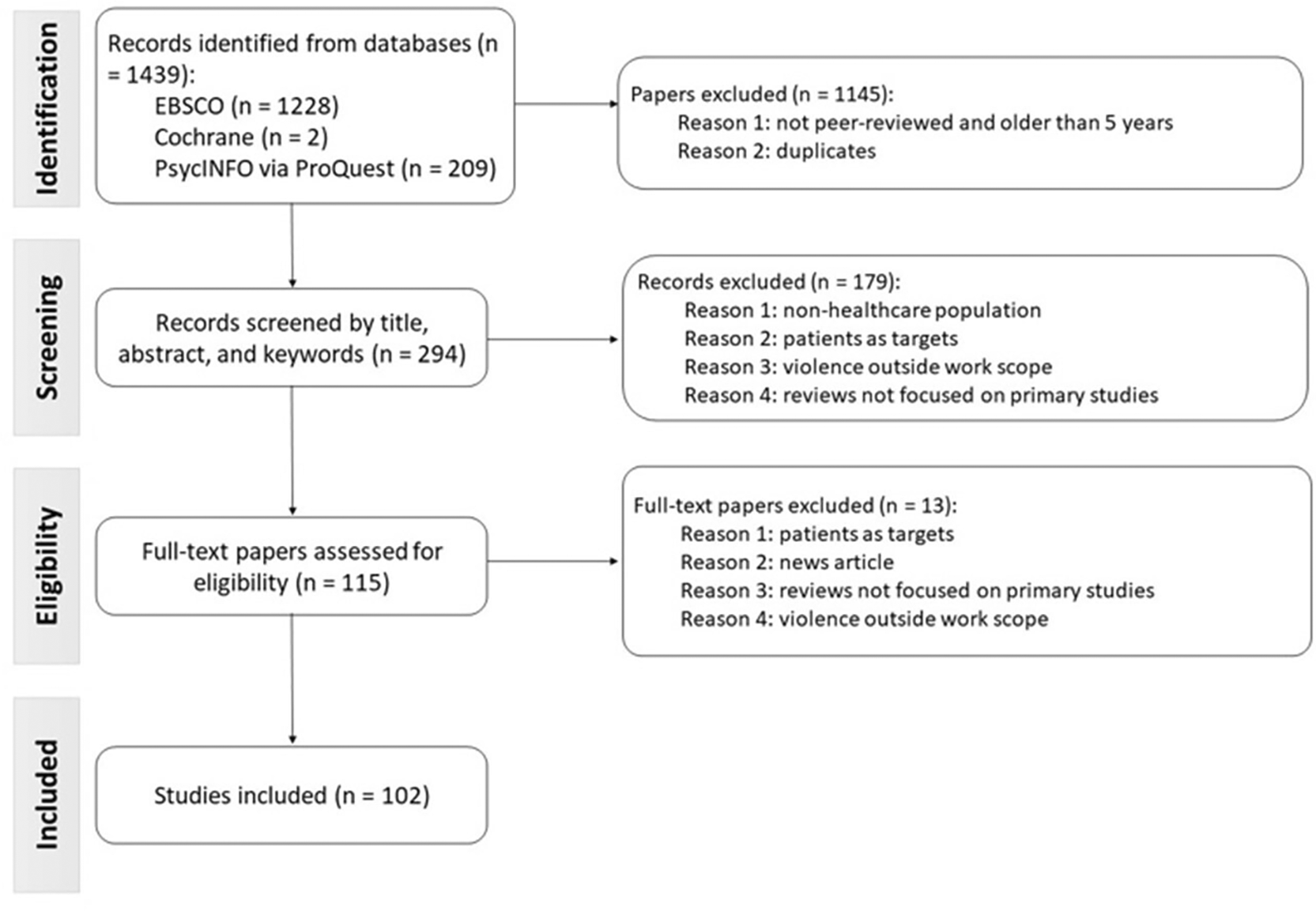
Figure 1. Flow diagram of study selection.
Definitions of GBVH and WPV
The terminology used to describe harmful acts in the workplace (including physical assault, verbal abuse, bullying, and harassment) is highly inconsistent across academic literature (Kumari, Sarkar et al., 2022; Zhao et al., 2025), organisational policies, and legislative frameworks. This inconsistency leads to significant conceptual fragmentation. Appendix 1 illustrates how this variation, arising from different disciplinary and policy perspectives, leads to terminological overlaps and ambiguity. As a result, it becomes difficult to determine whether studies focus on individual behaviours, institutional practices, or broader structural power dynamics. This ambiguity weakens definitional clarity, hampers comparability, and obstructs accurate measurement of prevalence and the development of targeted interventions.
Most WPV definitions in the literature include physical and psychological violence against workers, often with unspecified perpetrators and minimal gender sensitivity. Aggression is commonly framed as intentional harm, but specific occupational or gender contexts are rarely addressed. From the included studies, only seven explicitly reference definitions of GBVH. In contrast to conventional WPV frameworks, these definitions are more explicit about gendered causes and effects. For example, Ayaz et al. (2024) cited the ILO’s inclusive definition that considered as GBVH any behaviours of violence and harassment towards someone because of their sex/gender, or that affects genders disproportionately, while Nelson et al. (2024) referenced the United Nations Committee on the Elimination of Discrimination against Women’s (UN-CEDAW) women-specific definition, focused on structural discrimination. The contrast between these definitions points to persistent conceptual ambiguity: the ILO’s approach recognises violence can affect any gender disproportionately, while UN-CEDAW roots GBVH in feminist understandings of discrimination against women.
Further complexity arises in healthcare settings, where patient aggression and violence refer to incidents perpetrated by patients or families, as opposed to colleagues or external entities. Occupational violence is broadly context-specific but often lacks a precise specification of intent or gender. Violence against healthcare workers increasingly encompasses cyber aggression, reflecting sector-specific risks. Workplace bullying (including mobbing and horizontal violence) emphasises repeated, targeted harm among co-workers, typically with low gender sensitivity. Incivility represents lower-intensity aggression, usually without clear intent, whereas sexual harassment denotes explicit, gender-based conduct undermining dignity and psychological safety.
Further inconsistencies exist in the delimitation of targets, perpetrators, and the intentionality behind aggressive acts. While specific definitions clearly designate workers as targets, others vaguely refer to “at work”, leaving target identification open to interpretation. Similarly, the perpetrator is frequently unspecified, rendering agency ambiguous across most frameworks. Bullying definitions tend to be more explicit, identifying co-workers as both aggressors and victims. Still, GBVH and broader WPV constructs often rely on contextual judgment regarding intent and agency, perpetuating weaknesses in research comparability and consistent operationalisation.
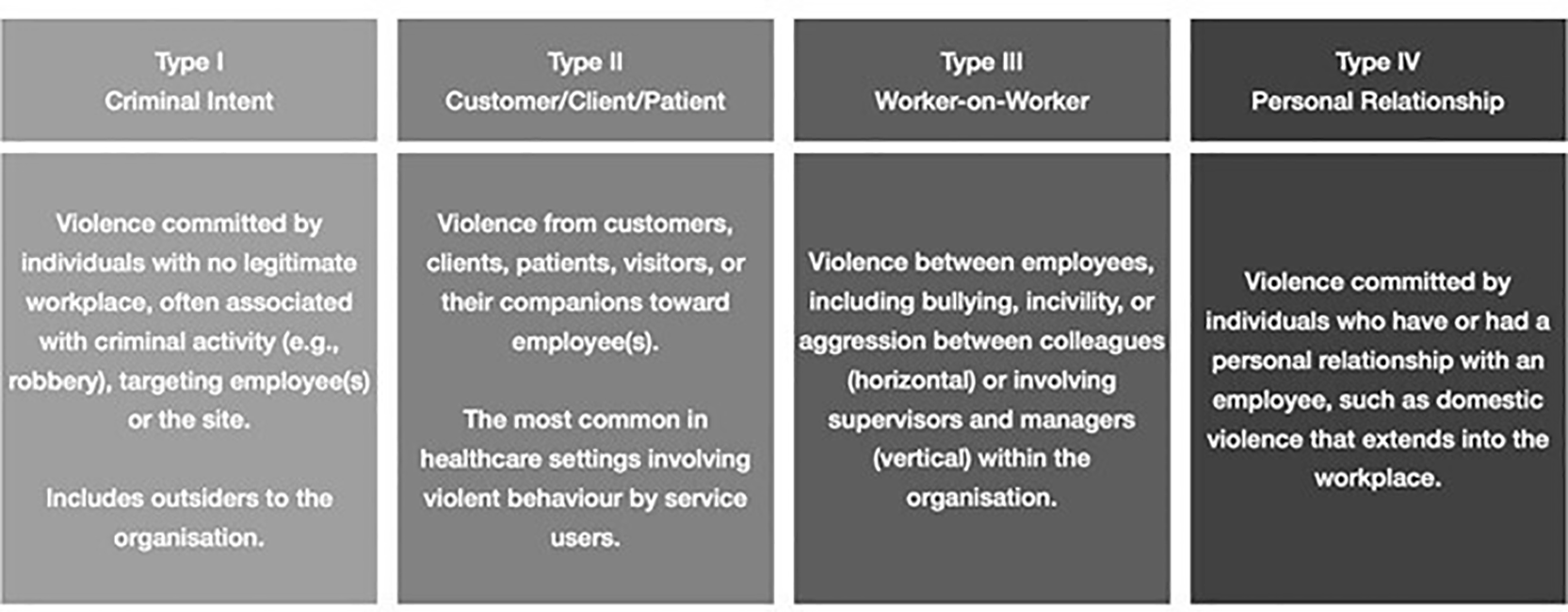
To address such limitations, a widely adopted framework (e.g., Ayaz et al., 2024; Civilotti et al., 2021) classifies WPV by examining the perpetrator-victim relationship (
Figure 2). Although this classificatory approach clarifies agency, it neglects specific behavioural attributes that constitute WPV, focusing only on the relational dynamic between the parties involved. Consequently, conceptual ambiguity persists, limiting precise measurement, coding, and intervention design throughout the field. For example, when there is no direct relationship between who perceives violence and the perpetrator, there is also no classification for this kind of events. As two studies in our sample show (Lu et al., 2024; Njaka et al., 2020), WPV can be witnessed instead of experienced, presenting a pooled prevalence between 53.76% and 88.6%.
Following this conceptual fragmentation, components of WPV can be systematically clustered by behavioural type.
Table 2 synthesises the literature by mapping core WPV components and specifying behaviours attributed to each. Across sources, the primary distinction remains the dichotomy between physical and psychological violence: physical violence involves the intentional use of force resulting in actual or potential bodily harm, while psychological violence encompasses behaviours causing psychological harm in the absence of physical contact. Between these two types, psychological violence is often the most reported type of violence, followed by physical violence and sexual violence (Alhomoud, 2025; Chakraborty et al., 2022; Berger et al., 2024; Pompeii et al., 2020). This trend is also true when considering witnessed instead of experienced WPV (Lu et al., 2024).
Table 2. Components of WPV and their specific behaviours (n = 12).
| Component | Description | Specific behaviours | Sources |
|---|
| Physical | Intentional use or attempt of physical force against an individual resulting in physical, sexual, or psychological pain, injury, or harm | Hitting, kicking, slapping, biting, choking, stabbing, shooting, pushing, wounding, and sexual assault | Ajuwa et al. (2024); Albalwei et al. (2021); Alhomoud (2025); Balis et al. (2025); López-Ros et al. (2023); Martinez & Oliveira (2021); Mohammed et al. (2024); Önal et al. (2023); Shohani & Tavan (2024); Tyler et al. (2022); Varghese et al. (2022); Woon (2023); Zhao et al. (2025) |
| Psychological | Non-physical behaviours that harm emotional well-being, including harassment and verbal abuse | Harassment and verbal violence | Ajuwa et al. (2024); Albalwei et al. (2021); Alhomoud (2025); Önal et al. (2023); Woon (2023); Zhao et al. (2025) |
| Verbal | Use of aggressive, insulting, or degrading language is perceived as a personal attack | Insults, shouting, threats, humiliation, ridicule, offensive language, name-calling, offensive tone | Ayasreh & Hayajneh (2021); Balis et al. (2025); López-Ros et al. (2023); Mohammed et al. (2024); Önal et al. (2023); Shohani & Tavan (2024); Tyler et al. (2022); Woon (2023); Zhao et al. (2025) |
| Harassment/Sexual | Unwelcome verbal, gestural, or physical acts of a sexual nature that offend, humiliate, threaten, or embarrass | Unwanted contact, sexual comments, flirting, teasing | Balis et al. (2025); Clari et al. (2020); Mohammed et al. (2024); Varghese et al. (2022); Woon (2023); Zhao et al. (2025) |
Frequently, terms such as emotional, verbal, and psychological violence are used interchangeably, contributing to conceptual overlap (Ayasreh & Hayajneh, 2021; Travaini et al., 2024). Certain behaviours (e.g., threats) may span both physical and psychological domains, manifesting as actual acts (e.g., physical aggression) or as verbal, written, or implied threats (Mohammed et al., 2024). Similarly, harassment and sexual violence function as cross-cutting typologies, defined by their intent and content (e.g., sexual), and may manifest in both physical forms (e.g., assault) or psychological forms (e.g., verbal or gestural harassment). This refined classification supports more consistent operationalisation and facilitates comparability across studies and settings.
Theoretical frameworks
Theoretical frameworks addressing WPV and GBVH extend beyond typological classifications to provide integrative explanations that connect individual, interpersonal, organisational, developmental, and cultural determinants. Collectively, the models (Appendix 2) illuminate how violent phenomena in healthcare arise from dynamic interactions among personal dispositions, social relationships, institutional structures, and broader sociocultural forces. In line with the socioecological tradition (e.g., Center for Disease Control and Prevention [CDC], n.d.; Stokols, 1996), these frameworks are organised here into four main levels of analysis: (a) individual/psychological models that focus on personal risk, learning, and coping across career span; (b) interpersonal/relational models that emphasise dyads, teams, and peer dynamics; (c) organisational/structural models that address workplace design, leadership, training systems, and policy; and (d) sociocultural models that locate WPV and GBVH within wider cultural, gender, and policy systems. Additionally, a fifth level of analysis, including integrative/systems-based models, conceptualises violence as a multicausal process emerging across nested ecological strata, articulating dynamic interactions between proximal (individual, relational) and distal (organisational, policy) influences through socioecological, complexity, and multicomponent prevention lenses.
Individual-level theories focus on the individual/psychological level of analysis by examining cognitive, affective, resource-based, and developmental mechanisms that shape personal vulnerability, learning, and coping across intentionality, antecedents, and consequences of the WPV and GBVH, and personal resources to handle WPV and GBVH. Affective mechanisms centre on emotional reactivity and cognitive appraisal processes that trigger impulsive aggression or stress responses during violent incidents, while resource-based mechanisms emphasise internal capacities such as self-efficacy and resilience that buffer against burnout and aid recovery. Foundational schemas such as the Affective-Predatory Violence Model (McEllistrem, 2004) distinguish between impulsive and instrumental aggression, supporting clinical assessments of violent intent across intentionality, antecedents, and consequences levels (Hou et al., 2023). Resource-oriented theories, including Transactional Stress/Coping (Lazarus & Folkman, 1984), Conservation of Resources (Hobfoll, 2001), Psychological Capital (Luthans et al., 2007), Self-Efficacy and Locus of Control (Dunn et al., 2007), and Resilience Theory, highlight how resource loss, self-efficacy, and resilience shape adaptation to violence exposure and recovery, with implications for training and work redesign (e.g., Dafny et al., 2024; Ribeiro & Sani, 2024). Similarly, resilience theories inform programmatic efforts aimed at strengthening resources and fostering psychological empowerment among healthcare workers (Ribeiro & Sani, 2024). Developmentally oriented models such as Novice-to-Expert framework (Benner, 1982) and Transition Theory (Duchscher, 2008) extend this individual focus by describing how clinical judgment, confidence, and vulnerability to bullying and violence evolve as nurses move from novice to expert and navigate transition shock during early career stages, evolving in relation to WPV exposure, evaluation across prevention and personal resources domains (Alshawush et al., 2022). These individual-level perspectives support interventions that foster organisational support, strengthen individual coping resources (e.g., Önal et al., 2023), tailor training to career stage, and redesign work demands to reduce risk and bolster preparedness across professional trajectories.
At the interpersonal level, sociopsychological theories explain how aggression is transmitted and normalised within the workplace by examining the social mechanisms that underpin horizontal aggression (e.g., antecedents, personal resources). Social Learning Theory (Bandura, 1977) and Social Identity Theory (Turner et al., 1979) explain the perpetuation and propagation of violence through group boundary enforcement, modelling, and occupational socialisation within unit and team contexts (e.g., antecedents, upstream variables; Zhang et al., 2024). Social Exchange Theory (Blau, 1964) outlines the mediating effects of reciprocity and power balance on workplace aggression at both dyadic and unit levels (e.g., intentionality, upstream variables; Odes et al., 2021), while Interpersonal Relations Theory (Peplau, 1952) explores relational strategies for mitigating and coping with aggression across practice, policy, and unit cultures (e.g., antecedents, prevention, upstream variables; Amara & Hansen, 2024). Empirically derived models, such as the Grounded Theory of Nurse Bullying and Violence Against Emergency Department Nurses Model, provide relationally grounded evidence for peer and patient-provider interventions spanning antecedent, personal resources, and upstream variables (Hou et al., 2023; Machul et al., 2024). Collectively, these frameworks support strategies to foster civility, peer support, and ethical norms.
Organisational-level models emphasise the structural determinants (e.g., system design, leadership, institutional justice) that shape the occurrence and mitigation of WPV across intentionality, antecedent conditions, consequences, prevention, and upstream variables. Typological models (e.g., U.S. Department of Justice, 2001; NIOSH, n.d.) conceptualise perpetrator profiles and motivational distinctions as clinically meaningful frameworks for assessing WPV intentionality, antecedents, and consequences (
Figure 2; e.g., Ayaz et al., 2024; Travaini et al., 2024). Frameworks such as the Donabedian Model (1988), Quality Caring Model (Duffy & Hoskins, 2003), and Bureaucratic Caring Theory (Ray, 1989) emphasise organisational culture and leadership as central mechanisms (Dafny et al., 2024; Luca et al., 2024). Job Demands-Resources Theory (Bakker & Demerouti, 2007), Person-Environment Fit (Kelly et al., 2015), Human Factors Framework, and Organisational Justice (Adams, Greenberg) theories further specify how workload, fit, and perceived equity and fairness influence bullying, violence, and aggression (e.g., antecedents, consequences, upstream variables; Pariona-Cabrera et al., 2020; Odes et al., 2021; Wang et al., 2022; Xu et al., 2025). Developmental models such as the Transition to Practice Model (National Council of State Boards of Nursing, 2015), general learning theories development-of-competence theories, and Kirkpatrick’s Evaluation Model (Kirkpatrick & Kirkpatrick, 2006) are treated here as organisational-level frameworks because they guide the design, implementation, and evaluation of institutional training and transition programmes that address WPV, bullying, and aggression (e.g., prevention, personal resources; Alshawush et al., 2022; Johnston & Fox, 2020; Martinez & Oliveira, 2021). These conceptualisations support organisational assessment tools, leadership development, and education policies that associate training content and evaluation criteria to concrete improvements in workplace safety.
Societal frameworks embed WPV and GBVH within macro-level systems of power, norms, and inequality that shape both antecedent risks and institutional responses (to prevent and/or mitigate) at policy and cultural levels (e.g., Nelson et al., 2024). The ILO/ICN/WHO/PSI Framework (2002) situates violence prevention within a gender-sensitive, rights-based approach that guides policy and organisational practice (Nelson et al., 2024; Somani et al., 2021). The Oppression Theory (Freire, 1972) and Structural Violence Theory (Farmer et al., 2006) examine how systemic discrimination and hierarchical power relationships generate and sustain WPV, particularly for marginalised groups, often with gendered dimensions (Reguera-Carrasco et al., 2025). Intersectional and cultural models, such as the GLOBE Study (House et al., 2004), Cultural Dimensions (Hofstede, 1980), and Phenomenological Approaches, recognise that perceptions of violence, coping strategies, and prevention practices are deep-rooted, culturally contingent, and require policy and organisational responses thar are sensitive to power relations and cultural diversity (e.g., Karatuna et al., 2020). Collectively, these frameworks ground policies aimed at equity, inclusion, and gender mainstreaming across healthcare institutions (e.g., Tyler et al., 2022; Yosep et al., 2024).
Integrative and systems-based models conceptualise violence as a multicausal process emerging across nested ecological strata and contextual domains (e.g., intentionality, antecedents, consequences, personal resources, recovery). The Socioecological Model (CDC, 2022) and Multifactorial Conceptual Model (Cooper & Swanson, 2002) articulate how proximal (individual, relational) and distal influences (organisational, policy) interact dynamically to shape incident risk and systemic responses (e.g., Civilotti et al., 2021; Fricke et al., 2023; Kim & Lee, 2024). Complexity Theory (Flannery & Flannery, 2023) extends this logic through a non-linear systems perspective, highlighting feedback loops and emergent properties across organisational and unit levels (Amara & Hansen, 2024). Operational frameworks such as SafeWards (Bowers, 2014) and Capacity, Opportunity, Motivation-Behaviour Framework (COM-B; Hinsby & Baker, 2004) draw on behavioural theory to identify and operationalise key implementation components that integrate behavioural change, organisational policy, and environmental modification across practice, recovery, and unit/organisational contexts (Amara & Hansen, 2024; Xie et al., 2025). Multicomponent Prevention Models integrate interventions across individual, organisational, and policy levels, underscoring the need for context-sensitive, evidence-based strategies to support systematic implementation (López-Ros et al., 2023). Collectively, these models provide the theoretical architecture for comprehensive, multilevel violence prevention strategies that integrate behavioural, structural, and policy levels.
Antecedents/Risk factors and consequences of WPV and GBVH
GBVH and WPV in healthcare and related professions is a multifaceted phenomenon, arising from complex interactions among victim, perpetrator, organisational, and societal factors (e.g., Emary et al., 2024; Kumari, Ranjan et al., 2022; Xu et al, 2025). These dynamics shape not only the occurrence but also the serious consequences of violence within clinical settings.
Antecedents and risk factors of WPV and GBVH
The most frequently identified risk factors for victimisation, both in clinical and academic settings, include working in the public sector (Rehan et al., 2023), being female (Hadavi et al., 2023; Kumari, Ranjan et al., 2022; Nelson et al., 2024; Njaka et al., 2020), younger (Berger et al., 2024), a nurse (Alhomoud, 2025; Berger et al., 2024; Kumari, Ranjan et al., 2022; Nelson et al., 2024; Lozano et al., 2021; Parsons et al., 2022), less experienced (particularly if under 4 or 5 years of experience; Fatai et al., 2025; Nelson et al., 2024; O’Brien et al., 2024; Rehan et al., 2023; Woon, 2023), possessing higher education, and having a single or separated marital status (Ferede et al., 2025; Oludare & Kotronoulas, 2022; Yusoff et al., 2023;
Figure 3). Although in general most targets are women, men are more likely to suffer from physical aggression and women are more prone to verbal violence (Ayaz et al., 2024; Nelson et al., 2024; Rehan et al., 2023), reflecting gender-related aspects not only in the proportion of involvement in WPV incidents but also regarding types of violence. Also, women are more frequently victims of other types of violence, as sexual harassment, bullying, and general discrimination (Nelson et al., 2024). However, contradictory information regarding which gender is more likely to experience WPV can be found (Berger et al., 2024; Pompeii et al., 2020), as well as no particularly significant differences (Alhomoud, 2025). As for Matta et al. (2024), they found that in Asia, during COVID-19 pandemic, men are more affected by WPV, and in Latin America, women are the gender more affected. Hence, differences related to which gender is identified as being at greater risk can reflect important cues about the influence of context and other factors (e.g., nationality or cultural background) on WPV in general and GBVH in particular (Alhomoud, 2025; Nelson et al., 2024).
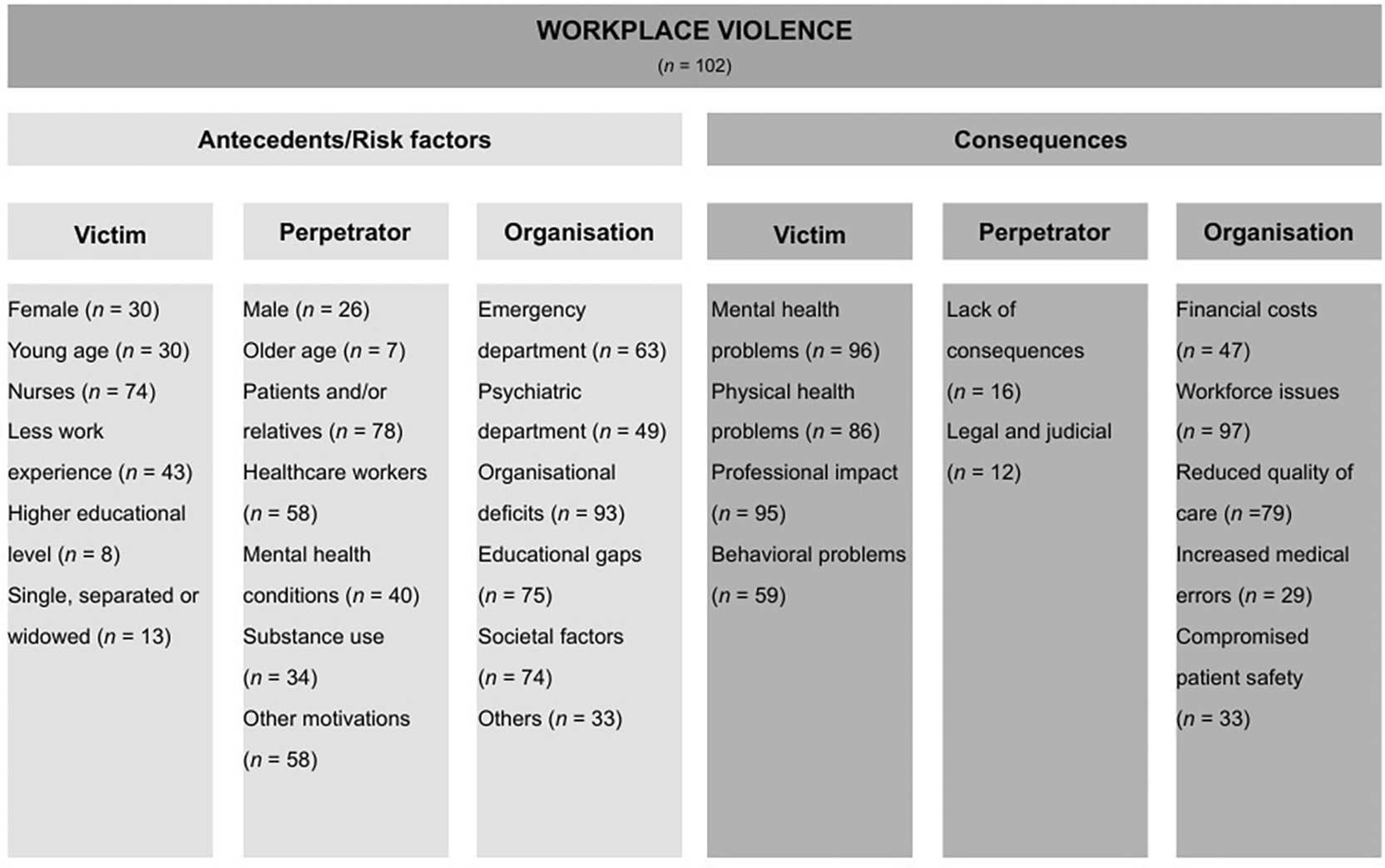
Figure 3. Antecedents/risk factors and consequences of WPV.
Perpetrators are most commonly patients or relatives and older males (Berger et al., 2024; Kumari, Ranjan et al., 2022; Lu et al., 2024; Njaka et al., 2020; Pompeii et al., 2020; Wang et al., 2025), but may also include other healthcare workers, such as nurses and physicians (Alhomoud, 2025; Zhong & Shorey, 2023), with men still being identified as the main perpetrators (Ayaz et al., 2024). Contributing characteristics among perpetrators, in general, encompass mental health issues (e.g., psychiatric disorders, cognitive impairment), perception of unmet needs, lack of respect, privacy or a controlling environment (Amara & Hansen, 2024; Chakraborty et al., 2022), emotional distress (e.g., burnout, anxiety), substance use, prior history of violence, problematic attitudes or motivations, and lower socioeconomic status (Abdulwehab & Kedir, 2025; Emary et al., 2024; Kumari, Ranjan et al., 2022). This is especially true when staff engage in frequent contact with patients and visitors, putting frontline nurses at higher exposure, with over 96% reporting verbal abuse and 60% reporting physical abuse (Woon, 2023). Between colleagues, incidents of horizontal or vertical violence are reported, especially verbal violence against nursing students (Yosep et al., 2024). In this type of violence, although men are the most commonly reported perpetrator, a higher rate of violence committed by females can be found, yet women remain the most affected gender by bullying (Ayaz et al., 2024). This might be explained through a higher representativeness of females in the healthcare workforce, when compared to men. However, upward violence is also a component of bullying, as highlighted by Parsons et al. (2022).
For a comprehensive understanding of the phenomenon,
Figure 3 provides an overview of the main antecedents/risk factors and consequences of WPV.
The characteristics of WPV perpetrators vary depending on whether the incident occurs in clinical settings (patients or visitors) or organisational settings (subordinates or co-workers). In clinical settings, perpetrators are primarily male patients and visitors (Alhomoud, 2025; Hou et al., 2023; Rehan et al., 2023; Zhao et al., 2025). Violent incidents demonstrate a pronounced male predominance, with males accounting for approximately 73% of cases in a Western Australian study and 60% of agitation episodes among patients with post-traumatic amnesia (Woon, 2023). Such violence is frequently associated with the patient’s medical or neurological condition (e.g., nontraumatic cerebral problems; Berger et al., 2024). Aggression in hospitalised patients reflects both endogenous factors (neurological damage, biochemical dysregulation, prior abuse, substance use, dementia, chronic pain) and contextual determinants (Fatai et al., 2025; O’Brien et al., 2024), with organisational inadequacies (communication breakdown, excessive waiting times, adverse prior experiences) amplifying patient frustration (Chakraborty et al., 2022). Relatives and visitors may also engage in verbal and physical aggression, often pushing or verbally abusing nurses, particularly when experiencing emotional distress or perceived neglect.
WPV within professional hierarchies encompasses both upward-directed aggression, downward-directed aggression, and peer aggression (Alhomoud, 2025). In the upward-directed aggression from subordinates (e.g., nursing students, direct-care staff, junior academics) towards supervisory or administrative superiors, operationalised through individual or collective perpetration (Parsons et al., 2022). As for downward-directed aggression, either physical, psychological, or sexual violence, this type of violence appears to be more prevalent from males, physicians, supervisors, and administrators towards female nurses (Alhomoud, 2025; Ayaz et al., 2024; Nelson et al., 2024; Njaka et al., 2020). This highlights gender-related aspects of WPV and an interaction between gender and professional status that might contribute to higher rates of WPV. Perpetrator motivations span organisational factors (e.g., dissatisfaction, staffing shortages, workload burden), interpersonal dynamics (e.g., authority competition, educational prejudice), and psychological strain. Academic settings often demonstrate age-correlated disruptive behaviours (e.g., disrespect, dishonesty, indiscipline, inattention, and poor time management). Peer-directed bullying and mobbing represent additional prevalent forms of WPV within healthcare professionals (Machul et al., 2024). It often arises from peer competition, social exclusion, and entrenched workplace cultures that tolerate hostility (e.g., Jang et al., 2022a; Recla-Vamenta et al., 2023). Significantly, perceptual factors also influence reporting behaviours: nurses often normalise violence as inherent to their role, attribute incidents to patient illness rather than malice, and report only the most severe or physically injurious events (Zhao et al., 2025).
Organisational risk factors cluster around night shifts (Alhomoud, 2025; Berger et al., 2024; O’Brien et al., 2024) high-risk locations where patients may be in more aggravated conditions (Nelson et al., 2024; Lozano et al., 2021), such as emergency (Fatai et al., 2025; O’Brien et al., 2024; Rehan et al., 2023), psychiatric (Nelson et al., 2024), obstetric (Njaka et al., 2020), intensive care (Berger et al., 2024), geriatric, and outpatient units, as well as surgical wards (Ayaz et al., 2024). Although less common in the literature, other staff, besides physicians and nurses (e.g., Pompeii et al., 2020), also present high rates of WPV, such as dental staff or radiographers, with rates near 32% and 73%, respectively (Njaka et al., 2020). Systemic contributors include gaps in reporting systems and policies (absence or ineffectiveness of zero-tolerance policies), insufficient managerial support and accountability, normalisation of violence (Alhomoud, 2025; O’Brien et al., 2024; Zhao et al., 2025), understaffing, high patient-to-staff ratios, excessive workloads, burnout, long working hours, job fatigue, long wait times, and overcrowding (Alhomoud, 2025; Ayaz et al., 2024; Emary et al., 2024; Fatai et al., 2025; Kumari, Ranjan et al., 2022; Lu et al., 2024; O’Brien et al., 2024; Yusoff et al., 2023). Educational deficiencies (e.g., lack of training, skills, awareness, or communication preparation) further exacerbate risk (Abdulwehab & Kedir, 2025; Alhomoud, 2025; Ayaz et al., 2024; Xu et al., 2025). Societal factors include cultural differences and discrimination, cultural tolerance of violence, persistent gender norms and power imbalances, and hierarchical or patriarchal structures (Oludare & Kotronoulas, 2022; Ferede et al., 2025; Zhong & Shorey, 2023). Additional risks are associated with shift timing, systemic pressures (e.g., healthcare strain, crises such as the COVID-19 pandemic), physical environments, and the overall well-being and stability of the workforce (Hadavi et al., 2023; Ramzi et al., 2022; Saragih et al., 2022).
Consequences of WPV and GBVH
Figure 3 outlines the consequences of WPV for victims, perpetrators, and organisations. For victims, either experienced healthcare workers or students, the impacts are severe and multifaceted, chiefly including mental health problems such as fear and anxiety, stress, depression, post-traumatic stress disorder, and burnout (Alhomoud, 2025; Berger et al., 2024; Ferede et al., 2025; Galanis et al., 2024; Hadavi et al., 2023; Hilton et al., 2022; Machul et al., 2024; Martinez & Oliveira, 2021; Njaka et al., 2020; O’Brien et al., 2024; Rija et al., 2022; Yosep et al., 2024). The impact of all forms of violence appears to have a more detrimental effect among females (Galanis et al., 2024; Lozano et al., 2021), regarding psychological distress, career goals, development and turnover intention. Physical consequences range from injury and trauma to sleep disturbances, hypertension, weight loss, headaches, fatigue, and, in rare instances, fatality (Ramzi et al., 2022; Yusoff et al., 2023). Professionally, WPV contributes to increased turnover and intent to leave, absenteeism, impaired productivity and work quality, and a rise in patient care errors (Alhomoud, 2025; Berger et al., 2024; Emary et al., 2024; Njaka et al., 2020; O’Brien et al., 2024; Oludare & Kotronoulas, 2022; Yosep et al., 2024), and an overall lower professional quality of life (Galanis et al., 2024). Financially, nurse leaders may incur legal and security costs (Parsons et al., 2022). Victims may also display avoidance behaviours (e.g., steering clear of specific patients, locations, communication, decision-making, or reporting), reflecting ongoing psychological distress (Xie et al., 2023; Zhong & Shorey, 2023). Additional symptoms include guilt, self-doubt, feelings of worthlessness (Lu et al., 2024; Njaka et al., 2020; O’Brien et al., 2024; Yosep et al., 2024), and paranoia, with long-term consequences often culminating in post-traumatic stress disorder or burnout (Woon, 2023). Moreover, two studies (Machul et al., 2024; Yosep et al., 2024) reported severe impact in nursing students learning processes when they are victims of WPV bullying during clinical practice, which compromise their professional development and quality of future practice due to limited educational opportunities.
Consequences for perpetrators of WPV are rarely described. They commonly experience minimal repercussions; most face no significant consequences, and only a small minority are subject to legal or judicial action (Abdulwehab & Kedir, 2025; Yusoff et al., 2023). This lack of accountability is notable, especially in cases involving patients or visitors. Besides legal or judicial action, patients who engage in aggressive behaviour towards staff can be isolated or sedated by staff to de-escalate the situation (Woon, 2023).
At the organisational level, consequences are widespread and costly. These include increased absenteeism, sick leave, lost productivity, workers’ compensation claims, staff turnover, and the costs associated with recruiting and training replacements (Zhou et al., 2024). Additional systemic effects include increased security expenditure, higher rates of job dissatisfaction, and a decline in overall care quality (Ayaz et al., 2024; Machul et al., 2024; O’Brien et al., 2024; Parsons et al., 2022), as revealed by more frequent medical errors and compromised patient safety (O’Brien et al., 2024; Yusoff et al., 2023). WPV fosters a toxic workplace climate that can undermine safety culture, erode leadership ability, and discourage future nurses from pursuing managerial roles (Parsons et al., 2022). Financially, the total annual cost of violence to the U.S. hospitals alone was recently estimated at over $18 billion, with the most significant burdens arising from staff injuries, absenteeism, and lost productivity (Abdulwehab & Kedir, 2025). WPV further exacerbates workforce shortages through impaired recruitment and retention (Woon, 2023). Collectively, these findings underscore the pervasive, multilevel impact of WPV within healthcare settings (Emary et al., 2024).
Instruments/Measurement of WPV and GBVH
Measurement of WPV in healthcare is highly variable, marked by inconsistent definitions, diverse tools, and varied methodological factors that hinder cross-study comparability and the ability to draw generalisable conclusions (Odes et al., 2021). Numerous studies rely on locally developed or self-report questionnaires with mixed validity, and even when validated instruments are used, reliability metrics and conceptual boundaries are frequently underreported. Many studies inconsistently specify recall periods or behavioural categories, impeding accurate case quantification (Jang et al., 2022b) and meta-analysis. Even when established tools are used, a significant portion of the literature fails to report reliability and validity data, undermining a full appraisal of the findings. Appendix 3 provides a comparative summary and overview of the currently available measurement tools and quality indicators, facilitating systematic benchmarking and research-informed intervention planning. As the mentioned table shows, no instruments were found that specifically assessed GBVH. Some instruments are mentioned in analysed studies as tools for WPV assessment, but with no further information on their aims and scope, psychometric properties, population, and/or limitations (e.g., Kumari, Sarkar et al., 2022; Lozano et al., 2021; Lu et al., 2024; Martinez & Oliveira, 2021; Mundey et al., 2023). These instruments are: Mental Health Nursing Clinical Confidence Scale, Specific Events in the Workplace, Workplace Aggression Questionnaire, Attitude Towards Patient Physical Assault Questionnaire, Direct Reaction to Aggressive Behaviours, Leyamnn Inventory of Psychological Terror, Minnesota Satisfaction Questionnaire, Work Environment Survey, Mobbing Questionnaire, Staff Observation Assessment Scale-Revised, Customer-Related Social Stressors, Fear of Future Violent Events at Work, Psychological Aggression, Modified Overt Aggression Scale, Management of Aggression and Violence Attitude Scale, Counterproductive Work Behaviour, Test Escala Cisneros, Hospital Workplace Violence Questionnaire for Nursing Students, Paramedic Workplace Questionnaire, Student Experience of Bullying during Clinical Placement Questionnaire, Sexual Harassment Checklist, Paramedic Workplace Violence Exposure Questionnaire, Uncivil Behaviour in Clinical Nursing Education Tool, Verbal Abuse Questionnaire, Rathus Assertiveness Schedule, Management of Aggression and Violence Attitude Scale, Self-Efficacy to Respond to Disruptive Behaviour, Alert Assessment Form Protocol, Negative Behaviours in Healthcare, and ad-hoc/self-designed questionnaires (Civilotti et al., 2021; Lu et al., 2024).
Despite the challenges described above, several rigorously validated instruments are available. The WHO/ILO/ICN/PSI WPV in the Health Sector Survey Questionnaire is currently the only globally standardised and cross-culturally validated instrument (e.g., López-Ros et al., 2023), providing robust surveillance across multiple violence types, perpetrators, and reporting mechanisms. Other reliable and targeted instruments include the Negative Acts Questionnaire-Revised (NAQ-R) and the Nursing Incivility Scale (NIS) for bullying and peer hostility (e.g., Berger et al., 2024; Jang et al., 2022a). Risk assessment tools, such as the V-RISK-10, are reported to have favourable predictive validity (Fricke et al., 2023). Newer measures, including the De-escalating Aggressive Behaviour Scale (DABS) and Cultural Violence Scale, extend into domains of coping, preparedness, and discrimination. Context-specific instruments, such as the Hospital Aggression Behaviour Scale Users (HABS-U) or the Perception of Prevalence of Aggression Scale (POPAS), address patient-initiated aggression and psychiatric or hospital settings (e.g., Berger et al., 2024; Wang et al., 2022). Despite their methodological diversity, these instruments differ in the respondents' positions. Most instruments (e.g., WHO/ILO/ICN/PSI WPV Survey Questionnaire, NAQ-R, NIS, and HABS-U) address WPV from the perspective of the potential victim, asking respondents to report personal experiences of exposure to violent behaviour, aggression, or incivility.
Some measures (e.g., POPAS) capture perceptions and attitudes towards aggression, placing the respondent in an observational or interpretative role, while others (e.g., DABS) explore dimensions of response, coping, and the management of violence, maintaining an intervention perspective that remains focused on the victim’s viewpoint. Risk assessment measures (e.g., V-RISK-10; Protection Matrix Risk Assessment; Alert Assessment Form Protocol) can also position the respondent as an observer, asking them to report on their perceptions of others' risk signs. Despite the variety of perspectives, most instruments do not adopt the perpetrators’ point of view. This represents a significant gap in measurement, as understanding the perpetrators’ perspective regarding their own violent acts is crucial for developing better interventions aimed at reducing WPV incidents.
Regarding the cultural contexts, the NAQ-R was developed for British workers, which is a limitation for cross-cultural assessment of bullying (Jeong et al., 2024). The relevance of cultural aspects in healthcare is highlighted in the results of Yosep et al. (2024). They state that Southeast Asia is a region with high cultural diversity and a lack of research on bullying in nursing students. In European countries, the increase in migration from diverse cultural backgrounds contributes to the composition of intercultural teams in workplaces.
Interventions addressing WPV and GBVH
Appendix 4 summarises the reported interventions in the included studies. Similarly to assessment instruments, no interventions were found to be specifically gender-related WPV. Several studies (e.g., Alshawush et al., 2022; Doedens et al., 2025; Jeong et al., 2024; Small et al., 2020) have identified educational and training programs, along with cognitive-behavioural interventions, as the most widely implemented strategies for WPV in healthcare, primarily aimed at equipping staff to respond to or de-escalate violent incidents, with a clear basis on effective communication between all healthcare actors (Kumari, Sarkar et al., 2022; O’Brien et al., 2024). Other strategies to deal with WPV involve having security staff personnel, surveillance cameras, reporting systems available, and counseling for affected staff (Alhomoud, 2025; O’Brien et al., 2024). Novel strategies, such as the deployment of body-worn cameras on staff in psychiatric settings (O’Brien et al., 2024), have shown promising results in reducing assaults from patients to healthcare workers and, consequently, reducing the application of physical restraints to patients. However, verbal violence increased during the trial, but this may be linked to the patient's illness instead of the body-cameras.
The overwhelming focus of these interventions is on nursing staff or nursing students, reflecting the heightened vulnerability of this group. Only in rare cases are targets physicians or other healthcare workers (e.g., Wu et al., 2024), and present evidence related to long term effects of interventions (O’Brien et al., 2024). Some interventions include broader professional groups, such as physicians, human resources personnel, or ancillary staff (Kumari, Sarkar et al., 2022; Mundey et al., 2023). Bullying and patient-to-staff violence emerged as the most prevalent themes. The reviewed bullying interventions almost exclusively focused on nurses and nursing students (Dafny et al., 2024; Jang et al., 2022a,b; Luca et al., 2024; Yosep et al., 2023). Moreover, a study identified that in developed countries, interventions targeting bullying in nursing students are not explored regarding their effectiveness in the long term (Yosep et al., 2024).
Sexual violence is addressed in a smaller number of studies (Dafny et al., 2024; O’Brien et al., 2024; Wu et al., 2024), and a consistent gap remains regarding the evaluation of interventions specifically targeting sexual harassment. Most existing programs emphasise the development of general skills for managing consequences of WPV and promoting staff resilience (e.g., Alshawush et al., 2022). Some studies focus on improving communication, specifically in intercultural contexts, as a strategy to mitigate workplace violence and conflict (Hanwell et al., 2025; Yusoff et al., 2023; Wu et al., 2024). Marked methodological heterogeneity and outcome variability across interventions hamper robust comparison of effectiveness (Dafny et al., 2024; Doedens et al., 2025; Jang et al., 2022b; Mundey et al., 2023; O’Brien et al., 2024; Wu et al., 2024). Notably, most studies measure secondary outcomes (such as improvements in healthcare workers’ coping strategies, confidence, and self-efficacy) rather than the incidence of WPV itself (Dafny et al., 2024). This raises concerns about the ultimate real-world effectiveness of interventions, as enhanced coping skills do not necessarily translate into a demonstrable reduction of WPV (Berger et al., 2024).
Discussion
This RoR was designed to synthesise the existing literature on WPV with a gender-sensitive lens, aiming to specifically address GBVH in healthcare settings and clarify the current state of knowledge of this concept. Our option to address WPV with a gender-sensitive lens is due to having a large body of literature on WPV, but with less attention to gender-related aspects at the workplace. It was structured so that the analysis offers clarification on ambiguities regarding GBVH definitions, current theoretical frameworks adopted, as well as measurement instruments; specifies which types of violence and behaviours are being studied as GBVH, its antecedents, consequences, targets, perpetrators, along with interventions that have been employed and their effectiveness.
WPV and GBVH in healthcare are marked by conceptual complexity. Definitions are inconsistent, often overlooking perpetrators and gendered dimensions, while theoretical frameworks highlight individual, interpersonal, organisational, and sociocultural factors. Risk factors include being a young female nurse with patients, relatives, and colleagues as perpetrators. High-risk departments, insufficient policies, managerial gaps, and the normalisation of violence in the workplace further increase exposure. WPV impacts victims’ mental, physical, and professional well-being, in contrast with rarely reported consequences for perpetrators. Measurement is heterogeneous, limiting comparability, and few interventions address gender-related behaviours. In the following subsections, we critically analyse each of the points related to the RoR objectives.
GBVH and WPV definitions and behaviours
Despite heightened attention to GBVH in the workplace, especially in healthcare settings, its conceptual boundaries remain inconsistent. The term often overlaps with related constructs, leading to variable usage across institutions and studies. For example, an unwelcome sexist remark might be labelled as harassment, as discrimination (violating equal treatment norms), or simply as a form of workplace aggression, depending on the definitional lens. Such overlap reflects a lack of consensus on what behaviours exactly constitute GBVH, especially when physical violence is absent. This blurred criterion is evident even in high-risk sectors like healthcare, where staff routinely face verbal threats, sexual innuendo, and other abuse that may or may not be recorded as “gender-based” incidents under current definitions. The result is a fragmented conceptual landscape that impedes our ability to precisely measure, compare, and address GBVH across settings, as mentioned by Kim (2024).
Institutional definitions, such as the ILO’s C190, utilise a broad, composite concept of "violence and harassment" (including GBVH) to ensure flexibility across cultures and conduct. However, this expansive framing risks conflating distinct phenomena that require different treatments and contributes to the uncertainty about which behaviours are unacceptable. Concurrently, while many legal frameworks define harassment primarily as discrimination creating a hostile environment, scholars argue that research must adopt an even wider lens, capturing subtle gender-based hostilities that fall outside formal legal criteria (Madsen & Nielsen, 2023). However, the words used to describe these behaviours vary across the globe. For example, what one country’s researchers term “mobbing” or “bullying” might, in essence, overlap with gender-based harassment if the target’s gender is salient. Consequently, the same phenomenon can be classified differently across studies and cultures, fuelling conceptual inconsistency (Kim, 2024). For example, regarding verbal behaviours or social conduct, in some Western countries, commenting on a colleague's physical appearance or clothing can be considered sexual harassment. In contrast, in other countries, it may be interpreted as a typical workplace social interaction (Hedlin & Klope, 2023). Calling colleagues ‘honey’, ‘dear’, or ‘sweetheart’ is something that has been increasingly seen as a form of harassment in the US, UK, and Australia, but still considered acceptable conduct in the workplace in Latin/South America (Zimbroff, 2007). Physical contact is also something with double standards, depending on the context. For example, in countries such as Portugal, France, Spain, and some Latin American countries, it is common and acceptable to greet co-workers with a cheek kiss. The same behaviour is considered unwanted physical contact in countries such as Japan or India (ILO, 2013) and can be perceived as harassment. Personal space limits are another social aspect that differs greatly across cultures. In Occidental or Latin American contexts, which are warmer, it might be acceptable to stand close to one’s colleague. In contrast, in Scandinavia, the proximity is not welcome. This is particularly relevant in healthcare workplaces characterised by intercultural teams, as conflicts may arise from individual cultural differences that people may not be aware of (Alhomoud, 2025).
These inconsistencies have implications for measurement and knowledge-building. Without standardised definitions, researchers operationalise GBVH in contrasting ways, making it difficult to aggregate or compare findings. A recent umbrella review of gender-based workplace violence in healthcare noted, aligned with the results obtained in the present work, that variability in how key terms were defined and understood across studies precluded even calculating a meaningful average prevalence (Nelson et al., 2024). Likewise, whether workers are asked if they have experienced “harassment” versus asking about specific behaviours (e.g., unwanted touching, gender derogatory jokes) can yield very different rates. Cultural normalisation may often exacerbate the gap between experienced and recognised GBVH (Rehan et al., 2023). These definitional gaps equally hamper policy formation and enforcement. If institutions and jurisdictions define GBVH differently, their policies will target different behaviours, leave potential deficiencies, and undermine the efforts to protect an increasingly transnational workforce. Hence, it is helpful to distinguish what specific behaviours constitute GBVH, while acknowledging cultural differences to ensure the standardisation of the concept. As such, a tentative definition of GBVH in the world of work is through the specific behaviours related to gender imbalance that it can encompass.
We are aware that it is challenging to operationally isolate the gender component of the GBVH. Some behaviours are clearly gender-based: making insulting comments that someone is not suitable for a job position due to their gender (e.g., telling a man he should not be a nurse because it is a women’s job), use gendered slurs and name-calling (e.g., trying to emasculate a male by calling names attacking one’s gender), making unwelcome sexual comments or ‘jokes’ about someone’s body or private life, in the romantic domain or other, derisive remarks about pregnancy or motherhood/fatherhood, spreading sexual rumours or sexual-shaming gossip (e.g., comments diminishing one’s professional abilities and credibility), cyber-harassment with sexual or gendered content (e.g., using electronic devices to harass someone), foster accidental touching as a pretext to grope (e.g., brushing up against someone, pinching), forced kissing or sexual assault, pressure to dates or encounters outside work setting, abuse of power through demanding sexual favours/relationship in exchange of job benefits, exclusion or ostracism due to gender (e.g., isolate someone that is part of a gender minority in their work context, like men in nursing or women in engineering (Agardh et al., 2022; Centre for Research & Education on Violence Against Women & Children et al., 2022; Cortina & Areguin, 2021; Ontario Human Rights Commission, 2024).
However, in many cases, the gender component of violence and harassment is mixed with other components (e.g., being part of a gender and racial minority at the same time), making it difficult to define the concept. Considering the imbalance between genders regarding violence and harassment, one can argue that this phenomenon is always gender-related instead of gender-based, regardless of its explicit presence. The distinction between “gender-related” and “gender-based” that we propose is due to the difficulty of isolating the gender component, and stating that behaviours are taken because of gender might not be accurate enough. Gender-related means it plays a role, even if mixed with other factors. For example, a female who has a professional role that can be perceived as disreputable due to the tasks (e.g., nurses having to wash patients; Rehan et al., 2023). Results from another study by Alhomoud (2025) suggest that both genders are equally susceptible to WPV, with the high disproportion between genders frequently reported as a direct consequence of the overrepresentation of women in the healthcare workforce. Also, gender roles can influence the expression of WPV, as there is a high tendency for men to be in leadership positions and women to be attributed less authority or responsibilities (Ayaz et al., 2024; Matta et al., 2024; Nelson et al., 2024). Together, these studies illustrate possible interactions between gender and other variables.
Hence, we propose GBVH to be defined as a continuum of unacceptable behaviours and practices (see
Table 2), from subtle gender-based hostilities expressed through verbal violence (e.g., sexist remarks, sexual innuendo, gender-based segregation or exclusion) to overt physical, psychological or sexual violence or harassment (e.g., unwanted touch, demanding sexual favours) directed at people where sex or gender play a role as codeterminant, or just because it affects a specific gender disproportionately. This definition considers that the gendered nature of a behaviour might be implicit and acknowledges that the same or similar behaviours can be classified differently across cultural contexts.
Theoretical frameworks
Existing theoretical frameworks addressing WPV and GBVH in healthcare operate across multiple analytical levels (i.e., individual, interpersonal, organisational, developmental, and societal), offering valuable insights into how violence emerges from interactions among personal, relational, structural, and cultural factors. However, these models under-theorise the systemic and gendered nature of GBVH, paying insufficient attention to institutional perpetration, organisational complicity, and intercultural workplace dynamics (Cox, 2024). These omissions limit the ability of current frameworks to capture how violence is embedded in broader systems of inequality and how organisations themselves may act as active agents in producing, enabling, or normalising harm. Because these systemic factors are central to achieving workplace equity and securing decent work (dos Santos, 2019; Ferraro et al., 2018), their absence leaves a conceptual gap in understanding both the origins of violence and the pathways for meaningful prevention.
To bridge these gaps, this paper proposes a comprehensive multilevel Psychosocioecological framework for WPV and GBVH in healthcare settings. This model integrates five interrelated domains (individual, interpersonal, organisational, developmental, and sociocultural) arranged as nested layers representing increasing social complexity and influence (
Figure 4). An additional integrative level unifies concepts, mechanisms, and interventions across all domains, offering a structured system for understanding and responding to violence holistically.
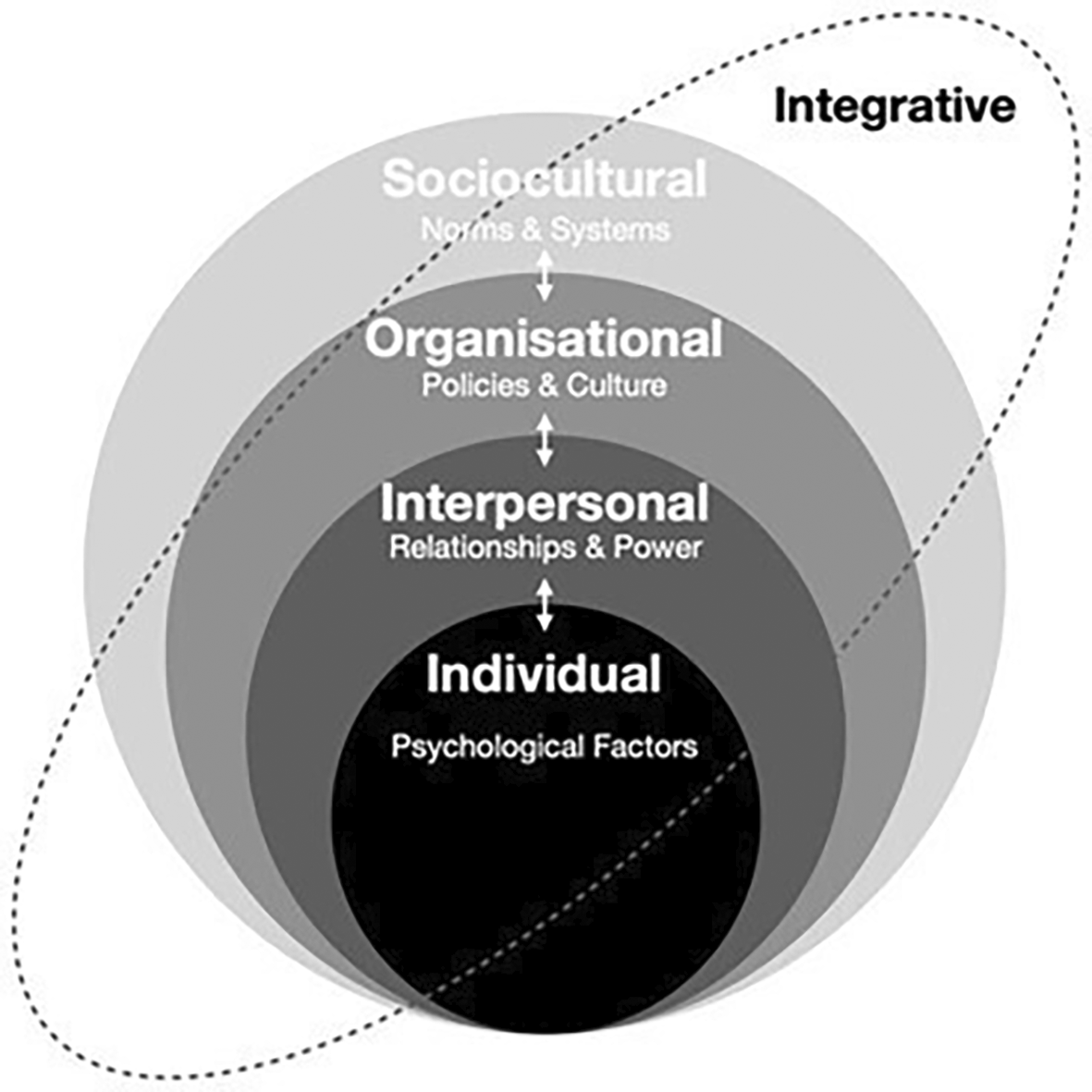
Figure 4. Multilevel psychosocioecological model of WPV and GBVH.
At the individual level, the model includes personal characteristics (e.g., age, sex, personality) and psychological resources (e.g., emotional resources, psychological capital) that shape vulnerability and resilience (e.g., Machul et al., 2024; Ribeiro & Sani, 2024) across career stages (Dafny et al., 2024). This level recognises strong gendered patterns in violence experiences: women are disproportionately subjected to verbal and sexual harassment (Blindow et al., 2024; Colaprico et al., 2023), whereas men experience higher rates of physical assault (Kaplan & Oksuz, 2025). Early-career healthcare workers face heightened vulnerability due to transitional stress and limited de-escalation skills, while ongoing learning, professional development, and mentorship promote coping, competence, and resilience over time (e.g., Alshawush et al., 2022).
The interpersonal level covers interactions among all healthcare actors, including behavioural patterns, power relations, and socialisation processes (e.g., Amara & Hansen, 2024). It encompasses bullying (horizontal and vertical violence), patient aggression, power imbalances, social learning and modelling, team cohesion, social support, supervisory behaviours, and informal workplace norms (Hou et al., 2023). As the main arena where WPV unfolds, it shapes everyday social norms (whether supportive or permissive of GBVH), guiding acceptable conduct at work (e.g., Zhang et al., 2025).
The organisational level encompasses leadership (e.g., commitment, support), policies (e.g., reporting mechanisms, risk management), demands (e.g., workload, staffing ratios), and environment, all of which critically influence exposure and responses to WPV and GBVH (e.g., Ayaz et al., 2024; Wang et al., 2022). It positions organisations not merely as passive contexts but as potential active perpetrators or enablers through discriminatory cultures, unsafe staffing, ineffective reporting systems, and institutional perpetration (e.g., management-led harassment). This level includes continuous professional development initiatives (e.g., training, mentorship programs, structured role transitions; e.g., Dafny et al., 2024; Johnston & Fox, 2020) that build workforce competence, mitigate transitional stresses, and foster resilience through career-long skill acquisition and professional socialisation (e.g., Alshawush et al., 2022).
The sociocultural level encompasses broader societal influences on WPV and GBVH, including legislation, cultural norms, gendered power hierarchies (e.g., male-dominated leadership), labour market structures, cultural diversity (e.g., collectivism, individualism), and intersectional identities. These factors shape the social acceptability of violence, reporting behaviours, and policy responsiveness, disproportionately affecting marginalised workers by gender, ethnicity, or minority status (e.g., Nelson et al., 2024; Xu et al., 2025). The gender components are present throughout all levels.
The integrative level bridges these layers together, unifying and coordinating concepts, assessment tools, and interventions across the described levels of WPV and GBVH. It enables a systemic, interdisciplinary understanding of violence, recognising it as a dynamic, context-dependent phenomenon requiring coordinated, cross-disciplinary responses (e.g., Jeong et al., 2024). The proposed model addresses a persistent gap in the literature by expanding the analysis of WPV and GBVH beyond interpersonal explanations (e.g., Odes et al., 2021; Zhang et al., 2025) to include their rooted structural deficits in decent work principles (ILO et al., 2002; Ferraro et al., 2018). By embedding decent work as a unifying framework, the model facilitates both the identification of violations (Ferraro & Mudric, 2023; Marzocchi et al., 2025) and the guidance of prevention efforts towards the fulfilment of fundamental labour rights (Nelson et al., 2024), including safety, dignity, equality, social protection, and freedom from discrimination and violence (ILO, 2019).
Within the integrative level, the model operationalises decent work through Ferraro et al.’s (2018) seven interrelated dimensions: (1) Fundamental principles and values at work; (2) Adequate working time and workload; (3) Fulfilling and productive work; (4) Meaningful remuneration for the exercise of citizenship; (5) Social protection; (6) Opportunities; and (7) Health and safety. WPV and GBVH erode every dimension, operating as both manifestations of decent work deficits and drivers of further erosion across the socioecological spectrum. For example, supervisor sexual harassment simultaneously breaches fundamental dignity and equality (dimension 1), distorts working time through stress-driven presenteeism or withdrawal (dimension 2), undermines work fulfilment and productive work (dimension 3), devalues remuneration when pay expresses harassment (dimension 4), exposes weaknesses in social protection if a medical condition is disregarded (dimension 5), restricts fair career opportunities and advancement (dimension 6), and violates occupational health and safety (dimension 7). Organisational understaffing and excessive workload that increase violence exposure exemplify how working time, workload, and fulfilling and productive work are compromised, while institutional complicity in harassment and WPV in general (e.g., management inaction or retaliation against reporters). Yosep et al. (2024) demonstrate how organisations actively undermine social protection and enable further harm.
By integrating decent work principles into the psychosocioecological paradigm, a coherent theoretical synthesis emerges. Individual and interpersonal models illuminate proximal mechanisms of aggression, victimisation, and coping (Dafny et al., 2024; Hou et al., 2023), while organisational, developmental, and sociocultural frameworks elucidate the distal determinants (systemic discrimination, inadequate policies, cultural norms, and power hierarchies) that constrain dignity, equality, and safety at work (Nelson et al., 2024; Somani et al., 2021). This integrated approach positions a central imperative: creating healthcare workplaces where all professionals exercise duties within the full spectrum of decent work (ILO, 1999, 2019), encompassing working time and workload, meaningful remuneration, robust social protection, real career opportunities, and strong health and safety protections (Ferraro et al., 2018). Realising this vision requires sustained commitment from healthcare organisations, policymakers, and international bodies to embed these principles into occupational health and safety systems, positioning violence prevention as foundational to equitable, high-quality healthcare delivery (Cox, 2024).
From a theoretical perspective, this decent work lens complements psychosocioecological and typological violence models by emphasising organisational responsibility to uphold labour rights (United Nations, 2025) and proactively mitigate institutional perpetration (Standing, 2011), including structural discrimination (Pillinger & Wintour, 2024) and institutionalised harassment. Conceptualising GBVH within the continuum of decent work erosion acknowledges that non-physical and psychosocial harms are manifestations of multilevel failures in workplace dignity, equity, and social sustainability (Nelson et al., 2024), rather than merely individual or interpersonal problems (Somani et al., 2021). Chronic verbal abuse or hostile microaggressions against minority staff indicate a systematic breakdown of fundamental principles and values at work, as well as health and safety, even in the absence of physical assaults (Cox, 2024). When fear of retaliation prevents reporting GBVH, this reflects deficits in social protection and opportunities, revealing that workers’ citizenship and voice are constrained (ILO, 2024a).
Comprehensive prevention must recognise perpetration as operating across multiple modes and levels: individual perpetrators (e.g., patients, co-workers) engaging in aggressive or harassing behaviours (e.g., Harris et al., 2023; Hou et al., 2023); collective actors (e.g., bullying cliques, hierarchical teams) perpetuating harmful group dynamics (e.g., Machul et al., 2024; Parsons et al., 2022); and institutional systems where discriminatory norms, procedural inequities, inadequate enforcement, and cultural silences normalise and institutionalise GBVH (e.g., Reguera-Carrasco et al., 2025; Tyler et al., 2022). Violence targets extend beyond individual employees to encompass entire units, professions, or demographic categories, particularly women (Ajuwa et al., 2024), migrants (Hargreaves et al., 2019), and minority staff (Xu et al., 2020), whose vulnerability stems from intersecting power asymmetries rooted in gender, race, ethnicity (Rosander et al., 2025), professional seniority, and migration status (Crenshaw, 1991; Collins, 2015; Lyver et al., 2024). Violence is not randomly distributed but systematically concentrated among those occupying multiple marginalised positions within healthcare hierarchies (Ribeiro et al., 2025). The organisational level represents a critical, yet frequently overlooked, site of perpetration, where structural discrimination and inadequate policy frameworks institutionalise and perpetuate GBVH rather than interrupt it (Farmer et al., 2006).
Contextual factors, particularly intercultural workplace dynamics and entrenched gender imbalances, critically shape violence expression and normalisation (Nelson et al., 2024). Organisations lacking intercultural competence or failing to dismantle hierarchical power structures (e.g., Karatuna et al., 2020) rooted in professional seniority, ethnicity, and migration status inadvertently create environments where violence escalates and becomes institutionalised (Hargreaves et al., 2019; Xu et al., 2020). Research on cultural dimensions, including the GLOBE Study (House et al., 2004) and Hofstede’s (1980) framework, demonstrates that values such as power distance, masculinity, and uncertainty avoidance measurably influence both tolerance for violence and workers’ willingness to report incidents (Xu et al., 2025). These sociocultural and structural variables function as upstream determinants that shape not only who experiences violence, but whose experiences are validated and what organisational responses ensue (Cox, 2024). Prevention efforts that omit these contextual dimensions risk reinforcing hierarchies and cultural silences, enabling and sustaining violence in diverse, multicultural healthcare workplaces.
Effective prevention requires integrated frameworks that address individual behaviour, group dynamics, and systemic organisational failures simultaneously, anchoring efforts in principles of workplace dignity and equality, and the concrete decent work dimensions that should be guaranteed to all workers (ILO, 2019; Marzocchi et al., 2025). This reframing is essential because it positions institutional responsibility at the centre of prevention efforts, acknowledging that organisations and policymakers must dismantle the structural and cultural conditions that enable violence (Cruz & Klinger, 2011). WPV and GBVH are multifaceted outcomes of interdependent psychological, relational, organisational, developmental, and cultural processes (Nelson et al., 2024), requiring gender-sensitive occupational safety policies, robust enforcement mechanisms, and multilevel interventions (ILO, 2024a). Ultimately, this integrated perspective positions violence prevention as inseparable from creating equitable, inclusive, and decent healthcare workplaces (ILO, 2019) where all workers can exercise their professional duties with dignity, security, and respect (United Nations, 2025).
Antecedents and consequences of WPV and GBVH
WPV in the healthcare sector is a multifaceted phenomenon shaped by complex interactions among victims, perpetrators, and the organisation, with corresponding consequences. Most studies involved young, female nurses as victims (Colaprico et al., 2023), being targeted predominantly by male patients and their relatives (Wubneh & Kassew, 2023), influenced by mental health conditions (Sahebi et al., 2022) and substance use (Viking et al., 2024). The organisational environment was also a significant risk factor, as most incidents occurred in the emergency and psychiatric departments, which are classified as high-risk settings (Colaprico et al., 2023; Lim et al., 2022; Rossi et al., 2023). Organisational deficits (e.g., ineffective reporting systems, understaffing, long wait times, educational gaps) were often described as antecedents of WPV (Berger et al., 2024; El Riz et al., 2025), underscoring the importance of preventive interventions at the organisational level (Cai et al., 2023). Other important antecedent of WPV were the societal factors, namely the cultural acceptance of violence, considering violence as part of the job, as referred to by Elsharkawy et al. (2025), Berger et al. (2024), Rehan et al. (2023) and Wang et al. (2025), even from the perspective of healthcare workers, and gender norms/power imbalances, which include gender-based disparities and stereotypes about the female-dominant nursing profession (Ayaz et al., 2024), according to George et al. (2020), that can relate to the GBVH definition.
Victims involved in WPV frequently reported mental (e.g., anxiety, stress, depression, burnout) and physical (e.g., injury, harm, sleep disturbances) health problems, with severe impact on their professional career (e.g., turnover, reduced productivity) and behavioural changes (e.g., social avoidance). These results align with those of Kafle et al. (2022), Rossi et al. (2023), and Rudkjoebing et al. (2020). Although there is a long list of consequences for the victim, most studies focus on the lack of consequences for the perpetrator, as seen in Alnaeem et al. (2025). At the same time, an underreporting culture among victims and organisations is also noted, as Elsharkawy et al. (2025), Wang et al. (2025) and Njaka et al. (2020) mention, with a need to better understand how organisational culture may contribute to the perpetuation of the phenomenon (Yosep et al., 2024). Most organisational consequences focused on the professional impact on victims (e.g., loss of productivity, high turnover rates, absenteeism, job dissatisfaction), which also compromised the quality of care and patient safety (Sahebi et al., 2022; Yosep et al., 2024). Moreover, GBVH is always a Human Rights issue, reflecting deficits in decent work that affect several dimensions of this overarching concept.
Overall, most risks for WPV found on the reviewed studies included being female, younger, less experienced and working in high-risk units (e.g., emergency departments, psychiatric units, night shifts). At the same time, perpetrators were often referred to as patients, their relatives, who could be influenced by substance use and mental health problems, and sometimes even colleagues. Organisational deficits (e.g., understaffing, poor reporting systems) exacerbate risk (Yosep et al., 2024), alongside cultural tolerance of aggression and gender inequities. Most consequences included psychological and physical harm to victims, lack of accountability for perpetrators (Alhomoud, 2025) and organisational issues as absenteeism, turnover, and reduced productivity.
The difference between the perspectives of perpetrators and those of targets of WPV is often neglected in research (Özer & Escartín, 2024). Most studies focus predominantly on the victim’s experience or assume a common cultural ground that defines what is considered an acceptable or unacceptable behaviour in a cultural ecosystem in the world of work. This limited perspective can obscure the complex dynamics that perpetuate violence (Jaspers et al., 2025).
Instruments/Measurements of WPV and GBVH
The findings reported on this review reflect the persistent challenges in measuring WPV and GBVH, manifested through inconsistent definitions that vary across academic disciplines, organisational policies, and legislative frameworks, a lack of consensus about which specific behaviours constitute GBVH or WPV, diverse tools and methodological factors that make comparability and generalisable conclusions difficult to achieve. The field’s persistent reliance on self-report designs, heterogeneous recall periods, and conceptual overlap within WPV constructs creates continuing ambiguity, impeding synthesis, meta-analysis, and proper policy development. There is a clear consensus across recent reviews calling for more multi-dimensional, culturally adaptable, and validated instruments capable of capturing both behavioural manifestations and structural antecedents of WPV in healthcare (e.g., Jang et al., 2022b; Jeong et al., 2024; Kim & Lee, 2024). Cultural adaptation of instruments is of particular interest, since, as presented earlier, cultural perceptions of behavioural conduct can drastically shape what is or is not experienced as GBVH. As so, if instruments are measuring GBVH and each of its components (e.g., physical, psychological, sexual violence) without specifying behaviours, what the researchers are trying to measure might differ from what the respondent is interpreting, due to the cultural background, perpetuating ambiguity and difficulties in understanding the phenomenon.
Although several validated instruments exist (e.g., WHO/ILO/ICN/PSI Workplace Violence in the Health Sector Survey Questionnaire, the NAQ-R, or NIS), most instruments lack explicit gender-sensitive constructs or analysis. Most tools measured general exposure to specific types of violence or bullying without disaggregating data by gender, sexual orientation, or intersectional identity. Evidence consistently shows that men and women experience different types of violence (e.g., Rehan et al., 2023) in healthcare settings: men are more likely to face physical assaults, while women disproportionately experience non-physical forms, including verbal abuse, sexual harassment, and bullying. Most general WPV frameworks and their corresponding measurement tools fail to capture these gendered realities, treating “violence” as a monolithic, gender-blind construct (Lippel, 2018). By failing to apply a gender-sensitive lens, these frameworks systematically under-report the forms of aggression most directed at a specific gender (Nielsen et al., 2025; Ranganathan et al., 2021). Integrating items that reflect gender norms (e.g., Attitudes Toward Women Scale [Spence & Helmreich, 1972], Sex-Role Egalitarianism Scale [Beere et al., 1984]), power dynamics, and perceived organisational tolerance for harassment is essential for aligning instruments with the guidance of ILO Convention No. 190 on GBVH.
Numerous instruments relied on self-report questionnaires, which were vulnerable to recall bias, fear of retaliation, and normalisation of violence, particularly in hierarchical workplaces. Beyond individual-level experiences, current measurement instruments rarely capture structural antecedents, such as organisational culture, gender power hierarchies, or policy gaps, that perpetuate GBVH and WPV. Intersectional dimensions, including race, ethnicity, migration status, and disability, were also underrepresented. This omission contradicts emerging evidence showing that intersecting vulnerabilities substantially shape exposure and reporting (Mosley et al., 2025). Some instruments did not report psychometric properties (e.g., VIF, Lateral and Vertical Violence in Nursing Survey, VAQ, POPAS, WCCL), which contradicts Swan et al. (2023), who emphasise the importance of measures with robust psychometric evidence, specifically in the healthcare context.
Most instruments conceptualise violence primarily from the victim’s perspective (e.g., self-report of personal experiences). Although other instruments capture perceptions, attitudes, or coping responses, they still focus on the victim’s standpoint (e.g., POAS, DABS). Similarly, risk assessment tools (e.g., V-RISK-10) integrate respondents as evaluators of potential aggressors rather than as agents of violence themselves. There is a lack of instruments that assess the perpetrator's perspective; however, understanding the perpetrator’s perspective is essential for developing more comprehensive prevention and intervention strategies (Procentese et al., 2020). It would also be important to assess the bystander role, integrating witnesses' perceptions of violence with those of others (Ada Manga et al., 2023).
Despite these limitations, several methodological advances indicate progress. The WHO/ILO/ICN/PSI Questionnaire remains the most robust and adaptable global standard, with internal consistency above.80 and translation into over twenty languages. Newer instruments, such as the Hospital Aggressive Behaviour Scale–Users (HABS-U) and the De-escalating Aggressive Behaviour Scale (DABS), expand assessment into context-specific and behavioural domains, addressing patient-initiated aggression and coping strategies. Nonetheless, few of these have undergone gender-sensitive revalidation or cross-cultural testing.
Interventions addressing WPV and GBVH
Current strategies to tackle WPV in healthcare have been mainly reactive and focused on the individual level, emphasising post-incident responses (see Appendix 4). Moreover, in the literature analysed, we did not find interventions that specifically targeted the gender component of GBVH, posing as a critical gap in practice to address this phenomenon, leaving it to be treated as a secondary outcome of interventions targeting WPV at a broader level. Many interventions documented in the literature include training programs (e.g., de-escalation training, communication and conflict management workshops) and personal coping or resilience-building initiatives targeted at nurses and frontline staff. This aligns with broader international findings indicating that while training improves perceived safety and psychological resilience, it does not address the structural and cultural determinants underpinning workplace violence (Brenig et al., 2023; Provost et al., 2021). Teaching healthcare workers how to defuse violent encounters improves perceived preparedness but, on its own, has little impact on preventing violent incidents from occurring in the first place (Jaspers et al., 2025). This overreliance on tertiary and secondary prevention, along with the lack of a gender-related component in intervention design and implementation, focusing on managing violence after it erupts, or strengthening individual coping, reflects a critical gap in current approaches.
There is a growing consensus that a paradigm shift towards primary prevention is needed, targeting the upstream organisational, structural, and socio-cultural determinants of violence (Jaspers et al., 2025; O’Brien et al., 2024). Effective prevention must extend beyond the individual worker and address the workplace and systemic conditions that foster aggression. Implementing zero-tolerance policies, administrative restructuring, and improved resource allocation (e.g., staffing increases and reduced waiting times) demonstrated more consistent reductions in violent incidents. These measures act at the primary and secondary prevention levels by addressing systemic risk factors such as understaffing, workload pressure, and institutional normalisation of violence. Recent evidence suggests that when combined with ongoing staff training and psychological support, clear institutional policies are the most effective means of sustaining a safety culture (Amoadu et al., 2024; Marquez et al., 2020). Moreover, interventions should be designed with a gender-sensitive component (Stufano et al., 2025), ensuring that specific behaviours of GBVH are targeted to promote workplaces in the healthcare sector that are safer and more inclusive. Integrated, multicomponent interventions that combine individual-level capacity building with structural and policy-level reform, guided by gender-informed frameworks (ILO, 2019), are essential.
Nevertheless, methodological heterogeneity and the lack of longitudinal or outcome-based evaluation limited the comparability of the studies. Most interventions measured secondary outcomes (e.g., improved coping or confidence) rather than objective reductions in violent incidents, underscoring the need for standardised, validated, and culturally sensitive measurement tools. Furthermore, gender-sensitive and intersectional approaches remain scarce, despite strong evidence showing that women and minority professionals are disproportionately affected by WPV (Okubo et al., 2022).
Despite those limitations, several interventions demonstrated significant benefits, consistent with the existing literature. Policy and administrative interventions, such as zero-tolerance policies and resource allocation, led to significant reductions in violence incidence rates and strengthened the overall safety culture in healthcare settings (Rubab et al., 2025). Environmental and security interventions (e.g., the presence of trained security personnel and surveillance systems) were effective in deterring aggression and increasing staff's feelings of safety (Senanayake et al., 2025). Educational and skills-based interventions improved staff skills (e.g., confidence, coping strategies, interpersonal relationships; El-Hady et al., 2025; Koohestani et al., 2023), which contributed to a more supportive workplace culture. Reporting systems and post-incident support programmes (Shea et al., 2018) encouraged accountability, improved health workers' well-being, and reduced stress, anxiety, and burnout. Overall, these interventions played an important role in reducing violence incidents and fostering a culture of safety at work.
Conclusion
By disproportionately affecting women and minority professionals, GBVH promotes inequities in career progression, leadership, and earnings, thereby reproducing gendered hierarchies within health systems and undermining diversity and inclusion goals that are essential for responsive, high-quality care. This RoR consolidates the fragmented evidence on WPV and GBVH in healthcare, advancing the field by mapping these phenomena against the structural framework of the ILO’s decent work agenda. Our work clarifies that GBVH is sometimes an interpersonal issue but mostly a systemic violation of human and labour rights that undermines the physical, psychological, and social safety of the healthcare workforce.
Table 3 outlines key gaps in the existing empirical research on GBVH/WPV, providing corresponding suggestions and the assumptions behind them. The lack of definitional consensus hinders comparative research and coherent policy and has significant social and legal ramifications. Socially, it allows GBVH to be diluted within the broader, gender-neutral construct of “workplace violence.” This invalidates the gendered experiences of the workforce, reinforces harmful power dynamics, and undermines the healthcare system's role as a place of safety and trust, contributing to a culture of silence and impunity, exacerbating gender inequities.
Table 3. Gaps in the existing GBVH/WPV literature.
| Gaps/limitations | Suggestions | Assumptions |
|---|
| Conceptual ambiguity of GBVH and WPV; inconsistent definitions | Develop sharp and operational definitions for GBVH and WPV | Clear definitions will enable more reliable prevalence estimates, cross-cultural studies, and targeted interventions |
| Measurement inconsistency: heterogeneous and often non-validated instruments | Create reliable, gender- and culturally-sensitive measurement tools for GBVH | Validated tools improve the comparability and accuracy of research findings |
| Lack of gender and cultural sensitivity; few gender-disaggregated or context-sensitive analyses | Conduct gender-disaggregated analyses and consider cultural context in the study design | More nuanced analyses will inform interventions sensitive to diverse groups |
| Focus on secondary outcomes, not violence incidence reduction | Prioritise primary outcomes (incidence, severity reduction) in intervention research | Focusing on primary outcomes will clarify which interventions are effective |
| Omission of early-life and youth education programs as upstream GBVH/WPV prevention | Incorporate early-life interventions (e.g., school-based GBVH awareness programmes) targeting future healthcare workers (e.g., Villardón-Gallego et al., 2023) | These foundational programmes reduce perpetration risk in adulthood, broadening prevention beyond workplace responses (e.g., Villardón-Gallego et al., 2023) |
The findings reveal a critical disconnection between the pervasive nature of the problem and the current response strategies. While healthcare workers, particularly women and nurses, are disproportionately targeted by both vertical (supervisors), horizontal (colleagues), and patient violence, the existing measurement tools remain largely gender-blind and inconsistently defined (
Table 3). This conceptual ambiguity dilutes the visibility of gender-based hostilities and obstructs the enforcement of regulatory frameworks, including national and international laws and standards, such as ILO Convention No. 190. In practice, uneven terminology (e.g., conflating bullying, incivility, and harassment) and inconsistent reporting systems create policy blind spots, impeding organisations from demonstrating due diligence, meeting zero-tolerance commitments, and evidencing risk control within their safety management systems. This failure to adequately protect victims and provide them with acceptable working conditions undermines their safety and well-being.
In the academic field, the most pressing need is to move beyond simply documenting prevalence. Theoretically, integrative frameworks are needed that merge workplace aggression models with gender-sensitive analyses. Future research could adopt our proposed definition of GBVH and clearly specify what behaviours or conduct are being measured. This would enable a more reliable comparison between studies. Methodologically, future research must prioritise the use of validated, culturally adaptable, gender-sensitive instruments and shift its focus to evaluating primary prevention interventions. This evaluation must employ longitudinal designs to assess actual reductions in violence and shifts in organisational climate, not just intermediate, knowledge-based outcomes.
In policy, a paradigm shift towards prevention is required, demanding robust regulatory frameworks, clear organisational definitions, and evidence-based preventative measures (e.g., staffing, training) analogous to other core occupational health and safety standards. If the research focus shifts from the victim's perspective alone to the perpetrator’s, we could better understand the motives behind these aggressive behaviours. Current interventions are overwhelmingly reactive, focusing on secondary outcomes (
Table 3) like staff coping skills and resilience rather than addressing the root organisational and societal causes of violence. This reliance on “fixing the worker” rather than “fixing the workplace” inadvertently normalises violence as an inherent component of healthcare duties. To achieve safer and more equitable workplaces, a paradigm shift is required from reactive mitigation to primary prevention. This could be useful for designing interventions that go beyond reactivity and address the consequences of WPV and gender-related violence and harassment at the workplace, rather than merely responding to them. Instead, start designing interventions that reduce these phenomena and, ultimately, eradicate them. Besides, going beyond the scope of healthcare settings and other work contexts, implementing interventions to raise awareness of gender-related violence and overcoming gender stereotypes in early life (Villardón-Gallego et al., 2023) can be useful to reduce gender-related violence early on and, later in life, transferring early acquired social skills to workplace settings. Healthcare institutions and policymakers must operationalise the Multilevel Socioecological Framework proposed in this review, tackling the “upstream” determinants of violence, such as understaffing, hierarchical power imbalances, and cultures of impunity, before they manifest as aggression. Practically, this demands the implementation of gender-sensitive reporting systems that capture specific behavioural indicators of GBVH, alongside robust zero-tolerance policies that hold perpetrators accountable regardless of their status as patients or superiors.
Our work presents some methodological limitations that are distinct from the substantive gaps in the evidence base summarised in
Table 3. The tile-only search strategy and the exclusion of non-English-language publications may have omitted relevant reviews, including those reflecting important cultural perspectives on harassment. Furthermore, the methodological heterogeneity of the included reviews precluded a quantitative meta-analysis of intervention effectiveness, and there is a possibility of overlapping primary studies across reviews.
Ultimately, this work enhances understanding of GBVH complexity by providing an integrated overview of definitions, theoretical frameworks, antecedents, outcomes, measurement tools, and interventions. We propose a new definition of GBVH to standardise and improve comparison across studies, and introduce a new theoretical framework that incorporates decent work principles within a psychosocioecological paradigm. It also highlights structural issues that hinder progress and offers a practical roadmap for future research and policy development.
Future research must progress from merely reporting prevalence to conducting rigorous, longitudinal assessments of organisational interventions. There is an urgent need to explore the perpetrator’s perspective to comprehend the motivations behind aggression, rather than relying only on victim reports. Eliminating GBVH requires a unified commitment to standardise definitions and integrate violence prevention into the core of occupational health, ensuring that the right to decent work becomes a reality for all healthcare professionals. In conclusion, creating a safer, more equitable workplace depends on standardising the concepts of WPV/GBVH, clearly defining which behaviours constitute WPV/GBVH, and adopting a proactive, preventive approach in both research and practice.