Introduction
Despite increasing awareness of the importance of cognitive rehabilitation after stroke, visuospatial attention deficits, such as unilateral spatial neglect (USN),1 are frequently underdiagnosed and often not targeted effectively in rehabilitation programs.2 Furthermore, key cognitive functions, such as distractor inhibition, lack in validated assessment and rehabilitation tools.2 This under-diagnosis and under-treatment is often linked to limited resources, time constraints, and the shortage of trained neuropsychologists within rehabilitation settings.3 Stroke rehabilitation requires regular and intensive sessions conducted by trained professionals to support functional recovery.4
Psychological factors such as reduced motivation, depression and anxiety, along with fatigue, can further complicate the rehabilitation process.5 It is therefore essential to not only guarantee access to high-quality rehabilitation, ensuring adequate treatment intensity, but also to offer engaging and individualized sessions sustaining motivation and preventing dropout.6,7
Digital technologies such as Virtual Reality (VR) Serious Games (SG) have gained growing interest in neurorehabilitation.4,8 VR provides structured, interactive, and repeatable environments,9 with non-immersive VR configurations enabling task execution through screens or touch-based interaction without requiring full sensory immersion.10,11 SG consists of entertaining educational training12 that can facilitate patient-centered assessment and rehabilitation by encouraging participants to complete challenging and enjoyable tasks.13 Research shows that VR SG enhances motivation and increases therapy intensity, further improving sensitivity and standardization in outcome measurement and rehabilitation.4,8,14 Like other computerized technologies, VR SG enables the collection of diverse objective and quantitative data, such as behavioral and performance-based outcomes, increasing quantitative measurement sensitivity and specificity.4,8,15
Despite positive evidence in stroke survivors,16 the clinical adoption of VR SG for cognitive rehabilitation remains limited.17 One major barrier is the heterogeneity of post-stroke cognitive profiles, with multiple cognitive functions typically affected.18,19 This variability makes personalization of rehabilitation particularly challenging, as patients require task demands to be continuously tailored to their individual cognitive abilities.20 Conventional VR SG often rely on manual, operator-dependent adjustment of task parameters, usually carried out at the beginning of the session, and with subsequent changes in task difficulty following fixed rules that do not allow for further customization.21 Fixed-difficulty tasks often fail to maintain patient engagement, particularly because difficulty is not tailored to the individual’s varying abilities. Overly simple tasks reduce motivation through being too easy, while overly difficult tasks cause frustration and dropout.22,23
Conventional VR SG for cognitive rehabilitation entails two major practical limitations: (i) it requires trained personnel with sufficient expertise to accurately assess an individual’s cognitive deficits and select appropriate task difficulty parameters and (ii), it demands specific training in the use of VR SG software (difficulty adjustment), increasing personnel burden.
To address this limitation, DDA SG have emerged as a promising approach.24 DDA SG use algorithms to adjust task difficulty based on user performance,25,26 aiming to provide challenging yet achievable levels that maintain optimal engagement, typically associated with success rates around 75% (not too easy and not too difficult).25,27–29 Implementing DDA in cognitive rehabilitation requires finely tuned algorithms that are theory-driven and sensitive to latent constructs.30
Within this framework, we developed REAsmash, a modular VR SG grounded in Feature Integration Theory (FIT).31 The assessment module of the REAsmash has demonstrated replicable FIT effects, providing an assessment of spatial and non-spatial (distractor inhibition) visual-attention, and motor control in post-stroke and healthy populations in both immersive and non-immersive VR versions.32–35 Here, we present a new REAsmash module implementing a DDA algorithm designed to provide individualized, theory-driven cognitive rehabilitation. A fully immersive VR version of DDA-REAsmash was recently used by Everard et al.36 to study motor learning in healthy older adults (with the DDA algorithm specifically designed to support motor learning). In this study, task difficulty was continuously adjusted to individual performance across training sessions, resulting in improvements in response speed, accuracy, movement smoothness, and manual dexterity, with retention and transfer to untrained tasks. In contrast, the present study introduces a novel, theory-driven DDA algorithm tailored to post-stroke cognitive rehabilitation, targeting spatial and non-spatial attentional deficits in a non-immersive VR setting. This new module introduces an additional innovation in DDA-SG design by integrating normative performance data from age-matched healthy controls within the DDA update rules, extending standard DDA approaches that rely solely on individual performance.37
Based on previous findings and FIT, three hypotheses were formulated.
(i) Feasibility: The DDA-REAsmash will maintain performance within an optimal engagement range of 65–85% success rate (i.e., centered around the mean of 75%).
(ii) Adaptability: To maintain the optimal success rate, the DDA algorithm will modulate task difficulty as a function of individual participant performance.
(iii) We expect DDA-REAsmash to modulate task parameter difficulty to each participant’s cognitive profile, leading to a progressive stabilization of cognitive demand, reflecting clinically interpretable parameters. We expect longer stimulus presentation durations in individuals presenting impaired distractor inhibition, and we expect spatial configuration adjustment in individuals presenting lateralized visuospatial deficits.
Materials and methods
Study design
This study employed a prospective single-group repeated-measures feasibility design. The objective was to examine the short-term behavior of a theory-driven DDA algorithm integrating individual and normative data within a non-immersive virtual reality environment. The study was conducted in accordance with the STROBE guidelines38 for observational studies, and the intervention description followed the TIDieR framework.39
The study is part of a broader research program registered on ClinicalTrials.gov (NCT04694833); the registry reflects the overall study timeline, while recruitment for the present feasibility phase evaluating the DDA-REAsmash module took place between November 2024 and June 2025.
Participants
Given the feasibility design of this study, no formal a priori sample size computation was performed. Sample size was instead informed by previous work on the FIT interaction underlying the DDA algorithm. A prior study using the non-immersive REAsmash assessment module35 reported a large within-participant FIT effect (η2 = 0.487; Cohen’s f ≈ 0.97). Based on this effect size, a power estimate suggested that nine participants would be sufficient to detect the effect with 80% power at α = 0.05. To account for potential dropouts, ten participants were recruited.
Participants were recruited from the physical medicine and rehabilitation department of the Cliniques universitaires Saint-Luc
in Brussels and were either currently hospitalized or already discharged. Recruitment took place from November 2024 to June 2025. The post-stroke participants were selected using the following inclusion criteria: (1) adult participants (i.e., minimum age of 18 years old); (2) presence of an ischemic or hemorrhagic first cortical and/or sub-cortical stroke, diagnosed by CT or magnetic resonance imaging; and (3) a good understanding of the task instructions. The exclusion criteria were: (1) uncorrected vision deficiencies; (2) presence of other neurological conditions (e.g., major neurocognitive disorder or extrapyramidal disorders) that could bias the outcomes; (3) medication-resistant epilepsy; (4) orthopedic dysfunction that could influence upper extremity function; and (5) too poor trunk control to sustain the trial.
All participants were screened for visual USN. The assessment included a standardized battery of gold-standard tests: the Bells Test,40 the Broken Hearts Test,41 and Visual Field and Visual Scanning subtests from the computerized Test for Attentional Performance (TAP) battery.42 The complete gold-standard assessment session also included the Go/NoGo subtest of the TAP and the Montreal Cognitive Assessment (MoCA)43 and lasted approximately 40–60 minutes. All participants also completed one session of the non-immersive REAsmash assessment module to estimate individual distractor inhibition deficits.
Assessment time windows were chosen a priori to balance clinical feasibility with the need to ensure that baseline assessments reflected participants’ current functional status. Participants in the subacute phase underwent the assessment within 10 days prior to the DDA-REAsmash sessions to minimize confounding effects of rapid spontaneous recovery and clinical fluctuations that are most prominent in the early post-stroke period,44 participants in the chronic phase were assessed within up to 30 days.
Materials
The DDA-REAsmash runs on the REAtouch® (Axinesis®), a non-immersive VR medical device. The REAtouch® consists of a 43″ interactive touch-sensitive screen (95 × 53 cm) mounted on a motorized structure that allows for customizable height adjustment and screen inclination (
Figure 1).
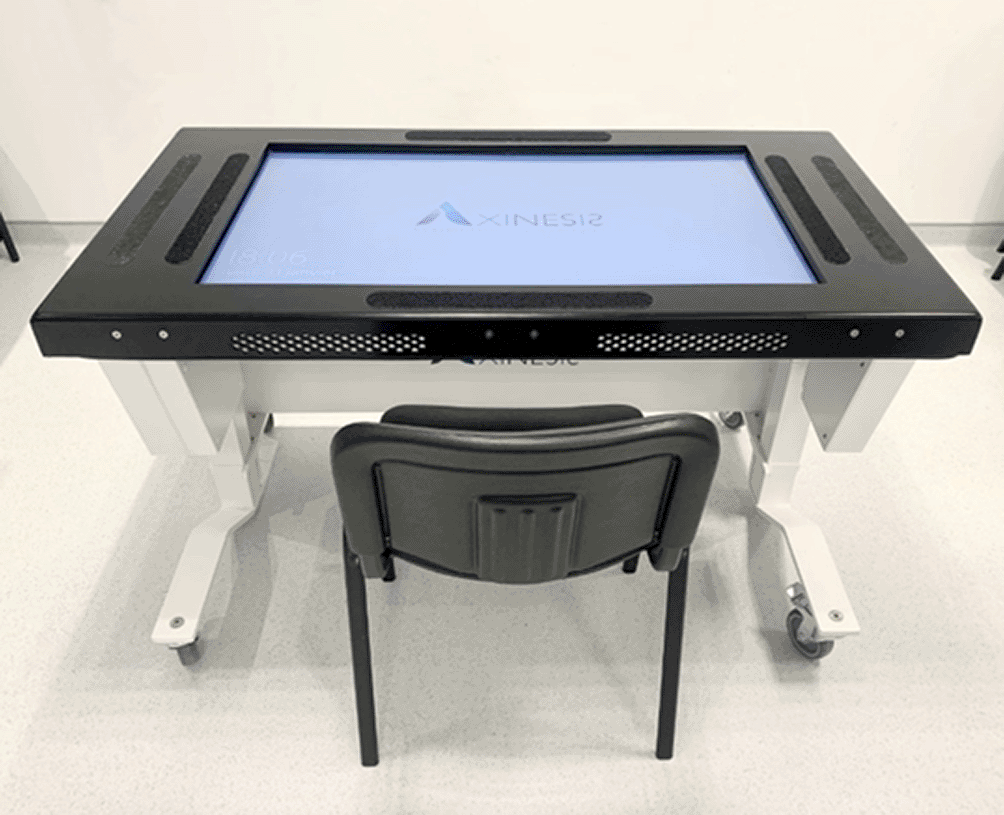
Figure 1. The non-immersive VR device.
The REAtouch® system consists of a 43-inch interactive touchscreen mounted on an adjustable support structure allowing customization of height and inclination. In the present study, the screen was positioned horizontally (0° inclination). Participants interacted directly with the touchscreen to perform the visual search task. Photograph taken by the authors.
The DDA-REAsmash module maintains the graphical design of the REAsmash assessment module. It features a cartoon-style visual display and an active playing area measuring 95 × 45 cm. The playing field can present up to 24 molehills arranged in a 6 × 4 grid, with moles simultaneously emerging from different molehills. Each mole and molehill covers an area of 8 × 8 cm. The target mole is identified by a red miner’s helmet, while distractor moles have blue miner, blue horned, or red horned helmets.
The DDA task parameters included (i) the number and distribution of the molehills (i.e., the active playing field), (ii) distractor salience and number, (iii) stimuli presentation time, and (iv) cues designed to attract attention to the target (i.e., spatial auditory cues, and visual cues, each progressively simplifying the task difficulty relative to the no-cue condition). The first 12 trials served as a baseline block presenting an ‘easy’ starting point. The presented stimuli had minimal task demands, with a reduced active playing field consisting of eight molehills arranged in a 4 × 2 grid centered close to the participant. In this initial phase, only the target mole was presented (requiring no distractor inhibition), and the target remained visible for 10 seconds (maximum duration), with cues set at maximum intensity (helping the participant to find the target).
All DDA parameters were then updated after each block of 12 consecutive trials, enabling the system to adjust task difficulty at regular intervals based on mean individual performance across the previous 12 trials. Each parameter was designed to stabilize a specific performance dimension corresponding to the individual’s profile, and together these adaptive mechanisms aimed to maintain an overall success rate of approximately 75% (i.e., with difficulty specific to the individual’s profile and allowing the individual to find the target on 75% of trials). For the active playing field, the DDA algorithm dynamically adjusted the spatial configuration of the molehills based on the participant’s spatial performance profile. Specifically, the algorithm used the spatial distribution of omissions to reshape the active playing field, progressively modifying its size and lateral balance in order to maintain an optimal challenge level while targeting individual visuospatial limitations. Targets were presented in a semi-randomized manner, appearing at least twice in each active column per block and never twice in the same molehill (except when a column contained a single molehill). This procedure ensured spatial unpredictability while allowing the detection of systematic lateralized response biases, such as increased omissions when targets appeared in the contra-lesional hemifield relative to the brain lesion. When such lateralized omissions are detected, the DDA is expected to adjust the shape of the playing field by reducing target density in the most impaired spatial regions while maintaining a limited number of molehills within the neglected hemifield. This spatial manipulation was designed to challenge participants with a playing area slightly exceeding their current visuospatial and/or motor range, rather than fully excluding the impaired space.
For example, in individuals with unilateral spatial neglect, the DDA progressively shifted the active playing field toward the ipsi-lesional side while preserving a small proportion of targets in the contra-lesional hemifield. This configuration allowed the system to maintain the target success rate around 75% while simultaneously promoting engagement with the neglected space, thereby directly targeting the participant’s spatial attentional bias.
The number and type of distractors were chosen based on the FIT effect. The FIT effect relies on a contrast between high versus low target-distractor salience and the number of distractors. The red-helmet distractors create low target-distractor salience with the red-helmet target (differing by the shape of the helmet) and evoke serial visual search when searching for the target’s spatial location amongst distractors. In low target-distractor salience conditions, increased numbers of distractors progressively increase cognitive load and increase the need for distractor inhibition.32–34 In contrast, the high target-distractor salience conditions (red-helmet target amongst blue-helmet distractors) require little distractor inhibition and are not influenced by increasing distractor number (
Figure 2).
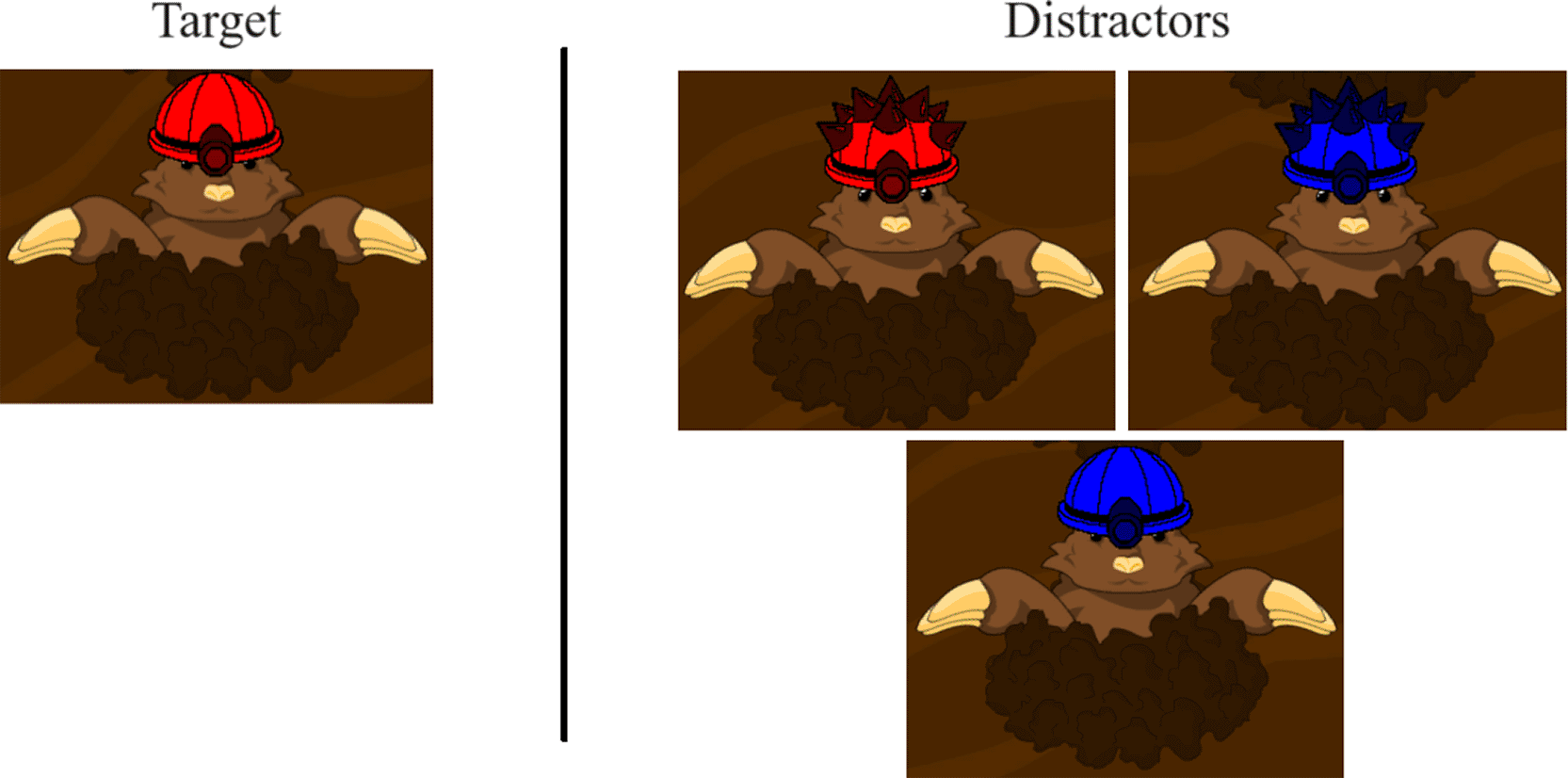
Figure 2. The different stimuli of the DDA-REAsmash.
The target mole is identified by a red miner’s helmet. Distractor moles wore blue miner’s helmets, blue horned helmets, or red horned helmets. The presentation of the target with only distractor moles wearing blue helmets created high salience conditions with low inhibition demands. The presentation of the target with distractor moles wearing red and blue helmets created low target-distractor salience conditions, requiring greater inhibition demands relative to the high salience conditions.
By manipulating target-distractor salience (features) and distractor number, the DDA algorithm can modulate distractor inhibition demands (difficulty). After an initial presentation with an incremental number of high-salience distractors, low-salience distractors were progressively introduced to increase the cognitive load through distractor inhibition. If a participant already showed reduced accuracy with high target-distractor salience conditions (i.e., only blue distractors), red distractors were not introduced by the DDA to prevent overload due to low target-distractor salience (i.e., too much difficulty). Conversely, when the overall success rate dropped below the target range, the algorithm analyzed the type of distractor most frequently associated with errors and progressively reduced their occurrence, maintaining an adaptive balance between challenge and performance stability.
To ensure the task remained appropriately challenging, especially under high distractor inhibition demands, stimuli presentation times were calibrated by the DDA using normative response time data from healthy controls tested with the non-immersive VR assessment module.35 Specifically, lower bounds were derived from the 75th percentile of response times observed in low-salience levels of the assessment version. The 75th percentile of response times represents the minimum duration required for individuals without distractor inhibition deficits to correctly find the target in 75% of trials. These bounds were then estimated for different conditions varying in the number of red distractors. The full DDA algorithm description is provided as Extended Data 1 (“Full DDA algorithm description”), including step-by-step mathematical specifications of the computation of minimum stimulus presentation times, the derivation of normative performance constraints, and the explicit rule-based update equations governing all DDA parameters, enabling independent replication of the adaptive procedure.
At the end of each block, a 10-second pause was provided. During this pause, the touch-sensitive screen displayed feedback scores related to the completed block, including success rate, number of errors, and number of omissions. At the end of each session, an animation provided rewarding feedback with festive music and the achievement of a new personal best or a virtual medal linked to the number of levels played.
Procedure
The study was conducted in a clinical testing room at the Cliniques universitaires Saint-Luc
, Brussels. All sessions were conducted by the first author of the study (PMR specialist), who was the intervention provider for the project. Participants were seated either on a standard four-legged office chair or in their own wheelchair. They were positioned in front of the REAtouch® and aligned with the sagittal axis of the interactive screen. The inclination and height of the interactive screen was set at 0° and 74 cm.
Prior to the first 12 trials block, participants were instructed to “smash” the target mole as quickly and accurately as possible using their less impaired hand. Before the task, the examiner provided oral instructions supported by a standardized visual presentation illustrating task instructions and stimulus examples. Immediately before the session, a short-written sentence and an audio prompt appeared on the touch-sensitive screen, inviting the participant to find and respond to the mole as quickly as possible. At the start of each trial, participants had to place their response hand on an “X” super imposed at the center-lower edge of the screen, ensuring a consistent starting position. The “X” disappeared immediately after touching it and the trial began.
Omissions referred to missed targets (i.e., the participant was unable to hit the target within the presentation time). Errors were recorded when participants responded to and touched a distractor. Different types of auditive feedback were associated with positive or negative responses. Each session lasted 15 minutes. Participants completed three training sessions over one week.
Outcomes
The primary outcome testing the feasibility hypothesis was the success rate per 12-trial block, defined as the percentage of targets correctly found within each block. This measure was used to assess whether DDA-REAsmash could adjust task difficulty in order to maintain individual participant performance success within the optimal engagement range of 65–85%25,27–29 (mean 75%).
Adaptability was evaluated using a Composite Difficulty Index. The Composite Difficulty Index provides a quantitative measure of task difficulty by integrating the three dimensions most relevant to cognitive load modulation in DDA-REAsmash. Specifically, it combined stimuli presentation time, the number of low-salience distractors, and the size of the active playing field. Shorter presentation times, a higher number of red distractors, and larger playing fields contributed to increased composite difficulty. Each component was normalized relative to its predefined theoretical or observed range, yielding Composite Difficulty Index values between 0 and 1, with higher values indicating greater difficulty. The index reflects how the DDA algorithm balances visual search load, inhibition demands, and spatial complexity across successive blocks, representing each participant’s individualized task difficulty trajectory. A detailed explanation and operational description of the Composite Difficulty Index is provided as Extended Data 2 (“Composite Difficulty Index formalization”).
A further assessment of adaptability was assessed by analyzing stimuli presentation time and active playing field configuration across blocks to examine whether adaptive adjustments aligned with individual participant clinical profiles for distractor inhibition and visuospatial attention impairments (i.e., to examine whether adaptive parameter adjustments corresponded to attentional profiles).
Data analysis
Statistical analyses were conducted in R (version 4.4.0). All derived metrics and modeling procedures were implemented using reproducible R scripts. No proprietary statistical software was required.
Success rates were calculated per 12-trial block and per participant. The feasibility of the DDA-REAsmash algorithm was assessed using two analyses. Firstly, Chi-square goodness-of-fit tests were performed on the total counts of successes versus non-successes (errors and omissions) for each participant across blocks. Secondly, one-sample t-tests (α = 0.05, two-tailed) were applied to block-wise success rates to verify deviations from the expected 75% target, thereby allowing the identification of stabilization around the target range of 75% (early blocks with significant deviations and later blocks showing stabilization).
Adaptability was evaluated using the Composite Difficulty Index score. For each participant, block-wise Composite Difficulty Index scores were computed to track the evolution of task difficulty over time on a continuous scale from 0 (minimum difficulty) to 1 (maximum difficulty). To characterize how difficulty changed across successive blocks, Composite Difficulty Index trajectories were modeled using an asymptotic growth function:
where
a represents the initial difficulty level,
b the gain from baseline to plateau, and
c the adaptation rate. Model parameters were estimated using nonlinear least squares fitting implemented in R. This modeling approach enables the identification of potential plateaus in the difficulty curves, providing model-based estimates of each participant’s task difficulty stabilization level. Plateau stabilization was interpreted as consistent with algorithmic convergence toward individualized engagement bounds.
Analysis of individualized adaptability used two separate analyses. These analyses explored patterns in the adaptive responses of DDA-REAsmash in relation to two distinct cognitive deficits: (i) distractor inhibition impairment and (ii) USN-related lateral bias. The first analysis assessed whether participants with distractor inhibition difficulties required longer stimulus presentation durations. To detect impairments in distractor inhibition, participants were classified according to the number of omissions across the three low-salience levels of the REAsmash assessment module. Because omissions may also result from attentional lateral bias, for participants identified with USN using gold-standard tests, omissions were attributed to pure attentional lateral bias when they occurred exclusively in the contra-lesional field. Accordingly, these participants were considered not to exhibit distractor inhibition deficits (i.e., zero omissions attributed to distractor inhibition impairment). Participants with USN were considered to have concurrent distractor inhibition difficulties if omissions occurred in the ipsi-lesional field were more than one and accounted for over 25% of total omissions. Participants with USN and less than 25% of omissions, or only one omission, in the ipsi-lesional field were not included in this analysis.
To characterize adaptation over time, stimuli presentation durations for each participant were analyzed using asymptotic growth functions. A Spearman rank correlation analysis was then conducted between distractor inhibition impairment (i.e., omission count in the assessment module) and the stabilized stimulus presentation time in the DDA-REAsmash.
The second analysis explored whether participants with USN-related lateral bias specifically exhibited asymmetric adjustments of the active playing field, quantified as the percentage of molehills displayed in the contra-lesional hemifield relative to the total. For this analysis, participants were classified based on gold-standard USN assessments and omission lateralization at the assessment module into three groups: individuals with USN at the gold standard tests and no omissions in the ipsi-lesional hemifield, individuals with USN and concurrent omissions in the ipsi-lesional hemifield, and participants without USN. Temporal changes in the percentages of molehills displayed in the contra-lesional hemifield were analyzed using asymptotic growth functions.
Results
None of the participants asked to interrupt the session or withdraw from the project. The sessions were well tolerated and overall described as non-stressful and engaging. No participants asked to stop the experiment prematurely or to extend the rest periods.
The participants consisted of 7 males and 3 females, with a mean age of 56 years (SD = 12.0). All participants were VR naïve and 6 reported that the less impaired hand (i.e., the response hand) was their pre-stroke dominant hand. The average time since stroke was 14 months (SD = 15.0 months), with 4 participants in sub-acute phase (i.e., within 6 months from the stroke) and 6 in chronic phase, and 8 with ischemic stroke, 1 with hemorrhagic stroke, and 1 with ischemic stroke complicated by hemorrhagic transformation. Lesions primarily affected the Sylvian regions in all participants and were located in the right hemisphere in 6 participants. The mean MoCA score was 25.7 (SD = 1.6). Rehabilitation status varied, with all participants still undergoing neuropsychological, occupational, and/or physical therapy at the time of testing. In the REAsmash assessment module, omission rates ranged from 0 to 5 in the low target-distractor saliency levels, with higher omission rates indicating more severe deficits in distractor inhibition. Three participants exhibited signs of USN on the gold-standard tests. See
Table 1 for demographic and clinical characteristics of the participants. Detailed results of the gold-standard assessments for spatial attention are provided as Extended Data 3.
Table 1. Demographic and clinical characteristics of participants (de-identified).
| ID | Sex | Age (years) | The response was made with the pre-stroke dominant hand? | Stroke phase | Stroke type |
Brain lesion side | Omission count in the assessment module | Current spatial attention impairment |
Rehabilitation status |
|---|
| P1 | M | 60–69 | No | Chronic | Hemorrhagic | Left | 2 | No | Ongoing rehabilitation |
| P2 | M | 50–59 | Yes | Chronic | Ischemic | Right | 3 | Yes | No rehabilitation |
| P3 | M | 50–59 | Yes | Chronic | Ischemic | Right | 5 | Yes | Ongoing rehabilitation |
| P4 | F | 50–59 | No | Chronic | Ischemic | Left | 0 | No | Ongoing rehabilitation |
| P5 | M | 50–59 | Yes | Chronic | Ischemic | Right | 0 | No | Ongoing rehabilitation |
| P6 | F | 70–79 | Yes | Chronic | Ischemic | Right | 1 | No | Ongoing rehabilitation |
| P7 | M | 60–69 | Yes | Subacute | Ischemic | Right | 1 | No | Ongoing rehabilitation |
| P8 | M | 50–59 | No | Subacute | Mixed | Left | 1 | No | Ongoing rehabilitation |
| P9 | M | 60–69 | No | Subacute | Ischemic | Left | 5 | No | Ongoing rehabilitation |
| P10 | F | 20–39 | Yes | Subacute | Ischemic | Right | 3 | Yes | Ongoing rehabilitation |
All participants completed the training sessions without adverse events.
Feasibility
Participants completed an average of 48.5 (SD = 7.12) blocks across the three sessions. Participants required 5.4 (SD = 1.07) blocks on average to reach the 65–85% target range (hereon labelled as pre-target range blocks). Chi-square goodness-of-fit tests on overall success versus non-success counts across all blocks showed a significant deviation from the expected 75% success rate for one participant (χ2 = 16.79, p < .001), while the other nine participants aligned with the expected distribution. When analyses were restricted to blocks following the first in-range block (i.e., pre-target range blocks exclusion), this same participant continued to show a significant deviation (χ2 = 6.92, p = .009), whereas no significant deviations were observed for the remaining participants (p ≥ .22).
One-sample t tests comparing observed success rates to the 75% target across blocks showed that pre-target range blocks exceeded the target range, with mean success rates of 100% for blocks 1 and 2 and 94–99% for blocks 3 and 4 (p < .001). One-sample t tests on blocks following the pre-target range blocks indicated a significant deviation for a single participant, (t(53) = 2.35, p = .023), with all others non-significant (p > .05) (see
Table 2 and
Figure 3).
Table 2. Mean success rates and inferential statistics relative to the 75% target performance.
| ID | Mean success rate | SD | t-test
| t-test p-value | Chi-square
|
Chi-square p-value |
|---|
| P1 | 74.8% | 0.196 | −0.061 | 0.951 | 0.009 | 0.923 |
| P2 | 75.0% | 0.180 | 0.000 | 1.000 | 0.000 | 1.000 |
| P3 | 79.5% | 0.140 | 2.350 | 0.023 | 6.922 | 0.009 |
| P4 | 73.6% | 0.240 | −0.375 | 0.709 | 0.519 | 0.471 |
| P5 | 73.4% | 0.154 | −0.676 | 0.503 | 0.694 | 0.405 |
| P6 | 72.7% | 0.218 | −0.691 | 0.493 | 1.455 | 0.228 |
| P7 | 73.0% | 0.222 | −0.556 | 0.582 | 0.973 | 0.324 |
| P8 | 76.1% | 0.127 | 0.643 | 0.523 | 0.427 | 0.513 |
| P9 | 74.2% | 0.139 | −0.317 | 0.753 | 0.125 | 0.724 |
| P10 | 73.1% | 0.153 | −0.725 | 0.473 | 0.790 | 0.374 |
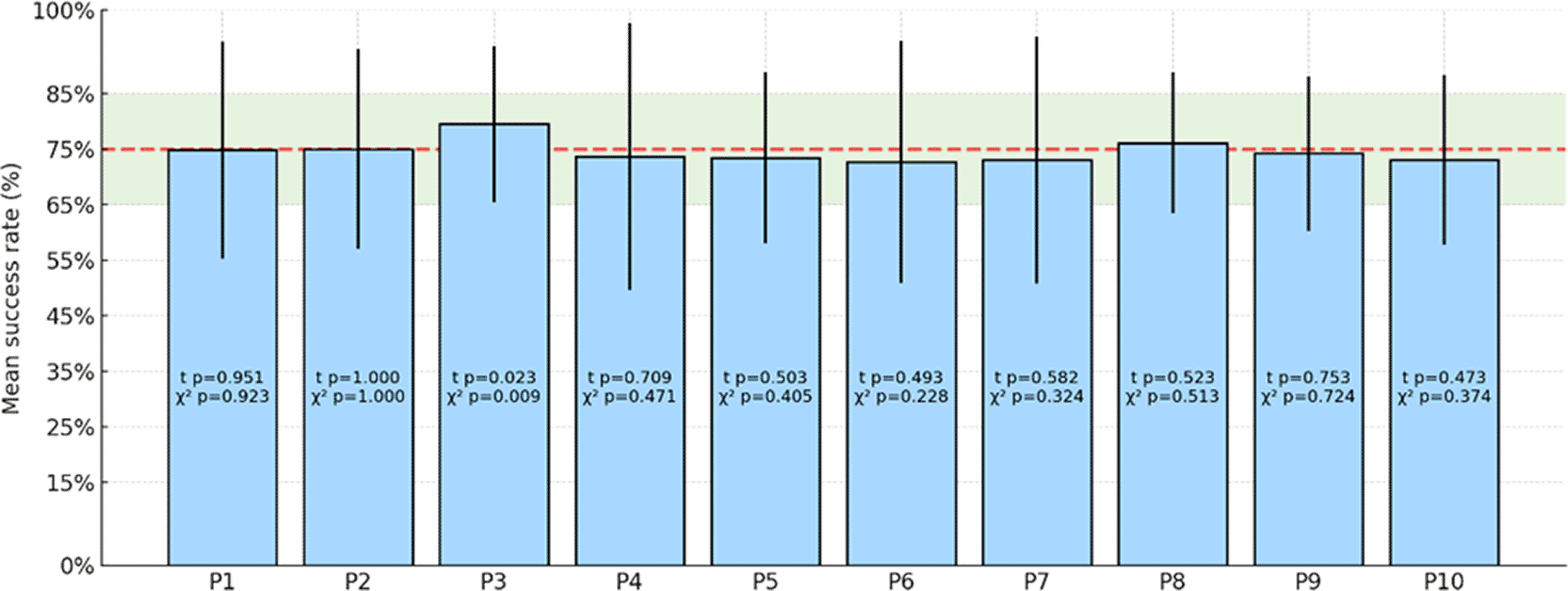
Figure 3. Individual block-wise success rates, excluding warm-up blocks, across participants.
Each bar represents the mean success rate across blocks after exclusion of initial blocks required to reach the target engagement range. The dashed horizontal line indicates the 75% target success rate, and the shaded area represents the predefined engagement range (65–85%). Error bars denote standard deviation.
Adaptability
Composite Difficulty Index trajectories showed, in all participants, a rapid early change in difficulty adjustment followed by stabilization over successive blocks. Plateau values ranged between 0.7 and 0.9, indicating individual task difficulty levels (i.e., the difficulty level required for the individual to successfully find the target on 75% of trials). These difficulty levels depend on the performance profiles of each individual. The fitted curves suggest similar adaptation patterns across participants, with consistent stabilization patterns observed across trajectories (
Figure 4).
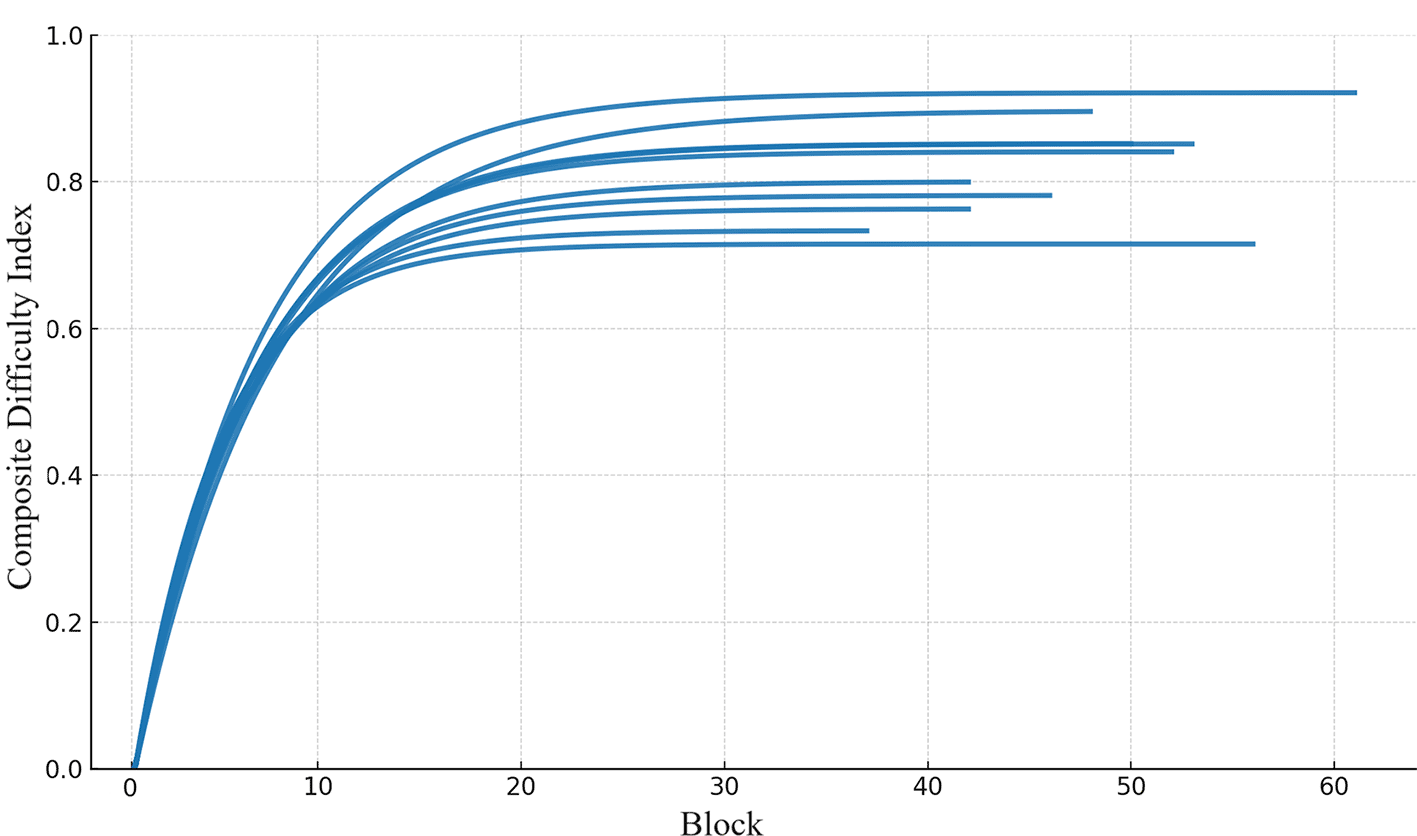
Figure 4. Composite Difficulty Index trajectories across participants.
The X-axis represents the block number (i.e., progression over successive blocks), and the Y-axis represents the Composite Difficulty Index, ranging from 0 (minimum difficulty) to 1 (maximum difficulty). Each curve shows the evolution of task difficulty over time in one participant. The duration of the study was fixed (i.e., 15 minutes per session), causing the number of blocks completed by the individual to vary depending on their speed of performance.
Individualized adaptability
DDA-REAsmash for distractor inhibition rehabilitation
For the estimation of distractor inhibition impairment, participants were classified according to the number of omissions across the three low-salience levels of the REAsmash assessment module: no omissions (2 participants), one (3 participants), two (1 participant) three (2 participants), and five omissions (2 participants).
In participants with USN, omissions were examined with respect to their spatial distribution, since contra-lesional omissions are typically attributed to lateralized attentional bias. One of the three participants with USN showed three omissions, all confined to the contra-lesional hemifield, consistent with pure attentional lateral bias. This participant was therefore considered as not showing distractor inhibition deficits (i.e., zero omissions attributed to distractor inhibition). In the remaining two participants with USN, omissions occurred in both hemifields. However, in only one, the omissions in the contra-lesional hemifield accounted for less than 75% of the total omissions (i.e., 1 out of 3 total omissions), meeting the criterion for concurrent spatial and distractor inhibition difficulties. The third participant showed four omissions in the contra-lesional hemifield and only one in the ipsi-lesional hemifield and was therefore excluded from this distractor inhibition analysis.
A strong positive correlation was observed between the number of omissions in the assessment module and the stabilized stimulus presentation time in the DDA-REAsmash (Spearman’s ρ = 0.97, p < 0.001). Participants with higher omission rates required longer presentation durations (to obtain 75% correct performance) (
Figure 5).
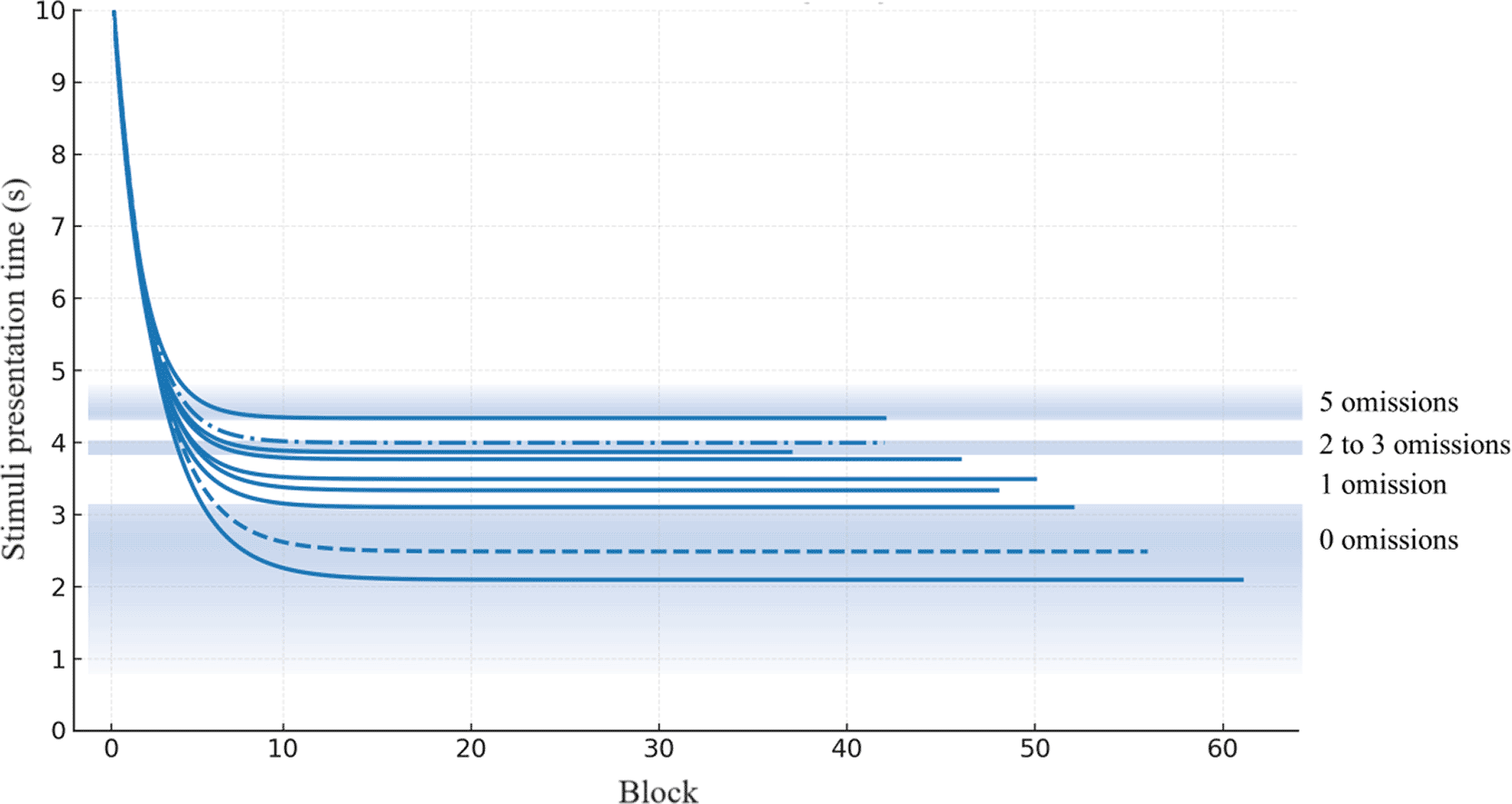
Figure 5. Relationship between stabilized stimuli presentation time and omission number.
The figure illustrates the evolution of stimuli presentation time across successive blocks for each of the 9 participants included in this analysis. The X-axis presents the block number, and the Y-axis presents the stimulus presentation time (in seconds) determined by the DDA. The shaded horizontal bands highlight clusters of stabilized presentation times corresponding to different omissions obtained in the REAsmash assessment module (values shown on the right). The dash-dotted line presents the participant who exhibited both USN and distractor inhibition impairment, while the dashed line corresponds to the participant with USN only, whose omissions were not related to distractor inhibition.
DDA-REAsmash for attentional lateral bias rehabilitation
For the analysis examining the algorithm’s ability to detect and target attentional lateral bias, participants were categorized into three groups: (i) pure USN-related lateral bias based on gold-standard tests, with no concurrent omissions in the ipsi-lesional hemifield (1 participant); (ii) USN with omissions in both the contra- and ipsi-lesional hemifields (2 participants); and (iii) no USN (7 participants).
The DDA algorithm for the participant with pure USN lateral bias adapted to the active playing field, and showed less targets in the contra-lesional space, showing a lateralized adaptation pattern. The percentage of molehills in the contra-lesional (left) hemifield stabilized slightly above 25% of the total. In contrast, the remaining participants showed values close to symmetry between the two hemifields (
Figure 6).
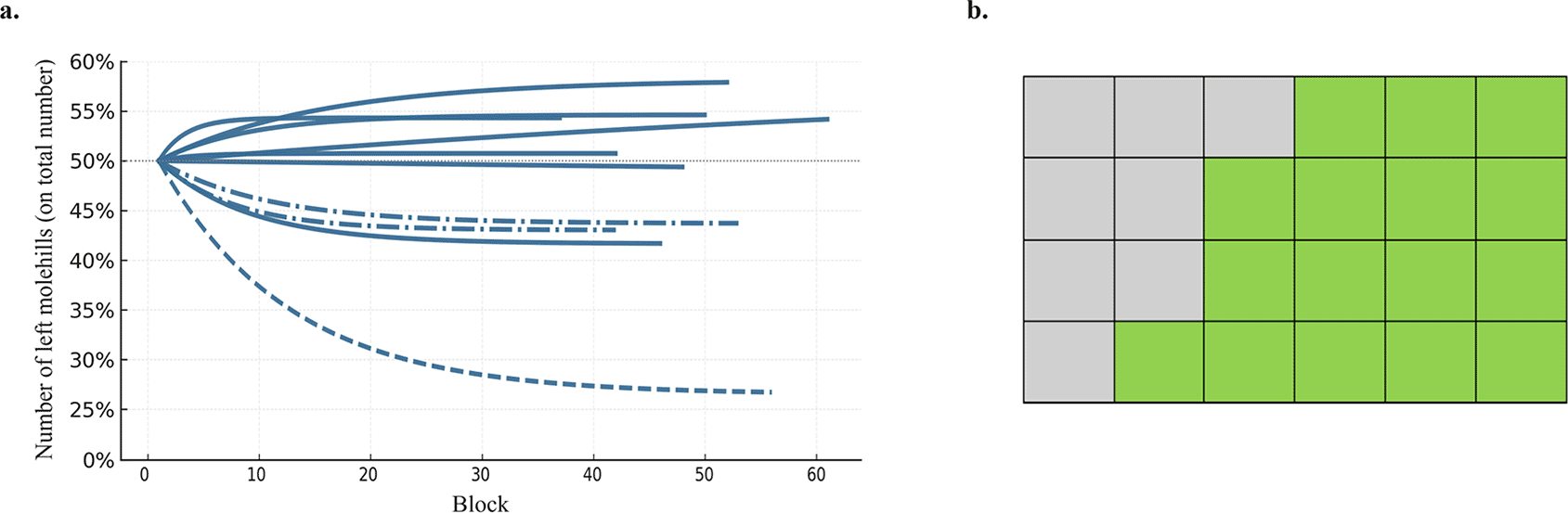
Figure 6. Adaptation of the active playing field in relation to attentional lateral bias.
(a) Percentage of molehills presented in the left hemifield relative to the total, plotted across blocks. The X-axis presents block number, and the Y-axis presents the proportion of molehills displayed on the left side of the playing field relative to the total number of molehills. The dashed line corresponds to the participant with USN and no concurrent omissions in the ipsi-lesional hemifield. The two dash-dotted lines represent participants with USN and concurrent spatial and distractor inhibition difficulties. Continuous solid lines correspond to participants without USN. (b) Schematic representation of the active playing field of the participant with USN and no concurrent distractor-inhibition deficits. Green rectangles indicate the molehills selected by DDA-REAsmash as the configuration to challenge the participant’s attentional lateral bias, whereas grey rectangles represent inactive areas of the playing field in which no molehills were presented.
Discussion
The present study evaluated the feasibility and adaptive behavior of DDA-REAsmash, a non-immersive VR SG implementing a theory-driven multi-parameter DDA algorithm integrating individual and normative performance data within a heterogeneous group of post-stroke individuals. All participants completed the protocol without adverse events, indicating good tolerability.
Concerning feasibility, individual- and group-level performance data showed rapid stabilization of success rates within the predefined optimal engagement range (65–85%). Success rates converged toward the 75% target after an average of 5.4 blocks, corresponding to approximately 2.5 minutes of gameplay. Although one participant showed a statistically significant deviation in inferential analyses, the observed mean success rate remained within the predefined engagement range. Overall, these findings are consistent with algorithmic convergence toward predefined engagement bounds.
Analyses of adaptability using the Composite Difficulty Index showed a rapid early increase in task difficulty followed by individualized plateau stabilization across participants. All participants began at minimal task demand, and the DDA progressively modulated stimulus presentation time, distractor inhibition load, and spatial configuration of the active playing field. The plateau levels were consistent with the level of difficulty required to maintain approximately 75% correct performance.
A central characteristic of the present implementation was the integration of normative performance from an independent sample of healthy participants within the DDA difficulty moderation rules. Lower limits for stimulus presentation time were derived from the 75th percentile of response times observed in the mean age-matched healthy controls and implemented as algorithmic constraints. This integration anchored parameter modulation to empirically derived performance distributions and was designed to constrain parameter drift driven solely by intra-individual variability.
The relationship observed between omission counts in the assessment module and stabilized stimulus presentation times further illustrated individualized adaptive modulation. Participants with higher omission rates in low-salience conditions stabilized at longer presentation times, whereas participants with fewer omissions stabilized at shorter durations. These findings suggest that stimulus presentation time was modulated in relation to individual distractor inhibition characteristics during serial visual search.
With regard to spatial attention, most participants showed that the DDA maintained symmetrical configurations of the active playing field across blocks. In contrast, the participant presenting pure USN showed that the DDA made a progressive ipsi-lesional lateralization of the active playing field. Early blocks began with symmetrical presentation, but contra-lesional lateralized omissions (typical for USN) influenced subsequent spatial parameter adjustments, leading to a stimuli configuration having most stimuli presented in ipsi-lesional hemifield, and only a few stimuli presented in the contra-lesional hemifield, thereby to maintaining performance within engagement bounds (i.e., only the right molehills proximal to the playing field midline were displayed). In this case, spatial modulation allowed difficulty stabilization under lateralized attentional constraints.
In participants presenting concurrent spatial and distractor-inhibition impairments, adaptive adjustments involved multiple task parameters without a predominant spatial shift. Stimulus presentation time modulation appeared sufficient to stabilize performance, reducing the need for marked spatial reconfiguration. This pattern is consistent with parallel modulation across multiple attentional dimensions rather than isolated adjustment of a single domain.
Taken together, these results describe a multi-parameter adaptive mechanism capable of modulating visual search load, inhibitory demand, and spatial configuration in parallel. Unlike fixed-difficulty implementations or manually preset session-level adjustments, the DDA-REAsmash continuously updated task parameters according to explicit algorithmic rules integrating both real-time performance and normative constraints. The primary contribution of this study lies in the characterization of these algorithmic trajectories within a feasibility framework.
From a translational perspective, stabilized adaptive parameters such as stimulus presentation time and spatial field distribution provide quantitative descriptors of attentional processing during controlled task performance. Further investigation is required to determine whether changes in these parameters reflect learning, recovery processes, or task-specific adaptation. The adaptive framework described here may provide a methodological basis for future adaptive serious games targeting heterogeneous cognitive deficits in neurorehabilitation.
Limitations and directions for future research
The study was not designed to evaluate clinical efficacy, transfer effects, or long-term learning. No comparison with fixed-difficulty training was performed. The small sample size limits precision of effect estimates and generalizability. Future randomized controlled trials with larger cohorts will test the efficacy of DDA-REAsmash against fixed-difficulty training. Planned protocols will extend to three sessions per week over four weeks, with follow-up to assess retention, transfer, and functional impact. Further studies will explore multimodal rehabilitation (e.g., cognitive-motor coupling) and performance using the more impaired hand as response hand.
The non-immersive setting was chosen based on prior REAsmash (assessment module) findings35 showing that immersive VR increases extraneous load in patients with attentional deficits. Direct comparisons between immersive and non-immersive DDA-REAsmash versions are needed to clarify how sensory load and user experience influence rehabilitation outcomes.
Conclusions
This study demonstrates the feasibility of a theory-driven multi-parameter DDA algorithm integrating individual performance normative data in a heterogeneous post-stroke sample. The algorithm maintained performance within predefined engagement bounds and generated individualized adaptive trajectories coherent with baseline attentional profiles. These findings describe algorithmic behavior within a feasibility framework. Controlled studies are required to assess clinical efficacy and functional outcomes.
Ethics approval and ethical compliance
The study received approval from the Saint Luc UCLouvain Clinical Ethics Committee (reference: 2015/10FEV/053) and was conducted in accordance with the principles of the Declaration of Helsinki and its later amendments. The protocol was prospectively registered on ClinicalTrials.gov (Identifier: NCT04694833).
Informed consent
All participants volunteered to participate in the study providing written informed consent prior to enrollment. Participants received detailed written and oral information regarding study objectives, procedures, potential risks, and their rights, including the right to withdraw at any time without impact on their clinical care.
Consent for publication
Not applicable, as no identifiable individual data are included in the manuscript or associated materials.







