Introduction
Open science (OS) practices such as depositing datasets in open repositories, sharing code through collaborative platforms, collaborating with citizen scientists, and disseminating results via preprints and open-access journals not only improve reproducibility but also expand opportunities for interdisciplinary collaboration. Through these practices, OS accelerates discovery and ensures that scientific knowledge can benefit policymakers, industry, and society at large.1–3 International organizations, including UNESCO and the World Health Organization (WHO), increasingly promote these practices to improve reproducibility, improve knowledge exchange, and foster broader participation in research.1,2 Yet, the adoption of OS practices remains uneven, due to differences in infrastructure, research incentives, and regulatory environments across the globe.3
The One Health (OH) paradigm recognizes the interconnectedness of human, animal, and environmental health and demands interdisciplinary collaboration to address complex challenges such as the emerging zoonotic diseases, antimicrobial resistance, and climate-related health risks.4 Since OH implementation depends on collaboration across sectors and borders, it particularly relies on timely and transparent sharing of data and expertise across disciplines. OS can therefore play a crucial role in strengthening OH research to its fullest.1,5
In the global context, several public health emergencies have demonstrated the benefits of OS practices, including rapid sharing of pathogen genomic data and pre-registration of protocols, while also exposing persistent challenges such as data silos, privacy concerns, and inequities in publications.6,7
South Asia provides a relevant setting to examine this interface. The region’s dense populations, expanding livestock production, and increasing human–animal interaction make it a hotspot for emerging zoonotic disease and antimicrobial resistance.8 There is an increase in the number of research, with universities and public health institutions rapidly engaged in OH activities.9 However, fragmented data systems, limited interoperability between sectors, resource constraints, and uneven policy support hinder knowledge sharing.9,10 Language diversity, inequities in access to open-access publishing, and concerns about data misuse further complicate the adoption of OS practices in low-and- middle-income countries.11,16
Despite the importance of both OH and OS in the region, little is known about how researchers perceive and experience OS practices in their research. Exploring this is essential for identifying opportunities, barriers, and context-specific needs that can guide the development of policies, infrastructure, and training to support OS in OH research.
Research question
What are the main barriers hindering the adoption of OS practices among OH researchers in South Asia?
Aim
To explore the key barriers affecting the adoption of OS practices among OH researchers in South Asia.
Objectives
1. To identify the current level of awareness and engagement with OS practices among OH researchers in South Asia.
2. To explore the institutional, technical, financial, and cultural barriers that limit the adoption of OS practices in the OH community.
Methods
Study design: This study employed a cross-sectional online survey to explore perceptions, practices, and collaborative experiences related to OH and OS among professionals working in South Asia.
Study setting: The survey was carried out over five months (May–September 2025). The study was approved by Sikt- – Norwegian Agency for Shared Services in Education and Research (ref no. 631691), and was carried out in strict adherence to the Declaration of Helsinki (2024). The questionnaire was distributed through Nettskjema platform12- a GDPR-compliant online survey tool developed and maintained by the University of Oslo (UiO), with all sensitive data securely stored in the Services for Sensitive Data (TSD), the UiO’s dedicated infrastructure for secure handling of research data.13
Sample and sampling strategy
Target Population: The target population included professionals engaged in OH activities in South Asian countries or international collaborations involving these countries. Eligible participants represented diverse disciplines contributing to the OH approach.
Inclusion criteria covered researchers, policymakers, veterinarians, epidemiologists, citizen scientists, and environmental scientists based on their memberships in world organisations and who have contributed to or participated in OH activities in South Asian countries. We also included participants who had been engaged in international collaborative OH projects or in OH activities involving South Asian countries.
Exclusion criteria applied to individuals who had neither collaborated nor taken part in any OH activities in South Asia.
Sampling technique
A non-probability snowball sampling technique14 was employed. Initially, we contacted global and regional organizations leading OH initiatives, including Women for One Health, Women in Global Health, WOAH (World Organisation for Animal Health), One Health World Happenings, OHASA (One Health Alliance of South Asia), and OHNSEA (One Health Network Southeast Asia). These organizations circulated the survey invitation to their members and professional mailing lists. Respondents were also encouraged to share the survey link with other eligible participants, thereby expanding participation through successive referrals (fig 1.1).
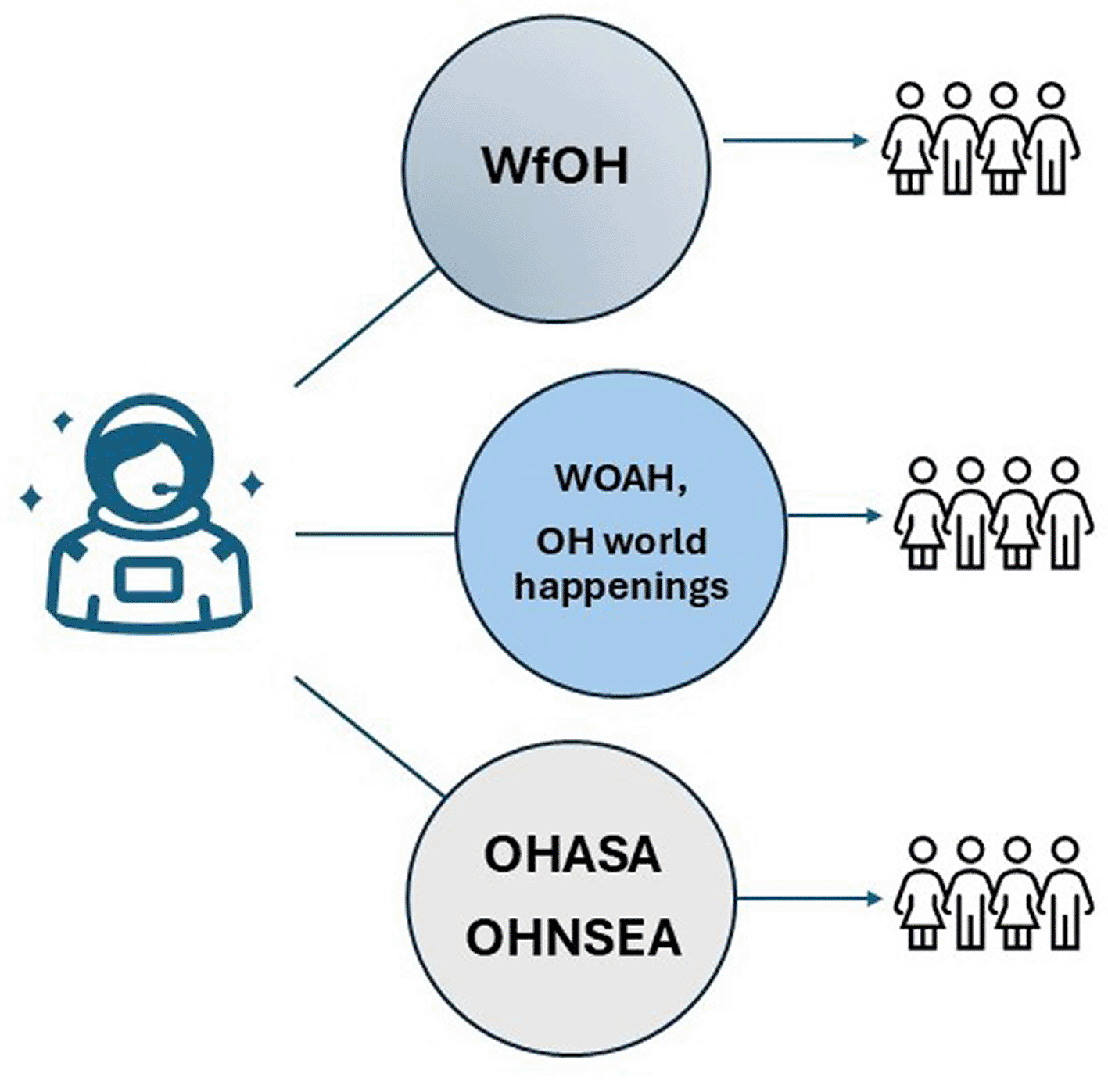
Figure 1.1. Snowball sampling.
Sample size: The sample size was calculated from a survey on OH perceptions and experiences in Europe,15 62.6% of respondents supported OH initiatives. Taking this proportion (p = 0.626), with 95% confidence level (Z = 1.96), and an absolute margin of error of 10%, the estimated minimum sample size was 90.
Additional note
We also identified a 2016 survey9 from South Asia (n = 61) that examined related aspects of OH perceptions. While that study had a smaller sample size than ours, it did not report the same binary ‘in favour’ outcome used in our sample-size calculation. Therefore, its findings are not directly comparable for re-estimating sample size, and our calculation based on the European survey remains the most appropriate reference available at the time.
Questionnaire: The survey comprised 22 questions across five thematic areas- professional background, cross-sector collaboration, OS practices, policy awareness/data sharing, and perspectives on citizen science and equity. Respondents selected their primary roles, country of work, years of experience, and sectors of collaboration, while also rating collaboration strength and identifying institutional and national barriers. Furthermore, the questionnaire probed awareness and implementation of OS, data-sharing platforms, and policy alignment, including recommendations from participants.
Informed Consent: Informed consent was obtained digitally from all participants via the Nettskjema form by providing the ``click-to agree or disagree options``. The information sheet explained the purpose of the study, confidentiality and anonymity of responses, and the right to withdraw at any time without consequences. Participants were informed of their data protection rights, including access, correction, and deletion of personal data.
Questionnaire development
The questionnaire was drafted based on the findings of the study, Ethical Challenges and Opportunities at the Intersection of One Health and Open Science in India: A Scoping Review.5
Pilot testing and validation
Face validity and content validity: The questionnaire was both face and content validated by two subject experts with experience in OH and OS.
Preliminary Pilot Testing: Conducted with four individuals to evaluate usability, time required, and comprehensibility.
Revisions: Based on pilot feedback, wordings were simplified, response options were refined for multiple-choice items, and the sections were adjusted for logical flow.
Recruitment and data collection
The survey link was disseminated through:
• Professional mailing lists and newsletters of participating organizations, for example: the newsletter of One Health Happenings17
• Direct email invitations to relevant networks.
The survey remained open for five months; fig. 1.2 illustrates the submission frequency of the survey. No personally identifiable information was collected unless voluntarily shared for follow-up communication.

Figure 1.2. Submission frequency.
Data management and analysis
Responses were automatically stored in TSD and later exported to Excel for data cleaning and coding. Data were analyzed using IBM SPSS Statistics- Version 27.18 Descriptive statistics (frequencies and percentages) were used to summarize demographic characteristics and responses across themes. The survey included both structured quantitative questions and five open-ended questions. The present paper reports the quantitative findings. The qualitative findings will be reported separately to allow appropriate depth of analysis.
Results
A total of 92 responses were received from OH stakeholders across South Asia. After data cleaning to remove incomplete and duplicate entries, 90 valid responses were included for analysis. The dataset represented a diverse group from Veterinary Science, Medicine, and Environmental Science. In particular, 73.3% (n = 66) of the respondents considered themselves as academic researchers, with lesser percentages of respondents identifying as healthcare workers (35.6%), veterinarians (14.4%), NGO representatives (8.9%), government officials (8.9%), policy makers (6.7%), and environmental scientists (5.6%).
Since OH research involves multidisciplinary collaboration, many respondents identified with more than one professional category (e.g. academic researchers who are also healthcare practitioners or government advisors). This overlap reflects the integrated nature of OH work. Therefore, multiple selections were allowed and analyzed as such, recognizing the interconnected roles rather than forcing a single selection. This approach provides a more realistic representation of the professional landscape within the OH community in South Asia.
I. Participant demographics
a.
Country-wise distribution of participants
Most respondents were based in India (n = 50), followed by Pakistan (n = 16). Fewer respondents were from Nepal and Sri Lanka (n = 6 each), Bangladesh and Afghanistan (n = 5 each), with minimal representation from Bhutan and the Maldives (n = 1 each) (fig 2.0).
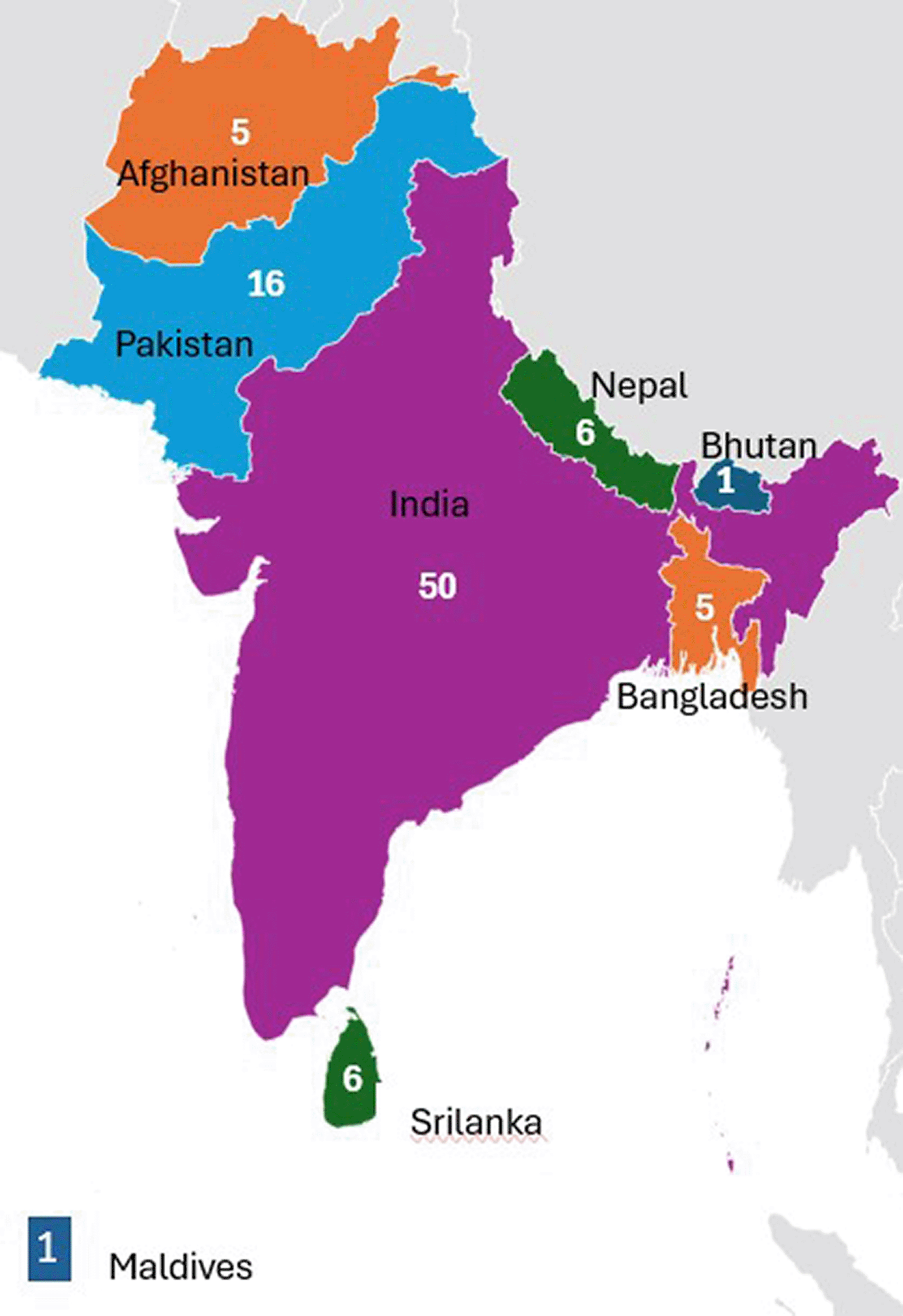
Figure 2.0. Distribution of respondents by country.
b.
Highest educational qualification
With regards to the highest educational qualification, most of the respondents had a master’s degree (45.6%), then a PhD or equivalent (25.6%). A lower percentage has completed postdoctoral research (13.3%) or holds a bachelor’s degree (15.6%). These findings suggest that the sample is mainly represented by a well-qualified population, and involved in research and academic work.
c.
Gender
Regarding gender distribution, 60% of respondents are male, while 36.7% are female. Missing or unreported (3.3%) answers were a few (
Table 1.0). This shows a sample that is male dominated.
d.
Years of experience in OH activities
The respondents differed in terms of their experience in OH research, with the greatest proportion having 8 years or more of experience (36.7%, n = 33), followed by those with less than one year (25.6%, n = 23), 4–7 years (24.4%, n = 22), and 1–3 years (15.6%, n = 14). Percentages may not total 100% due to rounding.
Table 1.0. Gender-wise distribution of participants (country wise classification).
| Country | Male | Female |
|---|
| Afghanistan | 4 | 1 |
| Bangladesh | 3 | 2 |
| Bhutan | 1 | - |
| India | 33 | 15 |
| Nepal | 3 | 3 |
| Pakistan | 10 | 5 |
| Maldives | - | 1 |
| Srilanka | - | 6 |
II. Cross-sectoral collaboration and challenges in its implementation
It was stated that collaboration in OH occurred in a variety of sectors, but the most prevalent area of collaboration was human health (86.7%, n = 78), followed by environmental science (33.3%, n = 30), animal health (28.9%, n = 26), public policy (27.8%, n = 25) and agriculture (12.2%, n = 11). Country-wise collaboration is listed in (
Table 2.1).
Table 2.1. Perceived level of cross-sector collaboration by countries.
| Country | Human health | Animal health | Environmental science | Agriculture | Public policy |
|---|
| Afghanistan | 5 | 1 | 2 | 1 | 2 |
| Bangladesh | 4 | 4 | 4 | 1 | 1 |
| Bhutan | 1 | - | - | - | - |
| India | 44 | 12 | 16 | 5 | 17 |
| Nepal | 5 | 3 | 3 | 1 | 2 |
| Pakistan | 12 | 4 | 4 | 2 | 2 |
| Maldives | 1 | 1 | 0 | 1 | 0 |
| Srilanka | 6 | 1 | 1 | - | 1 |
| Total | 78 | 26 | 30 | 11 | 25 |
The mean score for sectoral collaboration in OH was 2.69 (SD = 1.08), indicating a low to moderate level of collaboration between sectors. Of the respondents, 35.6% (n = 32) gave a neutral rating (score 3), while 28.9% (n = 26) rated collaboration as weak (score 2) or very weak (score 1). Fewer participants gave a positive assessment: 15.6% (n = 14) described collaboration as strong (score 4), and only 5.6% (n = 5) rated it as very strong (score 5) (
Table 2.2).
Table 2.2. Perceived level of cross-sector collaboration in South Asia.
| Very weak | Weak | Moderate | Strong | Very strong |
|---|
| Count
| 13 | 26 | 32 | 14 | 5 |
| Percentage
| 14.4 | 28.9 | 35.6 | 15.6 | 5.6 |
The participants described several significant challenges faced in cross-sectoral collaboration in OH research. Institutional barriers (72.2%, n = 65) were most often reported, and the next barriers were lack of funding (67.8%, n = 61), lack of communication (61.1%, n = 55), and various research priorities (55.6%, n = 50). Limited government support (53.3%, n = 48) was also seen as a big challenge by more than half the participants. A very low percentage (2.2, n = 2) of them stated that they did not have any significant challenges.
III. Awareness and practice of OS in OH
When asked about their familiarity with OS practices in OH research, the majority of respondents (35.6%, n = 32) reported being moderately familiar. Another 28.9% (n = 26) indicated they were only slightly familiar. Fewer participants described themselves as familiar (15.6%, n = 14) or very familiar (5.6%, n = 5), while 14.4% (n = 13) stated they weren’t familiar at all (
Table 3.0).
Table 3.0. Overall awareness of OS.
| Not at all familiar | Slightly familiar | Moderately familiar | Familiar | Very familiar |
|---|
| Count
| 13 | 26 | 32 | 14 | 5 |
| Percentage
| 14.4 | 28.9 | 35.6 | 15.6 | 5.6 |
Majority of the respondents (58.9%, n = 53) indicated that they practice OS. Nevertheless, a large minority stated that they do not engage in OS (20.0%, n = 18) or they do not know (21.1%, n = 19) (fig 3.0). Country-wise distribution of OS practices is illustrated in fig 3.1.
b.
Commonly practiced OS components
Open access publishing was the most common OS practice, with 60% of respondents making their publications freely available. About one-third reported participation in open peer review and open methodology, while public data sharing and citizen science engagement were less common. Fewer than one-fifth of respondents reported practices such as preregistration, open collaboration, sharing code or preprints, or contributing to open educational resources (fig 3.2).
c.
Challenges in the practice of OS among non-practicing respondents
Among the respondents who stated that they did not practice OS, the use of certain practices of OS was very low. The most common OS practices among participants were sharing datasets (12.2%) and open access publication (8.9%), while Citizen science and sharing codes were less frequent (6.7% each). Fewer adopted practices included open peer review and open educational resources (5.6% each), publishing preprints (2.2%), and pre-registration or open methodology (1.1% each). This suggests that non-participants in open science rarely use its core practices and have limited knowledge of basic open research practices (fig 3.3).
d.
Training in OS
The results indicate that a very small percentage (15.6%) of participants had formal training on OS practices, and the overwhelming majority (84.4%) stated that they had never received such training.
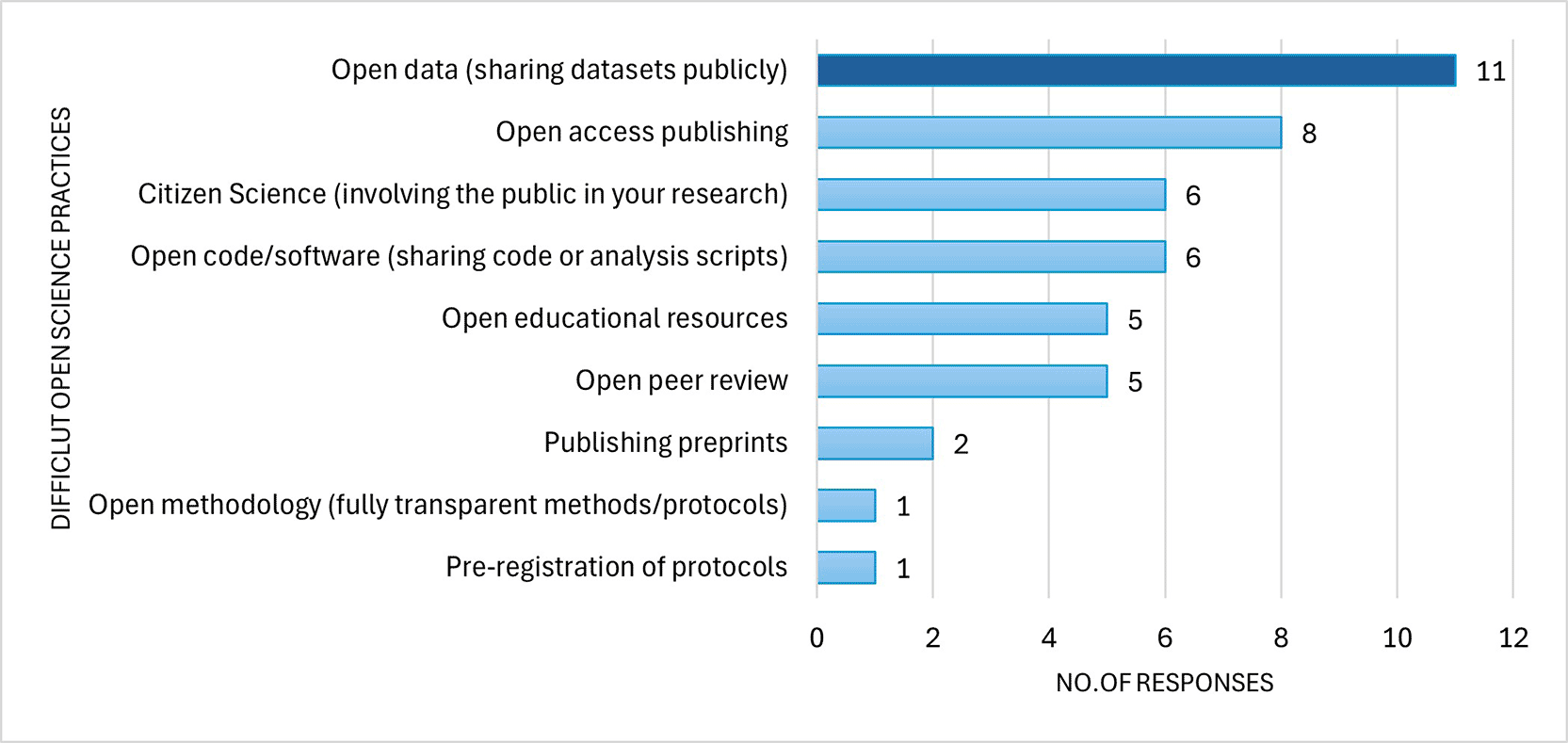
Figure 3.3. Perceived barriers to adopting OS practices among those who reported not practicing OS.
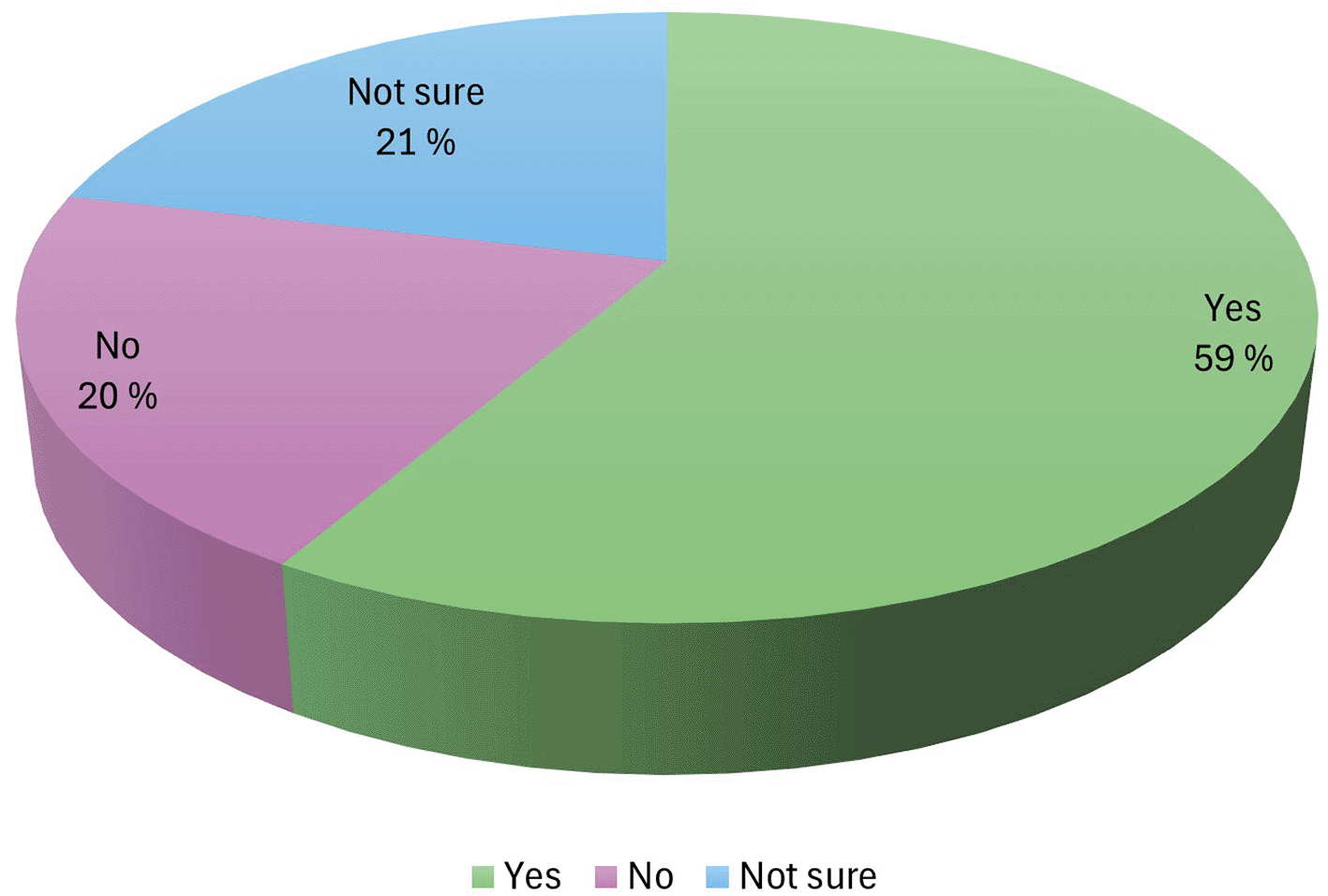
Figure 3.0. OS practices among researchers in South Asia.
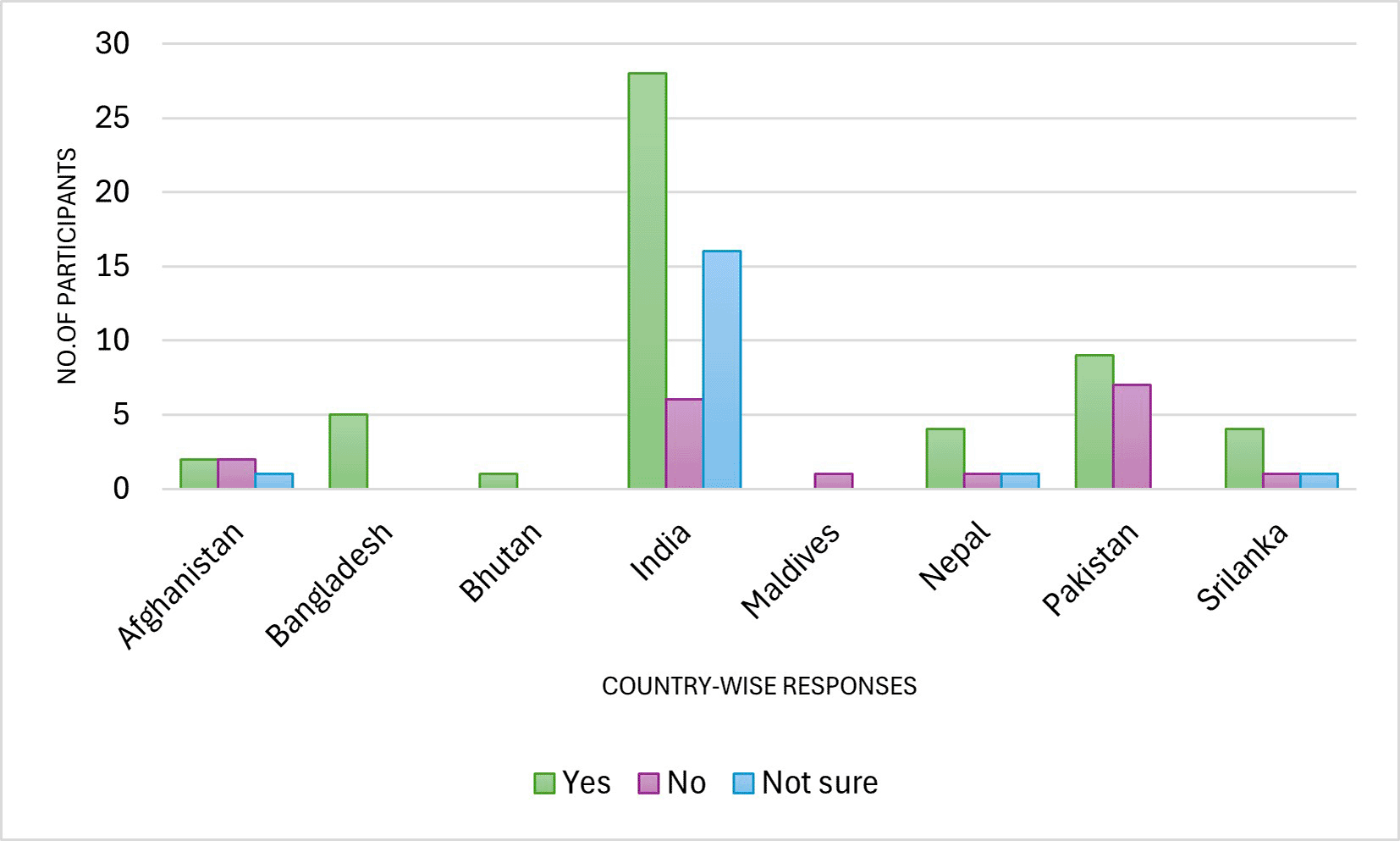
Figure 3.1. Country-wise distribution of OS practices.
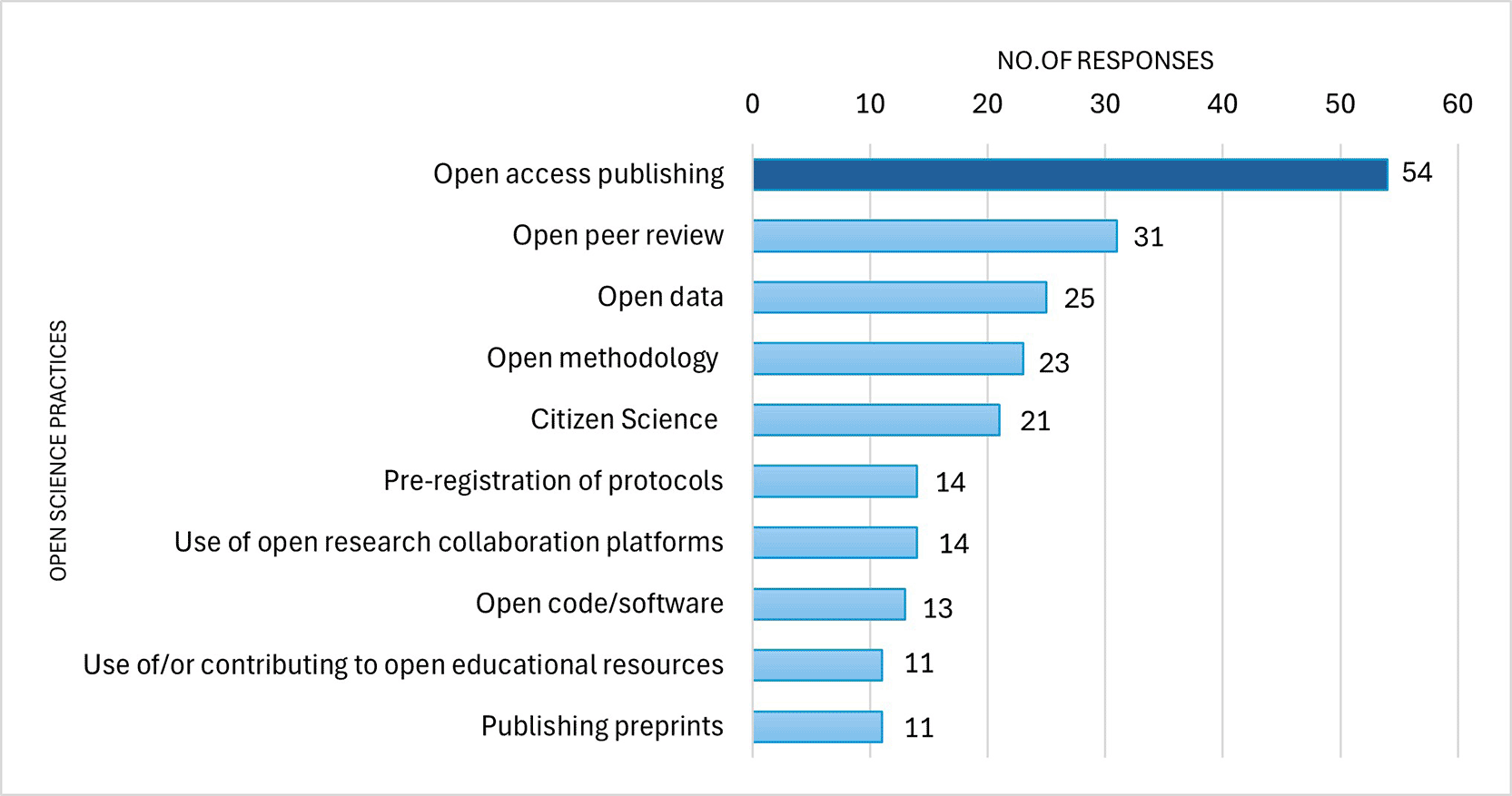
Figure 3.2. Distribution of the types of OS practices.
IV. Awareness of national OH policies and its alignment with OS
In this case, the data shows that slightly more than half of the individuals (53.3%) said they were aware of OH policies or initiatives in their country. Nevertheless, a significant number, 30%, claimed to be unaware of the existence of such policies, and 16.7% were not sure whether such policies existed.
Alignment of National OH policies with OS
Of all respondents who knew about the existence of OH policies or initiatives in their country, 25.6% reported that these policies partially adhere to the OS principles of data sharing, transparency and inclusiveness. A smaller percentage, 13.3%, believed that there was full compliance in the policies with OS, with 7.8% reporting that the policies do not fit at all. Also, 6.7% of the respondents did not know whether there was an alignment.
V. Challenges in data sharing among OH stakeholders
The results show that there are a number of important issues related to data sharing among OH stakeholders. The most importantly stated barrier was the absence of standardised platforms (73.3%), followed by institutional restrictions (63.3%), which shows the presence of structural and infrastructural gaps to facilitate a smooth exchange of data. More than half of the respondents expressed the issue about data misuse (52.2%) and legal or ethical restrictions (50%) as an important hindrance. Also, another barrier to effective data sharing was identified as funding constraints (44.4%) (fig 4.0).
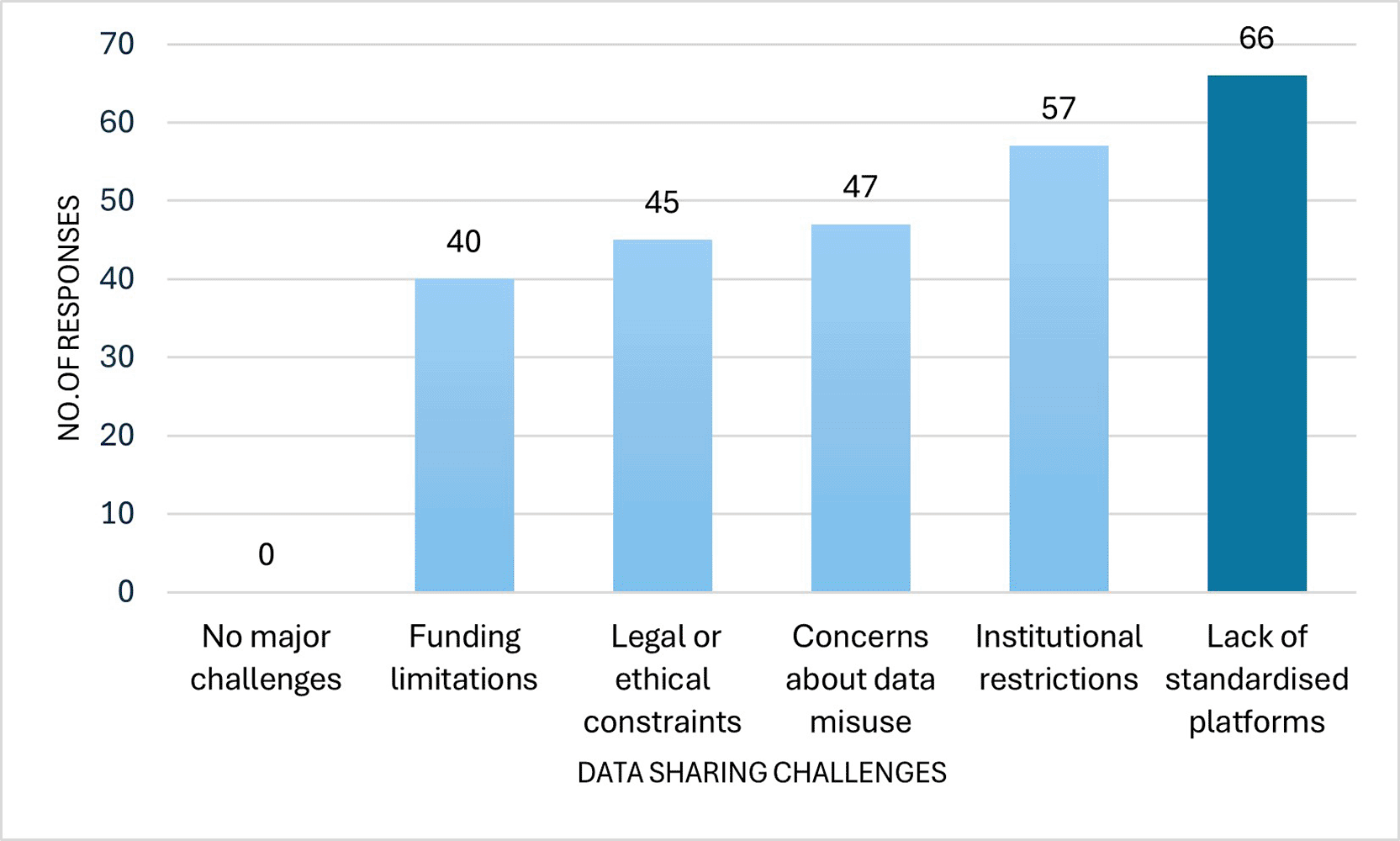
Figure 4.0. Perceived challenges in data sharing among OH stakeholders in South Asia.
VI. Digital platforms or tools used for data sharing
The most frequent way in which respondents shared their data was by using open-access journals (51.1%), which indicates that publications should be utilised as a main medium of avenue of sharing research. Subsequently, cloud-based sharing services, including Google Drive or Dropbox (41.1%) and institutional repositories (37.8%) were also used and contributed to data exchange. There was lower use of government databases (25.6%), but 15.6% of the respondents claimed that they had not shared data on any platform or tool (fig 5.0).
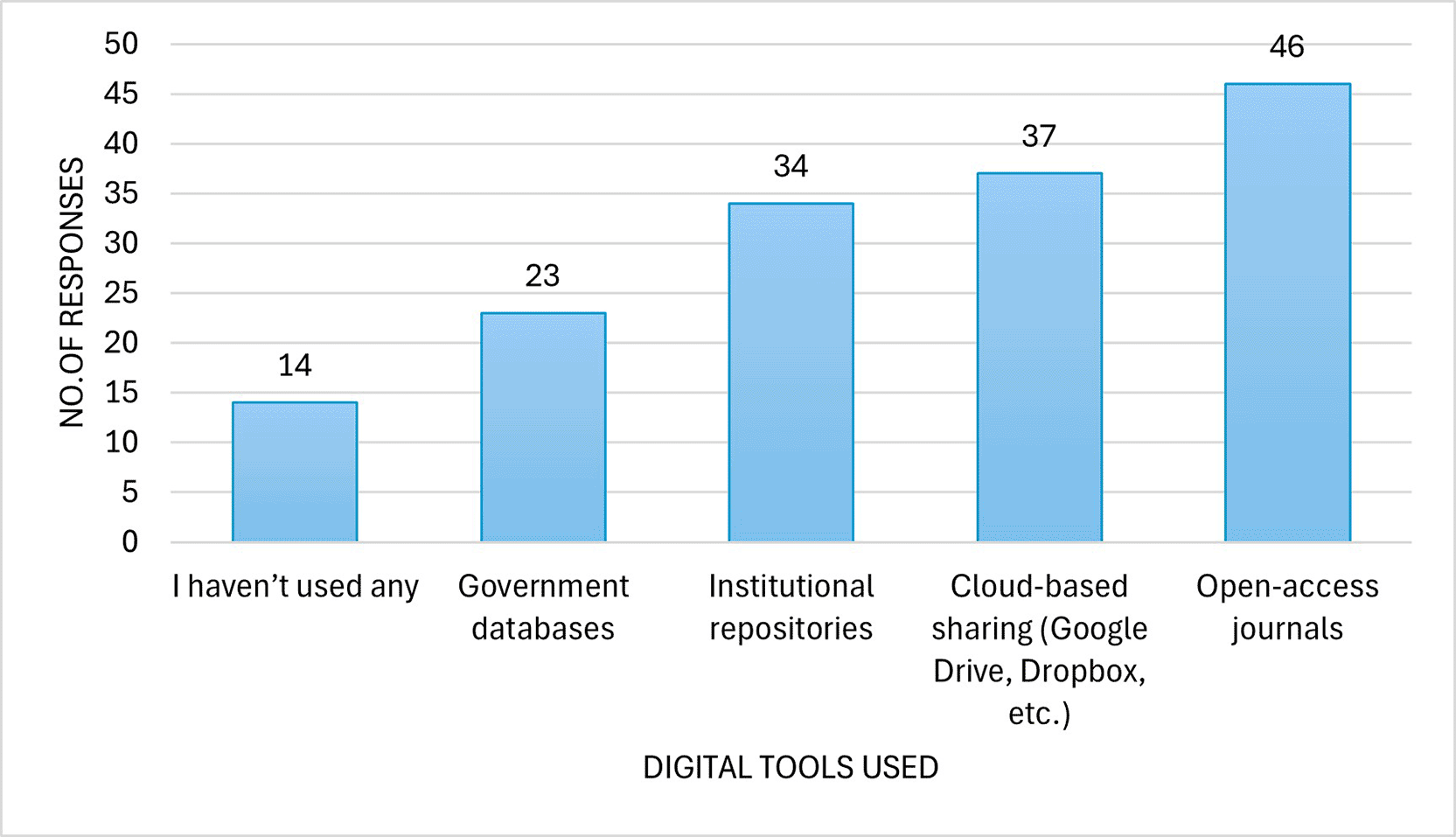
Figure 5.0. Overall perception of digital platforms or tools used for data sharing.
VII. Benefits associated with OS practices in OH
The participants outlined some of the most important benefits of OS in OH. The most popular benefit was enhanced cooperation (72.2%), and the next was accelerating the speed of knowledge spread (67.8%) and enhancing fairness in research (62.2%). Increased public engagement (53.3%), which depicts the possible strength of OS to enhance community involvement and engagement, was also emphasized as a benefit by more than half. Only a minority (4.4%) thought that there were no great advantages (fig 6.0).
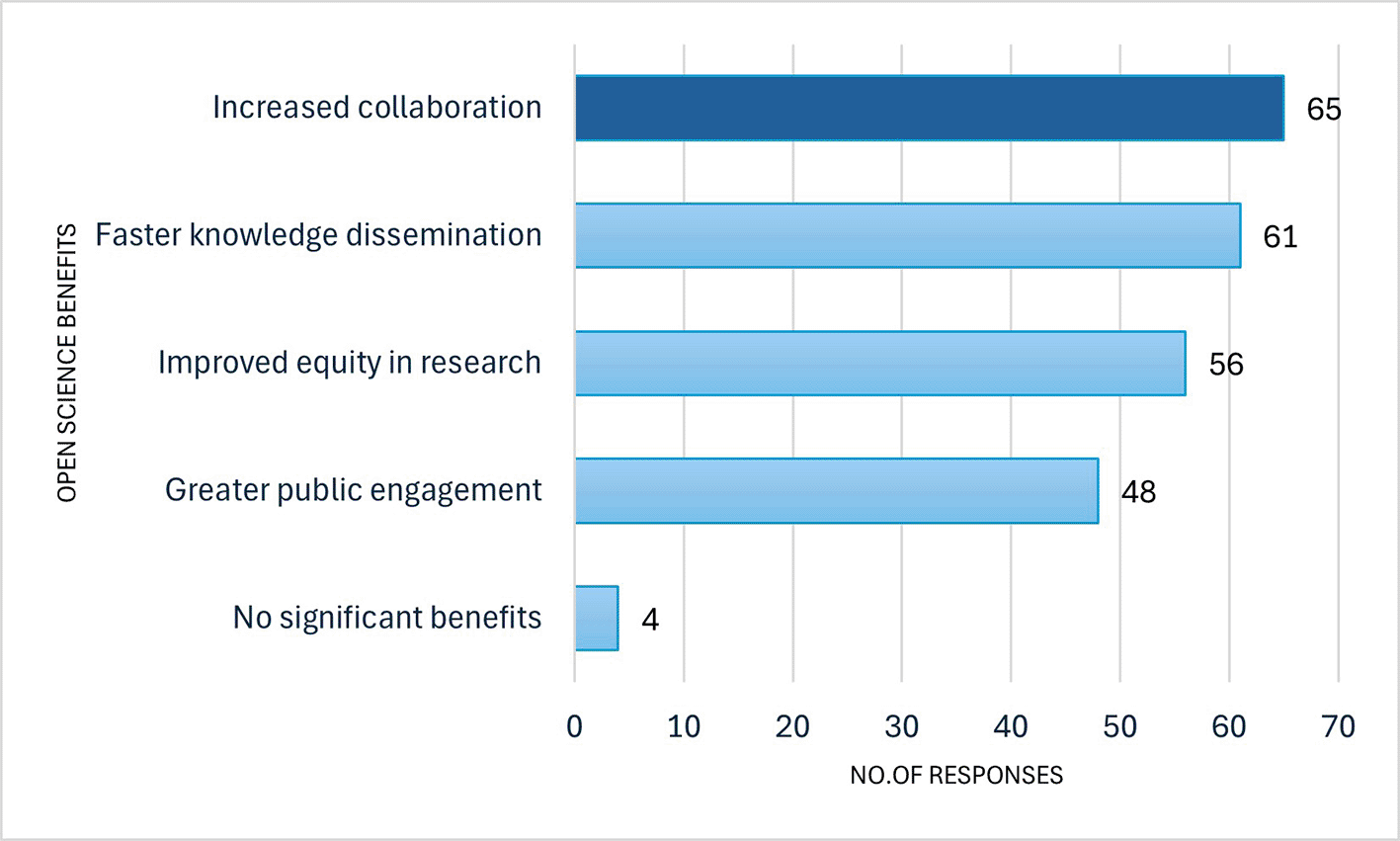
Figure 6.0. Perception of benefits associated with OS practices in OH.
VIII. Perceptions of how citizen science can contribute to OH
The responses show that Citizen Science is seen as a highly appreciated addition to OH research to a considerable degree. Its ability to close gaps between the official research and local knowledge (85.6%), and to improve the involvement of the population (66.7%) was the most frequent advantage observed. It is also useful in response and surveillance, as over half (56.7%) of the respondents identified its value in assisting in data collection during disease outbreaks. A very small percentage (4.4%) opined that Citizen Science is not useful in OH (fig 7.0).
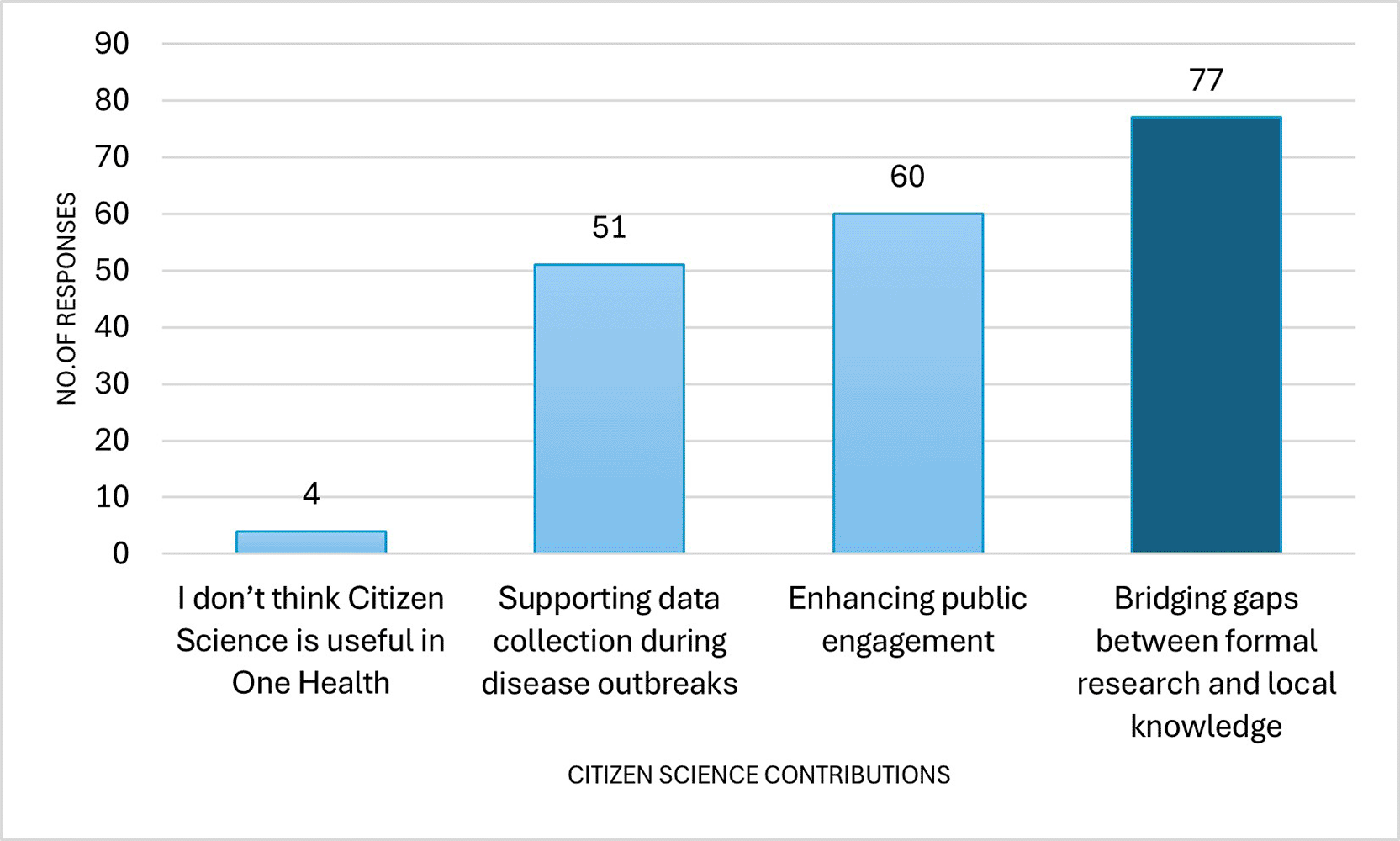
Figure 7.0. Perceived contributions of Citizen Science to OH.
IX. Barriers to implementing OS in OH
The findings here point to several barriers to the implementation of OS and Citizen Science in OH. Lack of awareness (77.8%) was the most salient challenge that was noted, and it is possible that some of the stakeholders are not aware of or were not exposed to these practices. A significant barrier was also the institutional restrictions (63.3%), which refers to the structural or policy-related restrictions within organisations. More than half of the participants mentioned small funding (53.3%) and data security (51.1%) as other barriers. A very small minority (2.2%) said that there were no significant barriers (fig 8.0).
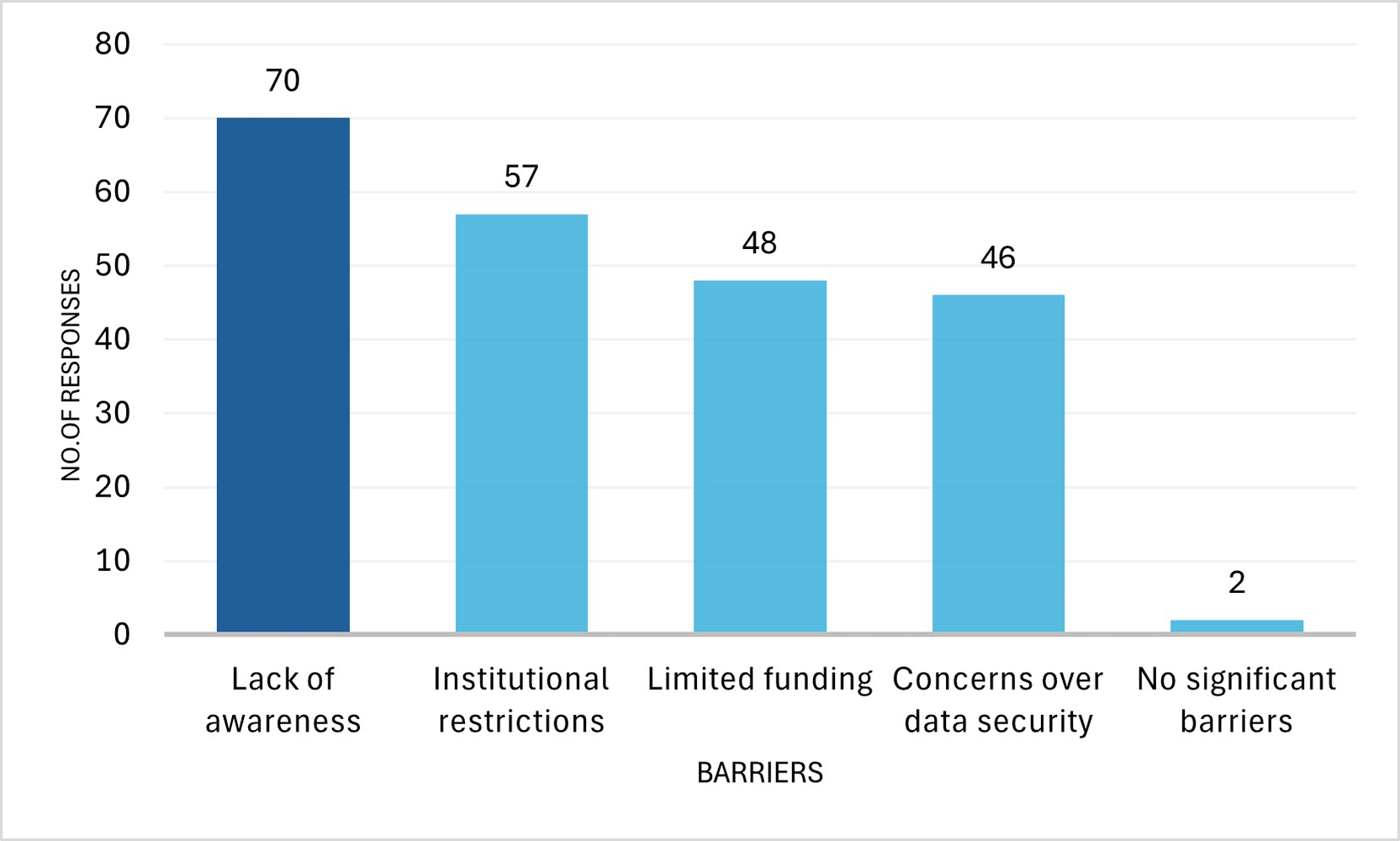
Figure 8.0. Perception of the barriers in the implementation of OS in OH in South Asia.
X. Policy recommendations to improve OS in OH
Our study respondents also provided practical suggestions that can be made to enhance OS in OH. The popular recommendation was improved researcher training (76.7%), there being a high demand to develop capacity and skills in OS practices. It was succeeded by an appeal to closer international partnerships (71.1%), greater policy backing (66.7%), both demonstrating the significance of policy support and international partnerships. The necessity to have more accessible data-sharing platforms (64.4%) to break the technical barriers was also highlighted by many, and the campaigns aimed at the general population (55.6%) to expand the scope of interaction as well as knowledge of OS principles (fig 9.0).
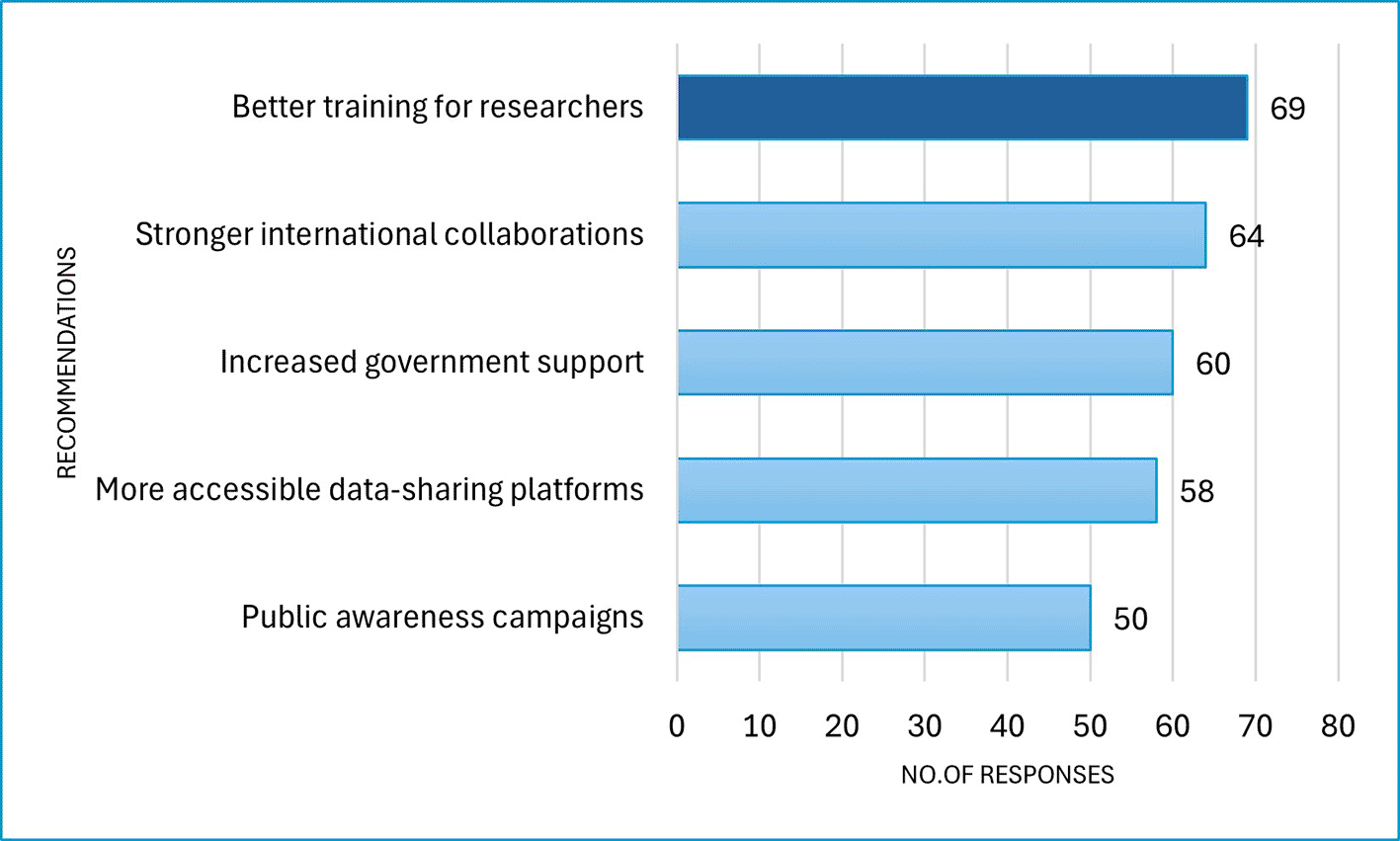
Figure. 9.0. Recommendations by respondents to improve OS in OH.
Discussion
This study explored the key barriers influencing the adoption of OS practices among the OH stakeholders in South Asia. The findings reveal a complex interplay between structural, institutional, and individual-level factors that shape researcher’s engagement with open data, open access, and collaborative approaches. Most of our respondents expressed strong support for OS but reported limited practical implementation due to infrastructural and policy-related challenges. These results highlight a critical gap between awareness and actual adoption of OS principles in the region. Similar patterns may be observed in other LMICs, but with a varying degree of challenges related to funding mechanisms, research culture, and institutional policies.
I. Participant demographics
Country-wise distribution of participants
The survey mainly represents perspectives from India (n = 50), followed by Pakistan (n = 16), with contributions from other South Asian countries, including Nepal (n = 6), Sri Lanka (n = 6), Bangladesh (n = 5), Afghanistan (n = 5), Bhutan (n = 1), and the Maldives (n = 1) (fig 2.0). The prominence of India in our survey likely reflects not only increased professional engagement but also a national structural leap in the Department of Biotechnology-led OH consortium (originally 27 centres linking veterinary, medical and environmental institutions).19,20
This level of coordination linking multiple states, human & animal health research institutes and surveillance networks has increased the visibility and reach of OH actors in India, thereby increasing survey participation and awareness. At the same time, India’s recently launched One Nation One Subscription initiative, providing nearly 13,000 international journal subscriptions to roughly 1.8 crore students, faculty and researchers via a single national-license scheme, has improved OS infrastructure and data visibility.21 The combined effect of institutional scale, OS policy and increasing research outputs means that practitioners in India are more numerous, connected and accessible. However, higher representation in our survey does not necessarily mean deeper or more effective OH and OS practice. Rather, it reflects enhanced visibility and networking.
Role in OH research
Most of the respondents are academicians (n = 66) who experience structural and institutional challenges concerning research publication. Nevertheless, the presence of healthcare (n = 32), government (n = 8), NGO (n = 8), veterinary (n = 13), policy-makers (n = 6), and environmental scientists (n = 5) makes the dataset comprehensive and makes it possible to obtain insights into the manner in which OS practices are viewed across various sectors within the OH framework. The presence of policy makers and environmental scientists who are relatively underrepresented might imply that their distinct obstacles might not be so apparent in the results, yet their point of view is still essential to comprehend cross-sectoral issues of implementing OS.22
Experience in OH research
The survey also includes a substantial sample of experienced researchers (8+ years; n = 33), which implies that the data represents the experience of people who may be exposed to systemic and institutional constraints on OS in the long-term. Simultaneously, the presence of early-career researchers (out of which, over 40% have 3 years or less of experience) underscores the point of view of those who might encounter other unique issues, including the lack of resources, training, or support of open practices in the institution. The ratio of senior to junior researchers shows how challenges to OS differ depending on one’s career stage in the OH community in South Asia.23
II. Cross-sectoral collaboration and challenges in its implementation
Sectors of collaboration in OH approach
This study found that human health partnerships are highly prevalent (86.7%), highlighting the strong focus on medical and public health aspects in OH research in South Asia. This emphasis may limit balanced involvement from the environmental (33.3%), animal (28.9%), public policy (27.8%), and agricultural (12.2%) sectors (
Table 2.1). Reduced partnerships within the agricultural and policy sectors can be one of the obstacles to the successful implementation of OS, because open practices frequently imply the sharing of data across multiple sectors and the collaborative resolution of problems. Gongal20 argues that effective implementation of the OH approach demands engagement well beyond the human health sector and must include animal health and ecosystem (including agriculture and livestock).20 The comparatively low participation of environmental and policy partnerships identifies the gaps that may limit the cross-sectoral approach that is envisioned in the framework of OH, and indirectly, the scale of OS implementation in the region.
Level of collaboration between different sectors in OH
Regarding the extent of collaboration between sectors in OH research within the researcher’s country, the majority of respondents indicated a moderate level (n = 32; mean = 2.69; SD = 1.08) on the scale. These results indicate that sectoral cooperation in OH research in South Asia can be said to be widely seen as low with most of the respondents tending towards the weak to moderate areas of cooperation. This indicates that cross-sectoral integration, a key aspect of the OH approach, has not been fully achieved in practice. In terms of OS adoption, weak collaboration could act as a barrier as it would restrict data sharing, interdisciplinary communication, and coordinated activities, which are essential to promoting OS practices in the region.
According to the United Nations ESCAP Policy Brief on Accelerating OH in Asia and the Pacific of 2022, the OH approach emphasizes collaboration that extends across multiple sectors rather than restricted to a single domain. This cross-sectoral engagement is essential because the challenges it seeks to address are interconnected and cannot be effectively managed in isolation.24
Challenges in working across different sectors
These results indicate that structural and systemic constraints, especially institutional barriers (n = 65), financial limitations (n = 61), lack of intersectoral communication (n = 55), and limited government support (n = 48) are the most urgent impediments to successful OH collaboration in South Asia. Asaaga et al25 in 2021 also identified similar barriers to implementing the OH approach in India.25 As the practice of OS is largely dependent on institutional backing, effective communication, sufficient budgetary allocation and goal orientation, these obstacles will directly impede the adoption and implementation of OS. The insignificant percentage of the respondents who said that there were no problems (n = 2) is a reminder of how widespread and deeply rooted these problems are throughout the region.
III. Awareness and practice of OS in OH
The average familiarity level with OS practices was 2.72 (SD = 1.13) (
Table 3.0) on a five-point scale, which indicates that the level of awareness about OS practices among OH scientists is moderate to low. It is an indication that a substantial number of respondents are not well acquainted with OS principles, indicating that more training and exposure are necessary to begin to better understand and apply it in the region.
This distribution also implies that although there is some knowledge of OS, most OH researchers in South Asia are at an early or intermediate level of knowledge. The comparatively low percentages of the higher familiarity categories demonstrate that there is a major gap in knowledge. Lack of exposure and training in OS principles may hinder the capacity of researchers to participate in activities like data sharing, open access publishing, and open research communication.
Respondents practicing OS
More than half of our respondents (58.9%) revealed that they practiced OS. This indicates that even though a larger percentage of the OH stakeholders in South Asia have adopted OS, there is still a significant number of researchers who either are not currently involved or are not yet clear about what OS is about. The large proportion of not-sure responses (21.1%) indicates a possible gap in conceptual and definitional terms, as the researchers might not be sure whether the activities they undertake are compatible with the OS principles (fig 3.0-3.1). This ambiguity and the 20% of those who do not engage in OS highlight the necessity to increase awareness-building, training, and institutional encouragement of its uptake in the region.
Commonly practiced OS components
In general, the concept of open access publishing (60%) is widely adopted, but other forms of OS, such as open peer review, sharing datasets publicly, open methodology (25.6%), code sharing, pre-registration, and public engagement, are not as commonly used, which means that the principles of OS are not fully adopted (fig 3.2).
Challenges in the practice of OS among non-practicing respondents
Even among respondents who reported not practicing OS, some engagement with specific practices were observed (fig 3.3). Data sharing (12.2%) and open access publishing (8.9%) were more common, while practices like open peer review, citizen science, and pre-registration remained rare. This suggests that although awareness of OS is increasing, significant barriers such as limited knowledge and government support still hamper better participation.
Training in OS
The results indicate that there is a huge gap in training, as it may seem that OS is gaining more and more recognition, whereas the majority of researchers are not trained (84.4%) to understand its principles and practices or are not systematically educated on this matter.
On the other hand, capacity-building programs such as the OPEN-ASIA project26 and the UNESCO Asia-Pacific training initiative27 on OS provide concrete opportunities to overcome these barriers by equipping researchers with the skills required to engage in OS practices. Such training might offer a pathway to strengthen the OH approach in the region.
IV. Awareness of national OH policies and its alignment with OS
The findings indicate that while awareness of OH policies and initiatives is relatively high (53.3%), a substantial proportion of respondents remain either unaware (30%) or uncertain (16.7%) about such efforts in their country. This indicates that, although most people are aware of OH initiatives, there is still a significant knowledge and understanding gap, which indicates that more communication, dissemination, and visibility of OH policies are needed at the national level.
Alignment of National OH policies with OS
The findings reveal varying perceptions regarding the alignment of national OH policies or initiatives with OS principles. While 25.6% respondents believed that these policies partially adhere to the principles of data sharing, transparency, and inclusiveness, relatively few (13.3%) perceived full compliance, and 6.7% were not sure. These results indicate that even though the components of OS have some appreciation in OH policy, the majority of the respondents tend to believe that the integration is not complete, and possible improvements to enhance the implementation of OS principles in policies are still present.
V. Challenges in data sharing among OH stakeholders
The results highlight several barriers that hinder effective data sharing among OH stakeholders (fig 4.0). The absence of standardized data-sharing platforms (73.3%) and institutional restrictions (63.3%) emerged as the most significant challenges, indicating substantial structural and infrastructural limitations that impede seamless information exchange. Concerns about data misuse (52.2%) and legal or ethical restrictions (50%) were also prevalent, reflecting persistent issues related to data governance, ownership, and trust among collaborating institutions. In addition, funding constraints further exacerbate these challenges by limiting the development and maintenance of data-sharing systems. Addressing these barriers will require coordinated efforts to establish secure platforms, develop clear data-sharing policies, and allocate sustainable funding to support open and transparent collaboration within the OH concept. It is also worth noting that none of the respondents mentioned significant challenges, which highlights the fact that data sharing is a complicated and globally accepted concept in the OH collaborations.5,25
VI. Digital platforms or tools used for data sharing
The findings reveal that the most frequently reported means of data sharing among respondents was through open-access journals (51.1%). This suggests that many researchers perceive publication venues as a primary mechanism for disseminating research data, likely because datasets become visible and accessible to readers through supplementary materials or data availability statements. However, it is important to note that journals themselves do not typically function as data storage platforms; rather, they act as intermediaries that increase the visibility of data hosted elsewhere. The high reporting of journals as data-sharing platforms therefore reflects respondent’s perceptions of data dissemination rather than strict data archiving practices.28,29
Similarly, cloud-based sharing services such as Google Drive or Dropbox were reported by 41.1% of respondents, followed by institutional repositories (37.8%). While institutional repositories are widely recognised as formal mechanisms for open data sharing, the use of cloud-based services does not necessarily constitute OS practice, particularly when access is restricted to members of a research group. The relatively high use of cloud services may indicate a pragmatic understanding of “data sharing” among researchers, where ease of access and collaboration are prioritised over openness and long-term preservation.
The lower use of government databases (25.6%) suggests limited engagement with more formal or policy-driven data infrastructures. Additionally, 15.6% of respondents indicated that they had not shared data using any platform or tool. Overall, these findings highlight a gap between researcher’s perceptions of data sharing and formal definitions of OS practices, underscoring the need for clearer guidance and training on what constitutes open, reusable, and sustainable data sharing. Moreover, the fact that a notable proportion of respondents had not shared data on any platform (15.6%) underscores ongoing barriers such as data ownership concerns, technical limitations, or inadequate incentives that hinder broader participation in open data practices (fig 5.0). Strengthening institutional and national infrastructures, while promoting awareness of secure and standardized data sharing strategies, could enhance openness and collaboration across OH research networks.
VII. Benefits associated with OS practices in OH
The findings demonstrate strong recognition among participants of the potential benefits that OS can bring to the OH framework. Enhanced cooperation (72.2%) was identified as the most significant advantage, reflecting the importance of collaborative efforts across disciplines and sectors in addressing complex health challenges. The perceived benefits of accelerating knowledge dissemination (67.8%) and promoting fairness in research (62.2%) further underscore the value of OS in fostering transparency, inclusiveness, and equitable access to scientific outputs. Moreover, the emphasis on increased public engagement (53.3%) highlights the potential of OS to bridge the gap between science and society by promoting community participation and trust in research processes. The very small proportion (4.4%) of respondents who perceived no major advantages suggest a positive attitude toward OS principles (fig 6.0). Overall, the results highlight that the researchers are much more likely to connect OS with improvement of collaboration, faster knowledge sharing, and the provision of equality and inclusiveness in OH initiatives.30,31
VIII. Perceptions of how citizen science can contribute to OH
The findings indicate that Citizen Science is widely accepted as a valuable component of the OH approach. Its perceived strengths in bridging the gap between formal research and local knowledge (85.6%), as well as enhancing public involvement (66.7%), highlight its potential to foster more inclusive and context-sensitive research. The recognition of its role in disease surveillance and outbreak response (56.7%) further underscores its practical relevance in supporting data collection and early detection efforts. The minimal proportion of respondents (4.4%) who viewed Citizen Science as not useful suggests broad acceptance of its benefits, pointing to opportunities for greater integration of community participation within OH initiatives (fig 7.0). The results indicate that it is likely that Citizen Science should be included in OH, especially to enhance the integration of the community and other local knowledge to support scientific and ethical research. Moreover, it gives better local relevance, lived experiences, and community insights as stated by Alsaqqa et al.32
IX. Barriers to implementing OS in OH
The findings highlight several challenges hindering the effective implementation of the OS-OH framework. The major barrier identified a lack of awareness (77.8%), suggesting that many stakeholders may not be sufficiently trained in these approaches, limiting their ability to engage effectively. Institutional restrictions (63.3%) further point to structural and policy-related constraints that can inhibit collaboration and data sharing across sectors. Moreover, limited funding (53.3%) and concerns over data security (51.1%) remain as persistent obstacles, reflecting broader systemic issues that affect openness and participation in research. The very small proportion of respondents (2.2%) who perceived no barriers indicate that such challenges are widespread and need to be addressed through targeted capacity-building, and policy support to foster an enabling environment for OS in OH (fig 8.0). In general, the results indicate that knowledge gaps and systemic barriers will have to be considered when implementing OS, as open research data should be “as open as possible, as closed as necessary” as stated by UNESCO.1
X. Policy recommendations suggested by respondents to improve OS in OH
Improved researcher training emerged as the top recommendation (76.7%), highlighting the need to build capacity and enhance technical and methodological skills related to OS practices. The call for stronger international partnerships (71.1%) and greater policy support (66.7%) further highlights the importance of global collaboration and enabling governance structures in sustaining open and integrated research efforts. Respondents also stressed the value of creating more accessible data-sharing platforms (64.4%) to address technical and infrastructural barriers that currently limit information exchange. In addition, campaigns targeting the general public (55.6%) were viewed as essential for fostering broader engagement and awareness of OS principles (fig 9.0). In general, the results indicate that enhancing OS in OH should be a multi-faceted effort, which includes training of researchers, favourable policies, international relationships, technology, and awareness at the community level.
Interest in receiving OS training
A large majority of the respondents (93.3%) indicated that they were interested in being trained in OS practices, with only a very small proportion (4.4%) indicating otherwise. This result firmly supports the training gap identified above, as most researchers currently do not get formal training despite a high level of demand and readiness to participate in capacity-building programs associated with OS.
Conclusion
This study offers a regional perspective on the current landscape of OS adoption within the OH research community in South Asia. While participants recognized OS as an essential driver for collaboration, rapid dissemination of results, and equitable access to citizens, its practical uptake remains limited. The findings underscore that awareness, training deficits, restricted funding, lack of institutional incentives, and the absence of standardized frameworks for data sharing are persistent barriers preventing its progress.
Despite these constraints, the positive perceptions reported particularly regarding open-access publishing, data sharing, and citizen science show a growing readiness within the community to adopt transparency and inclusivity in OH. Investing in strengthening government and institutional support, enhancing infrastructure, and incorporating OS principles into academia may be critical for achieving a sustainable culture of openness across disciplines.
Limitations
The high percentage of participants from India and Pakistan could influence the overall results because the impediments to OS expressed in these two nations could prevail over the findings. In the meantime, the few responses of Bhutan and the Maldives indicate that views of the smaller South Asian countries are underrepresented, and this implies the need to further subsequent research to allow a balanced regional perspective of the barriers to OS adoption.
Future directions
Based on the findings of this study, the following actions might help in the advancement of the implementation of OS in South Asia’s OH ecosystem and in similar LMICs:
a.
Conduct a comprehensive review of India’s One Nation, One Subscription (ONOS) Policy to assess its role in promoting equitable access to scholarly publications across South Asia and beyond. Such initiatives, if aligned with OS principles, could serve as a regional model for democratizing research access and reducing publication barriers.
b. The findings also underscore the urgency of embedding OS principles into national and institutional research agendas. Governments should prioritize the development of coordinated OS initiatives, supported by sustainable funding, shared digital infrastructures, and open data mandates. Regional collaboration mechanisms, such as aligning with India’s ONOS initiative and expanding access through cross-border agreements, can enhance inclusivity and reduce knowledge asymmetries. By integrating OS into the OH framework, South Asian countries can also improve pandemic preparedness and promote equitable access to knowledge for the sake of global health security.
Ethics and Consent
The study was approved by Sikt (Norwegian agency for shared services in education and research) reference no. 631691 Informed consent was obtained digitally from all participants via the Nettskjema form by providing the ``click-to agree or disagree options``.