Introduction
The global demand for fertilizers is projected to reach 200 million tonnes by 2030, driven by population growth and increasing food security needs (FAO, 2021). However, conventional fertilizer production, particularly nitrogen (N) and phosphorus (P) based products, faces critical sustainability challenges. The Haber-Bosch process for nitrogen fixation consumes approximately 1–2% of global energy supply and contributes significantly to greenhouse gas emissions (Smith et al., 2020), while phosphorus reserves are finite and geographically concentrated, with current reserves estimated to last only 50–100 years at current extraction rates (Cordell et al., 2009).
Simultaneously, wastewater treatment plants (WWTPs) discharge approximately 17 million tonnes of nitrogen and 3 million tonnes of phosphorus annually into aquatic ecosystems worldwide, causing eutrophication, biodiversity loss, and degradation of water quality (Mihelcic et al., 2011). This paradox—nutrient scarcity in agriculture alongside nutrient pollution from wastewater—presents both an environmental crisis and an unprecedented opportunity for circular economy implementation.
From an environmental perspective, nutrient recovery technologies can mitigate eutrophication while reducing the carbon footprint associated with synthetic fertilizer production by up to 50% (Egle et al., 2016). Economically, the global nutrient recovery market is expected to grow at a CAGR of 12.3% between 2023 and 2030, reaching USD 4.2 billion (Grand View Research, 2023), driven by increasing fertilizer prices and stricter environmental regulations. Technologically, advances in precipitation, adsorption, and membrane-based recovery systems have achieved recovery efficiencies exceeding 90% for phosphorus and 80% for nitrogen (Ye et al., 2017).
Politically and strategically, nutrient recovery addresses resource security concerns, particularly for regions dependent on fertilizer imports. The European Union’s Circular Economy Action Plan and the Farm to Fork Strategy explicitly promote nutrient recovery as a priority, with targets to reduce nutrient losses by at least 50% by 2030 (
European Commission, 2020). Similarly, countries like China and Japan have implemented policies incentivizing phosphorus recovery from wastewater to reduce import dependency (Li et al., 2019).
Furthermore, beyond global nutrient resource challenges, nitrogen recovery from the reject water of anaerobic digesters offers significant operational advantages for WWTPs. Reject water from anaerobic digestion is often recirculated to the headworks, creating internal nutrient loops that increase the nitrogen load in the water line, and consequently the burden on biological reactors and aeration energy consumption. The revised Urban Waste Water Treatment Directive (EU) 2024/3019, with stricter effluent limits for nutrients, amplifies the importance of breaking this loop. This dual benefit -operational efficiency and nutrient recovery- positions reject water treatment as a strategic intervention supporting both water line performance and circular economy objectives.
This study presents an innovative technology for recovering nitrogen from municipal WWTP to produce sustainable fertilizers, contributing to the transition toward a circular nutrient economy while addressing environmental, economic, and strategic imperatives.
The main contributions of this paper are:
• Lab-scale dataset and optimisation: systematic operational optimisation of cation exchange (CE) and follow fibre membrane (HFMC) and associated fertiliser precursor production under representative reject water conditions, enabling consistent performance benchmarking and informing scale-up operating rules.
• TRL5 pilot validation: pilot-scale results demonstrating integrated operation under real matrices, identifying critical constraints such as influent N-NH4+ variability, automation needs for NH4+-based control, and operational strategies to improve recovery in continuous or semi-continuous
mode.
• Agronomic evidence with real products: experimental evidence spanning soil incubation and pot trials, complemented by field validation, assessing nutrient availability and crop response using fertiliser products generated by the recovery chain.
Material and methods
Feedstock, pre-treatment, and analytical methods
The reject water used in adsorption/desorption assays consisted of rejected water from anaerobic digestion at municipal WWTPs. Prior to each experimental campaign, the stream was characterised to capture the variability typical of a real matrix and to support mass-balance calculations across unit processes. Routine characterisation included pH, electrical conductivity, alkalinity, chemical oxygen demand (COD), total phosphorus (P), orthophosphate (P-PO43−), total nitrogen (N), ammonium nitrogen (N-NH4+), nitrate nitrogen (N-NO3−), sulfate sulfur (S-SO42−), and total suspended solids (TSS). Dissolved species were analysed on aliquots filtered through 0.45 μm membrane filters, while TSS was measured by gravimetric determination using standard filtration followed by drying and ignition (105 °C and 550 °C). Total solids (TS) were analysed when required for specific test series.
pH and conductivity were measured using Hach™ probes PHC101 and CDC401, respectively. Colorimetric determinations were performed using Hach™ cuvette tests (kits LCK014, LCK350, LCK338, LCK340, LCK302, LCK303 and LCK153) according to manufacturer instructions and the corresponding instrument method programs. In lab-scale campaigns, samples were analysed immediately after collection. In pilot-scale operation, samples were typically analysed within 24–48 h of sampling; when required to prevent ammonia volatilisation during storage, sample pH was adjusted to maintain ammonium stability and minimise NH3 losses. Quality assurance and control included analytical duplicates, reagent blanks, and check standards; results outside predefined acceptance criteria triggered re-analysis. Where relevant for robust hydraulics and downstream membrane operation, the settleability of the sample was assessed by V30 testing (30 min settling volume) and reported as mL·L−1.
Chemicals and reagents
For lab scale testing used reagents were of analytical grade:
• Sodium hydroxide (NaOH), labKem CAS 1310-73-2, batch no 23A36633;
• hydrochloric acid (HCl) 37%, scharlau CAS 7647-01-0, batch no 20103104;
• sulfuric acid (H2SO4) 98%, labKem CAS 7664-93-9, batch no 22E34947and
• nitric acid (HNO3) 60%, scharlau CAS 7697-37-2, batch no 21195811.
For pilot scale testing industrial grade reagents were used:
• Sodium hydroxide (NaOH) 49–50%, Lincoln Iberica CAS 1310-73-2, UFI SYS0-M0J1–0009-J2P8;
• hydrochloric acid (HCl) 38%, Scharlau CAS 7647-01-0, batch 20633709 and
• sulfuric acid (H2SO4) 98%, Lincold Iberica CAS 7664-93-9, UFI YMU0-T082-T005-VS6C.
Lab-scale set-up
Laboratory-scale work evaluated an integrated nutrient recovery chain consisting of ammonium capture by cation exchange (CE), chemical regeneration to produce an ammonium-rich eluate, and ammonium recovery/concentration in an acid stream using a hollow-fibre membrane contactor (HFMC) to obtain a fertiliser precursor suitable for formulation (Figs. 1 and 2). CE tests were performed in 69 × 6.6 cm polyvinyl chloride fixed-bed columns (2360 cm3) packed with natural zeolite, with a calculated Bed Volume (BV) of 1.06 L. Column geometry, bed volume, packing procedure, and hydraulic conditions were kept consistent within each experimental series. Reject water feed was pumped through the column at controlled flow rate, and effluent samples were collected at defined time intervals to construct breakthrough curves and determine dynamic capacities.
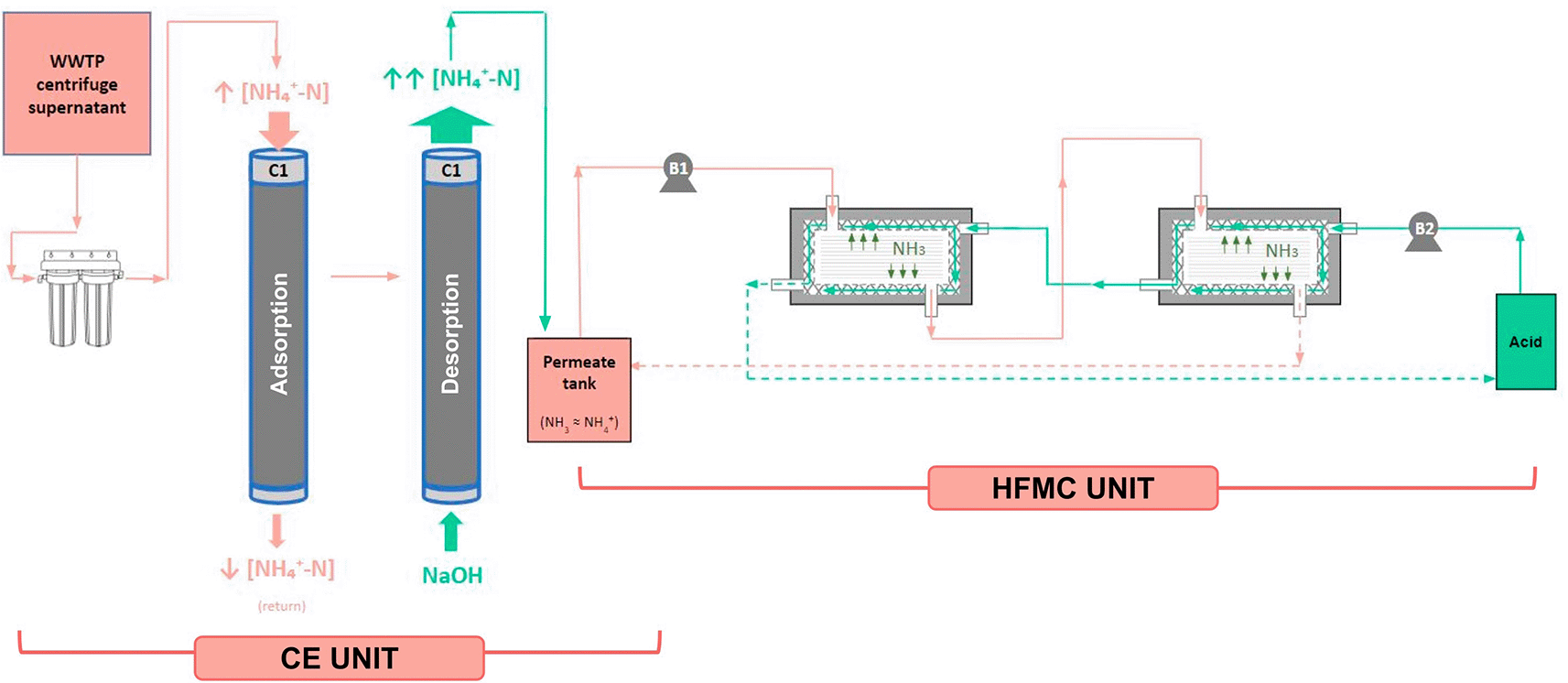
Figure 1. Schematic flow diagram of the lab-scale WalNUT nitrogen recovery chain.
The system integrates (i) cation exchange (CE) on zeolite for N-NH4+ capture, (ii) alkaline regeneration to produce an NH4+-rich eluate, and (iii) hollow-fibre membrane contactor (HFMC) operation for ammonia transfer into an acid loop to produce a stable ammonium salt solution.
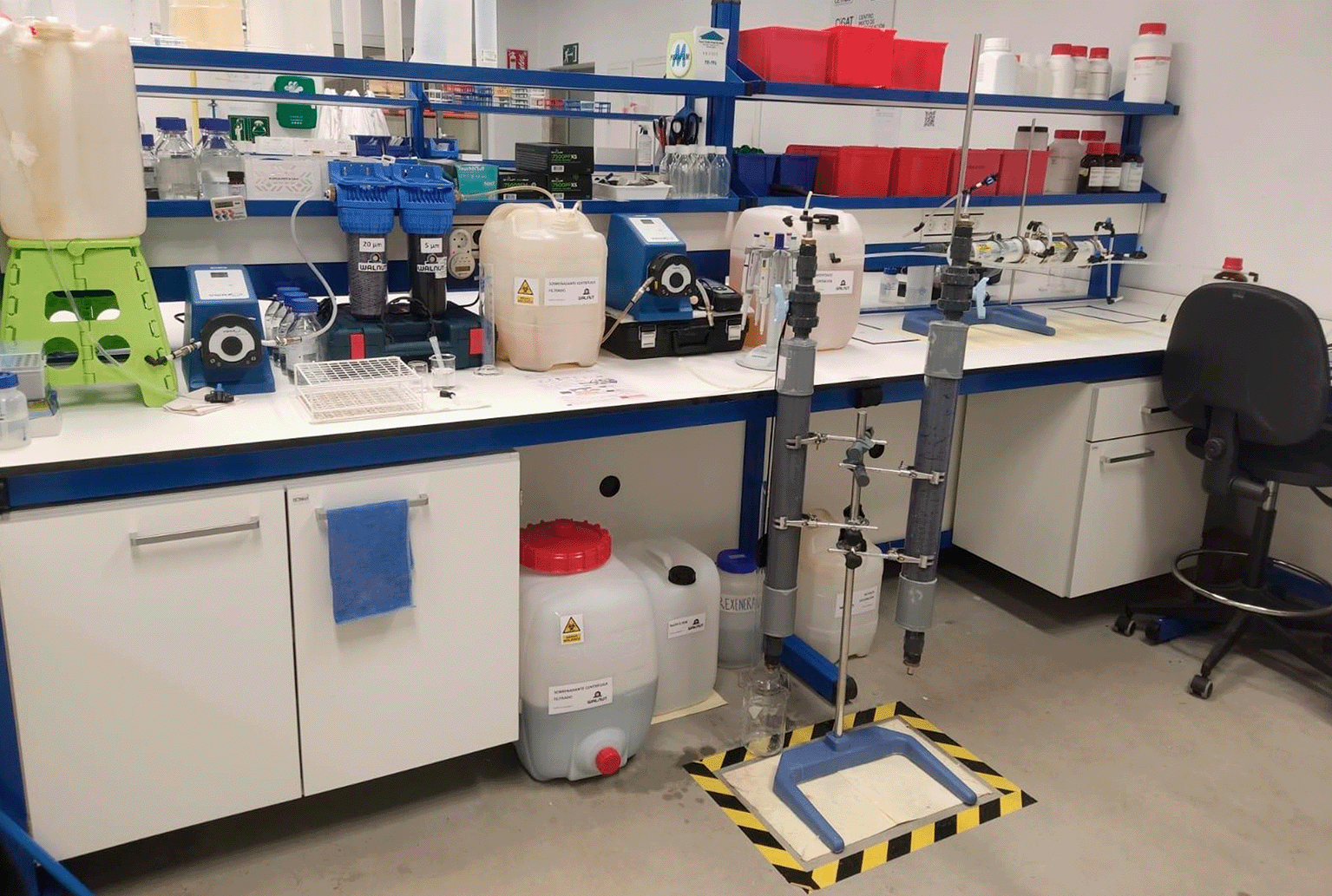
Figure 2. Photograph of the lab-scale experimental set-up used for optimisation of the WalNUT nitrogen recovery chain, including CE column(s), regenerant tank and recirculation loop, HFMC module and pumps.
Regeneration was conducted using alkaline solutions to desorb ammonium and generate an eluate subsequently processed in the HFMC unit. HFMC experiments were carried out using 3 M™ Liqui-Cel™ 2 × 8 membrane contactors. The ammonium-rich eluate was circulated on the shell side while an acidic stripping solution was circulated on the lumen side to capture transferred ammonia/ammonium as a stable ammonium salt. Operating variables included feed and acid flow rates and operating time. The pH of the acidic loop was continuously monitored to track proton consumption, and pH 2 was used as a setpoint to trigger further acid addition when required.
Performance indicators were computed consistently across campaigns: (i) breakthrough curves expressed as C/C0 versus time or bed volumes (BV), (ii) dynamic capacity/cation exchange capacity (mass removed per unit sorbent mass), (iii) regeneration efficiency (NH4+-N recovered in regenerant divided by NH4+-N adsorbed), (iv) HFMC recovery yield (fraction of NH4+-N transferred to the acid stream), and (v) mass balance closure based on influent/effluent loads and recovered product streams. Lifespan/durability was evaluated through repeated adsorption–regeneration cycling by tracking capacity retention and changes in breakthrough behaviour across cycles.
Pilot TRL5 system: configuration, instrumentation, and monitoring plan
A TRL5 pilot prototype integrating CE and HFMC was designed and installed to validate the laboratory concept under realistic operational conditions. The pilot included feed handling and pre-conditioning, a CE unit operated in adsorption mode, a regeneration section to generate ammonium-rich eluate, an HFMC unit for product formation, dedicated sampling points, and product storage. The pilot was designed by CETAQUA and constructed specifically within the WalNUT project to enable direct translation of lab-derived operating rules into a field-relevant prototype. A process flow diagram and a photograph of the pilot installation are provided in Fig. 3.
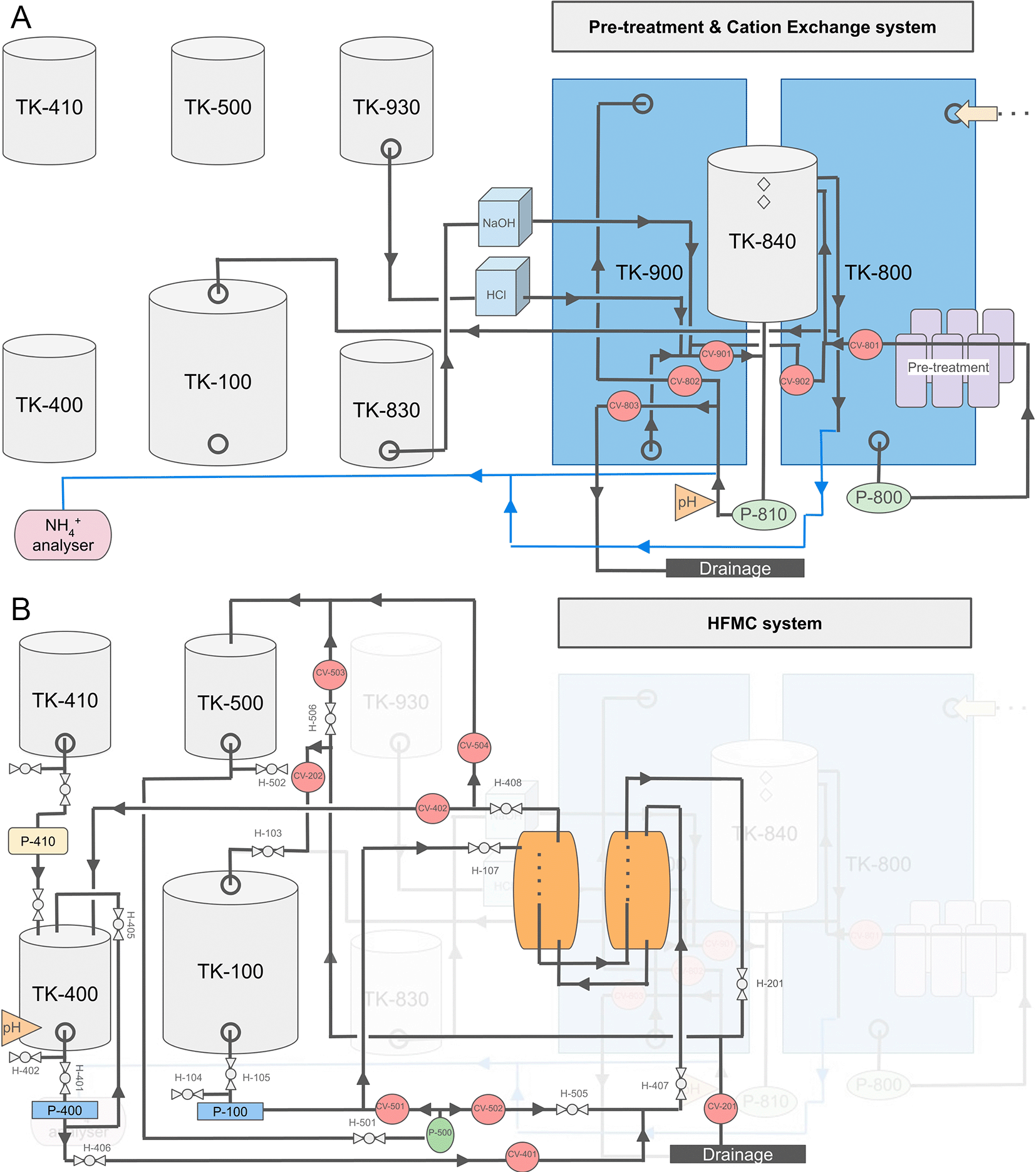
Figure 3. TRL5 pilot plant lay-out for technology validation under real reject water conditions.
Top: pre-treatment and cation exchange (CE) section. Bottom: HFMC section for ammonia capture in the acid loop. Main unit operations, recirculation loops, and sampling points are indicated.
Pilot monitoring was aligned with the laboratory analytical framework to ensure direct comparability. Samples were collected from the reject water influent, CE effluent, eluate/regenerant, HFMC feed, HFMC product (acid loop), and final product storage when applicable. Nutrient species were quantified using the same Hach™ cuvette tests and method programs as used at lab scale, supported by pH and conductivity probes. Pilot samples were handled as described above and analysed within 24–48 h, with pH adjustment applied when needed to prevent ammonia losses during storage.
Given the variability of real reject water matrices, pilot operation was documented not only via average performance indicators but also by tracking influent N-NH4+ fluctuations and their operational consequences for adsorption endpoint, regeneration demand, and HFMC loading.
Agronomic validation
Agronomic validation of the fertiliser products was conducted through a controlled pot trial with lettuce and a field demonstration with maize and cabbage. Experimental design descriptors and analysis methodology are summarised in
Table 1. Lettuce seeds (Lactuca sativa L., “baby” type) was provided by CEBAS-CSIC while maize (Zea mays L., hybrid B73 × Mo17) and cabbage (Brassica oleracea var. capitata, “Repollo Bergantiños”) were obtained from Misión Biológica de Galicia- CSIC.
Table 1. Agronomic trials design and analytical methods.
| Study | Crop/variaety | Setup and duration | Treatments | Main measurements | Analytical method |
|---|
| Pot trial | Lettuce (Lactuca sativa L., “baby”). | 0.5 L pots; 0.5 kg soil/pot (5 mm sieve); 32 days. | Control, hydrogel control (1 g/pot), mineral NPK, inoculant only, CETAQUA’s fertiliser ± inoculant ± P/K supplementation (KH2·PO4, KNO3) ± hydrogel immobilisation. | Fresh and dry biomass; plant C, N, P, K; soil pH, EC, C, N, P, K. | Biomass by weighing; drying 65 °C/48 h; plant/soil C and N by LECO TruSpec; plant/soil P and K by ICP-OES (ISO 17025); soil pH/EC in 1:5 soil:water extract (30 min shaking). |
| Field trial | Maize (Zea mays, B73 × Mo17) and cabbage (Brassica oleracea var. capitata, “Repollo Bergantiños”). | Misión Biológica de Galicia; split-plot; 2 cycles; harvest at 161–163 days after sowing. | Unfertilised control; conventional fertilisation (Yara 20–7-10 + K2SO4); CETAQUA’s N-P fertiliser with equivalent K supplementation. | Crop status (Dualex); yield endpoints; maize NIR quality; cabbage glucosinolates; soil pH, redox, moisture, organic matter. | Dualex indices (two dates; two readings/leaf
); yield by harvest and moisture correction (grain at 14%); NIR estimates for maize; glucosinolate reporting as AU·g−1 (leaves/heads at defined dates); soil pH/redox by pH/redox meter; organic matter by loss-on-ignition. |
Table 2. Summary of HFMC operating conditions and performance metrics across selected runs.
| Assay ID | Acid type | Permeate flow rate (mL·min−1) | Recovery rate (%) | Final g NH4+ -N·L
−1 | Key outcome |
|---|
| A1 | H2SO4 | 200 | 78 ± 5 | 2.02 ± 0.001 | 19% balance error expected due to N losses. |
| A2 | H2SO4 | 400 | 93 ± 1 | 2.00 ± 0.06 | Increased permeate flow; similar final concentration |
| A3 | H2SO4 | 600 | 98 ± 0 | 2.02 ± 0.71 | Higher flux; no proportional concentration gain |
| A4 | H2SO4 | 800 | <100 ± 4 | 2.45 ± 0.51 | Mass-transfer limited regime |
| A5 | H2SO4 | 800 | 87 ± 3 | 2.26 ± 0.17 | Acid flow variation to 400 mL·min-1. |
| A6 | HNO3 | 400 | 90 ± 1 | 1.45 ± 0.11 | Acid type change; comparable performance. Acid concentration 0.05 M. |
| A7 | HNO3 | 400 | 94 ± 1 | 1.24 ± 0.05 | Acid type change; comparable performance. Acid concentration 0.1 M. |
| A8 | HNO3 | 400 | 92 ± 6 | 2.75 ± 0.11 | Higher acid strength increases product concentration. Acid concentration 0.2 M. |
| A9 | H2SO4 | 600 | 85 ± 1 | 14.85 ± 1.34 | Higher concentration; driving force setting by H+ addition. |
| A10 | H2SO4 | 600 | 87 ± 0.3 | 18.15 ± 0.21 | Higher concentration; driving force optimization. |
| A11 | H2SO4 | 600 | 62 ± 18 | 31.50 ± 1.27 | Highest concentration; driving force optimization. |
In the pot trial, a fast-cycle lettuce crop (Lactuca sativa L., “baby” type) was grown in 0.5 L pots filled with 0.5 kg of sieved soil. Treatments included Smart BBF-based fertilisation with and without microbial inoculation, with and without P/K supplementation, and with and without hydrogel immobilisation, alongside mineral fertiliser and non-fertilised controls. Plants were grown for 32 days under controlled conditions, irrigated as needed. At harvest, lettuce fresh weight was recorded, plant material was oven-dried and milled, and organic C and total N were quantified using a LECO TruSpec elemental analyser. Plant P and K were determined by optical plasma spectrometry (ICP-OES) under ISO 17025 accreditation. Post-harvest soils were sieved and analysed for pH and conductivity in 1:5 soil:water extracts, while soil C and N (LECO) and soil P and K (ICP-OES) were determined after air drying and grinding.
Field trials were conducted at the Misión Biológica de Galicia experimental site (Pontevedra) using maize (Zea mays L., hybrid B73 × Mo17) and cabbage (Brassica oleracea var. capitata, “Repollo Bergantiños”). The maize hybrid B73 × Mo17 is a widely used open-formula American hybrid available from multiple sources, maintained in the Maize Collection of Misión Biológica de Galicia (CSIC) under the responsibility of Pedro Revilla. The cabbage variety “Repollo Bergantiños” is a local landrace collected and registered by the research group, maintained in the Brassica Collection of Misión Biológica de Galicia (CSIC) under the responsibility of Pablo Velasco. Two cycles (early and late sowing) with two replications were implemented using a split-plot design (crop as main factor; fertilisation strategy as sub-factor). Treatments comprised an unfertilised control, conventional mineral fertilisation, and fertilisation based on CETAQUA’s N-P fertilizer. Crop status was monitored using a Dualex sensor (Pessl Instruments) on two dates during summer 2025, and final yield and quality measurements were obtained at harvest. In cabbage, glucosinolate-related analyses were performed on leaf and head samples collected at defined dates, while soil pH, redox potential, moisture, and organic matter were also assessed.
Pot and field datasets were analysed using ANOVA (treatment as fixed factor; block as random factor for field trials). Post-hoc comparisons were conducted using LSD at p < 0.05.
In addition, inoculum viability within the fertiliser matrix was assessed over time under ambient storage conditions to evaluate realistic constraints for logistics and commercial deployment of PGPB-containing formulations. Viability under these conditions was limited, and results were used to inform the decision to prioritise field validation of the mineral NP formulation (recovered ammonium sulphate + recovered struvite) over PGPB-based “smart” formulations at this stage.
Results and discussion
Results are presented along the WalNUT chain: (i) influent characteristics and implications for NH4+ recovery, (ii) lab-scale cation exchange optimisation (capacity, breakthrough and regeneration demand), (iii) lab-scale HFMC optimisation (driving force and concentration limits), (iv) pilot validation at TRL5 (robustness under real matrix variability and control needs), and (v) agronomic validation (pot and field trials).
Influent characterizations and implications for ammonium recovery
All adsorption/regeneration trials were performed using real WWTP reject water from anaerobic digestion, and the captured variability is representative of practical reject water operation. The reject water showed an average NH4+ concentration of 1293 ± 147 mg N-NH4+·L−1, with moderately high conductivity (9.24 ± 0.83 mS·cm−1), alkalinity (~6328 mg CaCO3·L−1), COD (~2251 mg·L−1 total; ~1523 mg·L−1 soluble), and suspended solids (TSS 0.64 ± 0.13 g·L−1). These conditions confirm that (i) ammonium recovery is meaningful at reject water level, and (ii) solids management and ionic strength are non-negligible drivers of adsorption performance and durability.
A simple pre-treatment step was evaluated to stabilise operation. 0.45 μm filtration reduced TSS from ~0.82 g·L−1 (untreated) to ~0.51 g·L−1, supporting the selection of pre-conditioning as a practical measure to limit hydraulic instability and improve repeatability in breakthrough tests. This aligns with broader evidence that suspended solids and dissolved organics can reduce robustness and increase fouling risk in ammonia-recovery trains, especially when membrane contactors are included downstream.
Lab-scale: optimization of cation exchange performance
Lab-scale adsorption was tested in fixed-bed zeolite columns under a controlled set of operating conditions designed to map performance across hydraulic loadings and define pilot-relevant operating windows. A flow-rate screening included four flow conditions (30, 60, 70, 75 and 135 mL·min−1), all run in duplicate, to quantify the effect of HRT on breakthrough and dynamic capacity. The working bed volume (BV) used in the adsorption/desorption trials was reported as ~1.06 L for the columns configuration applied in the main screening series. Although wastewater treated volume was not strictly fixed as a set-point, most of the experimental adsorption trials were stopped after treating approximately 20 BV, making duration of these trials depend on the HRT tested (from 90 to 1,149 minutes). This way, the test series therefore provides not only equilibrium/capacity information, but also realistic operational timeframes relevant to daily plant operation and automation constraints.
Cation exchange demonstrated high ammonium removal efficiencies, with breakthrough behaviour strongly dependent on hydraulic loading. At lower flow rates, dynamic capacities approached the intrinsic exchange capacity of the zeolitic material, whereas higher flow rates reduced effective capacity due to mass transfer limitations. Across the tested range, ammonium removal efficiencies before breakthrough exceeded 80–90%, with dynamic capacities in line with values reported for natural and modified zeolites treating high-strength ammonium streams. Normalisation of breakthrough curves by bed volumes highlighted the existence of an optimal operational window balancing treatment capacity and throughput. The optimisation data showed that operating at 135 mL·min−1 (≈0.127 BV·min−1) reduced adsorption capacity substantially in comparison to the operation at 30–75 mL·min−1 (Fig. 4). The flow rate of ~70–75 mL·min−1 as a robust compromise was selected for scale-up. These results confirm that ammonium uptake in zeolitic materials is governed by both equilibrium selectivity and mass transfer limitations, with contact time emerging as a key operational lever. Importantly, the tested flow-rate range defined a practical operational window where acceptable capacity utilisation can be achieved without excessively compromising throughput, a critical consideration for scale-up.
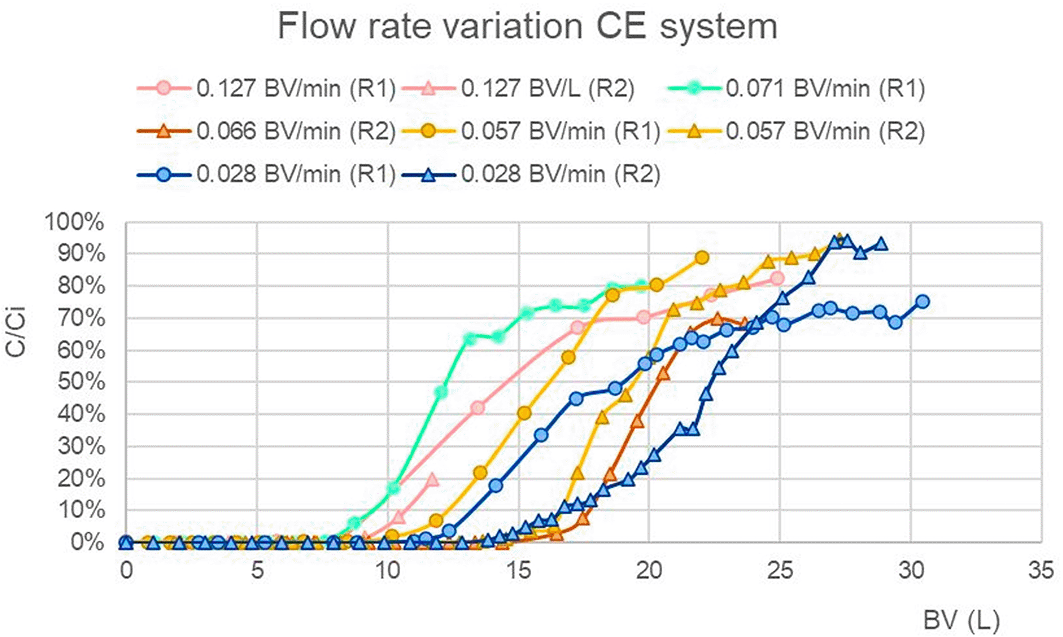
Figure 4. Normalised breakthrough curves (C/C0) as a function of bed volumes (BV) for different flow rates: 135 mL·min−1 (0.127 BV/min), 75 mL·min−1 (0.075 BV/min), 70 mL·min−1 (0.066 BV/min), 60 mL·min−1 (0.057 BV/min) and 30 mL·min−1 (0.028 BV/min).
C is the effluent NH4+-N concentration and Ci is the influent NH4+-N concentration. The figure highlights the trade-off between throughput and effective bed utilisation under real reject water matrix conditions.
Regeneration of the ammonium-saturated zeolite was carried out using alkaline solutions, with NaOH identified as the most effective regenerant for producing an ammonium-rich eluate compatible with subsequent HFMC concentration. Regeneration tests were performed first by comparing 0.35 M NaCl and 0.35 M NaOH (Fig. 5A), and then by screening NaOH concentrations from 0.1 to 0.4 M. Under NaOH regeneration, ammonium desorption was consistently high and enabled the recovery of nitrogen in a concentrated liquid stream, confirming that the adsorption step can be effectively converted from “removal” into “recoverable nitrogen”.
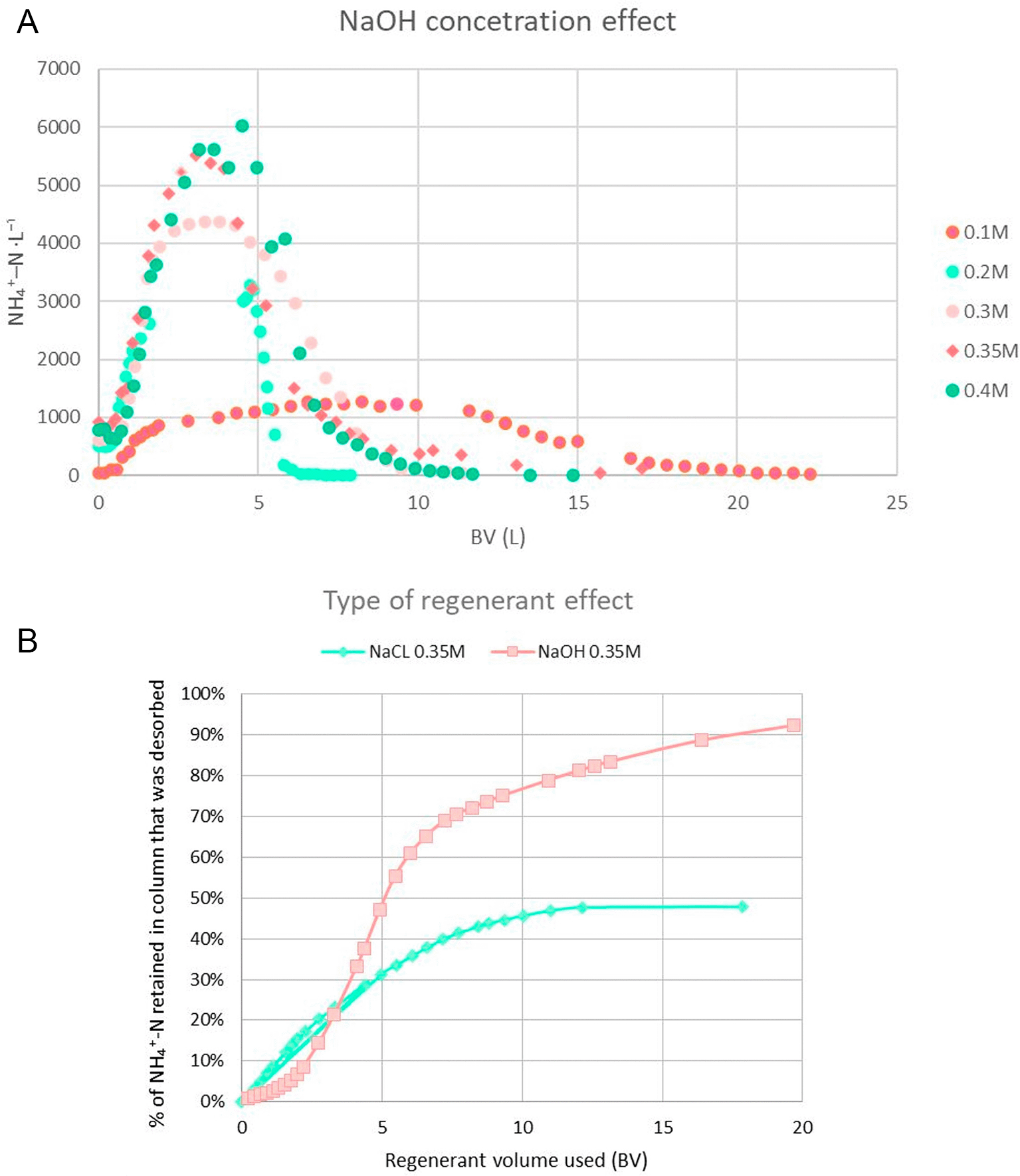
Figure 5. Effect of regenerant concentration on zeolite desorption and regeneration performance.
(A) desorption kinetics (NH4+-N release) during alkaline regeneration. (B) regeneration efficiency and recovered NH4+-N concentration in the regenerant/eluate under the tested regenerant conditions.
The concentration of recovered N-NH4+ in the regenerant increased with NaOH concentration and contact (Fig. 5B), reflecting improved displacement of NH4+ from exchange sites and enhanced transfer into the liquid phase. However, the relationship between NaOH concentration and recovered ammonium was not strictly proportional, indicating that regeneration is controlled not only by solution strength but also by bed utilisation, hydrodynamic non-idealities, and competitive exchange processes in real wastewater matrices. For the selected operating window used as reference for scale-up, 0.35 M NaOH provided a robust compromise between regeneration efficiency, eluate concentration and chemical consumption.
A chemical balance between sodium input and ammonium recovered demonstrated that regeneration required an excess of NaOH relative to the idealised stoichiometric benchmark of ~1 mol NaOH per mol NH4+ recovered (Fig. 6). The measured requirement was ~3.41 mol NaOH per mol NH4+ recovered, indicating that a substantial fraction of the alkaline reagent demand is associated with processes other than the direct displacement of NH4+. This excess demand is consistent with regeneration in complex reject water matrices, where hydroxide is additionally consumed by buffering reactions (alkalinity), ionic competition and displacement of other cations, and incomplete utilisation of the bed due to preferential flow paths. Reducing the NaOH/NH4 ratio therefore represents a key optimisation target for improving operating expenditure and overall process efficiency.
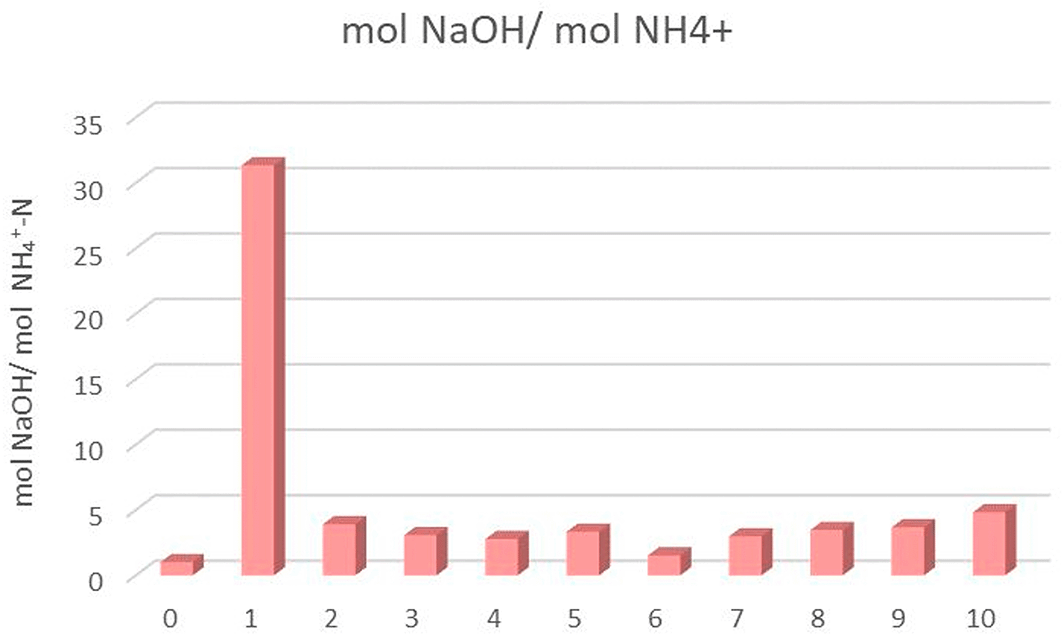
Figure 6. Observed chemical demand during zeolite regeneration with NaOH across lifespan cycling, indicating 0 the theoretical stoichiometric value and 1–10 cycles performed during lifespan determination trials.
From an operational standpoint, these results establish NaOH regeneration as an effective and scalable strategy to produce a high-strength ammonium stream, while also identifying chemical demand minimisation as a priority for further development. Optimisation routes include refining regenerant concentration and volume, improving bed hydrodynamics and distribution, and integrating strategies to manage competing ions and alkalinity effects in the regenerant loop.
Although zeolite preferentially captures NH4+, selectivity in real reject water is always modulated by competing cations and ionic strength. In WalNUT, the reject water conductivity and alkalinity confirm a chemically challenging matrix, and the NaOH balance indicates that regeneration demand exceeded the ideal stoichiometric value, consistent with competitive exchange and/or co-extracted alkalinity effects. This is a standard phenomenon in clinoptilolite-based exchange systems applied to real wastewaters: capacity and regeneration efficiency are typically lower than values derived from synthetic NH4 solutions, and performance is more sensitive to operational control and solids management.
A key practical conclusion is that the WalNUT CE step demonstrated robust performance in a realistic matrix and produced an ammonium-rich eluate that could be directly valorised downstream. The remaining research opportunity is not “whether it works”, but rather how to reduce chemical demand per kg N recovered by tuning regenerant strength, contact time, bed utilisation strategy, and potentially side-ion management.
Repeated adsorption–regeneration cycles showed an early conditioning loss followed by a slower decline in dynamic capacity (Fig. 7), while regeneration efficiency remained relatively constant across cycles, suggesting that chemical accessibility of exchange sites was preserved. This supports multi-cycle operation and practical end-of-life criteria based on acceptable capacity retention thresholds rather than a fundamental technical limitation.
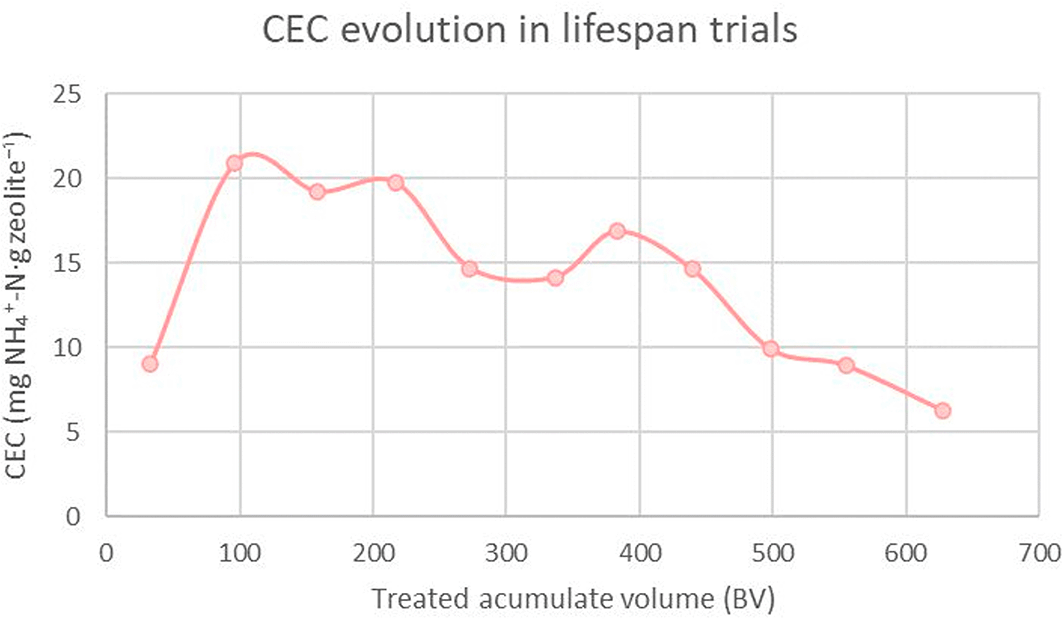
Figure 7. Evolution of CE performance across adsorption–regeneration cycles expressed as dynamic capacity (mg NH4+-N·g−1 zeolite).
The results show an initial conditioning effect followed by a slower decline across subsequent cycles, supporting multi-cycle operation. NH4+-N: ammonium nitrogen.
Once zeolite media no longer meets process requirements, there are credible end-of-life pathways that can be highlighted as part of circularity. Ammonium-loaded or nutrient-enriched zeolites have been widely discussed as slow-release fertiliser carriers/soil amendments (either directly or after conditioning), leveraging their ability to retain and gradually release NH4+ in soils (Kotoulas et al., 2019). Alternatively, zeolite-containing solids have been explored as additives in construction materials and geopolymer matrices, supporting the concept that “spent” mineral sorbents can still have material value depending on contamination risk and regulatory acceptance (Bai et al., 2024). End-of-life options will depend on quality, contamination and regulation.
Lab-scale: optimization of HFMC system for ammonium concentration
HFMC experiments demonstrated efficient transfer of ammonia/ammonium from the alkaline regenerant into an acidic stripping loop, enabling production of concentrated ammonium salts suitable for fertiliser formulation. pH-controlled acid management (setpoint ~2) maintained driving force and stabilised product quality, reaching product nitrogen concentrations up to 31.5 g N·L−1 under optimised conditions. These trends are consistent with the general HFMC principle: sustaining a strong chemical driving force (pH/acid capacity on the stripping side) is critical for maintaining high ammonia flux and achieving high final product concentration.
HFMC experiments demonstrated efficient transfer of ammonium from the regenerant stream into the acidic stripping solution, enabling the production of a concentrated ammonium salt suitable for fertiliser formulation. Ammonium transfer rates increased with both feed and acid flow rates, while final product concentration was primarily governed by the balance between transfer kinetics and operating time (Fig. 8). Maintaining the acid loop at pH 2 proved effective in sustaining a high driving force for ammonia transfer while avoiding excessive acid consumption. Overall recovery yields confirmed that HFMCs provide a robust and controllable step for converting recovered ammonium into a market-relevant product, consistent with previous applications of membrane contactors for nitrogen recovery.
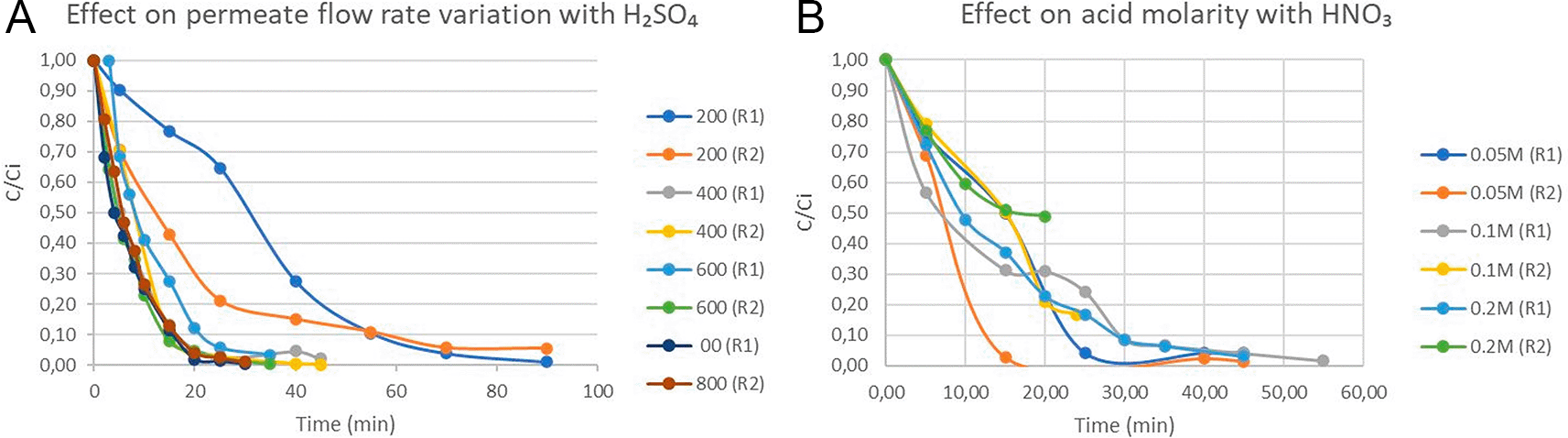
Fig. 8. HFMC performance under selected operating conditions.
Right: NH4+-N recovery yield to the acid loop (% of NH4+-N transferred). Left: Final product nitrogen concentration in the acid loop (g N·L−1). Operating conditions (feed/acid flow rates and operating time) are detailed in
Table 2.
Operational trends suggest that, under stable hydraulic conditions, HFMC performance could potentially be managed through time-based operational recipes (fixed runtime per batch). However, since flux and final product concentration are sensitive to feed composition, temperature, and flow regime, additional operating envelopes and longer validation are required before time-only automation can be recommended as a robust control strategy.
It is worth positioning HFMC technology relative to alternative ammonium recovery options, particularly conventional air stripping. In comparison with stripping systems, which typically require large gas–liquid contact units, high pH adjustment, and extensive off-gas handling, HFMCs offer a more compact and modular configuration with inherently high selectivity for ammonia transfer. The membrane contactor enables direct control of the chemical driving force through the acid loop, allowing product concentration to be tailored without excessive gas flows or large reactor volumes. Moreover, HFMC operation avoids direct air–liquid contact, thereby reducing ammonia losses and odour emissions and simplifying downstream capture into a defined fertiliser salt. While stripping remains a technically mature and widely applied option for high-strength ammonium streams, the HFMC approach demonstrated here provides superior controllability, footprint efficiency, and integration potential within modular nutrient recovery chains, particularly when coupled with upstream concentration steps such as cation exchange.
Pilot scale: validation at TRL5 and practical implications
Pilot operation demonstrated the integrated CE–HFMC chain under realistic conditions. The pilot plant was installed in Ourense’s WWTP (Veolia) to treat up to 4 m3 of reject water from the anaerobic digester (Fig. 9). The reported system-level performance indicates that the technology removed ~86% of the nitrogen in the reject water by adsorption into zeolite and recovered ~76% of that nitrogen in the desorption step as an N concentrate that fed the ammonium sulphate production unit. The HFMC stage transformed ~81% of the nitrogen in the concentrate into ammonium sulphate, and in total 377 g of N as ammonium sulphate were produced for BBF formulation. Additionally, 1 Kg of N-NH4+ was produced for field trials validation.
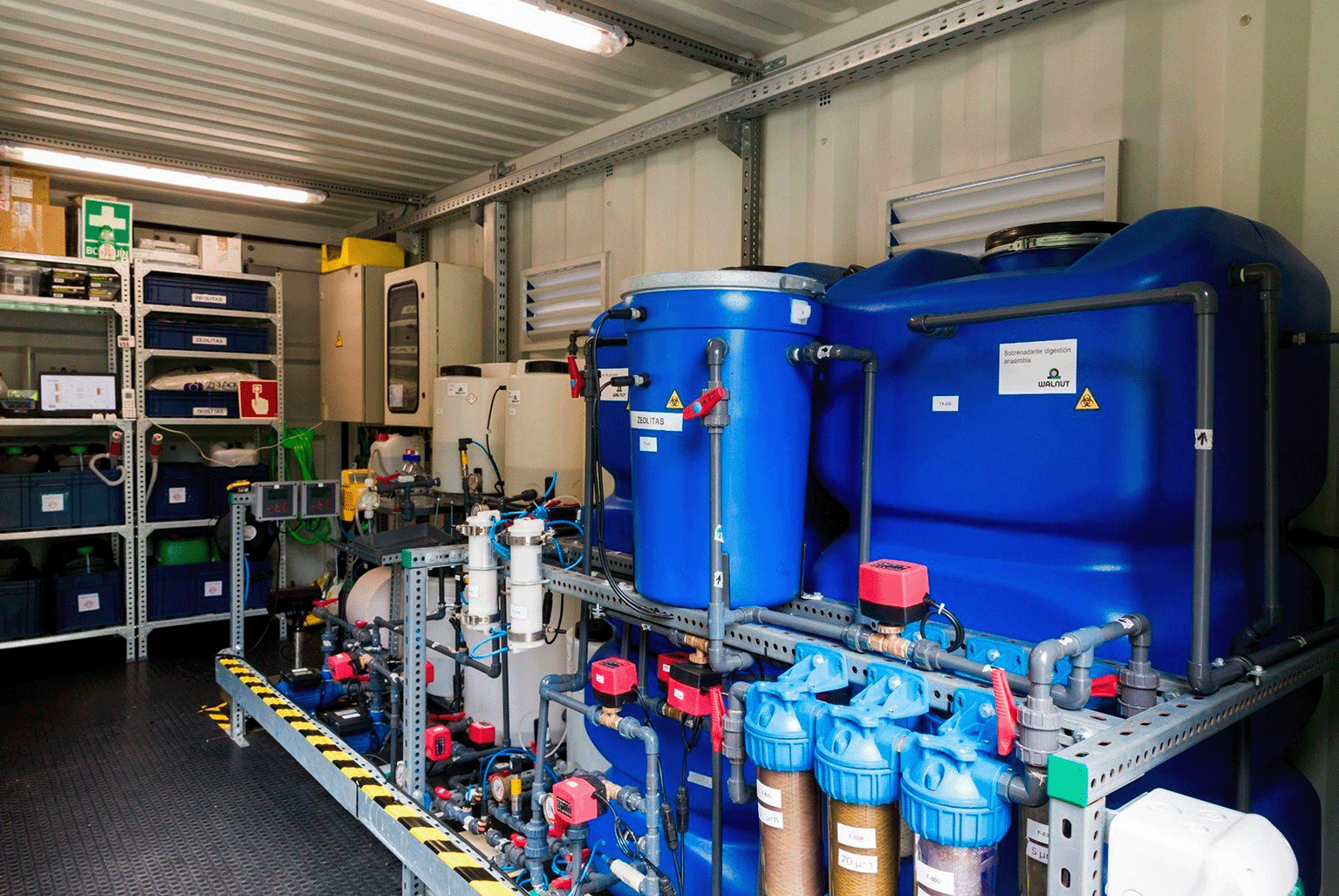
Figure 9. Photograph of TRL 5 pilot-scale NH4+–N intaled in Veolia’s facility.
A key finding was the strong variability of influent N-NH4+ concentrations under real operating conditions. This variability directly affects breakthrough timing, regeneration demand, and HFMC loading, making automation based on online (or at-line) N-NH4+ concentration thresholds a critical scale-up requirement. Automation was explored during the project but was not fully implemented within scope; N-NH4+-based control is therefore identified as a critical parameter and enabling requirement for TRL advancement and continuous operation.
Within the achieved pilot operating window, no clear evidence of progressive collapse/decay of cation exchange capacity (CEC) was observed; nevertheless, longer continuous campaigns are needed to robustly define long-term durability under full-scale-relevant conditions.
Related to HFMC pilot plant operations, operational trends suggest that, under stable hydraulic conditions, HFMC performance could potentially be managed through time-based operational “recipes” (fixed runtime per batch and/or fixed acid-dosing logic). However, since flux and final product concentration are sensitive to feed composition, temperature, and flow regime, additional operating envelopes and longer validation are required before time-only automation can be recommended as a robust control strategy.
Nitrogen recovery also showed margin for improvement (Fig. 10). To avoid dilution of the HFMC feed, operational constraints led to partial regeneration of zeolite beds in some batches; consequently, residual ammonium remained in non-regenerated media and could be lost during inter-batch waiting times. These losses are expected to decrease under continuous or semi-continuous operation and improved bed-management strategies, where regeneration sequencing and product concentration objectives are co-optimised.
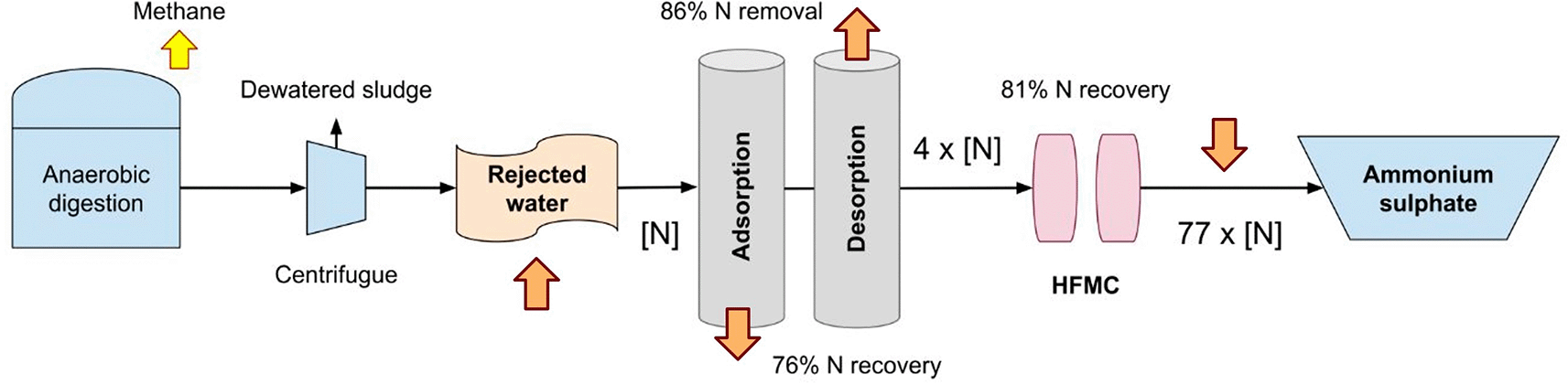
Figure 10. Overall pilot performance.
Arrows indicate the regular sampling locations used to quantify performance and close nitrogen mass balances across CE and HFMC operation.
Agronomic validation of CETAQUA’s fertilisers
Pot trials
Pot trials showed that Smart BBF can support lettuce growth comparable to conventional mineral fertilisation when nutrient balance is ensured (Fig. 11). Treatments combining the recovered N-P formulation with supplemental P and K achieved the highest yields, while Smart BBF alone performed less effectively due to secondary nutrient limitations. Hydrogel immobilisation improved performance, likely by mitigating local salinity effects and enhancing nutrient availability (Fig. 12). The addition of microbial inoculum did not yield consistent agronomic benefits under the tested conditions.
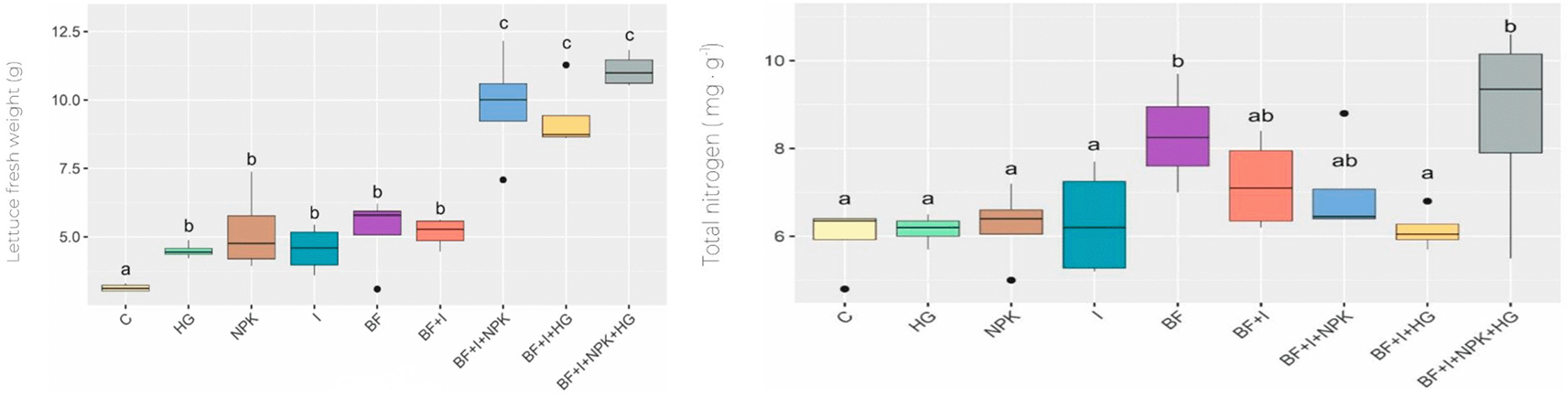
Figure 11. Pot trial (lettuce) agronomic performance across treatments.
Right: Lettuce biomass at harvest (specify: fresh weight and/or dry weight). Left: Plant nitrogen status (specify: total N uptake, tissue N concentration, or both). Bars represent mean ± SD (or SE; specify). Different letters indicate significant differences among treatments (ANOVA followed by LSD test, p < 0.05). BBF: bio-based fertiliser; P: phosphorus; K: potassium.
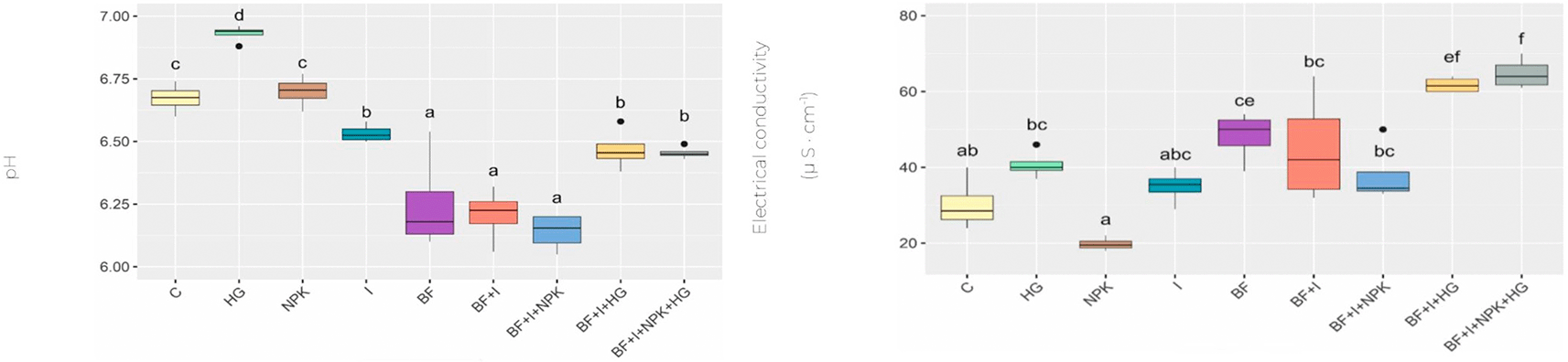
Figure 12. Post-harvest soil indicators from the pot trial.
Soil pH and electrical conductivity (EC) measured in 1:5 soil:water extracts after harvest. Bars represent mean ± SD (or SE; specify).
These results confirm that the recovered fertiliser behaves agronomically as a mineral nitrogen source, in agreement with complementary incubation evidence indicating that nitrogen in the product is predominantly present in plant-available mineral form.
In parallel, inoculum viability tests within the fertiliser matrix under ambient storage conditions indicated limited survival over time, which imposes constraints for commercialisation, storage, and transport logistics of PGPB-containing formulations in their current form. Together with the lack of consistent agronomic benefit in pots, this supports prioritising field validation and exploitation of the mineral NP concept based on recovered ammonium sulphate combined with recovered struvite, rather than deploying PGPB as a core commercial feature at this stage.
Field trials
Field trials provided preliminary validation of Smart BBF performance under practical agronomic conditions. In maize, fertilisation with the WalNUT-derived product resulted in forage dry matter yields comparable to or exceeding those obtained with conventional fertilisation, while grain yield responses were intermediate and influenced by seasonal variability (
Table 3).
Table 3. Maize field trial results under different fertilisation strategies (WalNUT recovered fertiliser vs conventional reference vs unfertilised control).
Variables include phenology (male/female flowering), ASI, and yield-related indicators (forage dry weight, moisture, plant height). “LSD” indicates least significant difference; “ns” denotes non-significant differences at the selected alpha level. Units are reported in the table.
| CETAQUA | Control | Unfertilized | LSD |
|---|
| Male flowering (days) | 68.5 | 68.0 | - | ns |
| Female flowering (days) | 71.5 | 70.3 | - | ns |
| ASI (Fl fem-mas) | 3.3 | 2.3 | - | ns |
| Efficiency (mg/ha) (early sowing) | 9.6 ab | 14.5 a | 7.1 b | 6.4 |
| Forage dry weight (kg/planta) | 2.37 a | 1.78 b | 1.75 b | 0.55 |
| Forage humidity (%) | 71.6 | 69.4 | 70.0 | ns |
| Plant height (cm) | 236.9 ab | 251.2 a | 233.8 b | 16.3 |
In cabbage, no statistically significant differences in yield were observed between fertilisation strategies, although trends toward increased biomass and glucosinolate content were detected in Smart BBF treatments (
Table 4). Optical sensor measurements confirmed comparable crop nitrogen status across fertilised treatments, supporting the interpretation that nitrogen availability was not limiting.
Table 4. Cabbage field trial results under different fertilisation strategies (WalNUT recovered fertiliser vs conventional reference vs unfertilised control).
“LSD” indicates least significant difference; “ns” denotes non-significant differences.
| CETAQUA | Control | Unfertilized | LSD |
|---|
| Leaf number | 24.88 | 22.75 | 22.75 | ns |
| Leaf fresh weight (g) | 292.20 | 290.40 | 290.40 | ns |
| Leaf dry weight (g) | 32.31 | 31.15 | 31.15 | ns |
| % leaf dry weight | 11.07 | 10.75 | 10.75 | ns |
| Plant height (cm) | 59.18 | 60.73 | 60.73 | ns |
| Plant weight (g) | 364.96 | 311.62 | 311.62 | ns |
| Cabbage fresh weight (g) | 104.00 | 65.60 | 65.60 | ns |
| Cabbage dry weight (g) | 10.37 | 6.60 | 6.60 | ns |
| % cabbage dry weight | 10.03 | 10.07 | 10.07 | ns |
| Leaf fresh weight (g) | 292.20 | 290.40 | 290.40 | ns |
Overall, field results demonstrate agronomic equivalence of the recovered fertiliser under the tested conditions, while also highlighting the need for multi-site and multi-season trials to fully capture environmental variability and long-term soil effects.
Field trials in maize and cabbage provided initial and encouraging evidence that the recovered fertiliser can deliver agronomic performance comparable to conventional fertilisation under the tested conditions; however, the trials represent an initial validation step with limited environments and seasons. Additional multi-site and multi-year trials are required to fully capture variability, assess longer-term soil effects, and define robust crop- and soil-specific recommendations. Nevertheless, these results provide a strong starting point demonstrating practical usability and supporting continued scale-up and optimisation.
Exploitation outlook and critical scale-up parameters
Taken together, results demonstrate that the WalNUT nutrient recovery chain enables efficient ammonium capture, concentration, and conversion into an agronomically functional fertiliser product. Remaining challenges are primarily related to operational optimisation, automation, and long-term validation rather than fundamental process limitations. In particular, concentration-driven automation (N-NH4+) and improved bed-regeneration management are enabling requirements for continuous operation and higher TRL deployment.
Conclusions
• The zeolite-based cation exchange (CE) step achieved high NH4+ removal prior to breakthrough (>80–90%) and defined a practical operating window balancing capacity utilisation and throughput.
• Alkaline regeneration with NaOH as a reagent produced an ammonium-rich eluate compatible with downstream concentration and outperformed NaCl in recovery performance.
• Regeneration chemical demand exceeded the stoichiometric benchmark (~1 mol/mol), with an observed requirement of ~3.41 mol NaOH per mol NH4+ recovered, identifying chemical minimisation as a primary OPEX optimisation lever.
• CE lifespan cycling showed an early conditioning loss followed by a more gradual decline in dynamic capacity, supporting multi-cycle operation and end-of-life criteria based on acceptable capacity retention.
• HFMC tests demonstrated selective ammonia transfer enabling direct production of ammonium salt solutions, with performance sensitive to driving force, flow regime and feed composition.
• Operational trends suggest HFMC control may be partially time-based under stable hydraulics, but robust automation requires validation across temperature and matrix variability envelopes.
• Pilot operation confirmed technical feasibility of the integrated CE–HFMC chain at TRL5 and demonstrated stable operation without observable CEC decay within the achieved operating window.
• Real reject water ammonium variability makes online monitoring and N-NH4+-based automation a critical scale-up requirement; partial automation was explored but remained an identified development need.
• Pot trials indicated Smart BBF can match mineral fertilisation when nutrient balance (P/K) is ensured; hydrogel immobilisation improved performance, while microbial inoculation did not yield systematic benefits under tested conditions.
• Field trials in maize and cabbage showed agronomic equivalence to conventional fertilisation under tested conditions, with no significant differences in key physiological/quality indicators and only non-significant positive trends in some cabbage metrics.
• Results support the recovered fertiliser behaving as a mineral N source, while highlighting the need for multi-site and multi-season validation.
• Recovery efficiency has margin for improvement via continuous/semi-continuous operation (reducing inter-batch N losses from partially regenerated zeolite beds) and tighter process integration.
Ethics and consent
Ethical approval and consent were not required for this study, as no human participants or animals were involved.
Data Availability Statement
The datasets generated and analysed during the current study are available in the Zenodo repository:
DOI: https://zenodo.org/records/19203025 (González Míguez, 2026).
This project contains the following underlying data:
• Raw data.xlsx. (Experimental data from the nitrogen recovery technology trials).
•
Cetaqua_Datos_crudos_macetas.xlsx. (Experimental data from the pot trials).
•
Pruebas_campo_repollo.xlsx. (Cabbage data from the field trials).
•
Cetaqua_campo_maiz.xlsx. (Maize data from the field trials).
•
CETAQUA_campo_suelo.xlsx. (Soil data from the field trials).
Data is available under the terms of the Creative Commons Attribution 4.0 International (CC BY 4.0) license.
Acknowledgements
The authors would like to thank all the people who have been involved in the WalNUT project throughout these years. In particular, we are deeply grateful to Guillermo Noriega-Hevia, whose contribution was crucial during the early stages of the experimental set-up and the initial development of the work. We also acknowledge the technical staff of CETAQUA who, at different stages of the project, supported laboratory, pilot and field activities. Special thanks are extended to CSIC, as co-patron of CETAQUA, and to all partners who carried out the agronomic validation trials and helped translate experimental results into practical evidence. Finally, we thank the entire WalNUT consortium, a group of highly committed and passionate professionals, always willing to collaborate and support each other. On a personal note, the authors hope to continue working with many of them in the future and have no doubt about the quality and impact of the contributions that they have made (and will continue to make) to the advancement of circular economy solutions.
References
- Bai C, Zheng K, Sun F, et al.:
A review on metakaolin-based porous geopolymers.
Appl. Clay Sci.
2024; 258: 107490. Publisher Full Text
- Cordell D, Drangert JO, White S:
The story of phosphorus: Global food security and food for thought.
Glob. Environ. Chang.
2009; 19(2): 292–305.
- Egle L, Rechberger H, Krampe J, et al.:
Phosphorus recovery from municipal wastewater: An integrated comparative technological, environmental and economic assessment.
Sci. Total Environ.
2016; 571: 522–542. PubMed Abstract
| Publisher Full Text
- European Commission:
Farm to Fork Strategy.
Brussels:
2020.
- FAO:
World fertilizer trends and outlook to 2024.
Rome:
2021.
- González Míguez A:
Integrating zeolite-based cation exchange and membrane contactors for ammonium recovery as ammonium sulphate: pilot experience from WalNUT project. [Data set].
Alicia González-Míguez.
2026. Publisher Full Text
- Grand View Research:
Nutrient Recovery Systems Market Size Report, 2023–2030.2023.
- Kotoulas A, Agathou D, Triantaphyllidou IE, et al.:
Zeolite as a potential medium for ammonium recovery and second cheese whey treatment.
Water.
2019; 11(1): 136. Publisher Full Text
- Li B, Boiarkina I, Yu W, et al.:
Phosphorus recovery through struvite crystallization: Recent developments.
J. Environ. Manag.
2019; 234: 151–165.
- Mihelcic JR, Fry LM, Shaw R:
Global potential of phosphorus recovery from human urine and feces.
Chemosphere.
2011; 84(6): 832–839. Publisher Full Text
- Smith C, Hill AK, Torrente-Murciano L:
Current and future role of Haber-Bosch ammonia in a carbon-free energy landscape.
Energy Environ. Sci.
2020; 13: 331–344. Publisher Full Text
- Ye Y, Ngo HH, Guo W, et al.:
Nutrient recovery from wastewater: From technology to economy.
Bioresour. Technol. Rep.
2017; 11: 100425.








