Introduction
The transition to climate-neutral buildings requires a dual focus on reducing operational energy consumption and the embodied emissions of construction materials. Conventional materials such as concrete and synthetic insulation remain carbon-intensive. The BIOBUILD project supports EU objectives such as the New European Bauhaus and the Renovation Wave by promoting by promoting innovative materials that deliver measurable energy savings and improved indoor thermal conditions.
Preliminary results: Energy and environmental impact
BIOBUILD brings together European research and industry partners to develop three natural binder systems that replace traditional fossil-based adhesives. The first system, based on epoxidized linseed oil (ELO), produces a strong and durable bio-resin suitable for wallboards. The second uses lignosulfonates, enhanced with natural plasticizers, to increase flexibility and water resistance of the bio-composite. The third approach explores mycelia, the vegetative body of fungi to bind wood particles into lightweight, solid boards.
By exploring these systems, the project partners have created prototype wallboards that combine the insulating power of wood with the heat-storage capacity of bioPCMs. These materials absorb excess heat during the day and release it as temperatures drop, helping to stablise indoor climates and reduce the need for heating and cooling.
A technological breakthrough is the introduction of a microwave-based curing process for composites made with lignosulfonates, which shortens production time from several weeks to just a few minutes. This innovation makes large-scale, energy-efficient manufacturing more realistic. The materials have also proven compatible with both natural and commercial binders, paving the way for wider industrial adoption.
In testing, hardwood substrates were found to perform best with mycelia-based systems, achieving up to 50% of particles impregnated with PCM incorporated in the composite (see
Figure 4). Thermal measurements showed that heat transfer peaks during the phase change (around 21 °C), providing valuable insight into how these materials store and release energy in real conditions (refer to Deliverable 4.7 Report on the overall performance of produced flooring and wallboards available on the project website and zenodo).
Material performance and market potential
To assess real-world performance, BIOBUILD researchers modelled a framework linking energy models and environmental impact analysis. Using dynamic building performance simulations showed that incorporating generic PCMs into the internal wallboards and flooring can reduce total energy demand by 6.5–12%, equivalent to 115–1,170 kWh per household each year (Gutiérrez et al., 2026). The benefits vary with building design and are most pronounced in lightweight buildings, which are more sensitive to temperature fluctuations and summer overheating. The integration of PCMs can also effectively reduce indoor temperature peaks, improving overall thermal comfort (Verbeke et al., 2025).
In parallel, a life cycle assessment (LCA) comparing lab-scale BIOBUILD panels with conventional medium-density fibreboard (MDF), particleboard and oriented strand board (OSB) was carried out. The results showed that the BIOBUILD prototypes perform within the same order of magnitude or even outperform conventional panels (see
Figure 1). The analysis also highlights potential for further emission reductions through improved efficiency at industrial-scale production, biomass fuelling, and continuous processing.
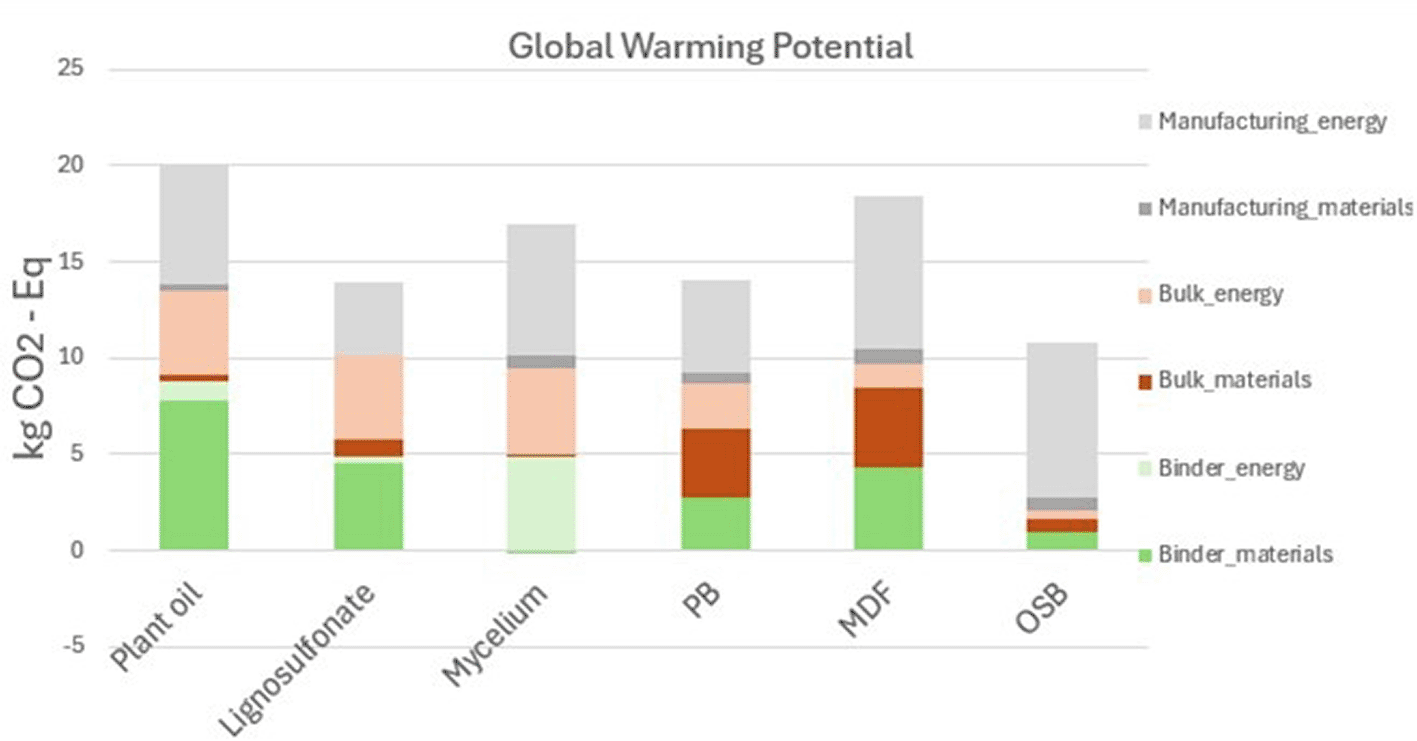
Figure 1. Global Warming Potential (GWP) comparison of different binder systems used in BIOBUILD composites.
Functional unit: 1 m2 of non-carrying indoor wallboards. Source: University of Antwerp.
Additional tests confirmed that ELO-based composites can incorporate up to 30% bioPCM while maintaining strong mechanical performance and low curing temperatures (as low as 60 °C), proving that high bio-content materials can match the performance of fossil-based alternatives (see
Figure 2).
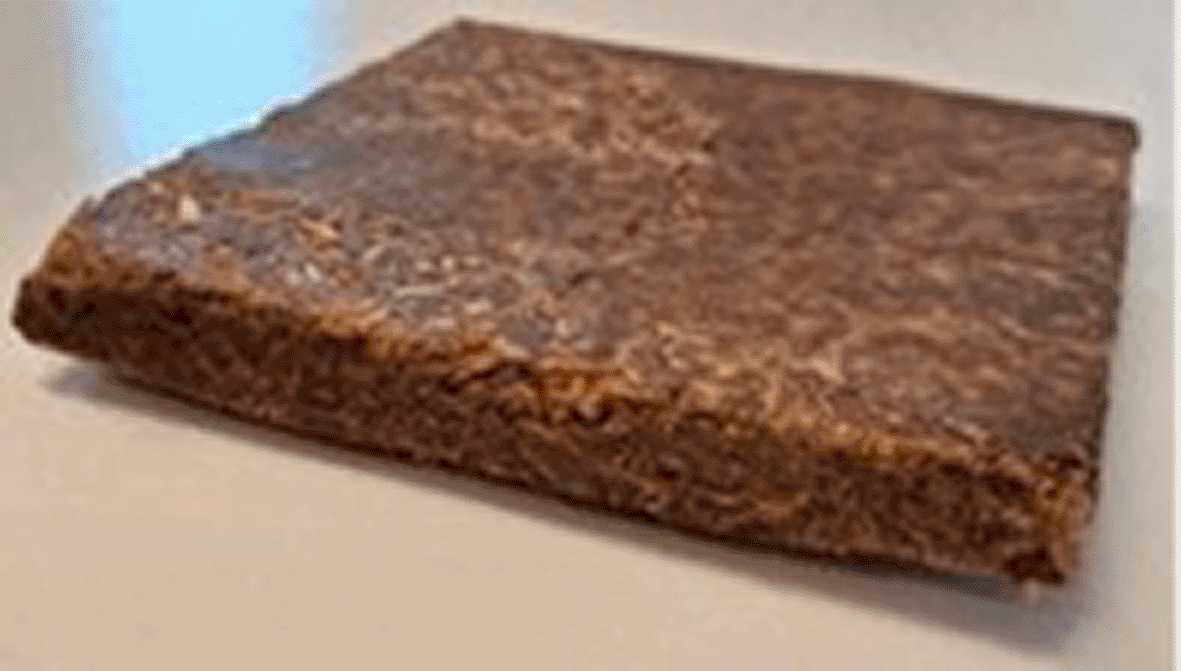
Figure 2. Plant oil-based composite panels developed using epoxidized linseed oil (ELO) as a bio-based binder.
Source: Swedish University of Agricultural Sciences (SLU).
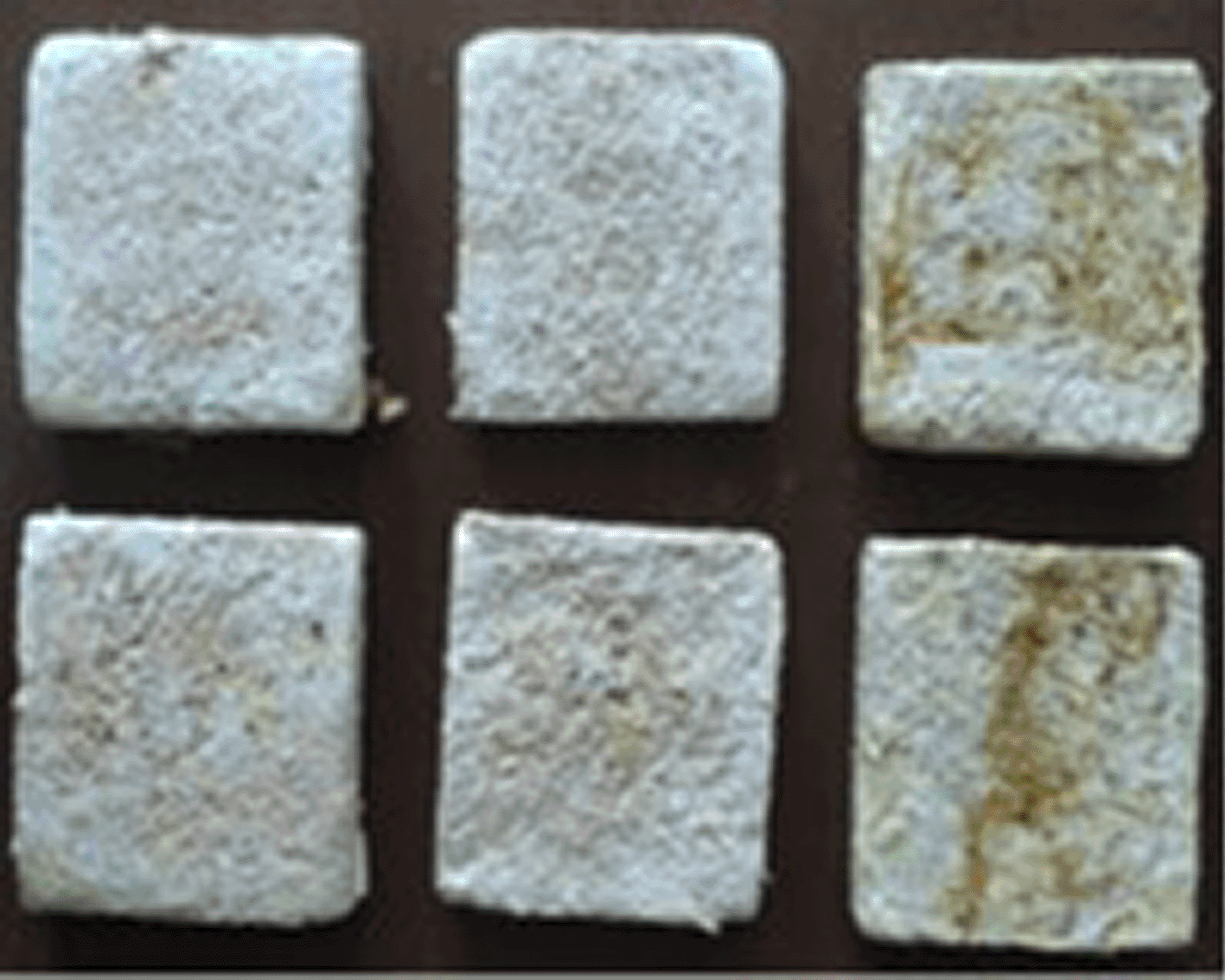
Figure 3. Lignin-based composite materials developed using lignosulfonates and natural plasticisers to enhance flexibility and water resistance.
Source: Swedish University of Agricultural Sciences (SLU).
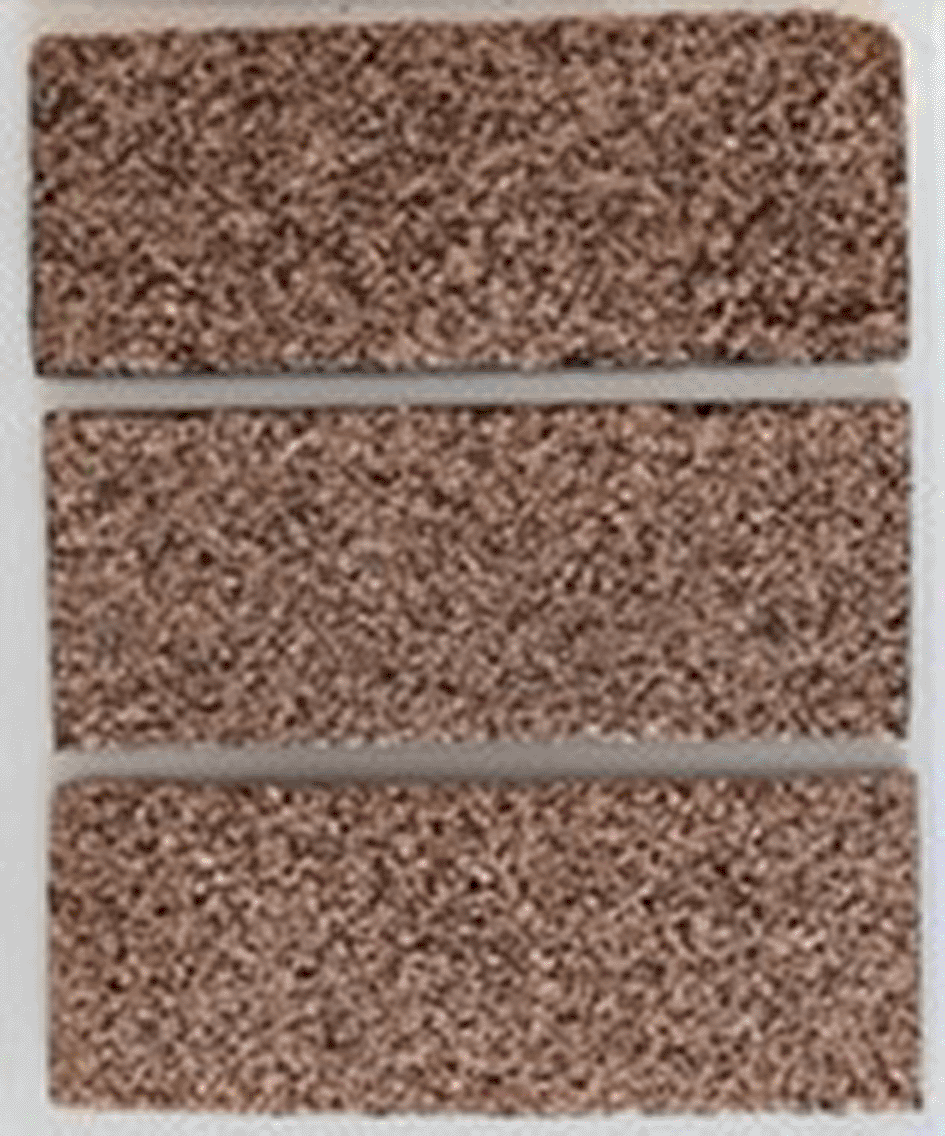
Figure 4. Fungal (mycelium-based) composites showing the use of fungal networks to bind wood particles into lightweight boards.
Source: Swedish University of Agricultural Sciences (SLU).
Thermal characterisation studies provided new insights into how BIOBUILD composites behave during phase change (Cabeza et al., 2025). Using ethyl palmitate as the PCM, and polymerized lignosulfonate as a binder, the results showed a stable thermal conductivity of 0.13 W/mK in both the solid (10 °C) and liquid (40 °C) states. However, during the phase change range (20–25 °C), the material exhibited a notable 48% increase in effective thermal conductivity. This behaviour was linked to the heat absorption characteristics of the PCM as it transitions between phases.
The findings are significant, as most previous studies only measured PCM composites in their solid state, overlooking the dynamic changes during melting. By revealing how thermal conductivity peaks during phase change, this research on BIOBUILD samples offer valuable knowledge to improve the design and modelling of thermal energy storage (TES) systems and energy-efficient building materials (see
Figure 5).
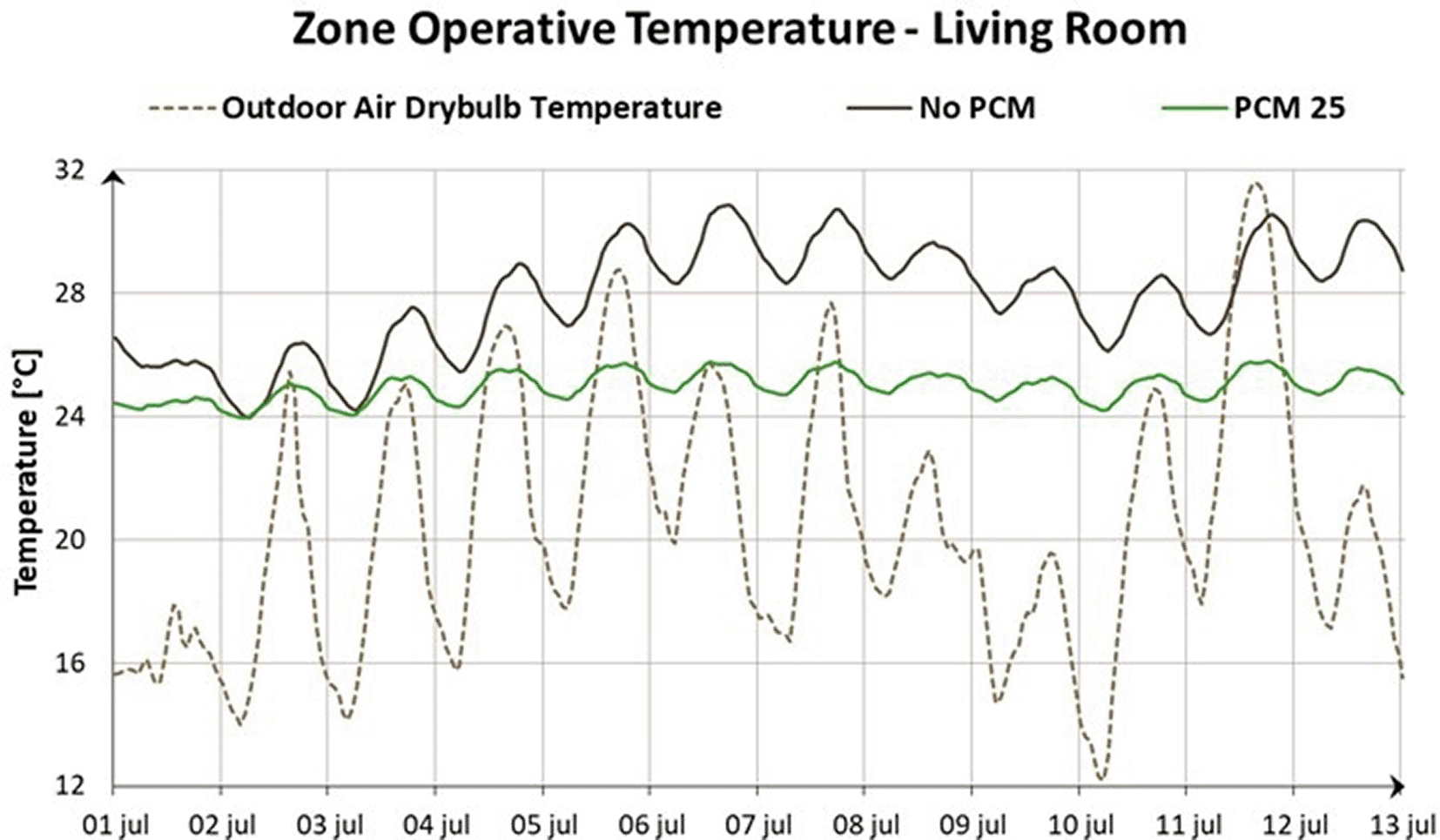
Figure 5. Effect of phase change materials (PCM) on living room operative temperature, demonstrating the thermal regulation capacity of PCM-integrated building materials.
Source: University of Antwerp.
Table 1. Implementation roadmap for scaling bio-based building materials.
| Phase | Policy action | Purpose |
|---|
| Short term | 1. Develop common testing protocols and pre-standardisation guidelines for composites. | Establish comparable testing, support early regulatory recognition, and prepare the basis for a future EC mandate to ESOs. |
| Short term | 2. Support pilot projects and demonstration buildings through EU and/or national funding instruments and green public procurement and integrate LCA to evaluate environmental burdens, benefits, and optimisation opportunities. | Generate performance evidence, raise TRLs, demonstrate real-world effectiveness, and enable low-cost process optimisation through early LCA insights. |
| Medium term | 3. Integrate bio-based materials into EU regulatory and financial frameworks, including CPR, SPI, and the EU Taxonomy. | Unlock sustainable finance, enable market access, and increase industry confidence. EC could also issue a mandate to CEN/CENELEC to develop harmonised standards (hENs). |
| Medium –long term | 4. Invest in industrialisation and process innovation, such as microwave curing and binder optimisation, renewable heat use to scale up production efficiently. | Reduce production costs, improve efficiency, and prepare large-scale manufacturing. |
| Long term | 5. Embed life-cycle performance criteria in green building standards. | Create stable long-term market demand and support circular, low-carbon construction. |
Beyond production and operational performance, the real-world impact of these materials also depends on maintenance requirements and how occupants interact with them. By helping stabilise indoor temperatures naturally, BIOBUILD solutions can reduce the use of energy while requiring minimal upkeep over time.
Market barriers and enablers
Despite promising results, several barriers must be addressed for bio-based PCM composites to reach widespread market adoption:
Policy pathways forward
Europe can accelerate the uptake of sustainable materials like those being developed in BIOBUILD by aligning regulation, funding, and market incentives. The actions below follow a logical sequence linked to the increasing maturity (TRL) of BIOBUILD materials. Each step reinforces the next, creating a coherent pathway from research to market deployment.
Conclusion
BIOBUILD demonstrates that combining bio-based materials with thermal function can deliver measurable energy savings and environmental benefits. These bio-based composites represent a new class of materials that are not only efficient and recyclable but also scalable for industrial production.
To realize their full potential, Europe must invest in standards, demonstrations, and industrial partnerships that bring these innovations from research to real buildings. Doing so will reduce emissions, lower energy use, and strengthen Europe’s position as a leader in sustainable, circular construction.
Ethics and consent
Ethical approval and consent were not required.
Disclaimer
Views and opinions expressed are those of the authors only and do not necessarily reflect those of the European Union, European Research Executive Agency (REA), or Open Research Europe. Neither the European Union nor the granting authority can be held responsible for them.
Data availability
No data is associated with this article.
References
- Cabeza LF, Mani Kala S, Ahmed W, et al.:
Evaluating effective thermal conductivity of PCM-impregnated wood composite at phase change temperature.
J. Energy Storage.
2025; 138: 118788. Publisher Full Text
- Gutiérrez RA, Verbeke S, Audenaert A:
The Effect of Ventilation Control on Thermal Comfort in PCM-Integrated Dwellings.Littlewood JR, Howlett RJ, Jain LC, editors.
Sustainability in Energy and Buildings 2024. SEB 2024. Smart Innovation, Systems and Technologies.
Singapore:
Springer;
2026; vol. 113. . Publisher Full Text
- Verbeke S, Alvarez Gutiérrez R, Audenaert A:
Phase change materials as complementary retrofit strategy for energy efficiency: A simulation-based comparative analysis.
6th International Conference on Building Energy and Environment, Eindhoven University of Technology, The Netherlands.
2025, August 27. Publisher Full Text







