Introduction
The pacific in transition: converging crises of health, food, and climate
Pacific Island Countries and Territories (PICTs) are undergoing a significant and rapid transformation in their societies, economies, and environments. Traditionally defined by subsistence-oriented livelihoods, strong kinship networks, and close ties to land and sea, Pacific communities are now facing swift urbanisation, integration into regional and global cash economies, and the impacts of anthropogenic climate change.1,2 These changes extend beyond economic and demographic shifts; they are reshaping the very essence of daily life, influencing what people eat, how they move, what they value, and how they interact with each other and their environments. Recent evidence compiled across Oceania reveals that patterns of youth physical activity are being reshaped by multi-level barriers and facilitators (individual, interpersonal, institutional, and environmental), underscoring the need for culturally grounded, context-sensitive approaches in Pacific settings.3
The health consequences of these transitions have been dramatic. The Pacific region now bears some of the highest rates of diet-related non-communicable diseases (NCDs) globally, with type 2 diabetes, cardiovascular disease, and obesity, reaching epidemic proportions.4 These epidemiological shifts are intimately linked to a nutrition transition characterised by the displacement of traditional, whole-food diets by imported, energy-dense, ultra-processed foods and refined imported staples such as rice.5–10 In Vanuatu, this transition manifests as a progressive abandonment of root crops (taro, yam, manioc) and locally caught fish in favour of rice, bread, tinned meat, and sugar-sweetened beverages, a shift most pronounced in urban and peri-urban settings but increasingly penetrating remote communities.11,12 In 2020, COVID-19 pandemic amplified the threat in the Pacific region, especially in PICT’s where borders were closed and isolations were active in urban areas with limited mobilities and available space for gardening and providing food supply from and to urban to rural areas in favour of processed and ultra processed food however limited too.13
Simultaneously, climate change poses existential threats to Pacific Island livelihoods. Rising sea levels, intensifying tropical cyclones, prolonged droughts, and ocean acidification directly undermine food production systems, both terrestrial agriculture and marine fisheries, that sustain community nutrition and cultural identity.11 Tropical Cyclone Pam (2015) and the subsequent El Niño-induced drought (2015–2017) devastated Vanuatu’s food gardens, accelerating dependence on imported foods and further entrenching the nutrition transition.11 Climate extremes thus interact with and amplify pre-existing socio-economic vulnerabilities, creating feedback loops that erode food sovereignty, cultural practices, and community well-being.
Post-growth, indigenous lifeways, and alternatives to growth-oriented development
In the academic discourse on post-growth, indigenous peoples are increasingly acknowledged as key actors in envisioning and enacting alternatives to growth-centric economies. Indigenous communities worldwide are recognised as agents of transformative change whose worldviews, practices, and governance systems offer insights into sustainable living.14,15 Post-growth scholarship emphasises that indigenous economies often operate within principles of reciprocity, community well-being, and ecological stewardship, values aligned with the post-growth critique of overconsumption and extractivism.14
In the Pacific Islands, comparable principles have long structured social and ecological relations. Pacific worldviews prioritise ecological balance and collective well-being over economic growth, rooted in what Hau’ofa1 memorably described as “our sea of islands”, a vision of interconnectedness, abundance, and relational belonging rather than isolation and scarcity. Rather than introducing new paradigms, post-growth aligns with existing indigenous practices rooted in kinship with land and sea.16 However, meaningful engagement with post-growth in Pacific contexts must be shaped by indigenous leadership and must address colonial legacies, including militarisation, climate displacement, and resource extraction.2,17
Recent studies extended this analysis within specific political contexts. Gingrich et al.18 contend that any climate-just transition in settler-colonial states must directly engage with indigenous sovereignty and knowledge systems, linking post-growth to concrete policy frameworks and ethical obligations where colonial histories shape environmental and economic realities. This perspective, which emphasises indigenous leadership and the structural conditions of colonialism, steers post-growth scholarship toward a more politically grounded and justice-oriented framework. However, the majority of this work remains theoretical; there is a notable lack of empirical, place-based studies grounded in Pacific Island realities, particularly comparative studies examining how post-growth-adjacent lifeways persist or erode along the urban–rural continuum. Within the broader FALAH research program,19 recent empirical studies offer examples of place-based, intergenerational analyses relevant to post-growth, food sovereignty, and lifestyle transition, including research on Lifou Island, linking family farming production, traditional food in diet, physical activity, and obesity within Melanesian families.20 Related mixed-methods protocols have also been developed to document indigenous knowledge, practices, and resilience among Pacific university students in the context of socio-economic transition and the COVID-19 pandemic.21
Vanuatu and the island of espiritu santo: a window into pacific transitions
Vanuatu, a Y-shaped archipelago of 83 islands in the South-Western Pacific, offers a valuable case study for examining these converging transitions. With a population of approximately 340,000, Vanuatu exhibits a pronounced urban-rural gradient: Port Vila and Luganville concentrate economic activity, government services, and imported-food markets, while remote communities as Kerepua maintain closer ties to subsistence agriculture, customary governance (kastom), and traditional ecological knowledge.22,23 Approximately 65% of GDP is linked to tourism and 20% to agriculture, making the economy acutely vulnerable to climate disruption.11 The country has been repeatedly ranked among the world’s most climate-vulnerable nations and was devastated by various cyclones in the past decade, including Tropical Cyclone Pam (Category 5) in 2015, Tropical Cyclone Harold (Category 5) in 2020 and twin cyclones Kevin and Judy (both Category 4) in 2023.
Espiritu Santo (hereafter Santo), the largest island of the Vanuatu archipelago, has a deep history of human-environment interactions extending over at least a millennium. Recent multi-proxy paleoenvironmental research by Camperio et al.24 on sediment cores from two ponds on the west coast of Santo has revealed significant demographic and environmental fluctuations driven by both climatic variability and human activity. Archaeological findings indicate that the west coast was settled at least 1,000 years ago, with evidence of irrigated taro gardens near Cape Cumberland.23 Taro (Colocasia esculenta) remains the principal staple crop of the region and an integral element of the cultural landscapes of Vanuatu, with irrigated garden systems still in active use today.22,23,25 The biomarker record indicates that the period from 1000 to 1300 Common Era (CE) was characterised by warm and wet conditions concomitant with demographic expansion inland and the intensification of taro horticulture. Around 1400 CE, a pronounced drier period restricted taro cultivation, though human presence - evidenced by charcoal and fecal markers - persisted, suggesting resilience and adaptive capacity among Melanesian communities. The establishment of one of the earliest European settlements in Oceania in Big Bay in 1606 CE by Pedro Fernandes de Queirós, and the probable introduction of epidemic diseases, further disrupted local demographics.24 Various internal migrations from the interior to the coast occurred over the following centuries,26 a pattern that continued into the modern era.
Within this long duration of human occupation and climatic adaptation, the community of Kerepua and the nearby Mount Tabwemasana (1,875 m, the highest peak in Vanuatu,
Figure 3) constitutes a uniquely rich study site. In the 1920s, British zoologist John R. Baker was the first scientist to reach the original village, publishing his findings in The Geographical Journal.27 A subsequent Oxford University Expedition in 1933 confirmed Tabwemasana as the highest peak of the New Hebrides and collected thousands of zoological, botanical, and entomological specimens. Until the 1970s, the community of Kerepua, comprising approximately 100 people organised into four extended family clans, lived in mountain villages such as Nokovula on the upper slopes of the Cumberland Range. In 1978, under the combined influence of Christian missionaries who pressed coastal settlement and church attendance, the community relocated permanently to its present coastal site on the north-western shore of Santo. This highland-to-coast migration, a single-generation transformation that echoes centuries of earlier inland-to-coastal movements documented in the paleo-environmental record,24,26 profoundly reshaped food practices, land-use patterns, spatial mobilities, and the community’s relationship with its mountain and littoral environments. The abandoned highland village of Nokovula, surrounded by former terraced gardens, remains a site of deep cultural and ancestral significance.
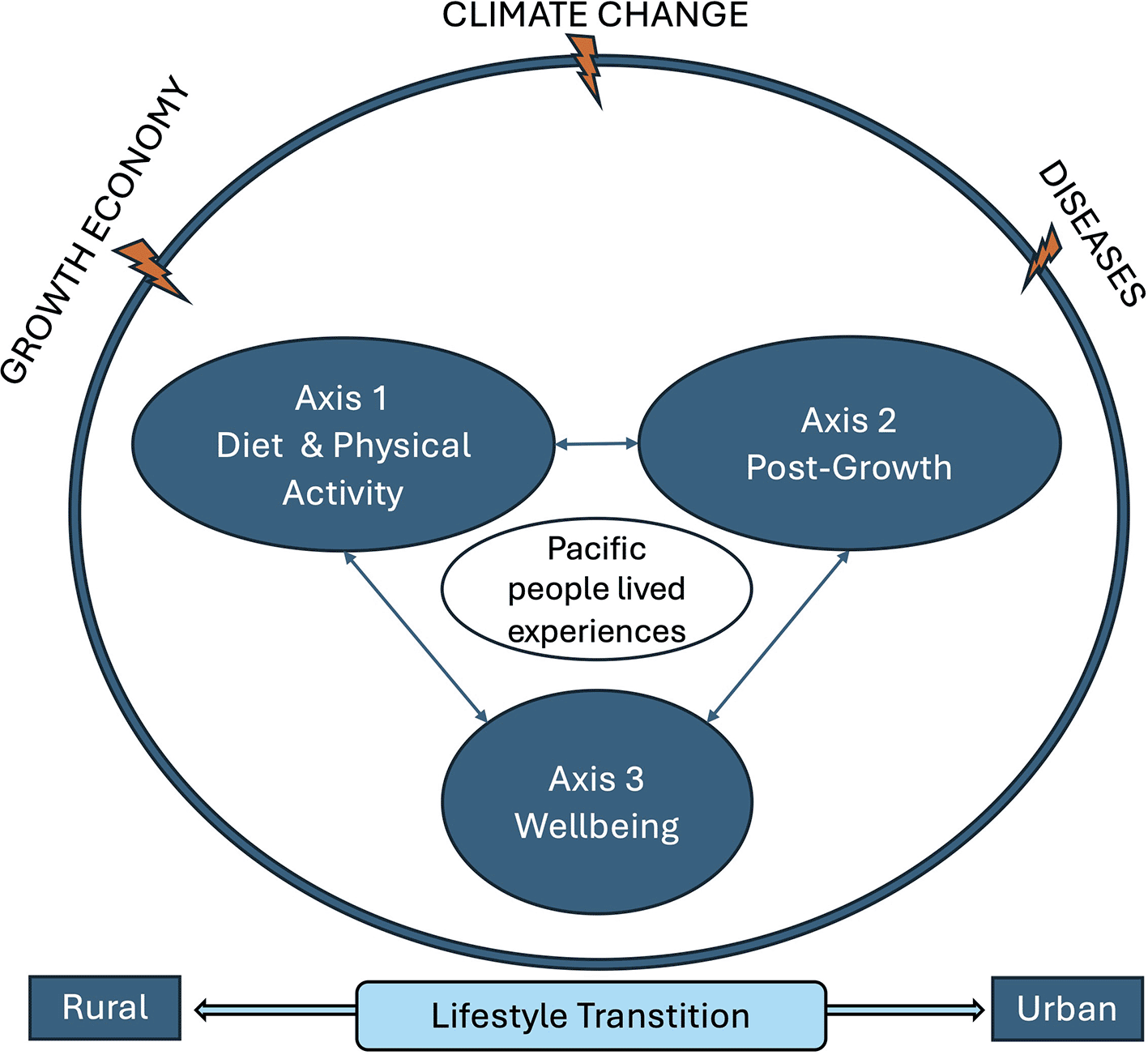
Figure 1. Conceptual framework of the Ol Man Blong Vanuatu project, showing the principal dimensions of lifestyle transitions.
Arrows: bidirectional causal relationships (axes are mutually constitutive); circles: Pacific people lived experiences and environments (1) and rural-urban gradient (organising comparative principle).
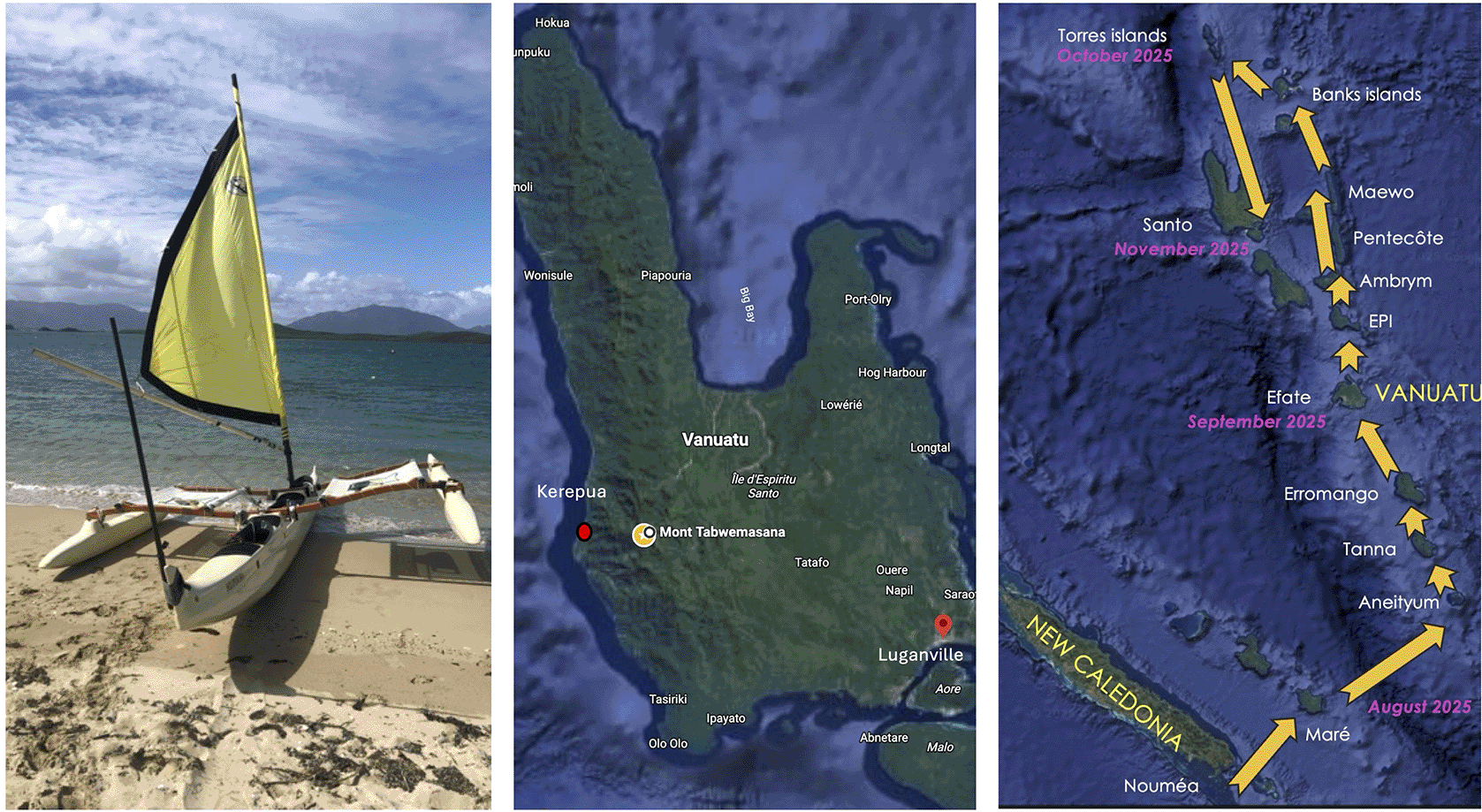
Figure 2. The map on the left shows the trajectory of the canoe voyage between August and November 2025.
The map on the right shows Santo Island with the village of Kerepua, which is accessible only by sea. Trajectory of the expedition can be found here.26 The photograph shows the traditional canoe of the KANU Expedition.
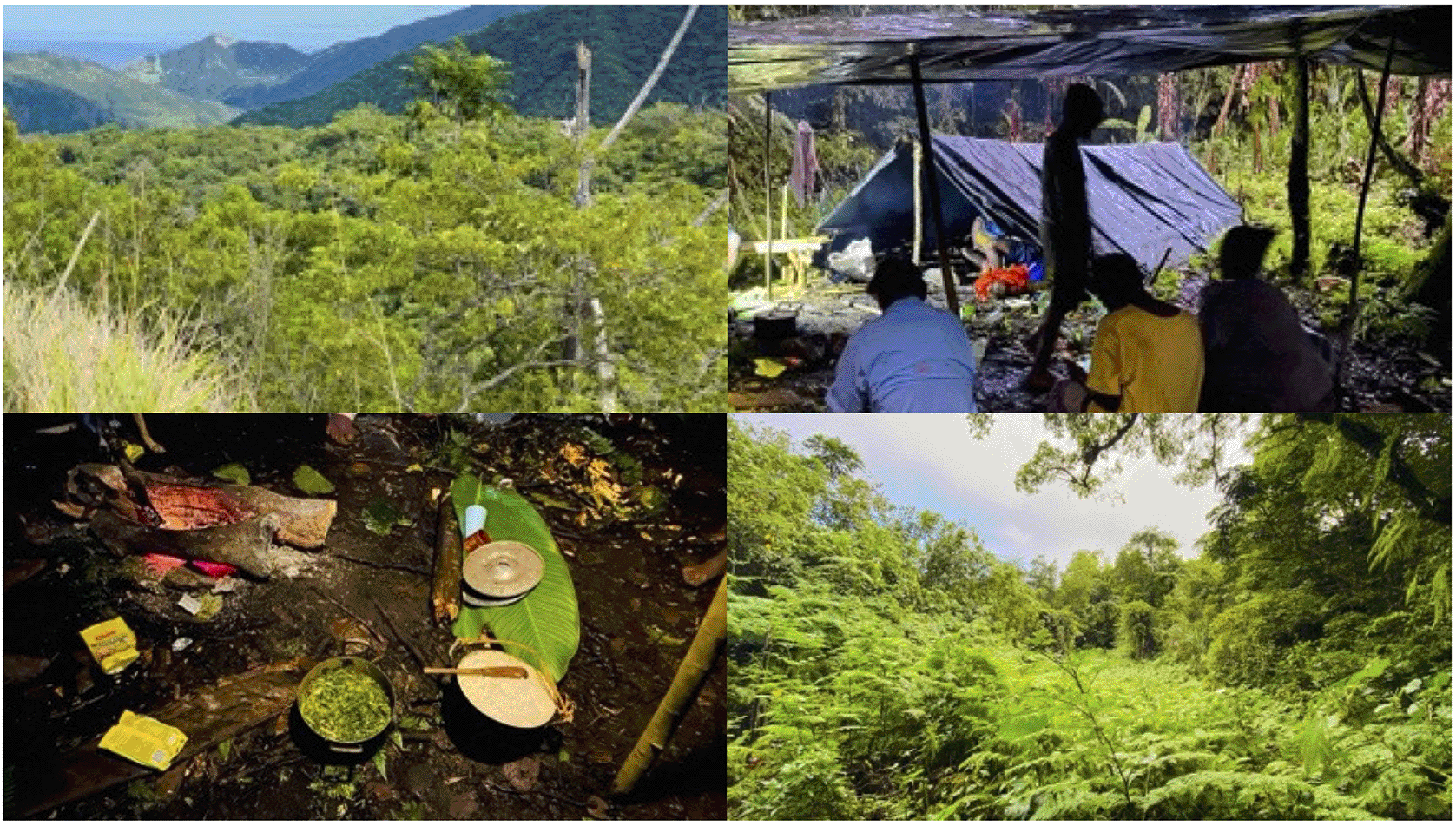
Figure 3. Mount Tabwemassana ascent to Nokovula village.
From left to right: mid ascent; base camp two (~1200 m); dinner prepared by the community at camp base two, abandonned garden in Nokovula village.
Today, Kerepua is accessible only by sea, in relative isolation from urban markets and services. The village maintains active subsistence agriculture (yam, taro, manioc, coconut, breadfruit), fishing practices, and customary governance under a chief system, alongside limited engagement with cash-economy activities (copra production, occasional tourism via a community ecolodge, contact with Luganville markets). A distinctive feature is the adjacent Environment and Resource Area (EARA) conservation zone, located at the entrance to Mount Tabwemasana, which protects highland biodiversity while offering basic and small-scale sustainable agro-tourism, with potential for growth. The community serves as the traditional launching point for ascents of Tabwemasana, maintaining an intimate relationship between coast and mountain that few communities in Vanuatu can claim.
At the opposite end of the urban-rural spectrum, Port Vila, Vanuatu’s capital (population ~ 50,000), is the country’s primary locus of modernisation, cash-economy integration, and dietary change. Port Vila’s food environment is dominated by imported and processed foods, and its residents navigate the full force of the nutrition transition from traditional diets.11 Importantly, however, many Port Vila families remain connected to the land by having gardens outside town where they can grow crops. These urban coastal families occupy a critical intermediate position: they share with Kerepua a relationship with the sea and fishing, yet are fully embedded in the cash economy, formal education, and urban food markets. This makes them an ideal comparator population for understanding how the same broad transitions, in diet, lifestyle, well-being, and climate exposure, unfold differently depending on proximity to markets, services, and the structures of modern economic life.
Rationale and originality of the Ol Man Blong Vanuatu project
While a growing body of research documents the nutrition transition and climate change impacts in the Pacific,6,9,11,12 significant gaps remain. First, most studies adopt a top-down, epidemiological or policy-oriented perspective; few foreground indigenous voices, lived experiences, and community-grounded understandings of change. Second, diet, physical activity, post-growth dynamics, and well-being in a context of climate adaptation and rapid economic change are typically studied in isolation, obscuring the systemic and relational nature of these phenomena. Third, the post-growth literature, while increasingly attentive to indigenous perspectives, remains largely theoretical; empirical, place-based studies grounded in the Global South, let alone Pacific contexts, are scarce. Fourth, and critically, the vast majority of studies focus on either urban or rural settings; genuinely comparative designs that apply identical protocols across the rural-urban gradient within the same country remain exceptional.
The Ol Man Blong Vanuatu project (in English, the People from Vanuatu project) addresses these gaps under conditions of climate change, economic growth, and disease threats through an interdisciplinary, three-phase research design that integrates three reframed research axes: diet and physical activity, post-growth, and well-being operating as a cross-cutting concern within a single participatory framework deployed at both ends of the rural-urban continuum of lifestyle transition. The project is distinctive in several respects: (i) it combines a traditional seafaring KANU 2025 expedition28 with deep community immersion and a rigorous urban replication, linking embodied, experiential knowledge production with systematic, comparable data collection; (ii) it places indigenous epistemologies, voices, and agency at the centre of the research process through co-design workshops, intergenerational dialogue, and visual participatory methods; (iii) it explicitly positions Vanuatu not as a site of deficit or vulnerability, but as a source of insight for planetary health; and (iv) the paired rural-urban design enables a nuanced comparative analysis of how proximity to globalised markets and modern institutions mediates the pace, pattern, and lived experience of transition, an approach with clear implications for policy targeting and culturally appropriate intervention design.
This protocol paper describes the study’s rationale, conceptual framework, three-phase methodology, and ethical considerations. It is situated at the intersection of planetary health, global environmental change, and indigenous studies, contributing to debates on sustainable food systems, climate adaptation, and the meaning of the “good life” in Pacific Island communities undergoing profound transformation.
The overarching aim of the Ol Man Blong Vanuatu project is to investigate transitions in diet and physical activity, post-growth lifeways and well-being in Vanuatu communities, with a particular focus on the contrasts between urban and rural circumstances and experiences. By deploying an identical research protocol in a remote coastal village (Kerepua and other islands from Vanuatu archipelago) and among urban coastal families (Port Vila), altogether under conditions of climate change, economic growth, and disease threats, the study seeks to produce the first integrated, paired comparison of these transitions along the full rural-urban gradient in a PICT.
The specific objectives are:
1. To document and analyse how processes of modernisation, urbanisation, mobility, and cash-economy integration are reshaping daily life, physical activity, social structures, values, and cultural practices in Vanuatu communities, comparing remote rural and urban coastal settings.
2. To characterise transitions in diet and food systems in Vanuatu, examining the shift from traditional subsistence diets to imported and processed foods, the role of climate events in accelerating this transition, community-level adaptive strategies, and how the pace and pattern of these changes differ between Kerepua and Port Vila.
3. To explore local understandings of happiness, health, well-being, and the ‘good life’ (in Bislama: gudfela laef
), and how these are maintained, negotiated, or transformed amid shifting ecological, economic, and social conditions in contrasting settings.
4. To investigate how climate change, including cyclones, droughts, sea-level rise, and ocean acidification, acts across the three research axes (diet, post growth and climate change –
Figure 1) in both urban and rural areas, and what are adaptive responses to, climate risk.
5. To engage with post-growth scholarship by documenting how customary economies, ecological stewardship, and relational ontologies offer grounded alternatives to growth-oriented development, and by examining how these practices persist, adapt, or erode under different degrees of integration into the modern economy.
6. To develop a transferable, culturally grounded comparative methodology for studying Pacific Island transitions, replicable across other PICTs, and to co-produce actionable knowledge that informs policy on adaptation, food security, and sustainable development.
Protocol
The Ol Man Blong Vanuatu Project is grounded in an integrative conceptual framework that weaves together three interrelated analytical dimensions, each corresponding to a research axis (
Figure 1). Cutting across all three axes is the organising principle of rural-urban comparison: the same phenomena are examined in two contrasting settings: i. islands visited during the expedition and Kerepua (remote, subsistence-oriented, sea-accessible only) and ii. Port Vila (urban, cash-economy-dominated, market-accessible), to reveal how context mediates transition (
Table 1, 2).
Table 1. Comparative analytical framework: Kerepua (rural) vs. Port Vila (urban).
| Dimension | Kanu expedition (rural) | Kerepua (rural) | Port vila (urban) | Comparative questions |
|---|
|
Diet, Food system & Physical Activity
| Inter-island observations of food provisioning, fishing, paddling/sailing, and everyday movement; contextual variation across islands. | Subsistence-oriented diet (root crops, fish, coconut, breadfruit); food sharing remains central; physical activity is embedded in gardening, fishing, walking, and sea travel. | More market and import dependent diet; processed foods and retail purchases are more common; physical activity is more fragmented and less embedded in subsistence routines. | How do diet composition, food sourcing, and everyday movement differ across settings? Which elements of the nutrition/lifestyle transition are most advanced in Port Vila and most retained in Kerepua? |
|
Lifestyle transition & degrowth
| Archipelagic conversations on mobility, reciprocity, kastom, and changing livelihoods during the expedition. | Kastom governance, reciprocity, subsistence practices, and limited cash integration remain strong; high autonomy in relation to land and sea. | Hybrid livelihoods, formal employment, and greater cash dependence; customary practices persist but are more constrained by urban time, space, and market pressures. | Which post-growth-adjacent practices persist, adapt, or erode? How do reciprocity, kastom, and autonomy change with urbanisation and market integration? |
|
Well-being, happiness & climate adaptation
| Regional narratives on cyclone exposure, food insecurity, resilience, and meanings of a “good life”. | Well-being is tied to land/sea relations, community cohesion, customary food, and direct climate impacts on gardens and fisheries. | Well-being is shaped by cash pressures, food prices, infrastructure risk, crowding, and more indirect climate impacts; coping may be more individualised. | How are happiness, health, and the “good life” defined in each setting? Which climate risks are most salient, and what adaptive capacities are mobilised? |
Table 2. Data collection methods by phase and research axis.
| Method | Axis 1: diet & physical activity | Axis 2:
post-growth
| Axis 3:
Well-being
| Phase(s) |
|---|
|
Life narratives
| ✓ | ✓ | ✓ | 1+ 2 + 3 |
|
Scenario workshops
| ✓ | | ✓ | 2 + 3 |
|
Visual methods
| ✓ | ✓ | ✓ | 1+ 2 + 3 |
|
Mt Tabwemasana ascent
| ✓ | ✓ | | 2 only |
|
Kin-network mapping
| ✓ | ✓ | | 3 (+ context in 2) |
Axis 1: Diet and physical activity
This axis employs the nutrition transition framework5 along with its Pacific-specific adaptations6,11 to explore the drivers, patterns, and health implications of two key, interacting, dimensions of lifestyle transition, diet and physical activity. In relation to diet, it examines the temporal, spatial, and social aspects of food practices, including what people eat, the origins of food, its production, sharing, and consumption, and the meanings attached to food across the urban-rural spectrum. Evidence suggest that, compared with some other PICTS, such as New Caledonia, Vanuatu remains in the “getting-rich” phase characterised by increased protein and fat consumption associated with urbanisation and rising incomes, while New Caledonia has reached a later stage in which these trends have stabilised.20 The urban-rural comparison within Vanuatu, contrasting Kerepua’s largely subsistence-based food system with Port Vila’s import-dependent one, illustrates the nutrition transition in progress along its spatial gradient, allowing for a more detailed analysis of nutrition transitions.
Within this axis, we will explore how physical activity has shifted from being embedded in daily activities intrinsic to cultural and customary subsistence practices to becoming shaped by individual lifestyle choices under the influence of globalisation, adoption of Western ways of life and individualism. For example, we will consider whether communities in urban or peri urban settings continue to experience movement through customary, embodied practices, or whether these practices are more commonly retained in remote villages less transformed by external and Western influences. We will also examine how movement aligns with ecological stewardship and connection to land and reflect on whether different ways of experiencing movement contribute to wellbeing. Across settings exposed to varying levels of Western influence, development, technological change, digital transitions, cash-economy integration, and climate change, the displacement of physical activity is expected to be non-linear, with uneven patterns of erosion across different physical activity domains. We will also explore whether changes to patterns of physical activity can serve as an indicator of cultural erosion and how communities navigate this transition. This includes examining non-linear shifts in movement across domains and the displacement from community and customary based practices toward more individualised forms. These patterns can be considered alongside indicators of wellbeing and selected health or wellness outcomes.
Axis 2: Post-growth
This axis draws on post-growth theory,14 decolonial scholarship,15,17 and Pacific studies1,16 to examine how communities navigate the tension between processes of socio-economic transformation pressures (urbanisation, cash-economy integration, technological change) and customary lifeways characterised by reciprocity, subsistence, and ecological stewardship. Here, post-growth is not understood as asking communities to reduce consumption or reject development, but as a way of recognising and examining forms of living that are not centred on continuous economic growth. The concept of “transition” is understood not as a linear trajectory from “traditional” to “modern,” but as a dynamic, contested, and multidirectional process in which communities selectively adopt, resist, and reconfigure elements of both customary and globalised systems. This perspective recognises that engagement with markets and technologies does not necessarily imply the wholesale erosion of local practices, but can produce blended forms of livelihood that combine subsistence and monetised elements. At the same time, it acknowledges that such hybridisation is shaped by asymmetrical power relations and historical trajectories, including colonial interventions and contemporary forms of global economic integration. The paired design tests whether urban families retain post-growth-adjacent practices (fishing, food sharing, community reciprocity) or whether these are progressively extinguished by the structures of modern urban life, including commodification of food, wage dependence, and reduced access to shared ecological resources. In doing so, the analysis situates Kerepua not as an isolated case, but as part of a broader spectrum of socio-economic configurations, allowing us to examine whether pathways exist that maintain elements of subsistence-based well-being without converging toward high-impact, growth-oriented systems.
Axis 3: Well-being
This axis engages with emerging scholarship on subjective and relational well-being in non-Western contexts, moving beyond GDP-based metrics to explore how happiness, health, and the “good life” are understood, experienced, and sustained within indigenous cosmologies. Climate change is positioned not merely as an environmental threat but as a deeply social and cultural phenomenon that disrupts food systems, displaces communities, erodes traditional knowledge, and reconfigures relationships between people and place.11 The comparison of rural and urban settings is especially revealing for this axis: while Kerepua communities face direct climate impacts on gardens and fisheries, Port Vila families experience climate risk through different pathways (e.g. food price volatility, infrastructure damage, and displacement from peri-urban settlements) raising the question of whether and how subjective well-being and conceptions of the “good life” diverge between settings exposed to different facets of the same planetary crisis.
These three axes are understood as mutually constitutive rather than independent: lifestyle transitions reshape food systems, which in turn affect health and well-being; climate change accelerates food system disruption and intensifies pressures on people’s lifestyle; and community well-being mediates the capacity to adapt to both modernisation and environmental change. The framework is explicitly relational, consistent with Pacific peoples’ lived experiences and understanding of environments as fundamentally interconnected.1 The three-phase design operationalises this framework by enabling within-axis and across-axis comparisons between rural and urban contexts.
Methods
The Ol Man Blong Vanuatu project employs a participatory, interdisciplinary design combining ethnographic immersion, qualitative inquiry, and community-engaged co-design. The study is structured in three complementary and sequential phases (
Figure 2), each contributing distinct but interconnected data and insights across the three research axes: Phase 1: KANU 2025 Expedition28 (August–November 2025): traditional canoe voyage from New Caledonia through the Vanuatu archipelago; broad ethnographic observation and inter-island dialogue. Phase 2: Kerepua immersion; 10-day deep community engagement in Kerepua village, Espiritu Santo; core rural data collection across all three axes. Phase 3: Port Vila urban field work (estimated timeline: May 2026): adaptation of the Kerepua protocol with 20 coastal families in Port Vila; systematic rural-urban comparative data collection. The three-phase architecture ensures that the data collected in the rural setting (Phase 2) and the urban setting (Phase 3) are directly comparable, collected using the same methods, analytical axes, and participatory ethos, while Phase 1 provides broader archipelagic context and relational groundwork. However, interviews in Kerepua undertaken during a 10-day immersion in the community, as well as in Port Vila only for the time of the interview will not conduct exactly under the same conditions, since experimentators will do in two different sites and contexts.
Phase 1: The KANU 2025 expedition is a traditional seafaring expedition linking New Caledonia to the Vanuatu archipelago aboard a Holopuni, a traditional outrigger sailing canoe, over approximately 80 days (August–November 2025), covering ~1,500 km of open-ocean and inter-island navigation. The expedition is led by three explorers in partnership with the FALAH research team.
The scientific rationale for KANU 2025 is threefold. First, as a symbolic and embodied experience, the voyage retraces ancestral ocean routes, engaging with Pacific navigation practices and fostering inter-island dialogue around indigenous resilience, mobility, and environmental knowledge. This provides a culturally-aligned engagement with remote communities, which respects their history and achievements and a culturally aligned engagement with remote communities, which respects their history and achievements. Second, the expedition enables ethnographic engagement with communities along the route, documenting local responses to lifestyle transition and climate change in diverse island settings and providing a comparative backdrop for the focused Phase 2 and Phase 3 work. Third, KANU 2025 creates the conditions for human encounter - between explorers, scientists, and communities - that are foundational to the participatory approach. The canoe journey itself serves as a methodological immersion, enacting the principles of relational engagement, environmental attentiveness, and cultural exchange that the project seeks to engage.
Phase 2: Community immersion in Kerepua constitutes the core rural component of a 10-day immersive program. Kerepua village, located on the north-western coast of Espiritu Santo, is accessible only by sea, requiring a four-hour journey by road from Luganville followed by a 2-hour boat trip. This relative inaccessibility contributes to limited integration with urban markets and services.
The Phase 2 fieldwork includes:
1) Semi-structured interviews
. After obtaining verbal or written consent, audio recorded semi-structured interviews will be conducted with community members spanning multiple generations (elders, adults, youth). These interviews will explore lived experiences of change in food practices, mobility, settlement, governance, and well-being, using open-ended prompts that will invite participants to tell their own trajectories and those of their families. At the core of this approach is the use of personal narratives, guided through a semi-structure interview to explore lifestyle changes, intergenerational experiences, and perceptions of well-being in the face of environmental and socio-economic shifts. This approach will capture temporal transition, revealing how change is experienced, interpreted, and valued from within the community. The interview guide can be found in.29
2) Photovoice activity.
At completion of the interview, participants will be asked to photograph aspects of daily life, objects or elements of the environments that they consider significant. They will then be invited to explain why this is important through audio-recorded conversational communication. Using photography in participatory research is particularly relevant and culturally resonant in Pacific communities due to the region’s strong traditions of visual storytelling, oral history, and collective knowledge sharing. Photovoice, as a method, will allow participants to express their views and lived experiences in ways that are both personal and communal. Photographs can serve as powerful tools for reflection, and intergenerational dialogue, especially when participants retain ownership and control over how their images are used. The protocol described is informed by Davey et al.30 Photography will be used in two modes: researcher-led documentation and community-led photo elicitation.
3) Participatory workshops with children.
Primary school children (Years 5 and 6) will be invited to a participatory workshop at the local school. Through simple scenarios they will be encouraged to share their experience about food preferences and activities they like, and their expectations for the future. To ensure that children of different age and literacy have equal opportunities to share their thoughts and ideas, answers will be provided either in writing or through drawing (
Figure 4).
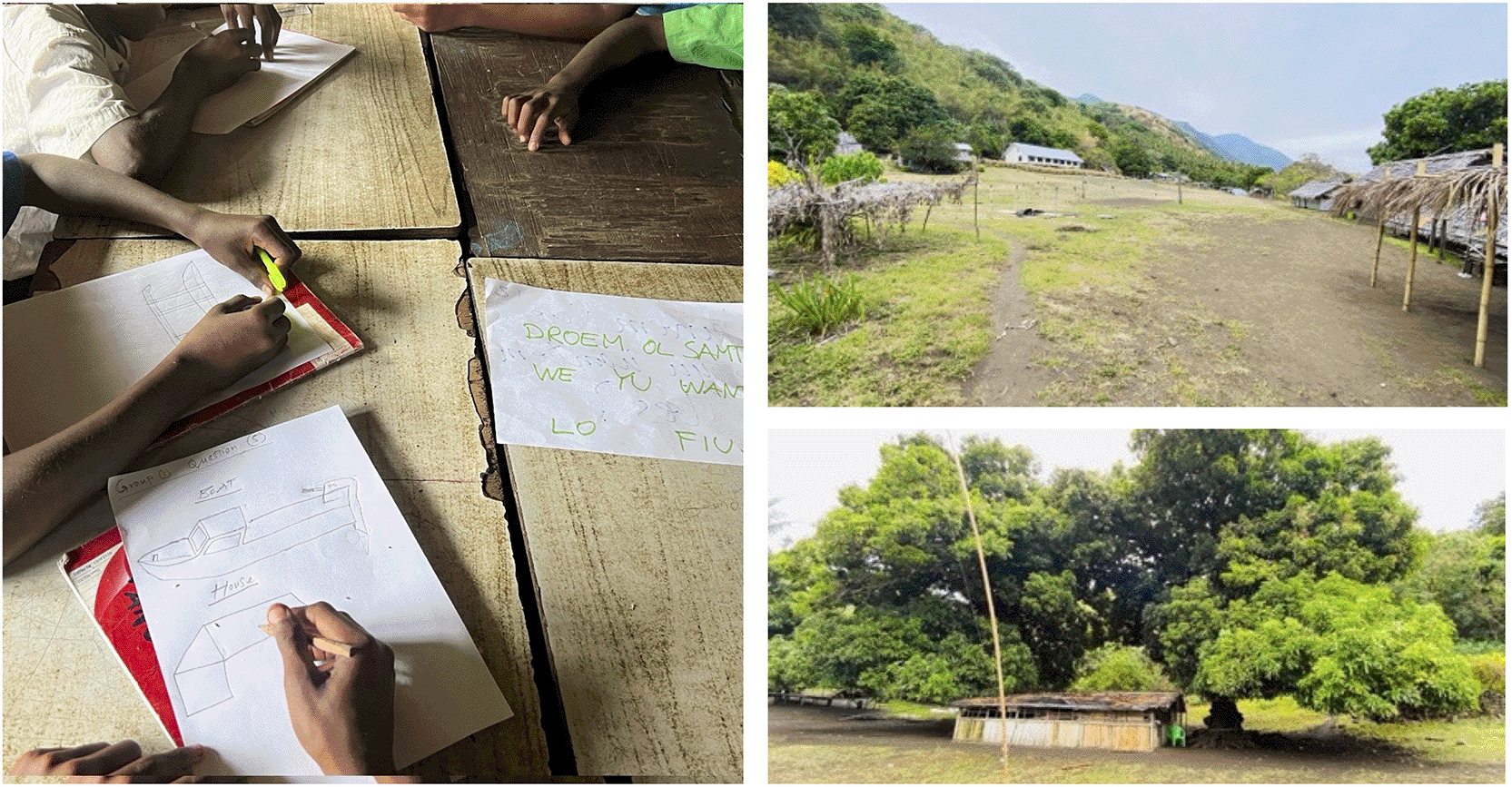
Figure 4. From left to right: Kerepua village, the school, and co-design session with the kids at school.
4) Scientific ascent to Nokovula village.
A four-day guided ascent of Mount Tabwemasana (1,875 m), accompanied by 19 community members (guides, porters, elders, and researchers), will serves both scientific and relational objectives (
Figure 3). The ascent follows the traditional river route connecting sea and mountain, an itinerary of deep cultural significance, passing through former highland gardens, the abandoned village of Nokovula, and zones of singular biodiversity within the EARA conservation area. Scientific objectives include documenting traces of historical highland occupation and their links to past food practices and observing the ecological gradient from coastal to cloud-forest environments. Relatedly, the ascent enacts the shared, embodied fieldwork that characterises the project’s commitment to research with and for communities rather than on them.
Phase 3: Urban fieldwork in Port Vila. To produce a rigorous understanding of how lifestyle transitions, food system transformation, and well-being dynamics unfold across Vanuatu’s urban/rural gradient, Phase 3 replicates the core research protocol of the Kanu expedition (Phase 1) and Kerepua immersion (Phase 2) in an urban setting: Port Vila, the capital city of Vanuatu. This paired design is essential because existing evidence suggests that the nutrition transition, livelihood restructuring, and climate exposure pathways differ markedly between urban and rural Pacific settings,4,11 yet few studies have applied identical instruments to both contexts within a single research programme. The replication logic ensures that observed differences between sites can be attributed to such contextual factors as, proximity to markets, integration into cash economies, access to services, and degree of subsistence activity, rather than to methodological artefacts. Phase 3 will engage 20 families living along the coast of Port Vila. The selection of coastal families is deliberate: by focusing on households that maintain a relationship with the sea, through fishing, shoreline living, or maritime livelihoods, the study ensures a degree of structural comparability with Kerepua, where the sea is central to subsistence, mobility, and cultural identity. At the same time, these Port Vila families are embedded in the urban cash economy, and the imported-food retail environment. This “shared sea, divergent economy” design maximises analytical leverage: it holds the coastal ecological setting partially constant while varying the socio-economic and institutional context, enabling the study to isolate the effects of urbanisation and market integration on each of the three research axes.
Study design
The same core methods deployed during Kanu expedition and in Kerepua will be applied in Port Vila, adapted as necessary for the urban context and detailed here.29
Semi-structured interviews will be conducted with members of the families, exploring experiences of change in food, lifestyle, governance, and well-being. Community members with leadership roles (chief, pastor, teacher, health officer, elder, Kustom delegate, etc.) will be included, with participants identified on site in consultation with the community.
Visual participatory methods (drawing, mental mapping, photo elicitation) will be deployed with both adults. Participants will be invited to take photos of places, landscape, objects or activities that represent important aspects of how change is experienced in their community. The team will provide access to a simple camera (polaroid or digital). When the pictures will be done, participant will be asked to tell a narrative about these photos explaining what they mean and why there are important for them. Urban children’s representations of food, territory, and nature are expected to differ significantly from those of Kerepua children, providing rich comparative material on how the food environment shapes imagination, identity, and aspiration.
The urban phase will include documentation of families’ connections to their islands of origin, rural kin networks, and the flows of food, knowledge, and resources between Port Vila and rural home communities, dynamics that constitute a critical but understudied dimension of the nutrition transition in urbanising Pacific societies.31
The paired data from the Kanu expedition (Phase 1), Kerepua (Phase 2) and Port Vila (Phase 3) will be analysed through a structured comparative framework (
Table 1) that maps convergences and divergences across the three research axes. For each axis, the comparison will address: (a) the dominant drivers of transition in each setting; (b) the pace and stage of transition; (c) the lived experience and subjective meaning of transition; and (d) the adaptive strategies and sources of resilience mobilised by communities and families. This framework is designed to move beyond simple rural-urban dichotomies, revealing instead a gradient of transition experiences and the specific mechanisms through which urbanisation, market integration, and institutional context mediate outcomes in diet, physical activity, post-growth practices, and well-being.
Participants
Phase 1: Upon arriving on the different islands (Emae, Tongoa, Ambrym, and Santo), the explorers will establish their camp following local custom and present their expedition, as well as the purpose of the research (
Figure 2). Participants who voluntarily agree to take part will then be interviewed by a trained member of the expedition team. During the expedition, 20 interviews are planned across visited islands. The final number of participants may vary depending on meteorological conditions and participant willingness.
Phase 2 (Kerepua): The study invites the entire Kerepua community to participate, ensuring broad representation across age groups, genders, and social roles. This inclusive, whole-of-community approach reflects both the participatory ethos of the project and the small size of the village (~100 inhabitants across four extended family clans). No formal screening or stratified recruitment is employed; engagement follows an emergent, relationship-based logic, guided by initial meetings with chiefs, elders, and community leaders. We expect to have a minimum of 20 participants (approximatively 50% male/50% female).
Phase 3 (Port Vila): Twenty (n = 20) coastal families will be purposely recruited using criteria designed to ensure comparability with Kerepua while capturing the diversity of urban experience. Families will be identified through local community networks and partnerships, with snowball sampling to reach less visible households. Recruitment targets include: (i) families with active or recent fishing/maritime activity; (ii) households spanning at least two generations; (iii) families with diverse socio-economic profiles (to capture intra-urban variation); and (iv) representation of families originally from different islands of origin (to capture the diversity of rural–urban migration trajectories). Participation is voluntary in both phases, with consent obtained through culturally appropriate processes (see Section 5). Data collection per phase and indicative timeline can be found in table 2 and 3.
Table 3. Indicative study timeline.
| Phase | Period | Key activities |
|---|
|
Phase 1: KANU 2025
| August–November 2025 | Canoe expedition from New Caledonia through Vanuatu; semi-structured interview; photovoice activity; community dialogue |
|
Phase 2: Kerepua immersion
| Within Phase 1 window (10 days) | Community immersion; all core methods; Mt Tabwemasana ascent; school-based activities |
|
Phase 3: Port Vila urban study
| Early 2026 | Recruitment and engagement of 20 coastal families; semi-structured interview; photovoice activity; community dialogue; kin-network mapping |
|
Data analysis & writing
| 2026–2027 | Within-site analysis; cross-site comparison; integrative synthesis; manuscript preparation; community feedback |
Three investigators have prior fieldwork experience in Vanuatu and will work with local contact persons in both Kerepua and Port Vila. In Phase 3, the research team will partner with the National University of Vanuatu (NUV) to recruit and train local research assistants familiar with Port Vila’s social geography, linguistic landscape (Bislama, English, French, vernacular languages), and community dynamics for transcription and translation of the interviews.
Data analysis and statistical design
Qualitative data (interview transcripts, field notes, workshop outputs, visual materials) from Phase 1, Phase 2 and Phase 3 will be analysed through reflexive thematic analysis32,33 using an iterative, abductive approach that combines deductive coding guided by the three-axis conceptual framework with inductive identification of emergent themes. Analysis will be conducted in NVivo software with coding undertaken independently by two researchers, followed by collaborative discussion to resolve discrepancies and refine thematic structures.
Visual data (drawings, maps, photographs) will be analysed through visual content analysis and semiotic interpretation, situating images within the narrative and observational data from which they emerged. Any use of secondary food balance or food composition data will be limited to contextualising site-level narratives rather than replacing participant-level data. We will categorise foods according to their level of processing with diffrent tools such as the NOVA system, the Pacific food groups framework34 and then crossed with FAOSTAT food balance sheets.35
The comparative analysis will proceed in three stages. First, within-site analysis: observations from Phase 1, Kerepua (Phase 2), and Port Vila (Phase 3) will each be analysed across the three axes to produce a rich, contextualised account of transition in each setting. Second, cross-site comparison: the thematic structures from each site will be systematically compared using the framework in
Table 1, identifying convergences (shared Pacific dynamics), divergences (effects of urbanisation and market integration), and unexpected patterns. Third, integrative synthesis: findings will be synthesised across axes and sites to develop a holistic model of how diet and physical activity, post-growth dynamics, and well-being interact along the rural-urban gradient, informing both theory (post-growth, nutrition transition, planetary health) and policy (food sovereignty, climate adaptation, disease prevention). Qualitative materials will be stored digitally, cleaned, anonymised, and organised for analysis. Data will only be accessible to researchers involved in the Ol Man Vanuatu project. The data will be stored on a secure server but they will not be accessible to the public due to legal and ethical restrictions. During the publication process, anonymous data used to write the articles will be deposited in a reliable repository (Zenodo: EU Open Research Repository). This repository includes the function of providing a Digital Object Identifier (DOI). After the ten-year-embargo-period, all anonymised data will be freely accessible in a trusted repository and archive. Private data will be “locally findable” for researchers according to their needs within this community:
https://zenodo.org/communities/falah/records?q=&l=list&p=1&s=10&sort=newest. During the publication process, we will use services that provide a permanent identifier, preferably a DOI.29
Study status
At the time of the first submission of this protocol article, phases 1 and 2 of the project had been conducted and phase 3 is nearing completion (
Table 2 and 3).
Ethical statement
This study is part of the European project Family Farming, Lifestyle and Health in the Pacific (FALAH) (n° 873185).19,36 As such, ethical approval for the FALAH project, including areas of research in New Caledonia, Vanuatu, Fiji and the Solomon Islands was obtained from the “Consultative Ethics Comity for New Caledonia” (CCE 2018–06 001 and CCE 2023–10 012 and CCE202309004). The Ol Man Blong Vanuatu project and the protocol were approved by The University of Sydney human research ethics committee (2023/HE000453 and 2025/HE000625). The proposed research met the legal requirements and the Declaration of Helsinki, and the protocol.37 The research is conducted in accordance with the Australian National Statement on Ethical Conduct in Human Research (2023) and the principles of the Declaration of Helsinki. Ethical procedures are designed to be consistent across both Phase 2 (Kerepua) and Phase 3 (Port Vila), with site-specific adaptations as described below.
Consent and community engagement
In Kerepua (Phase 2), informed consent is obtained through culturally appropriate processes facilitated by the local contact person, who bridges linguistic, cultural, and social dynamics. Community-level consent is sought through formal meetings with chiefs and community leaders prior to commencing activities, consistent with Pacific research protocols that recognise collective as well as individual consent. In addition, permission to take photographs and videos was obtained from the village chief, and informed consent was obtained from each participant prior to any visual recording; only non-identifiable visual material was retained in the manuscript. In Port Vila (Phase 3), consent is obtained at the household level: the head of each participating family provides consent after a detailed explanation of the study’s purpose, methods, and voluntary nature, delivered in Bislama or the family’s preferred language by local research team members. Individual consent is additionally sought from each family member who participates in interviews or workshops. In both settings, consent may be verbal or written depending on local custom and preference, and can be withdrawn at any time without consequence.
Cultural safety and reciprocity
Researchers adopt a passive, non-intrusive approach in each phase of the research, respecting local rhythms, hierarchies, gender norms, and ceremonial protocols. Methods are flexible and participant-led, enabling individuals to control what they share and how they represent their experiences. Small gifts or gestures of reciprocity, culturally appropriate and non-coercive, may be exchanged as expressions of gratitude. In the urban setting, particular attention is paid to the potential for socio-economic sensitivities: families in Port Vila may experience forms of economic precarity or social marginalisation that require additional care in framing research participation as non-evaluative and non-stigmatising.
Data management and confidentiality
No personal identifiers will be linked to research data in either phase. All qualitative data are coded and anonymised after collection. Photographs are used only with explicit participant consent. Data are stored on encrypted devices with restricted access, archived in accordance with University of Sydney research data management policies, and retained for the period required before secure destruction. Non-identifiable, aggregated data may be shared for secondary research in compliance with ethical standards, the ARDC’s “Publishing Sensitive Data” guide, and open-access policies of the European Commission and Australian Research Council.
Risk assessment
The research is assessed as involving low risk in both phases. The qualitative, participatory methods are non invasive and participant led. Potentially distressing topics are not initiated by researchers but may be raised by participants; researchers are trained to respond sensitively. Investigators have prior fieldwork experience in Vanuatu.
Plans for disseminating results
The results of this project will be disseminated as part of the Family Farming Lifestyle and Health in the Pacific project which is an EU RISE H2020 scientific program. Team colleagues involved in this multidisciplinary project will have the opportunity to disseminate their results at workshops, conferences and with the support of a dedicated Open Research Europe collection, see: https://open-research-europe.ec.europa.eu/collections/family-farming-lifestyle-health/about).
Limitations
Several limitations should be considered when interpreting the findings. First, the multidisciplinary composition of the research team, while enriching analysis, may introduce variability in data collection and interpretation due to differing disciplinary perspectives. In addition, some team members will be undertaking their first field experience in Vanuatu, which may influence contextual understanding, although they will be paired with experienced researchers during interviews. Second, interviews will be conducted in French, Bislama, and English. While this will enable engagement with diverse participants, it may introduce subtle inconsistencies in phrasing and interpretation across languages. Third, the urban-rural comparison may be subject to constraints. The relatively small number of urban sites may limit robustness and generalizability. Moreover, minor methodological differences between settings, such as the absence of workshops and extended observation in urban areas, may affect the depth and type of data collected. Overall, while every attempt has been made to mitigate them, these factors should be considered when interpreting the results, as they may influence both data generation and analysis.
Conclusions/Discussion
The Ol Man Blong Vanuatu project is expected to generate several substantive contributions to planetary health scholarship, Pacific studies, and the global discourse on sustainable development, as follows:
1) the study will produce rich, paired accounts of how lifestyle transitions are experienced at opposite ends of the urban-rural continuum within a single Pacific Small Island Developing State. By documenting both the agency and creativity of Kerepua’s rural residents and the adaptive strategies of Port Vila’s urban coastal families, the project contributes to a decolonised, strengths-based understanding of transition, one that moves beyond deficit narratives and reveals the diversity of responses to modernisation within the same national context.
2) the comparative characterisation of changes in diet, physical activity, and food systems across the rural-urban gradient extends the evidence base on Pacific transitions beyond single-site studies. By applying the similar qualitative and participatory instruments in Kerepua and Port Vila, and by contextualising these data with food-system information where available, the project will determine how each site is positioned along the transition continuum and identify the specific mechanisms (market access, income, food-sharing networks, climate disruption) that drive divergence. This has direct policy relevance for the design of targeted, context-sensitive food and nutrition interventions in Vanuatu and across the Pacific.
3) the project provides empirical grounding for post-growth theory in a Pacific context. The urban-rural comparison tests a key post-growth hypothesis: that practices of reciprocity, ecological stewardship, and sufficiency persist in settings with lower market integration and erode with urbanisation. Alternatively, the findings may reveal unexpected resilience of post-growth-adjacent practices in urban settings, or hybrid forms that challenge simplistic traditional-modern dichotomies.
4) the exploration of local conceptions of well-being and the “good life” in both rural and urban settings offers a corrective to the dominance of Western-centric well-being indicators. The comparison will reveal whether and how the meaning of happiness, health, and social fulfilment shifts with urbanisation, and what is preserved, transformed, or lost when communities move from subsistence-oriented to market-integrated ways of life. These findings contribute to global debates on measuring progress beyond GDP and to the design of culturally appropriate health and development strategies.
5) the three-phase, comparative methodological design, combining a traditional canoe expedition with deep rural immersion and rigorous urban replication, offers a transferable model for participatory, decolonised research in indigenous and Pacific Island contexts, replicable across other PICTs.
6) by explicitly connecting the Kerepua-Port Vila comparison to the broader FALAH programme’s datasets from New Caledonia, Fiji, and Solomon Islands, the project contributes to a regional understanding of Pacific transitions, positioning Vanuatu within a comparative framework that spans countries at different stages of economic development, nutritional change, and climate exposure.
Taken together, these contributions position the Ol Man Blong Vanuatu project as an important example in planetary health research, showing that sustainable futures for Pacific communities are most likely to emerge from within communities themsleves, grounded in indigenous knowledge, relational well-being, and the lived experience of transition across the full spectrum of Pacific Island life.
Partnerships
The project brings together a collaborative, multi-institutional research team spanning three countries and multiple institutions: the Université de la Nouvelle-Calédonie (UNC); the Charles Perkins Centre and School of Life and Environmental Sciences at The University of Sydney (USYD); and the National University of Vanuatu (NUV). The team has over 10 years of experience in collaborative research, training, and exchange activities across Pacific Island communities. Expertise includes nutritional epidemiology, food systems analysis, ecological modelling, physical activity and health, participatory research methods, social anthropology and Pacific cultural studies. Several team members are French-speaking, facilitating work in France’s Pacific territories, and the team includes researchers from Vanuatu who provide essential cultural, linguistic, and institutional knowledge, particularly critical for the Phase 3 urban replication in Port Vila.
Declaration of generative AI and AI-assisted technologies in the writing process
During the preparation of this work, the authors used OpenAI. (2026). ChatGPT (Version 5.2) [Large language model]. https://chat.openai.com, in order to correct sentence structure and grammatical errors. After using this tool, the authors reviewed and edited proposed changes and take full responsibility for the content of the publication.