1. Introduction
Modern horticulture faces the dual challenge of intensifying production to meet rising global demand for high-quality produce while simultaneously reducing its ecological footprint (Tilman et al., 2011; Lamm et al., 2021). The conventional model of pest management, heavily reliant on the prophylactic and curative application of synthetic chemical pesticides, is increasingly untenable (Pimentel, 1997). This paradigm has generated a cascade of negative externalities, including the widespread evolution of pesticide resistance in key arthropod pests such as aphids, whiteflies, and thrips, which renders products ineffective and accelerates the pesticide treadmill (Norsworthy et al., 2012; van Lenteren, 2000). Furthermore, the indiscriminate use of broad-spectrum insecticides can have significant non-target effects, decimating populations of beneficial organisms, including pollinators and natural enemies, thereby disrupting essential ecosystem services (Desneux et al., 2007). Concerns over pesticide residues in food products and environmental contamination of soil and water resources have also intensified regulatory pressure and shifted consumer preferences towards produce grown using more sustainable methods (Jeffers et al., 2025; McHenry, 2011). In response to these pressures, a paradigm shift is underway towards sustainable intensification, which seeks to optimize productivity while minimizing adverse environmental impacts (Bommarco et al., 2013). This approach is rooted in ecological principles, viewing the farm not as a factory but as a managed ecosystem (Evans, 2005; Klerkx et al., 2012). Within this framework, ecological engineering, the design of sustainable ecosystems that integrate human society with its natural environment for the benefit of both, provides a conceptual basis for developing novel pest management strategies (Evans, 2005; Landis et al., 2000). These strategies aim to enhance natural regulatory processes, such as pest suppression by natural enemies, thereby building resilience into the agroecosystem and reducing the need for external chemical inputs (Letourneau et al., 2011). In response to these pressures and driven by stringent “One Health” policy frameworks emerging globally in 2025, the horticultural sector is undergoing a profound paradigm shift towards sustainable intensification (Fenibo and Matambo, 2025).
1.1 Biological control as a cornerstone of Integrated Pest Management (IPM)
Integrated Pest Management (IPM) has emerged as the dominant global strategy for sustainable crop protection. IPM is a holistic, knowledge-intensive approach that involves the strategic integration of multiple control methods, including cultural, biological, physical, and chemical tactics, to maintain pest populations below economically damaging levels while minimizing risks to human health and the environment (Dara, 2019; Barzman et al., 2015; Peshin et al., 2009). A fundamental principle of IPM is the reliance on preventive measures and the use of monitoring to guide management decisions based on established thresholds, rather than relying on reactive, calendar-based pesticide applications (Zhou et al., 2024; Ma et al., 2026).
Biological control, defined as the deliberate use of living natural enemies such as predators, parasitoids, and pathogens to suppress pest populations, is a foundational pillar of any robust IPM program (DeBach and Schlinger, 1964; van Lenteren and Woets, 1988; Bale et al., 2008; van den Bosch et al., 1982; Shao et al., 2026). The practice of biological control encompasses three primary strategies (Landis et al., 2000; Rabb et al., 1976). Classical biological control involves the importation and establishment of exotic natural enemies to control an invasive pest, typically from the pest’s native range (Dysart, 1976). Augmentative biological control involves the periodic, inoculative, or inundative release of mass-reared natural enemies to supplement existing populations or to achieve rapid pest suppression (Parella et al., 1992). Finally, conservation biological control focuses on manipulating the agroecosystem to protect and enhance the efficacy of resident or introduced natural enemy populations by providing essential resources such as food, shelter, and overwintering sites (Landis et al., 2000; Rabb et al., 1976). Banker plant systems represent a unique and innovative strategy that strategically combines the principles of both augmentative and conservation biological control, creating a hybrid approach that offers distinct advantages for proactive pest management (Frank, 2010; Parella et al., 1992).
1.2 The “banker plant” concept: an “in-situ” rearing strategy
A banker plant system, also referred to as an “open rearing system” or “biocontrol plant” or “functional plant” is a method for the in-situ mass rearing and sustained release of biological control agents directly within the crop production environment (Frank, 2010; Payton Miller and Rebek, 2018; Dong et al., 2026). These terms reflect a more holistic understanding of non-crop vegetation as multi-service providers that not only rear natural enemies in-situ but also contribute to soil health, carbon sequestration, and landscape connectivity (Dong et al., 2026;
Figure 1). The system is composed of three essential, interacting components: 1) the banker plant, a non-crop species that is not a host for the target pest; 2) an alternative food source, which can be a non-pest alternative prey or host insect that develops on the banker plant, or a plant-derived resource like pollen or nectar; and 3) the biological control agent, a specific natural enemy (predator or parasitoid) that is introduced to the system (Huang et al., 2011; Payton Miller and Rebek, 2018; Parolin et al., 2012).
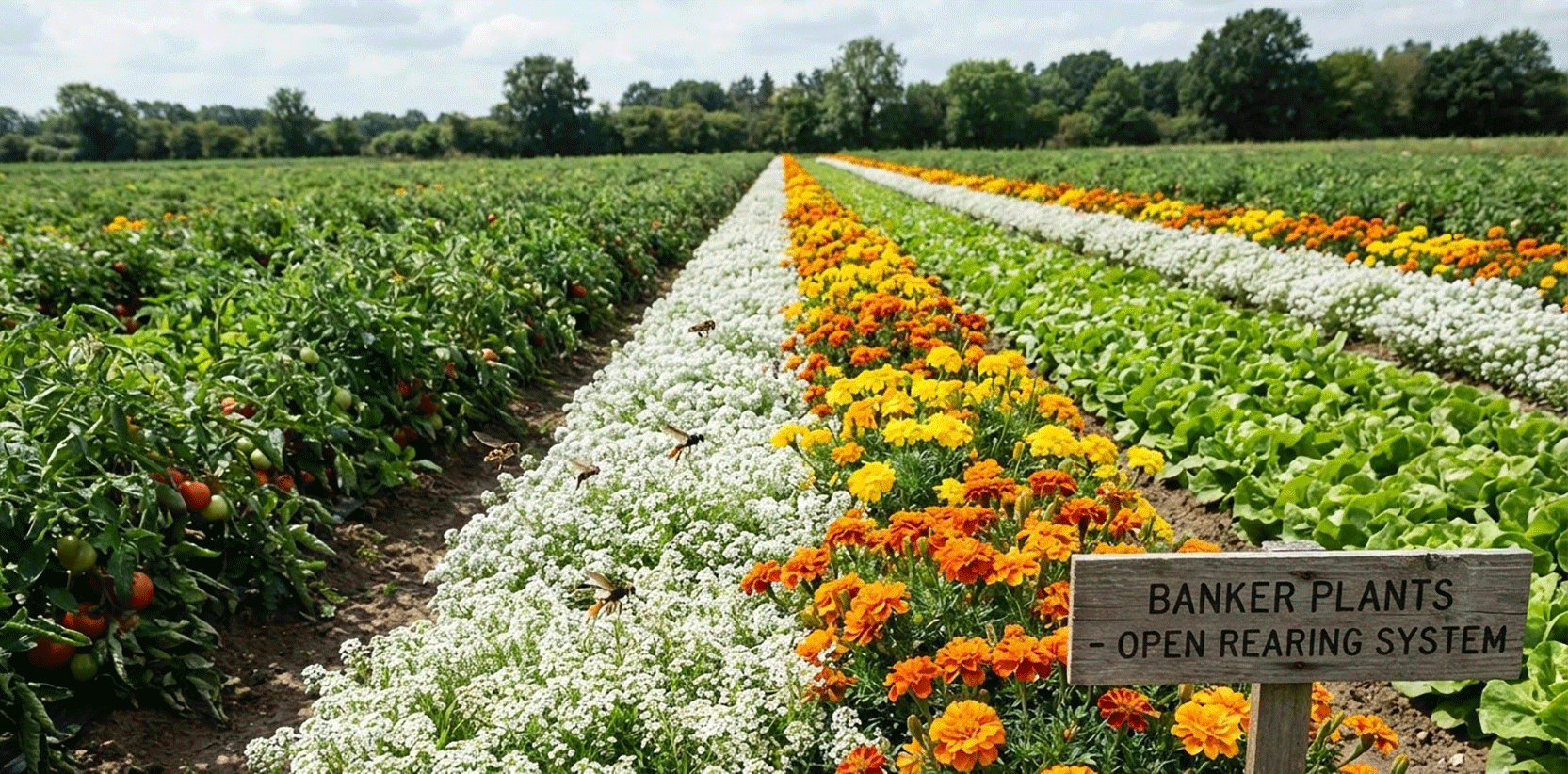
Figure 1. Examples of “banker plants”: Lobularia spp. – (white flowering) and Tagetes spp. (orange flowering) in open field horticulture.
The core function of this system is to provide a preemptive and continuous source of natural enemies, establishing a self-perpetuating “standing army” of beneficials within the crop before the target pest arrives or reaches damaging levels (Payton Miller and Rebek, 2018; Pijnakker et al., 2020; van Lenteren, 1988). By providing a reliable food source and habitat, the banker plant allows the natural enemy population to reproduce and maintain itself even when the primary pest is scarce or absent (Payton Miller and Rebek, 2018; Gutierrez et al., 2025). This proactive approach fundamentally alters the pest-natural enemy dynamic. Unlike reactive augmentative releases, which often suffer from a time lag between pest detection and the arrival and establishment of biocontrol agents, banker plants ensure that natural enemies are already present and acclimatized to the local environment, ready to respond immediately to incipient pest infestations (Huang et al., 2011; Payton Miller and Rebek, 2018). This transforms the natural enemy from a periodically applied external “input” into an integrated, self-regulating service provider within the managed agroecosystem, embodying a paradigm shift from reactive pest control to proactive population regulation (Pijnakker et al., 2020).
1.3 Objectives and scope of the research
The application of banker plant systems has expanded significantly since its initial conception (Stacey, 1977), with a growing body of research exploring novel combinations of plants, alternative resources, and natural enemies for a widening array of horticultural pests and production systems. This review aims to systematically synthesize this body of scientific literature to provide a comprehensive and critical analysis of the state-of-the-art in banker plant technology. The specific objectives are: 1) to systematically collate and synthesize the existing peer-reviewed literature on the use of banker plants in horticulture; 2) to analyze the fundamental ecological principles, including tritrophic interactions and food web dynamics, that govern the efficacy of these systems; 3) to review and categorize established and innovative applications in both protected greenhouse and variable open-field settings; and 4) to critically evaluate the practical challenges, economic viability, long-term sustainability, and future research imperatives for this promising biological control technology.
2. Material and methods
2.1 Literature search and screening protocol
To ensure a comprehensive and unbiased synthesis, a systematic literature review methodology was adopted. A thorough search of prominent scientific databases, including Web of Science, Scopus, Google Scholar, and CAB Abstracts, was conducted for relevant literature published up to the half of 2026. The search strategy employed a combination of keywords and Boolean operators to identify pertinent studies. The primary search string was structured as: (“banker plant” OR “open rearing system” OR “insectary plant”) AND (“biological control” OR “biocontrol”) AND (“horticulture” OR “greenhouse” OR “open field” OR “ornamental*” OR “vegetable*” OR “fruit*”). Additional targeted searches were performed using specific terms related to key pests (e.g., “aphid”), natural enemies (e.g., “Aphidius colemani”), and advanced concepts (e.g., “push-pull”, “semiochemicals”) to capture specialized literature. The reference lists of key review articles and highly cited papers were also manually screened to identify any additional relevant publications not captured by the database searches.
2.2 Inclusion and exclusion criteria
The literature retrieved from the initial searches was screened for relevance based on a predefined set of inclusion and exclusion criteria. The inclusion criteria were: publication type as peer-reviewed scientific articles and comprehensive reviews published in the English language; subject area as studies focused on the control of arthropod pests (insects and mites) in horticultural crops, defined as vegetables, fruits, and ornamental plants; system definition as studies that explicitly described and evaluated a system comprising the three core components of a banker plant system: a non-crop plant, an alternative food resource (prey, host, or plant-derived), and a biological control agent. This strict operational definition was crucial for distinguishing true open rearing systems from other habitat manipulation strategies.
The exclusion criteria were: grey literature, including non-peer-reviewed extension publications, abstracts from conference proceedings without a full-text paper, and technical reports; studies focused exclusively on broad-acre agronomic crops such as cereals, soybean, or cotton; studies on habitat manipulation strategies, such as flowering strips or companion planting, that aimed only to passively attract and conserve ambient natural enemy populations without the explicit function of in-situ rearing on a provided alternative food source; studies describing the “pest-in-first” strategy, where the crop plant itself is used as the banker plant, unless included for historical context in the development of the banker plant concept.
3. Theory
3.1 Ecological principles underpinning banker plant systems
The efficacy of banker plant systems is not merely a consequence of providing food to beneficial insects; it is rooted in the deliberate manipulation of fundamental ecological principles. These systems function as managed micro-ecosystems where complex interactions between plants, herbivores, and their natural enemies are engineered to achieve a desired outcome: the regulation of pest populations. Understanding the theoretical underpinnings of “tritrophic interactions”, food web dynamics, and ecological engineering is therefore essential for designing, optimizing, and troubleshooting these sophisticated biological control tools.
At its core, a banker plant system is a managed tritrophic system, comprising three distinct trophic levels: the primary producers (the banker plant and the cash crop), the primary consumers or herbivores (the alternative prey/host and the target pest), and the secondary consumers (the natural enemies) (Costamagna, 2009). The interactions across these levels are often mediated by a complex web of chemical signals, or semiochemicals, that constitute an “information landscape” which natural enemies use to locate their prey. Plants are not passive victims of herbivory; they actively respond to attack by producing a blend of volatile organic compounds, often referred to as Herbivore-Induced Plant Volatiles (HIPVs) (War et al., 2011). These HIPVs function as an indirect plant defense, acting as a “distress call” or a chemical beacon that alerts natural enemies to the presence and location of feeding herbivores (War et al., 2011). Natural enemies have evolved to be highly attuned to these signals, often finding them more reliable for locating prey than cues from the herbivore itself (War et al., 2011). The banker plant system capitalizes on this phenomenon. By maintaining a population of non-pest herbivores (the alternative prey) on the banker plants, the system ensures a continuous emission of HIPVs. This creates a persistent “scent plume” that attracts natural enemies into the cropping area and helps to retain them, effectively priming the environment for biological control before the target pest even arrives (War et al., 2011) The selection of a banker plant and alternative prey combination that elicits a strong and attractive HIPV response is therefore a critical, though often overlooked, design parameter that moves beyond simple trophic provisioning to the realm of information ecology. Recent advancements in have highlighted the importance of “volatile compatibility” (Gospodarek et al., 2024). Research suggests that if the volatile profile of the banker plant is too distinct from the crop, it may fail to facilitate the spillover of natural enemies, or conversely, if it is too attractive, it may act as a sink rather than a source. (Gospodarek et al., 2024). The selection of banker plant/prey combinations that elicit HIPV responses synergistic with the crop is a critical design parameter now being integrated into system development.
3.2 Food web complexity: apparent competition and intraguild predation
While direct predation or parasitism is the ultimate goal, the sustained efficacy of a banker plant system relies heavily on an indirect ecological interaction known as “apparent competition”. This phenomenon occurs when two or more species that do not compete directly for resources (in this case, the alternative prey on the banker plant and the target pest on the crop) negatively impact each other by sharing a common, and thereby more numerous, natural enemy (Holt, 1977; van Veen et al., 2006; Harmon and Andow, 2004). The banker plant system is an explicit application of this principle. The alternative prey population serves to build up and sustain a large population of the shared natural enemy. When the target pest subsequently colonizes the main crop, it encounters an already-established and numerically superior predator or parasitoid population, which can then exert immediate and significant suppressive pressure, preventing a pest outbreak (Holt, 1977). The direction and strength of this interaction can be dynamic, depending on factors such as the relative initial densities of the two prey types and the predator’s foraging preferences (Holt, 1977).
However, the introduction of multiple species into an agroecosystem can also lead to unintended and potentially disruptive interactions. One of the most significant is Intraguild Predation (IGP), which occurs when two species that compete for the same resource also prey on each other (Polis et al., 1989). This is particularly relevant in complex systems utilizing both generalist predators and specialist parasitoids. For example, generalist predators like Orius spp. or Macrolophus spp. may consume parasitized aphids (“mummies”), thereby disrupting the establishment of parasitoid populations (Zuma et al., 2023). In the context of biological control, this can manifest as generalist predators consuming specialist parasitoids, or larger predators consuming smaller ones (Harmon and Andow, 2004). The presence of IGP can destabilize the food web and potentially reduce the overall efficacy of pest control if a key biocontrol agent is suppressed by another (Veen et al., 2006; Polis et al., 1989). Therefore, when designing advanced banker plant systems, particularly those that aim to support multiple natural enemy species, the potential for antagonistic interactions like IGP must be carefully considered to avoid undermining the intended pest suppression (Holt, 1977).
3.3 Banker plants as a tool for agroecosystem ecological engineering
Framing banker plants within the broader context of ecological engineering provides a powerful conceptual lens for understanding their function and potential (Evans, 2005; Landis et al., 2000). Ecological engineering involves the design of sustainable agroecosystems by manipulating habitat, biodiversity, and ecological processes to enhance desired ecosystem services, such as pest regulation, while reducing reliance on external inputs (Klerkx et al., 2012). Banker plants are a prime example of this approach. They are a targeted form of habitat manipulation designed to bolster a specific ecological function, the top-down regulation of a pest population by its natural enemies (Evans, 2005; Landis et al., 2000).
This strategy shares principles with other ecological engineering tactics, such as “push-pull” systems, which use a combination of repellent intercrops (“push”) and attractive trap crops (“pull”) to manipulate pest movement and behavior (Evans, 2005; Ko et al., 2015). While mechanistically different, both banker plants and push-pull strategies are based on the same fundamental idea: proactively managing the agroecosystem’s structure and composition to influence insect behavior in a predictable and beneficial way. By creating resource-rich patches that serve as in-situ insectaries, banker plants modify the local environment to favor beneficial species over pests, thereby shifting the ecological balance and enhancing the system’s inherent capacity for self-regulation (Root, 1973). This represents a sophisticated, systems-level approach to pest management that aligns with the core tenets of sustainable agriculture.
A significant theoretical advancement is the “Multi-dimensional Management of Multiple pests (3MP)” framework, proposed by Han et al. (2024). This framework critiques the reductionist approach of treating pests in isolation and proposes a holistic model that operates across two primary dimensions: a) the spatial dimension: this considers the interactive effects of the entire soil-crop-pest-natural enemy network. It recognizes that interventions in the soil (e.g., microbial inoculants) can cascade up to affect foliar pests and their predators; 2) the temporal dimension: this addresses the phenology of pest interactions over the entire crop season. It emphasizes that a banker plant is not just a spatial refuge but a “temporal bridge” that sustains natural enemies during critical gaps in pest availability (Han et al., 2024).
The 3MP framework posits that functional plants must be designed to address the specific spatiotemporal bottlenecks of the cropping system. According to Han et al., 2024, for example, providing pollen resources (spatial) is insufficient if those resources are not available during the specific weeks when natural enemy populations typically crash (temporal).
Research published by Lavandero et al. (2025) has fundamentally challenged the notion that farm-scale management works in isolation. The study by Lavandero et al. (2025) on biological control in brassica farms demonstrates that the efficacy of local interventions (like flower strips) is heavily modulated by the surrounding landscape context (Funderburk, 2009).
According to Lavandero et al. (2025) the interaction between local management and the percentage of surrounding seminatural habitat (SNH) is dynamic: “early season” where local flower strips are the primary driver of parasitism when ambient natural enemy populations are low. The local provision of nectar and shelter is critical for early establishment (Chen et al., 2022); “late season” where the surrounding SNH becomes the dominant driver. As the season progresses, the landscape-scale pool of natural enemies floods the system, often masking the effect of local strips (Funderburk, 2009). This suggests a “context-dependent” theory of banker plant efficacy: these systems are most critical in simplified, intensive landscapes where natural resources are scarce. in complex landscapes, they serve a supplementary role, acting as “hotspots” or “nurseries” rather than the sole source of biodiversity (Fenibo and Matambo, 2025; Chen et al., 2022; Huang et al., 2011).
4. Results
4.1 An overview of banker plant applications and efficacy
The application of banker plant theory has led to the development of a diverse array of systems tailored for specific pests, crops, and production environments. Research has progressed from foundational systems in controlled greenhouse settings to more complex, integrated architectures and the challenging translocation of these concepts to open-field horticulture. This section synthesizes the results of these efforts, categorizing systems by their target pests and level of innovation, and presenting a consolidated overview of key applications in
Table 1.
Table 1. Overview of banker plants use in some horticultural contexts.
| Target pest(s) | Natural enemy | Banker plant | Alternative resource | Primary crop(s) | Environment
(Greenhouse/Open field) | References |
|---|
| Myzus persicae, Aphis gossypii
| Aphidius colemani (Parasitoid) | Hordeum vulgare (Barley), Triticum aestivum (Wheat) | Rhopalosiphum padi
| Vegetables/ornamentals | Greenhouse | (Payton Miller and Rebek, 2018; Pijnakker et al., 2020) |
| Aphids (general) | Aphidoletes aphidimyza (Predator) | Sorghum bicolor (Sorghum) | Melanaphis sacchari
| Sweet pepper | Greenhouse | (Dekebo, 2023) |
| Frankliniella occidentalis (Thrips) | Orius insidiosus (Predator) | Capsicum annuum ‘Purple flash’ | Pollen | Vegetables/ornamentals | Greenhouse | (Payton Miller and Rebek, 2018; Evans, 2005) |
| Scirtothrips dorsalis (Thrips) | Orius spp., Geocoris spp. (Predators) | Capsicum annuum (Ornamental pepper), Lobularia maritima (Sweet alyssum) | Pollen, nectar | Strawberry | Open field | (Busuulwa et al., 2025; Payton Miller and Rebek, 2018; Mena and Gospodarek, 2024) |
| Bemisia tabaci (Whitefly) | Encarsia sophia (Parasitoid) | Carica papaya (Papaya) | Papaya whitefly (Trialeurodes variabilis) | Vegetables | Greenhouse | (Ko et al., 2015) |
| Tetranychus urticae (Spider mite) | Feltiella acarisuga (Predator) | Zea mays (Corn) | Corn gall midge (Clinodiplosis spp.) | Vegetables | Greenhouse | (Ko et al., 2015) |
| T. urticae (Spider mite) | Predatory Mites | Ricinus communis (Castor bean) | Pollen | Vegetables | Greenhouse | (Payton Miller and Rebek, 2018) |
| Bemisia tabaci, Myzus persicae
| Encarsia formosa, Propylea japonica
| Ricinus communis + Glycine max (Soybean) | Trialeurodes ricini + Megoura japonica
| Tomato | Greenhouse | (Ivezić et al., 2025; Chen et al., 2022 Stacey, 1977) |
4.2 Established banker plant systems in covered horticulture
The controlled environment of the greenhouse provides an ideal setting for implementing biological control programs, as it minimizes the emigration of natural enemies and allows for stable conditions that promote their continuous reproduction (Huang et al., 2011; Payton Miller and Rebek, 2018; Frank, 2010). Consequently, the most well-researched and commercially successful banker plant systems have been developed for protected horticulture.
4.2.1 Aphid control: the cereal bank paradigm
The most iconic and widely adopted banker plant system is the “cereal bank” designed for aphid control. This system typically consists of a cereal grain, such as barley (Hordeum vulgare), wheat (Triticum aestivum), or sorghum (Sorghum bicolor), which is intentionally infested with a graminivorous (grass-feeding) aphid, most commonly the bird cherry-oat aphid, Rhopalosiphum padi, or the greenbug, Schizaphis graminum (Payton Miller and Rebek, 2018; Pijnakker et al., 2020). These cereal aphids serve as alternative hosts for commercially available parasitoid wasps, primarily Aphidius colemani, which is highly effective against two of the most pervasive greenhouse pests: the green peach aphid, Myzus persicae, and the cotton/melon aphid, Aphis gossypii (Payton Miller and Rebek, 2018; van Lenteren et al., 1997; Pijnakker et al., 2020).
The success of this system hinges on a critical principle of host specificity: the alternative aphid must thrive on the monocot cereal but be unable to feed or reproduce on the main dicotyledonous horticultural crop, thereby eliminating the risk of it becoming a pest itself (Huang et al., 2011; Payton Miller and Rebek, 2018; Frank, 2010). The cereal bank functions as a continuous nursery, with A. colemani wasps parasitizing the R. padi aphids, leading to the formation of characteristic “mummies” (Bennison, 1992). From these mummies, a new generation of adult wasps emerges, disperses into the main crop, and forages for pest aphids (van Lenteren et al., 1997). This system is also effective for rearing aphid predators, such as the predatory gall midge Aphidoletes aphidimyza, which has shown high efficacy in sweet pepper greenhouses when reared on the sorghum aphid (Melanaphis sacchari) hosted on sorghum plants (Dekebo, 2023).
4.2.2 Thrips management: pollen provisioning and predation
A distinct and equally innovative approach has been developed for the management of thrips, particularly the western flower thrips, Frankliniella occidentalis. Instead of providing an alternative prey, these systems utilize flowering plants to offer a continuous supply of pollen as an alternative food source for generalist predators. Pollen is a protein-rich resource that can sustain predator populations and support reproduction, especially when pest densities are low (Rivero et al., 2026).
Thrips, particularly the Western Flower Thrips (Frankliniella occidentalis), are notoriously difficult to control due to their cryptic behavior (hiding in buds/soil), rapid reproduction, and widespread pesticide resistance. The traditional banker plant approach utilizes pollen-producing plants to support generalist predators like Orius spp. (Kordestani et al., 2020; Sullivan et al., 2023).
The most prominent example is the use of ornamental pepper varieties, such as Capsicum annuum ‘Purple Flash’, as banker plants for the minute pirate bug, Orius insidiosus (Payton Miller and Rebek, 2018; Evans, 2005). Orius is a voracious predator of all life stages of thrips but can be difficult to establish in a crop before thrips populations build (Desneux and O'Neil, 2008). The constantly flowering pepper plants provide a reliable source of pollen, which Orius feeds on, and a preferred substrate for oviposition in the plant’s stems and leaf veins (Payton Miller and Rebek, 2018). This allows a resilient population of the predator to be established and maintained, ready to control thrips infestations. Other flowering plants, such as sweet alyssum (Lobularia maritima) and common mullein (Verbascum thapsis), have also proven effective at supporting populations of Orius spp. (
Figure 2) and another key predator, Dicyphus hesperus, respectively (Mena and Gospodarek, 2024; Payton Miller and Rebek, 2018; Sanchez et al., 2003).
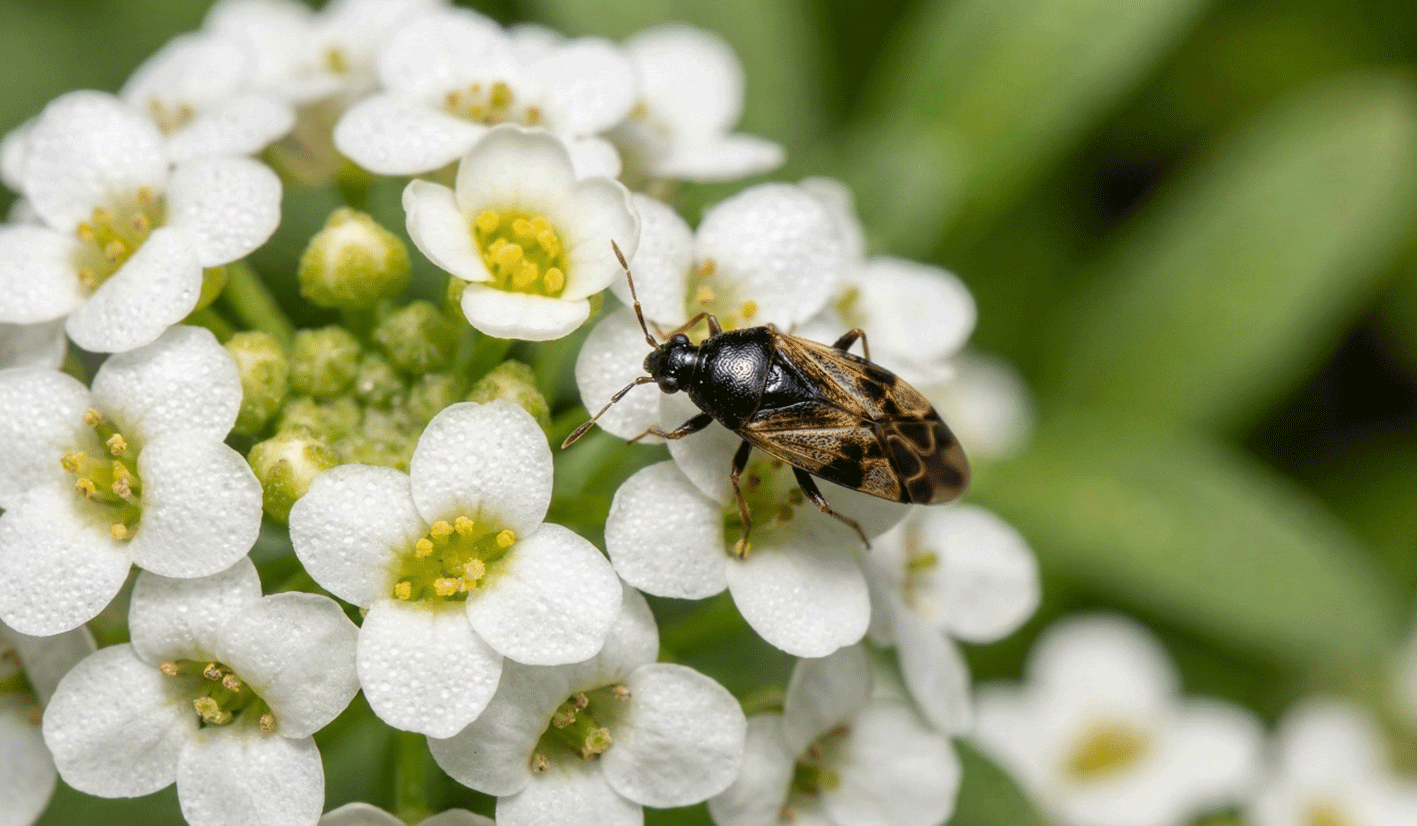
Figure 2. Adult of Orius laevigatus on Lobularia spp. flowers.
4.2.3 Whitefly and mite suppression systems
Banker plant strategies have also been tailored for other significant greenhouse pests. For the control of whiteflies, including Bemisia tabaci and Trialeurodes vaporariorum, a system has been developed using papaya (Carica papaya) as the banker plant (Ko et al., 2015). The papaya plants host the papaya whitefly (Trialeurodes variabilis), which is a suitable alternative host for parasitoid wasps like Encarsia sophia but does not pose a threat to most greenhouse vegetable crops. The parasitoids reproduce on the papaya whitefly and then disperse to attack the target pest whiteflies on the main crop (Ko et al., 2015). This approach evolved from the earlier “pest-in-first” strategy, where a small number of tomato plants were infested with the greenhouse whitefly (T. vaporariorum) in a separate rearing house to produce hosts for the parasitoid Encarsia formosa before being introduced into the main crop (Ivezić et al., 2025; Frank, 2010; Stacey, 1977).
For the two-spotted spider mite, Tetranychus urticae, systems have been developed using plants that support alternative food sources for key predators. Similarly, castor bean (Ricinus communis) can be used as a pollen-providing banker plant to support predatory mites (Payton Miller and Rebek, 2018). A critical logistical consideration for these systems, which rely on non-flying predators like mites, is ensuring physical contact between the banker plant foliage and the crop foliage to facilitate dispersal (Payton Miller and Rebek, 2018).
4.3 Innovations and advanced systems in greenhouse environments
Research in banker plant technology is continuously evolving, moving beyond single-pest, single-enemy systems towards more integrated and multi-functional architectures that address the complexity of real-world pest challenges (Cock et al., 2010). This progression reflects a deeper understanding of food web ecology and a drive to create more robust and resilient biological control programs.
Greenhouse crops are rarely afflicted by a single pest species; more often, growers must manage a complex of multiple pests simultaneously (Chen et al., 2022). A significant innovation is the strategy of deploying multiple, distinct banker plant systems within the same growing area to concurrently target different pest groups (Chen et al., 2022). This approach requires careful selection of systems that are complementary and do not create negative interactions, such as intraguild predation, between the deployed natural enemies (Symondson et al., 2002).
A compelling case study in tomato production demonstrated the efficacy of this strategy by combining two banker plant systems (Ivezić et al., 2025). The first system utilized castor bean (Ricinus communis) hosting the castor bean whitefly (Trialeurodes ricini) to rear the specialist parasitoid Encarsia formosa for the control of the primary pest, Bemisia tabaci. This was deployed alongside a second system using soybean (Glycine max) hosting the vetch aphid (Megoura japonica) to support the generalist predator Propylea japonica (a lady beetle) for the control of a secondary pest, Myzus persicae (Chen et al., 2022). The results showed that the combined system not only enhanced the control of both the primary and secondary pests but was also able to suppress pest outbreaks over the long term, a feat not achieved by either system alone.
4.3.1 The “Guardian Plant System”: integrating microbial and macro-organismal biocontrol
Perhaps the most advanced and integrative innovation is the development of the “Guardian Plant System” (GPS), which combines the functions of a trap crop, a banker plant, and a platform for microbial biocontrol into a single, multi-functional unit. This system has been developed for the management of western flower thrips using marigold (Tagetes spp.) as the guardian plant (Sullivan et al., 2023).
A major advancement in thrips management is the validation of the “Guardian Plant System” (GPS), a sophisticated multi-tactic unit developed and refined by Sullivan et al., 2023. This system represents a shift from simple rearing to a “attract-and-kill” strategy combined with conservation.
The GPS integrates three distinct control tactics into a single functional unit: 1) Trap crop (the pull): e.g. Marigolds (Tagetes patula) are used as the primary plant host. Marigolds are significantly more attractive to F. occidentalis than many bedding plants, functioning as a “sink” that draws pests out of the crop (Jankowska, 2010); 2) Banker plant (the reservoir): the marigold foliage supports released populations of the predatory mite Neoseiulus cucumeris (or Amblyseius swirskii). The complex floral architecture of marigolds provides ideal shelter and pollen resources for these mites (Huang et al., 2011); 3) Microbial control (the hammer): The soil media of the marigold pot is inoculated with granular formulations of the entomopathogenic fungus Beauveria bassiana (Silveira et al., 2009).
Thrips are also attracted to the marigold. Larvae on the foliage are preyed upon by the resident mites. Thrips that drop to the soil to pupate (a critical life stage often missed by foliar predators) contact the infective conidia of Beauveria bassiana and are killed before they can emerge as adults (Jankowska, 2010; Silveira et al., 2009; Kordestani et al., 2020).
According to Sullivan et al. (2023) was demonstrated that this system significantly reduced thrips populations and foliar damage compared to controls. Crucially, the system exhibited high persistence: fungal persistence, where Beauveria bassiana granules remained infective in the soil for up to 12 weeks, maintaining concentrations sufficient to kill pupating thrips; predator retention, where Neioseiulus cucumeris populations were sustained for 10–12 weeks with minimal re-introduction, effectively breaking the thrips life cycle at two distinct points.
This system exemplifies the “functional plant” concept, where a single biological unit performs trapping, rearing, and pathogenic functions, offering a robust solution to a pest that often escapes single-method controls (Fenibo and Matambo, 2025; Chen et al., 2022; Lavandero et al., 2025). This multi-tactic approach attacks the pest at multiple points in its life cycle and integrates three distinct biological control strategies (trap cropping, conservation of predators, and microbial control) into a single, synergistic package (Sullivan et al., 2023).
4.4 Transition to open-field horticulture
The transition of banker plant systems from the predictable, enclosed environment of the greenhouse to the dynamic, complex conditions of open fields represents the next major frontier for this technology. This shift presents significant challenges related to environmental variability, uncontrolled dispersal, and interactions with a much larger and more complex ambient food web. Success in this context requires a move from creating a controlled ecosystem to strategically nudging an existing one.
Several studies have explored the application of banker plant principles in open-field settings with varying degrees of success. In strawberry production, for instance, interplanting with flowering banker plants like sweet alyssum and ornamental pepper has been shown to attract naturally occurring thrips predators, including big-eyed bugs (Geocoris spp.) and minute pirate bugs (Orius spp.) (Busuulwa et al., 2025; Mena and Gospodarek, 2024; Payton Miller and Rebek, 2018). While the number of attracted predators was sometimes insufficient to achieve complete control, the presence of ornamental peppers was correlated with significantly less thrips feeding damage on strawberry plants within a 3.7-meter radius, suggesting a localized effect that could be due to predation, repellency, or a combination of factors (Busuulwa et al., 2025; Payton Miller and Rebek, 2018).
4.4.1 Synergies with flowering strips and farmscaping
In open-field environments, the functional distinction between a highly specific banker plant system and broader habitat manipulation strategies like “flowering strips” or “beetle banks” becomes less clear (Landis et al., 2000). Flowering strips are typically designed to provide pollen and nectar to a wide range of beneficial insects, including pollinators and generalist predators and parasitoids, thereby enhancing overall conservation biological control (Diaz et al., 2026; Rodriguez-Gasol et al., 2026). Banker plants, in their strictest sense, are more targeted, designed to rear a specific natural enemy on a specific alternative food. In practice, an integrated approach is likely most effective. Banker plants can be conceptualized as “hotspots” or “nurseries” for producing high densities of a key natural enemy, embedded within a larger matrix of diverse floral resources provided by flowering strips or hedgerows (Landis et al., 2000). This can create a multi-scale system where the banker plants provide a targeted boost for a key biocontrol agent, while the surrounding “farmscaping” can support a diverse community of other beneficials, enhancing overall ecosystem resilience and pest regulation services.
4.4.2 Quantifying efficacy and overcoming environmental variability
A consistent finding from open-field studies is that the efficacy of banker plants is more variable and often less pronounced than in greenhouses (Payton Miller and Rebek, 2018; Karp et al., 2018). The uncontrolled environment means that natural enemies can readily disperse away from the target area, and abiotic factors like temperature, wind, and rain can significantly impact the populations of the plants, alternative prey, and natural enemies. The spatial scale of effect is a critical factor. As seen in the strawberry-thrips system, the pest suppression benefits may be highly localized, extending only a few meters from the banker plant (Busuulwa et al., 2025; Payton Miller and Rebek, 2018). This suggests that for open-field applications, a higher density and more uniform distribution of banker plants may be necessary compared to greenhouse settings. Furthermore, the success of these systems is heavily influenced by the surrounding landscape. The heterogeneity of the landscape, including the presence of semi-natural habitats, can significantly affect the background levels of natural enemies and their ability to colonize the crop and the banker plants, adding another layer of complexity to predicting system outcomes (Karp et al., 2018). Overcoming this variability requires a shift in research focus towards landscape ecology and the development of systems that are not just effective in isolation but are resilient and well-integrated into the broader agricultural landscape.
5. Discussion
The synthesis presented demonstrates that banker plant systems are a versatile and powerful tool for biological control, with a clear trajectory of increasing ecological sophistication. However, translating this potential into widespread, reliable, and economically viable practice requires a critical examination of the factors governing their efficacy, their place within the broader agricultural economy, their long-term ecological impacts, and the key knowledge gaps that remain. The primary barrier to the broader adoption of this technology appears to be not a fundamental lack of efficacy, but rather a lack of ecological predictability and a paradigmatic mismatch with the dominant, input-based model of conventional agriculture (van Lenteren, 1988).
The success of any banker plant system is contingent upon a delicate balance of behavioral and population dynamics among its three components. A primary challenge is ensuring that the natural enemies reared on the banker plant effectively disperse into the main crop to control the target pest. If the banker plant and its alternative food source are overwhelmingly more attractive or suitable than the crop and the pest, the system can become a “sink,” trapping the beneficial insects where they are not needed. This risk necessitates careful selection of the system’s components to ensure the natural enemy maintains a propensity to forage in the wider crop environment.
Furthermore, the foraging preference of the natural enemy is not static; it can be highly dynamic and density-dependent (Holt, 1977). Research has shown that a predator’s choice between the alternative prey and the target pest can shift based on the relative abundance of each. This complexity has led to the development of more nuanced management strategies. For instance, when the target pest density is low, maintaining a higher density of alternative prey on the banker plants can be beneficial, as it maximizes the reproduction and build-up of the natural enemy population without compromising the minimal control needed. Conversely, when the target pest density is high, maintaining a lower density of alternative prey may be optimal, as this encourages the natural enemy to focus its foraging efforts on the pest while still providing enough resources to sustain the beneficial population (Holt, 1977). Mastering this dynamic management of population densities is key to optimizing system performance.
5.1 Economic viability and cost-benefit issues
For any pest management strategy to be adopted, it must be economically viable for the grower. Banker plant systems offer several potential economic advantages. The most direct benefits are the reduction or elimination of costs associated with purchasing and applying chemical pesticides, including the cost of the products themselves, the labor for application, and the fuel and maintenance for spray equipment (Huang et al., 2011; Frank, 2010; Zhou et al., 2024). While there are upfront costs associated with producing or purchasing the banker plants and inoculating them with the alternative prey and natural enemies, these can be significantly lower over the course of a growing season than the cost of repeated, weekly augmentative releases of commercially purchased biocontrol agents (Payton Miller and Rebek, 2018; Andorno and Lopez, 2014).
Beyond these direct cost savings, banker plants provide significant, though less easily quantified, long-term economic benefits. By reducing selection pressure from insecticides, they play a crucial role in pesticide resistance management, extending the effective lifespan of existing chemical controls for emergency situations (Norsworthy et al., 2012; Huang et al., 2011; Frank, 2010). The cost-benefit ratio for biological control is often highly favorable when considered over the long term; for augmentative control, it is often comparable to insecticides, while for classical biological control, it can be exceptionally high (Bale et al., 2008). However, the adoption of knowledge-intensive practices like banker plants can be hindered by grower perception of higher risk and the delayed realization of benefits compared to the immediate, visible effects of a chemical spray. A comprehensive cost-benefit analysis must therefore account not only for direct input costs but also for the long-term value of preserved ecosystem services, enhanced crop quality, and market access advantages associated with sustainable production (Costanza et al., 1997; Pimentel, 1997).
5.2 Long-term sustainability and ecological impact
Banker plant systems contribute to the long-term sustainability of horticultural production in multiple ways. They significantly improve worker safety by eliminating re-entry intervals required after pesticide applications, allowing for continuous crop maintenance (Huang et al., 2011; Payton Miller and Rebek, 2018). They reduce the environmental burden of agriculture by minimizing pesticide runoff and residues in soil, water, and the final produce, meeting consumer demand for safer and more environmentally friendly food (Payton Miller and Rebek, 2018; van Lenteren, 2000). By fostering on-farm biodiversity, these systems can enhance the overall resilience of the agroecosystem (Holt, 1977).
However, the implementation of these systems is not without potential ecological risks that must be carefully managed. The most significant risk is the potential for the alternative prey to escape the banker plant and become a pest on the main crop or on other susceptible crops in the vicinity (Huang et al., 2011; Payton Miller and Rebek, 2018). This risk underscores the absolute necessity of rigorous host-range testing to ensure the chosen alternative prey is highly specific to the banker plant. Another long-term challenge is the potential for the system to attract hyperparasitoids, parasitoids that attack the primary parasitoids being reared (Payton Miller and Rebek, 2018). The build-up of hyperparasitoid populations can severely compromise the efficacy of the system over time, often necessitating a regular rotation and replacement of the banker plants to break their life cycle (Payton Miller and Rebek, 2018). Finally, as with any ecological manipulation, there is the potential for unforeseen “non-target effects”, such as altering the community composition of other arthropods or inadvertently providing resources for other, non-target pests.
5.3 Current limitations and future research imperatives
Despite their proven potential, banker plant systems face several limitations that hinder their widespread adoption and require targeted research to overcome. There is still a lack of consensus on optimal system designs for many key pests, and the development of new systems remains a complex, research-intensive process (Pijnakker et al., 2020). The management of these systems is knowledge-intensive, requiring a higher level of ecological literacy from growers and consultants than conventional chemical control (Bahlai and Landis, 2026). As highlighted previously, efficacy in open-field systems remains highly variable and less predictable than in controlled greenhouse environments (Payton Miller and Rebek, 2018). These limitations define a clear agenda for future research.
A) Behavioral ecology and dispersal: there is a critical need for research focused on the foraging behavior, host/prey preference, and dispersal dynamics of natural enemies. Understanding what cues drive a natural enemy to leave the resource-rich banker plant and forage in the main crop is fundamental to optimizing system design (Pijnakker et al., 2020).
B) Community ecology and food web interactions: as systems become more complex, incorporating multiple natural enemies and interacting with ambient biodiversity, research must adopt a community ecology perspective. Quantitative studies are needed to understand and predict the outcomes of interactions like apparent competition and intraguild predation in multi-species systems (Chen et al., 2022; Harmon and Andow, 2004).
C) Robust economic analysis: more rigorous, long-term economic analyses are required to fully capture the value proposition of banker plants. These studies must move beyond simple input cost comparisons to include the valuation of ecosystem services, the economic costs of pesticide resistance, and the benefits of improved market access (Costanza et al., 1997; Pimentel, 1997).
D) Open-field system development: a major research imperative is the development and validation of resilient and effective banker plant systems specifically for open-field horticulture. This will require integrating principles of landscape ecology to account for the influence of surrounding habitats and developing strategies that are effective across larger spatial scales (Karp et al., 2018; Gurr et al., 2016).
E) Genetic improvement: there is untapped potential in using genetic tools to improve system components. This could include breeding banker plant varieties that are more resilient or produce more resources or even selecting for strains of natural enemies that exhibit more desirable foraging behaviors or environmental tolerances (Gentz et al., 2010; Cloyd and Bethke, 2011).
Addressing these research imperatives is essential for moving banker plants from a niche technology to a mainstream component of sustainable horticultural production. This requires a shift in the agricultural paradigm itself, from one focused on simple, predictable inputs to one that embraces and manages ecological complexity.
6. Conclusion
Banker plants, or open rearing systems, represent a significant advancement in the practical application of ecological principles to agricultural pest management. By creating in-situ nurseries for beneficial insects, they embody a proactive, systems-level approach that stands in stark contrast to the reactive, input-dependent models of conventional pest control. It has been synthesized a substantial body of evidence demonstrating the efficacy of these systems, particularly within the controlled environment of greenhouses, where classic cereal-based systems for aphid control and innovative pollen-provisioning systems for thrips management have become established tools in the IPM practitioner’s arsenal (Andorno and Lopez, 2014).
The evolution of this technology towards more complex, multi-functional architectures, such as combined systems for managing multiple pest complexes and the integration of microbial and macro-organismal biocontrol in “Guardian Plant Systems”, highlights a clear trajectory of increasing sophistication and ecological integration (Sullivan et al., 2023). However, the successful translocation of these systems to variable and complex open-field environments remains the principal challenge and the most critical frontier for future research. Success in this arena will demand a deeper integration of landscape and community ecology to design systems that are not only effective but also resilient.
While challenges related to ecological predictability, economic validation, and the knowledge-intensive nature of their management persist, the potential benefits are profound. Banker plant systems offer a tangible pathway to reducing pesticide reliance, managing resistance, enhancing worker safety, and improving the overall sustainability of horticultural production. The continued refinement of these systems, guided by rigorous ecological theory and practical, on-farm validation, will be essential for realizing a future where agricultural productivity and ecological integrity are not conflicting goals, but mutually reinforcing outcome (Frank, 2010; Huang et al., 2011).
Last but not at least, the integration of Artificial Intelligence (AI) into IPM is transforming banker plant management. In the next years, automated vision systems will be capable of monitoring predator-to-prey ratios on banker plants in real-time. AI can alert growers when the alternative prey population on the banker plant is too low (risking predator starvation) or too high (risking plant collapse), allowing for precise, data-driven interventions. This technology directly addresses the “cognitive burden” barrier identified above.
While challenges remain, particularly regarding the management of ecological complexity and the need for region-specific plant recommendations, the trajectory is clear. Functional plant systems are pivotal for a horticultural future that aligns productivity with planetary health. They represent the “green infrastructure” of modern farming, turning the agroecosystem into a self-regulating entity capable of securing the harvest without compromising the environment.
Note: Generative AI (Google Gemini ver. 3.1 Pro) was used, in accordance to EU AI Act in force, to generate
Figure 1, in order to include the wooden signal “Banker Plants – open rearing system”.
Ethics and consent
Ethical approval and consent were not required.







