1. Introduction
The building sector is one of the major energy consumers and a key contributor to greenhouse gas (GHG) emissions in Europe. Addressing this challenge requires conducting a deep, comprehensive analysis of the environmental impacts of new construction and renovation projects. Life Cycle Assessment (LCA) is a widely recognized method for quantifying the environmental impacts of buildings (Potrč Obrecht et al., 2020), as it can identify the design and construction process with the lowest environmental burdens. However, identifying impactful strategies for implementation does not automatically lead to reducing the environmental footprint of the built environment or restoring biodiversity loss caused by human activities. For a construction project to adopt more comprehensive sustainability analyses, a more integrated methodological approach is necessary, rather than relying solely on LCA impact categories, which are the metrics used for evaluation in this method. This can be promoted by integrating sustainability analysis tools developed within EU frameworks that focus on the three dimensions of sustainability and incorporate socio-economic factors alongside environmental factors, assessed through LCA calculations.
In 2017, the European Commission has launched the Level(s) framework (
European Commission, 2017) to standardise sustainability indicators for buildings, providing a three-dimensional advantage. First, it aligns with European standards and climate targets, bringing the building sector into line with them. Secondly, it facilitates the adoption of sustainability rating systems such as LEED or BREEAM and assists in aligning a building project with European legislative requirements. Third, it helps obtain green incentives or financing tools, which are essential drivers of transformation. Based on the Level(s) framework, the New European Bauhaus (NEB) initiative has developed a self-assessment tool to evaluate three main aspects of a building project: sustainability, inclusiveness, and aesthetic qualities.
The sustainability dimension aims to collect indicators and metrics commonly used in voluntary and commercial rating systems, then consolidate them into a reduced, manageable set of quantitative Key Performance Indicators (KPIs) to summarise the sustainability performance of a building project within the European context. The objective of this research is to investigate how sustainability indicators from the NEB self-assessment tool and LCA impact categories, to determine whether integration is needed for LCA indicators at the core of EN 15804:2012, and to address those flaws.
To do so, a cross-analysis of LCA impact categories and the NEB sustainability indicators has been performed to highlight which areas of sustainability analysis require further attention in LCA workflows. The paper is structured as follows: this first section introduces the research scope, objectives and structure. In Section 2, a brief literature review of the research topic is presented. Section 3 describes the research methodology, and Section 4 presents the results for the LCA impact categories and the analysed sustainability indicators. Section 5 discusses the cross-analysis performed, and Section 6 presents conclusions and future research directions.
2. State of the art
Recent literature has addressed integrating Life Cycle Assessment (LCA) into the design, construction, and management processes of the built environment, incorporating digital tools and methods to evaluate the environmental impacts of building projects. Studies from the last decade have explored the integration of Building Information Modelling (BIM) and LCA tools as a key technological advancement to facilitate environmental assessment by embedding relevant information into the digital design of buildings in the early phases (Soust-Verdaguer et al., 2024). The main purpose of BIM is to provide a shared environment for collaborative data management, yet it can increase the accuracy of a building project’s environmental performance by embracing a comprehensive approach to its life cycle. These studies stems from the largely acknowledged potential of digitalization in providing rapid access to large amounts of information that is transforming anthropic activities sector (Negroponte, 1995) and human society itself (Han, 2022).
Dalla Mora et al. (2020) identified common parameters and workflows in LCA applications through analysis of academic literature. This review highlighted that most implemented tools, such as BIM and LCA software (e.g., Autodesk Revit) and MS Excel-developed spreadsheets, often result in fragmented and imprecise integration. Key barriers identified include limited interoperability among BIM and LCA software, as well as a lack of standardisation and retrievability in environmental databases. Emerging opportunities are arising related to the integration of Mixed Reality (MR) technologies during the design and construction phases. MR combines the characteristics of Virtual Reality (VR) and Augmented Reality (AR), and its implementation can enhance the visualisation and communication of environmental consequences of different design variables and construction scenarios (Kido et al., 2021; Sandagomika et al., 2024). Their work aims to provide practitioners with an easier path to CE objectives, while also reducing CO2 emissions and embodied energy, among other benefits. The assessment of CE indicators can be further extended to waste generation analysis during the construction phase (Serrano-Baena et al., 2023), and help avoid discrepancies between the design and construction phases. Geographic Information System (GIS) digital tools can be integrated to support spatial analysis and optimise material flows and transport management in construction (Zubair et al., 2024).
Within this framework, recent studies identify emerging opportunities for novel digital tools that integrate algorithms for circular design and implement shared data Dervishaj and Gudmundsson (2023). In particular, Digital Twin (DT) are emerging as a promising technological solutions, by analyse design feasibility, monitoring project progress in construction phase and effectively managing facilities among other benefits (Piras et al., 2024). Digital Twin solutions built on BIM model can significantly improve a building project’s environmental performance throughout the whole building lifecycle, yet this depends on real-time information exchange, for which is necessary to overcoming interoperability issues by adopting open data standards for BIM such as IFC, gbXML (Llatas et al., 2022; Okonta et al., 2024).
These technological developments can represent a significant opportunity to unlock automated or semi-automated sustainability assessment directly from BIM models and overcome operational barriers that currently limit the practical implementation of lifecycle assessment methods in the Architecture, Engineering and Construction (AEC) sector. The integration of BIM-LCA workflows with other software enables different stakeholders to align their strategies with sustainability principles, achieving benefits such as reduced production costs through increased material efficiency, minimised waste, optimised distribution channels, and reduced dependence on high-impact imported supplies (UNEP, 2016). Furthermore, combining BIM and LCA workflow with energy simulators and building management technologies, such as Building Energy Modelling (BEM), can contribute to greater energy efficiency while improving environmental conditions and occupant comfort (Di Santo et al., 2023). However, an important trade-off must be considered: improving a building’s energy performance can significantly increase embodied emissions (Palumbo et al., 2024). Despite this challenge, improvements in operational energy performance remain a priority due to their substantial impact on energy consumption and the increasing regulatory pressure imposed by international climate policies (Pérez-Lombard et al., 2008).
Alongside these technological developments, recent literature has also explored the integration of sustainability rating systems as complementary methods for assessing additional sustainability dimensions of construction projects (Pai and Elzarka, 2021; Veselka et al., 2020). Sustainability rating systems consist of multi-criteria methodologies for assessing buildings’ overall sustainability, aggregating results into a single score, enabling standardised outcomes, and aligning projects with national and international climate goals. Nonetheless, they are developed to evaluate the construction of a building only after it has been built and do not prove to be a suitable tool for assisting in the design of a building, which is the phase in which most consumption is determined and has the most potential for optimisation (Feria and Amado, 2019). The early adoption of BIM-LCA methodologies can support the attainment of sustainability certifications by informing design decisions in the early project stages (Azhar, 2011). Nevertheless, current research often focuses on achieving specific certification targets rather than adopting a comprehensive systems-based framework that aligns building design with broader environmental limits and planetary boundaries (Steffen, 2015).
To address these challenges, institutional frameworks are increasingly promoting standardised approaches to environmental assessment. The introduction of the Level(s) framework (
European Commission, 2017) aims to support integrating LCA methods into building performance evaluation by providing a common set of indicators and methodological guidelines. In this context, De Wolf et al. (2022) proposed a categorisation of LCA tools available in Europe, extracting user-oriented information such as scope, consistency, cost, and accessibility. Their analysis focuses on tools directly aligned with Level(s) scope and requirements, providing supporting guidance to stakeholders in the AEC sector.
Despite the growing availability of digital tools, many challenges remain. While issues related to interoperability and the automation of information exchange across different software and tools are extensively discussed in recent academic literature, the role of a standardised framework in addressing practical barriers, such as the lack of a homogeneous dataset and consistent standards, remains underexplored. Technological advancements alone are unlikely to overcome persistent institutional, behavioural, and socio-economic barriers affecting sustainability practices in the construction sector (Tosi et al., 2025).
The present research addresses these gaps by investigating how integrating international standards can support the development of a structured protocol to improve the sustainability performance of building projects. In particular, this study explores how policy-based design frameworks, such as the New European Bauhaus (NEB), can be translated into a technical data workflow that supports BIM-LCA integration and enables the practical implementation of mitigation strategies during the design and development of buildings.
3. Research methodology and materials
The proposed research methodology consists of three steps and different materials, schematized in a figure. 1: 1) Source selection and data collection, 2) Information extraction, 3) Cross-analysis protocol.
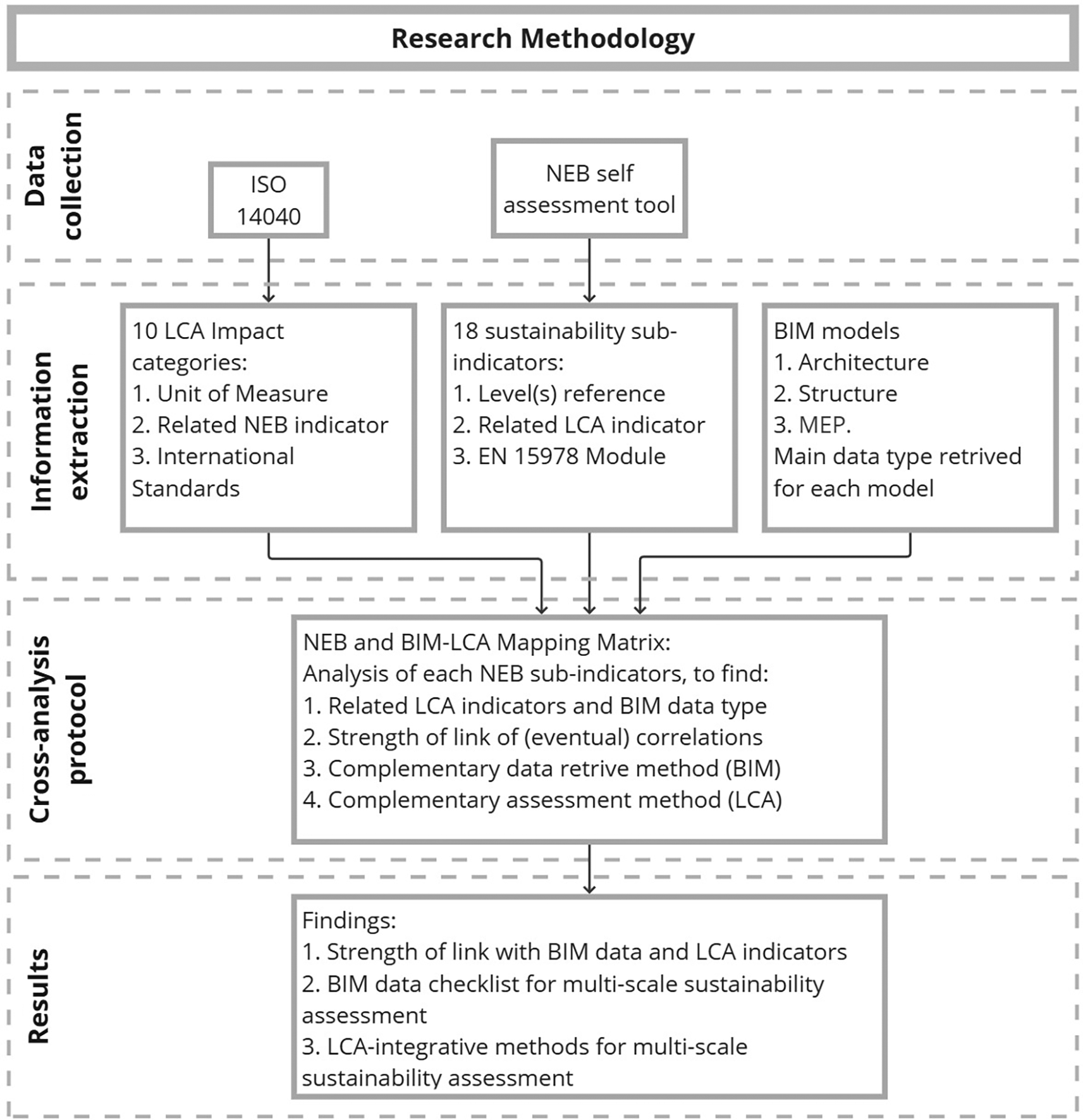
Fig. 1. Framework of the methodology implemented.
The cross-analysis consisted in firstly the analysis the NEB sustainability indicators to collect descriptive information, the information required that can be extracted from a BIM model, the unit of measurement encompassed, the life-cycle phase in which each indicator can be assessed. It encompassed three main phases:
1.
Data collection: Data were collected from the core standards related to LCA methodology (ISO 14040:2006, EN 15978:2011) and the institutional documentation for the New European Bauhaus self-assessment tool (
European Commission, 2021; Lourenço et al., 2024). The NEB framework was selected as the representative strategic framework due to its explicit design for use in early project phases and its direct policy alignment with Level(s) framework.
2.
Information extraction: A qualitative content analysis was conducted using a structured procedure. For each NEB indicator, the following information was extracted:
i. a brief description of the indicator, including the associated metrics and potential correlations with Level(s) indicators
ii. the life cycle phase where it can be initially evaluated and the cycle phase where it can be effectively assessed
iii. the assessment methodologies or digital tools required to calculate or support the evaluation of the indicator.
A parallel analysis was conducted for LCA impact categories, for which the following information was extracted:
Additionally, the BIM data types that could potentially support indicator calculation were identified. These data were retrieved from the main BIM model domains, including:
The results of the first parallel analysis are schematized respectively in
Table 1 and
Table 2:
3.
Cross-analysis protocol: after completing the information extraction process, a correlation analysis was conducted between each NEB sustainability sub-indicator, the corresponding LCA impact categories, and the relevant BIM data types. This cross-analysis enabled the identification of three levels of correlation:
i. “Direct” correlation was identified if the NEB indicator’s metric could be calculated primarily from LCA indicators (i.e. LCA GWP for NEB S.3.2 Embodied GHG Emissions); and if one or more BIM data type were sufficient information for calculating the selected NEB indicator as automated or semi-automated path (i.e. rooms data + plumbing data for NEB S.5.2 Water Consumption).
ii. “Partial” correlation was linked to whether LCA indicators were: 1) necessary but insufficient input (for example, LCA Renewable share of Cumulative Energy Demand for NEB S.2.1 Share of Renewables) 2) more comprehensive metrics than the NEB corresponding indicator, requiring a breakdown of the NEB component’s contribution (for example, LCA Cumulative Energy Demand for NEB S.2.1 Share of Renewables); 3) if more than one LCA impact category is needed (such as LCA HTP, Ecotoxicity Potential for NEB S.5.1 Indoor Air Quality). Regarding BIM analysis, the “partial” correlation occurs when the BIM data was required but insufficient input for NEB indicator calculation (for example, electrical systems for NEB S.1.2 Optimisation of Electricity Peak).
iii. “Indirect” correlation was assigned for both LCA indicators and BIM data.
Table 1. Partial cross-analysis between NEB indictors and LCA impact categories.
| NEB sustainability sub-indicators
| Related LCA impact category | Strength of link | EN 15978 module | Complementary assessment methods |
|---|
| S.1.1 | Primary Energy Demand | Cumulative Energy Demand (CED) | Partial | A1–A3, B6 | Energy Analysis Tools |
| S.1.2 | Optimisation of Electricity Peak | - | Indirect | B6 | Energy Analysis Tools |
| S.1.3 | Smart Readiness of Buildings | - | Indirect | B6 | - |
| S.2.1 | Share of Renewables | Renewable share (part of CED) | Partial | A1–A3, B6 | Sustainability Assessment Frameworks |
| S.2.2 | Energy Storage Capacity | - | Indirect | B6 | Simulation and Optimization Tools |
| S.3.1 | Operational GHG Emissions | Global Warming Potential (GWP) | Direct | B6 | Carbon Footprint Calculation Tools |
| S.3.2 | Embodied GHG Emissions | Global Warming Potential (GWP) | Direct | A1–A5, B4, C1–C4 | LCA Software |
| S.4.1 | Electric Vehicle (EV) Parking) | - | Indirect | B6, B7 | GIS Tools |
| S.4.2 | Alternative Mobility: Bicycle | - | Indirect | B7 | GIS Tools |
| S.5.1 | Indoor Air Quality | HTP, Ecotoxicity Potential | Partial | B1 | Sustainability Assessment Frameworks |
| S.5.2 | Water Consumption | Abiotic Depletion Potential (ADP) | Direct | A1–A3, B6 | Simulation and Optimization Tools |
| S.6.1 | Construction and Demolition Waste | Abiotic Depletion Potential (ADP) | Direct | A5, C1–C4, D | Material and Resource Management |
| S.7.1 | Social Return of Investment | - | Indirect | D (beyond boundary) | Sustainability Assessment Frameworks |
| S.7.2 | Interdisciplinary Integration | - | Indirect | Design | Collaboration Platforms |
| S.7.3 | Gross value added to local economy | - | Indirect | D (beyond boundary) | GIS Tools |
| S.8.1 | Green Financial Tools | - | Indirect | Financial stage | Sustainability Assessment Frameworks |
| S.8.2 | ESG and ESRS standards compliance | - | Indirect | Financial stage | Sustainability Assessment Frameworks |
| S.9.1 | Secondary, Biobased, Recycled Materials | ADP, Ecotoxicity Potential | Partial | A1–A3 | Material and Resource Management |
Table 2. Partial cross-analysis between NEB indictors and BIM data type.
| NEB indicators | Related BIM data types | Strength of link | Minimum BIM information requirements (MIRs) | Complementary data method |
|---|
| S.1.1 | Primary Energy Demand | Architectural: Geometry, Envelope, Rooms data
MEP: HVAC, Lighting | Partial | Building volume and surfaces, U-values, HVAC system type & efficiency, lighting power density. | BEM Simulation + Operational/Climate Data |
| S.1.2 | Optimisation of Electricity Peak | MEP: Electrical Systems | Partial | Panel schedules, connected loads, renewable system specs. | Grid Interaction Analysis + Smart Meter Data |
| S.1.3 | Smart Readiness of Buildings | MEP: HVAC, Electrical Systems, Lighting | Partial | System types, control devices, zoning information. | Functional Testing + Protocol Assessment |
| S.2.1 | Share of Renewables | MEP: Electrical Systems | Partial | On-site renewable system capacity (kWp). | Energy Demand Simulation/Measurement |
| S.2.2 | Energy Storage Capacity | MEP: Electrical Systems | Direct | Storage system objects with ‘Capacity’ property (kWh). | Not Applicable (Direct from BIM) |
| S.3.1 | Operational GHG Emissions | Architectural: Envelope
MEP: HVAC, Lighting | Partial | Building volume/surfaces, U-values, HVAC system type & efficiency, lighting power density. | Emission factors database + Energy results |
| S.3.2 | Embodied GHG Emissions | Architectural: Material Schedules
Structural: Element Quantities, Material Specs | Direct | Material volumes/masses + material type specification. | LCA Database Linkage (automated) |
| S.4.1 | Electric Vehicle (EV) Parking) | Architectural: Rooms data | Partial | Parking space objects with ‘EV Capable’/'EV Ready’ property. | Not Applicable (Direct from drawings) |
| S.4.2 | Alternative Mobility: Bicycle | Architectural: Geometry (site plan) | Partial | Location and count of bicycle storage facilities. | Not Applicable (Direct from drawings) |
| S.5.1 | Indoor Air Quality | Architectural: Rooms data, Geometry
MEP: HVAC | Partial | Ventilation rates, filter specs, room volumes. | Sensor Data/Contaminant Simulation |
| S.5.2 | Water Consumption | Architectural: Rooms data
MEP: Plumbing Data | Direct | Fixture counts and flow rate properties. | Occupancy Schedule/Usage Pattern |
| S.6.1 | Construction and Demolition Waste | Architectural: Material Schedules
Structural: Element Quantities | Partial | Material volumes/masses and material types. | Waste Factors + Deconstruction Plan |
| S.7.1 | Social Return of Investment | - | Indirect | Not Applicable (Non-BIM Indicator). | Stakeholder Surveys + Economic Valuation |
| S.7.2 | Interdisciplinary Integration | - | Indirect | Not Applicable (Meta-Process). | Process Audits + Collaboration Metrics |
| S.7.3 | Gross value added to local economy | - | Indirect | Not Applicable (Non-BIM Indicator). | Economic statistics |
| S.8.1 | Green Financial Tools | - | Indirect | Not Applicable (Non-BIM Indicator). | Financial Document Review |
| S.8.2 | ESG and ESRS Standards Compliance | All: as a data source | Partial | Material and energy data from MIRs above. | Governance & Social Audits + ESG frameworks reporting |
| S.9.1 | Secondary, Biobased, Recycled Materials | Architectural: Material Schedules Structural: Material Specs | Direct | Material property specifying recycled/biobased content (%). | Supplier declarations |
The methodology presented some limitations: the in-depth analysis allowed a critical evaluation of the two sets of indicators selected, yet it did not include complementary assessment methodologies for LCA calculations, such as Absolute LCA (Bjørn et al., 2015) and Life Cycle Sustainability Assessment (LCSA) (Soust-Verdaguer et al., 2022). These two methodologies can improve the comprehensiveness of impact assessment: Absolute LCA by aligning the environmental impact assessment to local budget of planet boundaries, LCSA by enriching the sustainability dimensions of LCA by implementing Life Cycle Costing (LCC) evaluation for economic assessment, and the social assessment (S-LCA) based on Guidelines for S-LCA and the Handbook for Product Social Impact Assessment (Goedkoop et al., 2020) developed by UNEP.
The choice behind focusing on the NEB methodology rather than on Absolute LCA and LCSA among others stem from three decisive factors: 1) Its direct policy relevance to the European context, as it intrinsically aligns with European standards of NEB indicators that represent a decisive factor to accelerate the decarbonization of the built environment, necessary for transition toward the net-zero greenhouse gas emissions envisaged within the European Green Deal; 2) It is a self-assessment tool for designers and practitioners, directly addressing some of the gaps observed in the State of the art section on the necessity of tools for the early phase, as the most impactful phase for reducing environmental impacts of construction projects; 3) Its structured inclusion of deeper social dimensions, such as cultural and aesthetic, inclusiveness and socio-economic implications, including the multi-dimensional aspects of LCSA, and also collect national threshold for various indicators, addressing the contextualization offered by A-LCA approaches. In summary, the NEB proposed methodology was chosen as it is both aligned with LCA and expands beyond it, integrating the potential upgrading offers by LCSA and A-LCA methodologies among others.
4. Results
This section presents the results of the cross-analysis by identifying recurring patterns between the New European Bauhaus (NEB) sustainability sub-indicators and the corresponding BIM and LCA data structures, and discussing the practical implications for integrating them into digital workflows. It is schematized in
Table 3, and it arise from the two analysis presented in
Table 1 and
Table 2. It revealed three distinct types of relationships between NEB sub-indicators and BIM-LCA data and indicators:
1.
BIM-LCA core indicators
, 4 out of 18 (~22%) of the NEB indicators presented a “Direct” link with both LCA impact categories and BIM data type, or one as “Direct” and the other one as “Partial”.
‐‐ S.3.1 Operational GHG Emissions
‐‐ S.3.2 Embodied GHG Emissions
‐‐ S.5.2 Water Consumption
‐‐ S.6.1 Construction and Demolition Waste
This typology of indicators can therefore be automatically or semi-automatically be assessed trough BIM-LCA integration workflows.
2.
BIM-LCA informed indicators
, more than half of the NEB indicators (10/18) reported “Direct” or “Partial” relationship with LCA indicators, and “Direct” or “Partial” relationship with BIM data. This degree of relationship describe NEB indicators for which BIM-LCA data provide necessary yet insufficient input to estimate them, therefore requiring further assessment methodologies:
‐‐ S.1.1 Primary Energy Demand
‐‐ S.1.2 Optimisation of Electricity Peak
‐‐ S.1.3 Smart Readiness of Buildings
‐‐ S.2.1 Share of Renewables
‐‐ S.2.2 Energy Storage Capacity
‐‐ S.4.1 Electric Vehicle (EV) Parking)
‐‐ S.4.2 Alternative Mobility: Bicycle
‐‐ S.5.1 Indoor Air Quality
‐‐ S.8.2 Compliance with ESG and ESRS Standards
In this category, BIM and LCA data provide necessary but insufficient input for full indicator evaluation, meaning that additional assessment methodologies or datasets are required.
3.
Beyond BIM-LCA indicators
, four indicators (~22%) present no direct nor partial relationship with either BIM data or LCA impact categories.
‐‐ S.7.1 Social Return of Investment (SROI)
‐‐ S.7.2 Degree of Interdisciplinary Integration
‐‐ S.7.3 Gross Value Added to Local Economy
‐‐ S.8.1 Green Financial Tools.
These indicators address sustainability dimensions that extend beyond the environmental and technical scope typically covered by BIM-LCA workflows, focusing instead on economic, social, or governance aspects of sustainability.
Table 3. Cross-analysis between NEB indicators and BIM-LCA data.
| NEB sustainability sub-indicators
| Strength of link: BIM | Strength of link: LCA |
BIM-LCA integration | Complementary assessment methods | Complementary data method |
|---|
| S.1.1 | Primary Energy Demand | Partial | Partial | Informed
| Energy Analysis Tools | BEM Simulation + Operational data |
| S.1.2 | Optimisation of Electricity Peak | Partial | Indirect | Informed
| Energy Analysis Tools | Grid Interaction + Smart Meter Data |
| S.1.3 | Smart Readiness of Buildings | Partial | Indirect | Informed
| - | Functional Testing + Protocol Assessment |
| S.2.1 | Share of Renewables | Partial | Partial | Informed
| Sustainability Assessment Frameworks | Energy Demand Simulation/Measurement |
| S.2.2 | Energy Storage Capacity | Direct | Indirect | Informed
| Simulation and Optimization Tools | - |
| S.3.1 | Operational GHG Emissions | Partial | Direct | Core
| Carbon Footprint Calculation Tools | Emission factors database + BEM |
| S.3.2 | Embodied GHG Emissions | Direct | Direct | Core
| LCA Software | LCA Database Linkage (automated) |
| S.4.1 | Electric Vehicle (EV) Parking) | Partial | Indirect | Informed
| GIS Tools | -
(Direct from drawings) |
| S.4.2 | Alternative Mobility: Bicycle | Partial | Indirect | Informed
| GIS Tools | -
(Direct from drawings) |
| S.5.1 | Indoor Air Quality | Partial | Partial | Informed
| Sustainability Assessment Frameworks | Sensor Data/Contaminant Simulation |
| S.5.2 | Water Consumption | Direct | Direct | Core
| Simulation and Optimization Tools | Occupancy Schedule/Usage Pattern |
| S.6.1 | Construction and Demolition Waste | Partial | Direct | Core
| Material and Resource Management | Waste Factors + Deconstruction Plan |
| S.7.1 | Social Return of Investment (SROI) | Indirect | Indirect | Beyond
| Sustainability Assessment Frameworks | Stakeholder Surveys + Economic Valuation |
| S.7.2 | Interdisciplinary Integration | Indirect | Indirect | Beyond
| Collaboration Platforms | Process Audits + Collaboration Metrics |
| S.7.3 | Gross Value Added to Local Economy | Indirect | Indirect | Beyond
| GIS Tools | Economic statistics |
| S.8.1 | Green Financial Tools | Indirect | Indirect | Beyond
| Sustainability Assessment Frameworks | Financial Document Review |
| S.8.2 | Compliance with ESG and ESRS Standards | Partial | Indirect | Informed
| Sustainability Assessment Frameworks | Audits + ESG frameworks reporting |
| S.9.1 | Secondary, Biobased, Recycled Materials | Direct | Partial | Core
| Material and Resource Management | Supplier declarations |
Table 3 summarises the relationships identified between NEB sustainability sub-indicators, BIM data availability, LCA impact categories, and complementary assessment methods required for indicator evaluation.
The present classification proposes a novel categorisation of multi-scale sustainability indicators, namely the NEB sub-indicators across its sustainability dimensions, to identify the technologies and strategies that support their application, starting from a BIM model of a new construction project. This contribution offers a strategic implementation framework that identifies the digital support needed for each sustainability indicator within a multi-scale set, refining the often generic definition of holistic and comprehensive workflows into a well-defined workflow integration indicator.
An overview of the distribution of indicators reveals that BIM-LCA integration is a fundamental yet incomplete tool for holistic sustainability assessment, as it is not useful for a set of socio-economic indicators. On the other hand, it demonstrates its utility by directly serving as a core engine for some core indicators (4/18). This finding positions the multi-scale sustainability assessment issue not as an automation challenge, for which the barriers are mainly technical interoperability and data exchange between different software, (Teng, 2022) but as a workflow integration challenge, which requires a strategic coupling of the BIM-LCA workflow with further digital-based methods or tools. As showed in Tab. 1, BIM-LCA core indicators can rely on “Partial” BIM link and “Direct” LCA link revealing that the BIM model can mainly provide geometrical and characteristic of the project but needs further integration, as in the case of S.1.1 Primary Energy Demand that requires the critical energy simulation in BEMs environment, or for S.3.1 Operational GHG Emissions for which emission factor database are necessary (Anderson and Rønning, 2022). This demonstrates that the core challenge is not evolving individual tools, but rather coordinating reliable data flows between them.
The analysis of the BIM-LCA informed indicators, representing half of the total, reveals the research nexus that needs to be addressed to overcome the lack of practical implementation of digitally based practices that assess and, therefore, inform conscientious and sustainability-oriented choices for new construction projects. Energy-related indicators (i.e. Primary Energy Demand, Optimisation of Electricity Peak, Smart Readiness of Buildings, Share of Renewables), social and comfort indicators (i.e. Alternative Mobility: Bicycle, Indoor Air Quality) or compliance with national or EU standards can benefit from BIM-LCA integration practices, yet they require additional methods such as BEMs or environmental simulations, and information retrieval from technical drawings and schedules, interviews with stakeholders or quantities’ schedules from construction phase.
The four retrieved beyond BIM-LCA
indicators represent a frontier definition of the limits of BIM-LCA practices to grasp multi-scale sustainability assessment. Although BIM-LCA represents a useful tool for quantitative environmental assessment and does not integrate per se, holistic or multi-criteria sustainability assessment claims, drafting a demarcation line between the indicators that can be fed by BIM-LCA practices and the ones that require separate, usually qualitative governance processes is a result that can define future frameworks for comprehensive sustainability assessments.
5. Discussion
The state-of-the-art presented in this research highlights a fragmented debate regarding the integration of digital tools to assess and enhance the sustainability performance of new construction buildings, marked by strong focus on singular, promising solutions rather than a utmost overall view on the intrinsic complexity of the thematic debated. Some of the technical gaps encountered address interoperability and data exchange issues as the most relevant to the limited implementation in practice, without framing them within a broader perspective on strategic integration. The interdisciplinary integration of experts and tools across different phases of a project is as decisive for this implementation as it is underexplored in the academic debate. The results of the present study validated the need for further coordination, showing that half of the analysed multi-scale indicators required both complementary assessment methods and data acquisition beyond typical BIM-LCA practices. Future research should focus on new approaches to data exchange protocols and tools, such as open-source and vendor-neutral standards like IFC and gbXML, to enable transversal communication of software.
An additional gap identified in the literature review is that sustainability certification or rating systems (e.g., LEED, BREEAM) are usually more focused on post-construction evaluations of project sustainability performance, rather than informing practices in the early phases to reduce environmental impacts when the effects are highest. The novel characterisation proposed within this research aims to overcome the early-phase gap by providing guidance on indicators that can be automated using only the BIM-LCA application, which necessitates its integration and, therefore, multi-tool planning, and, finally, what needs to be assessed and managed in a parallel process. This next step could be addressed by practitioners by automating this integration via end-to-end framework, and describe these integration protocols into BIM technical documentation, such as BIM Execution Plans (BEPs), as a checklist of specific Minimum BIM Information Requirements (MIRs) for multi-scale sustainability assessment of new construction projects.
A final reflection concerns the nature of the indicators category recognised as outside traditional BIM-LCA approaches: the beyond BIM-LCA
indicators are organisational and financial, confirming that recent technological advancements do not address the institutional, behavioural, and socio-economic barriers that still persist. Future research could further examine how to integrate socio-economic impact assessment, which usually relies on qualitative data and participatory processes, with quantitative data on biophysical impacts resulting from BIM-LCA practices. A decisive advancement could be a broader, more systematic adoption of LCSA practices to expand the scope to social dimensions, yet the operational steps required for this integration remain underexplored. The pivotal role that Common Data Environments (CDEs) or Digital Twins can play in evolving into a mixed-methods approach that spans multiple scales and integrates both qualitative and quantitative indicators can be further developed.
6. Conclusions
The framework proposed in this study aims to bridge the gap among technical BIM-LCA workflows, powerful operational tools for the quantitative assessment of the biophysical impacts of construction projects, and multi-scale sustainability assessment frameworks, such as the NEB self-assessment tool. The goal was to analyse the proposed set of sustainability indicators and to develop a process framework for understanding how BIM-LCA workflows can meet data requirements.
To achieve this objective, a cross-analysis was conducted, leading to the development of a tripartite typology of indicators and associated data requirements, and identifying complementary assessment tools and data extraction methods for indicators outside the traditional BIM-LCA scope. The proposed typological classification provides a clearer understanding of how BIM–LCA workflows can support multi-scale sustainability assessment. By defining the operational requirements for each indicator category, the framework establishes the procedural steps for evaluating indicators that can be directly supported by BIM–LCA data, those that require coordination with additional analytical tools, and those that must be addressed through parallel evaluation processes.
In this sense, the framework functions as a diagnostic taxonomy that can be translated into a project planning tool that practitioners can integrate into BIM technical documentations, such as BIM Execution Plans. In particular, the proposed approach can help define operational checklists specifying: 1) the data that need to be modelled for automating the BIM-LCA core indicators; 2) for BIM-LCA informed indicators, the integrative analysis to be performed with tools or to be externalised to commission, in case the expertise required fall outside a stakeholders domain; 3) the parallel processes to be established for the beyond BIM-LCA
indicators.
This study faced some methodological and context-related limitations that frame its research boundaries and must be acknowledged. Firstly, it selected a set of multi-scale sustainability assessments, namely those developed by the NEB, to test how they could be integrated into BIM-LCA workflows. Although the selection of the NEB indicators guaranteed a system-based framework that stems from their alignment with the European framework Level(s), all the specific instructions arising from the proposed classification are referred to the given set of indicators and cannot be automatically translated into a holistic and comprehensive approach for every sustainability assessment method. The study also proposes a theoretical and documentary framework; therefore, its operational validation will require application in different case studies across project contexts and typologies. The results of this study also open several directions for future research for technical, methodological and regulatory advancement, namely: 1) the development and validation of multi-tool workflows for automation or semi-automation of BIM-LCA informed indicators such as the data flow from BIM geometry, to BEM simulations, to LCA calculations for NEB S.3.1 Operational GHG Emissions; 2) investigate how the shared information within BIM CDEs can be upscaled to interconnect quantitative data from digital model to soft, often qualitative information from practitioners reports, documentation from construction phase or technical schedules of electrical equipment; 3) further explore the integration of broader assessment methodologies such as A-LCA or LCSA, that reshape the approach toward national and international sustainability goals.
In conclusion, the integration of international standards, such as the New European Bauhaus, has the potential to transform BIM-LCA workflows from standalone solutions into a quantitative environmental engine, and vice versa to respond to the information requirements necessary to align new building projects to such standards. By providing a structured map of the relationships between sustainability indicators and digital construction data, this research helps clarify how digital methodologies can support the transition toward more sustainable construction practices. Concretising this advancement can unlock the potential of digital tools to bridge the gap between current construction practices and the sustainability objectives established by international agreements such as the Paris Agreement, a gap that continues to widen within the Architecture, Engineering, and Construction sector.
Ethics and consent
Ethical approval and consent were not required.
Data availability statement
Zenodo. Underlying data for ORE_Framework review. https://doi.org/10.5281/zenodo.19565541 (Tosi, 2026).
This project contains the following underlying data:
Data is available under the terms of the license CC-BY 4.0.
Declaration of generative AI and AI-assisted technologies in the writing process.
During the preparation of this work the authors used ScopusAI in order to collect information regarding emerging themes of interest related to BIM-LCA integration, and DeepSeek tool in order to improve the language and readability of the paper. After using these tools, the authors reviewed and edited the content as needed and take full responsibility for the content of the publication.
References
- Anderson J, Rønning A:
Using standards to maximise the benefit of digitisation of construction product Environmental Product Declaration (EPD) to reduce Building Life Cycle Impacts.
E3S Web of Conferences.
EDP Sciences;
2022; Vol. 349. : p. 10003. Publisher Full Text
- Azhar S:
Building Information Modeling (BIM): Trends, Benefits, Risks, and Challenges for the AEC Industry.
Leadersh. Manag. Eng.
2011; 11(3): 241–252. Publisher Full Text
- Bjørn A, Diamond M, Owsianiak M, et al.:
Strengthening the Link Between Life Cycle Assessment and Indicators for Absolute Sustainability to Support Development Within Planetary Boundaries.
Environ. Sci. Technol.
2015; 49: 6370–6371. PubMed Abstract
| Publisher Full Text
- Dalla Mora TD, Bolzonello E, Cavalliere C, et al.:
Key Parameters Featuring BIM-LCA Integration in Buildings: A Practical Review of the Current Trends.
Sustainability.
2020; 12(17): 7182. Publisher Full Text
- De Wolf C, Cordella M, Dodd N, et al.:
Whole life cycle environmental impact assessment of buildings: Developing software tool and database support for the EU framework Level(s).
Resour. Conserv. Recycl.
2022; 188: 106642. Publisher Full Text
- Dervishaj A, Gudmundsson K:
From LCA to circular design: A comparative study of digital tools for the built environment.
Resour. Conserv. Recycl.
2023; 200: 107291. Publisher Full Text
- Di Santo N, Henriquez LG, Dotelli G, et al.:
Holistic Approach for Assessing Buildings’ Environmental Impact and User Comfort from Early Design: A Method Combining Life Cycle Assessment, BIM, and Active House Protocol.
Buildings.
2023; 13(5): 1315. Publisher Full Text
- EN 15978:
Sustainability of Construction Works — Assessment of Environmental Performance of Buildings — Calculation Method.
Brussels, Belgium:
European Committee for Standardization;
2011; vol. 2011. .
Reference Source
- European Commission:
Directorate-General for Environment, Level(s) – Building sustainability performance, Publications Office.2017. Publisher Full Text
- European Commission:
Level(s): European framework for sustainable buildings: User guide for office and residential buildings.
Publications Office of the European Union;
2021.
Reference Source
- Feria M, Amado M:
Architectural Design: Sustainability in the Decision-Making Process.
Buildings.
2019; 9(5): 135. Publisher Full Text
- Goedkoop MJ, de Beer IM , Harmens R, et al.:
Product Social Impact Assessment Handbook.
Amersfoort;
2020.
Reference Source
- Han BC:
Infocracy: Digitization and the crisis of democracy.
John Wiley & Sons;
2022.
- Kido D, Fukuda T, Yabuki N:
Assessing future landscapes using enhanced mixed reality with semantic segmentation by deep learning.
Adv. Eng. Inform.
2021; 48: 101281. Publisher Full Text
- Llatas C, Soust-Verdaguer B, Hollberg A, et al.:
BIM-based LCSA application in early design stages using IFC.
Autom. Constr.
2022; 138: 104259. Publisher Full Text
- Lourenço M, Paulo B, Maloutas T, et al.:
A Practical Guide to the New European Bauhaus Self-Assessment Method and Tool.2024. Publisher Full Text
- Negroponte PN:
Being Digital.
New York, NY, USA:
Random House Incorporated;
1995.
- Okonta ED, Vukovic V, Hayat E:
Prospective Directions in the Computer Systems Industry Foundation Classes (IFC) for Shaping Data Exchange in the Sustainability and Resilience of Cities.
Electronics.
2024; 13(12): 2297. Publisher Full Text
- Pai V, Elzarka H:
Whole building life cycle assessment for buildings: A case study ON HOW to achieve the LEED credit.
J. Clean. Prod.
2021; 297: 126501. Publisher Full Text
- Palumbo E, Romano R, Gallo P:
Strategie life cycle thinking per la realizzazione di scuole nZEB|Life cycle thinking strategies for constructing nZEB schools.
Agathón|International Journal of Architecture, Art and Design.
2024; 15. Publisher Full Text
- Pérez-Lombard L, Ortiz J, Pout C:
A review on buildings energy consumption information.
Energ. Buildings.
2008; 40(3): 394–398. Publisher Full Text
- Piras G, Agostinelli S, Muzi F:
Digital Twin Framework for Built Environment: A Review of Key Enablers.
Energies.
2024; 17(2): 436. Publisher Full Text
- Potrč Obrecht TP, Röck M, Hoxha E, et al.:
BIM and LCA Integration: A Systematic Literature Review.
Sustainability.
2020; 12(14): 5534. Publisher Full Text
- Sandagomika H, Salehi S, Arashpour M:
Hybrid Life Cycle Assessment (LCA) of prefabrication: A comparison of conventional and mixed reality-based solutions.
J. Clean. Prod.
2024; 450: 141883. Publisher Full Text
- Serrano-Baena MM, Ruiz-Díaz C, Boronat PG, et al.:
Optimising LCA in complex buildings with MLCAQ: A BIM-based methodology for automated multi-criteria materials selection.
Energ. Buildings.
2023; 294: 113219. Publisher Full Text
- Soust-Verdaguer B, Galeana IB, Llatas C, et al.:
How to conduct consistent environmental, economic, and social assessment during the building design process. A BIM-based Life Cycle Sustainability Assessment method.
J. Build. Eng.
2022; 45: 103516. Publisher Full Text
- Soust-Verdaguer B, Moreno JCG, Cagigas D, et al.:
Supporting sustainability assessment of building element materials using a BIM-plug-in for multi-criteria decision-making.
J. Build. Eng.
2024; 97: 110818. Publisher Full Text
- Steffen W:
Planetary boundaries: Guiding human development on a changing planet.
Science.
2015; 347: 1259855. PubMed Abstract
| Publisher Full Text
- Teng Y, Xu J, Pan W, et al.:
A systematic review of the integration of building information modeling into life cycle assessment.
Build. Environ.
2022; 221: 109260. Publisher Full Text
- Tosi J, Marzio S, Poggi F, et al.:
Environmental Benefits of Digital Integration in the Built Environment: A Systematic Literature Review of Building Information Modelling–Life Cycle Assessment Practices.
Buildings.
2025; 15: 3157. Publisher Full Text
- Tosi J:
Underlying data for ORE_Framework review. [Data set].
Zenodo.
2026. Publisher Full Text
- UNEP – United Nations Environment Programme and Technical University of Denmark:
Eco-i Manual Eco-innovation implementation process.2016.
Reference Source
- Veselka J, Nehasilová M, Dvořáková K, et al.:
Recommendations for Developing a BIM for the Purpose of LCA in Green Building Certifications.
Sustainability.
2020; 12: 6151. Publisher Full Text
- Zubair MU, Ali M, Khan MA, et al.:
BIM- and GIS-Based Life-Cycle-Assessment Framework for Enhancing Eco Efficiency and Sustainability in the Construction Sector.
Buildings.
2024; 14(2): 360. Publisher Full Text









