1. Introduction
The increasing complexity of modern agriculture has led to a demand for efficient ways to analyze information and support accurate decisions. Agricultural Decision Support Systems (DSSs) have emerged as viable tools to facilitate the implementation of Integrated Pest Management (IPM), a sustainable agricultural practice mandated by the European Union (EU) to reduce the negative impacts of pesticides on human health and the environment (Directive 2009/128/EC, 2009). Despite their potential, the adoption rates remain suboptimal. In this study, DSSs refer to digital tools supporting IPM decisions (e.g. forecasts, threshold-based alerts, timing of interventions).
A key yet overlooked group in the dissemination and adoption of agricultural innovations are agricultural consultants. They function as intermediaries between developers and farmers, capable of shaping the perceptions and attitudes towards DSS credibility, fit and usability. However, their decision making is also subject to bounded rationality and other cognitive limitations such as loss aversion, status quo bias or reliance on heuristics, subsequently influencing their recommendation likelihood. For example, consultants may prefer to recommend familiar tools and practices over evaluating alternatives, as maintaining the status quo carries less cognitive effort and reduced perceived reputational risk (Samuelson & Zeckhauser, 1988; Tversky & Kahneman, 1991).
A review of existing literature reveals a notable gap: in DSS adoption studies, farmers and operational/technical barriers dominate, with limited attention to the behavioral drivers that drive recommendation choice (Ara et al., 2021; Brugler et al., 2024; Rose et al., 2018). While consultants are critical players in the diffusion of agricultural innovations, research examining the factors influencing their recommendation likelihood remains scarce. This is a significant limitation as consultants’ recommendation choice directly affects farmers’ perceptions of and exposure to agricultural DSSs.
This study addresses this gap by analyzing the behavioral and contextual factors that influence consultants’ likelihood to recommend DSSs for IPM across the EU. A survey was administered to 151 agricultural consultants across 11 European countries capturing personal, professional and contextual factors related to the use of DSSs (Akaka et al., 2026a). By empirically investigating these factors, this research aims to identify the key drivers of consultants’ DSS recommendation likelihood thereby contributing to the understanding of behavioral determinants of technology diffusion in agriculture.
1.1 Literature review and research gap
While existing research on agricultural DSSs has generated valuable insights on farmers, technical and operational barriers, there is a growing need to focus on other intermediaries and behavioral factors influencing technology diffusion (Brugler et al., 2024; Rose et al., 2018). While consultants occupy a critical gatekeeping position in agricultural innovation systems, empirical research examining the drivers of DSS recommendation likelihood remains limited. This represents a significant gap as consultants’ recommendation choice directly shapes farmers’ perceptions and attitudes towards DSSs.
1.2 Patterns in existing research
A review of DSS adoption literature reveals consistent methodological patterns. Studies examining DSS adoption in agriculture predominantly sample farmers rather than consultants, focusing on adoption barriers and facilitators. For instance, Akaka et al. (2024) examined how behavioral factors, socioeconomic characteristics and farm attributes influence farmers’ willingness to pay for and adopt IPM DSSs, while Baldin et al. (2021) investigated sustained adoption of Integrated DSSs in dairy farming from a farmer perspective. Similarly, Ara et al. (2021) reviewed DSS applications in irrigated agriculture but did not empirically examine consultant behavior or recommendation processes. When consultants appear in these studies, they are typically acknowledged as important stakeholders but are not systematically examined as distinct decision-making agents with their own behavioral drivers and cognitive limitations.
Several studies emphasize the importance of user-centered design and stakeholder engagement in DSS development. Rose et al. (2018) advocated for involving stakeholders in agricultural DSSs design to improve usability, while Oliver et al. (2012) highlighted the value of incorporating farmer insights into DSSs. Eastwood et al. (2019) argued that consultants must acquire new digital skills to navigate evolving relationships between farmers and developers. However, these studies do not empirically investigate the behavioral mechanisms (trust, risk perception, cognitive biases, heuristics) recommendation choice. The implicit assumption appears to be that consultants work as relatively objective information brokers whose recommendations are primarily driven by technical assessment rather than behavioral and contextual factors.
Technical factors dominate in the DSS literature, with sustained emphasis on improving algorithms, user interfaces, data analytics and system functionality. Brugler et al. (2024) identified key barriers to DSS adoption in precision agriculture, including financial constraints, farmer hesitancy, data privacy concerns and workforce training gaps. Eastwood et al. (2019) argued that consultants must acquire new digital skills to navigate evolving relationships between farmers and DSS developers, highlighting the human capital dimension of technical adoption. Baldin et al. (2021) noted that many DSSs are overly specialized and fail to adapt to the diverse operational contexts of different farms, suggesting that some systems are developer-centric rather than user-centric. Kanatas et al. (2020) investigated perceived DSS usefulness and cognitive load for weed management. However, their analysis remained primarily theoretical rather than empirical. These technically oriented studies frame adoption as a function of system characteristics (cost, complexity, data quality, compatibility) while giving limited attention to the psychological and behavioral dimensions among other actors.
Where consultants are mentioned, they are positioned as facilitators or information conduits rather than as independent decision-makers whose choices are shaped by cognitive processes. Bechtet (2023) identified advisors as gatekeepers who initiate farmer interest in DSSs but did not investigate the underlying behavioral drivers (motivation, trust formation, information processing strategies, cognitive limitations) that influence advisor recommendation decisions. Ritter et al. (2017) acknowledged that consultants can shape farmer perceptions and adoption of management-based strategies for disease prevention but did not empirically examine the recommendation decision making process or what factors influence their evaluation of different technologies. This pattern suggests a conceptual gap: while the importance of consultants is widely recognized, the mechanisms through which they evaluate, endorse or reject technologies remain underexplored.
This study addresses the gaps by empirically examining the behavioral and contextual factors that influence agricultural consultants’ likelihood of recommending DSSs across the European Union. While consultants are increasingly recognized as critical intermediaries in the agricultural sector, investigation of the drivers of recommendation likelihood remains scarce.
1.3 Relevant theories
Prior research on technology adoption has employed several theoretical frameworks to understand innovation diffusion. The Technology Acceptance Model (TAM; Davis, 1989) emphasized perceived usefulness and perceived ease of use as drivers of technology acceptance. Diffusion of Innovations Theory (DOI; Rogers et al., 2019) identifies five key innovation characteristics: relative advantage, compatibility, complexity, trialability and observability. Behavioral Reasoning Theory (BRT; Westaby, 2005) extends traditional models by emphasizing how individuals construct reasons to justify their decisions. While these frameworks have been applied to agricultural innovation contexts, including DSS adoption among farmers (Akaka et al., 2024; Brugler et al., 2024; Ritter et al., 2017), the drivers of consultant recommendation likelihood remain underexplored. This study takes an exploratory approach to identify factors influencing consultants’ DSS recommendation likelihood, drawing on insights from prior research on technology evaluation, information processing and professional decision-making.
Drawing on TAM’s emphasis on perceived usefulness, DOI’s focus on innovation characteristics and BRT’s attention to explicit decision reasoning, this study develops eight hypotheses to explain the behavioral and contextual factors that drive consultants’ DSS recommendation likelihood.
2. Research hypotheses
Drawing on the insights from the literature and the general research questions above, the following specific hypotheses (summarized in
Table 1) are formulated to test the factors influencing consultants’ likelihood of recommending DSS to farmers:
H1:
Consultants who perceive DSS as improving productivity are more likely to recommend their use to farmers.
Table 1. Summary of testable hypotheses.
| Hypothesis | Variable | Testable hypothesis |
|---|
| H1 | Productivity improvement | A consultant is more likely to recommend a DSS if they believe it leads to a positive improvement in farmer productivity. |
| H2 | DSS adapted to farmers | A consultant is more likely to recommend a DSS if it is perceived as being well-adapted to farmers’ operational needs and context. |
| H3 | Single crop specialization | A consultant is more likely to recommend a DSS when working with clients who specialize in a single prevailing crop. |
| H4 | Feedback | A consultant who receives and values feedback from farmers is more likely to recommend a DSS. |
| H5 | Attendance to manufacturers’ DSS demonstration events | A consultant who attends DSS demonstration events is more likely to recommend a DSS. |
| H6 | Access to DSS marketing information | A consultant who accesses marketing information about a DSS is more likely to recommend it. |
| H7 | Evidence required before recommending | A consultant who requires formal evidence before recommending a DSS is less likely to recommend it. |
| H8 | Use same DSS as client | A consultant is more likely to recommend a DSS if they use the same version of the system as their clients. |
In advisory contexts, consultants are more likely to recommend technologies that demonstrably improve productivity and decision-making outcomes. Systems that promise significant productivity gains are favored because they reduce the perceived risk of adopting a new solution (Slovic, 1987). When consultants believe DSSs will deliver these improvements, they frame the choice for the farmer to focus on the long-term gains over short-term costs, overcoming the natural tendency toward loss aversion (Brugler et al., 2024; Ritter et al., 2017). DSSs that provide timely, accurate and actionable insights are thus expected to elicit higher levels of endorsement from consultants who recognize their productivity-enhancing potential.
H2:
Consultants who perceive DSS as well-adapted to farmers’ needs are more likely to recommend them.
When DSSs are perceived as well-adapted to farmers’ needs, they are viewed as more credible and easier to integrate into advisory processes. Studies show that perceived adaptability to local production systems fosters both trust and sustained use (Eastwood et al., 2019). This adaptability directly reduces the perceived risk of integration failure for the consultant and the farmer (Slovic, 1987). Consequently, consultants who perceive DSSs as responsive to farmers’ realities are more inclined to endorse them, as the system is viewed as suitable and beneficial (Brugler et al., 2024; Ritter et al., 2017).
H3:
Consultants with single-crop specialization are more likely to recommend DSS than those serving multiple-crop systems.
The degree of professional specialization influences consultants’ familiarity with agricultural tools and practices. Those with client portfolios focusing on a single crop may find certain DSS more relevant and easier to recommend, as these systems often target specific crop management decisions (Rose et al., 2018). Specialized consultants may also have deeper technical expertise and confidence in evaluating DSS outputs, increasing their propensity to recommend such systems.
H4:
Consultants who receive feedback on DSS performance are more likely to recommend them.
Feedback from farmers constitutes a form of social proof that reduces consultants’ uncertainty about DSS performance in real-world conditions (Deutsch & Gerard, 1955). When consultants receive reports on how a system has performed for farmers, this information becomes readily accessible in their memory, reinforcing positive assessments through the availability heuristic (Tversky & Kahneman, 1973). Furthermore, feedback reduces the information asymmetry between DSS developers and consultants, enabling more informed and confident endorsement decisions (Oliver et al., 2012; Stiglitz, 2002). Consultants who benefit from such feedback loops are therefore expected to be more willing to recommend DSS to their clients.
H5:
Consultants who attend manufacturer DSS demonstration events are more likely to recommend them.
Direct exposure to DSS through manufacturer demonstrations strengthens perceived competence and trust through experiential learning. Participation in demonstrations makes the system’s performance more readily available in consultants’ memory, influencing their judgment through the availability heuristic (Tversky & Kahneman, 1973). This firsthand experience reduces perceived complexity and enhances familiarity, consistent with DOI theory’s emphasis on trialability and observability as adoption facilitators (Rogers et al., 2019). These processes enhance recommendation intention by providing direct, concrete experience with the tool.
H6:
Consultants who access DSS marketing information are more likely to recommend DSS.
Access to marketing information can raise awareness and shape perceptions, though such exposure may not necessarily lead to endorsement without perceived practical value. Consultants exposed to promotional material may develop curiosity or baseline familiarity with DSS, which could influence their openness to recommend, albeit to a limited extent (Rogers et al., 2019; Tversky & Kahneman, 1973).
H7:
Consultants who require formal evidence before recommending innovations are less likely to recommend DSS.
Consultants who place high emphasis on empirical evidence may be more cautious in their recommendations. This behavior is rooted in a desire to mitigate information asymmetry; if the consultant perceives the data provided by developers as insufficient, they will delay recommendation (Oliver et al., 2012). The requirement for robust, context-specific validation forces the consultant to act as a more demanding gatekeeper, which can delay recommendation behavior if they perceive a gap in information quality or trustworthiness (Stiglitz, 2002). Therefore, the requirement for formal evidence may have a negative or neutral relationship with DSS recommendation.
H8:
Consultants who use the same DSS as their clients are more likely to recommend it.
Repeated interaction with the same DSS enhances user familiarity and reinforces habitual use. This behavior is linked to the endowment effect and status quo bias: having already invested time and effort into learning a system, consultants are reluctant to abandon it and are more likely to recommend the system they are familiar with (Kahneman et al., 1991). This preference for maintaining the status quo is a powerful behavioral driver (Thaler, 1980).
The rest of the paper is structured as follows: Section 3 outlines the empirical methodology, including survey design, data preparation and missing values treatment using Multiple Imputation by Chained Equations. Section 4 presents the descriptive statistics of the sample, characterizing consultant demographics, professional practices and perceptions toward DSS. Section 5 reports the main findings from the logistic regression analysis. Section 6 discusses the results and findings of the analysis.
3. Methodology and descriptive statistics
A questionnaire survey (the full questionnaire survey is provided in table 4 as supplementary material available in Zenodo data repository) was administered to consultants from 11 European countries, eliciting personal, farm and farm equipment characteristics that influence the recommendation of DSS for IPM. The survey was designed in consultation with a team of experts working closely with the IPM Decisions Network, funded by Horizon 2020. The following are the countries that participated in the survey1, where the number in parenthesis represents the total number of participants: Greece (23), Italy (22), UK (20), Germany (17), Slovenia (16), Sweden (13), Finland (10), France (7), Lithuania (7), Netherlands (6), Denmark (5), Norway (5). The questionnaire was administered to 151 agricultural consultants in face-to-face national workshops held between December 2019 and March 20202.
In compliance with the General Data and Privacy Policy, participants withheld any information they did not wish to divulge. As a direct consequence of this policy and despite encouraging complete responses, several variables within the dataset contained missing values (Akaka et al., 2026b). This is a common occurrence in survey-based research that elicit sensitive information. Specifically, the dataset is checked for missing values to reduce the effects of small sample sizes on the predictive power of the model, especially cases of moderately sized sample present in this study. To mitigate this, the Multiple Imputation by Chained Equations (MICE) approach is used to iteratively impute missing values. Following Royston & White (2011), the model’s parameter estimates were pooled for analysis and interpretation (Akaka et al., 2026c).
3.1 Sample characteristics
An overview of the demographic data reveals a gender distribution where 59% of the sample identified as male (mean = .589). Overall, over half (55%) of the sample fall into the 18–49 age bracket, with significant level formal training as 61% have attained a bachelor’s or master’s degree, indicative of a group capable of processing and evaluating complex information present in modern DSSs. However, their clients have slightly less than average previous experience with DSS usage at first contact (mean = 1.47).
Notably, 94.7% of the sample view DSS as a complement to their work (mean = .947), suggesting it augments their existing knowledge and advisory practices, rather than serve as a direct substitute for their existing professional knowledge and professional practice. This observation can mitigate perceived job insecurity associated with automation, thus lowering the intrinsic resistance that can impede the likelihood of recommendation. In fact, 77.5% of consultants would recommend DSS to farmers, indicative of a positive baseline attitude towards adoption and implementation. Furthermore, 64% of the consultants receive feedback from farmers (mean = .642), suggesting that consultants integrate external validation and experience together with DSS insights. Full descriptive statistics, including means, standard deviations and observed ranges for all variables, are reported in
Table 2.
Table 2. Descriptive statistics.
| Variable | Operationalization | Obs | Mean | Std. dev. | Min | Max |
|---|
| Recommend DSS | 1 = yes, 0 = no | 141 | .809 | .395 | 0 | 1 |
| Productivity improvement | 1 = low, 2 = moderate, 3 = high | 148 | 2.297 | .611 | 1 | 3 |
| DSS adapted to farmers3 | 1 = poorly adapted, 5 = well adapted (recoded from 1–7, see note) | 151 | 2.828 | 1.320 | 1 | 5 |
| Single crop specialization | 1 = single crop, 0 = multiple crops | 146 | .692 | .463 | 0 | 1 |
| Feedback from farmers | 1 = yes, 0 = no | 148 | .655 | .477 | 0 | 1 |
| Attendance to DSS demos | 1 = occasionally, 0 = never (modal response) | 146 | .596 | .492 | 0 | 1 |
| Access to DSS marketing info | 1 = occasionally, 0 = no access (modal response) | 145 | .510 | .502 | 0 | 1 |
| Evidence required | 1 = always, 0 = otherwise (modal response) | 141 | .596 | .492 | 0 | 1 |
| Use same DSS as clients | 1 = general version, 0 = otherwise (modal response) | 116 | .190 | .394 | 0 | 1 |
| DSS as complement | 1 = yes, 0 = no | 148 | .959 | .198 | 0 | 1 |
| Age | 1 = 18–29, 2 = 30–49, 3 = 50–64, 4 = 65+ | 151 | 2.225 | 1.027 | 1 | 4 |
| Sex | 1 = male, 0 = female | 151 | .589 | .494 | 0 | 1 |
| Education | 1 = professional, 2 = bachelor’s, 3 = master’s/PhD | 151 | 1.834 | .706 | 1 | 3 |
3.2 Variable description
Notably, the respondents hold a slightly below neutral belief towards the degree of DSS adaptability (mean of 2.828 on a 5-point scale) to farmers’ needs. This suggests there are actual differences in DSS adaptability among various systems, pointing to a need of contextual development of DSSs (Eastwood et al., 2019) or is indicative of the influence of bounded rationality on consultants’ decision making.
Almost 66% of consultants received feedback from farmers (mean = .655) and a similar proportion attend DSS demonstration events (mean = .596), highlighting the importance of experiential learning (Klerkx & Rose, 2020). However, only 51% access DSS marketing information, probably due to inconsistent outreach strategies or constrained access to information.
In terms of market fragmentation, 19% of the sample report using a generalized DSS version as their clients (mean = .190, SD = .394). The low degree of harmonization implies that even though consultants have a high likelihood of recommending DSSs, they may be facing constraints in terms of vendor proliferation and standardization, impeding data exchange and usability among existing systems.
The belief towards productivity gains from using DSSs is positive (mean = 2.297 on a 3-point scale) with low heterogeneity (SD = .611). This implies that there is a greater consensus on the perceptions towards productivity over adaptability (SD = 1.32).
Approximately 60% of consultants request evidence-based proofs from developers with high heterogeneity (SD = .596), reflective of varying risk tolerances and experiential learning.
Contextually, 69% of consultant client portfolios specialize in a single crop (mean = .692, SD = .463). However, this pattern is not universal probably because of the diversity in consultants’ farming systems. Specializing in a single crop might enhance DSS compatibility through experience but can also impede transfer of technologies across different crop specializations.
4. Results and findings
As some variables contain missing values, the logistic function of the likelihood of recommendation is estimated using Multiple Imputation by Chained Equations (MICE) (Royston & White, 2011). This approach is preferred as it minimizes potential bias and maximizes statistical efficiency under the assumption that data were missing at random. All analytic variables were included in the imputation process to ensure accurate variance estimation and parameter estimates were subsequently pooled according to Rubin’s combination rules (Rubin, 2018). Empirically, the likelihood that consultant i recommends DSS is modelled using a logistic function as:
where
is the probability consultant
i recommends DSSs and
to
represent the 8 independent variables that influence the likelihood of recommendation.
The logistic model is estimated via maximum likelihood with robust standard errors. The overall model was statistically significant (F(8, 15374.6) = 2.55, p = 0.0091), indicating that the selected explanatory variables jointly accounted for explaining meaningful variation in DSS recommendation likelihood. Imputation diagnostics show acceptable uncertainty levels for the imputation (average relative variance increase (RVI) = 0.1358, largest fraction of missing information (FMI) = 0.253).
The results in table 3 show that perceived productivity gains is the most influential variable (β = 1.195, p = 0.006), indicating that consultants who believed DSS enhance farm productivity are substantially more likely to recommend them. As shown in
Figure 1, recommendation rates rise sharply with perceived productivity improvement, increasing from 63% among consultants perceiving low improvement to 90% among those perceiving high improvement. This finding underscores the salience of perceived usefulness, a central determinant in technology adoption behavior.
Table 3. Multiple imputation estimates: logistic regression.
| Recommend DSS | Coef. | St.err. | t-value
| p-value
| [95% conf | interval] | Sig |
|---|
| Single crop specialization | 1.378 | .581 | 2.37 | .018 | .239 | 2.516 | ** |
| Feedback | 1.106 | .521 | 2.12 | .034 | .084 | 2.127 | ** |
| Evidence required | −.651 | .579 | −1.12 | .261 | −1.787 | .485 | |
| Use same DSS | .632 | .857 | 0.74 | .461 | −1.051 | 2.316 | |
| Access to DSS marketing information | .49 | .536 | 0.91 | .361 | −.562 | 1.542 | |
| Attendance to manufacturers’ DSS demos | 1.054 | .558 | 1.89 | .059 | −.039 | 2.148 | * |
| DSS adapted to farmers | .524 | .243 | 2.15 | .031 | .047 | 1.001 | ** |
| Productivity improvement | 1.195 | .439 | 2.72 | .006 | .335 | 2.055 | *** |
| Constant | −4.497 | 1.513 | −2.97 | .003 | −7.464 | −1.529 | *** |
| DF adjustment: | Large sample | Imputations = | 30 |
| Model F Test: | Equal FMI | No of observations = | 151 |
| Within VCE type: | OIM | Average RVI = | 0.1358 |
| | Largest FMI = | 0.2530 |
| | DF: mean = | 464.92 |
| | avg = | 4096.45 |
| | max = | 18976.26 |
| | F (8, 15374.6) = | 2.55 |
| | Prob > F = | 0.0091 |
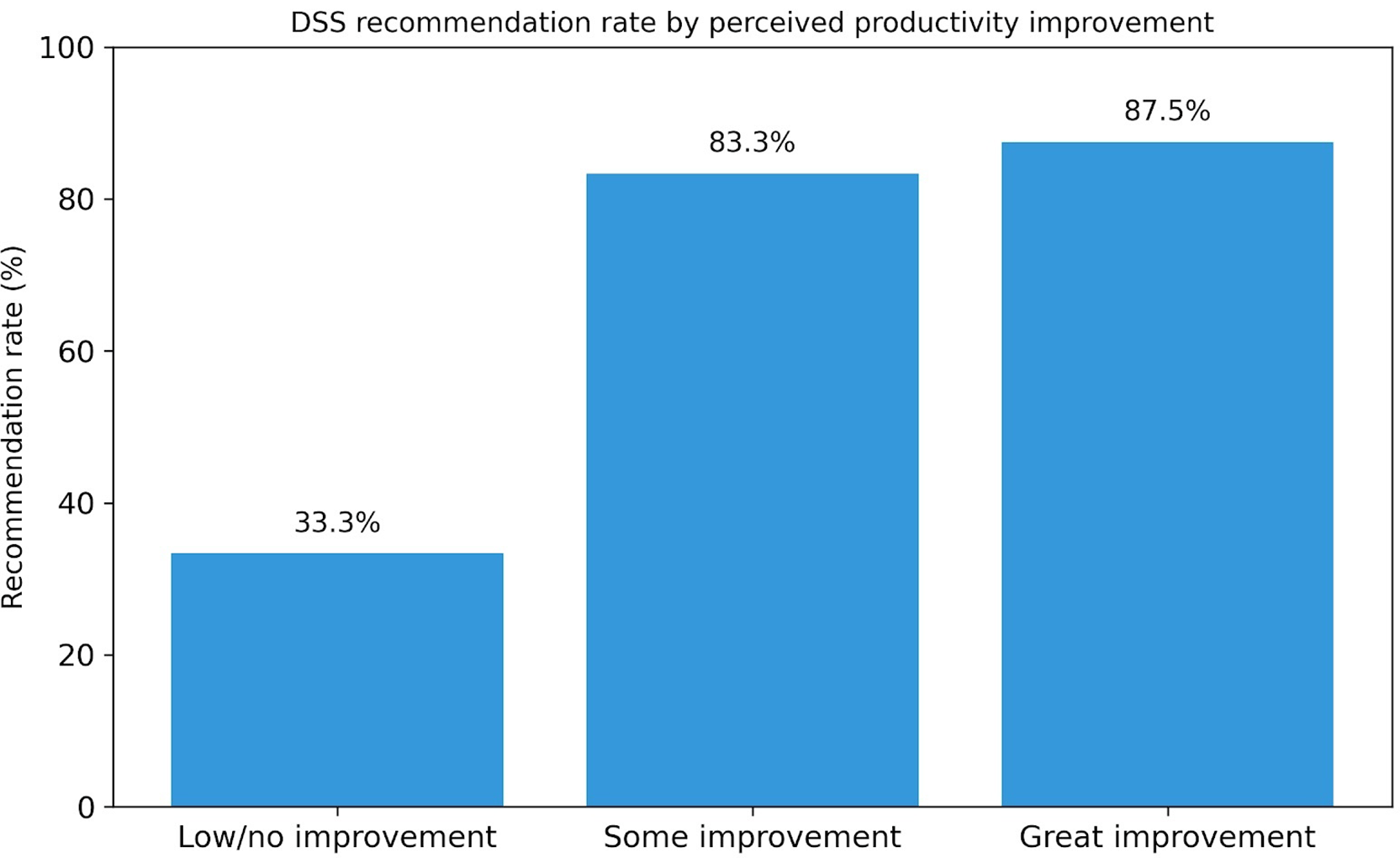
Figure 1. DSS recommendation rate by productivity improvement.
Similarly, perceived adaptation of DSS to farmers’ needs is a significant positive predictor (β = 0.524, p = 0.031), suggesting that consultants are more likely to recommend DSSs that align closely with the operational realities of their clients.
Figure 2 illustrates a steady increase in recommendation rates as perceived adaptation improves on the 1–5 scale, peaking at 95% at the highest adaptation score.
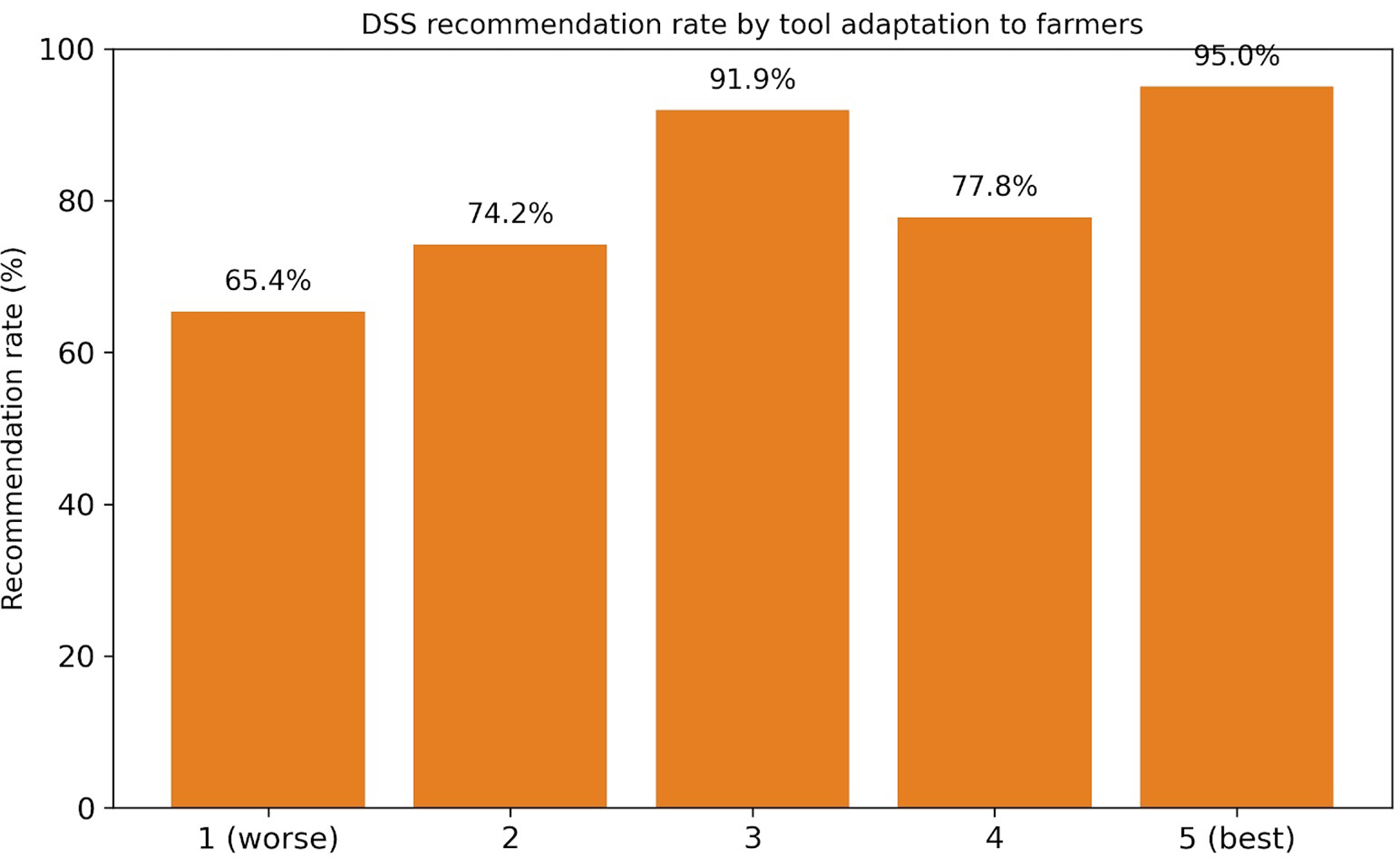
Figure 2. DSS recommendation rate by tool adaptation to farmers.
Single crop specialization also shows a significant effect (β = 1.378, p = 0.018) where consultants with homogeneous production systems may perceive DSS as more applicable and easier to integrate into their advisory practices. As shown in figure 3, consultants focusing on a single crop exhibit a higher recommendation rate (84.5%) compared to those managing heterogeneous, multiple-crop environments (71.4%).
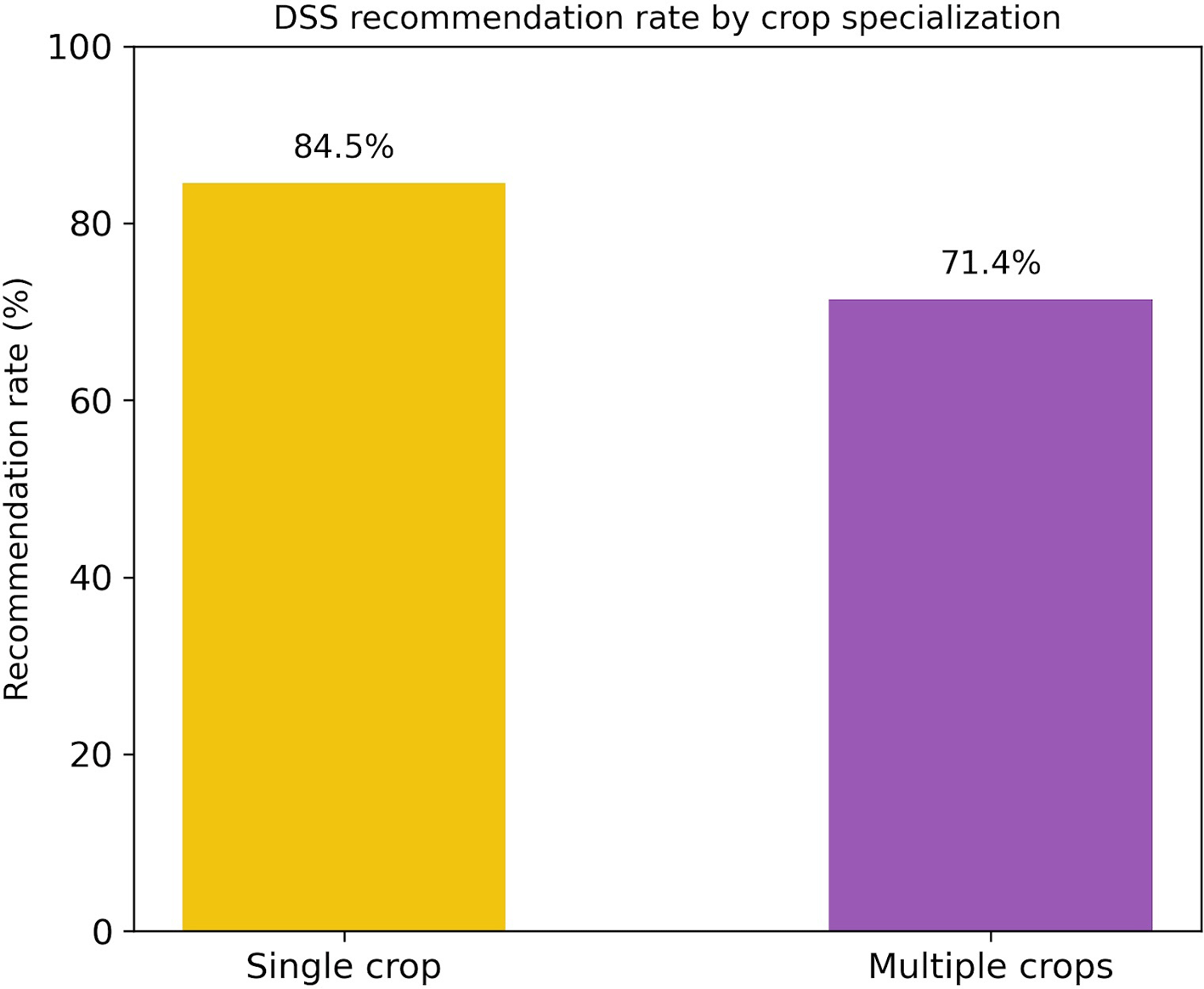
Figure 3. DSS recommendation rate by crop specialization.
Behavioral engagement variables show marginal influence. Consultants who regularly receive feedback from farmers are more likely to recommend DSSs (β = 1.106, p = 0.034) reflecting the importance of experiential learning on DSS recommendation likelihood. In figure 4, receiving feedback from farmers significantly increases the likelihood of a consultant recommending a DSS, reducing information asymmetry.
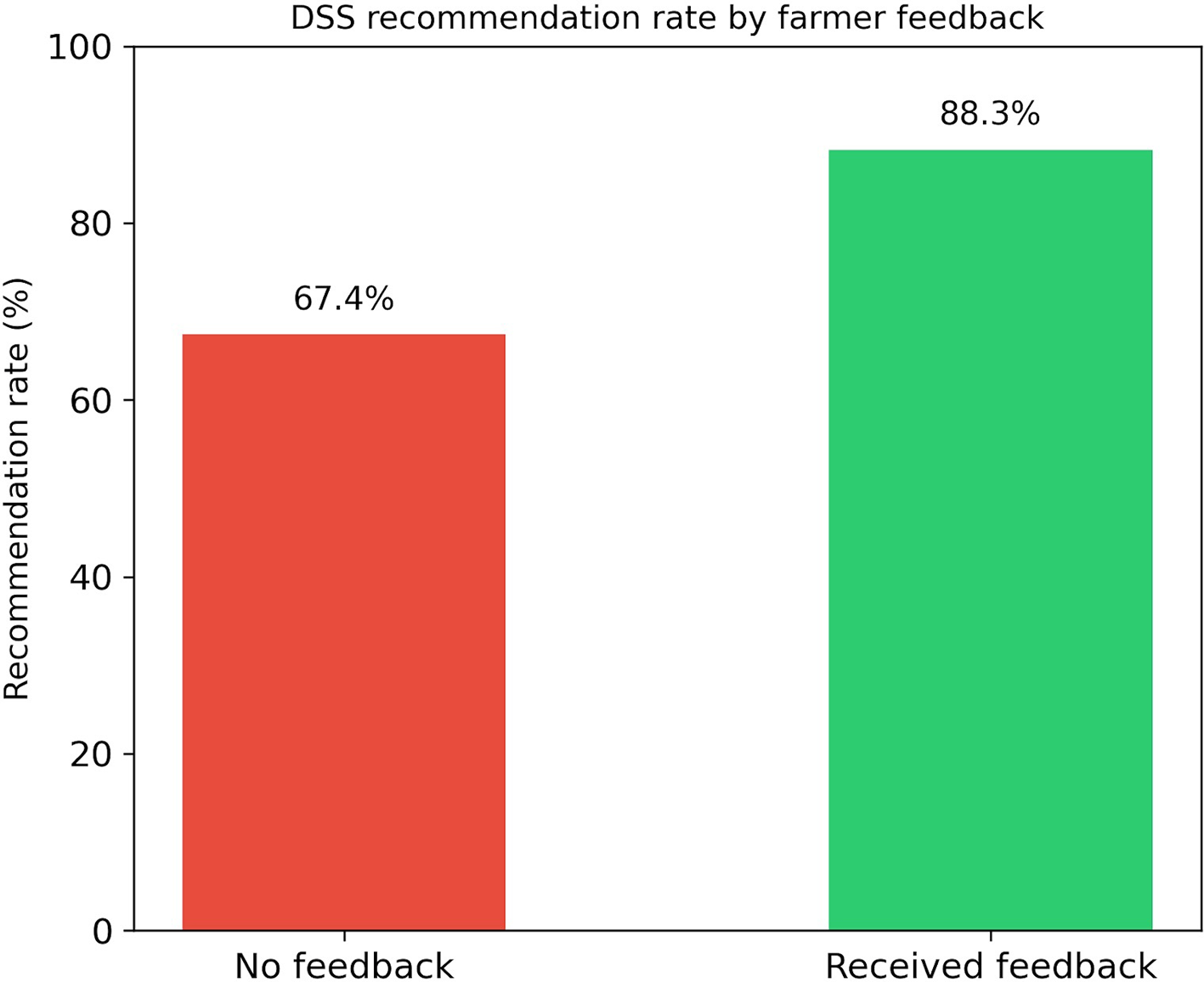
Figure 4. DSS recommendation rate by farmer feedback.
Likewise, attendance to manufacturers’ demonstration events is positively associated with recommendation likelihood (β = 1.054, p = 0.059), indicating that direct exposure to system functionality can enhance familiarity and trust. In contrast, consultants’ request for evidence from DSS developers is not a significant predictor (β = −0.651, p = 0.261).
In practice, trust and perceived utility may outweigh formal validation requirements. Similarly, access to marketing information and use of general DSS versions were not significant predictors, implying that superficial exposure or tool generality has limited influence on recommendation decisions.
Collectively, these results reveal that consultants’ decisions to recommend DSS are primarily shaped by perceived productivity gains, contextual adaptation and professional specialization, reinforced by experiential engagement through feedback and demonstrations. In contrast, formal evidence-seeking behavior and informational exposure appear less influential. These findings emphasize that DSS endorsement among consultants is driven less by passive information processing and more by hands-on experience, perceived value-in-use and the perceived fit of the technology within the agricultural decision-making environment.
5. Discussion
The findings reveal that consultants’ DSS recommendation likelihood is driven by four primary factors: perceived productivity improvement, perceived tool adaptation, feedback from farmers and single crop specialization. Additionally, attendance at demonstration events showed marginal significance. These results contribute to understanding the behavioral and contextual dimensions of technology diffusion through professional intermediaries.
Perceived productivity improvement emerged as the strongest predictor of recommendation likelihood. This aligns with TAM’s emphasis on perceived usefulness as a key driver of technology adoption (Brugler et al., 2024; Davis, 1989). Consultants function as gatekeepers who assess technologies on behalf of their clients and their endorsement is contingent on the belief that DSS will deliver tangible benefits. This finding suggests that developers should prioritize demonstrating productivity gains through field trials, case studies and quantitative performance metrics to enhance consultant confidence.
The significant effect of perceived adaptation reinforces the importance of compatibility highlighted in DOI theory (Rogers et al., 2019). DSSs that are perceived as well-adapted to farmers’ operational contexts reduce integration risk and enhance trust (Eastwood et al., 2019). This finding underscores the need for context-specific DSS design and participatory development processes that involve both consultants and farmers (Oliver et al., 2012; Rose et al., 2018).
Single crop specialization significantly influenced recommendation likelihood, suggesting that consultants serving specialized production systems may have greater confidence in evaluating and endorsing DSS. Specialized consultants likely possess deeper domain knowledge and familiarity with crop-specific DSS functionalities, reducing perceived complexity and increasing recommendation propensity. This finding has implications for targeting DSS dissemination strategies toward specialized advisory networks.
Feedback from farmers emerged as a significant predictor, highlighting the role of experiential learning and social proof in shaping consultant behavior (Deutsch & Gerard, 1955). When consultants receive performance feedback from farmers, they gain empirical evidence that reduces uncertainty and strengthens trust in DSS recommendations. This finding suggests that developers should facilitate feedback mechanisms and testimonial sharing to enhance consultant confidence. Information asymmetry between developers and consultants can be reduced through transparent communication about DSS performance (Oliver et al., 2012; Stiglitz, 2002).
The marginal significance of attendance at demonstration events (p = 0.059) suggests that direct exposure to DSS functionality influences recommendation likelihood through the availability heuristic (Tversky & Kahneman, 1973). Demonstrations provide consultants with firsthand experience of DSS capabilities, enhancing familiarity and reducing perceived complexity. This finding aligns with DOI’s emphasis on trialability and observability as adoption facilitators (Rogers et al., 2019). Developers and policymakers should invest in demonstration events, workshops and hands-on training to increase consultant exposure to DSS.
Interestingly, access to marketing information did not significantly influence recommendation likelihood. This suggests that passive exposure to promotional material alone is insufficient to drive endorsement behavior. Consultants likely prioritize substantive evidence and experiential learning over marketing claims, consistent with professional norms emphasizing evidence-based practice. This finding reinforces the need for credible, peer-reviewed information rather than purely promotional content.
The requirement for formal evidence showed a negative but non-significant relationship with recommendation likelihood. While consultants who demand rigorous validation may exhibit greater caution, this behavior did not significantly impede recommendation in this sample. This may reflect the relatively high education level of respondents (61% with bachelor’s or master’s degrees), who may balance evidence requirements with practical considerations. Future research should examine how evidence standards vary across different consultant profiles and contexts.
The non-significant effect of using the same general DSS version suggests that familiarity alone does not guarantee recommendation. While status quo bias and the endowment effect predict preference for familiar systems (Kahneman et al., 1991; Thaler, 1980), consultants may prioritize client-specific fit over personal familiarity. This finding indicates that consultants exercise professional judgment that extends beyond their own preferences, focusing on client needs rather than personal convenience.
6. Conclusions
This study examined the factors influencing agricultural consultants’ likelihood of recommending DSS. The findings provide compelling evidence that consultants’ likelihood of recommendation is predominantly driven by perceived productivity improvement, perceived tool adaptation, feedback from farmers and single crop specialization.
The analysis confirms that consultants who perceived DSS as improving productivity and well-adapted to farmers’ needs were significantly more likely to recommend their use. These two variables (perceived risk and attitudes) emerged as the most powerful behavioral drivers, affirming core propositions of TAM and DOI frameworks. Consultants operating within specialized, single-crop systems also displayed higher likelihood of recommending DSS, suggesting that technological applicability and system integration are more straightforward in homogeneous production contexts. Furthermore, experiential exposure (through feedback mechanisms and participation in manufacturers’ demonstrations) was found to positively influence recommendation likelihood, highlighting the importance of interaction and trust in technology acceptance. Conversely, the absence of significant effects for formal evidence requirements and marketing exposure underscores that rational information processing alone does not drive consultants’ likelihood of recommendation. Instead, behavioral and experiential learning processes appear to dominate, reflecting a pragmatic orientation where consultants prioritize observable, field-based benefits over abstract validation. This finding aligns with contemporary perspectives in behavioral economics and applied innovation theory, which argue that adoption and advocacy behaviors are grounded in perceived behavioral control and affective confidence rather than formal rationality.
Taken together, these results position agricultural consultants as critical behavioral intermediaries in the digital transformation of agriculture. Their recommendation behavior reflects a synthesis of practical experience, contextual understanding and perceived technological efficacy dimensions that collectively shape the diffusion of innovation within agricultural advisory systems. The study therefore contributes to a more nuanced understanding of DSS adoption dynamics, emphasizing that technological diffusion is not solely a function of system attributes but equally a product of the social cognition, professional judgment and behavioral confidence of intermediaries.
From a policy perspective, these findings call for strategies that promote hands-on engagement, user-centered design and feedback-oriented learning environments to strengthen consultants’ trust in DSS and enhance the likelihood of recommendation. By aligning technology development with the behavioral realities of advisory professionals, stakeholders can bridge the persistent gap between DSS innovation and widespread field adoption.
In summary, the study underscores a central principle: technology adoption is not just a technical process but a behavioral one. Consultants’ endorsement of DSS depends as much on perceived relevance and experiential validation as on technical performance. Recognizing and operationalizing these behavioral dimensions is therefore essential to achieving sustainable digital innovation in agriculture.
7. Implications
The results of this study have substantial implications for DSS developers, policy makers and agricultural institutions, warranting strategies that incorporate behavioral insights with DSS design. Considering consultants’ high level of formal education, experience and their view of DSS as an augment to their professional practice, it is imperative for future DSS development to prioritize a user centric design with seamless integration to existing workflows over replacing human expertise to positively shift perceptions towards the recommendation and use of DSSs. Fundamentally, the findings highlight that consultants’ likelihood of recommendation is less driven by the availability of technological information but more by perceptions towards practical value, contextual adaptation and experiential credibility of DSSs. Policies and interventions geared towards acceleration of adoption should go beyond providing information and focus on strategies that leverage hands on engagement, perceived relevance and tangible impacts.
Firstly, the positive and significant influence of perceived productivity improvement shows that DSS promotion should focus on measurable benefits over abstract technical capabilities. Developers and consultants should collaborate to generate and share empirical evidence of productivity gains derived from DSS use in real farming conditions. Pilot projects and participatory field trials that visibly demonstrate performance improvements are likely to have a positive impact on trust and consequently, the likelihood of recommending these systems. For instance, private-public partnerships could be pivotal in funding demonstration farms or digital agriculture labs where consultants can evaluate DSS performance directly.
Secondly, the importance of contextual adaptation shows that DSSs should be codesigned with various stakeholders by incorporating local agricultural data, farming practices and socio-economic constraints. For policymakers, this finding highlights the importance of supporting user centric ecosystems where feedback loops support iterative system improvements. This participatory approach enhances system capability and strengthens the perceived legitimacy of DSS recommendation in advisory services.
Thirdly, the positive and significant influence of feedback and attendance to demonstration events highlight the importance of experiential learning in agriculture. Policy frameworks and institutional programs should prioritize training models that are hands-on and interactive over traditional information-based workshops. Investment in extension networks that foster peer-to -peer information exchange and real time feedback can reduce behavioral constraints and accelerate technology diffusion. In the same vein, developers and research institutions can collaborate to establish regular demonstration events and interactive platforms that allow consultants to continuously refine their understanding of DSS functionality and potential benefits.
In addition, the finding that formal evidence seeking behavior does not significantly influence the likelihood of recommendation suggests that trust can be gained through practical observation rather than through external validation. Policy makers should support trusted intermediaries as key influencers in the technology adoption chain. Availing access to reliable and relevant DSS to intermediaries can potentially create positive spillover effects through social learning and professional networks.
Lastly, as single-crop specialization enhances the likelihood of DSS recommendation, tailored policies may be needed to address the complexity of diversified farming systems, where the perceived relevance of DSS may be weaker. Encouraging modular DSS architectures that can accommodate multi-crop environments would make such systems more inclusive and extend their applicability across diverse farming contexts.
In summary, effective DSS diffusion policies should integrate behavioral insights with technological design, focusing on experiential engagement, contextual relevance and demonstrable performance. By aligning technological development with human behavioral drivers, policymakers and practitioners can strengthen consultants’ confidence as intermediaries and promote a more sustained, evidence-informed adoption of decision support technologies in agriculture.
8. Limitations
This study, while providing valuable insights into the behavioral and contextual factors influencing agricultural consultants’ DSS recommendations, is subject to several limitations that warrant consideration when interpreting its findings.
First, the cross-sectional study design hampers the ability to infer causality between behavioral factors and the likelihood of recommendation. The observed associations indicate correlations rather than directional effects; therefore, it remains unclear whether factors such as perceived productivity improvements lead consultants to recommend DSS or whether active recommenders subsequently develop stronger perceptions of system usefulness. Longitudinal or experimental designs would allow for a more robust exploration of causal pathways and behavioral change over time. In addition, the study relies primarily on self-reported data, which may introduce social desirability or recall bias. Consultants may overstate their engagement with DSS or their likelihood of recommendation, considering the professional desirability of appearing technologically progressive. Although confidentiality measures and careful questionnaire design were employed to mitigate these effects, the potential for biased responses cannot be fully ruled out.
Furthermore, while the use of multiple imputation strengthened the robustness of statistical inferences and reduced the bias from missing data, it does not completely eliminate uncertainty arising from incomplete observations. The imputation process assumes that missingness is random and that the variables included adequately predict missing values. While reasonable, may not hold perfectly in practice.
Also, the study’s sample size and composition may limit the generalizability of results. Consultants operating in different institutional environments, agricultural systems or political contexts may exhibit distinct professional tendencies. Consequently, extending the findings to other regions with different advisory structures should be done cautiously. In this sense, future studies should include a more statistically representative sample across multiple agricultural domains to improve external validity.
Moreover, the behavioral constructs examined, while grounded in established theoretical models such as the TAM and DOI, capture only a subset of the cognitive and affective factors influencing technology recommendation. Variables such as risk perception, peer influence, digital literacy and organizational incentives were beyond the scope of this analysis but may play significant moderating roles in consultants’ decision-making processes.
Finally, the study’s reliance on quantitative modeling provided statistical clarity but limited the depth of understanding regarding the nuanced reasoning and contextual dynamics underlying consultants’ attitudes toward DSS. Complementary qualitative research, such as interviews or focus groups, could yield richer insights into the motivations, institutional pressures and experiential narratives that shape recommendation behavior.
Despite these limitations, the methodological rigor applied, particularly the use of multiple imputation and the theoretical triangulation of behavioral frameworks, provides confidence in the robustness of the findings. These constraints therefore do not diminish the contribution of the study but instead highlight areas where future research can deepen and broaden understanding of behavioral drivers in influencing the recommendation of agricultural DSSs.
Ethical approval and consent
This study was conducted in accordance with the ethical standards established by the IPM Decisions project (Grant Agreement No. 817617), funded under the European Union’s Horizon 2020 program. Ethical oversight was provided by the IPM Decisions Ethics Committee, chaired by Neil Paveley of ADAS (project coordinator), in compliance with the General Data Protection Regulation (GDPR). As this study was conducted under the auspices of the Ethics Work Package (WP1) of the IPM Decisions project, no separate institutional ethical approval number was issued. Ethical compliance was governed by project deliverable D1.1 (Recruitment criteria for research participants, informed consent, and data collection procedures), which serves as the primary ethics reference for all research activities conducted within the project. The ethical aspects of the project, including informed consent procedures, are detailed in the publicly available IPM Decisions Data Management Plan, accessible at: https://ec.europa.eu/info/funding-tenders/opportunities/grants/docs/080166e5c9cc7a51/Attachment_0.pdf. The survey instrument and data collection procedures used in this study are consistent with those employed in a prior publication using data generated under the same ethical framework (Akaka et al., 2024). The survey instrument was reviewed and approved by the Ethics Committee prior to data collection. All participants were adult volunteers who provided written informed consent before participation. Participant data were anonymized using personal code numbers to prevent identification of respondents, and no sensitive personal data were collected.
References
- Akaka JJ, García-Gallego A, Georgantzís N, et al.:
Decision Support Systems adoption in pesticide management.
Open Research Europe.
2024; 4. Publisher Full Text
- Akaka JJ, García-Gallego A, Georgantzis N, et al.:
Survey questionnaire: Bridging The Adoption Gap - The Role Of Agricultural Consultants Behavior In Decision Support System Adoption [questionnaire].
Zenodo.
2026a. Publisher Full Text
- Akaka JJ, García-Gallego A, Georgantzis N, et al.:
Full survey dataset: Bridging The Adoption Gap - The Role Of Agricultural Consultants Behavior In Decision Support System Adoption. [dataset].
Zenodo.
2026b. Publisher Full Text
- Akaka JJ, García-Gallego A, Georgantzis N, et al.:
Curated analytical dataset: Bridging The Adoption Gap - The Role Of Agricultural Consultants Behavior In Decision Support System Adoption. [dataset]
Zenodo.
2026c. Publisher Full Text
- Akaka JJ, García-Gallego A, Georgantzis N, et al.:
Survey questions categorisation: Bridging The Adoption Gap - The Role Of Agricultural Consultants' Behavior In Decision Support System Adoption. [dataset].
Zenodo.
2026d. Publisher Full Text
- Ara I, Turner L, Harrison MT, et al.:
Application, adoption and opportunities for improving decision support systems in irrigated agriculture: A review.
Agric. Water Manag.
2021; 257:107161. Publisher Full Text
- Baldin M, Breunig T, Cue R, et al.:
Integrated Decision Support Systems (IDSS) for dairy farming: A discussion on how to improve their sustained adoption.
Animals: An Open Access Journal from MDPI.
2021; 11(7). PubMed Abstract
| Publisher Full Text
| Free Full Text
- Bechtet N:
How do advisory suppliers support farmers in evaluating a digital innovation? A case study on decision support tools for fertilizer application in France.
Journal of Innovation Economics & Management.
2023; 42(3):73–101. Publisher Full Text
- Brugler S, Gardezi M, Dadkhah A, et al.:
Improving decision support systems with machine learning: Identifying barriers to adoption.
Agron. J.
2024; 116(3):1229–1236. Publisher Full Text
- Davis FD:
Perceived usefulness, perceived ease of use, and user acceptance of information technology.
MIS Quarterly: Management Information Systems.
1989; 13(3):319–340. Publisher Full Text
- Deutsch M, Gerard HB:
A study of normative and informational social influences upon individual judgment.
J. Abnorm. Soc. Psychol.
1955; 51(3):629–636. Publisher Full Text
- Directive 2009/128/EC, Pub. L. 32009L0128, 71:
2009.
Reference Source
- Eastwood C, Ayre M, Nettle R, et al.:
Making sense in the cloud: Farm advisory services in a smart farming future.
NJAS: Wageningen Journal of Life Sciences.
2019; 90-91(1):1–10. Publisher Full Text
- Kahneman D, Knetsch JL, Thaler RH:
Anomalies: The endowment effect, loss aversion, and status quo bias.
J. Econ. Perspect.
1991; 5(1):193–206. Publisher Full Text
- Kanatas P, Travlos IS, Gazoulis I, et al.:
Benefits and limitations of Decision Support Systems (DSS) with a special emphasis on weeds.
Agronomy.
2020; 10(4):548. Publisher Full Text
- Klerkx L, Rose D:
Dealing with the game-changing technologies of Agriculture 4.0: How do we manage diversity and responsibility in food system transition pathways?.
Glob. Food Sec.
2020; 24:100347. Publisher Full Text
- Oliver DM, Fish RD, Winter M, et al.:
Valuing local knowledge as a source of expert data: Farmer engagement and the design of decision support systems.
Environ. Model Softw.
2012; 36:76–85. Publisher Full Text
- Ritter C, Jansen J, Roche S, et al.:
Invited review: Determinants of farmers’ adoption of management-based strategies for infectious disease prevention and control.
J. Dairy Sci.
2017; 100(5):3329–3347. PubMed Abstract
| Publisher Full Text
- Rogers EM, Singhal A, Quinlan MM:
Diffusion of innovations.
An Integrated Approach to Communication Theory and Research.
Taylor and Francis;
Third Edition2019; pp. 415–433. Publisher Full Text
- Rose DC, Parker C, Fodey J, et al.:
Involving stakeholders in agricultural decision support systems: improving user-centered design.
International Journal of Agricultural Management.
2018; 6(3–4):80–89. Publisher Full Text
- Royston P, White IR:
Multiple Imputation by Chained Equations (MICE): Implementation in Stata.
J. Stat. Softw.
2011; 45(4):1–20. Publisher Full Text
- Rubin DB:
Multiple imputation.
Chapman and Hall/CRC;
2018. Publisher Full Text
- Samuelson W, Zeckhauser R:
Status quo bias in decision making.
J. Risk Uncertain.
1988; 1(1):7–59. Publisher Full Text
- Slovic P:
Perception of Risk.
Science.
1987; 236(4799):280–285. Publisher Full Text
- Stiglitz JE:
Globalization and its discontents.
W. W. Norton & Company, editor.
W.W. Norton & Co;
2002.
Reference Source
- Thaler R:
Toward a positive theory of consumer choice.
J. Econ. Behav. Organ.
1980; 1(1):39–60. Publisher Full Text
- Tversky A, Kahneman D:
Availability: A heuristic for judging frequency and probability.
Cogn. Psychol.
1973; 5(2):207–232. Publisher Full Text
- Tversky A, Kahneman D:
Loss aversion in riskless choice: A reference-dependent model.
Q. J. Econ.
1991; 106(4):1039–1061. Publisher Full Text
- Westaby JD:
Behavioral reasoning theory: Identifying new linkages underlying intentions and behavior.
Organ. Behav. Hum. Decis. Process.
2005; 98(2):97–120. Publisher Full Text