Introduction
The WHO Classification of Tumours (WCT) underpins cancer diagnosis worldwide and directly informs clinical decision-making, cancer surveillance and research, and policy.1–3 Despite its central role, the evidence-base supporting tumour classification is frequently heterogeneous, often derived from non-systematic literature review and expert consensus rather than structured evidence synthesis.4 This increases the risks of introducing bias, limiting reproducibility, and variability in evidence quality across tumour types. The Mapping the Evidence for the World Health Organization (WHO) Classification of Tumours: a Living Evidence Gap Map by Tumour Type (WCT EVI MAP) project aimed to summarise the tumour pathology evidence-base by generating Evidence Gap Maps (EGMs) under the framework of the WCT.
EGMs provide a systematic approach to summarising and visualising research landscapes, enabling identification of evidence gaps and concentrations of low- or high-level evidence.5,6 While widely used in policy and public health research, their application to tumour pathology and cancer classification is novel. WCT EVI MAP follows a structured, multi-phase approach: (1) development of an adapted evidence framework and consensus-derived hierarchy of evidence for pathology; (2) large-scale mapping of the available evidence across tumour types (EGMs); and (3) development of a web-based, living decision-support tool to enable continuous evidence synthesis and exploration. These activities were organised across 11 interlinked work packages spanning methodology, mapping, tool development, dissemination, and evaluation (see
Figure 1). With the project now drawing to a close, herein we present an early (interim) evaluation of the WCT EVI MAP project, focusing on implementation progress, deliverables, and emerging impact within tumour pathology.
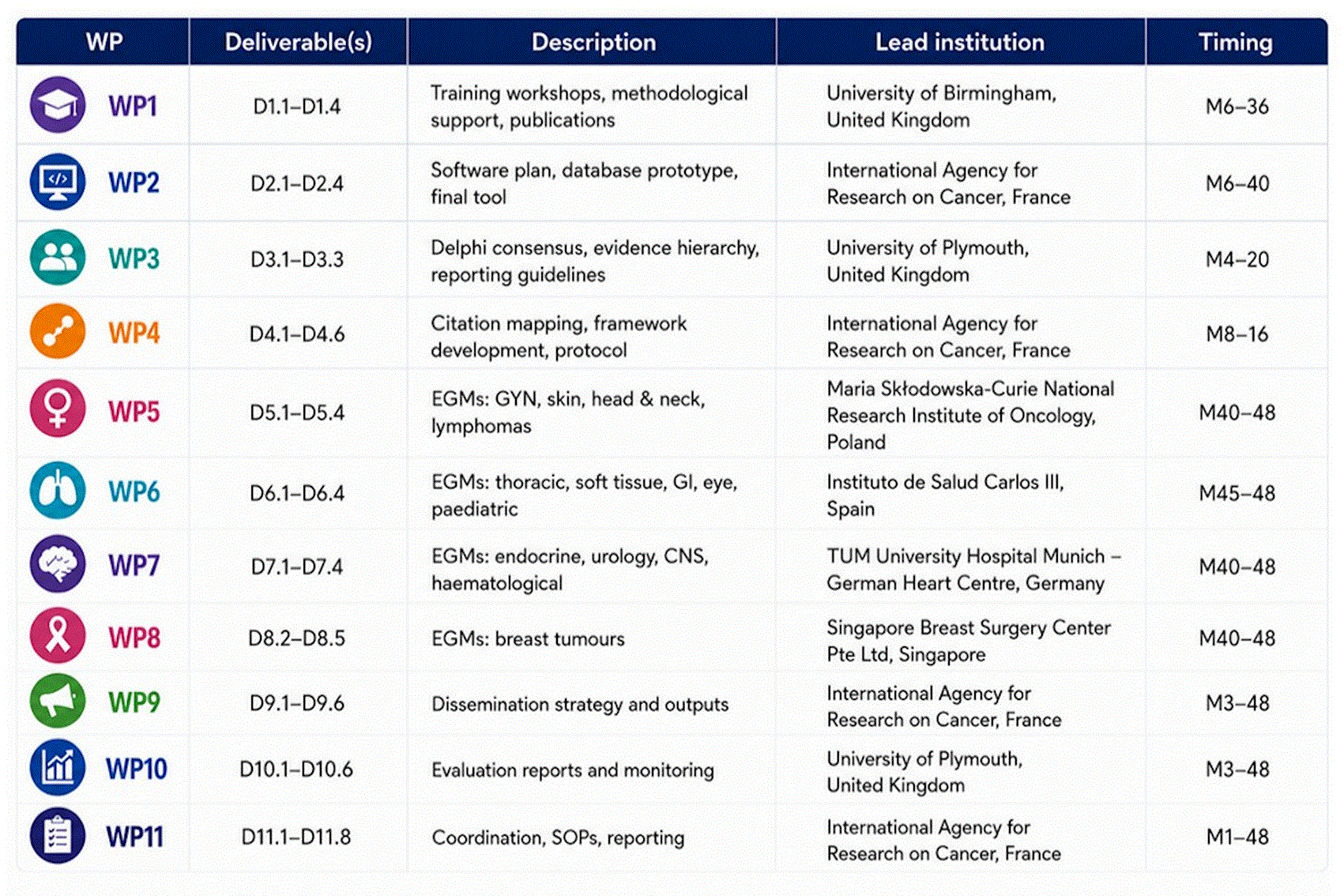
Figure 1. Overview of the WCT EVI MAP Project work packages.
See also the Supplementary material for expanded detail.
Methods
The evaluation presented here follows a mixed-methods design combining quantitative monitoring of deliverables and milestones with qualitative assessment of implementation, coordination, and perceived impact across work packages (WPs). Each WP included predefined objectives, deliverables, and milestones. Evaluation was undertaken both at individual WP level and across the programme as a whole.
Data sources
Three main data sources were used:
1.
Project documentation
Including the grant agreement, Description of Action (DoA), deliverable schedules, and internal evaluation reports.
2.
Structured WP survey (Feb–March 2025)
Completed by representatives from all WPs, capturing:
○ staffing and full-time equivalent (FTE) contribution
○ progress against deliverables
○ screening, coding, and mapping activity
○ coordination workload
○ challenges and delays
○ perceived scientific and organisational impact
3.
Ongoing monitoring data
Including milestone completion, deliverable status, and internal progress tracking (e.g. contingency planning outputs, SOP development, and tool development progress).
Evaluation framework
Evaluation was conducted using a predefined Monitoring and Evaluation (M&E) framework. This framework assessed:
•
Outputs: completion of deliverables and milestones (binary: completed/pending)
•
Processes: adherence to timelines and workflow implementation
•
Outcomes: qualitative indicators including collaboration, methodological development, and perceived impact
Deliverables were treated as the primary unit of analysis, with milestone timing used to assess process performance. Outcome-level evaluation incorporated survey-derived qualitative data, reflecting both WP-level and cross-consortium perspectives.
Data analysis
Quantitative data were summarised descriptively at WP level (e.g. number of studies screened, coded, EGMs produced). Qualitative responses were analysed thematically to identify recurring issues, including barriers to progress, coordination challenges, and perceived impact. Deliverables were categorised as ‘Completed’, ‘In progress’, and ‘Pending/delayed’ and mapped against planned timelines to assess overall project performance.
Results
Project implementation and overall progress
The WCT EVI MAP project was implemented as a large-scale, multi-institutional programme structured across 11 interdependent work packages spanning methodological development, large-scale evidence mapping, software development, dissemination, and evaluation. The project followed a phased progression, beginning with methodological and conceptual groundwork and transitioning into high-volume evidence mapping and tool deployment. The project workflow is outlined in
Figure 2.
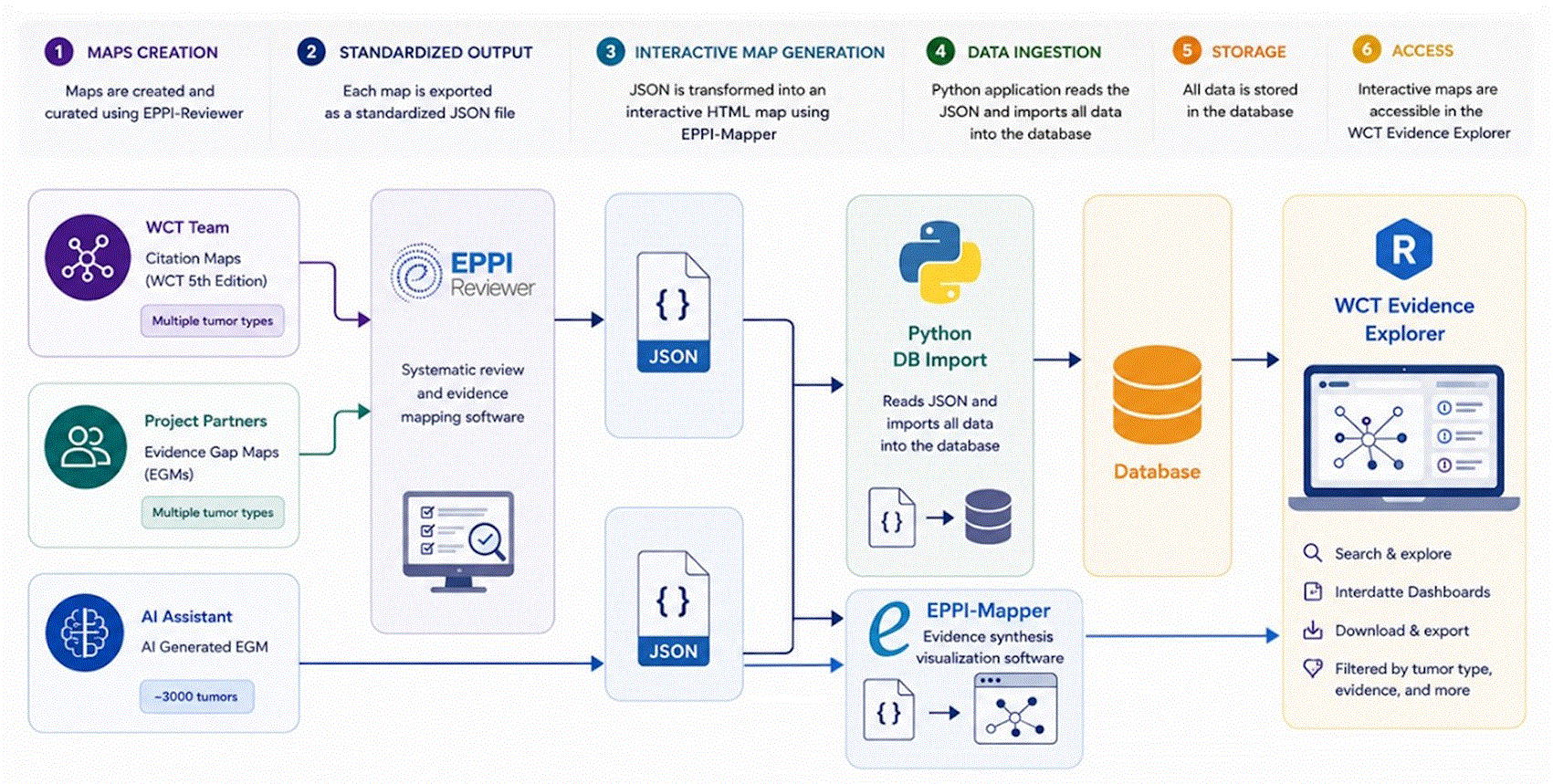
Figure 2. The WCT EVI MAP Project Workflow.
Early-phase work packages (WP1–WP4) achieved their primary objectives and established the foundational infrastructure required for subsequent phases. These included the development of training materials and methodological support systems (WP1), definition of software requirements (WP2), development of an adapted hierarchy of research evidence for tumour pathology through a structured Delphi process (WP3), and the creation of a consensus-derived framework for evidence mapping through expert consultation (WP4). Together, these outputs enabled standardisation across downstream activities and aligned the project with established principles of evidence synthesis and reproducibility.1,2
Subsequent work packages (WP5–WP8), focused on tumour-specific evidence mapping, have progressed at varying rates across domains, reflecting heterogeneity in data volume, complexity of tumour classifications, and operational constraints. Mapping activities are currently being finalised, with multiple completed or near-complete EGMs and associated datasets.
In parallel, WP2 progressed from early-stage software exploration to the development of a functional web-based platform, while WP9 (dissemination), WP10 (evaluation), and WP11 (coordination and management) supported implementation through continuous monitoring, stakeholder engagement, and iterative refinement of processes. Overall, the project successfully transitioned from methodological development to large-scale implementation and tool deployment.
Development of methodological framework and evidence standards (WP1–WP4)
A central scientific output of the project has been the development of a pathology-specific framework for the assessment of evidence levels in evidence synthesis. In part this was developed to tackle the problem of screening hundreds of thousands of publications, where our focus consequently needed to be on abstract and title screening. However, in part this framework was developed to address difficulties in assessing the tumour pathology evidence-base, requiring new, bespoke tools.
Through a structured, multi-round Delphi process (WP3), a novel and bespoke Hierarchy of Evidence in Tumour Pathology (HETP) was generated (
Figure 3). This framework directly addresses limitations of traditional evidence hierarchies, which are primarily designed for interventional studies and are not well suited to diagnostic, prognostic, and classification-focused research typical of tumour pathology.7 The Delphi process involved international expert stakeholders (WCT authors) and resulted in consensus on criteria for evaluating evidence quality in pathology research. This was complemented by the development of reporting recommendations aimed at improving study design, methodological transparency, reproducibility, and consistency in the field, in keeping with broader initiatives in evidence-based medicine and reporting standards.8 This was later adopted by the Enhancing the QUAlity and Transparency Of health Research (EQUATOR) Network.9 Mapping using the HETP was supported by the development of a Decision Tree (DT) diagram, an algorithm for helping reviewers classify study design (
Figure 4).10
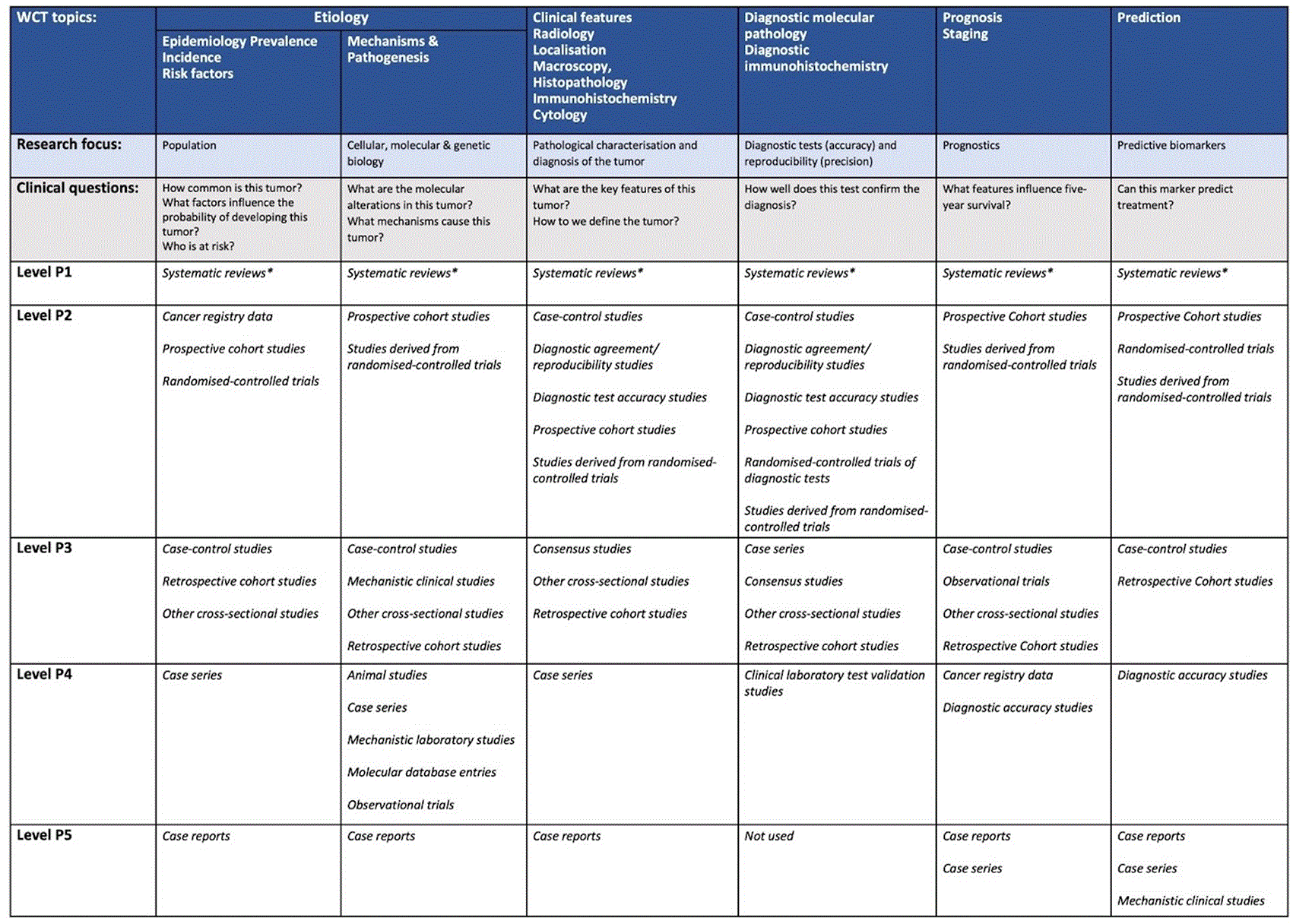
Figure 3. The WCT EVI MAP Hierarchy of Evidence in Tumour Pathology (HETP).7
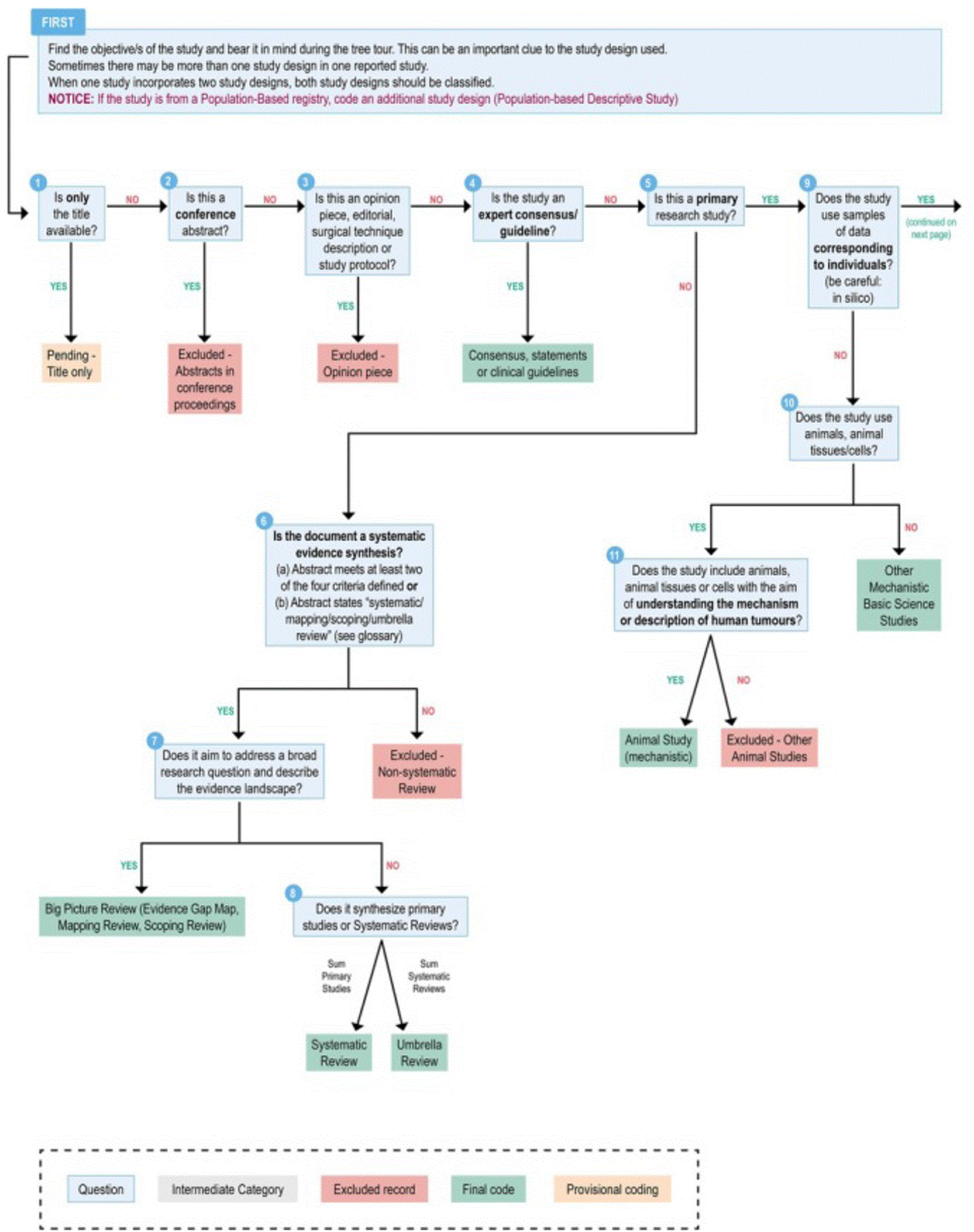
Figure 4. An excerpt from the WCT EVI MAP Decision Tree (DT) diagram.10
These outputs were supported by WP1, which delivered structured training in evidence gap mapping methodology, epidemiological principles, and software use, ensuring methodological consistency across participating teams.11 WP4 further contributed through a structured consultation process involving expert and end-user stakeholders, which informed the design of the mapping framework, including definition of primary and secondary dimensions and user-relevant outputs, and integrating the HETP and DT diagram.
In addition, WP4 completed (pending publication) the mapping of cited evidence from the WHO Classification of Tumours (5th edition), providing an initial proof-of-concept application of evidence gap mapping within tumour classification. These preliminary maps demonstrated both the feasibility of the methodology and the heterogeneity in evidence distribution, highlighting areas of high evidence density alongside domains characterised by sparse or low-level evidence. An example of one of these maps (Urinary and Male Genital Tumours) is shown in
Figure 5.
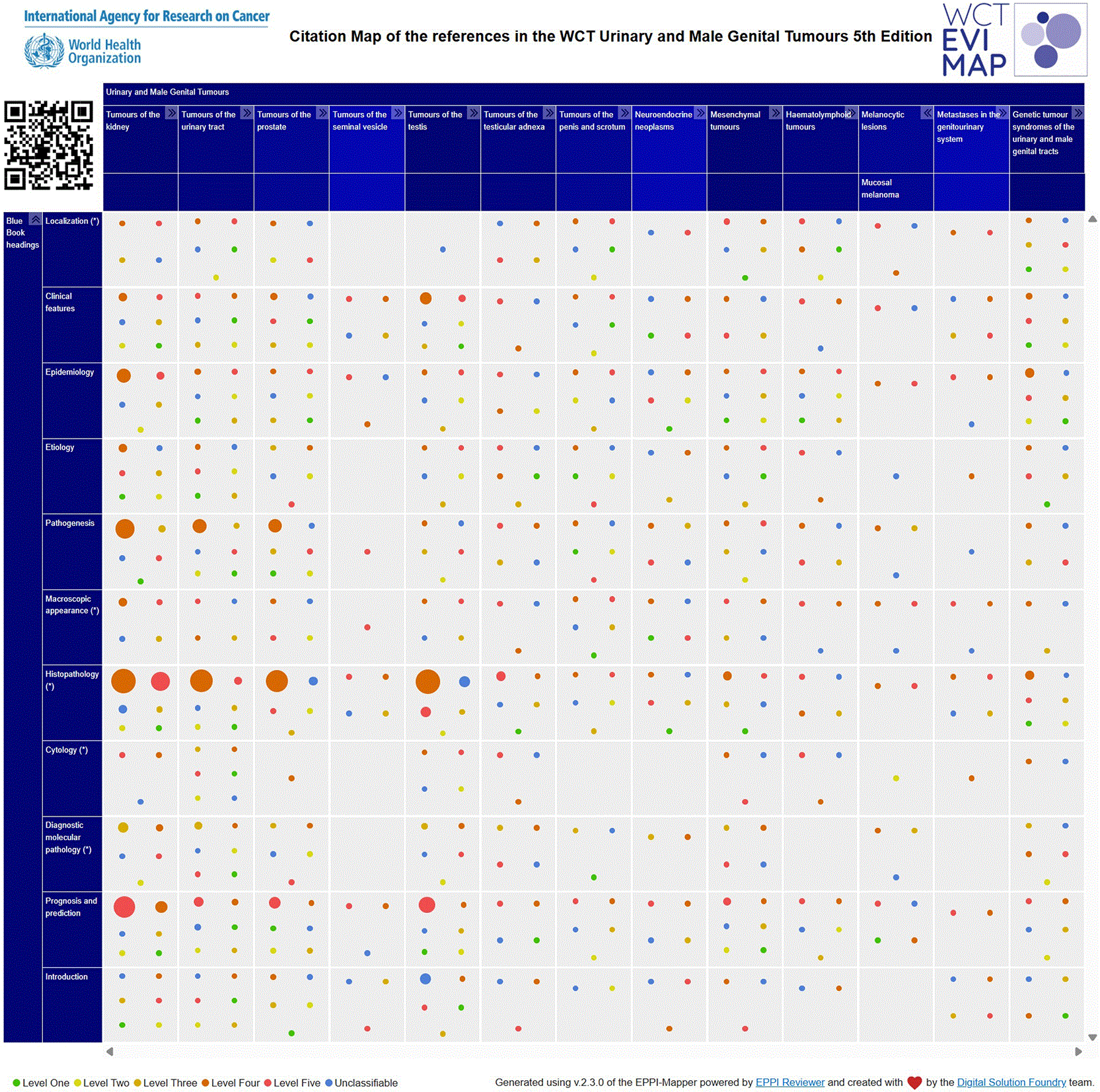
Figure 5. An example Evidence Gap Map from the mapping of the 5th edition of the World Health Organisation Classification of Tumours in Work Package 4.
Here, Tumours of the Urinary and Male Genital Tumours volume, are demonstrated. The complete set of interactive maps is available by scanning the QR code or visiting: https://wct-evi-map.iarc.who.int/evidence-gap-maps-egm
.
Evidence mapping activities and outputs (WP5–WP8)
Large-scale evidence mapping has been undertaken across multiple tumour domains using standardised protocols and workflows developed during earlier phases. These activities involved systematic literature searching, screening, deduplication, data extraction, coding, and synthesis, consistent with established systematic review methodologies,7,8 with outputs structured as EGMs.
Across work packages, substantial volumes of literature have been processed, reflecting the scale and ambition of the project. An example of one of our completed EGMs is shown in
Figure 6.
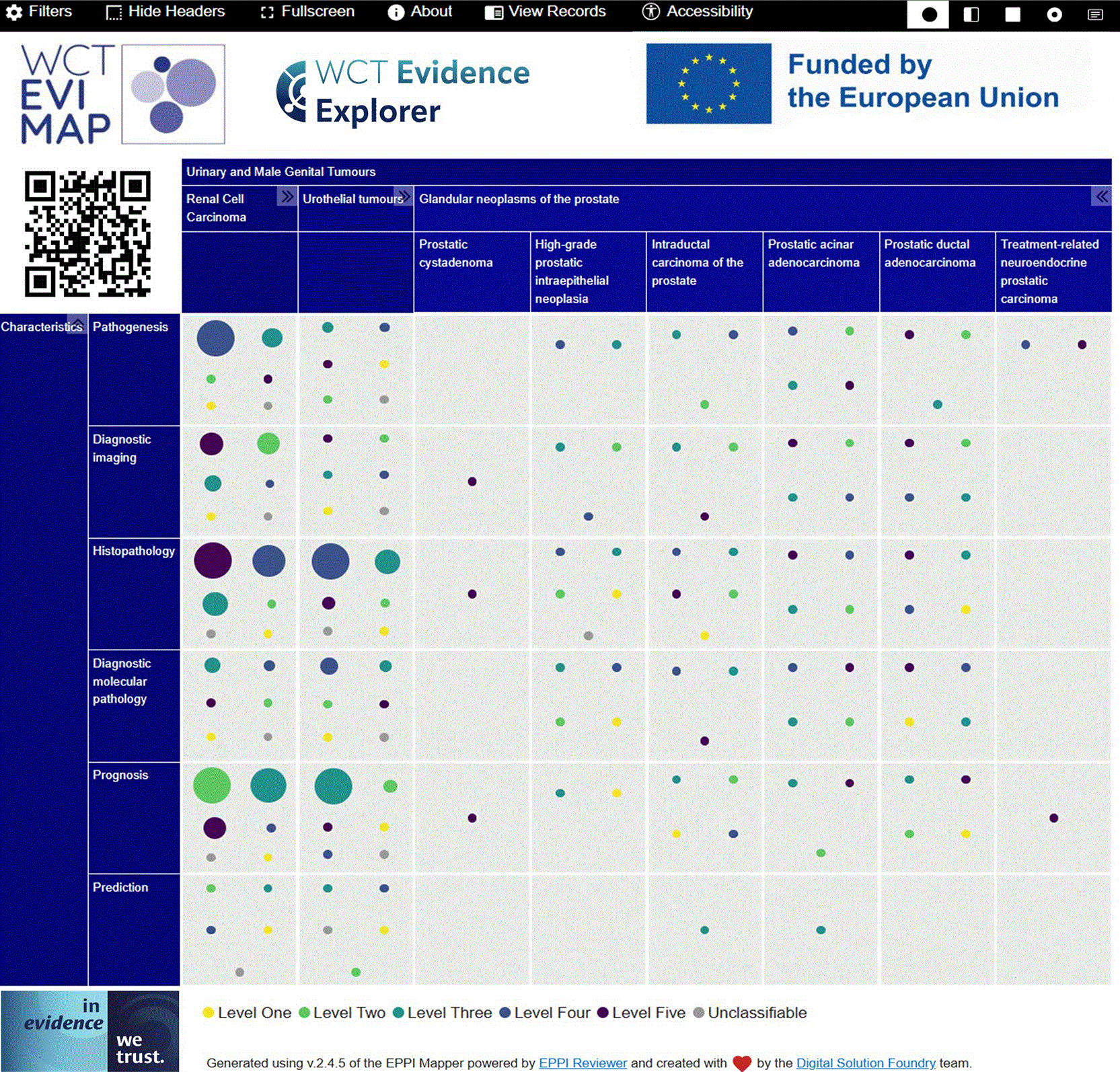
Figure 6. An example Evidence Gap Map from the main mapping project.
Here, an example from Work Package 7 - Tumours of the Urinary and Male Genital Tumours volume, are demonstrated. In this interactive map, the glandular neoplasms of the prostate section is expanded to show tumour subtypes, while renal cell carcinoma and urothelial tumour sections are collapsed. The complete set of interactive maps is available by scanning the QR code or visiting: https://wct-evi-map.iarc.who.int/evidence-gap-maps-egm
.
In WP5 (female genital tract, skin tumours, head and neck tumours, and lymphomas), across 21 tumour families encompassing 116 tumour types, 67,046 records were screened, resulting in 9,429 included studies that yielded 15,422 evidence map entries.
In WP6 (thoracic, soft tissue and bone, digestive system, eye, and paediatric tumours), more than 98,000 abstracts were screened for the development of nine EGMs across different tumour families, covering 25 tumour types. Across these EGMs, 20,706 records were coded and included. The largest EGM in terms of number of included references was Hepatocellular carcinoma, with 12,114 records, followed by intrahepatic cholangiocarcinoma with 2,397 records.
In WP6 (thoracic, soft tissue and bone, digestive system, eye, and paediatric tumours), more than 20,000 abstracts were screened for individual tumour domains, with approximately 2,400 studies coded for intrahepatic cholangiocarcinoma alone. In WP7 (endocrine, urological, central nervous system, and haematological tumours) across 14 tumour families encompassing 88 tumour types, 105.174 records were screened, resulting in 10.968 included studies that yielded 16.027 evidence map entries.
WP8 (breast tumours) has generated multiple tumour-specific EGMs, including neuroendocrine tumours and adenomyoepithelioma, and has completed mapping of cited evidence across 82 tumour types.
These outputs collectively demonstrate the scalability of evidence gap mapping within tumour pathology. At the same time, they highlight substantial variability in the size and composition of the evidence base across tumour types, including differences in study design, levels of evidence, and availability of systematic reviews. While the EGMs produced are yet to be published, the maps are available on the Evidence Explorer platform (see below).
Implementation of the WCT Evidence Explorer tool (WP2)
A major technical output of the project is the WCT Evidence Explorer, an open-access, web-based platform designed to operationalise the evidence mapping framework and enable structured interrogation of the mapped data. This tool will be accessible after its launch on the 25th of June at: https://wct-evi-map.iarc.who.int/evidence-explorer
The platform integrates outputs generated across mapping work packages (WP5–WP8), where tumour-specific evidence bases were systematically identified, screened, and coded using standardised protocols. Each study record is linked to predefined primary dimensions (tumour type and tumour descriptors) and secondary attributes, including study design, level of evidence, and bibliometric metadata, enabling multidimensional exploration.
At a conceptual level, the tool is based on a relational database architecture in which individual studies constitute the core analytical units. Each record is linked to predefined primary dimensions (tumour type and tumour descriptors) and secondary attributes (including study design, level of evidence, and bibliometric metadata), allowing dynamic filtering and aggregation. Data inputs are derived from systematic and structured searches, screening, and coding processes conducted across mapping work packages (WP5–WP8), using standardised protocols and data extraction forms to ensure consistency and interoperability.
Development followed an iterative and user-informed approach. Initial phases involved evaluation of existing systematic review and mapping software, including EPPI-Reviewer and related tools, identifying limitations in scalability, usability, and adaptability to pathology-specific requirements. These findings informed the design of a bespoke architecture capable of integrating large-scale, multi-domain evidence maps within a unified system.
The resulting platform supports dynamic visualisation of EGMs, with study density represented graphically and evidence levels encoded visually. Users can apply filters to refine analyses and access underlying studies, including systematic reviews where available. Importantly, the platform has been designed as a living evidence system, supporting continuous updating as new evidence is incorporated.
The interactive tool has three main functions: (1) providing access to the EGMs, (2) offering an interactive dashboard for data exploration, and (3) enabling users to create customised EGMs. A view of the WCT Evidence Explorer Dashboard is shown in
Figure 7. Users can access downloadable evidence maps and associated citations through the EGM interface. The interactive dashboard enables visualisation of EGMs at multiple levels, from individual tumour types to aggregated “mega maps” spanning broader classification domains. Evidence is represented graphically, with study counts visualised according to user preferences, either as numerical labels or using one of several proportional marker styles. Quality of the evidence (HETP) is highlighted by colour-codes. Interactive filtering allows users to refine the data by tumour subtype, study design, evidence level, and other coded variables, and these can be downloaded. Bespoke figure images can be generated for areas of user interest. There is also an option to build a customised EGM based on the tumour of interest.
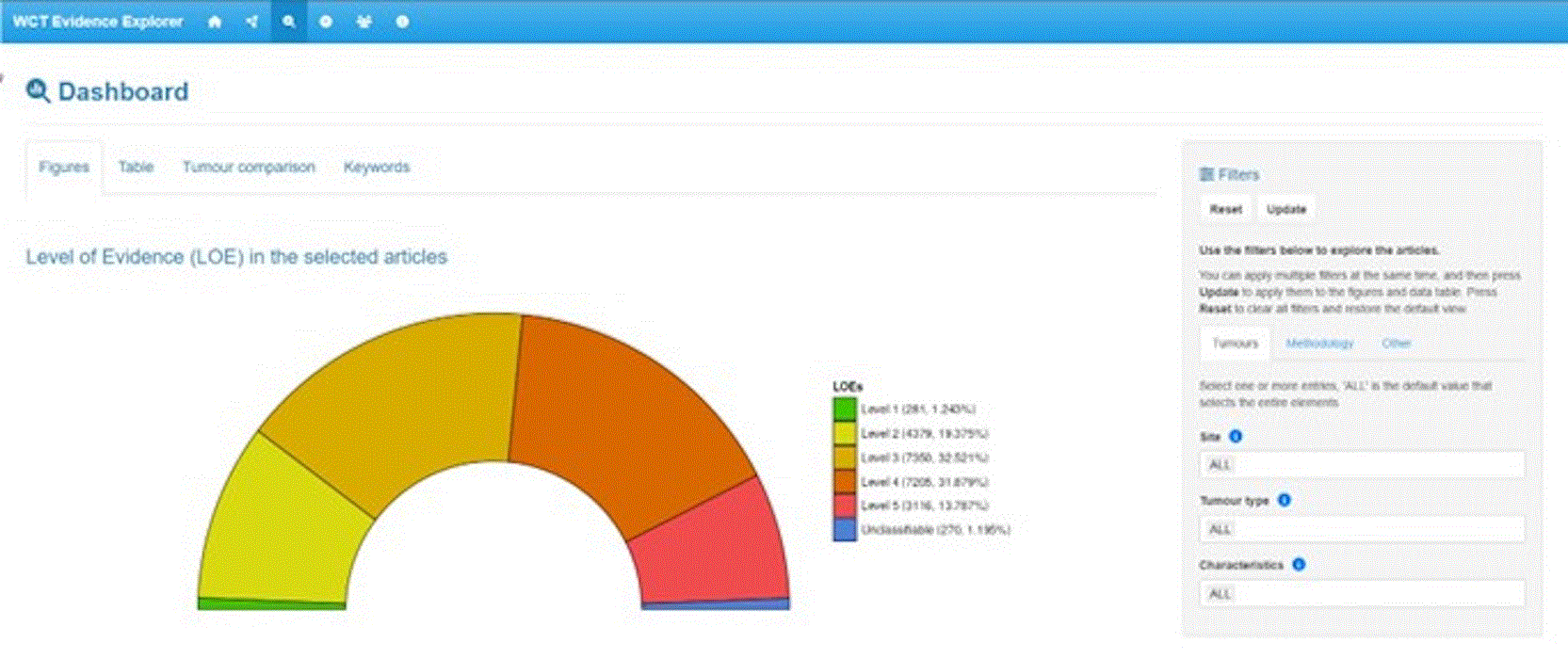
Figure 7. The WCT Evidence Explorer Dashboard.
The tool is designed as a “living” platform, with capacity for iterative updating as new evidence is identified and coded. Maintenance and ongoing development are embedded within the project’s broader infrastructure (WP2, WP11), with longer-term sustainability aligned to the International Collaboration for Cancer Classification and Research (IC3R) framework.
Evaluation and process monitoring (WP10)
Project implementation has been evaluated using a mixed-methods approach, incorporating structured surveys, monitoring of deliverables, and qualitative feedback from participating teams. Evaluation data indicate that core methodological deliverables were successfully completed, with only a small number of deliverables pending at the time of writing.
Key strengths of the project include:
• Development of a novel, pathology-specific evidence framework
• Establishment of standardised mapping methodologies
• Strong interdisciplinary collaboration across international institutions and scientific disciplines
• Successful development of a functional decision-support platform
• Promoting an evidence-based approach to tumour pathology classification
Challenges of the project were:
• Volume of published studies – publication search results in hundreds of thousands
• Differing and evolving tumour terminology and nomenclature
• Variability in interpretation of study design and evidence classification
• Determining study design from poorly written titles and abstracts
• High workload associated with screening and coding processes
• Unexpected delays in mapping activities due to scale and complexity
Dissemination outputs and scientific contributions (WP9)
The project has generated a range of scientific outputs, including methodological publications, tumour-specific mapping studies, and consensus statements. These outputs contribute to the emerging field of evidence-based pathology and provide a structured evaluation of the evidence base underpinning tumour classification – such as for evaluating the evidence for the next edition of the WCT.2,4,7,8,10–18
Dissemination activities have included conference presentations, workshops, stakeholder engagement, and collaboration with the WHO Classification of Tumours editorial community and IC3R. A structured communication strategy has supported visibility and uptake of project outputs.
Planned launch and future dissemination
At the time of writing, the formal launch of the WCT Evidence Explorer is scheduled for 25 June 2026 at the International Agency for Research on Cancer (IARC), Lyon, France, with both in-person and remote participation. The launch event will introduce the platform, provide live demonstrations, and facilitate discussion on the role of evidence synthesis in tumour classification. Sessions will address methodological advances, the adapted hierarchy of evidence, integration of artificial intelligence, and future directions, including development of a fully operational living evidence framework.
Discussion
Principal findings
This early evaluation of the WCT EVI MAP project demonstrates the feasibility of applying evidence gap map (EGM) methodology to a complex biomedical classification system at scale. Across multiple tumour domains, large volumes of heterogeneous literature have been systematically identified, screened, coded, and visualised, culminating in the development of an operational, open-access decision-support tool (WCT Evidence Explorer).
Three principal advances emerge from this work. The project establishes a pathology-adapted hierarchy of research evidence, addressing a longstanding mismatch between traditional evidence-based medicine (EBM) frameworks and the realities of diagnostic and prognostic research. Alongside this, the project has produced a DT diagram to aid study classification and reporting guidelines to facilitate the conduct, reporting, and systematic review of tumour pathology research. The project also provides a reproducible framework for mapping and interrogating the evidence base underpinning tumour classification. In addition, it delivers a functional platform that enables transparent, data-driven exploration of this evidence, with potential applications across research, clinical practice, and policy. Together, these outputs represent an early but substantive step towards embedding evidence-based principles within tumour classification and pathology.
Implications for tumour classification and pathology practice
The findings have several important implications for the WHO Classification of Tumours (WCT) and pathology practice. First, the mapping outputs reveal substantial heterogeneity in the evidence base across tumour types, including areas with dense research activity alongside clear gaps and reliance on low-level evidence. This has direct relevance for classification decision-making, highlighting where recommendations are well supported and where uncertainty remains.
Second, the availability of a structured, visualised evidence base introduces a level of transparency that has historically been lacking in tumour classification. By making the underlying evidence accessible and interrogable, the WCT Evidence Explorer has the potential to support more explicit, reproducible, and defensible classification decisions.
Third, the project provides a mechanism for prioritising future research. Identification of evidence gaps and low-evidence domains can inform funding decisions, research design, and collaborative efforts, with the potential to improve the overall quality of the evidence base over time.
Finally, the broader concept of “evidence-based pathology” is advanced through the integration of methodological standards, reporting guidance, and practical tools. This may contribute to cultural change within the field, encouraging greater engagement with EBM principles and critical appraisal of evidence.
Strengths and limitations
The principal strength of this project lies in its scale, scope, and integration of methodological, technical, and applied components. It represents the first large-scale application of EGM methodology to tumour classification and combines methodological innovation with practical implementation in a way that is directly relevant to the WHO Classification of Tumours. It is embedded within the WHO/IARC WCT programme and the IC3R network, which gives it immediate relevance to real-world classification processes and supports direct uptake of its outputs. The project also brings together a genuinely multidisciplinary consortium spanning pathology, epidemiology, evidence synthesis, and data science, which has been essential to addressing the methodological and operational complexity of the work. The development of a publicly accessible tool further enhances the reach and utility of the outputs, extending their potential impact beyond the immediate research group and into the wider pathology and cancer research community.
As an early evaluation, several limitations inherent to project maturity should be acknowledged. At present many of the EGMs are still in peer-review or press and the future impact is not easy to predict. Running such a large review of hundreds of thousands of studies means that there is inevitably some imprecision in results and the level of detail that could be scrutinised was limited. The WCT EVI MAP approach focused on mapping by study design rather than detailed critical appraisal of individual studies, risk of bias assessment, or quantitative synthesis of outcomes, which obviously limits direct clinical inference. The screening was based on title and abstract only and was limited to what was available in English in two leading medical literature databases. However, this high-level, bird’s-eye view of the evidence landscape does allow the viewer to quickly and easily find the knowledge gaps. These identified gaps may help researchers prioritise future work and support the justification of funding applications.
Future directions
The WCT EVI MAP project was explicitly designed as a foundation for a living evidence system, and several future directions are already clear. Expansion of tumour and tumour subtype coverage will remain a priority, with ongoing work needed to ensure comprehensive mapping across all relevant classification domains. Completed maps will require regular updating to maintain relevance as new evidence emerges. Further development of AI-assisted workflows may improve the efficiency of screening, coding, and evidence surveillance, particularly given the scale of the literature involved. The platform may also be enhanced with more advanced analytical functionality, including cross-map comparisons, longitudinal evidence tracking, and integration with complementary data sources. An important longer-term objective will be the embedding of the tool within future WHO Classification of Tumours editorial processes, supporting more transparent and evidence-informed decision-making. Beyond the WCT, the methodology may have broader applications across pathology and other areas of clinical research where structured evidence mapping can help identify knowledge gaps, guide research prioritisation, and support robust classification and guideline development.
Conclusion
The WCT EVI MAP project provides a novel, scalable approach to understanding and improving the evidence base underpinning tumour classification. As an early evaluation, it demonstrates feasibility, highlights challenges, and establishes a clear pathway towards more transparent, evidence-based, and data-driven approaches to cancer classification.
WCT EVI MAP Consortium
J Del Águila-Mejía (Instituto de Salud Carlos III, Spain); Jocelin Chua (National University of Singapore, Singapore); Zi Long Chow (Pathology Queensland, Australia); Richard Colling (University of Plymouth, United Kingdom); Oana M. Craciun (Instituto de Salud Carlos III, Spain); Ian A. Cree (International Agency for Research on Cancer, France); Joanna Didkowska (Maria Sklodowska-Curie National Research Institute of Oncology, Poland); Christine Giesen (International Agency for Research on Cancer, France); Gabrielle Goldman-Lévy (International Agency for Research on Cancer, France); Ester García-Ovejero (Instituto de Salud Carlos III, Spain); Sophie Gruber (TUM University Hospital German Heart Center, Germany); Stefan Holdenrieder (TUM University Hospital German Heart Center, Germany); Iciar Indave (International Agency for Research on Cancer, France); Alex Inskip (Newcastle University, United Kingdom); Paulina Kober (Maria Sklodowska-Curie National Research Institute of Oncology, Poland); Laura Knoblauch (TUM University Hospital German Heart Center, Germany); Magdalena Kowalewska (Maria Sklodowska-Curie National Research Institute of Oncology, Poland); Mariusz Kulińczak (Maria Sklodowska-Curie National Research Institute of Oncology, Poland); Dilani Lokuhetty (International Agency for Research on Cancer, France); Kateryna Maslova (Maria Sklodowska-Curie National Research Institute of Oncology, Poland); Irmina Maria Michalek (Maria Sklodowska-Curie National Research Institute of Oncology, Poland); Cécile Monnier (International Agency for Research on Cancer, France); Marina Montes Mota (Instituto de Salud Carlos III, Spain); Nur Diyana Md Nasir (Singapore Breast Surgery Center, Singapore); Rui Kyi Ng (National University of Singapore, Singapore); Mervyn Ong (Singapore General Hospital, Singapore); Elena Plans-Beriso (Instituto de Salud Carlos III, Spain); Marina Pollán Santamaría (Instituto de Salud Carlos III, Spain); Beatriz Pérez-Gómez (Instituto de Salud Carlos III, Spain); Pavitratha Puspanathan (International Agency for Research on Cancer, France); Grzegorz Rymkiewicz (Maria Sklodowska-Curie National Research Institute of Oncology, Poland); Ruoyu Shi (KK Women’s and Children’s Hospital, Singapore); Maria Sromek (Maria Sklodowska-Curie National Research Institute of Oncology, Poland); Puay Hoon Tan (Luma Medical Centre, Singapore); Jing Xuan Tan (National University of Singapore, Singapore); Lukasz Taraszkiewicz (Maria Sklodowska-Curie National Research Institute of Oncology, Poland); Denise Hsin Yi Thng (Singapore Breast Surgery Center, Singapore); Inga Trulson (TUM University Hospital German Heart Center, Germany); Xinyun Wang (National University of Singapore, Singapore); Harshima Wijesinghe (International Agency for Research on Cancer, France); Clarissa Jing Wen Wong (National University of Singapore, Singapore); Karolina Worf (TUM University Hospital German Heart Center, Germany); Ramon Cierco Jimenez (International Agency for Research on Cancer, France); Magdalena Chechlińska (Maria Sklodowska-Curie National Research Institute of Oncology, Poland).
Ethical considerations
This evaluation used internal project data and anonymised survey responses. No patient-level data were involved, and formal ethical approval was not sought.
Reporting Guidelines
No single established reporting guideline fully applies to this study design, which combines methodological development, large-scale evidence mapping, and early-stage evaluation of a decision-support tool. However, the study was conducted in accordance with general principles of transparency, reproducibility, and systematic evidence synthesis.
Where applicable, elements of established guidance for evidence synthesis (e.g. PRISMA principles) and methodological reporting have been incorporated into the study design and reporting.
Use of AI
Artificial intelligence (AI) tools (ChatGPT, OpenAI) were used to assist with language editing, formatting, proofreading, reference management support, and review of manuscript structure. AI was also used to generate some illustrative figures for the manuscript. All AI-assisted outputs were reviewed, verified, and edited by the authors, who take full responsibility for the content, interpretation, accuracy, and conclusions presented in the manuscript. No AI tools were used to generate, analyse, or interpret primary study data.
Disclaimer
The content of this article represents the personal views of the authors and does not represent the views of the authors’ employers and associated institutions. Where authors are identified as personnel of the International Agency for Research on Cancer/World Health Organization, the authors alone are responsible for the views expressed in this article, and they do not necessarily represent the decisions, policy, or views of the International Agency for Research on Cancer/World Health Organization.
Software and Code Availability
No code was used directly in this manuscript. There is code related to work indirectly mentioned in this manuscript. Due to the ongoing nature of the project and continuous updating of the evidence base, full code is not yet available. The corresponding author can direct readers to openly available code or provide code upon request (subject to project governance and data management policies).
The WCT Evidence Explorer is an open-access, web-based platform developed as part of the WCT EVI MAP project and is available at: https://wct-evi-map.iarc.who.int/evidence-explorer







