3.1 Configuration of the Temporal Arc, Antecedents, Decisions, and Outcomes
With respect to the geographical distribution of the territories studied, the United States emerged as the most frequently examined context (20.22%), followed by Canada (11.24%), Mexico (11.24%), and Australia (6.74%) (Appendix II). Approximately 70% of the studies focused on territories within the Americas. Another noteworthy aspect is that several studies adopted a supranational or regional perspective, examining contexts such as Latin America, Africa, Eurasia, Southeast Asia, and the global context, highlighting that Indigenous migration has been investigated from both national perspectives and cross-border dynamics.
Most of the studies are situated within the contemporary period (from 2001 onwards), followed by the pre-contemporary period (1901–2000), the long-term perspective (spanning more than one century), and the pre-1900 period (
Figure 2; Appendix III). Latin America accounts for the largest number of studies within the contemporary period, followed by Anglo-America, Asia, Oceania, Africa, and Europe. A similar pattern is observed for the pre-contemporary period, with Latin America, Anglo-America, and Asia concentrating the highest absolute number of studies. However, when adopting a long-term perspective, the most frequently examined regions become Anglo-America, Asia, and Oceania. Anglo-America and Asia are also the only regions represented by studies situated in periods prior to 1900.
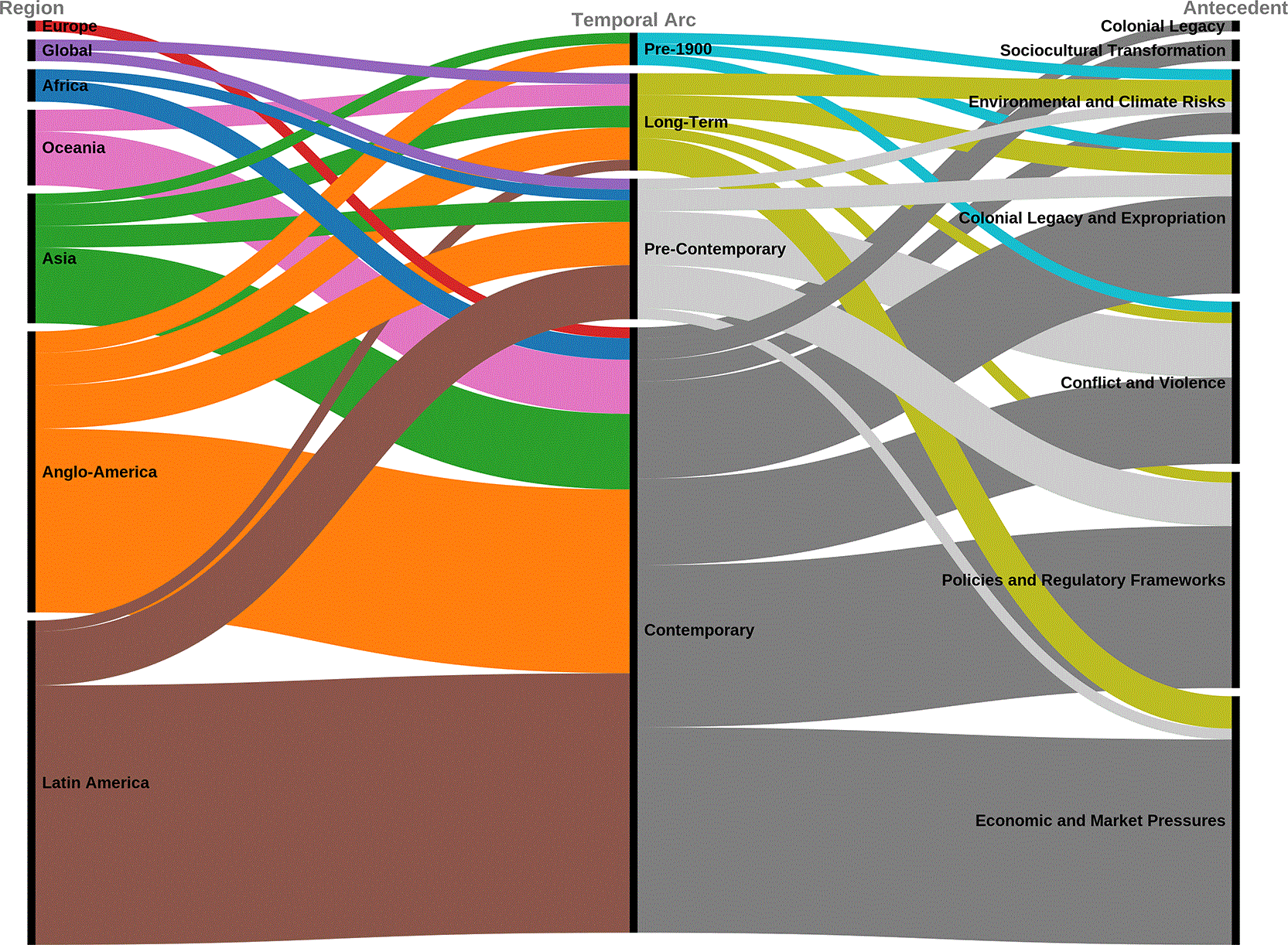
Figure 2. Distribution by Region, Temporal Arc, and Antecedents (All Regions).
Source: Authors’ own elaboration.
Concerning the distribution of antecedents across the different time periods, the contemporary period exhibits the greatest diversity of antecedents. Within this period, Economic & Market Pressures is the most frequently identified antecedent, followed by Policies & Regulatory Frameworks. At the same time, Colonial Legacy & Expropriation and Conflict & Violence continue to be identified as key antecedents to understanding contemporary Indigenous migration. Although less frequently observed, Sociocultural Transformation also emerges as an antecedent in the contemporary period and is exclusive to this time frame. It is the only antecedent not directly represented in either the long-term perspective or the pre-contemporary period. By contrast, studies situated in the pre-1900 period primarily examine antecedents related to Colonial Legacy & Expropriation, Conflict & Violence, and Environmental & Climate Risks, rather than Policies & Regulatory Frameworks or Economic & Market Pressures.
The relationship between antecedents and decisions (
Figure 3) reveals how macroeconomic, political, and environmental pressures have been associated with Indigenous mobility. Adaptive Family Migration is the most recurrent decision category in the studies considered and exhibits the greatest variety of antecedents. Its most frequent antecedent is Economic & Market Pressures. Policies & Regulatory Frameworks is one of the most recurrent antecedents across all other decision categories, namely Institutional Mandate & Policy, Resilience & Sovereign Negotiation, and Systemic Coercion & Violence. Colonial Legacy & Expropriation and Conflict & Violence also appear as antecedents across all decision categories. Environmental & Climate Risks and Sociocultural Transformation appear to be more directly associated with Adaptive Family Migration and Resilience & Sovereign Negotiation decision types.
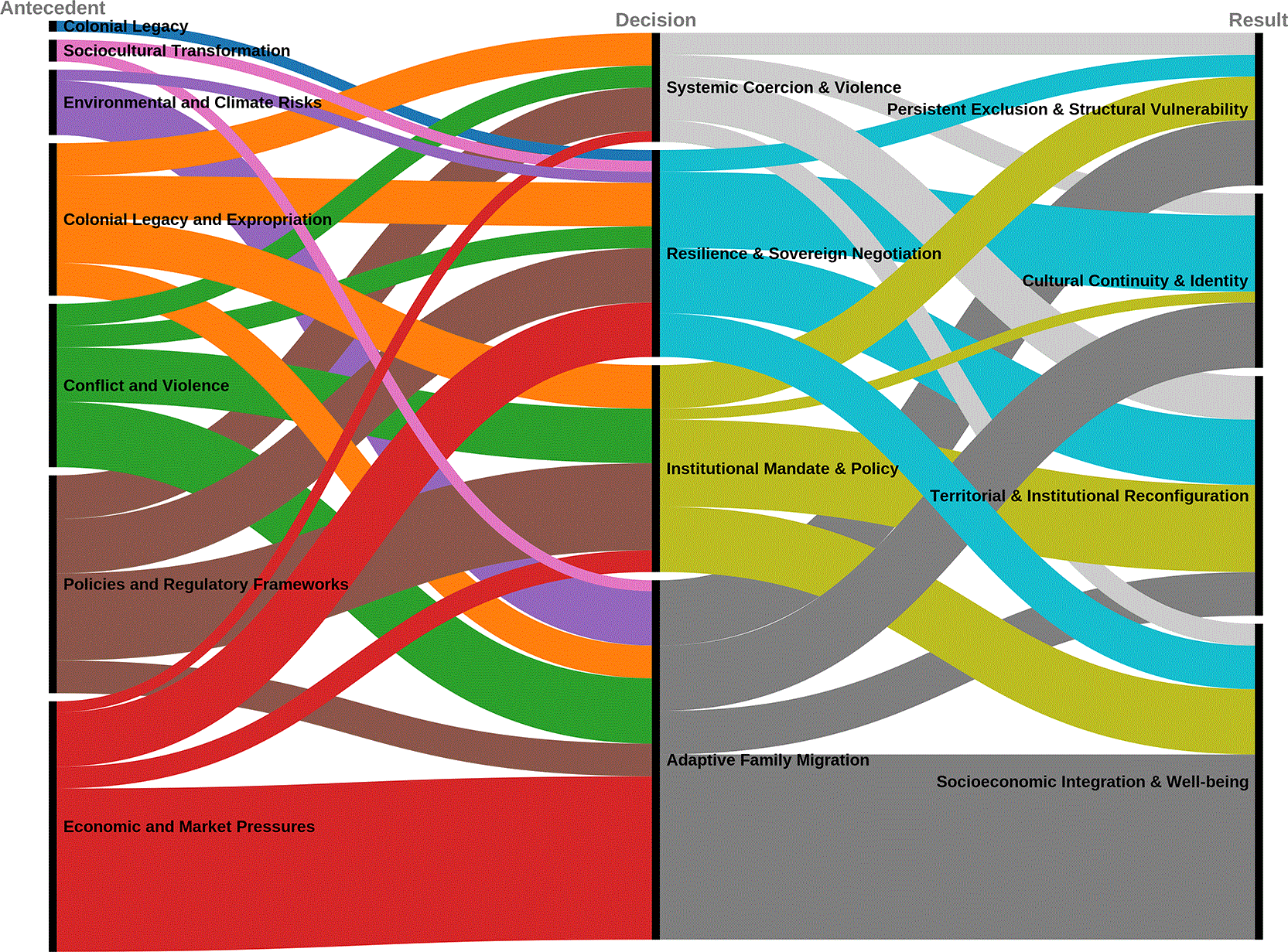
Figure 3. Distribution of Antecedents, Decisions, and Outcomes (All Regions).
Source: Authors’ own elaboration.
In terms of the relationship between decisions and outcomes, the literature establishes relationships between all decision categories and all outcome categories, although with differing frequencies. In the case of Adaptive Family Migration, the outcome category most frequently associated is Socioeconomic Integration & Well-being. By contrast, for Institutional Mandate & Policy, the least recurrent outcome category is Cultural Continuity & Identity.
3.1.1. Regional Configuration
In the case of Latin America, the studies are spread across all the time periods analysed except pre-1900. The analysis of the relationship between the time period and antecedents also reveals a shift in the dimensions associated with Indigenous mobility (
Figure 4). The antecedents of migration evolve over time: Colonial Legacy & Expropriation predominate in earlier periods, giving way to Economic & Market Pressures in the contemporary period. Regarding the former, the literature analyses this category through the historical effects of coercive labour institutions such as the Mita and Encomienda systems in Peru (Abad & Maurer, 2025), the historical concentration of land ownership in Ecuador (Hentschel & Waters, 2002), and the systematic exclusion of Indigenous peoples to marginal lands in Chile (Clapp, 1998).
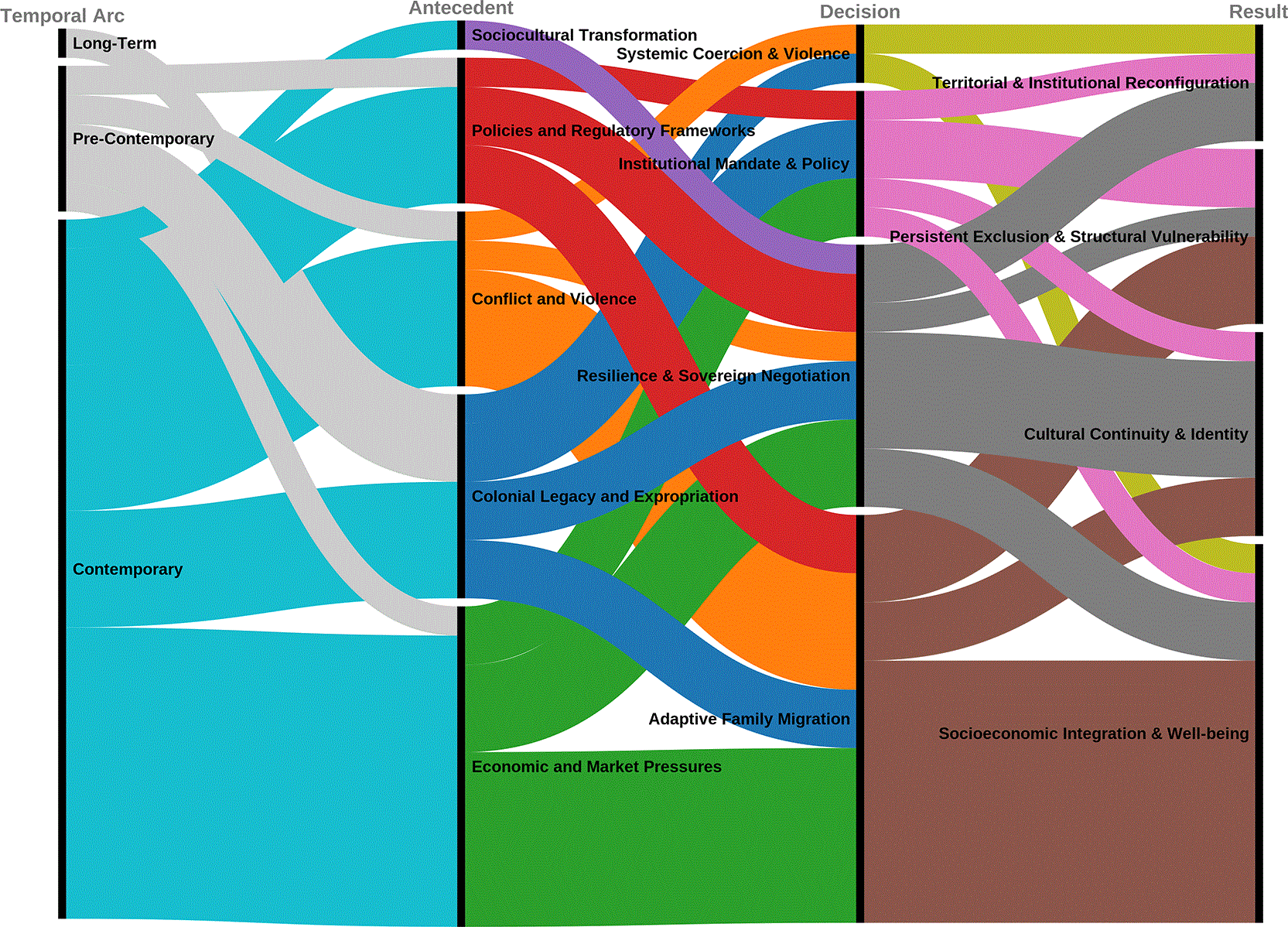
Figure 4. Distribution of Temporal Arc, Antecedents, Decisions, and Outcomes (Latin America).
Source: Authors’ own elaboration.
Concerning the configuration of Economic & Market Pressures in Latin America, this category is associated with market reconfiguration, such as the shift from bananas to tourism kingdom in Panama (Pleasant & Spalding, 2021), poverty and low levels of education in different countries, such as Ecuador, Guatemala, Honduras, Mexico and Peru (Arcury et al., 2001; Hill, 2013; Millán et al., 2020; Rivera-Salgado, 1999; Stone-Cadena & Velasco, 2018; Wierucka, 2022; Webb, 2018).
Environmental & Climate Risks was not identified as a direct antecedent in the studies conducted in this region. Concerning the relationship between antecedents and the decisions made by Indigenous populations and institutions, the findings confirm the predominance of the relationship between Economic & Market Pressures and Adaptive Family Migration. Asad and Hwang (2019) highlight, for example, that the concentration of Indigenous residents in Mexican communities of origin is associated with migration decisions to the United States. In settings where access to secondary and higher education is limited, migration frequently represents a means of acquiring education and temporary work experience, with some Indigenous migrants intending to return and use the knowledge and skills gained to benefit their communities (Wierucka, 2022). The literature further suggests that Economic & Market Pressures can lead Indigenous migrants to adopt irregular migration pathways, including the use of migrant smugglers (coyotes) to facilitate border crossings (Stone-Cadena & Velasco, 2018) and other forms of unauthorised migration (Asad & Hwang, 2019).
Concerning the relationships among decisions and outcomes, the findings highlight the importance of the association between Adaptive Family Migration and Socioeconomic Integration & Well-being. Although migration is frequently pursued as a strategy to improve livelihoods, the reported outcomes are far from uniform. Some studies identify positive socioeconomic effects, such as increased household income (Webb, 2018). However, these gains often coexist with persistent socioeconomic disadvantages. For example, Indigenous workers employed in agricultural activities were less likely to receive training and safety information on pesticide use, reflecting inequalities in labour conditions (Arcury et al., 2001). The literature also reveals important gender differences in how migration outcomes are experienced and perceived. Women tend to emphasise family emotional well-being and cohesion influenced by migration, whereas men are more likely to focus on economic issues (Lazzaro-Salazar et al., 2025). In contexts of male out-migration, women frequently face increased workloads and psychological distress, despite the receipt of remittances (Hentschel & Waters, 2002; Webb, 2018).
Anglo-America is represented by studies across all time periods and outcome categories (
Figure 5). However, Sociocultural Transformation was not identified as a direct antecedent in the studies conducted in this region. The analysis of the relationship between time period and antecedents also confirms a shift in the dimensions associated with Indigenous mobility: Colonial Legacy & Expropriation as well as Conflict & Violence predominate in earlier periods, giving way to Economic & Market Pressures in the contemporary. However, there are studies associated with Conflict & Violence in the contemporary period: according to de Finney and Mucina (2021), in Canada, Indigenous girls and women are disproportionately criminalised for offences associated with poverty or self-defence against physical and sexual violence, while incarcerated Indigenous women face elevated risks of physical and sexual abuse.
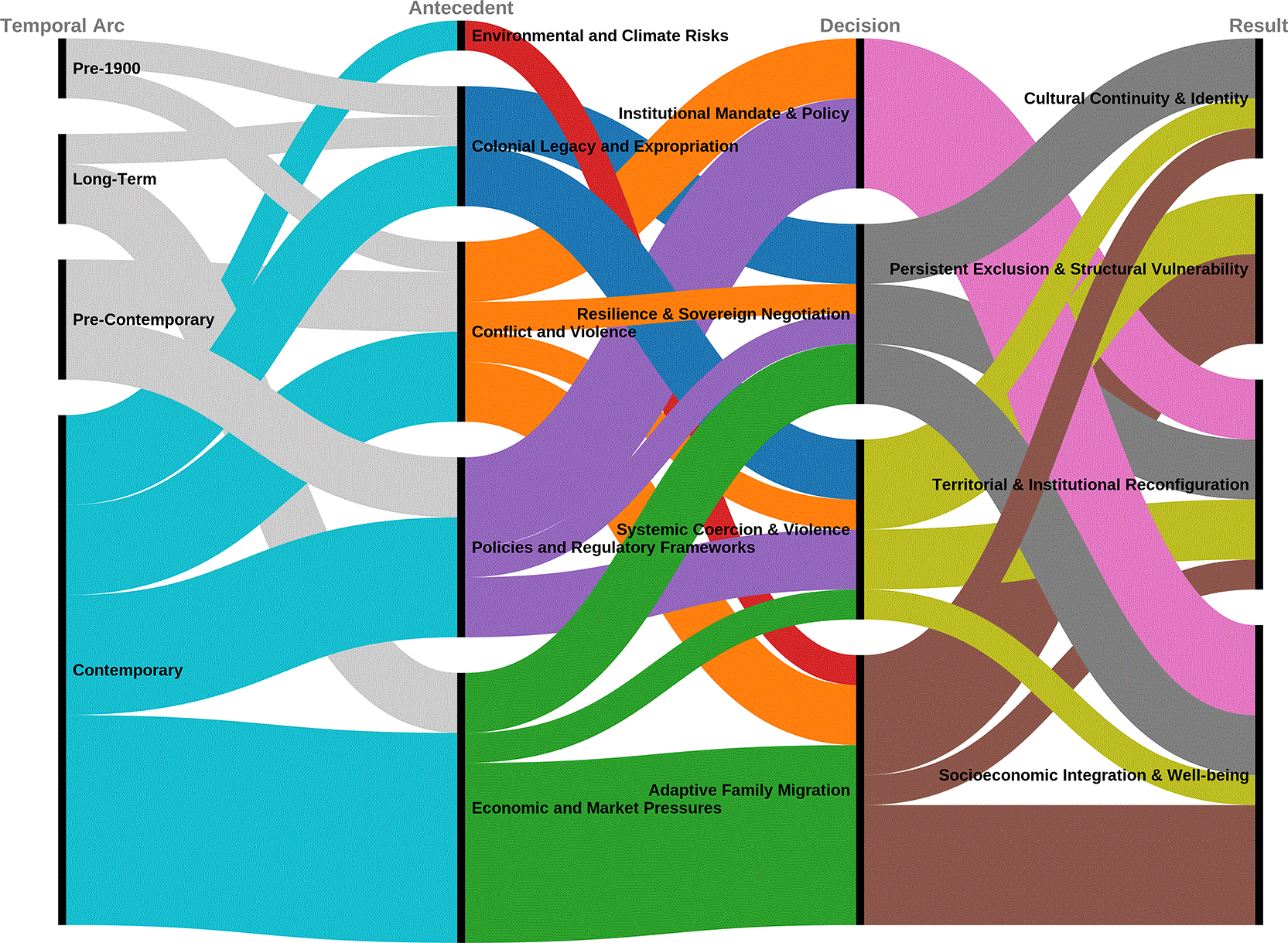
Figure 5. Distribution of Temporal Arc, Antecedents, Decisions, and Outcomes (Anglo-America).
Source: Authors’ own elaboration.
Regarding the relationships among antecedents, decisions, and outcomes, the findings confirm the relevance of the links between Economic & Market Pressures and Adaptive Family Migration, as well as between Adaptive Family Migration and Socioeconomic Integration & Well-being. In this regard, DelaCruz et al. (2026) found that, among Indigenous migrants in New York City, higher educational attainment, greater proficiency in the host-country language, and successful adaptation to the receiving society were associated with improved economic outcomes. A study of Canada indicated that migration may influence the stock of human and social capital within Indigenous communities, while population mobility can weaken social ties among community members (Cooke & O’Sullivan, 2015). In Canada, Indigenous migrants tend to have higher levels of educational attainment and income than individuals who remain in their communities (Cooke & O’Sullivan, 2015).
Asia is also represented by studies across all time periods and outcome categories (
Figure 6). However, two categories are absent from the literature on this region: the antecedent Sociocultural Transformation and the decision Resilience & Sovereign Negotiation. Moreover, the relationship between time period and antecedents does not exhibit the same shift observed in the aggregate analysis: in Asia, colonial-era antecedents appear only in the contemporary period. Regarding the relationships between antecedents and decisions, the findings highlight the relevance of the relationship between Environmental & Climate Risks, Adaptive Family Migration and the outcome Territorial & Institutional Reconfiguration, in addition to those associated with Socioeconomic Integration & Well-being as well as Cultural Continuity & Identity.
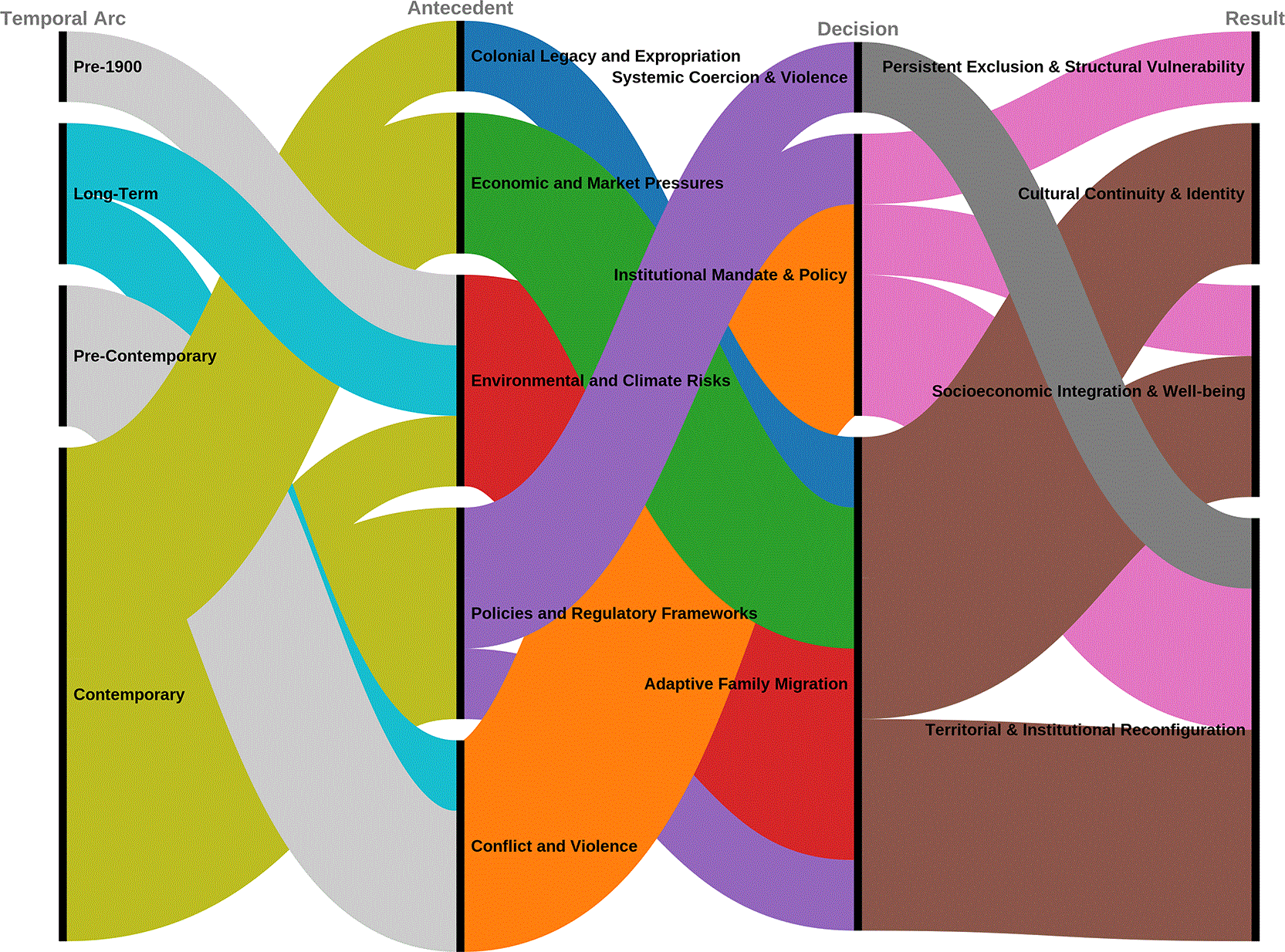
Figure 6. Distribution of Temporal Arc, Antecedents, Decisions, and Outcomes (Asia).
Source: Authors’ own elaboration.
Within the Environmental & Climate Risks - Adaptive Family Migration - Territorial & Institutional Reconfiguration pathway, a study conducted in Nepal investigated Indigenous mobility following state relocation programmes designed to mitigate anticipated geological risks (Shneiderman et al., 2026). Rather than establishing permanent settlement in the relocation areas, affected households continued to alternate between the new locations and their places of origin, giving rise to recurrent mobility patterns that reshaped territorial occupation and community organisation (Shneiderman et al., 2026).
In terms of Cultural Continuity & Identity, the literature shows that employment opportunities for Indigenous migrant women in India do not necessarily translate into genuine inclusion (Majumder & Arora, 2024). Although some sectors portray themselves as inclusive by hiring Indigenous women, workplace practices often reinforce ethnic inequalities through the exoticisation and sexualisation of Indigenous identities and the use of coded language that perpetuates racialised hierarchies (Majumder & Arora, 2024).
Oceania is represented by studies covering the Contemporary and Long-term periods (
Figure 7). In terms of antecedents, Conflict & Violence and Economic & Market Pressures were not represented. All decision categories, however, were identified in the literature on this region. Regarding outcomes, the only category not directly represented was Persistent Exclusion & Structural Vulnerability.
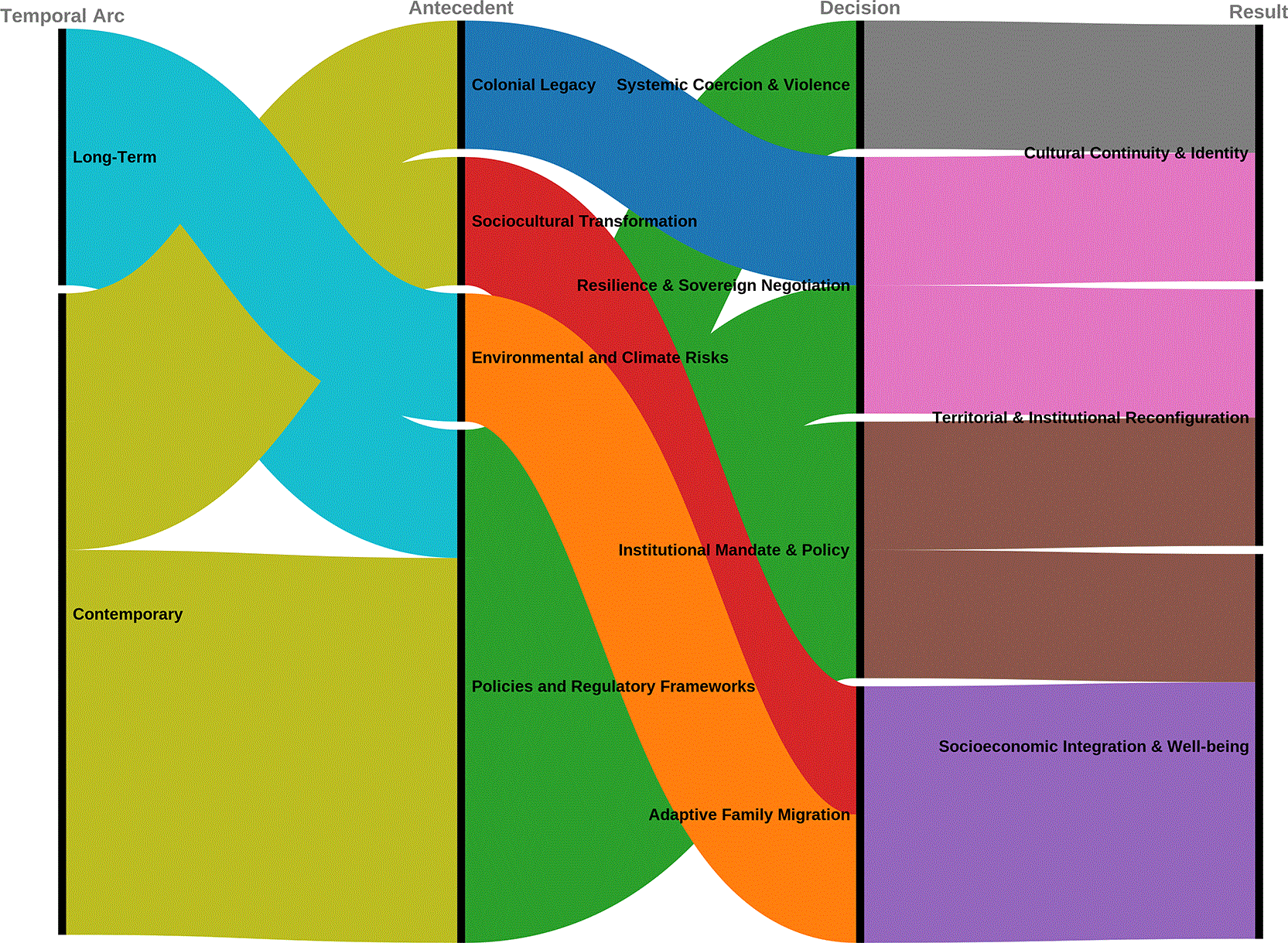
Figure 7. Distribution of Temporal Arc, Antecedents, Decisions, and Outcomes (Oceania).
Source: Authors’ own elaboration.
Policies & Regulatory Frameworks emerge as the most recurrent antecedent in this pathway. In the long-term perspective, these policies are associated with Systemic Coercion & Violence. In this sense, Davis and Perheentupa (2026) demonstrated how the forced removal of Indigenous children in Australia from the late nineteenth century onward was legitimised through state policies that framed Indigenous families as incapable of providing adequate care. Presented as measures of rescue and assimilation, these policies relied on racialised narratives and contributed to the biocultural eradication of Indigenous communities. On the other hand, contemporary studies about Policies & Regulatory Frameworks indicate, for example, the contribution of Indigenous methodologies to their inclusion in higher education in Australia (Fainga’a-Manusione et al., 2024).
Africa was examined in three studies situated within the Contemporary and Pre-contemporary periods. The studies on this region focused on antecedents such as Environmental & Climate Risks and Colonial Legacy & Expropriation. The decisions were primarily related to Institutional Mandate & Policy and Resilience & Sovereign Negotiation, whereas the outcomes were represented by Territorial & Institutional Reconfiguration and Persistent Exclusion & Structural Vulnerability.
Transitology was examined through the lens of Colonial Legacy & Expropriation in Africa, emphasising Institutional Mandate & Policy as the principal decision-making mechanism. This study argues that state-led institutional processes have contributed to the erosion of African heritage, thereby reinforcing Persistent Exclusion & Structural Vulnerability (Nhemachena et al., 2020). In cases where the outcome was Territorial & Institutional Reconfiguration, the literature highlights government interventions that reinforced administrative boundaries and restricted land access for specific ethnic groups in Kenya (Golaz & Médard, 2016).
In the Global category, one study falls within the long-term period, while the other is classified as pre-contemporary. For the long-term period, Economic & Market Pressures is identified as the antecedent of Indigenous mobility, being associated with Adaptive Family Migration decisions and outcomes related to Cultural Continuity & Identity. More specifically, the study analysed the origins of Indo-European migrations based on dental evidence (Khudaverdyan, 2011). In contrast, the study referring to the pre-contemporary period identifies Policies & Regulatory Frameworks as the principal antecedent, associated with Institutional Mandate & Policy decisions and outcomes reflected in processes of Territorial & Institutional Reconfiguration. In this sense, the study shows that ethnic conflicts often emerge when state-supported migration of dominant ethnic groups into Indigenous territories generates competition over land and resources, leading to prolonged, low-intensity violence (Fearon & Laitin, 2011).
The only study carried out in Europe (Ireland) focuses on the Contemporary period, in which Policies & Regulatory Frameworks constitute the principal antecedent of Indigenous mobility. In this context, Indigenous populations tend to adopt Resilience & Sovereign Negotiation strategies, and the outcomes are characterised by Persistent Exclusion & Structural Vulnerability. The study shows that, in Ireland, motherhood serves as both a source of political mobilisation and a site of vulnerability for Indigenous women (Cullen, 2025). While caring for their children encourages civic and political engagement, these women also confront material hardships, racial discrimination, and threats to their families (Cullen, 2025).
3.2 Synthesis: Answering the research questions
The findings presented above allow the five research questions to be answered directly. Concerning RQ1, the literature identifies six main antecedents of Indigenous migration: Economic & Market Pressures (28% of the occurrences), Policies & Regulatory Frameworks (25%), Colonial Legacy & Expropriation (19%), Conflict & Violence (19%), Environmental & Climate Risks (7%), and Sociocultural Transformation (2%). Their relative weight varies across time: studies situated before 1900 are dominated by colonial expropriation, conflict, and environmental risks, whereas the contemporary period exhibits the greatest diversity of antecedents, with Economic & Market Pressures as well as Policies & Regulatory Frameworks the most frequently identified.
Concerning RQ2, four categories of migration-related decisions are examined in the literature, distinguished chiefly by who holds the initiative: Adaptive Family Migration (by far the most prevalent - 41% - recurring across all regions and periods), Institutional Mandate & Policy (23.5%), Resilience & Sovereign Negotiation (23.5%), and Systemic Coercion & Violence (12%). Concerning RQ3, the reported outcomes fall into four categories: Socioeconomic Integration & Well-being (36%), Territorial & Institutional Reconfiguration (27%), Cultural Continuity & Identity (20%), and Persistent Exclusion & Structural Vulnerability (17%); across the corpus, gains in welfare coexist with structural vulnerability, particularly in Latin America.
Concerning RQ4, the more recurrent relationship between antecedents and migration-related decisions links Economic & Market Pressures to Adaptive Family Migration (19%), which is also the decision category associated with the widest variety of antecedents. Policies & Regulatory Frameworks also recurs as an antecedent across all decision categories, underscoring the state’s pervasive role in shaping Indigenous mobility, and Colonial Legacy & Expropriation and Conflict & Violence likewise cut across all decision types. Concerning RQ5, the literature establishes relationships between all decision and all outcome categories, though with markedly different frequencies: the most frequent association links Adaptive Family Migration to Socioeconomic Integration & Well-being (21%), whereas the least frequent association is between Cultural Continuity & Identity and Institutional Mandate & Policy (1%).
Taken together, these findings point to a recursive dynamic in which Indigenous migration is both a response to existing pressures and a driver of subsequent transformations in community conditions. As discussed above, migration decisions are shaped by a set of antecedent pressures while simultaneously influencing processes of Territorial and Institutional Reconfiguration, including within Indigenous communities. These changes, in turn, alter the context in which future migration decisions are made, generating a continuous feedback process rather than a linear sequence of causes and effects. To make some of these interdependencies explicit and examine how they evolve over time, the following section translates the qualitative patterns identified in the literature into a dynamic model that illustrates the interactions among antecedent pressures, migration decisions, and community outcomes.