Introduction
Low-value care (LVC) refers to preventive, diagnostic, or therapeutic services that are overused, misused, or underused and where potential harms or financial costs outweigh expected clinical benefits. This includes the provision of ineffective, inappropriate, or non-cost-effective care, as well as the failure to deliver necessary services, with consequences for patients, healthcare professionals, and health systems.1,2 Beyond its direct clinical and economic implications, LVC undermines key dimensions of the quadruple-value framework, including patient outcomes, patient experience, and cost efficiency.3 Despite growing emphasis on value-based healthcare (VBHC), a persistent gap remains between the promotion of VBHC and the systematic reduction of LVC across healthcare systems, particularly within the Organisation for Economic Co-operation and Development (OECD).4 To better connect these complementary aims, the ability to monitor LVC reliably and routinely across care settings in required.5
Addressing these goals can support the routine monitoring, benchmarking, and de-implementation of LVC on regional, national, and international levels as well as through inter-country comparisons.2,6 To date, health systems and international bodies have undertaken efforts to monitor and minimize the impact of LVC,7,8 including efforts embedded within the OECD Health Care Quality Indicator (HCQI) Framework, which aims to assess system-level efficiency and effectiveness.9 However, understanding the scope and effectiveness of these LVC measures within routine health quality monitoring remains limited, reflecting multiple opportunities to better refine measurement standardization, data availability, and the systematic use of LVC process-based performance assessment.2,4,10
In this context, established frameworks of healthcare quality measurement offer a useful foundation for addressing these limitations and have been applied successfully to support continuous quality improvement using clinical indicators.11 Among these, the Donabedian model assesses healthcare quality through structure, process, and outcome measures, where structure measures quantify available health system resources, process measures capture the actions taken during care delivery, and outcome measures assess the effects of care on patients’ health.12,13 In the context of LVC monitoring, process measures have been identified as particularly relevant as they directly track care provided and can be observed consistently across multiple health service settings.14 Moreover, from an applied behavioural perspective, process measures can further inform de-implementation strategies by enabling analyses of care provider behaviour and the care pathway mechanisms that shape service delivery on a systems level.15
This utility of process measures is reflected in international initiatives such as Choosing Wisely, which has played a central role in the identification and monitoring of LVC across multiple OECD health systems.16 The Choosing Wisely campaign, initiated in the United States in 2012, has since expanded to more than 30 countries, fostering global collaboration on defining LVC in concrete and measurable terms. Choosing Wisely recommendations encompass over 80 medical specialties and identify over 700 medical services deemed as low-value. A 2021 systematic review identified 131 sources that applied Choosing Wisely criteria across health settings to support interventions to reduce LVC, indicating wide adoption of Choosing Wisely criteria to frame LVC monitoring.17 However, despite the wide adoption and evaluation of Choosing Wisely campaigns, the specific process measures used to operationalize routine LVC monitoring and to support de-implementation are often inconsistently defined and reported.10,18 In addition, process measures of LVC are commonly validated using historical cohort data, thus, they are rarely designed for continuous monitoring, leaving a gap between measure validation and their routine use in quality improvement.19,20
The current study
Taken together, these limitations highlight the need for a clearer understanding of how process-based measures of LVC are defined and implemented within routine health system monitoring. To address these gaps, the present scoping review aims to identify, characterize, and categorize process-based measures that have been developed or applied in electronic health data to routinely detect or reduce LVC across primary, secondary, and tertiary healthcare settings. Specifically, this review seeks to map how process measures are operationalized, the data sources on which they rely, and the clinical or system-level purposes they serve, including routine monitoring, benchmarking, and de-implementation.
This review was structured around three objectives:
1) To identify and categorize existing process measures designed for routine monitoring of LVC across healthcare systems.
2) To identify variation in any reported application of these process measures, including differences across healthcare settings and data environments.
3) To map the reported goals of process measure use, e.g. to estimate LVC prevalence or to support de-implementation strategies.
Methods
This review was conducted in accordance with the Joanna Briggs Institute’s methodology for scoping reviews.21 The review protocol was registered with the Open Science Framework (OSF; https://doi.org/10.17605/OSF.IO/YMDVF).22 Reporting followed the Preferred Reporting Items for Systematic Reviews and Meta-Analyses extension for Scoping Reviews (PRISMA-ScR) guidelines.23
Concept analysis
An operational definition of LVC encompassed treatments, diagnostic tests, medical interventions, or care processes that meet one or more of the following criteria: lack of effectiveness or minimal effectiveness, potential harms outweighing anticipated benefits, underuse or untimely use, poor cost-effectiveness,2 or misalignment with recommended practices as defined by Choosing Wisely.16 A process measure was defined as a measure that captures specific actions, decisions, or services delivered during the care process, reflecting what care was provided rather than the resources available (structure) or patient health outcomes (outcomes).24 Further, “routine use” was defined as the application of process measures specifically developed for continuously updated data systems to enable ongoing monitoring or system-level assessment, rather than one-time analytic research applications.
Data sources and searches
A structured, multistage search strategy was employed to identify relevant published and grey literature sources pertaining to the use of process measures to routinely monitor or reduce LVC. An initial limited search was conducted on September 2025 in MEDLINE (via PubMed) and CINAHL (via EBSCO Host) to identify key sources, after which titles, abstracts, and indexing terms were examined to inform the development of a comprehensive search strategy. This strategy was developed in collaboration with an experienced health sciences librarian and was further adapted for each database to accommodate differences in indexing and syntax.
Finalized searches, conducted in October 2025, were applied across the following electronic databases: PubMed, Embase, Scopus, Web of Science, CINAHL, and the Cochrane Database of Systematic Reviews. Search terms incorporated controlled vocabulary (e.g., Medical Subject Headings) alongside free-text keywords and synonyms related to three core concepts: healthcare services or professionals, LVC, and process measurement. Given the high level of heterogeneity of terminology in this field, commonly used descriptors such as overuse, inappropriate, unnecessary, cost-ineffective, de-implementation, quality assessment, and Choosing Wisely were included to ensure broad capture of relevant sources. This inclusive approach reflects the absence of universally applied taxonomies for LVC and process measurement.
To enhance comprehensiveness, grey literature and unpublished source databases were also searched, including PROSPERO, the Open Science Framework registries, and Google Scholar (via incognito mode) for relevant institutional or policy reports as well as theses, protocols, trail registrations, and conference presentations. Citation chaining was undertaken by screening the reference lists of included sources and relevant reviews, and subject-matter experts were consulted where appropriate. Consistent with the protocol, only English-language sources were eligible for inclusion and all records published up to the final search date of 25 October 2025 were included.
Citation selection and screening
Sources were eligible for inclusion if they satisfied three criteria:
1) Assessment of LVC or any service synonymous with LVC (e.g., overuse, inappropriate use, cost-ineffective care, etc.).
2) Assessment of LVC by use of process measurement or via composite measure that included process measurement.
3) LVC process measures designed for routine monitoring (i.e., algorithm, indexing, processing logic, etc.) within electronic health data (i.e., health registry, insurance database, data warehouse, etc.).
In line with the objectives of a scoping review, no restrictions were applied regarding study design; therefore, quantitative, multi-method, and mixed-method evidence were eligible for inclusion. Sources for which the full text could not be retrieved were excluded. All records identified through the database and grey literature searches were imported into Covidence systematic review software (Veritas Health Innovation, Melbourne, Australia) for reference management and screening. Duplicate citations were automatically removed via Covidence with additional duplicates identified and removed during subsequent screening processes.
Study selection was conducted in two sequential stages. First, two reviewers (LS and DF) independently screened titles and abstracts against the predefined inclusion criteria. Citations deemed potentially relevant or for which eligibility was unclear proceeded to full-text assessment. In the second stage, full texts of all potentially eligible sources were screened to confirm inclusion. Reasons for exclusion at the full-text stage were documented systematically. Any discrepancies between reviewers were resolved through discussion, or, when necessary, by consultation with a third reviewer (KH). The reference lists of all included sources and relevant reviews were also screened to identify additional sources; however, no additional sources were identified through this method. The overall study selection process was documented and is reported using a PRISMA-ScR flow diagram (see
Figure 1).
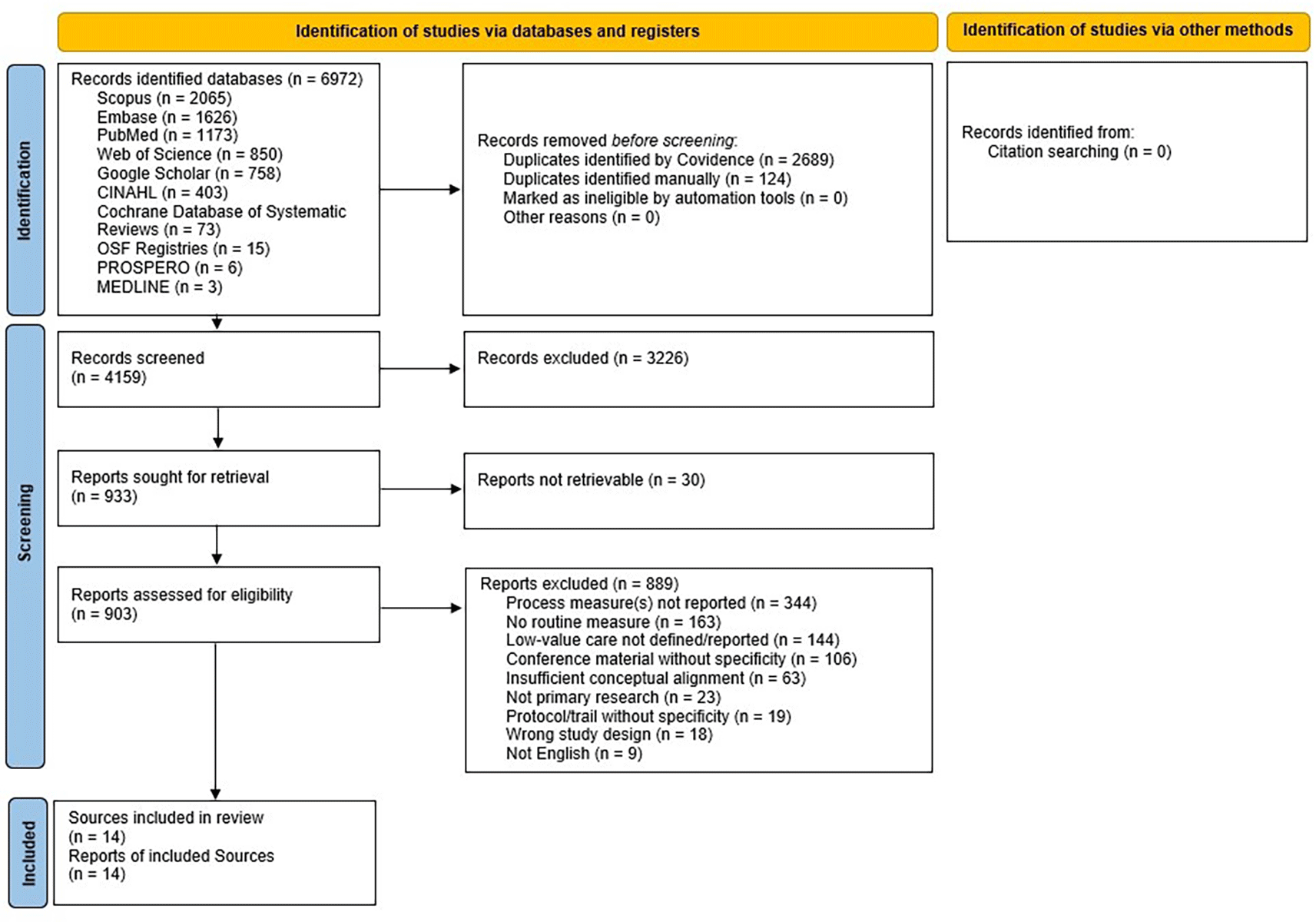
Figure 1. PRISMA-ScR flow diagram of source selection.
Flow diagram illustrating the identification, screening, eligibility assessment, and inclusion of sources of evidence examining the use of process measures to identify or reduce low-value care using electronic data system.
Data extraction and synthesis
Data were charted using a predefined and piloted data extraction form, developed in accordance with the Population–Concept–Context framework and applied consistently across all included sources (see Extended Data available on the Open Science Framework: https://doi.org/10.17605/OSF.IO/Y7FR4). Extracted data included citation details, study design and setting, population characteristics, and the form of LVC addressed. For each source, detailed information was charted on process measure characteristics, including the purpose of measurement (e.g., identification, quantification, or reduction of LVC), data source (e.g., administrative claims, electronic health records, or clinical registries), measure definition, inclusion and exclusion criteria, and measurement approach. Where reported, information on implementation context, monitoring goals, de-implementation strategies, and reported effectiveness, limitations, or gaps were also extracted.
Data were synthesized using descriptive and framework-informed methods appropriate for scoping reviews. Extracted measures were grouped and summarized by healthcare setting, type of process measure, form of LVC assessed, and health data system used. All findings were presented in tabular and narrative formats to map how process measures are defined and operationalized across health systems. Consistent with JBI scoping review methodology, no formal assessment of methodological quality was undertaken.21
Patient and public involvement
Patient and public involvement were not undertaken in the design, conduct, reporting, or dissemination of this review.
Results
Citation selection
The record searches identified 6,972 sources from electronic databases and registries, and through grey literature searches. After removal of 2,813 duplicate records, 4,159 titles and abstracts were screened. Of these, 903 sources were retrieved for full text assessment, and 889 were excluded for reasons including absence of a reported process measure, lack of relevance to LVC, or further insufficient conceptual alignments with the review objectives. In total, 14 sources met the criteria for data extraction and were included in the data extraction phase.25–38 No additional sources were identified through citation searching, and no ongoing nor awaiting-classification sources were identified.
General characteristics of the included sources
An overview of the characteristics of the 14 included sources is presented in
Table 1. These 14 sources were published between 2014 and 2024. Most sources originated from the United States (n = 9), followed by Canada (n = 4) and Australia (n = 1). All included sources employed quantitative designs, primarily using health registry or administrative data sources. Measures relied on constructed indexes, care process algorithms, and diagnostic coding ratios (i.e., ICD-10, ICD-11, AIS) that were operationalized across regional and national clinical data infrastructures.
Table 1. Characteristics of included sources of evidence.
| Author (Year) | Country | Study design | Healthcare setting | Population |
Data system |
|---|
| Adams (2023)25 | USA | Prevalence study | Integrated system | Veterans Health Administration recipients | Insurance claims database |
| Adams (2023)26 | USA | Prevalence study | VA system | Veterans Health Administration recipients | Health registry |
| Angiolillo (2019)27 | USA | Prevalence study; Economic evaluation | Academic hospital | All surgical patients | EHR |
| Baek (2023)28 | Canada | Prevalence study; Economic evaluation | Academic hospital | All Diabetes Type-2 patients | EHR |
| Boukar (2014)29 | Canada | Cross sectional study; Systematic review | Inpatient hospital | Adult trauma | EHR |
| Brett (2017)30 | Australia | Study protocol | System level | National population | EHR |
| Deshommes (2024)31 | Canada | Cohort study; Multi-center
| Pediatric trauma | Pediatric trauma | Health registry |
| Fleming (2022)32 | USA | Multi-center; Prevalence study | Primary care | Medicare FFS beneficiaries | Health registry |
| House (2021)33 | USA | Cross sectional | Pediatric hospital | General pediatrics | Health registry |
| Liu (2016)34 | USA | Cohort study; Cross sectional | Community | General pediatrics | Insurance database |
| Lowe (2014)35 | USA | Multi-center; Economic evaluation | Hospital | North Carolina statewide hospitals | Voluntary hospital database |
| Segal (2015)36 | USA | Cross sectional | System level | Medicare recipients | Insurance database |
| Soltana (2021)37 | Canada | Multi-center
| Inpatient | Injury admissions | Health registry |
| Zhao (2022)38 | USA | Case report | Community | Insured beneficiaries | Insurance claims database |
The included sources covered a range of specific low-value practices across diagnostic testing, procedures, and prescribing practices. For example, several studies focused on overuse of screening procedures, such as colonoscopy in asymptomatic patients within U.S. veteran populations using registry data.25,26 In primary care and community settings, repeat diagnostic testing, such as unnecessary repeat HbA1c measurements within short intervals was monitored using electronic health record (EHR) data across general patient populations.28 Other studies addressed low-value prescribing and medication-related practices, including polypharmacy patterns (e.g., multiple concurrent prescriptions) in insured populations,34 and misuse of specific medications such as gabapentin identified through claims-based algorithms.38 Additionally, inappropriate procedures and care in acute settings were captured, including unnecessary surgical interventions or non-indicated trauma care among adult and pediatric hospital populations using registry and EHR data.29,31 These examples demonstrate that LVC measures were applied across diverse healthcare settings, including primary care, inpatient trauma care, and system-level analyses as well as to a wide range of patient populations.
Components
Process measure components were defined across three key dimensions: the form of LVC addressed, the measure’s purpose, and the monitoring goal. For example, measures targeted inappropriate services, such as blunt solid organ injury in low-risk populations,29 transition in ICD-9 to ICD-10 to monitor Choosing Wisely adherence,27 and medication-related LVC, national low-value prescribing practices.30 Measures also varied in their purpose with some quantifying the prevalence of LVC,25,26 preforming economic evaluation,27,28 and identifying patient groups at risk of LVC exposure.38 In line with this, the stated goals of measurement differed, including quantification, identification, claims-based algorithmic ratio measure creation, and, in one case, de-implementation28 (
Table 2). Together, these dimensions show that process measures are used for different but related aims, from describing the extent of LVC to supporting its detection and reduction.
Table 2. Classification of low-value care process measures by form, purpose, and goal.
| Study | Form of low-value care | Purpose |
Goal |
|---|
| Adams (2023)25 | Screening overuse | Quantify | Quantification |
| Adams (2023)26 | Screening overuse | Identify | Identification |
| Angiolillo (2019)27 | Redundant services | Quantify | Algorithm development |
| Baek (2023)28 | Repeat testing | Reduce | De-implementation
|
| Boukar (2014)29 | Inappropriate surgery | Identify | Algorithm development |
| Brett (2017)30 | Low-value prescribing | Identify | Identification |
| Deshommes (2024)31 | Pediatric trauma care | Quantify | Quantification |
| Fleming (2022)32 | Screening and testing overuse | Identify | Algorithm development |
| House (2021)33 | Overall pediatric LVC | Quantify | Algorithm development |
| Liu (2016)34 | Polypharmacy | Identify | Algorithm development |
| Lowe (2014)35 | Overuse and clinical waste | Quantify | Algorithm development |
| Segal (2015)36 | Overuse composite | Quantify | Algorithm development |
| Soltana (2021)37 | Inappropriate injury care | Identify | Algorithm development |
| Zhao (2022)38 | Medication misuse | Identify | Algorithm development |
Further components provided a systematic overview of how process measures are constructed and applied, highlighting variation across four key dimensions: measure concept, inclusion criteria, exclusion criteria, and measurement logic (
Table 3). While sharing overlapping concepts (e.g., overuse, misuse, or adherence), measures differed substantially in how patient populations were defined through inclusion and exclusion criteria. For example, some measures focused narrowly on screening populations and excluded high-risk or symptomatic patients,25,26,31 whereas others used broader indicators based on diagnostic coding.32,33,35,36 Variation was also evident in the underlying measurement logic. Although ratio-based approaches were common, studies differed in how these were operationalized, including simple ratios,25,26,37 multilevel indices,35,36 or pattern-based thresholds.34 Together, these differences illustrate that even when targeting similar aspects of LVC, process measures are constructed in diverse ways, reflecting differences in intended use cases, data sources, and clinical contexts.
Table 3. Components and operational definitions of process measures.
| Study | Measure concept | Inclusion criteria | Exclusion criteria | Measurement logic |
|---|
| Adams (2023)25 | Colonoscopy overuse | Screening patients | High-risk indication | Ratio |
| Adams (2023)26 | Colonoscopy misuse | Screening cohort | Symptomatic patients | Ratio |
| Angiolillo (2019)27 | Choosing Wisely adherence measure | Surgical admissions | ICD-9 to ICD-10 mismatch | Converted ratios |
| Baek (2023)28 | Repeat HbA1c testing | All tests | Non-repeat
| Test count within 60 days |
| Boukar (2014)29 | ICD-11 based LVC algorithm | Stable blunt injury | Early mortality | ICD-11/AIS ratio |
| Brett (2017)30 | Prescribing practices | Choosing Wisely criteria | Non–Choosing Wisely criteria | Multiple measures |
| Deshommes (2024)31 | Pediatric trauma LVC | Trauma patients | Burn/poisoning | Incidence ratio |
| Fleming (2022)32 | ICD-11 LVC measures | FFS beneficiaries | Outside CPC+ models | Ratio with exclusions |
| House (2021)33 | Pediatric LVC calculator | ICD-defined cohort | Exclusions coded | Broad vs narrow ratio |
| Liu (2016)34 | Polypharmacy pattern | ≥2 prescriptions | Single drug | Refill frequency |
| Lowe (2014)35 | Waste index | Indexed hospitals | Non-participating
| Composite index |
| Segal (2015)36 | Overuse index | Measurable procedures | Non-measurable care | Multilevel ratio |
| Soltana (2021)37 | Injury care adherence | Registry admissions | Out-of-scope trauma | Ratio |
| Zhao (2022)38 | Gabapentin misuse algorithm | ≥1 prescription | Non-claims use | Pattern thresholds |
Mapping of evidence
While several measures were designed to support system level monitoring or benchmarking, a limited number were embedded within de-implementation strategies, such as automated cancellation of unnecessary repeat testing28 (
Table 4). Evidence mapping revealed substantial heterogeneity in the data source, operationalization, and application of process measures across sources (
Table 5). Measures primarily targeted overuse, adherence, and misuse, and were most often operationalized using ratio-based or index-based logic. Despite variation in measured concepts, a consistent methodological convergence regarding the reliance on administrative data sources and summary outputs (e.g., prevalence, scores, incidence ratios) were observed. Importantly, evidence mapping underscored pervasive data and measurement constraints across sources, including incomplete clinical detail,37 reliance on proxies,32 coding inaccuracy,31 and complexity of measure construction.36
Table 4. Application of process measures to support de-implementation.
|
Study |
De-implementation setting | Strategy |
Outcome |
|---|
| Baek (2023)28 | Yes | Auto-cancellation of unnecessary repeat tests | Reduced repeat testing |
| All others | No | Not reported | N/A |
Table 5. Data sources and measurement approaches.
|
Study | Data source | Measure type | Measure output | Data limitations | Measurement limitations |
|---|
| Adams (2023)25 | Insurance claims | Ratio | Relative change due to new ICD-11 coding | COVID-19 effects | Short time frame |
| Adams (2023b)26 | Health registry | Ratio | Screening rate | Coding accuracy | Definition heterogeneity |
| Angiolillo (2019)27 | EHR | Ratio | Choosing Wisely adherence | Single site | Conversion errors |
| Baek (2023)28 | EHR | Algorithm | Retest prevalence reduction | COVID-19 effects | Downstream costs excluded |
| Boukar (2014)29 | EHR | Algorithm | Proportion | Missing clinical detail | Algorithm lacks sensitivity |
| Brett (2017)30 | Insurance claims | Catalogue | Prevalence | Protocol only | Not reported |
| Deshommes (2024)31 | Health registry | Ratio | Incidence | Missing data | Coding reliance |
| Fleming (2022)32 | Health registry | Ratio | Prevalence | Claims misclassification | Indication ambiguity |
| House (2021)33 | Health registry | Calculator | Cost + count | Cost scope limits | Broad capture |
| Liu (2016)34 | Insurance claims | Pattern | Polypharmacy | Pattern dependency | Limited drugs |
| Lowe (2014)35 | Hospital database | Composite index | Cost + waste score | Inpatient only | Hospital manager comprehension |
| Segal (2015)36 | Insurance claims | Index | Overuse score | Regional bias | Index complexity |
| Soltana (2021)37 | Health registry | Ratio | Benchmarking | Proxy measures | Missing registry fields |
| Zhao (2022)38 | Insurance claims | Algorithm | Misuse flags | Self-pay omission | Limited to expert specialties |
Discussion
This review identified a relatively small body of 14 sources that reported on the development of process-based measures for the routine monitoring of LVC across various healthcare settings, mostly emerging after 2020. This late emergence is noteworthy, as concerns regarding unnecessary and ineffective care have been documented for decades; with the term “low-value care” appearing explicitly in peer-reviewed literature around 2010,5 followed shortly thereafter by the emergence of Choosing Wisely.16 Further, a majority of sources originated in countries with more mature Choosing Wisely initiatives (i.e., The United States and Canada), indicating temporal growth in the development and uptake of structured approaches to identifying and monitoring LVC.
However, despite the growing interest in the monitoring and subsequent de-implementation of LVC, the limited volume and heterogeneity of evidence from this review suggests that routine LVC measurement remains underdeveloped for consistent application within systemwide monitoring efforts.
Tables 2–5 collectively illustrate that existing routine measurement structures are predominantly focused on identification and quantification, with limited representation of de-implementation activities alongside the presentation of process measure construction.28
Together, these initial findings may suggest that while interest in routine LVC monitoring is increasing, its application may be fragmented and insufficiently linked to practice change. This pattern may highlight an important disconnect between the recognition of LVC as a health system priority and the availability of LVC measurements structures to support sustained practice change through routine monitoring efforts. Alternatively, this may reflect a continuing trend of measurement structures being described outside of de-implementation literature.10,17
Across the included sources, process measures were operationalized mostly within site specific and regional administrative claims or electronic health records, drawing on criteria derived from international initiatives such as Choosing Wisely and standardized ICD-10 and ICD-11 coding structures. While global Choosing Wisely initiatives have been instrumental in advancing consensus around what constitutes LVC,7,14 findings from this review indicate substantial variation in how process measures are defined and interpreted in practice. Many sources relied on ratio-based approaches that were feasible within existing data infrastructures but that were also limited by proxy measures, coding dependence, and incomplete clinical detail. As a result, measures were often well suited to continually estimating LVC prevalence but were less capable of informing actionable care pathway level interventions.
This lack of cohesive direction is further reflected in the study selection process. Although approximately 900 sources advanced to full-text review, more than 600 in total were excluded because they did not explicitly report the structure of the process measures used, the methods for routine assessment, nor clear operational definitions of LVC, even when successful implementation of routine LVC monitoring was claimed. This limited disclosure of routine LVC measurement methods may constrain cumulative advancements in this field, further hampering efforts to translate conceptually aligned approaches into scalable monitoring systems. Without clearer articulation of measurement logic and operational assumptions successful implementation of monitoring systems may remain difficult to reproduce, benchmark, or adapt at scale. An opportunity to standardize and strengthen the reporting of routine LVC monitoring may therefore lie within established monitoring structures, such as those proposed by the OECD HCQI Framework,9 which provides a system-level structure for applying shared measures more consistently across health settings.
However, considering the above, these heterogeneous applications of monitoring from a shared conceptual foundation may reflect purposeful adaptation to diverse data infrastructures and healthcare settings, thereby supporting the potential of future flexibility and applicability across different healthcare monitoring domains. Nonetheless, further work is needed to translate the conceptual alignment of what constitutes LVC into more cohesive and operationally consistent measurement structures that support shared directions in scalability. This current discordance may provide clear opportunities for routine process measurement to expand amongst national and international partners, through a shared conceptual underpinning while preserving contextual adaptability.
Considering these potential future applications, it is important to note that data and measurement limitations were pervasive across sources and frequently constrained the interpretability and usability of process measures. Common challenges included restricted data scope, definitional heterogeneity, and complex index construction, all of which pose barriers to comparability and routine implementation, even if supported by internationally adopted AIS, ICD-10, and ICD-11 coding structures. These limitations may partly explain why most identified measures were primarily used for algorithm or index construction rather than within real-time quality improvement or de-implementation initiatives through accessible methods, such as strategic data dashboards. Addressing these issues will likely require greater emphasis on measurement transparency, standardized nomenclature, and alignment with clinical workflows and behavioural mechanisms of care delivery across similar health systems.
Taken together, these findings suggest that while process-based measures hold considerable promise for routine monitoring and ultimately reducing LVC; stronger links between measurement development and de-implementation are needed. Future work should prioritize the design of process measures that are not only methodologically robust, but that are also explicitly intended for use in de-implementation strategies, with attention to organizational context, data feasibility, and end-user needs. Building on this foundation, there are clear opportunities to expand routine LVC process measurement at both national and cross-national levels, across similar and dissimilar healthcare systems, and to explore areas for result dissemination amongst care providers (i.e., via strategic dashboards).
Progress in these areas requires clearer articulation of measurement logic aligned with reporting standards that support transparent interpretation, adaptation, and replicability. Enabling clear interpretation of routine measurement structures could be leveraged to assess the real-world impact of Choosing Wisely recommendations, strengthening alignment between LVC measurement and Choosing Wisely definitions of LVC. Such feedback loops may also inform the development of new LVC recommendations and support subsequent de-implementation strategies through closer clinical and patient partnerships. Without these advances, the potential for routine measurement to drive sustained reductions in low-value practices may remain unrealized.
Limitations
This scoping review is subject to several methodological limitations. In line with JBI and PRISMA-ScR guidance, no formal assessment of study quality or risk of bias was undertaken, which may limit interpretation of whether observed patterns reflect well-validated measurement approaches or artefacts of underlying data and design limitations. The review is also limited by reliance on the reporting quality of included sources, which was frequently heterogeneous due to a high variety of LVC foci. Further, because this review focused on mapping existing measures rather than evaluating their performance, conclusions should be interpreted as descriptive of methodological approaches currently in use rather than indicative of best or preferred measurement practice. Finally, the use of routine process measures to support de-implementation may be underrepresented in this review, as such initiatives are not always reported alongside detailed measurement structures. As a result, the alignment between routine measurement and de-implementation efforts may be greater in practice.
Conclusion
Existing evidence demonstrates strong conceptual alignment in definitions of LVC, largely informed by initiatives such as Choosing Wisely, alongside growing recent interest in the development of routine process-based measures. This shared conceptual foundation, combined with the adaptability of measures across diverse data infrastructures, highlights important opportunities for applying LVC monitoring across healthcare settings.
However, substantial variation currently exists in how these concepts are operationalized into scalable, comparable, and practical routine measurement structures. Despite growing recognition of LVC as a major health system challenge, the reporting of routine process-based measurements alongside system level monitoring and de-implementation remains limited. This may reflect both a gap in how measures are designed for practice change and a separation in how measurement and de-implementation activities are reported in the literature.
Advancing routine LVC monitoring will require clearer articulation of measurement logic, improved transparency in reporting, and the development of end-user-oriented tools that translate data into actionable insights to actively support de-implementation. Aligning these efforts with established system-level frameworks may further enable national and cross-national monitoring, allowing routine process measurement to more effectively contribute to meaningful and sustained reductions in low-value practices.
Ethics and consent
Ethical approval and consent were not required.









