Introduction
HE-FARM is a European project under the Horizon Europe program. It is oriented toward improving biosecurity across the entire “farm-to-fork” chain. In particular, the project focuses on the detection and visualization of pathogenic aerosols through the development of new techniques for detection of aerosols, and their role in the emergence and progression of pandemics.
A pathogen of particular relevance in this sector is the avian influenza virus (AIV). AI is a highly contagious disease caused by an RNA virus that usually affects both domestic and wild birds. AIV belongs to the Orthmyxoviridae family type A, which is divided into strains according to proteins H (Haemagglutinin) and N (Neuraminidase).1 The subtypes H5 and H7 may become highly pathogenic (HP).
The consequences of HPAI outbreaks can affect a wide spectrum of the poultry industry: high mortality, job losses, and economic impact such as restrictions on trade in live birds and poultry meat. In addition, according to current regulations, the presence of HPAI strains on a poultry farm requires culling the entire population.2
Since 2021, the increasing intensity of HPAIV H5N1 clade 2.3.4.4b has greatly impacted both the poultry industry and wild bird populations around the world. According to information from EFSA (European Food Safety Authority), between 6 September and 14 November 2025, 1443 of HPAI outbreaks were reported in 26 countries in Europe. Information relating to 2025–2026 season in Spain indicates that a total of 142 outbreaks of the HPAIV H5N1 strain were reported.3
HPAIV H5N1 is no longer confined to its usual areas. The virus has spread to the most remote regions of the globe, having been detected in Antarctica.4
In recent years, particularly following the COVID-19 pandemic, numerous studies have been conducted to investigate the airborne transmission of pathogens, especially respiratory viruses. Aerosols have been shown to play a crucial role in disease transmission; however, the extent of aerosol dispersion, the viability and persistence of pathogens under varying environmental factors, such as temperature, humidity, and atmospheric gases, remain insufficiently understood. Nevertheless, it is known that certain pathogens possess mechanisms that allow them to survive the aerosolization process. Moreover, both the surrounding environment and the physicochemical composition of aerosols strongly influence pathogen viability, particularly that of viruses. For example, the presence of organic matter within aerosols has been shown to significantly influence viral persistence.5
Several studies suggest that environmental and climatic changes are altering airborne disease transmission pathways, potentially facilitating the emergence and spread of new or unexpected viruses and other pathogens.5–8 Additionally, some research indicates that pathogens can be transmitted through the air between different farms.9–12 For example, Nagy et al. reported evidence suggesting windborne transmission of the HPAIV H5N1 virus over a distance of up to 8 km.9
This study provides evidence that viruses can travel through the air via aerosol particles transported by wind. In this work, novel aerosol detection techniques have been applied in the environment surrounding a poultry farm confirmed positive for HPAIV H5N1 during depopulation operations. Our findings contribute to the growing body of evidence suggesting that airborne dispersal may play a role in the environmental spread of AIV, highlighting the importance of understanding aerosol dynamics during outbreak management activities. These results may help inform biosecurity measures and risk assessments aimed at limiting pathogen dissemination between farms.
Methods
Air samples collection
During the HPAIV H5N1 outbreak that occurred in autumn 2025 in Spain, as well as in several other European countries, air sampling was conducted in the surroundings of a poultry farm with confirmed AI infection. At the time of sampling, cleaning procedures were being carried out at the facility, and poultry removal operations were in progress.
Air samples were collected using a Counterfog BIAFTS air sampler as previously described13 (
Figure 1). This sampler operates with a 2-minute sampling time and collects approximately 1.44 m3/min. Three air samples were collected at an approximate distance of 150 m from the affected facilities. The three samples were taken at locations separated by approximately 50 m from each other, around the perimeter within 150 m of the farm.
Figure 2 shows the sampling distribution in field.
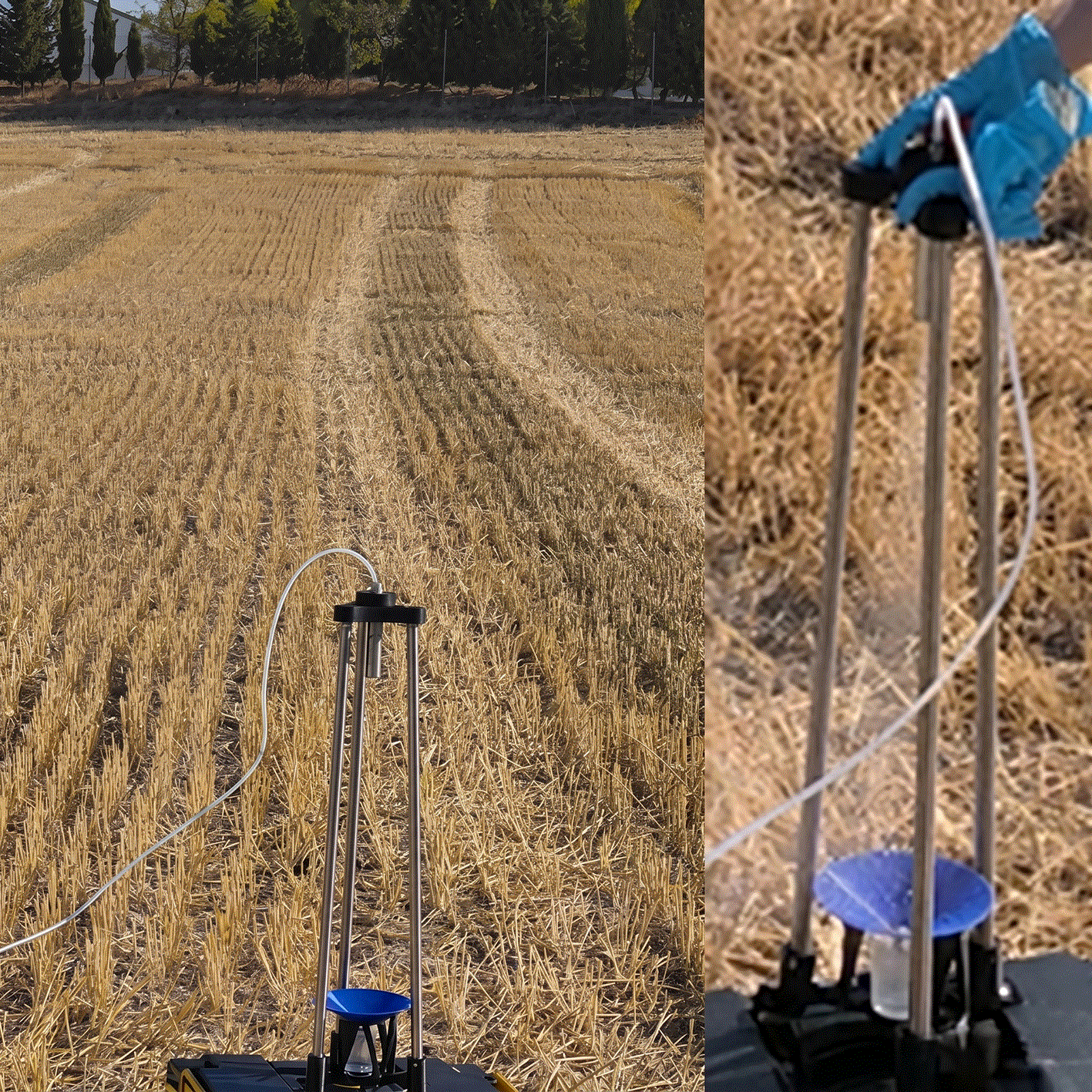
Figure 1. Air sampling using Counterfog BIAFTS in the surroundings of an AI positive farm.
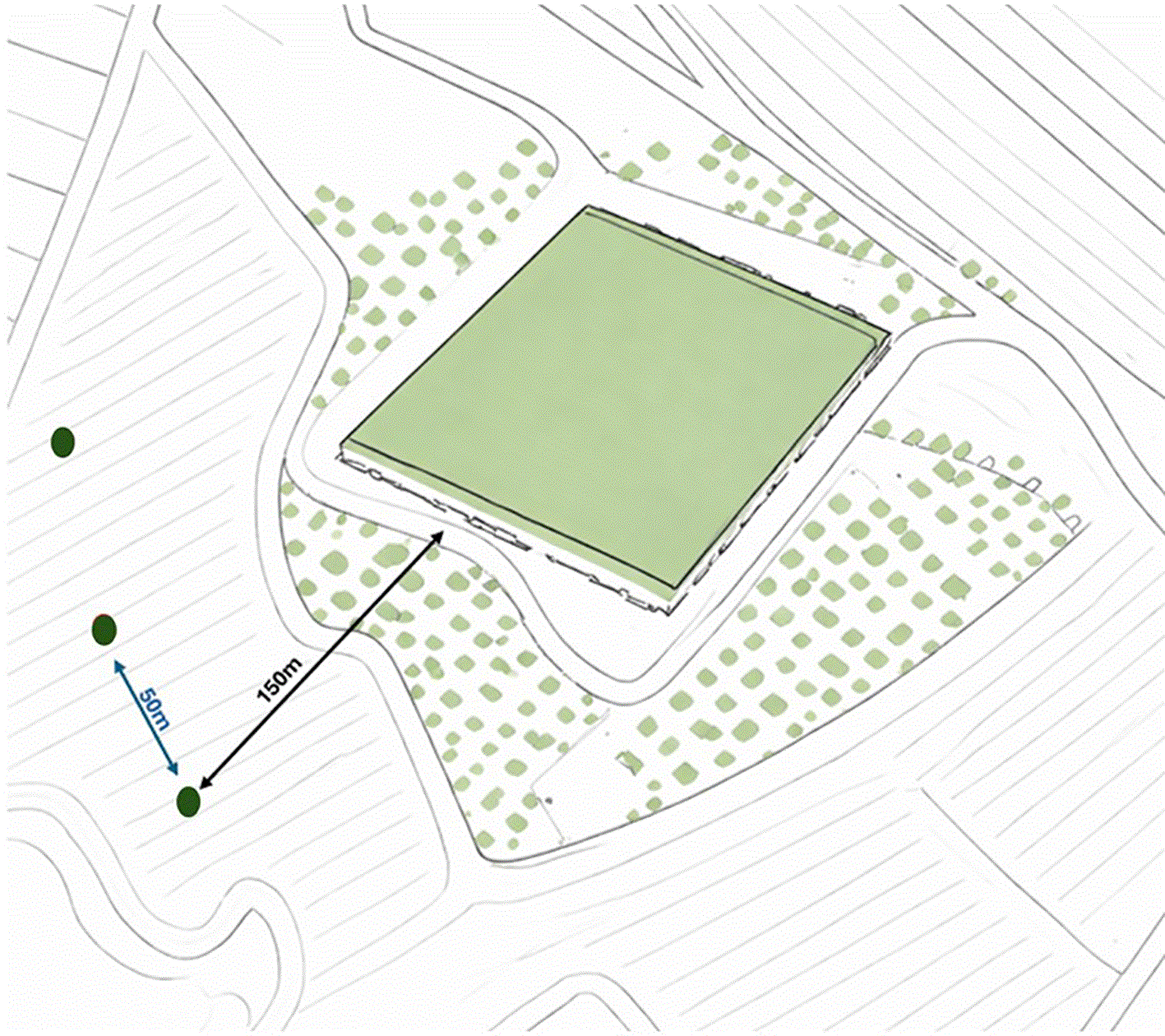
Figure 2. Air sampling points in an AI positive confirmed farm.
The air samples collected were immediately inactivated with the Promega Cell Lysis buffer (1:1) for security reasons and subsequently they were taken to the laboratory to be analyzed.
Viral RNA extraction and influenza A and H5 detection
First, viral RNA was extracted from 300 μL of each sample using the Maxwell RSC Viral Total Nucleic as previously described (REF: https://digital.csic.es/handle/10261/369329). Then, a multiplex RTqPCR was performed to detect the presence of influenza A virus, H5-subtype and an internal control in duplicates. Briefly, a TaqMan based quantitative one-step real time multiplex RT-PCR in a CFX Opus 384 Real Time PCR System (BIO-RAD) was performed using specific primers (Inf-A Fw1: CAAGACCAATCYTGTCACCTCTGAC; Inf-A Rv1: GCATTYTGGACAAAVCGTCTACG; Inf-A Fw2: CAAGACCAATYCTGTCACCTYTGAC and Inf-A Rv2: GCATTTTGGATAAAGCGTCTACG; H5-FwCBMv1: ACGTATGACTACCCKCAGTATTCAG, H5-Rv-CBMv1; AGACCAGCYATCATGATTGC) and fluorescent-labelled probe (Inf-A Probe: /56-ROXN/TGCAGTCCTCGCTCACTGGGCACG/3IAbRQSp/; H5probeCBMv1; /56-FAМ/ТСА АСA GYG /ZEN/GCA AGT TCC CTA GCA/3IABKFQ/ and H5probeCBMv2/56-FAM/TCW ACA GTG/ZEN/GCG AGT TCC CTA GC/3IABKFQ/). As internal control, partial HPRT gene from mouse was targeted and detected in each sample using specific primers (Fw: TTCTTTGCTGACCTGCTGGA; Rv: ACAATCAAGACATTCTTTCCAGTT) and fluorescent-labelled probe (/5HEX/ATTGGTGGA/ZEN/GATGATCTCTCAACT/3IABkFQ/). RTqPCR reactions were performed using the One-Step Multiplex RT-qPCR Supermix (BIO-RAD) in a final volume 16 μl containing 6 μl of RNA, 4X Reliance One-Step Multiplex RT-qPCR Supermix, 400 nM of Inf-A Fw1 and Inf-A Fw2 primers, 600 nM of Inf-A Rv1 primers, 200 nM of Inf-A Rv2 primers, 100 nM HPRT primers, 800 nM of H5 primers, 200 nM of InfA and HPRT probe, and 600 nM H5 probe. Nuclease free water was added to complete the volume. Amplification protocol included 10 minutes at 50 °C for retrotranscription, 10 minutes at 95 °C followed by 42 cycles of 10 seconds at 95 °C and 20 seconds at 51 °C. Samples that crossed in the two duplicate the threshold line below a threshold cycle (Ct value) of 42 and showed a characteristic sigmoid curve for the two duplicates were regarded as positive. Samples that crossed in one out the two duplicate the threshold line below a Ct value lower than 40 and showed a characteristic sigmoid curve were regarded as low positive. Results were analysed using CFX Maestro 2.3 software (BIO-RAD).
Meteorological data
Meteorological data, including wind direction and speed, average temperature, and relative humidity, were obtained from the records of the Agencia Estatal de Meteorología (AEMET).
| Parameter | Value |
|---|
| Average temperature | 21.3 °C |
| Maximum temperature | 29.0 °C (several hours) |
| Minimum temperature | 13.6 °C at 06:45 |
| Precipitation | 0.0 mm (dry day) |
| Wind direction | Southwest (wind blowing toward SW) |
| Average wind speed | 1.9 km/h |
| Maximum wind gust | 8.9 km/h at 14:12 |
| Average relative humidity | 52% |
Results and Discussion
PCR analysis confirmed the presence of influenza A genome in three of the three air samples collected and the presence of the H5 subtype in two of the three samples (
Table 1). These results are particularly remarkable given that the samples were obtained from air at 150 m from the farm, where pathogen concentrations are typically low due to dilution effects (
Figure 3).
Table 1. Ct Values of multiplex RT-qPCR for AI from air samples recovered from the surroundings of a poultry farm.
| INF-A
| H5 subtype | Internal control |
|---|
| SAMPLE | Ct value | Result | Ct value | Result | Ct value |
|---|
| Sample 1 | 29,01/29,04 | Positive | 32,12/NA | Low positive | 22,84/22,72 |
| Sample 2 | 31,18/33,37 | Positive | NA/NA | Negative | 22,95/22,78 |
| Sample 3 | 27,46/27,71 | Positive | 29,75/29,72 | Positive | 23,36/23,3 |
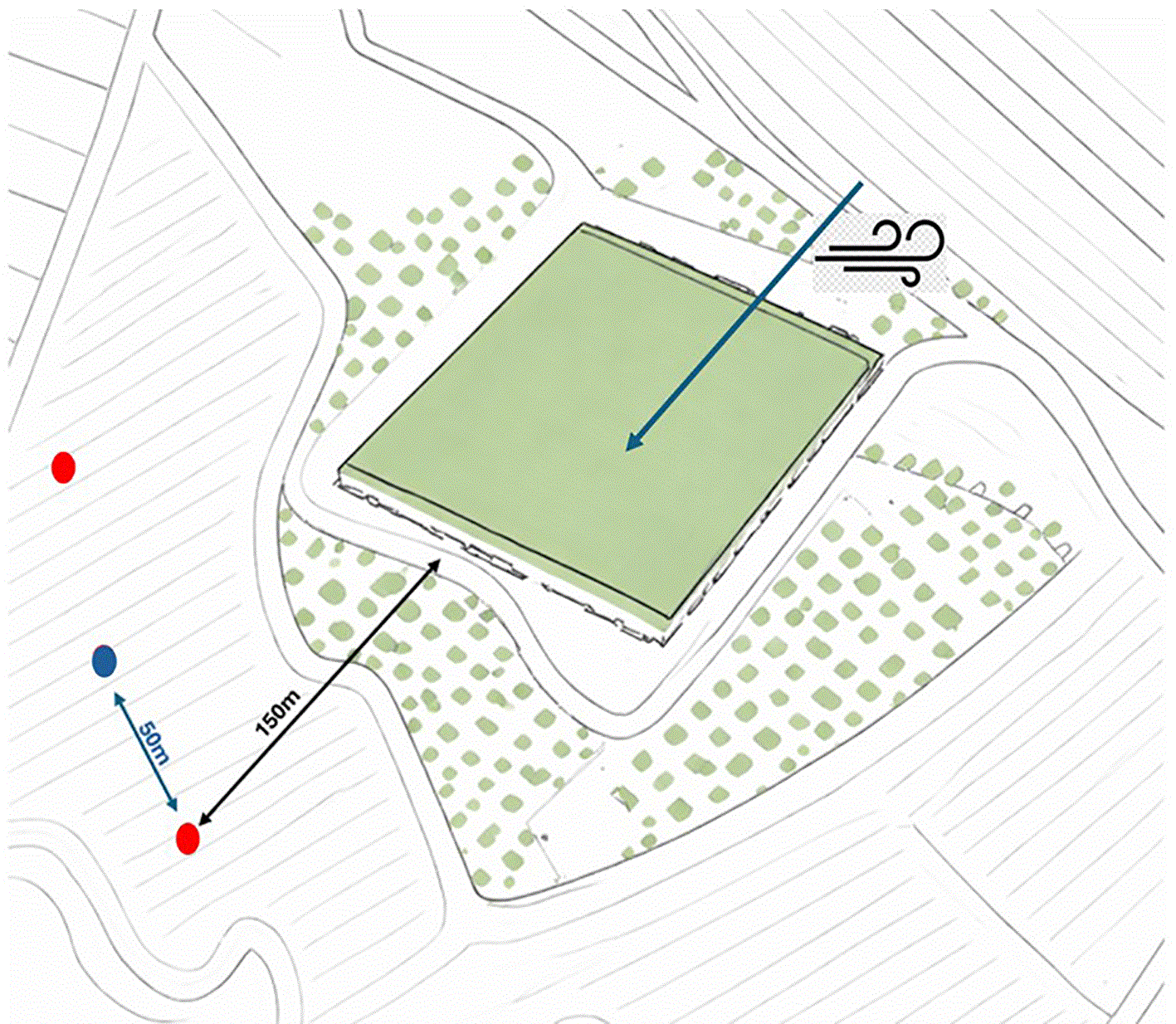
Figure 3. Positive air samples in the surroundings of a poultry farm.
Depending on the severity of the disease, two categories of AI can be determined: Low pathogenic avian influenza (LPAI - causing few or no clinical signs) and high pathogenic avian influenza (HPAI – which can cause severe clinical signs and potential high mortality rates).1 The strain detected in this poultry farm corresponds to HPAI. Detection of this strain requires the complete culling of the affected poultry house or farm, which represents a significant economic loss for the farm and the associated production system.
Samples were collected considering the prevailing wind direction, ensuring that the sampled air corresponded to the airflow originating from the farm and transported by the wind toward the sampling point. During the sampling process, wind speed was moderate, with a light breeze ranging between 2 and 8 km/h (
Figure 3). These conditions suggest that high wind speeds are not necessary to facilitate the transport of aerosols through the air.
Although, for biosafety reasons, viral infectivity could not be assessed, the detection of AI genetic material in air samples at a 150 m distance highlights the potential relevance of airborne transport beyond the infected facilities.
AI transmission over long distances between farms is often primarily attributed to wild birds, which are known reservoirs of the virus and are frequently considered the most plausible cause of its sudden introduction into farms within short timeframes and at high infectious doses. However, several studies have reported farm-to-farm transmission even in areas where contact with wild birds is minimized and strict protection zones are enforced. For instance, a 2024 outbreak investigation described a commercial duck farm (~50,000 animals) experiencing a rapid increase in mortality (from approximately 800 to 5,000 deaths within two days) despite the implementation of control measures including depopulation and the establishment of a 3 km protection zone and a 10 km surveillance zone. Notably, within one week, H5N1 HPAI was detected in two nearby chicken farms located within the surveillance zone and operating under high biosecurity standards, suggesting that transmission between farms may occur even under controlled conditions and cannot always be solely attributed to wild bird exposure.9
Our results emphasize that airborne dissemination should not be overlooked, particularly when other farms, facilities, or residential areas are located in proximity of infected premises. As Nagy et al. indicate in their study, when factors, such as suitable weather conditions, proximity to the source population and densely populated tunnel-ventilated houses, align, windborne transmission becomes a feasible mode of spread over kilometric distances.9
The results obtained in our study along with other studies9–12 reinforce the importance of integration of airborne control technologies such as early virus detection not only in animals but also in environmental matrices, especially air. Monitoring airborne pathogens is crucial, as air represents a highly dynamic and difficult-to-control transmission route that may significantly contribute to pathogen spread. Early detection goes hand in hand with rapid response measures and transmission control. Therefore, in addition to detection techniques, it is essential to implement effective disinfection strategies and air control measures.
The fact that AIV was detected during the depopulation process highlights how critical this phase can be. Depopulation should not be considered a low-risk phase; on the contrary, it may facilitate the release and dissemination of viral particles, for example, either through dust disturbance or via feathers. Therefore, strict biosecurity measures must be maintained throughout the entire process, including after animal death and during the emptying of facilities.
Further research is needed to better understand the airborne transmission of pathogens and the environmental factors that influence their survival. Future work will investigate viral concentrations at increasing distances from infected farms to assess how viral loads decrease with distance. This data will support the development of computational models capable of predicting pathogen dispersion using real environmental parameters. In parallel, experimental studies on farm-to-farm transmission will be essential to better characterize the spread of viruses, particularly avian influenza, which represents a major challenge for the poultry industry and may also have indirect implications for the broader population.
Conclusion
This study presents preliminary results from air sampling conducted in the surroundings of a poultry farm affected by a highly pathogenic agent of major concern, the avian influenza virus. The detection of HPAIV H5N1 in aerosols up to 150 m from the poultry farm provides evidence supporting the potential for airborne dissemination of viral particles beyond the immediate vicinity of infected facilities, even after all animals were sacrificed and during the depopulation process. These findings suggest that viruses may be transported through the air over considerable distances, potentially contributing to transmission between farms and posing a risk to nearby environments and communities. Consequently, there is a clear need to develop and implement biosecurity strategies that specifically address airborne transmission pathways. In this context, the HE-FARM project has been working on the development of detection and mitigation technologies aimed at monitoring and reducing specifically airborne transmission risks.
Ethics and consent
Ethical approval and consent were not required.







