Introduction
While wrestling may appear straightforward to spectators, in practice, it is a dynamic interplay of movement skills, timing, decision-making, and psychological resilience. Wrestlers must develop the capacity to safely and efficiently move in challenging positions, manage continuous physical contact, and maintain cognitive clarity during unpredictable bouts. Therefore, effective preparation requires more than isolated strength or technical drills, which necessitates the integration of physical attributes, technical proficiency, and psychological composition within a unified training framework.
The long-term nature of wrestling development is equally significant. Some studies have focused on how children should learn techniques through simple drills, games, and a supportive atmosphere to prevent the early loss of motivation (Ohar & Shevchenko, 2021). Talented children do not always translate into later success, as increased competition, advanced tactics, and the complexities of weight management and travel present new challenges. This disparity between early promises and readiness underscores the ongoing challenges of talent identification and long-term planning in wrestling (Kaynar & Bilici, 2017).
Therefore, long-term development models are widely used to keep training realistic and age-appropriate (Mirzaei, 2021). They described elite wrestling progress as a gradual build: broad movement basics first, then steady specialization, and only later heavy volumes and high-intensity competition-focused work. Ukrainian coaching and sports-science traditions describe a similar pathway with their own terminology and stage structure, highlighting that rushing loads or chasing early peak forms often lead to injuries, burnout, or stalled development (Tomenko & Karpov, 2024). This long-term idea also matters at the weekly level. Ponomarov and Dobeiko show how sessions are arranged inside a microcycle, − how technique work alternates with conditioning, and how fatigue is managed – can decide whether training builds progress or simply accumulates exhaustion (Ponomarov & Dobeiko, 2022).
In recent years, research in this area has become more practical and detailed. Some studies have focused on how children should learn techniques through simple drills, games, and a supportive atmosphere to prevent the early loss of motivation (Ohar & Shevchenko, 2021). Others have examined how strength and general fitness should be developed in age-specific ways throughout the annual cycle (Zvonariov & Svatiev, 2024). At the top level, the discussion shifts toward specialized physical preparation, smarter load planning, and technical-tactical work guided by competition realities (Tropin et al., 2023).
Despite these advances, coaches often encounter fragmented research across age groups and levels, while practical coaching demands a coherent framework that links beginner and senior training. This study addresses this gap by examining how coaching methodologies and training loads differ by age and by outlining principles that ensure consistency from initial participation to international competition.
To advance this aim, this article transitions from addressing the research gap to examining the features of coaching different age groups in wrestling, from beginners to professionals. It does so by seeking to answer two interconnected research questions.
The study also considers the underlying principles that promote continuity in the training process, spanning from the initial instruction to the international level.
Methods
The article is structured as a narrative review and methodological synthesis rather than an empirical study. It draws on publications from the last five years, situating them within broader Long-Term Athlete Development (LTAD) concepts—a framework guiding athlete growth in phases over years—and practical coaching experience.
A targeted search was conducted between 2024–2026 using Google Scholar, sports science journals, and repositories. Keywords in English and Ukrainian include combined wrestling, youth and junior wrestlers, training systems, long-term development, special physical training, and similar terms. Inclusion criteria:
• Empirical or methodological articles dealing with the training of wrestlers or combat sports athletes, with explicit reference to age groups and/or LTAD.
• Publications in peer-reviewed journals, conference proceedings, or official manuals.
Both Ukrainian and English sources were included to reflect the regional and international experiences. The articles were reviewed in full, and key data were extracted as follows:
• Age category and competitive level
• Training Objectives and Content
• Methodological approaches to teaching and load management.
• Organizational aspects of long-term preparation
• Reported outcomes (e.g., physical fitness, technical-tactical indicators, competition performance).
• Findings were grouped into two themes:
• Methodological differences among novice, youth, and adult wrestlers.
• Continuity and progression of methodology across preparation stages.
Results
The fundamental principle of age-based coaching is that children, adolescents, and adults exhibit distinct characteristics. These differences include physical growth, cognitive development (thinking and learning), emotional regulation (ability to manage feelings), and social context (the environment and relationships with others). In wrestling, such distinctions affect coordination (how movements are controlled), load tolerance (how much physical stress the body can handle), injury risk, motivational factors, and tactical comprehension (understanding of strategies and plans).
Studies on beginners aged 8–10 show that they usually do not have much strength or anaerobic capacity, but their nervous system adapts quickly, and they pick up basic movement patterns quickly. Their attention span is short, so training needs to be active and fun, with lots of variety and quick feedback from the coach (Ohar & Kosyntsev, 2020).
In early and middle adolescence (ages 13–17), wrestlers undergo rapid growth and hormonal changes. Research on 14–15-year-olds suggests this is a good time to build strength and power more deliberately, but pushing heavy external loads too hard can lead to overuse injuries and may interfere with normal growth. Mentally, teens become better prepared for tactical thinking, goal setting, and performance reflection; however, they can also be sensitive to anxiety, pressure, and comparisons with teammates or opponents (Orlov et al., 2025).
With the transition into adulthood, wrestlers, especially those at a high level, often exhibit more stable physical characteristics, greater tolerance to training loads, and stronger self-regulation skills. Their preparation should be built around individual factors, such as wrestling style, weight category, past injuries, and long-term health, because staying durable matters as much as staying competitive (Mirzaei, 2021).
At the foundation of this progression, in the initial stages, the primary objective of young wrestlers is development and learning rather than competitive success. Coaches are advised to structure sessions around general movement skills, such as agility, coordination, balance, flexibility, and foundational strength, avoiding heavy or repetitive conditioning. Progress is facilitated by bodyweight exercises, relay races, movement games, and simple partner tasks involving crawling, jumping, dodging, supporting body weight, and responding to dynamic situations (Kaynar & Bilici, 2017). This approach establishes a broad movement foundation, enhances body control in various positions, and prepares muscles and coordination for advanced training demands.
In general, children are gradually introduced to wrestling-specific basics (proper stance, moving forward/back/, sideways, simple grips and hand positions, basic holds and escapes, and safe falling and rolling). Each skill is taught step-by-step, with safety and enjoyment as priorities, so children connect wrestling with curiosity and progress, rather than fear or pain (Tomenko & Karpov, 2024).
At this stage, helping children enjoy training and connecting with the team and the coach is key. The coach builds a safe, friendly space where respect, cooperation, and fair play are important. Simple routines−greeting partners, listening, following instructions, helping teammates−build discipline naturally. Rules support group belonging, not punishment.
Given the developmental priorities at this stage, competitive outcomes are not emphasized. When competitions are introduced, they should serve as learning experiences with simple rules, equitable participation, and feedback focused on effort and progress rather than solely on outcomes. Such events allow children to apply their skills in practical contexts without excessive pressure, aiming to reduce competition-related anxiety and to sustain motivation. The overarching goal is to foster a robust movement foundation, facilitate the acquisition of basic wrestling skills, and maintain a supportive emotional and social environment to encourage long-term engagement in sports (Ohar & Shevchenko, 2021).
In the youth stage, the focus slowly changes. Training becomes less general and more directed toward shaping wrestlers’ physical condition, technical-tactical level, and mental readiness. Coaches begin to work more seriously on strength, power, and speed, but this needs to match the athlete’s growth and biological age, − not just their passport’s age. Teenagers grow fast, and even within one team, there are significant differences in height, muscle mass, and coordination. Because of this, external resistance-free weights, bands, and harder partner drills – are added carefully, in small doses, and are increased step by step. Coaches also watch for techniques, fatigue, and early signs of pain or overload. The goal is not to chase large numbers in the gym but to build strength and speed that actually improve wrestling performance and keep the developing body safe (Orlov et al., 2025).
Technical and tactical work has also become more organized. Earlier, athletes mainly learned single moves. Now, the emphasis shifts to combinations, linking attacks with counters, and understanding typical situations that occur during a match. Training includes more situational drills, in which the wrestler must choose from several options under time pressure or from a fixed starting position. This helps them to recognize patterns and remain flexible in their decisions. Video review, problem-based tasks, and controlled sparring support the move from repeating techniques «by memory» to making smarter choices on the mat in real time (Tomenko & Karpov, 2024).
A third major focus of this stage is learning to compete and handle the mental side of wrestling. As teenagers start competing more often, opponents become tougher, and pressure grows – both from their own expectations and from coaches or parents. Therefore, training should include mental skills, such as staying calm before a match, maintaining attention during a long tournament day, and resetting emotionally after both wins and losses. Wrestlers learn to set realistic goals that focus on the process (what they can control), track their progress across the season, and treat mistakes as feedback – not as proof that they «failed.” Even though competition has become more serious, the main priority should still be long-term progress. Coaches need to avoid pushing early specialization too hard, narrowing technique choices too soon, or overloading teenagers with endless tournaments for quick results. Instead, they should watch for signs of emotional fatigue and fading motivation and adjust the plan so that athletes maintain their curiosity, enjoyment, and sense of growth. This stage becomes a healthy bridge from the playful start of wrestling to a much tougher adult level, supporting steady development rather than early burnout (Krymov, 2025).
For senior and elite wrestlers, training objectives become highly specific, aiming to optimize all aspects of performance while ensuring long-term sustainability. Individualized physical preparation replaces uniform training plans, with coaches tailoring loads according to the athlete’s style, weight class, body type, and competition schedule. For example, aggressive explosive wrestlers may require short, intense strength-speed sessions and repeated power efforts, whereas defensive or counter-attacking wrestlers may benefit from targeted endurance, isometric strength (muscle contractions where the joint angle and muscle length do not change), and sustained effectiveness during prolonged clinch exchanges (close wrestling contact where athletes fight for control without much distance). Training is primarily composed of wrestling-specific drills, integrated circuits, and carefully selected supplementary exercises, rather than generic conditioning. Throws, lifts, parterre work (wrestling in a ground position), and live scenarios were combined with targeted strength, sprint, or plyometric sessions to support the athlete’s key techniques and align with the competition calendar. The ultimate aim is to ensure that athletes are optimally prepared for the specific demands of their competitive style during major events (Tropin et al., 2023).
At the same time, elite training involves polishing high-level technical and tactical habits. Top wrestlers already know many techniques, so the point is not to collect more moves; − it is to make the best ones sharper, cleaner, and more reliable, and to connect them smoothly in real match situations. Coaches and analysts are increasingly using matching data. Video review helps to show which attacks work most often when points are usually scored or lost, and how the wrestler reacts when the score changes. Studying upcoming opponents adds another layer by highlighting their favorite grips, entries, and defense patterns. Based on this, the training becomes scenario-driven. Athletes practice likely competition situations, drill counters to the signature attacks of future opponents, and improve decision-making under fatigue and time pressure. In other words, technical-tactical work becomes personal and data-based, aimed at winning small but crucial details that determine matches at the highest level (Korobeynikov, 2023).
Along with improving performance, top-level wrestling also means protecting athletes’ health and keeping them competitive for years. After many seasons of hard training and competition, small injuries and chronic problems add up; therefore, injury prevention is built into everyday work. Warm-ups and cool-downs (light movement before and after training to prepare and recover muscles), corrective and stability exercises (specific movements to strengthen and balance joints and the spine), and regular checks of the athlete’s condition help to catch overload early. Coaches also track fatigue using simple tools, such as session ratings of perceived exertion (athletes rate how hard a workout felt) or short wellness checklists (brief surveys about sleep, mood, and soreness). Recovery is no longer treated as a «bonus» – it is part of the weekly plan. Sleep habits, nutrition, hydration, active recovery sessions (light activities to support recovery), physiotherapy, and mental reset time are organized intentionally so that the wrestler can handle high-intensity without sliding into long-term exhaustion or burnout. Managing workload is a key skill. Coaches adjust volume (amount of training) and intensity (difficulty or effort in training) not only according to the season plan but also based on the wrestler’s current shape, travel, weight-cut demands (making weight for competition), and stress from life outside sports (Kerimov, 2024).
At this level, training centers on national and international competition. The yearly and multi-year plans are designed such that physical readiness, technical-tactical sharpness, and mental focus peak at major championships, whereas smaller events serve for practice, strategy testing, and stability. Planning demands teamwork: Strength coaches manage physical conditioning, sport psychologists guide mental preparation and pressure management, physiotherapists and medical staff handle prevention and rehabilitation, nutritionists oversee diet for weight and recovery, and performance analysts supply match data for tactical decisions. The head coach unites experts to ensure uniform goals. Thus, senior and elite wrestler preparation is a team effort to achieve consistent, season-long excellence (Boychenko, 2022).
Systematisation of approaches to training wrestlers of different age groups
Several researchers in modern wrestling science have outlined clear long-term development models, treating progress in sports as a step-by-step journey rather than as a set of unrelated training years. In his work on elite wrestling preparation, Mirzaei describes a multi-year path that takes a wrestler from beginner level to high performance. His main point is that progress should happen in the right order: first, athletes build solid basic movement skills, then gradually move into wrestling-specific specialization, and only after that do training volumes and intensity increase seriously. In the early stages, B. Mirzaei emphasized broad motor development and basic wrestling fundamentals, while the later stages focused on refining complex techniques, building tactical systems, and improving physical qualities that directly determine results in competition (Mirzaei, 2021).
Krymov offers a similar long-term model for Greco-Roman wrestling, but emphasizes the combination of physical, mental, and technical work at every stage of preparation. He also argued that individualization should not start only when an athlete becomes elite – and should be present from the beginning. In Krymov’s view, multi-year training makes sense only when the content, training load, and coaching approach match the wrestlers’ biological maturity, functional readiness, psychological characteristics, and real competition experience (Krymov, 2025).
Ukrainian sports-science sources describe a comparable long-term structure using a four-stage system: initial preparation, preliminary basic preparation, specialized basic preparation, and high-level preparation. In this approach, the initial stage focuses mainly on general movement development and learning simple technical actions, thereby laying a strong foundation for future progress. The preliminary basic stage strengthens these fundamentals and adds more structured conditioning, helping wrestlers to handle larger training volumes and more challenging tasks. The specialized basic stage is where techniques and tactics become much deeper and more wrestling-specific, and athletes start building a more personal competition «toolkit» based on their strengths. Finally, the high-level stage focuses on achieving the best possible competitive performance through maximum individualization, with training content and periodization adjusted to the real demands of elite wrestling (Tomenko & Karpov, 2024).
When this long-term view is applied to shorter periods, researchers often focus on how training should be structured within a week. A useful example is the work of Ponomarov and Dobeyko, who analyzed the organization of a freestyle wrestling microcycle. They highlighted that a weekly plan should maintain a workable balance between technical-tactical practice, physical conditioning, and psychological readiness. They described a typical microcycle as a gradual buildup of load, with technical sessions alternating with strength and conditioning work, and with control bouts and situational drills used regularly to mirror real-match demands. They also stressed that training needs to be structured effectively to avoid overload, maintain technique, and allow sufficient time for recovery. According to Ponomarov and Dobeyko (2022), success depends not only on how much work is done or how hard it is, but also on whether each session fits the competition calendar, and whether the coach can adjust daily tasks to the wrestler’s current condition and level of readiness.
A well-planned training system in wrestling means that technique and tactics, physical fitness, and the mental side are trained together – not as three separate «worlds.” Research on young wrestlers has revealed some clear points. Stronger or improved anaerobic capacity does not automatically lead to better results in matches if these gains are not connected to real wrestling actions. For example, stronger legs matter only when that strength is used in takedowns, lifts, or defense against throws, rather than being trained only through general gym exercises that never transfer to the mat.
For experienced wrestlers, Korobeynikov et al. showed that specialized physical preparation becomes much more effective when aligned with the athlete’s wrestling style. An explosive attacking wrestler and a positional counter-attacking wrestler do not require the same emphasis. When physical work is adjusted in this way, it improves not only fitness numbers but also technical and tactical performance in competition. Their results support the simple idea that loads, exercise choices, and tactical tasks should reinforce one another within a single connected program rather than be planned separately (Korobeynikov, 2023).
This interconnected approach extends to mental factors, such as motivation, confidence, focus, and self-control, which are now considered core elements of daily training. Coaches can foster integration in several straightforward ways: by using drills that require strength, coordination, and decision-making simultaneously, including competitive games and situational sparring under fatigue or time pressure, and by directly training mental tools such as self-talk, breathing control, and pre-match routines during regular sessions. As a result, athletes not only learn these skills but also develop the ability to apply them instinctively in both training and competition (Pietraszewska, 2023).
In Europe, recent wrestling initiatives also place greater emphasis on safety, well-being, and keeping young athletes in sports in the long term, especially children and teenagers. The Erasmus+ project «Wrestling in Safe Mode» highlights safeguarding, inclusive coaching, and stable participation as key goals for national federations and local clubs. Its guidelines recommend introducing contact carefully in the youngest groups, controlling technique quality, and focusing strongly on safe falling skills and the controlled execution of throws. The project also warns against unsafe weight-cutting practices, stressing that rapid, extreme weight loss is especially damaging to young wrestlers and runs counter to both health and development. Another important focus is the social climate in the club: coaches are encouraged to build a culture of respect, support, and fairness, to prevent bullying and humiliation, and to explain the long-term logic of training to parents, so adults do not push children into a narrow «results first» mindset (Wrestling in Safe Mode Consortium, 2020).
The COVID-19 pandemic also showed why flexible, athlete-friendly approaches matter. Ukrainian studies on distance training for 8–10-year-old wrestlers found that online formats, despite obvious limitations, could keep children physically active and connected to basic wrestling practices when regular training was not possible. These programs used simple strength and coordination exercises, individual technical drills that did not require a partner, and interactive tasks designed to maintain motivation and a sense of belonging to a group. Coaches had to find creative ways to keep training safe at home and communicate closely with their parents. Most importantly, the authors emphasized that under such unusual conditions, the main goal was not to pursue maximum performance but to maintain continuity, so that children stayed involved and kept their interest in wrestling in the long run. This approach fits well with long-term athlete developmental thinking (Ohar & Shevchenko, 2021).
Continuity of the training process: from initial instruction to an international level
Several clear ideas recur throughout the literature, and together, they explain how training can remain consistent from a child’s first steps in wrestling to the professional level. The first is gradual specialization. Initially, training was kept wide and varied in purpose. Coaches work on general movement and sports skills, such as running, jumping, rolling, balance, and basic coordination, while wrestling skills are introduced primarily through simple, game-like activities. As athletes enter their teenage years, wrestling-specific work becomes a larger part of their training. Techniques and tactics become more complex, training volume increases, and physical preparation begins to better match the real demands of wrestling. At the high-performance stage, this specialization reaches its full form: most training time is spent on highly specific technical-tactical drills, special strength and conditioning work, and tasks that directly prepare the wrestler for competition. Nonspecific exercises are still used, but mostly to support recovery or maintain general fitness. The key point is that specialization occurs step by step, not suddenly or too early (Mirzaei, 2021).
Closely connected to this is the idea of building techniques, such as a growing system, not a set of separate moves. Skills taught to beginners – stance, basic movement in stance, simple takedowns, and safe falling – are treated as the «alphabet» that later becomes combinations and full tactical systems. Therefore, training plans should clearly show how early techniques will be developed, cleaned, and connected later. There needs to be a clear link between what beginners practice in easy drills and what advanced wrestlers use in fast, complex match situations. This approach helps avoid the common problem where athletes must «re-learn basics» at every new stage, and it supports strong, stable movement patterns built over many years.
The literature also highlights that coaching should align with an athlete’s age while remaining consistent in its core message. Teaching methods can change from stage to stage, but the key values should remain the same. When these values remain stable, athletes feel more secure as they move through different age groups and trust within the team strengthens, which supports long-term progress (Tomenko & Karpov, 2024).
Another important principle is to track progress with real records to support consistent development across ages and stages. Maintaining long-term notes on physical development, technical level, competition results, and injury history helps coaches see the real direction of growth instead of relying on quick impressions. When this information is collected consistently, it becomes much easier to decide when to raise loads, when to focus more on techniques, and when to adjust expectations. This is also critical during the transitions between groups or teams. Without clear records, athletes may move up or down based on unclear judgments that do not reflect their true condition.
Finally, the sources emphasize the value of coordination between everyone involved. Club coaches, school programs, regional academies, and national teams must match their expectations, selection standards, and general training approaches. If different systems pull the same athlete in different directions, development becomes unstable and the risk of overload, confusion, and loss of motivation increases significantly (Ohar & Kosyntsev, 2020).
Within this coordinated system, researchers point to a few «danger zones» where athletes often struggle – and where coaches need to act carefully rather than let things happen by accident.
The first sensitive shift is the move from beginner groups to regular, structured training, usually around 11–13 years old. At this stage, coaches often decide who will stay in wrestling through more frequent, more intense sessions and who is likely to drop out because their interest fades or the demands become too much. The literature suggests that these decisions should be based on clear, fair markers, such as general movement readiness, basic technical skills, following safety rules, and steady motivation, − rather than only early competition results. This helps ensure that children entering a more demanding program are ready for higher loads without becoming physically or mentally overwhelmed.
A second critical transition occurs between youth categories (age-group competitions for teenagers) and junior/senior levels (higher-level competitions for adults or older teens), roughly at 17–19 years old. Studies comparing athletes’ readiness across stages show that a sudden jump in training volume (how much and how often an athlete trains) and intensity (how hard the training is) often leads to overtraining and increased injuries. Therefore, the authors recommend introducing parts of ‘adult training’ earlier, but step-by-step, such as longer sessions, harder intensity, or occasional exposure to adult competitions during the final youth years. This gives the athlete the time to adapt gradually instead of being thrown into a new level overnight (Korobeynikov, 2023).
A major turning point is the shift from national competition to international competition. Successful wrestlers typically attend international events and camps years before winning medals and gain exposure to faster matches, diverse styles, and varied refereeing. This early experience aids tactical and mental adjustments. Throughout transitions, coaches must offer more than technical guidance, providing psychological support, helping athletes reset goals, handle pressure, and rebuild sports identity when roles shift. Weak support at these moments is repeatedly linked to dropout and loss of motivation (Ohar & Shevchenko, 2021).
How well a coach can protect continuity and guide these transitions depends significantly on how broad their skills are across the entire developmental pathway. Studies on coaching in combat sports have highlighted that working effectively with athletes of different ages requires flexibility and a wide range of tools. At the entry level, a coach needs strong teaching and communication skills to work with children: managing groups, explaining clearly, demonstrating correctly, keeping attention and motivation, and talking with parents in a calm, realistic way about expectations, safety, and the fact that progress takes time. As athletes enter adolescence, coaches must understand growth and maturation, including the best periods to develop certain physical qualities and the risks of pushing loads too hard or handling weight in unsafe ways. They also need to know about basic injury prevention and how to keep training safe while still improving their performance (Boychenko, 2022).
At higher levels, other skills become more important: planning cycles, developing a competitive strategy, and analyzing matches. Coaches working with junior and senior athletes are expected to design structured micro- and mesocycles, time peak forms for key events, interpret test data, and use match videos and analytics to sharpen tactical plans. However, the technical knowledge alone is insufficient. Interpersonal skills also matter just as much. Long-term progress depends on trust, which requires the ability to provide honest yet supportive feedback, to discuss decisions with mature athletes as partners, and to handle conflicts within the team.
In many systems, the same coach remains with athletes from their first steps in wrestling to high-performance sports (Orlov et al., 2025). This long relationship can strongly support continuity and shared understanding, but it also means the coach must continue their professional development by updating their knowledge in pedagogy, strength and conditioning, sports psychology, and performance analysis. Other systems rely on team coaching, in which specialists work with specific age groups or focus areas (e.g., physical preparation or mental skills). The literature suggests that both models can work well, but only when communication is strong and the staff follows the same general training logic. Without this alignment, athletes can receive mixed or even contradictory messages, which breaks the continuity that long-term development frameworks are meant to protect (Wrestling in Safe Mode Consortium, 2020).
Practical examples of long-term athlete development
Practical implementation of long-term athlete development (LTAD), the principle of guiding athletes through a series of age-appropriate training and competition stages, is observed in materials published by federations and major coaching initiatives for coaches, parents, and clubs. These resources delineate developmental stages (defined phases such as fundamental, train-to-train, and train-to-compete), outline age-specific expectations, and identify practices to avoid, such as early overload (excessive training or competition before an athlete is ready), unsafe weight management (unhealthy methods to rapidly reduce weight), and burnout (physical or emotional exhaustion from prolonged stress). A notable example is the Wrestling Canada Lutte LTAD Manual, which serves as a comprehensive guide to ensure that early training remains broad and skill-oriented, while subsequent stages become increasingly specialized and competition-focused (Wrestling in Safe Mode Consortium, 2020).
Building on these materials, another practice-oriented case is the British Wrestling Performance and Talent Pathways. This system outlines how athletes progress from entry-level participation (beginners new to the sport) to talent development (focused training for individuals with higher potential), and then to high-performance environments (competitive training and support settings for elite athletes). The key point is planned transitions: athletes are guided through clear steps instead of being pushed straight into a «win now» routine.
At the international level, the UWW Academy manual by Mirzaei explains LTAD ideas in coaching terms. The message is straightforward: build movement quality and strong basics first, then add deeper specialization and higher loads, and only after that tune preparation for elite competition (Mirzaei, 2021).
Beyond training and performance, Long-Term Athlete Development (LTAD) also involves welfare rules that keep children in sports. For instance, the Erasmus+ project «Wrestling in Safe Mode» provides clubs with concrete safeguarding guidance: gradually introducing physical contact, coaching with respect, and building a training climate where children feel safe and motivated to stay involved.
Weight management is another place where «long-term» thinking becomes concrete. For example, Wrestling Canada’s rulebooks explicitly prohibit artificial weight-loss methods, such as plastic bags or saunas, in youth divisions, with strong penalties for athletes and coaches who promote them (Danko, 2022).
Supporting this at the international level, United World Wrestling moved to a two-day format that requires athletes to weigh in on the morning of the competition, with a limited weight gain allowance permitted on day two. This change was introduced to discourage extreme weight cutting (rapid weight loss, often through dehydration) immediately before competition.
A framework for age-based wrestling development is presented in
Figure 1.
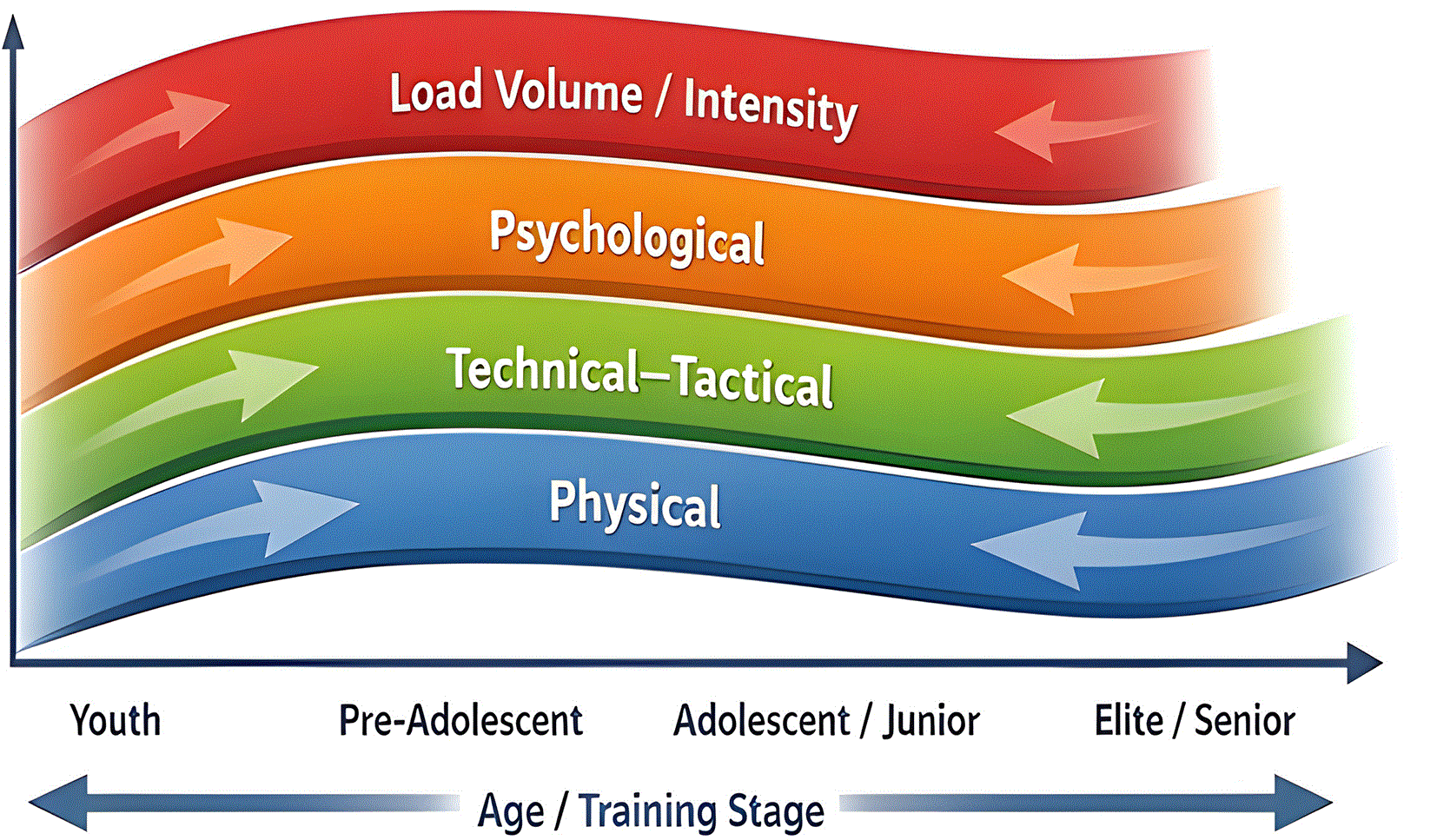
Figure 1. Age-based wrestling development framework.
The modern Ukrainian Greco-Roman wrestling manual presents a step-by-step system that tracks boys from their first exposure at ages 5–7 through youth, junior, and senior levels. The author warns against pushing children too early, noting risks, such as early overload and burnout.
The manual notes that many children start wrestling around age five and may achieve strong results at the U-15 and U-17 levels. However, only approximately 15% of these remain in sports. It links these issues to excessive loads and psychological burnout, emphasizing careful and realistic planning.
At the introductory stage (ages 5–7), the program recommends two sessions per week, each lasting 60–90 minutes. Training is organized in a playful manner with a strong focus on general fitness and basic coordination. Children perform simple warm-ups and coordination drills, such as forward and backward rolls, safe falling with self-protection (learning to tuck the body and avoid injuries), and basic gymnastic elements. The idea was to support health, build confidence on the mat, and teach children to move safely in wrestling situations. The main goal at this age is not winning competitions but developing a positive attitude toward wrestling, basic discipline, and safe movement habits.
In the next stage (roughly 8–11 years), training increases to three sessions per week, usually approximately two hours each. At this point, children are ready for more serious work, so training becomes broader, encompassing both general and wrestling-specific exercises. Along with coordination drills and basic acrobatics, coaches begin to add simple strength work, such as neck exercises, pull-ups, push-ups, abdominal training, and other basic tasks that build overall strength. Special wrestling exercises were also introduced to prepare the body for contact, pressure, and the physical demands of holds (grappling techniques used to grip the opponent) and throws (techniques for lifting and bringing the opponent to the mat). By the end of this stage, wrestlers are expected to perform at least two techniques in standing (moves performed while both wrestlers are on their feet) and two in the par terre (moves executed when one or both wrestlers are on the ground), showing not only good movement readiness, but also basic technical skills that will later support deeper specialization.
The 12–14-year-old group trains four times a week, with sessions lasting approximately two hours, and training starts to look much more serious. Flexibility and coordination are still developing, but the work is shifting toward more challenging acrobatic elements and cleaner technical execution. Wrestlers learn more advanced movements, such as forward rolls over a partner, side rolls, backward flicks, more demanding somersaults, and other skills that are considered important for controlling movement in wrestling. Considerable attention has also been given to self-protection and safe-falling skills (methods that teach how to fall safely to reduce the risk of injury) because proper falling techniques reduce the risk of injury when a throw fails during live wrestling. To track progress, the coach runs tests of general and specific wrestling readiness every three months and uses the results to adjust loads so that development does not depend on guesswork.
During the youth stage (15–18 years), the program recommends five sessions per week, each lasting approximately two hours. At this level, training is already aimed at serious competition, and athletes reach roughly 70–80% of the workload typical for adults. The focus is balanced. Improving technique and building a stronger personal arsenal in both standing (upright position wrestling techniques) and par terre (ground wrestling techniques); developing strength, speed, and endurance; and building tactical thinking and mental toughness. The coach helps each wrestler choose and refine one or more «signature» techniques (moves that an individual wrestler performs with high reliability and confidence) that can be trusted in key moments while maintaining a broad technical base. At the same time, the manual warns coaches to be careful about overload, both physical and psychological. Many athletes who dominate early on start losing more often when others catch up, and without proper support, this can quickly turn into a motivation crisis.
Finally, at the junior and senior levels (19+ years), training volume can reach nine sessions per week, and individual practices may last up to three hours. Here, the long-term system reaches its full form: preparation becomes highly personalized; the yearly plan is built around the most important national and international events; and every part of training is adjusted to the athlete’s style, weight class, injury history, and competitive goals. The manual emphasizes that world-class wrestlers are always extremely strong physically and technically, but their results come from many years of steady work, with loads increasing gradually and training content adapted step-by-step to age and readiness. Specific testing sets for older youth and junior athletes—including standards for acrobatic elements (such as rolls and somersaults), coordination tasks (tests assessing body movement control), and strength exercises—serve as checkpoints, ensuring that wrestlers progress to the senior level with strong, well-rounded preparation rather than narrow skills that break down under pressure.
Table 1 summarizes the age-specific training goals, orientations, and typical loads.
Table 1. Comparative characteristics of training goals, focus, and indicative load by age group in wrestling.
|
Age group | Primary goals | Main training orientation |
|---|
| 8–10 years
| Development of basic motor skills and positive engagement in wrestling | Broad motor and coordination development; playful introduction to stance, movement, safe falling, and simple grips; emphasis on enjoyment, safety, and socialization |
| 11–13 years
| Formation of basic technical skills and movement control | Consolidation of fundamental techniques in standing and par terre; gradual increase of general strength and endurance; structured but still varied drills; low-pressure “learning” competitions |
| 14–15 years
| Development of physical qualities and technical combinations | Targeted development of strength, speed, and special endurance; systematic work on combinations and counters; more situational drills and controlled sparring; introduction of basic psychological skills (goal-setting, coping with pre-start anxiety) |
| 16–17 years
| Preparation for higher-level competition and mental readiness | Integration of individual technical–tactical systems; more individualized strength and conditioning; regular national-level competitions; structured mental preparation (focus, emotional self-regulation, post-match analysis) |
| 18+ years (junior/senior)
| Optimization of high-performance results and long-term career sustainability | Highly individualized, competition-specific preparation; micro-periodization of loads; technical–tactical refinement based on match analytics; systematic injury prevention, recovery and psychological support |
The comparative overview in
Table 1 illustrates that age-specific goals, training focus, and volume progressively increase from broad motor development to highly individualized high-performance preparation. Such a staged approach helps align technical and physical load with athletes’ biological and psychological readiness, reducing the risk of overtraining and supporting long-term engagement in wrestling.
Discussion
This review demonstrates that effective coaching in wrestling requires both differentiation (adapting methods to age and level) and integration (ensuring a coherent, long-term pathway). Methodological differences among novice, youth, and adult groups are evident in content and load, but the underlying principles remain constant.
The systematic approaches described in the Ukrainian and international literature converge around LTAD ideas, even if the terminology differs. However, their implementation remains uneven. Some programs still prioritize early competitive success, high training volumes, and weight-cutting practices that run counter to developmental principles. Future research should examine how to balance high-performance demands with welfare and educational goals, especially in contexts where wrestling plays a significant sociocultural role.
Another challenge is to translate scientific insight into everyday coaching routines. Many coaches rely primarily on personal experience, whereas contemporary studies on physical and technical training or match analytics are underutilized. Partnerships between universities, federations, and clubs could help bridge this gap by providing continuing education and practical resources.
Although this review used a targeted search, it is not exhaustive; some relevant publications, particularly from non-indexed national journals, may have been missed. However, the selected sources offered a sufficiently diverse picture to formulate evidence-based recommendations.
Conclusions
Methodological differences in working with novices, youth, and adult wrestlers reflect age-related biopsychosocial characteristics. Novices require playful, safety-oriented instruction and broad motor development. Youth wrestlers need structured strength and technical-tactical training with attention to psychological support. Adults demand highly individualized high-intensity programs.
Across the reviewed literature, training content and coaching methods are differentiated by stage; novices emphasize broad motor development and safe skill acquisition. Youth added structured strength/conditioning, combinations, and situational decision making. Adults focus on highly specific preparation and monitoring.
Building on this staged approach, load progression is consistently linked to maturational status: sources warn against early overload and highlight stepwise increases in volume and intensity, particularly during rapid growth phases. Technical development is described as a cumulative system: early movement and safety skills (stance, mobility, and falling) serve as the foundation for later combinations, counters, and scenario-based tactical systems.
Integration is a recurring finding: the strongest programs connect physical qualities, technical-tactical work, and psychological skills within the same micro- and mesocycle logic rather than training them as separate blocks. Continuity is supported through planned transition points (e.g., entry into structured training, youth-to-junior shift, and national-to-international exposure) and through consistent record-keeping of readiness, injuries, and competition experience.
Finally, athlete welfare emerges as a cross-cutting outcome across these stages; safeguarding, gradual introduction of contact, and a supportive training climate are repeatedly cited as prerequisites for sustained participation and long-term performance development.
Ethics and consent
The authors declare that they have no conflicts of interest. This is a conceptual and reflective study based on published literature and public pedagogical resources. It uses non-identifiable methodological documents from Ukrainian educators and coaches. No personal data was collected, and no direct contact with participants occurred. Ethical approval and informed consent were not required.
Data availability
No datasets were generated or analyzed during the current study.
This article is a narrative review and methodological synthesis based on published literature and publicly available educational and coaching resources. All information supporting the findings of this work is contained within the manuscript and the cited references.
No additional underlying data is associated with this article.
References
- Boychenko N:
Analysis of the relative age effect in elite wrestlers. Ido Movement for Culture.
Journal of Martial Arts Anthropology.
2022; 22(3): 28–32. Publisher Full Text
- Danko T:
Comparative analysis of psychophysiological states among Croatian and Ukrainian wrestlers.
Journal of Physical Education and Sport.
2022; 22(8): 1832–1838. Publisher Full Text
- Kaynar Ö, Bilici MF:
Analysis of the Talent Selection in Turkish Wrestling.
International Journal of Sport Culture and Science.
2017; 5(4): 347–355. Reference Source
- Kerimov F:
Indicators of spectacle in wrestling at the 2021 Olympic Games.
Slobozhanskyi Herald of Science and Sport.
2024; 28(1): 38–43. Publisher Full Text
- Korobeynikov G:
Performance of wrestlers at the Olympic Games: Gender aspect.
Pedagogy of Physical Culture and Sports.
2023; 27(6): 487–493. Publisher Full Text
- Krymov AI:
Model of long-term improvement for the efficiency of the training process in Greco-Roman wrestling: Physiological, psychological and technical aspects.
Theory and Practice of Physical Culture.
2025; (2).
- Mirzaei B:
Development of the elite wrestling athlete.
International Journal of Wrestling Science.
2021; 11(1): 11–18.
Reference Source
- Ohar HO, Kosyntsev OV:
Dynamics of physical fitness of wrestlers aged 8–10 under the influence of distance training sessions in quarantine conditions.
Edynoborstva.
2020; 4(18): 25–34. Publisher Full Text
- Ohar HO, Shevchenko OV:
Basic technical training of young freestyle wrestlers.
Edynoborstva.
2021; 4(22: 50–59. Publisher Full Text
- Orlov A, Pariy SB, Khimchenko SV:
Features of strength development in young wrestlers in the context of external loading.
Olympicus.
2025; (2): Article 13. Publisher Full Text
- Pietraszewska J:
Changes in body composition and motor fitness of young female athletes during an annual training cycle.
International Journal of Environmental Research and Public Health.
2023; 20(3): 2473. PubMed Abstract
| Publisher Full Text
| Free Full Text
- Ponomarov IV, Dobeiko NI:
Features of the training process in freestyle wrestling.
Studentskyi visnyk.
2022; 2-1(194): 68–70.
- Tomenko OA, Karpov AY:
Peculiarities of the training system for young wrestlers in sectional freestyle wrestling classes.
Olympic and Paralympic Sports.
2024; (2): 59–64. Publisher Full Text
- Tropin Y, Romanenko V, Korobeynikova L, et al.:
Special physical training of qualified wrestlers of different wrestling styles.
Slobozhanskyi Herald of Science and Sport.
2023; 27(2): 56–63. Publisher Full Text
- Wrestling in Safe Mode Consortium:
Wrestling in safe mode: Training manual.
European Commission;
2020.
Reference Source
- Zvonariov OM, Svatiev AV:
Influence of a standard training program on the level of general physical fitness of Greco-Roman wrestlers aged 11–12 during the annual cycle.
Naukovyi chasopys NPU imeni M.P. Drahomanova. Seriia 15: Naukovo-pedahohichni problemy fizychnoi kultury.
2024; 6(179): 120–126. Publisher Full Text