Introduction
The development of digital tools for energy communities has become a central activity in numerous European Horizon projects, including
Enpower,
1
LocalRES,
2
Hestia,
3 and E2District.4 These tools aim to support local communities in managing their energy consumption, production, and sharing, and are envisioned as enablers of a more decentralized and participatory energy system. Indeed, digitalisation is considered to be a catalyst for the energy transition provided that consumers actively participate.5 Research demonstrates that apps can enhance citizen engagement and optimize electricity consumption through multiple approaches, including goal setting, monitoring and feedback, rewards and incentives, and gamification.6
However, while the technological side of tool development7 is often advanced and well-resourced, there remains a critical disconnect between the tool developers and the end-users, namely, the members of the energy communities themselves. Apps require interaction, and if there are concerns from civil society that are not addressed, people simply stop using them, uninstall them from their devices and leave bad reviews which further reduce engagement.8 This disconnect stems largely from a communication and translation gap between technical partners and social scientists,9 and mirrors the disconnect between building operators and residents, which affects building energy efficiency.10 Social scientists typically engage directly with community members through workshops and participatory activities, gathering in-depth insights into the motivations, concerns, capabilities, and needs of users. Yet these findings, often expressed through qualitative data or high-level recommendations, do not always reach developers in a form that can be readily operationalized into technical features. As a result, tools are often built based on assumptions about users’ energy and digital literacy, expectations, and goals, leading to suboptimal user experiences and, in some cases, complete disengagement from the platform.
The misalignment between technology developers and civil society has been researched with emphasis on e.g. including end-users in early phases of technology development,11 but there is scant research providing clear methodologies to maximise social impact. Enhancing user engagement to meet energy objectives, such as improving energy efficiency, can be supported using purpose-built digital tools. However, existing tools are frequently developed in an ad-hoc manner, lacking grounding in robust theoretical frameworks12 or relying on fragmented elements of behavioural theories without a systematic or holistic approach.13 As a result, the systematic analysis and application of behavioural and social dimensions to effectively shape and guide user behaviour remains an underexplored strategy. The methodological approach applied in this study draws strong parallels with the Heuristic Evaluation method, which assesses digital applications using a defined set of heuristics to identify usability issues.14–16 “Despite attempts being made to standardise the process of creating these heuristics, their choice is often ad-hoc and domain specific without any reference to a theoretical approach”.17
Within the context of energy communities, this gap becomes even more pronounced. Despite the proliferation of digital tools intended to support collective decision-making, monitoring, or energy management, significant shortcomings persist in how these solutions are conceived, designed, and ultimately adopted. Many tools continue to be developed for communities rather than with them, leading to misaligned assumptions, particularly concerning users’ digital and energy literacy levels. Although participatory and qualitative methodologies often generate deep social insights, these insights rarely translate into actionable design requirements or technical specifications, resulting in a substantial loss of valuable knowledge.
This disconnect is further reinforced by differences in communication styles, expertise, and expectations between developers and end-users. Consequently, even highly sophisticated tools fail to achieve widespread adoption, as they do not meaningfully engage users or align with their everyday practices. Addressing this research gap requires systematic, interdisciplinary approaches that embed community perspectives and behavioural theories throughout the development process, ensuring that digital tools for energy communities are socially grounded, accessible, and capable of driving sustained behavioural change.
Moreover, psychological insights into human behaviour, cognition, and user experience are increasingly recognized as essential in digital design. As Yablonski18 notes, good design is not only about aesthetic appeal but about understanding why people react to certain designs in particular ways. This understanding is key to creating effective and usable digital tools that meet business goals and user needs alike. When interfaces fail to meet user expectations or force them to learn unfamiliar interaction patterns, known as “mental models”, users are likely to become confused, frustrated, or abandon the tool entirely.18 Because users bring with them prior experience from other digital platforms, familiarity and consistency are crucial to reducing cognitive load and facilitating engagement.
This study aims to fill these gaps by examining three applications developed within the Enpower Horizon 2020 project (Nudging App, Planning Tool, and Citizen Renewable Platform), assessing how their features align with identified social dimensions, and categorizing the extent to which they support different motivational drivers.
This paper explores how social dimensions, derived from a scoping literature review and participatory engagement with energy communities, can inform and enhance the development of digital tools. Drawing on six deliberative workshops conducted in 2024 across three pilot sites (Dingle, Ireland; Lisbon, Portugal; and Poysdorf, Austria) within the Horizon Enpower project, we investigate the expectations, concerns, and motivations of community members regarding energy platforms and applications. App developers in each of the different countries presented their tools to participants in each of the deliberative workshops. In addition, we describe findings from two focus group workshops with prototype testers and non-testers of an engagement app for the Austrian pilot site. We thus present a mixed method approach of two different qualitative research methods, aiming to explore the user interface (UI), the content and structure of these tools as experienced by users. Specifically, we ask: “How can social dimensions inform energy tool development?” By answering this question, we aim to bridge the gap between the human-centred insights gathered by social researchers and the technical requirements needed by developers to create effective and meaningful tools for energy communities.
Methodology
This study employs a qualitative evaluation framework to assess how well three applications developed in the Enpower project (Nudging App, Planning Tool, and Citizen Renewable Platform) support social influence dimensions that encourage positive energy behaviour. The methodological approach builds on principles from heuristic evaluation15 within the user experience (UX) field, adapted to incorporate social and participatory factors derived from a scoping literature review, deliberative workshops and focus groups conducted in three European pilot sites: Dingle (Ireland), Poysdorf (Austria), and Lisbon (Portugal), and two focus groups conducted online associated with the Austrian pilot site. Importantly, the three investigated applications are not directly compared, as they differ substantially in their target groups, objectives, and design.
This research got ethical approval from the Social Research Ethics Committee (SREC) from the University Collage Cork in Ireland (SREC Log No: 2023–267) in the context of the Horizon ENPOWER project. Written informed consent was obtained from participants by providing a consent form outlining all relevant information about the project, including its purpose, details on how their personal data will be handled, and their right to withdraw from the study at any time without any negative consequences.
Literature review
As a first step, a scoping literature review on “energy data sharing” in energy communities was conducted, encompassing academic literature, government reports, and other relevant grey literature. Only publications published from 2020 onwards and referring to European communities were included. The review revealed a clear research gap, showing that energy data sharing is predominantly approached from a technical perspective, while social dimensions remain largely underrepresented. The identified literature was subsequently categorised into themes such as financial and economic benefits, demand response, load shifting and energy storage, and algorithmic or mathematical approaches to data sharing. The findings highlight that a community-centred approach to energy data sharing is essential to ensure that solutions align with local needs, thereby fostering a sense of ownership and strengthening resilience in the transition towards decentralised energy systems.
Among the social dimensions identified, trust emerged as one of the most predominant aspects.19–22 Trust is closely linked to transparency, with both concepts often difficult to distinguish from one another19,20,23–28 and is further associated with concerns related to privacy.29 Additionally, fairness,30 financial benefits and social drivers were identified in the literature including shared social values and independence,31–35 collaboration,31,32,35 education,36 social participation and ownership,37 as well as platform feedback mechanisms and communication.38,39
Dingle, Ireland
Workshop 1
The first workshop, held in Feb 2024, was attended by 11 participants: mainly male participants from the farming sector, with a small number representing tourism and hospitality. Designed as an interactive brainstorming session, the workshop aimed to collect initial participant perspectives on the concept of “energy data sharing.”
The session utilized the online platform Slido to pose four key questions sequentially, prompting attendees to share their thoughts, ideas, and concerns. This format stimulated engaged discussions on specific aspects of the topic, fostering a diverse exchange of viewpoints and capturing a broad spectrum of community insights on energy data sharing.
The guiding questions were:
1. What comes to mind when you think about energy data sharing?
2. What is the value of data sharing?
3. What concerns do you have about data sharing?
4. What future opportunities could there be for data sharing?
“Handling of shared data” was a dominant topic, with concerns about data ownership, who would use it, and for what purposes. Participants worried about potential exploitation for marketing and whether sharing could lead to penalties if energy use failed to meet specific requirements. These issues were closely tied to “privacy” concerns, as participants expressed apprehension about how, by whom, and why data would be shared.
A strong and recurring theme was the critical importance of community “education” and “engagement.” Participants stressed the need to involve more people and offered numerous suggestions for educating the wider community about the energy transition and the role of data sharing in improving the local energy system. The concept of “community champions”, individuals leading by example through personal investments in energy-efficient technologies, was highlighted as a powerful way to inspire others by demonstrating financial and environmental benefits.
Additional ideas included providing guidance on reading energy bills, raising awareness through community outreach, and establishing accessible platforms such as a dedicated website or local hub for questions and learning. These initiatives were seen as vital for building an informed and engaged community to drive collective progress toward a more efficient and sustainable energy system in Dingle.
During the workshop, the “DCSix Citizen Renewable Platform” was introduced to demonstrate its role in assisting users with the transition to more energy-efficient homes and businesses. The platform offers tailored approaches, including energy audits to help consumers identify optimal solutions for their needs. This allowed participants to experience the app first-hand and to give feedback directly to the app developers on social dimensions that were under covered.
Workshop 2
The second workshop, held in April 2024, was attended by primarily farmers, along with experts and organizers from the Dingle Hub, which made a total of 13 participants. The session participants were primarily middle-aged and older men. To ensure a solid grasp of the key concepts related to energy data sharing, a “three-dimensional questionnaire” was distributed. This tool was designed to clarify the wider ecosystem of data sharing by outlining potential stakeholders (e.g., network operators, energy service companies, local energy communities), reasons for data collection (such as billing, quotation offers, and peer-to-peer trading), and types of shareable data (including personal data, load profiles, and occupancy patterns).
Following this, three scenarios relevant to the community: “grid flexibility,” “asset optimization,” and “vehicle-to-grid integration”, were presented to provide a tangible perspective on potential applications. After each scenario, participants shared their feedback on a dedicated sheet. This process allowed for the identification of key topics that consistently emerged across all three scenarios.
At the workshop’s conclusion, an interactive ballot was conducted to gather participant feedback on the clarity of the questions and the suitability of the answer categories. Once a common understanding was reached, participants voted to rank the categories by personal relevance and prioritize them in order of importance. The ballot results strongly reflected the recurring themes from the earlier discussions.
The ballot’s addressed social dimensions, asking, “Which challenges require the most attention to help support further participation in energy data-sharing initiatives?” Responses highlighted a predominant need for “education” and “effective communication,” directly reinforcing the key points from the earlier scenarios.
Participants acknowledged that raising awareness and providing clear, accessible information are essential for fostering greater engagement. The feedback underscored the importance of helping the community understand the benefits and implications of energy data sharing, ensuring people feel both informed and empowered to take part.
Poysdorf, Austria
Workshop 3
This workshop took place in July 2024. It was attended by 11 male participants and two organizers, one from OurPower and one from University College Cork. Following the same format as the earlier sessions in Dingle, the workshop was designed to promote collaboration and creative thinking.
During an interactive brainstorming session, the group collaboratively explored and co-created ideas around “energy data sharing.” This method fostered open dialogue and collective problem-solving, enabling participants to generate concepts and examine the potential benefits and challenges of sharing energy data within a community context.
The same four key questions from the Dingle workshop were used to guide the discussion. The workshop discussion in Poysdorf was primarily centred on financial considerations, especially from individual energy producers focused on selling their surplus energy at favourable rates to consumer members of the OurPower platform. A key concern for these producers was the risk of negative energy prices and strategies to manage such scenarios.
Privacy and General Data Protection Regulation (GDPR) compliance were also frequently raised, alongside legal hurdles specific to Austria, such as those related to the Vehicle-to-Grid (V2G) concept. Although not originally on the agenda, participants expressed strong interest in these topics as part of the broader effort to develop the Energy Community (EnC). The dialogue expanded to include the potential of shared electric vehicles (EVs) serving as mobile energy storage, with some exploring Vehicle-to-Home (V2H) applications.
The conversation further covered diversifying the community’s energy production by adopting mixed-generation technologies instead of relying exclusively on photovoltaics (PV). Another proposal involved pairing a large PV installation with a storage system to enhance efficiency and grid stability.
Addressing the challenge of shifting consumer behaviour, the group discussed how best to promote energy-saving practices. One straightforward suggestion was an app using a traffic-light system to signal optimal times for energy use, helping members adjust consumption in real time. Inclusivity was emphasized as crucial, particularly for engaging members less interested in the energy transition. Clear, informative presentation of energy savings, supported by automation tools, was seen as key to facilitating behavioural change. This approach aimed to make the transition accessible and practical for all community members, ensuring wide engagement and participation.
Workshop 4
The second Austrian workshop took place in August 2024, following a larger public event organized by OurPower to introduce Poysdorf residents to its platform’s functionality and to facilitate sign-ups. Despite this outreach, only five individuals attended the subsequent workshop. None had participated in the first session, and they possessed limited prior knowledge of energy communities in general. Consequently, communicating the specific topic of “energy data sharing” proved difficult, and substantive discussion could not be developed.
The workshop yielded valuable organizational insights for future sessions:
First, it demonstrated that deliberative workshops should not be scheduled immediately after large-scale events, as this can dilute focus and reduce participation.
Second, participants require a foundational understanding of core concepts, such as the energy transition and energy communities, before engaging with specialized topics like data sharing. Without this baseline, meaningful dialogue is challenging to achieve.
Third, initial efforts should focus on educating participants about the broader context, helping them grasp the relevance of the energy transition both personally and as community members.
Fourth, workshops must create space for questions, concerns, and expressed needs, ensuring participants feel heard and engaged. Meeting people at their level of understanding is essential.
Finally, once these foundational concepts are firmly established, future workshops can more effectively address specific technical or operational issues, enabling deeper and more productive discussions.
More information on the deliberative workshops in Ireland and Austria can be found in the published deliverable.40
Lisbon, Portugal
Workshop 5
The first workshop, held in October 2024, was attended by 17 participants: six women and eleven men. The participants included six male energy community representatives, two female guest expert speakers and nine pilot partner representatives from the ENPOWER project from CEVE, INES-TEC, Coopernico, and Watt-Is (five female and four male). The main goal of the Portuguese workshops was to explore and document energy community dynamics and energy data sharing from different perspectives and consider emerging opportunities with the final goal of developing actionable recommendations.
The two sessions were structured as day-long events held face-to face in Lisbon (with a hybrid format for the initial session in the second workshop). The workshops were designed as interconnected sessions, which entailed keeping the same participants across the two sessions to foster deeper conversations. Two local energy community experts from the University of Lisbon participated in discussions as expert speakers and contributed to framing and moderating the workshop discussions.
The first workshop was set up as an open, interactive session. Participants brainstormed as a group to explore what “energy community” and “energy data sharing” mean in different situations. The focus of conversation was informed by one question: What motivates and keeps energy communities engaged across the country?
Five distinct energy communities from various regions of Portugal offered a testimonial relating to their unique socio-demographic and geographical characteristics and the challenges they face in transitioning to sustainable energy solutions. Each community, ranging from coastal and fishing communities, declining rural communities, and established wealthy and deprived urban centres, all of which offered valuable insights into the relationship between energy community drivers, barriers and local context.
The testimonials and experiences related by the energy community representatives and the ENPOWER demonstration pilot partners showed that setting up energy communities in Portugal is not a straightforward process. It often ends up benefiting bigger, well-organized organizations rather than local residents. This creates barriers for everyday people who want to get involved or start their own community projects. Addressing these challenges is important to make energy communities more accessible and inclusive for everyone, not just established and influential and/or wealthy groups.
A key factor in the success of energy communities was the presence of proactive local champions. These individuals gained valuable knowledge about renewable energy systems, technologies, and the environment, giving them the skills needed to launch and manage projects effectively. However, it was also acknowledged that while the role of community leaders in driving change is well known, their impact can be hard to sustain, measure, and replicate. Technological solutions, such as, community engagement platforms and management tools, were seen as promising resources to help energy champions communicate value, oversee local assets, and track progress.
Workshop 6
The second workshop, held in October 2025, was attended by 19 participants (eight women and eleven men), with a similar profile to the first workshop but with added ENPOWER partners (CARTIF). The second workshop was designed as a consolidation session which aimed to identify barriers to the growth and management of energy communities. This consolidation of findings included a collective prioritisation of key issues and the development of recommendations.
The second workshop also included some interactive exercises. Transversal challenges and opportunities emerging from the first session were delved into more deeply. The workshop featured demonstrations from technology developers: CARTIF’s community engagement platform, the WATT-IS community platform, and insights from INESC TEC on algorithms and energy management. These tools were showcased as three examples of data-driven tools designed to trigger and enhance energy-user innovations and energy-community activities. Two of the demonstrations were delivered online by the tool developers. The second workshop closed with a session dedicated to collaborative identification of challenges and opportunities culminating in practical recommendations for community energy projects.
Energy and digital literacy were key transversal challenges identified by the group and these were experienced as barriers to increased mobilisation, collective organisation, and engagement of local residents. Addressing energy and digital literacy was seen as a key priority by the group because of the far-reaching effects it has on individuals and communities to join energy communities and confidently engage in energy and energy data-sharing initiatives.
Lack of trust was a recurring issue highlighting the need for better ways to engage communities and build relationships. Recommendations stressed that trust processes require transparency, consistency, and clear communication about the benefits of working together on community-led energy projects. It was also emphasized that new, more inclusive practices are needed so that everyone in the community has a fair chance to participate and benefit from these initiatives.
Key themes related to the three tools showcased in the second workshop included refinement of tool usability based on target audience know-how and broadening energy data sharing services based on user-segmentation. Discussions also looked at the added advantage of offering educational materials and resources to assist tool users and the creation of community building features where energy managers and residents can share experiences and best practices. Features for addressing energy poverty were also discussed. Open-access requirements emerged as a theme of discussion as some tools are not freely available.
Focus group 1 serve-U app prototype testers
More information on both focus groups can be found in a published report.41 The session was conducted online via Zoom in November 2023 and lasted approximately 2 hours. The app-user group comprised three participants, all male and between 40 and 60 years of age. Each expressed a strong personal interest in the topic. They participated in testing the app as self-described “enthusiasts of the energy transition,” with a particular interest in understanding how to motivate broader adoption of sustainable behaviours. All participants had relevant practical experience, being either actively involved in an energy community or owning their own photovoltaic (PV) system. The group members had been able to pre-test the app and hence were able to come up with concrete suggestions to improve its feasibility.
Through content analysis, we identified and clustered the emerging themes. These were: (1) personal information, (2) liked features of the testing app, (3) pain points, (4) design, (5) community, (6) gamification, (7) impact, and (8) needs. These themes included sub-categories of (a) transparency/trust, (b) relevant data points, (c) data interaction, (d) data display, and (e) true benefit.
Focus group 2 cooperative members who had not seen the tool
Held online for two hours in November 2023, this session involved a focus group of four people who had not yet tested the app. All participants were male and within the same age bracket as the previous group. Each either owned a solar panel system or planned to install one. Two were members of the OurPower energy cooperative, one participated in a neighbourhood energy community, and the fourth, a customer of OurPower as an energy supplier with his own photovoltaic system, was not yet part of any community.
As this group had no prior experience with the app, the discussion centred on hypothetical questions regarding preferred features in an energy management app. The aim was to gather general insights into the needs and wishes for an application designed to facilitate load shifting and enhance citizen engagement in energy communities.
The initial reaction to the app concept was favourable, with participants seeing value in gaining insights into community-level energy consumption and production. A distinctive theme that emerged was the desire for control over electricity sharing, specifically, choosing who receives their surplus energy and from whom they obtain electricity. A strong consensus also highlighted a key factor for user adoption: the information provided must be straightforward and easily accessible, avoiding the need to navigate through multiple layers or sources.
Social dimensions framework
A scoping literature review was conducted and two rounds of deliberative workshops42 at each pilot site, in addition to two online focus groups. The first round focused on open-ended discussions around the theme of “energy data sharing,” encouraging participants to identify personal and communal opportunities and challenges. The second round involved scenarios which were adapted to the individual circumstances of each pilot site and where participants explored practical applications of energy data sharing within their communities. The workshops followed a structured, staged format to promote inclusivity, equal participation, and reflective dialogue. Discussions were recorded, transcribed, and translated where necessary to allow for comparative analysis.
From the literature review and the workshops, a set of social dimensions emerged (
Table 1), encompassing elements such as trust, ownership, education, communication,
and transparency. These dimensions recurred in the different workshops and focus groups, and serve as the basis for feature mapping, which is exemplified in the subsequent analysis of the tools.
Table 1. Social Dimensions and the used Definitions.
| Dimension | Definition |
|---|
| Responsibility | Refers to users feeling to be accountable for their energy behaviour and its impact, motivating proactive and sustainable actions. |
| Social Values | Involves alignment with collective norms, ethics, and community priorities, promoting behaviour that benefits society as a whole. |
| Fairness/Inclusivity | Promotes accessibility and relevance for diverse user groups, considering different languages, abilities, and backgrounds. |
| Independence | Supports users’ ability to make informed decisions autonomously, without excessive reliance on external control or intervention. |
| Financial benefits | Highlights the cost-saving or economic incentives users receive by engaging in energy-efficient or sustainable practices. |
| Feedback from the platform | Provides users with timely, relevant information about their performance or behaviour, enabling reflection and improvement. |
| Feedback to the platform | Users provide platform developers with feedback |
| Social participation | Encourages active involvement of community members in decisions, planning, and actions related to energy use and data sharing. |
| Collaboration | Facilitates working together with others, individuals, groups, or institutions, to achieve common sustainability or energy goals. |
| Ownership | Reflects users’ sense of control or personal investment in tools, data, or outcomes, fostering commitment and engagement. |
| Transparency | Involves clear, open communication about how data is collected, used, and shared, especially access to load profiles and granular data. |
| Relevance | Ensures that information and functionalities are meaningful and directly applicable to users’ needs, goals, and context. |
| Privacy | Protects users’ personal and energy data, aligning with legal frameworks such as GDPR and respecting user consent and autonomy. |
| Communication | Refers to how clearly and effectively information is conveyed, including system messages, instructions, and peer interactions. |
| Resilience | The system’s ability to adapt and function effectively under stress or changing conditions, ensuring reliability and continuity. |
| Education | Supports user learning and literacy around energy systems and technologies, empowering informed decision-making. |
| Simplicity | Ensures ease of use by reducing complexity in design, data presentation (e.g., CO2 saved, traffic light systems), and navigation. |
| Explainability | Enables users to understand how the system works or why certain results are shown, fostering trust and informed use. |
| Trust | Users’ belief in the tool’s reliability, security, and integrity, shaped by data handling practices and overall user experience. |
The different dimensions emerged throughout the workshops and focus groups, and the research team were able to clearly identify the list of social dimensions below directly from comments made by participants. For example, for the dimensions of
education,
a participant from the workshop in Lisbon noted:
“There’s simply no energy literacy to even interpret the situation, much less to take a step towards collective organization. How can a population that is generally poorly trained, that doesn’t know how to distinguish, doesn’t know how to access a tool like a simulator to understand what times will be most cost effective, how does one overcome this barrier, how does one surpass this barrier when we are talking about particularly vulnerable communities? Older populations, populations that are probably less qualified.” [Translated quote from 1st WS in Lisbon].
On the topic of financial benefits, a focus group member from the Austrian focus groups noted:
“The average user will eventually want to see some benefit, usually financial or otherwise.” (Translated quote from FG1 App User).
In terms of the dimension of feedback, another focus group member explained that.
“…(F) or me, feedback is always also a matter of dialogue. You don’t know, okay, did it end up in the trash? Was it read? Was it seen? Yes or no? So, in this initial development phase, it’s a bit of a hassle.” (Translated quote from FG1 App User).
Other examples from the deliberative workshops in Austria, show that the discussion circled round topics of privacy, trust and transparency. One member said that.
“I would disclose my data to the network operator, but not to the other participants. Only the data required for billing should be used.”
“Is real personal data needed?”
“As little as possible, as much as necessary.” (Translated quotes from 1st WS in Poysdorf
).
The deliberative workshops in Dingle provided a different focus for social dimensions, with a closer connection to educating the community, financial benefits and non-financial benefits such as social values.
“Can data sharing be valorised in some way?”
(The value of data sharing is a) “Sustainable and greener future.” (quote from WS1 Dingle)
When taken in conjunction, the social dimensions provided by the literature review and in the different deliberative workshops and focus groups lead to a list of 19 key social dimensions for app development. We recognise that there are other aspects to app development that also need to be considered (technical and financial for example), but we believe that our list provides an empirically robust set of measures against which energy tool social dimensions can be mapped and evaluated.
Application of the social dimensions approach
Each of the three Enpower applications was systematically reviewed to identify front-end features that could be mapped to one or more of the 19 social influence dimensions identified. This heuristic evaluation method follows established UX procedures,14,43 adapted to assess social and community relevance rather than traditional usability criteria alone.
Step 1 - Identify social dimensions
As a first step, we executed a scoping literature review and evaluated the workshop and focus group outcomes for emerging social themes and motivational drivers. This led to the extraction of key social dimensions and allowed the research team to specify the exact definitions of each dimension (
Table 1).
Step 2 - Map social categories to application features
To identify the social dimensions of the tools, online meetings were conducted in which the tool developers provided guided tours of their platforms and explained the various features and functionalities. Following these sessions, researchers were granted access to the tools for individual analysis. The screenshot (
Figure 1) below illustrates how the analysis was conducted, alongside the precise definitions formulated in the preceding step.
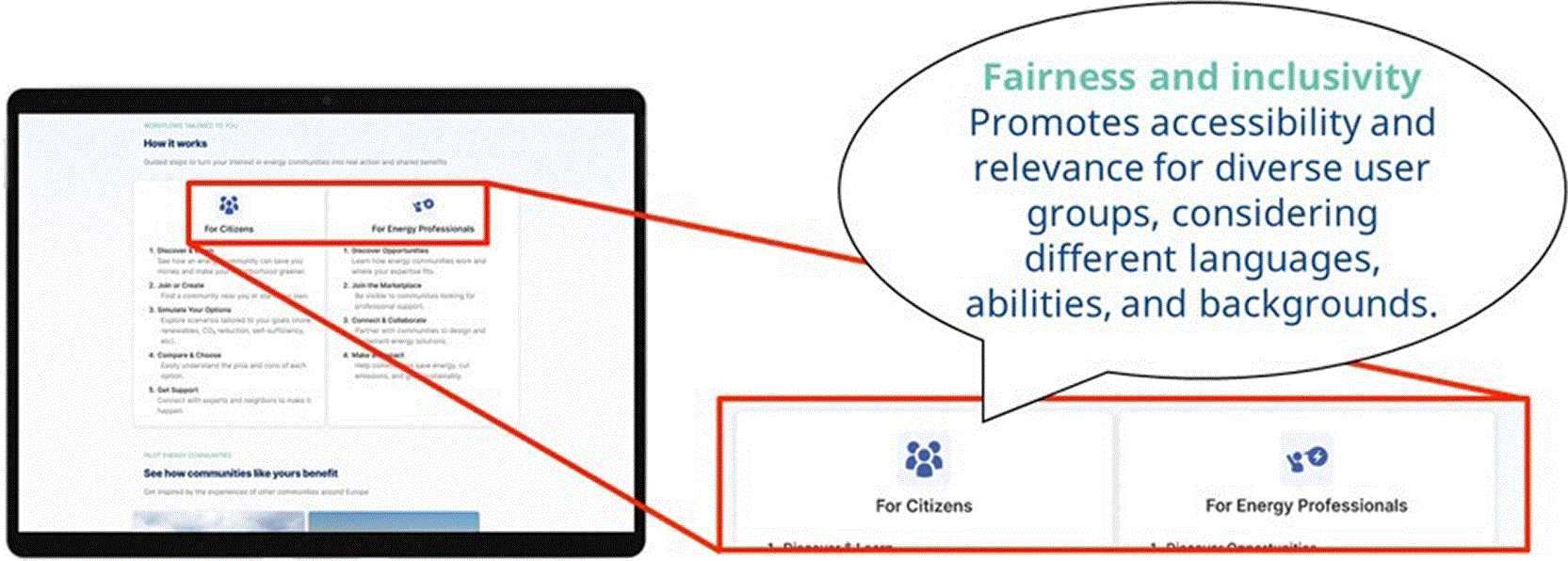
Figure 1. Example screenshot of the CARTIF Planning Tool. Each feature was categorised according to the social dimensions.
Each application was analysed independently by a panel of 5 evaluators, consisting of energy behaviour researchers. For each social dimension, the researchers determined individually if the features present in the application were sufficient to consider the aspect included in the tool (1), if it wasn’t completely covered but partially included (0.5), or if no feature was present corresponding to the concept in question (0). The votes between the researchers were aggregated and normalised and the social dimensions were then ranked for each community tool according to the number of votes received.
Step 3 - Derive actionable recommendations
The process of mapping a product’s features to relevant social dimensions establishes a valuable template that can guide and inform future design and development work. Furthermore, the presence of social dimensions that remain unmapped can highlight potential gaps, revealing opportunities for new features that would make the product more socially aware and comprehensive. If recommendations result in changes being made to the tool, reassessing the improved tool once more using the social dimensions framework ensures a comprehensive application and maximizes the potential lessons learnt.
Tool description
The OurPower Nudging App is developed inside OurPower which is a young energy cooperative in Austria, founded in 2018 by 19 citizens. It is a citizen energy cooperative (Genossenschaft), organized to enable people to directly participate in the energy transition. They operate a peer-to-peer online marketplace for renewable electricity (Ökostrom) generated by its members. This platform handles matching producers with consumers, plus billing and supply.
The CARTIF planning tool is designed for citizens and experts to create and develop their REC by simulating energy scenarios. CARTIF is a private, non-profit applied research & technology centre founded in 1994 in Valladolid in Spain, which is multidisciplinary focusing on smart cities, smart grids, or energy efficiency.
Ireland’s DCSix Technologies brings a green-tech, data-driven approach with its Citizen Renewable Platform, designed to help individuals and businesses join energy communities, improve efficiency, reduce carbon emissions, and access supports through guided campaigns and integrated energy-monitoring features.
These tools (
Figure 2) illustrate how diverse origins, from research institutions to citizen cooperatives to private tech companies, shape distinct but complementary solutions for advancing REC initiatives.
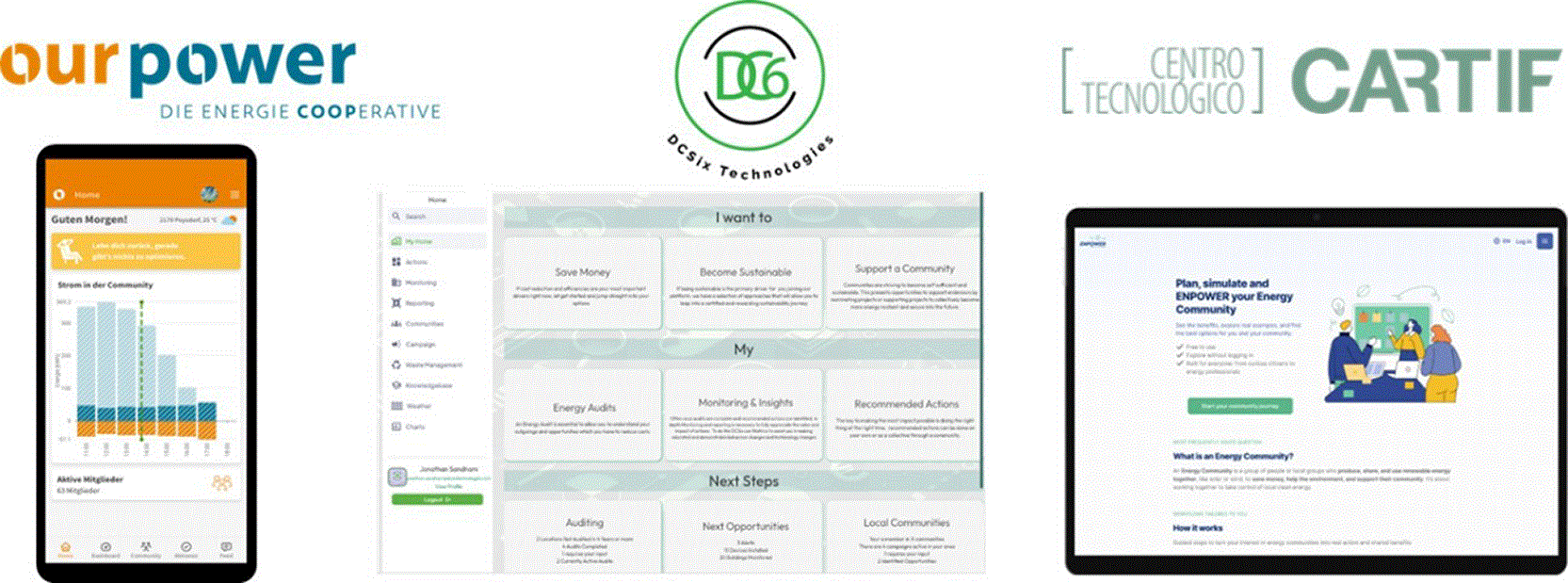
Figure 2. OurPower Nudging App, left; DCSix Citizen Renewable Platform, middle; CARTIF Planning Tool, right.
Results
In the sections below, each tool will be evaluated separately according to the 19 social dimensions.
The CARTIF planning tool
The CARTIF Planning Tool is designed to support citizens in both creating and strengthening their energy communities, while also helping users discover existing communities they might want to join.
Rating the CARTIF Planning Tool (for an overview of all scores see
Figure 4), three social dimensions received full scores (scores = 1). These are
simplicity,
with the app having an intuitive design, clear navigation and good visual guides, such as buttons and symbols that are self-explanatory. Additionally, the dimension education received full points, because the app provides a lot of educational materials, such as tutorials, examples, scenarios, and a FAQs section. The tool includes helpful features throughout, for example, there is a question mark icon (
Figure 3).
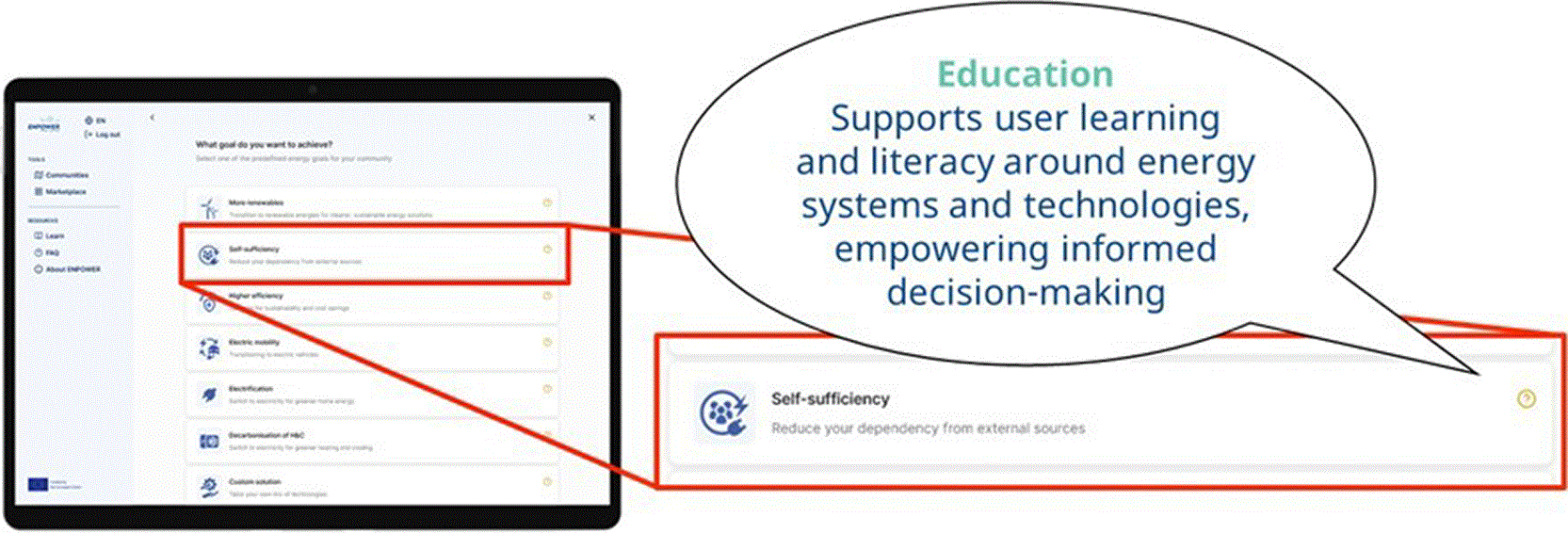
Figure 3. Example feature alignment, CARTIF Planning Tool.
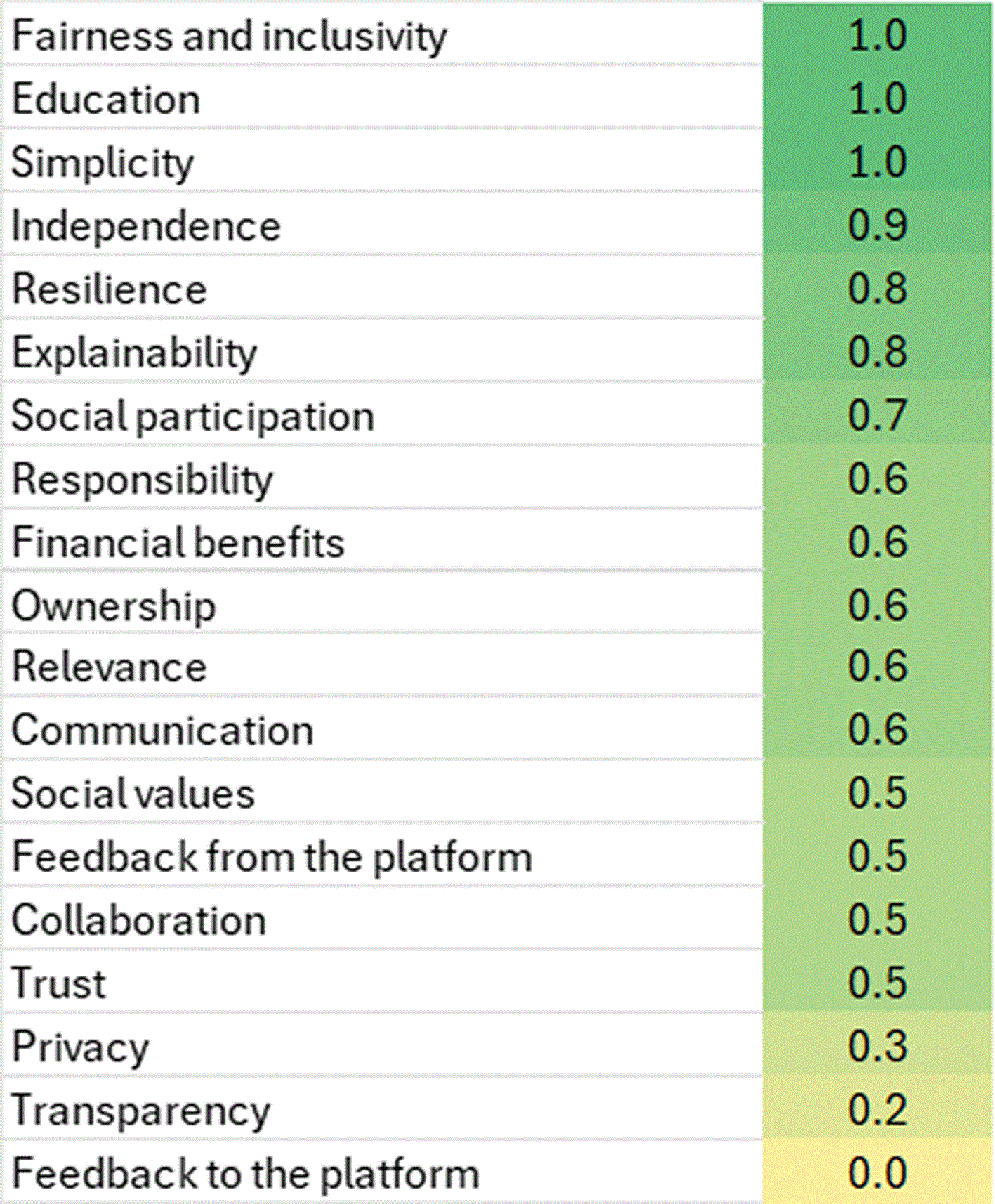
Figure 4. Rating for the CARTIF Planning Tool (1-included 0.5-partially included 0-not included).
When clicked, it provides additional explanations, such as what self-sufficiency means. This kind of built-in guidance is especially valuable for users who may be new to energy concepts, helping to make the tool more accessible and informative. Finally, we rate the app high on fairness and inclusivity, as the app provides tailored information for different groups- from ordinary citizens to energy professionals- at different complexity levels, i.e. basic and advanced settings. Upon opening the app, users are asked to choose from two levels, whether they are citizens or energy professionals, and the following pages offer more nformation depending on this original choice. For citizens, the focus is on learning about energy communities, joining or creating a community, simulating different scenarios for an energy community, and understanding the pros and cons of different options. For energy professionals, there is the opportunity to join the apps marketplace in order to be visible to communities looking for support, as well as to connect and collaborate with the implementation of different energy solutions. This makes the app more inclusive, as it takes into account different user ability levels, with varied backgrounds. CARTIF aims to be used across multiple European countries, and as such, it offers multi-language support, making the tool more accessible to a wider audience.
Categories which still achieved high scores (scores ≥0.7) and could be improved with minor adjustments were explainability (0.8), resilience/adaptability (0.8) and social participation (0.7). The information provided in the CARTIF Planning Tool achieves a high explainability score, due to the high quality of information and educational elements provided (as explained above). However, what is unclear is why certain suggestions or scenarios are produced, meaning that the algorithmic or modelling logic is not fully transparent. Resilience/adaptability, is a rating regarding the system’s ability to adapt and function effectively under changing conditions, ensuring reliability and continuity. We rate the features as adaptable but there are questions regarding scalability and data availability across different European contexts and the robustness of these data sources. Finally, social participation, the tools encourage joining or creating energy communities, helping to connect interested people with energy professionals (PV companies), however the interface has limitations so the extent and scope of this app needs to be clearer to manage expectations.
We identified nine categories which fall into the middle range (scores 0.5–0.6), all showing some good features and also some potential for improvement. These are responsibility (0.6), ownership (0.6), financial benefits (0.6), relevance (0.6), communication (0.6), collaboration (0.5), social value (0.5), feedback from the platform (0.5) and trust (0.5). Responsibility is implied but there is no call to action after the scenario creation. Here the developers could provide clearer guidance on what the next steps should be, empowering individuals further. Regarding the dimension ownership, clear pathways to investment or implementation could help users take ownership of the next steps. In line with this, financial benefits could be made clearer by providing details on investment costs, grants, loans, which could help users decision-making and making the next steps clearer. Relevance relates to the meaningfulness and applicability of information and functionalities to users’ needs, goals, and context. Due to the scope of the app being quite broad as well as being aimed at the European market, this may impact is relevance. For example, each region will come with different regulations, but infrastructure will vary, hence maybe impacting the relevance of the app for different users. Communication could be improved through a clearer upfront explanation of the purpose and scope of the tool. Additionally, including peer to peer communication might be of interest for users. This was also highlighted through the communication dimension. Although the app connects users to experts there is no peer-to-peer collaboration features (chat, shared planning, group goals). Social values, referring to the alignment of collective norms and promoting behaviour that benefits society as a whole, are implicitly included, in that the app supports energy community building; however, this could be more explicitly communicated. Feedback from the platform exists mainly via scenario comparisons but there is no personalised feedback and as mentioned above the app could communicate next steps for the users more clearly after the scenario outputs are provided. Trust is related to transparency. Although, the EU label and ENPOWER project lend credibility to the CARTIF Planning Tool, there is a lack of transparency regarding who is behind the tool and its main goal and data provenance, which could be easily provided for complete transparency to increase trust.
For the following dimensions we found limited or no information; feedback to the platform (0), transparency (0.2) and privacy (0.3). There is no option for the user to provide any feedback regarding bugs, asking questions or providing feedback to the app developers. As described higher up, the tool transparency could be improved by providing details regarding the developers, its main purpose and data provenance. Finally, in line with the last point, privacy received a low score due to a lack of a privacy policy. However, as we understand it, these features were still under development when we assessed the tool and their implementation will further increase trust, as mentioned above.
The ourpower nudging app
The OurPower Nudging App serves a different purpose compared to the CARTIF Planning Tool. It is designed around participation in an energy cooperative, where users sign up as consumers, producers, or prosumers of renewable energy. Currently, the app is developed exclusively for the Austrian market and is therefore only available in German. Rather than functioning as a planning or simulation tool, OurPower focuses on day-to-day engagement with local energy use through a marketplace and nudging approach. The app aims to support a shared transition toward a decentralised, fair, and renewable energy system by encouraging coordinated behaviour within local energy communities. Financial savings are not the primary objective; instead, the emphasis lies on fairness, locality, renewable sourcing, and community-based energy autonomy.
Rating the OurPower Nudging App across social dimensions shows a strong performance in areas related to usability, education, and inclusivity, while revealing limitations in transparency, feedback mechanisms, and broader participatory features (
Figure 6).
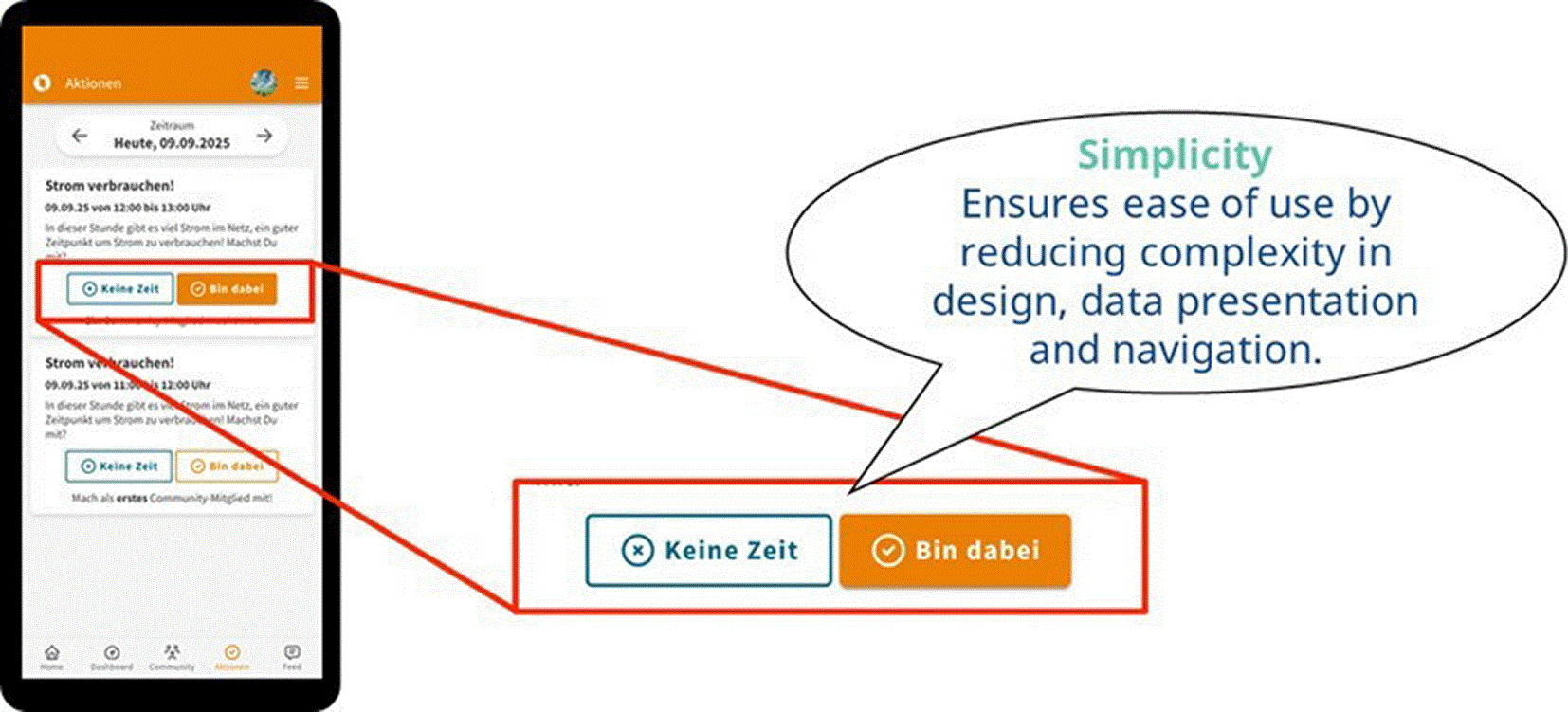
Figure 5. Example feature alignment, OurPower Nudging App.
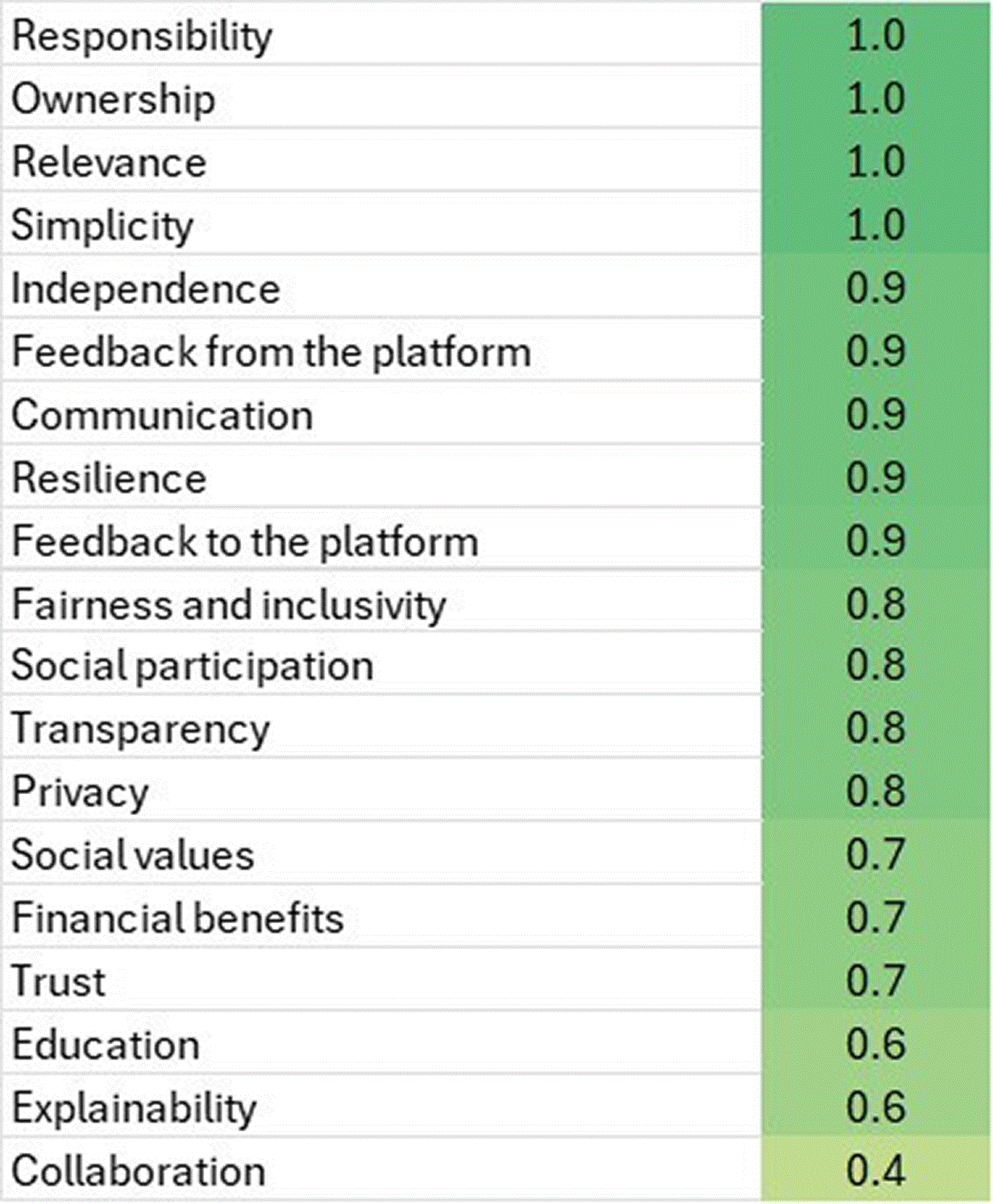
Figure 6. Rating for the OurPower Nudging App (1-included 0.5-partially included 0-not included).
Simplicity, responsibility, ownership and relevance emerged as key strengths of the app, receiving the highest score (1). The OurPower app achieved a very good simplicity rating by leveraging a non-technical, minimalist design that streamlines user navigation and data visualization. By utilizing intuitive symbols, progress bars, and traffic-light systems to represent metrics like savings, the app effectively reduces the cognitive complexity typically associated with energy data. While the web interface remains somewhat cluttered, the mobile experience is praised for its straightforward layout and use of accessible slogans. Minor refinements to icon consistency and color-coded push notifications are recommended to further polish the simplicity for users. Responsibility is also rated with score 1. The platform clearly frames users as active agents in the energy transition rather than passive consumers. The app communicates the benefits of membership in a way that emphasises agency and civic engagement, using messages such as “Energy Transition in Citizens’ Hands.” Decision-making structures are transparent and fair, reinforcing the idea that participation entails accountability. Users actively choose which scheme suits them and determine their level of involvement, whether as energy buyers, sellers, prosumers, or even initiators of an energy community. This is connected to ownership, which is also rated high (1). The platform effectively communicates both individual and collective ownership, fostering a strong sense of control and personal investment. Users are not positioned as passive recipients of energy services but as active participants who can directly influence outcomes. At the individual level, the app provides clear control over consumption patterns, enabling users to decide when and how much energy they use, which in turn affects the source and price of energy (
Figure 5).
Access to consumption data further strengthens informed decision-making and reinforces personal accountability. The app fosters a sense of ownership, as users have the potential to control how much energy they use at different times (and hence its source and price), particularly when managing their own renewable energy systems.
The OurPower app demonstrates high relevance by delivering content and functionalities that are directly tailored to the specific needs of RECs, sellers, and members. Information is contextually meaningful, featuring a comprehensive Q&A section and data that translates directly into actionable behavioural guidelines for the user. While the associated webpage serves a broader purpose of onboarding potential registrants, the app maintains a sharp focus on user-selected settings, ensuring that the experience remains personally applicable and goal-oriented.
In terms of dimensions rated very high (0.9), independence, the platform performs exceptionally well by allowing users to set their own parameters for notifications and autonomously decide when to act on energy prompts without external pressure. This sense of control is further strengthened by feedback to the platform mechanisms, where members can indicate their intent to consume energy in response to push notifications or use the integrated Q&A section to contact the organization directly. Effective communication is maintained through a clear, non-technical approach that utilizes plain language and testimonials to ensure instructions are easy to understand for a broad audience, however there are some issues regarding the visualization. Furthermore, resilience/adaptability is demonstrated by the system’s flexibility, allowing producers and buyers to negotiate prices and redefine preferences as local or regional conditions change. Ideally the predictions would be real-time information not based on predictions, but it might still be flexible enough to have an impact. Regarding the strong but slightly more contested dimensions (all rated 0.8), fairness and inclusivity are promoted through a democratic “one member, one vote” structure, though the current focus on the Austrian market and German language excludes non-native speakers as well as there is a pay wall to service which diminishes the inclusivity. Social participation is encouraged through regular membership meetings and forums, though engagement remains limited and rather individualized than collective in its current implementation. While transparency regarding the business model and price policy is high, the platform could further improve by clarifying the source of forecasting data used in the app. Similarly, privacy is managed via GDPR sections on the webpage but could be made more explicit within the app interface itself to ensure user autonomy is fully respected. By addressing these minor barriers, the platform could more effectively support a truly diverse community of energy citizens.
Slightly less rated (0.7) are the following dimensions: The platform’s alignment with social values is clear through its emphasis on a “fair and sustainable future,” though the density of this messaging can occasionally feel overwhelming to the user. Financial benefits are highlighted as a primary motivator on the website; however, these are not yet reflected in the app through real-time data, which limits also the dimension of trust. While high transparency and background information foster credibility, to strengthen this, the platform could provide clearer statements on the limitations of current forecasting versus real-time data to better manage user expectations. Both education and explainability currently assume a baseline level of energy literacy, indicating a need for more “in-app” explanations or training tools to help users interpret complex energy systems. Bridging this gap would empower less-technical users to make more informed decisions about their daily energy consumption.
The most significant area for growth is collaboration (score 0.4), which is currently limited by a lack of specific tools for collective action. While the system helps to achieve sustainability goals, it primarily highlights individual actions rather than providing shared planning boards or community chat functions. Most cooperative elements are restricted to general information and events rather than active, joint actions. To improve this, the platform could for instance aggregate individual responses to communicate the impact of collective community efforts, thereby shifting the focus from isolated behaviour to a more collaborative engagement.
Overall, the OurPower Nudging App performs as a highly effective, action-oriented tool for everyday engagement within energy communities, excelling particularly in dimensions that empower the individual user. Its strongest performance lies in simplicity, responsibility, and relevance. While the platform is resilient and fosters a high degree of personal independence and ownership, the evaluation highlights a transition point where the app must evolve from fostering individual behavioural change to facilitating true collaboration. By bridging the current gaps in real-time data transparency, multilingual inclusivity, and collective action tools, the tool can better align its high-performing individual user experience with its ultimate goal of a coordinated, community-led energy transition.
The citizen renewable platform (DCSix)
DCSix aims to promote energy efficiency and decarbonisation through intelligent energy monitoring solutions. The Citizen Renewable Platform enables accurate tracking of energy use and environmental conditions, helping users understand their consumption, costs, and carbon impact. By providing targeted insights and actionable recommendations, the platform empowers businesses and homeowners to reduce energy use, lower costs, and cut emissions.
In the evaluation of the Citizen Renewable Platform (
Figure 8), six social dimensions achieved full scores (score = 1). These dimensions are responsibility, financial benefits, feedback from the platform, feedback to the platform, ownership, and relevance. Responsibility is strongly supported by the platform, as it provides users with a clear sense of accountability for their energy behaviour and its environmental impact. By offering free energy audits for homes and businesses, along with tailored recommendations, such as improving roof, wall, or window insulation, the platform encourages users to reflect on and take responsibility for their energy consumption. The integration of data from energy audits and utility meters further enhances this sense of responsibility by empowering users to make informed and independent decisions. Financial benefits are clearly communicated through the platform, highlighting potential cost savings and economic incentives that users can achieve by implementing audit recommendations or participating in energy-related campaigns. This transparency strengthens user motivation and supports engagement with the suggested measures. Feedback from the platform is another key strength. The platform provides users with relevant, performance-based feedback, enabling them to take appropriate actions to reduce their energy impact (
Figure 7).
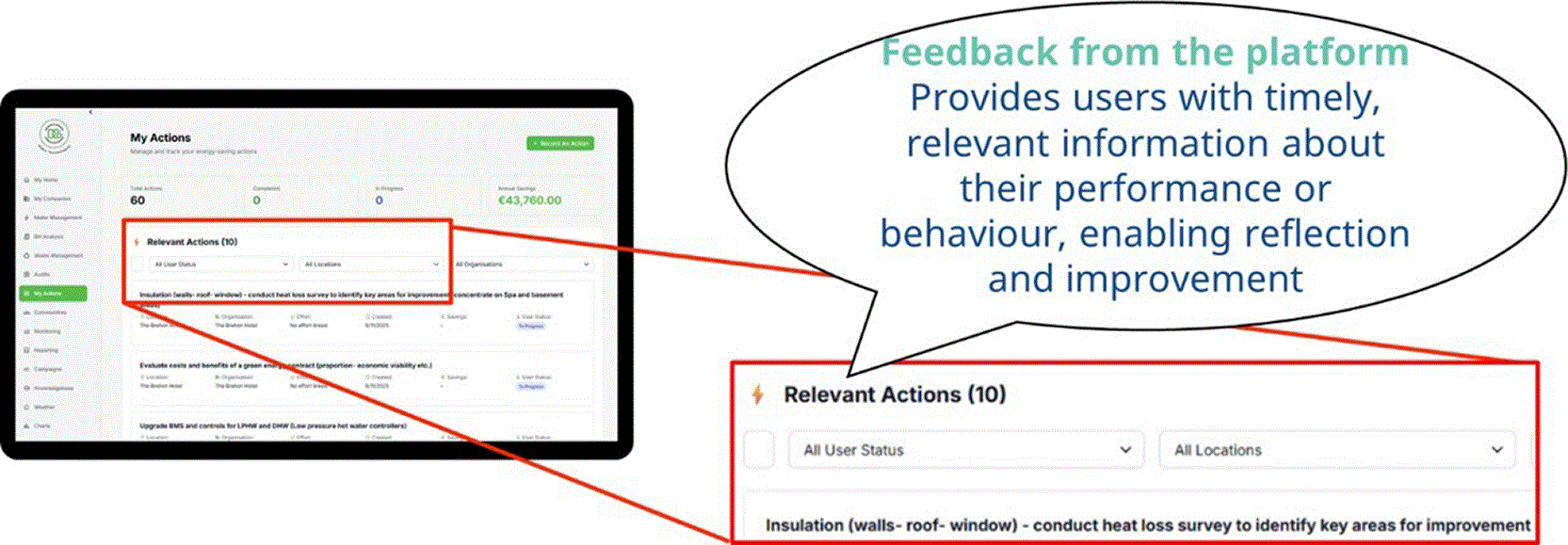
Figure 7. Example feature alignment, DCSix Citizen Renewable Platform.
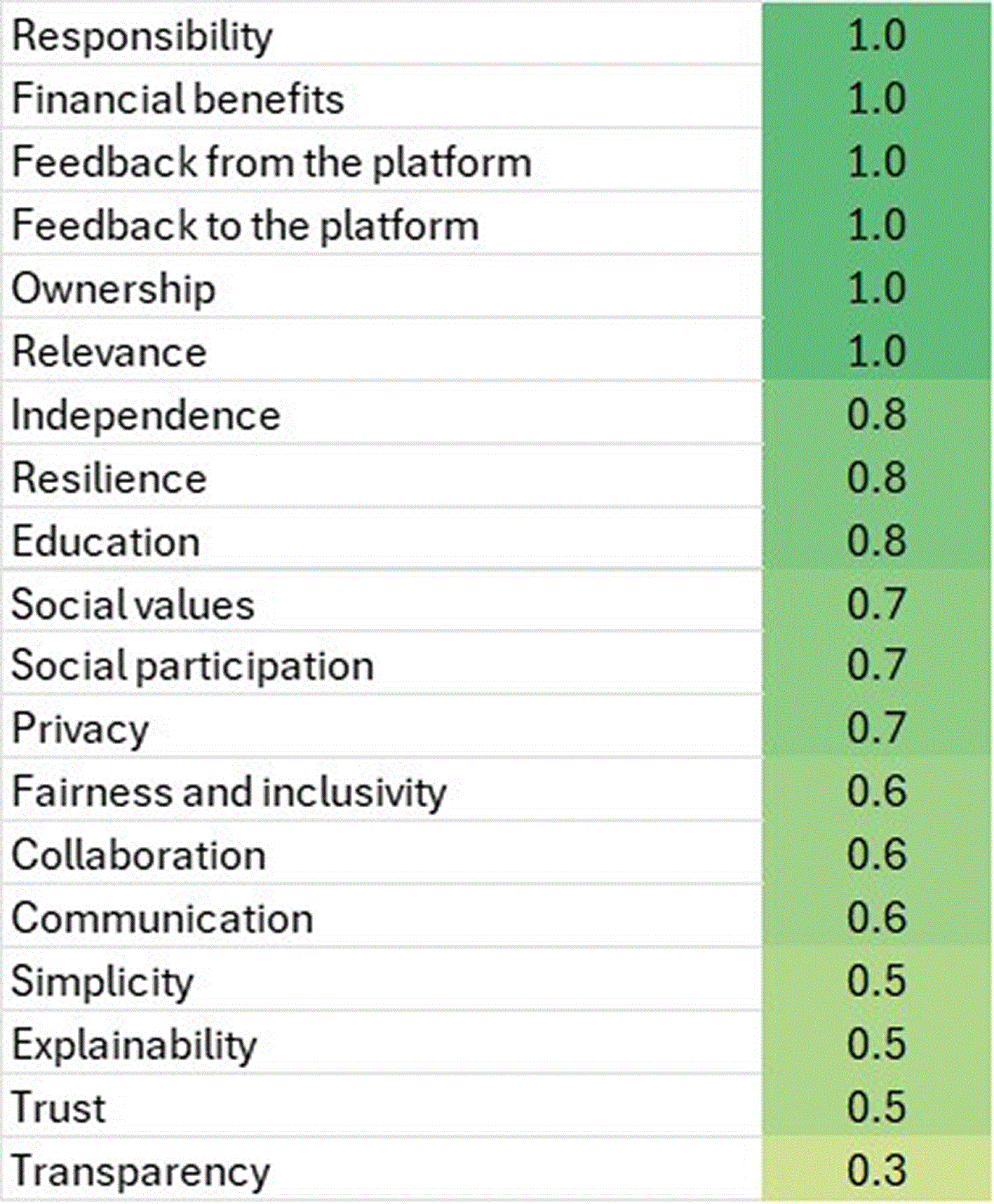
Figure 8. Rating for the DCSix Citizen Renewable Platform (1-included 0.5-partially included 0-not included).
In particular, the provision of live energy-use information offers direct, real-time feedback, which supports continuous awareness and behavioural change. At the same time, feedback to the platform is facilitated through a dedicated “Send Feedback” form. This feature allows users to report issues, ask questions, or seek clarification, for example, when recommended actions are unclear, thereby fostering two-way communication and continuous platform improvement. The dimension of ownership refers to users’ sense of control, personal responsibility, and involvement in investments related to tools, data, and outcomes. This aspect is particularly evident in the platform’s community-based campaigns, which rely on active engagement from community members and reinforce a shared sense of ownership over collective energy initiatives. Finally, relevance also received a full score, as the platform delivers information that is meaningful and directly applicable to users’ individual needs, goals, and contexts. The personalized energy audit plays a central role in this dimension by clearly identifying property-specific improvements that can enhance energy efficiency (
Figure 7). Relevance is closely linked to responsibility and independence, as it supports users in making informed, autonomous decisions regarding their energy use.
Several categories still achieved high scores (scores ≥0.7) offering potential for further improvement through minor adjustments. These dimensions are independence (0.8), resilience/adaptability (0.8), education (0.8), social values (0.7), social participation (0.7), and privacy (0.7). The Citizen Renewable Platform demonstrates a high level of independence, supporting users’ ability to make informed decisions about their energy use. Clear and concrete recommendations following an energy audit, highlighting both financial savings and reductions in CO2 emissions, enable users to choose suitable improvements for their homes or businesses. In addition, participation in community-based campaigns, such as those focused on solar panel installations, further strengthens this dimension by illustrating how individual investments can benefit both the user and the wider community. Resilience and adaptability refer to the platform’s ability to function effectively under changing conditions and to ensure long-term reliability and continuity. While the platform performs well in this dimension, limitations arise from the current implementation of individual energy audits. It is possible to upload an audit from any Support Scheme for Energy Audits (SSEA) provider in Ireland. These are third-party audits and are subsequently subject to individual validation to verify their quality beforehand. Those audits are time- and resource-intensive, as data is currently added manually by DCSix. This one-to-one approach limits scalability and raises concerns regarding the platform’s capacity to support larger local communities or to be transferred efficiently to other energy communities. Education is integrated into the Citizen Renewable Platform through a dedicated section that provides general knowledge and background information on energy-related activities, their purposes, and benefits. At present, however, this content mainly addresses major events and funding opportunities and appears relatively advanced. To improve accessibility, it would be beneficial to clearly indicate the level of complexity or to provide plain-language explanations, particularly for users with limited technical knowledge. Although the planned explanation of energy bills is a valuable concept, it has not yet been implemented. Furthermore, basic explanations of commonly used energy-related terms, such as kilowatt-hours (kWh) or CO2 footprint, are currently missing and could significantly enhance user understanding.
Both social values and social participation received scores of 0.7, reflecting moderate but meaningful alignment with community norms and engagement. Social values relate to the platform’s consistency with collective ethics and community priorities, while social participation refers to the active involvement of community members in energy-related decisions, planning, and actions. Together, these dimensions are supported through community-based campaigns that encourage participation while promoting shared goals, such as reducing the community’s CO2 footprint by incentivizing the use of electric buses instead of private cars. Finally, privacy also scored 0.7. The platform demonstrates compliance with data protection requirements by safeguarding users’ personal and energy-related data, aligning with legal frameworks such as the GDPR, and respecting user consent and autonomy. However, these privacy measures are not clearly communicated or visually represented on the platform, suggesting an opportunity to improve transparency and user trust through clearer communication.
Six categories are currently ranked between 0.5 and 0.6, indicating potential to further engage users and encourage them to contribute their own perspectives, needs, and interests to strengthen these dimensions. Fairness/inclusivity (0.6) aim to ensure accessibility and relevance for diverse user groups. At present, the platform is open to anyone who runs a business; however, the language used in the application process can feel complex and difficult to understand, which may limit accessibility for some users. Collaboration (0.6) and communication (0.6) are closely interlinked and reflect efforts to enable communities and individuals to work together with other users, groups, or institutions toward shared sustainability or energy goals. For example, users can join communities or participate in organised activities and events. However, there is no dedicated feature that facilitates direct peer-to-peer communication, which was frequently highlighted in workshops as an important mechanism for aligning shared interests and coordinating activities. Communication also encompasses how clearly and effectively information is conveyed through system messages and instructions. While the platform provides substantial and valuable information, certain technical terms, such as utility meters or kWh, are not clearly explained, and some language may be challenging for users with limited technical knowledge. Introducing supplementary plain-language guidance could support users with less technical experience and should be considered in future development.
Simplicity, scoring 0.5, relates to ease of use and the reduction of design complexity. Simple data visualisation methods, such as a traffic-light system to navigate more complex energy concepts, could be tested with end users to enhance usability. Explainability aligns closely with simplicity but focuses more specifically on helping users understand how the system works and why certain results or recommendations are presented, thereby fostering trust and informed decision-making. While some features are intuitive and self-explanatory, background information is not always well presented, making it difficult for users to fully understand how and why certain data is displayed. Trust is one of the most prominent social dimensions discussed in the context of energy communities, both from the perspective of tool developers and participants. The Citizen Renewable Platform scores 0.5 in this category because it uses user analytics and data, yet users are not clearly informed about this practice. The only apparent reference may be found in the terms and conditions, which are lengthy and unlikely to be read in detail by most users.
Trust is closely linked to transparency, which receives the lowest score at 0.3. Although the platform provides substantial and valuable data, such as community-level overviews of energy consumption in kWh and potential financial savings, it does not clearly communicate where this data originates, whether background analytics are being performed, or who DCSix is and what the platform’s broader purpose entails.
Overall, the Citizen Renewable Platform offers a well-designed energy tool with distinctive features, including participation in community campaigns and access to individual energy audits for homes and businesses. Personalised recommendations clearly demonstrate the potential benefits of undertaking suggested actions. Nevertheless, several of the social dimensions analysed would benefit from clearer, audience-tailored information to enhance understanding, transparency, and trust. Strengthening these aspects could ultimately improve long-term user engagement and motivation, enabling the platform to make a more meaningful contribution to the energy transition.
Discussion
This study demonstrates the value of moving beyond conventional usability-focused evaluations of digital energy tools by adopting a behaviourally informed, socially grounded assessment framework. Rather than assessing tools solely on functional performance, the proposed approach prioritises the extent to which digital applications align with, and support social drivers identified through participatory engagement. This additional layer of behavioural relevance enables a more holistic understanding of tool effectiveness, particularly regarding fostering long-term energy-efficient and participatory behaviours within energy communities.
The mapping of tool features against identified social dimensions reveals important gaps that would remain largely invisible in traditional technical evaluations. In several cases, shortcomings were not related to missing functionalities, but rather to insufficient support for users’ motivations, values, and social contexts. This finding reinforces the argument that digital energy tools cannot be evaluated in isolation from the social environments in which they are embedded. By explicitly linking qualitative insights from participatory workshops to concrete evaluation criteria, the framework translates social science knowledge into operational guidance that can directly inform design decisions.
In this respect, the approach contributes to addressing the long-standing disconnect between technical development and social science insights in energy-related digital innovation. Previous work by Combula et al.44 highlighted key co-design themes such as context, ownership, social learning, and sustainability, emphasising that stakeholder involvement is critical to avoid design–reality gaps in Information and Communication Technologies for Development (ICTD) initiatives. The present framework builds on these foundations by systematising a broader set of social dimensions and embedding them into a structured, model-driven evaluation process. This enables clearer communication between developers and social scientists and supports a shared understanding of what it means for a tool to be genuinely user-centred in an energy community context.
The relevance and robustness of the identified social dimensions are further supported by evidence from other European initiatives. Findings from the LocalRES project,45 based on workshops conducted in four geographically and socially diverse pilot sites (Berchidda, Sardinia; Ispaster, Spain; Ollersdorf, Austria; and Kökar, Finland), revealed strikingly similar social drivers despite differing local contexts. This convergence suggests that certain social dimensions, such as trust, transparency, participation, and perceived collective benefit, are recurring and foundational across energy communities. Likewise, Ghiani et al.46 underline the importance of communication, information, and shared understanding in creating trustful environments that encourage participation and sustained engagement with digital tools. The HESTIA project47 similarly emphasises the need to give future users a voice and to tailor information to individual needs, preferences and make tools relevant for users.
Taken together, these studies underscore that while individual projects may place varying emphasis on specific social dimensions, the recurrence of these themes highlights their fundamental importance. The framework presented in this paper extends existing approaches by offering an integrated overview of multiple social dimensions derived from participatory processes conducted over several decades. Importantly, it provides a clear and accessible way to analyse whether a given dimension is present, absent, or underdeveloped within a tool, thereby identifying concrete opportunities for improvement from a social and behavioural perspective.
The spider graph (
Figure 9) provides an overview of how well each tool addresses the identified social dimensions. By plotting the presence or absence of 19 dimensions for each application, strengths and weaknesses become immediately visible. It is important, however, to interpret these results as a snapshot in time. All three tools analysed were still under development during the assessment period, and not all planned features were available. As such, the analysis reflects the tools’ capabilities as of early September 2025. Notably, developers were able to incorporate the findings directly into subsequent development cycles, illustrating the practical usefulness of the framework as a formative evaluation tool rather than a purely retrospective assessment.
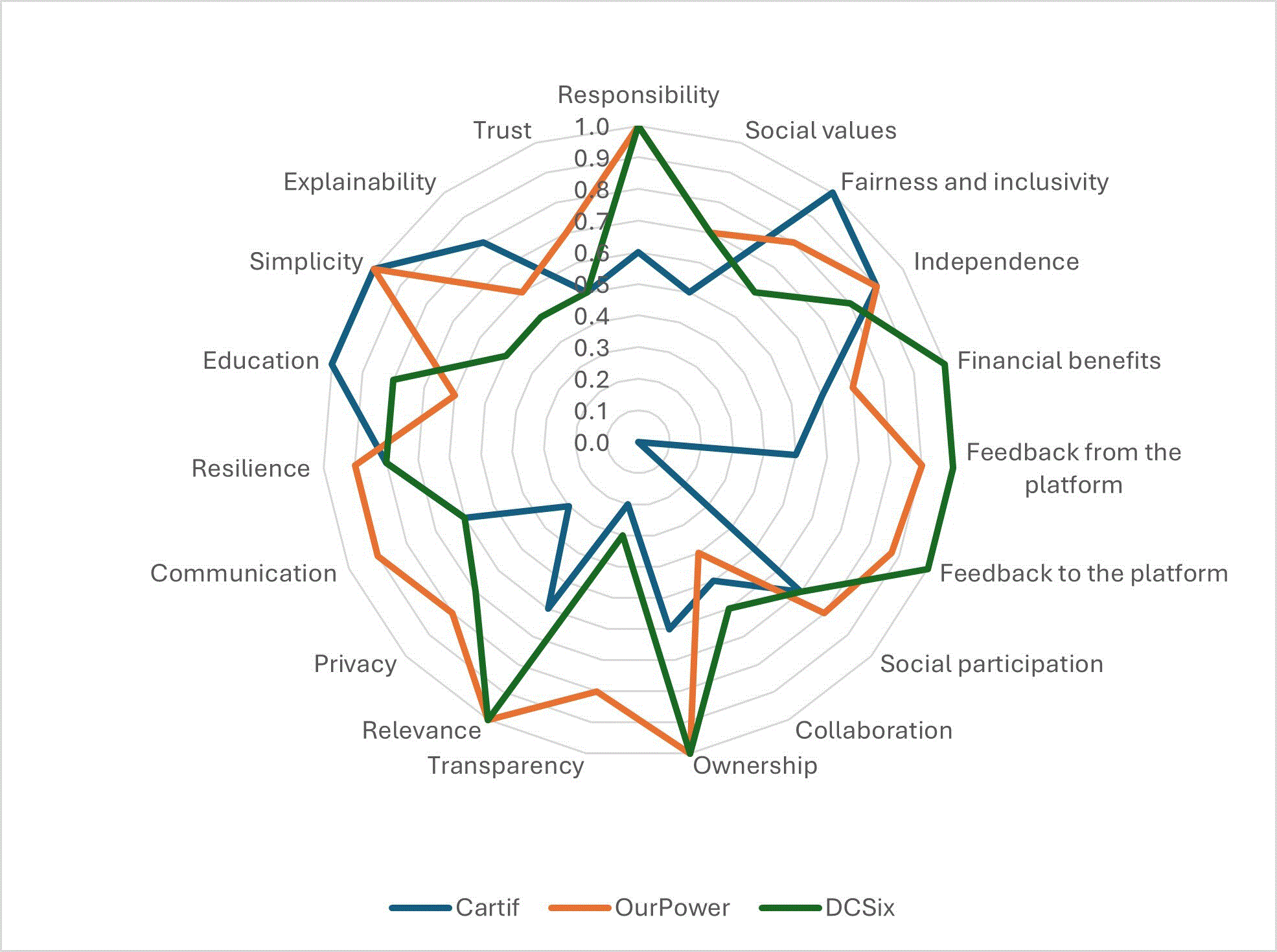
Figure 9. Spider Graph showing the CARTIF Planning Tool, OurPower Nudging App, and DCSix Citizen Renewable Platform across social dimensions.
The temporal dimension of adoption and behaviour change also warrants particular attention. While aligning tools with social dimensions may increase initial usability and acceptance, sustained behaviour change remains a challenge. Evidence from Switzerland indicates that energy-saving behaviours induced through app usage were not maintained after one year.48 This highlights the importance of longitudinal evaluation and suggests that future research should re-assess tools as they mature and become more widely disseminated. Repeated application of the proposed framework could help determine whether iterative improvements in social alignment translate into more durable real-world impacts.
Overall, this study suggests that behaviourally informed, socially grounded evaluation frameworks can play a critical role in improving the design and long-term effectiveness of digital tools for energy communities. By embedding social science insights into technical evaluation processes, such approaches offer a promising pathway for aligning digital innovation with user-centric values and collective energy transition goals.
Limitations
Despite its contributions, this study also presents several limitations. A key challenge in applying social dimensions to digital tool analysis lies in the inherent ambiguity of matching specific application features to abstract motivational concepts. The complexity of human behaviour and context-specific variability can make such mappings subjective and open to interpretation.
Additionally, the selected applications and the resulting analysis are specific to the Enpower project and may not be generalizable to other energy communities or digital tools with different scopes or target audiences. Although the use of mixed qualitative methods enabled the research team to gather multiple voices from different European countries, there was a significant gender disparity with more male participants than female. This may reflect wider gender disparities in the field of energy where participatory and investment rates are generally lower for women.49 Furthermore, the mapping process, while structured, still relies on qualitative judgment, and may benefit from further standardization or with direct user testing and feedback. However, notably, the main contribution of this paper is in providing a new framework which can be adopted in order to assess the inclusion of social dimensions in future digital tools, rather than in the assessment of the tools included. This assessment validates the approach, also providing the opportunity for the chosen case studies to take on the feedback given iteratively and improve on their tools. Multiple similar tools are in the early stages of development, and hence examining these categories ex ante may allow tool developers to systematically include empirically validated social dimensions.
Conclusion
This study introduces an approach to evaluating digital tools for energy communities, grounded in social dimensions informed by a scoping literature review and participatory workshop findings. By systematically analysing how specific application features align with behavioural and social dimensions, we move beyond conventional usability evaluations to assess the capacity of tools to support user engagement and motivation effectively.
In this study, we propose a methodology aimed at improving the alignment between insights generated through engagement with energy communities and the work of tool developers. By systematically reviewing existing and emerging tool features in relation to the social concerns identified during community engagement, we seek to generate recommendations that are both more actionable and more impactful for the development process. Our analysis was limited to three applications that were still under active development, meaning that not all intended features were available at the time of review; as such, the findings should be interpreted qualitatively. A further limitation lies in the inherently subjective nature of assessing alignment between tool features and social dimensions. Nevertheless, the proposed approach attempts to mitigate this limitation by using clear operational definitions and incorporating the perspectives of multiple reviewers to enhance reliability.
In line with previous research,50 we argue that behavioural improvement can be pursued both through the design of new tools and the targeted enhancement of existing ones. Future tools should aim to support a more comprehensive set of social and behavioural dimensions to drive meaningful engagement and long-term energy transition goals within communities.
Ethics and consent
This research got ethical approval from the Social Research Ethics Committee (SREC) from the University Collage Cork in Ireland (SREC Log No: 2023–267) in the context of the Horizon ENPOWER project. Written informed consent was obtained from participants by providing a consent form outlining all relevant information about the project, including its purpose, details on how their personal data will be handled, and their right to withdraw from the study at any time without any negative consequences.







