1. Introduction
The environmental impacts of traditional intensification, such as the adverse effects of pesticides, fertilizers, and excessive water use, are fully established, leading to increasing calls for sustainable intensification (Pretty et al., 2018).
The resilience of African agricultural and food systems is becoming increasingly known to rely on institutional frameworks that assist farmers in tackling both climatic and non-climatic factors (Lamboll et al., 2021). As a result, there has been a growing focus on identifying barriers and enablers for SI, including policies, processes, and norms, while fostering innovation across many levels.
Education and training have been identified as an effective means of SI and national development. However, in West Africa, providing affordable education remains a challenge, particularly where declining national resources must serve a rapidly growing population (Ifinedo & Kankaanranta, 2021). In this context, teachers and curriculum experts have highlighted the necessity of an integrated curriculum that connects the academic (education) and professional (training) domains (Arthur & Arthur, 2016).
1.1 Sustainable intensification
Sustainable Intensification (SI) is defined as an agricultural system designed to tackle the difficulty of feeding a growing population with limited natural resources, by increasing crop and livestock yields, without adverse environmental effects (Shrestha et al., 2021) and this productivity increase must not come at an environmental cost; rather, it must preserve or reduce unfavorable environmental impacts, sustain or enhance ecosystem services, and improve environmental and ecosystem health outcomes (Shrestha et al., 2021). SI enhances resilience through several interconnected practices. These include water, soil, and plant nutrient management; access to climate-resilient crop varieties; improved on-farm water storage and irrigation; and diversification of farm enterprises such as mixed cropping and tree systems. Beyond these practices, building institutional capacity for knowledge dissemination and collective action is essential for supporting widespread SI adoption. Additionally, SI supports adaptation by raising farm incomes, allowing households to accumulate assets for times of stress or transition to more resilient developmental pathways (Campbell et al., 2014).
This shows a needed shift away from traditional agricultural intensification, which, although boosting productivity, has significantly contributed to the depletion of natural resources and greenhouse gas emissions (Campbell et al., 2014). For example, the transformation of native ecosystems into agricultural land results in heightened greenhouse gas emissions and significantly contributes to species extinction (Garcia, 2020). Moreover, given the constraints on arable land, which climate pressures are likely to further deteriorate, increased production must come from sustainable agricultural intensification. As such, there is a growing demand for sustainable intensification practices (Shrestha et al., 2021).
1.2 Education as a prerequisite for SI adoption
Successful implementation of SI practices fully relies on education and training, which ensure stakeholders, including farmers, extension workers, policymakers, and researchers, understand the technical, environmental, and socio-economic dimensions of SI (Adekunle et al., 2023; Kotu et al., 2017; Wakweya, 2023). This aligns with the Global Sustainability Agenda’s (SDG 4) overarching educational goal, which pledges to provide inclusive and equitable education at all levels and articulates the new key elements of the 2030 Education Agenda: access to education, equity, inclusion, gender equality, quality, and lifelong learning (UNESCO).
International organizations like the Food and Agriculture Organization (FAO) of the United Nations and the Consultative Group on International Agricultural Research (CGIAR), along with regional efforts by the African Union (AU) and the Economic Community of West African States (ECOWAS), promote SI through education and training initiatives. They function as central actors in this effort, providing frameworks, research, and capacity-building programs (Campbell et al., 2014; Struik & Kuyper, 2017). In Africa, the African Union (AU) has intensified its efforts to promote SI, often through collaborative projects with international partners like the European Commission (Lamboll et al., 2021; Totin et al., 2018).
Moreover, through collaborative capacity-building frameworks and initiatives like the EU-AU Food and Nutrition Security and Sustainable Agriculture (FNSSA) partnership, which has made significant investments in transforming Africa’s food systems, by tackling food insecurity, malnutrition, and sustainable intensification, via 8 specialized projects. Notable projects under this partnership includes SustInAfrica (sustainable intensification of food production through resilient farming systems in North and West Africa including Ghana), UP-RISE (Food safety and mycotoxin contamination in food systems including Nigeria), StEPPFoS (Strengthening evidence-based policy practice for sustainable food systems), amongst others.
1.3 Review on persistent barriers to SI in education
Despite its recognized significance, significant institutional and structural barriers hinder the provision of effective SI education. One major gap is the disconnect between policy and practice, where SI is mentioned in policy documents but is inadequately implemented due to outdated curricula, poor policy implementation, and a general failure of administration and faculty to implement sustainable agricultural frameworks (Senior et al., 2025; Agbabiaka & Albert 2025).
Educators are pivotal to curriculum integration and execution, acting as the primary agents that convert policy improvements into classroom practice. However, they frequently lack the institutional structures, resources, and training needed to convert policy into classroom or field-based practice (Buabeng & Amo-Darko, 2025).
Furthermore, the issue is worsened by systemic problems. Research, infrastructure, and access to necessary materials are hindered by persistent underfunding (Agbabiaka & Albert 2025). Extension services, essential for engaging smallholder farmers, are often unavailable or out of date and do not provide relevant market and credit information (Sithole & Olorunfemi, 2024). Significant gender and sociocultural disparities further impede inclusivity; despite women’s significant contributions to agriculture, they have less access to training, credit, and land, which significantly limits productivity and equitable growth (Sallawu et al., 2022). Youth engagement initiatives also face barriers such as lack of funding, limited land access, and unattractive program offerings (Zulu et al., 2023).
Existing literature has identified several barriers to SI education and adoption. However, identifying these barriers to SI education is not sufficient to explain why these educational gaps persist. What remains lacking is 1) the mapping of those barriers according to different multilevel categories of the agri-food system and 2) how different institutional histories and governance structures may influence the manifestation of these barriers. To answer the first, this paper applies the Multi-Level Perspective (MLP), a framework specifically designed to analyze sustainability transitions within socio-technical systems. To answer to the second, this paper explicitly compares institutional histories and governance structures in Ghana and Nigeria to understand how these differences may influence how these barriers manifest.
1.4 The Multi-Level Perspective (MLP) as an analytical framework
The Multi-Level Perspective (MLP), is one of the leading conceptual frameworks in sustainability transitions research (El Bilali, 2019; Geels, 2024). Originally developed to examine transitions within socio-technical systems (including agri-food systems, energy, transport, and housing), the MLP conceptualises change as resulting from interactions across three analytical levels namely: the landscape (macro-level), the regime (meso-level) and niches (micro-level) (Geels, 2024). In this study, the broader landscape refers to macro-level external pressures such as climate change, population growth, food insecurity, global sustainability agendas, and environmental degradation, which create urgency for change in African agricultural and food systems. The dominant regime is represented by conventional agricultural education and extension systems. Sustainable Intensification functions as a niche innovation, an emerging approach that seeks to integrate climate-smart practices, sustainability competencies, interdisciplinary knowledge and participatory methods into agricultural curricula and training programs. The MLP therefore provides a structured lens to understand how this niche struggles against the incumbent regime while being shaped by landscape pressures.
The MLP was selected as the analytical framework for this review for the following reasons.
First, the MLP is well suited for analyzing complex socio-technical systems such as agriculture and food systems, where sustainability transitions require simultaneous changes in technology, practices, institutions and, culture (Deviney et al., 2023; El Bilali, 2019).
Second, unlike frameworks that focus on single levels of analysis, such as institutional analysis and development (IAD), which highlights rule-governed conduct within established regimes, or technological innovation systems (TIS), which focus on niche-level technological transformations, the multi-level perspective (MLP) captures how macro-level obstacles (policies, funding) influence meso-level institutions (curricular, extension services) and ultimately impact micro-level actors (teachers, farmers), thereby revealing interconnected dynamics and lock-in mechanisms (Fiala & Jacob, 2024; Geels, 2024). Geels (2024) argues that the MLP overcomes the ‘unfortunate dichotomy’ seen in other sustainability frameworks that focus only on either macro or micro levels, without addressing their interaction.
Third, the MLP has been successfully applied in relevant agri-food and educational contexts. In their study, Soares & Bizarro (2021) applied the MLP to examine transitions in organic agriculture, demonstrating its usefulness for understanding how niche innovations can disrupt and transform conventional farming regimes. Similarly, Ifinedo & Kankaanranta (2021) applied a similar macro, meso, and micro-level categorization to analyze technology integration challenges in Nigerian colleges of education, highlighting significant meso-level institutional challenges often rooted in macro-level constraints.
Fourth, the MLP helps explain why flawed educational systems persists despite recurring reform efforts. It does this by addressing lock-in mechanisms and regime resistance, which are concepts that explains how systems get stuck. Lock-in mechanisms are the forces that hold an existing system in place such as regulations that favor conventional agriculture over sustainable intensification, old infrastructures which are costly to replace and deeply rooted habits among educators and administrators. Regime resistance describes how the established system actively opposes change (Fiala & Jacob, 2024; Geels, 2024). Together, these concepts explain why isolated interventions often fail and why barriers to SI education persist. Deviney et al. (2023) further underscore the framework's adaptability in agricultural systems using their extended MLP + F model, which explicitly considers the user (farm) level.
In conclusion, the MLP provides a robust systemic lens for this study. It enables the identification, categorisation and explanation of how structural and institutional barriers to SI education operate and reinforce one another across macro, meso and micro-levels in Nigeria and Ghana.
The Multi-Level Perspective identifies three analytical levels for understanding the dynamics of sustainability change (Geels, 2024).
• Landscape (Macro-Level): This denotes the broad external factors that shape the contexts for change, such as cultural norms, global trends, and deep-rooted economic systems that relate to policy and governance deficiencies. Actors within the system cannot directly control these factors in the short term.
• Regime (Meso-Level): These are the dominant rules, procedures and structures that maintain the existing system such as formal policies, curricula, and frameworks of the current university systems, agricultural extension services, and established professional norms. These are the rules of the game within the system which are resistant to change but can be destabilized by landscape pressures.
• Niche (Micro-Level): At this stage, all the individual actors such as educators, trainers, farmers, and local communities engage in behaviors and interactions that give rise to innovations (like SI). These are the on-the-ground realities that determine adoption and if nurtured, can challenge and transform the regime.
This review does not claim that one MLP level is more important than the other. Rather, the multilevel approach recognizes that barriers to SI education are not isolated but interconnected problems that manifest differently at the national, regional and individual levels rather than being isolated problems, making it an excellent choice.
1.5 Purpose of the study
This review, therefore, addresses two specific research objectives:
1. To identify and map the key structural and institutional barriers to SI Education and Training in Ghana and Nigeria onto macro, meso, and micro levels of operation.
2. To suggest evidence-based recommendations for addressing the identified barriers and enhancing SI education delivery in Ghana and Nigeria.
2. Materials and methods
This study conducts a systematic review to identify and analyze the structural and institutional barriers to Sustainable Intensification (SI) education in Nigeria and Ghana. In accordance with the PRISMA 2020 statement (Page et al., 2021), to guarantee rigor and transparency, it combines key academic literature. Employing the Multi-Level Perspective as an analytical framework with thematic analysis, the identified structural and institutional barriers, including a) policy and governance gaps, b) funding and resource constraints, c) infrastructure and access, d) socio-cultural dynamics and gender norms, e) curriculum and training gaps, f
) digital governance and innovation, g) resistance to multidisciplinary approaches and h) weak extension systems are classified into macro, meso, and micro levels. The synthesis yields a comprehensive evidence base that provides relevant suggestions and practical solutions for enhancing SI education and training in both countries.
2.1 Criteria selection
To address the study’s theme “Typology and critical analysis of Structural and Institutional Barriers to Sustainable Intensification Education in Nigeria and Ghana,” a targeted search strategy was applied.
The following eight basic keywords and phrases were identified: 1) Sustainable agriculture, 2) Curriculum development 3) Institutional constraints, 4) Agricultural Education, 5) Ghana, 6) Nigeria, 7) Multi-level perspective (MLP), 8) Systematic Review. To capture relevant variants, this search string was employed with Boolean logic (AND/OR) and truncation (*).
((“sustainable intensification” OR “SI”) AND (“education” OR “training” OR “extension”) AND (“Structural OR “Institutional”) AND (“barriers” OR “problems”) AND (“Ghana” OR “Nigeria”)).
The search of publication titles, abstracts, and author keywords was in two major inter/multidisciplinary academic databases: Web of Science (www.webofscience.com) and Scopus (www.scopus.com). These platforms were chosen for their comprehensive coverage of peer-reviewed literature, stringent indexing standards, powerful search features, and robust citation-tracking tools, all of which are required for a full systematic review (Chauhan et al., 2022). The search covers January 2014 to December 2025, capturing the key period following the passage of the Paris Climate Agreement and the 2030 Agenda for Sustainable Development, which changed the global and regional conversation on SI.
2.2 Quality assessment
To assess the methodological quality and risk of bias in the 41 included studies, the Mixed Methods Appraisal Tool (MMAT) version 2018 was employed, which is designed for systematic reviews including qualitative, quantitative and mixed-methods studies (Hong et al,. 2018). Using the MMAT criteria, three reviewers appraised each study independently based on the study design. Each criterion was rated as ‘high’ (all or most criteria met), ‘moderate’ (important criteria partially met), or ‘low’ (inadequate information). We did not compute numerical summary scores in accordance with Cochrane guidelines. Instead, studies were assigned overall quality ratings as high (all or most criteria satisfied), Moderate (some criteria met, identified limit present), or low (few criteria met, significant limitation). The three reviewers resolved disagreements through discussion.
Results showed that, of the 41 studies included, 4 studies were conceptual in nature (details as seen in
Table 1) and were therefore not rated using MMAT domains. Of the 37 remaining empirical studies, 22 studies (59.5%) were rated high quality, 13 studies (35.1%) moderate quality, and 2 studies (5.4%) low quality.
Table 1. Quality assessment of included Studies Using the Mixed Methods appraisal Tool (MMA, Version 2018).
| Quality Rating |
Number of Studies (n = 41) | Percentage | Key Domains with Common Limitations |
|---|
| High | 22 | 53.7% | Strong research questions, appropriate data collection, coherent findings |
| Moderate | 13 | 31.7% | Limitations mainly in sampling strategy and reflexivity |
| Low | 2 | 4.9% | Multiple significant limitations (sampling & reflexivity) |
| Conceptual/Methodological (Not rated with MMAT) | 4 | 9.8% | Page et al. (2021); PRISMA guideline, UNESCO report, Geels (2024); MLP book chapter and Soares & Bizarro (2021) |
| Total | 41 | 100% | |
The low-quality studies were characterized by inadequate description of sampling methods and limited methodological reflexivity. Issues relating to unclear reporting of ethical approval were also noted in some studies. No studies were excluded solely for quality; however, findings from low-quality studies were cautiously interpreted and triangulated against higher quality evidence.
Table 1 presents a summary of the assessment.
2.3 Selection methodology
The publications found using the search strategy were screened against the inclusion and exclusion criteria as summarized in
Table 2. Priority was given to studies that directly addressed structural and institutional barriers, program implementation issues, and the contextual adaptation of SI education and training in Ghana and Nigeria. The final body of literature was examined utilizing a combination of thematic synthesis and comparative analysis. Thematic synthesis was utilized to find, analyze, and report patterns (themes) about barriers in the literature. Following that, a comparative analysis was conducted to contrast the findings from Ghana and Nigeria, revealing both convergent and diverging difficulties and providing a more comprehensive picture of regional dynamics.
Table 2. Inclusion and Exclusion criteria.
| Criterion | Inclusion | Exclusion |
|---|
| Publication type | Peer-reviewed articles, conference papers, books, book chapters | Editorials, opinion pieces, commentaries, newsletters |
| Language | English | Non-English publications |
| Timeframe | 2014–2025 | Published before 2014 or after 2025 |
| Geographic focus | Ghana and/or Nigeria | Other countries outside Ghana/Nigeria |
| Topic relevance | Structural/institutional barriers to SI education and training | No connection to SI, agriculture, sustainability, or education |
| Study design | Qualitative, quantitative, or mixed-methods empirical studies | Theoretical papers without empirical data (except for conceptual reviews used for background) |
| Access | Full text accessible via institutional subscription | Broken links, withdrawn articles, or paywall not covered |
Figure 1 shows, a block diagram of the review process, with the number of publications (n) at each stage. As shown in Figure 1, after the search, an initial count of 195 publications from Web of Science and 221 publications from Scopus were retrieved from both databases employed. Next, a total of 143 records belonging to one of the following categories were screened out. Records in this category includes: I) duplicate records ii) records without an abstract iii) records where the abstract was not written in English iv) publications that are not reviews, articles, conference papers, books, and book chapters iv) records with a scope outside of Ghana and/or Nigeria. Furthermore, a screening of abstracts of each record was conducted, and a total of 191 records belonging to at least one of the following categories were further removed: i) studies with no theoretical connection to the study question, and ii) studied unrelated to agriculture, sustainability, sustainable development, or education. At the end of the screening process, 62 records were left. Efforts were made to get the reports of the records, but 21 of them could not be accessed because the links were either broken, the articles had been withdrawn, or they needed a subscription that was not personally or institutionally covered. Following this, two more papers that had not been published between 2014 and 2025 were removed, despite having some relation to the topic, to provide the most recent perspective on the subject. At the end of the exclusion process, a total of 41 studies were left to be included for review.
Table 3 provides a vivid representation of the key articles reviewed, the findings and limitations.
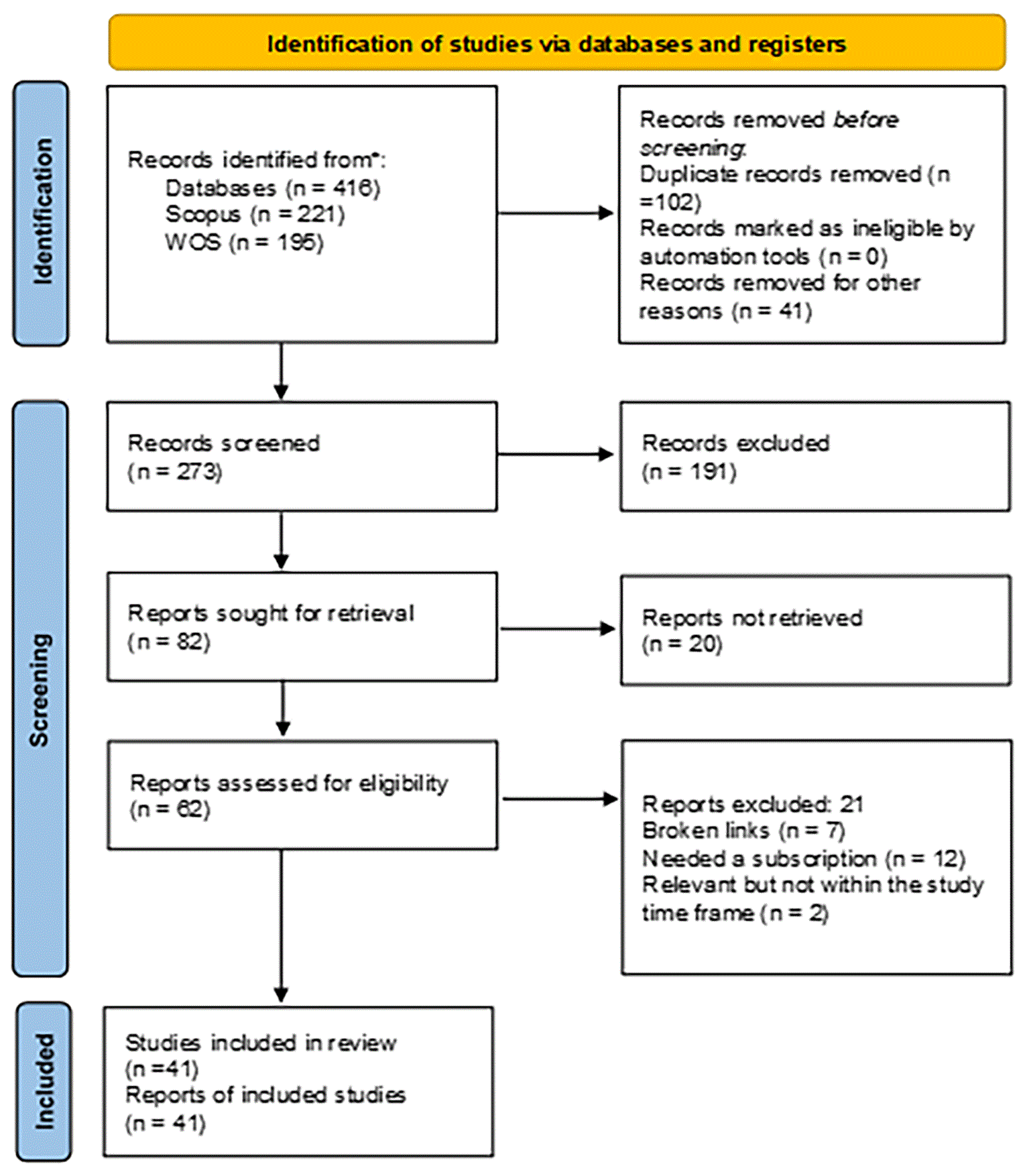
Figure 1. PRISMA Flow Diagram of the study selection process.
Table 3. Summary of key Literature.
| Author(s) & Year | Number of Articles Reviewed | Time | Key Findings | Limitations |
|---|
| Totin et al. (2018) | 137 publications | 1945 – Feb 2017 | Institutional analysis reveals a global imbalance in Climate-Smart Agriculture (CSA) pillars across income regions. Highlights the critical role of institutions (education, infrastructure, markets) and advocates for integrating technological packages with institutional factors for effective scaling. | Limited depth in analyzing contextual, historical, and specific institutional factors (e.g., infrastructure, public-private partnerships, cultural norms) that condition CSA adoption. |
| Sithole & Olorunfemi (2024) | 111 literatures and reports (2000–2024) | 2000–2024 | Identifies low adoption rates of Sustainable Agricultural Practices (SAPs) among Sub-Saharan African smallholders, attributed to complex socio-economic, financial, and knowledge barriers. The paper recommends targeted policy, improved financing, and farmer training for widespread implementation. | Exclusion of non-English and pre-2000 literature risks omitting relevant insights. Potential for publication bias. |
| Boye et al. (2024) | 57 studies | 2012–2022 | Finds that African youth hold ambivalent views of agribusiness, seeing it as both a livelihood necessity and a viable venture. Skill training positively influences engagement, but critical barriers like access to finance and resources persist. | Scope limited to post-2012 studies and major digital libraries, potentially missing earlier work, grey literature, and non-English publications. Findings may be region-specific. |
| Danjumah et al. (2024) | 12 papers | Jan 2010 – Mar 2023 | In West Africa, farmers adopt knowledge, water, carbon, and nitrogen-smart CSA practices. Adoption is influenced by age, education, credit, and extension services, leading to benefits like increased income and yield. Major barriers include high costs, technical complexity, and poor targeting of practices to farmers’ preferred crops. | Small sample size of studies. Identifies a critical limitation of current CSA: practices are often poorly tailored to farmers’ specific cropping systems and interests. |
| Struik & Kuyper (2017) | Not applicable (conceptual review) | | Argues for sustainable intensification and de-intensification to make agriculture environmentally sustainable. Emphasizes analyzing trade-offs, building system resilience, and adopting a coherent, multi-strategy approach to achieve global food security. | The review is non-systematic; the number of publications and the specific time reviewed are not documented, limiting reproducibility. |
Table 4. Breakdown of included records by year.
| Year | 2014 | 2015 | 2016 | 2017 | 2018 | 2020 | 2021 | 2022 | 2023 | 2024 | 2025 | 2026 | Total |
|---|
| Record Count
| 1 | 1 | 4 | 3 | 2 | 2 | 7 | 3 | 7 | 7 | 3 | 1 | 41 |
In Table 3, a breakdown of these records by year of publication is presented.
Figure 2 shows that most studies are conducted by authors located in the African region. While author affiliation does not necessarily indicate the study location, this pattern suggests increased regional research capacity and interest in SI education. It also reflects the presence of major international research programs actively deployed in the region.
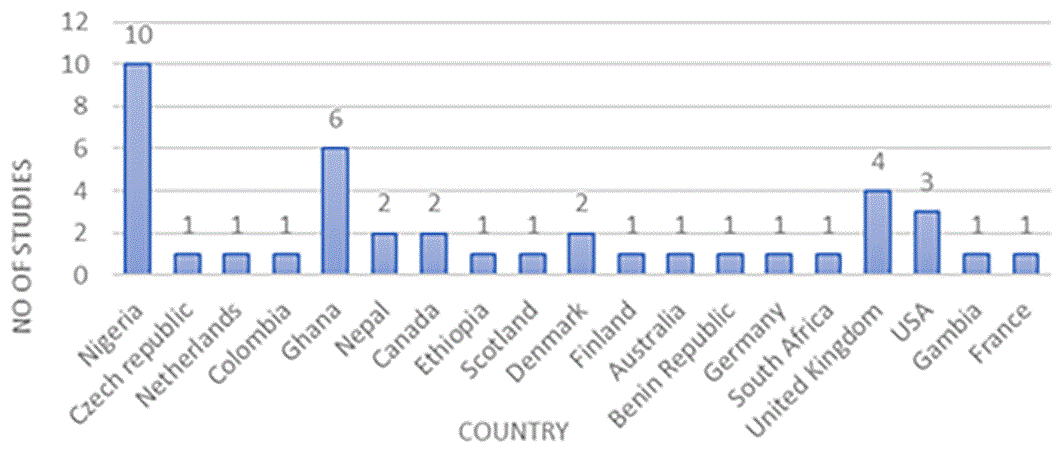
Figure 2. Distribution of included studies by author affiliation location.
The blue bars indicate the number of studies from each country.
Note: author affiliation shows where authors were based at the time of publication, not necessarily where the research was conducted.
The data extraction and synthesis metadata from all 41 studies were catalogued in Microsoft Excel and vetted by all authors independently. The extraction categories included paper title, publication year, journal, author(s), keywords, background/abstract, geographic focus, research objectives, research gaps, methodologies, data set, results, limitation, conclusion, and future research. In the following sections the result of the review is discussed.
3. Results
The results of the systematic review are categorized thematically in the accompanying Table 5. The multi-level categorization of barriers to SI education in Ghana and Nigeria are explained in Table 6. Applying the MLP framework introduced in section 1.4, the barriers to SI education identified in this review are classified according to their primary level of operation. This classification is shown in
Table 6, which shows how each barrier functions within the broader system. The table also highlights interconnections across levels such as how macro-level funding constraints manifest as meso-level infrastructure deficit and affect micro-level teaching and learning.
Table 5. Thematic Categories of Barriers to SI Education with Supporting Literature.
| Barriers | Author |
|---|
| Policy and Governance Gaps | Barnes (2016), Fidelugwuowo & Omekwu (2023), Agbabiaka & Albert (2025) |
| Funding and Resource constraints | Babalola et al. (2021), Agbabiaka & Albert (2025), Olusegun Victor et al., (2024), Senior et al., (2025) |
| Infrastructure and Access | Akinsemolu & Arijeniwa (2021), Antwi-Boampong & Bokolo (2022), Agyei et al. (2024) |
| Sociocultural Dynamics and gender norms | Sallawu et al. (2022), Ogisi & Begho (2023), Britwum & Akorsu (2016) |
| Curriculum and Training Gaps | Senior et al. (2025), Ofor-Douglas (2023), Agbabiaka & Albert (2025) |
| Digital Governance and Innovation | Ofor-Douglas (2023), Amoussohoui et al. (2024), Antwi-Boampong & Bokolo (2022) |
| Resistance to Interdisciplinary approaches | Senior et al. (2025), Babalola et al. (2021) |
| Weak extension system | Issa (2020), Danjumah et al. (2024), Ocran et al. (2024) |
Table 6. Multi-level categorization of barriers to SI Education in Ghana and Nigeria.
| Barrier Category | Primary MLP Level | Summary | Manifestations |
|---|
| Policy and Governance Gaps | Macro | National policies, legal frameworks, and governance structures that shape the educational environment | Inconsistent policies; poor policy implementation; exclusion of educators from policy development |
| Funding and Resource Constraints | Macro (originates), Meso/Micro (manifests) | National budget allocations determine institutional resources, which affect classroom conditions | Below-UNESCO budget allocation (5.3% in Nigeria); erratic funding; donor dependency |
| Infrastructure and Access | Meso | Institutional facilities and resources that enable or constrain education delivery | Overcrowded facilities; outdated labs; unequal distribution; poor ICT infrastructure |
| Sociocultural Dynamics and Gender Norms | Macro (norms), Micro (outcomes) | Deeply embedded cultural beliefs shape individual access and participation | Patriarchal norms limiting women’s access to land, credit, training |
| Curriculum and Training Gaps | Meso | Institutional curricula, pedagogy, and teacher preparation systems | Theoretical over practical; inadequate teacher training; outdated content |
| Digital Governance and Innovation | Meso | Institutional adoption and integration of digital tools | Poor ICT infrastructure; low digital literacy; implementation failures |
| Resistance to Interdisciplinary Approaches | Meso | Institutional silos and disciplinary boundaries | Sustainability isolated in specific departments; lack of cross-faculty collaboration |
| Weak Extension Systems | Meso (system), Macro (funding), Micro (outcomes) | Extension as educational institution connecting research to practice | Underfunding; poor technology delivery; digital divide; weak researcher-farmer linkages |
The structural and institutional barriers to SI education as identified from the studies are explained in the following sections.
3.1 Policy and governance gaps
At the macro-level, policy and governance frameworks shape the context in which SI education operates, determining whether institutional initiatives supporting sustainability are facilitated or hindered.
Education acts as a vital link between policy research and practical outcomes. Policy significantly influences change by sponsoring research and development (R&D), providing information, and establishing regulatory frameworks to either promote innovation or limit activities within educational institutions. A prominent instance is the emphasis on nitrogen utilization management to enhance resource efficiency which is an essential part of the strategies to achieve SI (Barnes, 2016). However, the creation of research-specific policies and implementing them have proven to be extremely difficult for higher education institutions in Nigeria (Olusegun Victor et al., 2024).
While Nigeria has implemented educational policies that promote sustainability, they are mostly broad, lacking clear and concrete guidelines. However, interventions to strengthen coordination over research policy issues in the higher education sector and to build pertinent skills inside institutions will be necessary for this attempt (Olusegun Victor et al., 2024). Most of the agricultural policy research does not advance agriculture or the general economic well-being of African communities, particularly in Ghana. (Banson et al., 2016).
The African continent’s policy and development goals have recently shown a renewed emphasis on agriculture. However, little is known about the connections between agriculture policy and research and development (R&D), agricultural production, and markets as well as the possibility of creating new connections (Banson et al., 2016). Policy-driven curricular reforms in Ghana also often ignore the realities of classroom infrastructure and teacher preparation, leading to surface-level adoption rather than significant pedagogical change. Teachers play a crucial role in implementing curricula since they are the ones who convert policy changes into actual classroom instruction however they are often excluded from policy development (Buabeng & Amo-Darko, 2025). These failures primarily at the macro-level create the conditions for the meso and micro-level barriers discussed in subsequent sections.
3.2 Funding and resource constraints
Operating primarily at the macro-level, although manifesting across the meso and micro levels, the financial limits educational institutions must operate within are set by national budgetary priorities and resource allocation decisions, which means that chronic underfunding is a structural obstacle rather than an operational issue.
This is evident in the exclusion of education from the nation’s strategic investment goals, demonstrated by the five-year infrastructure plan of the Nigerian Sovereign Wealth Fund, which allocates approximately $1.50 billion in capital from surplus crude oil sales to agriculture, healthcare, real estate, power, and highways, thereby revealing a continual neglect of education as a vital investment sector (Babalola et al., 2021).
The struggle between managing dwindling national resources and delivering cheap education for a rapidly expanding population is made worse by this systemic under-prioritization (Ifinedo & Kankaanranta, 2021). As a result, Nigeria consistently falls short of UNESCO’s requirement that African countries invest at least 20% of their national budget to education. In 2023, the allocation was only 5.3%, significantly below the global average. The education system’s core functions are directly hampered by this ongoing underfunding, which severely jeopardizes funding for research, infrastructure development, faculty training, and the acquisition of sustainability-related technologies (Agbabiaka & Albert 2025). The crisis is experienced in tertiary institutions, where critical R&D initiatives now predominantly rely on unstable student enrolment revenues, compounded by a lack of consistent operational funding and recent reductions in public funding for higher education.
The depletion of public funding jeopardizes these institutions’ ability to function as the center of the national innovation system (Olusegun Victor et al., 2024). More precisely, 70% of institutions reported that a lack of funding was the main obstacle to implementing an effective curriculum. This shows that the lack of funding for developing high-quality, relevant educational curricula and modern training infrastructure directly impedes progress in SI education (Senior et al., 2025). With 64% of Agricultural Development Programs citing insufficient funds as their main functional barrier, this funding gap is severe for agricultural extension services, as weak and delayed financial streams have made the national system inadequate.
Poor technology delivery to farmers is the direct consequence of inadequate funding, which lowers productivity and shows how funding for agricultural innovation and education, if neglected, will limit the practical implementation of national development goals and SI (Issa, 2020).
Similar to this, studies conducted in Ghana highlight how structural resources limitations undermine the efficacy of education in different contexts. Teachers’ varying levels of digital literacy and a lack of resources make it difficult to incorporate technology into the classroom. These challenges are also clear in the implementation of Ghana’s Standard Basic Curriculum, as teachers’ capacity to convert curriculum objectives into successful, student-centred instruction is hampered by a lack of resources, infrastructure, and training (Buabeng & Amo-Darko, 2025). Both student participation and the quality of instruction are negatively impacted by such challenges. Large class sizes and a lack of resources, according to teachers, restrict individualized attention and lessen opportunities for experiential, participatory learning. For instance, students are frequently excluded from experiential learning activities in practical science sessions due to a lack of laboratory equipment, which forces them to observe rather than actively participate. In addition to lowering student enthusiasm, this unequal access undermines curricula objectives to foster inclusive and engaging learning environments (Buabeng & Amo-Darko, 2025).
Finally, the inconsistent funding methods frequently compromise long term maintenance of educational efforts. Agbabiaka & Albert (2025) observed an over-reliance on donor-driven projects, which often dissolve once external funding ends. He also observed that insufficient public investment in university infrastructure hinders the long-term implementation of environmental and sustainability-focused innovations.
These studies show a recurring pattern in Ghana and Nigeria’s educational systems where pedagogical innovation, teacher motivation, and equitable student engagement are all hindered by a lack of facilities, resources, and continuous funding.
3.3 Infrastructure and access
Infrastructure barriers are more evident at the meso-level, where institutional facilities, resources, and their distribution facilitate or hinder the delivery of quality education. These conditions are however the result of investment decisions made at the macro-level. Education is critical for developing a sustainable, forward-thinking workforce, a prerequisite for achieving the Sustainable Development Goals (SDGs). This is especially important for SDGs 4 (Quality Education) and 9 (Industry, Innovation, and Infrastructure), whose combined achievement is essential to the growth of the country.
A persistent gap between traditional educational curriculum and the capabilities necessary for sustainable infrastructure development undermines this function, resulting in a misalignment between educational outputs and society's aspirations (Senior et al., 2025). This misalignment is made worse in situations where there is a significant lack of infrastructure and unequal access. Nigeria presents a classic case. Historical under-investment in education has led to the extended use of physical and instructional infrastructures, some dating to the pre-independence era. The fundamental operations of higher education are directly hampered by this degradation: the learning environment is compromised by overcrowded facilities that are stressed beyond carrying capacity due to population pressures, and empirical research and innovation are stifled by outdated laboratory equipment. As a result, the country’s ability to conduct scholarly research and provide advanced technical training is structurally limited. There is a clear ripple effect on specialized fields like Environmental Education (EE) due to the resulting deficiency in quality education. The 2017 World Economic Forum Global Competitiveness Report ranked Nigeria 116th out of 137 nations for the quality of its university and college education, an indicator of structural challenges. Within this context, the breadth, depth, and effectiveness of EE programs at all levels of formal education are severely limited. According to Akinsemolu & Arijeniwa (2021), the reach and scope of environmental pedagogy are inherently limited by a lack of access to high-quality educational infrastructure and resources. As a result, the cycle is self-reinforcing. Infrastructural neglect degrades educational quality, which in turn weakens the very workforce needed to design, build, and maintain sustainable infrastructure. The logical progression is as follows: (a) a skilled workforce is necessary to achieve SDGs 4 and 9; (b) the development of this workforce depends on high-quality education that is in line with sustainability challenges; (c) the delivery of such education is fundamentally dependent upon adequate physical infrastructure and equitable access; (d) where these are lacking, as demonstrated in Nigeria, educational outcomes decline, and specialized training in crucial areas like sustainability fails.
Ghana’s higher education system is an example of the structural issues that plague developing countries and is defined by a crucial conflict between the demands of quality and access quality (Antwi-Boampong & Bokolo, 2022). This tension is fundamentally mediated by infrastructure, which serves as a foundational driver of institutional efficacy and equitable outcomes. Ghanaian institutions face a complex infrastructural deficiency that directly hinders their key functions. This involves a crucial shortage of digital and technology resources, as well as inadequate physical capacity, such as a lack of classrooms to accommodate enrolled students. ICT tools, including computer laboratories, projectors, teaching workstations, video conferencing facilities, and dependable internet connectivity, are noticeably inadequate for modern pedagogy and research. The material shortfall is exacerbated by systemic problems of persistent underfunding and political meddling, the latter frequently resulting in labor unrest that further impairs academic operations (Antwi-Boampong & Bokolo, 2022). As a result, even with measurable improvements in educational access, the concurrent objective of improving quality is still unattainable. Educational infrastructure is a non-negotiable prerequisite for an effective teaching and learning environment and is strongly linked to high academic achievement. However, the prevailing disparities in the distribution and provisioning of such infrastructure directly contribute to declining trends in academic performance and entrenched inequalities (Agyei et al., 2024). The result is an ongoing trade-off whereby attempts to increase access are hindered by declining quality, which makes it more difficult to achieve sustainable, high-quality education overall. To break this bottleneck, policy and funding must shift from a single focus on access to an integrated strategy that gives priority to the emergence of high-quality, dispersed infrastructure. Such infrastructure needs to be specifically created to improve academic performance outcomes on a national level. Thus, it is both academically and practically necessary to conduct a thorough, long-term evaluation of the spatial and temporal distribution of educational infrastructure. In Ghana, where there are notable socioeconomic gaps in educational opportunities and accomplishments, this is especially critical (Agyei et al., 2024). Only through such an empirical understanding can strategic interventions be designed to synchronize infrastructure development with both access and quality, breaking the cycle of inequality and underperformance.
3.4 Socio-cultural dynamics and gender norms
Gender relations and deeply rooted sociocultural norms operate at the macro-level as prevalent landscape factors that go beyond individual institutions, influencing who can access, participate, and profit from SI education and training.
In Nigeria, a deeply patriarchal society, strongly ingrained socio-cultural norms and traditional beliefs often favor men while discriminating against women, thereby limiting their physical and social well-being (Sallawu et al., 2022). This institutionalized inequality is rooted in cultural frameworks across diverse geographical and ethnic groups, which often spread the idea that a woman’s identity is derived from male relationships rather than being autonomous. These cultural practices and social norms are active mechanisms that establish and maintain power differences between men and women in both private and public domains, rather than passively reflecting gender disparities. A critical manifestation of this dynamic is in the agricultural sector. While women make a considerable contribution to the production of food, their access to essential productive assets such as land, credit, information, and technology is severely restricted. Women are frequently excluded from agricultural incentives and innovations due to economic disenfranchisement, which is reinforced by social and traditional norms that violate constitutional commitments of equality (Sallawu et al., 2022). This gendered structural inequity has direct consequences for the adoption of sustainable agricultural practices. A growing body of research examines the impact of gender inequality on the adoption of climate smart agriculture practices (CSAPs) in developing countries. Adoption rates in Africa are impacted by gender-based barriers. This topic is crucial because climate change exacerbates already-existing gender disparities. For example, it increases women’s labor responsibilities in agriculture by causing male outmigration, even as their access to resources is still restricted (Ogisi & Begho, 2023). Adoption of new agricultural technologies is deeply rooted in local cultural and social contexts rather than being solely a technical process. As a result, implementing new methods frequently requires challenging and changing established norms and beliefs. Innovations that are perceived to go against traditional gender roles are likely to encounter resistance. For instance, Ogisi & Begho, 2023) report that women are deliberately prevented from engaging in agroforestry because it is considered culturally unacceptable in some African communities. This gendered tendency is further supported by empirical data. According to studies conducted in Ethiopia and Nigeria, CSAPs are more frequently applied on plots run by men than by women. Contrary results from Malawi, where female-managed plots have a higher propensity for CSAP adoption, demonstrate that this pattern is not universal. Case specific research illuminates the difficulty of technology adoption in Sub-Saharan Africa. The combination of factors impacting adoption was found in research conducted in the rural town of Ukum in Benue State, Nigeria, which is representative of many farming villages in the region. Cultural values and gender were shown to be major drivers having a significant impact, along with factors including land tenure, poverty, and literacy (Fidelugwuowo & Omekwu, 2023).
Just like other West African countries, Ghana a signatory to international agreements protecting women’s rights has developed constitutional provisions that legally recognize equality of opportunity and the political and legal rights of all citizens. Despite this progressive legal framework, deeply rooted patriarchal cultural practices and norms consistently restrict women’s ability to exercise full citizenship (Britwum & Akorsu, 2016). This contradiction between de jure rights and de facto realities is particularly noticeable in the agricultural sector, where institutional and cultural constraints severely limit women’s access to productive resources. The Ghanaian government clearly recognizes the critical role that women play in agriculture as well as the gendered limitations that they encounter as reported in its national Food and Agriculture Policy. According to the policy, most women in agriculture face institutional and cultural barriers that restrict their access to the basic resources of capital, labor, and land. Women are therefore unable to provide collateral for official credit due to their legal inability to possess tangible assets, and access to land is frequently limited to usufructuary rights rather than ownership.
Additionally, even though women predominate in the agricultural produce trade, formal credit programs often do not include their operations. The significant burden of culturally assigned reproductive labor, which directly competes with their economic obligations for time and energy, exacerbates these productive limitations. Adoption of modern technologies and agricultural progress are directly affected by this systematic marginalization. According to Britwum & Akorsu (2016), tailored education and training for women farmers at all levels is a crucial intervention point. Given this sort of empowerment, women could be able to acquire land rights, establish cooperatives, adopt productivity-boosting technologies, obtain loans, and eventually confront the very practices that limit their agricultural productivity. Therefore, while legislative measures lay the groundwork for gender parity, transformative development in the agriculture sector requires challenging and altering the deeply rooted socio-cultural norms that mediate agency and resource access. In summary, a crucial link is formed by the interaction of sociocultural processes, prescriptive gender norms, and agricultural innovation. Since these deeply rooted power structures influence access, agency, and adoption outcomes, effective promotion of sustainable practices demands a comprehensive understanding of them.
3.5 Curriculum and training gaps
Although curriculum and training gaps are largely shaped by macro-level policy frameworks and resource flows, they operate primarily at the meso-level, reflecting the institutional processes through which educational content is designed and delivered.
Despite the growing inclusion of sustainable development topics, institutional curricula still shows considerable deficiencies that limit their effectiveness. Research shows that sustainability education often lacks both multidisciplinary integration and practical application, often isolating it to theoretical modules rather than being woven into the broader educational structure. A key structural barrier to systemic integration is the existence of outdated institutional policies and a lack of clear rules that would require and standardize sustainability education, resulting in inconsistent and fragmented implementation across institutions (Senior et al., 2025). This fragmentation is especially noticeable in the Nigerian context, where sustainability initiatives are frequently led by individual departments or faculty members without a unified institutional strategy or commitment, compromising their coherence and long-term sustainability(Ofor-Douglas 2023).
These policylevel issues are exacerbated by critical inadequacies in institutional capacity and teacher preparedness. Inadequate teacher training a well-known barrier, has a direct effect on teachers’ capacity to successfully implement new curriculum frameworks in the classroom. In addition to having an impact on the quality of instruction, this lack of readiness is linked to poor academic outcomes for students, a decreased level of engagement, and higher levels of frustration among teachers (Buabeng & Amo-Darko, 2025). This is a widespread concern; with one study finding that 50% of institutions cited inadequate teacher preparation as a significant obstacle to implementing sustainability curricula (Senior et al., 2025). Furthermore, a lack of facilities and resources such as green infrastructure, updated ICT tools, and innovation labs that are required to move past obsolete, theoretical teaching techniques sometimes limits the application of modern, practical learning. (Agbabiaka & Albert 2025; Ofor-Douglas (2023).
One major structural obstacle to successful capacity building in Ghana is the academic curriculum. A key issue is the ongoing over-reliance on theoretical content; in which courses are usually content-driven and give theoretical concepts precedence over real-world examples and practical application. The wider institutional rigidities in African higher education, which make it challenging for institutions to modify their curricula and teaching strategies to meet the changing demands of the global labor market, worsen this pedagogical approach (Arthur & Arthur, 2016). As a result, current research on curriculum implementation in Ghana consistently identifies resource constraints and teacher preparedness as significant barriers. A lack of focused professional development opportunities makes it difficult for many Ghanaian teachers to interpret and deliver competency-based curricula. Research on curricular improvements in Ghana frequently places more attention on student adaptability than on the institutional supports required for instructors to successfully execute these changes, making this focus on structural and teacher-level problems crucial. (Buabeng & Amo-Darko, 2025).
Failure to effectively integrate sustainability into meso-level curriculum system, and poor teacher preparedness results in micro-level consequences where teachers struggle in classrooms and students receive theoretical rather than practical preparation for sustainability challenges.
3.6 Digital governance and innovation
Digital governance and innovation barriers which are at the meso-level reflect how institutions embrace, implement, and integrate technology into education however, their efficacy depends on macro-level infrastructure (power, internet).
Nigeria’s National Policy on Education constitutionally acknowledges the importance of information and communication technology (ICT) for improving educational delivery, emphasizing the importance of building teacher capacity and infrastructure (Ifinedo & Kankaanranta, 2021). Scholars stress that for e-learning to be successful particularly in a difficult socioeconomic environment, sufficient facilities and accompanying infrastructure are necessary (Ofor-Douglas 2023). However, numerous interconnected barriers prevent its implementation.
A key barrier is the widespread deficiency in core ICT infrastructure Nigerian universities often lack the necessary resources for digital learning, such as sufficient computer equipment, stable internet access, and digital libraries. Nigeria’s ongoing power supply irregularity exacerbates this shortfall and seriously undermines the operation of any ICT-dependent educational system (Ofor-Douglas 2023). In addition to this, there is a critical gap in digital training and literacy. Many students are unable to fully participate because they are not proficient with the fundamental programs required for online learning, such as Zoom and Microsoft Word. Also, while educators who have received ICT training are better able to encourage critical thinking and adjust to technological change such professional development is often inadequate (Ofor-Douglas 2023). These infrastructure and human limitations surpass formal education, affecting agricultural extension as well since weak ICT expertise, ineffective regulations, and resource constraints similarly hinder small holder farmers’ access to digital technology (Amoussohoui et al., 2024).
Ghana’s higher education institutions experience similar challenges. A fundamental lack of technology infrastructure, dependable internet, computer laboratories, projectors, video conferencing equipment, and lecture workstations hinder effective online learning (Antwi-Boampong & Bokolo, 2022). A case study of Kwame Nkrumah University of Science and Technology’s e-learning implementation process demonstrates how technological constraints can be worsened by strategic inadequacies. Notwithstanding initial stakeholders’ acceptance, resistance emerged from inadequate student awareness, poorly communicated institutional policies, and an ineffective implementation plan as perceived by faculty (Antwi-Boampong & Bokolo, 2022). This emphasizes that even in situations where resources are available, success requires a carefully constructed policy, effective communication, and an organized rollout.
User capability is yet another obstacle, a problem that goes beyond strategy and infrastructure. Research shows that a significant impediment among students is poor technological proficiency. It was discovered that although students had positive attitudes towards online learning, practical technological barriers such as poor delivery methods, insufficient access to IT laboratories, a lack of technical assistance, and inadequate training restricted their actual adoption intentions (Antwi-Boampong & Bokolo, 2022). Therefore, the obstacle is threefold: strategic implementation failures, weak support for digital literacy, and insufficient physical infrastructure work together to impede the successful integration of online education.
3.7 Resistance to multidisciplinary approaches
Resistance to multidisciplinary approaches reflects a meso-level barrier grounded in institutional structures, disciplinary silos and established academic norms that have solidified overtime and resist integration.
The effective integration of sustainability principles into higher education curricula remains a significant challenge. Now, this kind of integration is frequently superficial and limited to specific topics like resource consumption and climate change. Furthermore, the transdisciplinary and practical pedagogical techniques required to properly prepare students to manage challenging sustainability concerns are often absent from modern curricula . This shortcoming highlights the critical need for curriculum reform to better match instructional content with sustainability and environmental goals. Sustainability topics are frequently taught in isolation or fail to include crucial experiential, applied, and practical learning; hence, there is an urgent need for curriculum revisions that foster genuine student preparedness (Senior et al., 2025).
Babalola et al. (2021), who encourage multidisciplinary approaches to improve knowledge and resource sharing across academic fields, lend credence to this need for a more integrated approach. They believe that a multi-stakeholder approach to environmental education can lessen the information-sharing deficiencies seen in present programs while enhancing programmatic coherence and efficacy. An effective approach is for departments or universities to work together to create interdisciplinary programs or courses that take advantage of faculty expertise across multiple fields. A fundamental step in this approach is to conduct a cross-sectoral audit of current curriculum to find potential for new, integrated program development. Fostering open, interconnected systems for knowledge and information sharing is also essential to this endeavors’ success. In the end, these collaborative multidisciplinary initiatives can foster institutional trust and produce synergistic solutions that support the long-term development and implementation of effective environmental education programs.
3.8 Weak extension system
Although agricultural extension systems serve as essential meso-level institutions that link formal agricultural education to on-farm practice, their shortcomings reflect a multi-level failure (macro-level underfunding, meso-level institutional deterioration, and micro-level effects on farmers).
Effective agricultural extension services serve as an important bridge between on-farm practice and formal education, converting research, training, and principles of sustainable intensification into practical knowledge for farmers. However, throughout Sub-Saharan Africa, these systems are facing difficulties. Financial instability and a high reliance on government or donor funding sometimes cause public agricultural extension to fail farmers, leading to the termination of numerous promising initiatives (Amoussohoui et al., 2024; Issa, 2020).
In Nigeria, agricultural extension is essential for raising farm production, especially to support the country’s Agricultural Promotion Policy (APP). However, 64% of Agricultural Development Projects (ADPs) report that the main obstacle facing the national extension system is insufficient and delayed funding. Chronic underfunding hinders planning and service delivery, creating a crucial gap between technology development and its use on farms. Despite the rising demand for agricultural extension, Nigeria’s public agricultural spending has stayed below 2%. One important takeaway from previous initiatives is that alternative approaches are required because government funding alone is insufficient to ensure sustained extension (Issa, 2020).
This funding shortfall directly affects SI education. Extension agents are frontline instructors however, in the absence of reliable resources they cannot acquire new training in sustainable practices let alone transfer the knowledge to farmers effectively. Resulting in a break in the educational pipeline where new knowledge generated at universities fail to reach the farms where they could be effective.
Ghana faces comparable challenges. Extension services are crucial for promoting sustainable farming and disseminating knowledge, but a lack of knowledge on their use impedes the establishment of evidence-based policies in vital sectors like rice cultivation (Danjumah et al., 2024). The primary objective of extension which is to provide farmers with the information, resources, and skills they need, but this is compromised when systems lack adequate funding and are understudied. Recent studies highlight key dynamics in service delivery such as extension strategies that guarantee equilibrium and competitiveness throughout the agricultural value chain, improvements in perceived service quality, accessible support for both male and female farmers, and a diversity of assistance to cover topics like nutrition, market access and production techniques (Danjumah et al., 2024).
A global digital divide in agriculture worsens the problems of traditional agricultural extension services. While digital technologies provide answers to fundamental issues like insect outbreaks, climate risks and knowledge sharing by influencing farmer choices and maximizing resource utilization adoption remains poor in countries like Ghana. Major obstacles include inadequate digital infrastructure and equipment for public extension services, poor internet connectivity, high data costs, and significant knowledge gaps among agents and farmers. Further impeding growth is a lack of cooperation among farmers, extension personnel, and researchers (Ocran et al,. 2024).
For SI education to be successful, extension systems must be recognized as essential educational institutions not only as a service provider. This entails funding their trainings, providing resources to reach farmers, and leveraging digital tools to achieve a wider reach. In the absence of a functional extension system, the knowledge created and taught in an educational setting would be trapped and unable to effect changes to agricultural practices.
4. Discussion
This systematic review aims to identify and categorize the structural and institutional barriers to Sustainable Intensification (SI) education and training in Ghana and Nigeria. The findings indicate a complex network of interrelated barriers functioning across all levels, from macro-level policy frameworks, meso-level curricula gaps, to micro-level classroom conditions. The primary conclusion of this study is that macro-level structural barriers including fragmented policy frameworks (Olusegun Victor et al., 2024) and persistent underfunding (Buabeng & Amo-Darko, 2025) represent root causes that have a ripple effect, worsening institutional challenges at the meso-level (Curriculum and training, infrastructure and extension). For example, the policy-practice gap seen in Ghana (Buabeng & Amo-Darko, 2025) and Nigeria (Bello, I. 2020; Agbabiaka & Albert 2025) indicates that well-meaning curriculum improvements are constantly compromised by insufficient funding for infrastructure, teacher training, and resource allocation. This result is consistent with the Multi-Level Perspective (MLP) framework, which shows how an unfavorable socio-technical “landscape” (macro-level) inhibits innovation and strengthens the unchanging nature of the current “regime”(meso-level) (Geels, 2024).
Furthermore, there is a significant interaction between the obstacles; they exhibit strong interdependence. Inadequate infrastructure is directly caused by a lack of funds (Antwi-Boampong & Bokolo, 2022), which makes it difficult to integrate new curricula and digital tools successfully (Ofor-Douglas 2023; Buabeng & Amo-Darko, 2025). Similarly, deeply rooted gender and sociocultural norms serve as a crucial barrier that affects access to education. The review demonstrates that women’s restricted access to land, credit, and technology (Sallawu et al., 2022) is not only a social justice problem but also a major barrier to the spread of SI practices and knowledge because it keeps a crucial portion of the agricultural workforce out of training programs.
4.1 Comparison between nigeria and ghana
Although Ghana and Nigeria have similar barriers such as chronic under-funding, outdated curricula, gender constraints, and policy incoherence, the nature of these difficulties differs in ways that are essential for intervention design. Nigeria’s scale and federal complexity worsen its implementation problems. National policies on education and sustainability exist on paper, but their translation into practice is inconsistent across the 36 states, with each exhibiting varying level of capacity and political commitment. The result is a pronounced disconnect between macro-level policy discourse and meso-level institutional contexts where universities and extension services function in a state of continuous crisis due to inconsistent funding and deteriorating infrastructure (Agbabiaka & Albert 2025; Olusegun Victor et al., 2024).
Ghana, on the other hand, functions within a more centralized structure yet faces its unique constraints. The barriers here are often less about financial shortage but more related to the fidelity of implementation as seen in the gap between well-meaning curriculum reforms and what is executed in the classroom. The policy framework for Agriculture and education in Ghana is clear but the mechanism to execute is continuously lacking. Teachers remain ill-prepared for new curricula. Rural communities are especially impacted by the unequal distribution of infrastructure. In addition to lack of hardware, poorly communicated strategies and inadequately prepared users often cause digital transformation initiatives to fail (Antwi-Boampong & Bokolo, 2022; Buabeng & Amo-Darko, 2025).
These differences have practical complications as well. Intervention efforts in Nigeria must deal with fragmentation. This entails collaborating at the federal and state levels to increase accountability, build coherence, and shield education from political instability. The priority in Ghana lies in strengthening the delivery chain, making sure that national policies are implemented in classrooms through consistent investment in teacher development, fair infrastructure allocation and implementation supports that goes beyond policy declarations.
Despite their differences, both countries reflect the same fundamental reality. Without corresponding investment in meso-level institutions and micro-level actors, macro-level commitment whether manifested through financing or policy, fails. A policy is only words if it cannot be put into practice and without qualified teachers, a curriculum is merely paper. Comparing Ghana with Nigeria shows how institutional history, political structure and implementation culture all influence how systemic impediments appear. More importantly, it demonstrates the need for solutions to be tailored accordingly rather than being transferred from one context to another.
4.2 Implications of the findings
The usefulness of the MLP framework for analyzing barriers to agriculture education reform is demonstrated by this study. It demonstrates how shifts to sustainable agriculture systems are impeded not just by a shortage of technological “niche” advances but also by a firmly established “regime” backed by an unhelpful “landscape.” Such a multi-level analytical lens would be beneficial for future SI education research to prevent oversimplifying difficult problems.
Independent initiatives are likely to fail due to the identified interdependence of barriers. This suggests to Nigerian and Ghanaian policymakers that isolated strategies that focus solely on finances, curriculum, or gender are unlikely to succeed. Hence, coherent policy that aligns national agricultural, educational, and financial priorities are essential.
Also, financial commitment is the foundation of any significant transformation, as demonstrated by Nigeria’s sub-5.3% education budget (Agbabiaka & Albert 2025). To lay the foundation for SI, governments must prioritize and safeguard investment for education.
Furthermore, the recurring issue of insufficient teacher training (Senior et al., 2025) emphasizes the importance of pertinent and ongoing professional development to convert policy into successful pedagogy (Buabeng & Amo-Darko, 2025).
Similarly, for inclusive SI education, it is essential to shift from gender-sensitive to gender-transformative policies that actively question and alter the norms restricting women’s involvement and access.
4.3 Recommendations for enhancing sia education in ghana and nigeria
A multifaceted, systemic strategy is necessary to remove the existing barriers and provide a supportive environment for Sustainable Intensification (SI) education. For policy makers, educational institutions, and development partners, the following suggestions are recommended.
a)
Develop a comprehensive, cohesive, and long-lasting national plan for SI education:
To ensure education, the environment, financial regulations and farming all work together in Ghana and Nigeria, both governments must develop a unified, workable plan. Its primary objectives must be included into long-term national plans and supported by strong, consistent funding that meets the UN’s suggested target of allocating at least 20% of the nation’s budget to education for this plan to endure political shifts and have a significant impact.
b)
Reform education and develop teachers:
Modify the agricultural education curriculum and how it is taught. National experts should revise the curriculum to emphasize practical, first-hand competence in sustainability and problem-solving rather than only theory. For all educators, from professors to field agents, to effectively teach these new, practical subjects, we must make significant investments in their continuous education and support.
c)
Increase and diversify funding for agricultural learning:
Governments should allocate more funds for education and training, with a focus on upgrading outdated infrastructure. Simultaneously, governments ought to motivate business entities to participate by providing them with incentives, allowing them to assist in funding training initiatives, delivering practical work experience, and contributing to the development of valuable educational resources. As a result, funding becomes more robust and less reliant on external donors.
d)
Create national plans for digital agriculture education:
Governments must commence by investing in the basics, like reliable internet and electricity for schools, especially in rural areas. Then, they should promote the creation and use of practical digital tools like mobile apps for farmers, online learning courses, and digital libraries that are easy for everyone to use, regardless of their tech skills.
e)
Make SI education inclusive for women and youth:
To guarantee that women have equal access to land, loans, and training, policies should be actively changed. Additionally, SI programs should be created with flexible scheduling, childcare, and female instructors to accommodate the needs of women. Concurrently, develop focused initiatives for young people that connect education with real-world access to start-up funding, mentorship, and market contacts to make farming a desirable job.
f
)
Boost the agricultural innovation ecosystem:
Agricultural advisory services need to change from merely providing guidance to becoming a center that helps businesses, researchers, and farmers work together and solve problems. Establishing official collaborations and initiatives that directly connect academic institutions and research centers with rural communities and businesses is an essential aspect of this. This guarantees that research and instruction are based on real farm-level problems and education needs.
5. Limitations
Despite offering a thorough summary, this review has certain limitations. Relevant studies in local languages or within the grey literature of local institutions may have been overlooked due to the emphasis on English-language publications and the dependence on large databases like Scopus and Web of Science. This dependence on peer-reviewed sources also raises the risk of publication bias because studies with favorable or significant findings are more likely to be published than those with null results and implementation issues. Although the time (2014–2025) was selected for relevance, it is possible that previous foundational studies were left out. Furthermore, even while the synthesis is rich in detail, its qualitative format makes it impossible to quantify the relative importance or frequency of each barrier in the two countries. Furthermore, while the use of three independent reviewers for quality appraisal reduced individual bias, the thematic synthesis and MLP categorization are still interpretive acts by the authors.
6. Conclusions
This study set out to identify and categorize the structural and institutional barriers to implementing sustainable intensification education and training programs within Ghana and Nigeria. Using the Multi-level Perspective Theory as the analytical framework, the findings reveal a multi-level set of challenges that are not only structural and institutional but also deeply interconnected with cultural and systemic barriers.
The assessment of 41 relevant research studies shows that the barriers are part of an ongoing chain of limitations rather than being separate. A principal conclusion is that macro-level barriers function as underlying causes that foster a detrimental environment for meso-level institutions and micro-level actors. The results emphasize that technical solutions alone are inadequate for the progression of SI education. The interdependence of the barriers necessitates a systematic, multiple-level solution. Without concurrent investments in digital infrastructure and teacher training, curriculum updates would be unsuccessful.
Similarly, corresponding policy changes addressing women’s access to credit and land are necessary to promote gender participation in SI projects. Coherent, integrated policies that coordinate economic, educational, and agricultural planning with focused interventions that strengthen institutional capacity and empower local communities are therefore necessary to overcome these barriers. Going forward, it is important that all stakeholders work together to break this cycle. To adequately prepare students to tackle sustainability issues, strengthen ties with farmers and the private sector, educational institutions must adopt interdisciplinary and practical pedagogies. Policymakers need to demonstrate political will by converting national commitments into dependable, well-funded, and gender-responsive policies. Infrastructure support and long-term capacity building should be given preference over short-term initiatives by the international community and development partners. Future studies should concentrate on assessing the effects of integrated intervention models and investigating how digital technologies could overcome conventional obstacles. Ghana and Nigeria must turn their educational and training systems into dynamic, robust, and inclusive engines for SI knowledge and practice if they are to achieve sustained agricultural transformation.
6.1 Directions for future research
Although the key barriers to SI education in Ghana have been identified and categorized in this review, several important questions remain unanswered. Addressing these issues would be essential for advancing both research and practice.
a)
How can national policies be transformed into tangible change in schools and farms?
This research found a recurring gap between what policy promises and what happens in the classroom. To understand what works, future research should examine cases where policies have been successfully implemented. What funding mechanisms, institutional incentives, and accountability frameworks help turn policy into practice? Particularly useful would be a comparative analysis of institutions that have bridged this gap.
b)
What integrated intervention models are most effective in addressing interdependent barriers?
Future research should evaluate combined approaches rather than single interventions because the barriers identified in this review are deeply interconnected. What happens when gender responsive policies, curriculum reforms, teacher training, and infrastructure investment are implemented simultaneously? Long- term studies are also needed to understand whether SI education results in long-lasting changes in farming practices and livelihoods.
c)
How can digital tools help to overcome barriers to SI education?
In recent studies, digital technologies have emerged as a growing theme; however, we still do not fully understand what works. Future studies should investigate how digital extension services, online education, and mobile platforms can help address challenges related to infrastructure, teacher training, and access. Research should also examine whether these technologies lessen or exacerbate existing inequalities.
d)
What gender-transformative approaches effectively address socio-cultural barriers?
Gender norms continue to be a significant barrier, according to this review. While many programs strive to be gender-sensitive, there is limited evidence on how to change deeply rooted cultural norms. Future studies should evaluate programs that actively challenge and change the norms limiting women’s access to agricultural resources and SI education.
e)
What roles can community organizations and informal training play in reaching underserved communities?
This review focused primarily on formal education and government institutions. Future studies should examine how SI education is delivered through community-based organizations, farmer cooperatives, and informal training networks, particularly in rural areas where formal systems are the weakest. Further research is also required to determine how quality assurance mechanisms can support sustainability integration into educational institutions.
In conclusion, this study theoretically illustrates the importance of employing the Multi-level Perspective in SI education, highlighting how macro-level financing and policy shortcomings systematically limit meso-level institutions and micro-level players. It emphasizes that, in addition to technological innovation, sustainable agricultural transformation necessitates consistent multi-level investment in educational institutions responsible for its implementation.