Background
Physical inactivity remains a persistent public health challenge, particularly among adolescents. Despite decades of intervention efforts, approximately 81% of adolescents worldwide do not meet recommended physical activity (PA) levels (Guthold et al., 2020), highlighting the complex nature of the problem. Physical inactivity is particularly pronounced among adolescents living in vulnerable life situations, who often encounter additional social, environmental, and structural constraints that further limit their opportunities for PA (Hanson & Chen, 2007; WHO, 2018). Adolescents’ PA is shaped by multiple interconnected factors, including individual motivation, peer dynamics, institutional practices, and broader environmental conditions, underscoring the need for approaches that can address this complexity (Carey et al., 2015; Foster-Fishman & Behrens, 2007; Sallis et al., 2008).
A key limitation in previous interventions is their reliance on standardised, top-down approaches that insufficiently account for the lived experiences, needs, and preferences of adolescents (Baum et al., 2006; WHO, 2018). As a response to these limitations, bottom-up and participatory approaches, including co-creation, have gained increasing attention for involving those affected by the problem in the development of contextually relevant solutions (Haynes et al., 2020; Nau et al., 2022). Concomitantly, co-creation approaches involve relevant stakeholders as active partners throughout the research and intervention process (Vargas et al., 2022). By engaging participants in identifying challenges, generating solutions, and shaping implementation, co-creation enhances the relevance, acceptability, and potential impact of interventions, while also fostering ownership and agency (Kim, 2019; Madsen et al., 2026). Such approaches may strengthen engagement and effectiveness by ensuring that interventions are better aligned with local contexts and adolescent perspectives (
Chinapaw & Altenburg, 2023; Sawyer et al., 2012).
In response to the complexity of adolescent physical inactivity, there has also been increasing recognition of the value of systems thinking. Systems thinking conceptualises issues, such as PA as an outcome of dynamic interactions within a broader system, and emphasises the importance of relationships, feedback loops, and context (Meadows, 2009). Tools, such as systems mapping, enable the visualisation of these interactions and support the identification of leverage points, places within the system (i.e., interconnected elements and relationships working together for a common purpose) where targeted actions may lead to meaningful and sustained change (Meadows, 1999). The Action Scales Model (ASM) provides a complementary practical systems-thinking framework for considering potential actions across different levels of a system, ranging from structural elements, such as events, practices, and structures, to deeper system characteristics, including goals and beliefs (Nobles et al., 2022).
Although systems thinking and co-creation are increasingly recommended as complementary approaches to addressing complex public health challenges (Longworth et al., 2024), practical guidance on how to integrate systems approaches within co-creation processes remains limited (Smith et al., 2024). This challenge extends to translating participatory systems understanding into concrete actions targeting systems change. In physical activity research, systems approaches have predominantly been used to understand and describe complex systems, with fewer examples progressing towards the development, implementation, and evaluation of actions intended to influence system dynamics (Nau et al., 2022; Pescud et al., 2021). There is therefore a need for practical examples demonstrating how participatory co-creation and systems thinking can be brought together to translate locally generated systems insights into concrete, contextually grounded actions targeting systems change.
Building on this need, the present study represents the next phase of the YoPA (Youth centred Participatory Action) Denmark study. In a preceding participatory process, adolescents and adult stakeholders co-created a systems map identifying factors and interconnections influencing adolescents’ outdoor PA within two Danish youth clubs (Madsen et al., 2025). The map identified five key drivers: sense of belonging, maintenance of outdoor spaces, peer influence, accessible and attractive spaces, and the role of youth club staff. The identified mechanisms illustrated how these drivers interacted across social, organisational, and physical levels. For example, a sense of belonging supported adolescents’ willingness to be active with others, while peers and youth club staff could encourage participation and help make accessible and well-maintained outdoor spaces meaningful in everyday club life. These findings provided the locally grounded starting point for the present study, which examines how the system insights were translated into concrete, contextually relevant actions targeting system change.
The present study aimed to demonstrate the process and outputs of co-creating actions to promote outdoor PA among adolescents living in vulnerable life situations. Specifically, it examines how insights from the preceding systems-mapping process were translated through participatory co-creation into contextually grounded actions. The Action Scales Model was subsequently used to characterise the resulting actions according to the system levels they targeted. In doing so, the study provides a practical example of how participatory systems understanding can inform the development of actions intended to address the complexity of adolescent PA.
Methods
YoPA denmark
This study was part of the international YoPA project (2023–2027), which was aimed at supporting adolescents aged 12–18 living in vulnerable life situations in outdoor PA (
Chinapaw et al., 2024). In YoPA, co-creation was defined as a participatory approach to creative and interactive problem-solving among diverse stakeholders with a shared goal and shared decision-making, spanning from collaborative problem identification and solution generation to implementation and evaluation (
Chinapaw et al., 2024). The project used this approach to place adolescents at the centre of visualising the system driving lack of outdoor PA and co-creating solutions for systems change that reflected their lived experiences and priorities. YoPA was implemented in four countries: Nigeria, South Africa, the Netherlands and Denmark.
The Danish case was conducted in collaboration with the Municipality of Aalborg. Two youth clubs located in underserved, were purposefully selected. In the Danish case, vulnerable life situations were understood in relation to the broader social and environmental conditions characterising these areas, including e.g., lower household income and lower parental education. The youth clubs were part of Aalborg’s municipal leisure centre system, which included eight centres offering structured programmes and social activities for children and adolescents aged 10–13. The two participating youth clubs had 228 and 161 members, respectively, with girls making up 45% of the total. Both youth clubs were surrounded by outdoor areas with natural features.
Following the overall YoPA approach (
Chinapaw et al., 2024), the Danish co-creation process comprised 18 sessions conducted between December 2023 and September 2024 and organised into three interconnected phases: Map, Tailor, and Implement (
Figure 1). In Phase 1, adolescents and adults co-created a local systems map of factors influencing outdoor physical activity; this phase is described in (Madsen et al., 2025). In Phase 2, the action teams translated the systems map and adolescents’ priorities into potential actions. In Phase 3, youth club staff further developed these actions while discussing their implementation, after which adolescents were invited to provide feedback. Phases 2 and 3 are the focus of the present study and are described in detail below.
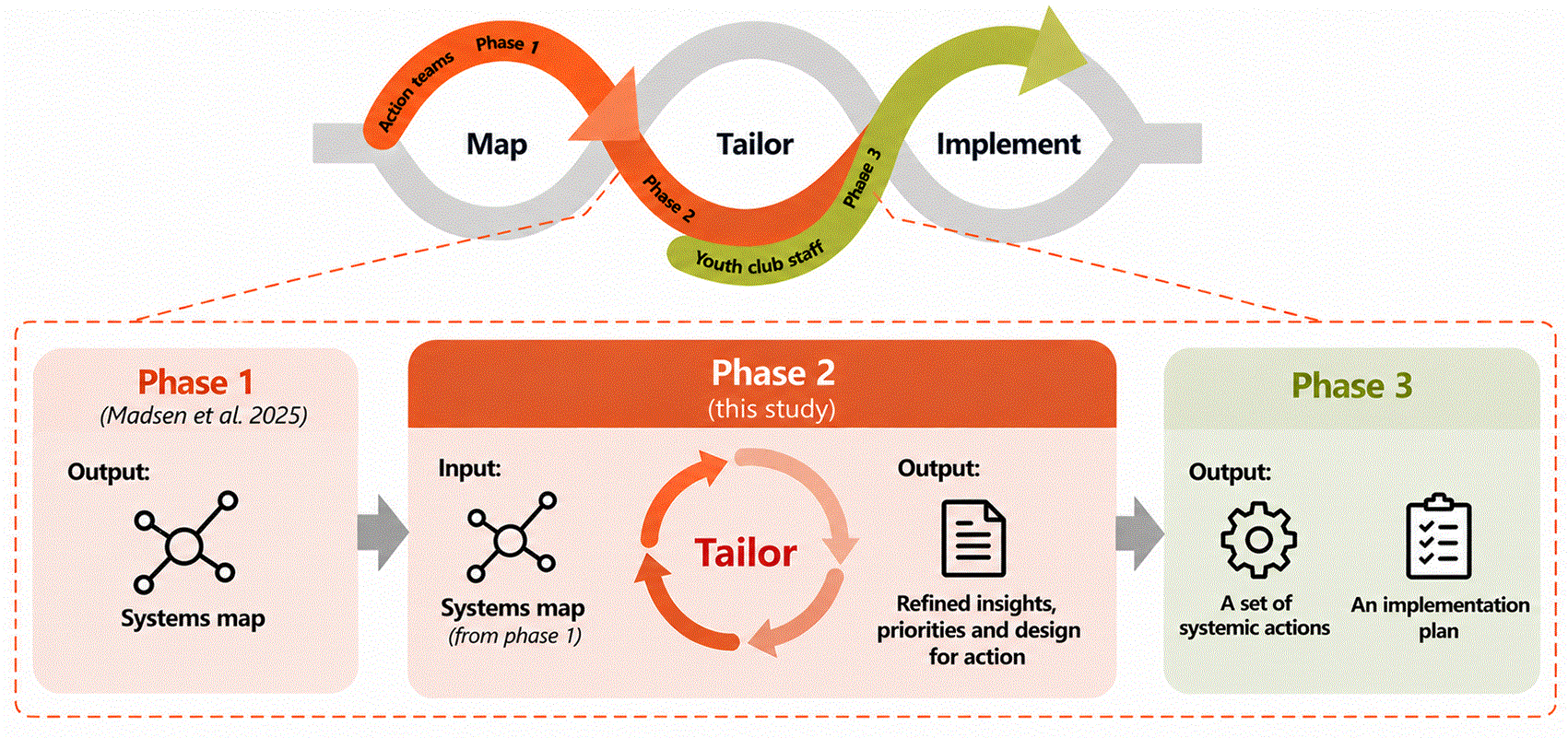
Figure 1. Overview of the co-creation process.
The youth clubs were considered the central system for change. This system included children and adolescents, youth club staff, the youth club manager, physical spaces, daily routines, institutional practices, and the surrounding outdoor areas. The co-creation process was embedded within this youth club system by engaging adolescents, staff, and the managers in capturing and understanding the underlying systems dynamics driving outdoor PA, identifying leverage points for change and translating these insights into systemic actions towards systems change. The Municipality of Aalborg supported the project as a collaborative partner and co-funder of the actions developed.
Participants and recruitment
At each of the two youth clubs, a YoPA action team was established to participate in the co-creation process. Each action team included adolescents, youth club staff, academic researchers, and a facilitator. Action team recruitment took place during October to November 2023 and was led by the facilitator, who spent time at the youth clubs during regular opening hours. All adolescents attending the youth clubs were invited to participate in the action teams to support broad representation and inclusivity. Youth club staff were invited by the club leaders to participate in the action teams, with staff members selected based on their availability, relevant experience, and/or strong relationships with the adolescents.
At one youth club, the action team included 13 adolescents aged 12 to 17 years (14.5 mean age; 10 girls), three youth club staff members, three academic researchers. At the other youth club, the action team included 11 adolescents aged 12 to 15 years (14.5 mean age; 4 girls), four youth club staff members, three academic researchers. While both action teams participated in the co-creation process, only one developed a full action programme, as the other youth club did not have sufficient resources to continue its involvement in the later stages.
In addition to the action teams, a separate youth club staff group was established after six sessions focused on developing actions with the adolescents. All staff members at each youth club were invited to participate in this group as part of their daily work tasks. The staff group contributed adult and organisational perspectives to the co-creation process and supported the translation of ideas into systemic actions.
Ethical considerations
Given that the study involved adolescents experiencing vulnerable life circumstances, ethical responsibility was approached as extending beyond the formal requirements of consent and confidentiality. Ethical considerations were therefore attended to throughout data generation, analysis, and reporting, with particular emphasis on minimising potential harm and safeguarding participants’ privacy (Brinkmann & Tanggaard, 2025; Hammersley & Atkinson, 2019). To reduce the risk of identification, directly identifying information was excluded from the reporting, and participant data were handled with attention to maintaining confidentiality.
Procedures for the co-creation process
The co-creation process was conducted between December 2023 and September 2024 and consisted of three interconnected phases comprising 18 sessions in total facilitated by two academic researchers (MHL and LM). Phase 1 resulted in a co-created systems map depicting factors and mechanisms influencing adolescents’ outdoor PA in the youth clubs (Madsen et al., 2025). Phases 2 and 3 focused on translating the systems map into actions for systems change. The adolescents wanted actions to address different subsystems and chose the outdoor spaces as the area they themselves wanted to focus on in Phase 2, while they wanted the youth club staff to focus on other parts of the system in Phase 3.
Phase 2 included 6 sessions with a duration of 75 minutes and was conducted with the action teams. Based on the adolescents’ decision to focus on the outdoor spaces, the sessions were designed to support the development of actions targeting this part of the system through gathering inspiration, prototyping ideas, and developing a shared action programme. Phase 3 included 3 sessions with a duration of 2 hours and was conducted with youth club staff and focused on developing actions targeting other parts of the system based on input from the adolescents, prioritising feasible actions, and developing implementation plans.
Table 1 provides a session-by-session overview of the aims, participants, main activities, and outputs of Phases 2 and 3. A detailed description of each session is provided in Online resource 1.
Table 1. Session-by-session overview of Phases 2 and 3 of the systems-informed co-creation process.
| Phase/Session | Participants | Aim | Main activities | Output |
|---|
| 2/1 | Action teams | To identify focus areas and gather inspiration for systemic actions to increase outdoor PA |
• Used the systems map to prioritise focus for actions • Visited a school for inspiration photographing inspiring design elements • Reflected on how similar actions could be implemented in their youth clubs
| Prioritised focus on outdoor spaces and initial ideas for actions |
| 2/2 | Action teams | To begin visualising ideas for outdoor PA actions |
| Initial prototypes of outdoor spaces |
| 2/3 | Action teams | To merge small-group prototypes into a shared design |
• Identified core elements from their prototypes • Placed them on printed maps of the real outdoor area • Discussed how to integrate the ideas into one cohesive prototype
| Shared draft model for outdoor space improvements |
| 2/4 | Action teams | To refine the shared model |
• Specified materials, colours, maintenance needs, lighting, accessibility, usability, safety, and sustainability considerations
| Refined shared model with practical design details |
| 2/5 | Action teams, wider youth club members, staff, and parents | To present the shared model and gather feedback from the wider youth club community |
| Feedback on the proposed model from adolescents, staff, and parents |
| 2/6 | Action teams | To refine and finalise the shared model |
• Reviewed feedback from Session 5, including perspectives from other youth club adolescents, staff and municipal stakeholders • Reflected on strategies for promoting PA, design details, and priorities
| Final model for outdoor space improvements |
| 3/1 | Youth club staff | To establish a shared understanding of the system and identify priority areas for change |
• Reviewed the systems map and the stories behind it • Discussed barriers and opportunities for outdoor PA • Prioritised feedback loops • Mapped existing initiatives, policies, and strategies
| Prioritised system areas and overview of existing initiatives linked to the systems map |
| 3/2 | Youth club staff | To develop and prioritise actions |
• Reviewed the updated systems map • Assessed initiatives using the Action Scales Model • Created a shortlist of priority initiatives, formed working groups • Mapped expected actions, outputs, impacts, and potential unintended consequences
| Shortlist of prioritised initiative and preliminary action plans |
| 3/2 | Youth club staff | To prototype, test, and plan implementation |
• Developed prototypes of prioritised initiatives and then peer-reviewed and refined them • Outlined roles, resources, evaluation questions, and implementation considerations
| Refined prototypes and implementation plan for co-created actions |
YoPA focused on translating the adolescents’ wishes and ideas into feasible actions within the youth club context. In this way, the adolescents played a central role in defining the direction and content of the actions, while the staff contributed by developing implementation plans in everyday youth club practice. To ensure that the actions developed during Phase 3 remained relevant and appealing to the adolescents, the developed actions were presented to the adolescents, and they were invited to provide feedback before finalisation.
Researcher positionality
The researchers involved in YoPA had backgrounds in public health, health promotion, human movement science, participatory action research, systems thinking, and youth engagement. Researchers across the YoPA consortium contributed to developing the systems-informed co-creation protocol that guided the process (Demetriadou et al., in preparation). As adults and academic researchers, however, they did not share the adolescents’ social positions or direct experiences of everyday life in the youth clubs. Their understanding of these experiences was therefore necessarily mediated through the adolescents’ contributions, observed interactions, and the researchers’ own interpretations.
At the same time, the facilitating researchers developed contextual familiarity through their sustained involvement in the co-creation process. This proximity supported an understanding of the setting and relationships but also increased the possibility that their expectations and prior knowledge shaped facilitation, interpretation, and the translation of participants’ ideas into actions. Researcher influence was therefore treated as an integral part of the knowledge-production process rather than something that could be eliminated.
Potential power imbalances were addressed by using accessible and participatory activities, creating repeated opportunities for adolescents to contribute in different ways, and inviting them to comment on the actions developed from their priorities and ideas. Throughout the process, the research team discussed how researchers’ adult and professional positions influenced which contributions were encouraged, how participants’ input was interpreted, and which ideas were considered feasible. During analysis, interpretations were discussed among the co-authors, who acted as critical friends by challenging initial readings, considering alternative explanations, and reflecting on assumptions and potential biases. Nevertheless, the researchers retained substantial influence over the organisation of the process and the final interpretation and reporting of the findings.
Decision-making across the co-creation process
Decision-making was approached as a negotiated and evolving process rather than as an equal distribution of authority across all participants and phases. Adolescents, youth club staff, and researchers contributed different forms of knowledge and assumed different responsibilities as the process progressed. In Phase 1, adolescents played a central role in identifying factors and relationships influencing outdoor PA based on their everyday experiences. The researchers facilitated the activities, structured the systems-mapping process, and synthesised and visualised the resulting systems map. In Phase 2, adolescents and staff contributed to developing and prioritising potential actions, while the researchers designed and facilitated the sessions and supported the translation of system insights into action ideas. Decisions during this phase were informed by the adolescents’ priorities as well as by considerations of feasibility within the youth club context.
In Phase 3, greater responsibility shifted towards youth club staff, who focused on the practical implementation of the co-created actions in close collaboration with the research team and the municipality. This shift reflected the staff’s organisational responsibilities and the adolescents’ expressed preference for adults to take responsibility for carrying the actions forward (Madsen et al., manuscript submitted for publication). Researchers continued to facilitate and mediate the process and therefore influenced how contributions were elicited, interpreted, and translated across phases.
Results
The co-creation process resulted in four actions aimed at systems change towards improving outdoor PA among adolescents in the youth clubs. The actions addressed the five interconnected subsystems identified in the systems map: sense of belonging, maintenance, peer influence, accessible and attractive spaces, and the role of youth club staff (Madsen et al., 2025). Each action could address multiple subsystems, reflecting the interconnected nature of the system. Across the four actions, three addressed accessible and attractive spaces, one maintenance, three the role of youth club staff, two peer influence, and three sense of belonging.
The actions primarily targeted the ‘structures’ level of the Action Scales Model by changing the physical environment, maintenance practices, organisational routines, staff facilitation, and activity programming within the youth club system. Several actions also targeted goals and beliefs by strengthening adolescents’ role as active contributors, supporting ownership and belonging, and broadening how outdoor PA was understood within everyday youth club practice.
Table 2 provides an overview of the co-created actions, including their system focus, Action Scale Model level, action description, implementation status, intended mechanisms, and expected contributions. Each action is described in further detail below.
Table 2. Overview of the co-created actions targeting outdoor physical activity in the youth clubs.
| Action | Action description | Subsystem(s) and ASM level | Implementation | Intended mechanisms and outcome |
|---|
| New outdoor space | Co-create and implement an outdoor space supporting PA and social interaction. | Accessible and attractive spaces; Sense of belonging Structures; goals; beliefs | Co-created [period]; implemented June 2026 | A youth-informed and attractive space was expected to increase ownership, belonging, and outdoor PA. |
| Maintenance of outdoor spaces | Integrate maintenance into youth club practice, including paid tasks for adolescents. ASM: structures and beliefs | Maintenance; Sense of belonging Structures; beliefs | Ongoing practice from June 2026 | Regular maintenance and adolescent involvement were expected to sustain an attractive space and strengthen ownership sustained use of the outdoor environment. |
| Planning adult-led activities | Integrate outdoor PA into staff planning and regular youth club programming. | Role of club staff; Peer influence; Sense of belonging Events; structures; goals | Integrated into practice from October 2025 | Regular staff-facilitated activities were expected to increase opportunities for PA and shared participation. |
| Play with your expression | Integrate creative and playful movement-based activities into youth club programming. | Peer influence; Sense of belonging; Role of club staff. Events; structures; beliefs | Integrated into practice from October 2025 | Alternative forms of PA were expected to broaden participation and strengthen peer relationships and belonging. |
New outdoor space
This action focused on co-designing and co-implementing a new outdoor space at the youth club. It was developed in response to the lack of attractive and accessible outdoor facilities for PA at the youth clubs. Through shared decision-making between the action teams, youth club staff, the municipality, and researchers, adolescents contributed actively to the design and development of the space.
In relation to the Action Scale Model, the action primarily targeted the structures level by creating a lasting change to the physical environment and thereby establishing new material conditions for outdoor PA at the youth club. Importantly, the action was not conceived as a one-off event. Once established, the outdoor space became part of the youth club’s physical setting and its ongoing activities. The adolescents contributed to designing and naming the space, while the youth club committed to maintaining it, further developing it when needed, and keeping a continuous focus on using the area as part of the club’s activities. In this way, the action aimed to embed the use of the outdoor space in the club’s ongoing practice, supporting its sustainability beyond the initial implementation.
The action also targeted goals and beliefs by positioning adolescents not only as users of the space, but as active contributors to shaping their youth club environment. The intended mechanism was that involving adolescents in shaping the outdoor environment would make the space more relevant, safe, and appealing to them and their peers, while strengthening their sense of ownership. Combined with the youth club’s continued maintenance and active use of the space, the expected outcome was a sustained outdoor PA setting that would attract adolescents, support social interaction, and increase participation in outdoor PA.
Maintenance of outdoor spaces
This action focused on integrating the maintenance of outdoor spaces into the everyday practices of the youth club. Rather than treating maintenance as a separate activity, simple maintenance tasks became a natural part of daily youth club life, involving both adolescents and staff. Adolescents could take part in these tasks as part of their regular time at the club, with some also being employed for a few hours each week to contribute to ongoing maintenance. Youth club staff supported and coordinated the work as part of their everyday activities.
In relation to the Action Scale Model, the action targeted the structures level by embedding maintenance into youth club routines and clarifying how the outdoor space would be cared for over time. It also targeted beliefs by recognising adolescents as responsible contributors to the shared youth club environment. The intended mechanism was that regular maintenance would keep the outdoor space attractive, functional, and inviting, thereby supporting continued use over time. Involving adolescents in maintenance was also expected to strengthen their sense of ownership and responsibility for the space. By recognising their contribution as formal work through payment, the action aimed to signal that their role was valued and to position older adolescents as role models for other youth club members. The expected outcome was a well-maintained outdoor environment that could sustain opportunities for PA and encourage youth club members to take care of and use the space.
Planning adult-led activities
This action focused on integrating outdoor PA into the youth clubs’ daily planning and structured programming. It included giving outdoor PA greater attention in staff planning meetings, organising adult-led activities in the new outdoor space, introducing outdoor days, and moving existing activities, such as gym time, outdoors during spring and summer.
In relation to the Action Scale Model, the action targeted events by creating concrete outdoor PA opportunities, structures by embedding outdoor PA into planning routines and staff practices, and goals by strengthening outdoor PA as a more explicit part of the youth clubs’ everyday purpose. The intended mechanism was that embedding outdoor PA into everyday routines would create consistent opportunities for shared experiences, social participation, and PA. Youth club staff played a central role as facilitators and role models who could make outdoor PA feel safe, enjoyable, and socially meaningful. By incorporating outdoor activities into regular programming, the action aimed to strengthen the youth club’s PA identity and support outdoor PA as a more established part of youth club culture. The expected outcome was increased and sustained use of the outdoor space, with more adolescents participating in adult-led outdoor PA.
Play with your expression
This action targeted three interconnected subsystems identified in the systems map: peer influence, sense of belonging, and the role of club staff. The action focused on developing creative and playful activities that provided opportunities for shared participation and social interaction and integrating these activities into the youth clubs’ structured programming. Examples included a creative studio and expanding ‘Computer games in real life’ into a weekly activity.
In relation to the Action Scale Model, the action targeted events by creating concrete activity opportunities, structures by integrating creative and movement-based activities into youth club programming, and beliefs by broadening what could count as meaningful PA within the youth club context. The intended mechanism was that providing creative and playful alternatives to traditional sport or exercise would create accessible and meaningful opportunities for adolescents to participate with peers. Through shared participation, the action was expected to strengthen peer relationships and sense of belonging, thereby supporting broader engagement in PA and social activities.
Discussion
Collectively, the four actions addressed all five interconnected subsystems previously identified in the systems map: sense of belonging, maintenance of outdoor spaces, peer influence, accessible and attractive spaces, and the role of youth club staff (Madsen et al., 2025). Individual actions addressed multiple subsystems, reflecting the interconnected nature of the youth club system. Viewed through the Action Scales Model (Nobles et al., 2022), the actions primarily targeted system structures, while several also addressed system goals and beliefs. At the goals level, the actions sought to position outdoor PA as part of the everyday purpose and practice of the youth clubs and to broaden what was considered meaningful PA. At the beliefs level, the actions sought to strengthen shared decision-making with adolescents and position them as responsible contributors to the shared youth club environment. These findings can be considered in relation to three central themes in the literature: the need to address the complexity of adolescent PA, the importance of context and meaningful adolescent involvement, and the challenge of translating system insights into concrete actions.
Adolescent PA is shaped by interacting individual, social, organisational, and environmental conditions rather than by single determinants in isolation (Carey et al., 2015; Foster-Fishman & Behrens, 2007; Sallis et al., 2008). This complexity has challenged conventional interventions that primarily target individual behaviour or isolated determinants and has contributed to calls for more systemic approaches to PA promotion (Nau et al., 2022). The actions developed in the present study reflect this perspective by targeting underlying mechanisms and several levels of the youth club system rather than focusing on individual factors. For example, actions were targeted on all five previously identified key drivers of outdoor PA: sense of belonging; maintenance of outdoor space; peer influence; accessible and attractive spaces; and the role of youth club staff. Addressing both social and organisational conditions is particularly relevant for adolescents living in vulnerable life situations, whose opportunities for PA may be constrained by intersecting social, environmental, and structural conditions (Hanson & Chen, 2007; WHO, 2018).
The Action Scale Model proved useful for considering where the developed actions sought to influence the youth club system. Most actions aimed to target structures through changes to the physical environment, organisational routines, maintenance practices, staff facilitation, and activity programming. However, several also addressed goals and beliefs by positioning adolescents as responsible contributors to youth club routine and by broadening how outdoor PA could be understood and practised. This distinction is important because systems thinking suggests that interventions targeting visible structures and events may have different implications from those addressing underlying goals, values, and assumptions within a system (Meadows, 1999; Meadows, 2009; Nobles et al., 2022). For example, the action ‘play with your expression’ did not only create another opportunity to be physically active but sought to broaden PA beyond conventional sport and exercise by incorporating creative and socially meaningful forms of PA. Similarly, the development of a new outdoor space was not considered as an isolated change to the physical environment. It was combined with planned activities and adolescents’ involvement in shaping and maintaining the space, thereby linking changes in the physical environment with changes in youth club practices and adolescents’ ownership and responsibility. These examples illustrate how the actions were developed as interconnected sets of changes rather than as isolated intervention components, reflecting a systems perspective in which changes to one part of the system are considered in relation to other parts of the system.
The involvement of both adolescents and adult stakeholders is important when considering how locally grounded ideas are translated into actions that can operate within organisational settings. Adolescents hold experiential knowledge about their everyday lives, while adults hold different forms of knowledge concerning organisational structures, resources, responsibilities, and implementation possibilities. Previous research has emphasised that meaningful youth engagement requires opportunities for adolescents to influence decisions while also receiving appropriate support from adults (Maenhout et al., 2023). In the present study, the adolescents played a central role in defining the direction and content of the actions, whereas youth club staff had a stronger role in translating these priorities into feasible implementation plans within everyday youth club practice. Further details on the roles of adolescents and youth club staff across the co-creation process are provided in the Supplementary Materials.
This division of roles represented a deviation from the original YoPA protocol and reflected both practical considerations and the adolescents’ own preferences regarding responsibility. Giving youth club staff greater responsibility during the later stages enabled considerations related to staffing, resources, maintenance, and existing organisational routines to be incorporated into the implementation plans. Importantly, the adolescents themselves also expressed clear boundaries regarding the responsibility they wished to assume, emphasising that the final responsibility for implementation should remain with adults (Madsen et al., manuscript submitted for publication). This highlights that meaningful adolescent involvement does not necessarily imply transferring maximum responsibility to adolescents but rather creating opportunities for influence and shared decision-making while respecting the level of responsibility they wish to assume. At the same time, the stronger role of adults during action refinement risked shifting decision-making power towards adults and modifying ideas in ways that did not fully reflect adolescent priorities. To mitigate this, the refined actions were presented to the adolescents for feedback before finalisation. Future co-creation processes should therefore consider how adolescents and adult stakeholders can remain jointly involved when moving from locally generated ideas to feasible and sustainable implementation, while allowing adolescents themselves to define the level and type of responsibility they wish to take.
A further contribution of the study relates to the translation of systems maps into concrete actions for systems change through a co-creation process with adolescents, youth club staff and researchers. Systems maps can identify underlying mechanisms and potential leverage points, but they do not in themselves specify what actions are needed within a particular setting. The four actions presented here provide examples of how a locally developed systems map was translated into actions targeting different parts and levels of the youth club system. Importantly, the study does not establish that combining systems thinking and co-creation is more effective than other approaches. Rather, it provides an example of how to translate systems insights into action development using a participatory approach with various stakeholders. (Blake et al., 2026; Longworth et al., 2024).
The systemic nature of the actions also has implications for evaluation. Evaluations of PA interventions have traditionally focused on individual-level behavioural and health outcomes, such as PA, sedentary behaviour and body composition (Kriemler et al., 2011; Neil-Sztramko et al., 2021) While these outcomes remain important, they may not capture whether and how changes occur across the interconnected subsystems that shape PA. In the present study, the actions addressed the five interconnected subsystems identified in the systems map: sense of belonging, maintenance, peer influence, accessible and attractive spaces, and the role of youth club staff (Madsen et al., 2025). Evaluating these actions therefore requires attention not only to changes in adolescents’ PA, but also to changes within and across these subsystems and to how such changes interact over time. This aligns with recommendations for evaluating interventions within complex adaptive systems by attending to intended and unintended changes across the system and to interactions between interventions and their contexts (Clifford Astbury et al., 2021; Hawe et al., 2009). Participatory approaches such as Ripple Effects Mapping may be particularly useful for examining such changes, as they involve stakeholders in identifying and visually mapping intended and unintended effects and how these develop over time (Harris et al., 2024). Including adolescents in such an evaluation is particularly relevant for understanding whether changes within and across the youth club system translate into meaningful changes in their everyday opportunities for outdoor PA.
Strengths and limitations
A key strength of this study is the detailed reporting of how a locally developed systems map was translated into systemic actions through a co-creation process in real-world youth club settings. Detailed reporting of co-creation processes is not consistently provided in the literature, where greater emphasis is often placed on describing the resulting intervention than on documenting how it was co-created (Slattery et al., 2020). By providing a transparent account of the different phases, participants, activities, and outputs, the present study contributes to procedural transparency and may support the application and adaptation of similar processes in other settings. The involvement of both adolescents and adult stakeholders further enabled different forms of knowledge to inform action development, including adolescents’ everyday experiences and adults’ knowledge of organisational conditions.
The context-specific nature of the developed actions is an important limitation when considering their transferability. The actions were developed within two youth clubs in one Danish municipality and were shaped by the resources, relationships, practices, and opportunities within these settings. The extent to which the actions are transferable to other youth club settings is therefore unknown. Although the specific form of an action may require adaptation to local conditions, its underlying functioning may potentially be relevant across settings where similar system conditions are present. Future research should therefore examine the transferability of the actions across different contexts, including which elements can be retained and which require local adaptation.
Another consideration concerns the different roles of adolescents and youth club staff across the co-creation process. In the later stages, youth club staff took greater responsibility for refining the actions and developing implementation plans. This was partly due to practical considerations, as staff sessions had to be scheduled outside regular youth club opening hours to accommodate work schedules, but it also reflected the adolescents’ expressed preference for adults to take responsibility for implementation. While this division of roles allowed organisational and practical considerations to inform implementation planning and respected the level of responsibility adolescents wished to assume, it may also have shifted influence towards adult stakeholders during the final refinement of the actions. The refined actions were therefore presented to the adolescents for feedback before finalisation. This highlights an important methodological consideration for future co-creation processes regarding how to balance continued adolescent influence with adolescents’ own preferences concerning responsibility and the practical requirements of implementation.
A further limitation is that the present study describes the developed actions and the proposed pathways through which they were expected to contribute to systems change, rather than evaluating their effectiveness. These pathways should therefore be understood as theory-informed propositions generated through the systems-informed co-creation process rather than as demonstrated pathways of change. Although some actions have already been implemented, this study does not establish whether or how they are sustained over time, how they interact with the wider youth club system, or whether they lead to intended or unintended changes within and across the identified subsystems or in adolescents’ outdoor PA. Future research should therefore examine the implementation and sustainability of the actions and evaluate changes across the wider system over time.
Conclusion
This study presents four actions developed through the YoPA systems-informed co-creation process aimed at improving opportunities for outdoor PA among adolescents in youth clubs. Collectively, the actions addressed the five interconnected subsystems identified in the systems map: sense of belonging, maintenance, peer influence, accessible and attractive spaces, and the role of youth club staff. Actions addressed multiple subsystems, reflecting the interconnected nature of the youth club system. The actions primarily targeted system structures, while several also addressed goals and beliefs by positioning adolescents as active contributors and broadening how outdoor PA was understood within everyday youth club practice. Together, the actions illustrate how insights from a locally developed systems map can be translated into interconnected actions for systems change through co-creation with adolescents and adult stakeholders. Future research should examine the sustainability and transferability of the actions and whether and how they contribute to intended and unintended changes within and across the youth club system and adolescents’ outdoor PA over time.
Ethics approval
The study was approved by the Research Ethics Committee and Legal Services at the University of Southern Denmark (approval no. 23/47839).
Consent to participate
Participation in the study was voluntary. Adolescent participants provided oral assent, with written consent obtained from a parent or legal guardian prior to participation. Adult participants provided informed oral consent.
Consent for publication
All authors have reviewed and approved the final manuscript and consent to its publication.







