Introduction
Healthcare organisations worldwide encounter numerous challenges, particularly in achieving universal, equitable access to primary care, which is a priority for the World Health Organisation (WHO) (De Maeseneer et al., 2020). Demographic shifts and the rising incidence of chronic diseases often place significant strain on health systems (Unsworth et al., 2024). These challenges are compounded by expertise gaps in healthcare across Europe, a multifaceted issue marked by disparities in education, training, educational resources (Navarro-Martínez et al., 2023; Gassas, 2021), and even by epistemic injustice (Byskov, 2021).
Furthermore, all countries in the WHO Europe Region face significant challenges concerning their health and social care workforce, which ultimately affect the delivery of care (WHO, 2022). The COVID-19 pandemic unveiled the vulnerabilities of the European healthcare workforce, with many member states being ill-prepared for the crisis, having insufficient numbers of health and social care workers, inadequate skill sets, and uneven geographical distribution (Timmis & Brüssow, 2020). These factors have hindered efforts to expand capacity and sustain essential health services (Barbier-Gauchard et al., 2021). This is further impacted by underinvestment in health systems and external factors such as climate change and inflation driven by conflicts between countries and causing economic instability (Broadbent et al., 2023). The risk of future disruptions to educational systems globally, such as public health emergencies, calls for innovations such as open online resources and community of inquiry frameworks to enhance professional collaboration (Shea et al., 2022; Manganello & Aleo, 2026).
Accelerating the adoption of these online technologies is important in addressing this risk and prompting substantial institutional changes to support hybrid teaching models that blend online and face-to-face modalities (Fitzgerald et al., 2023). This shift also highlights existing disparities in access to educational resources, both within and across countries. The training of healthcare professionals is poised for significant transformation over the next decade, with the potential to lead innovation efforts aimed at enhancing the integration of new competencies and technologies (Frenk et al., 2022). In fact, healthcare practitioners are required to cultivate skills in a rapidly evolving contemporary healthcare landscape, including leadership, quality assurance, digital literacy and green skills (i.e., eco-friendly practices) in a bid to meet the demands of the industry (González-Pérez & Ramírez-Montoya, 2022).
However, addressing the inequalities in expertise gaps across Europe remains a concern, despite this issue having been raised almost two decades ago by Frenk et al. (2010). The gaps in expertise within academic education across Europe and globally may be negatively affected by various factors, such as the brain drain to countries offering better job opportunities (Bossavie et al., 2022), unequal investment in higher education, variability in educational capacity, workforce shortages combined with ageing populations, and political and economic instability (WHO, 2022).
This study aimed to enhance understanding of the shared perspectives of healthcare professionals and educators in identifying key gaps in knowledge, practice, teaching, and research within their specific profession and country. This paper presents the qualitative findings from focus groups conducted with participants from Western, Southern, Northern, and Central and Eastern Europe as part of a broader multi-phase mixed-methods study conducted within the framework of an EU-funded Project that has the purpose of developing an online platform for the exchange of expertise. The results of the quantitative phase of this research study are available elsewhere (Fitzgerald et al., 2025).
Methods
The present study followed the COREQ guidelines for reporting qualitative studies. (Aleo, 2026a. COREQ Checklist).
Theoretical background
This study was grounded in a pragmatic and constructive stance. From a constructive perspective, we acknowledge that expertise and perceptions of gaps in healthcare education are socially constructed and shaped by professional roles, national contexts, educational systems and lived experience. Therefore, since the concept of expertise is co-created through the social interaction between people with different backgrounds, the intrinsic nature of this concept is very fluid. It may range from a very objective etymological definition, deriving from expertus, past participle of the Latin verb experiri that means “to learn from experience to a more ephemeral definition based on a comparison with others (Selinger & Crease, 2006) in terms of possessing knowledge and/or skills that others do not have either in a certain place or in a given moment in time (Goldman, 2018).
However, to prioritize the generation of knowledge that is useful, actionable and relevant for educational planning and policy development across Europe, our multidisciplinary research team drew on its previous work on expertise (Couto et al., 2022; Barbosa et al., 2023; Soares et al., 2023; Oliveira et al., 2024). Following a brainstorming session, we developed the following pragmatic definition of ‘expertise’: ‘a healthcare professional and/or a healthcare educator (academic) who has advanced knowledge, relevant skills, and proficiency, with proven experience in a specific area’.
The focus group approach
This pragmatic approach focuses on participants’ accounts and interactions aimed at identifying the practical implications of the expertise gap. Expertise is described as a ‘fluid’ concept (Goldman, 2018) that consequently lends itself to multiple interpretations, triggering critical reflection and debate. This aligned well with the focus group methodology (Krueger & Casey, 2015), which is particularly well-suited to capturing perspectives generated through the interactions of a group of participants. In our case, the findings were enriched by the different healthcare backgrounds of the focus group participants.
Due to the great distances between the focus group participants across Europe, in compliance with the European Union’s 2030 sustainability and climate goals (
European Commission, 2019), anchored in the European Green Deal (
European Commission, 2021), the focus groups were conducted online, enabling us to use online collaborative tools via Microsoft Teams© (Stewart & Shamdasani, 2017).
Research question
What gaps in knowledge, practice, teaching and research did healthcare professionals and healthcare educators identify within their respective professions and countries?
Ethics and consent
Before starting this study, in accordance with the Declaration of Helsinki, ethical approval was obtained from the Research Ethics Committee of the Faculty of Health Sciences at the University of Malta, (Reg. N. FHS-2024-00049) on the 22nd October 2024. All the participants involved in this study participated on a voluntary basis, received a written participant information leaflet explaining the purpose of the study and how to participate, and provided electronic informed consent before starting the focus groups. Participation was voluntary, and participants were free to withdraw at any time.
Reflexivity statement
The present study was conducted within the framework of the ECHOES European project, in which a large team of academics and researchers with extensive experience in healthcare education were involved.
G.A., N.W., F.N., and C.F. are all experts in health professions education at the Royal College of Surgeons in Ireland with backgrounds in the field of public health, clinical nurse management, nursing education, gerontology and midwifery, with a special focus on research in the field of continuing professional development. N.P. is a senior researcher and nursing lecturer at the University of Pisa, Italy, with expertise in nursing education research, who has worked with the research team at the Royal College of Surgeons in Ireland on this study as part of the EU-funded project. M.B. is Senior Lecturer and Head of the Department of Occupational Therapy at the University of Malta, with interests in lifestyle medicine, occupational science, interprofessional education, and in the impact of national culture on innovation in health professional education. P.J. is a Senior Lecturer and Head of the Department of Food Science, Nutrition and Dietetics at the University of Malta, with expertise in public health nutrition, nutrition literacy, and translating evidence into safe, and extensive experience in curriculum design and community education. R.A. is Senior Lecturer and Clinical Practice Education Coordinator within the Department of Human Communication Sciences and Disorders, at the University of Malta with a special interest in Multilingual Literacy, Clinical Competencies and Professional Skills. J.G.C. is a lecturer and researcher in radiotherapy at the University of Malta, with over 17 years of academic and clinical experience, and a special interest in professional mobility, competency frameworks, curriculum development, and patient care across Europe.
Due to the absence of a universally agreed model that enables to describe expertise gaps in a pragmatic manner, reiterated brainstorming sessions were conducted with the multidisciplinary research team members of the EU Project consortium. Reflexivity during the brainstorming sessions was informed by the following frameworks: Bloom’s Taxonomy (Anderson & Krathwohl, 2001) (for knowledge and teaching), the Dreyfus Model of Skill Acquisition (Dreyfus, 2004) (for practice and teaching), Boyer’s Model of Scholarship (Boyer, 1990) (for research and teaching), and the Tuning Project (González & Wagenaar, 2006) (for skills and knowledge gaps between academic offerings and workplace demands). This process led to the identification of four skill categories: hard, transversal, digital, and green skills, within the domains of ‘Knowledge’, ‘Practice’, ‘Research’, and ‘Teaching Methods’, which were used to develop the Focus Group interview and guide the respective thematic analysis.
Recruitment and sampling
Purposive sampling was employed, with participants stratified to include various healthcare professions across Northern, Southern, Western, and Central and Eastern Europe, as defined by EuroVoc (
European Union, EuroVoc, 2024). Participants who were fluent in English, currently in employment and from any of the four regions of Europe were considered eligible and were invited via email to participate on voluntary basis in the study.
Data collection
Data were collected through online focus groups, which were audio-recorded via Microsoft Teams©, anonymised and transcribed verbatim. No-one else was present besides the invited participants and the researchers. Data were collected by academic researchers (GA, NW, NP, and CF) between December 2024 and January 2025, until data saturation was reached. The interviewers had no previous relationships with the participants. The interview guide (Aleo, 2026b. Focus Group Interview Guide) enabled to structure the interviews, whereby participants were asked to identify the main gaps in expertise within their profession in their country, and to offer recommendations for addressing these gaps. However, consistent with a qualitative approach, the interviews remained flexible, allowing moderators to use probing and follow-up questions to explore emerging issues in greater depth. The interviews were moderated by a member of the research team, with two researchers serving as non-participant observers. Each interview lasted between 60 and 90 minutes.
Data analysis and rigour
Thematic analysis was conducted following the approach outlined by Braun and Clarke (2024). Two pairs of researchers independently read the transcripts and coded them in NVivo [Version 12], grouped codes into sub-themes, and themes, and the four researchers met to compare their results. Each step was reviewed and discussed with all the research team members until a consensus was reached regarding the themes, sub-themes, and their underpinning quotes.
Credibility was enhanced through member checking, audit trail and peer debriefing. Reflexivity was maintained through peer discussions to mitigate bias. There was no prior relationship with the participants.
Results
Participant characteristics
For this study, a total of 6 online focus groups were conducted: 2 for Northern Europe (3 participants each), 1 for Southern Europe (6 participants), 1 for Western Europe (6 participants), and 1 for Central and Eastern Europe (10 participants). Therefore, a total of 28 healthcare professionals and healthcare educators were recruited from 12 European countries. Nurses were the largest group, representing over half the participants (50.0%, n = 14), followed by occupational therapists (32.1%, n = 9), radiographers (14.3%, n = 4), and one physiotherapist (3.6%) (see
Table 1). There was a fairly even distribution of participants across the four regions of Europe, Central and Eastern Europe (35.7%, n = 10), Northern Europe (21.4%, n = 6), Western Europe (21.4%, n = 6) and Southern Europe (21.4%, n = 6).
Table 1. Characteristics of the focus group participants (N = 28).
| PROFESSION | N (%) | Years of experience (Average) |
|---|
| Nurse | 14 (50.0) | 15.7 |
| Physiotherapist | 1 (3.6) | 16.0 |
| Radiographer | 4 (14.3) | 18.7 |
| Occupational therapist | 9 (32.1) | 23.6 |
| REGIONS
| N (%)
| |
| Central and Eastern Europe
| 10 (35.7)
| 16.1
|
| Albania | 2 (7.1) | |
| Romania | 8 (28.6) | |
| Northern Europe
| 6 (21.4)
| 21.3
|
| Denmark | 1 (3.6) | |
| Finland | 1 (3.6) | |
| Latvia | 3 (10.7) | |
| Norway | 1 (3.6) | |
| Western Europe
| 6 (21.4)
| 18.0
|
| Belgium | 2 (7.1) | |
| Germany | 1 (3.6) | |
| Ireland | 3 (10.7) | |
| Southern Europe
| 6 (21.4)
| 17.8
|
| Italy | 2 (7.1) | |
| Malta | 2 (7.1) | |
| Spain | 2 (7.1) | |
Data synthesis and interpretation
This analysis focuses on the themes that emerged from participants’ discussions regarding gaps in knowledge, practice, research, and teaching within healthcare professions. Beyond identifying these gaps, the analysis examined the factors and contexts shaping participants’ perceptions of them. Six main themes were identified through the thematic analysis of the focus groups (the numbering of themes does not reflect any hierarchy or order of importance).
1) Discrepancies in educational standards
2) Access to CPD and the importance of e-learning
3) Need for more interprofessional collaboration and education
4) Integration of evidence-based practice (EBP)
5) The absence of green skills and sustainable healthcare practices
6) Lack of digital skills and competencies
Below, we have described each theme and sub-theme (see also
Figure 1 - Themes and sub-themes), for which quotations were selected to reflect all four European regions and a diversity of the participating health professions.
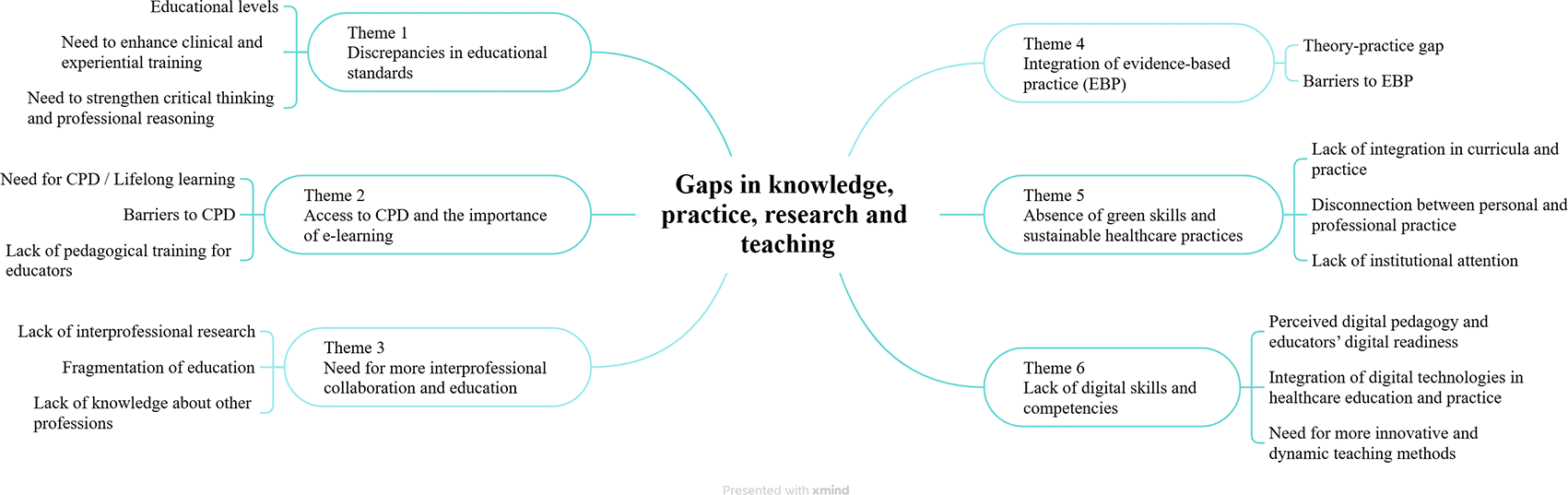
Figure 1. Framework of the themes and sub-themes.
The framework of the thematic analysis with the full list of the participants’ quotes supporting the themes and sub-themes is available as a dataset (Aleo, 2026c. Focus Group Themes, Sub-themes and Supporting Quotes).
Theme 1: Discrepancies in educational standards
Among the first gaps we identified were differences across European regions in the way healthcare professional education was structured, resulting in variation in educational standards, particularly for occupational therapists and nurses. This was mainly due to differences in the way educational standards are embedded in local legislation and regulations. This suggests that the ‘expertise gap’ is partly a product of a tiered hierarchy of professional recognition, where a practitioner’s ability to engage in research or advanced practice is structurally limited by the EQF level assigned to their profession within a specific region.
Sub-theme 1.1. Educational levels
Differences in the levels of education varied across Europe for occupational therapists, physiotherapists, and nurses.
“in Germany, occupational therapists as well as physiotherapists and speech and language therapists are on level four of the European Qualifications Framework, so it’s not higher education … there’s a discrepancy to what the rest of Europe is doing in terms of educational level.” [WE1 – Occupational Therapist].
For nurses, the level of education sometimes varied even within the same country, such as in the case of Romania.
“What I have noticed in recent years is the poor training of new nurses due to the multitude of forms of education in Romania in this field and the poor practical training.” [EE7 – Nurse].
Sub-theme 1.2. Need to enhance clinical and experiential training
Another gap identified under Theme 1 was the lack of practical training and clinical experience across countries and professions, and this need was reported not only for students but also for teachers.
“So as soon as a student nurse becomes a nurse, or a physiotherapist, they cannot practice what they have been listening for three years in their lectures because they have always been taught in theory, and not any practice.” [EE6 – Physiotherapist].
“Practice education is difficult topic, but only because there’s so much pressure in the system and people are not as willing to take on students, but also that it’s not encouraged by the system.” [WE1 – Occupational Therapist].
Sub-theme 1.3. Need to strengthen critical thinking and professional reasoning
Another key gap identified under Theme 1 is the scarce opportunity for healthcare students to develop their critical thinking and reasoning skills, which are essential to ensure high-quality and safer care to their patients, which could also have the effect of relieving the workload.
“We now need to improve how to teach practical skills to students, critical thinking, and so on. So, when they graduate, they will know how to do their job.” [EE6 – Physiotherapist].
“…our students they miss a bit the critical thinking. They need to understand that our intervention … is a complexity…” [WE1 – Occupational Therapist].
Theme 2: Access to CPD and the importance of e-learning
Continuing professional development (CPD) emerged as a critical mechanism for addressing skills gaps among healthcare professionals. While foundational education was considered essential, ongoing training was viewed as necessary to meet evolving healthcare demands. Participants reported limited opportunities for continuing training, particularly in leadership, communication, well-being, and teamwork. The findings also pointed to a lack of formal and structured CPD pathways to support the ongoing development of these competencies.
Sub-theme 2.1. Need for CPD/Lifelong learning
Participants further discussed their concerns about current CPD approaches, noting a disconnect between the education provided and the actual learning outcomes. The shift towards online education is noted as positive overall, offering broad reach, but its effectiveness is limited, calling for reassessment of educational content and pedagogical methods to ensure they are genuinely beneficial to healthcare professionals.
“… there are also some difficulties in computer tomography, especially with image optimization and we feel that, yeah, these hard skills and transferable are the most important, but we are lacking at the moment.” [NE2 – Radiographer].
“We definitely should prepare our graduates for this lifelong learning. It’s really important, yeah, because otherwise we have not done good work.” [NE6 - Occupational Therapist].
Sub-theme 2.2. Barriers to CPD
Participants reported significant challenges in maintaining their standards and competencies in a demanding and unsupportive work environment. Financial constraints and understaffing were noted as issues for healthcare professionals engaging (or not) in CPD. Other barriers included a lack of time and being offered CPD that is not relevant to their practice.
“… any setting you go into, you’re going to be understaffed, under resourced, no time for CPD, no money for CPD …” [SE2 - Nurse].
“I’d like to go on, you know, a communication course. I’d like to go on a digital literacy course, you might need that desperately, but might not be able to show how it directly relates to your role and so that funding has tied very closely to this specific kind of job description. And so that’s very challenging for people in practice who want to continue with their CPD.” [WE6 – Occupational. Therapist].
Sub-theme 2.3. Lack of pedagogical training for educators
Participants noted that academic teachers and clinical supervisors, even if highly skilled in their fields, they are not always trained to teach effectively. They are often reported to lack transversal skills and knowledge about digital pedagogy, highlighting the need for CPD to upskill teachers and clinical supervisors.
“in Romania, actually, I don’t think people know how to do coaching. No mentoring. … I think if we make something with skills, with coaching it’s better, but in Romania we are not used with that.” [EE8 – Nurse].
“[talking about simulation] … teachers, they lack these pedagogical skills because they do not have this theory and the basics to explain what I am doing. Maybe they are doing brilliant things, but they can’t put it in a theoretical frame of pedagogy.” [NE6 – Occupational Therapist].
Theme 3: Need for more interprofessional collaboration and education
Participants called for a more focused approach to interprofessional collaboration, suggesting that curricula need to incorporate collaborative practices more thoroughly to prepare students for the realities of working within diverse healthcare systems. There was a general feeling that academia often fails to reflect the interprofessional nature of the actual healthcare setting. This creates a reality shock upon entering the clinical setting, where graduates are expected to collaborate seamlessly despite conceptual blindness to the specific roles and scopes of their interdisciplinary colleagues. Participants suggest that more interprofessional education is necessary using simulation or problem-based learning to enhance transversal teamworking skills and understand the roles of other health professionals.
Sub-theme 3.1. Lack of interprofessional research
Participants also highlighted the need for more interprofessional collaboration in research with a focus on transversal skills.
“I think transversal skills, digital skills, green skills they are there, but the people who do research in radiotherapy and oncology … they are not so including the RTTs.” [NE4 – Radiographer].
“But there is also interdisciplinary programs and that’s what I really miss, I don’t see a lot of transversal research. We all talk about healthcare professions, but in fact we go back to disciplines and to professions who are kind of isolated.” [WE3 – Occupational Therapist].
Sub-theme 3.2. Fragmentation of education
There was a significant lack of interprofessional teaching and learning opportunities. Health professionals are often trained in their own profession and then expected to work well within multi-professional teams.
“It baffles me that we’re all taught in our own professions, and then we’re all thrown into a hospital, healthcare setting just expected to know how to work with each other.” [WE4 – Nurse].
Sub-theme 3.3. Lack of knowledge about other professions
Healthcare professionals highlighted limited awareness of the roles and scope of practice of other professions as a barrier to effective interprofessional collaboration, affecting the ability to solve problems and ensure safer, better care. This is another important gap that needs to be bridged through targeted interprofessional CPD courses.
“…we are very much profession focused and we are not really achieving this interprofessional level.” [NE6 – Occupational Therapist].
“… we need to focus more on basic communication skills at times, which basically gets the students to start from day one, feeling the need to communicate with other professionals and with their own colleagues. There is a lack of non-verbal communication, sometimes misunderstanding, reluctancy to collaborate interprofessionally”. [SE5 – Occupational Therapist].
Theme 4: Integration of evidence-based practice (EBP)
Findings from this study showed a need for better integration of research in practice. Participants indicated a need for knowledge translation, suggesting that healthcare professionals should not only access the best evidence but also be supported to apply it in practice. Participants highlighted the disconnect between research and its implementation in practice, and the need for academia to be more closely aligned with clinical practice to facilitate the implementation of evidence-based practices. Participants also described difficulties in translating research findings into clinical practice and emphasised the need for mechanisms to facilitate their implementation.
Sub-theme 4.1. Theory-practice gap
Many participants reported the disconnect between the theory taught in the classroom and the skills required in practice, and the issues that this caused.
“Since they are used for European practices, and to develop European practices, and they are used in theory, when it’s for the practice, they have to apply in practice main basic things that are not the same that they have listened to in class.” [EE5 – Nurse].
“… there is basically, gap between theoretical knowledge about the teachers give them and then what is the real field as well.” [NE2 – Radiographer].
Sub-theme 4.2. Barriers to evidence-based practice
In this sub-theme, many barriers to the implementation of evidence-based practice were identified, which included language barriers, no access to journals, lack of time, limited skills in research appraisal and knowledge translation, organisational resistance, complex ethical approval processes, and a lack of capacity to implement new evidence into practice.
“Unfortunately, in our country, that is not the case, and we are struggling with that to get really radiographers more into research and of course since there is very little research. We are lacking quite a lot of expertise in this field.” [NE2 – Radiographer].
“a lot of our colleagues still work in everyday life as a nurse with evidence not updated. And the main reason I think, maybe is just my point of view, it’s first of all, lack of time in the job, in the work hours.” [SE2 – Nurse].
Theme 5: Absence of green skills and sustainable healthcare practices
Our data also revealed a significant gap in green skills training and their implementation in European healthcare settings. Participants reported a severe lack of formal education and integration of green skills and sustainable healthcare practices, such as waste management, in their undergraduate curricula. This highlights the absence of structured green skills education within established healthcare programmes and even teachers often do not feel adequately supported in integrating notions about green and sustainability skills in their lessons, mostly left to their own initiative.
Sub-theme 5.1. Lack of integration in curricula and practice
Participants described how there was a very superficial engagement with green skills, which fell short of the comprehensive training required. However, the current over-packed nature of healthcare professionals’ curricula may be the main barrier to incorporating green skills, rather than expertise gap.
“I would emphasize on what I said before and add more on the eco-friendly procedures that in terms of practice are almost non-existent. There is no encouragement in sustaining these practices.” [EE4 – Nurse].
“… in the education no attention for these green skills for the moment. So, I think it’s important to have, for example, for all the healthcare workers together, a kind of a module who brings these ideas together.” [WE2 – Occupational Therapist].
Sub-theme 5.2. Disconnection between personal and professional practice
Some participants also reported a disconnect between personal environmental consciousness and professional application. Our findings revealed a profound disconnect where healthcare professionals’ personal environmental consciousness is effectively suppressed or disregarded upon entering the clinical setting. This suggests that the primary barrier to sustainable healthcare is not a lack of individual values, but rather a systemic absence of institutional support and formal education that would allow personal environmental competencies to be translated into professional practice.
“We all agree that sustainability is important, we all want to do something to enhance this. However, I think most of staff and colleagues in both the university and hospital settings, they don’t know where to start.” [NE3 – Radiographer].
“I mean every nurse, every doctor, every health operator. I think in their own life at home, are very able to manage green skills in everyday life, but not at all in the hospital. It’s like that we come in hospital, and we completely shut down our competence we have at home.” [SE2 – Nurse].
“Similar to, I think what SE2 said, we tend to have green skills outside of the hospital, but as soon as we go into the hospital, it’s like thrown out of the window.” [SE1 – Radiographer].
“it’s something that we don’t talk about in the educational level at university … But it is also true that our students are more concerned about green skills than, for example, when I was a student.” [SE6 – Occupational Therapist].
Sub-theme 5.3. Lack of institutional attention
The lack of integration was not confined to the practical application of green skills; participants emphasised the need for broader institutional support.
“Our research is always based on our personal, financial resources, because the Government is not financing us in our research or in our articles. And we also need to comply with international rules.” [EE6 – Physiotherapist].
“I don’t know what I could recommend before addressing these green skills, I have no idea what to recommend other than we need to start talking about it and yeah, and have some policies about it …” [NE3 – Radiographer].
“Certainly, there’s good research done across the board, generally in Ireland I think but in occupational therapy and again, it’s that kind of research infrastructure as everyone has kind pointed out…” [WE6 – Occupational Therapist].
Theme 6: Lack of digital skills and competencies
Across all professions and countries, participants expressed significant concern about the general lack of digital skills and competencies among healthcare professionals, students and educators. Participants discussed the challenges and opportunities related to digital literacy and the integration of digital technologies in healthcare education and practice. They discussed the need to improve digital competencies among healthcare professionals, the current gaps in education, and the implications of these challenges for patient care. Participants emphasised the difference between digital literacy and health literacy, namely between understanding health information and effectively utilising digital tools for healthcare. There was consensus that rapid advancements in healthcare technologies, such as electronic health records, are not sufficiently addressed in healthcare curricula.
Sub-theme 6.1. Perceived digital pedagogy and educators’ digital readiness
The generalised lack of digital skills across the healthcare settings is mainly due to poor digital preparedness among educators, in both academic and clinical settings. The data highlight a significant ‘readiness gap’ at the instructional level, where educators are expected to facilitate digital transformation despite often lacking fundamental digital literacy themselves. This suggests that the integration of modern digital tools is hindered not just by student needs, but by a foundational training deficit among the academic and clinical supervisors responsible for delivering the curriculum.
“the teachers are not themselves really that up to date with all this information and not really equipped with all this information and techniques …” [EE2 – Nurse].
“Of course, we have digital skills in this field, especially about using digital tools and so on. We teach that, you know, but then they don’t have facilities to apply them and of course, in research we still need to think about the sustainability as well.” [NE2 – Radiographer].
Sub-theme 6.2. Integration of digital technologies in healthcare education and practice
As some participants pointed out, it is important not only to have digital skills, but also to know how to integrate them into education and employ them in clinical practice, given the rapid pace of technological advancement in recent years.
“we have to educate our students and our staff with our experience with your experience that you are sharing with us, so we can afford them […] solutions that are digital or telemedicine or tele-rehabilitation or nursing”. [EE6 – Physiotherapist].
“..everyone is expecting radiology to be first mover on AI. Everyone is looking for AI to be implemented, to start. But if we look at education, there, well in Denmark anyway, there is very little education on AI.” [NE3 – Radiographer].
“Another aspect that I think we missed in education and preparing the future nurses is in relation to advances in healthcare technologies, such as how electronic health records can be used or the use of telehealth in nursing or Tele-nursing.” [SE4 – Nurse].
“Germany is really still, a developing country in regards to digitalization, so there is still, you know, fax machines on all the walls and stuff like that … …the government is still working on a digital patient dossier.” [WE1 – Occupational Therapist].
Sub-theme 6.3. Need for more innovative and dynamic teaching methods
In the final sub-theme, participants highlighted how classic traditional lessons are considered obsolete and didactically ineffective when teaching healthcare students and professionals, especially for learning and developing practical and transversal skills.
“we need to have [nursing] schools with more focus on use of simulation. […] I believe a simulation room can enhance practical skills and confidence, can shorten the period of adaptation for a nurse from getting out of school to caring for a real patient.” [EE2 – Nurse].
“I think if we look more in Europe, it could be nice to address that with, for example webinars about some teaching methods and how to use Flip classroom how to use things…” [NE2 – Radiographer].
“I think that we use simulations too little in occupational therapy program … , but main reason is lack of time.” [NE5 – Occupational Therapist].
Discussion
This study highlighted important gaps and disparities in healthcare education across Europe and their implications for professional practice. Participants described a range of challenges arising from these gaps, both between and within countries.
Since these findings will inform the development of an online platform designed to address healthcare education needs across Europe within the framework of a larger project co-funded by the European Union, the discussion focuses on the key actionable messages emerging from the themes and sub-themes.
Key actionable message 1. Healthcare education across Europe remains fragmented, with substantial disparities in academic preparation and professional development opportunities
A significant variation in educational standards across countries, professions, and institutions emerged from the participants’ narratives. Some professions (e.g., occupational therapists) have limited access to bachelor’s, master’s, or doctoral pathways, while others have more advanced academic infrastructures (e.g., nurses). Participants described considerable variation in educational preparation and clinical training, resulting in graduates entering practice with differing levels of knowledge and competence that do not always align with the demands of contemporary healthcare settings. In fact, as also highlighted in the literature (Arteaga et al., 2024; Gassas, 2021) a common concern was that curricula are often overly theoretical and insufficiently connected to real-world clinical practice. Consequently, participants called for more standardised educational pathways, stronger mentorship, and curriculum reform, particularly with regard to the integration of interprofessional skills, digital skills, green and sustainability competencies, and evidence-based practice.
These persistent disparities in educational standards (e.g., varying EQF levels) act as both a driver of professional mobility and a catalyst for a brain drain, as highly skilled professionals migrate from economically disadvantaged regions to countries with better job opportunities, leaving sending nations increasingly ill-equipped to meet modern healthcare demands (Bossavie et al., 2022; WHO, 2022). Furthermore, these discrepancies in educational levels, alongside language barriers to accessing research, may represent a form of epistemic injustice (Byskov, 2021).
Key actionable message 2: There is a substantial theory-practice gap, with healthcare graduates needing better supervised, and practice-focused learning, more relevant to real clinical settings
One of the most recurring findings was the disconnect between theory and practice, which has become a long-standing issue (Hewison & Wlldman, 1996). This issue was described by our participants in different ways. In some cases, theory taught in class is reported to reflect higher European standards, whereas in practice the required skills are more basic or applied differently due to limited awareness of updated methods among clinical staff. In other cases, participants reported that health professional students receive insufficient hands-on training and, when entering high-pressure clinical environments, often in specialised areas, they are not adequately prepared to ensure high-quality care and patient safety.
The theory-practice gap should be seen as an interdependent phenomenon, whereby practical cases can generate theory through reflection, and theory can influence and improve practice (Arteaga et al., 2024). This entails the need for a stronger and ongoing collaboration between academia and clinical educators, but also more support by healthcare organizations for clinical educators, who are often under pressure, poorly supported, and often lack pedagogical training. This constitutes another area where CPD activities jointly developed and delivered by academics and clinical educators, and adequately supported by healthcare organizations, could significantly contribute to bridge this gap. The theory-practice gap could also be mitigated by scientific societies or associations, by developing guidelines that facilitate the implementation of evidence-based practice (EBP) (Yaroslavtseva et al., 2025).
Key actionable message 3: Healthcare professionals recognize the need for continuing learning, but organizational systems often prevent meaningful participation in CPD
The unmet need for more continuing professional development (CPD) and barriers to accessing CPD was another common theme throughout the focus groups. Findings highlighted feelings of discontentment, notably stemming from a lack of time, funding, and access to relevant CPD programs. Access to effective CPD could offer a solution to many of the gaps identified by participants in this study (Napolitano et al., 2024). Financial barriers identified by participants regarding participation in CPD emphasizes the importance of providing accessible funding, as cost concerns can discourage them from undertaking essential training.
This study highlights the demand for effective CPD, and the barriers posed by financial constraints. Addressing these issues requires an increase in funding for CPD, enhancing educational methodologies, and creating supporting environments whereby healthcare professionals can access CPD with ease, better equipping the healthcare workforce to support improved patient care and professional satisfaction (Aleo et al., 2025).
Key actionable message 4: Current educational structures do not adequately prepare healthcare professionals for collaborative, team-based care
Interprofessional collaboration (IPC) is integral to the effective operation of our healthcare systems (Shuyi et al., 2024). A diverse group of healthcare professionals engaged in interprofessional collaboration (IPC) from different backgrounds can promote the development of innovative solutions to healthcare challenges arising in clinical practice (Aleo et al., 2026). In the present study, we found a significant lack of IPC and interprofessional education among healthcare professionals in Europe. Interprofessional education (IPE) is a multifaceted subject, resulting from a range of complex factors, such as overcoming professional boundaries, managing professional expectations, and logistical barriers (Patel et al., 2025). The problems in enabling IPE are longstanding and there is no easy solution, however findings from this study indicate that IPC is valued and there is a real desire to foster a collegiate and integrated approach to healthcare delivery through better IPC.
Key actionable message 5: Evidence-based practice is widely endorsed in principle but remains difficult to implement because of educational, organisational, and cultural barriers
This study highlighted the pervasive issue of insufficient staff and resources in healthcare settings, which impacts healthcare professionals’ ability to perform optimally despite limited access to essential support, such as CPD, to maintain high professional standards and deliver quality evidence-based care. This need also highlights the importance of bridging the gap between theory and practical application, ensuring that healthcare professionals can translate research findings into effective patient care.
Evidence-based practice (EBP) can create a substantial change in how healthcare professionals deliver care to their patients leading to important innovations for healthcare organisations, and even improve healthcare system return on investment (Connor et al., 2023). However, the findings of this study showed that most healthcare practitioners and researchers recognised the importance of evidence-based practice (EBP) but were unable to integrate it into clinical practice. Incorporating EBP knowledge and skills in theoretical and practical teaching methods could help to address issues like the theory-practice gap, because health professionals will learn how to transfer evidence produced through research into practice (Gallagher-Ford et al., 2020). Due to the interdependency of theory and practice (Arteaga et al., 2024), EBP could be used to address gaps in the teaching of digital skills, green skills, and sustainability, highlighting how these competencies could be embedded into healthcare education and clinical practice (Patelarou et al., 2020). Scientific societies and professional organisations could further support the implementation of evidence-based practice (EBP) by developing guidelines that facilitate the transfer of new knowledge into clinical practice (Yaroslavtseva et al., 2025). Another effective strategy to address gaps in EBP may be the adoption of innovative teaching methods (Marcos-Pablos & Juanes-Mendez, 2022).
Key actionable message 6: Digital competence and sustainable healthcare are increasingly important but remain poorly integrated into both education and clinical practice
Digital competence
We identified significant gaps in digital skills, competencies and literacy among healthcare professionals and educators, highlighting a pressing need for targeted training and support. These shortcomings not only limit the effective use of digital tools in clinical and educational settings but also hinder the integration of innovative technologies that are essential for modern, patient-centred care and the advancement of digital health strategies. Our findings indicated that healthcare educators are not adequately equipping students with the required digital competencies, highlighting an urgent need to strengthen educators’ capacity to deliver effective digital education. This underscores a vicious cycle of educator preparedness, where academic and clinical teachers who lack the necessary pedagogical and digital training inadvertently perpetuate expertise gaps by producing graduates who remain ill-equipped to meet the evolving demands of the modern healthcare landscape. Recent developments brought about by the pandemic have led to a significant shift toward virtual and hybrid education and professional development programmes, presenting both benefits and challenges (Fitzgerald et al., 2023). The implementation of effective online education requires an ecosystem of formal, informal and social resources to support it (Fitzgerald et al., 2023). Our healthcare systems are evolving rapidly; therefore healthcare professionals are increasingly required to adapt to new technologies to enhance patient care, improve the efficiency of work processes, and enhance communication. From electronic health records (EHR) to data security and patient privacy, the ability to comprehend and leverage digital technologies is now vital for healthcare professionals (Konttila et al., 2019).
The present study highlighted a widespread need across Europe to strengthen digital competencies among healthcare professionals and educators, emphasising that access to technology alone is not enough; proficiency in applying digital tools in clinical practice is essential, especially among younger professionals. This trend was also reported in a previous study, which showed that although younger radiation therapists are more digitally literate, they demonstrate fewer applied digital skills in radiotherapy practice (Barbosa et al., 2023). A recent EU study on CPD for digital skills in healthcare found little variation between EU countries in digital skills (Kaihlanen et al., 2024). With an increasingly digitally driven healthcare system, digital skills are essential to provide safe, high-quality care to patients. Barriers include gaps in digital literacy among older professionals, while younger professionals may lack proficiency in profession-specific digital tools.
Sustainable healthcare
As the world seeks to transition to more sustainable practices across all industries, consideration must be given to the multifaceted approaches that are required. There is a particular need to focus on comprehensive education and training in awareness and need for sustainable healthcare, which contribute to 5% of the world’s carbon footprint (Pichler et al., 2019). This should include conceptual frameworks and the practical skills necessary for this transition. However, these green skills are not taught widely in Europe (Soares et al., 2023), as also confirmed by the present study. Furthermore, there are limited, if any, sustainable healthcare practices integrated into healthcare systems across Europe. Although there are some initiatives, they are often small-scale and ad-hoc (Health Care Without Harm Europe, 2024). Jersby and Ridley (2023) used a quality improvement framework to advance sustainability education among healthcare professionals which proved very successful in terms of addressing gaps in the field of healthcare sustainability. However, this is not yet a widespread practice. In fact, in our study participants reported a widespread lack of awareness and integration of green practices within healthcare settings across Europe. Although sustainable healthcare systems are a major focus in health policy, as evidenced by the manifesto for a sustainable healthcare system and healthier EU citizens (Health Care Without Harm Europe, 2024), our study highlighted a significant gap between policy priorities and current clinical practice. Our findings also suggested that integrating green skills requires a fundamental change in institutional values and priorities, extending beyond individual training. This points to a need, not only for education, but also for clear guidance and leadership on implementing sustainable practices.
Furthermore, we found a clear synergistic potential between digital and green skills, where the adoption of digital solutions like telemedicine and tele-rehabilitation can serve as practical green interventions by reducing the carbon footprint associated with traditional patient and professional travel.
Finally, there is a need for policy and organisational support and strategic planning at the highest levels. This requires a multi-level approach, including curriculum reform, organisational policy changes and, the provision of clear guidelines and leadership to effectively integrate sustainable practices into healthcare settings (Health Care Without Harm Europe, 2024).
Possible strategies to integrate the 6 key actionable messages into an interactive online platform
The present study was conducted within the framework of a wider project co-funded by the European Union, whose aim is to develop an interactive multimodal online platform to bridge these healthcare education gaps across Europe through the exchange of expertise. Therefore, we identified possible strategies for integrating each of the 6 key actionable messages into the platform. (see
Table 2).
Table 2. Suggested strategies for the integration of the 6 Key Actionable Messages into an interactive multimodal online platform.
| Key actionable messages |
Suggested strategies for integration into the online platform |
|---|
| 1. Healthcare education across Europe remains fragmented, with substantial disparities in academic preparation and professional development opportunities.
|
• organise targeted webinars on specific topics and gaps • integrate a Community of Inquiry framework, where health professionals or students in need of mentoring, upskilling, and advice can contact and interact with experts. • Create on online repository with key resources, scientific papers, links to useful websites, etc.
|
| 2. Substantial theory-practice gap, with healthcare graduates needing better supervised, and practice-focused learning, more relevant to real clinical settings.
|
• organise targeted webinars on how to make theoretical teaching activities more relevant to clinical practice • use a Community of Inquiry framework, where health professionals or students in need of mentoring, upskilling, and advice can contact and interact with experts. • Upload demonstrative videos in different languages with the support of AI showing clinical skills
|
| 3. Healthcare professionals recognize the need for continuing learning, but organizational systems often prevent meaningful participation in CPD.
|
• organise CPD courses in different languages with the support of AI, on key educational priorities for various healthcare disciplines • use the Community of Inquiry framework to jointly identify to together with professional from other countries what are the most relevant educational CPD priorities
|
| 4. Current educational structures do not adequately prepare healthcare professionals for collaborative, team-based care.
|
• organise targeted webinars on how to enhance interprofessional and transversal skills and improve collaboration for better team-based care • use the integrated Community of Inquiry framework, where health professionals or students in need of mentoring, upskilling, and advice can contact and interact with experts. • Upload demonstrative videos in different languages with the support of AI showing best practices in the field of interprofessional education and collaboration
|
| 5. Evidence-based practice is widely endorsed in principle but remains difficult to implement because of educational, organizational, and cultural barriers.
|
• organise targeted webinars on how to implement and enhance Evidence-Based Practice (EBP) • use the Community of Inquiry framework, where health professionals or students in need of mentoring, upskilling, and advice can contact and interact with experts. • Upload demonstrative videos in different languages with the support of AI showing best practices in the field of interprofessional education and collaboration • Create on online repository with key resources, scientific papers, links to useful websites, etc.
|
| 6. Digital competence and sustainable healthcare are increasingly important but remain poorly integrated into both education and clinical practice.
|
• organise targeted webinars on how to implement and enhance digital skills and green skills for more sustainable healthcare. • use the Community of Inquiry framework, where health professionals or students in need of mentoring, upskilling, and advice can contact and interact with experts. • Upload demonstrative videos in different languages with the support of AI showing best practices in the field of interprofessional education and collaboration • Create on online repository with key resources, scientific papers, links to useful websites, etc.
|
Recommendations for future research
Based on the findings arising from the present study, we propose the following recommendations:
a) Further research on effective strategies for integrating digital technologies, artificial intelligence (AI), and green skills into academic education and clinical practice.
b) Explore interventions that eliminate barriers and facilitate the implementation of evidence-based practice (EBP).
c) Analyse the cost-effectiveness and return on investment of continuing professional development (CPD) activities.
d) Given the education variations identified across Europe, national studies to assess individual countries’ gaps and case-specific strategies. Cross-case studies may be an adequate method.
Limitations
The professional imbalance or uneven representation of healthcare professions within the sample may have influenced the prominence of certain issues and perspectives. The requirement for English fluency and the use of online focus groups may have introduced a selection bias, potentially marginalising the perspectives of professionals working in local-language clinical environments or those with more significant digital literacy gaps. Furthermore, grouping participants from 12 distinct nations into four broad geographic regions risks oversimplifying the complex national variations in healthcare regulations and educational standards that exist within those regions. Nevertheless, these limitations were mitigated by the substantial amount of data yielded by the focus groups, which achieved data saturation before data collection was closed. The results also highlighted that common issues that persist across different countries. Furthermore, any professional skew within the participant pool was mitigated by the multidisciplinary nature of the research team, whose diverse clinical and academic backgrounds provided multiple professional lenses during the collaborative data analysis and peer debriefing process.
Conclusions
This study identified critical gaps in CPD access, interprofessional collaboration, digital competencies, green skills, and evidence-based practice. Addressing these gaps requires system-wide changes, including enhanced educator training, curriculum reform, and stronger institutional support.
Although this qualitative study cannot be considered representative of all healthcare professionals across Europe, it nevertheless hits a sensitive spot regarding persistent gaps in European healthcare education. A notable disconnect was found between the evolving landscape of healthcare technology and current educational curricula, which may not adequately prepare students and professionals for real-world applications. This signifies the need for a more robust framework focused on the skills necessary for healthcare practice, including the preparedness of educators. Not having the necessary knowledge and skills to effectively teach students, creates a vicious cycle where both teachers and students are ill-equipped to navigate modern healthcare demands, particularly in integrating new technologies.
Findings from this study on digital skills reflects a pressing need to reform education concerning digital literacy and technological integration. It is essential to enhance the digital competences of both educators and students to ensure that healthcare professionals can effectively utilise emerging technologies in their practice. Addressing these gaps has the potential to improve quality care and empower healthcare professionals to navigate the complexities of modern healthcare environments confidently. However, this requires a concerted effort from educational institutions, healthcare organisations, and policy makers to create a more supportive and resourceful learning atmosphere. Universities also need to reform their curricula with regards to digital tools used in clinical practice.
Disclaimer
The views expressed in this article are those of the authors. Publication in Open Research Europe does not imply endorsement of the European Commission.




