HEADSpAcE Data Center: Rationale and Scope
Head and neck cancer (HNC) comprises a heterogeneous group of malignancies arising in the oral cavity, oropharynx, larynx, and hypopharynx. Together, these cancers account for more than
845,493 new cases and 392,298 deaths annually worldwide, representing about 4% of the global cancer burden,1 and exhibit substantial geographic variation in incidence, risk factors, stage at diagnosis, and survival. Established risk factors include tobacco use, alcohol consumption, areca nut use, and oncogenic human papillomavirus (HPV), although their relative contributions vary considerably across populations and regions.
Large international collaborative efforts have advanced understanding of HNC etiology by pooling epidemiologic data across studies.2–4 However, these initiatives have primarily focused on risk factor identification and disease susceptibility. Comparatively less attention has been given to understanding differences in clinical presentation, care pathways, diagnostic and treatment pathways, survival, the role of HPV, and the molecular determinants of outcomes across diverse populations. Furthermore, many existing resources lack integration of detailed epidemiologic, clinical, follow-up, and biospecimen data within a common framework.
The HEADSpAcE (Head and Neck Cancer Epidemiology and Genomic Studies on Prognosis and Survival) Data Center was established to address these gaps by assembling a large, multi-country resource with harmonized epidemiologic, clinical, and biospecimen data across diverse populations. The Data Center currently includes data from over 26,000 participants (19,800 HNC cases and 7,600 controls, ie no cancer individuals) across 34 centers from 18 countries, encompassing a wide range of geographic regions, exposure profiles, and healthcare systems. Data are contributed through multiple studies and consortia, and harmonized within the HEADSpAcE Data Center under a shared governance framework agreed upon by participating principal investigators to support future collaborative research.
Specifically, the HEADSpAcE Data Center combines:
• sociodemographic data
• detailed exposure data
• standardized clinical data including treatment, and survival outcomes
• biospecimens supporting genomic and molecular analyses
The Data Center is intended to support a broad range of studies spanning cancer etiology, prevention, early detection, clinical outcomes, molecular characterization, while enabling research across diverse populations and healthcare settings.
Contributing Consortia and Studies
The HEADSpAcE Data Center integrates data and biospecimens from multiple HNC studies across North America, South America, Europe, and the Eastern Mediterranean between 1991–2025 (
Table 1,
Figure 1). These studies vary in design, recruitment strategy, follow-up procedures, and biospecimen availability, but collectively provide large-scale epidemiological, clinical, molecular, and longitudinal data spanning diverse populations, healthcare systems, and time periods. Contributing studies can be broadly grouped into IARC/WHO-coordinated studies and independent HNC-specific studies.
Table 1. Studies Contributing to the Headspace Data Center.
|
Study | Region | #centres | Design | Recruitment Period | Number of Participants | Controls/Cases | OPC | OC | LX | HPC | OTHER# | Biospecimen Location |
|---|
| ARCAGE5 | Europe | 12 | Case-control
| 2002–2005 | 3966 | 2043/1923 | 426 | 560 | 652 | 163 | 122 | IARC |
| INTERCHANGE6 | South America | 8 | Case-Control
| 2011–2017 | 4235 | 1746/2489 | 681 | 1013 | 598 | 159 | 38 | IARC |
| CHANCE12 | USA | Many* | Case-control
| 2002–2006 | 2199 | 887/1312 | 383 | 366 | 485 | 31 | 47 | Local site |
| U. PITTSBURGH13 | USA | 1 | Case-control
| 2004–2014 | 2812 | 1050/1762 | 592 | 728 | 375 | 59 | 8 | Local site |
| TORONTO MSH-PMH
14,15 | Canada | 1 | Case-control
| 2002–2018 | 5192 | 1894/3298 | 1353 | 909 | 508 | 91 | 437 | Local site |
| HEADSPACE Cohort
| Multi-region
| 17 | Cohort | 2019–2025 | 1650 | 0/1650 | 493 | 709 | 261 | 53 | 134 | IARC |
| HN50008,9 | UK | 76 | Cohort | 2011–2014 | 4694 | 0/4694 | 1914 | 1346 | 1062 | 238 | 134 | Local site |
| IROPICAN6 | Iran | Many^ | Case-control
| 2011–2024 | 617 | 0/617 | 6 | 199 | 344 | 13 | 55 | Local site |
| ICO11 | Spain | 1 | Cohort | 1991–2016 | 864 | 0/864 | 864 | 0 | 0 | 0 | 0 | Local site |
| HN-iCTI
16,17 | Canada | 1 | Cohort | 2010–2020 | 253 | 0/253 | 110 | 71 | 59 | 10 | 3 | Local site |
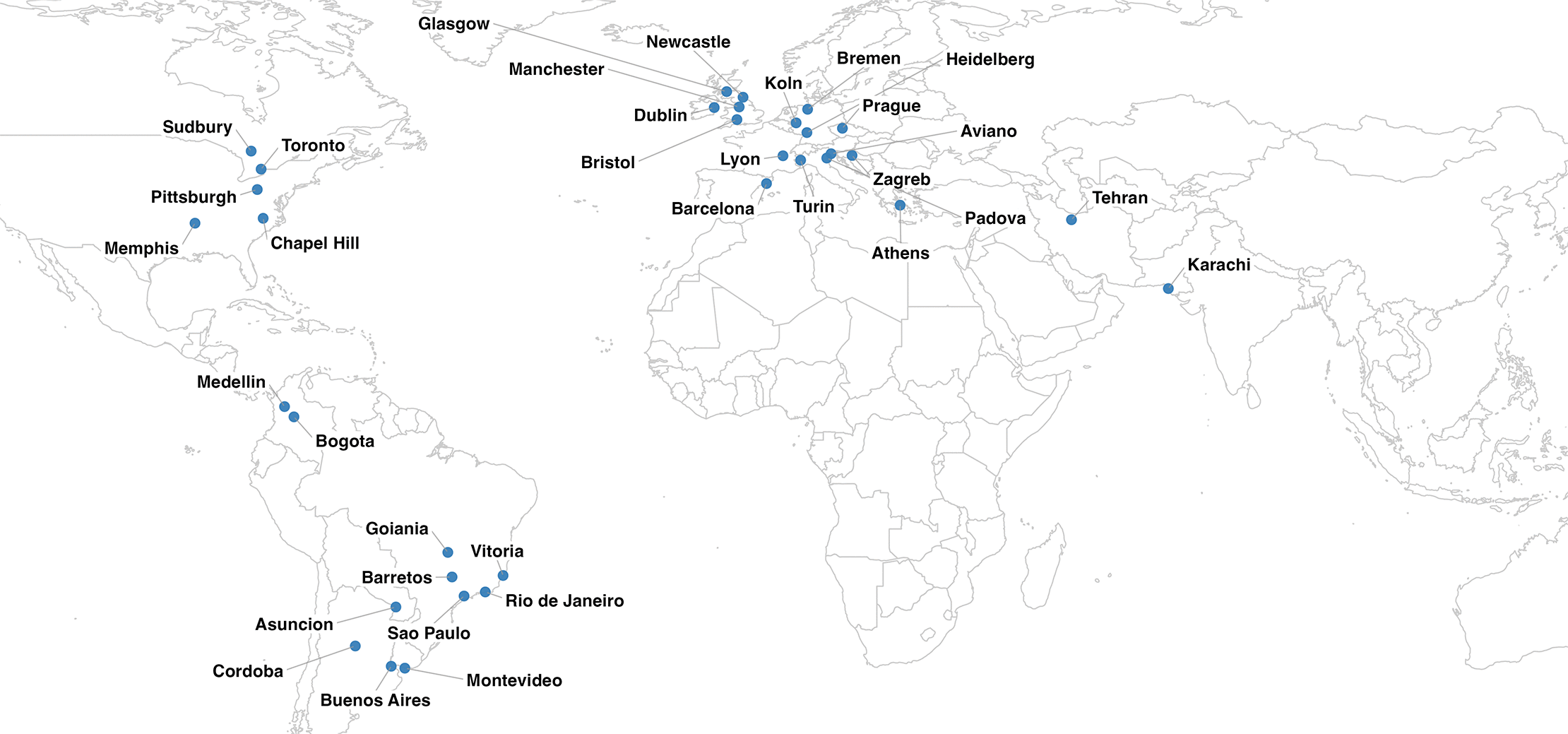
Figure 1. Map of the 34 centers across 18 countries currently comprising the HEADSpAcE Data Center.
Base map data were obtained from the maps R package; study-centre locations were geocoded using OpenStreetMap. The figure was generated in R.
IARC/WHO-coordinated studies include ARCAGE,5 InterCHANGE,6 and the HEADSpAcE7 cohort (
Table 1). ARCAGE was originally established as a European multicentre case-control study of HNC risk factors and was subsequently expanded to incorporate clinical characteristics, HPV-related data, and patient follow-up. InterCHANGE established a large multicentre resource across South America. The HEADSpAcE cohort introduced a standardized protocol across centres in Europe and South America, including harmonized biospecimen collection and detailed assessment of diagnostic pathways and time-to-diagnosis intervals. These studies included biospecimen collections, which are primarily stored at IARC, and with matched and harmonized data integrated into the Data Center.
Additional independent studies contributing to the Data Center include HN50008,9 (United Kingdom), IROPICAN10 (Iran), ICO Barcelona11 (Spain), CHANCE12 (USA), Pittsburgh13 (USA), Toronto MSH-PMH14,15 (Canada), and HN-iCTI16,17 (Canada). Detailed descriptions of their design, recruitment, and data collection procedures have been reported elsewhere. Biospecimens from these independent studies remain at the contributing institutions and can be accessed through direct collaboration with the respective principal investigators, while harmonized data are incorporated into the Data Center framework.
Collectively, all studies contribute epidemiological, clinical, molecular, and follow-up data from diverse populations and healthcare settings. Regardless of study design, cases were followed for at least five years after diagnosis to support survival and outcome analyses.
Building on these individual studies, three major IARC/WHO-led consortia—HEADSpAcE, VOYAGER,18 and the GWAS initiative, were established. These consortia harmonized data across participating studies and generated extensive molecular, genomic, and biomarker datasets.
The HEADSpAcE consortium (Translational studies of HEAD and neck cancer in South America and Europe) operated from 2019 to 2025 and was funded by the European Commission (Horizon 2020; grant agreement No. 825771), Sao Paulo Research Foundation (FAPESP), and Conselho Nacional de Desenvolvimento Científico e Tecnológico (CNPq). It brought together ARCAGE, InterCHANGE, HN5000, IROPICAN, and ICO Barcelona, and established a new patient cohort across South America and Europe, the HEADSpAcE cohort. This prospective recruitment established a contemporary cohort with detailed information on patient and healthcare system time intervals. The consortium’s overall primary objective was to investigate determinants of HNC diagnosis and survival across diverse populations, focusing on delayed diagnosis, HPV-related disease, and genetic susceptibility. To support these aims, the consortium generated HPV biomarker and genomic sequencing data and healthcare systems data across recruitment centers, generating several important outputs. Data from the HEADSpAcE Consortium have shown increases in advanced-stage presentation during the COVID-19 pandemic, with regional heterogeneity,19–22 and identified disparities in treatment guidelines that informed consensus recommendations in Latin America.23,24 Additional work has characterized global incidence patterns, risk factors, and diagnostic pathways, including factors associated with time intervals of diagnosis.25–27
The VOYAGER consortium operated from 2017 to 2023, and was funded by the US National Institude of Dental and Craniofacial Health (R01DE025712). It integrated ARCAGE, CHANCE, Pittsburgh, Toronto, and HN5000 to examine genetic and environmental determinants of HNC risk and survival. Its primary objective was to investigate the genetic and environmental determinants of HNC risk and survival through the integration of epidemiological, clinical, and molecular data across multiple studies. The consortium harmonized genetic and epidemiological data across participating studies and generated large-scale genomic resources, enabling analyses of HNC susceptibility, HPV-related disease, and molecular tumour characteristics. The consortium has generated several major results, including the identification of novel susceptibility loci,28 characterization of genetic risk across HNC subsites,29,30 and evaluation of risk prediction models.26,31 Detailed descriptions of VOYAGER data harmonization, structure, and published findings have previously been reported and are provided elsewhere.18
Finally, the Genome-Wide Association Study (GWAS) of oral cavity, pharynx, and larynx cancers was funded by the US National Cancer Institute and US National Institude of Dental and Craniofacial Health (R03DE030257, X01HG010743). Building on earlier collaborative GWAS efforts, including the OncoArray study,2,4,32 this initiative brought together all studies from the HEADSpAcE and VOYAGER consortia, and additionally included HN-iCTI. This effort resulted in the largest multi-ancestry HNC GWAS to date, identifying 29 susceptibility loci.33
To support coordinated access and analysis of these resources, IARC/WHO established the HEADSpAcE Data Center as a common framework that brings together data and biospecimens generated through IARC/WHO-led HNC studies and partner networks (
Table 1). The Data Center provides an infrastructure for standardized integration, governance, and access across existing and future studies. This resource currently includes harmonized epidemiological, clinical, demographic, follow-up, and sequencing data from over 27,000 individuals across 18 countries, representing diverse populations and healthcare settings.
By facilitating harmonized access and analysis across diverse datasets, the Data Center supports large-scale analyses of HNC risk, diagnosis, and survival, and serves as a platform for global collaboration to address persistent gaps in cancer epidemiology, early detection, and prognosis.
Data Center Resources
The HEADSpAcE Data Center currently includes over 27,000 participants (~18,800 oral cavity, oropharynx, larynx and hypopharynx cancer cases, ~1000 other HNC sites, and ~7600 controls) with harmonized clinical, epidemiological, and lifestyle data.
Cases are defined using ICD-10 codes as follows: oral cavity (C00.3-C00.6, C00.8-C00.9, C02.0-C02.3, C02.8, C02.9, C03, C04, C05.0, C05.8, C05.9, C06), oropharynx (C01, C02.4, C05.1-C05.2, C09.0-C10.9), larynx (C32), hypopharynx (C12, C13), and Others (unknown primary, overlapping sites, pharynx, nasopharynx (HN5000 only) and missing subsite).
Currently, 125 variables across studies have been harmonized, including 1) demographic details (age, sex, country, ethnicity, education); 2) anthropometric data (height, weight at diagnosis and prior to diagnosis, body mass index); 3) lifestyle exposures (smoked tobacco use, alcohol consumption, opium use (Iran), smokeless tobacco use (Pakistan), oral health/hygiene, sexual behaviors partners, consumption of hot drinks); 4) clinical characteristics (ICD code and tumor site, TNM staging, diagnostic and other HPV-related biomarkers, treatment type, treatment duration, recurrence, metastasis, second primary cancers, follow-up time, vital status).
All data are de-identified locally using a standardized alphanumeric identifier before transfer to the HEADSpAcE Data Center. This harmonized structure enables consistent cross-study analyses across populations and study designs.
Tumor stage was harmonized according to the AJCC 8th edition,34 which was the applicable edition at the time of harmonization. Reclassification was restricted to p16-positive oropharyngeal cancers because these were the tumors for which the available staging information permitted informative conversion from the 7th to the 8th edition. Clinical and pathological stage groups were reassigned using available T, N, and M information. For pathological staging, the number of positive lymph nodes required under the 8th edition was not consistently available. Pathological stage was therefore approximated using the available 7th-edition pathological N categories. Among the 22 p16-positive oropharyngeal cancers requiring pathological stage conversion, 11 (50%) could not be mapped exactly, representing a very small proportion of the overall harmonized dataset (<0.1%).
Clinical, Demographic, and Follow-up Profile
Tumor subsites include oral cavity (32%), oropharynx (39%), larynx (19%), hypopharynx (4%), and other head and neck sites (6%) (
Figure 2).
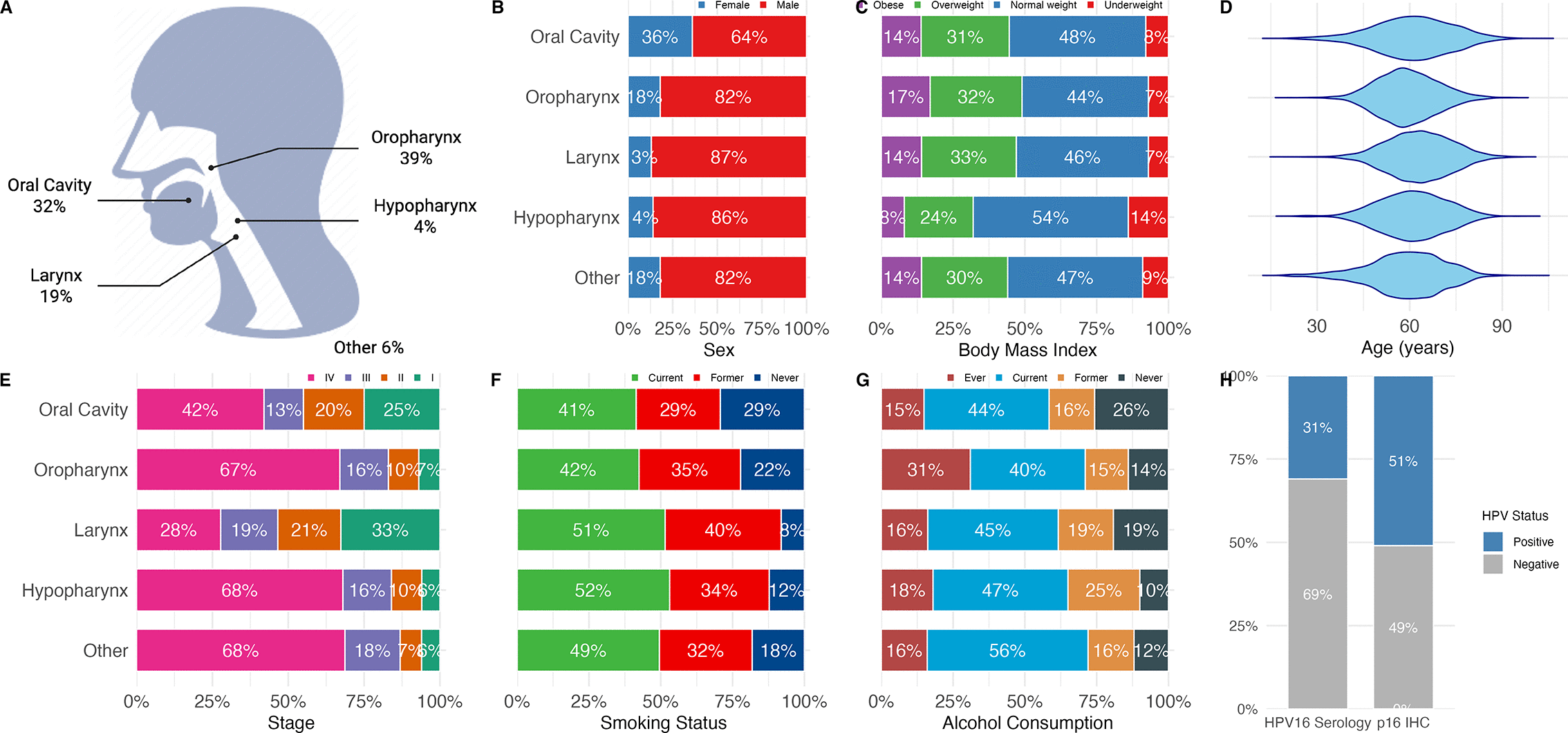
Figure 2. Data Center Snapshot.
A) proportions of each subsite; Distribution of cases across subsites by B) Sex; C) BMI at diagnosis; D) Age at diagnosis; E) Tumor Stage; F) Smoking Status; G) Alcohol Consumption and F) HPV status, available by either p16 IHC or HPV16 serology primarily, in oropharynx tumors. For 60% of oropharyngeal cancer patients, both markers are available.
Across all subsites, the majority of patients are male, with the highest proportion observed in laryngeal cancer (88%). Body mass index distributions at diagnosis were broadly similar across subsites, with most patients classified as normal weight or overweight.35 Median age at diagnosis ranged from 59 years in oropharyngeal cancer to 63 years in laryngeal cancer. The majority of patients presented with advanced-stage disease.
Exposure profiles varied by subsite. Smoking and alcohol use are most prevalent in laryngeal and hypopharyngeal cancers, while oropharyngeal cancers showed a more heterogeneous exposure profile. HPV-related biomarkers (mainly serology or p16) were available primarily for oropharyngeal tumors.
Follow-up data are available for the majority of patients in the HEADSpAcE Data Center (
Figure 3). Overall survival information is currently available for 95% of patients, while recurrence and information on second primary tumour are available for 47% and 48% of patients, respectively. Cause of death was recorded for 58% of deceased patients. Median follow-up times ranges from 2.0 years for hypopharynx cancers to 4.2 years for larynx cancers. Treatment patterns vary across tumor subsites, reflecting established standards of care. Surgery alone is the predominant treatment for oral cavity cancers (47%), whereas combined radiotherapy and chemotherapy are the most common treatment for oropharyngeal cancers (42%). Laryngeal cancers are most frequently treated with radiotherapy alone (33%), while hypopharyngeal cancers show the greatest use of multimodality treatment, including radiotherapy with chemotherapy (27%) and trimodality therapy comprising surgery, radiotherapy, and chemotherapy (18%) (
Figure 3).
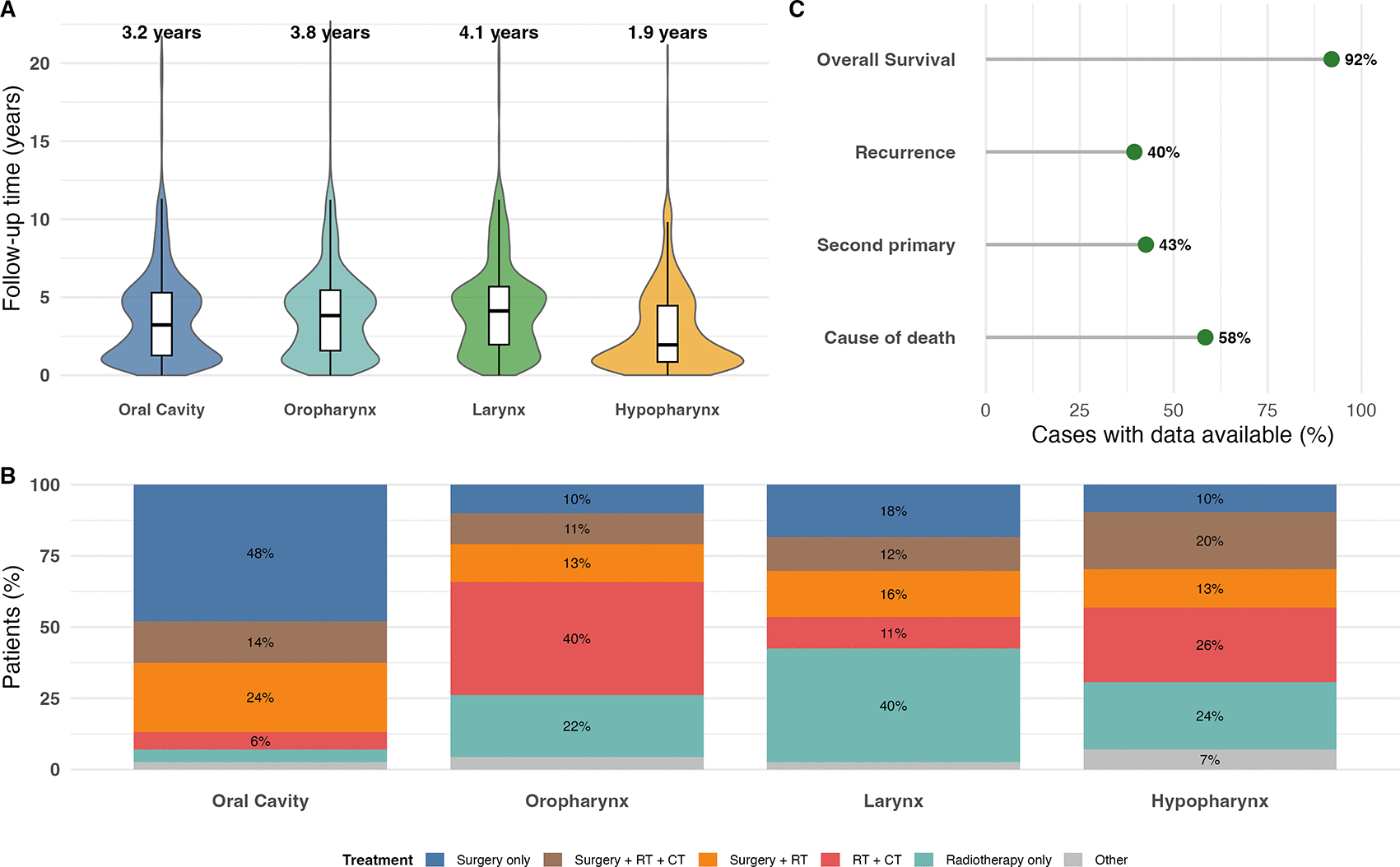
Figure 3. Treatment patterns and follow-up data in the HEADSpAcE Data Center.
(A) Distribution of overall follow-up time by tumor subsite. Labels indicate the median follow-up time. (B) Distribution of primary treatment modalities among patients with complete treatment information, stratified by tumor subsite. “Other” includes chemotherapy only and patients who did not receive surgery, radiotherapy, or chemotherapy. (C) Availability of key outcome variables within the harmonized dataset. Percentages represent the proportion of patients with available data for overall survival, recurrence, and second primary tumors. Cause-of-death availability was calculated among deceased patients only.
The Data Center includes substantial representation of key subgroups, including never smokers (3047 cases, 16%), never drinkers (2373 cases, 13%), younger individuals (<45 years; 1298 cases, 7%), and patients with less common or clinically aggressive disease, such as hypoharynx cancer (745 cases, 4%). By combining data across multiple international studies, the Data Center provides adequate sample sizes to investigate rare tumor subsites and patient populations that are generally too small to study within individual cohorts. This resource therefore enables analyses of subgroup-specific risk factors, molecular characteristics, treatment patterns, and clinical outcomes while maintaining sufficient statistical power.
Diagnostic Pathway and Time Intervals Data (HEADSpAcE Cohort)
The HEADSpAcE cohort, which was the prospective recruitment from the European-Commission funded consortium, includes 1,650 patients diagnosed with cancers of the oral cavity, oropharynx, hypopharynx, or larynx and recruited through 17 centres across Europe, Latin America, and Asia. The cohort includes detailed demographic, lifestyle, clinical, treatment, and annual follow-up data, together with linked biospecimens. Depending on the centre, specimens collected at recruitment include whole blood, plasma, serum, tumour tissue, adjacent normal tissue, oral rinse samples, and buccal swabs. Some centres also collect blood, oral rinse samples, or buccal swabs during annual follow-up, providing longitudinal biospecimens for evaluating changes after diagnosis and treatment. The cohort additionally captures patient- and health system–level factors associated with diagnostic time intervals that are not available in the other contributing datasets (
Figure 4). The study questionnaire captures psychosocial, financial, structural, and educational barriers to timely diagnosis across the diagnostic pathway, from symptom onset and interpretation to the first healthcare contact and subsequent progression through the healthcare system. Additional information includes travel time, healthcare access, and self-reported reasons for delay. The study protocol and questionnaire are available on the cohort website (https://headspace.iarc.who.int/contributing-studies/).
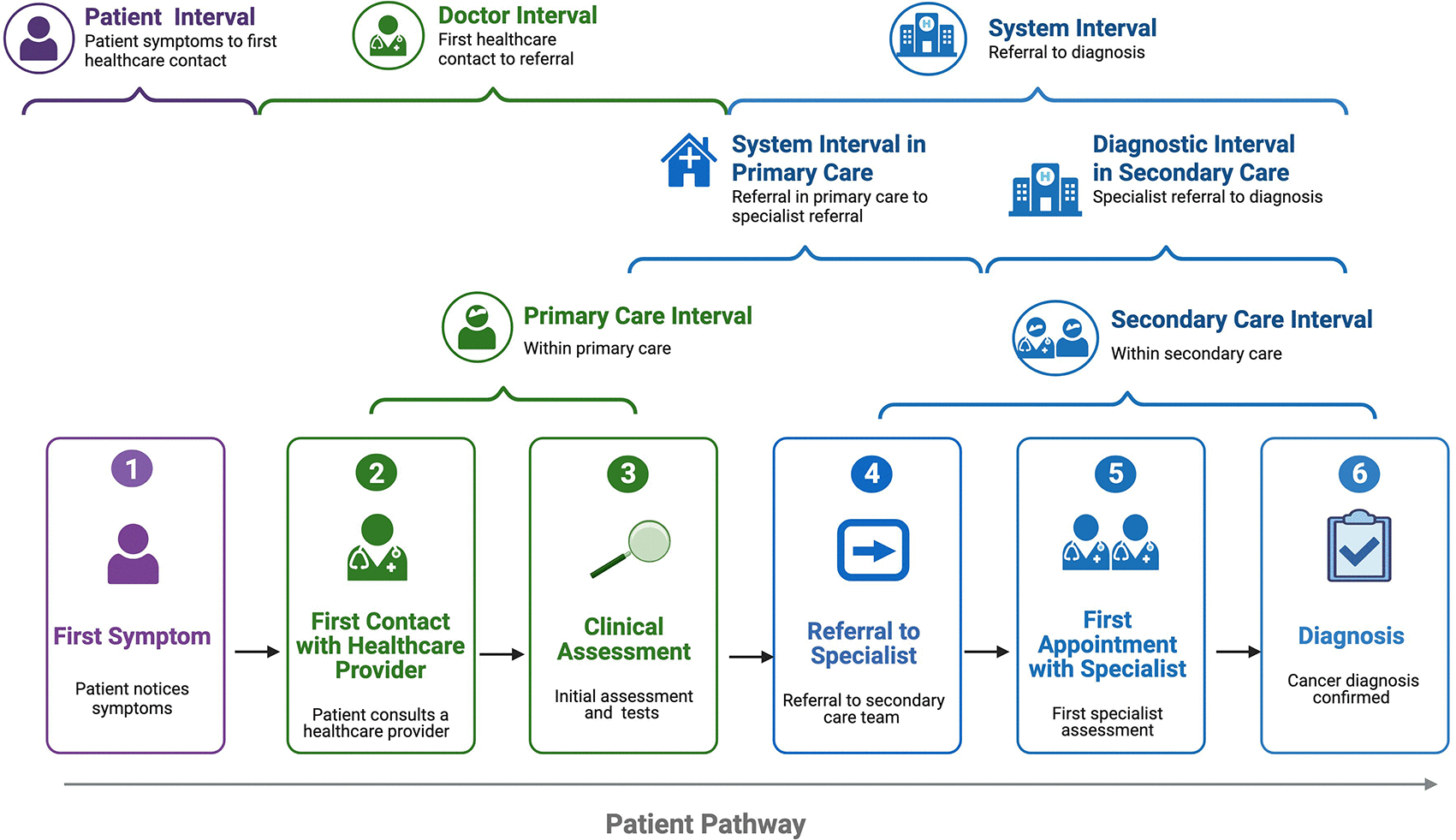
These data enable reconstruction of patient trajectories from symptom onset through diagnosis within a standardized framework adapted from the Aarhus Statement.36 This component provides a unique resource to evaluate diagnostic pathway time intervals across diverse healthcare settings. A center-level benchmarking analysis of health system factors associated with advanced-stage diagnosis has been reported previously27 and complementary qualitative analyses of center case-studies from the HEADSpAcE consortium have identified key system-level barriers to timely diagnosis, including access to care, navigation of diagnostic pathways, socioeconomic and geographic inequalities, and coordination between healthcare teams.37
Molecular Data
The HEADSpAcE Data Center centralizes sequencing and assay data generated by various initiatives and consortia. These include immunohistochemical, serological, in situ hybridization, and high-throughput sequencing assays, that were implemented to address key biological questions in HNC progression and prognosis.
Data from six molecular assays are currently available (
Table 2), with prioritization of samples guided by tissue quality, anatomical site, plasma availability, and the scientific objectives of the originating studies.
Table 2. Biomarker assays available in the HEADSpAcE Data Centre.
| Biomarker |
N |
Sample type | Method | Key details |
|---|
|
HPV16 serology
| 9 991 | Serum | Luminex multiplex assay43,44 | Antibodies to HPV16 viral proteins |
| p16 immunohistochemistry
| 7 264 | FFPE tumour tissue | Immunohistochemistry | Positivity defined as moderate-to-strong, diffuse nuclear and cytoplasmic staining in ≥70% of tumour cells45 |
| HPV DNA
| 1 064 | FFPE tumour tissue | PCR or in situ hybridization | Detection of common high-risk HPV genotypes |
| HPV E6/E7 RNA
| 470 | FFPE tumour tissue | RNAscope v2.0 (Advanced Cell Diagnostics, Hayward, CA, USA) | Target-specific E6 and E7 probes for HPV16, HPV18, HPV31, HPV33, HPV35, HPV52, and HPV58 |
| PD-L1 expression
| 193 | FFPE tumour tissue | 22C3 assay on a Dako Autostainer (Agilent Technologies, CA, USA) | Quantification of programmed death-ligand 1 expression |
Omics data from six assay types are currently available (
Table 3), comprising targeted DNA sequencing, DNA methylation profiling, SNP genotyping, whole-genome sequencing, whole-exome sequencing, and targeted RNA expression. Sample selection for each assay was guided by biospecimen availability and quality, anatomical site, and the scientific objectives of the originating studies.
Table 3. Omics data available in the HEADSpAcE Data Centre.
| Data type |
N | Platform or kit | Key specifications |
|---|
| Targeted DNA sequencing
| 1 389 | Custom ~1,100-gene panel41; Agilent SureSelect | Hybrid-capture sequencing; mean coverage, 500× |
| DNA methylation
| 482 | Illumina Infinium MethylationEPIC BeadChip (850 K) | Bisulfite-converted tumour DNA |
| SNP genotyping
| 18 657 | Illumina OncoArray, Global Screening Array, or All of Us array | Germline variation |
| Whole-genome sequencing
| 249 | Illumina NovaSeq 6000 | 150-bp paired-end sequencing; mean depth, 40× tumour and 20× normal |
| Whole-exome sequencing
| 298 | Agilent SureSelect Human All Exon V7 (part no. 5191–4005; Agilent, Santa Clara, CA, USA) | ~35.7-Mb target; GRCh38 |
| RNA expression
| 112 | NanoString nCounter (NanoString, Seattle, WA, USA) | 164-gene panel; FFPE-compatible
|
To illustrate the breadth and integration of molecular profiling within the HEADSpAcE Data Center,
Figure 5 summarizes the overlap of molecular assays available for the same participants or tumour samples. Overlapping molecular data were available across the major HNC subsites, with oral cavity and oropharyngeal cancers accounting for the largest numbers (
Figure 5A). The most common omics profile combined SNP genotyping with targeted DNA sequencing, while smaller subsets had other combinations of genotyping, targeted sequencing, whole-exome or whole-genome sequencing, and DNA methylation data (
Figure 5B). Among HPV-related biomarkers, the most common combination comprised p16 immunohistochemistry, HPV DNA testing, and HPV16 serology, while smaller subsets had other combinations that also included HPV RNA testing (
Figure 5C).
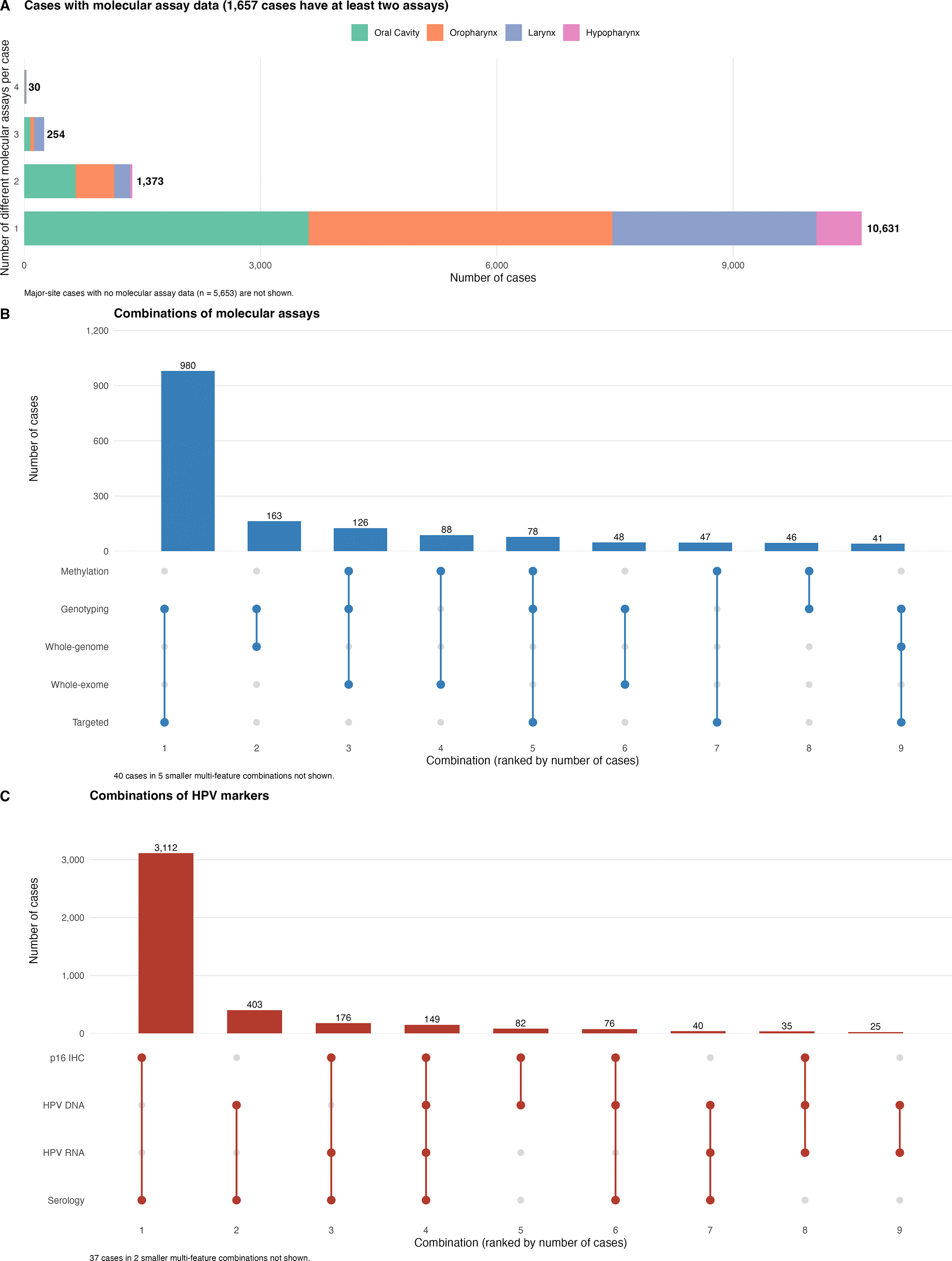
Figure 5. Molecular assay and HPV marker availability and overlap among head and neck cancer cases.
(A) Cases with molecular assay data. Number of cases with one to four different molecular assays, stacked by tumour subsite. Molecular assays included methylation, genotyping, whole-genome sequencing, whole-exome sequencing and targeted sequencing. (B) Combinations of molecular assays. UpSet plot showing the nine most frequent combinations among cases with at least two molecular assays. (C) Combinations of HPV markers. UpSet plot showing the nine most frequent combinations among cases with at least two HPV markers: p16 immunohistochemistry (IHC), HPV DNA, HPV RNA and HPV serology. In panels B and C, vertical bars indicate the number of cases in each combination, and connected dots identify the assays or markers included. Assay and marker indicators represent data availability, not positive test results.
The availability of complementary molecular data—including germline and tumour sequence variation, DNA methylation, copy-number alterations, RNA expression, and HPV-related biomarkers—supports integrative analyses of HNC development, progression, and prognosis.
Sample Biorepository
The HEADSpAcE biorepository located at IARC/WHO integrates biospecimens collected across multiple studies, recruitment sites, and timepoints. Although sample collection followed study-specific protocols, all specimens are centrally catalogued using a harmonized metadata framework, enabling linkage to clinical, molecular, and follow-up data within the Data Center.
Biospecimens were collected at baseline and, whenever possible, during clinical follow-up. visits The most widely available sample types across regions are blood-derived specimens (plasma and buffy coat) from casesa and controls, with highest coverage in South America and Southern Europe. FFPE tumor tissue is available across all regions and represents the most consistently collected tumor material, reflecting routine clinical practice. Fresh frozen tumor and matched normal tissues are available for a subset of patients, with limited availability overall. Additional biospecimens include whole blood, serum, and, in some centers, saliva or oral rinse samples. Follow-up collections primarily consist of blood-based or saliva-derived specimens.
The distribution of biospecimens varies across regions, reflecting differences in clinical workflows, infrastructure, and study-specific collection protocols (
Table 4). Standard operating procedures for sample collection for studies contributing to the IARC/WHO biorepository are publicly available on the HEADSpAcE website.38
Table 4. Availability of Biospecimens by Subregion.
| South America (4903 patients) | Northern Europe (5541 patients) | Western Europe (1297 patients) | Eastern Europe (457 patients) | Southern Europe (3096 patients) | Eastern Mediterranean* (732 patients) |
|---|
|
Plasma
| 70% (3435) | 2% (131) | 29% (371) | 94% (428) | 46% (1416) | 7% (53) |
| Buffy coat
| 57% (2784) | 2% (131) | 10% (134) | 31% (141) | 42% (1291) | 7% (53) |
| Buccal Cells
| 9% (453) | 2% (108) | 0% (0) | 0% (0) | 10% (325) | 6% (47) |
| Oral Rinse
| 11% (517) | 0% (0) | 0% (0) | 0% (0) | 0% (0) | 2% (14) |
| Fresh/Frozen Tumor
| 18% (862) | 0% (0) | 8% (106) | 31% (143) | 7% (218) | 7% (49) |
| Fresh/Frozen Normal
| 13% (660) | 0% (0) | 8% (106) | 26% (118) | 0% (0) | 7% (52) |
| FFPE Tumor
| 15% (724) | 4% (231) | 24% (315) | 48% (221) | 17% (525) | 18% (134) |
| FFPE Normal
| 0% (4) | 0% (0) | 0% (0) | 0% (0) | 1% (30) | 4% (27) |
Data Availability, Access, Governance and Expansion
The HEADSpAcE Data Center is an open and expanding resource that enables harmonized access to data and biospecimens while allowing contributing institutions to retain ownership of their data/samples. Each member institution is represented by a designated local Principal Investigator (PI), who serves as the liaison with IARC/WHO. Any use of contributed data or biospecimens requires approval from the relevant center PI and must comply with the HEADSpAcE Data Access Policy and Publication Guidelines, which are available at www.headspace.iarc.who.int.
Researchers seeking access can submit a proposal through the HEADSpAcE website, which must be in collaboration with a current and active HEADSpAcE Data Center Member. Applications are reviewed quarterly by the HEADSpAcE Data Use Committee based on scientific quality, alignment with the Data Center’s scientific mandate, ethical compliance, and potential overlap with ongoing projects. Supporting resources, including descriptions of contributing cohorts, patient recruitment protocols, references to primary study publications, and a harmonized data dictionary of available variables, are available through the HEADSpAcE Data Centerwebsite. To date, 19 research proposals have been approved, spanning descriptive and molecular epidemiology, HPV-related biomarkers, genetic and tumour determinants, prognostic modelling, socioeconomic inequalities, early diagnosis, and time to care.
The governance framework supports continued expansion of the Data Center through the inclusion of new participating institutions contributing data and/or biospecimens under agreements with IARC/WHO. New centers, particularly those from low- and middle-income countries and other underrepresented regions, are actively encouraged to participate, facilitating international collaborative research while improving the geographic diversity of the resource. Although the current Data Center includes studies from Europe, North and South America, and the Middle East, representation from Southeast Asia, Africa, and the Western Pacific remains limited despite these regions bearing a substantial proportion (63%) of the global HNC burden.1 Expanding participation from these regions is a priority to improve the global representativeness of the resource and enable more comprehensive investigations of regional differences in exposure patterns, HPV prevalence, tumor biology, clinical management and outcomes.
Several molecular datasets are also available through controlled-access public repositories. Germline genotyping data are available through dbGaP under accession numbers phs001202.v2.p1 and phs002503.v1.p1, with somatic sequencing data currently being deposited. Whole-genome sequencing data are available through the European Genome-Phenome Archive (EGA; study EGAS00001005450) and the ICGC-ARGO platform. Within the EGA, aligned BAM files are available under dataset EGAD00001015386, consensus SNV and indel variant calls under EGAD00001015388, patient metadata under EGAD00001015387, structural variant calls under EGAD00001015389, and copy number variant calls under EGAD00001015390. While these repositories provide access to genomic data, the accompanying participant phenotypic information is is necessarily limited. The HEADSpAcE Data Center links these molecular datasets to rich harmonized clinical, epidemiological, treatment, and outcome data, enabling more comprehensive integrative analyses.
HEADSpAcE Consortium Members
Béatrice Fervers1, Roque Adam2, Laurie Ailles3, Salima Alibhai4, Miquel Angel Pavon5, Namrah Anwar6, Paola Engelmann Arantes7, Julia Ferreira Araújo8, Alanis Arévalo9, Lisa Arguello10, Lucas Avondet2, Camila Batista Daniel11, Paola Engelmann Alejandra Belardinelli12, Bianca Beraldi13, Barbara Berenstein14, Natália Bernardino Rodrigues15, Jaroslav Betka16, Marianna G Botta7, Scott Bratman17, Nicole Brenner18, Carol Brentisci19, María Luisa Cabañas20, Raiany S Carvalho21, Andre L Carvalho22, Luigi Chiusa23, Priscilla Chopard24, Qurratulain Chundriger25, Sheila Coelho Soares Lima26, Isabela Costa26, Marcelo Lucas Rodrigues Costalonga8, Grant Creaney27, Tauana C Dias21, Evandro Duccini de Souza13, Lais Corsino Durant28, Ebrahimi Elmira24, Alberto Escallón29, Gisele Aparecida Fernandes7, Diego Rodolfo Fernandez30, Valentina Fiano31, Elisabetta Fratta32, Valerie Gaborieau24, Ricardo R Gama22, Manuela Gangemi19, Paolo Garzino-Demo33, Raul Giglio14, Mariel A Goulart27, Jéssica Graça Sant’Anna11, Marek Grega34, Anna Clara Gregório Có11, Jose Antonio Hakim29, Rashidian Hamideh35, Marco Homero de Sá Santos13, Katrina Hurley36, Magalí Insfran9, Giuseppe Carlo Iorio37, Moghira Iqbaluddin Siddiqui38, Jannik Johannsen39, Martin Kaňa40, Luiz Paulo Kowalski41, Evelio Legal42, Jeferson Lenzi13, Fernando Luiz Dias26, Iván Lyra González43, Gary Macfarlane44, Willene Machado Zorzaneli11, Stephanie MacNeil45, Ricardo Mai Rocha13, Priscila Marinho de Abreu11, Hadji Maryam46, James McCaul47, James McKay24, Alex D McMahon27, Carlos Mena42, Elismauro Francisco Mendonça48, Lorena Meza9, Birgitta Michels18, Matinair Siqueira Mineiro48, Chiara Moccia31, Pamela Mongelos9, Ana Lorena Montealegre-Páez49, Rosana Andrea Andrea Morelatto12, Francisca Morey Cortes5, Jessica Paola Mosmann50, Andy Ness36, Aline B Neves7, Marc Oliva5, Hernán Ortiz10, José Ortiz42, Marta Osorio42, Oliviero Ostellino51, Claire Paterson52, Sonia Paytubi Casabona5, Giancarlo Pecorari33, David M Pereira53, Olivia Pérol1, Alicia Pomata20, Maja Popovic31, Alisson Poveda54, Carol P Prado7, Kristina M Prager18, Guglielmo Ramieri33, Saida Rasul4, Juliana Nunes Iglesias Rego55, Rui M Reis21, Helene Renard24, Katrina Rey-McIntyre17, Umberto Ricardi37, Giuseppe Riva33, Frederic Rodilla5, Ingrid Rodriguez56, María Isabel Rodríguez9, Alastair Ross27, Tazeen Saeed Ali57, Pierre Saintigny58, Cristóvam Scapultampo-Neto59, Agenor Sena13, Mokhtari Sepideh35, Ricardo Serrano42, Shachi Jenny Sharma39, Oliver Siefer39, Bruna Pereira Sorroche21, Cinthia Sosa20, Juliana de Oliveira Souza28, Antonella Stura19, Steven Thomas36, Stu Toms36, Sara Tous5, Adriana Valenzuela9, Isabella Bittencourt Valle11, Alex Whitmarsh36, Sylvia Wright60.
1Department Cancer Environnement, Centre Léon Bérard, France.
2H&N cancer Department, Universidad de Buenos Aires, Argentina.
3Medical Biophysics, Princess Margaret Cancer Centre, University of Toronto, Canada.
4Department of Surgery, Dental Hygiene Program, Aga Khan University Hospital, Pakistan.
5Catalan Institute of Oncology (ICO), Spain.
6Faculty of Science and Technology, University of Central Punjab, Pakistan.
7Group of Epidemiology and Statistics on Cancer, A.C. Camargo Cancer Center, Brazil.
8Postgraduate Program in Biotechnology, Associação Feminina de Educação e Combateao Câncer (AFECC), Universidade Federal do Espirito Santo, Brazil.
9Salud Pública, Instituto de Investigaiones en Ciencias de la Salud (IICS), Universidad Nacional de Asunción (UNA), Paraguay.
10Servicio de Cabeza y Cuello, Instituto Nacional del Cáncer, Ministerio de Salud Pública y Bienestar Social, Paraguay.
11Postgraduate Program in Biotechnology, Universidade Federal do Espirito Santo, Brazil.
12Oral Pathology, School of Dentistry, National University of Cordoba (AR), Dpt. Oral Pathology, Argentina.
13Head and Neck Surgery Division, Associação Feminina de Educação e Combateao Câncer (AFECC), Hospital Santa Rita de Cássia, Brazil.
14H&N cancer Department, Institute of Oncology Angel H. Roffo, University of Buenos Aires, Argentina.
15Department of Pathology, Universidade Federal do Espirito Santo, Brazil.
16Departrment of Otorhinolaryngology and Head and Neck Surgery, 1st Faculty of Medicine, University Hospital in Motol and Charles University, Czech Republic.
17Radiation Oncology Department, Princess Margaret Cancer Centre, University of Toronto, Canada.
18Division of Infections and Cancer Epidemiology, German Cancer Research Center (DKFZ), Germany.
19Department of Medical Sciences, Cancer Epidemiology Unit, AOU Città della Salute e della Scienza di Torino, Italy.
20Departamento de Anatomía Patológica, Instituto Nacional del Cáncer, Ministerio de Salud Pública y Bienestar Social, Paraguay.
21Molecular Oncology Research Center, Barretos Cancer Hospital, Brazil.
22Department of Head and Neck Surgery, Barretos Cancer Hospital, Brazil.
23Pathology Unit, AOU Città della Salute e della Scienza di Torino, Italy.
24Genomic Epidemiology Branch, International Agency for Research on cancer (IARC/WHO), France.
25Department of Pathology and Laboratory Medicine, Section of Histopathology, Aga Khan University Hospital, Pakistan.
26INCA, Brazil.
27School of Medicine, Dentistry and Nursing, University of Glasgow, United Kingdom.
28A.C. Camargo Cancer Center, Brazil.
29Department of Surgery, Head and Neck Division, Fundación SantaFe de Bogotá, Colombia.
30Centro de Radioterapia Dean Funes, Privated, Argentina.
31Department of Medical Sciences, Cancer Epidemiology Unit, University of Turin, Italy.
32Immunopathology and Cancer Biomarkers, Centro di Riferiemnto Oncologico di Avinao (CRO) IRCCS, Italy.
33Department of Surgical Sciences, University of Turin, Italy.
34Department of Pathology and Molecular Medicine, 2nd Faculty of Medicine, Charles University and Motol University Hospital, University Hospital in Motol, Czech Republic.
35Cancer Research Center, Tehran University of Medical Sciences, Iran.
36Bristol Dental School, University of Bristol, United Kingdom.
37Department of Oncology, University of Turin, Italy.
38Department of Surgery, Section of E.N.T, Aga Khan University Hospital, Pakistan.
39Department of Otorhinolaryngology, Head and Neck Surgery, University of Cologne, Germany.
40Departrment of Otorhinolaryngology and Head and Neck Surgery, University Hospital in Motol, Czech Republic.
41Head and Neck Surgery and Otorhinolaryngology Department, Oncology Surgery, A.C. Camargo Cancer Center, Brazil.
42Cátedra Otorrinonaringología, Hospital de Clínicas, Facultad de Ciencias Médicas, Universidad Nacional de Asunción, Paraguay.
43Servicio de Oncología Clínica Hospital de Clínicas, Universidad de la República, Uruguay.
44Epidemiology Group, University of Aberdeen, UK.
45Glasgow Dental Hospital and School, NHS Greater Glasgow and Clyde, United Kingdom.
46Faculty of Social Science, Tampere University, Finland.
47Department of Oral and Maxillofacial/Head and Neck Surgery, NHS Greater Glasgow and Clyde, United Kingdom.
48Hospital Câncer Araújo Jorge, Brazil.
49Faculty of Medicine, El Bosque University, Colombia.
50Instituto de Virología Dr.J.M.Vanella, Facultad de Ciencias Medicas, Enf. Gordillo Gomez s/n. Ciudad Universitaria, Argentina.
51Department of Oncology, Division of Medical Oncology, AOU Città della Salute e della Scienza di Torino, Italy.
52Beatson West of Scotland Cancer Centre, NHS Greater Glasgow and Clyde, United Kingdom.
53Radiation Oncology Department, Institute of Oncology Angel H. Roffo, University of Buenos Aires, Argentina.
54Faculy of Medicine, El Bosque University, Colombia.
55Clinical Research Center, Associação Feminina de Educação e Combateao Câncer (AFECC), Hospital Santa Rita de Cássia, Brazil.
56Laboratorio de Anatomía Patológica, Hospital de Clínicas, Facultad de Ciencias Médicas, Universidad Nacional de Asunción, Paraguay.
57School of Nursing and Midwifery, Aga Khan University Hospital, Pakistan.
58Centre Léon Bérard, France.
59Pathology and Molecular Diagnostics Service, Barretos Cancer Hospital, Brazil.
60Institute of Cancer Sciences, University of Glasgow, United Kingdom.








