1. Introduction
For decades, transporting natural gas through carbon steel pipelines has been shown to be safe and efficient. However, decarbonizing the European industry and reducing carbon emissions will require a significant portion of the existing pipeline infrastructure to be used for transporting gaseous hydrogen (H2) under high pressure across the continent from production sites to end users. These pipelines, which were originally designed for natural gas, are not automatically considered suitable for H2 transport. Transmission System Operators (TSOs) must demonstrate their compatibility with H2 at high pressure (the term “transmission” designates pipelines operating above 16 bar in Europe) (CEN 1, 2026). Until recently, only the American code ASME B31.12 “Hydrogen Piping and Pipelines” (ASME, 2026) and the European guidelines EIGA IGC Doc 121/14 “Hydrogen Pipeline Systems” (Schweicher, 2026) offered guidance for transporting H2 safely; however, both documents are often considered very conservative as some of their requirements come from sour gas service conditions. This explains the current trend of revising natural gas transmission codes and standards to incorporate hydrogen or hydrogen/natural gas blends (CEN 2, 2026) (CEN 1, 2026) (IGEM, 2026) (CSA, 2026) or to create new guidelines (DVGW 1, 2026) (DVGW 2, 2026) (Slater, 2026) with the intent of establishing and implementing safe rules that are not overly conservative.
This is precisely the framework of the European project PilgrHYm: Pre-normative research on Integrity assessment protocoLs of Gas pipes Repurposed to Hydrogen and Mitigation guidelines (co-funded by the European Union and the Clean Hydrogen Partnership, under Grant Agreement No. 101137592) (PilgrHYm, 2026). This project is coordinated by NaTran (natural gas TSO in France) and includes five industrial and seven research partners across Europe with the objective of providing a European roadmap to safely and efficiently integrate pure H2 into existing natural gas transmission infrastructure and to provide natural gas TSOs with comprehensive guidelines to assess the feasibility of transporting H2 in their existing carbon steel pipelines. The final aim of the project is to develop recommendations for optimizing the current codes and standards for H2 transmission steel pipelines.
At the beginning of the project, in 2024, a questionnaire was prepared (Schweicher, 2026) and sent to all European natural gas TSOs and selected gas associations (GERG, ENTSOG, EPRG, and CEN TC234). The goal of this questionnaire was to collect as much data as possible regarding the onshore transmission steel networks present in Europe (technical characteristics and current operation modes with natural gas), as well as their potential reuse for hydrogen transmission (including the intended operating strategies with H2). All questionnaire responses were then analyzed to update the knowledge of pipeline steels currently used for natural gas transmission throughout Europe and to assist with the selection of 12 representative materials that are being tested within the PilgrHYm project. The results of this analysis are presented in this article.
2. Materials and methods: Information on received questionnaire responses
A total of 23 responses to the questionnaire were received from European onshore TSOs at the end of the consultation period, accounting for a global length of 182469 km of carbon steel pipelines (above the PilgrHYm project proposal target of 156054 km). The questionnaire was filled out by adult employees on behalf of their companies. Written informed consent was obtained from all participants for their participation in the study and for the use of the questionnaire data.
Of the 182469 km of pipelines, detailed pipeline characteristics were received for 130830 km. With the total length of the European natural gas transmission grid estimated at 200000 km, the substantial amount of gathered data legitimates the analysis carried out and its conclusions, with a representation of not only Western European countries, but Eastern ones as well.
Table 1 lists the 23 TSOs that provided data on their onshore natural gas transmission steel pipelines. All TSOs that are either partners of the PilgrHYm project or members of its Advisory Board replied to the questionnaire.
Table 1. List of TSOs having replied to the questionnaire.
| Austria |
GAS CONNECT AUSTRIA
|
| Austria | TAG
|
| Belgium | FLUXYS
|
| Czech Republic | NET4GAS
|
| Denmark | ENERGINET
|
| Finland | GASGRID
|
| France | NATRAN (formerly GRTgaz)
|
| France | TERÉGA
|
| Germany | ONTRAS
|
| Germany | OGE
|
| Greece | DESFA
|
| Hungary | FGSZ
|
| Italy | SNAM RETE GAS
|
| Latvia | CONEXUS BALTIC GRID
|
| Lithuania | AMBER GRID
|
| Luxembourg | CREOS LUXEMBOURG
|
| Netherlands, The | GASUNIE
|
| Poland | GAZ-SYSTEM
|
| Slovakia | EUSTREAM
|
| Spain | ENAGÁS
|
| Switzerland | TRANSITGAS
|
| Ukraine | GAS TSO OF UKRAINE
|
| United Kingdom | NATIONAL GAS
|
Figure 1 shows a map of extended Europe with red color depicting countries where at least one response was received.
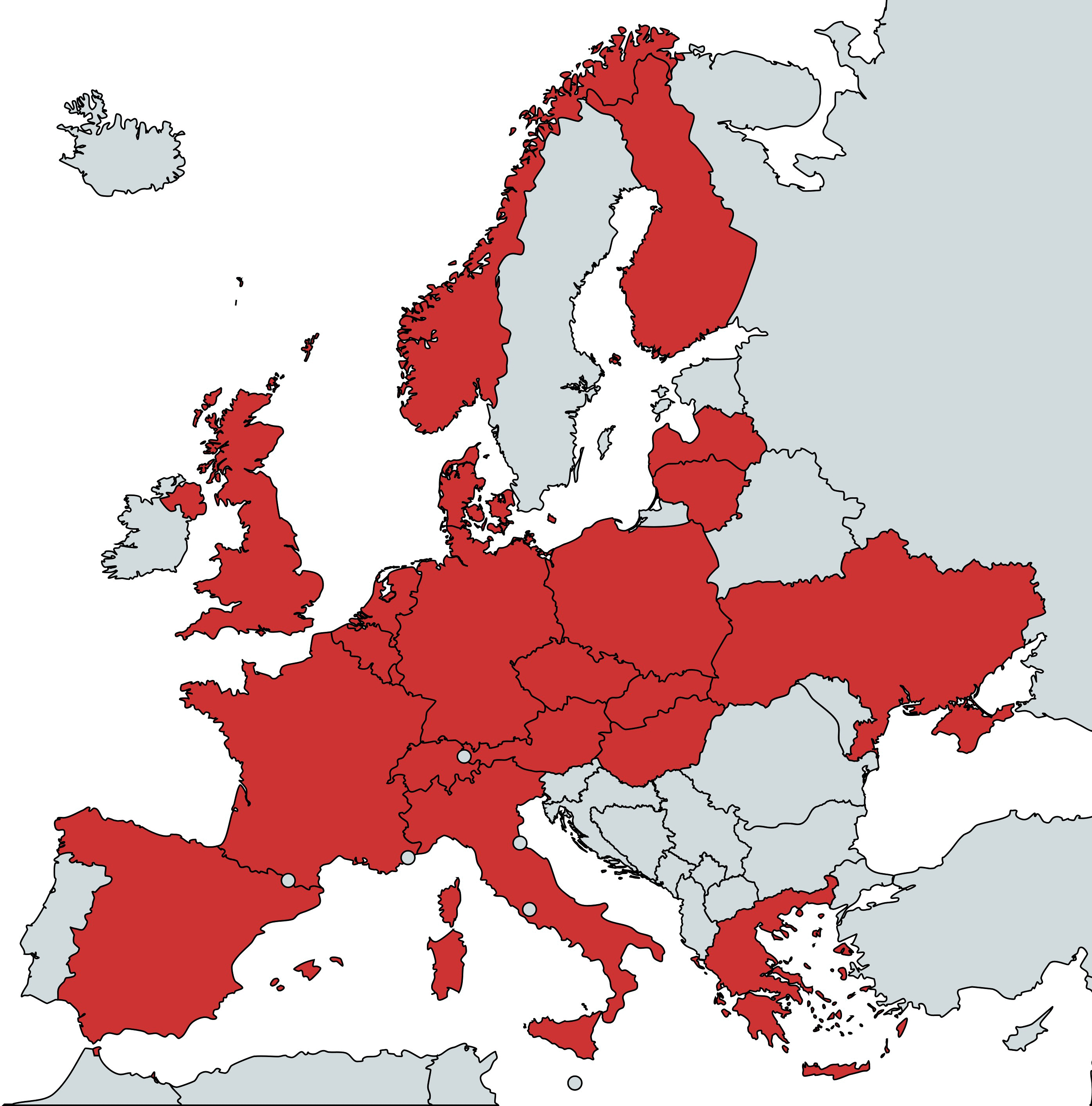
Figure 1. Map of extended Europe with red color where at least one answer has been received.
The company GASSCO, from Norway, also answered the questionnaire with data on its offshore natural gas transmission steel pipelines. This set of data was not included in the analysis of onshore pipelines but was used to compare onshore pipelines with typical offshore pipelines.
The results of the analysis of the questionnaire responses are presented in
section 3. An updated picture of the types of pipeline steels currently in use for natural gas transmission in Europe is presented along with the potential conversion of these pipelines for hydrogen transport in the future. This analysis has also been essential in the selection of 12 representative materials to be experimentally tested within the PilgrHYm project (eight base metals, two welds, and their corresponding heat affected zones).
3. Results and discussion: Analysis of questionnaire responses
3.1 Steel grade distribution
The first classification was the pipeline steel grade. Most European network steels are compliant with either API 5 L (USA) or ISO 3183 (International/Europe) standards; therefore, classification has been carried out according to the grade names from both standards. When other standards were used (for instance, national standards or Soviet Union/Russian standards), the materials were accounted for in the most comparable category from API 5 L/ISO 3183. It is worth mentioning that only very small differences were found between pipes manufactured based on different standards and grouped in the same category (this is true for every grade bin used below).
Figures 2 and 3 present the obtained steel grade distribution (onshore) in the received questionnaire responses,
Figure 2 as a pie chart, and
Figure 3 in order of representation importance.
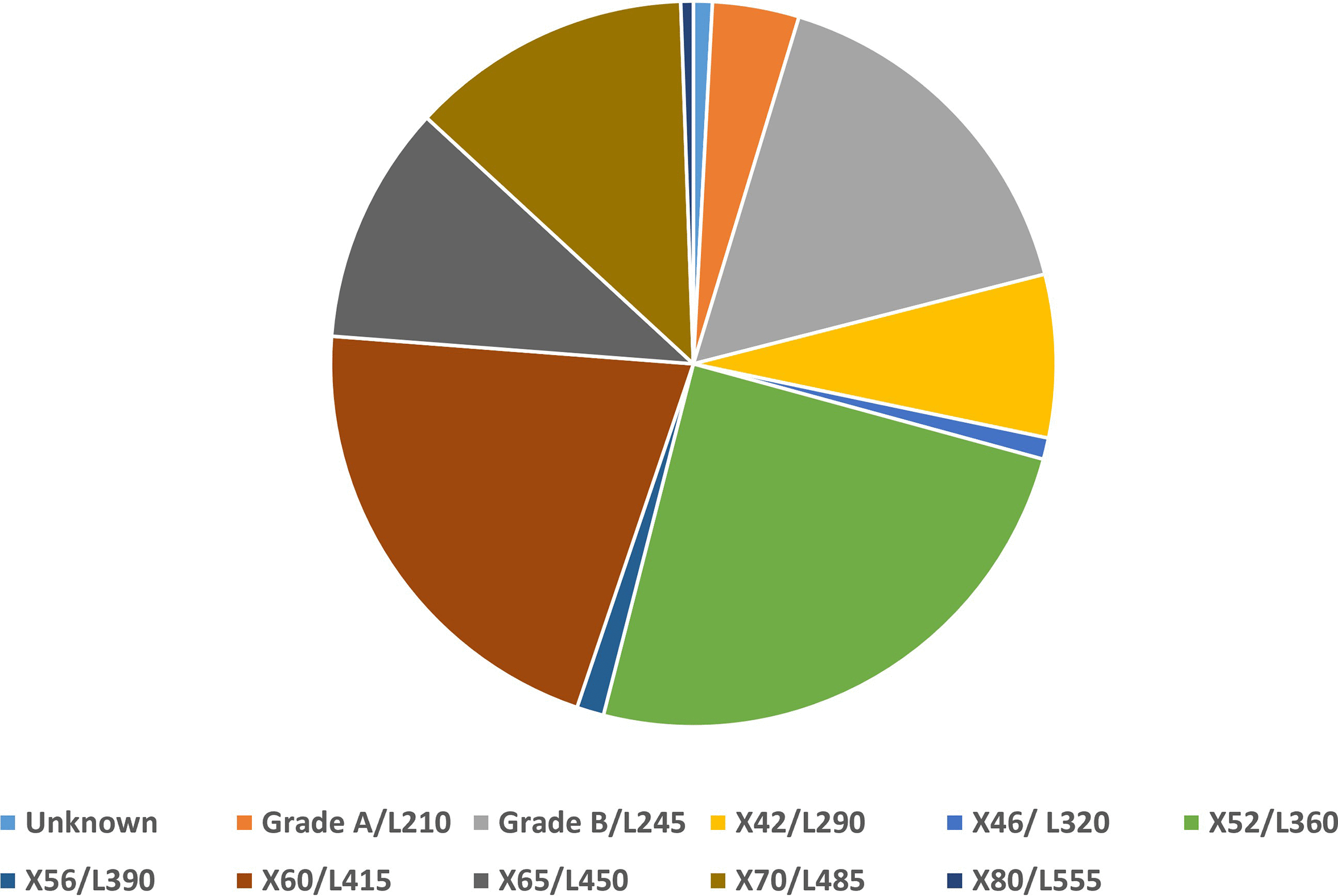
Figure 2. Steel grade distribution in received responses (API 5 L/ISO 3183) - pie chart.
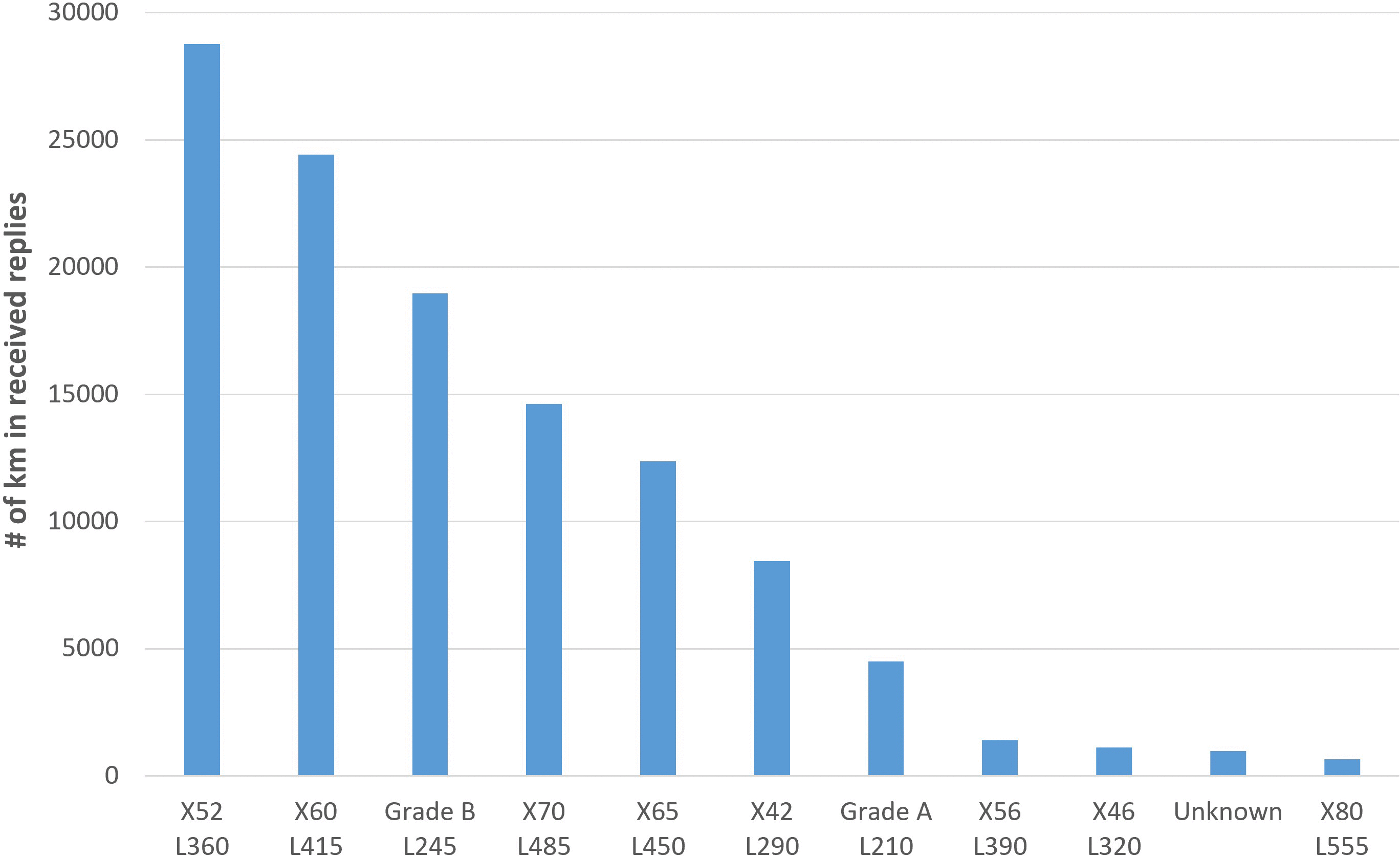
Figure 3. Steel grade distribution in received responses (API 5 L/ISO 3183) - in importance order.
As can be seen from these charts, the European natural gas pipeline transmission network is built mainly with intermediate strength carbon steel grades (Grade A/L210 till X70/L485), with X52/L360 and X60/L415 representing more than 45% of all received responses.
3.2 Pipeline diameter distribution
Another interesting parameter to consider is pipeline diameter. Classification has been carried out using ISO/EN “DN” denominations (ISO, 2026) (for instance, DN1000 corresponds to an external diameter of 1016 mm).
Figures 4 and 5 present the obtained pipeline diameter distribution (onshore) in the received questionnaire responses (
Figure 4 as a pie chart, and
Figure 5 for increasing diameter).
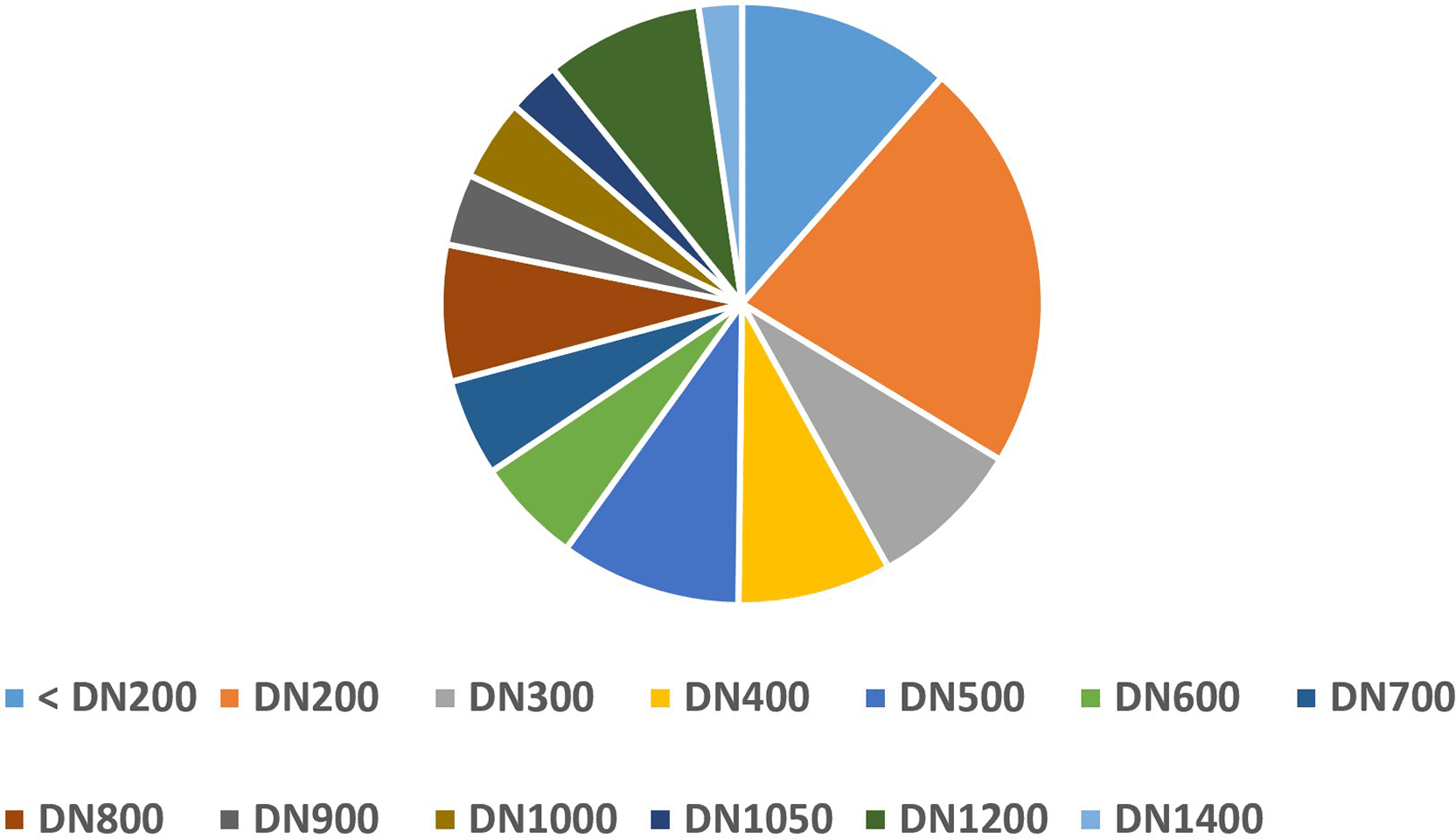
Figure 4. Pipeline diameter distribution in received responses - pie chart.
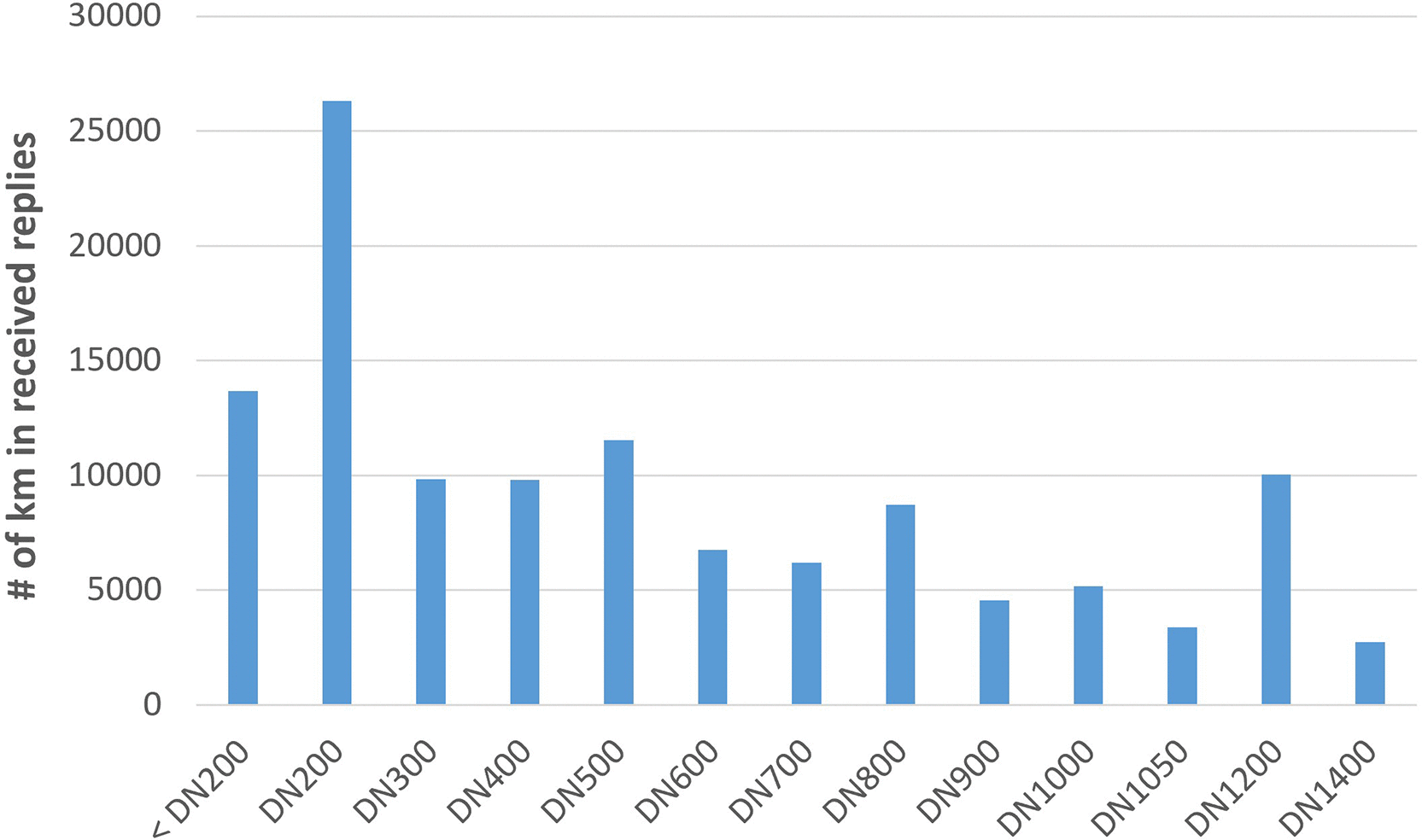
Figure 5. Pipeline diameter distribution in received responses - per increasing diameter.
As can be seen from these charts, the European natural gas transmission pipeline diameters are evenly distributed from below 200 mm (DN50, DN100, and DN150 mm) to 1420 mm (DN1400).
3.3 Pipeline wall thickness distribution
Classification has also been carried out based on the pipeline wall thickness in mm.
Figures 6 and 7 present the obtained pipeline wall thickness distribution (onshore) in the received questionnaire responses (
Figure 6 as a pie chart, and
Figure 7 for increasing the wall thickness).
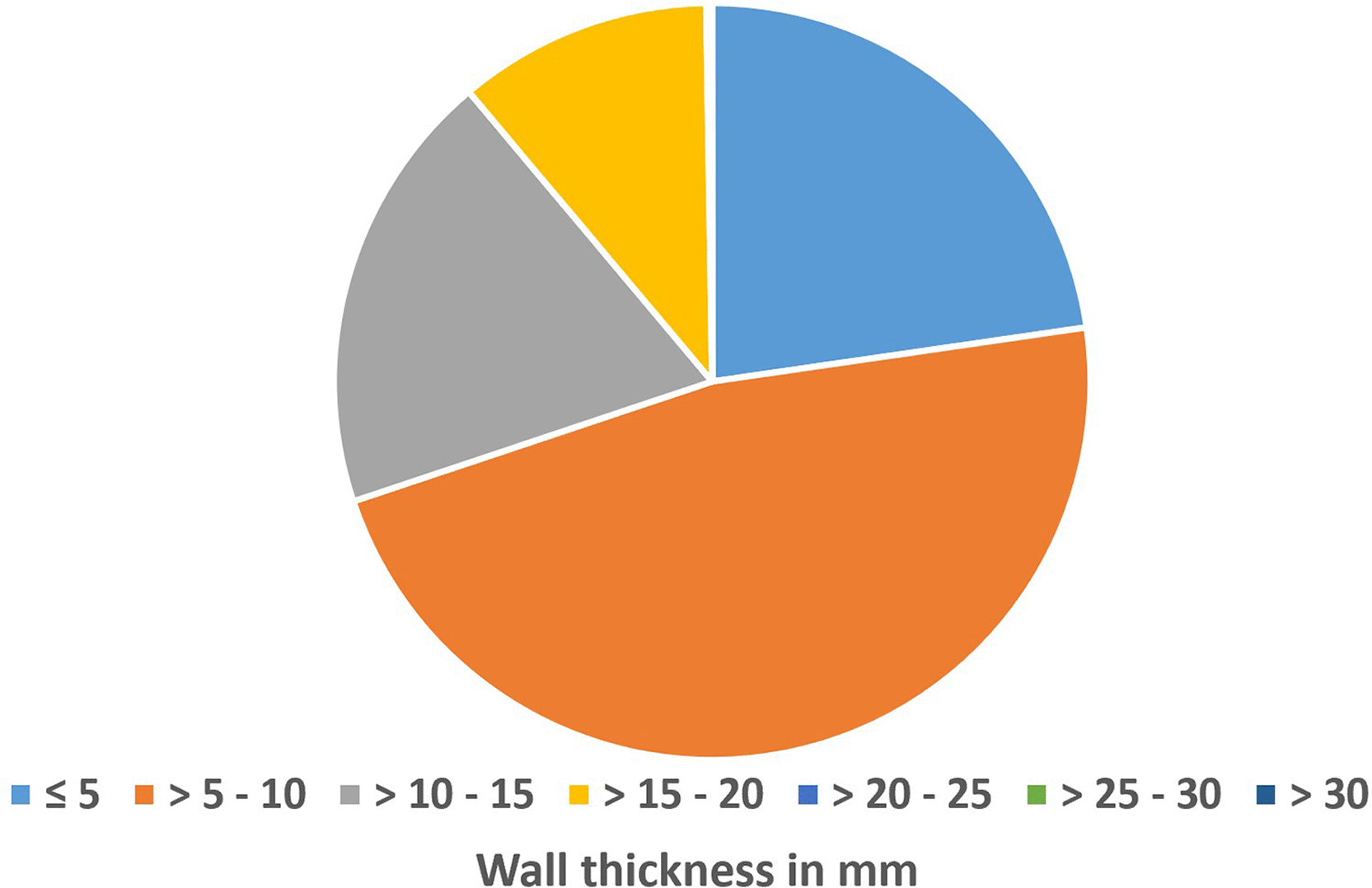
Figure 6. Pipeline wall thickness distribution in received responses - pie chart.
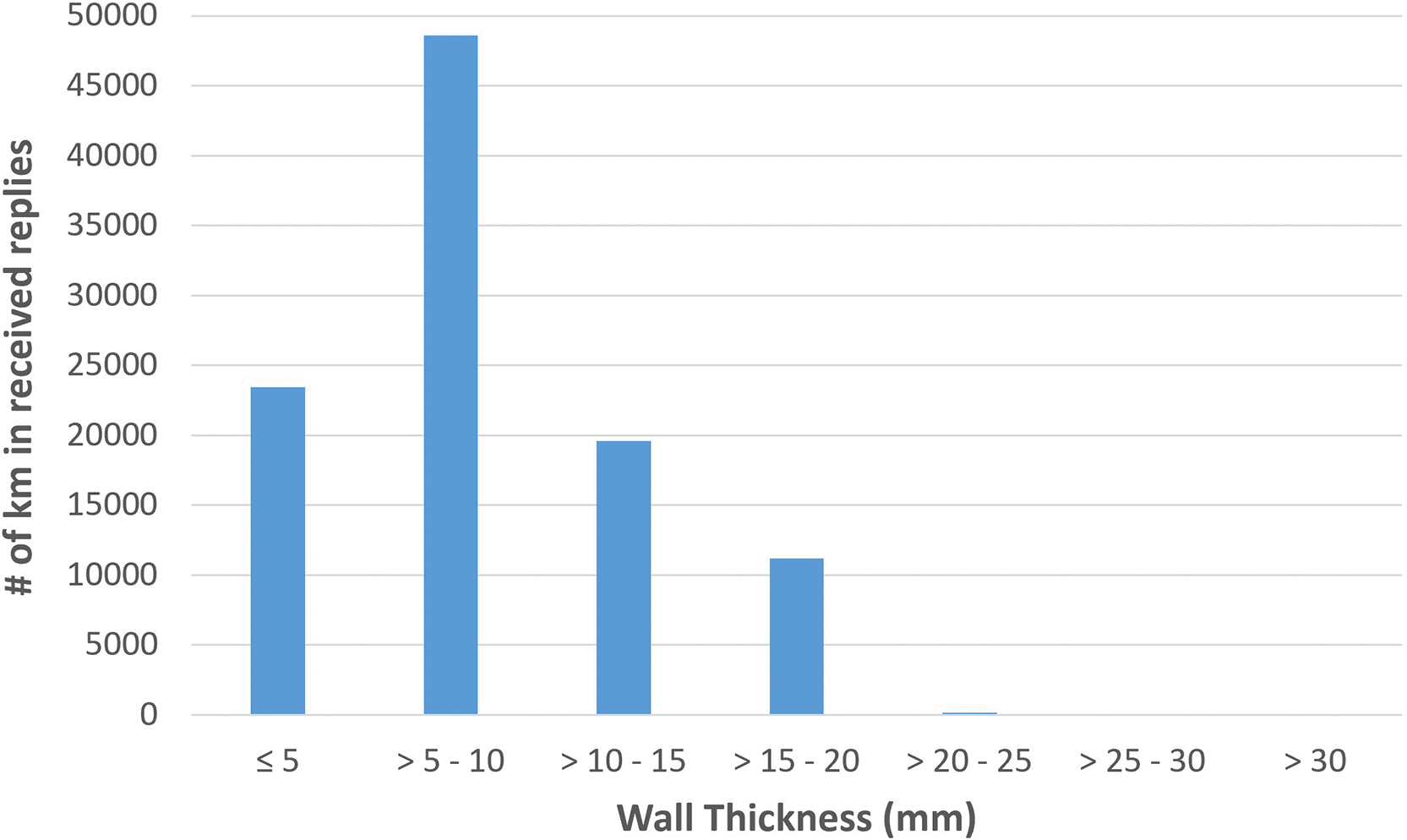
Figure 7. Pipeline wall thickness distribution in received responses - per increasing wall thickness.
As can be seen from these charts, most onshore pipelines in Europe have a wall thickness below 15 mm (there is always a relationship between pipeline diameter and wall thickness owing to pipeline design rules). Pipelines from the three categories below 15 mm represented 89% of all the responses. Very few onshore pipelines have thicknesses above 20 mm (not even directly visible in
Figures 6 and 7).
3.4 Pipeline construction year
Another investigated parameter is the pipeline age or year of construction.
Figures 8 and 9 present the obtained distribution of (onshore) pipeline construction years in the received questionnaire responses (
Figure 8 as a pie chart and
Figure 9 in chronological order).
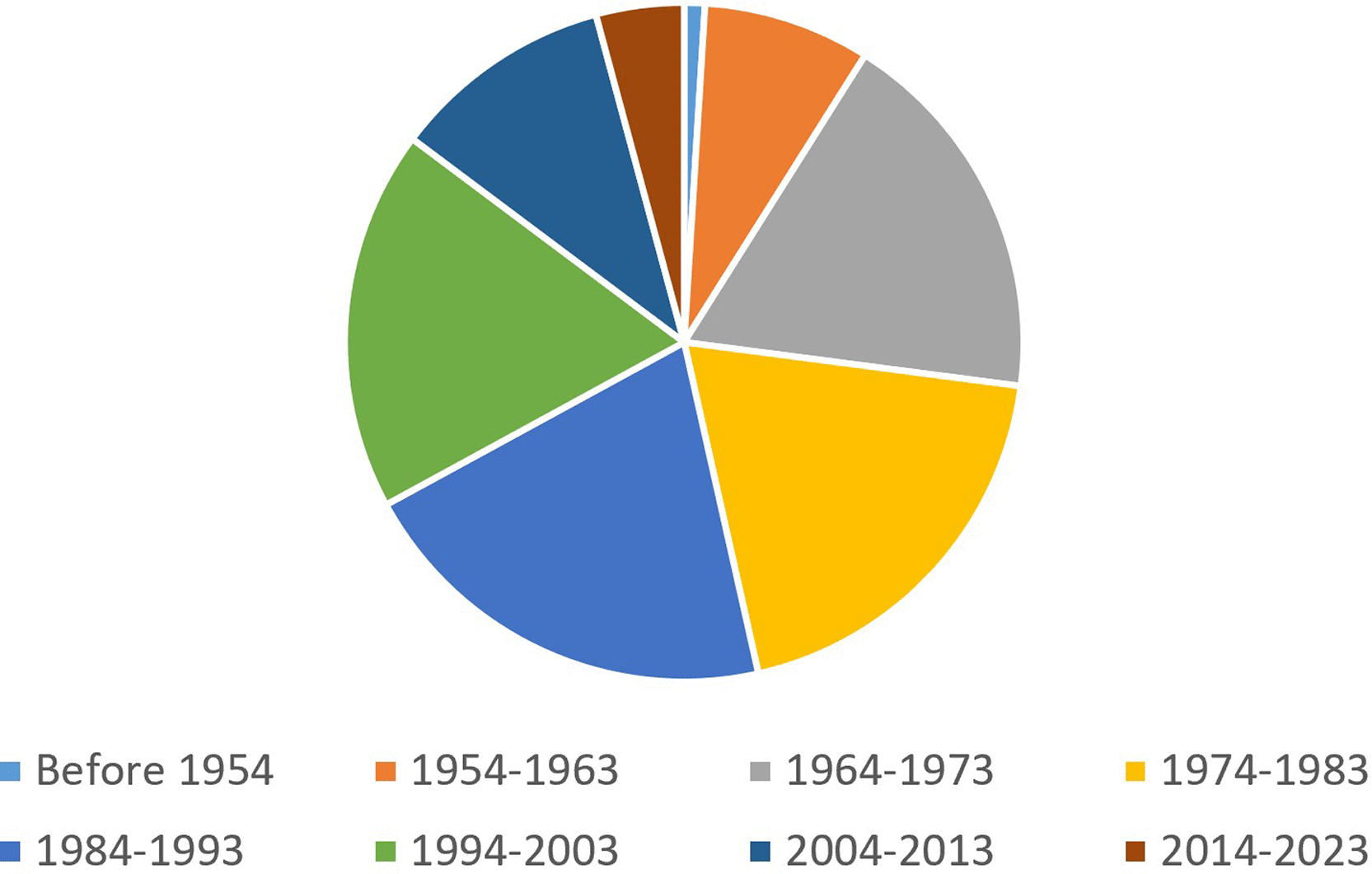
Figure 8. Pipeline construction years in received responses - pie chart.
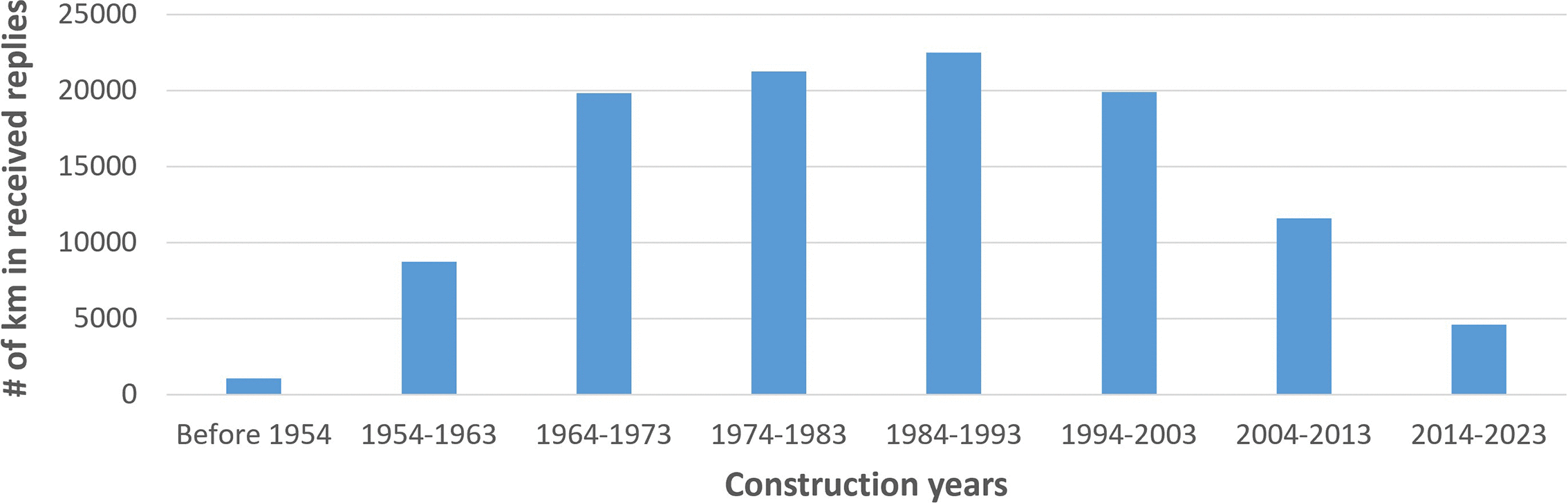
Figure 9. Pipeline construction years in received responses – in chronological order.
As can be seen from these charts, the European transmission network was mainly built between 1960 and 2010, with a homogeneous distribution between these 50 years. It is interesting to note that the construction of transmission pipelines has decreased in the last 20 years. This is explained by the fact that the network of natural gas transmission pipelines is mature in Europe.
3.5 Pipeline fabrication type
Unfortunately, detailed information about the pipeline fabrication type was received for only 1834 km. This renders any statistical analysis irrelevant to this parameter.
However, several questionnaire responses indicated the trends that are summarized here. Seamless (SMLS), Electric Resistance Welded (ERW), and High-Frequency Induction Welded (HFI) pipelines are commonly found with small diameters (pipelines up to DN500 or DN600), whereas Submerged Arc Welded Longitudinal (SAWL) and Submerged Arc Welded Helicoidal (SAWH) pipelines are commonly found with large diameters (pipelines DN500 and above).
3.6 Operating pressures with natural gas
For the majority of TSOs that replied to the questionnaire, the Maximum Operating Pressure (MOP) of their pipelines (for natural gas transmission) lies in the range of 65–85 barg. A few of these TSOs also have pipelines going up to 100 barg, but nothing above this value. A minority of the TSOs indicated that their MOPs never exceeded 55 barg with natural gas.
Regarding pressure variations in their networks, responses from TSOs do vary: some TSOs operate their natural gas network with rather constant pressure, whereas others have higher daily pressure variations (typically 10–30% of the MOP) providing linepack storage. In any case, current operating modes with natural gas will not necessarily be representative of future operations with pure hydrogen, and can only provide rough estimations of possible daily pressure variations with hydrogen, especially if green hydrogen produced from fluctuating renewable electricity (wind and solar) becomes a large part of the transported hydrogen volume.
3.7 Plans for hydrogen repurposing/retrofitting
Hydrogen repurposing (reuse of the pipelines to transport pure H2) and retrofitting (reuse of the pipelines to transport mixtures of H2 with natural gas) plans for TSOs were also included in the analysis.
Almost all TSOs indicated that they already have plans for specific natural gas pipelines to be repurposed to pure H2 transmission in the future, always with adapted operating conditions and accurate monitoring of pressure variations (to mitigate hydrogen embrittlement and mechanical fatigue issues). Some answers state that the MOP will be reduced with pure H2 and some state that it will remain the same, but all agree that the pressure variations will be controlled. Several TSOs also mentioned that they would systematically carry out an engineering critical assessment (ECA) before repurposing any pipeline for H2 transport.
Regarding retrofitting plans, questionnaire answers are more diverse: some TSOs do not consider retrofitting at all; a majority of TSOs keep this option open, but only to limited percentages of H2 (maximum 2–5 vol. %) and only a few consider up to 20% H2 in the mixture. It is worth mentioning that this situation has evolved in the last few years, with more TSOs acknowledging that mixing (higher value) H2 in (lower value) natural gas is not the preferred option. Indeed, the majority of TSOs now think that it makes more sense to transport pure H2 in dedicated pipelines with the possibility to valorize it properly rather than mix it with natural gas and only be able to valorize its heating value (with the additional drawback that the hydrogen energy density is approximately one-third of the natural gas energy density by volume). Retrofitting up to 2–5% H2 in volume could still be interesting when there is no better option to accommodate hydrogen, essentially because almost no modification is required in the gas transmission infrastructure in this case (besides gas analyzers and meters). With H2 levels higher than 5% in volume, modifications to the infrastructure are required, thereby increasing costs. It is worth noting that the EU hydrogen and gas decarbonization package adopted in 2024 (EU, 2026) requires that EU Member States accept a limit of 2% by volume of hydrogen blending into natural gas at interconnection points. TSOs are then preparing for this scenario, but most are reluctant to allow higher percentages of H2 in their transported natural gas. Some projects are still investigating the deblending of natural gas/H2 mixtures to recover pure H2 (for instance the FutureGrid Deblending project in the UK (National Gas, 2026)) but this route (mixing H2 and then separating it) is now considered by most TSOs as inefficient and costly.
3.8. Onshore vs. offshore pipelines
A comparison between the received data on onshore European pipelines and the natural gas offshore pipelines of GASSCO leads to the following observations:
- Offshore GASSCO pipelines are mostly constructed with X65/L450 and X70/L485, whereas onshore European pipelines display a more diverse distribution of grades.
- Offshore GASSCO pipelines have large diameters (minimum DN800) and thick walls (typically greater than 20 mm), whereas European onshore pipelines present a much more diverse range of diameters and thinner wall thicknesses.
- Offshore GASSCO pipelines have a typical design pressure higher than 150 barg, whereas European onshore pipelines typically do not exceed 85 barg.
4. Conclusions
This article provides an update on the characteristics of onshore carbon steel pipelines currently in operation throughout Europe for natural gas transmission. The discussion has focused on different parameters: steel grades, pipeline diameters, wall thicknesses, construction years, fabrication types, typical operating pressures with natural gas, and possible future transmission of hydrogen with associated strategies. A brief comparison of onshore and offshore pipelines was also presented.
The outputs of this inventory work were used to help select the 12 carbon steel samples being investigated experimentally in the PilgrHYm project (PilgrHYm, 2026).
Ethics and consent
Ethical approval and consent were not required for this study. The questionnaire (available via the link in the Extended data section) sent to all European natural gas TSOs was filled out by adult employees on behalf of their companies. This questionnaire consisted solely of technical questions about steel pipelines and their modes of operation. Written informed consent was obtained from all participants for their participation in the study and for the use of the questionnaire data.
References
- ASME:
B31.12-2023 - Hydrogen Piping and Pipelines.2026, 09 14.
Reference Source
- CEN 1:
EN 1594:2024 - European standard - Gas infrastructure - Pipelines for maximum operating pressure over 16 bar - Functional requirements.2026, 09 14.
Reference Source
- CEN 2:
Roadmap on Hydrogen Standardisation 2023 - European Clean Hydrogen Alliance. 2026, 09 14.
Reference Source
- CSA:
Z662:23 2023 - Oil and gas pipeline systems.2026, 09 14.
Reference Source
- DVGW 1:
G464 (M) 2023 - Fracture-Mechanical Assessment Concept for Steel Pipelines with a Design Pressure of more than 16 bar for the Transport of Hydrogen.2026, 09 14.
Reference Source
- DVGW 2:
G409 (M) 2024 - Conversion of High Pressure Gas Steel Pipelines for a Design Pressure of more than 16 bar for Transportation of Hydrogen.2026, 09 14.
Reference Source
- EU:
Hydrogen and decarbonised gas market 2024.2026, 09 14.
Reference Source
- IGEM:
TD/1 Edition 6 2024 - Steel pipelines for high pressure gas transmission.2026, 09 14.
Reference Source
- ISO:
6708:1995 - Pipework components - Definition and selection of DN (nominal size).2026, 09 14.
Reference Source
- National Gas:
Progress Report 2025 FutureGrid Phase 2 Deblending.2026, 09 14.
Reference Source
- PilgrHYm:
PilgrHYm European project website.2026, 09 14.
Reference Source
- Schweicher J:
Supplementary data repository for "Overview of carbon steel pipelines in use for natural gas transmission in Europe and their potential reuse for hydrogen transport".2026, 09 14.
Reference Source
- Slater S:
PR337-23115-R01 2024 - Consensus Engineering Requirements for Pipelines in Hydrogen and Hydrogen Blend Service.2026, 09 14. Publisher Full Text







