Introduction
Double emulsions (DEs) are water-in-oil-in-water (W/O/W) or oil-in-water-in-oil (O/W/O) droplets frequently used in the food industry to fabricate low-fat products and improve nutrient and flavour delivery1. However, historically speaking, most interest derived from DEs has come from the pharmaceutical industry1,2. They have been studied as drug delivery systems3–5, blood substitutes6,7, and vaccines8,9, with one of the earliest reported applications in the late 1960s, which aimed to enhance the absorption of insulin in the intestine10. DEs are usually produced in a two-step process: two immiscible solutions are mixed, forming an emulsion that is, in turn, vigorously stirred in a third solution of similar properties as the inner phase. The rotation speed of each step allows for some control over the size and number of inner droplets within the outer droplet. However, resulting populations tend to be polydisperse and vary widely in encapsulation efficiency, ranging from 10 to 98%2,11–18. Polydispersity has been shown to affect the release profile of drugs encapsulated in microparticles19, while reproducible encapsulation efficiency, specifically the homogeneous concentration of drug inside each DE, is crucial for well-controlled release kinetics and therapeutic benefit20. Thus, these current constraints hinder more widespread commercial use of DEs.
Microfluidics is well poised to address these limitations. The microfluidic production of single, double, and even multiple emulsions has been reported21,22, demonstrating highly monodisperse populations and encapsulation efficiencies of nearly 100%23. Still, complex setups, e.g. cleanroom microfabrication and microfluidic glass capillaries21,24,25, have created a barrier to wider use in multiple applications. As the technology matured over the last decade, an increasing number of reports have shown the successful production of DEs in microfluidic polydimethylsiloxane (PDMS) chips, which are cheap and simple enough to fabricate and assemble26–29.
One key characteristic of DEs, driving the recent interest in the field, is their ability to co-localize and co-transport, in a single carrier, molecules of opposing properties30–33, such as hydrophobic and hydrophilic drugs, for example, the synergistic anticancer drugs paclitaxel and doxorubicin34. As a consequence, they are promising delivery systems for combinatory therapies. However, DEs remain characteristically metastable structures, i.e. thermodynamically unstable29,35,36. DEs are kinetically trapped in a transitory local energy minimum state that can move towards the global minimum at the slightest disturbance. Thus, they are prone to bursting, due to the coalescence of the inner phase with the outer phase, forming an O/W droplet35,37,38. In order to take advantage of their drug co-localization properties, increasing the time that they remain in this transitory state is a critical issue.
Most DEs are stabilized with surfactants, usually block copolymers26,37,39–42, that arrange themselves at the interfaces, and other additives that increase the viscosity of the aqueous solutions40,43. Recent works in the field of artificial cell-like systems, which studies the origins of life and the molecular dynamics of the modern cell membrane44, have focused on double emulsions with more biomimetic compositions, replacing synthetic surfactants and additives with molecules that could be found in the regular cellular constitution, such as lipids25,28,29,45–47. The exploration of these lipid-stabilized double emulsions as drug delivery systems is very recent, but promising25. Besides their more biologically-relevant composition, the presence of lipids confers several advantages. They allow the formation of multisomes, a network of smaller water droplets inside an oil droplet, that can be used as a multi-compartmentalized delivery system25, and potentially enhance intestinal absorption48. Furthermore, it has been shown that lipids play an important role in the absorption of hydrophobic drugs49,50, enhancing their bioavailability51. In 2002, the American Federal Drug Agency (FDA) issued the "Food-effect Bioavailability and Fed Bioequivalence" guidance, in which it recommended high-fat meals when taking hydrophobic drugs to improve drug absorption due to the effect of fats on the gastrointestinal tract physiology and maximization of drug transfer to the systemic circulation48. At least five pharmaceutical products that take advantage of these characteristics have been approved for commercial use (Intralipid, 1975; Cleviprex, 2008; Perikabiven, 2014; Smoflipid, 2016; Cinvanti, 2018)52. They consist of single emulsions stabilized by lipids, encapsulating only one drug (i.e. not combinatory therapies), and are indicated for nutritional purposes, the treatment of acute and delayed nausea and vomiting, and reduction of blood pressure. To date, no DE formulations have reached clinical stages.
A reason for the lack of commercial exploitation resides in the fact that DEs are one of the most challenging types of droplets to generate46. Almost every variable from formulation composition to production parameters can affect their stability. Also, a robust characterization of their stability, especially under physiologically relevant parameters, is lacking. In this work, we show that lipid-stabilized DEs can be made by microfluidics in PDMS chips fabricated under basic laboratory conditions (no cleanroom), for the generation of reproducible monodisperse populations. We characterized their stability when exposed to various stresses representing physiological conditions relevant to DE-based therapeutics, such as temperature, pH and mechanical stress. Finally, we encapsulated representative cargo in the intermediate and inner phases to assess how these additions affect the stability. The gained insights contribute to the growing body of knowledge that can advance the use of DEs in commercial applications.
Methods
Materials
Materials used were as follows: Polyvinyl alcohol (PVA), 87–90% hydrolysed, average molecular weight 31,000–50,000 (ref. 363073, Sigma Aldrich, France); 1-octanol, anhydrous, ≥99% (ref.297887, Sigma Aldrich, France.); 1,2-dioleoyl-sn-glycero-3-phosphocholine, chloroform (DOPC) (ref. 850375C, Sigma Aldrich, France); poloxamer 188 (P188) 10% (wt/vol) solution (ref. P5556, Sigma Aldrich, France); glycerol (Carlo Erba, Dutscher, ref. 453751-CER); ethanol absolute (ref. 4146012-CER, Carlo Erba, Dutscher, France); chloroform (ref. 1024451000, Emsure, Germany); 1,1′-Dioctadecyl-3,3,3′,3′-tetramethylindocarbocyanine perchlorate (DiI) (ref. 42364, Sigma Aldrich, France); calcein (ref. C0004, TCI, Japan); NaOH (1M, 480717000, Carlo Erba, Dutscher, France); HCl (37%, ref. 258148, Sigma Aldrich, France); N2 (ref. GAL110350, Core Equipement, Prosynergie, France)
Microfabrication of PDMS chips
PDMS chips were produced in-house following standard soft-lithography and microfabrication protocols53–55 without the need of a cleanroom. Briefly, SU-8 molds were spin-coated (SU-2050, Kayaku Advanced Materials, USA; 10 s at 500 rpm; 30 s at 3000 rpm) and exposed to UV-light through masks containing a previously published design26,56, which consisted of a double-junction chip (second-junction nozzle, 50 µm; post-junction channel width: 150 µm; chip height: 50 µm). Chips were plasma bound (surface activation: 2 min) to PDMS-covered glass slides (spin-coating: 10 s at 500 rpm; 40 s at 1000 rpm).
Microfluidic production of double emulsions
PDMS chips received a surface treatment with PVA solution (2.5% (w/v)) as previously published57. Inner aqueous phase (IA), lipid-oil intermediate phase (LO) and outer aqueous phase (OA) solutions were prepared as described in Deshpande et al., 2018, with the following modifications: DOPC (6.5 mM) in the intermediate solution29 and P188 (0.5%) in the outer solution were used (details in ESI).
The solutions were driven into the chip with a pressure-driven flow controller (OB1, Elveflow, France). The pressure ranges for each solution were: IA = 25 to 35 mbar; LO = 35 to 45 mbar; OA = 70 mbar. The pressure of the OA was kept constant throughout experiments for comparable production rates.
Image analysis
DEs were collected into a µ-Slide I Luer channel slide (height=0.4mm, Ibidi, reference 80176) attached to the exit of the production chip via a short piece of tubing. For size distribution, encapsulation, and temperature assay analyses, images were taken with an inverted AxioVert A1 microscope (Carl Zeiss, Germany) and camera (Axiocam 202 mono). For pH and flow assay analyses, an upright microscope (built in-house from 5× objective), and high-speed camera (Pixelink, reference PL-D725CU) were used. Image analysis was performed using the image software Fiji and a Python script developed in-house for automated droplet counting and sizing. The parameters of the script were adjusted to better fit the change in size over time and were verified manually through representative images. Data are reported as the mean percentage of counted DEs ± SD or SEM as specified. Statistical analysis was performed using a Student's t-test, two-sample assuming unequal variances.
The production rate was calculated using 200-frame videos of DEs exiting the chip junction captured with a high-speed camera (Pixelink, reference PL-D725CU). The total number of produced DEs in a given video was counted manually with ImageJ software and adjusted to give the production in Hertz (double emulsions per second).
Encapsulation of compounds of interest
For encapsulation assays, the inner solution was replaced with a solution containing compounds of interest: calcein (0.3 mM) in water or 100-nm diameter POPC large unilamellar vesicles (LUVs) (0.2 mM; DiI, 0.1 mM, inner phase) in glycerol (15% (v/v). LUVs were kindly provided by Prof. Peter Walde's Group (ETH Zurich, Switzerland). The experiments were performed with a hypertonic inner phase (higher concentration of solute in the inner phase than in the outer phase).
All fluorescent images were collected with an inverted AxioVert A1 microscope (Carl Zeiss, Germany) using filters (red: ex/em 546/572–640 nm; green: ex/em 470/525 nm), and respective camera (Axiocam 202 mono).
In this work, encapsulation efficiency was defined as the percent of DEs produced compared to the total number of DEs expected in a given time, i.e. encapsulation of an inner water phase inside an intermediate oil phase. The expected total number of DEs assumed an ideal scenario in which production was perfect and 100% of the inner solution was encapsulated inside an oil droplet, calculated as the number of DEs per frame X 200 frames. The actual number of produced DEs accounted for common defects of production which led to the escape of the inner solution to the outer solution, calculated as the total number of DEs summed for 200 frames.
Stability assays
DE temperature stability over time. DEs were generated at room temperature (RT) and collected in an Ibidi µ-Slide Luer (0.4 mm height) chip. Then, DEs were placed at the respective temperatures (4°C; room temperature (22°C, RT); 37°C) and imaged as described above at defined time points. The chip was imaged in its entirety each time and DEs were counted and measured using a Python script, as described above. Data are presented as the percentage of DEs remaining normalized to t=0 (n≥3).
DE pH stability. DEs were pipetted on a clean glass slide and imaged as described above. Aqueous solutions with pH between 1–13 were prepared by adding 1 M HCl or 1 M NaOH to a solution of water and phenol red until the desired pH was reached. Then, an equivalent volume of each solution was gently pipetted into the standing droplet. DEs were imaged 10 minutes after exposure at RT. DEs were counted using the Python script (described above). Data are presented as percent DEs remaining after exposure compared to before exposure ± SD; n ≥ 5.
Stability of unloaded and loaded DEs at different mechanical stress conditions. Different flow regimens (14, 20 and 30 mbar) were applied with pressure using an autonomous recirculation system (Cobalt, Elveflow, France) that allowed double emulsions to flow back and forth in the field of view for 100 cycles of 10 seconds (i.e. 5 s forward flow, 5 s backward flow) through an Ibidi u-Slide Luer (0.4 mm height) chip at RT. Videos were captured and the number of DEs from the most populated frame was counted for every 10 cycles.
The experiment was performed with unloaded DEs and LUV-loaded DEs (0.2 mM POPC; stained with DiI, 0.1 mM). Chips under static conditions were used as controls. Images before and after flow were collected and analyzed as described above.
The pressures were converted into estimations of flow rates (mL/min) using an online calculator (Elveflow, France)58.
Results
Microfluidic production of monodisperse DEs and size characterization
To investigate the production of DEs using our microfluidics setup, DEs were produced in double-junction PDMS chips (Figure 1.a) made with cleanroom-free standard soft lithography techniques53–55. The solutions were driven by a pressure-driven fluid control setup (Figure 1.a.I) from the reservoirs to the first junction, where the inner aqueous (IA) solution was enveloped by the lipid-oil (LO) solution, and then to the second junction, where the outer aqueous (OA) solution pinched the DEs with a thin layer of oil (Figure 1.a.II).
The resulting DEs were monodisperse, with an average diameter of 83.6 µm (±6.2 µm SD; total number of DEs =14,914) (Figure 1.b).
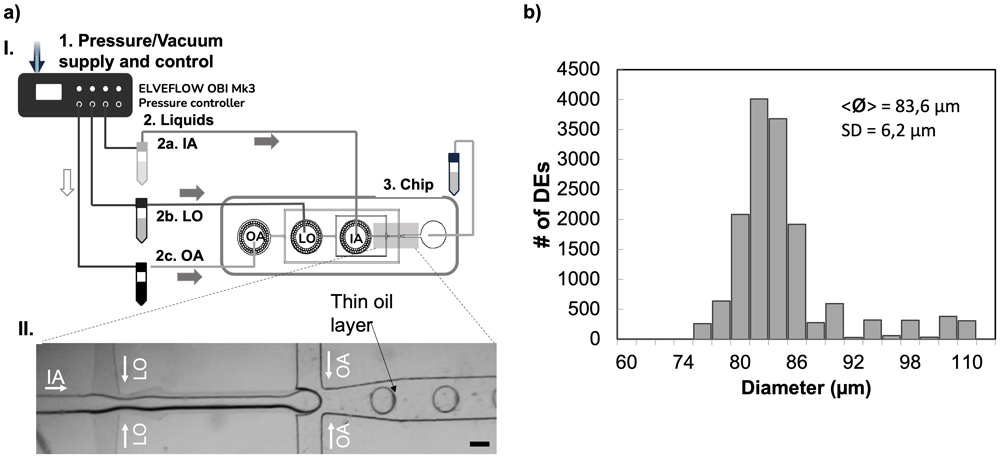
Figure 1. Microfluidic production of double emulsions (DEs) and size characterization.
a) I. Microfluidic setup for production of monodisperse DEs with thin oil layers. Each reservoir (IA: inner aqueous solution; LO: lipid-oil solution; OA: Outer aqueous solution) was connected to a pressure-driven flow controller and to the respective inlet on the chip. II. DEs were pinched at the second junction, enveloped by a thin layer of oil. Scale bar is 100 µm. b) Size distribution of DEs diameters in µm (<⌀>=83.6 µm, ±6.2 µm; total number of DEs = 14,914).
The production rate of unloaded DEs was 233 Hz which translates to more than 800,000 DEs per hour. The production efficiency (encapsulation efficiency of the inner phase in the oil shell for unloaded DEs) was 88%.
Stability assays
As aforementioned, stability is the key issue for the practical application of DEs. Emulsions larger than 0.1 µm are only kinetically stable, breaking or coalescing over time37,59. To investigate a potential future application as a combinatory drug delivery system, the stability of lipid-stabilized DEs was tested in different physiologically relevant conditions, being exposed to ranges of temperature, pH and mechanical stress.
DE stability at different temperatures over time. Temperature plays an important role in meta-stable states by potentially providing the necessary energy required for the molecular assembly to leave the transient equilibrium (local energy minimum) and move towards a lower energy state59. Temperatures were chosen according to their relevance to the lifecycle of a DE therapeutic: from physiological body temperature, 37°C, to temperatures relevant to handling and storage, RT and 4°C, respectively. Lipid-stabilized double emulsions were exposed to 4°C, RT and 37°C for a minimum of seven days, and the number of DEs and mean radius were measured (Figure 2). The highest number of DEs in a given day (i.e. D0 for 4°C and 37°C and D1 for RT in Figure 1) was used as the maximum value to normalize the data as a percent. At 4°C, there was a trend towards a loss of DEs over time, but a significant reduction in numbers (92%) was observed by day eight compared to day 0. At RT, the loss of DEs presented a similar profile, with a significant reduction (68%) at day 5 compared to day 0, demonstrating a positive effect of colder temperatures in prolonging the transient meta-state, as expected. DEs were considerably less resistant to warmer temperatures, with a steep decrease (79%) in numbers and statistical difference from day 2 onwards at 37°C.
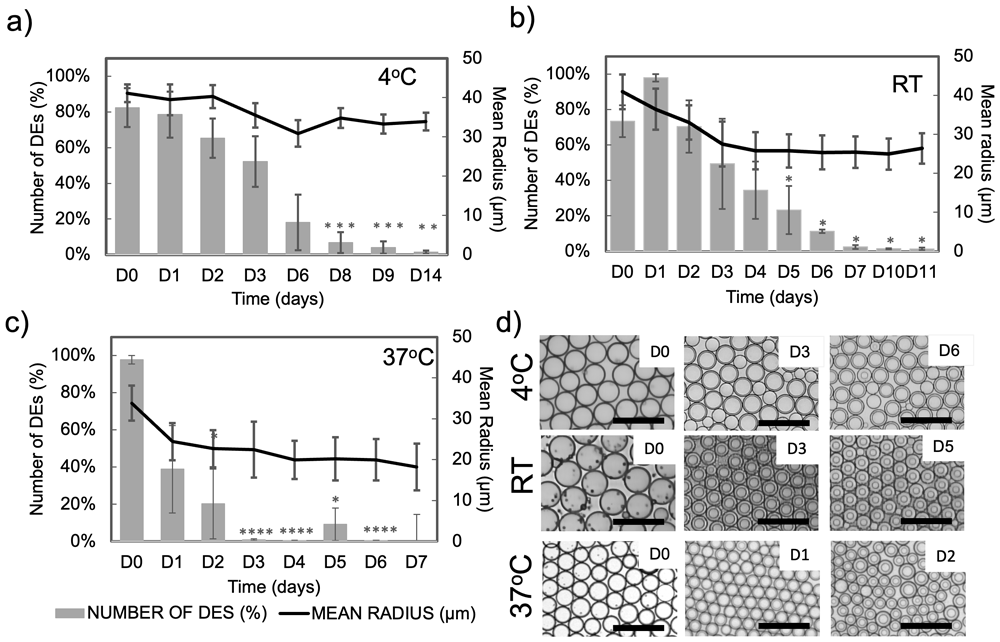
Figure 2. Stability and morphological changes of unloaded double emulsions (DEs) at different temperatures.
a–c. Percentage of maximum value over time (left y-axis); Thick line shows DE radius (µm), +/- SD (right y-axis). a) DEs held at 4°C (n=4, total number of DEs at D0=16,357 DEs, +/- SEM); b) RT (n=3, 72,245 DEs, +/- SEM); and c) 37°C (n=4, 119,051 DEs, +/- SEM); d) Representative images at different time points highlighting the swelling of the intermediate phase; scale bars: 200 µm; Statistical significance from D0 (Student T-test): p<0.05 (*); p<0.01(**); p<0.005 (***); p<0,001 (****).
Radius at D0 was 41 µm for DEs placed at 4°C, 40 µm for RT and 34 µm for 37°C. At each temperature, the mean external radius decreased (17%, 36% and 48%, respectively) throughout the testing period (Figure 2.d). Also, DEs showed a clear increase in the thickness of the intermediate layer over time.
Encapsulation of compounds of interest and stability of loaded DEs over time. To investigate the effect of locally encapsulated cargo on DE stability, one of the key advantages of DEs as delivery systems, the inner and intermediate phases were successfully loaded (Figure 3). DiI, a lipid-specific fluorescent dye that locates just below the lipid-water interface60, was used as a hydrophobic cargo, and calcein or LUVs were used as hydrophilic cargo. Encapsulation efficiency was over 80% in all cases (DiI, n=5; calcein, n=2; LUVs, n=4).
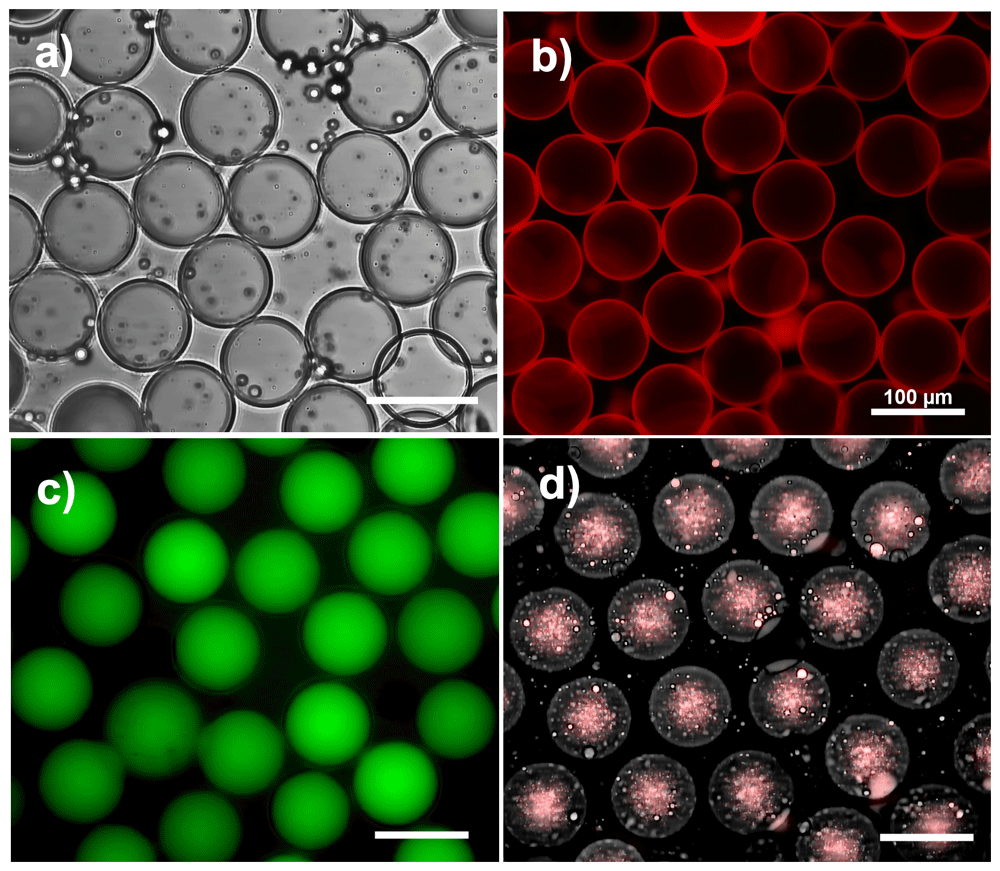
Figure 3. Encapsulation of cargo in double emulsions (DEs).
a) DEs, no cargo, bright field; b) DEs loaded with DiI (lipid specific, intermediate phase, red fluorescent filter); c) DEs loaded with calcein (inner phase, green fluorescent filter); and d) DEs loaded with POPC LUVs pre-stained with DiI (inner phase; red fluorescent filter). Scale 100 um.
Commonly, encapsulation in double emulsions produced with microfluidics is done with isotonic solutions29,40,61, but there are reports of two-step emulsification methods using a hypertonic inner phase due to the higher stability of the resulting DEs62,63. Aiming to explore this characteristic and provide more flexibility to the final formulation of the outer solution for an oral drug delivery system, the DEs were loaded in the inner phase with a hypertonic solution (i.e. calcein or LUVs).
Encapsulation of cargo affected the post-production stability of DEs. When loaded with a hydrophobic cargo, there was a significant decrease (32%) in DE numbers by day 1 at RT (Figure 4.a), showing less stability than for unloaded DEs. Decreased DE stability was further observed as coalescence of the intermediate phase, resulting in complex structures with multiple water droplets inside a large droplet of octanol (shown stained in red). The change in morphology is also seen in the mean radius data (Figure 4.a), showing a decrease (25%) in radius up to D3. The formation of larger multi-inner droplet structures due to the coalescence of the intermediate phase caused the average radius to remain around 30 µm until D7, although most DEs that had not coalesced had burst by that time point.
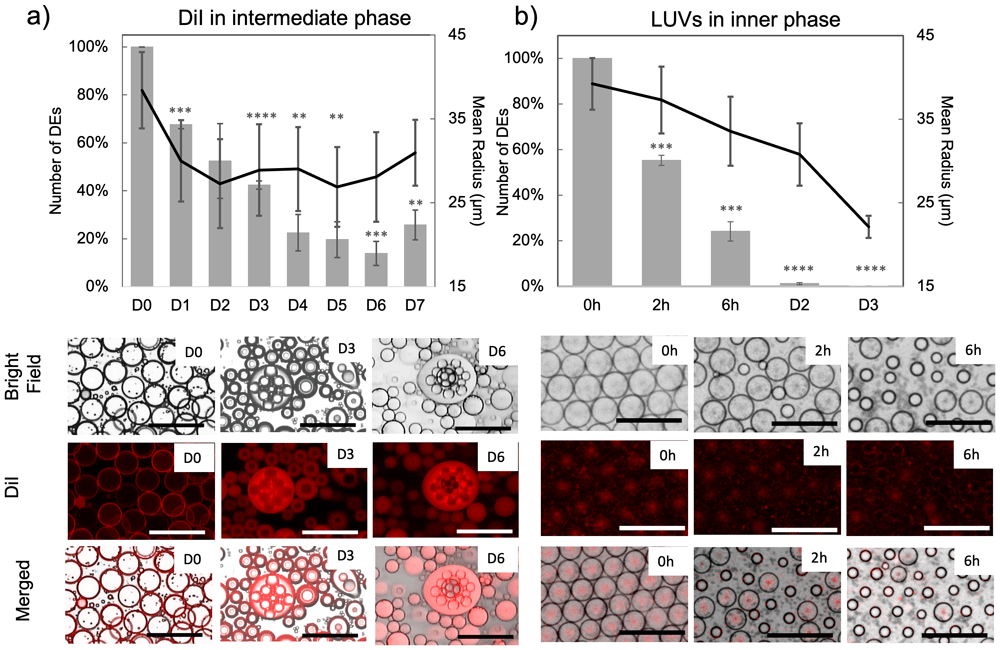
Figure 4. Stability of loaded double emulsions (DEs) over time at room temperature (RT).
a) Encapsulation of hydrophobic cargo in the intermediate phase. The percentage of remaining DEs carrying DiI in the intermediate phase and the average size, in µm, observed through time at RT (n=3; total number of DEs at D0=37,492, +/-SEM; normalized to the maximum value). b) Encapsulation of 100nm large unilamellar vesicles (LUVs) (0,02mM POPC) in the inner phase (n=3; 10,863 DEs; +/-SEM). Insets show representative fluorescence (filter: ex 546 nm/em 572nm) and bright-field images of DEs at the indicated time points. Black line, radius (µm), +/- SD. Scale bar, 200 µm. Statistical significance from D0 (Student T-test): p<0.05 (*); p<0.01(**); p<0.005 (***); p<0,001 (****).
Similarly, the addition of LUVs also affected post-production DE stability. The first two hours after production revealed a significant decrease (45%) in numbers, and most DEs had burst by D2 (Figure 4.b).
DE stability at different pH ranges. Another important parameter when considering an oral drug delivery system is pH64. DEs were exposed to a range of pH from 1 to 13, either unloaded or loaded with hydrophobic or hydrophilic cargos (DiI or LUVs, respectively) and their numbers were assessed at t=0 (before) and t=10 minutes after exposure. For unloaded DEs, 56% of DEs remained intact after exposure to pH 7. Also, there was only a significant reduction at the extremes (pH=1, 48%, and pH 13, 38%) when compared to pH 7 (Figure 5.a). The size was also not affected (Figure 5.b). A similar profile was demonstrated for DEs loaded with DiI (Figure 5.c), with only pH 1 significantly different (81% reduction) from pH 7. LUV-loaded DEs were considerably less stable, with 13–60% reduction across different pH (not significantly different from pH 7), and 79% reduction at pH 2 (significantly different from pH 7, Figure 5.d).
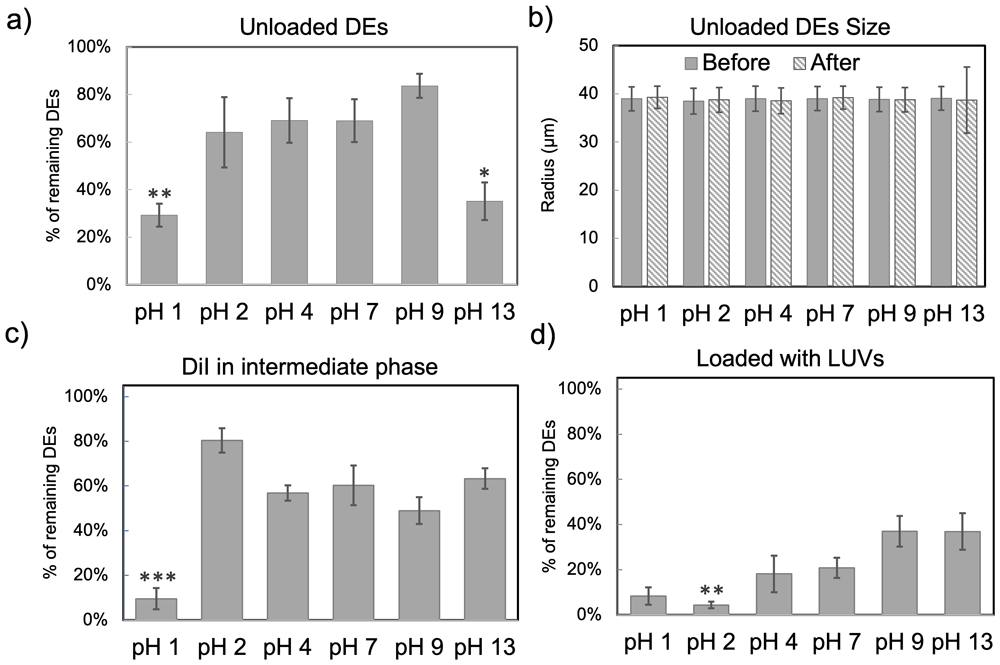
Figure 5. Double emulsion (DE) stability to different pH ranges.
a) Percentage of remaining DEs after 10 min exposure to respective pH +/- SEM (pH 1, n=5, total number of DEs before exposure = 3,402; pH 2, n=5, 4,746 DEs; pH 4, n=5, 4,645 DEs; pH 7, n=10, 13,802 DEs; pH 9, n=5, 4,850 DEs; pH 13, n=5, 3,989 DEs). b) Radius of DEs before and after exposure to respective pH +/- SEM. c) Percentage of remaining DiI-loaded DEs after 10 min (pH 1, n=5, 3,402 DEs; pH 2, n=5, 4,746 DEs; pH 4, n=5, 4,645 DEs; pH 7, n=5, 6,248 DEs; pH 9, n=5, 4,850 DEs; pH 13, n=5, 3,989 DEs). d) Percentage of remaining large unilamellar vesicles (LUVs)-loaded DEs after 10 min (pH 1, n=5, 3,402 DEs; pH 2, n=5, 4,746 DEs; pH 4, n=5, 4,645 DEs; pH 7, n=5, 6,248 DEs; pH 9, n=5, 4,850 DEs; pH 13, n= 5, 3,989 DEs). In each panel, statistical significance from pH 7 is indicated (Student’s t-test): p<0.05 (*); p<0.01(**); p<0.005 (***); p<0,001 (****).
Stability of unloaded and loaded DEs under mechanical stimulus. The effect of flow and mechanical forces is relevant for applications involving the gastrointestinal tract due to its peristaltic properties. Mechanical stress is also known to affect the transition from a meta-stable to a thermodynamically stable state59. For this reason, DEs were subjected to mechanical forces caused by a stop-flow regimen made by back-and-forth cycles with an abrupt change in direction at the edges. The estimated flow rates were calculated for each pressure: 14 mbar = 0.5 mL/min; 20 mbar= 1 mL/min; 30 mbar= 2 mL/min. Up to 50 back and forth cycles, DE numbers remained similar to starting values, then numbers decreased about 30% for each of the three applied pressures by the 100th cycle (Figure 6.a). DEs loaded with LUVs presented a similar behaviour for 14 mbar and 20 mbar, but were considerably more sensitive to the pressure of 30 mbar, with only around 35% of the initial number of DEs remaining by the last cycle.
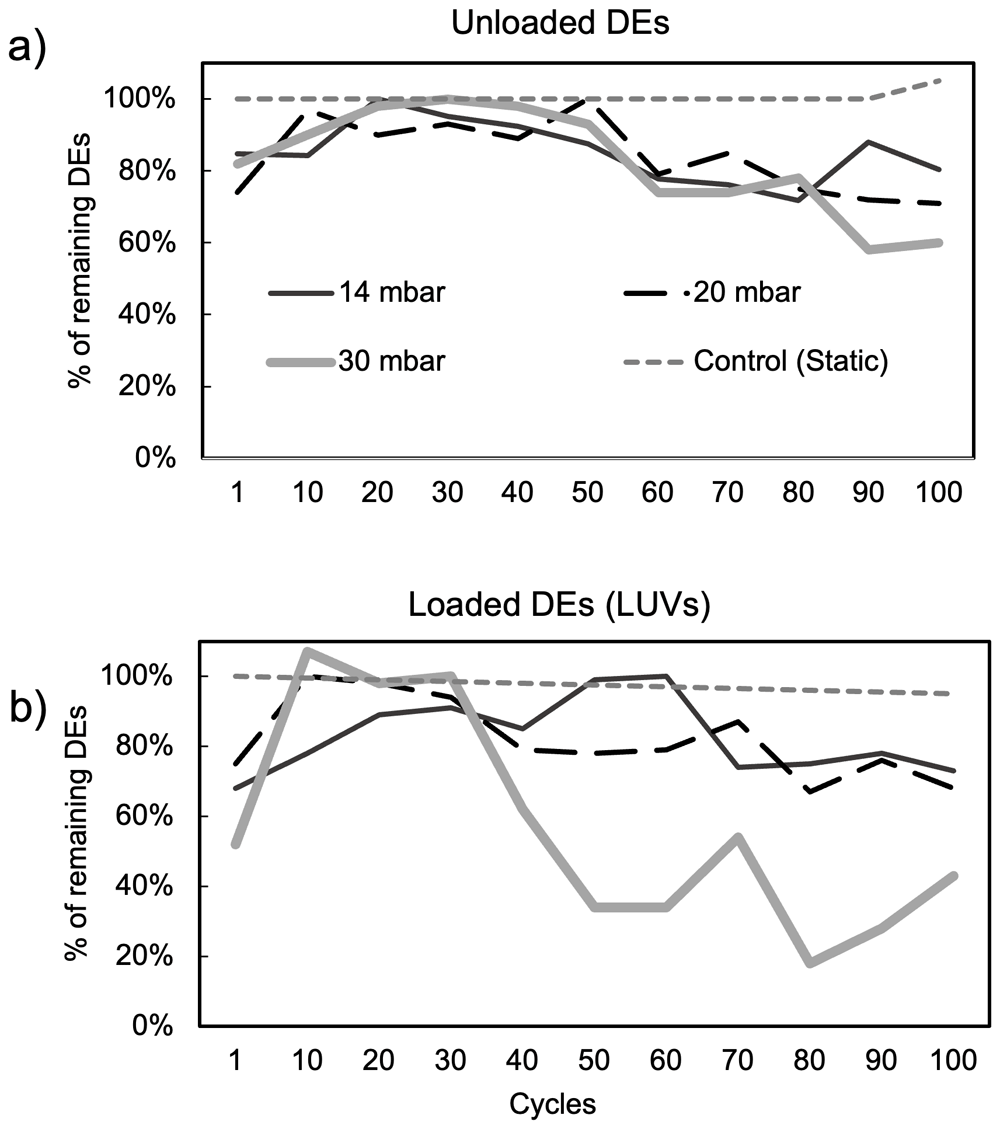
Figure 6. Stability of unloaded and loaded double emulsions (DEs) at different flow conditions.
Percentage of remaining double emulsions over the highest number of DEs per cycle of 10 seconds, a) unloaded or b) loaded with 0.2mM POPC LUVs.
Discussion
Microfluidics as a highly suitable method for reproducible DE production
DEs with diameters in the micrometre range are well-suited for oral administration and have been reported for both pharmaceutical4 and food65 applications. Monodispersity is particularly crucial for drug delivery systems, because it improves reproducibility and provides increased control over encapsulation, allowing for a more homogeneous distribution of cargo24,66.
The standard two-step emulsification production method results in considerably large size distributions, e.g. from 1 to 100 µm67 or 1 to 500 µm65. Attempts to improve the monodispersity of two-step emulsification samples usually include extra post-production steps (i.e. extrusion through polycarbonate membranes15 or a multi-purification step68) which adds complexity and may limit the flexibility of the formulation. The DEs presented in this work highlight the advantage of microfluidics in producing monodisperse double emulsions with a simple setup, without any post-production step, with high encapsulation efficiencies, directly in the targeted size for oral drug delivery systems.
Environmental conditions affect loaded and unloaded DEs differently
As a potential oral drug delivery system, DEs will be subjected to environmental conditions, including different pH and flow regimens of the gastrointestinal tract. For example, the pH of saliva is between 6.3 and 7.669; the stomach pH is 2 or lower; and the intestine pH varies from 6.6 to 870.
As DEs are less dense than the outer solution and float, they could not easily be trapped to enable the exchange of the pH solution via continuous flow. Thus, pH was adjusted by the addition of a droplet of pH solution to a droplet of DEs. While carefully done, this provided a disruptive physical force to the DEs on the slide. Even unloaded DEs responded to this force by losing about 30% of their number at pH 7. Their reduction in number was not a consequence of doubling the volume, as all volumes were small enough that the entire content was counted in each case.
Unloaded DEs were stable across physiological pH, with increased sensitivity to the extremes. On the one hand, an optimization of the formulation, such as using a different surfactant71 or higher concentration of glycerol in the inner phase72, might improve stability at lower pH so DEs are better equipped to pass through the acidic environment of the stomach. However, the instability to a specific pH observed here could be leveraged as a trigger for localized drug delivery73,74.
Loaded DEs behaved differently depending on the location and type of the cargo. When loaded with DiI in the intermediate phase, DEs were more resistant to high pH than unloaded DEs, suggesting that the properties of the cargo can be leveraged to improve stability at higher pH. On the other hand, DEs loaded with LUVs were considerably more sensitive to the increased disturbance of the addition of the pH solution and to the range of pH as well, losing more than 60% of initial numbers in all cases. Interestingly, LUV-loaded DEs presented no significant difference from pH 7 at high pH, similarly to DiI-loaded DEs, although they were more sensitive to low pH than the two other cases. These results show that this formulation is particularly sensitive to low pH, which can be accentuated by the presence of the cargo. Therefore, further optimization is needed in order to render this particular formulation apt to withstand the conditions it would face as an oral drug delivery system.
Oral drug delivery systems are subjected to the fluid flow and mechanical forces of the gastrointestinal tract. The recirculation experiments were designed to reproduce, to some extent, the environment and respective forces that would be applied to and/or felt by DEs. Here, DEs were not subjected to direct shear stress because the height of the channel was approximately four-fold larger than the diameter of the DEs, so they could flow freely with the fluid, as is expected to happen in the body. The dimensions of the gastrointestinal (GI) tract are orders of magnitude larger than the size of the DEs, so they are not expected to be constricted or to experience direct shear stress on the surface75. However, DEs are expected to experience mechanical stress as they flow along the tract, such as drops, stops, turns and turbulence75. To reproduce this in microfluidics, we introduced a sudden change in the direction of flow, so the DEs would feel as if they were hitting a wall. The chosen pressures, and consequently, the flow rates, are in the same order of magnitude as the lowest flow rates of the GI tract (2 to 3.6 mL/min in the duodenum and jejunum76).
It is not surprising that the highest forces produced the biggest disruption, as LUV-loaded DEs were consistently more sensitive than the other two formulations in all tested conditions in this work. More interestingly, LUV-loaded DEs handled the two lower pressures as well as unloaded DEs, suggesting that they might withstand these external stresses as oral drug delivery systems once the formulation is optimized. In that light, it is important to consider the properties of the cargo and osmotic ratio of inner and outer solutions early in the design, so that DEs are tailored to best fulfil the intended final application.
Cargo has considerable effect on long-term DE stability
The required stability for DEs to be used as oral drug delivery systems is largely dependent on the final application, however their actual stability depends on the cargo. For perspective, the Pfizer-BioNTech mRNA vaccine (a lipid nanoparticle, not a DE) is stable for up to five days at 2–8°C and only 2–6 h at room temperature77. Stability of our unloaded DEs lay within this time span at fridge-based storage conditions (eight days, 4°C) and presented substantial resistance to size change or aggregation at conditions favourable to distribution and administration of a therapeutic (five days, RT). However, when loaded with cargo, the time spans at RT were significantly reduced (DiI, one day; LUVs, 2 h), demonstrating the large impact of cargo on DE stability. As exemplified by the Pfizer-BioNTech case, these time spans could still be feasible for real-world applications, although they call for complex distribution chains.
The decrease in size and swelling of the intermediate phase are expected to play an important role in the release profile of encapsulated compounds. This impact is demonstrated by studies that varied the shell thickness of core-shell microparticles, templated from double emulsions. Microparticles with thicker shells had a slower release of compounds present in the inner phase33,78. However, the release rate across lipid/octanol shells and the release profile when the thickness increases over time, as seen here, are less well known. The swelling of the intermediate phase is likely due to the partial miscibility of octanol in water (0.54 g/L)79. Octanol has recently gained relevance as a suitable intermediate phase when paired with lipids to form giant unilamellar vesicles (GUVs) after dewetting from double emulsions templates29,40,57,80. In our work, the octanol was intended to stay in the intermediate layer as part of the oral delivery system because it is an FDA-approved food additive81 that has already been studied for topical delivery systems82,83. Therefore, the necessary conditions for the octanol dewetting, such as a given lipid concentration84 and external stress40,61, were purposefully not met.
To broaden the range of potential applications, the properties of the lipid monolayer and of each of the solutions can be tuned for improved stability. For example, different concentrations of lipids (e.g. 4% against 8% of phospholipids) have been shown to improve the long-term stability of DEs by maintaining their size and morphology constant for up to 30 days at 4°C67, or different concentrations/combinations of surfactants9,35,85. On a pioneering work, Bibette et al., 199835 demonstrated that by changing the concentration of the hydrophilic surfactant, the stability of the double emulsions could be varied from a few minutes to months. Another approach is to use DEs as a template for other types of compartments, such as GUVs29,40,57,80,84 gels86–88 or microparticles33,36,51, although this increases the complexity of the process, since one or more post-production steps are required.
Localization and properties of cargo are important parameters for DE drug delivery
It is becoming well accepted that cargo plays a huge role in the physical properties and stability of encapsulated therapeutics, including micro- and nano- formulations89,90. This applies also to DEs, in particular because they can disrupt or enhance the overall stability of the metastable system91. In the case of DiI as the hydrophobic cargo, DE stability was affected in terms of morphological changes, i.e. coalescence of the intermediate phase.
There are various factors that can be at play. The arrangement of the hydrophobic cargo between the lipid molecules or monolayers can affect the behaviour of the membrane. DiI, for example, is located slightly below the water interface with a lipid monolayer, with the long alkyl tails parallel to the lipid molecules. Detailed studies about the location and arrangement of DiI in lipid membranes have shown that the presence of DiI increases the order around the lipid molecules, suggesting a stabilizing effect60,92. This effect might have played a role in avoiding the simple bursting of the DEs and promoting coalescence due to a decrease in the surface tension.
The encapsulation of LUVs in the inner phase caused a drastic decrease in the long-term stability, reducing it from days to hours. The main reason for this might be the hypertonic inner phase. The works using a hypertonic inner phase in two-step emulsification also reported a thicker oil layer around the hypertonic DEs, while microfluidics allows for a higher degree of control and thus, the possibility of combining a hypertonic inner phase with a thin oil layer. The thin oil layer is also expected to increase stability because it hinders transport across the oil layer37,93, however the combination of both might have been detrimental. Nevertheless, the LUV-loaded DEs had stability equivalent to that of the Pfizer-BioNTech vaccine at RT, which indicates a potential for application as an oral drug delivery system. Besides, the production of hypertonic DEs opens the possibility to use osmotic triggers for regional release of drugs94. Further work should explore the ratio of hypertonicity between inner and outer solutions and its effect on the long-term stability of DEs.
Conclusions
Lipid-stabilized DEs were successfully produced via microfluidics in PDMS chips, fabricated without the need of a cleanroom. DEs were monodisperse and allowed for the encapsulation of molecules of different properties in specific compartments. The stability through time was inversely proportional to temperature. When encapsulating a compound of interest, the long-term stability at RT decreased substantially from several days to hours. This behaviour highlights the importance of considering the properties of cargo early on in the formulation.
When exposed to pH, unloaded DEs were only significantly unstable at the extremes (pH 1 and 13) which are outside the physiological ranges. DiI-loaded and LUV-loaded DEs were more sensitive to acidic pH, although LUV-loaded DEs were overall more unstable to the stress than the other experimental conditions. When exposed to mechanical stress, LUV-loaded DEs behaved similarly to unloaded DEs at the lower pressures and were more sensitive to higher pressures. This indicates that the high instability to the pH conditions might be linked to the osmotic unbalance more than the mechanical stress caused by the experimental setup.
Together, these results suggest that lipid-stabilized DEs produced via microfluidics could be tailored to endure physiologically relevant conditions and act as carriers for oral drug delivery. Further work should focus on the combined effect of different stresses on DE stability, e.g. combined effect of temperature and pH, since these conditions do not happen in isolation in real settings. Also, similar to other drug delivery systems, the cargo in DEs carriers should be actively considered as an integral part of the formulation design for better outcomes. Thus, special attention should be given to the composition and interplay of solutions and molecules involved in the final formulation from the start.