Introduction
This article introduces incidental findings (IF) related to the development and deployment of digital health platforms for older people. An integrated literature review (ILR) was completed for the Horizon 2020 funded Smart & Healthy Ageing through People Engaging in Supportive Systems (SHAPES) -project1–3 co-creating an integrated care platform including socially assistive robots (SAR), mobile applications (mobile apps), wearable devices and sensors, amongst other digital health tools. The SHAPES -project2 seeks to create an open ecosystem enabling the large-scale deployment of digital solutions for health and independent living addressed to older individuals who face reduced functionality and capabilities. Its digital solutions aimed to create timely interconnected ecosystem of products and services enabling the users to live independently and autonomously. To operationalize this, SHAPES integrated technological, educational, clinical, and organizational solutions to enable long-term active ageing. The European Commission4 has included an IF policy in an ethics issues checklist for the ethical self-assessment in Horizon 2020 projects to guide the project actors identifying the possibility of discovering the IFs in their project and recognizing, listing, and stating if the IFs are anticipated. In this article, the IF is defined as unexpected findings arising during the development and use of digital health ecosystems for older people and their caregivers during the project. The IFs are not necessary legally or potentially critical for the safety and security of older people5–13. The IFs addressed in this article are practical, social, and psychological impacts of deploying technological devices in older people’s homes and personal spaces7. The term “incidental” can be defined as “happening in connection with something else, but not as important as it, or not intended”13. The IFs can be either anticipated or completely unexpected14. The term “unintended” does not necessarily mean unanticipated. The anticipated findings can be either intended or unintended but unanticipated findings can never be intended15. European Union (EU) defines IFs as “test results that are outside the original purpose for which the test or procedure was”16.
The population of older people is continuously increasing. The challenge to deliver services for every sixth person living with compromised functional ability is global5,6. Smart technology is one of the solutions incorporated in the care of older people to combat ageing related physical and psychological changes, maintaining functional independence8, enabling longer home care9 with comfortable living in their home environments rather than being institutionalized10. Digital solutions, especially the robotic assistive technologies can transform and complement conventional methods of health care provision, and thereby reduce demand on local services11 and increase the autonomy12 of the users. In addition to positive effects, the consequences of implementing smart technology for older people may include challenges and cause distress. Technology may reduce the burden by preserving autonomy in their homes and by improving the quality of life, but it can also limit their lives and cause Ifs.
In 2011, Pols and Willems17 demonstrated that, although technologies are programmed to behave or produce certain results, they might end up producing different results. It is therefore challenging ascertaining how exactly the technology would behave because it depends on the behaviour of the users and the environment being utilized. For example, technical and reliability problems reported common in telehealth care reducing its effectiveness leading to compromise and delayed treatment by the technology meant to promote efficiency and access to health care18. Ziebland and associates19 indicated primary health care digital technologies yielding paradoxical consequences. Digital tools meant to reduce the workload led to the increased workload, tools designed to improve safety initiatives led to increased errors and tools deployed to manage and improve communications leading to poor interaction.
Assistive technologies can violate the autonomy of users by leading to an over dependency thus hindering the independence and ability of the users from performing activities for themselves thus conflicting the intended role20–22. When deployed, socially assistive robots have abilities to disrupt human moral practices thus threatening the elements of empathy and compassion associated with human caregivers. They may erode and hamper “caring” which acts as a central practice for human moral life by diminishing human engagements with the care receiver23.
By collecting data, the robots may be a threat to privacy varying depending on the purpose and types of data collected. They pose threat to privacy especially for older people and those with cognitive impairment by constantly monitoring and recording daily activities23,24. Because of constant monitoring, there is a feeling from its users that they are not alone, or they are being watched by23. For example, most of the mobile health applications were found to have communicated the end user’s data with the third-party services directly. The users were left in darkness since these conditions were concealed in the privacy policy25. In addition, communication problems have been reported with assistive robots. The end-users reported issues comprehending what the assistive robot was saying26,27.
Mobile applications can violate users’ information, communication, bodily and territorial privacy, “the right to be left alone”27. By requiring a certain degree of access to personal information, most of the digital health tools infringe on end-users’ privacy28 depending on the purpose and types of data collected23,24. The use of mobile applications in the treatment of patients has been reported to have provoked anxiety29.
Ethical principles, Beneficence and Non-maleficence entail the promotion of well-being of others and “first do no harm”. It calls for an obligation to avoid causing harm but rather provide benefit. This principle obligates that “one ought not to inflict evil or harm”30. Mobile applications can cause unintended modifications of behaviour such as older people reducing their level of physical activity after getting feedback that they were more active than they thought31.
In the research context, it is important to make a clear distinction between IFs and the actual clinically intended tests (and procedures). Clarity is beneficial in designing the consent informing patients on the possibility of both sets of findings32. Solving IFs related challenges developing and deploying health care technology can be ethically both rewarding and challenging. For instance, detecting and giving feedback on IFs may lead to early treatment and good health. Contrarily, these findings may cause harm to the participants by inflicting psychological and financial burden in case of follow-up examinations33. IFs may have importance for the health of the individual research participant discovered while conducting research but beyond the aims of the study32.
The purpose of this article is to reveal the ethical challenges associated with IFs related to development and the use of digital health ecosystems for older people. The objectives are 1) to reveal IF reported related to the use and the development of digital health ecosystems; 2) to reveal ethical vulnerabilities and treats for integrity associated with the use of AI among older people; 3) to analyse ways to ethically manage incidental findings that arise from digital health ecosystems, and 4) to create recommendations for the use and development of digital health ecosystems to tackle IFs related to the development and use of digital health ecosystems.
Methods
A systematic literature review (ILR) was performed applying the method introduced by Whittemore and Knafl34 to summarize existing literature to provide a more comprehensive understanding about IFs in the development and use of digital health ecosystems for older people. The systematic search strategy and appraisal of the selected articles were completed by using a PICO model; Problem: Potential Incidental Findings related to the integrated care platform for older people; Intervention: to create evidence-based recommendations for tackling Incidental Findings in the development and use of digital health ecosystems for older people; Context: EU SHAPES Horizon 2020 project creating health ecosystems for older people; and Outcome: Recommendations for ethical management of IF related to the further development and use of the SHAPES integrated care platform for older people.
Data search
The search was completed in three databases: ProQuest, EBSCOhost, and Ovid. The search terms used were ("Unintended consequences" OR "incidental findings" OR "serendipitous findings" OR "ethical violations" OR "integrity threat") AND (“mobile application" OR "assistive robots” OR "wearable sensors" OR "artificial intelligence" OR "telehealth") AND "elderly care”). The first search was performed in May 2022 by the first author (AT). A total of (n=142) articles were identified. All the selected articles were exported and saved in an open-source referencing management Zotero for both authors (AT & TKA) to access and review.
Data screening
First, the duplicates were removed in Zotero by the first author (AT). After removing duplicates, 135 titles and abstracts were assessed for eligibility. The articles included for the review were limited to, English language, published between 2012 and 2022, full text peer reviewed academic journals, and ethical guidelines for developing and implementing digital health ecosystems for the care of older people. The scoping reviews were not included in the initial inclusion criteria but after consideration by both authors, it was agreed to include them in screening. Articles published before 2012, other than full text peer reviewed academic journals, other than English language articles, and other than ethical guidelines for developing and implementing digital health ecosystems for older people were not included.
Second, the articles were screened by titles and abstracts by both authors (AT & T-KA) separately. After mutual agreements to include the articles (n=29) for full text screening the articles were downloaded and printed. From Ovid database rejected an article of Koivunen and Saranto as a review protocol. The original article35 was found in the Scandinavian Journal of Caring Sciences database. An article of Cooper and associates was an editorial too. The original paper36 was found in the Google Scholar databases. Both reviewers screened the articles independently against the inclusion criteria. After the full text screening was completed, the studies not meeting the inclusion criteria (n=16) were recorded and excluded. Thirteen studies (n=13) meeting the inclusion criteria were included for the study. Figure 1 below illustrates the screening process according to the PRISMA flow chart37.
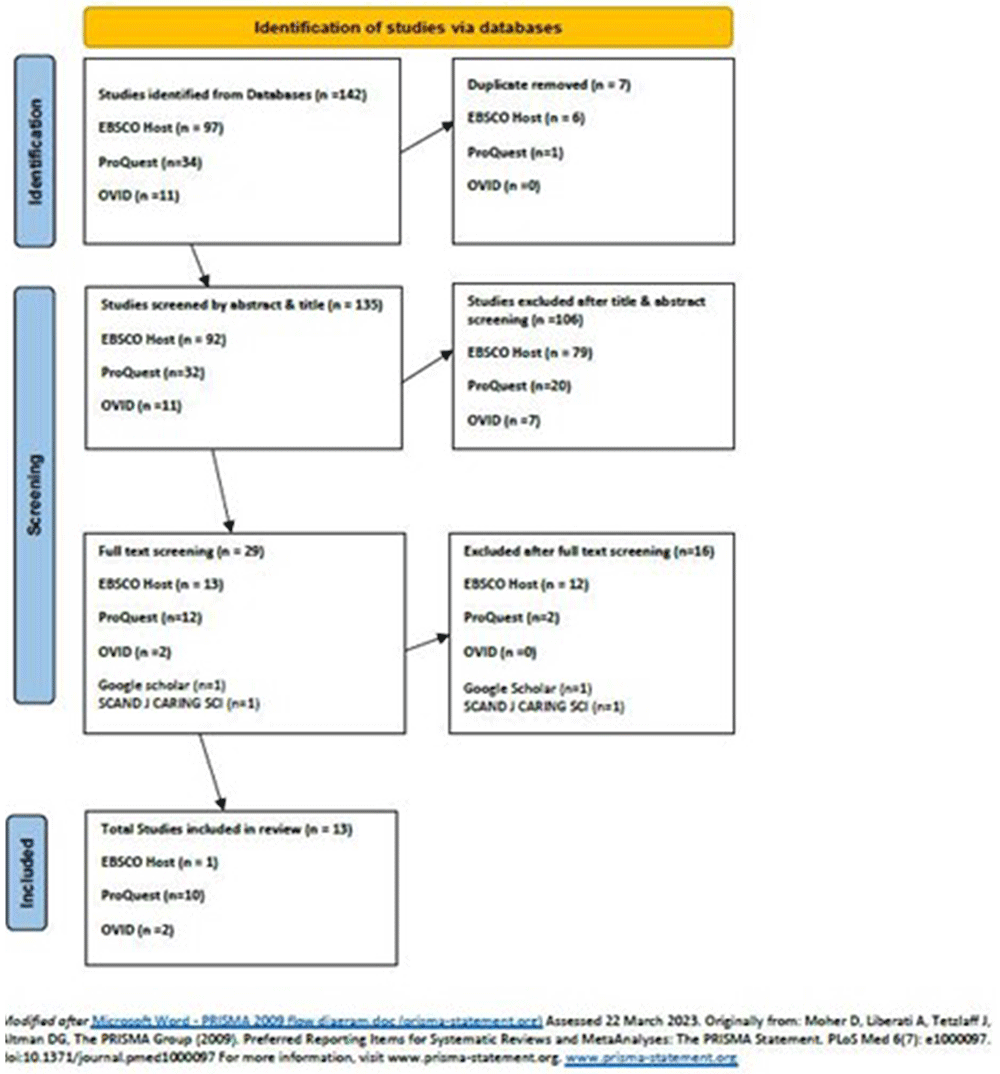
Figure 1. PRISMA flowchart for identification of studies for Incidental Findings in development and use of digital health platforms for older people.
Quality appraisal of the articles
The quality of the articles (N=13) were appraised by both authors by design specific tools (Appendix table 1 is available in an open repository), Preferred Reporting Items for Systematic reviews and Meta-Analyses, PRISMA, 200938, Scale for the quality Assessment of Narrative Review Articles (SANRA)39, Strengthening and Reporting of Observational studies in Epidemiology (STROBE)40, and Critical Appraisal Guidelines for Single Case Study research (CAGSCS)41. In this article, making the quality appraisals comparative, the results gained by different tools are reported as high quality (80 — 100%), average quality (70 — 79%) and low quality (less than 69%). Four of the five studies42–45 appraised by PRISMA were of high quality and one46 was appraised as average. Two47,48 of the five studies appraised with SANRA were of high quality, two of the studies7,49 were of average and one50 of low quality. One observational study51 apprized by STROBE was of high quality. Lastly, two studies52,53 with case study design were assessed using the CAGSCS41. Both studies52,53 were of low quality. Comparatively, the studies with engineering the background scored below average while those with a health care background scored above average. However, they were included due to their eligibility and importance from the SHAPES project point of view.
Data analysis
A thematic analysis approach introduced by Whittemore and Knafl in 200534 was used in analysing the texts in the accepted articles. It entails the processes of ordering, coding, categorizing and summarizing data from the primary sources to reach an integrated conclusion about the problem. To get answers to the study objectives the data was analysed by asking the research questions from the texts of the selected articles: 1) What are the incidental findings reported related to the use and development of digital health ecosystems for older people? 2) What are the ethical vulnerabilities and treats for integrity associated with the use of AI among older people? 3) What means are implemented to ethically manage Incidental Findings that arise from digital health ecosystems for older people. This was implemented by creating a table comprising research questions, extracted findings, codes, themes and references to aid in the charting of the extracts from the primary sources (Appendix table 2 is available in an open access repository). Table 1 summarizes the recommendations for tackling IFs related to the development and use of digital health ecosystems for older people based on the synthesized and evidence.
Table 1. Recommendations to tackle ethical challenges in the development and use of digital health ecosystems for older people.
| Focus of recommendation | Recommendation | Level of evidence |
|---|
Cooperation between
designers, developers, and
care providers. | Empower designers, developers, and care providers
with digital ethical competence by training the
designers and developers of digital health ecosystems
on basic ethical principles to enable them to
incorporate ethical mechanisms in designing,
development, and deployment of digital health
ecosystems. | Strong recommendation with high quality
research evidence (Murphy et al. 2021;
Haque et al. 2021) and EU independent
high-level expert group on artificial
intelligence (2019). |
Implementation of
multidisciplinary approach
in design and development
of digital health ecosystems. | Include all stakeholders e.g., engineers, designers,
layers, end users and health care providers in the
design and development of digital health ecosystems
to enable all-inclusive and universally acceptable
products. | Strong recommendation with high quality
(Murphy et al. 2021; Haque et al. 2021;
Airola, 2021) research evidence and the EU
high-level expert group on AI (2019). |
People-centeredness in
design, development, and
deployment of digital health
ecosystems. | Evaluate individual needs and living environment to
design, develop and deploy user and client/patient-
centered health technology.
Assess the home environment for conformity and
suitability to avoid conflicting ideas with the residents.
Put into consideration the needs and considerations
of those residing with the care receiver. | Strong recommendation with high quality
(Murphy et al. 2021; Haque et al. 2021;
Airola, 2021) research evidence and
European Union agency for network and
information security (ENISA) (2014). |
Design, development, and
deployment of minimally
obtrusive digital health
ecosystems. | Ensure the minimal obtrusiveness of the digital
ecosystems by design, for instance, use of sensors
instead of cameras where possible. | Strong recommendation with high quality
(Murphy et al. 2021; Airola 2021) or good
research evidence and evidence by World
Health Organization’s guidelines on global
strategy for digital health 2020–2030 (WHO
2021). |
Results
After introducing the characteristics of the articles used in this ILR the Incidental Findings related to the use and development of digital health ecosystems will be introduced. Second, will be revealed the ethical vulnerabilities and treats for integrity associated with the use of AI among older people. Third, will be defined the means which were implemented to ethically manage Incidental Findings arising from digital health ecosystems?
Characteristics of included studies
Most of the included studies 10/13 were published after 2020 with the remaining three in 2019, and one each in 2015 and 2017. Half of the studies were conducted in European countries, one in Finland, Italy, Netherlands, Norway and Sweden each. Three in the USA, two in Canada and one of each in Iran and Australia. The most common study designs were narrative reviews (n=5), followed by systematic reviews with (n=3) and lastly, scoping reviews and case studies two (n=2) of each. The most common digital technology was ambient living assistance reported in four studies7,42,47,52. The artificial intelligence was reported in two studies43,46, robots50, wearables49, eHealth45, machine behaviour48, electronic medication register51, telecare44, and digital platforms53 were reported in one study each. Ethical issues of digital technologies were discussed in four studies7,43,46,50. Three studies42,44,45 reported older people using technology in their homes, two42,44 reported technology implemented in older people institutions while the remaining studies did not mention the settings where the technology was used by older people.
Incidental findings
Seven themes were reported as IF (Figure 2). The social isolation of the end-users of the digital health technologies was reported in many papers. One of the studies50 indicated care robots having potential to replace human care but exposing care receivers to loneliness by isolating and reducing care provider and receiver interactions. One study7 reported loneliness due to the reduced human contact among the end-users of socially assistive robots and telehealth respectively. The assistive ambient living technologies (AALT) reported improving older people’s functionalities, but also decreasing human contacts. Older people reported requiring physical human contact preventing them from a feeling of lack of support while using eHealth technology45. Older adults using telehealth reported feelings of being abandoned44.
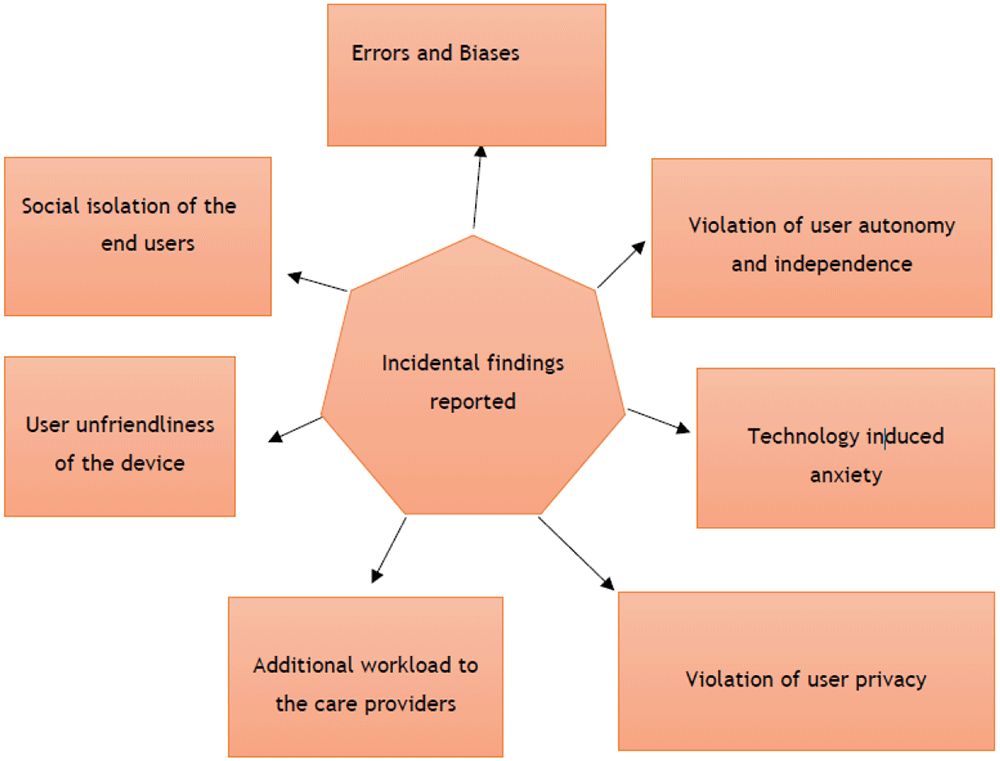
Figure 2. Incidental Findings revealed by the integrated literature review.
Three of the articles reported problems with the usability of the devices. Older people living in care home, particularly people with limited motor and cognitive functions reported raising complains about the ergonomic nature of the socially assistive technologies used such as screen resolution, weight, and size of the equipment42. The older people with impairments reported experiencing difficulties in activating alarm devices since the activation button was hard to push and feeling unwanted sound effects produced by telecare devices. Other older people reported their homes becoming untidy or cluttered due to the number of cables used in mounting telecare technology44. Contact-based wearable devices being attached to the body were reported raising inconveniences amongst the end-users47.
Additional workload to care providers emerged and discussed extensively. Care providers in older people’s homes reported engaging with assistive technologies though it was not part of their daily responsibilities42. For example, deployment and use of electronic medication administration record (eMAR) created new working tasks, like investigating deviations in medications, leading to increase in administrative tasks52. Care robots were reported not releasing human caregivers from their responsibilities but causing “more personal sacrifice”50.
Four articles reported violations of user privacy. Older people using telecare devices reported feeling being monitored or the presence of uninvited stranger deploying telecare equipment in their homes44. Dangers of AI-enabled devices included privacy and confidentiality breach through monitoring and surveillance46. Visual sensors raised privacy concerns especially in bathrooms and bedrooms52. The ambient sensors reported having ability to uncover new information like measuring vital sings from distance thus potentially revealing private medical conditions when robots with cameras and sensors had to monitor daily living activities of older persons50.
Older persons reported perceiving the use of technology as a constant reminder of the deteriorating health condition hence leading to anxiety. They reported stigma due to the assistive and alarming devices and feelings of burden by interfering and bothering others44. Anxiety was reported from their peers and attributed to the use of wearable device enforcing the identity of a person needing extra and constant attention from telecare and alarm system. Two studies46,49 reported technology induced anxiety related to the use of wearables worsening the same problem it tried to address.
Infringement of end-users’ autonomy emerged from three articles43,44,50. Two studies44,50 reported that some devices, such as care robots, did not work outside home thereby limiting active living and creating conflict. It was argued that robots hinder individuals’ autonomy by displacing their right to make independent decisions and advancing infantilization of care recipients43. In addition, some older adults using eHealth technologies at home reported finding the devices unsuitable for daily use due to their inflexibility with no option but to change or modify their behaviours to conform with the technology45.
Biases and errors were reported resulting from the use of digital health technology in five articles. End-users reported raising concerns frequently about false alarms, for example by pets owing to the high sensitivity of the technology44. The eMAR provided partial information about the medication task neglecting other aspects making it prone to medication errors thus affecting the patient security and quality of care51. The chatbots used for primary diagnosis had inabilities collecting patient history as the health care professional making it liable to mis-categorizations of end-users needs50. The algorithm bias such as dataset bias and model performance could affect the clinical care received by the same set of people thus causing predictive errors. This is attributed to the algorithm misinterpreting their records due to skewness collecting data or societal attributes46,47.
Ethical vulnerabilities and treats for integrity
The ethical vulnerabilities and treats for integrity associated with the use of digital health ecosystems among older people constructed of five themes: Discrimination and Exacerbation of Health Inequalities; Misuse of Personal Data and Privacy Infringement; Lack of Responsibility and Accountability in Case of Harm; Deception and Loss of Dignity; and Infringement of Autonomy. The misuse of personal data and privacy violation reported due to the potential unauthorized collection and use of data43. One diagnostic database with client’s information reported leaked without informing the clients of the incidence following exposure to the unwanted content and breach of personal data46.
First, potential to discrimination and exacerbation of health inequalities reported connected with AI enabled devices due to algorithm bias misinterpreting information47. Biases were embedded in algorithms producing potential outputs advantageous to certain population over the others and unequal distribution of AI enabled systems facilitating health inequalities. In addition to the disparity of AI-based treatments due to the exclusion of minorities and disadvantaged groups, also algorithm related biases such as breach of personal data privacy leading to victims’ discrimination based on the leaked personal information reported46.
The principle of fidelity which entails concepts like “faithfulness, correctness and authenticity of reciprocal commitments” implies that the end-users must trust and exhibit confidence in the AI driven devices7. Moral concerns reported raising on the deployment of AI systems that included control, responsibility, and the accuracy of the information as well as lack of safety of deploying autonomous robots to health care before fixing issues of accountability and responsibility46. Accountability questions regarding the use of robots reported in case the AI enabled care robot harms the care receiver or if the care receiver harms themselves under the watch of care robots43.
The deception and loss of dignity were reported due to the risk of undermining the preservation of human dignity with the use of care robots occurring for example when care robots make care recipients to believe they are “real” caregivers and companions43. AI poses dangers that include the dehumanization of care through automation and datafication of older people. The set of standardized data utilized by AI devices leaves no room for a holistic approach46.
According to a general expectation, the principle of autonomy advocates no interference of the lives and preferences of older people by the assistive device7. Contrary to that one study44 revealed older people facing pressure and coercion to use alarm devices by caregivers though they would prefer to decide by themselves when and where to use them. In addition, lack of understanding about telecare devices was reported amongst older adults raising issues with informed consent44,46. Older people with impaired cognitive abilities such as dementia reported persuading the involuntary use of care robots disregarding their consent50.
Means to ethically manage incidental findings
Two themes were identified related to the ways ethically managing the IF arising from digital health ecosystems. The first theme was “The development and designing of ethical ecosystems” revealing the need for incorporating the current ethical guidelines into the co-creation. The second theme was “The end user centred design” revealing the users’ preferences.
The need to empower the engineers and developers with ethical, accountability and privacy competencies appeared from the analysed articles. Murphy et al.43 insisted on the system developers incorporating “machine learning accountability mechanisms into AI algorithms” and tackling biases by incorporating ethical guidelines on designing and co-creation.
The need for setting standards and methodological best practices during data collection analysis, and evaluation prior to designing to avoid skewness in the distortion of data was reported7. The establishment of multidisciplinary team for designing and deployment of the AI products was considered important in having the responsibility in carrying out checks on the algorithm opaqueness to deliver privacy conscious systems. It was also suggested for device developers and manufacturers to develop and implement a follow-up plan for the implementation of their devices after deployment43. The AI systems cannot take responsibility for any violation incurred during service delivery hence the need for an entity responsible for the actions. To avoid and to identify when a device is on the wrong hands, and to ascertain legal ownership, an inventory of devices should be made52. To tackle privacy, issue the need to make personal data less visible using unobtrusive systems like sensors instead of obtrusive surveillance cameras was recognized52. To mitigate privacy intrusion, healthcare professional needs to use privacy-preserving techniques like face blurring, body masking and homomorphic encryption was introduced47.
Several studies raised suggestions on the importance of putting into consideration the perspective of the end-users in the designing and developing of digital health ecosystems43,53 and implementing assistive ambient technologies7. Spagnoletti and associates53 proposed the inclusion of elements that could be reconfigured and customized to accommodate diverse needs of the user in the initial platform architecture. Murphy and associates43 suggested the end-users of AI ecosystem to be included in the designing phase to enable them gaining insight on its functionality thus promoting transparency in development. The importance of empowering users with information enabling them to make informed decisions accepting or rejecting the use of their data suggested43. To tackle the older adults’ cognitive impairment as a challenge to obtaining informed consent, the use of guardians is recommended52. Moreover, to mitigate issues like “not fit for purpose”, compatibility to the living environment and diverse aspects of disability, care providers should be tasked to evaluate the nature of disability related to the care need, living environment in terms of space and occupancy and most importantly the options available7. Wynsberghe and Li50 recognized the need for and the importance of the multidisciplinary approach in the designing and implementation of the AI ecosystems. The inclusion of health care providers voices due to their experiences and their overall conceptual perception of the technology. To add to this, Murphy et al.43 maintained that inclusive engagement in the development of ethical AI ecosystems helped in curbing potential bias.
Discussion
This integrated review revealed the existences of IFs and threats to the integrity of older people when digital health ecosystems are deployed in caring for older people. Deployment of digital heath technologies in elderly care could lead to the arising of IFs like social isolation, user unfriendliness, privacy violation, autonomy threat, biases and errors, technology induced anxiety and the extra workload. The management of IFs was not explicitly discussed in most of the articles. However, the evidence pointed out a twofold approach in ensuring adherence to ethical values in the designing and deployment of these technologies. First, there is a need to empower designers, developers, and healthcare professionals on digital ethical competencies and secondly, the deliberate need to include end-users’ preferences to allow co-creation of tailor-made digital health ecosystems.
Enormous responsibility lies in the hands of designers and developers producing ethically responsible devices. Privacy violation was elaborately reported on most of the digital health devices. The breach and invasion of privacy could lead to the unlawful exposure of sensitive personal data consequently causing the violation of the right of personal privacy. In most of the studies, end-users were reported having reservations on the privacy of the devices. For example, placing cameras in the washrooms and bedrooms47 while others44 argued that information like sleeping patterns and bedroom habits is personal information which should not be shared with anyone. In agreement with these findings, Schicktanz and Schweda54, highlighted the ability of the technologies to constantly monitor the individual at the same time transmitting unfiltered information. However, this could be managed at the design stage by ensuring that devices are the less obtrusive and use of sensors instead of cameras and putting emphasis on privacy preserving techniques47. However, under the SHAPES privacy and data protection, Sarlio-Siintola et al.55 demonstrated the implementation of data privacy right from the design under the guiding principle “privacy by design and default” and implementation the general data protection regulations and data governance.
The user unfriendliness of the devices could affect the end-user’s safety and security. For instance, older people with health limitations and varying self-efficacy raised concerns about the design nature of the devices e.g., size, weight, and screen resolution42. Another study Karlsen et al.44 revealed untidiness and unpleasant sound effect from the telecare installations. Similarly, the unintended additional workload was reported from the care givers perspective. For instance, caregivers were able to do extra work guiding the older adults on how to use the technology while nurses using eMAR reported the technology adding more administrative tasks, which were not originally on their responsibility list52. This was attributed to the omission of the end-users in the designing of the devices. In agreement with these findings, Mbunge and associates56 indicated that complexities in device design could result in user unfriendliness. This study was emphasizing the importance of the multidisciplinary approach in the designing and implementation of the AI ecosystems e.g., the inclusion of health care providers voices due to their experiences and their overall conceptual perception of the technology.
On the infringement of autonomy and independence of older people, evidence indicated older people were constantly requested and reminded to use wearable alarm devices even though they did not want to use hence risking manipulating and coercing. Findings revealed older people had to yield their independence especially when the technology in use was home bound limiting free movement. As a result, this study demonstrated the need to shift the focus to the person-centred approach enabling the production of tailored devices meeting the specific needs and preferences of an individual and conforms to the specific home environment. Similarly, Sarlio-Siintola et al.55 reaffirmed this finding by indicating that within the SHAPES platforms, older people will play a centre stage when it comes to the decisions affecting their lives. Mbunge, and associates56 also insisted on the stakeholder engagement and involvement during the designing and development of digital technologies. The SHAPES’ right to the integrity of a person agrees with these findings. For instance, within SHAPES digital platforms, the physical and mental integrity of an individual is guaranteed by obtaining free and informed consent from the end-users regarding their participation in research care delivery, and ability of the older people to choose the digital platform55.
Deception due to the dehumanization of older people’s care risks violating dignity and integrity. The findings revealed AI-enabled digital ecosystems, especially care robots could treat humans as objects instead of moral subjects. These devices risk manipulating and coercing end-users into believing that they are “real” caregivers. To build on this, European Union parliament57 insisted on human contact as one of the fundamental elements of care to avoid the dehumanization of care by substituting the care workers with assistive robots. To remedy this, Zardiashvili and Fosch-Villaronga58 emphasized the need to protect human dignity as an ultimate virtue which all human rights are based on. However, using capability approach perspective while referring to Nussbaum’s work, Sharkey59 indicated that dignity as virtue is inherent to every individual although some lack capabilities due to disabilities. In this situation, human dignity should be protected and upheld using assistive technologies to enable them to achieve the “minimum level of self-worth”. The capability ethics of Martha Nussbaum reveals the core of the SHAPES project “by taking into account their (older persons’) capabilities to function, so that there will be no burden for, e.g., vulnerable participants or any risk for stigmatization.”55
Responsibility and accountability issues emerged as a threat to integrity to older adults using digital health ecosystems. For instance, determining responsibility and culpability in the case of errors or harm towards the end user could be difficult especially when autonomous devices like robots are deployed. Similar doubts were cast on liability ownership in case of harm54. Authors demonstrated issues of accountability with unresolved situations whenever care robots harmed or made errors on the care receiver. This study of Spagnoletti, Resca and Lee however recognized that AI systems cannot take responsibility for any violation caused during service delivery hence the need for an entity responsible for the actions. In addition, an inventory of devices should be made to identify when a device is on the wrong hands, and to ascertain legal ownership.
The principle of justice entails treating individuals fairly as well as respecting their rights. However, the deployment of digital health ecosystems in older people’s care could lead to discrimination and marginalization. For instance, two distinct elements of discrimination that emerged were algorithm biases related to skewness in the data collection and breach of data privacy. Similarly, one study60 demonstrated discrimination due to algorithm biases is well documented in health care. To tackle algorithm biases and errors, there is a need for setting standards and methodological best practices during data collection analysis, and evaluation prior to designing to avoid skewness in the distortion of data. Furthermore, one study was emphasizing the establishment of multidisciplinary team with the responsibility carrying out checks on the algorithm opaqueness to deliver privacy conscious systems43.
Although the digital health ecosystem, especially robots are considered offering companionship to the older people, this study revealed their possibilities to hamper companionship by reducing the amount of time human caregiver spends with the older people and by replacing the human caregivers. Contrary to this, Vercelli and associates61 demonstrated the ability of care robots in solving solitude and loneliness problems amongst older people. Moreover, the use of technology was associated with fragility and helplessness. This created a negative connotation and stigma towards the end-users thus predisposing them to anxiety. It was also revealed that the technology induced anxiety by acting as a constant reminder of ailments and disability. Similar findings of two studies54,62, indicated older people who are vulnerable and using technology are likely to face discrimination and stigmatization. These challenges are well taken care of in the ethical guidelines of the SHAPES project55. In addition to implementing the well-documented SHAPES guidelines, we made four recommendations for future projects as shown in Table 1.