Introduction
Silver (Ag) nanoparticles (NPs) are used in antimicrobial textiles, such as face masks and gloves, personal clothing, and wound dressings for their ability to inhibit the growth of microorganisms (Abazari et al., 2023; Novi et al., 2022; Salleh et al., 2020). However, concerns have been raised regarding the potential intake via long term dermal exposure (Shah et al., 2022; Ferdous & Nemmar, 2019; Yetisen et al., 2016). In response to these concerns, regulatory actions have been taken in Europe where the European Commission (EC) has restricted the use of Ag NPs as a biocidal substance in fiber, leather, rubber and polymerized materials preservatives (EC, 2021). This regulatory measure reflects the need to mitigate potential risks associated with the widespread use of Ag NPs in consumer products.
Dermal exposure to NPs can occur via deposition from air to skin, intentional application of a product to skin or contact with articles containing NPs. NPs at the skin surface may be removed by volatilization, debridement, sweating, washing, and percutaneous absorption. Main pathways for dermal uptake are percutaneous absorption, direct absorption through damaged skin, or indirect uptake via inadvertent ingestion (Anderson & Meade, 2014; Gorman Ng et al., 2016; Li et al., 2021). Indirect exposure pathways are for example hand-to-object contact followed by finger mouthing or object-to-mouth contact for example when wearing a face mask. Dermal exposure mechanisms are well known and various mechanistic dermal exposure models are developed (e.g., Ernstoff et al., 2016; Kvasnicka et al., 2020; Li et al., 2021).
The skin barrier is composed of the epidermis and dermis (Nafisi & Maibach, 2018). The epidermis is made of keratinocytes and non-keratinocytes primary cells that are stratified in layers as stratum corneum (the outermost layer) and viable skin of stratum lucidum, stratum granulosum, stratum spinosum and stratum basale (on top of dermis). Intake via percutaneous absorption is usually considered the fraction that penetrate into stratum corneum (Cleek & Bunge, 1993). From stratum corneum, the chemical can permeate to the viable skin and enter the systemic circulation that is considered as uptake. A simplified concept for dermal absorption across the stratum corneum is presented by van der Merwe et al. (2006). Chemical permeation is typically measured in vitro by using diffusion cell and skin samples with only stratum corneum and epidermis (ECHA, 2020; OECD, 2004).
Currently, there are no sophisticated mathematical models for predicting absorption of NPs through different layers of the skin (ECHA, 2020). This is because dermal absorption models are designed for neutral and low-molecular weight molecules whose dynamics are described with kinetic molecular theory which is not applicable for colloidal NP systems (Praetorius et al., 2014). NP absorption becomes a complex phenomenon with diverse properties of NPs. The permeability is also effected by the properties of the vehicle and the structure and properties of skin along with their interactions (Alikhan et al., 2009). Since the physical and chemical properties affecting dermal absorption of NPs are still undefined, permeability testing on a case-by-case basis is recommended (ECHA, 2020).
Empirical studies have indicated that dermal absorption through diffusion is minimal for compounds with molecular weights exceeding 500 g/mol (Buist et al., 2017). Consequently, this phenomenon can be regarded as negligible for nanoparticles (NPs) with molar masses on the order of 106 g/mol and particle diameters around 10 nm. It has been shown that NPs can penetrate the skin via intra- or intercellular routes and transappendageal routes via hair follicles and sweat ducts (Larese Filon et al., 2015). Particles that are not washed off generally remain in the upper layer of the epidermis, although there is evidence that some of the particles also reach the dermis. Potential risks associated with dermal exposure to insoluble NPs are (Brouwer et al., 2016; Larese Filon et al., 2016; Larese Filon et al., 2015):
≤ 4 nm NPs can penetrate and permeate intact skin,
4 nm < Dp ≤ 20 nm can potentially permeate intact and damaged skin,
20 nm < Dp ≤ 45 nm can penetrate and permeate only damaged skin,
> 45 nm NPs cannot penetrate nor permeate the skin.
Additionally, metallic NPs may dissolve and cause local effects or penetrate the skin in ionic form and cause systemic effects (Zanoni et al., 2021). Impurities present in NPs can cause both localized and systemic adverse effects. Also, NPs permeability may be better for non-rigid NPs.
Estevan et al. (2022) estimated a risk related to wear of a face mask containing Ag NPs by the general population considering both daily use for 2 h/day and in workplace use for 8 h/day. The dermal exposure was calculated for the face mask with a contact surface area of 555 cm2 face mask containing 113 μg-Ag/cm2. It was assumed that Ag NPs in the textile are immediately released to skin surface. Dermal flux was set to correspond Ag NP penetration in a glycerolized human skin (3.8 ng/cm2/h) that is similar to necrotic skin (Bianco et al., 2014). Under these worst-case conditions described above, the risk ratio was ≤0.014 and the risk was adequately controlled. The approach is applicable for face mask safety assessment, but a more detailed approach is needed in a generic exposure scenario with longer wear times and larger contact surfaces by wearing other clothing containing Ag NPs.
In this study, a more realistic approach considering Ag release rates from textile to skin is considered rather than assuming instantaneous release and intake time trends. We demonstrate how Ag NP leaching from textile affects the Ag NP dermal exposure and uptake, while also assessing the role of unintentional oral exposure and the impact of hand/body washing in reducing exposure. The assessment was performed for antimicrobial textiles developed in Anticipating Safety Issues at the Design Stage of NAno Product Development (ASINA) for face mask wear and a full body exposure that is considered as the reasonable worst-case (RWC) exposure assessment. The simulations are performed for RWC for i) general population wearing face mask and ii) worst-case occupational exposure scenarios during wear of face mask and a full-body suit containing Ag NPs that are in contact with body with dermal exposure surface area of 20 000 cm2 (2 m2). Overall, by considering realistic exposure scenarios and incorporating factors such as leaching rates, unintentional exposure pathways, and the effectiveness of washing practices, the study aims to provide valuable insights into the potential risks associated with the use of Ag NP-containing textiles.
2. Methods
2.1 Dermal exposure model
Here non-volatile and inert NPs absorption to the skin via direct contact, and removal from the skin by wear and washing, and finger-to-mouth transfer mechanisms are considered. By considering these absorption, removal, and transfer mechanisms, the study aims to provide an understanding of fate and potential exposure pathways. The change in NP mass m (mg) on the skin surface over the exposure duration t (h) can be described with:
Where Sp(t) (mg/min) is the NP application rate from a product p and rate constants ksc (1/min), ko (1/min) and kww (1/min) respectively account for the NP losses from the skin surface by transfer to stratum corneum (sc), inadvertent oral exposure (o) and wear and washing (ww). All rate constants are considered as net rates and the transport from receiving receptor back to the donor is insignificant.
2.1.1 Emission source Sp(t). The emissions from the product to skin can be described by using the product initial NP mass mp (mg) and NP transfer rate from the product to the skin as:
Where the kp (1/min) is the first order loss rate constant and the product initial mass concentration mp(t=0) = mp,0 can be calculated from the amount of product in contact with skin AP (g), the product NP concentration C (mg/g) and the fraction of NPs available for dermal exposure fa (-), which is set to 1 corresponding to a situation where all NPs are available for dermal exposure.
Emission source for dermal exposure can be categorized according to the emission pattern as an instant-, continuous-, or varying emitter. For instant emission, all product is instantaneously in contact with skin (e.g., applying lotion), i.e., kp is very high and S(0) ≈ m0. For a continuous emitter, the transfer rate is small compared to the contact period and the mass loss from product is small, i.e., m(t) ≈ m0. Otherwise, the NP mass in the product decreases according to the emissions when assuming that there is no other loss mechanism than transfer to skin.
Indirect dermal exposure describes dermal exposure when skin is in contact with contaminated surfaces. This is described with an instant application source where the mass transfer is described with surface contamination ms (mg/cm2), dermal contact area Ad (cm2) and transfer efficiency TF (-) estimating the fraction transferred from the contaminated surface to the skin.
2.1.2 Assessment of the rate constants ksc, ko, and kww. The rate constants can be estimated individually by measuring initial NP mass in the product and the NP mass in the receiving compartment. When S(t) = 0 and x is the only significant removal process, the rate constant for process x can be calculated as:
Where m (mg) and mx (mg) are the donor and acceptor (receiving compartment) masses, respectively.
2.1.3 Mass transfer via stratum corneum kss (intake). Ag NP penetration varies from 0.27×10⁻⁶ to 34×10-6 depending on the skin type (Table 1). In this evaluation a precautionary assessment and penetration rate constants measured by Bianco et al. (2014) were used.
Table 1. Reported median penetration fluxes for Ag NPs under different conditions.
| Study | Skin type | Exposure media | AgNP flux penetration, [ng/cm2/h] | Lag time, [h] | Rate constant, kSC, [1/h] |
|---|
| (Bianco et al., 2014) | Fresh human skin graft | Ag NPs (19±5 nm) in synthetic sweat using a Franz diffusion cell apparatus for 24 h. The donor solution surface load was 113 μg-Ag/cm2. | 0.2 | 8.2 | 1.8×10⁻⁶ |
| Cryopreserved human skin graft. Skin viability is reduced by 36% compared to fresh skin | 0.3 | 10.9 | 2.7×10⁻⁶ |
| Glycerolized human skin graft. Comparable to necrotic skin from a morphological and structural point of view | 3.8 | 6.3 | 34×10-6 |
| (Larese Filon et al., 2009) | Intact skin graft. | Ag NPs (25±7.1 nm) in synthetic sweat using a Franz diffusion cell apparatus for 24 h. The donor solution surface load was 70 μg-Ag/cm2. | 0.02 | <1 | 0.27×10⁻⁶ |
| Damaged skin graft abraded according to the Bronaugh and Stewart (1985) protocol | 0.10 | <1 | 1.4×10⁻⁶ |
2.1.4 Mass transfer via inadvertent oral exposure ko. Two mechanisms are responsible for mouthing mediated ingestion:
1) Surface-to-hand contact followed by hand-to-mouth contact, and
2) direct mouthing of objects and ingestion of contaminants (Li et al., 2021).
Relevant parameters for inadvertent oral exposure are surface loading (mg/cm2), transfer efficiency (-), mouthing frequency (1/h) and contact surface area (cm2). The transfer efficiency of NPs in hand-to-mouth contact is scarcely studied. Surface-to-hand studies showed that zinc oxide NPs transfer efficiency is ca. 30 times higher than for micron sized zinc oxide particles from metal and wood surfaces (Brouwer et al., 2016). For powders, the hand-to-mouth transfer efficiency can be nearly complete (Ng et al., 2012). The default surface area of both hands varies from 840 to 900 cm2 for males (OEHHA, 2008; te Biesebeek et al., 2014). Fingers mouthing frequency is studied in occupational environments (Gorman Ng et al., 2016). Consumers finger mounting is studied only for children and infants: Surface area of fingers contacting accidentally mouth during fish tackle handling was estimated to be 19 cm2 (three 3 fingertips and that each fingertip is 30% of the finger) and the contact frequency was assumed to be 9 times per hour (OEHHA (2008). For adults, the average surface area for three fingertips per hand is 11.5 cm2 (range: 9.3–14.4 cm2; n = 12) (Sahmel et al., 2015).
2.1.5 Inadvertent oral ingestion, intake, and uptake. Intake via inadvertent ingestion from hand to mouth contact can be estimated from the dermal load, contaminant transfer efficiency from hand to oral or perioral region and number of contacts (Ng et al., 2012). In ingestion, the intake is assumed to be complete, i.e. Fret = 1, and the uptake can be estimated when the absorption of the substance from gastrointestinal tract is known. This model is applicable for solids, powders, pastes, gels and liquids including products with nanomaterials (SCCS, 2019). The retention factor is usually poorly known, that is the main limiting factor considering the model reliability. NP absorption across intestine, i.e. uptake, can be calculated by using simplified mechanistic models when NPs permeability is derived from Caco-2 or Ussing chamber experiments (Lundquist & Artursson, 2016; Ölander et al., 2016).
2.1.6 Mass transfer via wear and washing kww. NPs loss from skin by wear and washing is scarcely studied. Hand washing frequency in general population is ca. 8 times per day according to SDA (2005). NP removal efficacies by wear or washing are not available. Here, wear is not considered, and washing is simulated by using exposure time. These removal pathways can be applied when information on rate constants is available and if there is need for more detailed exposure assessment.
2.2 ASINA Ag NP textiles
Polystyrene textile (Klopman International, Vektron 8200; weight 145 g/cm2) were coated with Ag NPs by using a spray coating system as described by Del Secco et al. (2022). The coating suspensions consisted of Ag (Sigma Aldrich, Milan, Italy) capped with hydroxyethylcellulose (Univar Solutions SpA, Milan, Italy) (AgHEC), hydroxyethylcellulose with changed molar ratio (AgHEC6.4) or adding curcumin (AgCur) as capping agent instead of HEC, all dispersed in water at concentrations of 0.1% w/w. The AgHEC, AgHEC6.4 and AgCur aqueous nano suspensions were produced by CNR- ISSMC (Faenza, Italy) using a patented production process (patent no. WO2016125070A1). Three different Ag NPs were applied to textiles by using the spray coating technique (Table 2). The Ag concentration in each textile was measured by using inductively coupled plasma mass spectrometry according to ISO 11885:2007 (elemental concentration in different media).
Table 2. Textile coating parameters and Ag load in textile.
Ag concentration on coating solution is 0.1 wt% for all samples. Plasma neutralization during spray coating is shown with (P).
| Sample code | Embedding
material | NM
concentration on
solution [wt%] | Embedding
concentration on
solution [wt%] | Flow rate
[mL/min] | R2R speed
[m/min] | Ag
concentration
[ng Ag/cm2] |
|---|
| AgCurA | Curcumin | 0.1 | 0.06 | 60 | 6 | 849 ± 31 |
| AgCurB | Curcumin | 0.1 | 0.06 | 80 | 6 | 1444 ± 203 |
| AgCurC | Curcumin | 0.1 | 0.06 | 60 | 4 | 1530 ± 151 |
| AgCurC(P) | Curcumin | 0.1 | 0.06 | 60 | 4 | 1147 ± 165 |
| AgCurD | Curcumin | 0.1 | 0.06 | 80 | 4 | 1957 ± 22 |
| AgCurE | Curcumin | 0.1 | 0.06 | 60 | 2 | 2258 ± 14 |
| AgHEC6.4A | HEC6.4 | 0.1 | 1.07 | 60 | 6 | 1149 ± 144 |
| AgHEC6.4B | HEC6.4 | 0.1 | 1.07 | 80 | 6 | 1222 ± 49 |
| AgHEC6.4C | HEC6.4 | 0.1 | 1.07 | 60 | 4 | 1538 ± 41 |
| AgHEC6.4C(P) | HEC6.4 | 0.1 | 1.07 | 60 | 4 | 1529 ± 82 |
| AgHEC6.4D | HEC6.4 | 0.1 | 1.07 | 80 | 4 | 1861 ± 96 |
| AgHEC6.4E | HEC6.4 | 0.1 | 1.07 | 60 | 2 | 2651 ± 399 |
| AgHECC | HEC | 0.1 | 0.92 | 60 | 4 | 1311 ± 671 |
| AgHECC(P) | HEC | 0.1 | 0.92 | 60 | 4 | 1406 ± 318 |
| AgHECD | HEC | 0.1 | 0.92 | 80 | 4 | 1574 ± 302 |
2.3 Textile washing
The washing simulation was based on the “ISO 105-C06 (A1S) for colour fastness to domestic and commercial laundering (2010)”. The tests were performed with a lab washing machine (Linitest Plus, Atlas Electrical Device); motor speed 40 ± 1 rpm, steel vessels (75 ± 5 mm diameter, 125 ± 10 mm height, 550 ± 50 mL) and a washing solution of 4 ± 0.01 g L-1 ECE Colour Fastness Test Detergent 77 in deionized water (pH 10) and ten steel ball (Ø = 0.6 cm) to simulate the mechanical energy applied by friction to the textiles. Five pieces of each textile type were cut with an area of 40 cm2 per piece and stacked in the vessel. A volume of 150 mL of washing solution was added to the vessel, together with the steel balls and the textiles. In order to do a conditioning of the washing solution inside the vessels at the same temperature as the washing machine, preheat of the washing solution at 40° C was done under stirring at 300 rpm for 30 min.
After the washing process, the washing water was collected, and the textiles were rinsed one by one dipping them five times in 10 mL of deionized water. Once this step was finished, the water was renewed to avoid accumulation of silver released in water. Finally, the textiles were placed on a paper, covered, and dried overnight at room temperature.
The washing water was filtered at different pore size (20 μm pore size, 0.45 μm pore size and 10 kDa, sequentially) and stored for electron microscopy characterization and silver quantification by using Inductively Coupled Plasma-Mass Spectrometry (ICP-MS). For the ICP-MS, 0.5 g of liquid sample is taken to perform an acid digestion with 5 ml of concentrated ultrapure nitric acid (HNO3 70%) in an analytical microwave system at 250°C. Then, the obtained digestion residue is properly diluted to analyze the elements of interest by ICPMS. The quantification is performed by interpolation in a calibration curve prepared with commercial standards of the elements of interest. Electron microscopy images were treated by ImageJ (Rasband, 2018)."
2.4 Abrasion tests
The simulation of a textile touching the skin was based on an adaptation of BS EN ISO 105-X12:2016 - Tests for color fastness Colour fastness to rubbing. The test was performed using a crock-meter (302-P, JBA). The equipment applies low energy wear on a 10 cm surface by a cylindric tip (ø = 16 mm) covered with cotton tissue. Before starting the experiment, calibration of the tip pressure was done by altering the weight until no pressure is applied on surface. Then, a 9 N weight was applied to the tip. Pieces of textile were cut at an approximate area of 40 cm2 and stuck by double face tape into the dedicated spot for rubbing. A cotton napkin was dipped in a simulated sweat solution at pH 6.5 (0.5 wt% sodium chloride, 0.1 wt% lactic acid, 0.1 wt% urea) and rinsed for 1 min before covering the crock-meter tip. A total of 10 rubbing cycles (1 second/cycle) were performed by triplicates to unwashed textiles. The cotton napkin was replaced every 10 cycles. Characterization was performed to the cotton tissue (NM release receiving compartment) using ICP-MS.
Characterization was performed to the rubbered textiles (remaining NM concentration) and to the cotton tissue (NM release receiving compartment) using ICP-MS and SEM techniques. For the ICP-MS analysis (limit of detection of 5 mg NM/kg textile), all sample were weighed to perform an acid digestion with 3 mL of concentrated ultrapure nitric acid (HNO3 70%) plus 1 mL of concentrated ultrapure hydrofluoric acid (HF 48%) in an analytical microwave system at 250°C. Then, the obtained digestion residue is properly diluted in order to analyse the element of interest (Ag) by ICPMS. The quantification is performed by interpolation in a calibration curve prepared with commercial standards of the elements of interest.
2.5 Risk characterization
Ag penetrated to stratum corneum is assumed to enter blood circulation immediately. Intake is normalized using 60 kg body weight (bw) according to the U.S. EPA (2011) recommendation. Estimated systemic derived-no-effect-limits (DNELs) ranged between 0.01 and 0.0375 mg/kg-bw/day for general population and between 0.02 and 0.075 mg/kg-bw/day for occupational settings (Estevan et al., 2022). The risk characterization ratios (RCRs) were calculated by using bw-normalized daily intake divided with the lowest DNEL for general population (0.01 mg/kg-bw/day).
3. Results and discussion
3.1 Model comparison
Dermal model was compared with the dermal exposure model by von Goetz et al. (2013) They measured Ag releases for commercial Ag NP coated textiles in 30 min artificial sweat immersion and mechanical stress test based on modified ISO method 105-C06 for “color fastness to domestic and commercial laundering”. The release fractions and release constants calculated here (Table S1, External data; Koivisto et al., 2024) were:
a) T-shirt, 83% polyester and 17% wool textile containing Ag 183 mg/kg: Release was 6.8% for acidic sweat and 5.0% for alkaline sweat corresponding to average release constant of 0.0017 1/min.
b) Trousers, 93% polyamide and 7% elastane containing Ag 41 mg/kg: Release was 13.2% for acidic sweat and 14.0% for alkaline sweat corresponding to average release constant of 0.0050 1/min.
Von Goetz et al. (2013) model is based on Ag leaching to artificial sweat and sweat generation that human generates during activity. The model calculates dermal exposure as Ag mass normalized with body weight by considering male and female physiological parameters (Table S1, External data; Koivisto et al., 2024). Von Goetz et al. (2013) calculated dermal exposure for 60-min sport scenarios for male and female during wear of T-shirt and trousers having dermal contact area of 0.69 and 0.345 m2, respectively. Average dermal exposure was 1235 and 659 µg for male and female, respectively, without body weight normalization.
We reproduced the sport scenario for female by using average release constants and assuming that the textiles and skin are sweaty during the 60-min period (Figure 1 and Table S1, External data; Koivisto et al., 2024). Dermal exposure was 2848 µg after 60-min exposure which is 4.3 times higher than average exposure calculated for von Goetz et al. (2013). Dermal intake was calculated by assuming that Ag absorption is the same as Bianco et al. (2014) reported for fresh skin. The intake was 2.6 ng corresponding to 0.043 ng/kg-bw (60-kg bw) corresponding to RCR of 4.3×10⁻⁶ (DNEL of 0.01 mg/bw-kg/day). Differences in dermal exposure are related to different approaches. Von Goetz et al. (2013) associate release to sweat generation while here the skin and textiles are considered as sweaty all times and release is independent of amount of sweat generated.
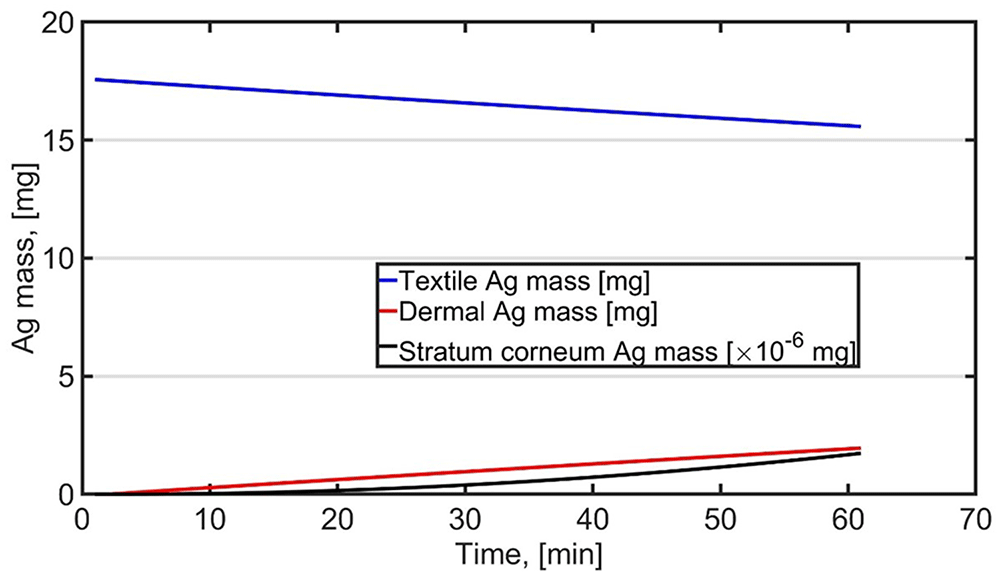
Figure 1. Dermal exposure and intake for female when wearing T-shirt and trousers during 60-min sport activity as presented by von Goetz et al. (2013).
3.2 Soft abrasion release test
Release rate constant is calculated using Equation (3), where time is 10 sec, m corresponds to the initial Ag concentration and mx to the release for unwashed textiles. Concentration is equivalent to mass, as surface area is not changing through the release or washing. Release constants for unwashed textiles were 0.086, 0.12, and 0.15 1/min for AgCur, AgHEC6.4, and AgHEC textiles, respectively (Table 3). The release constants obtained here are 25 to 44 times higher than average release rate constant measured by von Goetz et al. (2013) for acidic and alkaline sweat (0.0034 1/min). This can be explained by different textiles, coating techniques, and release test. It is also expected that the manufactured textile batch curation time was too short due to the manufacturing conditions that were designed primarily for evaluating process emissions and workers exposure under different operational conditions (unpublished).
Table 3. Ag release rate by abrasion for unwashed textiles (textile mass 145 g/m2, release is for 10 second abrasion).
| Sample code | Ag load in
textile, ng/cm2 | Release to
receptor, ng/cm2 | Release
during 10 s, % | ka, [1/min] |
|---|
| AgCurA | 849 | 17.6 | 2.1 | 0.13 |
| AgCurB | 1444 | 12.6 | 0.9 | 0.053 |
| AgCurC | 1530 | 19.1 | 1.2 | 0.075 |
| AgCurC(P) | 1147 | 17.9 | 1.6 | 0.094 |
| AgCurD | 1957 | 27.6 | 1.4 | 0.085 |
| AgCurE | 2258 | 31.7 | 1.4 | 0.085 |
| Average (standard deviation) | 1531 (471) | 21.1 (6.5) | 1.4 (0.4) | 0.086 (0.022) |
| AgHEC6.4A | 1149 | 25.0 | 2.2 | 0.13 |
| AgHEC6.4B | 1222 | 33.1 | 2.7 | 0.17 |
| AgHEC6.4C | 1538 | 34.1 | 2.2 | 0.13 |
| AgHEC6.4C(P) | 1529 | 16.4 | 1.1 | 0.065 |
| AgHEC6.4D | 1861 | 40.7 | 2.2 | 0.13 |
| AgHEC6.4E | 2651 | 47.3 | 1.8 | 0.11 |
| Average (standard deviation) | 1658 (501) | 32.8 (10.0) | 2.0 (0.5) | 0.12 (0.031) |
| AgHECC | 1311 | 35.9 | 2.7 | 0.17 |
| AgHECC(P) | 1406 | 23.3 | 1.7 | 0.10 |
| AgHECD | 1574 | 49.7 | 3.2 | 0.19 |
| Average (standard deviation) | 1430 (442) | 36.3 (8.9) | 2.5 (0.5) | 0.15 (0.033) |
3.3 Dermal exposure and intake via stratum corneum
Average release rate constants for unwashed textiles were used to calculate the intake and risk during wear of nano-Ag coated textiles (Table 1). Calculation parameters for all scenarios are presented in Table S1 as Extended data (Koivisto et al., 2024).
Release and intake of Ag NPs was calculated for 8-h wear of face mask for fresh skin, cryopreserved skin and glyzerolized skin (Figure 2). During the first hour, 99% of the Ag NPs are released from the textile to skin. During 8-h wear in fresh skin 0.0014% is penetrated to stratum corneum (Figure 2A). Absorption of Ag NPs in cryopreserved skin was 1.5 times higher than in fresh skin while the absorption for glycerolized skin was 19 times higher than in fresh skin (Figure 2B). In fresh skin and cryopreserved skin, the absorption was in similar range ranging from 11 to 19 µg while for glycerolized skin the absorption was significantly higher ranging from 212 µg (AgCur) to 245 µg (AgHEC6.4 and AgHEC) (Figure 2C). This was mainly caused by higher release rate constants because the average Ag NP initial mass concentrations were similar (1530, 1658 and 1430 ng/cm2 for AgCur, AgHEC6.4 and AgHEC, respectively). The effect of wear time without hand washing was investigated for fresh skin during 8-h, 2-h and 30-min wear times (Figure 2D). The 8-h and 2-h wear times resulted to similar intake levels and 30-min wear time reduced the intake by 1 ng.
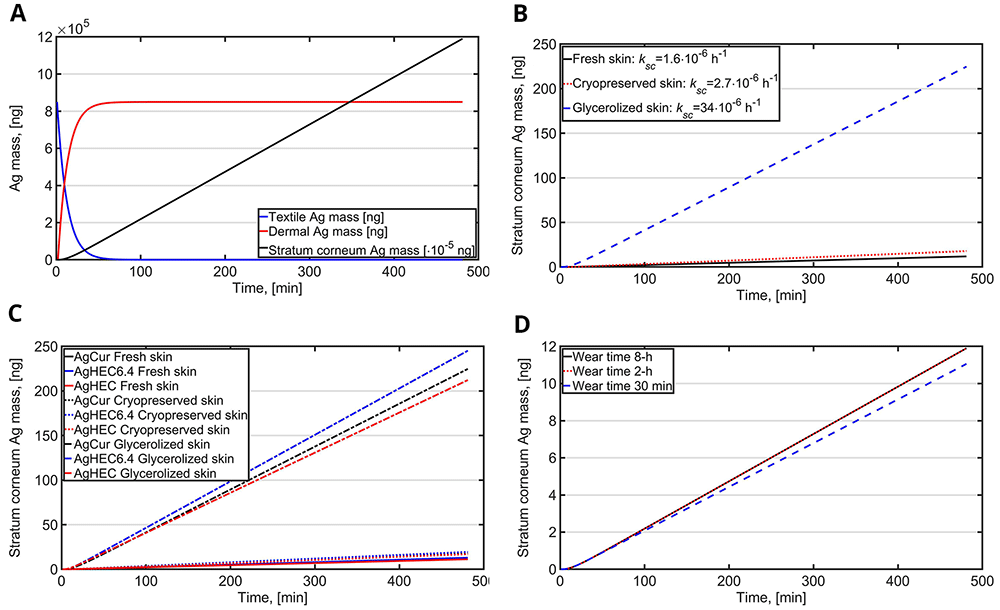
Figure 2. Dermal exposure and intake for face mask with surface area of 555 cm2.
A) An example of Ag release form AgCur coated textile to dermis and penetration to stratum corneum through fresh skin (healthy skin) during 8-h wear, B) An example of the effect of skin type on dermal penetration of Ag to stratum corneum for AgCur coated textile during 8-h wear, C) Dermal intake via stratum corneum during 8-h exposure for different textiles and for different skin types, and D) The effect of wear time (dermal exposure) for AgCur coated textile within 8-h duration for 8-h continuous wear, 2-h wear, and 30 min wear (fresh skin).
RCR was investigated for 8-h wear of face mask (A=555 cm2) and full body exposure (A=20 000 cm2) (Table 4). The highest RCR for face mask was 0.02 and for full body exposure 0.9 for glycerolized skin indicating adequately controlled exposure. Full body exposure for glycerolized skin representing necrotic skin is a worst-case exposure scenario and is an upper limit for exposure (tightly fitted clothing, sweating, and through-body abrasion with 10 N force for 8-h). Thus, it can be concluded that the Ag NP coated textile wear does not cause a risk related to Ag NP penetration through stratum corneum.
Table 4. Ag intake via stratum corneum during 8-h exposure and RCRs for different textiles and for different skin types.
RCRs are calculated by using a DNEL of 0.01 mg/bw-kg/day (bw = 60 kg) for the general population.
| Textile | Skin type | RCR (Intake/DNEL) |
|---|
| Fresh skin, [µg] | Cryopreserved skin, [µg] | Glycerolized skin, [µg] | Fresh skin | Cryopreserved skin | Glycerolized skin |
|---|
| Face mask, A = 555 cm2 |
|---|
| AgCur | 12 | 18 | 225 | 0.001 | 0.002 | 0.02 |
| AgHEC6.4 | 13 | 19 | 245 | 0.001 | 0.002 | 0.02 |
| AgHEC | 11 | 17 | 212 | 0.001 | 0.002 | 0.02 |
| Full body, A = 20 000 cm2 |
|---|
| AgCur | 429 | 643 | 8099 | 0.04 | 0.06 | 0.8 |
| AgHEC6.4 | 468 | 702 | 8835 | 0.05 | 0.07 | 0.9 |
| AgHEC | 405 | 607 | 7647 | 0.04 | 0.06 | 0.8 |
3.3 Inadvertent oral intake
Inadvertent oral intake was investigated by assuming 1-h wear of AgCur treated gloves followed by finger mouthing three fingertips with surface are of 11.5 cm2. During 1-h glove wear all Ag mass is released from the textile and the Ag mass in the three fingertips would be 1.8 µg. During the three fingertips mouthing and assuming complete NP transfer (ko = 1 1/min) and gut absorption the RCR would be 0.0002. Compared to Ag dermal absorption via hands (900 cm2; fresh skin), the 1-h glove wearing via stratum corneum would be 0.4 µg (RCR = 4×10⁻⁵) the finger mouthing cause 5 higher risk than dermal penetration. This demonstrates the importance of good hygiene practices.
3.4 Recommendations for development of dermal exposure assessment
NP release from textiles depends for example on the NP properties, application technique, e.g., incorporation or impregnation, textile type, concentration, and leaching media and mechanical stress (Koivisto et al., 2017). In addition to synthetic sweat, other relevant exposure medias are saliva for oral exposure assessment and washing detergents for environmental and dermal exposure assessment. The absorption of Ag NPs differed significantly between skin conditions. Cryopreserved skin exhibited 1.5 times higher absorption compared to fresh skin, while glycerolized skin showed a much higher absorption rate, 19 times higher than fresh skin, attributed to higher release rate constants, despite similar initial mass concentrations of Ag NPs in the textiles. Overall, these findings highlight the complex interplay between release rates, skin condition, wear duration, and intake levels of Ag NPs from Ag coated textiles during wear. Distinction between dermal exposure and dermal intake should be made clear; von Goetz et al. (2013) reported dermal exposure normalized with body weight while here is reported dermal intake normalized by body weight that can be compared with the DNEL value when assuming that intake results to complete absorption to systemic circulation.
NP penetration through healthy skin is not a relevant exposure mechanism as compared to unintentional (peri-)oral exposure. Relevant and tailored experimental set-ups for measuring NP release from textiles and products are needed to understand which fraction can cause exposure and intake/uptake via oral route or through damaged skin. For face masks, it is expected that Ag intake via direct oral route is the main exposure pathway. Release to synthetic sweat is recommended to be used as surrogate source in dermal exposure assessment (Koivisto et al., 2017). However, it is not clear how well the standards designed for textile wear resistance are applicable for exposure assessment. For example, it is expected that ISO 105 X12:2016 - Part X12: Colour fastness to rubbing does not represent typical use conditions when textiles/personal protective equipment are worn by workers or consumers. More realistic release test methods should be developed for mimicking typical/occupational use scenario. A systematic review of worst-case and RWC use conditions and hygiene practices would provide a better understanding of potential oral intake. Currently, the main development need in dermal exposure models are the contact surface area and retention efficiency of the pollutants (Bogen et al., 2020).
Environmental exposure was not considered here. Washing experiments leachate Ag NP concentrations can be used to estimate environmental exposure over the textiles lifecycle (Wimmer et al., 2019).
Conclusions
This study investigates Ag NP release potential during washing and wearing. A mass balance model was used to describe the Ag NP dynamics between textile, dermis, stratum corneum, and (peri-)oral exposure. This model was applied for consumer exposure scenario but is also applicable for occupational exposure assessment via dermal contact of contaminated surfaces. The effect of Ag NP type, skin type and exposure duration to intake and risk was demonstrated. The modeling methods introduced here can be used to calculate realistic exposure estimates, which are relevant for example when estimating general population exposure for epidemiological studies. Ot the other hand, the model can be used to estimate realistic worst-case conditions to provide conditions of use for textiles containing NPs. Currently, the main limitation is to have a release test setup for NPs in textiles that mimic more realistic use conditions. The major risk associated with wear of Ag NP containing textiles was associated to gloves wear followed by unintentional finger mouthing.
Ethics and consent
Ethical approval and consent were not required.
Faculty Opinions recommendedReferences
- Abazari M, Badeleh SM, Khaleghi F, et al.:
Fabrication of silver nanoparticles-deposited fabrics as a potential candidate for the development of reusable facemasks and evaluation of their performance.
Sci Rep.
2023; 13(1): 1593. PubMed Abstract
| Publisher Full Text
| Free Full Text
- Alikhan A, Farahmand S, Maibach HI:
Correlating percutaneous absorption with physicochemical parameters in vivo in man: agricultural, steroid, and other organic compounds.
J Appl Toxicol.
2009; 29(7): 590–596. PubMed Abstract
| Publisher Full Text
- Anderson SE, Meade BJ:
Potential health effects associated with dermal exposure to occupational chemicals.
Environ Health Insights.
EHI.S15258, 2014; 8(Suppl 1): 51–62. PubMed Abstract
| Publisher Full Text
| Free Full Text
- Bianco C, Adami G, Crosera M, et al.:
Silver percutaneous absorption after exposure to silver Nanoparticles: a comparison study of three human skin graft samples used for clinical applications.
Burns.
2014; 40(7): 1390–1396. PubMed Abstract
| Publisher Full Text
- Bogen KT, Lewis RC, Singhal A, et al.:
Development of a novel method for estimating dermal contact with hand-applied cleaning solutions.
Environ Monit Assess.
2020; 192(3): 157. PubMed Abstract
| Publisher Full Text
- Bronaugh RL, Stewart RF:
Methods for in vitro percutaneous absorption studies V: permeation through damaged skin.
J Pharm Sci.
1985; 74(10): 1062–1066. PubMed Abstract
| Publisher Full Text
- Brouwer DH, Spaan S, Roff M, et al.:
Occupational dermal exposure to nanoparticles and nano-enabled products: part 2, exploration of exposure processes and methods of assessment.
Int J Hyg Environ Health.
2016; 219(6): 503–512. PubMed Abstract
| Publisher Full Text
- BS EN ISO 105-X12:2016: BS EN ISO 105-X12: 2016 Textiles. Tests for colour fastness colour fastness to rubbing. 2016. Reference Source
- Buist H, Craig P, Dewhurst I, et al.:
Guidance on dermal absorption.
EFSA J.
2017; 15(6): e04873. PubMed Abstract
| Publisher Full Text
| Free Full Text
- Cleek RL, Bunge AL:
A new method for estimating dermal absorption from chemical exposure. 1. general approach.
Pharm Res.
1993; 10(4): 497–506. PubMed Abstract
| Publisher Full Text
- Del Secco B, Trabucco S, Ravegnani F, et al.:
Particles emission from an industrial spray coating process using nano-materials.
Nanomaterials (Basel).
2022; 12(3): 313. PubMed Abstract
| Publisher Full Text
| Free Full Text
- EC: Commission implementing decision (EU) 2021/1283. 2021; (accessed 1.25.24). Reference Source
- ECHA: A critical review of the factors determining dermal absorption of nanomaterials and available tools for the assessment of dermal absorption (No. ECHA/2015/50 Lot 1). 2020. Reference Source
- Ernstoff AS, Fantke P, Csiszar SA, et al.:
Multi-pathway exposure modeling of chemicals in cosmetics with application to shampoo.
Environ Int.
2016; 92–93: 87–96. PubMed Abstract
| Publisher Full Text
- Estevan C, Vilanova E, Sogorb MA:
Case study: risk associated to wearing silver or graphene nanoparticle-coated facemasks for protection against COVID-19.
Arch Toxicol.
2022; 96(1): 105–119. PubMed Abstract
| Publisher Full Text
| Free Full Text
- Ferdous Z, Nemmar A:
Health impact of silver Nanoparticles: a review of the biodistribution and toxicity following various routes of exposure.
Int J Mol Sci.
2019; 21(7): 2375. PubMed Abstract
| Publisher Full Text
| Free Full Text
- Gorman Ng M, Davis A, van Tongeren M, et al.:
Inadvertent ingestion exposure: hand- and object-to-mouth behavior among workers.
J Expo Sci Environ Epidemiol.
2016; 26: 9–16. PubMed Abstract
| Publisher Full Text
- ISO 105-C06: 2010 textiles — tests for colour fastness part C06: colour fastness to domestic and commercial laundering. (accessed 9.10.24). Reference Source
- ISO 11885:2007: ISO 11885:2007 Water quality Determination of selected elements by inductively coupled plasma optical emission spectrometry (ICP-OES). n.d. Reference Source
- Koivisto A, Burrueco Subirà D, Candalija A, et al.:
Supplementary material for “exposure assessment & risks associated to wearing silver nanoparticle-coated textiles". 2024. http://www.doi.org/10.5281/zenodo.11047737
- Koivisto AJ, Jensen ACØ, Kling KI, et al.:
Quantitative material releases from products and articles containing manufactured nanomaterials: towards a release library.
NanoImpact.
2017; 5: 119–132. Publisher Full Text
- Kvasnicka J, Cohen Hubal E, Ladan J, et al.:
Transient multimedia model for investigating the influence of indoor human activities on exposure to SVOCs.
Environ Sci Technol.
2020; 54(17): 10772–10782. PubMed Abstract
| Publisher Full Text
| Free Full Text
- Larese Filon F, Bello D, Cherrie JW, et al.:
Occupational dermal exposure to nanoparticles and nano-enabled products: part I—factors affecting skin absorption.
Int J Hyg Environ.
2016; 219(6): 536–544. PubMed Abstract
| Publisher Full Text
- Larese Filon F, D’Agostin F, Crosera M, et al.:
Human skin penetration of silver nanoparticles through intact and damaged skin.
Toxicology.
2009; 255(1–2): 33–37. PubMed Abstract
| Publisher Full Text
- Larese Filon F, Mauro M, Adami G, et al.:
Nanoparticles skin absorption: new aspects for a safety profile evaluation.
Regul Toxicol Pharmacol.
2015; 72(2): 310–322. PubMed Abstract
| Publisher Full Text
- Li L, Hughes L, Arnot JA:
Addressing uncertainty in mouthing-mediated ingestion of chemicals on indoor surfaces, objects, and dust.
Environ Int.
2021; 146: 106266. PubMed Abstract
| Publisher Full Text
- Lundquist P, Artursson P:
Oral absorption of peptides and nanoparticles across the human intestine: opportunities, limitations and studies in human tissues.
Adv Drug Deliv Rev.
2016; 106(Pt B): 256–276. PubMed Abstract
| Publisher Full Text
- Nafisi S, Maibach HI:
Skin penetration of nanoparticles. In: Emerging Nanotechnologies in Immunology. Elsevier, 2018; 47–88. Publisher Full Text
- Ng MG, Semple S, Cherrie JW, et al.:
The Relationship between inadvertent ingestion and dermal exposure pathways: a new integrated conceptual model and a database of dermal and oral transfer efficiencies.
Ann Occup Hyg.
2012; 56(9): 100–1012. PubMed Abstract
| Publisher Full Text
- Novi VT, Gonzalez A, Brockgreitens J, et al.:
Highly efficient and durable antimicrobial nanocomposite textiles.
Sci Rep.
2022; 12(1): 17332. PubMed Abstract
| Publisher Full Text
| Free Full Text
- OECD: Skin absorption: in vitro method. OECD Publishing, Paris, 2004. Publisher Full Text
- OEHHA: Guideline for hand-to-mouth transfer of lead through exposure to fishing tackle products. (No. 2008– 001). The Office of Environmental Health Hazard Assessment, California, 2008. Reference Source
- Ölander M, Wiśniewski JR, Matsson P, et al.:
The proteome of filter-grown Caco-2 cells with a focus on proteins involved in drug disposition.
J Pharm Sci.
2016; 105(2): 817–827. PubMed Abstract
| Publisher Full Text
- Praetorius A, Tufenkji N, Goss KU, et al.:
The road to nowhere: equilibrium partition coefficients for nanoparticles.
Environ Sci Nano.
2014; 1(4): 317–323. Publisher Full Text
- Rasband WS:
ImageJ. U. S. National Institutes of Health, Bethesda, Maryland, USA [WWW Document], 2018. Reference Source
- Sahmel J, Hsu EI, Avens HJ, et al.:
Estimation of hand-to-mouth transfer efficiency of lead.
Ann Occup Hyg.
2015; 59(2): 210–220. PubMed Abstract
| Publisher Full Text
- Salleh A, Naomi R, Utami ND, et al.:
The potential of silver nanoparticles for antiviral and antibacterial applications: a mechanism of action.
Nanomaterials (Basel).
2020; 10(8): 1566. PubMed Abstract
| Publisher Full Text
| Free Full Text
- Scientific Committee on Consumer Safety (SCCS): Guidance on the safety assessment of nanomaterials in cosmetics. European Commission. Directorate General for Health and Food Safety, LU, 2019. Reference Source
- Shah MA, Pirzada BM, Price G, et al.:
Applications of nanotechnology in smart textile industry: a critical review.
J Adv Res.
2022; 38: 55–75. PubMed Abstract
| Publisher Full Text
| Free Full Text
- te Biesebeek JD, Nijkamp MM, Bokkers BGH, et al.:
General Fact sheet: general default parameters for estimating consumer exposure: updated version 2014. ConsExpo Fact Sheets. National Institute for Public Health and the Environment, Bilthoven (NL), 2014. PubMed Abstract
- The Soap and Detergent Association (SDA): Exposure and Risk Screening Methods for Consumer Product Ingredients. Washington, DC, 2005. Reference Source
- United States Environmental Protection Agency (U.S. EPA): Exposure factors handbook 2011 edition (Final Report). Cahpter 6 - Inhalation rates (No. EPA/600/R-09/052F). U.S. Environmental Protection Agency, Washington, DC, 2011. Reference Source
- van der Merwe D, Brooks JD, Gehring R, et al.:
A Physiologically Based Pharmacokinetic model of organophosphate dermal absorption.
Tox Sci.
2006; 89(1): 188–204. PubMed Abstract
| Publisher Full Text
- von Goetz N, Lorenz C, Windler L, et al.:
Migration of Ag- and TiO2 -(Nano)particles from textiles into artificial sweat under physical stress: experiments and exposure modeling.
Environ Sci Technol.
2013; 47(17): 9979–9987. PubMed Abstract
| Publisher Full Text
- Wimmer A, Markus AA, Schuster M:
Silver nanoparticle levels in river water: real environmental measurements and modeling approaches—a comparative study.
Environ Sci Technol Lett.
2019; 6(6): 353–358. Publisher Full Text
- Yetisen AK, Qu H, Manbachi A, et al.:
Nanotechnology in textiles.
ACS Nano.
2016; 10(3): 3042–3068. PubMed Abstract
| Publisher Full Text
- Zanoni I, Crosera M, Pavoni E, et al.:
Use of single particle ICP-MS to estimate silver nanoparticle penetration through baby porcine mucosa.
Nanotoxicology.
2021; 15(8): 1005–1015. PubMed Abstract
| Publisher Full Text