Introduction
Food systems are complex and inherit challenges from increasing consumer, government, and business pressures. They involve various complex processes and products comprised of multiple ingredients from diverse origins, so it is not surprising that their safety may be compromised. This can create the ground for adverse effects on citizens' health and add massive challenges to the survival of our regional agriculture, stimulating a need for safer and more sustainable food value chains.
A rethinking and a shift in the societal mindset is required to strengthen the development of sustainable and decentralised “farm-to-fork” food value chains and offset issues created by the industrialised food system approach. Such changes will be strongly supported by an innovative, cross-disciplinary toolbox of relevant courses, allowing higher education students and Life-Long Learners to self-create applied knowledge, which has been the core of the SafeFood4EU (Safe Food for Europe, 2021-1-BG01-KA220-HED-000027577) project idea. Although a shift in mindset towards carbon-neutral and decentralised agri-food production chains has begun, it needs to be reinforced by creating strong and relevant knowledge and developing interdisciplinary experts that can grasp various elements (from safety to sustainability) within the food system. The SafeFood4EU project addresses this, seeking to generate a pool of well-educated experts who can become part of the industries and policy-making through developing an interdisciplinary master's program. These experts will play a positive role in strengthening the demand for carbon-neutral and decentralised agri-food production chains.
SafeFood4EU in a nutshell
This growing concern about food safety is not isolated to the EU. However, it is a global trend that warrants attention, given the potential health risks associated with the complex origin of sourced ingredients. It also poses a significant challenge for our regional decentralised and traditional agriculture due to the complex design of food value chains. Some issues that need to be addressed include food authenticity, the green agri-food life cycle, and overall food quality and safety management from the farm to the fork. These challenges need to be tackled by future experts who will be trained based on the SafeFood4EU project's curriculum. By involving interdisciplinary solid theoretical underpinnings and practical examples showing the disadvantages and consequences of globalised supply chains, the project team has aimed mainly to raise awareness among a broad range of students with a diverse academic background regarding the opportunities for sustainable agri-food supply chains, regional development, and healthy life, offered by the decentralisation of agriculture and food production in the EU context, with a focus on examples from the involved countries and partner organisations.
The necessary rethinking and mindset shift to strengthen the sustainable decentralised “farm-to-fork” food value chains, respectively to shorten the food value chains (physically and socially), were to be strongly supported by an innovative transdisciplinary toolbox of relevant courses, offering students the opportunity for applied knowledge self-creation, which has been the core of the SafeFood4EU project idea. Another crucial project objective, considering the current challenging developments, has been preparing the highly needed transdisciplinary knowledge transfer platform, as close as possible in its principles and contents to practice and policy-making, considering fundamental issues such as food authenticity, fair production, food toxicology, agri-food basics, and supply chain management.
However, another objective for the project team has been rethinking consumption needs regarding regionality, quality, and the required daily amount of food, often based on subconscious perception factors and respective product quality and overall sustainability. The team pursued this objective by elaborating and testing a cutting-edge, interdisciplinary English language workshop learning format and content.
By elaboration and demonstration of the three envisaged project results:
Professional glossary, scientific work, and collaboration guidance,
Learning curriculum and contents,
E-learning platform,
The project team has targeted and pursued the process and design thinking ability creation and strengthening among students, basing the envisaged systemic approach on the following formula:
A. decentralised agriculture + B. local food processing & production + C. regional distribution and consumption = D. high added value for all stakeholders + E. healthier life + F. sustainably developing regions.
Thereby, the project team has planned to deliver to the students interactively and internationally the answers to the questions WHAT (should be changed), WHY (D, E, F) and HOW (A, B, C) with regards to achieving high added local value creation and life quality increase, in the context of our sustainable agri-food systems of the future. In addition to this, the SafeFood4EU learners and teachers will become well-prepared for future collaborations and co-working on an international level in the English language by optimally utilising the professional glossary and co-working guidance contents in daily practice. In the long term perspective, the project team expects through having completed successfully the direct project goals to set the foundations for a future Joint Master's Degree Programme in the broad and highly societally relevant area of creating and managing the decentralised agri-food systems of the future, which will systematically enable learners and teachers to experience the full range of the shared knowledge platform in person and its elements.
Positioning and structure of the paper
In recent years, higher education institutions have had to adapt to potential disruptions such as wars, pandemics, natural disasters, and staff strikes, which can negatively impact student learning1. Universities also strive to expand their educational offerings by incorporating distance-based learning and part-time study programs for working professionals to increase accessibility and flexibility. These developments have led to the implementation of online, blended, and distance-based programs2. Another notable trend is the development of multi and interdisciplinary programs, allowing students to learn from diverse European educational teams3. While these courses may only provide a basic understanding of specialised subjects, they offer students a broad perspective and enhance their knowledge across various domains. Despite criticism for being overly generalised, these programs offer students unique, comprehensive views and may serve as a gateway to further specialised studies. An interdisciplinary approach can offer several benefits in food systems due to its complex and interconnected nature. However, it also presents challenges, particularly in coordinating different disciplines and concerns that students may struggle with numerous related subjects without enough background information4. Multidisciplinary approaches have shown to be promising in food system education5. Such work has also been shown on multidisciplinary programmes in health care and regarding perceptions of online education in response to Covid 196,7. However, there are limited reports on the design and perceptions of an interdisciplinary food systems online master's program in Europe. This paper presents an overview of an online interdisciplinary study program in sustainable and safe food systems. The three main questions which we seek to answer are below.
What are user expert perceptions about the future expectations of online learning for European interdisciplinary food system education?
What are the user perceptions of the disciplinary topics offered in the designed interdisciplinary food system master’s program?
What is users' perception of the future expectations of COIL-based online learning platforms?
The paper's structure is as follows: Section 2 covers the Project Background and Motivation, which describes the SafeFood4EU program, program development processes, and learning methods. Section 3 outlines the Methodology, followed by Section 4, which presents the project Results and quality feedback questionnaires. Section 5 presents the Discussion and Implications. Finally, Section 6 Concludes the paper.
Project background and motivation
The section above underscores increasing worries over food safety and sustainability, both within the EU and globally, and emphasises the need for proactive measures to protect food system stakeholders and society in the face of increasingly complex value chains. The necessary rethinking has begun to take place in practice, but still not fast enough to respond to the demand and such creation of demand will be strengthened by generating adequately educated experts, who will later on become part of the industries and policy making, and by this will positively influence the carbon neutral and decentralised agri-food value chains.
The elaboration and implementation of the European strategy for promoting protein crops is an example of a political initiative focusing on part of the challenge emphasised by SafeFood4EU. It is essential to prepare for the shift towards such proteins, as EU law defines areas around food safety and marketing, which can be highly complex8. The awareness of students of this initiative, as well as the Farm to Fork Strategy and other relevant strategic EU undertakings, indeed being part of the Green Deal, shall be focused in an accessible manner on the principles of sustainable local agri-food industries, so these same students would be able to implement these into the practice soon. At the same time, the food independence of many EU countries, including the project partner countries, is seriously endangered, mainly because of the current work and product pricing conditions and inconsistent relevant funding schemes. Therefore, transferring applied knowledge on food safety and smart decentralised and zero-carbon agri-food supply chain design and management to students is the only effective method to reach this goal. The local value generation and increase of principles regarding the agri-food industries are critical factors for the envisaged EU-wide agri-food industries development. Therefore, these have been professionally performed by the SafeFood4EU curriculum graduates. Moreover, the scientifically evidenced decreasing ability of learners to use professional language in writing and presenting ideas and contents, as well as to apply these in daily academic and professional contexts, has actively been addressed by the SafeFood4EU team, which has dedicated one of the three project results and its implementation to namely supporting learners in overcoming this negative trend by being trained to act in terms of communication and collaboration professionally9,10.
Concerning the role of digitalisation, the results from 11 show that agri-food businesses are employing more digital technologies, and product-related services stand a better chance of surviving environmental challenges. The findings also add that one of the main differences between successful and unsuccessful companies is understanding the importance of digital technologies and product-related services in establishing smart and resilient production and manufacturing. Moreover, technologies and services such as spare parts and full-service contracts, along with additive manufacturing/3D printing, big data analytics, and digital twins, increased the gross annual turnover of manufacturing companies in the COVID-19 era as shown in 12, highlighting the impotance towards digital manufacturing and supply chains to support reslince. This supports the findings that companies employing some of these digital technologies and services could quickly achieve higher financial resilience, and economic sustainability, they could easily bypass impacts from supply chain distruptions such as an economic downturn, pandemics (e.g.COVID-19), political instability (the war in Ukraine), etc.12–14. It is also noted that companies need to achieve a higher level of awareness and knowledge about emerging digital technologies and services among their employees, especially production managers15.
Moreover, for the Fourth Industrial Revolution (4IR) to be successful, meaningful, and productive in the educational sector, technologies should start and end with learners - meaning that curricula should be designed to facilitate teaching and learning activities16. To keep pace with technological advancements, a significant shift in teaching and learning methods is necessary. This includes adapting underlying behaviors to ensure the education sector evolves alongside these innovations, especially in a global context. Given the vital role of technology in emerging jobs and employability skills, educational institutions must prioritize closing existing gaps to equip students and graduates for successful careers17,18. It has also been argued that investments in teaching and research development may be required, which includes the training and retraining of tutors and students to provide appropriate tools and techniques for the digital transformation19. Instead of investing in a new workforce, the education sector may reskill and retain the existing workforce by increasing their productivity through digital transformation.
The importance of education in providing a foundation for well-balanced societies through supporting sustainable development , technology advancements and applications, environmental responsibility, and economic performance, as discussed in 20. 20 shows that curricula of environmental engineering in higher education institutes need to be enhanced and incorporate education related to sustainable development, and at the same time developing and deploying participatory teaching and learning methods to enhance students’ skills and knowledge within the discipline. This progression also encourages competencies such as critical thinking, the formulation of hypotheses for the future, systems thinking, problem-based learning, community learning, and collective decision-making21. In turn, these encourage a shift in formal education towards prioritising high-quality education. Moreover, university curricula should adopt a reflective approach to sustainability as a field or concept. This entails using a variety of teaching methods (e.g. interdisciplinary, diverse, and multimodal) and recognizing the importance of assessments to measure understanding and effective strategies for sustainable project implementation20.
To enhance sustainability performance in business, there is a need to enrich current need to enrich business and sectors through improving skills and knowledge on sustainability across a variety of managerial and leadership positions, including those working in research and development22. 22 discuss a need for universities to provide students with well-developed sustainability skills including students who will not work as sustainability professionals, identifying four main categories, i.e. that of i) critical thinking on complex issues, ii) articulating sustainability issues, iii) understanding megatrends and global drivers, and iv) literacy on crucial sustainability issues22. also noted that personal engagement with sustainability issues was often low. To address this, teaching should include deeper integration into existing curricula and collaboration with real-world focused organisations (e.g. NGOs). A key take-away from the findings in this study highlight the need for further development and integration of sustainability education, aligning with 22 and their emphasis on the necessity of sustainability skills for professionals across various fields.
In regards to sustainable development in higher education, the research by 23 also points out the significance of preparing students for the future and be able to deal with challenges and opportunities of future world trends, such as the fourth industrial revolution . Students value future-oriented content and digital competencies, particularly at the Master's level, although there's a preference for interactive classroom learning over online courses. The study proposes innovative approaches like collaborative international webinars to bridge the gap between virtual and traditional learning in the context of sustainability education. It also underscores the importance of actively involving students in developing digital tools and methods to address potential skepticism. While acknowledging the benefits and challenges of digitalisation, the study stresses the need for careful planning and implementation. Crucially, the research by 23 highlights the need to clearly demonstrate the career benefits of interdisciplinary and international education in sustainable development programs to attract and retain students. Fostering strong partnerships between universities and industry can create valuable opportunities like internships, further enhancing the appeal of these programs.
Overview of articipating regions
While focused on production efficiency, globalised food supply chains must improve management and transparency. This, combined with a gap in consumer understanding of sustainable, safe, and authentic practices24–26, has contributed to the misunderstanding of the food system. Consequently, trust in the food system has been eroded27. Recent incidents across the EU, fueled by complex ingredient origins, threaten public health and put strain on traditional, decentralised agriculture. To address these concerns, Bulgaria is rethinking its food system, but progress must be accelerated. The SafeFood4EU project directly supports this transformation by generating a pool of well-trained experts who will shape future industries and policies for carbon-neutral, decentralised agri-food production chains. The University of Food Technologies (UFT), with its expertise in food safety and strong government collaboration, plays a pivotal role in this process.
Similarly, Germany has shifted towards alternative food systems focused on urban regions. The University of Bonn contributes its strengths in nutritional sciences, food technology, and its unique molecular food program to enhance this trend. Initiatives like the EU's strategy for promoting protein crops and the Farm to Fork Strategy guide these developments and are brought into the classroom to empower students for practical implementation. UNIB has identified six Transdisciplinary Research Areas (TRAs) for sustainable development, including TRA 6, “Innovation and Technology for Sustainable Futures”. This TRA focuses on nutrition and health on one side and thus directly touches the present project. In addition, TRA 6 also includes research on institutional innovation, behaviour, and system transformation, for example, research that addresses behavioural changes that support sustainability, as well as research on sustainable bio-economy. Networking opportunities exist in TRA 6 through various activities, such as lecture series and topic-specific workshops. The SafeFood4EU participating Institute for Food Technology and Biotechnology of the University of Bonn in this project is a member of TRA 6.
Through Aeres University of Applied Sciences (Aeres UAS), the Netherlands leads sustainable, green knowledge and urban agriculture solutions. Students actively engage in experiential learning, applying research to address food independence challenges. Aeres supports the SafeFood4EU project by devloping courses tackling food safety, decentralised food systems and value chains, and zero-carbon goals, and also by by training future agri-food professionals who can create value within local industries. Table 1 provides an overview of the agri-food industry in each country and its challenges.
Table 1. Country overview and challenges.
| Country | Description | Challenges | Sources |
|---|
| Netherlands | The highly productive, modern, and innovative agricultural
sector exports ornamental horticulture products, dairy,
eggs, meat, vegetables, and fruit. It aims to be a leader in
European agri-food transformation. | Challenges include high livestock
concentration leading to greenhouse gas
emissions and nitrogen surplus. | [28,29] |
| Germany | Diverse agricultural sectors ranging from specialised to
family farms. Major sectors include cereals, vegetables, and
horticultural products. Significant overweight population and
environmental concerns persist. | Challenges include extensive monocultures,
competition with the sustainable energy
sector, climate change impacts, food waste,
and food safety issues. | [30–33] |
| Bulgaria | Agriculture is significant for the economy and employment.
Major products include cereals, industrial crops, honey,
pig meat, and poultry. Rising temperatures and altered
precipitation patterns pose risks to crop development. | Challenges include economic restructuring,
climate change impacts leading to water
consumption increase, and pest/disease
shifts. | [34–37] |
Beyond country-specific issues, several shared challenges cut across the involved regions. Addressing food safety and authenticity in the face of complex, multinational supply chains is paramount. Food fraud undermines consumer trust and jeopardises public health. Furthermore, there needs to be more consistency in funding and policy frameworks to develop robust decentralised production models. Only through collaborative knowledge-sharing and a concerted focus on sustainable practices can these cross-regional challenges be met. The SafeFood4EU project critically addresses the scientifically backed decline in learners' abilities to use professional language and apply knowledge in the food sector. To counter this, a key project result focuses on developing learners' communication and collaboration skills to ensure their effectiveness within the industry and beyond.
Project preparation, management, and key tasks
Careful preparation led by UFT preceded the SafeFood4EU project launch. Needs assessments pinpointed gaps in decentralised food system education and the importance of collaborative, problem-oriented learning. Extensive stakeholder identification was conducted alongside a foresight analysis of educational and practical demands in the field. UFT provided comprehensive management tools for activity tracking, quality assurance, risk mitigation, and financial oversight. Pre-launch and dissemination plans targeted key learner groups and relevant stakeholders, leveraging social media for outreach. Central to the project was creating a strongly interdisciplinary, practice-oriented toolkit of courses addressing decentralised, sustainable food chains, a crucial step in improving the overall food system. A long-term applicable design-thinking curriculum was developed based on UFT's food safety expertise, UNIB's strengths in food chemistry and technology, and Aeres emphasis on sustainable food systems and agri-food supply chains 4.0. The EU's Farm to Fork Strategy, a cornerstone of the EU Green Deal, was integrated into the curriculum to emphasise the transition towards a healthier, environmentally conscious food system. The project adopted the collaborative online interactive learning (COIL) model, led by Aeres, enabling collaborative online learning between diverse student groups across all partner institutions. COIL fosters intercultural awareness, digital literacy, and professional development, enhancing the student experience while providing a sustainable platform for transnational teaching that is easy to use and accessible after simple user registration. Financial management, guided by UFT's "Financial Management and Budgeting Manual," was a priority throughout the project. Regular reporting, budget tracking, and transparent communication between partners ensured responsible use of funds and adherence to project timelines. Table 2 summarises the learning course overview. That was selected for project preparation based on constructive alignment and needs assessment.
Table 2. Overview of modules and tasks.
| Module | Course | Lead
institution | Description |
|---|
| Food Safety | 1. Food supply chain management | UFT | Covers management aspects of food supply
chains. |
| 2. Introduction to Food Safety and Toxicology | UNIB | Introduces basics of food safety and toxicology. |
| 3. Food Authentication and Food Analysis | UNIB | Focuses on authentication techniques and food
analysis methods. |
Sustainable food
supply chains | 4. Introducing food systems | AERES | Provides an overview of food systems. |
| 5. Agri-food supply chains 4.0 | AERES | Explores modern agri-food supply chains. |
| 6. Sustainable Food Systems | UFT | Emphasises sustainability in food systems. |
7. Experiencing food systems and supply
chains | AERES | Provides practical experience in food systems
and supply chains. |
| 8. Designing Sustainable Food systems | AERES | Focuses on designing sustainable food systems. |
| Food raw materials | 9. Quality and safety of raw materials | UFT | Addresses quality and safety of raw materials
used in food production. |
| 10. Sustainable food production | UNIB | Discusses sustainable practices in food
production. |
| Soft skills | 11. Digital tools for teaching and
practice collaboration on food industries'
decentralisation | Aeres | Utilises digital tools for collaborative teaching
and industry decentralisation. |
12. Professional and scientific vocabulary,
expression and writing | UNIB | Enhances professional and scientific
communication skills in writing. |
The SafeFood4EU project partners worked together on three key outcomes. UNIB led the creation of a unified glossary of professional terminology and presentation standards, ensuring streamlined communication across all partners. UFT led the development of a comprehensive, interdisciplinary curriculum focusing on decentralised food systems. They covered food safety, policy, and supply chain management, while UNIB delved into food chemistry, toxicology, and authenticity, and AERES emphasised design thinking for sustainable agri-food systems design. Finally, Aeres, with others, supports managed content on the learning management system (canvas). UFT established a robust quality management system for the project to ensure its effectiveness. They designed surveys for students, teachers, and employers to evaluate the impact of the project's outcomes. Success was measured by adopting SafeFood4EU courses, increased teacher and student satisfaction, and positive student experiences during internships and subsequent job placements. UFT coordinated the project, facilitating regular online meetings and in-person discussions between partners. The project team used Canvas and a Shared Drive for internal communication, and these tools also formed the foundation of the final learning platform. To gain feedback and optimise results, the partners utilised the Erasmus+ Project Results Platform to share progress and engage with external stakeholders.
Several events were strategically planned to amplify the project's reach and knowledge sharing. UFT highlighted key SafeFood4EU themes—aligned with the EU's Farm to Fork Strategy and Green Deal—during its annual scientific conference, drawing a national and European audience. UNIB organised workshops to integrate SafeFood4EU results with its ongoing sustainability research. Finally, UFT's "Business and Academia Leaders Symposium" bridged the gap between the project and industry, showcasing topics vital to food safety, security, and sustainability. Moreover, an overview of key responsibilities and expertise is shown in Table 3.
Table 3. Expertise and responsibilities.
| Organisation | Roles and Responsibilities | Overview of Expertise |
|---|
University of Food
Technologies
- Plovdiv (UFT) | Leading Bulgarian institution for
SafeFood, with expertise in food science,
tech, and engineering
Develops expertise in food safety,
innovative supply chain management
Actively collaborates with industry and
governmental bodies | Strong focus on Food Safety and Quality
Offers interdisciplinary education in various food-related specialities
Extensive experience in research, teaching, and collaboration with
industries and policymakers
Experts in food processing, safety, and supply chain management |
University of Bonn
(UNIB) | Internationally recognised for excellence
in education and research
Expertise in food chemistry, and raw
materials science
Focus on molecular food technology and
food safety | Leading programs in Nutritional and Food Sciences
Emphasis on a natural science approach in food technology – the
leading professors are team renowned for research on secondary
plant metabolites and food authentication
Significant experience in teaching and research related to food
chemistry and analysis |
Aeres University of
Applied Sciences
(AERES) | Integrates education, research, and
entrepreneurship
Focus on sustainable and smart agri-food
systems, business and science
Utilises urban environment for
experimental learning | Offers education from practical to Master's level
Emphasis on speciality issues within the food and agriculture
industry
Research on city-region food systems and sustainable food
innovation
Expertise in food systems transition and leadership development |
Project outcomes
The SafeFood4EU project developed a comprehensive curriculum focused on decentralised food systems. The curriculum spans four key modules – Food Safety, Sustainable Food Supply Chains, Food Raw Materials, and Soft Skills – each offering three courses combining theoretical and practical instruction. These courses were delivered collaboratively in English to students across the three partner universities. Clear communication standards were set early in the project to ensure effective learning. The SafeFood4EU curriculum is now embedded into the partner universities' educational offerings. We are also exploring an international Joint Degree Master's program with potential support from programs like ERASMUS Mundus, recognising the significant value this would offer stakeholders.
All interactive educational content was made available upon project completion, benefiting universities, training centres, and agri-food businesses. The open-access, adaptable format of these resources fosters broad sector application. SafeFood4EU aligns with the UN's Sustainable Development Goals (SDGs), specifically Goals 2 (Zero Hunger) and 6 (Clean Water and Sanitation), through its emphasis on sustainable agriculture, improved food security, and reduced water pollution. SafeFood4EU empowers students with the knowledge to shape a more sustainable food system. They gain an in-depth understanding of global food systems, safety, and sustainable practices, preparing them for impactful careers. The collaborative exchange of expertise amongst partners has resulted in a curriculum that equips students to tackle today's challenges, leading to enhanced food quality, support for small and medium agri-food businesses, and increased innovation. SafeFood4EU strategically supports the EU's Farm to Fork and Green Deal initiatives to create a more sustainable and climate-resilient food system. The project's focus on decentralised food chains directly reduces the agricultural sector's carbon footprint. By incorporating these EU strategies into our curriculum, we educate the next generation of professionals who will drive progress toward these critical goals.
Table 4 shows the project results, including the lead organisation and the partners who participated, and a small description of each main outcome.
Table 4. Project results.
| Project Result | Lead
Partner | Participating
Partners | Timeline | Description |
|---|
SafeFood4EU Glossary
and Co-Working Guidance | UNIB | UFT, AERES | Month 1
- Month 6 | The elaboration of the glossary and guidance is crucial for
curriculum development and student involvement. |
| SafeFood4EU Curriculum | UFT | UNIB, AERES | Month 4
- Month 18 | Curriculum development covers various thematic fields,
including food processing, safety, toxicology, design thinking,
and sustainable food systems. |
SafeFood4EU
Collaborative Learning
Platform | AERES | UNIB, UFT | Month 7
- Month 24 | Development of a COIL inspired digital learning platform
based on Canvas for collaborative teamwork. |
By deploying the content and launching the envisaged transnational interactive learning platform, the learners and teachers in all three participating countries can participate actively in the multidisciplinary learning process. In the project beginning (Project Result 1), the framework for professional language use and format in speaking and writing has been elaborated so that all involved learners, teachers, and other stakeholders can easily and understandably be part of the learning process and later part of the paradigm shift in the EU agri-food world.
The higher education courses and programs created and extended by the implementation of the SafeFood4EU teaching and learning contents have become an essential and fixed part of the education process in the partner Universities, and this has made them sustainable in long-term and open and available to anyone willing to access and utilise them. An international Joint Degree Master Program on the SafeFood4EU topics was considered during and after the project duration of SafeFood4EU, and afterwards, its design and national accreditation in all three partner countries were pursued. It was envisaged to address the relevant ERASMUS funding instruments for this purpose (e.g. ERASMUS Mundus), as well as the local and regional industrial stakeholders regarding the co-financing of such a large-scale undertaking, which has provided added value to the entire set of relevant stakeholders, by generating internationally trained and experienced interdisciplinary thinking and working professionals, who will shape the sustainable and resource-efficient decentralised agri-food systems of tomorrow. Upon completion of the project, interactive educational resources will be available to all stakeholders. In addition, they have been developed and improved so that they can also be used by users outside the higher education system - training centres, business organisations, and enterprises. The digital format, a "living document" of all project outcomes in Canvas, has adapted these to other entities' needs, transferred them to new fields, and will influence future higher education and agri-food policies and practices. Maintaining and updating content, domain, and hosting of the platform on which the created content has been uploaded will be part of UFT's responsibilities during and after the project's duration. The broad public awareness of the innovative educational resources of the project will create aspirations for creating such on other topics in the field of technical specialities for Bachelor's and Master's degrees.
The Sustainable Development Goals (SDGs) are global goals adopted by all United Nations Member States in 2015. This is a universal call for action to protect the planet, reduce the human impact on the environment, end poverty, and ensure that all people will live healthy and sustainable lives in peace and prosperity by 2030. Implementing these 17 Global goals will contribute to balancing social, economic and environmental sustainability. The Sustainable Development Goals are an urgent call for action by all countries in a global partnership. The project and the selected courses address several of these objectives. Goal 2 focuses mainly on malnutrition, economic growth, and increased agricultural productivity. The focus of SafeFood4EU is food supply chain management, sustainable food systems, and the quality of raw materials. Decentralisation of agri-food supply chains will ensure infrastructure investment and improve agricultural productivity. Selected courses will demonstrate the types of supply chains, industries and technologies that can support the delivery of agricultural and food products. This is the key to providing solutions, developing sustainable food technologies and making food affordable and better for more regions. It will also contribute to Goal 6, notably Target 6.3: "By 2030, improve water quality by reducing pollution, eliminating dumping and minimising release of hazardous chemicals and materials, halving the proportion of untreated wastewater and substantially increasing recycling and safe reuse globally.". Improving and decentralising agri-food industries will reduce water and environmental pollution and make settlements more resilient towards the desired level of environmental risk mitigation. Further projects in the relevant field will be performed to follow up on the activities.
Quality control and impact
UFT has a functioning system for ensuring self-assessment and quality management of higher education and training, which has been applied to evaluate the quality of project results regularly. A questionnaire was developed, and a survey based on it was conducted with students, teachers, and employers from the expertise areas in which the project is being developed so that the degree of achievement of project results is well tracked. The teachers' survey provided insights into the level of educational resources that increase the quality and satisfaction of their work. The benchmarks are a crucial increase in interest for their classes measured by the number of participating students, an increase in student achievement in the relevant subjects, and recognition of increased satisfaction with their classroom work. The student survey has tracked the extent to which an innovative educational resource increases the degree of understanding and absorption of the learning material, the degree of confidence that they can handle an actual workflow, and the degree of confidence they can handle such during internships. Indicators of measurement are high test scores and high evaluation of students' work by employers during internships. In the long-term perspective, the most objective indicator of the project's success and the achievement of its objectives has been the number of students who have quickly found a job in their speciality and have thus helped to steady the development of the regional and European economy. This could not be monitored during the duration of the project. The objectives mentioned above and the level of their reaching have been qualitatively and quantitatively measured as follows:
+ The number of students chosen/elected the SafeFood4EU courses, programs and training from the point of time of the release of Project Result 2. and 3., as well as since its implementation and the creation of new higher education courses and programs related to the SafeFood4EU thematic field
+ The number of teachers involved in the SafeFood4EU courses, programs, and training. There was an increase in the number of teachers at the partner organisations due to the SafeFood4EU needs of relevant majors in the long term.
+ The number of the PhD students involved in the SafeFood4EU content development.
Implementation
The three partner organisations have cooperated in achieving the project objectives by implementing the SafeFood4EU collaborative interactive and cross-national teaching/learning content and learning platform in their education courses and programs. These have integrated the SafeFood4EU contents into their current courses and programmes and created new ones. The project team has set the foundation for a wide range of future educational activities with applied research relations by elaborating and test-implementing a solid toolkit of strongly interdisciplinary teaching courses in the field of decentralised sustainable agri-food supply chains by integrating cutting-edge know-how on a practical, theoretical and political level, to prepare future experts for the challenging tasks in the agri-food business in all of its forms.
The project coordinating partner at SafeFood4EU is UFT, and it has coordinated the project actions by constantly having multilateral discussions and brainstorming activities with all partners to balance and possibly optimally elaborate and deliver the project results. The project communication has been performed chiefly via online conference meetings of the overall project team and in focus groups. Communication and collaboration between all partner organisations have been conducted in the same manner as until the project proposal submission, which was done transparently and clearly through regular online conference calls with all partners. Four transnational consortial meetings were planned, where all three partner organisations were represented and actively brainstormed and discussed the occurring and planned issues - two in Bulgaria, one in Germany, and one in the Netherlands. It was envisaged that the SafeFood4EU collaborative cross-national learning platform be designed and deployed in the platform of Canvas, and the project team has used these for its internal communication as well. These tools have both been applied by the SafeFood4EU team because of their broad application possibilities and easy access. A large-scale final project conference, combined with the final project meeting, has taken place at the end of the project. Outcomes, trends, and future collaboration topics and necessities have been discussed in larger round tables and thematic workshops.
The SafeFood4EU project team has used the Erasmus+ Project Results Platform for the implementation of the project goals and needed measures, as well as the dissemination, in terms of co-development and more comprehensive discussions also with non-direct-partner institutions on the elaboration and implementation of the envisaged SafeFood4EU Curriculum (Project Result 2) and the SafeFood4EU collaborative learning platform (Project Result 3). All project partners are familiar and experienced with the daily use of the Erasmus+ Project Results Platform. It was crucial to enable university students' teaching/learning content to become discussed, and not directly participating partners critically observed its development during the project runtime. This, especially in the network of past and active Erasmus+ projects in Higher Education Strategic Cooperations, has made it possible to obtain valuable feedback from experts from the entire EU. Therefore, the SafeFood4EU team has provided access to the Project Results at critical points in time of the development process of - the draft publication of the Learning content (Project Result 2.) and the pre-launch phase of the interactive learning platform (Project Result 3), as well as the envisaged SafeFood 4 EU Glossary and Co-Working Guidance (Project Result 1.) in the beginning. By this, failure avoidance and content/interface optimisation have been possible as a living lab, supported by the actively participating organisations at the Erasmus+ Project Results Platform.
Multiplier events
UFT is well known at the regional level for organising an annual scientific conference where partners from abroad are invited as guest lecturers to present different aspects and advances in Food Science, Food Processing, Food Safety and Quality Management. In line with the Farm to Fork Strategy and the EU Green Deal, thematic areas from the SafeFood4EU project have been integrated as a specific conference stream at the UFT's EU-wide well-known Scientific and Applied Research Annual Conference with International Participation "FOOD SCIENCE, ENGINEERING AND TECHNOLOGY". This has served as a Multiplier Event on a national and European scale, in which target groups include relevant students, teachers, young professionals, NGOs, policy-making organisations, and businesses from Bulgaria and the entire EU. Workshops at the same venue have also been planned to increase awareness and bring more knowledge about the transformative changes we need to understand and follow to achieve more sustainable Food Systems, Green Environment and Healthy Food.
The final project event was combined with an international conference at UFT dedicated to the project topic, which attracted relevant researchers and teachers from Portugal, Greece, and Turkey. It offered high-impact dissemination through hosting over 100 national and international guests and an interactive online quality feedback survey on the SafeFood4EU results, accessible through a QR code and accessed and answered by dozens of guests. It was envisaged to organise a workshop in the framework of the envisaged Final conference where to present and discuss the significant outcomes of the initiative in the context of the SafeFood4EU aims and project results, the sustainability agenda of UNIB, as well as the current developments in the framework of the EU Farm-to-Fork Strategy and the European Green Deal. Aeres had opportunities to discuss and present the project advancements within several events to national and international guests through the Aeres International Week, international events like Floriade 2022, and through other Erasmus projects to project partners for demonstration and inspiration.
Long-Term Impact: The ultimate indicator of project success will be the number of students who quickly secure relevant jobs after graduation, contributing to a more robust regional and European economy. Other quality indicators include: a) the number of students enrolled in SafeFood4EU courses and programs, b) the number of teachers involved in SafeFood4EU curriculum delivery, and c) the number of PhD students contributing to content development.
Methods
The project methods are presented in three phases: preparation, deployment, and feedback. In the preparation, the course content was developed, drawing on the expertise of academicians involved in the project. The project partners followed the constructive alignment theory, in which the content, learning objectives, and working methods were designed before full course content development to reach the interdisciplinary curriculum goals. Course design varied per course/partner concerning the research-oriented vs practice-oriented universities involved. The educators' experience and continuous feedback loops were used to improve the course material and the learning management system (LMS), Canvas. In the preparation phase, the course content was uploaded onto the LMS Canvas following the COIL approach. European educators then rigorously reviewed the LMS and course content, ensuring quality, relevance, and cultural sensitivity. One of the crucial ways to evaluate the outcomes and the project's performance was by implementing feedback questionnaires both in the knowledge platform itself and at the final event. The surveys in the learning system are implemented in a way that serves as a prerequisite for completing a course to ensure that much-needed and valued feedback can be received. These surveys are the main mode of data collection reported in this paper.
The deployment phase was to demonstrate the SafeFood4EU project and its contents to stakeholders. Two modes of demonstration were used: a) the UFT SafeFood4EU Conference and b) an open prototype of the learning management system. In total, 38 industry experts, academicians, and graduate students were reached.
The final stage was data collection on the relevance and perceptions of the course content and overall course approach, where feedback was collected through an anonymous survey. This feedback was instrumental in refining the course material and integrating it into a user-friendly LMS. This prototype test course provided examples of content and delivery style and was evaluated using qualitative methods, focusing on the effectiveness of the course design in achieving its learning objectives. Further evaluation was conducted through feedback questionnaires integrated into the knowledge platform and distributed at the final event, ensuring a comprehensive understanding of the project's outcomes and performance. The data collection phase was surveyed for feedback amongst the academicians, industry experts, and graduate students. The questions in the survey focused on the relevance and perceptions of the course and its COIL-based learning platform, and they were mainly forced or limited-choice questions to avoid a middle-ground response. No personal data was collected in the survey, which was completely anonymous. Due to the high similarity of results between the English and Bulgarian data, the findings we presented here are based on the larger English-language dataset (23 respondents), with the understanding that the results likely generalise to the Bulgarian (15 respondents). References to the questionnaires can be found here: EN https://forms.gle/9NM9VVNkZSZrY4AR8; BG https://forms.gle/NybHaqCppTp1HKpm6
The survey results were displayed using descriptive statistics, which provided some insights into the perceptions of experts from industry and academia on the relevance and quality of the project, its curriculum, and its delivery.
Results
The results below first highlight the overall SafeFood4EU project results, followed by the feedback survey results.
Project results
Project result 1: food vocabulary support:
A unified glossary of professional terms and guidelines for communication and interaction was developed to ensure clear communication and collaboration within this interdisciplinary project. This glossary addresses students' decline in professional language skills and prepares them for the expectations of the field.
Project results 2: curriculum development:
The project produced a unique, interdisciplinary curriculum addressing sustainable, decentralised agri-food systems. This responds to food quality, safety, security, fraud, environmental impact, and supply chain logistics challenges. Key material include:
Food Safety: Quality and preservation of raw materials throughout the supply chain.
Sustainable Food Supply Chains: Decentralisation methods, supply chain management, and innovative approaches to reduce waste.
Food Raw Materials: Sustainable food production methods, quality and safety of raw materials.
Soft Skills: Professional vocabulary, communication, digital collaboration tools, and EU regulatory landscape.
Project result 3: online platform for coil
To make the curriculum accessible, the project built an interactive online learning platform. This platform facilitates knowledge dissemination, collaborative learning, and access to resources on decentralised agri-food systems. Aeres contributed expertise on coil models to enhance the student experience.
Feedback results
As discussed in the previous section, quality feedback has been an essential part of the project, and respective tools have been integrated into the knowledge transfer platform provided by Aeres. Interactive quality feedback surveys were performed—one for the final event attendees and one for the learning platform users. The survey for course materials users is obligatory for completing each course. The results of the survey follow.
The figures below present the final event attendees’ survey results. A total of 23 respondents participated in the English survey presented below (15 Bulgarian not shown)—Figure 1 to Figure 3 show demographic information about the respondents. Figure 1. Shows the age range of the survey participants, with the majority (78.3%) falling within the 30–65 age group.
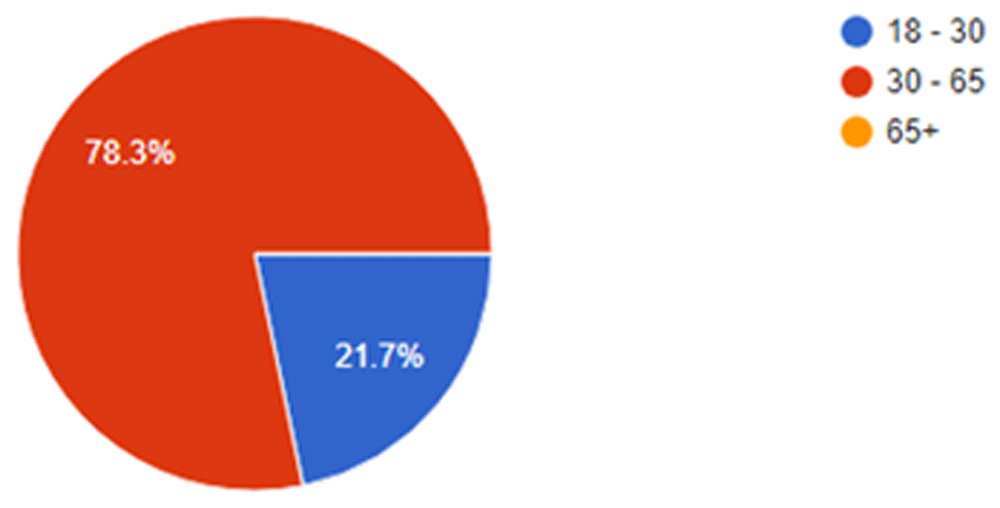
Figure 1. Age range of participants.
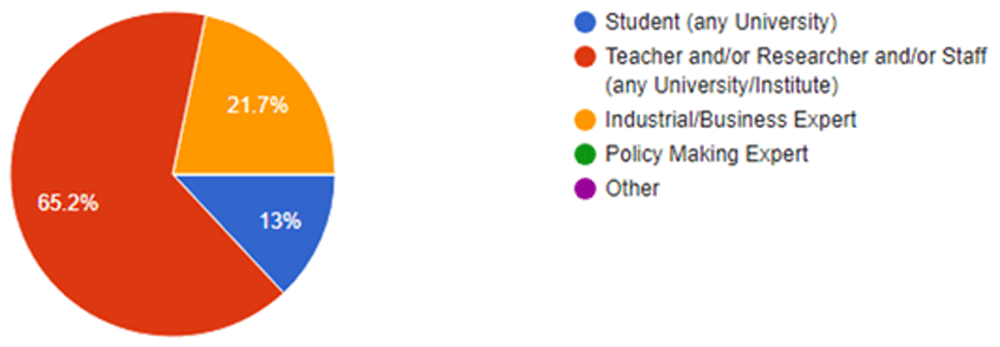
Figure 2. Participants' occupation.
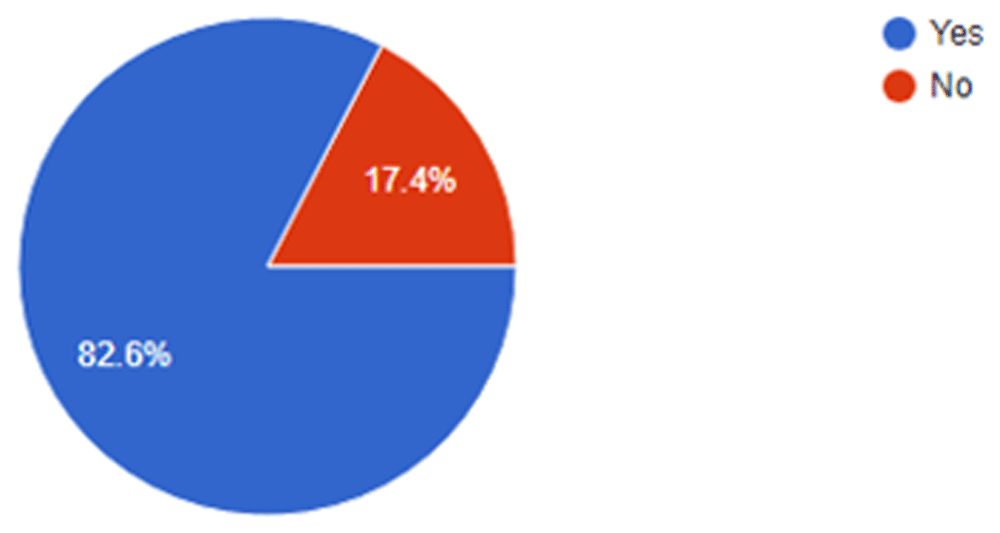
Figure 3. Professionals active in the agri-food sector.
Figure 2 shows the occupations of the survey participants, with the majority (65.2%) being academics.
Figure 3. Shows the number of professionals active in the agri-food sector who participated in the survey, with 82.6% responding affirmatively.
Figure 4 shows the overall impression of the presented learning content, highlighting a 69.6% excellent impression, a 26.1 % good impression, and approximately a 4 % insufficient impression. Most of the survey participants responded with a positive impression towards the project’s curriculum and results. Also, an overall good score was given to how SafeFood4EU enables the interdisciplinary, learner-learner, and learner-teacher interaction, which is essential for the effective transfer of knowledge. In line with this aspect, the respondents overall consider that the courses' content, design and transfer are optimally well enabling an efficient learning process.
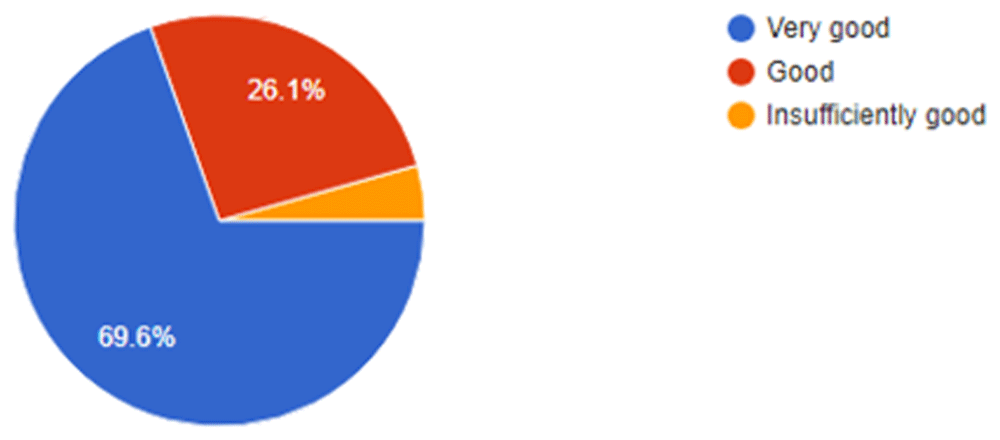
Figure 4. Overall impression of the learning concept.
Most survey attendees belong to the active professional group in the relevant interdisciplinary professional domain of the project, and happily, interested experts from other domains who attended the final project event answered it. The majority expressed a favourable opinion towards the project concept and expressed a desire to enrol in a master's program based on safefood4eu (Figure 5). This shows the value the idea provides and the relevancy of the project's contents to the modern environment. Concerning the project knowledge transfer approach (Figure 6), the majority (95.7%) believe that it has successfully delivered adequate interdisciplinary preparation of currently highly needed agri-food experts and that the team should continue working in the same direction. This implies that the topics of the project are highly relevant to the european agri-food context and that there is a need to have future experts who can tackle essential challenges.
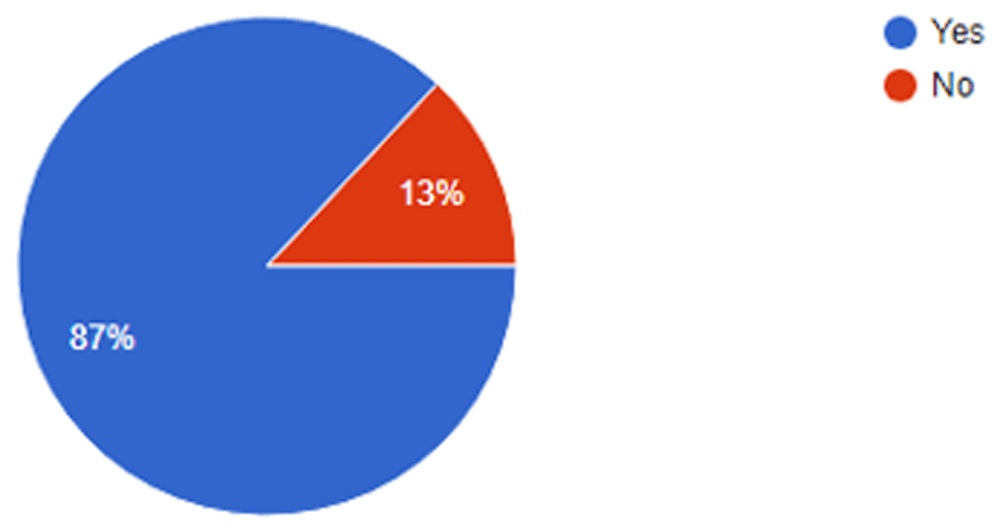
Figure 5. Imagined course participation.
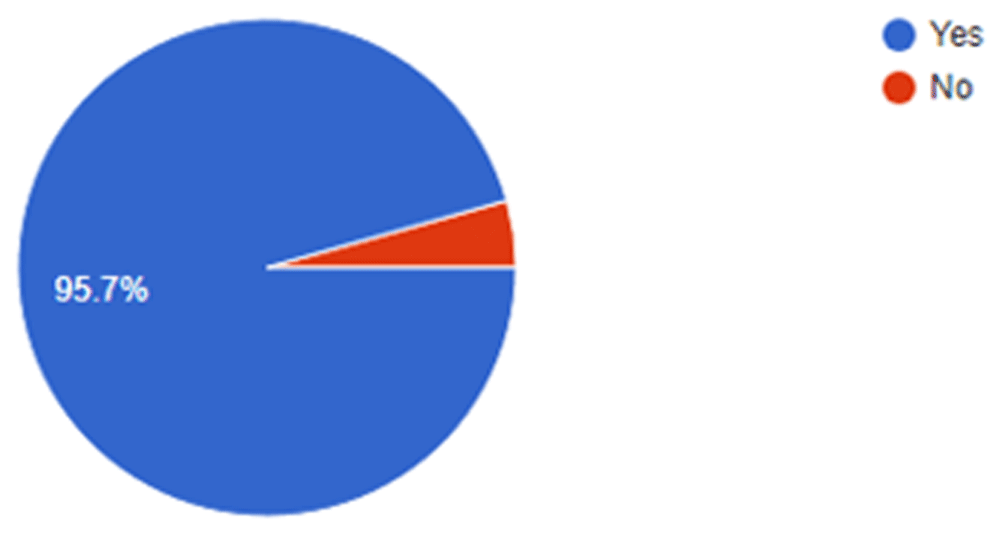
Figure 6. Safefood4eu interdisciplinary knowledge transfer success assessment.
Figure 7 shows the direction of SafeFood4EU's future development according to survey participants, with 95.7% favouring the development of a master's program.
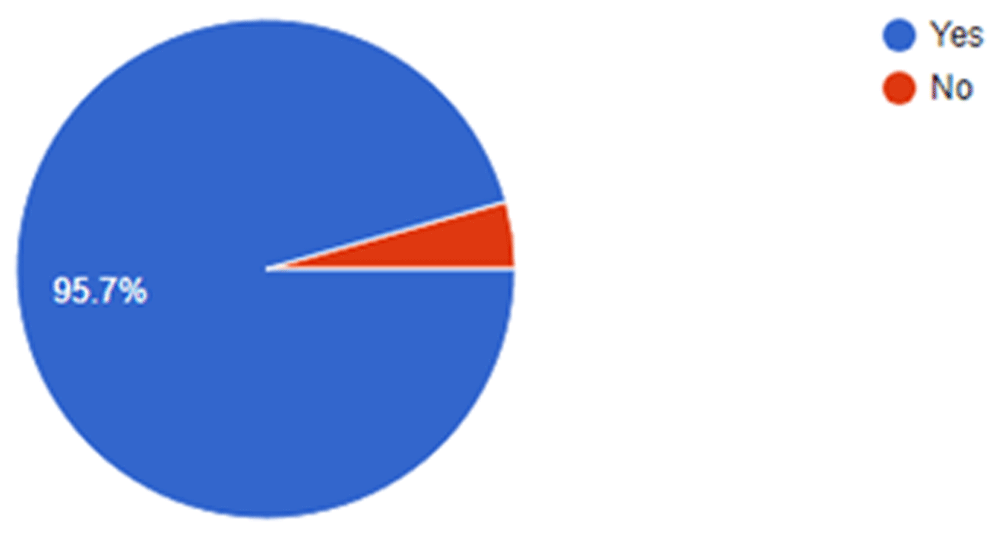
Figure 7. Direction of safefood4eu future development.
Figure 8 shows the overall perception of the safefood4eu curriculum and results, with 48% rating it as positive.
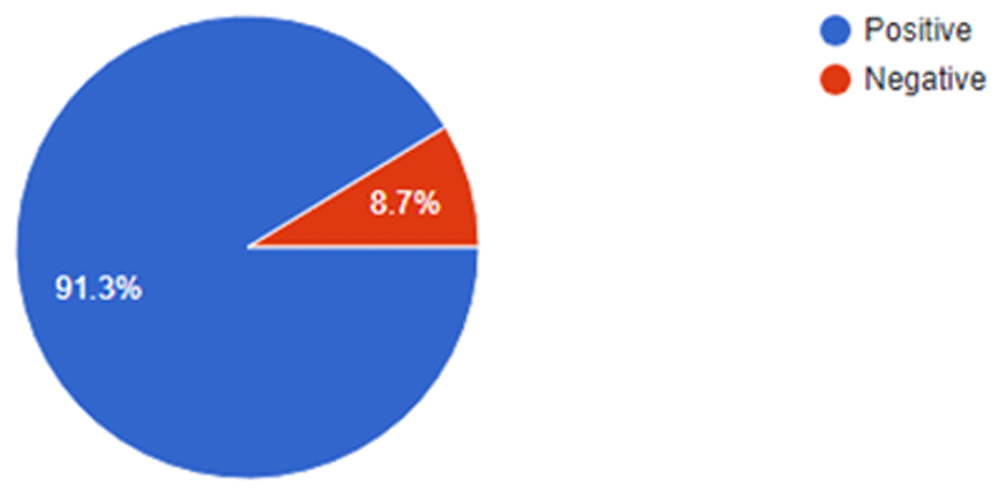
Figure 8. Overall perception of safefood4eu curriculum and results.
The same applies to the project's ability to provide europe with the necessary knowledge base to create and prepare high-quality experts (Figure 9).
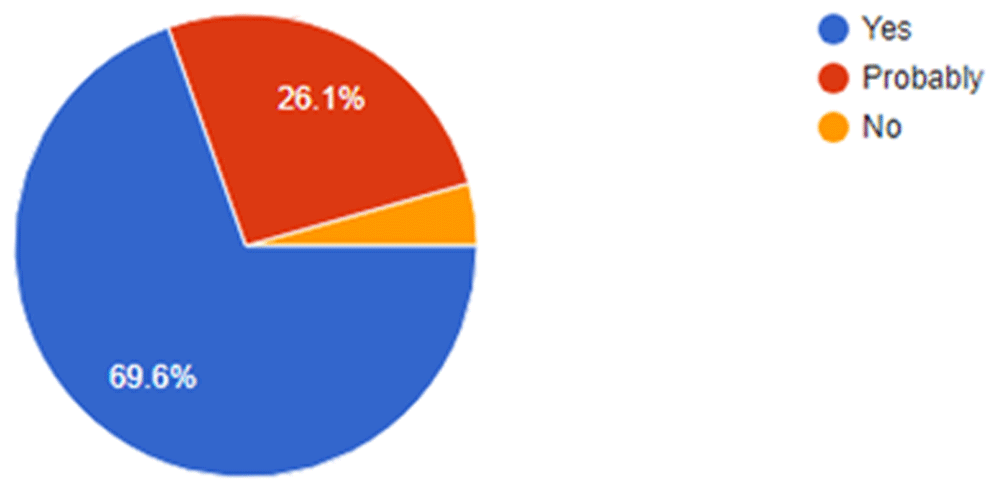
Figure 9. Responses towards the ability of safefood4eu to provide the basis for the delivery of quality experts in the agri-food sector.
Overall, the attitude of the surveyed participants among the learners and the attendees at the final project event towards the project and its systemic approach in structuring knowledge and transferring it to the learners has been highly positive in both the English survey results shown above and the Bulgarian language survey results, with every question receiving a majority of positive answers. The respondents agree about the project's value to the agri-food sector and the direction the project is moving. Areas in which significant further improvement can be conducted are learner-learner and learner-teacher interactions, as well as the courses' content design and transfer for an even more efficient learning process.
Discussion and implications
The SafeFood4EU project reported in this paper holds promise to equip a new generation of experts with the skills to tackle the increasingly complex food system issues around food safety and sustainability like those highlighted in existing work8. A user feedback questionnaire was implemented to evaluate and improve the curriculum. This will continue to be implemented throughout the course, ensuring its effectiveness and relevance for years to come. The SafeFood4EU project has received mainly positive feedback from industry experts, academicians, and graduate students on its content and delivery. The SafeFood4EU project curriculum addresses the economic, social and ecological areas across food systems, providing insights into improving food safety and quality, reducing waste across the chain, re-designing food systems through transitions, and improving efficiency, such as through digital technologies, providing the required skills to address known challenges in current food systems38. The learning management system based on COIL was also well received, where a large portion of the respondents viewed the online Master's program as one that may be interesting to them, highlighting its relevance not only to bachelor students23, but also to Graduate students like those for whom SafeFood4EU is developed.
SafeFood4EU project was inspired by challenges and trends in the food system for today and tomorrow. This underpinning need for safer, more sustainable, and decentralised approaches to food production motivated the development of the course and its content, addressing a wide range of required supply and value chain practices in sustainable food systems and value chains like food safety, transparency through digital technology, supply chain relationships, and trust39. The SafeFood4EU project tackles these critical problems facing agri-food, including those identified as essential areas of focus in the literature, such as security, safety, fraud, unsustainable practices, and political instability (e.g. conflict). And the environmental burden of global supply chains. Creating content to support learning and development around such topics can help build capacities in essential areas of current and future food systems, to re-organise, control and maintain, and further develop the system to meet the increasing pressures and address challenges.
The SafeFood4EU project offers several solutions, from a glossary to support agri-food literacy to advanced course material on safe and sustainable food systems and a unique course on soft skills to support both industry and academic career paths. The project and its deliverables build on the basic knowledge of bachelor graduates towards creating higher-level experts, as the curriculum empowers students to drive change in their respective industries, ensuring food safety and security and implementing sustainable practices. The program addresses key issue areas and allows (life-long) learners to understand, respond, and mitigate current challenges and risks, such as food waste, resource efficiency, and the safety of traditional crops, positioning graduates to respond to current and future demands. The content developed in the project promotes both traditional values (safe food, sustainability) and innovative trends (e.g. digitalisation, decentralisation) of food systems, as the curriculum explores regenerative agriculture practices and digital technologies, leading to sustainable solutions within the sector.
The SafeFood4EU project has also addressed the need for soft skills in higher education, in this case, within the agri-food domain. The project's emphasis on professional communication, digital literacy, and understanding of EU regulatory frameworks equips students with skills that they may not obtain in similar programs that focus little on soft skills. By developing these skills, the project offers an opportunity to enhance students' employability and empowers them to become influential voices in shaping more sustainable and resilient food systems.
Implications
The project's online learning management system, developed with COIL in mind, offers a unique learning platform for the students. As time progresses, research, technologies, and best practices must be updated within the platform to ensure that the content remains engaging, informative, and aligned with the evolving needs of the agri-food sector.
The project results of such an undertaking offer an opportunity for project partners to develop relevant joint Master's degrees in sustainable food systems to provide a more focused and specialised educational pathway for students seeking to deepen their expertise in this field. Follow-up projects and programs like Erasmus MUNDUS could foster greater collaboration between universities, attract a broader range of students, and ultimately contribute to a larger pool of qualified professionals capable of addressing the agri-food sector’s complex challenges.
The project presented above, and similar ones, is an opportunity for enhancing collaboration between academic institutions and industry partners to bridge the gap between theory and practice. This can be achieved through internships, research collaborations, guest lectures, and other initiatives that provide students with real-world experience and expose them to the practical challenges and opportunities in the agri-food sector. It can also be done through direct project partnerships involving more food system stakeholders than only knowledge institutes.
The academic content offered by universities, particularly in scientific research and publication, can encourage more experts to pursue academic careers. This is demonstrated by UNIB's developed curriculum, which includes a unique course on scientific work, supporting early career orientation, professional collaboration, and publication activities. By fostering a stronger academic foundation, the project can contribute to developing a new generation of researchers and thought leaders who can drive innovation and advance knowledge in sustainable food systems.
Finally, the SafeFood4EU approach can support resilience in education, as it supports the first stage of resilience, that of resilience preparedness40. By being prepared for future global disruptions, SafeFood4EU not only provides a platform for safer and more resilient food systems but also for more resilient and accessible higher education.
Conclusion
The global and EU agri-food systems and supply chains face tremendous daily challenges that add significant risk to the safety and security of our food supplies. From climate change to various political and social crises to all aspects of sustainability, these are all challenges that future agri-food experts will have to tackle. With this in mind, the SafeFood4EU project team has provided one way to face these challenges and issues - by allowing students in the agri-food sector to enrich their knowledge on many relevant topics in their field, which will enable them to add extra value to their respective industries, as well as to improve their own skill sets that could assist them in their future endeavours. The subjects ranged from food safety and supply chain management to sustainable food systems and their design, food production and quality of raw materials, and digital and soft skills. Experts from industry and academia validated the relevance of the curriculum developed within the project and underlined the importance of continuing the efforts towards co-creating Joint Masters in the interdisciplinary field.
The project and results presented have limitations. The course content was developed by three universities across three areas. The content may need to be contextualised when moving further away from the participating regions to respond to the local needs of the market. Also, the feedback (38 in total, 23 provided here) may not be generalised to the global community of relevant food systems experts. Further feedback is needed to continue the enhancement and applicability of this project and for future projects.
Ethical approval and consent
The project did not require ethical approval as per the Aeres Ethics Applied Research Committee’s guidelines, because it was primarily focused on evaluating a course developed in our project, which does not classically fall under the scope of ethical review, as it is not typical primary or fundamental research data. Additionally, the feedback collection process was designed to be anonymous and voluntary, minimising potential ethical concerns. The project did not involve invasive procedures, medical research, or collecting personally identifiable information, aligning with the criteria for exemption from ethical approval outlined in the flowchart provided by the Committee.
Feedback regarding the SafeFood4EU was gathered through a voluntary and completely anonymous and untraceable online form (accessed only through a link or QR code), within the project runtime. Participants were over 18 (we did have one pre-qualification question with widespread age range to ensure this). Participants provided implied consent by choosing to complete the form by scanning the QR code or clicking the link and completing the form. They were free to discontinue participation at any time without consequence.